Author Guest Post!: Classroom Activities with Anything Can Happen in Mrs. Whynot’s Room by Jayne Peters

Share

Anything Can Happen in Mrs. Whynot’s Room
Author: Jayne Peters
Illustrator: Traci Van Wagoner
Published October29,2014 by Puddle Duck Publishing

Summary: In Mrs. Whynot’s classroom writing is magical; pencils hover and clay characters come to life. But… everyone has something they find difficult and Marcy is no exception. She would like to do ANYTHING but write. She has NOTHING to write about. By talking to her classmates, playing with words and listening to stories Marcy realizes she has lots of tales to tell.

Classroom Ideas Written By the Author: 

To the reader, once a book has been published, writing can seem magical and easy. (Disclaimer: There is some magic in Anything Can Happen in Mrs. Whynot’s Room) However, writing is the product of many hours of thinking, talking, questioning, observing, reading, and imagining with a huge amount of perseverance, grit and love. These are some of the skills our students need to further their creative journey and their love of reading and writing.

So let’s start with the first hurdle. Everyone, at one time or another, struggles with capturing ideas to write about. Mrs. Whynot, in Anything Can Happen in Mrs. Whynot’s Room, generates excitement and urges her students to think differently. She encourages discussion and creativity when she hands each student a hunk of clay that can be molded into any character they’d like. She wants them to write about everyday things and to use their imagination. Students learn they have full control over their story and that anything can happen as long as they can convince their reader.  Mrs. Whynot gives some good advice when she says, “Write about what you know! Write about what you do! But most importantly, write about what you love!”

Read Aloud: Discussion Questions

Before Reading

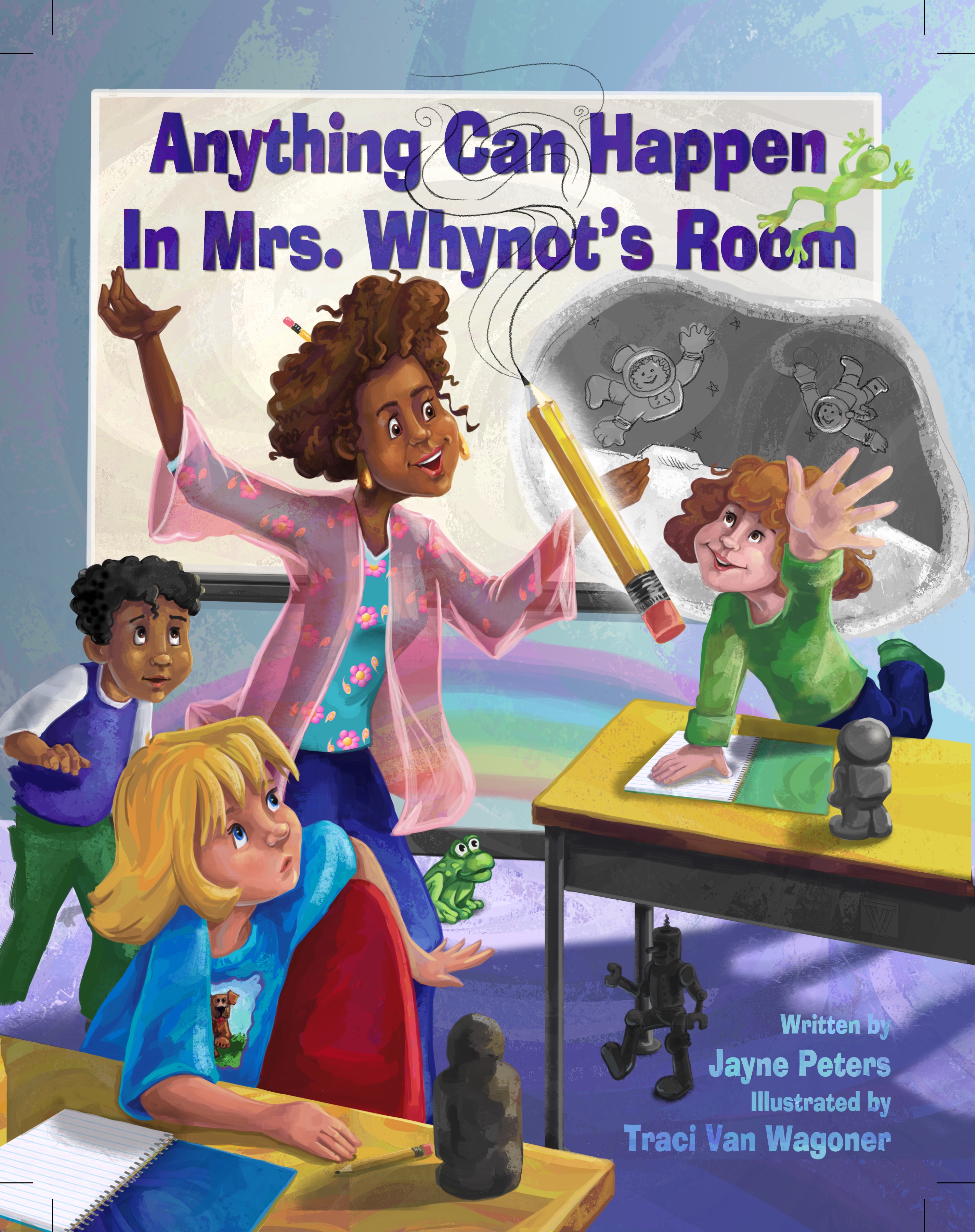
Look at the cover

  1. Who are the author and illustrator?
  2. What do you notice?
  3. What do you think the book will be about?
  4. What characters would you expect to find in the story?
  5. Do you think Mrs. Whynot’s name was chosen for a reason?

Read the back cover

Synopsis: In Mrs. Whynot’s classroom writing is magical; pencils hover and clay characters come to life. But… everyone has something they find difficult and Marcy is no exception. She would like to do ANYTHING but write.  She has NOTHING to write about. By talking to her classmates, playing with words and listening to stories, Marcy realizes she has lots of tales to tell.

  1. What do you know now?
  2. What is one thing you find difficult?

During Reading

  1. Page 4: Look at the door. It says “Imagination Required”.  What does that mean?
  2. Page 4: Why did the author use the word trudged? If she used skipped, walked, ran, plodded, etc… would they mean the same thing? Discuss the importance of using verbs that carry the message you want as an author.
  3. Page 15: What do you think the grayed illustration represents? (Could she be imagining herself restless and tired as she tries to come up with an idea? Could she be thinking that her ideas are so boring, everyone has fallen asleep?
  4. Page 29: “She bounced up to the whiteboard and whirled around to face the class.” Discuss how Marcy is feeling now. What words did the author use to help you understand how she feels?
  5. Page 32: Talk about the gray bubble. (Do you think she is continuing her story that she shared with the class?)

After Reading

  1. Was the title an appropriate one? Why or why not? What would you call the book if it was your story?
  2. Can anyone make connections to Marcy? (Text to self, text to text or text to world)
  3. Make a list like the one below with the students as you discuss all of the things Marcy did to help her become more comfortable and confident writing:
  • Molding a clay character
  • Talking about and listening to ideas
  • Creating an authority list
  • Making an “All About Me” collage
  • Getting ideas from other stories and changing them to suit your writing
  • Becoming a word sleuth
  • Carrying a writer’s notebook everywhere so that you can write down ideas
  1. Have students:
  • create an “authority list” in their writer’s notebook listing all of the things they know about or like
  • create an “All About Me” collage to jumpstart their ideas
  • keep lists of interesting words as they are reading or listening to others. Interesting verbs can be especially useful.
  • Talk about their writing ideas and tell lots of oral stories
  1. Teach students to “Show Don’t Tell” when they write. When we read we often need to infer (read between the lines) so when we write we need to show the reader what is happening instead of telling them.
    Example: (Page 12) Marcy gulped, her hands began to sweat, and she stammered, “But I can’t write.” How is Marcy feeling? Nervous? Afraid? Unconfident? That’s way more interesting than if I just said: Marcy was nervous. “But I can’t write,” she said.
  2. Page 24: We hear the beginning of Larissa’s story. Challenge students to finish it. I would love to hear about the mischief Herman gets himself into
  3. Pages 31-32: Finish Marcy’s story for her. Figure out what the promise was her dad made to the witch and write about it.
  4. Traci Van Wagoner did an amazing job illustrating Anything Can Happen in Mrs. Whynot’s Room. Learn more about her: https://tracivanwagoner.blogspot.com/ https://www.tracivanwagoner.com/
  5. Have students mold their own clay characters and use them in their next story.

About the Author:  Jayne Peters is an elementary school teacher/ literacy mentor who has taught in Nova Scotia for twenty-five years. As a child she loved sneaking up on tadpoles, late night reading under the covers and spending time at the cottage. Today, she loves watercolor painting, sunny days and country music. She currently lives in a house filled with red heads, loves molasses on “Grampy’s” homemade bread and wants the covers to stay neatly tucked in at night. When she isn’t teaching, reading or writing you will find her practicing yoga and spending quality time with her family. She is the author of Messy Jessy, Messy Jessy Get’s Active and Whispering Wings (available both in French and English). Jayne lives in Lantz, Nova Scotia, with her husband and their three children. Visit her website at http://puddleduckpublishing.com

About the Illustrator: Illustrator Traci Van Wagoner holds degrees in illustration from Utah State University and in toy design from the Fashion Institute of Technology in New York City. A longtime member of SCBWI, Van Wagoner has illustrated many children’s books, and her work appears in magazines, newsletters, and on toys and games. When not painting, she is designing and developing games with her husband at Imagine That! Design, gardening on her roof, or walking her dog in the BIG city. Her motto is live, laugh, and learn.

Thank you, Jayne, for your great classroom ideas with your book!

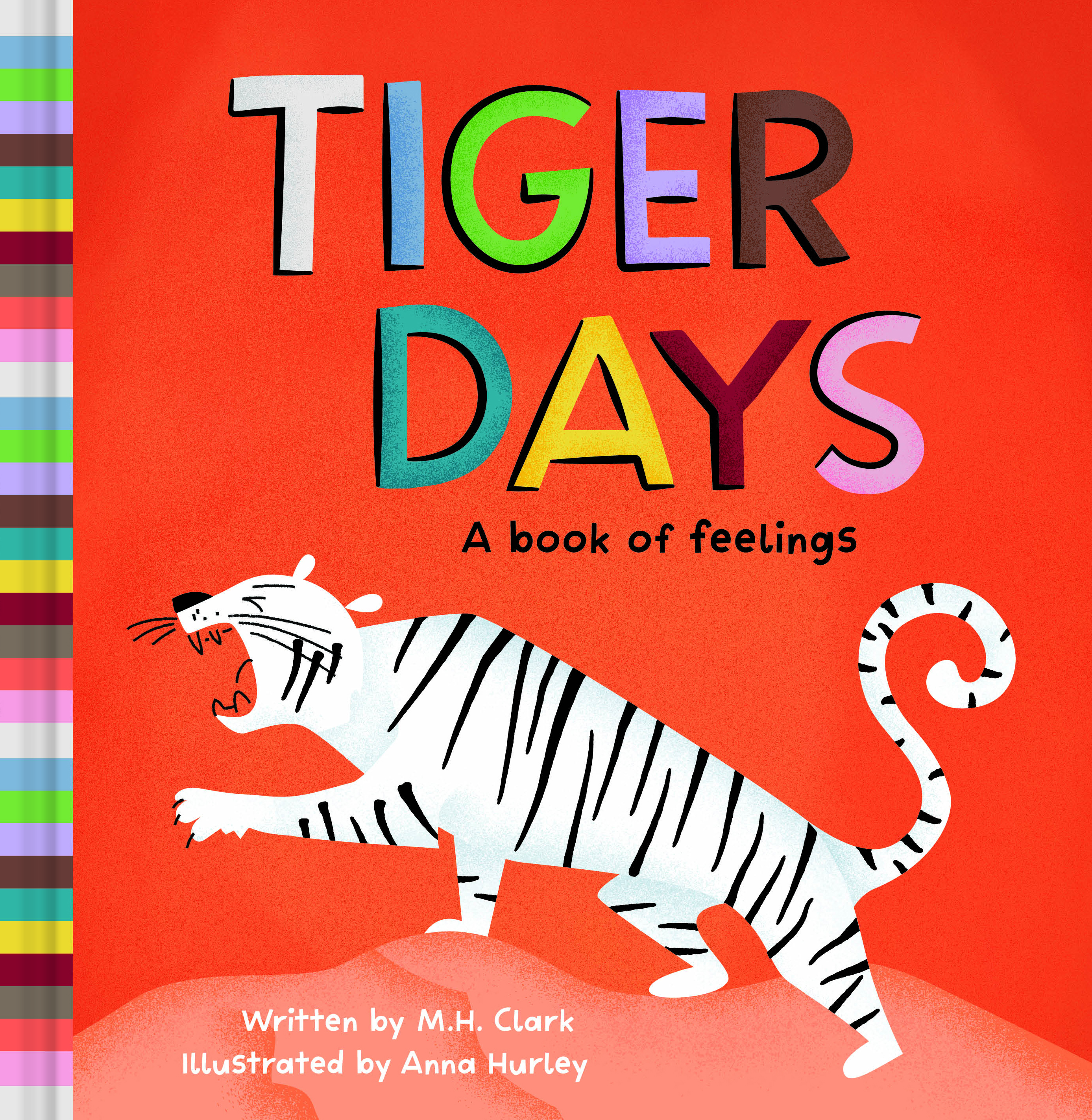
Tiger Days: A Book of Feelings by M.H. Clark

Share

Tiger Days: A Book of Feelings
Author: M.H. Clark; Illustrator: Anna Hurley
Published: February 5, 2019 by Compendium

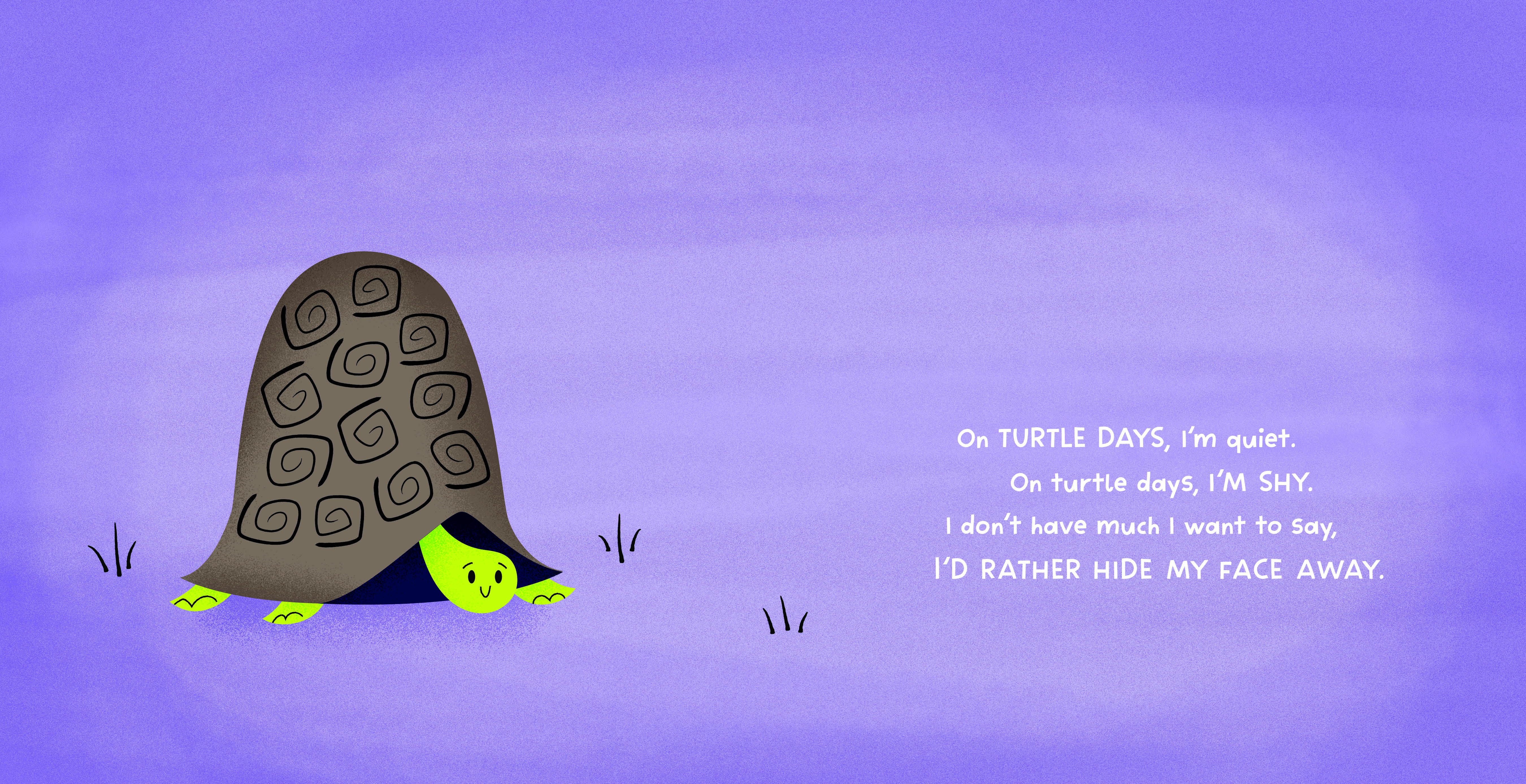
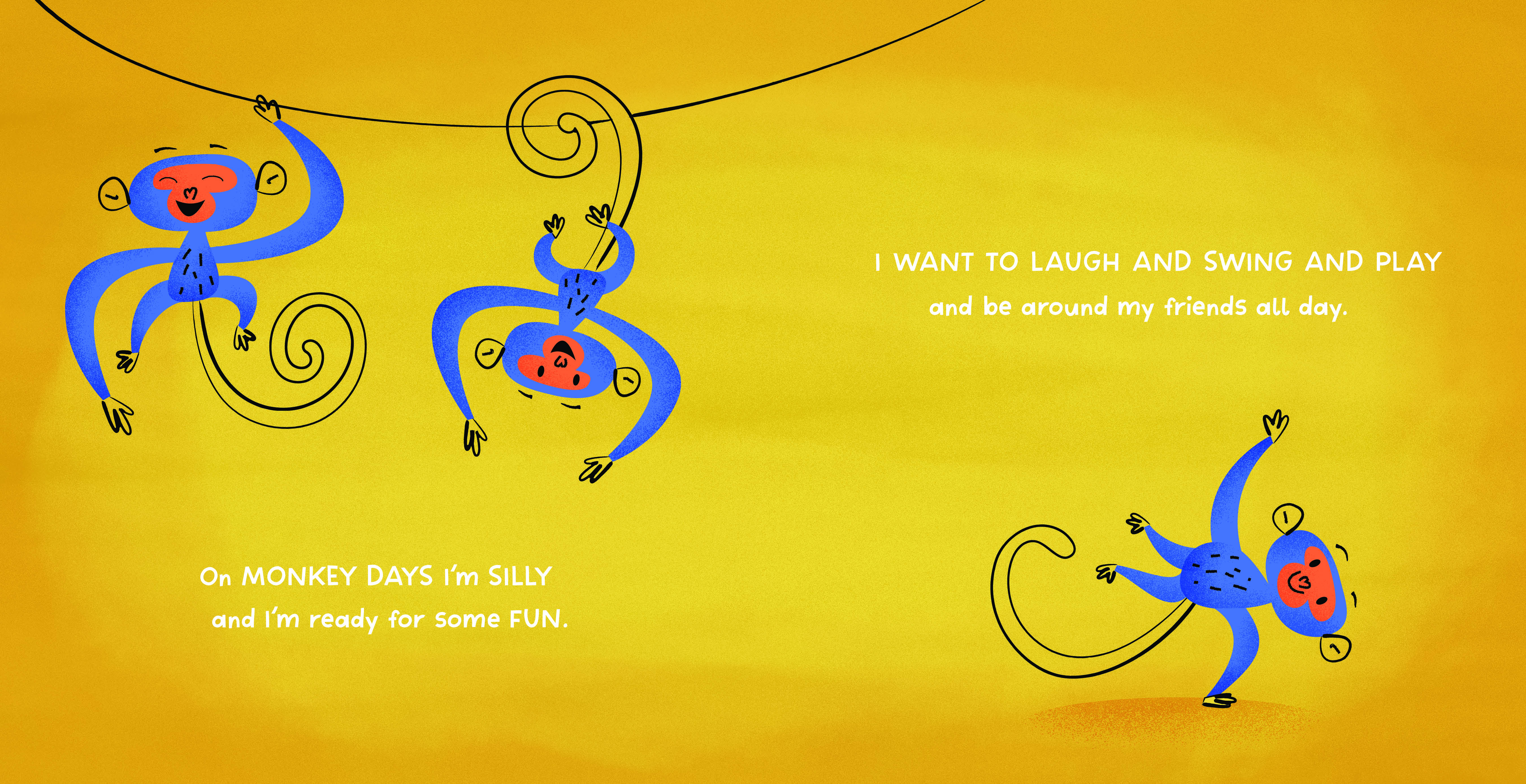
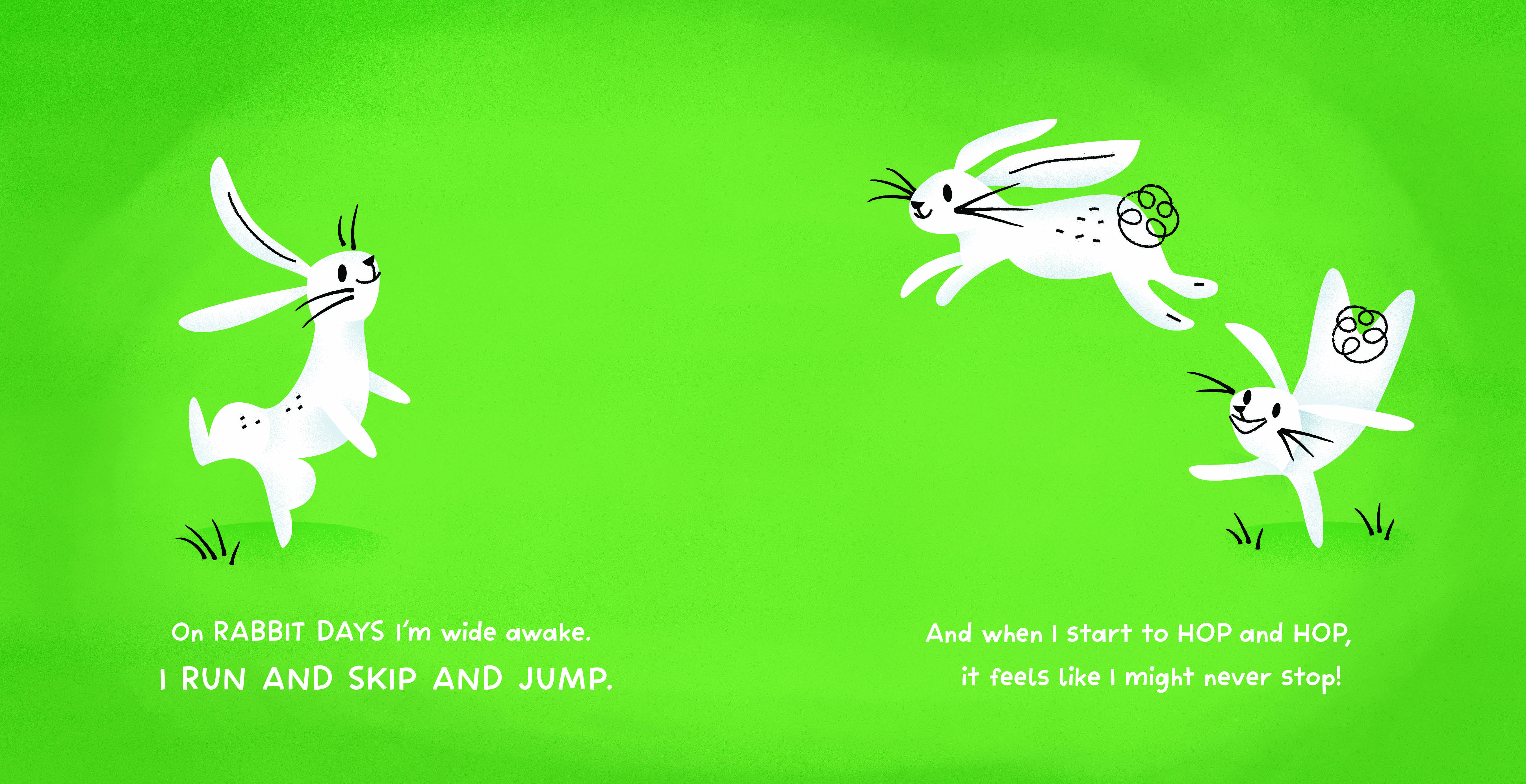
Summary: From tiger fierce to snail slow, there are lots of ways to feel and be. A walk through the menagerie of Tiger Days helps young readers see all the feelings they have and the ways those feelings change. Through playful rhymes and colorful illustrations, this spirited book gives children new tools to understand the range of their emotions and express themselves to family, teachers, and friends.

Ricki’s Review: Compendium books always make me smile, and this book was no different. I have a two-year-old, and we talk a lot about feelings. I think this one will be particularly helpful in our discussions because he loves animals. The metaphor of animals as a way to express feelings is brilliant. We are going to keep this book nearby at all times, so I can say things like, “Are you having a Bull Day today?” For older kids, the book offers an accessible way to consider metaphor.

Kellee’s Review: Everyone has different moods each day. I, for example, have a mood calendar in my classroom that I use to show my students how I am feeling because, you know what? Some days are tiger days for me too. But as an adult, it is easy(ish) for me to identify how I am feeling, but kids have to be taught to understand feelings and emotions, and Tiger Days is a perfect foundation to start this conversation. (And P.S. LOVE the fuzzy cover!)

Teachers’ Tools for Navigation: Teachers might use this book to introduce the idea of the metaphor. Older elementary school students could then create their own “Book of _________” using a metaphor. For instance, they might consider creating books like, “Color Days: A Book of Passions” and use colors as a metaphor for different types and levels of passion. It would require some scaffolding and careful planning, but it allows students to apply the concept of the metaphor to the world. Younger students might extend the book, instead, and create their own animal pages to create a classroom book of feelings.

Discussion Questions: 

  • Which animal page was your favorite, and why?
  • If you could add one more animal to the book, which one would you pick? What feeling would it represent?
  • Which animal day are you having today, and why?

Flagged Spreads: 

Read This If You Loved: The Color Monster by Anna Llenas; The Feelings Book by Todd Parr; In My Heart by Jo Witek

Recommended For: 

readaloudbuttonsmall classroomlibrarybuttonsmall

RickiSigand

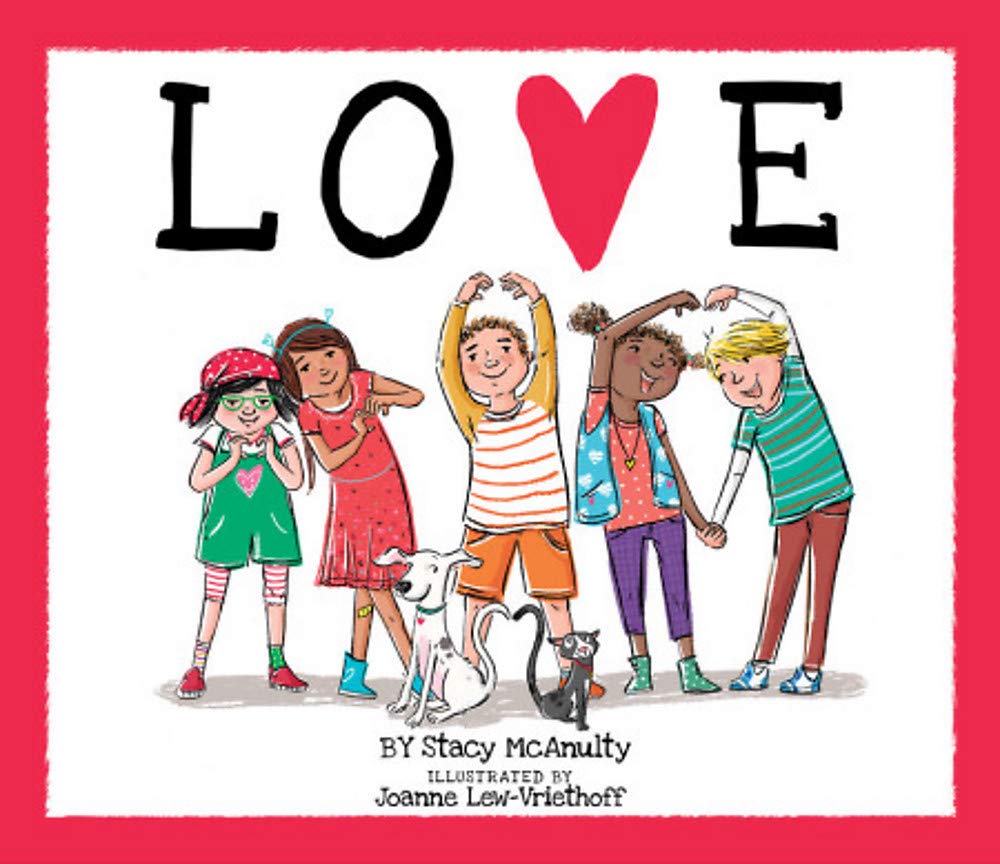
Love by Stacy McAnulty

Share

Love
Author: Stacy McAnulty
Illustrator: Joanne Lew-Vriethoff
Published December 4, 2018 by Running Press

Summary:From award-winning author Stacy McAnulty comes a sweet story about love and what it’s really all about.

What is love? Can you only express it in fancy meals, greeting cards, and heart-shaped chocolates? Kids will find love everywhere in this delightful book. It can be found in everyday moments such as baking cookies with grandma, notes from Mom in your lunchbox, or a family singing together on a car trip, and it isn’t always what you expect!

With delightful illustrations by Joanne Lew-Vriethoff and sweetly simple prose by award-winning author Stacy McAnulty, thisis the perfect book to teach children what love means, why it’s important, and how they can spread the love in their daily lives.

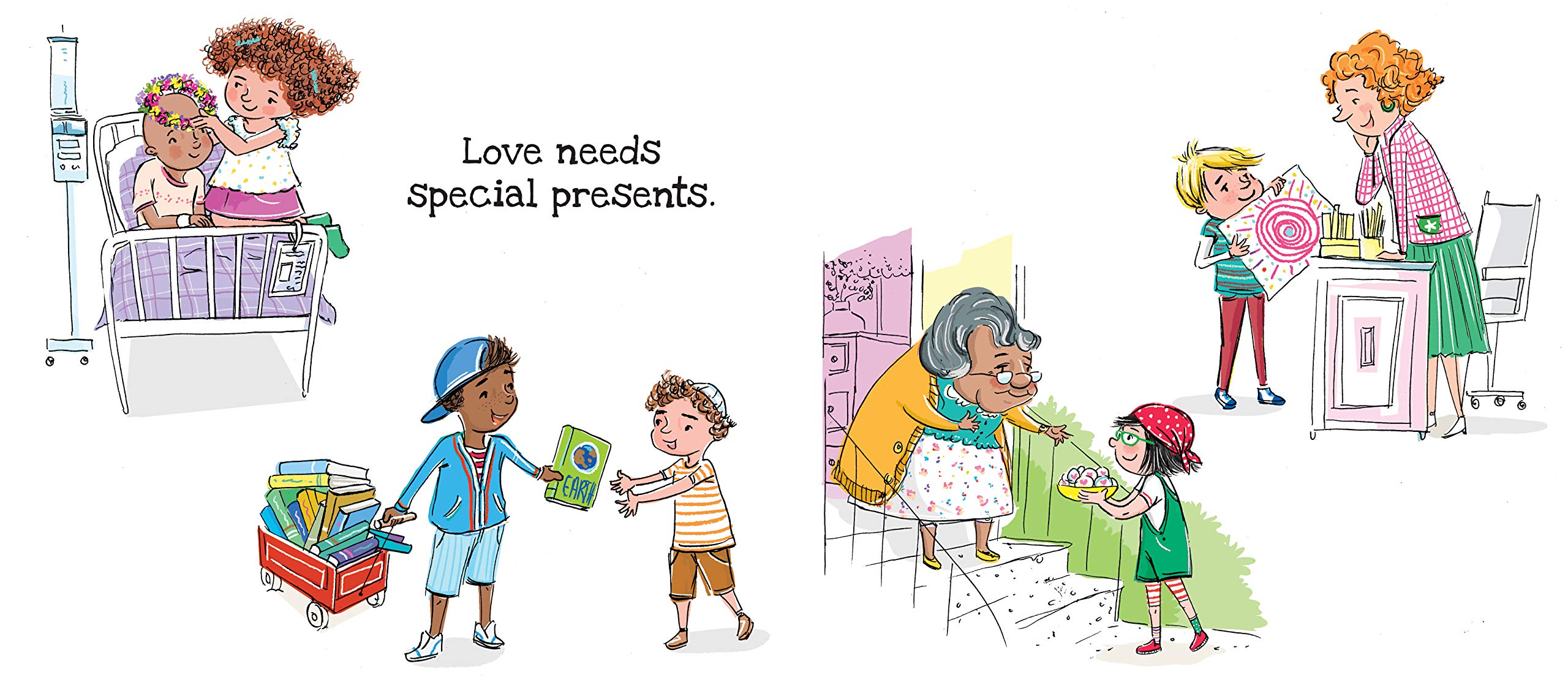
My Review: This is a very heart-warming book. I received it on Valentine’s Day, and my kids and I have read it dozens of times. It would make a wonderful gift to a friend or family member because it offers many angles for the power of love. This book offers a lot of teaching potential as students explore abstract concepts and the idea of the metaphor. One thing, in particular, that I like about this book is that it resists the commercialization of love. As readers might see in the spread below, “love needs special presents” but those presents are homemade or expressed with kindness. This is a very touching book, and I think readers will find joy in it.

Teachers’ Tools for Navigation: I’d love to have students take an abstract concept (hope, grief, etc.) and create their own books to parallel this one. It would require a lot of brain power and would help students explore the idea of metaphors in their writing. I might even offer poetry that does this (e.g. “Hope is a thing with feathers” by Emily Dickinson).

Discussion Questions: 

  • What is love? Who do you love?
  • How do you express your love?
  • Write your own page to add to this book. How does it fit in with the other pages?

Flagged Spread:


Read This If You Love: Love. And who doesn’t?

Recommended For: 

Literacy Teachers Vlog: Kellee on Helping Struggling Readers Succeed

Share

The Literacy Teachers Vlog is hosted by Leigh Hall, Professor at the University of Wyoming, and I was so honored that she asked me to join her to discuss helping struggling readers succeed.

Don’t miss out on Ricki’s discussion about Lexiles either!

Thank you again Leigh for having me part of your amazing channel promoting literacy to educators!

It’s Monday! What Are You Reading? #IMWAYR 3/18/19

Share

IMWAYR 2015 logo

It’s Monday! What Are You Reading? From Picture Books to YA!

It’s Monday! What are you Reading? is a meme started by Sheila at Book Journeys and now hosted by Kathryn at The Book Date. It is a great way to recap what you read and/or reviewed the previous week and to plan out your reading and reviews for the upcoming week. It’s also a great chance to see what others are reading right now…you just might discover the next “must-read” book!

Kellee and Jen, of Teach Mentor Texts, decided to give It’s Monday! What Are You Reading? a kidlit focus. If you read and review books in children’s literature – picture books, chapter books, middle grade novels, young adult novels, anything in the world of kidlit – join us! We love this meme and think you will, too.

We encourage everyone who participates to support the blogging community by visiting at least three of the other book bloggers that link up and leave comments for them.

Bold_line

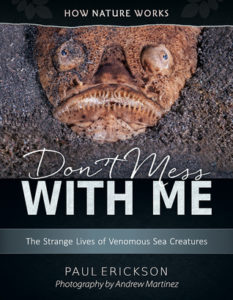
Wednesday: Don’t Mess With Me: The Strange Lives of Venomous Sea Creatures by Paul Erickson

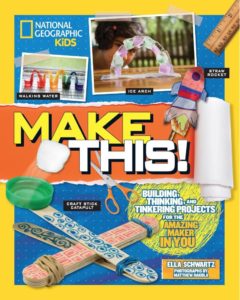
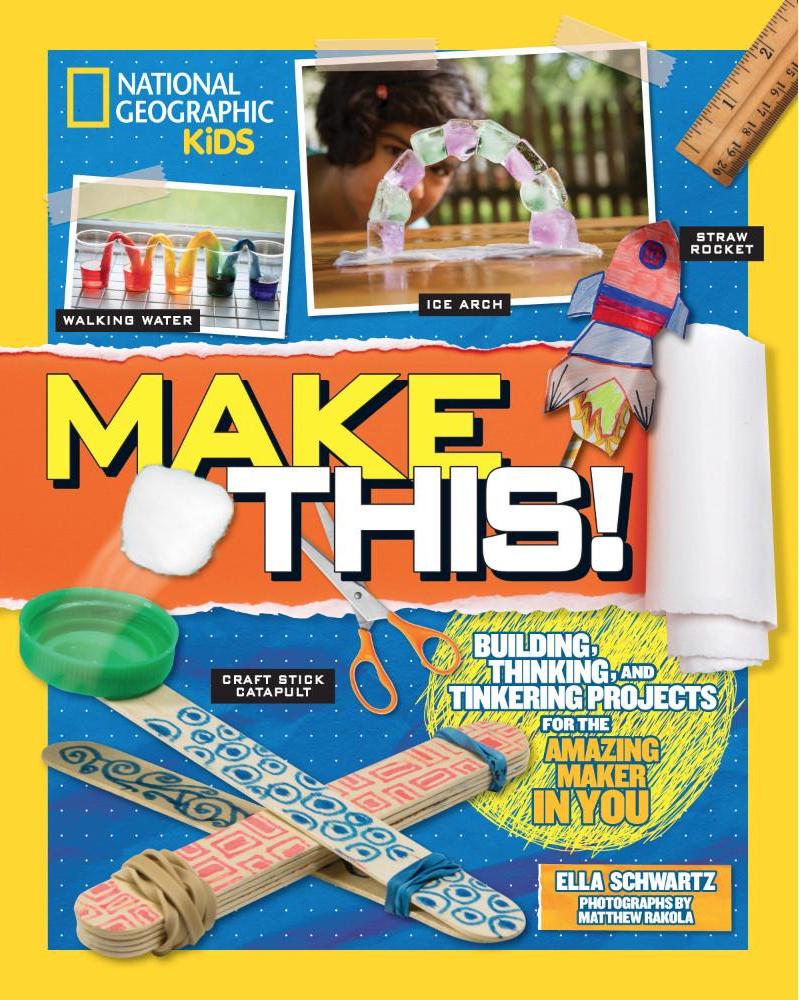
Thursday: Make This! from National Geographic Kids

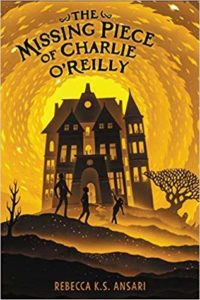
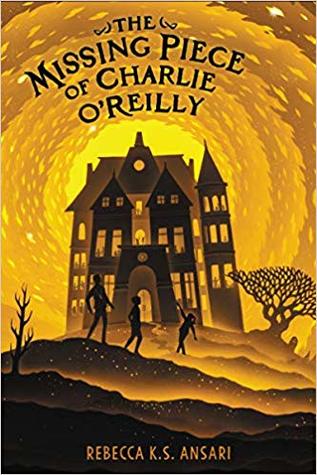
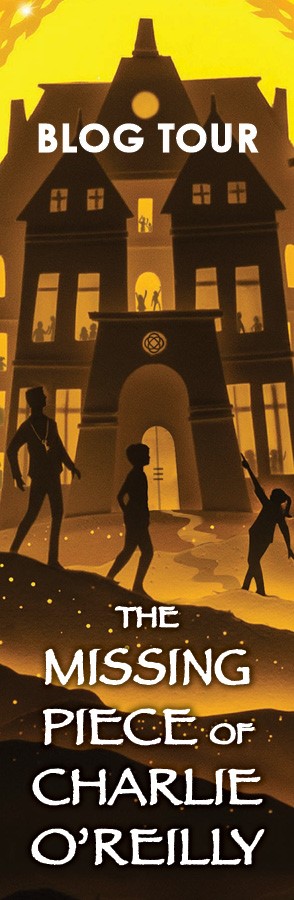
Friday: Blog Tour with Review and Giveaway!: The Missing Piece of Charlie O’Reilly by Rebecca K.S. Ansari

**Click on any picture/link to view the post**

Bold_line

Kellee

I am in Syracuse with Trent visiting my sister and my new nephew (!!!!!) and will miss today and next Monday because of traveling.
I will be back on the 1st 🙂
Happy reading until then!

Ricki

Thanks for all of your kind comments on the blog last week! I had a bit of a rough Monday night with my pregnancy, so I didn’t get to go on all of your blogs. I sincerely apologize and promise to be back in action this week!

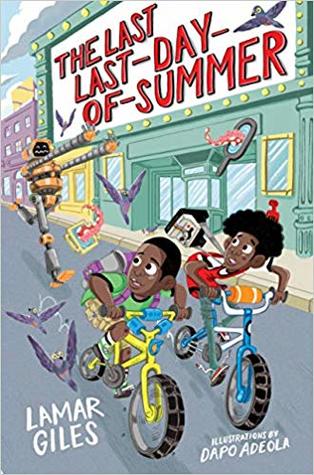
This week, I read The Last Last-Day-of-Summer by Lamar Giles. This book is a very middle grade book. I am going to admit now that middle grade books are not my specialty. I love to read books older and younger than this age, but for some reason, I don’t dig the middle grade humor and silliness. It’s funny—because I love working with tweens. So I don’t think I am good judge of this book. I found it to be engaging and interesting to read, but the corniness wasn’t my typical enjoyment. If you love fantasy and middle grade literature, I think this is a great pick for you. Lamar Giles is very clearly a talented writer. I am just a terrible audience for this particular age and genre combination. I gifted it to a neighbor, and I know she will love it.

Bold_line

Ricki

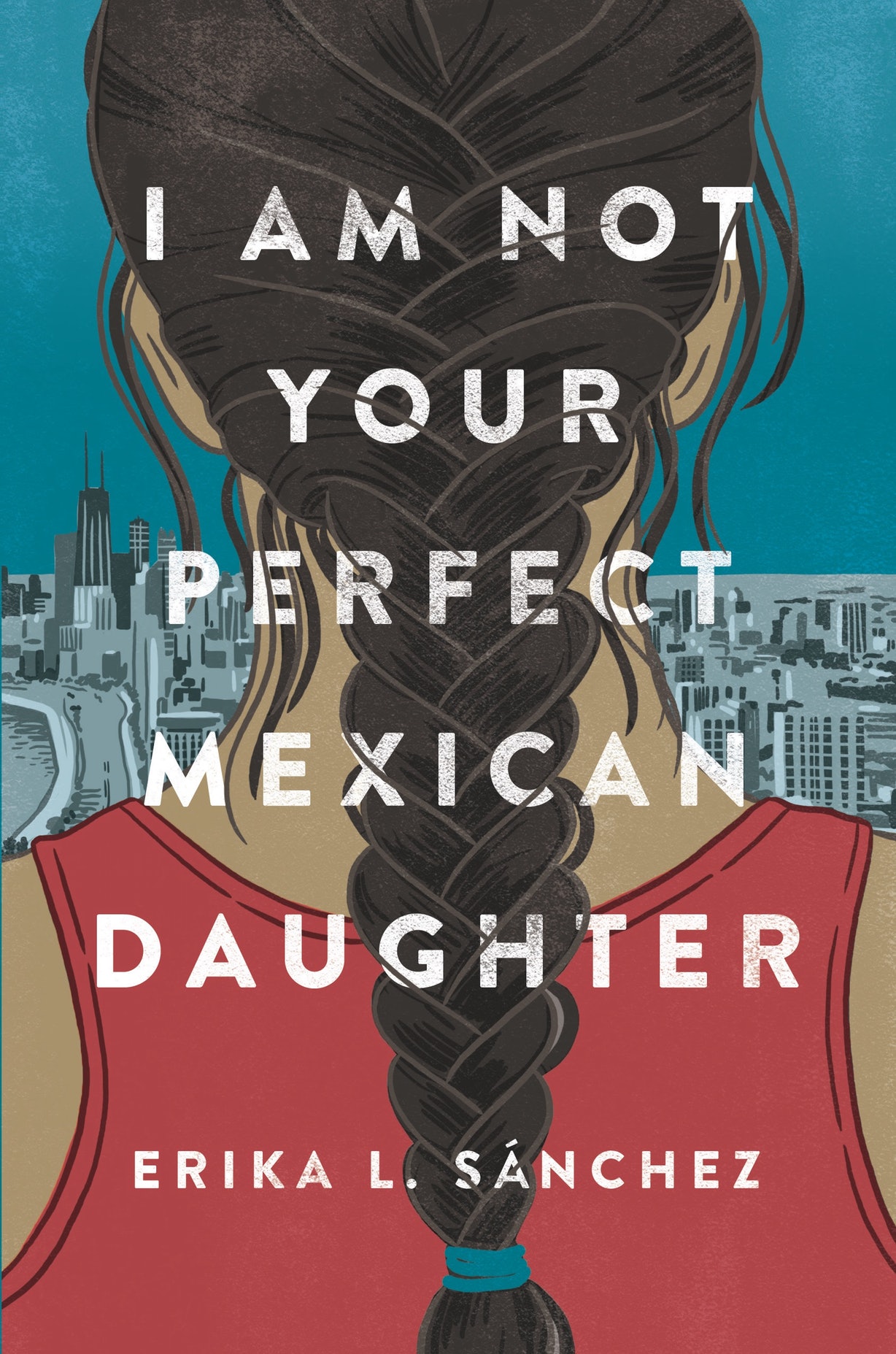
I never read I Am Not Your Perfect Mexican Daughter by Erika L. Sánchez, and I have always regretted it. I got it on audio, and so far, it is excellent.

Bold_line

Tuesday: Literacy Teachers Vlog: Kellee on Helping Struggling Readers Succeed

Thursday: Love by Stacy McAnulty

Friday: Tiger Days by M.H. Clark

Sunday: Author Guest Post!: Classroom Activities with Anything Can Happen in Mrs. Whynot’s Room by Jayne Peters

Bold_line

Link up below and go check out what everyone else is reading. Please support other bloggers by viewing and commenting on at least 3 other blogs. If you tweet about your Monday post, tag the tweet with #IMWAYR!

 Signature andRickiSig

Blog Tour with Review, Educators’ Guide, and Giveaway!: The Missing Piece of Charlie O’Reilly by Rebecca K.S. Ansari

Share

The Missing Piece of Charlie O’Reilly
Author: Rebecca K.S. Ansari
Published March 5th, 2019 by Walden Pond Press

Summary: Charlie O’Reilly is an only child. Which is why it makes everyone uncomfortable when he talks about his brother. Liam, his eight-year-old kid brother, who, up until a year ago, slept in the bunk above Charlie, took pride in being as annoying as possible, and was the only person who could make Charlie laugh until it hurt.

Then came the morning when the bunk, and Liam, disappeared forever. No one even remembers him—not Charlie’s mother, who has been lost in her own troubles; and not Charlie’s father, who is gone frequently on business trips. The only person who believes Charlie is his best friend, Ana—even if she has no memory of Liam, she is as determined as Charlie is to figure out what happened to him.

The search seems hopeless—until Charlie receives a mysterious note, written in Liam’s handwriting. The note leads Charlie and Ana to make some profound discoveries about a magic they didn’t know existed, and they soon realize that if they’re going to save Liam, they may need to risk being forgotten themselves, forever.

About the Author: Rebecca K.S. Ansari is a former ER doctor. The Missing Piece of Charlie O’Reilly is her first book. She lives in Minnesota with her husband, four sons, and some seriously massive pets.

Praise: “As puzzle pieces click into place, The Missing Piece of Charlie O’Reilly reveals that it’s stories—and family—that make us whole. A deeply satisfying and beautiful book.” —Elana K. Arnold, National Book Award finalist and author of The Question of Miracles

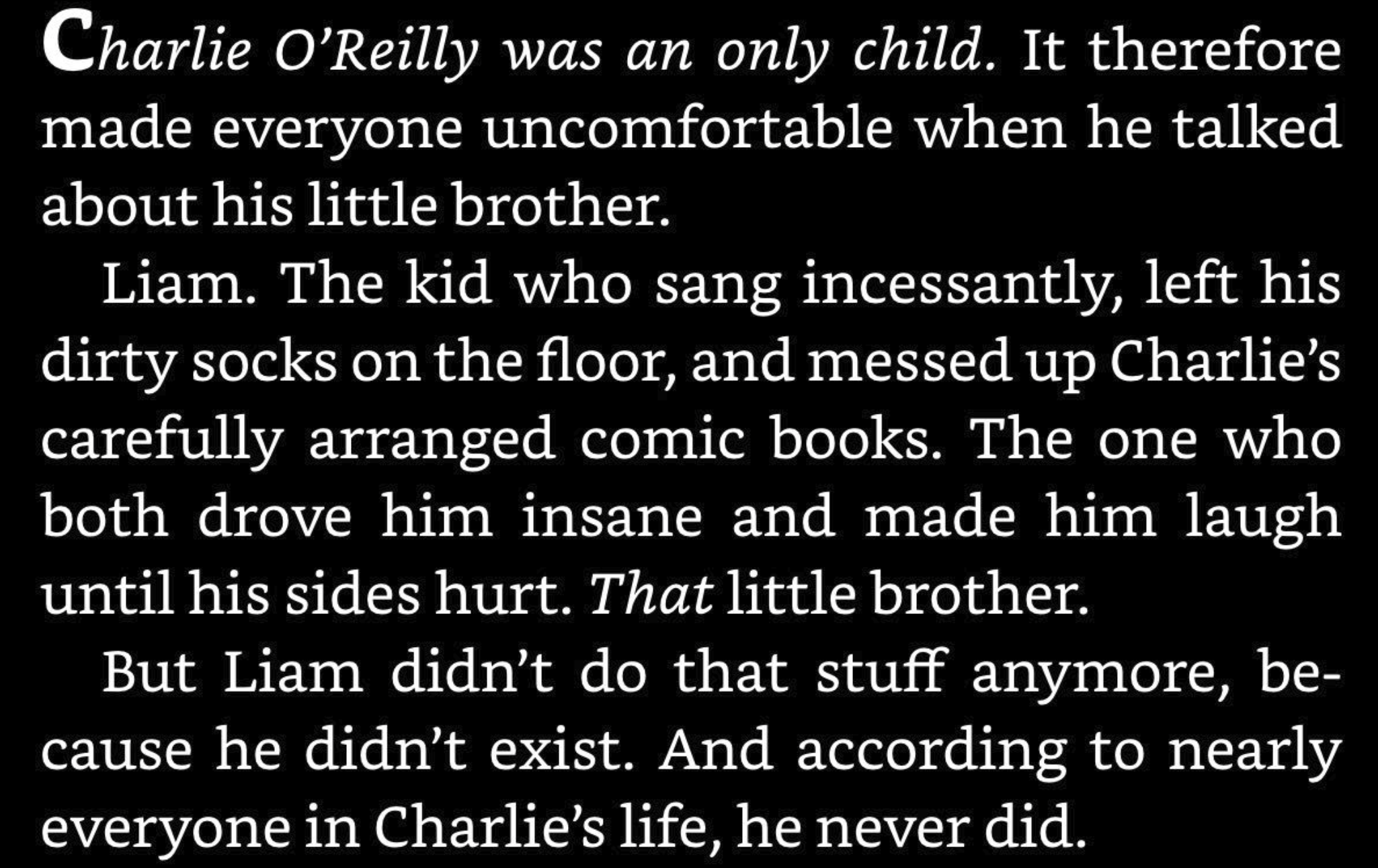
Review: Read the flagged passage below… I’ll wait…

Welcome back. Those are the first few paragraphs of the book. Wow, right?! One of my favorite beginnings ever, and I was so excited to share it with anyone who would listen (I tweeted it, I read it to my students, I read it to anyone!) And yes, the rest of the book lives up to the expectations of that amazing start.

I was so impressed with the crafting of this novel, specifically as a debut novel. The author combines narratives, adds twists and turns, and keeps you guessing throughout the novel. The direction you think the novel is going to go is ever changing so predictions are impossible to make. All of these aspects made for an enjoyable novel that, as the name suggests, is a puzzle waiting to be put together.

Rebecca K.S. Ansari also did a wonderful job threading different big ideas throughout the book: acceptance, guilt, friendship, hope, trust, depression. Different sections of the book highlight these different big ideas and could be used for great discussions. The book also, as you can see, deals with some really tough and dark big ideas, but I think this narrative will give many students a jumping off point for talking about some of the struggles and ideas in Charlie’s story.

And the characters in the book are well-crafted and multi-dimensional. Each character has a full story that is developed to allow the reader to truly  get to know the world that Charlie is adventuring in. I specifically loved the friendship between Charlie and Ana–an unexpected friendship that was built on trust, believing, and support.

Teachers’ Tools for Navigation and Discussion Questions:
Publisher-Created Educators’ Guide

Flagged Passages: 

Read This If You Love: The Real Boy by Anne Ursu, The Lost Girls by Anne Ursu, Midnight is a Place by Joan Aiken, The Grave by James Heneghan, Kit’s Wilderness by David Arnold

Recommended For: 

classroomlibrarybuttonsmall

Don’t Miss Out on the Other Blog Tour Stops: 

March 8 Nerdy Book Club @nerdybookclub
March 9 The Book Monsters @TheBookMonsters
March 11 LitCoach Lou @litcoachlou
March 12 Bluestocking Thinking @BlueSockGirl
March 13 A Foodie Bibliophile in Wanderlust @bethshaum
March 14 Maria’s Mélange @mariaselke
March 15 Unleashing Readers @unleashreaders
March 18 March Middle Grade Madness at Word Spelunking @wordspelunker
March 29 Writers’ Rumpus @kirsticall

Giveaway!

a Rafflecopter giveaway

Signature

**Thank you to Walden Pond Press for providing a copy for review and giveaway!!**

Make This by Ella Schwartz

Share

Make This!: Building, Thinking and Tinkering Projects for the Amazing Maker in You
Author: Ella Schwartz
Published February 2019 by National Geographic Children’s Books

Summary: This book is designed to inspire the next generation of engineers and supports all kinds of kid creators: those who prefer guided instruction, those who prefer to dream up and design objects on their own, and everyone in between. Within the nearly 160 pages of this book kids get the tools and the know-how to tackle all kinds of exciting projects: building a kaleidoscope, designing a fidget spinner, planting a rain forest, creating a musical instrument, and more. Unconventional scenarios inspired by real National Geographic Explorers give kids a chance to think outside the box and apply their maker skills to real life. Chapters are divided up by scientific principle, such as simple machines, energy, and forces. In each chapter, kids can start by following step-by-step activities, or get creative by tackling an open-ended challenge. Helpful sidebars explain the science behind what’s happening every step of the way.

My Review: My son loves this book so much that he took it for show-and-tell at his preschool. The teacher liked it so much that she purchased a copy for the classroom. This is a phenomenal book with loads of hands-on, easy-to-do activities. Many of the activities use materials that were available in my house (or easy to acquire). The first project my son completed was the straw rocket. He used two straws, some tape, and some paper to draw his own rocket and shoot it into the air. He has folded down the corners of almost every project as his next to-do. I love how the book is sectioned off into scientific principles. This even impressed my engineer husband. The sidebars allow me to read about the science behind the project as my son is constructing it. It is a wonderful book for learning. Although the book is marketed to ages 8-12, my 5-year-old was able to complete the projects with my help. I think 8-12-year-olds will appreciate this book just as much and be able to self-create.

Teachers’ Tools for Navigation: This book just screams for use in classrooms. It makes science learning incredibly fun. I can see it in classrooms as young as preschool and all the way through elementary school. The concepts can be scaffolded to the age of the learners, and the projects range in difficulty level.

Discussion Questions: 

  • Which scientific principle(s) do you enjoy learning about? Which projects taught you a lot about the principle?
  • Which real-life things (e.g. airplanes, hydraulic systems) relate to these scientific projects?

Read This If You Love: Science Books; Engineering Books; National Geographic’s 100 Things to Know Before You Grow UpMastermind by National Geographic, Weird but True series by National Geographic, Animal Atlas

Recommended For: 

classroomlibrarybuttonsmall

RickiSig

**Thank you to Karen at Media Masters Publicity for providing a copy for review!**