Author Guest Post: “The Role of Empathy in Literature and Our Lives” by Robin Farmer, Author of Malcolm and Me

Share

“The Role of Empathy in Literature and Our Lives”

I was around 13 when I read To Kill A Mockingbird and discovered a quote in Chapter 3 that embedded itself into my brain.

“You never really understand a person until you consider things from his point of view, until you climb into his skin and walk around in it,” Atticus Finch tells his daughter Scout.

His advice for Scout to explore the heart and mind of another person initially fails to register with the 10-year-old.  Soon after their conversation, Scout joins in a cruel taunting game aimed at neighbor Boo Radley, a mentally challenged and socially awkward man that the town considers a “monster” because few took the time to see things from his viewpoint.

A heartfelt connection

This Pulitzer-Prize winning novel — with themes that touch on good and evil, racism, social inequality, courage, and family life — electrified my heart and mind, and made me vow to write a book one day.

A voracious reader as a child, books not allowed me to travel the globe without leaving my home while experiencing the lives of people who differed from me. That’s the definition of “empathy.” Harper Lee’s only book, one I have read  nearly a dozen times, seared itself in my psyche because 1) Atticus, a white lawyer respected by Black people, wanted to defend an innocent black man, 2) Scout’s stubbornness reminded me of myself, and 3) the initial fear I had of Boo evolved into protectiveness, and 4) The story felt emotionally true.

Over the years, To Kill A Mockingbird has generated valid controversy for its racial stereotypes. The adult I have become understands its shortcomings. The girl in me remembers the power of this story at a time when few books in my school touched on racial inequity or a had a character I so identified with, despite stark differences. Scout was a Southerner while I called Philly home. She lived with her father, I stayed with my Mom. Her tomboyish ways did not match my frilliness. Yet, I connected to her willful nature, sensitive soul, thoughtful questions and fierce love for her father — a father whose patience, earnestness and steady adoration of his children I longed for as a girl of divorced parents. As different as we were, I saw myself in Scout because I walked around in her skin.

Specific viewpoint, universal appeal

Knowing the emotional power of walking in someone else’s shoes allowed me to write the empathetic character of Roberta Forest, the 13-year-old protagonist in Malcolm and Me. The story kicks off with the teen doing the unthinkable: She fights her nun. Could there be a less likely person for readers to connect with?

And yet, that girl was me and I was not a monster. I wanted readers to understand the multi-layered Roberta, a reluctant teen rebel with the heart of a poet. That meant I had to develop a relatable character with shortcomings and strengths who draws readers in and makes them feel what she experiences.

Roberta is a new teen who is smart, sensitive, strong, sassy and a bit spoiled. Making her relatable meant presenting her in a realistic manner, warts and all. And so she lives on the pages as a moody, thoughtful, vulnerable but resilient teen with a sense of humor and fairness.  I hope readers root for her. And are inspired by her to speak up, think critically, ask questions and defend the truth, especially now that alternative facts exist.

Bridging the divide

Recently, Bridget, who writes book reviews for Bridgetandthebooks.com, reviewed my debut novel. She is 11, the same age I was when I read the Autobiography of Malcolm X.  On the surface, she couldn’t appear more different from Roberta. But Bridget connected to the story and recommended my book. What really made my heart flutter was her wondering why she hadn’t learned anything about Malcolm X. One of the goals in writing the book was to get readers, especially younger ones, to read the book that changed my life in so many ways. What I especially love is the importance of walking around in Malcolm’s skin and experiencing his heartaches, struggles, achievements and growth.

That Bridget recommends Malcolm and Me feels like I won an award! What better validation than for readers who are like and unlike Roberta to connect to her story.

Empathy empowers

Research shows that books can help readers develop empathy, which I argue we need more of. Take a look at this divided nation. Take a look at our divided nation and the lack of civility – and it’s not just among the adults. We all know too well about the dangerous bullying that occurs in schools and well as on social media.

Empathy won’t solve all of our problems, whether they are political or personal. But listening to each other is a start.

I encourage young readers to develop the bravery of Roberta. Sometimes she sweated behind her knees, but she found the courage to not only defend truth, but also think about the feelings of others, including a nun who humiliated her and a father who disappointed her. In both cases, Roberta learns to forgive. That would be impossible for her to do so without empathy.

Steps to Take

Roberta, like Scout, took some steps to walk around in the skin of someone else. As students, follow her lead with these seven actions.  To help remember what to do, I wrote an acrostic that spells out how to develop more EMPATHY:

Explore your heart and mind
Meet people different from you in books and at school
Practice kindness
Ask thoughtful questions
Talk less, listen more
Help others and ask for help
Yield to creative endeavor such as writing and drawing to express feelings

As students, by working on your empathy, you improve your understanding of each other’s thoughts and feelings. Doing so plays a role in how you respond to one another during conflict. Find opportunities to build better relationships, which can help you find success in all parts of your lives.
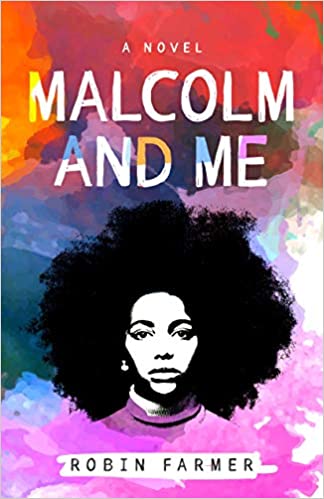
Published November 17, 2020 by SparkPress

About the Book: Philly native Roberta Forest is a precocious rebel with the soul of a poet. The thirteen-year-old is young, gifted, black, and Catholic—although she’s uncertain about the Catholic part after she calls Thomas Jefferson a hypocrite for enslaving people and her nun responds with a racist insult. Their ensuing fight makes Roberta question God and the important adults in her life, all of whom seem to see truth as gray when Roberta believes it’s black or white.

An upcoming essay contest, writing poetry, and reading The Autobiography of Malcolm X all help Roberta cope with the various difficulties she’s experiencing in her life, including her parent’s troubled marriage. But when she’s told she’s ineligible to compete in the school’s essay contest, her explosive reaction to the news leads to a confrontation with her mother, who shares some family truths Roberta isn’t ready for.

Set against the backdrop of Watergate and the post-civil rights movement era, Malcolm and Me is a gritty yet graceful examination of the anguish teens experience when their growing awareness of themselves and the world around them unravels their sense of security—a coming-of-age tale of truth-telling, faith, family, forgiveness, and social activism.
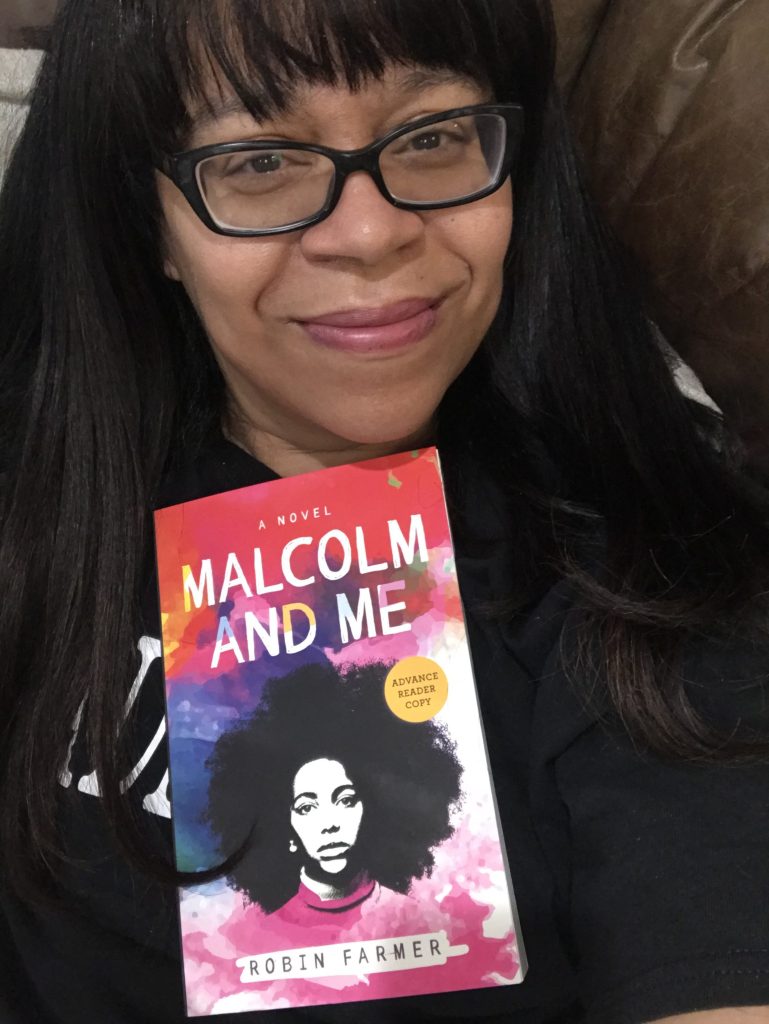
About the Author: Robin Farmer is a national award–winning journalist and transplanted Philadelphian who currently calls the Richmond, VA, area home. At eight, she told her mother she would write for a living, and she is grateful that her younger self knew what she was talking about (many young folks do). Her other interests include screenwriting, poetry, movies, and traveling. She’s still hoping to write stories about young people for television and film. Robin earned her degree in journalism from Marquette University. She lives in Richmond, VA.

Thank you, Robin, for this timely and thought-provoking piece!

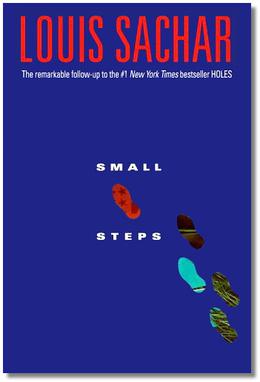
Sofia’s Kids’ Corner: Small Steps by Louis Sachar

Share

Sofia is an 9-year-old brilliant reader who aspires to be a book reviewer. On select Saturdays, Sofia shares her favorite books with kids! She is one of the most well-read elementary schoolers that we know, so she is highly qualified for this role!

Dear readers,

I just finished reading this amazing book called Small Steps by Louis Sachar and I can’t wait to tell you about it! This book is the second book in a series and the first book is called Holes. You don’t have to have read Holes to understand this book. This book is recommended for ages 12+ by Amazon.

Armpit (his real name is Theodore) has just been released from a Juvenile Correctional Facility called Camp Green Lake. He gets a job digging and gets paid a pretty good amount of money for it. But when Armpit’s friend called X-ray, who he met when he was at Camp Green Lake, gets in the picture things turn a bit bad for Armpit. Armpit makes some pretty bad choices like when X-ray tells him they can get extra money by scalping tickets to Kaira DeLeon’s show. Armpit makes the bad choice of saying yes. Armpit is not bad and he only got sent to Camp Green Lake because of a bowl of popcorn. Armpit also has a nine year old friend named Ginny and she is handicapped and she helps Armpit out with some of his decisions. She is his best friend.

Kaira DeLeon eventually becomes friends with Armpit. Kaira has all kinds of things going on, like her not getting paid as much as other people, having a bodyguard and most of all, her manager, El Genius. El Genius is Kaira’s step-father but Kaira just thinks he married her mom because he wanted to kill Kaira.

I love this book because of the way the author wrote it. What I mean is that the author keeps on switching points of view from Armpit to Kaira so you don’t miss anything and you know how different characters feel about the same thing. I also love this book because of the amazing suspense which made me finish it in two days! Enjoy!

If you love this book and want to know a bit more about The Juvenile Correctional Facility, then check out Holes by Louis Sachar. It is the first book in the series and I read it and loved it. By the way, if you like Holes, there’s a movie about it!

**Thanks so much to Sofia for this terrific review!**

Nonfiction History Books for Kids: The Extraordinary Lives Series by Kane Miller Books

Share

I am thrilled to introduce a new series that I am hosting, which explores nonfiction history books for kids. This is all we read in our house, and I’ve learned so much, so I am jazzed to dive deeply into some of the texts on the blog.

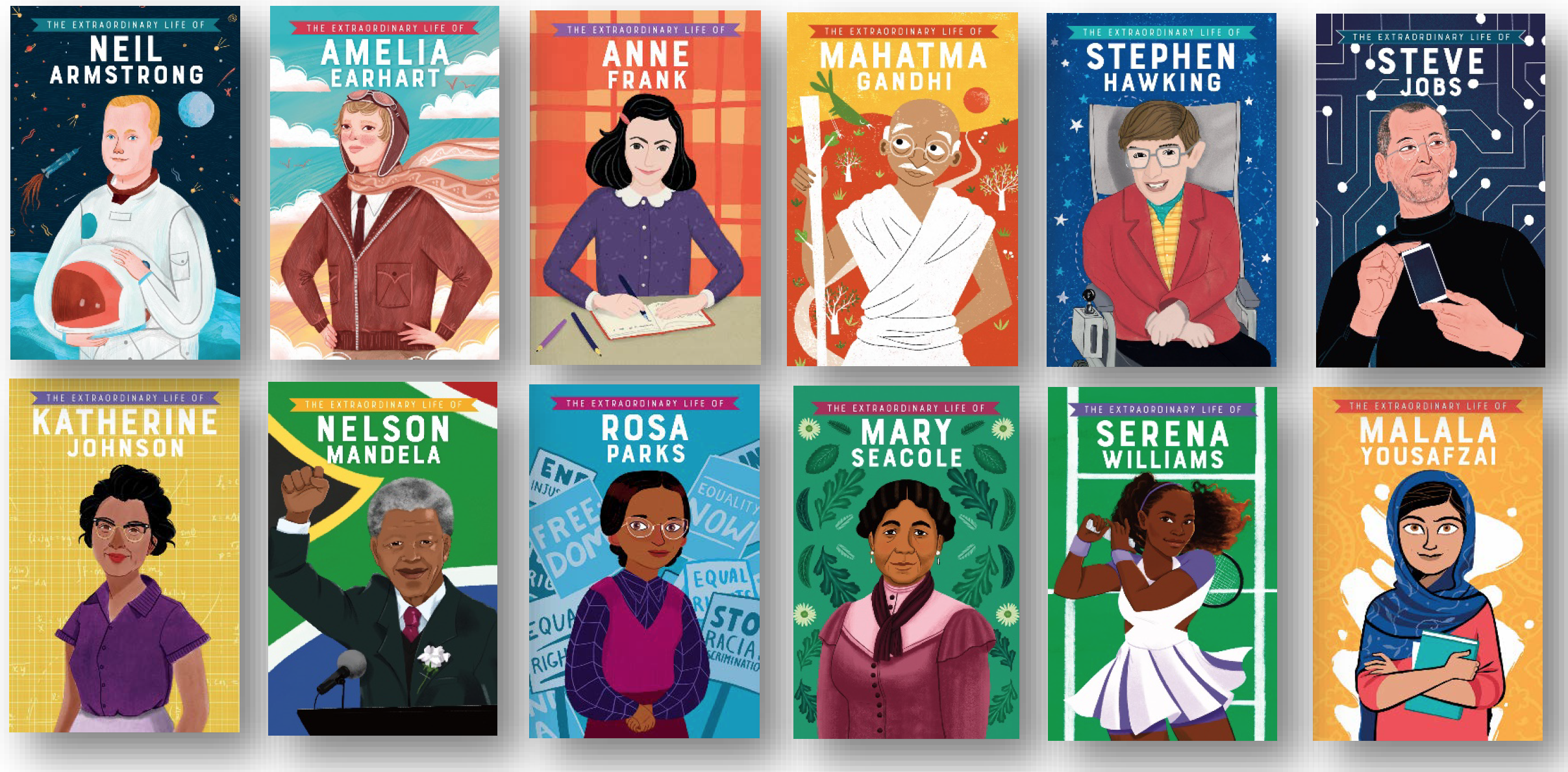
I want to start off by sharing a phenomenal series by Kane Miller: The Extraordinary Life of… series. You’ll want to get your hands on these.

Summary: A bold new series for young readers focusing on the lives of inspirational historical and modern figures.

Review: We have fallen in love with the Extraordinary Lives series. My first grader can’t get enough nonfiction. He could spend a full 12-hour day looking through the nonfiction section of the library. He devoured information about the election, reads history books that are above his age range, and just asks for more, more, more. When I learned about the Extraordinary Lives series, I knew it would be a good fit. What I didn’t realize was that my preschooler and I would get just as much joy from the series as my first grader.

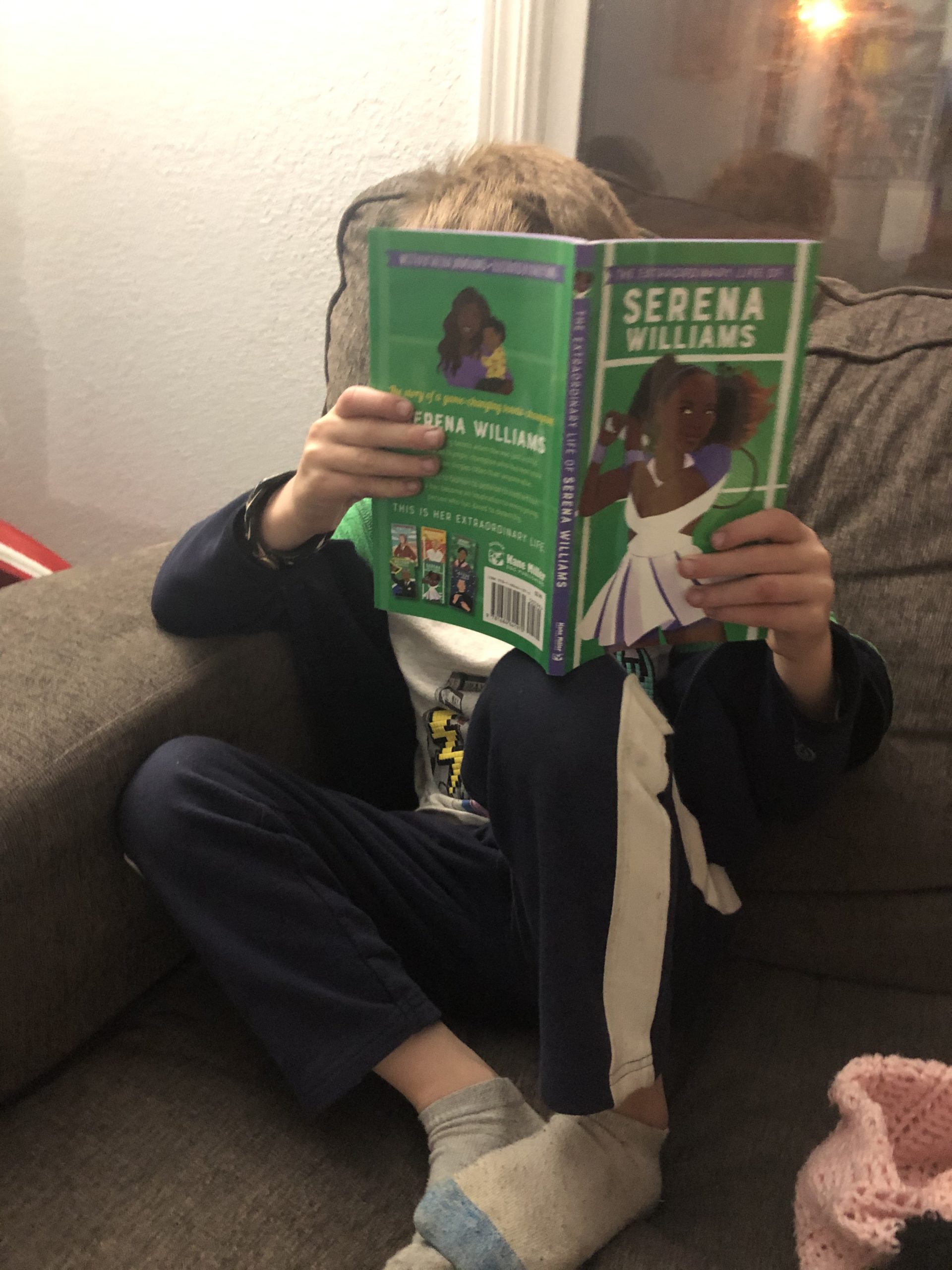
Here’s one picture I caught of my son reading them:

Here’s a closer look at the books:

PDF Loading...

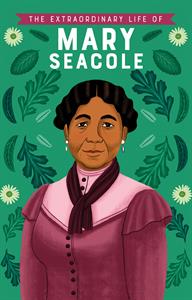
Teachers’ Tools for Navigation: These books would be wonderful for use in book groups. I would be thrilled if my kids were in a classroom in which the teacher allowed them to choose the text of a person they were interested in studying. For instance, I LOVED learning about Mary Seacole. That particular book really captured me (although they were all fascinating to read). My sons each had their own favorites, and I imagine this would be the case in a classroom. Students might then present to their peers to teach about the person they chose. Choice is so important in the classroom, and this series offers such wonderful opportunities for learning.

Discussion Questions: 

  • Which book did you choose and why?
  • What did you learn?
  • How did the author create engaging content to help you learn more about the person?

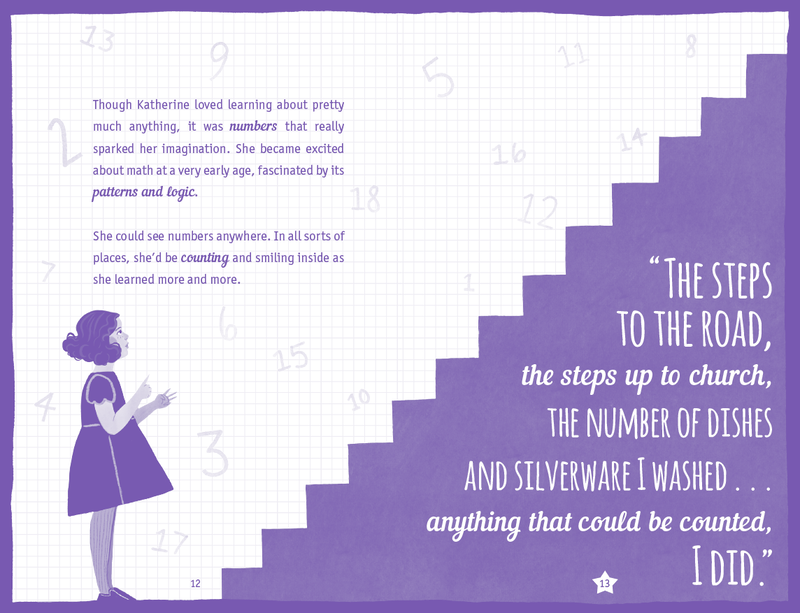
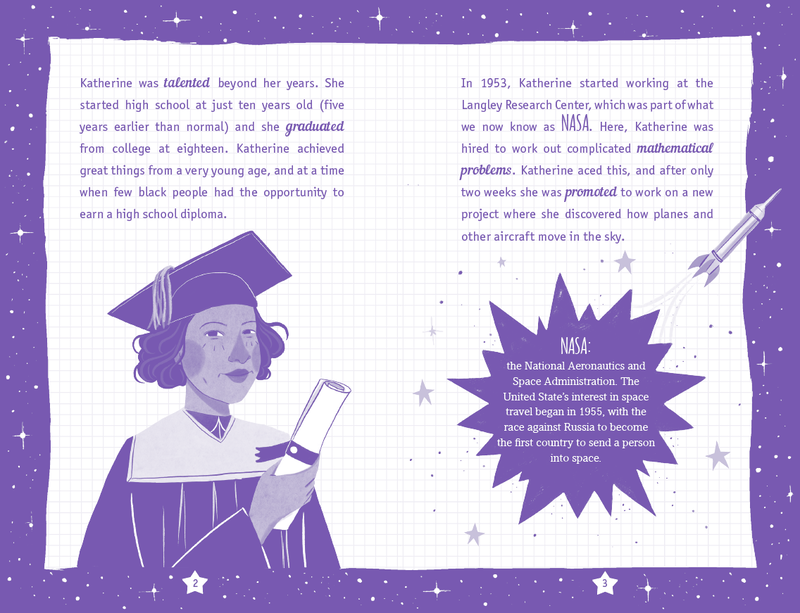
Flagged Passage from the Katherine Johnson Text: 

Read This If You Love: Nonfiction books, history books, biographies, Hidden Figures by Margot Lee Shetterly, Schomburg: The Man Who Built the Library by Carole Boston Weatherford, Radiant Child: The Story of Young Artist Jean-Michel Basquiat by Javaka Steptoe, Duke Ellington: The Piano Prince and His Orchestra by Andrea Davis Pinkney, We March by Shane W. Evans, Harlem’s Little Blackbird: The Story of Florence Mills by Renee Watson, Freedom in Congo Square by Carole Boston Weatherford

Recommended For: 

  classroomlibrarybuttonsmall

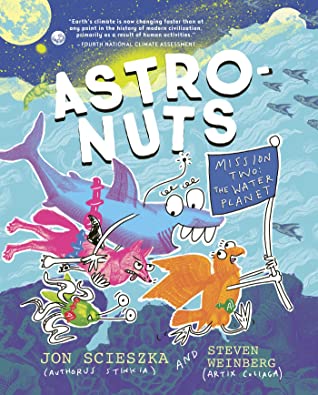
Educators’ Guide for AstroNuts Mission Two: The Water Planet by Jon Scieszka, Illustrated by Steven Weinberg

Share

AstroNuts Mission Two: The Water Planet
Author: Jon Scieszka
Illustrator: Steven Weinberg
Published: August 25th, 2020 by Chronicle Books

Summary: AstroNuts Mission Two: The Water Planet is the second book in the laugh-out-loud series by children’s literature legend Jon Scieszka.

The book follows a new mission, where AstroWolf, LaserShark, SmartHawk, and StinkBug must find a planet fit for human life after we’ve finally made Earth unlivable.

After they splash-land on the Water Planet, they find power-hungry clams, a rebellious underwater force, and a world full of too-good-to-be-true. Can this aquatic world really be humans’ new home? And why are these clams so eager to swap planets?

• Features full-color illustrations and an out-of-this-world book jacket
• A can’t-put-it-down page-turner for reluctant readers
• Complete with how-to-draw pages in the back

AstroNuts Mission Two is full of laugh-out loud humor with a thoughtful commentary on the reality of climate change at the core of the story.

Eager and reluctant readers alike ages 8 to 12 years old will be over the moon about this visually groundbreaking read.

• Creatively illustrated, full-color action-packed space saga
• Perfect for fans of Dog Man, Big Nate, Wimpy Kid, and Captain Underpants
• Great gift for parents, grandparents, teachers, librarians, and educators who are looking to introduce STEM and environmental topics to children
• Add it the the shelf with books like The Bad Guys in Superbad by Aaron Blabey, The 104-Story Treehouse: Dental Dramas & Jokes Galore! by Andy Griffiths, and The Stinky Cheese Man and Other Fairly Stupid Tales by Jon Scieszka

Teachers’ Tools for Navigation and Discussion Questions: 

Please view and enjoy the official educators’ guide for AstroNuts Mission Two (created by me!):

You can also access the teaching guide here.

You can learn more about AstroNuts Mission Two here.

You can see information about AstroNuts Mission One and its Educators’ Guide here.

Recommended For: 

readaloudbuttonsmall classroomlibrarybuttonsmall litcirclesbuttonsmall closereadinganalysisbuttonsmall

Kellee Signature

It’s Monday! What Are You Reading? #IMWAYR 11/9/20

Share

It’s Monday! What Are You Reading?
Sharing Picture Books, Early Readers, Middle Grade Books, and Young Adult Books for All Ages!

It’s Monday! What Are You Reading? is a weekly blog hop co-hosted by Unleashing Readers and Teach Mentor Texts which focuses on sharing books marketed for children and young adults. It offers opportunities to share and recommend books with each other.

The original IMWAYR, with an adult literature focus, was started by Sheila at Book Journeys and is now hosted by Kathryn at The Book Date.

We encourage you to write your own post sharing what you’re reading, link up below, leave a comment, and support other IMWAYR bloggers by visiting and commenting on at least three of the other linked blogs.

Happy reading!

Bold_line

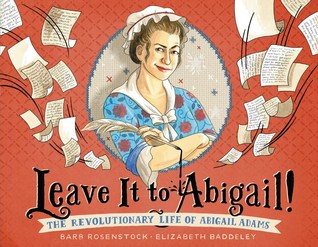
Tuesday: Educators Guide for Leave It to Abigail!: The Revolutionary Life of Abigail Adams by Barb Rosenstock, Illustrated by Elizabeth Baddeley

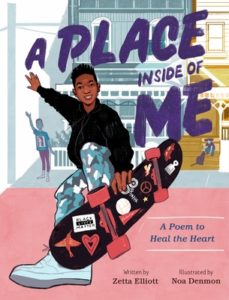
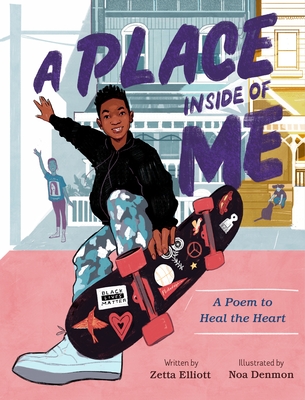
Thursday: A Place Inside of Me: A Poem to Heal the Heart by Zetta Elliott, Illustrated by Noa Denmon

**Click on any picture/link to view the post**

Bold_line

Kellee

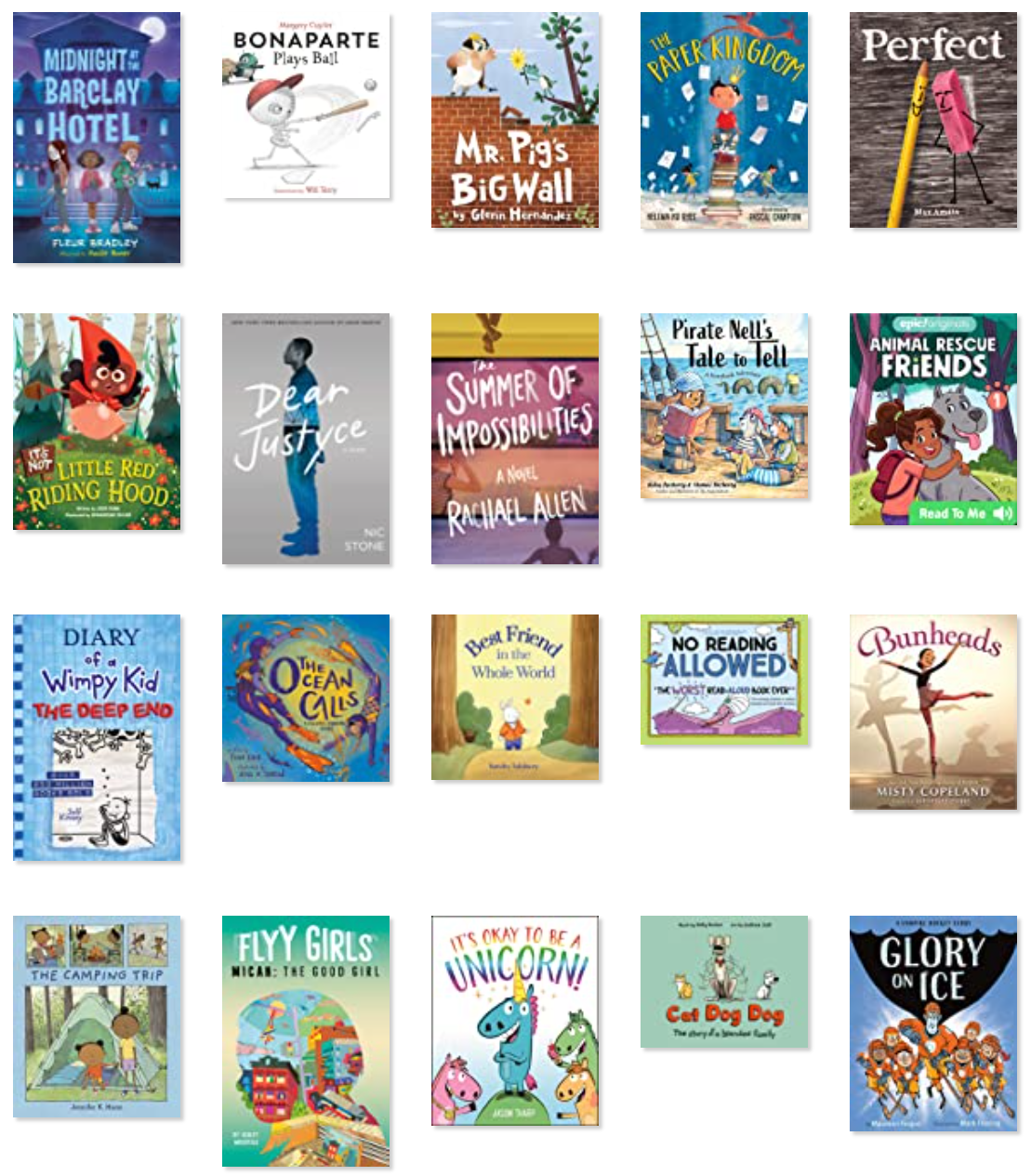
What I read over the last two weeks:

To learn more about any of these books, check out my 2020 Goodreads Challenge page  or my read bookshelf on Goodreads.

Ricki

Rather than share my reading for this week, I just want to remind readers to sign up to attend the virtual ALAN Workshop in a couple of weeks! There are over 70 young adult authors speaking and so many great books to be shared! Full program and registration info is here. We hope to see you there!

Bold_line

Kellee

I’m actually reading a few different books–we’ll see what I finish!

Bold_line


Tuesday: Educators’ Guide for AstroNuts Mission Two: The Water Planet by Jon Scieszka, Illustrated by Steven Weinberg

Thursday: Nonfiction History Books for Kids: The Extraordinary Lives Series by Kane Miller Books

Saturday:  Sofia’s Kids’ Corner: Small Steps by Louis Sachar

Sunday: Author Guest Post: “The Role of Empathy in Literature and Our Lives” by Robin Farmer, Author of Malcolm and Me

Bold_line

Link up below and go check out what everyone else is reading. Please support other bloggers by viewing and commenting on at least 3 other blogs. If you tweet about your Monday post, tag the tweet with #IMWAYR!

 Signature andRickiSig

A Place Inside of Me: A Poem to Heal the Heart by Zetta Elliot, Illustrated by Noa Denmon

Share

A Place Inside of Me
Author: Zetta Elliot
Illustrator: Noa Denmon
Published: July 21, 2020 by Farrar, Straus, and Giroux (BYR)

Summary: In this powerful, affirming poem by award-winning author Zetta Elliott, a Black child explores his shifting emotions throughout the year.

There is a place inside of me
a space deep down inside of me
where all my feelings hide.

Summertime is filled with joy―skateboarding and playing basketballuntil his community is deeply wounded by a police shooting. As fall turns to winter and then spring, fear grows into anger, then pride and peace.

In her stunning debut, illustrator Noa Denmon articulates the depth and nuances of a child’s experiences following a police shooting―through grief and protests, healing and community―with washes of color as vibrant as his words.

Here is a groundbreaking narrative that can help all readers―children and adults alike―talk about the feelings hiding deep inside each of us.

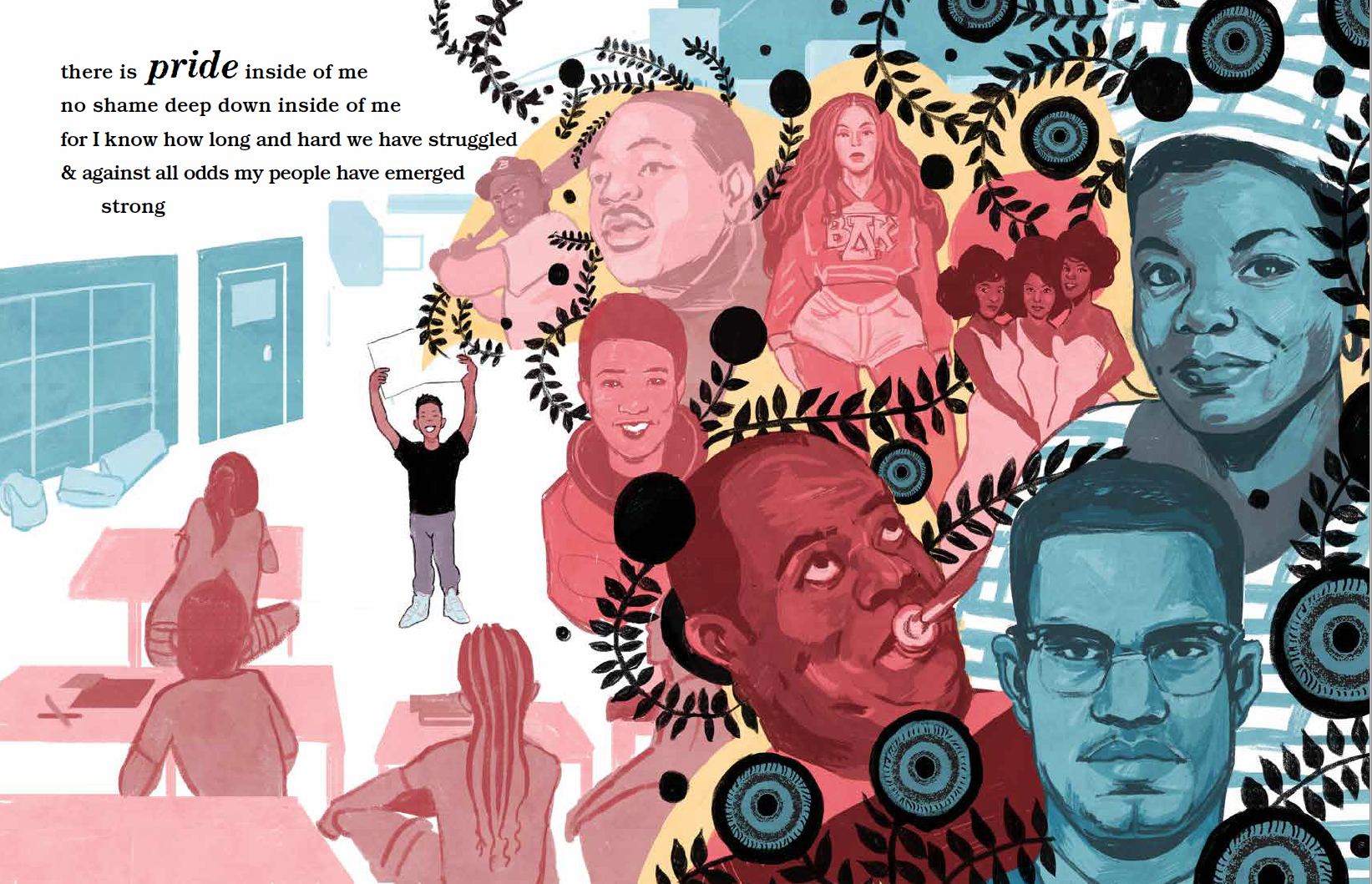
My Review: Whew. This is a powerful text that is accessible to all ages. I could imagine reading this to a class of elementary schoolers, and I could imagine reading it aloud to a group of adults. The book is a poem that reads in layers. It offers a surface-level understanding for beginning readers and also offers a rich conception and application for more mature readers. Following a police shooting, the narrator feels a wealth of very real emotions, and each spread navigates the emotions with beautifully woven language and powerful images. I believe that Zetta Elliot is one of the greatest authors of our time, and I felt this book in my gut. It is a must read.

Teachers’ Tools for Navigation: Teachers might use this text to unpack the many levels of emotions that students experience with events. One way to use this book is to ask students to pick a recent event and write a poem about the varied emotions they felt (or feel) regarding the event.

Discussion Questions: 

  • How do the author and illustrator depict the emotions within the text?
  • What nuances do you see in the different emotions?
  • How can we use this text to enact change in our community?

Flagged Passage: 


Read This If You Love: I Am Every Good Thing by Derrick Barnes, Dear Martin by Nic Stone, The Undefeated by Kwame Alexander and Kadir Nelson, You Matter by Christian Robinson, I Walk With Vanessa by Kerascoët

Recommended For: 

classroomlibrarybuttonsmall 

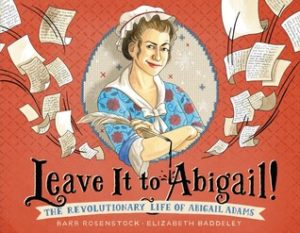
Educators’ Guide for Leave It to Abigail: The Revolutionary Life of Abigail Adams by Barb Rosenstock, Illustrated by Elizabeth Haddeley

Share

Leave It to Abigail!: The Revolutionary Life of Abigail Adams
Author: Barb Rosensock
Illustrator: Elizabeth Haddeley
Published: February 4th, 2020 by Little, Brown and Company

Summary: In this inspiring tribute, award-winning author Barb Rosenstock and New York Times bestselling artist Elizabeth Baddeley tell the true story of one of America’s greatest founding mothers: Abigail Adams.

Everyone knew Abigail was different.

Instead of keeping quiet, she blurted out questions. Instead of settling down with a wealthy minister, she married a poor country lawyer named John Adams. Instead of running from the Revolutionary War, she managed a farm and fed hungry soldiers. Instead of leaving the governing to men, she insisted they “Remember the Ladies.” Instead of fearing Europe’s kings and queens, she boldly crossed the sea to represent her new country. And when John become President of the United States, Abigail became First Lady, and a powerful advisor.

Leave it to Abigail–an extraordinary woman who surprised the world.

Teachers’ Tools for Navigation and Discussion Questions: 

Please view and enjoy the official educators’ guide for Leave It to Abigail (created by me!):

You can also access the teaching guide here.

You can learn more about Fight of the Century here.

Barb Rosenstock also created two other resources for educators:
A Pinterest Board
A Text Set

Recommended For: 

readaloudbuttonsmall classroomlibrarybuttonsmall litcirclesbuttonsmall closereadinganalysisbuttonsmall

Kellee Signature