Blog Tour, Author Guest Post, and Review!: Cici Reno #MiddleSchoolMatchmaker by Kristina Springer

Share

cici reno

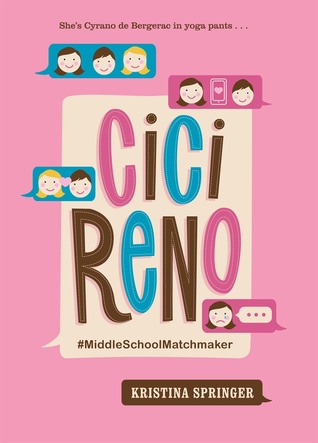
Cici Reno #MiddleSchoolMatchmaker
Author: Kristina Springer
Published April 16th, 2016 by Sterling Children’s Books

Goodreads Summary: Middle school is a test, but Cici Reno has all the answers. She’s the go-to girl for advice. She’s cool, she’s funny, and she’s enlightened (thanks to yoga classes at her mom’s studio). So when her pretty BFF, Aggie, is too shy to speak to the boy she’s crushing on, Cici goes online and does the talking for her. The only problem is, Cici starts to fall for the guy herself! For the first time in her life. she doesn’t have a clue.

My Review: Cici Reno is a refreshing addition to middle grade romance. As a middle school teacher, I am always happy when there is a romance novel that actually features middle school kids instead of high schoolers. The thinking and feelings differ so much between 6th and 9th grade that sometimes the YA romance novels are a bit mature for the middle schoolers that want to read about crushes and dating. And Cici Reno is a book that middle schoolers will flock to not only because of the romance but because of the humor, Cici’s true voice, and the story of friendship.

Teachers’ Tools for Navigation (Teachers’ Tools for Navigation):
“Using Classic Retellings in the Middle Grade Classroom” by Kristina Springer

As readers, we love a good classic retelling. Renée Ahdieh reimagined The Arabian Nights in her #1 NYT Bestseller, The Wrath and the Dawn. The Coming of the Dragon by Rebecca Barnhouse was inspired by Beowulf. The Real Boy by Anne Ursu offered a new look at Pinnocchio. My first young adult novel, The Espressologist, was a twist on Jane Austen’s Emma. (In my book, the main character is a coffee shop barista who discovers a talent for matchmaking her customers based on their favorite coffee drinks.) And of course, Romeo and Juliet has been remade again and again and again (my favorite being Gnomeo and Juliet!).

With my newest middle grade book, Cici Reno #MiddleSchoolMatchmaker, I decided to do a modern twist of the Cyrano de Bergerac story, set in middle school and with Twitter instead of balconies and bushes.

Cici Reno, is the 12 ¾-year old enlightened daughter of a Yogi. When she’s not helping out at her mom’s beloved Peony Lane Yoga Studio or taking a class herself, she’s solving all of the 7th grade’s problems, be it boy trouble or BFF drama. When her shy best friend Aggie asks for Cici’s help in getting the attention of the boy she likes, Cici goes online and does the talking for her. Only the more they talk, the more she falls for him herself. What’s a girl to do?

Studying a classic story and some of its retellings could be a fun and creative activity for middle grade classrooms. Here’s a suggestion of how you can approach this:

  • Start with talking about the original classic tale. Let’s say you choose Cyrano de Bergerac as I did. Talk about the original play written by Edmond Rostand in 1897. Show pictures of the real Cyrano de Bergerac for which the play is based on. More info here: https://en.wikipedia.org/wiki/Cyrano_de_Bergerac_(play) And show this really cute 1 minute, 35 second YouTube Last Minute Book Report clip of Cyrano de Bergerac to get an overall sense of the story. https://www.youtube.com/watch?v=-u52OLtAws8
  • Have your class read through a bit of the play together out loud to get a sense of the relationship between Roxane, Christian, and Cyrano. Perhaps the balcony scene in Act 3, Scenes 6 and 7 where we see Christian bumbling for his words and Cyrano stepping in to rescue him. You can find the play this here: http://www.poetryintranslation.com/PITBR/French/Cyranoact3.htm
  • Talk about some of the movie adaptions of Cyrano de Bergerac over the years like Roxanne and The Truth about Cats and Dogs. If time and interest allows, show the 2012 Disney Original Movie, Let it Shine. https://en.wikipedia.org/wiki/Let_It_Shine_(film)
  • Read my book, Cici Reno #MiddleSchoolMatchmaker, and discuss the similarities and differences between the original and this modern retelling. Consider having the students use a Venn Diagram to do this. Have them discuss why they think I, as the author, made certain changes and if those changes improved the story or not.
  • Have the students try writing their own modern short story re-telling of Cyrano de Bergerac. And have fun sharing them with each other!

About the Author: Kristina Springer is the author of Cici Reno #MiddleSchoolMatchmaker (Sterling Children’s/April 19, 2016), My Fake Boyfriend Is Better Than Yours (Macmillan/FSG), a Scholastic Bestseller and 2012 YALSA Quick Pick book; The Espressologist (Macmillan,/FSG), a 2010 Society of School Librarians International Honor Book and 2014 Illinois Reads Book that has been purchased for film by Michael Eisner’s Vuguru; and Just Your Average Princess (Macmillan/FSG). She has a Masters in Writing from DePaul University and resides in a suburb of Chicago with her husband and children. Learn more about Kristina on her website: http://KristinaSpringer.com.

Flagged Passages: “‘Wow, you think of everything,’ Aggie says. ‘It sounds completely perfect. Only one thing.’

‘What’s that?’

‘I can’t talk to him, Cici! You heard me at the bonfire. I go from zero to dork in 2.3 seconds.’

‘But you’ll be online,’ I tell her. ‘You can take your time typing, really form your thoughts.’

‘Yeah. I guess.’ She pauses. ‘Or you could talk to him for me. Please? You’re so much better around guys than I am. Always so relaxed and cool. And funny,’ she adds.” (p. 35)

Read This If You Loved: Cyrano de Bergerac, Camp Rolling Hills by Stacy Davidowitz, Audition & Subtraction by Amy Fellner Dominy, Drama by Raina Telgemeier

Recommended For: 
classroomlibrarybuttonsmall closereadinganalysisbuttonsmall

Kellee Signature

Review, Signed Hard Copy Giveaway, and Author Interview: Invisible Fault Lines by Kristen-Paige Madonia

Share

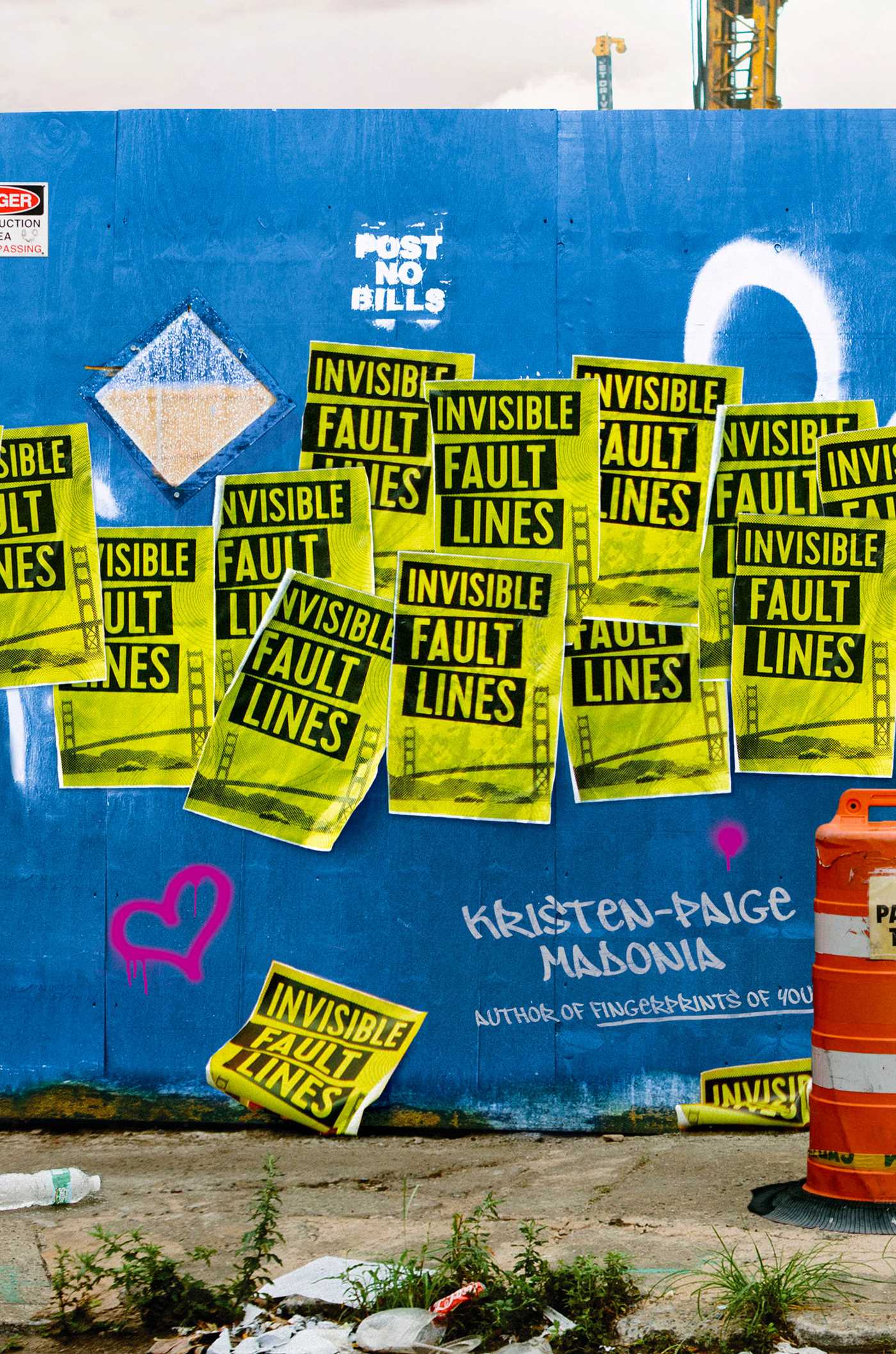
Invisible Fault Lines

Invisible Fault Lines
Authors: Kristin-Paige Madonia
Anticipated Publication: May 3, 2016 by Simon & Schuster Books for Young Readers

Summary: Tired of living in limbo, Callie finally decides to investigate her father’s disappearance for herself. Maybe there was an accident at the construction site that he oversaw? Maybe he doesn’t remember who he is and is lost wandering somewhere? But after seeing a familiar face in a photo from the Great San Francisco Earthquake of 1906, she wonders if the answer is something else entirely.

Hailed by Judy Blume as a “remarkable young novelist,” Kristen-Paige Madonia, author of Fingerprints of You, explores how to rebuild a life after everything seems lost.

My Review: This book kept me guessing! From the very first page, I wondered what happened to the narrator’s father. About halfway through, I realized that it didn’t matter what happened to him because this is a story about character. It is an emotional ride through the trauma of a young girl’s life after her father goes missing. I felt all of her emotions right along with her—guilt, fear, anger. I particularly enjoyed the evolvement of her friendship with her best friend Beckett. I appreciate authors who feature characters who happen to be gay—rather than making this the sole focus of a story. I recommend this book to readers who enjoy strong character development. 

Teachers’ Tools for Navigation: Teachers might consider tying this story into a study of missing persons. This investigation could go beyond children as missing persons and extend into adults who are missing. Students might research local missing persons in their area, and this could lead to advocacy efforts.

Discussion Questions: What do you think happened to Callie’s father? What different potential realities does Callie explore in the story?; How does the author switch the point-of-view effectively to deepen our understanding of the story?; What emotions does Callie experience in the story? How might we tie these into the stages of grief? Should she feel guilty that she doesn’t start looking for her father immediately? Why or why not?

Flagged Passage: “My father disappeared on a Tuesday that should’ve been like any Tuesday, but eventually became the Tuesday my father disappeared.”

Read This Series If You Loved: Fingerprints of You by Kristen-Paige Madonia; If I Stay by Gayle Forman; Vanishing Girls by Lauren Oliver; Where Things Come Back by John Corey Whaley, The Body of Christopher Creed by Carol Plum-Ucci

Recommended For: 
  litcirclesbuttonsmall  classroomlibrarybuttonsmall


Interview with Kristen-Paige Madonia
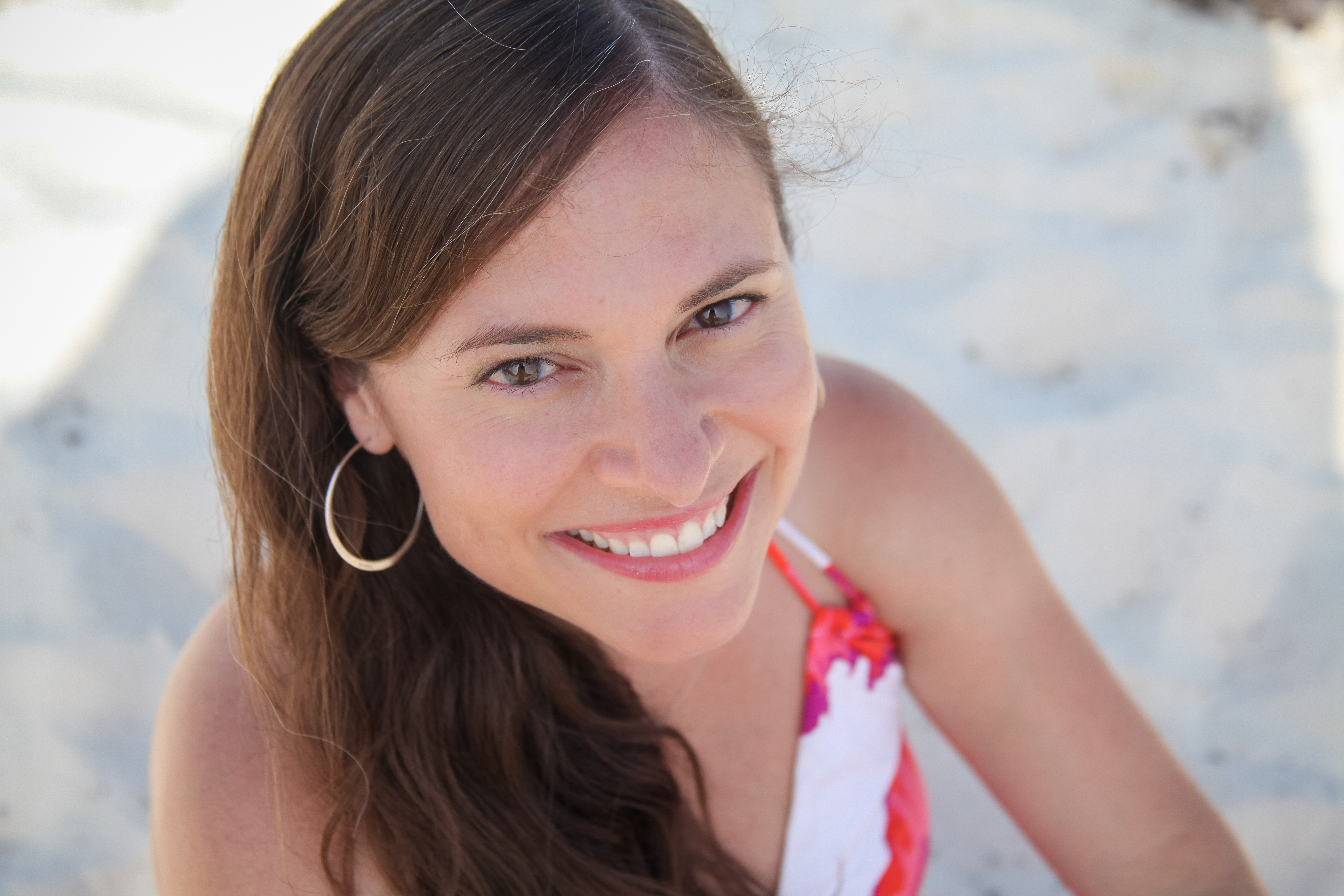
Kristen-Paige Madonia

Can you tell us a little bit about your writing process/ How has writing this book been different from writing Fingerprints of You

The most important thing I learned from writing Invisible Fault Lines is that my process will inevitably change depending on the project. My first book, Fingerprints of You, was a fairly straightforward novel with a traditional structure and timeline, so I wrote it start to finish and was able to create the first draft in less than two months — of course it took much longer to revise and polish, but in general is was quick and relatively easy to write. My new novel is much more complicated, as it blends a contemporary mystery set in 2006 with bits and pieces set one-hundred years earlier, as the 1906 San Francisco Earthquake plays a large role in the novel. It’s a hybrid novel, and the narrative arc is a bit more intricate, so though I initially tried to use the same process I used when writing Fingerprints of You, it just didn’t work. Eventually I wrote the book out of order and then went back, during revision, and braided the two storylines together. So in terms of process, I suppose it’s ever changing! And of course that’s one of the reasons that I write – there are no rules and there’s no one way to do it. It’s about experimenting, about doing something different each time you sit down to work.

Where/How did you come up with the premise of this book? 

Like most writers, I write from a place of curiosity. With Fingerprints of You, I was curious about the ways we define family, but this novel stemmed from my curiosity about grief and the various modes we use to manage and process loss. I began writing it after hearing David Levithan read from his novel Two Boys Kissing, specifically honing in on the sentence that eventually became the epigraph of Invisible Fault Lines: “How beautiful the ordinary becomes once it disappears.” We were both at Wordstock Book Festival in Portland, and I was in between projects, hoping to find inspiration while traveling to publicize Fingerprints of You. And there it was. That line. I couldn’t get it out of my head. I tend to begin stories with an event after which nothing will be the same for the character, and that idea of ordinary, of how our version of ordinary can shift in an instant, intrigued me. So I wanted to write about that kind of shift and about the possibility of the impossible being possible, which is where the link to the historical event, the earthquake of 1906, originated. I knew I wanted to do something completely different than Fingerprints of You and that I wanted to experiment with form and genre while staying true to my character-driven style of writing.

From the outset, we wonder what happened to Callie’s father, and at one point, Callie and her friends explore potential reasons for his disappearance. We obviously won’t spoil the book for readers, but did you know how the book would end from the very beginning?

I did. I knew that I wanted to invite the reader to participate in the novel in a more active role than my last novel allowed. I believe all books are collaborative projects between the author and the reader, but this novel leans heavily on what the reader brings to the story, on what they want to believe and how they want to interpret the events in the book. When I first imagined the story, I decided that I wanted to write a book that honors the fact that not all questions have clear answers – I think it’s part of our job, as YA authors, to be realistic and honest with our readers while also allowing for and portraying hope, so that was one of my original goals, and it inevitably shaped the ending.

Beck is a wonderfully crafted character. Did you base him on anyone in your life?

Oh, he’s such a scene-stealer, isn’t he?! Every time he showed up in the novel, I fell a little bit more in love with him. No, he’s not based on anyone I know, but I imagine him to be a compilation of my best friends from high school and also my current best friends: honest, hilarious, and one-hundred percent golden-hearted.

You are a professor of YA Lit and creative writing. How has this impacted your position as an author or thoughts as a writer? Do you get feedback from students, or do you keep your work private?

This is such a complicated question, so in attempt to not write a fifteen-page essay here, I’ll simply say that I love what I do. I find great inspiration from working with students who hope to pursue a creative life, who find value in literature and the arts. But the reality is that every moment I spend teaching and planning and grading is one less moment that I spend writing my own work, and that’s the hard part. Teaching reminds me why I write and what my tools are in terms of craft, and actively publishing new work reminds me how important it is to be a positive literary citizen, to serve as a mentor and encourage and inspire young authors. It’s a hard balance, of course, but it’s also a privilege to be both a professor and a published author, so I could never complain about the challenges.

Are you working on anything new?

I am! And I’m in that bizarre and dreamlike phase of being equally terrified and excited by my new project. It’s also a protective phase in terms of not wanting to talk much about it yet, but I will say that it’s a project based on my curiosity about our reliance on technology and the environmental and creative effects of that reliance.

Thanks so much for having me on your blog – it’s been lovely to visit with you!


**Thank you to Kristen-Paige Madonia for providing an copy for review and a signed hard copy for the giveaway!**

 RickiSig

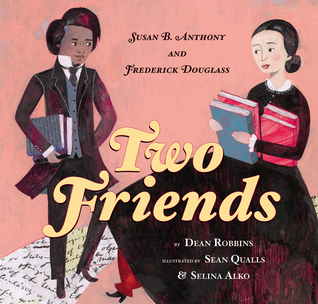
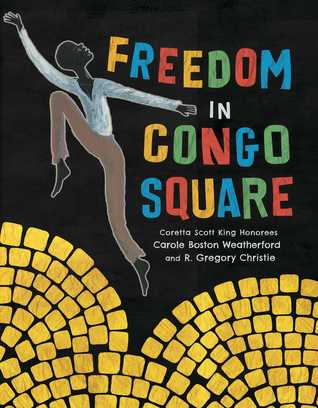
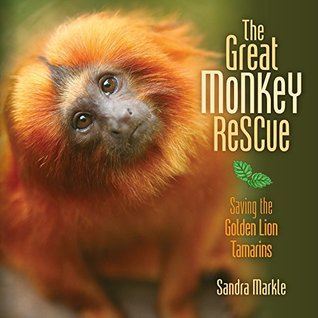
From Kellee’s (Huge) Library Pile Part Eleven: Nonfiction Picture Books | Pink is for Blobfish by Jess Keating, Hillary Rodham Clinton by Michelle Markel, Two Friends by Dean Robbins, Freedom in Congo Square by Carole Boston Weatherford, & The Great Monkey Rescue by Sandra Markle

Share

NFPB2016

Nonfiction Wednesday

Nonfiction Picture Book Wednesday is hosted by Kid Lit Frenzy and was started to help promote the reading of nonfiction texts. Most Wednesdays, we will be participating and will review a nonfiction text (though it may not always be a picture book).
Be sure to visit Kid Lit Frenzy and see what other nonfiction books are shared this week!

From My (Huge) Library Pile

Because of It’s Monday! What Are You Reading? posts, I find myself often with huge piles of picture books from the library that were highly recommended by fellow bloggers. I celebrate many of the nonfiction pictures books on Wednesdays, but I want to share some of the fiction picture books I have enjoyed. So, I decided to start series here on UR where I can pass on the love for these books sporadically as I read them. Here is a list of some great pictures books that I’ve read recently from my huge library pile (part 11!).

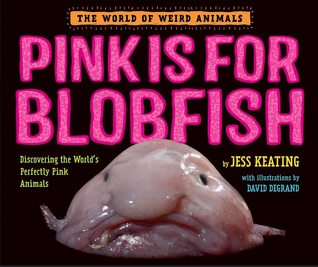
pink is for

Pink is for Blobfish: Discovering the World’s Perfectly Pink Animals
Author: Jess Keating
Illustrator: David Degrand
Published February 2nd, 2016

Goodreads Summary: Pinkalicious meets National Geographic in this nonfiction picture book introducing the weirdest, wildest, pinkest critters in the animal kingdom!

Some people think pink is a pretty color. A fluffy, sparkly, princess-y color. But it’s so much more.
Sure, pink is the color of princesses and bubblegum, but it’s also the color of monster slugs and poisonous insects. Not to mention ultra-intelligent dolphins, naked mole rats and bizarre, bloated blobfish.

Isn’t it about time to rethink pink?

Slip on your rose-colored glasses and take a walk on the wild side with zoologist Jess Keating, author of How to Outrun a Crocodile When Your Shoes Are Untied, and cartoonist David DeGrand.

My Thoughts:  I loved how Keating set up the book. The information that was included was fascinating, there were many text features that added interesting tidbits throughout, and there was some hilarity thrown in. Such a great read! I also was told that it is going to be a series, and that is such great news!

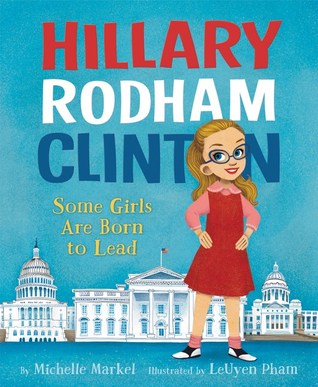
hillary rodham clinton

Hillary Rodham Clinton: Some Girls Are Born to Lead
Author: Michelle Markel
Illustrator: LeUyen Pham
Published January 5th, 2016 by Balzer + Bay

Goodreads Summary: In the spirit of Barack Obama: Son of Promise, Child of Hope andAmelia and Eleanor Go for a Ride comes an inspiring portrait of Hillary Rodham Clinton: a girl who fought to make a difference—and paved the way for women everywhere—from Michelle Markel and LeUyen Pham.

In the 1950s, it was a man’s world. Girls weren’t supposed to act smart, tough, or ambitious. Even though, deep inside, they may have felt that way. And then along came Hillary. Brave, brilliant, and unstoppable, she was out to change the world.

They said a woman couldn’t be a mother and a lawyer. Hillary was both. They said a woman shouldn’t be too strong or too smart. Hillary was fearlessly herself.

It didn’t matter what people said—she was born to lead.

With illustrations packed full of historical figures and details, this gorgeous and informative picture book biography is perfect for every budding leader. Includes a timeline, artist’s note, and bibliography.

My Thoughts:  Alyson Beecher shared with me that Pham did a tremendous amount of research for this book though she had no issues researching because Hillary is so fact-checked. I think the idea of how much research LeUyen did for this book is fascinating and is also evident in the book. I am also a huge fan of Pham’s illustrations (she does Princess in Black also), and it was so much fun to see Hillary being represented so brightly. I loved learning about Hillary’s journey to the current presidential race. Right now so much is focused on negativity, it is nice to see why she is such an inspirational woman.

two friends

Two Friends: Susan B. Anthony and Frederick Douglass
Author: Dean Robbins
Illustrator: Sean Qualls and Selina Alko
Published January 5th, 2016 by Orchard Books

Goodreads Summary: Some people had rights, while others had none.
Why shouldn’t they have them, too?

Two friends, Susan B. Anthony and Frederick Douglass, get together for tea and conversation. They recount their similar stories fighting to win rights for women and African Americans. The premise of this particular exchange between the two is based on a statue in their hometown of Rochester, New York, which shows the two friends having tea.

My Thoughts: I loved learning about this friendship! I am a great admirer of both Anthony and Douglass; however, I did not know anything about the relationship they had. I love that they were both visionaries within two a civil rights movement though they also realized how their goals were connected, so they fought the prejudice together. Although I really would have loved this story to be longer to learn more about how they worked together, learning about their histories and imagining their tea party was a perfect way to introduce the friendship. I am also a huge fan of Qualls’s artwork, and I loved how this book incorporated his work with the written words of both reformers.

freedom in congo

Freedom in Congo Square
Author: Carole Boston Weatherford
Illustrator: R. Gregory Christie
Published January 5th, 2016 by little bee books

Goodreads Summary: This poetic, nonfiction story about a little-known piece of African American history captures a human’s capacity to find hope and joy in difficult circumstances and demonstrates how New Orleans’ Congo Square was truly freedom’s heart.

Mondays, there were hogs to slop,
mules to train, and logs to chop.
Slavery was no ways fair.
Six more days to Congo Square.

As slaves relentlessly toiled in an unjust system in 19th century Louisiana, they all counted down the days until Sunday, when at least for half a day they were briefly able to congregate in Congo Square in New Orleans. Here they were free to set up an open market, sing, dance, and play music. They were free to forget their cares, their struggles, and their oppression. This story chronicles slaves’ duties each day, from chopping logs on Mondays to baking bread on Wednesdays to plucking hens on Saturday, and builds to the freedom of Sundays and the special experience of an afternoon spent in Congo Square. This book will have a forward from Freddi Williams Evans (freddievans.com), a historian and Congo Square expert, as well as a glossary of terms with pronunciations and definitions.

My Thoughts:  I found this book to be touching and beautiful and sad. Books about slavery always make me so ashamed of our past, so they are hard to read yet so important. I think Weatherford’s story really captures the brutal conditions of slavery in the South but also the freedom that was felt on the one free day in Louisiana.  Also, I personally like rhyming couplets, so I thought it had a great sing-songy quality. And let’s not forget the illustrations. They are pieces of art. They could each be framed and put in a museum.

great monkey

The Great Monkey Rescue: Saving the Golden Lion Tamarins
Author: Sandra Markle
Published October 1st, 2015 by Lerner Publishing Group

Goodreads Summary: Golden lion tamarins are found only in Brazilian forests. These small, remarkable monkeys once had plenty of space to roam and claim family territories. But years of deforestation caused their numbers to shrink. They were in serious danger of becoming extinct.

To help, scientists studied the animals in zoo settings. But they faced several mysteries. Why weren’t golden lion tamarins reproducing in zoos? If scientists reintroduced zoo-raised tamarins to the wild, would those monkeys survive? And how could scientists give tamarins enough forest area for the population to grow? Find out how scientists and concerned citizens worked together to give golden lion tamarins a hopeful future.

My Thoughts: It is always sad to learn about an endangered animal I didn’t know about before, this story was inspiring because it showed how a team working together could, and hopefully will continue, reverse the loss of a species. This book is so hopeful in that if we all work together to help save species that are struggling to survive. I really want to read more of Markle’s work now because she really is quite brilliant about turning information into narrative nonfiction.

All Recommended For: 
classroomlibrarybuttonsmall readaloudbuttonsmall closereadinganalysisbuttonsmall

Signature

Want to see Part One? You can view it HERE.
Want to see Part Two? You can view it HERE.
Want to see Part Three? You can view it HERE.
Want to see Part Four? You can view it HERE.
Want to see Part Five: We Need Diverse Books (NF)? You can view it HERE.
Want to see Part Six: We Need Diverse Books (F)? You can view it HERE.
Want to see Part Seven? You can view it HERE.
Want to see Part Eight: 2015 Nonfiction Titles? You can view it HERE.
Want to see Part Nine: 2015 Nonfiction Titles? You can view it HERE.
Want to see Part Ten: 2015 Fiction Titles? You can view it HERE.

Top Ten Tuesday: Ten Childhood Characters We’d Love to Revisit as Adults

Share

top ten tuesday

Top Ten Tuesday is an original feature/weekly meme created at The Broke and the Bookish. The feature was created because The Broke and Bookish are particularly fond of lists (as are we!). Each week a new Top Ten list topic is given and bloggers can participate.

 Today’s Topic: Ten Childhood Characters We’d Love to Revisit as Adults

These are all characters we love, and we’d definitely love an update about how they are attacking adulthood!

Ricki

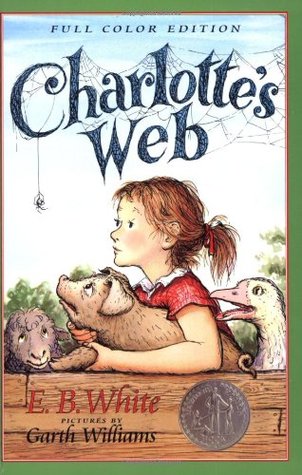
1. Charlotte from Charlotte’s Web by E. B. White

Charlotte's Web

I remember wanting to be Fern. I wonder if this would change in my adult years.

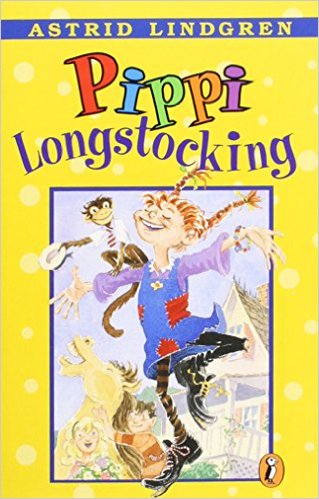
2. Pippi from Pippi Longstocking by Astrid Lindgren

Pippi Longstocking

Decades later, I still think Pippi is the coolest girl I’ve ever read about.

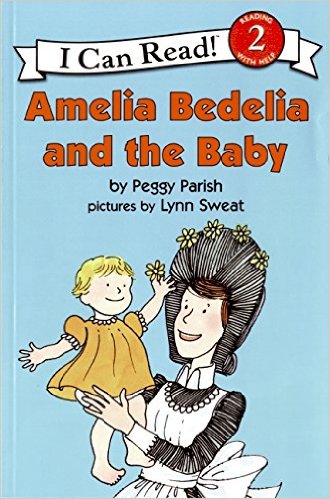
3. Amelia Bedelia from the Amelia Bedelia series by Peggy Parish

Amelia Bedelia

I get a warm feeling in my gut when I think about this series. I think I read every Amelia Bedelia book that was published.

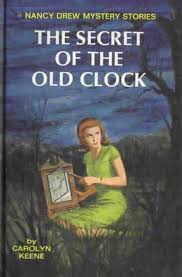
4. Nancy Drew from the Nancy Drew Series by Carolyn Keene

nancy drew

This is another series I completed. Nancy Drew holds a special place in my heart.

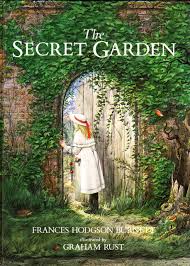
5. Mary Lennox from The Secret Garden by Frances Hodgson Burnett

the secret garden

Just the cover of this book brings back great memories!

Kellee

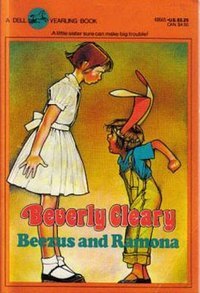
1. Ramona Quimby from Ramona (series) by Beverly Cleary

ramona

Ramona was quite the rambunctious child, but I loved her. She was so much fun! I’d love to see how she transition from such a handful to an adult.

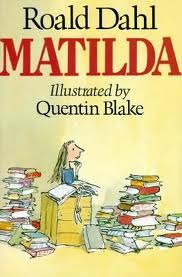
2. Matilda from Matilda by Roald Dahl

matildaDahl

The end of Matilda is just the start of Matilda’s journey, and I’d love to know what amazing things this brilliant young lady did during the rest of her life.

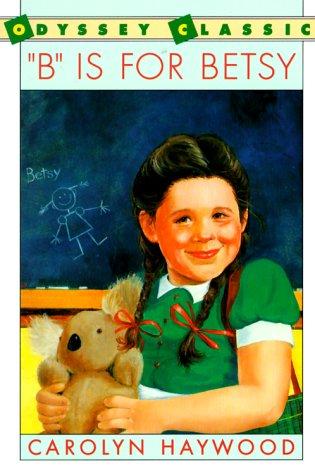
3. Betsy from Betsy (series) by Carolyn Haywood

betsy

Betsy books were the first books my mom read to me, and I would love to see middle grade, young adult, and adult stories about Betsy, her family, and friends.

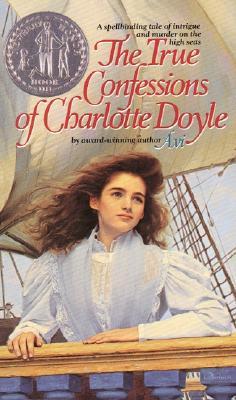
4. Charlotte Doyle from The True Confessions of Charlotte Doyle by Avi

charlotte doyle

Oh Charlotte Doyle! You are so kick butt! And that is when you were only thirteen! What did you do with the rest of your life?

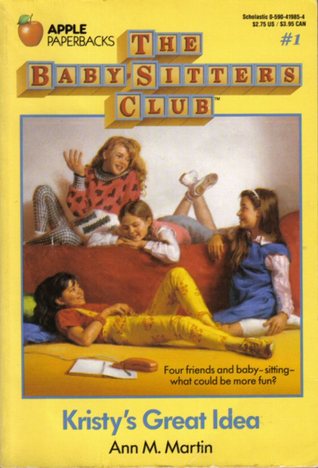
5. The gang from the Baby-Sitters Club (series) by Ann M. Martin

bsc kristy

Lots of people try to predict what the BSC is up to now. Kristy, Mary Ann, Claudia, Stacy, and the gang were my first book best friends, and I spent so much time with them; I’d love to see what they were up to now!

Which characters would you want to revisit as an adult?

RickiSig and Signature

It’s Monday! What Are You Reading? #IMWAYR 5/2/16

Share

IMWAYR 2015 logo

It’s Monday! What Are You Reading? From Picture Books to YA!

It’s Monday! What are you Reading? is a meme started by Sheila at Book Journeys and now hosted by Kathryn at The Book Date. It is a great way to recap what you read and/or reviewed the previous week and to plan out your reading and reviews for the upcoming week. It’s also a great chance to see what others are reading right now…you just might discover the next “must-read” book!

Kellee and Jen, of Teach Mentor Texts, decided to give It’s Monday! What Are You Reading? a kidlit focus. If you read and review books in children’s literature – picture books, chapter books, middle grade novels, young adult novels, anything in the world of kidlit – join us! We love this meme and think you will, too.

We encourage everyone who participates to support the blogging community by visiting at least three of the other book bloggers that link up and leave comments for them.

Bold_line

Last Week’s Posts

**Click on any picture/link to view the post**

top ten tuesday animal planet 1 animal planet 2

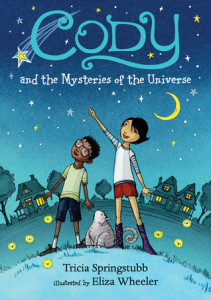
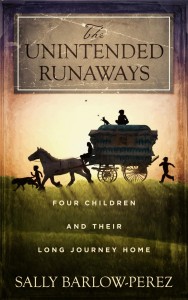
screaming statue cody and the mysteries of the unintended Runaways

Tuesday: Bookworm Delights

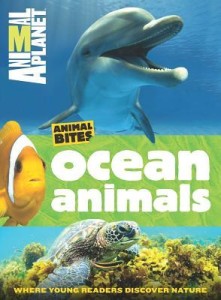
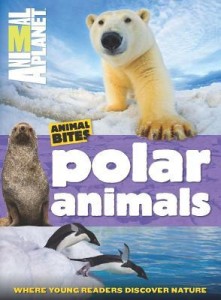
Wednesday: Animal Planet’s Ocean Animals and Polar Animals

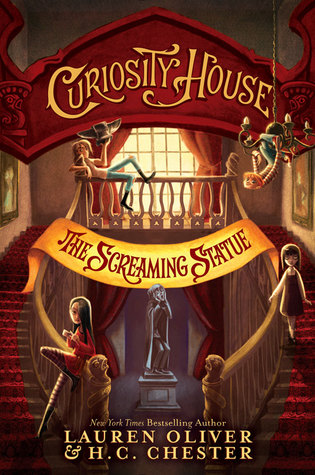
Thursday: Blog Tour, Authors Interview, Character Q&A, Giveaway, and Review!: Curiousity House: The Screaming Statue by Lauren Oliver and H.C. Chester
Giveaway open until Wednesday!

Friday: Cody and the Mysteries of the Universe by Tricia Sprinstubb

Sunday: Author Guest Post! “Reading the Middle Grade Mind” by Sally Barlow-Perez, Author of The Unintended Runaways

Bold_line

 Last Week’s Journeys
Kellee

This week I had a much more successful reading week. It felt great to have a good reading week!

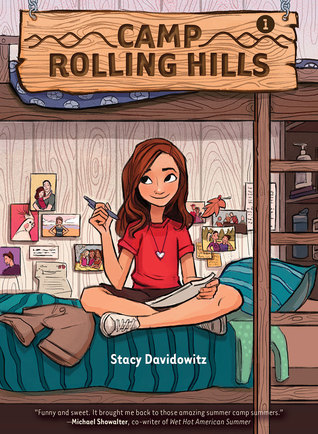
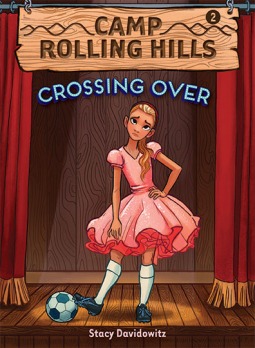
First, finished the two Camp Rolling Hills books:

camp rolling hills camp crossing over

I’ll be reviewing these books next week, but I recommend them both for middle school. I love how the campers seem like real middle schoolers.

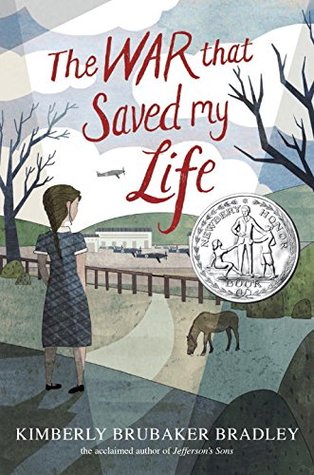
I also finished my audiobook of The War That Saved My Life by Kimberly Brubaker Bradley.

war that saved

Oh. My. Goodness. What a phenomenal book! Everyone says how great it is, and everyone is not lying.  It reminded me of a Ruta Sepetys novel because you can tell the author did her research but also made sure to focus on her brilliant story. The audiobook is well done also; I can still hear Ada’s voice. It was heartbreaking yet uplifting. And what a fascinating point of view to tell a WWII story from!

And I dove into my library pile of nonfiction picture books that I have been recommended (All their photos are below because I’ll be reviewing them all this week!).

Ricki

Invisible Fault Lines

Invisible Fault Lines by Kristen-Paige Madonia kept me guessing! From the very first page, I wondered what happened to the narrator’s father. About halfway through, I realized that it didn’t matter what happened to him because this was a story about character. I enjoyed this one very much and am looking forward to sharing more on Thursday!

Bold_line

This Week’s Expeditions
Kellee

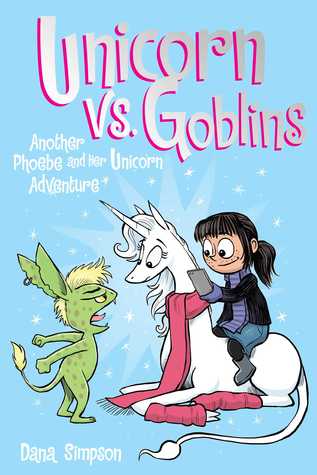
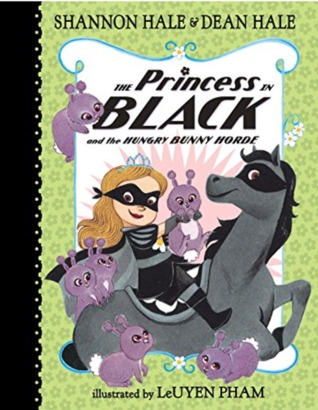
unicorn vs. goblins Princess 3

Two of my favorite early reading series have new books, and they finally arrived from the library, so I am so excited to read them, and they are first on my TBR for the week.

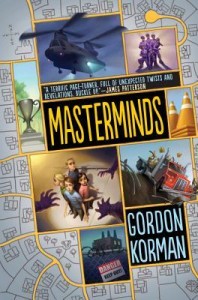
masterminds

I also started a new audiobook: Masterminds by Gordon Korman. This book is on my #mustreadin2016 list because many of you loved it, and so far I am really enjoying it. I can tell something big is about to happen!

Ricki 

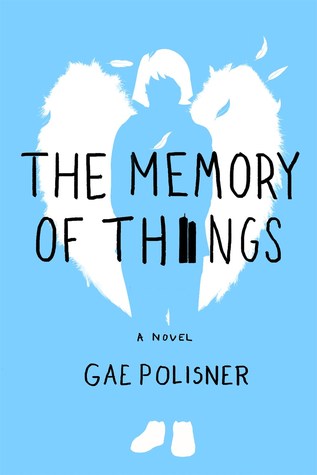
the memory of things

I think I might get started on The Memory of Things by Gae Polisner. I was excited to receive it on NetGalley and look forward to it!

Bold_line

Upcoming Week’s Posts

top ten tuesday great monkey freedom in congo two friends hillary rodham clinton pink is for Invisible Fault Lines cici reno camp dork

Tuesday: Childhood Characters We’d Love to Revisit as Adults

Wednesday: From Kellee’s (Huge) Library Pile Part Eleven: Nonfiction Picture Books

Thursday: Invisible Fault Lines by Kristen-Page Madonia

Friday: Blog Tour, Author Guest Post, Giveaway, and Review!: Cici Reno #MiddleSchoolMatchmaker by Kristina Springer

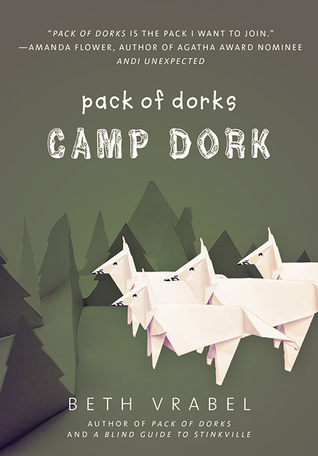
Sunday: Author Guest Post! by Beth Vrabel, Author of Camp Dork

 So, what are you reading?

Link up below and go check out what everyone else is reading. Please support other bloggers by viewing and commenting on at least 3 other blogs. If you tweet about your Monday post, tag the tweet with #IMWAYR!

 Signature andRickiSig

Author Guest Post!: “Reading the Middle Grade Mind” by Sally Barlow-Perez, Author of The Unintended Runaways

Share

“Reading the Middle Grade Mind”

Have you ever tried to steer one of your favorite kids toward one of your favorite books? You’re in eager enthusiasm mode. “Hey, you are going to LOVE this book!”

Then the kid rears back, looks like you asked him to drink a glass of hot chalk, gives you that look, and says, “Uh, thanks, but I don’t think so.”

Just like adults, kids pick books for their own reasons. And timing is everything. One week a reader might feel like something light that reflects familiar problems like, The Mother Daughter Book Club series; the next week he or she might relish the challenges of Wonder or maybe a visit to a whole to universe in The Lightning Thief or something as wacky as one of the Wimpy Kid books. It all depends on mood, just like it does with you and me. Or stress level. Or time availability. I’ve seen a 9-year old read and enjoy a Babysitter Club book – standard 3rd grade level reading—during a school week, and Wonderstruck— 5thgrade level reading–on her vacation. Makes sense. You and I don’t read Dostoevsky when we barely have time for lunch. Middle grade readers thrive on a huge variety of choice. Which is lucky, since as authors, we are just as eclectic as our young readers!

That said, I am sure there are those of us who try to shake loose a few practical thoughts before we set pen to paper to write our deathless prose. No doubt, in addition to prayer, you’ve tried to psyche out just where that sweet spot in middle grade literature is. Sure, there are trends and the Goodreads lists and I’m sure there are some left-brain writers out there who can successfully write to the formula. But since I’ve always favored on-the-spot research, I thought I’d go directly to the source: my sixth grade consultants: Sarah, Haley, Carolyn, Mia and Emily. “What have you been reading lately?” I asked them. These are just a few samples of the many titles they sent me:

  • Escape from Mr. Lemoncello’s Library by Chris Grabenstein
  • I Will Always Write Back:  How One Letter Changed Two Lives by Martin Ganda
  • The Agony and the Ecstasy by Irving Stone.
  • The Port Chicago 50 by Steve Sheinkin
  • School of Charm by Lisa Ann Scott
  • Black Beauty by Anna Sewall
  • Little Women by Louisa Mae Alcott
  • Number the Stars by Lois Lowry
  • Hope is a Ferris Wheel by Robin Herrera
  • The Hunger Games by Suzanne Collins
  • Wonder by R.J. Palacio
  • The Egypt Game by Zilpha Keatley Snyder

Sure, it’s a girls list; not much blood and guts there but look at the variety. From dystopia to Victoriana to the serious issues of an adolescent with a disability to pure escapism. Irving Stone, no less! Remarkable that reading tastes could vary so widely among such friends from the same school in the same grade with such similar backgrounds. My point being, that predicting subject matter that will appeal to every middle grader is a losing proposition.

Picture this—and if you’ve taken your children or your students to the library, you’ve seen it many times. A middle grader sitting on the floor between the stacks taking out book after book off the shelf, looking at it very briefly, and then returning it to that empty slot among the other books. Those poor, forlorn, rejected books. Someone put his or her heart and soul into writing that book! What was wrong with it! Well, it just didn’t suit, that’s all. For reasons we, as onlookers (or the unfortunate author of said rejected volume) will never know. My conclusion: short of writing a tome on the love life of ants, I might as well forget trying to guess what will suit the middle grade reader and suit myself instead.

At the same time—trying with some difficulty to recall my past life as a lit. major—I tryed to find the commonalities in the lists of books my sixth graders sent me. It wasn’t in the eras, the settings or the subject matter. They varied from Hogwarts, to Ghana, to the rural South, to a dystopian future, to small town USA, to ancient Rome.  Lots of variety there and choice in those areas can be a matter of cover art, flap blurb or momentary whim. But in the protagonist (Lit. 101 !) I do think young people make a conscious choice to read a book featuring one of two different kinds of protagonists:

  1. A character with whom they can completely identify; someone who shares their sensibilities, their strengths, their weaknesses, and their secret feelings; someone who permits them to sigh in relief, saying, “I am not alone; Someone else feels or behaves that way too.”
    Or
  2. A character with whom they can partially identify, but who is perceived as an individual to emulate; someone with qualities to admire, or aspire to, even if those qualities are as basic as patience, or self-assurance, or courage rather than the ability to fly or fight dragons.

It might be simplistic to say that the former is featured in reading that requires a little less concentration than the latter. I’m sure there are examples either way. But the best authors show us well rounded characters who evolve and change in both cases. What a privilege it is to read the work of the many wonderful authors of middle grade fiction who make their characters come alive for us. I see my young friends absorbing Palacio’s Auggie, Hodgson Burnett’s Sara Crewe, Pullman’s Lyra, Selznick’s Ben and Rose; Riordan’s Percy, and Lowry’s Jonas and I think, “These characters are becoming part of who my young friends are.” How could they not?

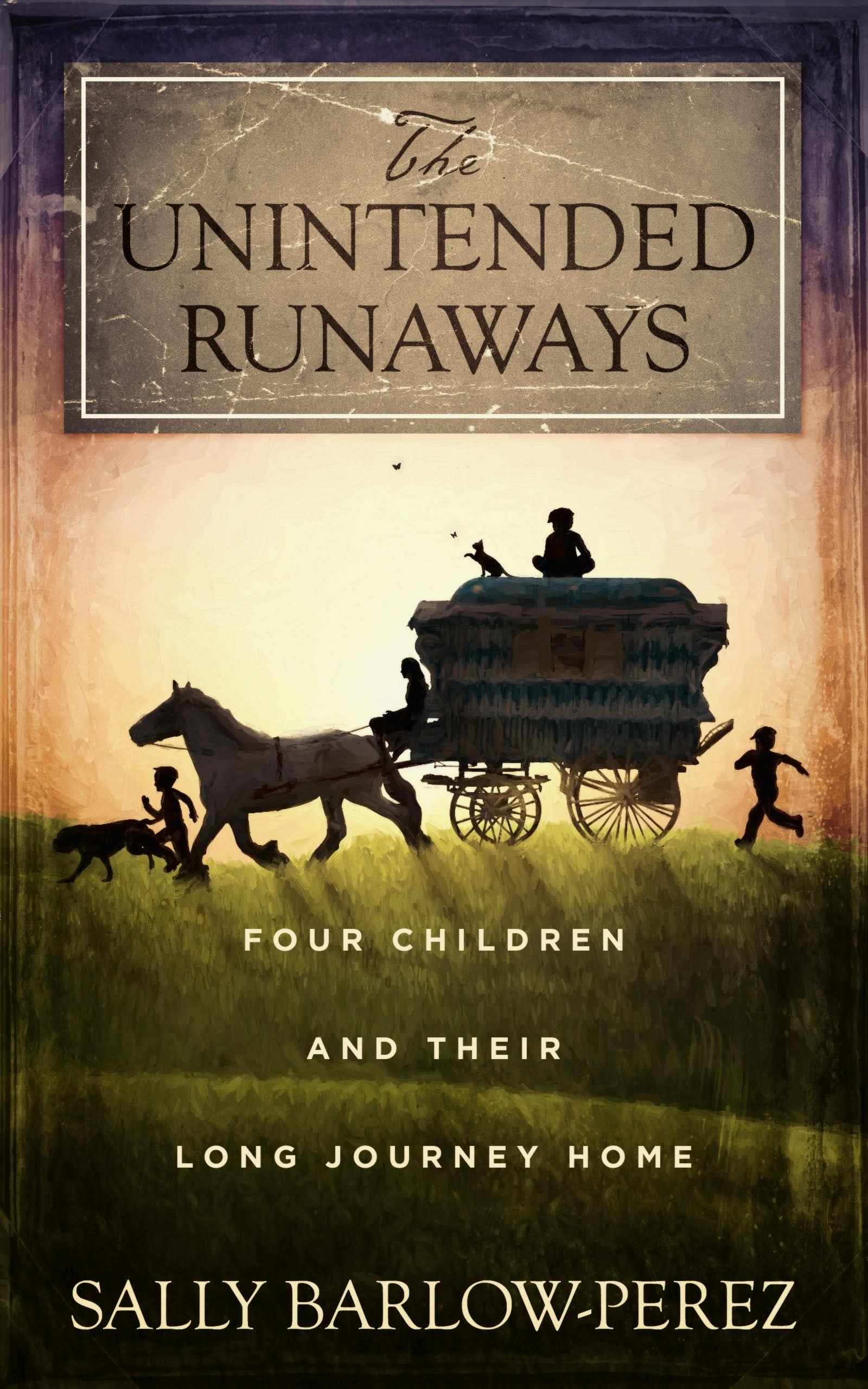
I too feel as though I too have been influenced by the thousands of fictional characters that have filled me up over the years. A good number have come from middle grade books. Many from young adult books. One memorable one was the picture book that inspired my own middle grade novel, The Unintended Runaways, with its lively painting of a gypsy wagon and the carefree little girl who lived in it.

The tale that formed around that picture was the story I wanted to tell. I fought it. I’d been in marketing and public relations and I knew historical fiction was emphatically NOT in vogue. Would anyone read it? Newsletters and conferences told me I would never sell it.  “Write it anyway,” I told myself. I already had visions of the beautiful blue wagon and the big shire horse trotting down the lovely rural roads of mid-19th century England. market.

“Don’t be an idiot,” I argued back. “You’re a journalist. You wrote a history book. Get out there and write something that’ll sell. How about an academy for shapeshifters? A middle school mafia? An underground society ruled by 12-year olds? You can do it! Get with the program!”

“Yeah,” said my better self. “And it will suck, big time and you will hate every minute of it. This is 40,000 words we’re talking about.”

So I did it my way. I wrote my historical novel about 19th century young people. Unfashionable as my setting might be, I knew today’s middle graders would identify with the larger themes of justice, freedom, and family. And I hoped they would fall in love with my characters just as I did.

Thus The Unintended Runaways came into being. My sixth grade consultants – who were very generous early readers!—say they like it. (They kind of have to say that.) But the proof will be in the sales figures. Because as a general rule……

There’s just no reading the middle grade mind.

____________________________________________

Links:

Website:  www.theunintendedrunaways.com

____________________________________________

unintended Runaways

Summary: For a girl who loved adventure, twelve-year old Lia Leonides had the perfect life. Every summer, she and her grandfather traveled the rural roads of England in their gypsy wagon, stopping at fairs and selling horse brasses along the way. It was exactly the life Lia wanted, until the day a mysterious letter arrived. Lia’s grandfather warned her not to get her hopes up, but lifelong dreams are hard to ignore. Lia’s father was alive and looking for her. But when her grandfather suddenly passes away, Lia is sent to work as a servant in an orphanage and is left with a choice that she never wanted to make: let the world decide her future for her, or run away and decide it for herself? Lia, with the help of her beloved pets and some unexpected friends, must take her gypsy wagon south on a harrowing journey before her father disappears forever. A persistent sheriff and the constant threat of misfortune won’t make the trip easy, but Lia and her friends don’t plan to let anything stop them from forging their own destinies.

____________________________________________

sally b-p

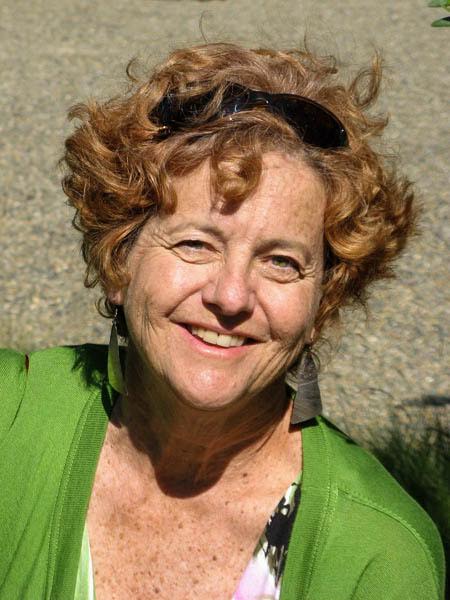
About the Author: Sally Barlow-Perez openly admits that books have taken over a good chunk of her life. She gobbles down two or three library books a week, ranging in genre from young adult, to middle grade, to fantasy, to mystery. She tries to balance her book obsession with writing, hiking, and hanging out with the young people who inspire her. But no matter how hard she tries, she always comes back to books. As a fiction writer, Sally’s focus is curiosity. “Curiosity is a great excuse for writing, as well as for reading,” she says. “Even when I finish a book, I still wonder what the characters are doing!” Sally makes her life in Palo Alto, California. She has two grown sons, whom she believes to be her greatest contribution to mankind. The Unintended Runaways is her first middle-grade novel. More information is available at www.theunintendedrunaways.com.
Thank you Sally for this insightful guest post!

Kellee Signature andRickiSig