Text Sets for Teachers: Prejudice: Is It Something We Can Control?

Share

Text Set Button

Prejudice: Is It Something We Can Control?
Text Set for Frankenstein by Mary Shelley and Pride and Prejudice by Jane Austen
created by Brenna Conrad

I will be working with an 11A class studying British Literature. In class, we will be reading Frankenstein and Pride and Prejudice. At first, I had a lot of difficulty finding a theme that would be applicable not only to both texts but also to two sets of students who get to choose which book they want to read. I chose to focus my unit on the concept of prejudice and if it is something that we can control. In Frankenstein, prejudice is visible when everyone rejects the monster based on its appearance. In Pride and Prejudice, it is inherent in how the classes are divided and how characters treat one another. I chose this overarching theme because I think that this idea of prejudice is a very prominent issue in today’s society and should be considered and discussed in an educational setting. I want students to be able to not only get a more complex and complete understanding of what prejudice is and how it is prevalent in society but also to understand that there are many subtle ways it is incorporated into the media and texts. This is important for students to be aware of, especially as technology and media is becoming increasingly more influential as time progresses.

With this goal in mind, I constructed my text set with illustrating prejudices not only in as many forms of media as possible but in as many different time periods as possible. I want students to place these books among many other works that display the dangers and horrors of prejudice. Though I tried to incorporate multiple sources from different time periods to plot prejudice through time, I narrowed my focus to current media that my students have witnessed in their lifetime, allowing them to personally connect with these sources. Prejudice is one of the most prevalent issues in today’s society, and I think creating an awareness about how prejudice is incorporated into our society in multiple forms of media is very important for learners.

Anchor Texts (although other texts may be used!):
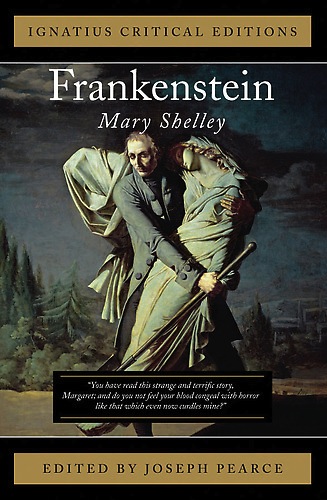
Frankenstein by Mary Shelley
Frankenstein
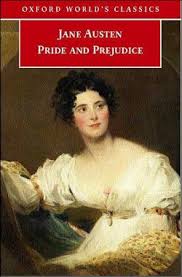
Pride and Prejudice by Jane Austen
Pride and Prejudice

Children’s Books
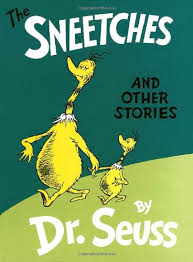
The Sneeches by Dr. Seuss (Also available on YouTube)
sneetches

Young Adult Texts
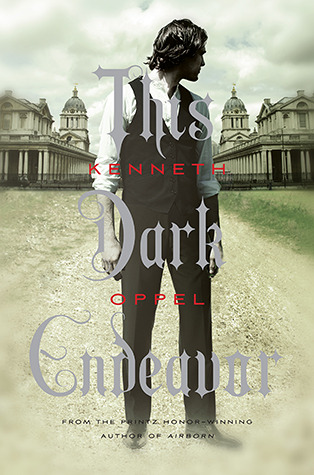
This Dark Endeavor by Kenneth Oppel (YA pairing to Frankenstein)
this dark endeavor
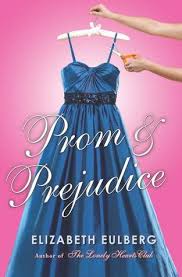
Prom and Prejudice by Elizabeth Eulberg (YA pairing to Pride and Prejudice)
prom and prejudice

Films
Mary Shelley’s Frankenstein (with Kenneth Branagh and Robert Di Niro)
Pride & Prejudice (with Kiera Knightly)
Pride and Prejudice (with Colin Firth)
Cinderella

Plays
The Laramie Project by Moisés Kaufman
Othello by William Shakespeare

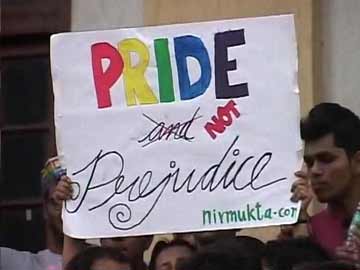
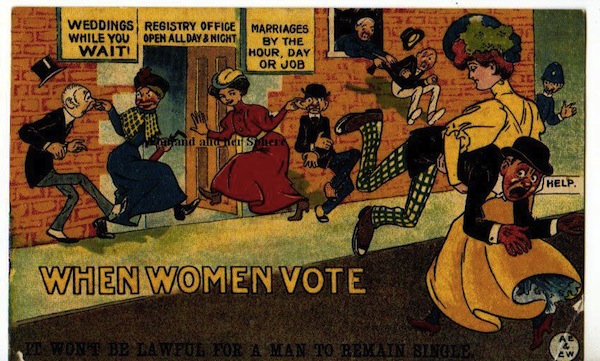
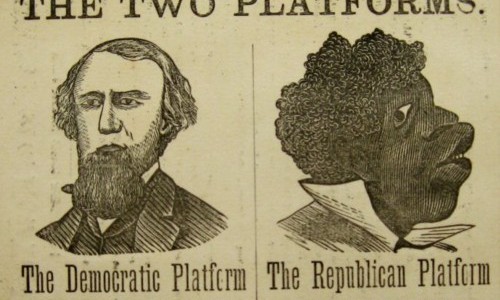
Images Used as Propaganda for Protest Movements
Gay Rights:
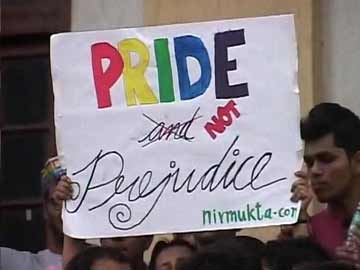
3.25.2015Prior to WWIJune 2015 Gay Rights MovementJune 2015 Anti-Gay Rights Movement

3.25.2015 Prior to WWI June 2015 Gay Rights June 2015 Anti-Gay Rights

Women’s Suffrage:
Anti-SuffragePro-Suffrage2013

 SuffragePro-Suffrage2013

Civil Rights:
1960sAnti-Civil RightsBlack Lives Matter MovementBlack Lives Matter MovementCounter to Black Lives Matter Movement

1960s Anti-Civil Rights Black Lives Matter1 black lives matter white lives matter

News Articles
Transgender Student Seeks Acceptance as She Runs for Homecoming Queen
BBC News: The Girl Who Was Shot for Going to School
Girls who Code aim to Make Waves in a Man’s World
Seeking Self-Esteem Through Surgery

Poems
“I, Too” by Langston Hughes
“Caged Bird” by Maya Angelou
“Beautiful City” by Alfred Tennyson
“Discrimination” by Kenneth Rexroth
“Breaking Prejudice” by Daniel Tabone

Songs
“Teenage Frankenstein” by Alice Cooper
“Same Love” by Macklemore
“Blackbird” by The Beatles
“Chains” by Usher

Charts
Gap in Yearly Earnings
Race of Prisoners

Essays
Gilbert and Gubar: “The Madwoman in the Attic: The Woman Writer and the Nineteenth-Century Literary Imagination”

TV Shows/YouTube Clips
Family Guy: African American Prejudice
Family Guy: Asian Prejudice
Family Guy: Mexican Prejudice
Family GuyItalian Prejudice
Family Guy: Muslim Prejudice
Family GuyChristian Prejudice
Social Mobility with Legos

Guiding Questions

  • What is prejudice?
  • How is prejudice seen in today’s society? Has this changed in comparison to the past?
  • How does society portray prejudice? How do we speak back to prejudice?
  • Are there prejudices that we are unaware of, but still possess? How do we know? What can we do about it?
  • Do people live in fear of prejudice? What do they do to avoid it?
  • Are prejudice and racism the same thing?
  • What different types of prejudice are there? Do some levels of prejudice feel stronger or more impactful than others? How might ranking levels of prejudice be problematic?
  • Can we eradicate prejudice or is it a reality of human nature?

Writing Prompts

  • How many different forms of prejudice are there? Are they all prejudice?
  • Make a list of things you’ve seen in the media that promote a prejudice society. Consider media such as television commercials, shows, movies, songs, magazines, or even comics. Pick 5 media that you believe are the most detrimental and briefly explain why.
  • After reading Frankenstein or Pride and Prejudice, has your concept of prejudice changed?
  • Choose a group that has been historically marginalized—either one that we talked about in class or a different group—and examine how the prejudice against this group has shifted across years.
  • Do you believe that it is human nature to be prejudice or that it is something society has taught. Write an argument for the side that you believe in. Be sure to include example from class and at least two credible outside sources.
  • In a journal entry, discuss prejudice in our society. Consider: Do people use prejudice in a way to benefit themselves? How do we as a society associate prejudice and humor? Is that ok? Are we making progress away from prejudice? Why or why not?

A special thanks to Brenna for this phenomenal text set! We think this text set would be useful for many anchor texts! What do you think?

RickiSigandKellee Signature

Text Sets for Teachers: What is a Hero?: Exploring the Concept of a Hero

Share

Text Set Button

What is a Hero?: Exploring the Concept of a Hero
Text Set for The Odyseey by Homer
created by Lara Hawley

The theme of What is a Hero? can be explored from many different viewpoints. Students might look at how society portrays a hero and what expectations we, as members of this society, have. This can cause individuals to examine the ethnicity, gender, and culture of modern day heroes. Forcing them to decide whether or not society’s idea of a hero aligns with their own personal definitions of a hero. The question of What is a Hero?, allows students to make associations to their own lives. They can describe people they know and defend whether or not they fit these conceptions of heroes. It prompts the students to question their original impressions of a hero.

The unit and theme will be investigated through the lens of the novel The Odyssey. This text is complex and often difficult for young students to engage in. It incorporates challenging language, but my hope is that through this theme, students will become more interested in the characters and the storyline. The additional video clips, charts, and other resources will help the class make sense of the book.

As I was generating my Text Set, I tried to include resources that would spark interesting conversations in the classroom. For example, I included the “Pep Talk from Kid President” to force my students to look at themselves as heroes. I also incorporated the “7 Types of Heroes” so the students could broaden their idea of what a hero is and compare different types of heroes. I hope that students will rethink the characters of the Odyssey during this unit and decide whether or not they should be considered heroes.

Anchor Texts (although other texts may be used!):
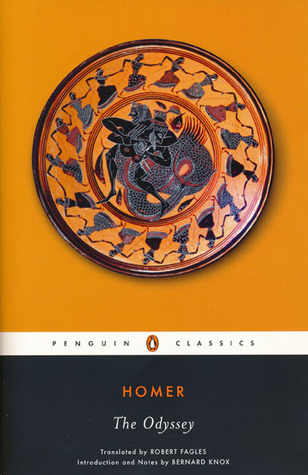
The Odyssey by Homer
odyssey

Graphic Novel
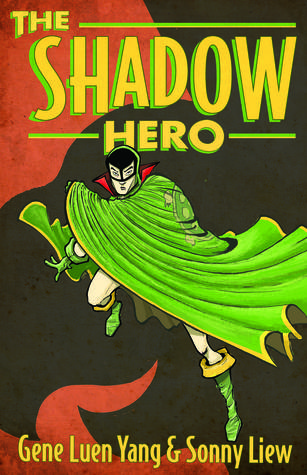
shadow hero
The Shadow Hero by Gene Luen Yang and Sonny Liew

Books (Excerpts)
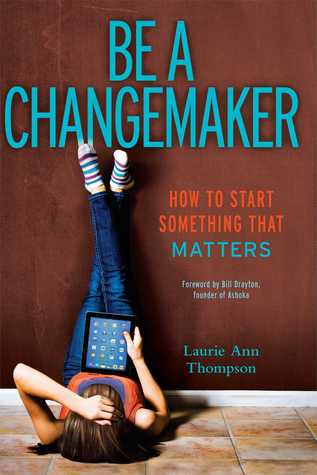
Be a Changemaker by Laurie Ann Thompson
Be a Changemaker

Videos
“What is a Hero?”
Freedom Writers Clip (Everyone is a Hero)
“For the Heroes: A Pep Talk from Kid President”
Les Miserables Clip (Selfless/Forgiveness)
Caitlyn Jenner Speech

Movies
Star Wars
The Dark Knight Rises

Images
we can do it
 superman
helping wheelchair
homeless

Poems
“The Charge of the Light Brigade” by Alfred Lord Tennyson
“A Hero” by Robert William

Short Stories”
“Thank You Ma’am” by Langston Hughes
“Initiation” by Sylvia Plath
“Cranes” by Hwang Sunwon

Songs
“Kill Your Heroes” by AWOLNATION
“We Could Be Heroes” by Alesso

PowerPoint (Teacher Created/Shared)
“Superhero PowerPoint”

Internet Sources
The Hero’s Journey
Five Qualities of Incredibly Heroic Leaders
7 Types of Heroes
Anti-Hero
Dictionary Definition
Hero Quotes

News Articles
What is a Hero?
CNN Heroes

Guiding Questions

  • What is a hero?
  • What makes someone a hero?
  • Do you have to be perfect to be a hero or can heroes make mistakes?
  • Can you be a hero because of one heroic act?
  • Are there different types of heroes?
  • Is heroism an innate or learned quality?

Writing Prompts

  • How are you a hero?
  • Who is your hero and why?
  • Make a list of top ten qualities of a hero–from most important (1) to least important (10).
  • Which of the characters in the Odyssey is the most heroic?

A special thanks to Lara for this phenomenal text set! We think this text set would be useful for many anchor texts! What do you think?

RickiSigandKellee Signature

Text Sets for Teachers: Growing Pains: Looking at the Subject of Coming of Age

Share

Text Set Button

Growing Pains: Looking at the Subject of Coming of Age
Text Set for The Curious Incident of the Dog in the Night-Time by Mark Haddon
created by Andrew Johnson

We must all grow up order to fully enter the world as an adult. In some cultures, growing up is a rite of passage. In others, it is a series of events—a gradual process. Everyone grows up in different ways and is influenced by the different circumstances and environments. There is no one singular point in people’s lives when they can decidedly say that they came of age. It simply just happens. It comes to pass through the experiences that change who they are and what they value as individuals. Growing up not only changes how we think about others, but it also changes how we think about our own identities and places in society.

With that said, this text set is immensely important for exposing students to how others manage to grow up and progress through their lives. Students in middle and high school want nothing more than to be older. They want to be grown, even though a part of them also wants to secretly stay young forever. They may have been told at some point in their lives by a parent, teacher, or other adult to “grow up,” but do they really know what this means? How do they know? This text set will take a multicultural, multi-faceted view on the process of growing up in a world that can be strange, harsh, and also very, very enjoyable.

Anchor Text (although other texts may be used!):
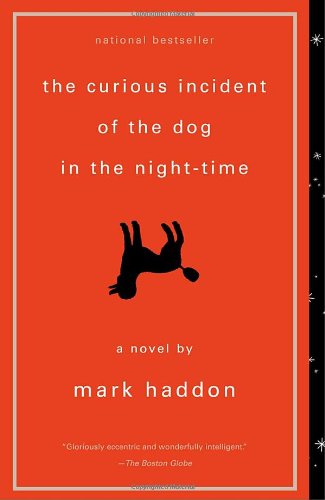
The Curious Incident of the Dog in the Night-Time by Mark Haddon
curious incident of the dog in the night-time

Graphic Novel
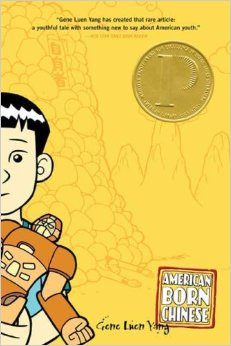
American Born Chinese by Gene Luen Yang
american born chinese

Other Texts
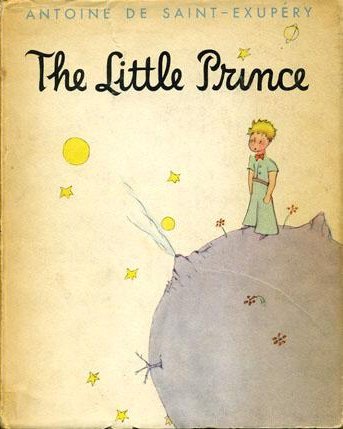
The Little Prince by Antoine de Saint-Exupery
Little prince

The Perks of Being a Wallflower (excerpts) by Stephen Chbosky
perks of being a wallflower

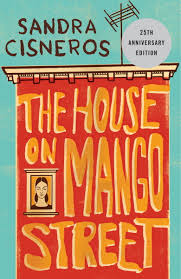
The House on Mango Street by Sandra Cisneros
house on mango street

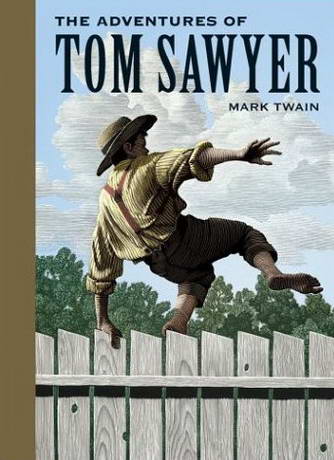
The Adventures of Tom Sawyer (excerpts) by Mark Twain
tom sawyer

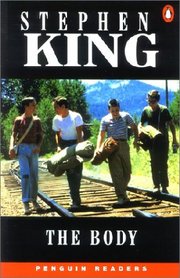
The Body by Stephen King (novella)
the body

Poems/Songs
“If” by Rudyard Kipling
“Lightspeed” by Grieves
“In My Life” by The Beatles
“Nothing Gold Can Stay” by Robert Frost

Short Stories
“Lost in the Funhouse” by John Barth (excerpt)
“Harrison Bergeron” by Kurt Vonnegut

Essay
“Manhood for Amateurs” by Michael Chabon

Movies
Wizard of Oz (part of a prior unit)
Mean Girls
Rain Man (clips/part of introduction to ASD)
Stand By Me (adaptation of Stephen King’s The Body)

TV Shows
Boy Meets World (any and all applicable clips)
Girl Meets World (any and all applicable clips)

Articles/Internet Sources
The Teenage Brain by National Geographic
Should Growing Up in Compton be Considered a Disability VICE
Kids are Growing up Way Too Fast – Manhattan Institute
The Definition of Disability by Deborah Kaplan
Talking About Disability – A Guide to Using Appropriate Language
13 Amazing Coming of Age Traditions from Around the World

Websites
Centers for Disease Control and Prevention (in order to understand the anchor text better)
Autism Speaks (in order to understand the anchor text better)
Simply Psychology (Erikson’s stages of psychosocial development)

Guiding Questions

  • What does being a child mean? What does being an adult mean?
  • Why can the path between childhood and adulthood be confusing or challenging?
  • Do we ever stop “growing up”?
  • Does our environment affect how we “grow up”?
  • Is “growing up” always a good thing? What makes it desirable?
  • Who or what pressures us to “grow up”? Who or what pressures us to stay young?
  • Is maturity synonymous with age?

Writing Topics

  • Describe someone who you consider to be “grown up” or “mature”? List their attributes.
  • Which stage(s) of identity development would you consider yourself to be in?
  • Design one scenario/question to determine if someone is mature or not. What would you look for in the answer?
  • After reading The Curious Incident of the Dog in the Night Time, Do you think that Christopher has “grown up”? What do you think he has learned?
  • Compare and contrast Christopher’s journey and possible “coming of age” with another character of your choosing (or maybe even you!).
  • What are we supposed to learn about ourselves after you’ve grown up? What do you hope to learn about yourself after you’ve grown up?

A special thanks to Andrew for this relevant, engaging text set! We think it would fit in with a variety of age levels and class texts. What do you think?

RickiSigandKellee Signature

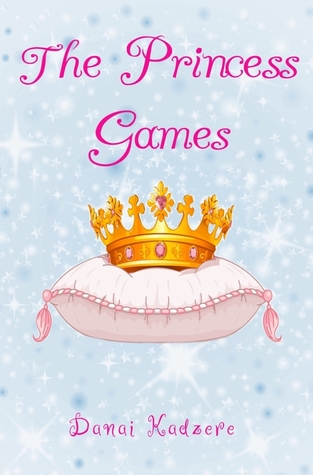
The Princess Games by Danai Kadzere

Share

x-default

The Princess Games
Author: Danai Kadzere
Published July 27th, 2015 by Lands Atlantic Publishing

Summary: King Winkle and Queen Periwinkle have a problem. They need a princess, and they need her fast. With the upcoming peace-keeping marriage between Prince Linus of Branninia and the princess of the fair Kingdom of Hoggenbottom, it’s a bit risky to admit they don’t have a princess.

Instead, they decide to host The Princess Games. Soon enough, the fairest maidens of the land are gathered in front of the castle, fairy-godmothers in tow! With a goofy king, an obsessive compulsive advisor, and a fairy godmother whose spells do whatever they want, these games are about to get interesting.

Even if Emma and her clumsy Fairy Louise can manage to do well in the competition, she’ll have to get past the expert spells of Fairy Faye and the beauty of Laralyn, who is intent on pleasing her ambitious mother at any cost.

My Review: What a fun fractured fairy tale! I love the humor! It really does include some laugh-out-loud moments. The book actually reminds me a bit of Princess Academy by Shannon Hale, but The Princess Games is more light-hearted.

I think what makes this book work the best is the different voices throughout. Each chapter changes point of view which gives a different insight to the games as they are going on. This helps with characterization especially because each character has such a distinctive voice.

One of my only criticisms is that I actually wish it was a bit longer! I would have loved to have some of the scenes be longer than they were and to have really gotten to know some of the secondary characters.

Teachers’ Tools for Navigation: I think this book is a wonderful example of voice. I would have students look at chapters written from different character’s points of view and have them look for how the author crafted their sections to build the character’s voice. When you look, you can find different vocabulary choices, different sentence patterns, different focuses, and different sense of humor.

Discussion Questions: Which princess do you think the royal couple will choose?; Why does Faye and Laralyn not like Emma and Louise?; How would the tone and voice have been different if the book had been written in first person?; What is the theme of the novel?

We Flagged: “Emma rued that last scone, stuffed with clotted cream and spiced rosehip jam, as the carriage bumped aong the uneven country road. ‘Ohhhhh,’ she groaned, clutching her stomach.

Fairy Faye looked at Laralyn, deigning to acknowledge Emma only to say, ‘And that, Laralyn, is why princesses eat daintily. Particularly on long journeys.'” (p. 45)

Book Trailer: 

Read This If You Loved: Princess Academy by Shannon Hale, The League of Princes series by Christopher Healy, Upon a Marigold series by Jean Ferris

Recommended For: 

classroomlibrarybuttonsmall

Kellee Signature

**Thank you to Danai for providing a copy for review!!**

Blog Tour, Review, and Giveaway!: The Not Very Merry Pout-Pout Fish by Deborah Diesen and Illustrated by Dan Hanna

Share

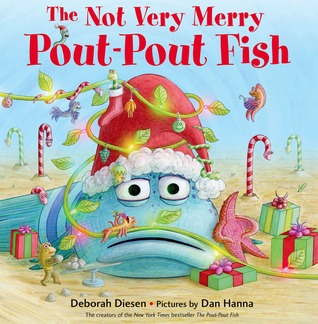
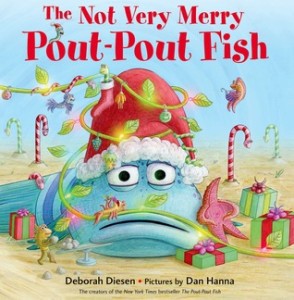
The Not Very Merry Pout-Pout Fish

The Not Very Merry Pout-Pout Fish
Author: Deborah Diesen; Illustrator: Dan Hanna
Published: September 8, 2015 byFarrar, Straus and Giroux (BYR)

Summary: Holiday sequel to The New York Times bestselling Pout-Pout Fish series reminds young readers what being merry is all about

The grumpiest fish in children’s literature is back with another case of “the dreary wearies.” This time, Mr. Fish, star ofThe New York Times bestselling Pout-Pout Fish series, is down in the dumps over holiday shopping. With a message for readers of all ages, The Not Very Merry Pout-Pout Fish (Farrar, Straus, & Giroux Books | Macmillan Children’s Publishing Group, Ages 2-6) finds Mr. Fish so consumed with finding that perfect gift for each of his friends that he forgets the true meaning of the holidays.

When Mr. Fish—with his signature Pout-Pout Fish frown—comes up empty-handed, Miss Shimmer intervenes with a plan to make homemade gifts. He soon learns that it’s not about busting the budget or gifting the season’s hottest item, but giving from the heart. Together they experience the joy that comes from giving and sharing—the merriest gifts of all.

Ricki’s Review: Ever since I received this book, my toddler has demanded I read it to him multiple times a day. The story has a wonderful moral that is very important for the gift-giving season. As a mom, I work really hard to try to show my son that material items should not be significant. Not only does this book teach lessons related to this topic, but it prizes friendship. I suspect we will be reading this book again and again in years to come because the need for this lesson will recur as he grows older. He loves the complexity of the illustrations. There is so much to look at on each page!

Teachers’ Tools for Navigation: This book offers opportunities for students to create their own homemade gifts for friends, family, or those in need. It will inspire students to want to create something that will be greatly appreciated by another person.

Discussion Questions: How might you show your love to a family member or friend without buying anything? Do you think they would appreciate it more or less? Why?; How does pout-pout fish learn the value of gift-giving? What do his friends think about his gifts?

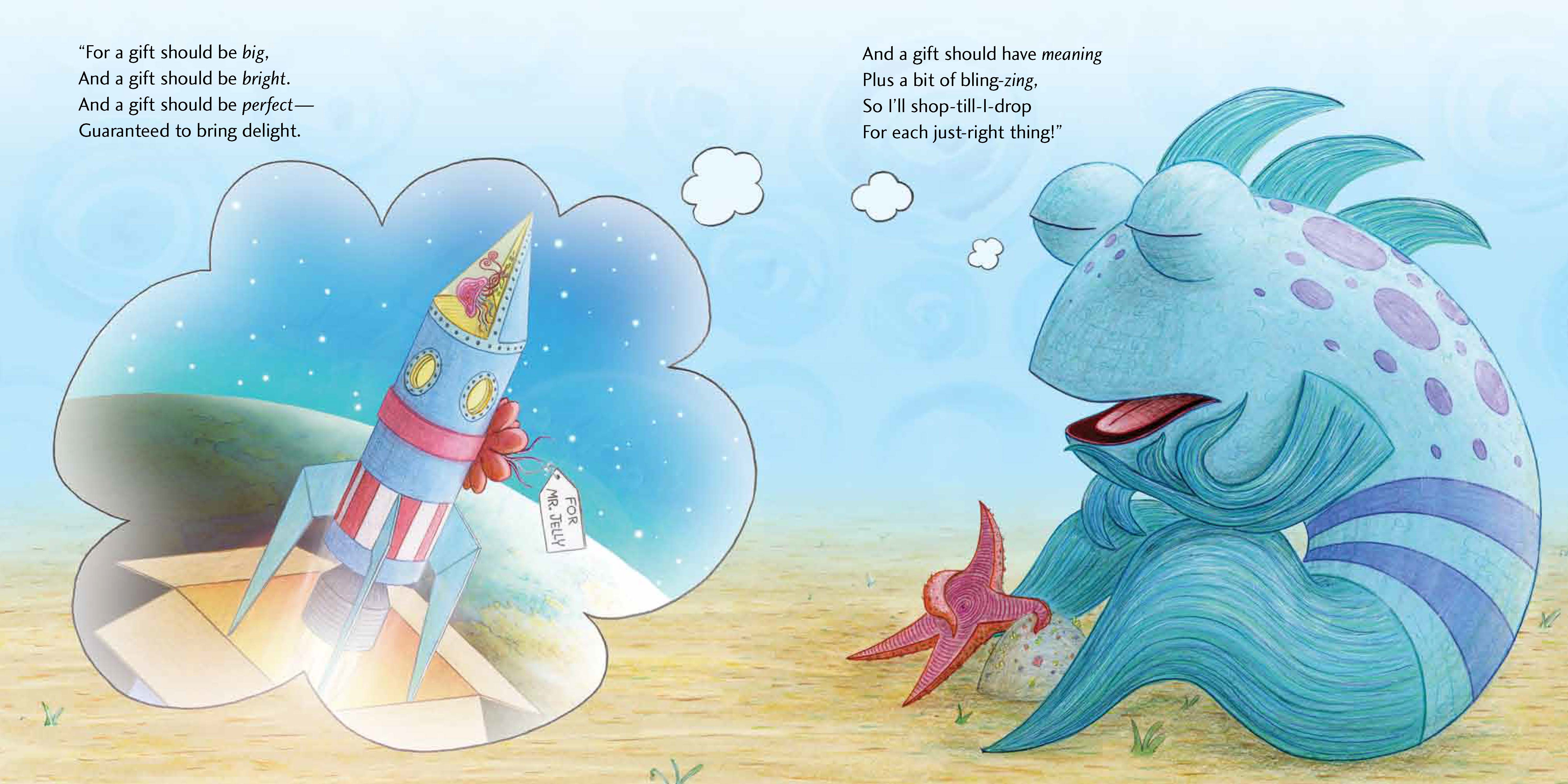
We Flagged:
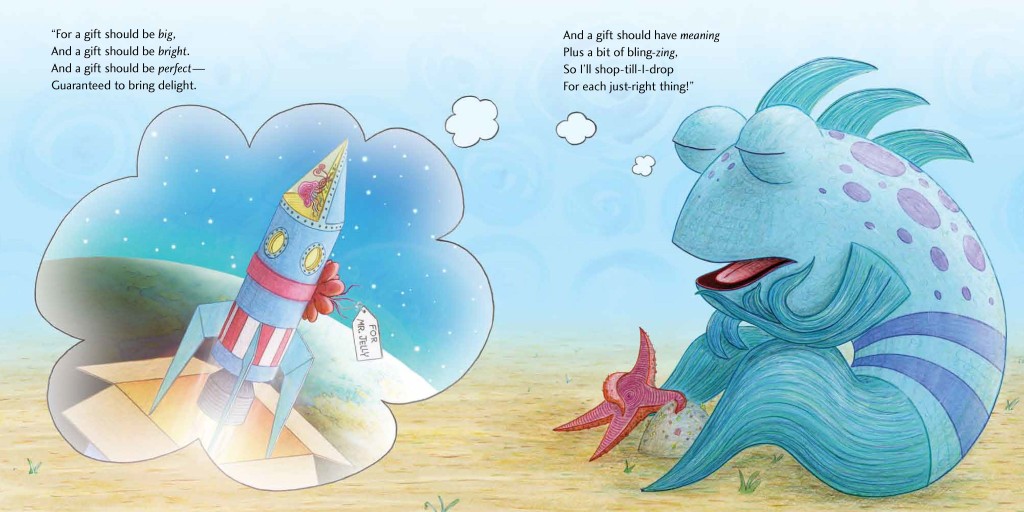
Pout Pout 2 (1)

Read This If You Loved: The Pout-Pout Fish by Deborah Diesen; The Giving Tree by Shel Silverstein; Books about Giving and Generosity; Books about Christmas

Giveaway!

a Rafflecopter giveaway

Recommended For: 

 readaloudbuttonsmall classroomlibrarybuttonsmall

Q&A with Author Deborah Diesen

How did you come up with the original Pout-Pout fish book in 2008?

The story grew out of an actual pout! One day many, many years ago, when my elder son was a preschooler, he was having a very grouchy afternoon. Hoping to amuse him, I made an exaggerated pouty face at him. He smiled and then pouted right back, which got us both laughing. “We look like fish,” I said. “Like pout-pout fish!” As soon as I said that out loud, it became a story idea. I jotted the idea down and I started writing The Pout-Pout Fish that same day. Years later, I started sending the story to publishers, and in 2005 it was accepted at Farrar, Straus & Giroux Books for Young Readers. The book was published in 2008 and began a series of stories, all featuring Mr. Fish, his friends, and their adventures.

Since the first book, we’ve seen Mr. Fish go to school, learn to smile, face the dark, discover how to dream and play hide-and-seek. What do kids (and their parents) love most about the series?

I think one of the things that makes Mr. Fish an appealing character for many kids and parents is that kids and parents alike can identify with his experiences. Toddlers sometimes pout; so do adults! Preschoolers have things they’re scared of; so do adults! Kindergarteners get nervous about starting something new; so do adults! Mr. Fish’s experiences provide a way for kids and grown-ups to explore those issues together. In addition, the stories have rhyme, repetition, and wordplay, which are fun in a read-aloud book. And Dan Hanna’s illustrations! They’re fantastic. They truly bring the stories to life.

What is Mr. Fish up to now? Does he have a case of the “dreary wearies” in the latest book, too?

Mr. Fish’s newest adventure is called The Not Very Merry Pout-Pout Fish. In it, Mr. Fish is in a bit of a holiday panic, searching for perfect gifts for all of his friends. His shopping trip is unsuccessful, and Mr. Fish is sure that he’s let all of his friends down. But his friend Miss Shimmer reminds him that the best gifts of all come straight from the heart, and she helps him craft simple and meaningful presents to bring to the holiday party. His friends are delighted with their presents, and together everyone celebrates peace, joy, and love – what a very merry gift!

What do you hope young readers (ages 3-6) will learn from The Not Very Merry Pout-Pout Fish? Is there a message here for grown-ups as well?

I hope that Mr. Fish’s latest tale will help children to realize that presents don’t need to be expensive or complicated or splashy. Simple, heartfelt presents that connect us to one another are the best gifts of all. A drawing; a craft project; time spent together; even just a smile! These sorts of gifts are the most cherished and the most enduring. It’s a lesson we grown-ups have to re-learn periodically as well.

Do you have any tips for parents of toddlers about the joy of giving presents, rather than just receiving them, this holiday season?

Kids love to give presents, and they especially love having an active role in the process of creating the presents. Try a craft idea or project that’s extremely simple and stress-free, and then let your child have at it with a minimum of help. The more messy, lopsided, and imperfect the results the better! Have fun with the process, and as you do you’ll create not just gifts but memories as well.

How do you and the illustrator, Dan Hanna, work together on the books? (Are there any special stories about the illustrations on Not-Very-Merry that you can share?)

I absolutely adore Dan’s art, and I credit it as the reason for the success of the series. We work independently of one another during the creation of the books. I work with our editor on the stories; then, when a story is finished and ready, she passes it along to Dan. Dan moves through the art creation process, from sketches to finished product, working with our editor and with the art director. I do see some of the steps along the way, but during the illustration process the author’s most important task is to stay out of the way! And that’s for the best, because it allows the artist to bring the story to life in the way only an artist can. Dan brings a thousand times more to the illustrations than I could ever begin to imagine – the characters and their expressions; the settings and their details; and all the funny and quirky extras. For instance, in The Not Very Merry Pout-Pout Fish, one of the spreads shows a store full of what I describe in the text as shiny trinkets and handy gadgets. Dan took that description and brought it alive by imagining, drawing, and labeling shelf after shelf in the gift shop with hilarious and unique sea gifts. His creativity is amazing. I feel very grateful and happy to get to make books with Dan!

Any future plans for Mr. Fish? What adventures can we expect to see him in next?

Mr. Fish has a new mini-adventure coming out later this year called Kiss-Kiss, Pout-Pout Fish. This mini-adventure, like the previous mini-adventures Smile, Pout-Pout Fish and Sweet Dreams, Pout-Pout Fish, is a very short board book with just a few words per page, meant for babies and young toddlers. In spring 2016, there will be a touch-and-feel alphabet book and a sticker book. Another mini-adventure, called Trick or Treat, Pout-Pout Fish, will arrive later in 2016. And in 2017, Mr. Fish will be in a new full-length hardcover called The Pout-Pout Fish, Far, Far From Home. He stays pretty busy these days! But he’s enjoying all of his adventures.

As am I!

Q&A with Illustrator Dan Hanna

How long have you been illustrating the Pout-Pout Fish books? What inspired your depiction of the main character, Mr. Fish?

I started illustrating the first book in early 2007 and so it’s been about 8 or 9 years now.

About 15 years ago I was scuba diving in Fiji.  There was a huge rusting hulk of a shipwreck about 80 feet down.  At the end of a pole extending above the deck was a small metal basket.  Resting in that basket was a pudgy fish about the size of my fist.  I swam up and looked right into his eyes and he looked right back with a deep, gloomy frown.  Years later, when I received the manuscript for The Pout-Pout Fish, that memory bubbled up.  I realized, at that moment, that Mr. Fish was an actual fish, living on the other side of the world, 80 feet down on a shipwreck.

When there’s a new Pout-Pout story to illustrate, how do you collaborate with author Deborah Diesen?

It may seem odd but I don’t communicate with Debbie regarding the illustrations.  I work with are the Editor (Janine O’Malley) and Art Director (Roberta Pressel).  When I initially receive a manuscript I’m given complete freedom to break it down into pages and to illustrate it however I think best.  After I complete the first dummy (a mock-up of the book) I send it to Janine and Roberta.  That begins a long series of feedback and changes until we get to a version that we’re all happy with.  At that point I begin the final art that will eventually be delivered to make the book.

What has been your favorite Pout-Pout book to illustrate? Why?

The first book!  Nothing can compare to getting your first book published.  Its success paved the way for all the others.  The original book was the first for both Debbie and me and that made it extra special.  Usually a publisher will team up a first timer with someone who has experience.  Fortunately, FSG took a chance on two rookies.

What medium do you use to make the illustrations? What’s your favorite to work with? Tell us about your creative process.

I use the PPPPP approach: Paper, Pencils, Pens, Paint and Photoshop.

My favorite is just pencil and paper.  When I start a new book I like to visit a variety of coffee shops in my area.  I let my caffeinated mind roam, scribbling out ideas and laughing to myself.  If a sketch doesn’t make me laugh then it usually doesn’t make the cut.

What illustration in The Not Very Merry Pout-Pout Fish did you have the most fun creating?

I especially like the one where Mr. Fish imagines giving Ms. Clam the robot body.  She just looks so happy and empowered.

The items in the shop and the gifts Mr. Fish imagines in this story are so detailed and quirky. How did you come up with them? Did you have a specific inspiration?

For the imagined gifts, I drew on my own experience as a kid where I would dream up magnificent presents for my family and friends.  Eventually, as with Mr. Fish, I would have to confront reality and drastically scale back my plans.

The shop items are based on all the goofy stuff you can find on the shelves of some of the more interesting gift shops.

Of all the items that the Pout-Pout fish dreams up (robot, spaceship, submarine etc.), which one would you love to get this Christmas?

The Submarine!  When I was a kid there was an ad in the back of a comic book for a submarine.  The ad went something like this:

“Delux Submarine!  Life Size!  Torpedo Tubes!  Absolutely NO Cardboard Parts!  Only $10!!

I saved up the money and sent away for it.   As I waited for it to be delivered my dreams were filled with visions of underwater adventure.  Eventually it arrived and sank my dreams into the abyss.  It was just a cardboard box with torpedo tubes made from toilet roll tubes.  It was even more depressing than the Sea Monkeys and X-Ray Glasses.

What do you think was your most valuable childhood experience?

Being bored.  I firmly believe that having enough free time to sit around and be bored is very important for the development of a healthy imagination.

What kinds of things inspire you to work?

I’m primarily motivated by death.  When I contemplate my eventual demise it scares me into action.  Although what really gets me going — is death and a cup of coffee.

What do you want the students to get out of your school visits?

That being a writer or illustrator is like being a wizard.  Your magic wand is a pencil.  Your potions are words and scribbles.  And the spells you cast will be the stories you write and the pictures you draw.  So pick up a pencil and make some magic happen!

Do you enjoy researching or do you prefer working totally from your imagination?

Initially I let my imagination run wild.  Then I knock it out with a tranquilizer dart while I do some research.  Finally, my groggy imagination re-awakes, snarls angrily and then runs wild again.  I’ve found that this approach works best for me.

Do you have any advice for aspiring picture book illustrators?

Buy one thousand parrots and place them in a room with a looped recording saying something like: “Dan Hanna can sure draw fish!” Then release the parrots, using a helicopter, over each of the major publishing houses. When the editors leave for lunch they’ll hear the parrots in the trees screeching “Aaaaccck, Dan Hanna can sure draw fish!” Now I know this scheme seems rather elaborate, but it worked for me.

How did it feel to have your first book (and author Deborah Diesen’s first book) become so successful?

It feels like a hot air balloon ride.  But not like one of those rides where the basket catches on fire or the balloon hits a power line or something.

What do you think will be the ultimate fate of your work?

Five billion years from now, when our sun has blown up and the Earth is a smoldering chunk of charcoal, humanity will hopefully have escaped to another planet.  Perhaps, packed away in one of the zillions of moving boxes will be an old, dusty copy of “The Pout-Pout Fish”.  Maybe then, some remnant of my wandering soul will smile as a genetically enhanced child stumbles across it and cracks open its ancient spine.

www.BlueBellyLizard.com

www.DanHanna.com

 RickiSig

**Thank you to Alessandra for providing a copy for review!**

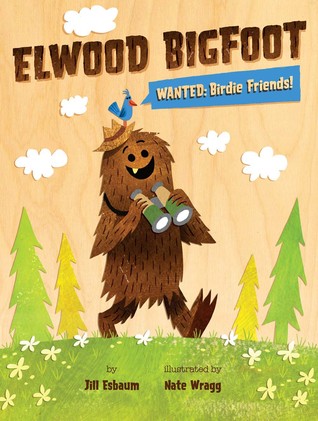
Elwood Bigfoot: Wanted: Birdie Friends! by Jill Esbaum

Share

9781454908791_cvr_1P.indd

Elwood Bigfoot: Wanted: Birdie Friends!
Author: Jill Esbaum
Illustrator: Nate Wragg
Published September 1st, 2015 by Sterling Children’s Books

Goodreads Summary: Elwood Bigfoot is big, clumsy, LOUD . . . and lonely. It’s hard for him to make friends—especially with the tiny, delicate birdies he loves so much. Each flash of their feathers, each chirp and cheerful song helps him feel less alone. But whenever a birdie swoops by, and Elwood hollers at it to STAY, the scared creature flies away. He tries everything: sitting on a branch, having a housewarming party, even building an amusement park with snacks and pools. But nothing helps—until Elwood finally learns how to make his bird dreams come true.

Kellee’s Review and Teachers’ Tools for Navigation: Elwood Bigfoot is such an sweet character. Throughout I just wanted to jump into the book and give him a hug. He doesn’t deserve to be alone, but he has to figure out how to make friends in the situation he is in. Elwood’s story would be a great way to introduce character traits as well as how a plot propelled a change in a character. Although Elwood does stay true to himself in the end, he does change throughout. Additionally, the book does have different birds throughout, and it would be fun to learn more about the different types.  

Ricki’s Review and Teachers’ Tools for Navigation: When my son and I read this book, we were both smiling at the wonderful illustrations. I think every person can find a piece of themselves in this character. We all approach situations where we are nervous, lonely, or uncomfortable. This would be a great book to ask students to make personal connections to the story. Then, teachers could host discussions about empathy and use the text as a way to teach metaphor. Elwood Bigfoot is a charming character that will stick with me. I can see him being very popular in classrooms!

Discussion Questions: What character traits did Elwood have at the beginning of the book? What did he have to change to help him get birdie friends?; What clues did the birds give Elwood to show him what scared them about him?; What are the different birdies that you saw throughout the book?

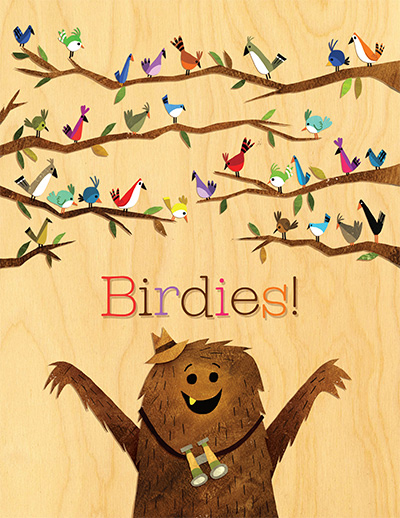
We Flagged: “Elwood loved birdies. Each flash of feather, each chirp and cheerful song helped him feel less alone. Whenever a birdie swooped by, Elwood hollered, “COME BACK, BIRDIE! BE MY FRIEND!” But no birdie every came back.”

elwood bigfoot illustration
From http://www.jillesbaum.com/elwood.html

Read This If You Loved: You Will Be My Friend by Peter Brown, Look Up! by Annette LeBlanc Cate; Giraffes Can’t Dance by Giles Andreae

Recommended For:

classroomlibrarybuttonsmall readaloudbuttonsmall

  Signatureand RickiSig

**Thank you to Joshua at Sterling Children’s Books for providing copies for review!**

Reviews and Giveaway!: The Color Monster by Anna Llenas, Dining with Monsters by Agnese Baruzzi, Mind Your Monsters by Catherine Bailey, and Monster Trouble! by Lane Fredrickson

Share

Halloween Button 2015

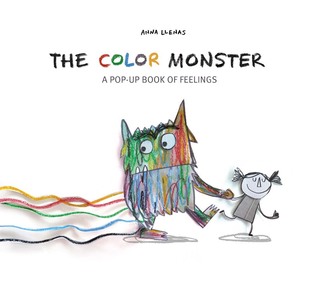
Monster Color Monster

The Color Monster: A Pop-Up Book of Feelings
Author and Illustrator: Anna Llenas
Published September 1st, 2015 by Sterling Children’s Books

Goodreads Summary: We teach toddlers to identify colors, numbers, shapes, and letters—but what about their feelings? By illustrating such common emotions as happiness, sadness, anger, fear, and calm, this sensitive book gently encourages young children to open up with parents, teachers, and daycare providers. And kids will LOVE the bright illustrations and amazing 3-D pop-ups on every page!

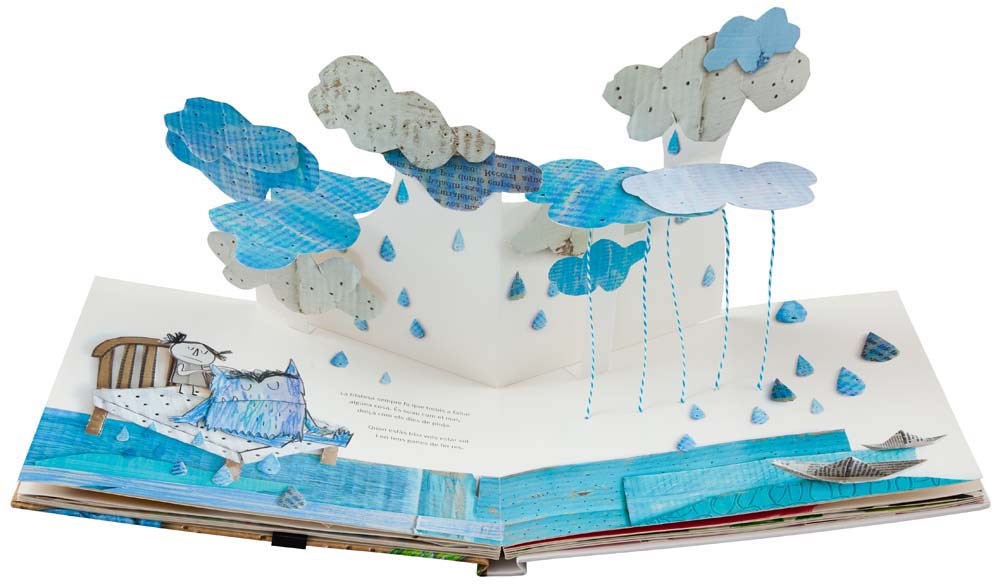
Kellee’s Review: I was blown away by this book. The personification (monsterfication?) of the emotions were so well done. It is hard to explain without showing an example: 

Monster Color Monster spread

Llenas did a beautiful job making entire scenes and monsters that embodied the emotions. I also liked the uniqueness of the pop ups. They were multimedia with collages and rope.

Ricki’s Review: Opening a pop-up book is exciting. Opening this pop-up book is mind-blowing. This text is a work of art, and I kept spinning the book in different ways while wondering, “Wow. How did she do that?” My son couldn’t keep his hands off of this book. It is quite magical. Every child deserves to have this book. It would make a great gift.

Teachers’ Tools for Navigation: The Color Monster would be a great text to mix socio-emotional lessons with academic lessons. While reading the book, the class can discuss the different emotions, why the author illustrated them the way she did, and how emotions look in real life. Then students could choose emotions and illustrate them with their own setting and monster.

Recommended For:

classroomlibrarybuttonsmall readaloudbuttonsmall closereadinganalysisbuttonsmall


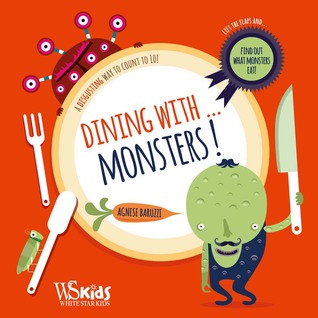
U7566717 Cop A pranzo coi mostri WSPdef.jpg

Dining With…Monsters!: A Disgusting Way to Count to 10!
Author and Illustrator: Agnese Baruzzi
Published September 1st, 2015 by White Star Kids

Goodreads Summary: What do hungry monsters like to eat? 1 spider swallowed whole, 2 leaping frogs, and 3 entire whales for the ogre with gigantic claws and scales! And for Mr. One-Eye, four mice are very nice. Kids will enjoy this fun feast of a counting book, with 10 colorful creatures and their meals of grasshoppers, scorpions, owls, and prickly porcupines. Foldout pages and simple, humorous rhyming text make this a delight to read aloud.

Kellee’s Review: This book is so much fun! Trent had such a fun time reading this book with me because the flaps are like a little surprise each time you lift them. We would open and close them like the monsters’ mouths and make nom nom noises. The illustrations of the scary-ish, (though more) funny monsters are elaborate and colorful, and the text is quite funny. 

Ricki’s Review: My son absolutely loves books with flaps, and he is a tough critic. If the flaps aren’t interesting enough, he tosses the book over his head. He was engaged in this book from the front to the back cover. At each flap, he started bouncing up and down in excitement. I am really happy to have this book because it will be very helpful for me as I teach my son to count. This is an excellent counting book, and I highly recommend it.

Teachers’ Tools for Navigation: What a fun text to use in early education classrooms to talk about colors, adjectives, rhyming, and counting! This text would be perfect for around Halloween because each page has a different monster that is described with adjectives then, with a flap flip, you find out a rhyming thing the monster eats.  This text could also then lead to a writing activity with describing a monster and finding a rhyming thing for it to eat. Additionally, there are some great vocabulary words (shrieks, icky, grisly).

Recommended For:

classroomlibrarybuttonsmall readaloudbuttonsmall


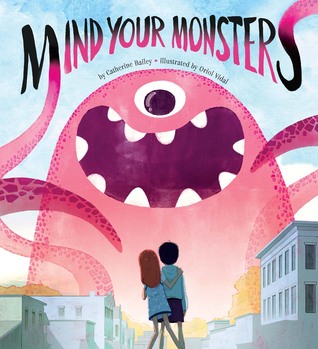
Monster Mind your Monsters

Mind Your Monsters
Author: Catherine Bailey
Illustrator: Oriol Vidal
Published August 4th, 2015 by Sterling Children’s Books

Goodreads Summary: Vampires and werewolves and zombies—oh my! It’s a monster invasion, and the stinky-smelling creatures are destroying Wally’s peaceful little town. They scare the kids, knock over the lampposts, and make a mess of everything. And no one can stop them—until, fed up, Wally says . . . the magic word, “PLEASE.” Learning good manners has never been as monstrously fun!

Kellee’s Review: I love the realistic setting and character illustrations mixed with the huge, imaginative monsters in the book. It really brings the book to life. I also think the protagonists will be kids that readers can connect with because they just seem so real and easy-going. Also, this book will be a very fun book to read with kids because it really doesn’t go the way you think it is going to go when you start reading it (and the message is one that we want all kids to learn).   

Side note: I appreciate the author including diversity in the town featured in the story. There are all different types of people which really does reflect society realistically.

Ricki’s Review: Parents and teachers love books about manners, and this book is no exception. Both teachers and parents will nod enthusiastically when Wally says, “Please.” The illustrations are gorgeous, and readers will be drawn to the beauty of this text. I loved the many different kinds of monsters that were featured in the story (from more traditional to contemporary). This will provide teachers and students with many opportunities to make connections to other texts about monsters and scary things! 

Teachers’ Tools for Navigation: Like many teachers, we enjoy making social contracts with my students. Together, we created a list of rules and then signed the contract. It involves students in a more democratic process. We think that this book would be a great way to kick off a discussion on rules and manners. This could precede the creation of the social contracts.

Recommended For:

classroomlibrarybuttonsmall readaloudbuttonsmall


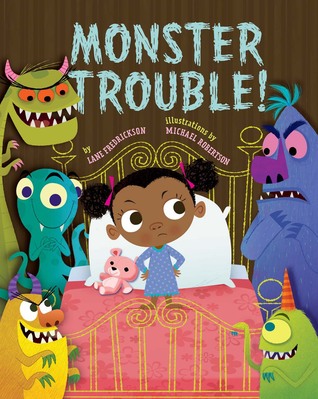
Monster Trouble

Monster Trouble!
Author: Lane Fredrickson
Illustrator: Michael Robertson
Published September 1st, 2015 by Sterling Children’s Books

Goodreads Summary: Nothing frightens Winifred Schnitzel—but she DOES need her sleep, and the neighborhood monsters WON’T let her be! Every night they sneak in, growling and belching and making a ruckus. Winifred constructs clever traps, but nothing stops these crafty creatures. What’s a girl to do? (Hint: Monsters HATE kisses!) The delightfully sweet ending will have every kid—and little monster—begging for an encore.

Kellee’s Review: What a fun premise and a great way to promote love instead of fear! I can just picture this book being paired with Monsters, Inc. to discuss perceptions and fears of monsters. Maybe teachers could even talk about where the folklores that started the “monster/bogeyman in your closet” fear. My only worry about reading this book aloud at bed time is that this book will make young readers think monsters are going to invade their room, but I think it is something we can discuss and hopefully move on from after talking about how there isn’t anything to be afraid of. 

Ricki’s Review: The monsters in this book are illustrated in a silly way, which makes the concept of monsters much more approachable for kids. I was giggling as I read this one to my son, and that made him giggle, too. (Then, of course, I smothered him in kisses.) I loved the premise of this charming book and will absolutely be keeping it in my library for when my son develops a fear (monsters or not).

Teachers’ Tools for Navigation: Teachers could hold a classroom discussion of fears, and students might critically examine their fears. Winifred is quite brave, so the students could discuss how they would show bravery when they encounter their fears.

Recommended For:

classroomlibrarybuttonsmall readaloudbuttonsmall


Giveaway!

a Rafflecopter giveaway

  Signatureand RickiSig

**Thank you to Josh at Sterling Children’s Books for providing copies for review!**