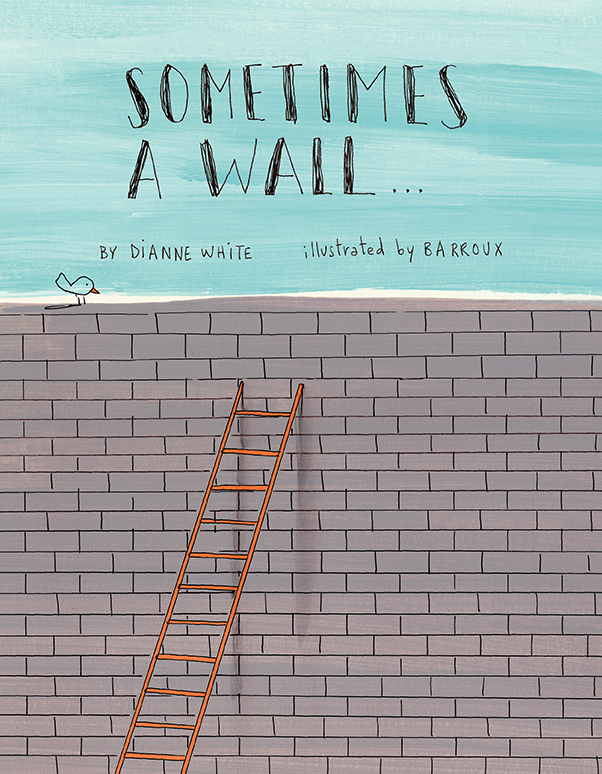
Sometimes a Wall… by Dianne White, Illustrated by Barroux

Share

Sometimes a Wall…
Author: Dianne White; Illustrator: Barroux
Published: October 15, 2020 by OwlKids

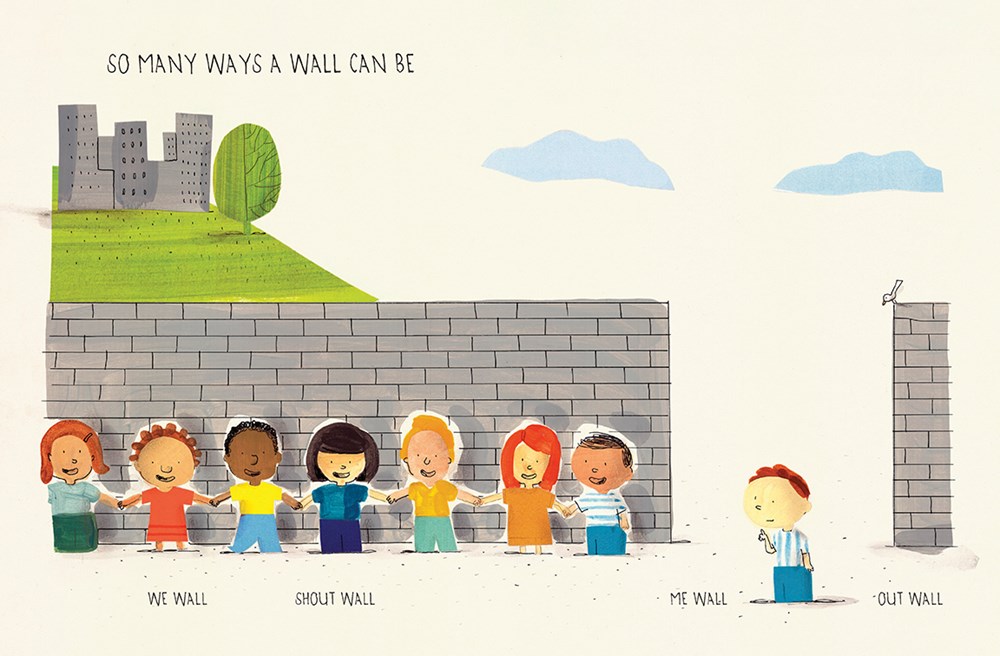
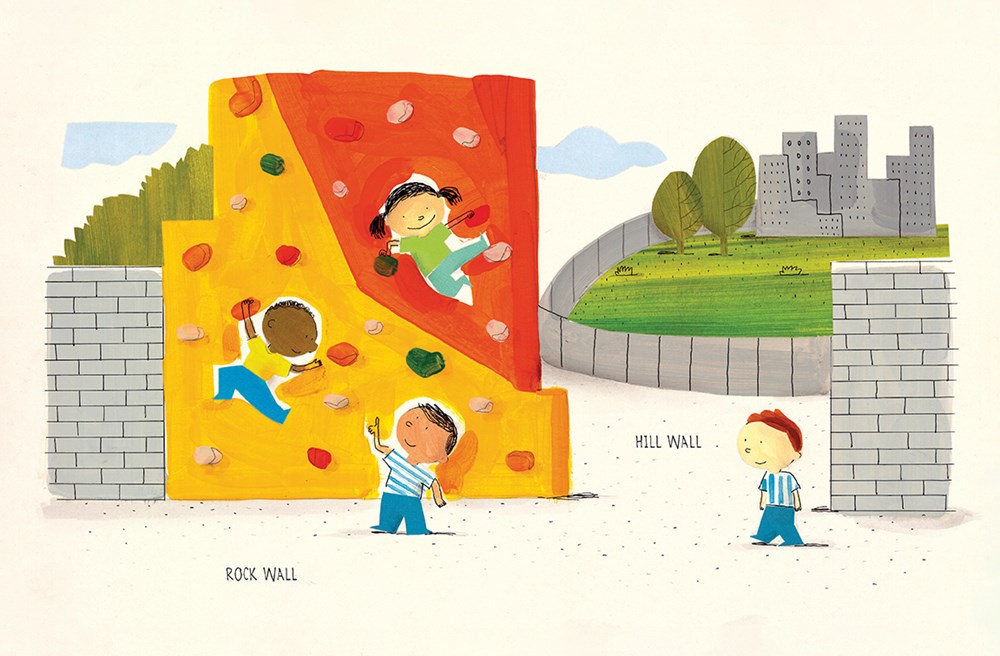
Summary: An afternoon in the playground introduces different kinds of walls: a brick wall to draw on with chalk, a water wall, and a climbing wall. What follows is a playful yet profound exploration of the many ways walls can divide us or bring us together. When one child is excluded from a game, another builds a castle to leave him out. When the builder declares the castle MINE, other kids feel alienated―but the builder becomes lonely, too, when the others have fun without him. The book ends with the optimism of a new start: friendship, forgiveness, and imagination give the wall new meaning.

Told with short, simple lines of playful, rhyming text and loose line illustrations by internationally known artist Barroux, this book sparks questions with empathy, insight, and charm. It’s a timely tool for inquiry-based and social-emotional learning, sharing the important message that walls can unite or divide, depending on the choices we make. 

“Rhyme, rhythm, and simple art—all including references to walls—show children expressing different emotions and behaviors… Mending walls for the nursery crowd.” –Kirkus Reviews

Review: My own children have been asking about walls. They hear about them in school (in preschool and first grade), and they come home with a lot of questions. This book offers such great fodder for conversations about walls. The wall in this book evolves, and it is up to the reader to interpret many aspects about the wall and its purpose. I love how this opens discussions for what walls might represent and how they might differ in various conceptions. For instance, the wall in this book might be described as a border wall or it might be describe attached to a metaphorical or ideological wall. This is a book that will make readers of all ages think. I read the book three times in a row (which is not often my approach) because I kept thinking about new applications of the text. This would make a phenomenal classroom text and would be great for critical thinking and discussions. I recommend it highly.

Teacher’s Tool For Navigation: I’d love to use this book to teach the concept of a metaphor. For me, the wall in this text can be used as a metaphor to talk about a lot of concepts (concrete and abstract).

The “Why” Behind the Book:

A Letter to Parents and Educators

A Letter to Young Readers

Discussion Guide:

Sometimes a Wall… Discussion Guide

A Lesson In 3 Movements:

• Intro to the Unit (PLEASE READ FIRST!)

• What’s Different About Reading Wordless/Nearly Wordless Picture Books?

• 1st Movement: TOGETHER (I Walk with Vanessa by Kerascoët)

 2nd Movement: APART (Draw the Line by Kathryn Otoshi)

• 3rd Movement: REGRET. NEW START? (Sometimes a Wall … by Dianne White, illustrated by Barroux)

Coloring Pages For Younger Students:

We Are Kind coloring page

Be Kind coloring page

Discussion Questions: 

  • What might the wall represent?
  • How does the wall evolve in the text?
  • What kinds of walls do you have in your life? Do they serve good or bad purposes (or both)?

We Flagged: 

Read This If You Loved: I Walk with Vanessa by Kerascoët, Draw the Line by Kathryn Otoshi, The Wall in the Middle of the Book by Jon Agee

Recommended For: 


Sofia’s Kids’ Corner: Top Four Favorite Classic Starts

Share

Sofia is an 8-year-old brilliant reader who aspires to be a book reviewer. On select Saturdays, Sofia will share her favorite books with kids! She is one of the most well-read elementary schoolers that we know, so she is highly qualified for this role!


Dear readers,

It’s time for another recommendation from me, Sofia Martinez! Today I’ve decided to change things up a bit. Instead of just writing about one book, I’m going to write about my four favorite books in a series called Classic Starts.

First let me tell you a bit about the series. There are about 55 books in the Classic Starts series. I own about thirty of them and have borrowed some from the library. So I know a lot about the series. Classic Starts is a series that abridges classics and puts them in a language that the kids of today understand. If you do not know what classics are they are very well known books. They also have to be old. This book collection is recommended for ages 7-9. The Classic Starts books also have pictures.

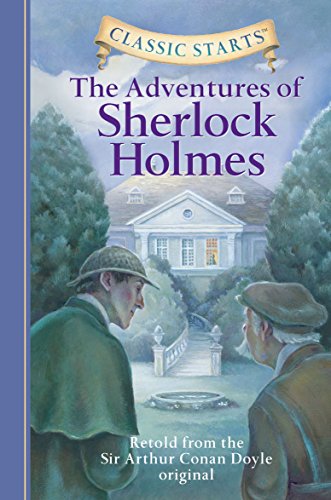
The Adventures of Sherlock Holmes

This book is about the world famous detective Sherlock Holmes. The book contains six shortened mysteries. My favorite one is called The Adventure of the Speckled Band. I don’t want to spoil the story so I’ll leave it at that. After reading the abridged version I moved on and started reading the original with my dad. The abridged version is easier to read and they took the real important parts into the story.

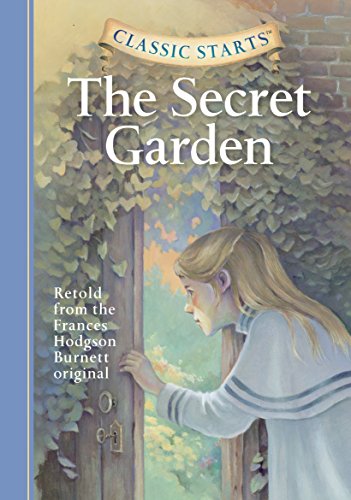
The Secret Garden

Mary is a rich girl but then everybody in her house dies of a sickness except for her. So she moves to Mr. Craven’s house. When Mary discovers there is a secret garden she sets out to find it. She meets two boys that help her take care of the garden. One of them is Mr. Craven’s son.

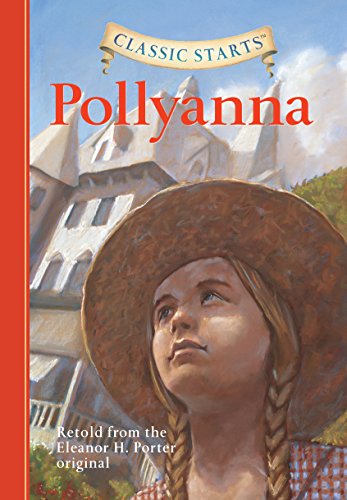
Pollyanna

My third favorite book in the series is Pollyanna. When Pollyanna’s father dies she goes to live with her Aunt Polly. Aunt Polly is harsh to Pollyanna. Pollyanna keeps herself happy by playing a game that her father taught her, the just be glad game.

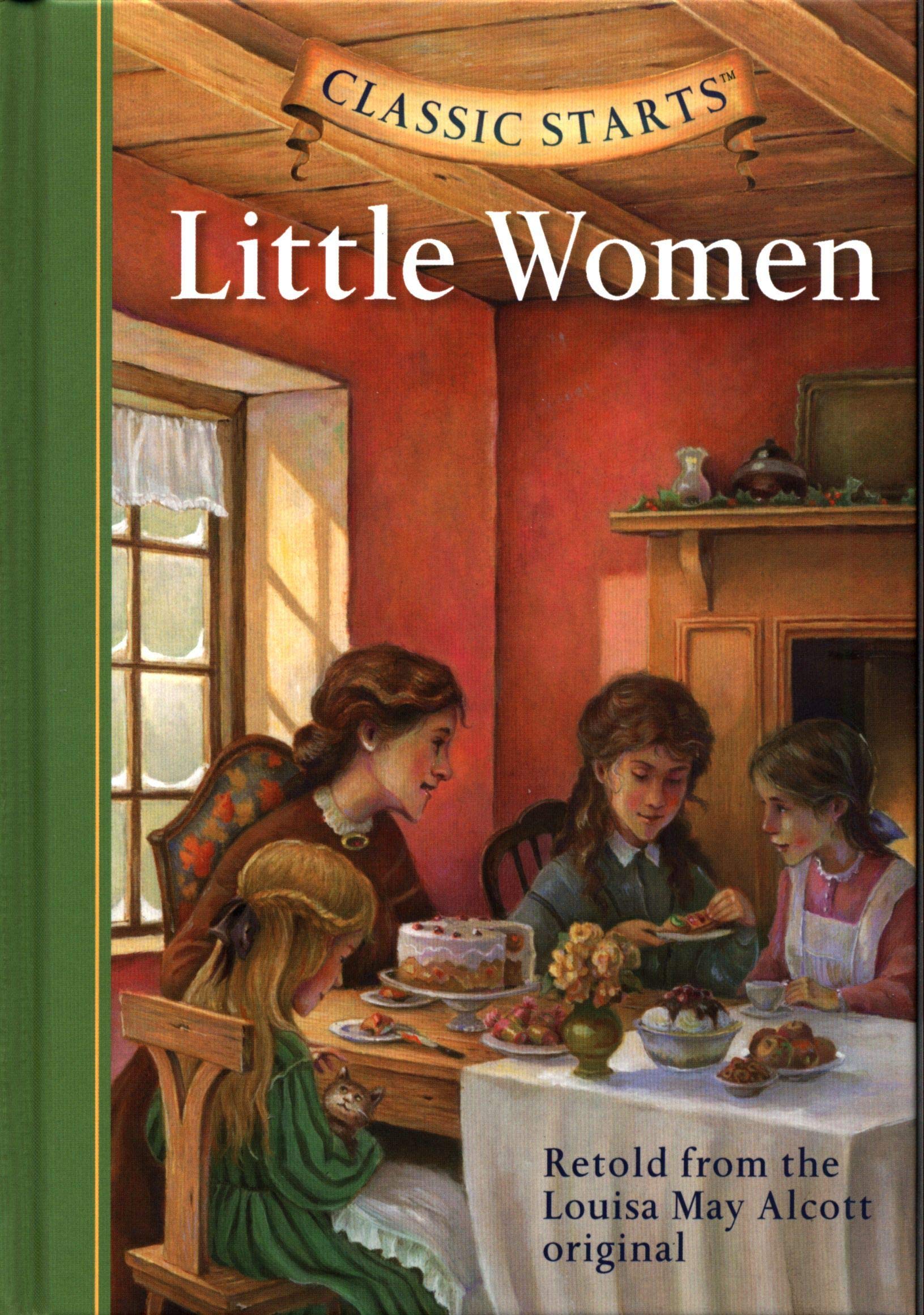
Little Women

I love this one so much I even watched the play and the movie (before the pandemic). Little Women is about the four March sisters. They are poor but have a kind heart. For example, one Christmas they give their breakfast to a family who couldn’t afford it. They face many challenges.

I love this series because it lets you experience classics that you would usually have to be older to read. It also gives you a good idea of what the original is about. You can also try out many without having to read a million pages to find out if you want to read the original version when you are older.

I have made a chart including most of the books that I’ve read under a few categories. I want to make it easier for you to find which books you might like. Don’t forget there are plenty more in the series.

Adventure
Anne of Green Gables
The Adventures of Sherlock Holmes
Little Women
Pollyanna
The Secret Garden
The Adventures of Robin Hood
The Three Musketeers
Robinson Crusoe
Journey to the Center of the Earth
Treasure Island
Moby-Dick
The Swiss Family Robinson
The Adventures of Huckleberry Finn
Gulliver’s Travels
The Call of the Wild
White Fang
The Last of the Mohicans
20,000 Leagues under the Sea
Scary
Dracula
Frankenstein
Kindness
Little Women
Heidi
Five Little Peppers and How They Grew
Pollyanna
Survival
The Swiss Family Robinson
Robinson Crusoe
Around the World in 80 Days
Magic
Alice in Wonderland & Through the 
Looking-Glass
Peter Pan
Pinocchio
Animal
Black Beauty
Anne of Green Gables
Heidi
White Fang
The Call of the Wild

**Thank you, Sofia, for your continued brilliance. You inspire us!**


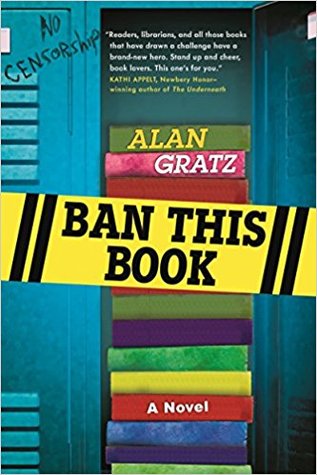
Sofia’s Kids’ Corner: Ban This Book by Alan Gratz

Share

Sofia is an 8-year-old brilliant reader who aspires to be a book reviewer. On select Saturdays, Sofia will share her favorite books with kids! She is one of the most well-read elementary schoolers that we know, so she is highly qualified for this role!

Ban This Book
Author: Alan Gratz
Published: August 29th 2017 by Starscape Books

Hi!

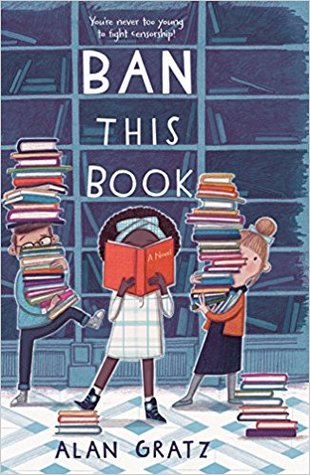
It’s Sofia Martinez again and I just finished reading this amazing book: Ban This Book by Alan Gratz. You definitely would not want to ban Ban This Book. It is for ages 8-12. Ban This Book won a 2020 Nutmeg Book Award in Connecticut. It is a chapter book.

Amy Ann’s favorite book is banned from the library along with others. She decides to make a locker library of all the banned books: the B.B.L.L, the banned books locker library, but when the principal finds out things start to get ugly. For example her favorite librarian gets fired trying to speak up for her. More things happen but I don’t want to be a spoiler.

I really like Ban This Book because it teaches courage. The girl in the book speaks up for her favorite book, something that I would have never done before I read this book. Another reason why I like Ban This Book is because it gives you ideas on what to read next. For example, From the mixed up files of Mrs. Basil E. Frankweiler by E. L. Konigsburg and Matilda by Roald Dahl. The last reason why I like it is because it is very entertaining. I like how it seems real. For example, there are typical arguments with sisters and a bit of sadness and lots of happiness. 

A few months ago I was walking in the library and saw Ban This Book on the Nutmeg Book Award shelf and thought it looked nice so I checked it out. Once I got home I changed my mind about it and didn’t want to read it anymore. I put it back in the library bag and started reading some other books, but now I really regret that.

Here are some discussion questions I came up with.

  • Would you have spoken up for your favorite book?
  • Would you run away if you had annoying brothers or sisters? 
  • Did you like Ban This Book? Why or why not?
  • How much do you think Amy Anne likes books?

If you want a book that teaches you something even if you’re a grown up, Ban This Book is perfect. I hope you have tons of fun reading this book!

**Thank you, Sofia, for your continued brilliance. You inspire us!**

Sofia’s Kids’ Corner: Wonder by R.J. Palacio

Share

Sofia is an 8-year-old brilliant reader who aspires to be a book reviewer. On select Saturdays, Sofia will share her favorite books with kids! She is one of the most well-read elementary schoolers that we know, so she is highly qualified for this role!

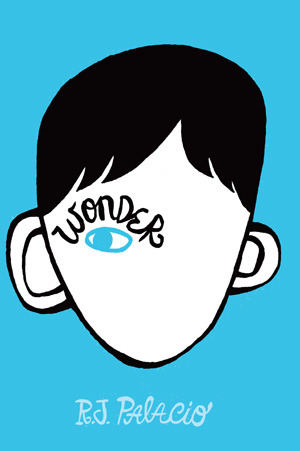
Wonder
Author: R. J. Palacio
Published: February 14th 2012 by Alfred A. Knopf

Hi!

It’s Sofia Martinez again. Today I will review Wonder by R.J. Palacio. It is recommended for ages 8-12. Wonder is a long chapter book. Chapters are sections of a book. This book also has a thing that most books don’t have: parts. Parts have several chapters in them and in this case each part is written from a different perspective.

Wonder is a funny but also sad book. It is about a kid named August that looks different and because he looks different people aren’t always kind to him. His nickname is Auggie. Auggie had many surgeries so his mom had to homeschool him. Now that everybody his age was moving to middle school, his mom thought that Auggie should go, too.

Like all new kids, Auggie faces difficulties. Auggie still makes friends though. One of them is Summer. When she realizes how her friends are being mean to him, she goes over to his table during lunch to give him company and they end up becoming friends.

I really like Wonder because of its different points of view. You usually don’t get to see the same situation described by different characters and know how they experienced it. I also like Wonder because you don’t know what’s going to happen next. You just can’t put the book down until it is finished. 

Once I saw that three copies of Wonder were available at our library, I borrowed them all so I could have a book club with my mom and grandma. We finished at the same time! We also came up with discussion questions. Here are some of them: 

  • Why do you think there are so many parts where Auggie tells the story again from his perspective? How does that help the story? 
  • How do you feel about Via describing her brother Auggie? What do you think about their relationship?
  • Are there any parts of the story that made you sad?

We also watched the movie after reading the book. The movie is very good. It is a bit different from the book but not much. I was surprised how some of the characters looked, for example Summer.

If you want a book that will change the way you look at things, Wonder is perfect for that. Have fun reading it!

If you enjoy Wonder, you might also enjoy the sequel: Auggie and Me by R.J. Palacio. 

**Thank you, Sofia, for your continued brilliance. You inspire us!**

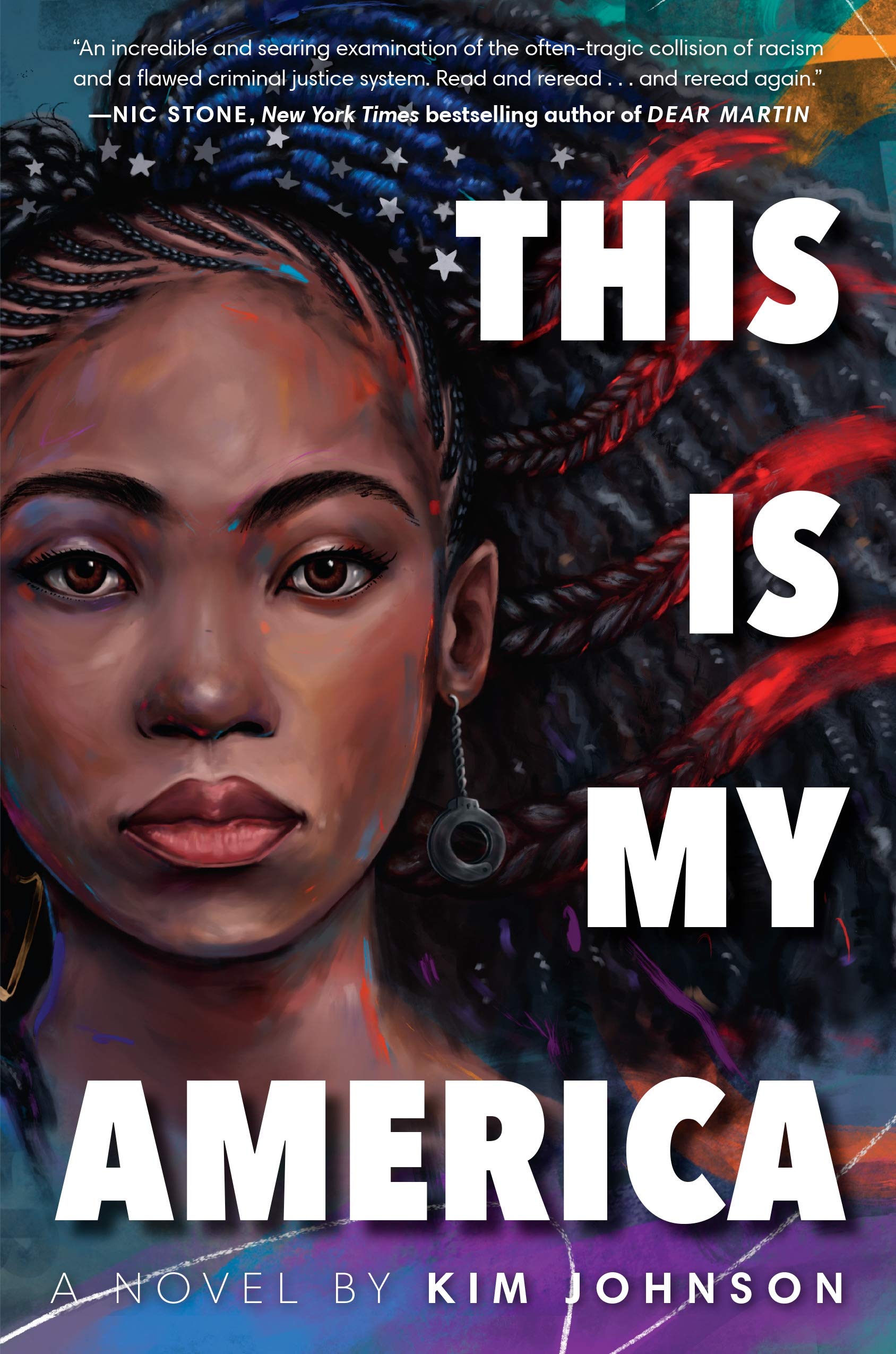
This is My America by Kim Johnson

Share

This is My America
Author: Kim Johnson
Published: February 28, 2017 by Balzer + Bray

GoodReads Summary: Dear Martin meets Just Mercy in this unflinching yet uplifting YA novel that explores the racist injustices in the American justice system.

Every week, seventeen-year-old Tracy Beaumont writes letters to Innocence X, asking the organization to help her father, an innocent Black man on death row. After seven years, Tracy is running out of time—her dad has only 267 days left. Then the unthinkable happens. The police arrive in the night, and Tracy’s older brother, Jamal, goes from being a bright, promising track star to a “thug” on the run, accused of killing a white girl. Determined to save her brother, Tracy investigates what really happened between Jamal and Angela down at the Pike. But will Tracy and her family survive the uncovering of the skeletons of their Texas town’s racist history that still haunt the present?

Fans of Nic Stone and Jason Reynolds won’t want to miss this provocative and gripping debut.

Review: This is a book that will stick with me forever. The characters are powerfully written, and the plot unfolds itself beautifully. It tackles complex themes that offer excellent fodder for classroom discussion. Some of these include implicit and explicit racism, the ripple effects of White supremacy and racism, White privilege, and injustices in the judicial system. I could go on. This book is truly exceptional, and I envision it winning some big awards this year. There is so much to unpack and so much to admire in Johnson’s writing. It’s absolutely brilliant. If you buy no other book this summer, buy this one. It will make you think deeply about equity and justice.

Teachers’ Tools for Navigation: I highlighted so many passages of this book while I was reading it. There are so many sections that would make phenomenal close readings in the classroom. I highly recommend pairing this text with portions or all of Michelle Alexander’s The New Jim Crow: Mass Incarceration in the Age of Colorblindness.

Discussion Questions: What are some of the injustices in this text?; How can we, as a society, work to change these injustices?; How do the injustices have a ripple effect on other characters?; How does Johnson layer the plot to elevate the reading and message of the text?

Flagged Passage: “Corinne never held that memory [of Daddy getting arrested], but I know she feels it in everything we breathe. It’s in the polite nods across the street we have to make, the way our family turns down our music when there are others around. Say yes ma’am and no sir. Leave our jackets and backpacks in the car when we go shopping.

It’s in the way I carry myself that tells our story now. I can’t risk being accused of anything. Because if something goes wrong or missing, I know it’s in the back of someone’s mind that maybe I had something to do with it. And it’s in the way that the voice of the strongest woman I know stumbles when saying, ‘Hello, Officer’ as she walks through the visitation gates to see Daddy.”

Read This If You Loved: Just Mercy by Bryan Stevenson; The Hate U Give by Angie Thomas; All American Boys by Jason Reynolds and Brendan Kiely; by Ilyassah Shabazz and Kekla Magoon; The Rock and the River by Kekla Magoon; How it Went Down by Kekla Magoon; Freedom Summer by Deborah Wiles;

Recommended For:

 litcirclesbuttonsmall closereadinganalysisbuttonsmall classroomlibrarybuttonsmall

RickiSig

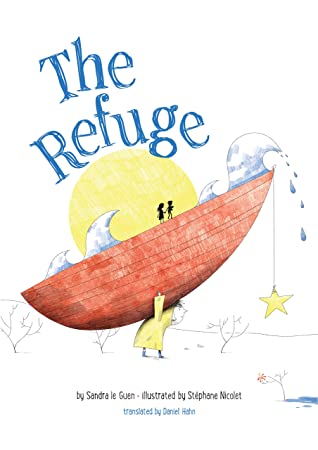
The Refuge by Sandra Le Guen, Illustrated by Stéphane Nicolet

Share

The Refuge
Author: Sandra Le Guen
Translator: Daniel Hahn
Illustrator:  Stéphane Nicolet
Published June 1, 2020 by Amazon Crossing Kids

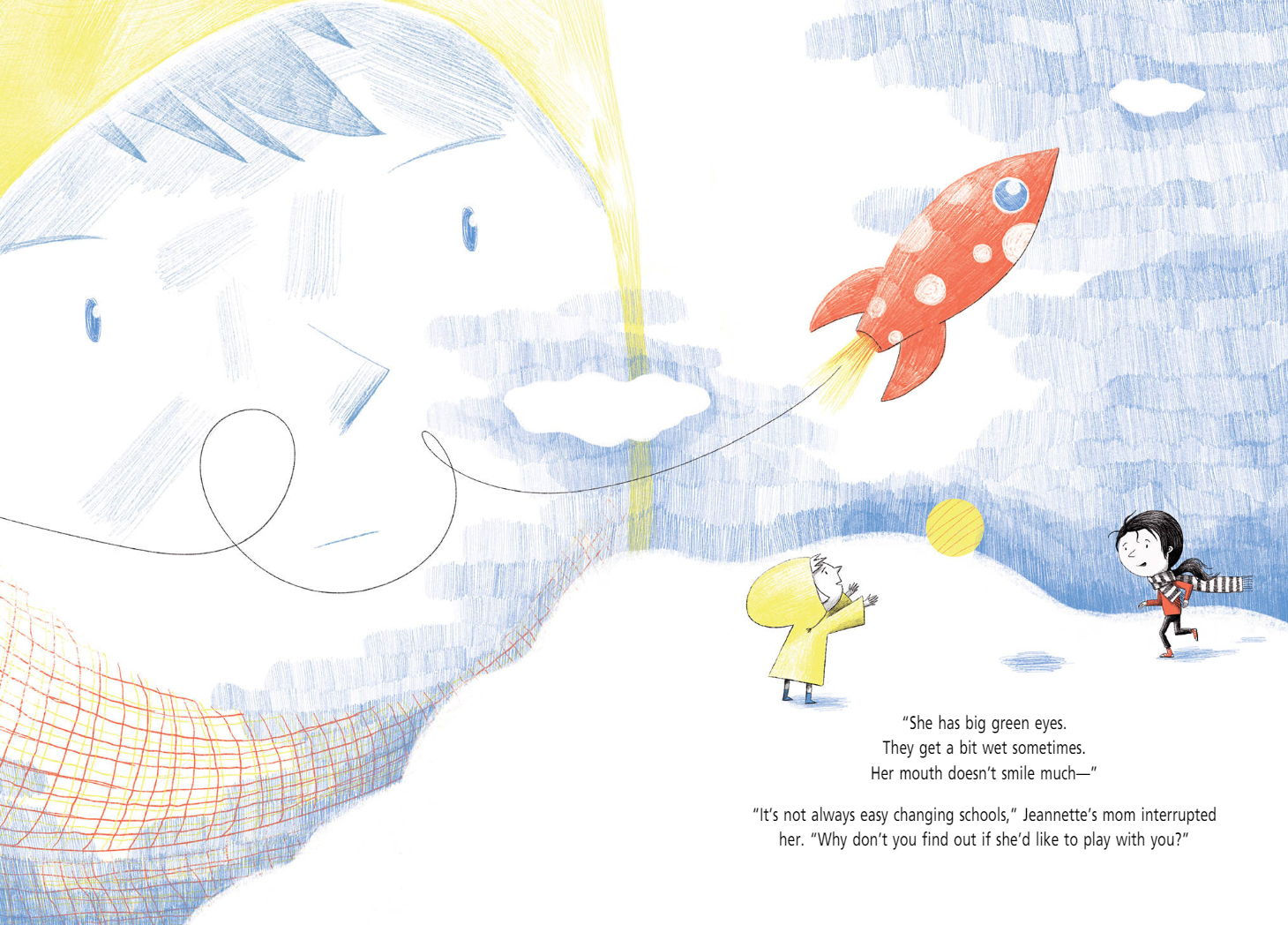
Summary: “There’s a new girl at school. She never stops looking up at the sky! She likes the stars and comets.”

Jeannette tells her mom about her new classmate, who also loves astronomy but seems sad. She realizes it’s not easy to move to a new place. So the next day, at recess, Jeannette asks Iliana to play.

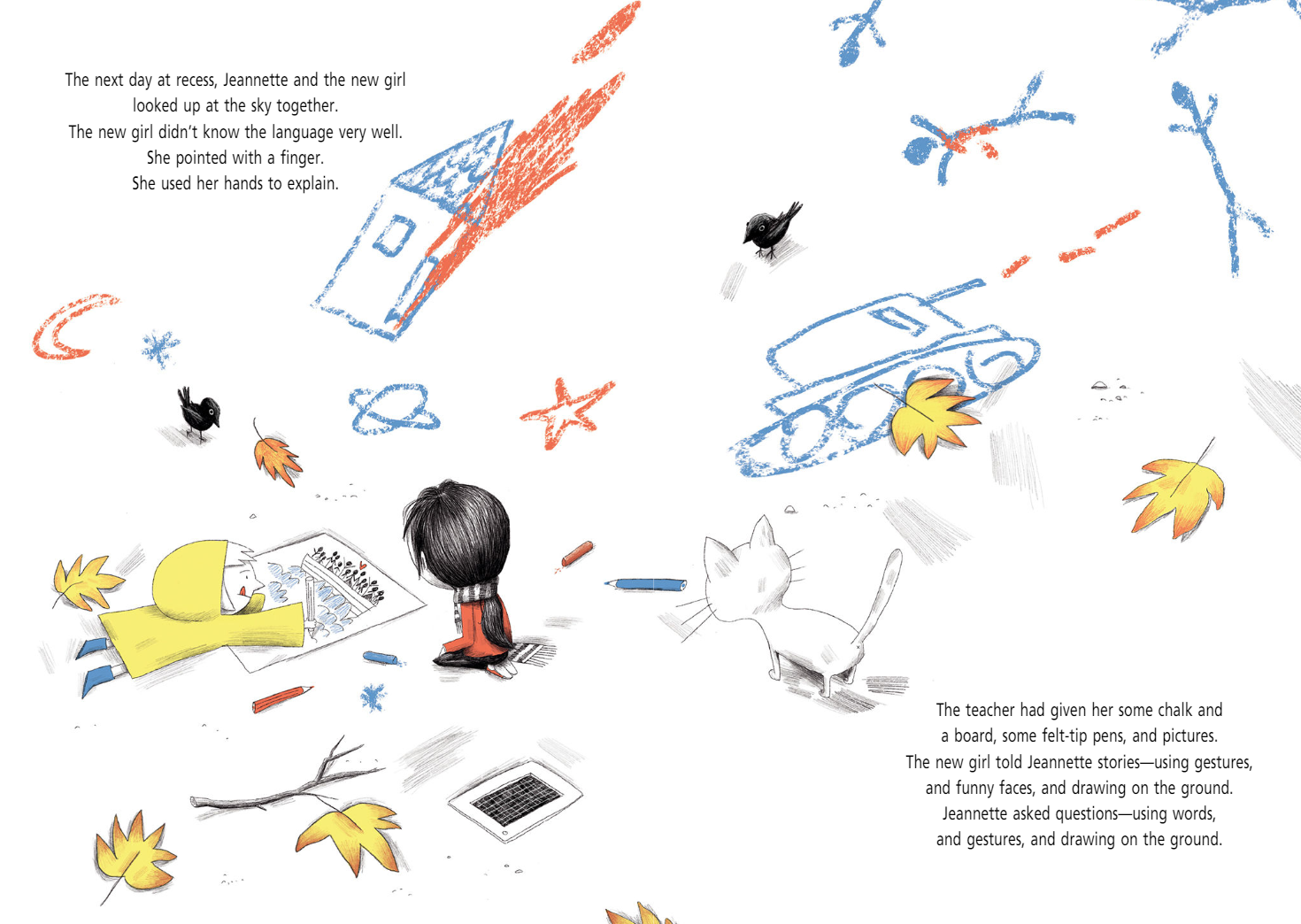
At first, it’s a little hard to communicate because Iliana is learning a new language. The girls have to use their hands and their drawings. But they keep trying, and, soon, Iliana tells Jeannette about her difficult journey as a refugee who had to leave her country. Then their families meet, and Iliana’s parents share their story too. The girls’ friendship blooms, as limitless as the sky and their imaginations.

Originally published in France and brought to life with wonderfully expressive artwork, this is a book about sharing stories and finding refuge in friendship, family, and a new home.

Kellee’s Review: This book is beautiful. It shows pure empathy for a young girl, and her family, who needs all love in the scary new situation she is in. Their journey was harrowing and being in a new place where they do not speak the language must be completely overwhelming; however, this was something they felt no choice in doing because of the horrors of war back at their home. But sadly, refugees have been villainized–once again fear winning over empathy. However, The Refuge puts a narrative to the journey that many children and families face just to stay safe. And it is such a well-crafted narrative with beautiful illustrations–just an overall excellent book. A must read for ALL ages. 

Ricki’s Review: Magnificent. This book is truly and utterly magnificent. I am quite hopeful it will win some of the major literary awards. Whew! The writing depicts the myriad emotions that Iliana might have experienced on her journey, and Jeannette has such deep empathy for her classmate. The illustrations take the book to the next level. I would purchase a spread of this book and frame it for the wall in my office—the illustrations are that captivating. We share some of the illustrations below. There’s one illustration in which Iliana is carrying a giant boat on her back, and a star hangs from a string on the front. Two small children walk up the top of the steep boat. The words match the illustrations, and yet the illustrations have deeper, metaphoric meaning. This would be a terrific book to study at the high school and college level. It would sustain several classes of discussion. I plan to purchase a copy to use in my Teaching Reading class. If you haven’t read this book, I recommend it highly.

Teachers’ Tools for Navigation: Metaphor is powerfully used in this text (both in the writing and illustrations). This would be a magnificent text to use as a mentor text for the instruction of metaphor. Students might select a written metaphor to illustrate and an illustrated metaphor to write in words to consider the flexibility and power of the use of metaphor. Then, they might craft their own metaphors related to the story.

Discussion Questions: 

  • Choose one illustration that you like. What is the surface level meaning? What is the deeper meaning attached to the image?
  • How does Jeannette demonstrate empathy for Iliana?
  • What did you learn about refugees?
  • Why do you believe the author titled the book The Refuge instead of Refugee?
  • How do the illustrations and writing work together?
  • What creative techniques does the author use?
  • What creative techniques does the illustrator use?

Flagged Passages: 

Read This If You Love: The Arrival by Shaun Tan, Refugee by Alan Gratz, Dreamers by Yuyi Morales, The Name Jar by Yangsook Choi, Each Kindness by Jacqueline Woodson

Recommended For: 

classroomlibrarybuttonsmall 

Signatureand

**Thank you, Barbara at Blue Slip Media, for providing copies for review!**

The Remember Balloons by Jessie Oliveros

Share

The Remember Balloons
Author: Jessie Oliveros;  Illustrator: Dana Wulfekotte
Published: August 28, 2018 by Simon & Schuster

Goodreads Summary: James’s Grandpa has the best balloons because he has the best memories. He has balloons showing Dad when he was young and Grandma when they were married. Grandpa has balloons about camping and Aunt Nelle’s poor cow. Grandpa also has a silver balloon filled with the memory of a fishing trip he and James took together.

But when Grandpa’s balloons begin to float away, James is heartbroken. No matter how hard he runs, James can’t catch them. One day, Grandpa lets go of the silver balloon—and he doesn’t even notice!

Grandpa no longer has balloons of his own. But James has many more than before. It’s up to him to share those balloons, one by one.

My Review and Teachers’ Tools for NavigationThis book is beautifully conceived. James’ grandpa has colored balloons that represent his favorite memories. Some of these memories begin to slip away, and James cannot catch them as they fly into the sky. Soon, his grandpa starts forgetting who James is, too. I read this in my son’s new school’s library and had to work very hard not to hold back tears. It is a stunning story, and I think it will resonate with both adults and children. This book allows for rich discussions of senility and Alzheimer’s Disease.

As I read this with my son, I was compelled to have him draw his own balloons to represent his favorite memories. While he drew his balloons, I drew a balloon of a shared memory at the same time. Teachers might have students cut balloons out of colored paper and ask students to create a giant bulletin board filled with their memories together.

This is a great text to teach the concept of the extended metaphor.

Discussion Questions: How does James feel when his grandpa starts to lose his balloons?; What memories would make up your own balloons?; What is a metaphor? How are the balloons a metaphor?

Flagged Spreads: 

Read This If You Loved: What a Beautiful Morning by Arthur A. Levine; Forget Me Not by Nancy Van Laan; The Memory Box by Mary Bahr, Still My Grandma by Veronique Van Den Abeele, Really and Truly by Emilie Rivard, Wilfrid Gordon McDonald Partridge, written by Mem Fox, What’s Happening to Grandpa? by Maria Shriver

Recommended For: 

readaloudbuttonsmall classroomlibrarybuttonsmall

RickiSig