Author Guest Post & Giveaway!: “Crafting Multi-dimensional Characters” by A. Kidd, Author of Yasuko and the Dream Eater

Share

“Crafting Multi-dimensional Characters”

When I visit schools, part of my presentation includes a character sketch activity with students. Not only is it fun and interactive, but building a character forms the basis on which the rest of your story revolves around. Even with an intriguing plot, you still need a dynamic character to follow. Someone you can relate to and root for. We all know the cliches: the princess, the knight, the dragon. But sometimes it’s good to mix it up a little. The princess knight or, better yet, the princess dragon is far more interesting.

This concept works well with my new picture book, Yasuko and the Dream Eater, which is inspired by a Japanese legend about the dream eater, who eats bad dreams when called 3 times. What makes this character so unusual is that traditionally it is made up of five different animals. It has the head and trunk of an elephant, the eyes and ears of a rhino, the tail of an ox, the arms and legs of a tiger, and the belly of a bear. It also has a curly mane that looks like a lion, although it isn’t part lion. Some kids think it is part unicorn, because the mane has blue and pink colors shimmering within it.

We talk about culture and diversity, and how having multiple backgrounds makes you unique. Just like my main character, Yasuko, is both Japanese and American, the dream eater is made up of many different animals.  And just like a character can be a cat or a dog or a mouse, it could also be made up of all these animals, which would be unique indeed! In the story, Yasuko feels different when visiting her grandmother in Japan. Making the origami crane is not the same as making paper airplanes at home in America. She also misses her goodnight hug from her parents. In Japan, family members often pat children on the head to show affection rather than offer a hug at bedtime. By the end, Yasuko learns that she can connect to her grandmother in other ways, and that clasping hands together can also feel like a tiny hug. So with our own stories, we can seek to not only show how our characters are unique but why that makes them special.

Try this with your students: Using a large pad of paper or wipe board, ask your students to name 5 creatures (including animals, mythical beings, robots, aliens, etc.) List those on the board, then talk about at least one defining trait for each. Then it is your turn (or perhaps another student can volunteer) to make up a new animal or creature based on all 5 listed. This is where it gets interesting! But kids love to see the results. They can also each draw one on their own. Or for younger children, you can provide puzzle piece cutouts of different animals, split in 3 pieces. Children can take turns making new, mixed up animals, by rearranging the animal parts.
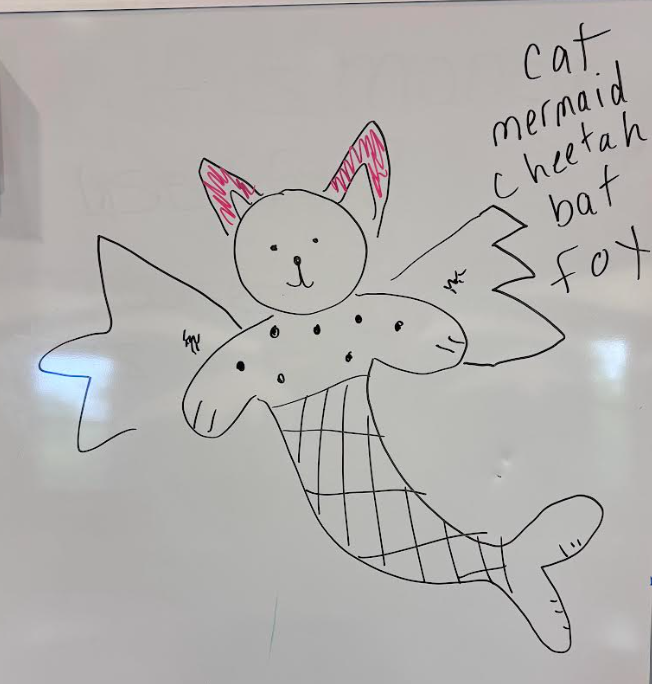
Take it one step further: You can also talk about the basic elements of story. Students often ask me where to start when writing. All they really need to know is who their character is, what they want, and what gets in the way. You can often accomplish this by establishing what your character’s interests are as well as what scares them. One group of students said their character, who looked like a dust bunny, liked to play with Barbies but was afraid of cheese. Now this may sound silly, but the basis of many great stories starts with asking the question, What if? What if the dust bunny wanted to play with her Barbies, but a hunk of sharp cheddar cheese left by a mouse was guarding the dolls. How can she surpass the obstacle to get what she wants?
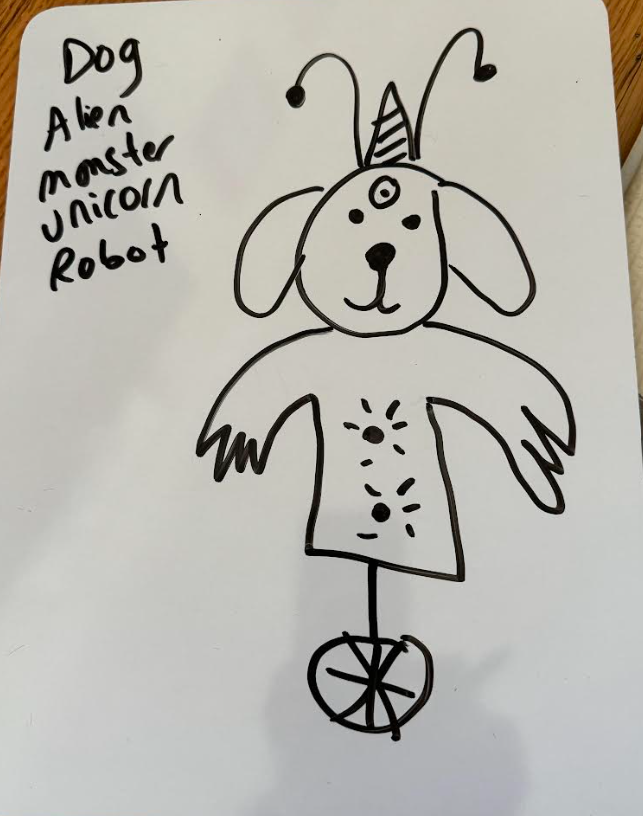
Creating dynamic characters goes beyond physical traits. They can have brown hair and blue eyes or blue hair and brown eyes, but we also need to know their personality. That is where learning their likes and dislikes comes in, as well as how they behave and why. It’s especially important to move beyond the cliché. You can have a main character who wants to be in the talent show, but the villain or antagonist is a bully preventing them from joining. What if you turned it around and made the main character the bully instead? Or try giving your character two opposing qualities that they are battling with throughout the book. We can go back to the princess knight who wants to fight dragons but also wear fancy dresses. Maybe she isn’t allowed to go to the ball unless she puts down her sword and forgoes her helmet. Or the dragon princess who isn’t accepted because she’s green and has scales and doesn’t fit the stereotypical look of what a princess should be. This would form an internal struggle as well as an external struggle. Just like Yasuko in my book, how can your characters learn to accept both parts of themselves?
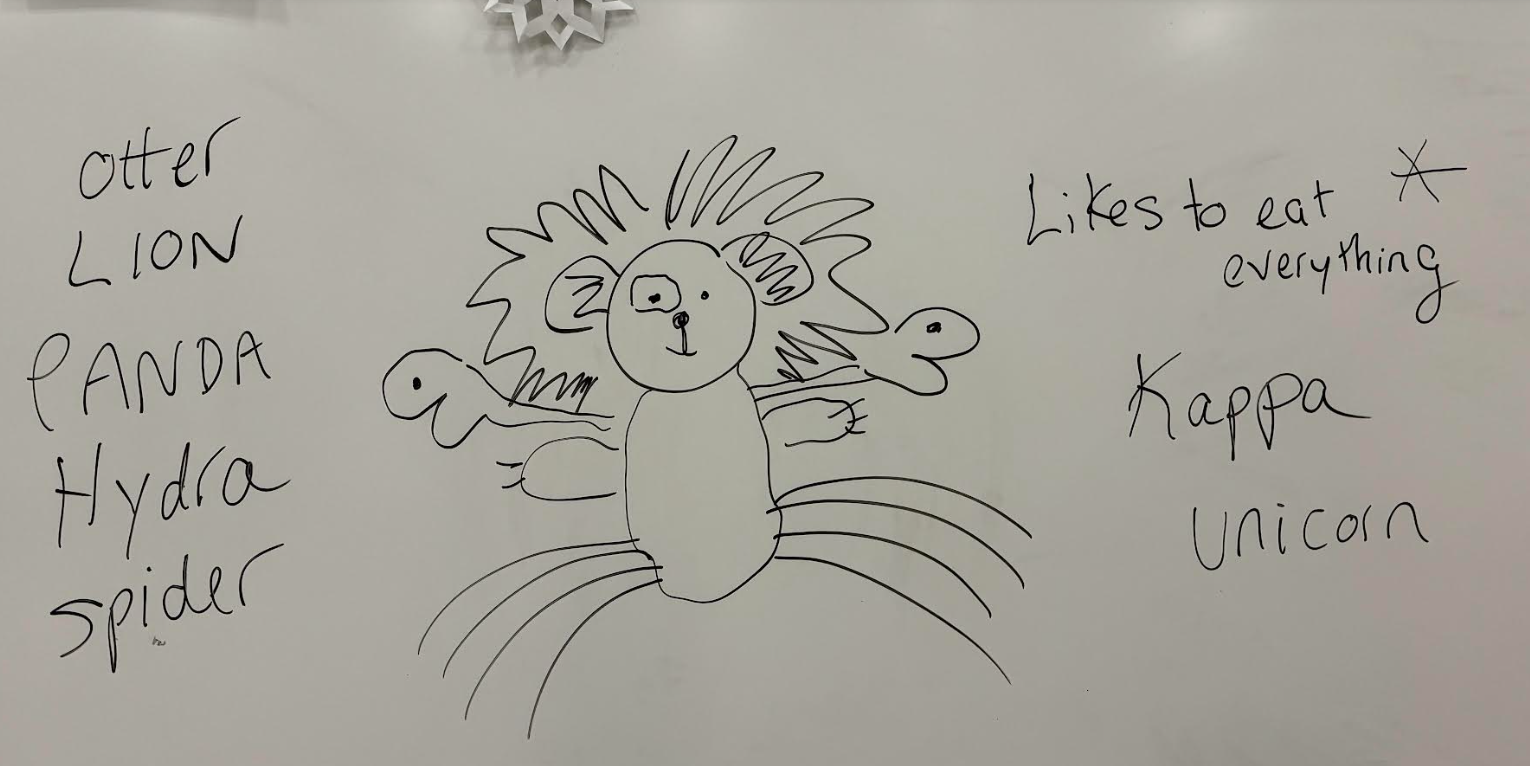
I think the key is to teach kids that we’re all basically complex characters in our own lives. And none of us wants to be judged, liked, or disliked based on just one trait. So if we create more interesting and complex characters in our stories, we’ll be representing a more diverse and realistic picture of the world. The more intriguing and unique our characters are, the more fascinating their stories will be, and the more likely readers will want to turn pages to find out what happens to them. Especially because the stories we read can help us learn something about our own lives and how to move about and thrive in a complex world.

GIVEAWAY!

A. Kidd author would be delighted to give away one copy of her new book, Yasuko and the Dream Eater. To participate, simply leave a comment on this blog post and a contact email. One lucky winner will be chosen at random. You must reside in the US.
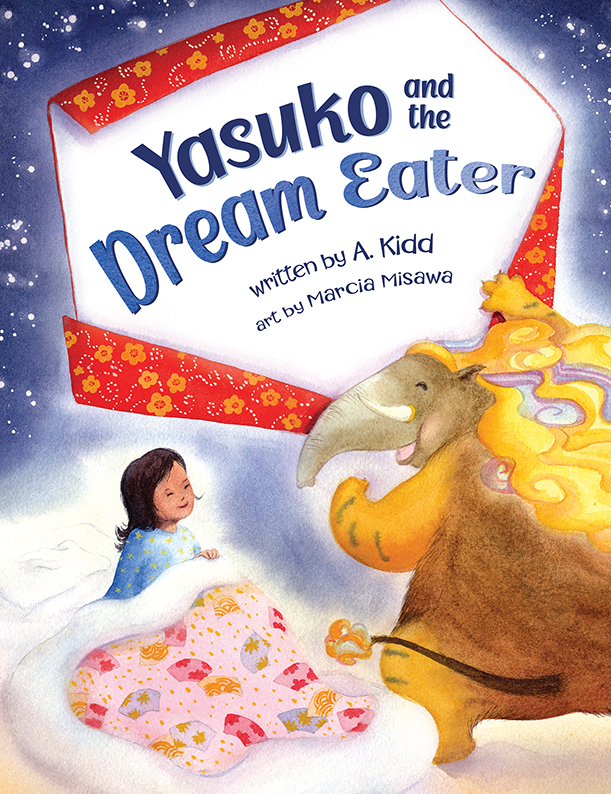
Published April 11th, 2023 by Quiet Storm Publishing

About the Book: Yasuko has the same bad dream every night while visiting her grandmother in Japan, so her grandmother suggests she call the dream eater for help. When the dream eater is still hungry after devouring Yasuko’s nightmare, Yasuko must stop it from gobbling up her good dream too.

Inspired by a Japanese legend, Yasuko and the Dream Eater will help kids dealing with nightmares as well as celebrate what it means to be part of a bicultural family. The book is fully illustrated and includes an author’s note, cultural note, and instructions for making origami.
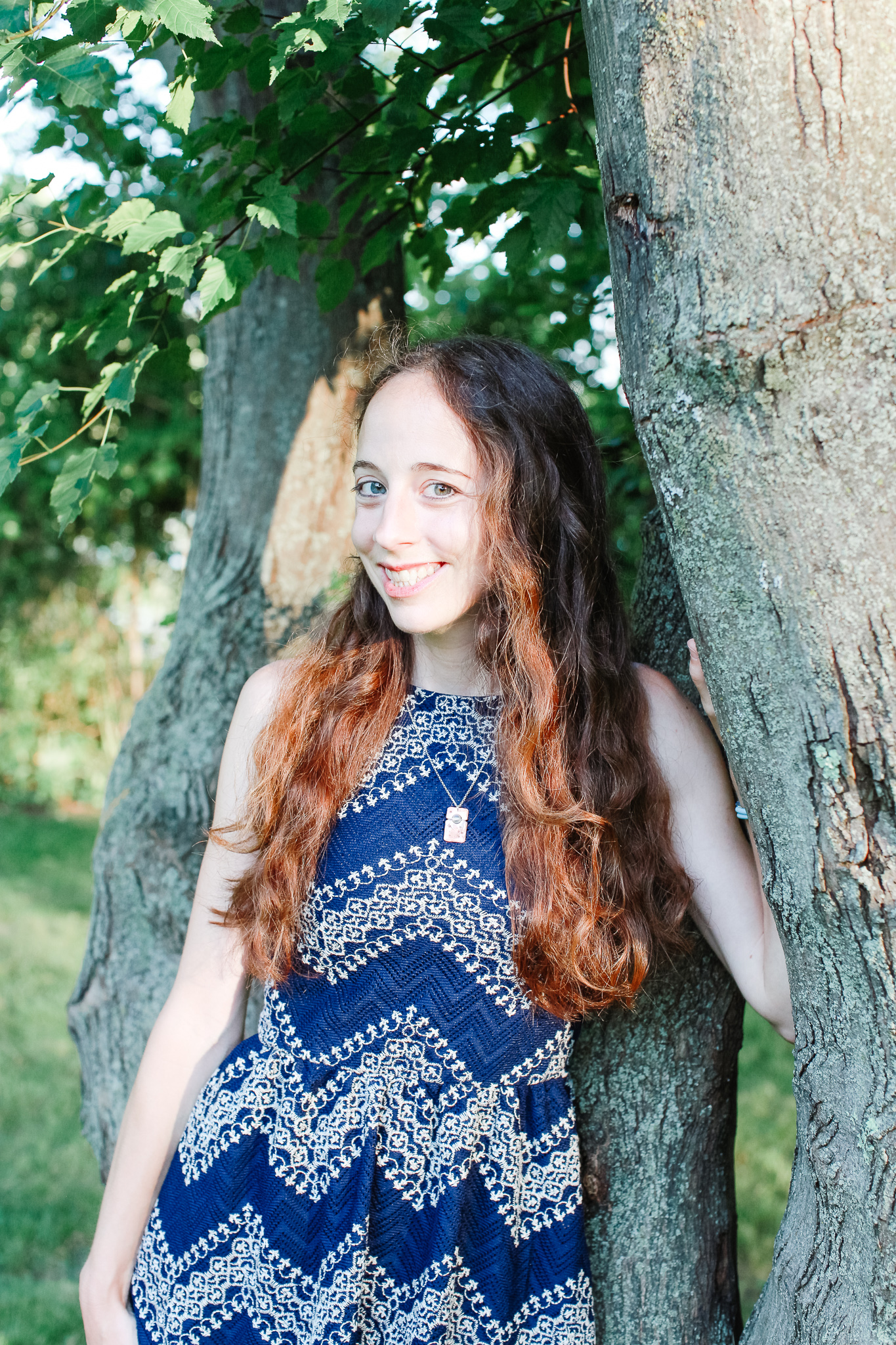
About the Author: A. Kidd lives in the US but has travelled to Japan many times to visit family and for sightseeing. Japan feels like her second home. Although she dreams often, she hasn’t needed to call the baku yet. She is also the author of the middle grade fantasy, The Healing Star.

A. Kidd is available for author visits! For more information, please email her at a.kiddwrites@gmail.com or visit her website at www.akiddwrites.com. She loves to inspire young writers. Her motto is, if A. Kidd can do it, so can they!

Thank you for this fun activity, examples, and the GIVEAWAY!

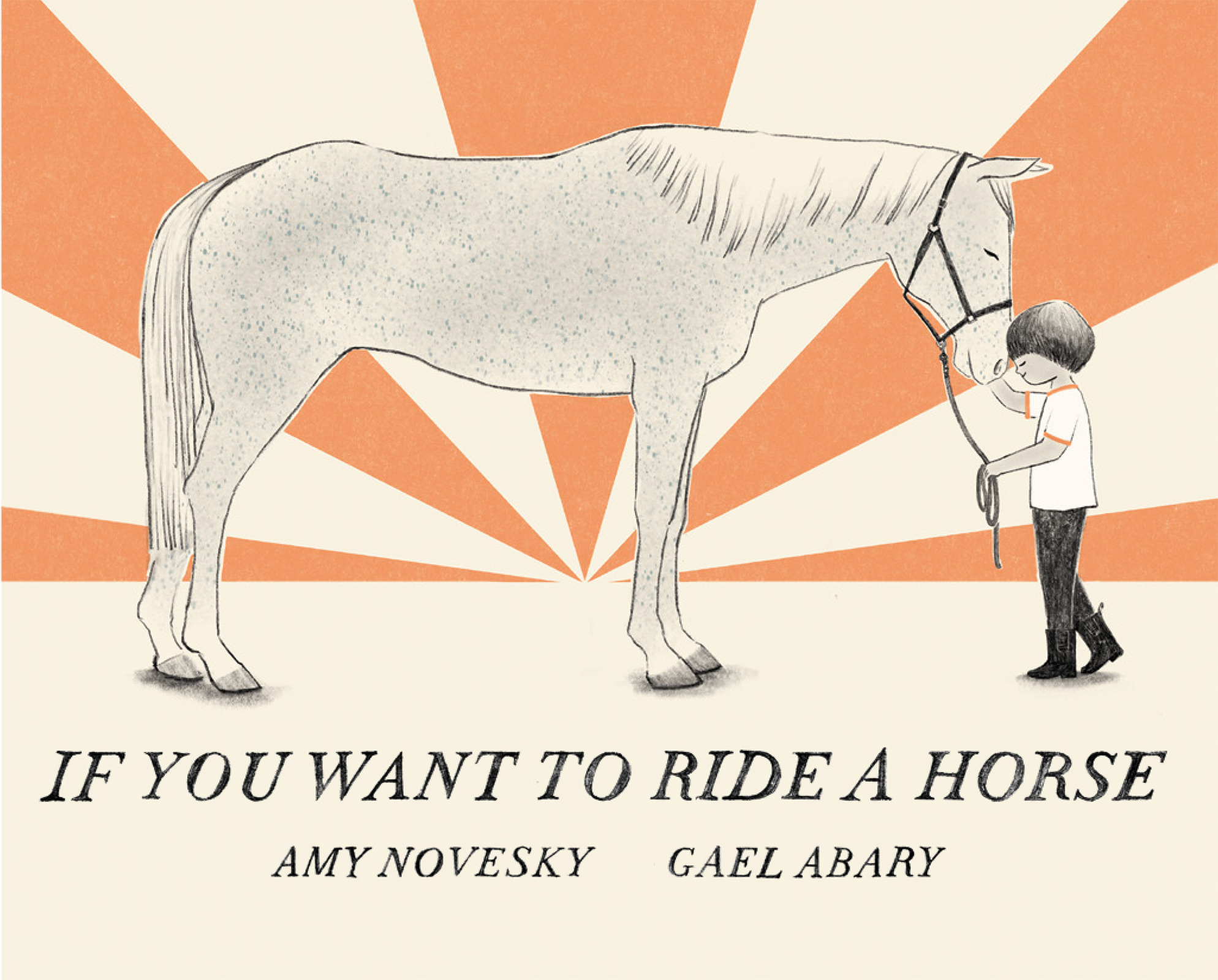
Author Guest Post: “How to Read a Horse” by Amy Novesky, Author of If You Want to Ride a Horse

Share

“How to Read a Horse””

My picture book IF YOU WANT TO RIDE A HORSE is about the dream of riding a
horse. It’s also about writing one. I am a rider and a writer. (If you say them aloud they sound alike!)

I’ve been writing and riding—and dreaming!—since I was kid. Writing and riding both are rich in metaphor. Whether one wants to ride a horse or not, IF YOU WANT TO RIDE A HORSE can be read as a book about dream making of all kinds.

What do you want to do? What’s your dream? Name it, call it into being.
What does your dream look like? Imagine it, the big stuff and all the pretty little details.

This is the fun part. Write it down and/or draw it. Tell it to someone you trust. What do you need for your dream? Learn about it, ask for help, gather all the tack and tools.

Take care of your dream. Shelter it, feed it, groom it ‘till it shines. How do you keep your dream alive? How do you care for it?

Where does your dream live? Where is it? How will you get there? What is the first
step?

Dreams are hard work. You might have to chase after it, wrangle it, tame it a bit, find the right fit. With grace and grit you’ll wear it.

Okay, it’s time to give this dream a try. Are you ready?

Show up. This is the hard part. Facing your thousand-pound dream. What are you
feeling? Is your heart galloping? It’s natural to feel many things all at once, even—and
maybe especially—fear. What do you fear most? Failing? Falling off? You are not alone.

If you fall off your dream, and you might, will you walk away, hang up your hat? Or will you get back in the saddle, bruised butt and ego, take hold of the reins again and ride on?

Whatever you dream, be brave. Calm. Remember to breathe and have fun! You can do this. Before you know it, you will have your dream eating out of the palm of your hand.

Published March 12th, 2024 by Neal Porter Books/Holiday House

About the Book: What’s the most important first step to riding a horse? Simply closing your eyes . . . and dreaming.

If You Want to Ride a Horse introduces young readers to the joys of owning, riding, and caring for horses. It only starts with imagination—from there, the possibilities are endless.

Beginning with a daydream, our young rider goes from dreaming about a horse, choosing their ideal kind of horse, meeting their horse, cleaning their horse, tacking up in preparation to ride, soothing their horse (and themselves) through a hard moment, triumphantly getting on, and finally galloping gloriously off into the sunset.

If You Want to Ride a Horse celebrates the imagination, the most powerful steed of all.

The book includes an author’s note, an illustrator’s note, and fun facts about horses and horseback riding.

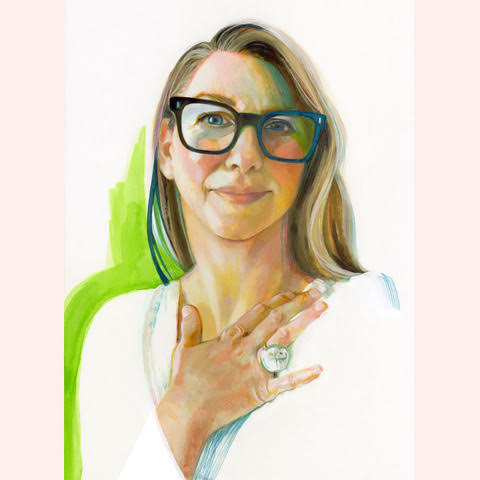
About the Author: Amy Novesky’s award-winning picture books include IF YOU WANT TO RIDE A HORSE; GIRL ON A MOTORCYCLE; and CLOTH LULLABY, THE WOVEN LIFE OF LOUISE BOURGEOIS. THE POET AND THE BEES will follow in 2025 and TO WANDER, thereafter. Amy writes and rides in the Marin Headlands, just north of San Francisco. To learn more, visit www.amynovesky.com and follow @amynovesky.

Thank you, Amy, for sharing the power of dreams!

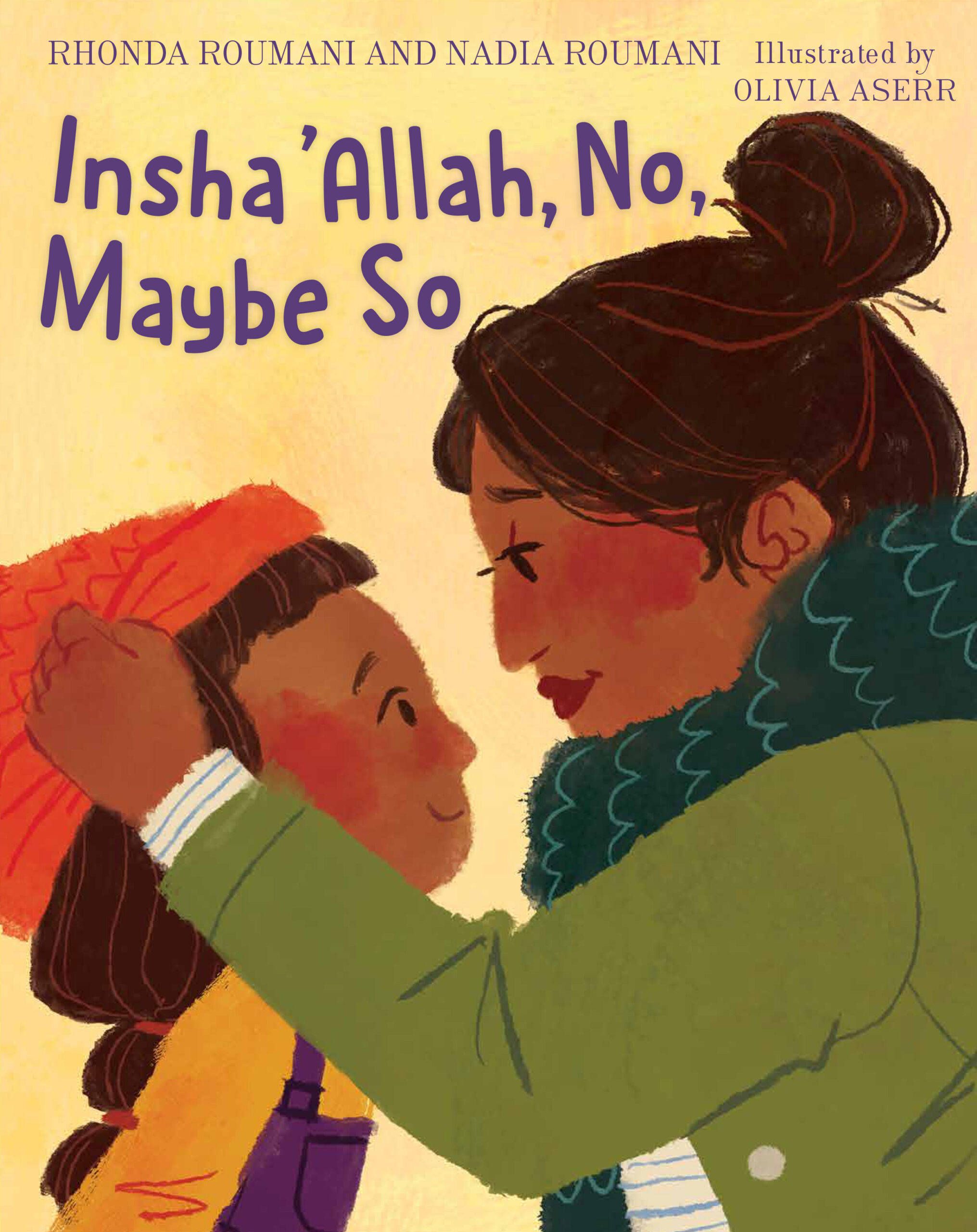
Author Interview: Q&A with Rhonda Roumani and Nadia Roumani, Authors of Insha’Allah, No, Maybe So

Share

Sally Morgridge, editor at Holiday House, interviewed the creators of Insha’Allah, No Maybe So to look at their process, purpose, and product:

  1. Discovering the real meaning of “Insha’Allah” seems to be a bit of a rite of passage for Muslim and Arab kids around the world. Do you have a specific memory from your childhood where you finally put the pieces together? Do you have memories of your own children going through the same thing?

RHONDA: I don’t have a specific memory. I think my parents were especially good at saying no, so we didn’t quite experience the word insha’Allah as no from our own parents. I have experienced the “no” part of Insha’Allah more with my own kids, when they challenge me and my husband when we say it to them—and within our community. I do love hearing people’s stories about how they thought insha’Allah meant “no” growing up. It’s a sort of cultural bond because whether the person is religious or non-religious, whether they are Arab or from a part of the world that uses the word insha’Allah, there’s a moment of recognition, of a common lived experience with a simple word. When my sister-in-law was a little girl, she once asked her mom when her dad would be returning home from his trip. When her mom responded, “tomorrow, insha’Allah,” she burst into tears. When her mom asked her why she was crying, she responded, you said insha’Allah, that means baba isn’t coming home!” That one might sound a little dark, but we laugh when we tell these stories. They’re small moments of misunderstanding, of acknowledging we see each other, that we are experienced similar things growing up. And there’s often a lot of laughter associated with those moments.

NADIA: From a very early age, I really took the idea of insha’Allah to heart. This might be a bit dark… but my father was the only physician on both my dad’s side of the family and my mom’s.  So when someone would get sick on either side, many times they would stay with us for a while as their health plan was sorted out. When we were young, we had two cousins, who lived in the Syria and Lebanon, who came to the states to get treatment for cancer.  Watching them both go through treatment, and both ultimately lose their lives to cancer at such a young age, really impacted me and my understanding of life and uncertainty. So early on, I really believed in the idea of insha’Allah, that we do not have control of what happens to us, and we need to live each day as a gift.  We need to make exciting and ambitious plans, but know that in the end, God may have other plans for us.

  1. How was the process of co-authoring a book with your sister?

NADIA: Simple and complicated at the same time.  Simple in that our story came together quickly.  Although we ended up going on some exploratory tangents with new characters and other plot lines, we came back to our original script, which is the one we both loved.  I had brought the initial idea of the book to Rhonda after I tried to explain the concept of insha’Allah to my newborn. I shared the line that appears in the book about “you were my insha’Allah” with my daughter, and then quickly relayed that to my sister as possibly the start of a children’s book.  Shortly after that Rhonda had a clear idea for a story line with Ranya’s debating with her mom and somehow those two pieces fell together quickly and effortlessly.

Thankfully Rhonda was already an author and had done the hard work of finding an agent. So I didn’t have to worry about any of that – as Rhonda liked to remind me. 🙂

The complicated part is that families are messy, and working with family, as I’m sure almost all siblings who work together can attest to, can be challenging because the line between your work and your relationship is blurred.  What might be a harmless debate over an edit, or scheduling time to speak, can turn into a heated conversation about how you “didn’t let me borrow your hairbrush when I was 10”… But that is family – the loving, the joyful and the messy.

Unfortunately we live on opposite sides of the country and we still have not had a chance to truly celebrate the book’s release together! We are hoping we will have a chance to do that this summer.

RHONDA: It was fun and frustrating and eventually very gratifying. We are very different and our work environments are also very different. Nadia usually runs meetings and leads large groups of people—so she’s used to being in charge. I usually work on my own as a writer—or maybe with an editor. So my work is more solitary. So just like we put two concepts together, we had to figure out how to also work on something so personal together, while respecting each other’s spaces and ways. It was a learning process. We might have had a few arguments along the way. But I think we both learned a lot about each other during this process. I didn’t think that was even possible at our age.

  1. Publishing a book for children is very much in the spirit of the word “Insha’Allah,” as a book is like a concrete, tangible expression of your hopes and dreams. What do you hope that children take away from Ranya’s story?

NADIA: Uncertainty is such a complex concept for children – for adults too! We hope this book helps open a conversation with children about uncertainty, and why we can make the best plans, but sometimes they may fall through. We also hope that it opens a playful conversation between kids and parents about making earnest intentions, even if uncertainty is part of life – especially by putting parents on the spot about their true intentions when they say insha’Allah.

RHONDA: What Nadia said! I hope kids also understand that as parents, we don’t mean to deceive them. Sometimes we don’t know the answer, so we say insha’Allah. I also hope we remind parents of the beauty of this word and that, if we want to say no, we should just say no. The word Insha’Allah isn’t supposed to be a “get out of the question” free card.

  1. As relatively new picture book authors, it must have been an interesting experience to sit back and watch an illustrator bring your beloved characters and their world to life. What is your favorite illustration in the book?

RHONDA: This is a hard question because there are so many details that I absolutely love. I love the spreads of Ranya as she presses her mom with questions. I think my favorite spread is the two-page spread of them walking home, as they pass the MARKET PLACE. It reminds me of how my own kids can talk and talk and talk – and press and press and press about something– and I’m just trying to do something simple, like get home. It just felt so real. But the final picture of Ranya is just perfect. She’s such a za’ara – a rascal—and that last illustration captures her perfectly.

NADIA: It was such a fascinating process. I was so surprised to learn that you hand over the script, without any illustration notes or direction, and then the illustrator takes it from there. But now having been through the process, that makes so much sense. The illustrator brings their imagination, vision, brilliance and ideas to the book and makes it their own as well.  Olivia did just that and more. Their illustrations captured Ranya’s spunky personality and her loving interactions with her mom. It is so hard to pick just one illustration, but I’ll share my favorite ones, and the reasons why

– I laughed out loud when I saw the way she illustrated Ranya’s parents standing next to one another. I giggled at their height difference and their facial expressions, and didn’t know if that is how Olivia imagined they might be in reality or simply in Ranya’s mind. Either way, I loved that one.

– I adore the full two-page spread of Ranya and her mom walking in front of the marketplace. The colors, the details, the surrounding activity, the colors and the warmth.

– I love the spread of Ranya and her mom baking cookies.  I now bake with my 2.5 year old daughter and this spread felt so familiar – it was just missing the cookie dough on her fingers and nose 🙂

– and I absolutely love the cover! It so beautifully captures a mother-daughter’s special connection.

Published May 14th, 2024 by Holiday House

About the Book: A sweet and playful picture book about a common Arabic word for life’s uncertainties that will ring true for all families.

Ranya wants to go to the park. “Insha’Allah,” her mom tells her.

But doesn’t that just mean no? Ranya’s mom says “Insha’Allah” when Ranya asks to make cookies. She says it when Ranya wants to sleep over at Jayda’s house. She says it when Ranya begs to go to Disneyland.

This might sound familiar to parents and caregivers . . . It’s hard to know what to say when you can’t promise anything! Sometimes grown-ups say “Maybe” or “We’ll see.” And in millions of Arab and Muslim homes around the world, families use the phrase “Insha’Allah” when talking about the future.

So, what does “Insha’Allah” really mean? In this warmly illustrated picture book, Ranya and her mom tackle the meaning of the powerful phrase and ponder the best way to talk about their hopes and dreams—and maybe, sometimes, the things they want to put off. (Like cleaning up toys!)

Cozy art and joyful, loving characters make this a perfect family read aloud.

A Junior Library Guild Gold Standard Selection

About the Authors: 

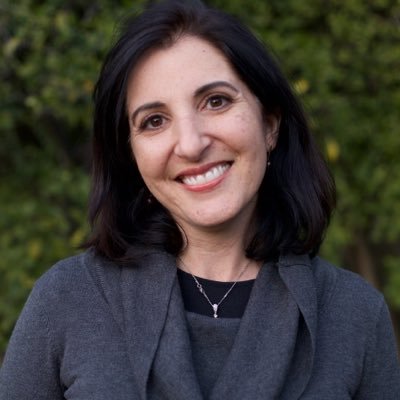
Rhonda Roumani is a Syrian-American journalist who has written about Islam, the Arab world and Muslim-American issues for more than two decades. She is the author of the middle grade novel Tagging Freedom and picture book Umm Kulthum: Star of the East. Visit her at www.rhondaroumani.com.

Nadia Roumani is a social entrepreneur, coach, consultant, and co-founder of the University of Southern California’s American Muslim Civic Leadership Institute and Stanford University’s Effective Philanthropy Learning Initiative. She is also a Senior Designer with Stanford University’s Hasso Plattner Institute of Design.

Thank you Sally, Rhonda, and Nadia for this fun & insightful interview and sharing your book!

Author Guest Post: “The Plant Rescuer and Following Dad’s Footsteps” by Matthew Rivera, Author of The Plant Rescuer

Share

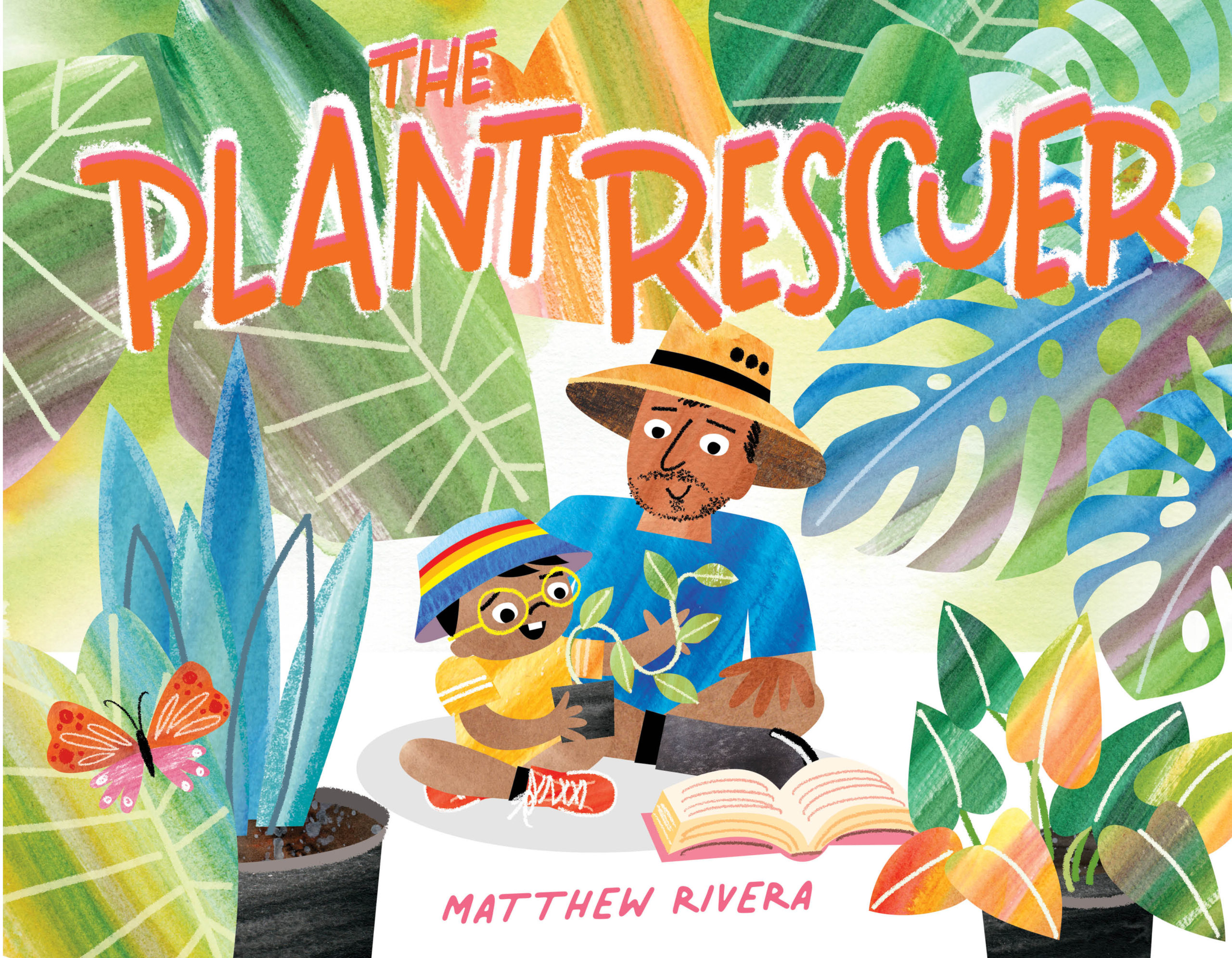
“The Plant Rescuer and Following Dad’s Footsteps”

I have a close relationship with my father, and I grew up watching him tend the yard. Whether it was mowing the lawn, pulling apart clumps of irises, or delicately staking his jalapeño plants, my dad has a knack for gardening. Unfortunately, I didn’t inherit his skills. As an adult, I love to garden, and it’s become my passion. However, it’s taken a lot of hard work and perseverance. My backyard garden is a source of pride. I grow black-eyed Susans, hollyhocks, poppies, cosmos, dahlias, and a host of other flowering plants. I continuously learn through tips I’ve picked up from blogs, books I’ve found in my local bookstores, and of course, the library.

Growing up, my parents believed in giving me enough space to figure stuff out on my own. As a child, I spent Saturday’s pouring through stacks of books I’d find in my local library. Whether it was learning how to bake cakes from scratch, or figuring out how to raise chickens, the library was my go-to for discovery and learning. In THE PLANT RESCUER, I wanted Manny’s experience with problem-solving to reflect that of my own. Some have asked why Manny couldn’t research on a computer, like some children today. I like to point out that Manny’s family doesn’t own a computer. Besides, he loves the experience of going to the library with Nana.

THE PLANT RESCUER, isn’t entirely biographical. It’s a pastiche of childhood experiences coupled with a discussion I had with a gardener while living in Los Angeles. The gardener shared how he was working hard to send his child to college. My father wasn’t a professional gardener, but he worked a lot, which included graveyard shifts. Similarly, my dad was a hard-working parent that didn’t have a lot of time. This is why Manny feels it’s important to figure things out for himself, and frets over how to bring his ‘amigo’ back to life. The fretting part of the story is most-definitely autobiographical.

To this day, I’ll share gardening frustrations with my dad, and he’s always quick to point out that he mostly learned through a lifetime of trial and error. Unfortunately over the years, I’ve had to toss plenty of my own errors in the compost bin. Regardless of how frustrated I get, I remember the advice my dad once shared with me, it’s the act of gardening where we need to find joy. Getting the fennel to reach seven feet tall, or the pothos to wrap around the living room is icing on the cake.

Published May 21st, 2024 by Neal Porter Books

About the Book: Manny harnesses love, determination, and a visit to the library to care for his first plant and make his gardener father proud.

Manny comes from a long line of gardeners, and to him, the greatest gardener of all is his dad. Dad always knows what plants need. Even with no yard to garden in, he tends their small apartment into a lush jungle.

One day, the time comes for Manny to get his very own first plant! Dad trusts Manny to care for his new amigo, and Manny is determined to rise to the challenge. But watching Dad’s masterful work isn’t the same as knowing everything he knows, and Manny’s amigo keeps wilting, no matter what he tries! Dad would know what to do, but this is Manny’s plant, and he wants to be the one to save it.

Luckily, before his new amigo, Manny had another friend: the library! A day of research and a stack of books gets him back on track in no time. Manny’s plant grows bigger and bigger, until his room overflows with beautiful, healthy leaves, plentiful enough for Dad to share cuttings with the whole neighborhood. Now Manny can proudly say that he is the youngest in a long line of gardeners.

Longtime illustrator Matthew Rivera makes his authorial debut with a story that will warm every green-thumbed heart. Any child with an older role model whose shoes they dream of growing into will delight in Manny’s success and his zest for independent trial-and-error.

A Junior Library Guild Gold Standard Selection

About the Author: Matthew Rivera grew up in Arizona, and worked for many years as an art director for agencies, large corporations and toy companies. He now lives in Portland, Oregon and is an author and illustrator of books for children. He can be found working at his desk with a large cup of coffee, while Mavis, his pet rabbit, yanks his shoelaces for extra greens.

Thank you, Matthew, for sharing this wonderful dad story with us on Father’s Day!

Else B. in the Sea: The Woman Who Painted the Wonders of the Deep by Jeanne Walker Harvey, Illustrated by Melodie Stacey

Share

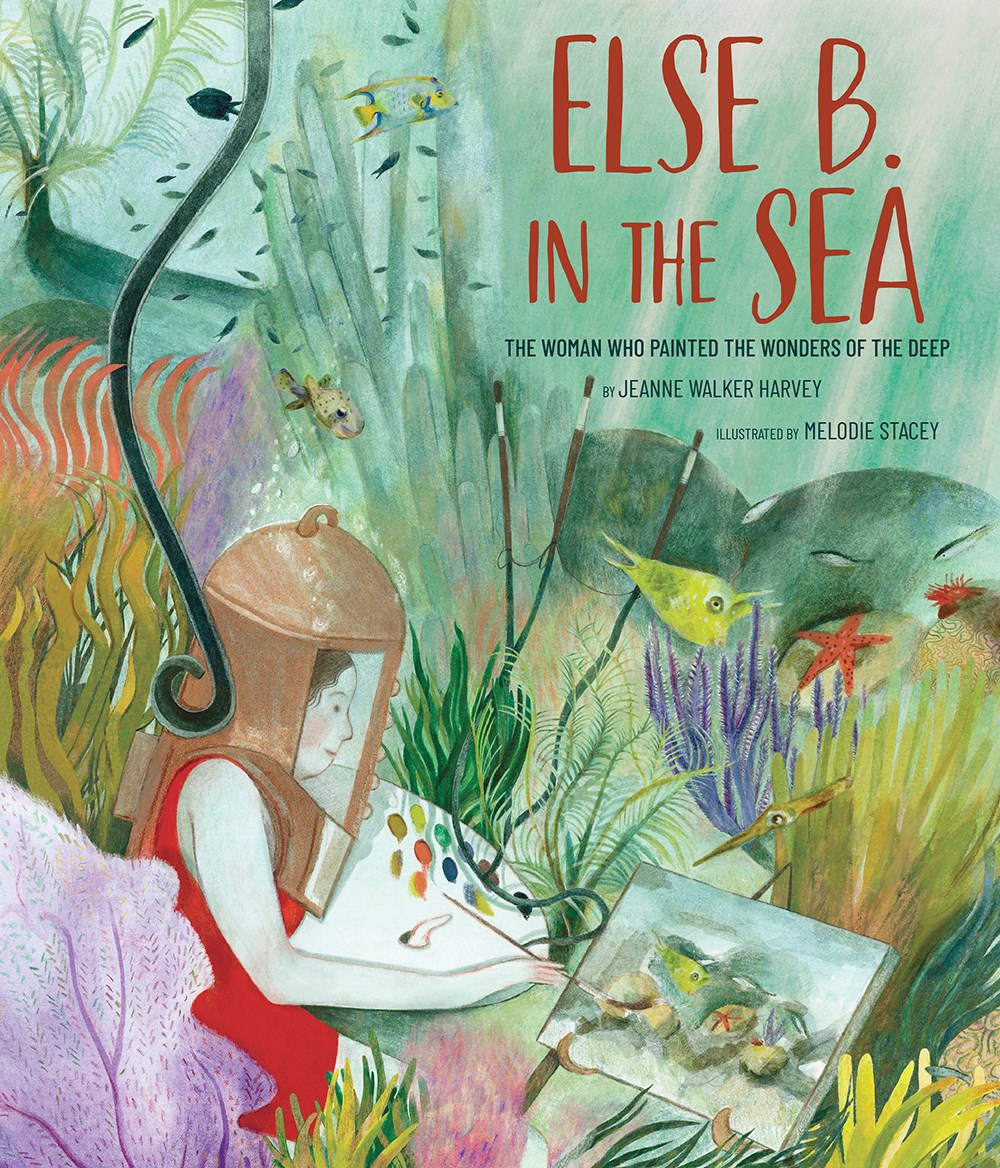
Else B. in the Sea: The Woman Who Painted the Wonders of the Deep
Author: Jeanne Walker Harvey
Illustrator: Melodie Stacey
Published June 4th, 2024 by Cameron Kids

Summary: Else B. in the Sea is a poetic picture book biography about a daring and pioneering woman artist that combines themes of art and science from author Jeanne Walker Harvey and illustrator Melodie Stacey.

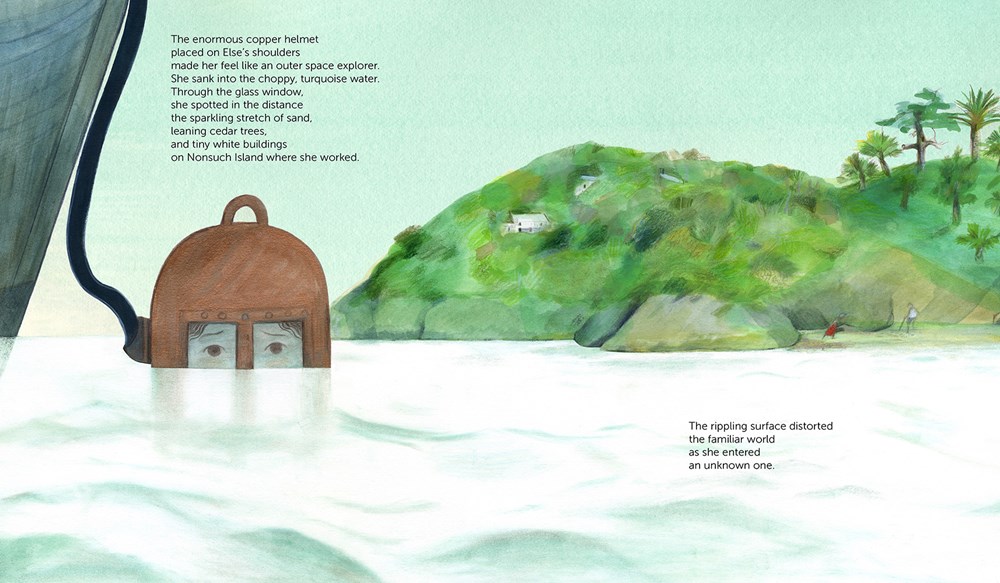
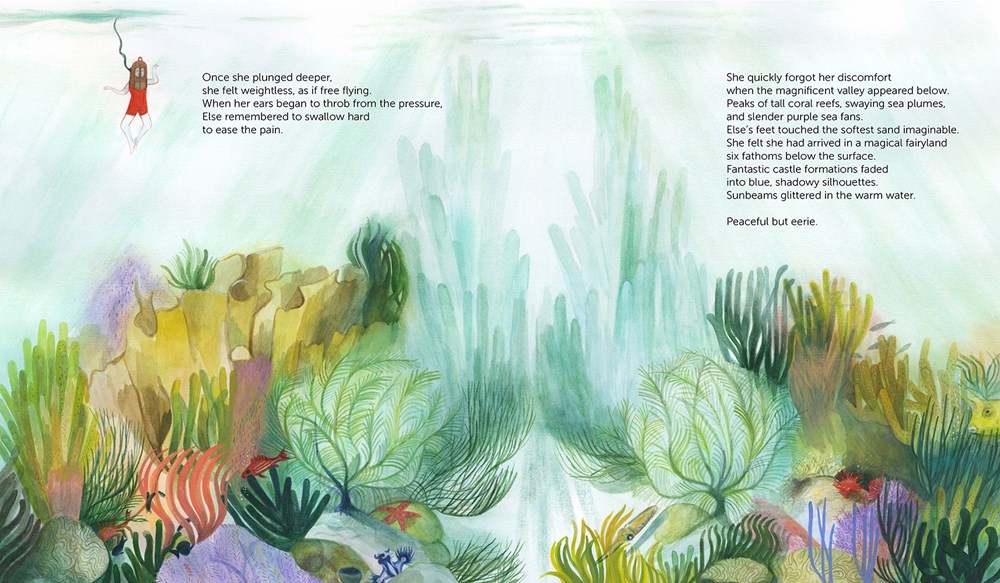
Else Bostelmann donned a red swimsuit and a copper diving helmet and, with paints and brushes in hand, descended into the choppy turquoise sea off the coast of Bermuda. It was 1930, and few had ventured deep into the sea before. She discovered a fairyland six fathoms below the surface—fantastic coral castles, glittering sunbeams, swaying sea plumes, and slender purple sea fans. And fish! Flashy silverfish, puckering blue parrotfish, iridescent jellyfish.

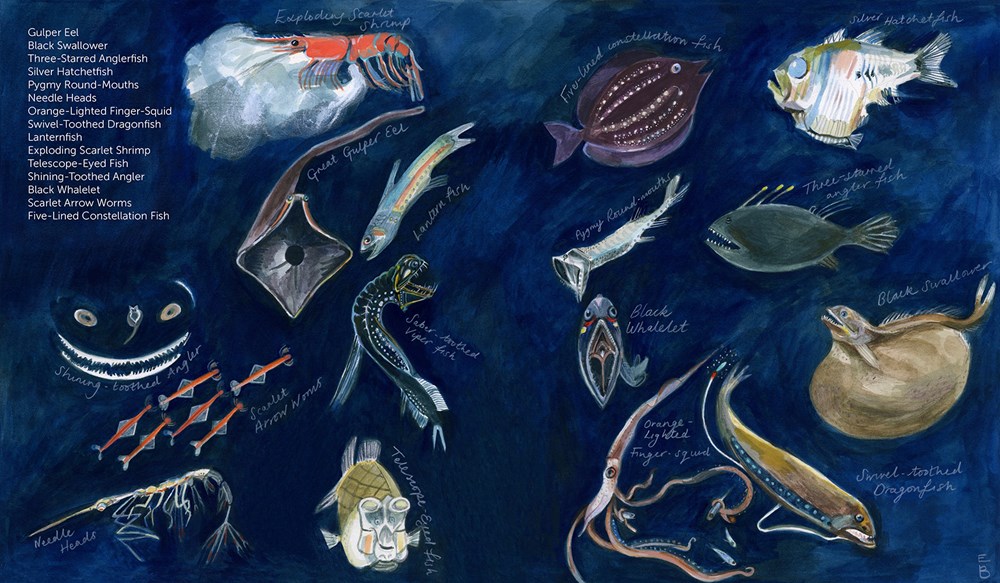
Else painted under the sea! She painted what she saw with her own eyes, and, back on land, she painted the never-before-seen deep-sea creatures described by world-renowned scientist William Beebe on his momentous 1930s bathysphere expeditions for the New York Zoological Society’s Department of Tropical Research. It was a daring and glamorous adventure and a dream come true for Else B., who shared this new, unfathomable world with humankind.

About the Creators: 

Jeanne Walker Harvey is the author of many picture books, including Boats on the Bay, as well as the well-received picture book biographies Ablaze with Color: A Story of Painter Alma Thomas (winner of the 2022 Northern California Book Awards – Children’s Literature Younger Readers and Jane Addams Children’s Book Award finalist), Dressing Up the Stars: The Story of Movie Costume Designer Edith Head, and Maya Lin: Artist-Architect of Light and Lines (a NSTA Best STEM Book of the Year). She lives in Sonoma, California. For free downloadable activities and more, visit her website,  jeanneharvey.com.

Melodie Stacey is a fine artist and illustrator whose work can be found in the picture book Beautiful Useful Things: What William Morris Made. She lives in Brighton, UK.

Instagram
Jeanne Walker Harvey: @jeannewharvey
Melodie Stacey: @melodiestacey
Cameron Kids/ABRAMS Kids: @cameron_kids and @abramskids
Blue Slip Media: @blue_slip_media

Twitter/X
Jeanne Walker Harvey: @JeanneWHarvey
Melodie Stacey: @Melodiestacey
Cameron Kids/ABRAMS Kids: @abramskids
Blue Slip Media: @blueslipper & @barbfisch

Pinterest
Jeanne Walker Harvey: @JeanneWalkerHarvey

Review: I love learning about new people (to me) from history that expand my knowledge of the world. Else is such a cool character and to know she is a real person makes it even more intriguing and amazing. Else is definitely a person whose story should have already been told, and I am so glad that Harvey and Stacey are telling it now.

Like Harvey has done in all of her picture book biographies that I’ve read by her, she expertly mixes narrative and nonfiction to ensure the book not only teaches the reader about the person but also entertains and keeps attention along the way. This is so important to ensure that readers will gravitate towards hearing this story with a side effect of learning about an amazing person, in this case Else.

Stacey’s illustrations take Harvey’s words and make them sing off the page with illustrations that range from full page to small additions, keeping the eyes from ever wanting to stop exploring the art, just like Else explored the sea.

Tools for Navigation: There is so much to do in conjunction with this book in the classroom! After reading the book aloud, I would then make sure to read the author’s note and dive deeper into:

  • Deep sea creatures and what has changed in our knowledge of them since Else’s time.
  • How color changes when light is removed, including the underwater color spectrums.
  • Why women scientists were excluded normally during Else’s time and how including them affected how others viewed the expeditions that Else was part of.
  • How paint and salt water interact and trying to paint under water!
  • Other woman who took first steps that need to have their story told.
  • The science behind bioluminescence.
  • The math of the ocean.

Discussion Questions: 

  • How do you think Else’s childhood and roadblocks early in her life affect her?
  • What does Else’s idea to practice painting the “ocean firsthand” and “descending as far as she could by herself” tell you about the type of person Else was? How about her ability to learn to paint underwater?
  • How has scuba gear changed over time?
  • Why did William Beebe have to kill animals to allow them to be studied/painted? What are your thoughts on this?
  • How did Else’s paintings of Beebe’s discoveries give “people a way to escape their worries”?
  • Why do you think Harvey wanted to tell Else’s story?

Flagged Spreads: 

Read This If You Love: Picture book biographies, Science, Ocean creatures

Recommended For: 

classroomlibrarybuttonsmall  

Signature

**Thank you to Barbara at Blue Slip Media for providing a copy for review!**

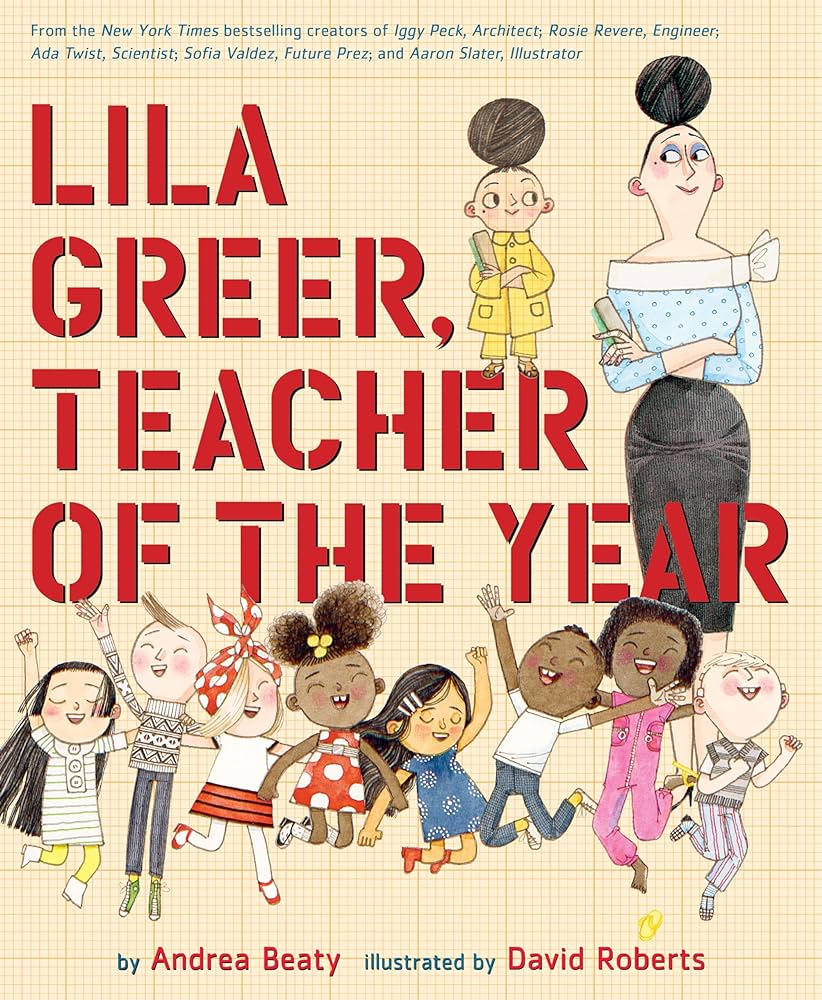
Educators’ Guide for Lila Greer, Teacher of the Year by Andrea Beaty, Illustrated by David Roberts

Share

Lila Greer, Teacher of the Year
Author: Andrea Beaty
Illustrator: David Roberts
Published: November 7, 2023 by Abrams

Summary: Lila Greer, Teacher of the Year is a moving story starring the Questioneers’ teacher that’s all about kindness, learning to face your fears, and the profound difference that one brilliant educator can make in a child’s life, from author Andrea Beaty and illustrator David Roberts, the #1 New York Times bestselling creators of Aaron Slater, Illustrator and Ada Twist, Scientist !

Lila Greer is full of worries. Even the smallest things—from cabbages to cardboard—fill her with dread and what-if s. So when her family makes a big change—moving to a new town—the worry and what-if s only grow. What if things go wrong? What if no one likes her?

At first, Lila feels right to be worried. In her new home, everything is strange. The new kids, the new smells. Lila feels alone and invisible. But there’s one person who sees Lila’s teacher, Ms. Kern. Through some creativity, blackboard erasers, and—most of all—kindness, Ms. Kern finds a way to make Lila feel welcome and open to new experiences. A lesson that will resonate with Lila long after second grade.

Teachers’ Tools for Navigation and Discussion Questions: 

Please view and enjoy the educators’ guide I created for Abrams for Lila Greer, Teacher of the Year:

You can also access the educators’ guide here.

You can learn more about Lila Greer, Teacher of the Year on Abrams’s page.

Recommended For: 

readaloudbuttonsmall classroomlibrarybuttonsmall litcirclesbuttonsmall closereadinganalysisbuttonsmall

Kellee Signature

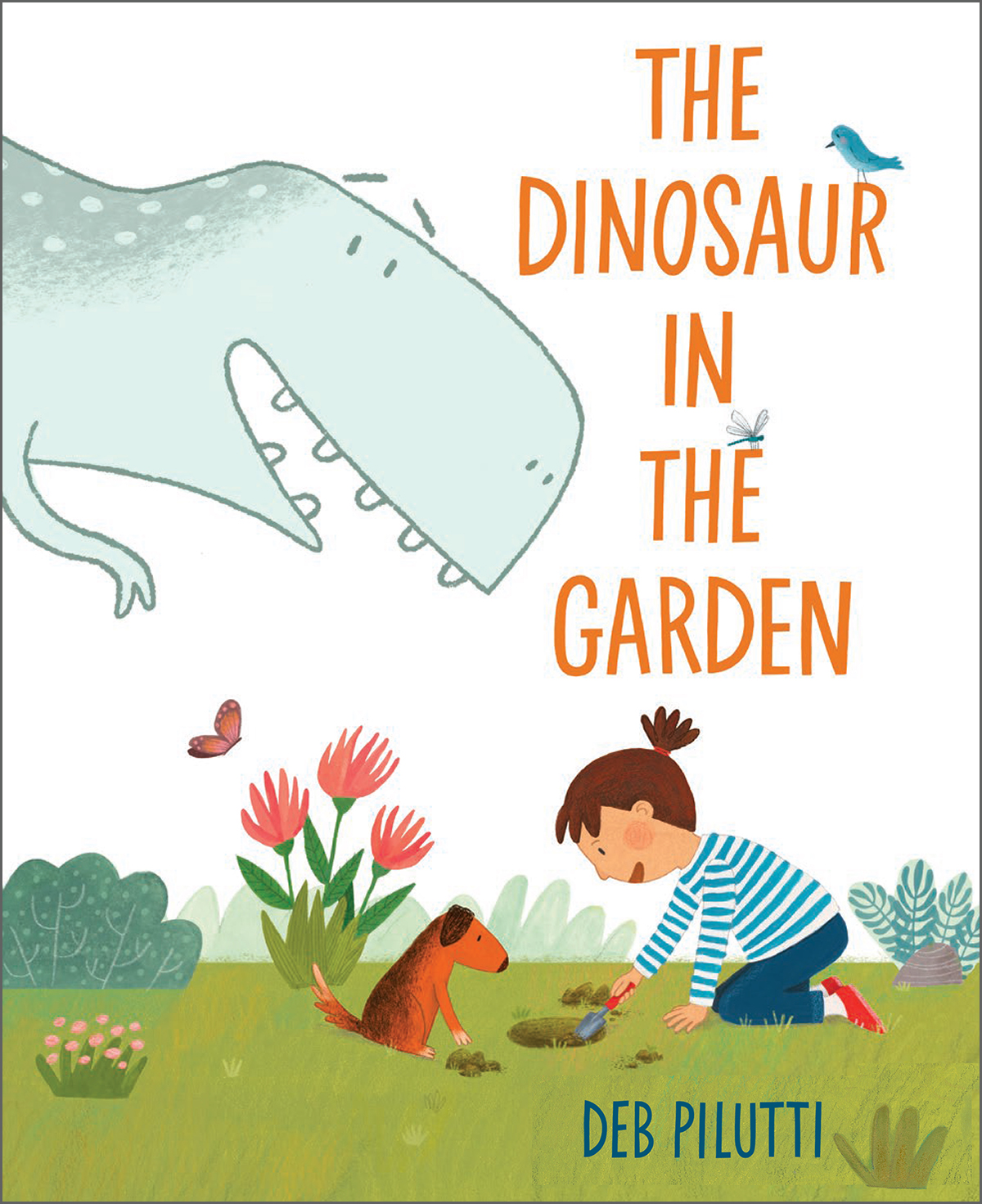
The Dinosaur in the Garden by Deb Pilutti

Share

The Dinosaur in the Garden
Author & Illustrator: Deb Pilutti
Published May 21st, 2024 by G.P. Putnam’s Sons Books for Young Readers

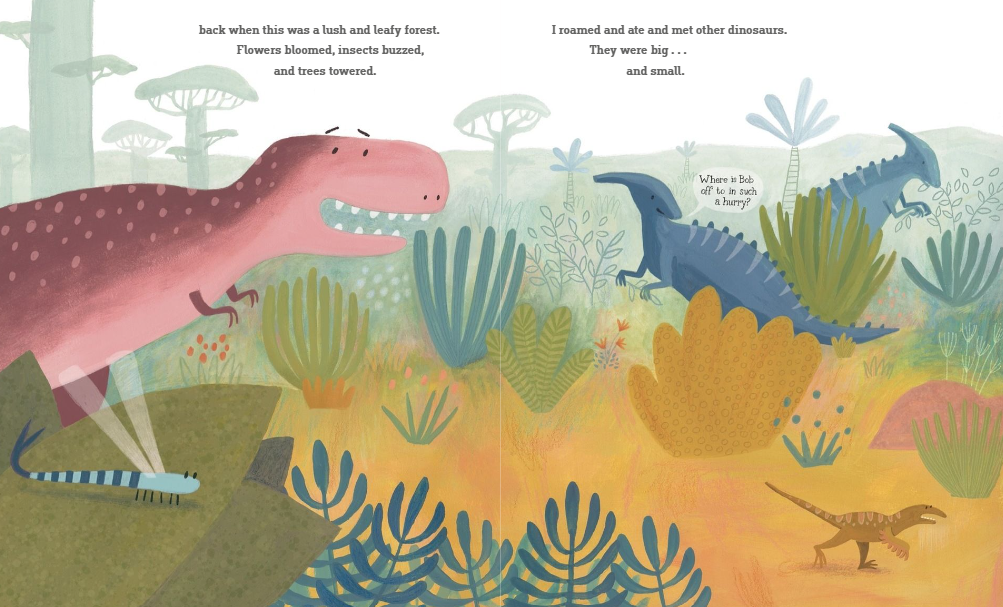
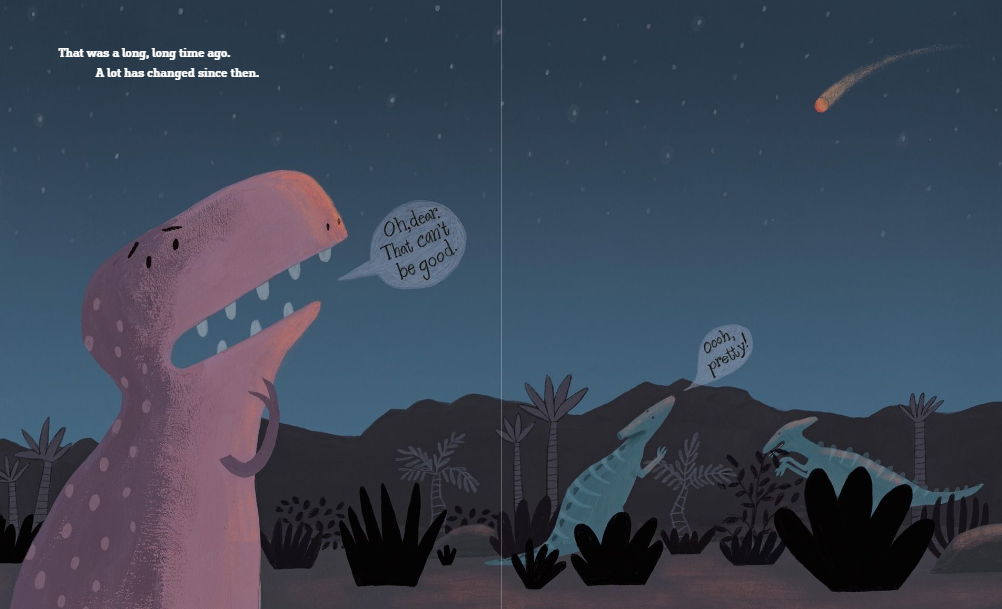
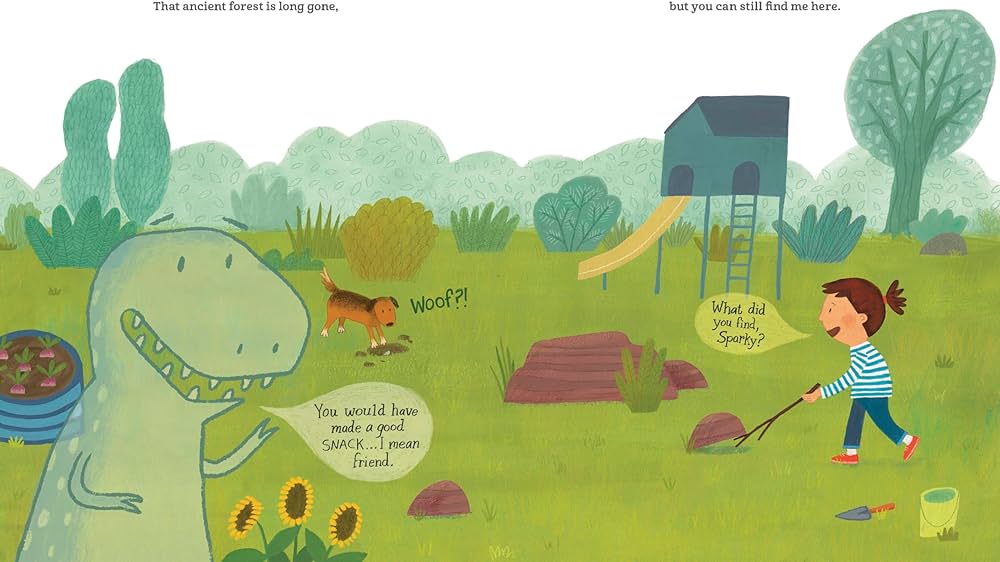
Summary: After waiting millions of years, a T Rex thinks a curious girl might just find the clues he left behind, making his story part of hers.

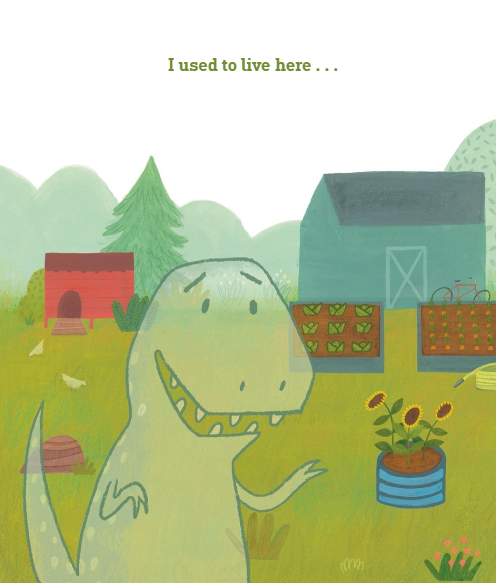
It’s been millions of years since this dinosaur has been so excited. There’s a girl—a curious girl—exploring the land right where he used to live!

Will she be the one to find the clues he left millions of years ago?

Could she be the one to bring his story back to life?!

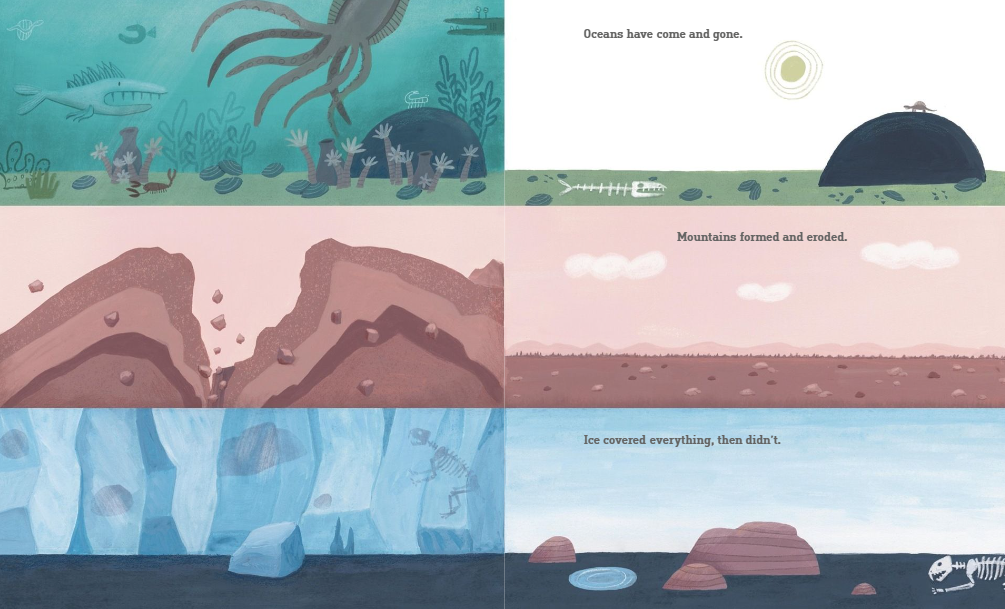
This lyrical picture book captures the vastness of geologic time while also showing how close the traces of the distant past can be—as long as we are curious enough to look.

Praise: “The author of 2020’s clever and engaging Old Rock (Is Not Boring) tackles the theme of geologic time from another angle. . . [The book] ends with an enticing invitation to join in dinosaur research and study. . . An engaging suggestion that hints of the past are there for the finding, if we will but look.” —Kirkus

About the Author: Deb Pilutti wrote and illustrated Old Rock (is not boring), Ten Rules of Being a Superhero, Bear and Squirrel Are Friends, and The Secrets of Ninja School, and illustrated Idea Jar by Adam Lehrhaupt. Deb lives with her husband and their border collie, Wilson, in Ann Arbor, Michigan. Follow her on Twitter @dpilutti.

Review: Deb Pilutti, like she did in Old Rock, does a great job giving voice to things that may not usually be heard. I think we often hear from dinosaurs living in their own time, but not often do we hear from a dinosaur from the past; this is how the creator takes her book to the next level–this isn’t just another dino book! She also is great at creating really entertaining picture books with a scientific element, and although the messages of the book are clear, she does this without turning the book into a didactic narrative. Another really fun read by Deb Pilutti!

Tools for Navigation: This is a wonderful interdisciplinary text! It will make a great read aloud and will lend itself to amazing visual literacy analysis, but it also is a jumping off point for a lesson about dinosaurs!

First, I would use the book to have students look at different characteristics of the dinosaurs introduced and why the characteristics are what they are.

Second, I would have the students see if all of the dinos included are from the same time period and make a timeline of when they lived.

Third, I would change the conversation to talking about fossils and paleontology, utilizing some of the author’s notes in the back. (Also, it would be fun to look at if there are any fossils that have been found in your area!)

Fourth, I would would use our unnamed protagonist to start a conversation about what each student wants to be when they grow up (and maybe have them find a book connected to that career).

Discussion Questions: 

  • How does the creator show you in the images when the dinosaur is alive versus when it is not?
  • What other clues do you pick up in the images that aren’t in the words?
  • Which dinosaur in the book is your favorite?
  • How are the dinosaurs the same? Different?
  • How did the dinosaurs become extinct?
  • How did the fossil in her backyard influence our protagonist?

Flagged Spreads: 

Read This If You Love: Dinosaurs, science

Recommended For: 

classroomlibrarybuttonsmall 

Signature

**Thank you to Aubrey at Penguin Young Readers for providing a copy for review!**