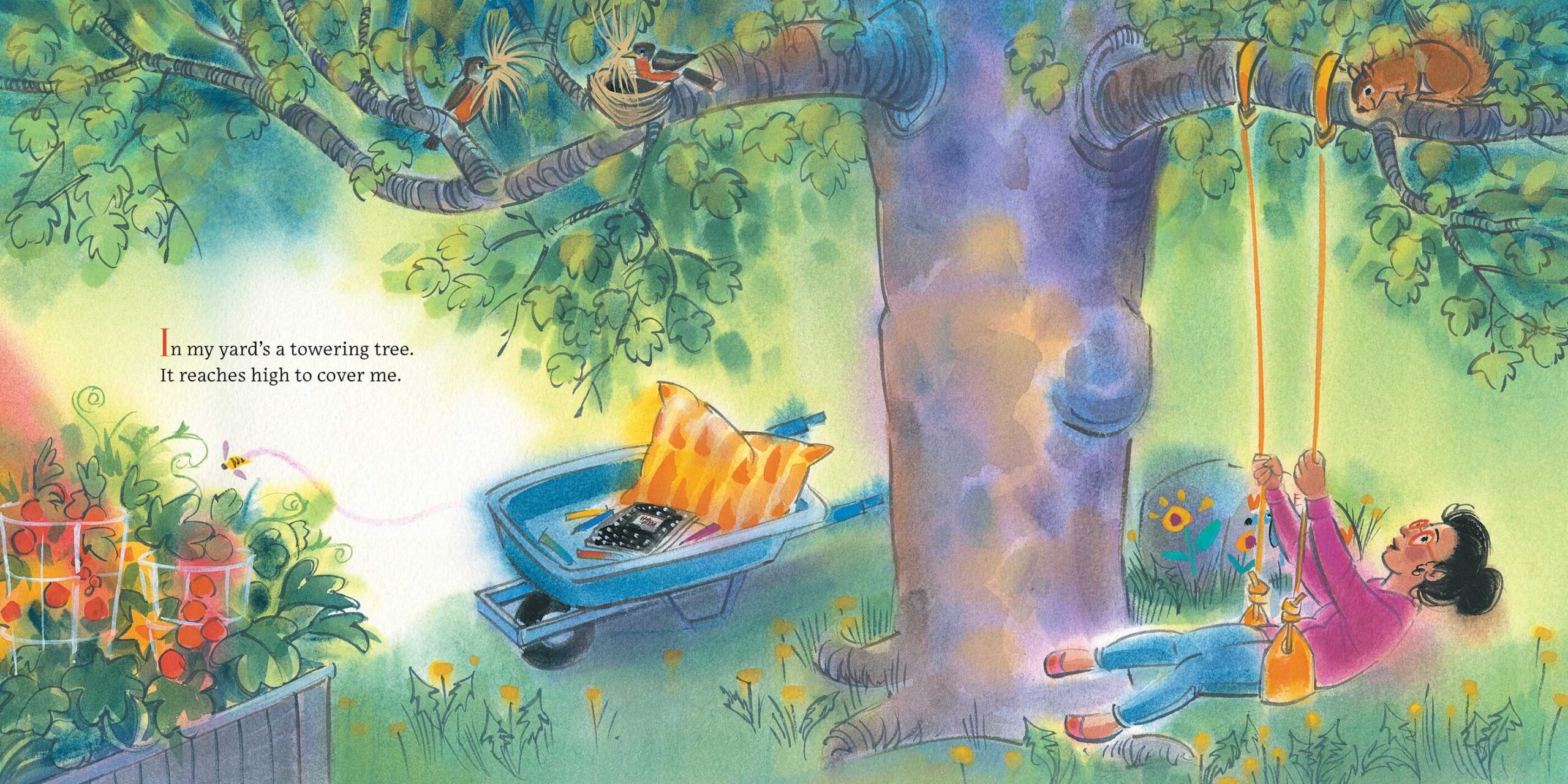
My Towering Tree by Janna Matthies, Illustrated by Ashley Wolff

Share

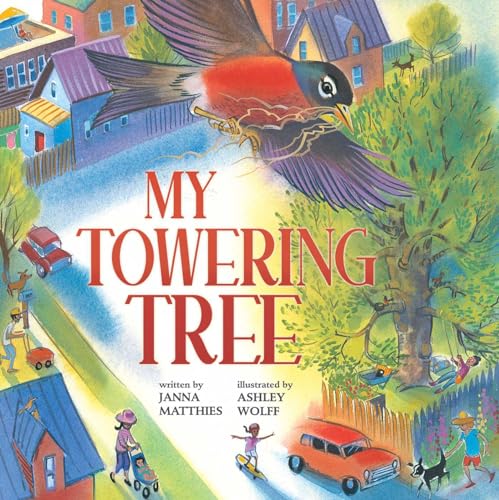
My Towering Tree
Author: Janna Matthies
Illustrator: Ashley Wolff
Published August 27th, 2024 by Beach Lane Books

Summary: Discover all the joyful moments and adventures waiting right outside your door in this mindful rhyming picture book celebration of backyard nature.

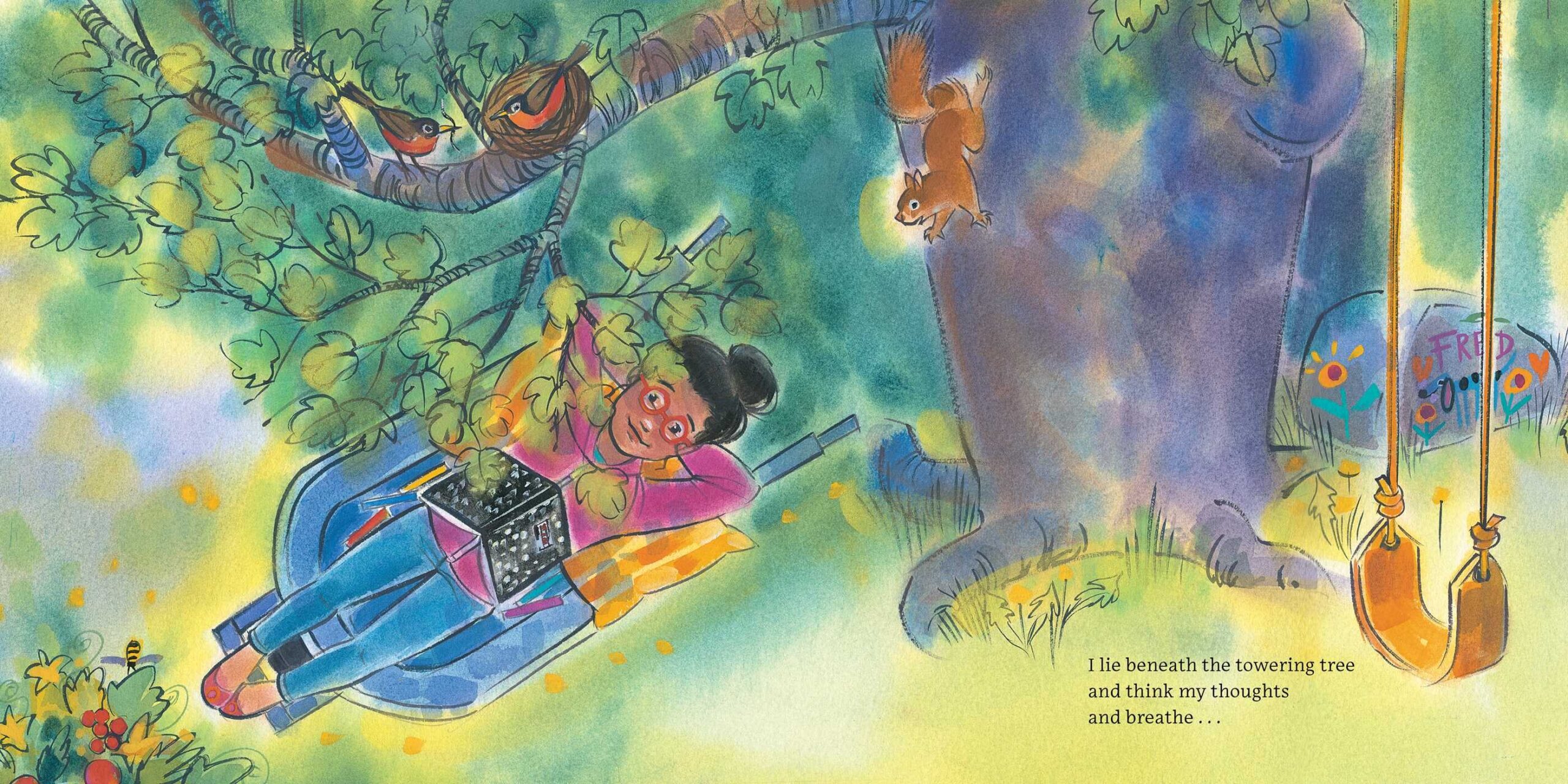
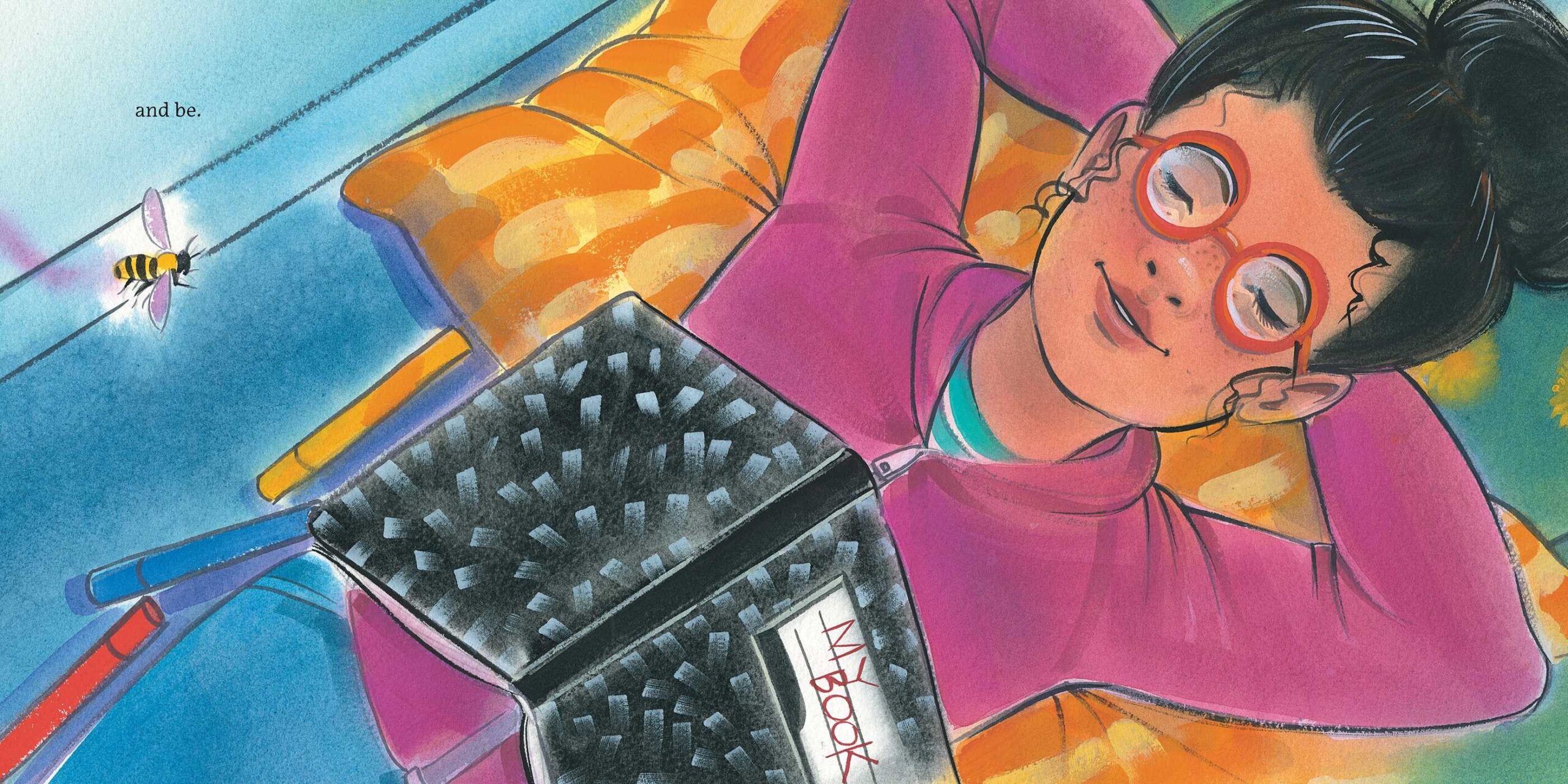
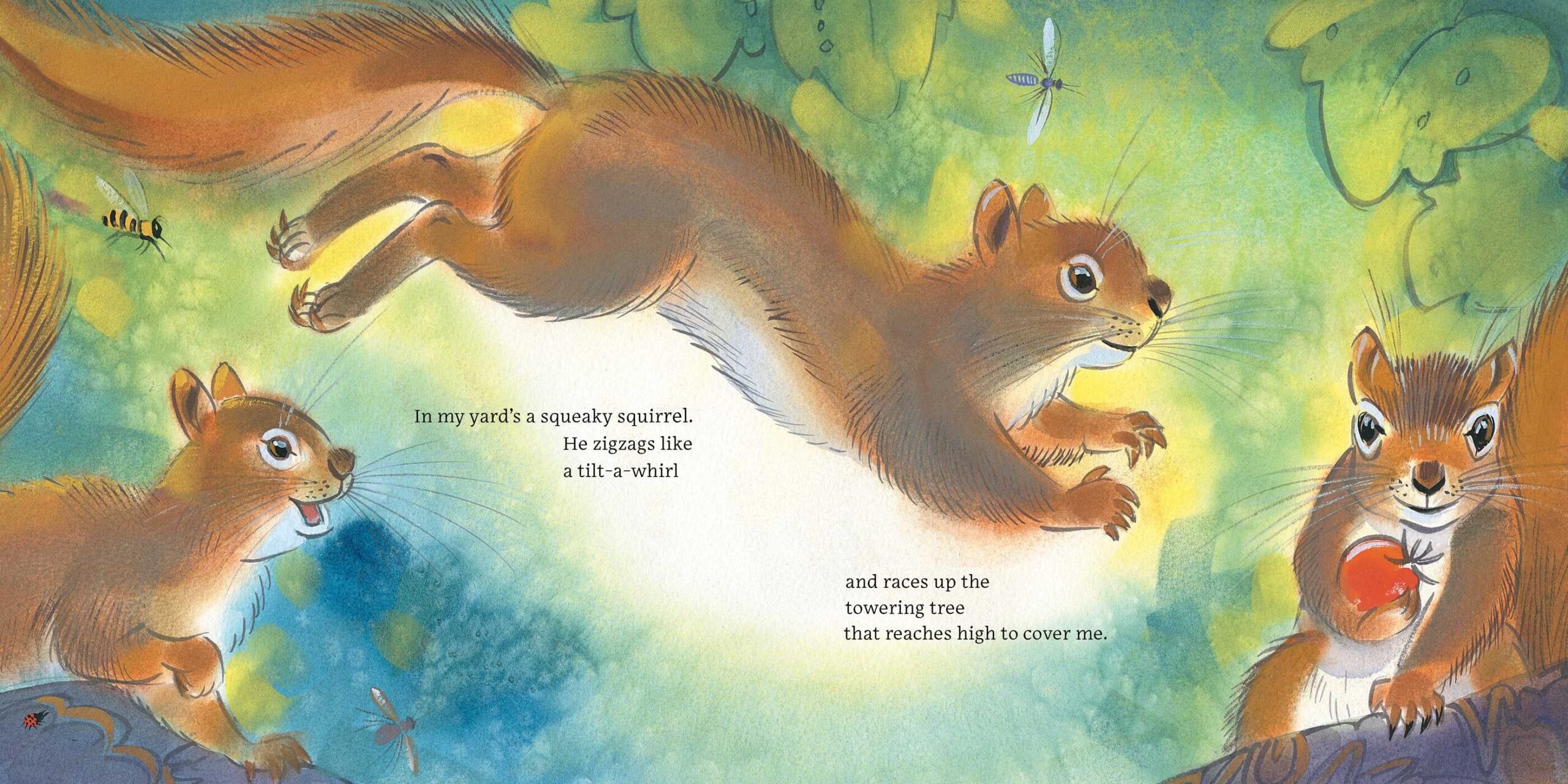
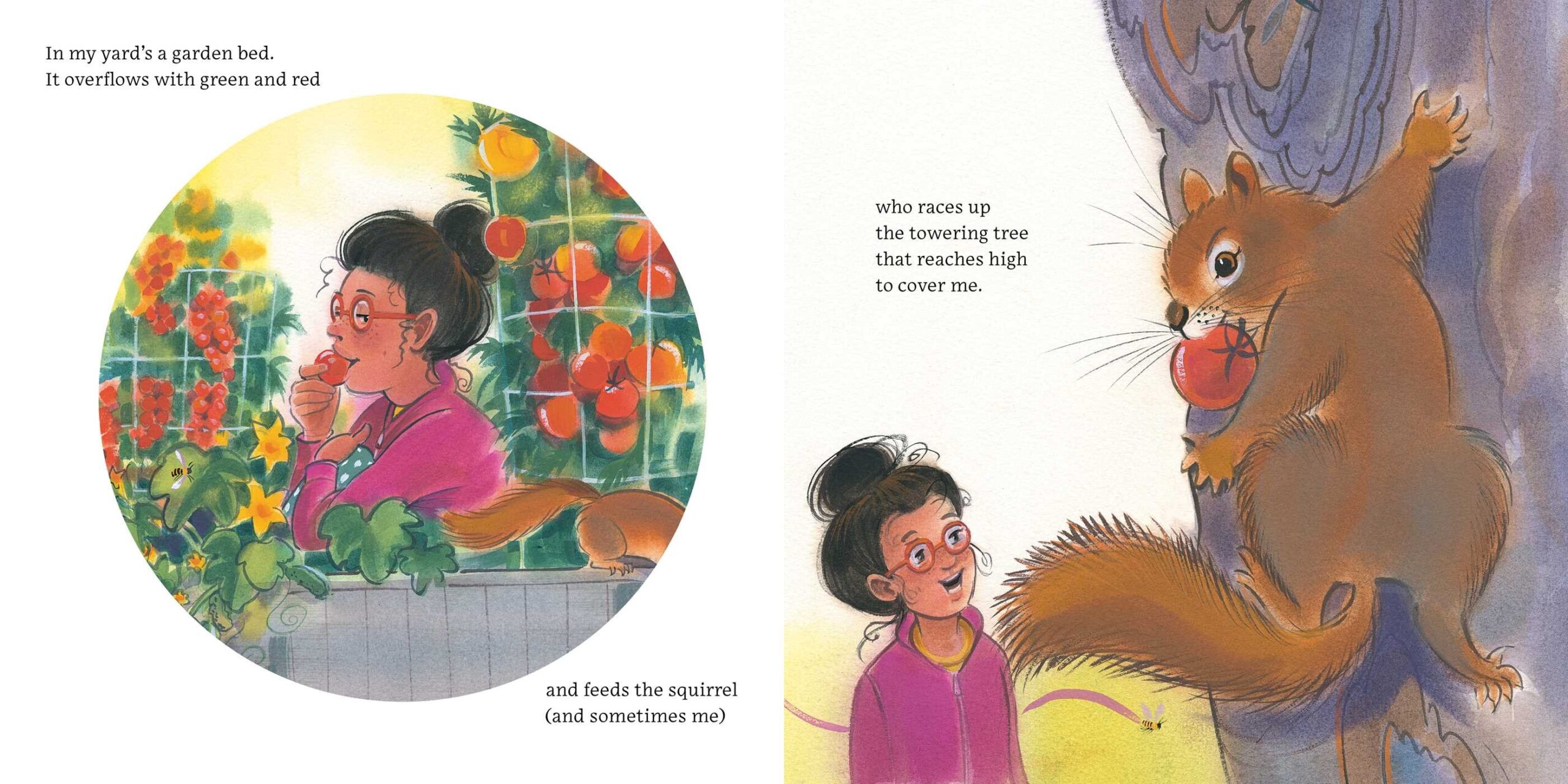
In my yard’s a towering tree. It reaches high to cover me. I lie beneath the towering tree and think my thoughts, and breathe, and be. There is much to do and so much to see beneath the branches of a towering tree! Step inside a leafy backyard world where squirrels are zipping, bees are buzzing, the sun is shining, and a curious, creative child is noticing and absorbing it all. This tribute to the wonderful worlds that exist in a backyard invites readers to stop, take a breath, and appreciate the natural world around them.

“This book is sure to delight . . . beautifully written rhymes blend perfectly; the pacing is ideal for reading aloud. A strong addition to the shelves and an accessible title to add to nature lessons or even story hours about mindfulness, with its emphasis on simplicity and an appreciation of nature.” – School Library Journal

“A gentle appreciation of the nature around us, from the ground to the sky.” – Kirkus Reviews

About the Creators: 

Janna Matthies is a picture book author and early elementary music teacher in Indianapolis. Her books include Here We Come!; God’s Always Loving You; Two Is Enough, which made the 2016 Bank Street list and New York Times Book Review; The Goodbye Cancer Garden; Peter, the Knight with Asthma; and Monster Trucks. Janna is a longtime volunteer with the Indiana SCBWI and provides editorial services to the Indianapolis Symphony Orchestra for picture books supporting their Teddy Bear Concert Series. When she’s not writing or making music, Janna can be found digging in the garden, swimming laps, walking Juneau the howling Husky, or keeping up with her husband and three mostly-grown kids.

Ashley Wolff lives in Vermont and is the author and illustrator of more than sixty books for children, including the modern classic Miss Bindergarten series by Joseph Slate, and her own celebrated Only the Cat Saw; Where, Oh Where, Is Baby Bear?; Baby Bear Counts One; and Baby Bear Sees Blue. Visit her at AshleyWolff.com.

Review: In a world where everyone, even kids, are usually GO GO GO, it is important to remind how important stopping, relaxing, focusing on nature, breathing, and appreciating. Matthies’s lyrical, meditative words mixed with Wolff’s full page, colorful, and captivating illustrations lend to readers wanting to find the beauty in the world around them.

Tools for Navigation: Towering Tree is reminiscent of “The House that Jack Built,” so it would be a great way to talk about variations/retellings and allusions of nursery rhymes. It also has a great rhyming pattern that can be analyzed also.

The book also lends to taking kids outside then having them draw and journal about what they see in their backyard or a park.

Discussion Questions: 

  • How is The Towering Tree like “The House that Jack Built”?
  • What type of rhyming pattern does this story have?
  • What do you see in your background/in a park when you sit under a tree?
  • Why is it important to remember the beauty of nature?
  • Why is it important to slow down sometimes, instead of go go going?
  • If you had a garden, what would you put in it?
  • What do you think the author’s purpose was for this book?
  • How does the backyard in the book compare/contrast to your backyard?
  • What word play can you find in the book? Figurative language?
  • What descriptive language did the author use that helped describe the scene?
  • How do the illustrations add to the story?

Flagged Spreads: 
Read This If You Love: Nature, Rhyming picture books

Recommended For: 
classroomlibrarybuttonsmall 

Signature

**Thank you to the author for providing a copy for review!**
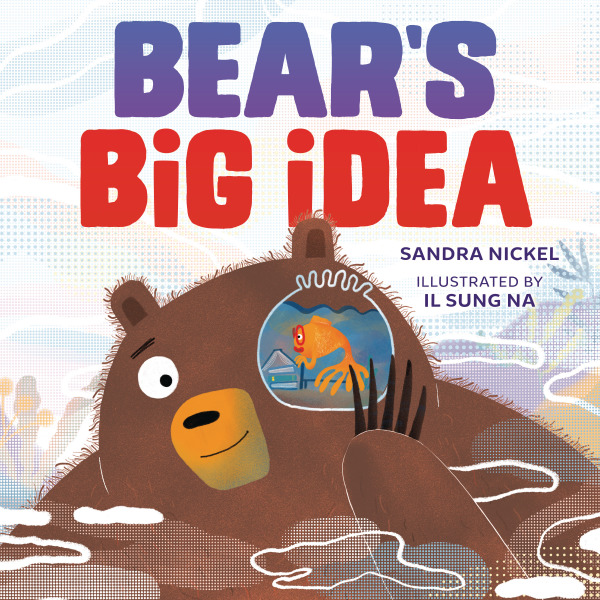
Bear’s Big Idea by Sandra Nickel, Illustrated by Il Sung Na

Share

Bear’s Big Idea
Author: Sandra Nickel
Illustrator: Il Sung Na
Published September 10th, 2024 by Carolrhoda Books

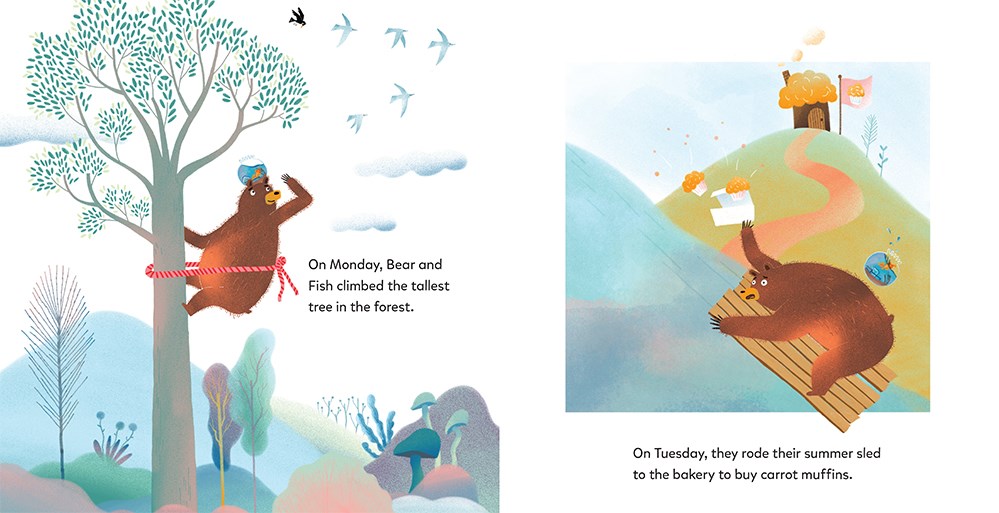
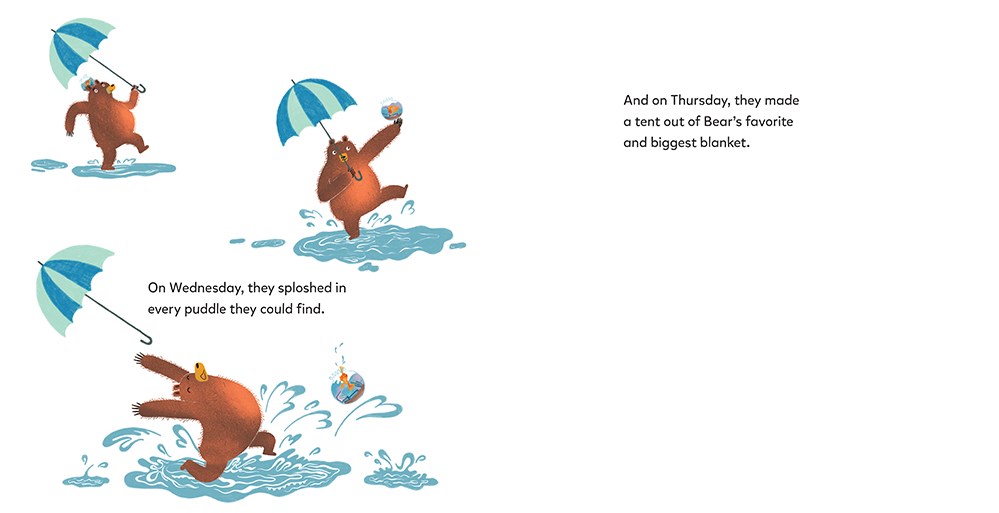
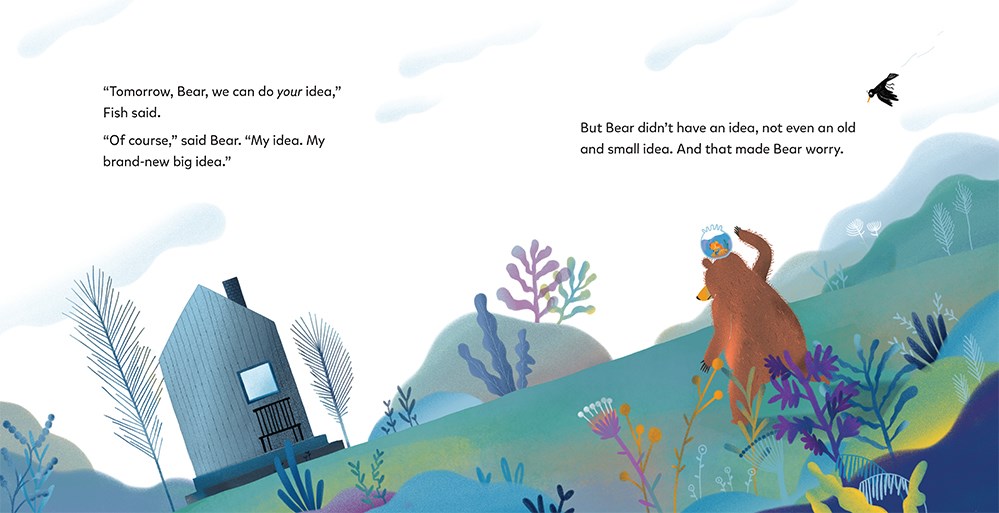
Summary: Fish always has great ideas for what to do! When it’s Bear’s turn to think of something, she promises she’ll have a brand-new BIG idea. But where do ideas come from?

The creators of Big Bear and Little Fish reunite for this sweet story of friendship, ingenuity, and a surprisingly epic adventure!

“A winning tale of friendship and creativity unleashed.”  —Kirkus Reviews

About the Creators:

Sandra Nickel is the author of picture book biographies about the inventor of nachos (Nacho’s Nachos), the discoverer of dark matter (The Stuff Between the Stars), and the first woman meteorologist (Breaking Through the Clouds). She is the winner of a Christopher Award,  the winner of the Society of Children’s Book Writers & Illustrators Crystal Kite Award, a finalist for the Golden Kite Award for Nonfiction for Younger Readers, a Junior Library Guild Gold Selection honoree, and a Charlotte Huck Award Recommended author. Sandra has an MFA in writing for children and young adults and has presented workshops on writing for children and young adults throughout Europe and the United States. When at home in Switzerland, Sandra loves summer sledding, sploshing in puddles, and listening for ideas in the wind. To learn more about Sandra, and to download free curriculum materials and activity sheets, visit https://sandranickel.com/.

Il Sung Na was born in Seoul, South Korea. He writes and illustrates picture books, including A Book of Sleep and The Dreamer, and he also illustrates the work of other authors, such as My Tree by Hope Lim and Beautiful Noise by Lisa Rogers. Currently based in Kansas City, Il Sung spends his time teaching illustration courses and working on new books. Instagram: @ilsungna

Instagram
Sandra Nickel: @sandranickelbooks
Il Sung Na: @ilsungna
Carolrhoda/Lerner: @lernerbooks

Facebook
Sandra Nickel: @sandranickelauthor
Carolrhoda/Lerner: Lerner Books

Twitter/X
Sandra Nickel: @senickel
Carolrhoda/Lerner: @LernerBooks

Review: Bear and Fish are a great addition to duos in picture books, which is my favorite trope because with the dichotomy, readers are more likely to connect with either, feel accepted, and learn the lesson shared within the book. In this one, Fish is full of ideas, but when it is Bear’s turn anxiety about letting down Fish overwhelms her. But Bear, with patience and support and time to think, gets there and the day ends up being such a success.

Na’s illustrations are a great support for Nickel’s tale of supporting friends and finding creativity because they colorfully bring it all to life.

Trailer:

Author’s Appearance on KitLitTV: 

Discussion Questions: 

  • What is your favorite way to brainstorm?
  • Bear struggles to get to sleep because she is struggling with coming up with an idea. What are some strategies to help relax your brain and body and help you sleep?
  • How does Fish support Bear well?
  • How are Bear and Fish similar? Different?
  • Why does Bear feel so much pressure?
  • Is taking old ideas and twisting & changing them make it a new idea?

Flagged Spreads: 

Read This If You Love: Picture books with friend duos, Picture books that promote brainstorming & creativity

Recommended For: 

classroomlibrarybuttonsmall

Signature

**Thank you to Blue Slip Media for providing a copy for review!**
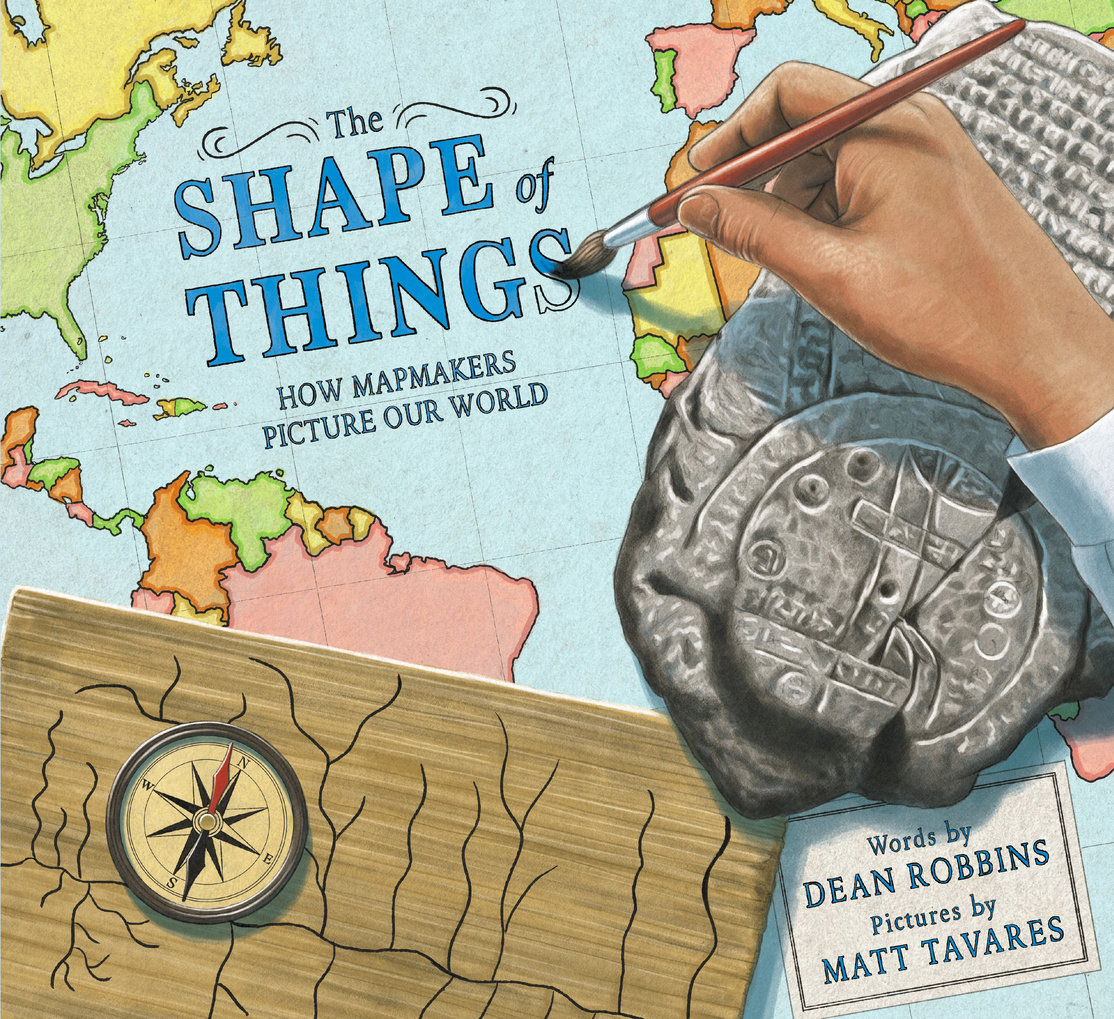
The Shape of Things: How Mapmakers Picture Our World by Dean Robbins, Illustrated by Matt Tavares

Share

The Shape of Things: How Mapmakers Picture Our World
Author: Dean Robbins
Illustrator: Matt Tavares
Published August 20th, 2024 by Knopf Books for Young Readers

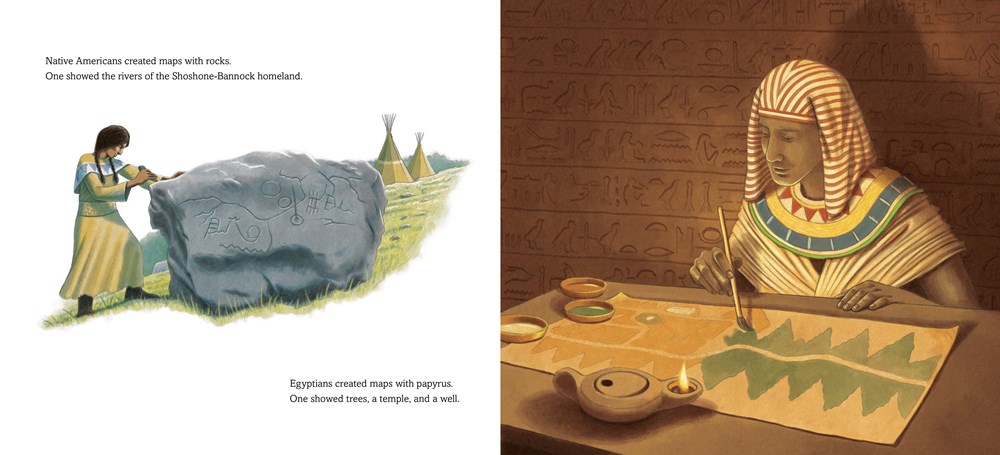
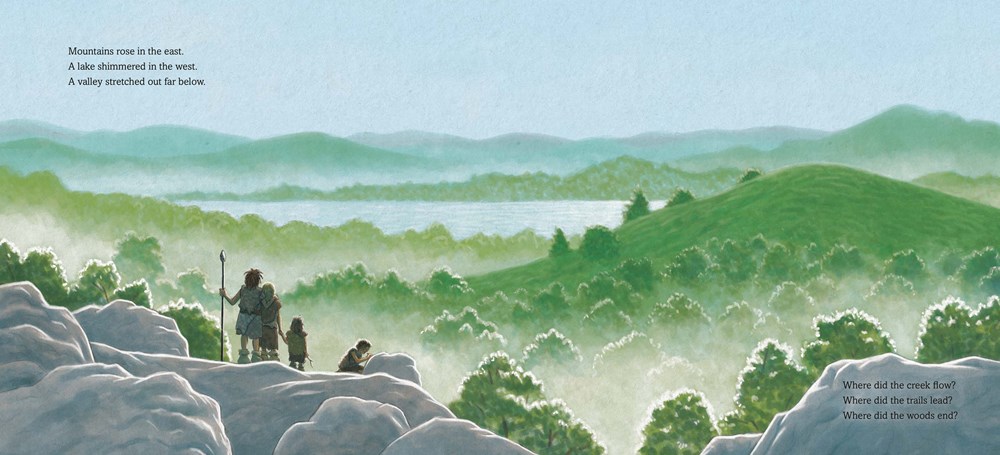
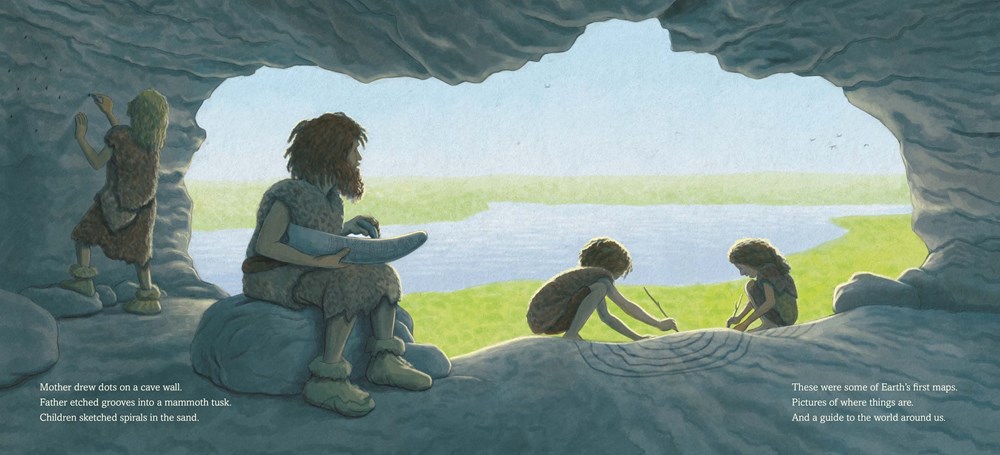
Summary: How did the first people explore the land they lived on? How did civilizations expand their boundaries and chart courses into new lands? Learn about the history of cartography across cultures in this ode to mapmaking through the ages.

Join history’s first mapmakers as they explore the wonders of the world! In these pages, you’ll find the tools ancient people used to depict their surroundings, methods different cartographers developed to survey new lands, and how we’ve arrived at modern mapmaking today. Above all else, the thread that runs throughout thousands of years of civilization is the spirit of exploration that helps us measure the shape of things around us, the world we all share.

About the Creators: 

Dean Robbins is a journalist and children’s book author. His previous books include, The Fastest Girl on Earth!, Two Friends; Susan B. Anthony and Frederick Douglass, Miss Paul and the President, and Margaret and the Moon. He lives in Madison, Wisconsin, with his family. To learn more, visit https://deanrobbins.net/.

Matt Tavares is a New York Times bestselling author-illustrator of over twenty titles. His books have been featured in: ALA Notable, Parents’ Choice Gold Awards, and twelve were chosen for the Society of Illustrators Original Art exhibit. His artwork has been exhibited at the Brandywine River Museum, the Eric Carle Museum, and the Mazza Museum. Matt lives in Maine with his wife, Sarah, and their two daughters. Visit his website: matttavares.com.

Instagram:
Dean Robbins: @deanprobbins
Matt Tavares: @tavaresbooks
Random House Children’s Books: @randomhousekids
Blue Slip Media: @blue_slip_media

Facebook:
Dean Robbins: @deanrobbins
Matt Tavares: @tavaresbooks
Random House Children’s Books: Random House Children’s Books
Blue Slip Media: @blue-slip-media

Twitter/X:
Dean Robbins: Dean Robbins
Matt Tavares:  Matt Tavares
Random House Children’s Books: @randomhousekids
Blue Slip Media: @blueslipper & @barbfisch

Review: The informational, yet lyrical text, by Dean Robbins mixed with Matt Tavares’s beautiful art brings this massive idea to a level that any reader can connect with, understand, and will find interest in. And man, is it a fascinating history, and it is wonderful how The Shape of Things does an introduction to the full history of cartography in a way that doesn’t seem overwhelming but is so informative. I also appreciate the sharing of different strategies of different cultures when mapmaking.

Tools for Navigation: While reading, I couldn’t help but think of all the ways social studies teachers could use this text. This text, in addition to being entertaining, is a summary of cartography through world history which makes it perfect for social studies to look at human history, exploration, and technology over time. And educators, don’t forget about the backmatter which includes even more information.

Discussion Questions: 

  • How did maps change over time?
  • How did technology change map making?
  • How did exploration change map making?
  • What different abilities does a cartographer need to have to accurately create maps?
  • Why is mapmaking essential to humanity?
  • What is the future of maps?
  • Why do you think the author included a timeline in the back of the book?

Flagged Spreads: 

Read This If You Love: Maps, Geography, Cartography, History

Recommended For: 

classroomlibrarybuttonsmall 

Signature

**Thank you to Blue Slip Media for providing a copy for review!**
Author Guest Post: “A Walk in Nature: Science for the Very Young” by Julie Downing, Author of Hello, Sun

Share

“A Walk in Nature: Science for the Very Young”

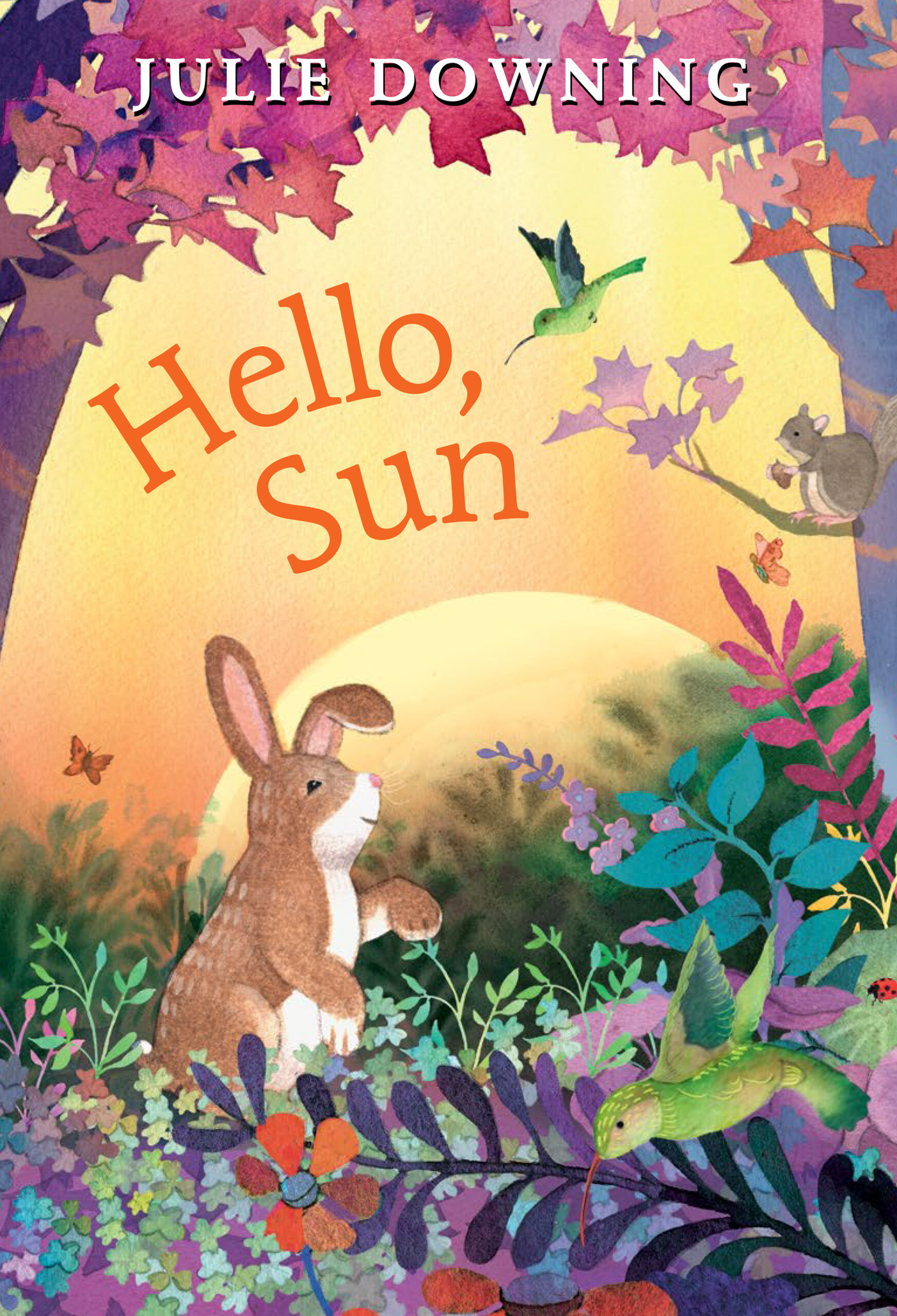
Hello, Sun celebrates a day in the life of a busy forest. From dawn to dusk, the forest is full of animals, birds and insects, waking up, playing, building a nest, and resting in the shade. When the sun goes down, the animals cuddle up and fall asleep. Hello, Sun teaches the youngest reader about diurnal animals in a simple and poetic way.

One of the powers of a picture book is the way facts can be conveyed. By looking closely at the illustrations, children learn as much from art as they do from words. As the author/ illustrator, I spent a great deal of time researching animal habits and what a “normal” day was like for each of the different characters. The challenge was thinking about how to present the information in a way that resonates with the youngest readers.

Some of the scientific facts appear in the text, and other information is shown in the illustrations. For example, I discovered that hummingbirds use spiderwebs to construct their nests. The text describes the nest:

Wisps of hay,

silky thread.

Sticky heat,

mossy bed.

On the other hand, some spreads show information in the art. For example, I learned that hummingbirds sleep upside down. The “Stars peek out”  as readers see the male hummingbird asleep on a nearby branch. Looking carefully at the art,  readers discover a bear habitat, which insects fly near a pond and come upon turtles sleeping in stacks.

Hello, Sun is a companion book to Hello, Moon, published in 2021.  Hello, Moon, shows the same forest at night. Hello, Moon is full of nocturnal animals and illustrates what happens while most of us are asleep. I didn’t really intend to do two books, but after Hello Moon came out, I thought about that same forest and what was different in the daylight. It took some time to find my way into the second book. Two things helped me. One July day, I took a walk in Marin. It was a VERY HOT day (of course for a San Franciscan anything over 65 is hot.)  The forest literally shimmered. I thought about how different the feeling was between the forest in the daytime and the same cool forest at night. I thought about what type of activities diurnal animals do throughout the day. As the temperature rises, animals slow down, nap, and keep cool in the shade.

What is the best way to show the difference? Color is one way to show time of day as well as changing temperature. Color became an important element in Hello, Sun. However, I discovered it was much easier for me to paint a forest at night. All the blues and purples are my colors.

It was challenging to shift my normal palate for Hello, Sun. One day, I was at the DeYoung Museum in San Francisco and discovered a painting by the artist, Richard Mayhew. He was an African American artist who painted the most beautiful landscape paintings. What struck me was his color palette. He did not paint a green tree against a blue sky but instead painted these amazing purple, rust, and turquoise trees against orange and yellow skies. His landscapes captured the feeling of a forest on a hot, sticky day. I realized that color was my way into this book. When I painted the art for Hello Sun, I literally had a book of the Richard Mayhew’s work on my desk and borrowed some of his palates, the intense yellow that runs throughout the book was inspired by Mayhew’s paintings.

Children are naturally curious and eager to learn, and picture books are the perfect way to connect to the world around them. I hope Hello, Sun and Hello, Moon inspire families to take their own nature walks and think about the animals that share their space. Are they asleep? Are they awake? What might you see, hear or feel if you took the same walk at a different time of day?

Published April 16th, 2024 by Neal Porter Books

About the Book: Follow the sun and the creatures it shines on from dawn to nightfall in this companion to Hello, Moon, from Parent’s Choice Award Winner Julie Downing.

Hello, sun!
Goodbye, night!
Sunrise chill,
pale dawn light.

Julie Downing’s signature artwork washes each page in a symphony of blue, green and purple foliage; the sky shifts from amber to pink, buttercup-yellow, or darkest indigo. Sleepy bears, rabbits, deer, and other animals rise from cozy dens and burrows to greet the day.

From the award-winning creator of Hello, Moon and Night in the City , Hello, Sun features short and simple sentences perfect for a bedtime story or for children building confidence in reading on their own. Whether you’re starting the day or ending it, don’t miss this engrossing walk with the sun and the creatures it shines on.

About the Author: Julie Downing is the illustrator of more than forty-five picture books and a professor of watercolor and children’s book illustration. She lives in California.

Thank you, Julie, for this reminder to play into the curiousness of children!

Author Guest Post: “Integrating Storytelling with Science Education” by Serene Chia, Author of Mommy, Mommy, Where is the Moon?

Share

“Integrating Storytelling with Science Education”

How do we use children’s picture books to spark our kid’s interest in science? As a children’s author and a fan of kids’ books, I’ve discovered that storytelling can be a magical tool to engage young minds. Combining stories with science is a great way to keep little ones excited about learning.

Here are 3 ways to start their scientific journey through the power of stories and child-led inquiry.

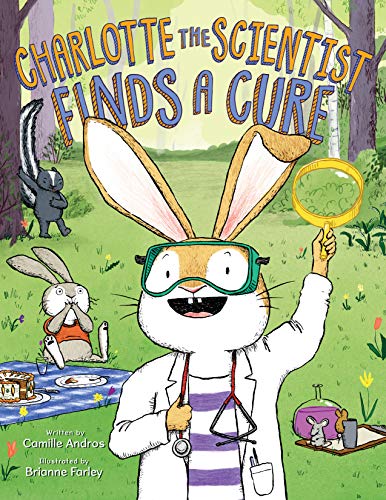
  • Making Science Simple. Science doesn’t have to be complicated. Stories can make tricky ideas easy for kids to understand. In Charlotte the Scientist Finds a Cure, Charlotte’s journey to find out what is making the animals sick captures children’s interest and teaches them about the scientific method to ask questions and form a hypothesis. Charlotte’s determination and problem-solving skills are depicted in a way that children can easily grasp.
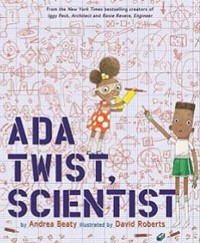
  • Encouraging Curiosity. One of the best ways to teach science is through student-led inquiry. Encourage your students to ask questions and explore answers. In Ada Twist, Scientist, Ada’s relentless curiosity to find out what is causing a smelly smell drives the story, prompting kids to ask their own questions and seek answers. This book is fantastic for teaching children the value of persistence and inquiry in science.

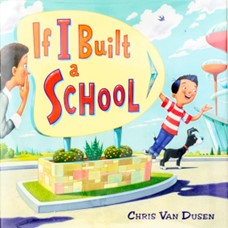
    Similarly, in If I Built a School, Jack’s imaginative ideas about what a school could look like encourage students to think creatively and ask “what if” questions. Jack’s wild ideas, like a library where books come alive, can inspire kids to dream big and explore how their own creative solutions could be realized. These books collectively show that curiosity is the starting point for scientific exploration.

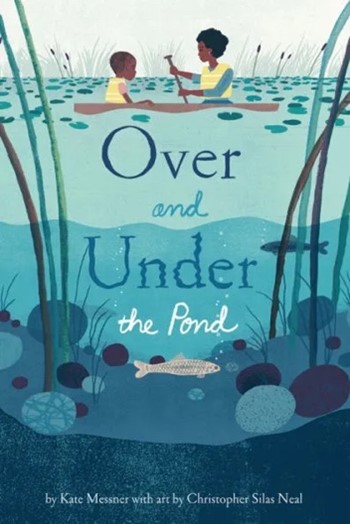
  • Mixing Different Subjects. Stories can seamlessly blend different subjects like science and reading. In Over and Under the Pond, the narrative combines scientific facts with beautiful storytelling, helping kids improve their reading while learning about nature. This multidisciplinary approach makes learning more interesting and helps kids see the connections between different subjects. It encourages them to think critically and creatively, integrating knowledge from various fields.

Recommended Books for Starting Children on Their Scientific Journey

Charlotte the Scientist Finds a Cure by Camille Andros

The story emphasizes the importance of family support in scientific endeavors, with Grandpa Bunny telling Charlotte, “Charlotte, you are going to make a real difference in the world.” My 3-year-old son loved the bunny family and the grandpa who wasn’t well, while my 6-year-old daughter was fascinated by finding out what was making all the animals sick. She learned new words like quarantine and experiment.

Ada Twist, Scientist by Andrea Beaty

This book encourages kids to start asking questions when they encounter problems. Ada’s journey to discover what was causing a stink in her house shows how persistent inquiry can lead to scientific discovery. The story highlights the importance of family support in encouraging curiosity and problem-solving.

Over and Under the Pond by Kate Messner

The book paints a beautiful picture of an afternoon spent exploring the ecosystem of a pond. Living in Singapore, we learned about animals we don’t have here, like the mink, moose, and American goldfinch. The illustrations, such as a view from above the trees looking down at the mother and son rowing their boat, add an immersive visual element that helps kids learn about different species and their habitats.

If I Built a School by Chris Van Dusen

This imaginative book follows a boy named Jack with the wildest imagination as he describes to his teacher, Miss Jane, how he would design a school. His ideas include puppies, a zoo, a robot that makes lunches, and hover desks that glide around. My kids especially loved the part where the library had books that came alive, like Jack and the Beanstalk, with a beanstalk that grew when you opened the book. This story sparks interesting discussions and encourages kids to think creatively about their learning environment.

Conclusion. Storytelling is a powerful tool for teaching science. It makes learning easy, fun, and engaging. You don’t need complicated setups to spark curiosity in your students. Use storytelling to create a rich, engaging learning environment. Books like Charlotte the Scientist Finds a Cure, Ada Twist, Scientist, Over and Under the Pond, and If I Built a School are excellent starting points. By incorporating these stories into your lessons, you can inspire the next generation of scientists and explorers!

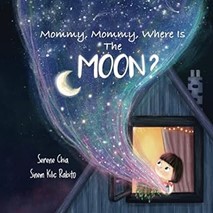
Mommy, Mommy, Where is the Moon?
Author: Serene Chia
Illustrator: Sinem Kilic Rabito
Published June 3rd, 2022

About the Book: Few things in life are as precious as the bond shared between a mother and her daughter.

Kaitlyn loves spending her nights lying beside her mother as they search the sky for the Moon. Sometimes they find it. Sometimes they don’t! That doesn’t stop them from laughing and talking about cool moon facts like why it changes shape and hides sometimes. Like Neil Armstrong, Kaitlyn believes she can also fly to the Moon!

Beautifully illustrated and filled with inspiration, Mommy, Mommy, Where is the Moon is a must-read for every child.

Parents and educators, this book is great for:

IMPROVING PARENT-CHILD RELATIONSHIP – Engage your child and improve the parent-child relationship.

INTRODUCING SCIENCE AND STEM CONCEPTS – Introduce your child to science and STEM concepts in a fun and easy-to-understand way.

ENCOURAGING IMAGINATION – Encourages your child to dream big and use their imagination.

For a free lesson plan and activity sheets for preschoolers, visit serenechia.com/moon

About the Author: As a children’s author, Serene Chia has always been passionate about creating stories that educate and inspire young minds. Her book, Mommy, Mommy, Where is the Moon?, was inspired by her daughter’s fascination with the moon. One of their favorite things to do was to spend time looking for the moon every night. Sometimes they found it, other times they didn’t. Along the way, they pick up cool moon facts like why the moon changes shape and sometimes hides.

This book combines the warmth of a mother-daughter bond with bits of science sprinkled within. It also comes with a lesson plan for 6-year-olds, a read-aloud video, and coloring sheets that make it easy to incorporate into your home or classroom lessons. Visit serenechia.com/moon.

Website: serenechia.com
Instagram: instagram.com/serenechiaauthor

Thank you, Serene, for these science-focused activities and books!

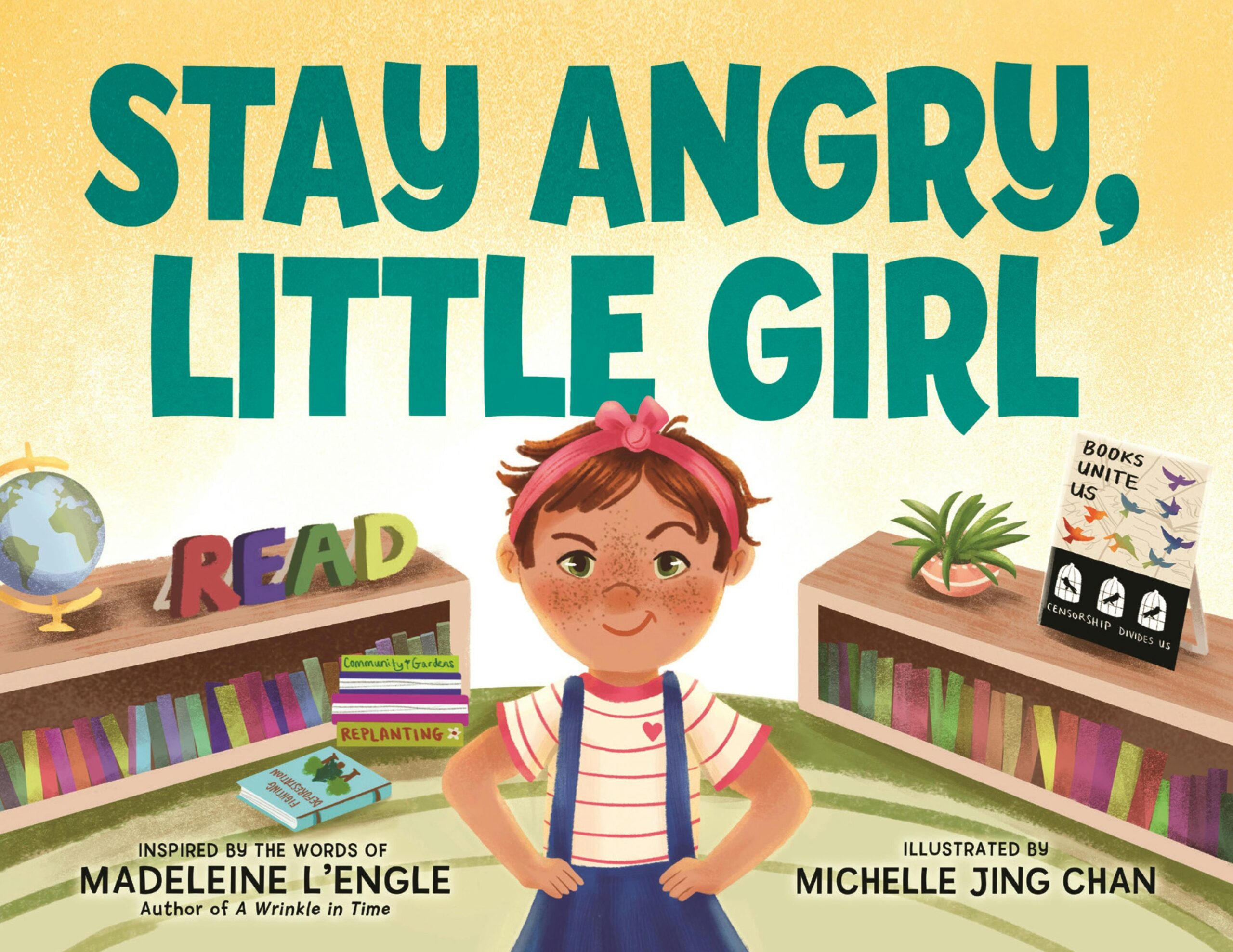
Stay Angry, Little Girl Inspired by Madeleine L’Engle, Illustrated by Michelle Jing Chan

Share

Stay Angry, Little Girl
Inspired by: Madeleine L’Engle
Illustrator: Michelle Jing Chan
Published August 6th, 2024 by Farrar, Straus and Giroux (BYR) / Macmillan

Summary: An empowering message inspired by a beloved quote from Madeleine L’Engle’s enduring classic A Wrinkle in Time.

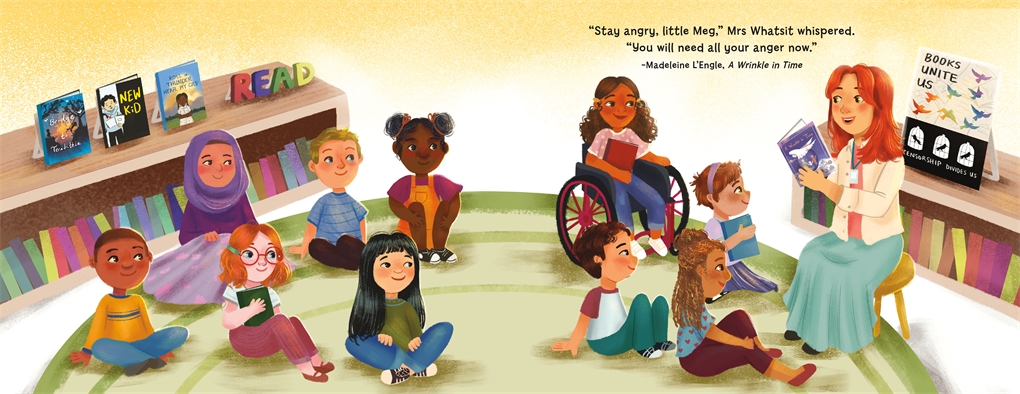
“Stay angry, little Meg,” Mrs. Whatsit whispered. “You will need all your anger now.”

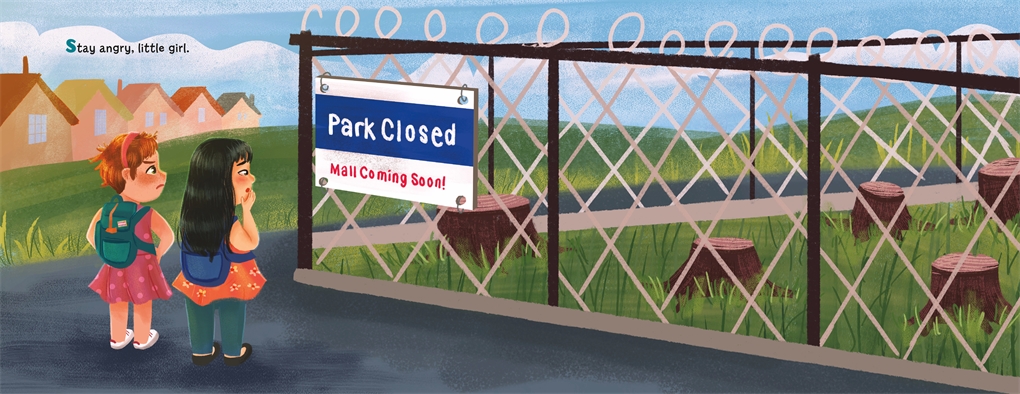
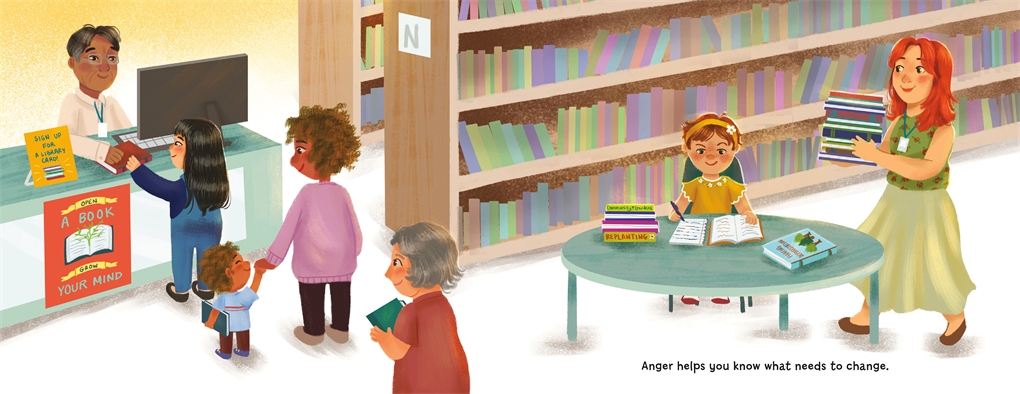
This picture book encourages girls everywhere to proudly share their ideas and emotions, even if those traits will be met with resistance. Because being brave, sensitive, stubborn, curious, loud, kind, and playful helps them build strength and stay true to themselves.

Michelle Jing Chan’s bright artwork welcomes girls of all backgrounds to use these important affirmations.

“[This book] gives girls a full-throated endorsement to be true to themselves… Empowering.” —Kirkus

About the Creator: Michelle Jing Chan is a queer Chinese American illustrator who grew up in Colorado and lives in the Pacific Northwest. Inspired by nature, cultural folklore, and fantasy, Michelle aspires to illustrate diverse, empowering stories her younger self would have loved. When she’s not drawing, she can be found attempting new recipes, reading, or watching spooky TV shows.

Review: This book takes everything that misogynists pin on little girls as negative and shows how they are powerful traits that make us better people. As a woman who was told as a young child that she was too big, physically, emotionally, and vocally, I give this book a standing ovation because there are so many girls who are told not to be angry or kind or curious or loud or stubborn or… or… or… This book truly illustrates that these traits can be the superpower within us to be a better person or to make the world a better place. What makes the book even more powerful is the illustrations because they take very scarce text and show the how and why all while including characters that will connect with every reader.

Tools for Navigation: Read this book aloud and have it lead to amazing conversations to help end misogynistic thoughts!

Also, free coloring sheets can be downloaded here (provided by the illustrator)!

Discussion Questions: 

  • What is a trait that you have been told is negative about you? How is this trait something that makes you a better you?
  • Think of a trait that is often seen as negative. How can this trait be reframed to be positive?
  • What do you think the author’s purpose was in creating this book? The theme of the book?
  • How can someone being told that something about them is “bad” affect them over time?

Flagged Spreads: 

Read This If You Love: Affirmations, Girl Power books, Any reminder to be true to yourself

Recommended For: 

classroomlibrarybuttonsmall

Signature

**Thank you to Nicole Banholzer PR for providing a copy for review!**
When Beavers Flew: An Incredible True Story of Rescue and Relocation by Kristen Tracy, Illustrated by Luisa Uribe

Share

When Beavers Flew: An Incredible True Story of Rescue and Relocation
Author: Kristen Tracy
Illustrator: Luisa Uribe
Published July 23rd, 2024 by Random House Studio

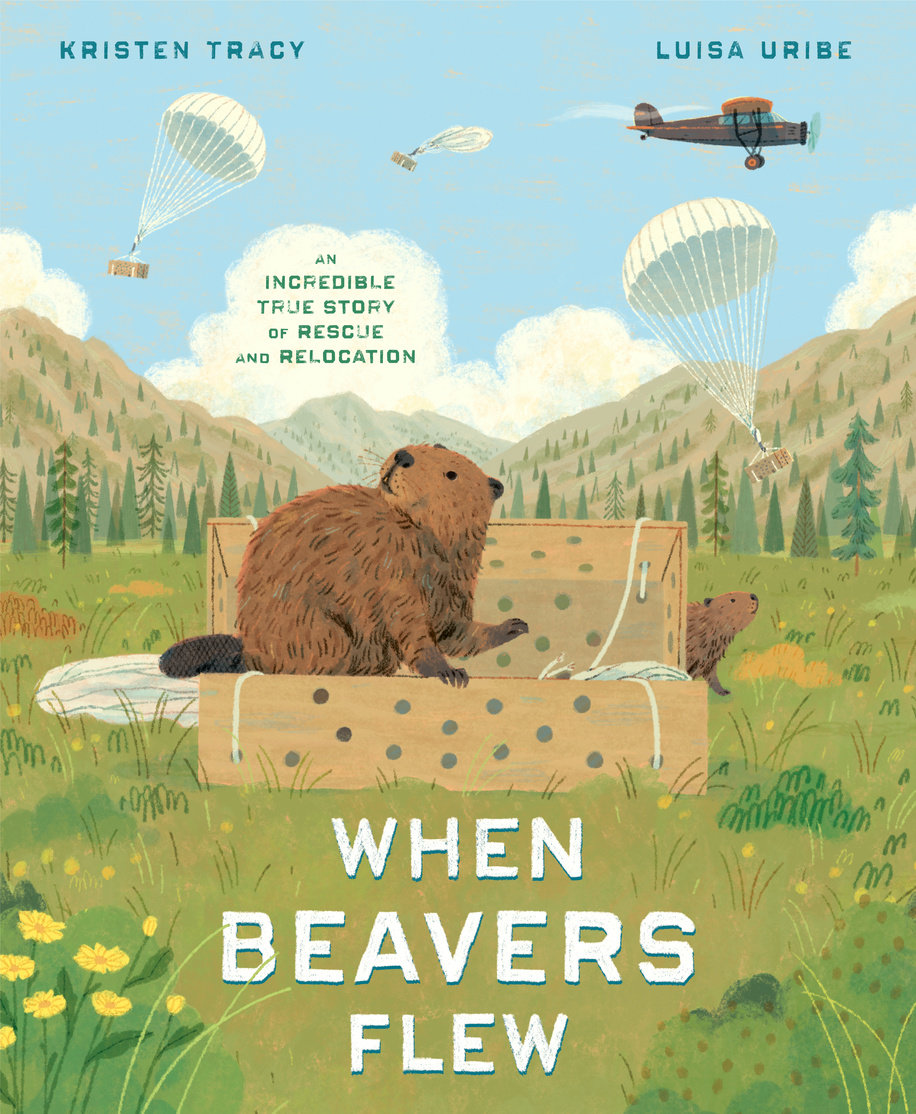
Summary: This fascinating picture book tells the unique, quirky, and true story of how one man in Idaho saved 76 beavers from destroying a town by parachuting them into uninhabited wetlands.

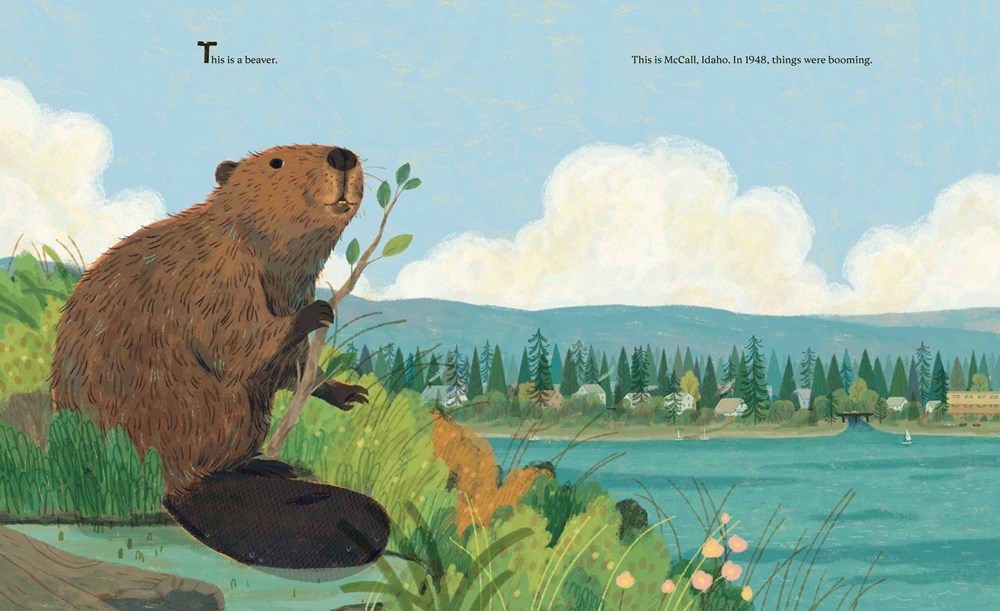
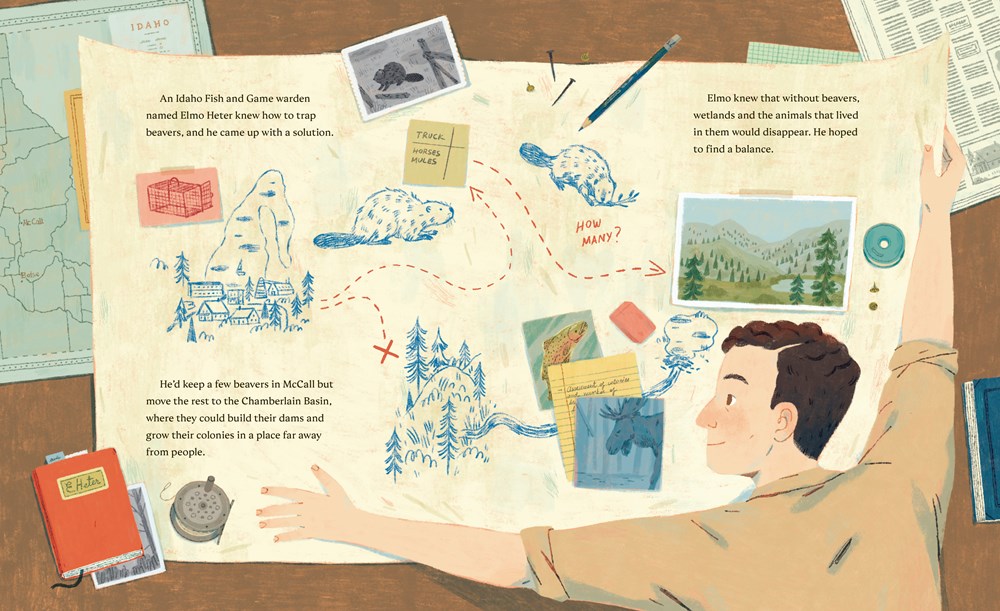
In 1948, the town of McCall, Idaho was growing rapidly. World War II was over, and the little town tucked away in the mountains began to boom. There was only one problem. As the town expanded, they found beavers everywhere. A beaver here, a beaver there, and it didn’t take long to realize that humans and beavers weren’t great cohabitators. But one clever and resourceful Fish and Game Warden named Elmo Heter had an idea.

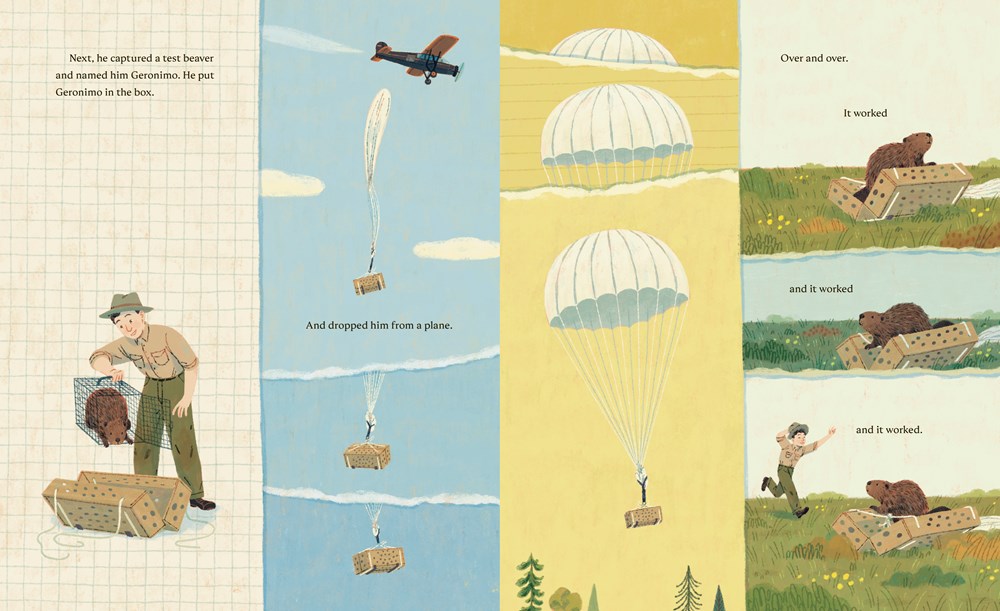
Heter knew that the beavers were integral to the wetlands, so keeping the well-being of the beavers in mind he set out to find a way to relocate them. After a few failed attempts, he finally landed on a wild idea… parachutes. Using a surplus of parachutes left over from WWII and creating a special box with air holes designed to pop open when it hit the ground, Heter devised a way to parachute the beavers into Idaho’s backcountry, an area that beavers hadn’t inhabited in decades.

Kirsten Tracy’s fascinating and playful nonfiction text pairs beautifully with Luisa Uribe’s detailed illustrations to bring this compelling true story to life.

“A celebration of an early environmental success.”—Kirkus Reviews

About the Creators: 

Kristen Tracy grew up in a tiny town in Idaho near Yellowstone Park surrounded by untamed and fascinating animals. She is a poet and YA author and has recently started writing picture books. Her debut picture book A Cub Story was published in 2021. Kristen Tracy young adult novels include Lost It, Camille McPhee Fell Under the Bus, Hung Up, and Project Unpopular. She won the Emily Dickinson First Book Award from the Poetry Foundation for her collection Half-Hazard. To learn more, visit kristentracy.com.

Luisa Uribe is the illustrator of Areli is a Dreamer, which was named a best book of the year from Kirkus, NYPL and Booklist, and My Brother is Away that received three starred reviews and was a Charlotte Huck honor book and a Charlotte Zolotow honor book. She lives in Bogotá, Colombia, with her partner and two cats.

Instagram:
Kristen Tracy: N/A
Luisa Uribe: @lupencita
Random House Children’s Books: @randomhousekids
Blue Slip Media: @blue_slip_media

Facebook:
Kristen Tracy: N/A
Luisa Uribe: N/A
Random House Children’s Books: Random House Children’s Books
Blue Slip Media: @blue-slip-media

Twitter:
Kristen Tracy: @kristen_tracy
Luisa Uribe: @lupencita
Random House Children’s Books: @randomhousekids
Blue Slip Media: @blueslipper & @barbfisch

Review: This is such a fascinating story. Too often, animals “in the way” of humans are killed or relocated with no thought, so I was so happy to read this story about Elmo Heter and all the thoughtfulness he put into the beavers in Idaho and the success of his endeavor. I think this story allows for the reader to see that there can be successes in these incidences; however, it also shows how humans impact is negative on animals/the environment. It is going to be a great conversation book and a new aspect of history to most.

The full page illustrations are the cherry on the sundae of this book for me. Uribe’s additions bring the story to life and shows the reader important aspects that would be missed without their inclusion. I, personally, really liked that additions of the aspects of the scientific method that are shared in the illustrations. It makes it clear that Heter had a hypothesis, asked questions, did research, until he figured out a conclusion to be successful. 

Tools for Navigation: This book will be a perfect read aloud to cross disciplines when discussion ecology and the environment or animals/humans impact.

Discussion Questions: 

  • How did humans cause the situation that they and the beavers were in?
  • How does human expansion affect the animals and environment?
  • Why did the location where the beavers were relocated to work? What could have caused a relocation like this not to work?
  • How did relocating 75 beavers help with the success of the relocation?
  • How to beavers help out ecology and the environment?
  • We don’t learn much about Elmo Heter as a person but we see his actions. What do these actions tell you about him?
  • What type of questions did Heter ask when he was determining how to relocate the beavers?
  • How did Heter use the scientific method when planning his rescue and relocation?
  • How did the illustrator utilize illustrations to add to the narrative?

Flagged Spreads: 

Read This If You Love: Beavers, the Environment, Ecology, National Parks

Recommended For: 

classroomlibrarybuttonsmall 

Signature

**Thank you to Barbara at Blue Slip Media for providing a copy for review!**