Review and Teaching Guide!: Trashed by Derf Backderf

Share

NFPB2016

Nonfiction Wednesday

Nonfiction Picture Book Wednesday is hosted by Kid Lit Frenzy and was started to help promote the reading of nonfiction texts. Most Wednesdays, we will be participating and will review a nonfiction text (though it may not always be a picture book).
Be sure to visit Kid Lit Frenzy and see what other nonfiction books are shared this week!
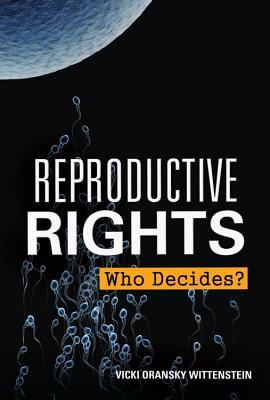
trashed

Trashed
Author: Derf Backderf
Published November 3rd, 2015 by Harry N. Abrams

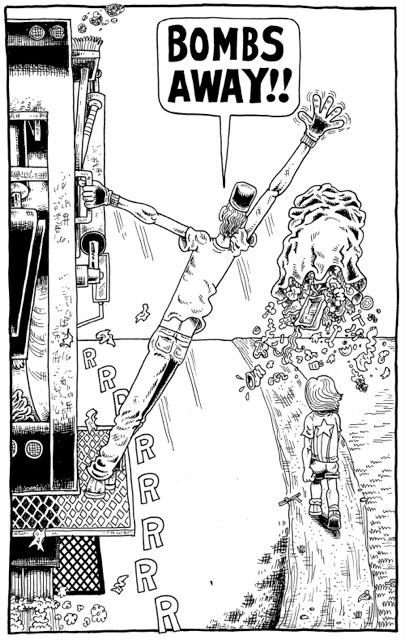
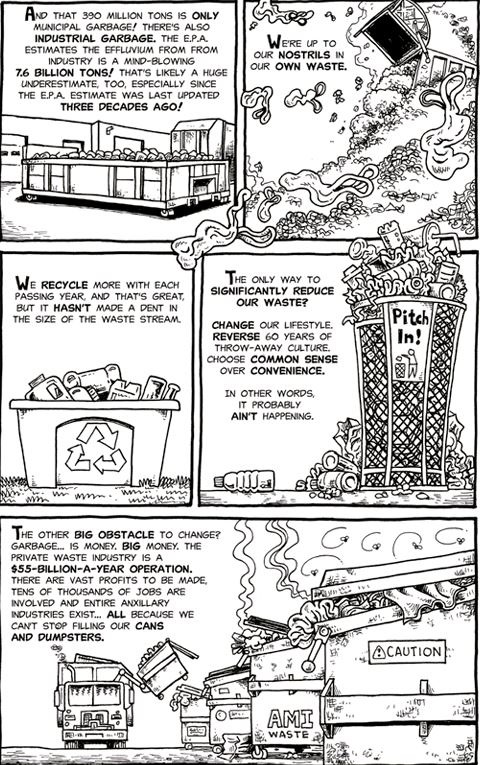
Goodreads Summary: Every week we pile our garbage on the curb and it disappears–like magic! The reality is anything but, of course. Trashed, Derf Backderf’s follow-up to the critically acclaimed, award-winning international bestseller My Friend Dahmer, is an ode to the crap job of all crap jobs–garbage collector. Anyone who has ever been trapped in a soul-sucking gig will relate to this tale. Trashed follows the raucous escapades of three 20-something friends as they clean the streets of pile after pile of stinking garbage, while battling annoying small-town bureaucrats, bizarre townfolk, sweltering summer heat, and frigid winter storms. Trashed is fiction, but is inspired by Derf’s own experiences as a garbage­man. Interspersed are nonfiction pages that detail what our garbage is and where it goes. The answers will stun you. Hop on the garbage truck named Betty and ride along with JB on a journey into the vast, secret world of garbage. Trashed is a hilarious, stomach-churning tale that will leave you laughing and wincing in disbelief.

My Review:  I must first start by saying that this book is not completely nonfiction. The story is based roughly on Backderf’s life, but the story is overall fiction. However, the nonfiction aspect of the book lies in multi-genre aspect of this graphic novel. While Backderf tells you the story of JB’s life as a garbageman, he includes information about the state of garbage in the United States. The mix of JB’s story with information from Columbia University and an EPA report really makes this text so unique. Backderf does a great job balancing the fiction component (filled with dark humor and stark reality) with the information that puts everything in perspective.

Teachers’ Tools for Navigation: I have created a teaching guide for Trashed which can be found at:  https://www.scribd.com/doc/296747329/Trashed-Teaching-Guide 

Within the guide, I include discussion questions, but also a project-based assessment combining Trashed, the Columbia University report about municipal solid wast, an EPA report on advancing sustainable materials management, The Inconvenient Truth, and the six-step creative problem solving process.

Discussion Questions: Trashed’s structure is unique in its mix of fiction and fact. Why do you think the author chose to mix the two instead of sticking with only one genre? Also, why do you think he chose to not make this a memoir based on his own experiences and instead make a fictional narrative?; JB’s tone throughout the text is primarily negative seeming annoyed, bitter, or hopeless. Some examples of this can be found on pages 10-11, 37, and 202. How would you describe JB’s tone? What words were specifically used throughout the text to set the tone? Why do you think the author chose to write JB’s character this way?; What claim do you think Backderf is making by including all of the factual evidence about municipal waste? How is his claim developed over time? How did he use rhetoric throughout the text to advance his point of view?; Looking at the information Backderf shared from the Columbia University and EPA reports, how did the author choose the order in which he revealed information?; Was there any factual information shared in Trashed that surprised you? Why did it surprise you, and what does it make you reflect on?

We Flagged: 

Trashed 2trashed 1

Read This If You Loved: My Friend Dahmer by Derf Backderf, Nonfiction texts about the environment, Nonfiction graphic novels, Adult graphic novels

Recommended For: 

classroomlibrarybuttonsmall closereadinganalysisbuttonsmall

Signature

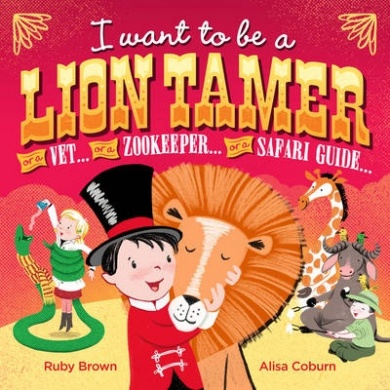
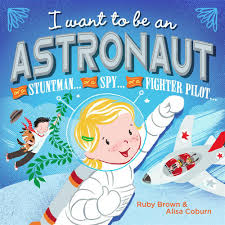
I Want to Be…. by Ruby Brown

Share

i want to be a lion tamer i want to be an astronaught

I Want to Be a Lion Tamer…
I Want to Be an Astronaut…
Author: Ruby Brown
Illustrator: Alisa Coburn
Published 2015 by Kane Miller Publishing

Summary: What do I want to be when I grow up? When I grow up, I can be anything I want to be! A vet? A dog walker? A lion tamer? A spy? An astronaut? A deep-sea diver?

Kellee’s Review: The thing I loved the most about these books was the lesson that readers will take away: You can be anything you want when you grown up! From a young age we really need to be teaching kids to have dreams and do what they can to reach them, and part of having a dream is knowing what a job entails. These books are a very nice introduction to a bunch of different jobs and would be a great jumping off point to talk to kids of a very young age about what they want to be when they grow up and what that job is like. I also liked the illustrations so much! Coburn’s illustrations are so colorful and lively–they take Brown’s words of a kid’s imagination and brings them to life. 

Ricki’s Review: I’ve read these books dozens of times with my two-year-old son. He may be a bit young to understand the concepts of the books, but he loves the pictures! I am happy to have them because I know I will be able to use them in the future to teach him that he can be anything he wants to be. I could see these books being great to use during job fairs and job talks. I’d even use these with high schoolers to get them in the mindset that they can be anything they want to be. I particularly enjoyed the diversity of jobs featured in the books. These are a great resource for teachers.

Teachers’ Tools for Navigation: The I Want to Be books can be used as a read aloud to begin a discussion of different types of careers and what students want to be when they grow up. You can use this time to talk about goals, how to reach them, and maybe even do a small research project where students find what the job they are interested in includes. Students can then use this information to write a 3 sentence poem following Ruby Brown’s style explaining their dream job.

Discussion Questions: What do you want to be when you grow up? What are the pros and cons of different jobs? How might you group jobs into categories?

We Flagged: “When I grow up, I want to be…

A marine biologist.
I’ll work at an aquarium with lots of fish.
I’ll study animals and plant life from the sea.
And I’ll even discover a new type of sea creature.

An archaeologist.
I’ll excavate ancient tombs and old cities.
I’ll discover artifacts that are very old.
And I’ll study them and unlock secrets from the past.”

Read This If You Loved: Interstellar Cinderella by Deborah Underwood, The Most Magnificent Thing by Ashley Spire
(Both of these books are ladders up from the I Want to Be… books.); When I Grow Up by Mercer Mayer, The Berenstain Bears: Jobs Around Town by Stan and Jan Berenstain with Mike Berenstain

Recommended For: 

readaloudbuttonsmall

Kellee Signature andRickiSig

**Thank you to Lynn at Kane Miller Books for providing copies for review!**
Women Who Broke the Rules: Sacajawea, Judy Blume, Sonia Sotomayor, and Dolley Madison by Kathleen Krull

Share

NFPB2015

Nonfiction Picture Book Wednesday

Nonfiction Picture Book Wednesday is hosted by Kid Lit Frenzy and was started to help promote the reading of nonfiction texts. Most Wednesdays, we will be participating and will review a nonfiction text (though it may not always be a picture book).
Be sure to visit Kid Lit Frenzy and see what other nonfiction books are shared this week!

women who broke the rules

Women Who Broke the Rules series
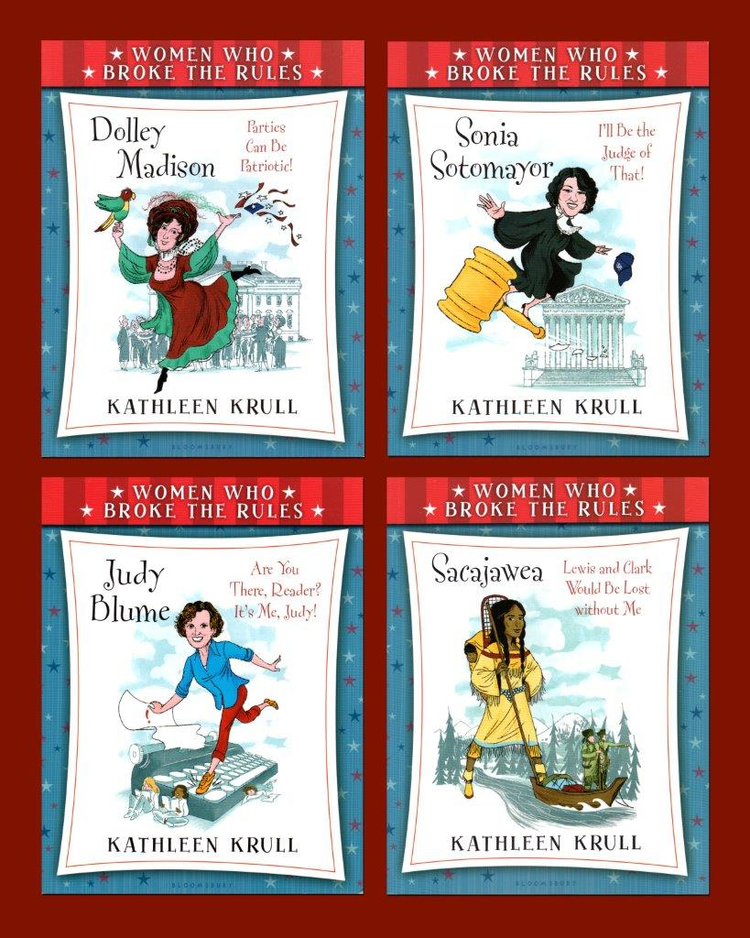
Sacajawea: Lewis and Clark Would Be Lost without Me
Judy Blume: Are You There, Reader? It’s Me, Judy!
Sonia Sotomayor: I’ll Be the Judge of That!
Dolley Madison: Parties Can Be Patriotic
Author: Kathleen Krull
Illustrators: Various
Published 2015 by Bloomsbury

Publisher’s Summary: Many awe-inspiring women have changed the course of history. From fighting for social justice and women’s rights to discovering and shaping our amazing country, women have left an indelible mark on our past, present, and future. But it’s not easy to affect change, and these women didn’t always play by the rules to make a difference! Kathleen Krull blends history and humor in this accessible young biography series.

My Review:  I was first introduced to this series at Kid Lit Frenzy in June when Alyson shared these four biographies with us (along with an informative Q&A and a fun quiz), and as soon as I read her posts, I knew I had to get my hands on them. I am a huge fan of well-done biographies because I think they are an essential part of spreading history into a new generation’s memory. I am an even bigger fan of well-done biographies of strong women. While there has been a good chunk of biographical picture books lately about women, I am very happy to see that students will have longer biographies to explore strong women from history. I also really like that Krull’s series has a mix of contemporary and historical figures and is filled with diversity. Next Krull will be sharing Coretta Scott King and Mary Todd Lincoln’s life.

Teachers’ Tools for Navigation: There are so many ways these books will be used and loved in the classroom. First, add them to your classroom libraries! Krull’s biographies will be a wonderful rung above picture book biographies and below the “big head biographies” on a reading ladder. Also, they would a perfect addition to a unit on women in history and could definitely be used in inquiry lit circles where each group became an expert of a different female leader to share with the class.

Discussion Questions: In what way did ____ play a part in history?; Why was ____ included in the Women Who Broke the Rules series? What rules did she break? How did it change her part in history?

We Flagged: “Like most little kids, Judy Blume had a lot of questions. Okay, maybe more than most kids. What she didn’t have were answers. She grew up in a stifling time, when the rules stopped people from being honest and real.” (p. 7, Judy Blume)

“Was Sacajawea skittish about traveling into the unknown with an infant strapped to her back on a cradle board? Was she scared to be the only woman in a large group of men? We don’t know. The men seemed to treat her with respect, calling her ‘a good creature, of a mild and gentle disposition.'” (p. 13, Sacajawea)

“A girl grows up in a tough neighborhood. Her poor immigrant parents don’t speak English and don’t get along. She tackles a serious illness. . . and rises, rises, rises to become one of the country’s guiding lights.” (p. 7, Sonia Sotomayor)

“Dolley Payne was born with extra zip. And she was going to need as much energy as she could muster.” (p. 7, Dolley Madison)

Check out Kid Lit Frenzy’s post for interior artwork.

Read These If You Loved: Biographies

Recommended For: 

classroomlibrarybuttonsmall readaloudbuttonsmall closereadinganalysisbuttonsmall litcirclesbuttonsmall

Signature

**Thank you to Linette at Bloomsbury for providing copies for review!**
Review and Author Interview!: Ebola: Fears and Facts by Patricia Newman

Share

NFPB2015

Nonfiction Picture Book Wednesday

Nonfiction Picture Book Wednesday is hosted by Kid Lit Frenzy and was started to help promote the reading of nonfiction texts. Most Wednesdays, we will be participating and will review a nonfiction text (though it may not always be a picture book).
Be sure to visit Kid Lit Frenzy and see what other nonfiction books are shared this week!

ebola

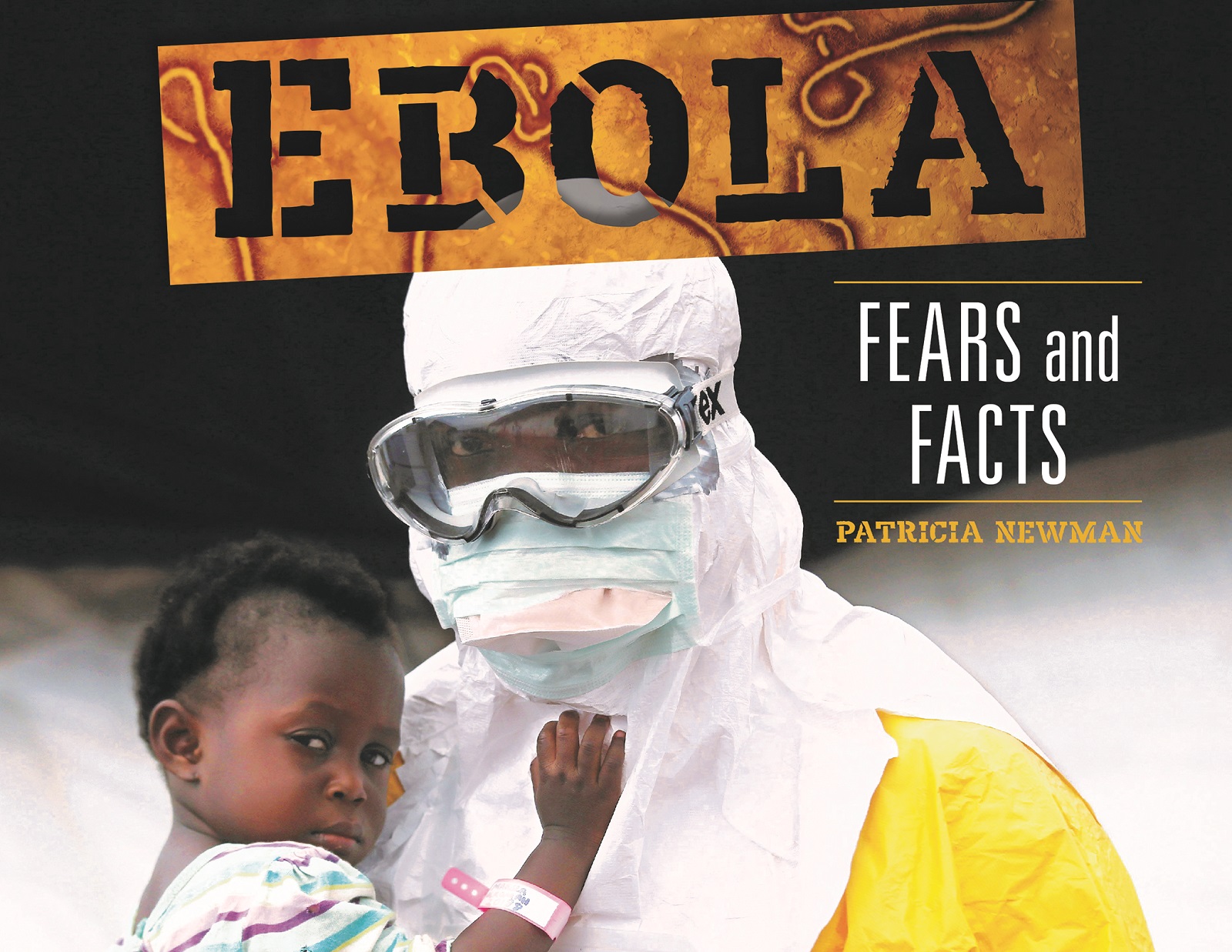
Ebola: Fears and Facts
Author: Patricia Newman
Expected Published October 28th, 2015 by Lerner Publishing Group

Goodreads Summary: Ebola is a deadly contagious disease. From 1975 to 2013, it killed about 1,500 people. But a 2014 epidemic killed more than six times that number. At first the outbreak was contained to one country. But soon it spread to two others―the virus was on the move, and people were scared. When two American healthcare workers became infected and were sent to the United States for treatment, many people feared a pandemic―an outbreak that would spread all over the world. Could it happen?

Ebola: Fears and Facts takes you behind the sensational headlines to address questions and concerns about the virus. Learn about the history of the disease, its symptoms, and how it spreads. Find out how the 2014 epidemic compares to past Ebola outbreaks, as well as to outbreaks of other infectious diseases. With a question-and-answer section and reference maps, Ebola: Fears and Facts will help you to better understand this most-feared disease.

My Review: The Ebola epidemic of 2014 caused pure panic around the world. Because of the 24-hour news coverage of the disease as it entered the U.S, Ebola became a hot topic; however, there was so much misconception about the disease. As a teacher during the epidemic, I saw how scared students were of the disease and how little they knew about it. The text is a wonderful resource to help kids learn about the disease.

Teachers’ Tools for Navigation: Patricia Newman’s middle grade nonfiction texts are a necessity for middle school classrooms. They teach the reader so much about the topic though do so in an interesting way to keep the readers’ attention. They are also about important topics that kids can make a difference by learning about. Her books, including Ebola, need to be available to students.

I really like how the book is set up. It begins with the history then goes into the way Ebola works and finally looks at the 2014 outbreak and how Ebola could possibly be conquered. It allows readers to navigate to the section they want or build up their knowledge from beginning to end.

Discussion Questions: What did you learn about Ebola that you didn’t know before reading?; What is the difference between Ebola and diseases like the measles?; How did the Ebola virus begin?; How is the Ebola virus a threat to apes in Africa?

“Truth or Hype?…The next time you come across a story about Ebola–or any topic–ask yourself the following questions. 1. What does the storyteller want us to remember? 2. How might different people understand the story? 3. Does the storyteller present facts or opinions? How do we know? What words are used? Does the storyteller quote scientific or eyewitness sources? 4. What action does the storyteller want us to take? 5. Do our emotions influence the way we evaluate the story?” (p. 35)

Author Interview: Thank you to Patricia for answering some of my questions!

What research did you do when writing Ebola? 

I visited East Africa several years ago, so I had a general sense of the landscape, the bush, the people, the cadence of their speech. But the crowded cities and steamy jungles of West Africa are different than the wide open savannas of the east. Of course, I needed to learn about the physiology of the disease, but I also wanted to know where in the jungle it came from and how it affected all aspects of peoples’ lives.

I interviewed a CDC epidemiologist who’d just returned from Liberia; read books by David Quammen and Peter Piot; deciphered scientific studies in journals such as the New England Journal of Medicine and Vector Borne and Zoonotic Diseases; scoured the CDC, WHO and MSF websites for case counts and anecdotal information; and read every news story (or watched every video) I could get my hands on. I also interviewed a nurse at a Sacramento hospital near my home who specializes in speaking to children about serious illnesses. Her compassion and common sense were tremendously helpful. A small fraction of my sources are listed in the back of the book.

My nurse-source also gave me a full set of Ebola protective gear. I share it with students at school visits and talk to them about how health-care professionals put it on and take it off.

Why did you decide to research and write about Ebola?

My editor, Carol Hinz, came to me in November 2014 with the idea. Millbrook Press wanted to publish a book about the 2014 epidemic, and thought I was the person to do it. I was flattered by their faith in me and overjoyed with the way they handled Plastic, Ahoy! Investigating the Great Pacific Garbage Patch, so I said yes. Carol and I learned a lot from this book. Because the deadline was so tight (my final manuscript was due February 1, 2015) we developed the outline together. Before we went to press, we revised or otherwise massaged every line in the book, always working to stay abreast of current reports. At one point I added several hundred words because of planned vaccine trials and Ebola survivors. Thank goodness Millbrook paid for a fact checker because the editing process became more and more chaotic. For example at one point in April, I gave an all-day writing workshop to a group of conservation scientists interested in writing their research for children. During my lunch break I had to edit Ebola one final time before it went to press!

What is the biggest misconception you have found about Ebola? 

I think there are two frequent misconceptions. The first is that Ebola is airborne like measles or the common cold. It is not, nor is it every likely to be. Ebola is spread by contact with bodily fluids (saliva, vomit, stool, sweat, blood, semen). Generally one person infected with an airborne disease spreads the disease to more people than one person infected with Ebola. For instance, one Ebola patient infects between 1.5 and 2 people. In comparison, one measles patient infects 18 others (assuming those people have not been vaccinated). NPR wrote an interesting article about this concept.

The second misconception is that Ebola is deadly no matter what we do. Based on our success treating Ebola patients in the U.S., and the successes in some of the vaccine trials, Ebola need not be a death sentence. Two factors that contributed to the high death rate in West Africa were the lack of education about communicable diseases and the lack of high-quality medical care.

As information about the disease changes rapidly, what would be the best resources for people who want to continue learning about the disease? 

News from the front lines altered the manuscript even as my editor and I were preparing it for printing, and I worried about how my readers will stay informed as our understanding of Ebola develops. I decided to include a sidebar in the last chapter of the book, Conquering Ebola, to help readers stay informed by sharing the Ebola pages for WHO, CDC, USAid, and Doctors Without Borders. For students writing Ebola reports, many of these sites have RSS feeds that will deliver information straight to their inbox.

What is the topic of your next book? 

I have a book proposal under consideration at Millbrook—hopefully the editorial team will decide to take it—so for now the topic is a secret. But I can tell you to expect more science.

We Flagged: “Ebola. The word calls up images of sick people in Africa and doctors wearing space-suit-like protective gear. Before 1976, however, Ebola was simply the name of a winding river in central Africa.” (p. 5)

Read This If You Loved: Plastics Ahoy! by Patricia Newman

Recommended For: 

classroomlibrarybuttonsmall readaloudbuttonsmall closereadinganalysisbuttonsmall

Signature

**Thank you to Patricia and Lerner for providing a copy for review and specifically to Patricia for the Q&A!!**

Review, Author Q&A, and Giveaway!: The Trouble with Ants by Claudia Mills

Share

Trouble with Ants

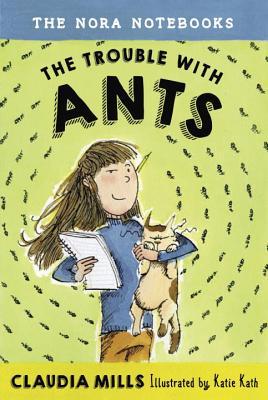
The Nora Notebooks: The Trouble with Ants
Author: Claudia Mills
Illustrator: Katie Kath
Published September 22nd, 2015 by Knopf Books for Young Readers

Goodreads Summary: Science-obsessed fourth grader Nora has ants all figured out—now she just has to try to understand her fellow humans!

The trouble with ants is . . .
. . . people think they’re boring.
. . . they are not cuddly.
. . . who would ever want them for a pet?

Nora Alpers is using her new notebook to record the behavior of ants. Why? Because they are fascinating! Unfortunately, no one agrees with her. Her mom is not happy about them being in the house, and when Nora brings her ant farm to school for show and tell, her classmates are not very impressed. They are more interested in cat videos, basketball practice, or trying to set a Guinness World Record (although Nora wouldn’t mind that).

Mostly they are distracted by the assignment their teacher Coach Joe has given them—to write a persuasive speech and change people’s minds about something. Will Nora convince her friends that ants are as interesting as she thinks they are? Or will everyone still think of ants as nothing but trouble?

With real science facts, a classroom backdrop, an emphasis on friendship, and appealing black-and-white interior illustrations from artist Katie Kath, The Nora Notebooks is perfect for newly independent readers—especially budding scientists like Nora!—and adults who want to encourage awareness of STEM subjects in young readers.

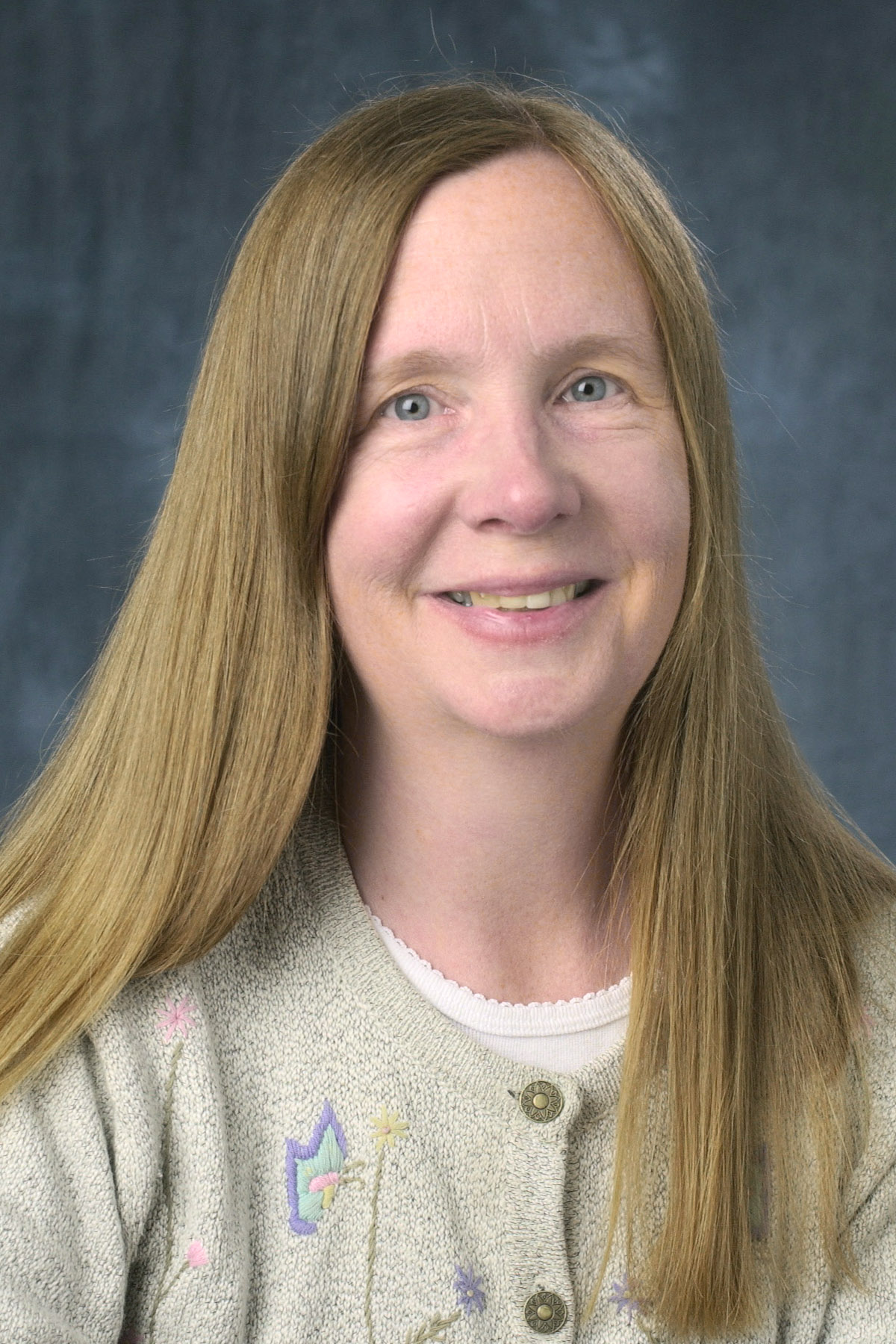
About the Author: Claudia Mills is the author of over fifty books for young readers. She does not personally keep an ant farm, but she does have a cat, Snickers, with whom she curls up on her couch at home in Boulder, Colorado, drinking hot chocolate and writing. To learn more, and to download free curriculum guides for her books, visit her website at claudiamillsauthor.comClaudia Mills, Philosophy claudia.mills@colorado.edu photo by: Larry Harwood

My Review: I love books that promote girls being smart and doing well in school. This book goes even further and promotes girls finding a love in science and, specifically, insects. Nora is a girl that I hope that lots of readers find a connection with and strive to be like. She is a role model for all kids. She is smart, doesn’t mind being a bit different, and has great friends and family. I also love that she is at the heart of it a normal girl who just happens to be smart and like science. The story is more than just her science and ants. It is about growing up.  There is so much you will love in this book: Nora, her parents, her teacher, her friends, and, of course, Precious Cupcake.

Author Q&A: We are so excited to host Claudia today! Thank you for taking part in the Q&A.

Do you like ants as much as Nora does?

No! But some ants somewhere must have read my book and gotten the wrong impression, as I had my first-ever invasion of ants in my pantry as the book was going to press. It was hard to convince them that I much prefer to have them outside in their usual habitat. But I had a pang thinking how much Nora would have come to their defense.

What was the hardest part about writing this book?

The research was a challenge. Most of my books are contemporary school stories. It helps that I love going to schools on author visits where I pay close attention to the details on how the classrooms are organized, what kind of work the kids are doing, and how classmates interact. But I don’t need to do any other research. Here I had to try to equal Nora’s knowledge about ants, and that meant reading about ants, interviewing a leading ant scientist, and combing the internet for promising ant experiments.

What’s next for Nora?

She is going to star in two more books. In The Trouble with Babies she devotes herself to the scientific study of babies as a new a-u-n-t; in The Trouble with Friends she wants to replicate Mendel’s experiments on the genetics of peas in the class garden, but finds herself instead learning the limits of her own scientific approach to life.

Thanks for hosting me today, Kellee!

Teachers’ Tools for Navigation: I love the cross-curricular aspect of this novel. You can use aspects in science and in language arts. I love Nora’s example of an experiment and persuasive essay. I also think having an ant farm while reading the novel would really add an extra aspect to the reading.

Discussion Questions: What are the steps to doing a science experiment?; Why did all of Nora’s ants die?; How is Nora different than her friends? How does their relationship show that different types of people can be friends.; How did Nora’s parents influence her?; Why do you think Dunk acts the way he does?; What was so special about Nora’s classroom?

We Flagged: “Nora loved scribbling down all kinds of facts in all kinds of notebooks: big ones, little ones, fat ones, skinny ones, spiral ones, and now this new super fancy one.

She had waited to start her new notebook on the first day of the new year.

‘Fascinating Facts About Ants,’ she now wrote on the first blank page with her blue ballpoint pen.” (p. 2)

Read This If You Loved: The Categorical Universe of Candice McPhee by Barry Jonsberg, Cody and the Fountain of Happiness by Tricia Springstubb

Giveaway: 

a Rafflecopter giveaway

Recommended For:

classroomlibrarybuttonsmall readaloudbuttonsmall closereadinganalysisbuttonsmall

  Signature

**Thank you to Barbara at Blue Slip Media for providing copies for review and giveaway and also a big thank you to Claudia Mills for taking part in the Q&A!!**

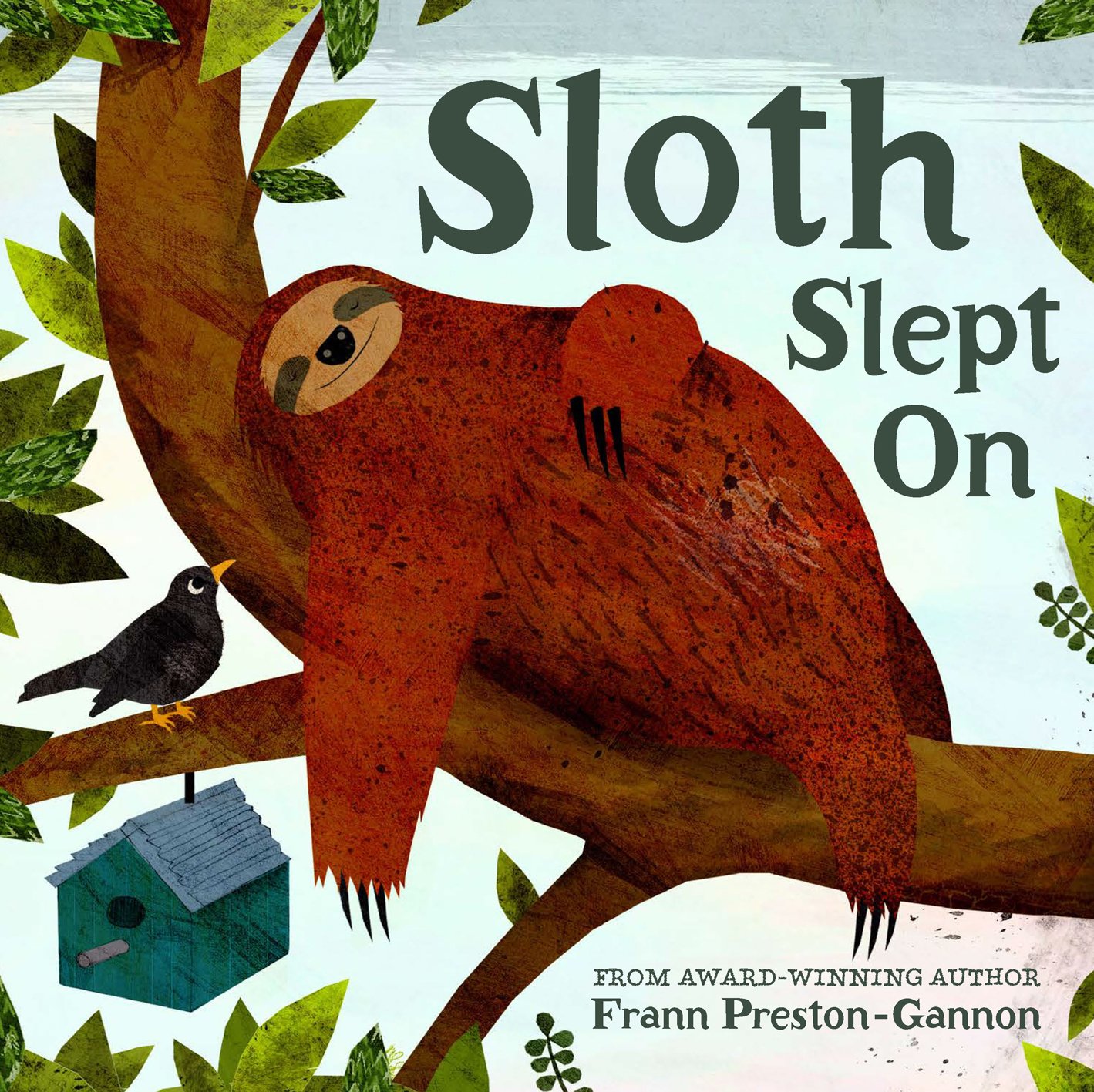
Review and Giveaway!: Sloth Slept On by Frann Preston-Gannon

Share

sloth slept on

Sloth Slept On
Author: Frann Preston-Gannon
Published: September 1, 2015 by Sterling

Goodreads Summary: Who’s that sleeping in our tree? When a group of kids finds an animal happily napping in their backyard, they set out to discover what it is and where it belongs. As they search and search—never noticing all the posters and news articles about a sloth that’s broken out of the zoo—they finally discover the identity of the snoozing creature. And when sloth wakes up, it’s in for a BIG surprise! Frann Preston-Gannon has created an endearing, adorable, and huggable title character; a group of intrepid children; and a wildly humorous situation that will appeal to young readers.

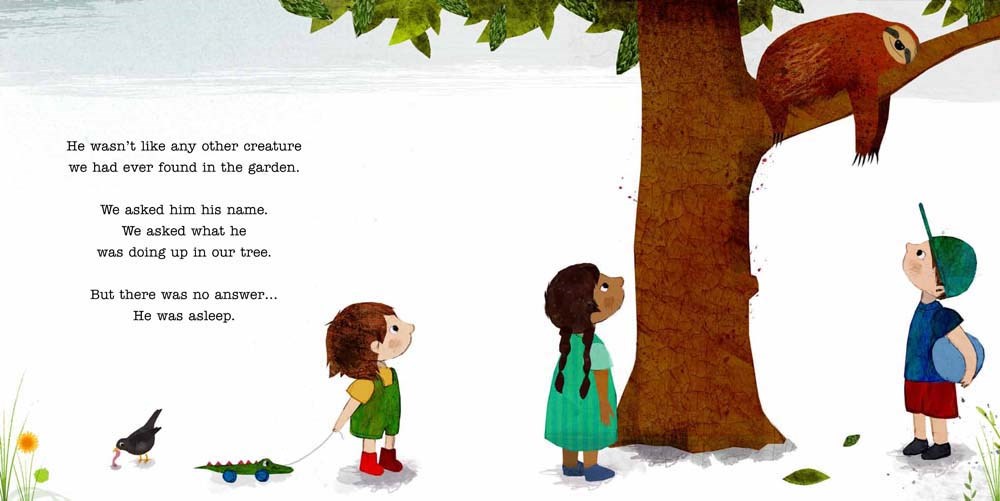
Ricki’s Review: The characterization of this text is simply marvelous. I smiled through my entire reading of the book! The sloth’s facial expressions and all of the advertisements that the students miss will make them giggle. This humorous story would be a fantastic read-aloud for classrooms. It provides a good balance between nonfiction and fiction because readers learn about sloths while following an engaging story. I suspect that the sloth will become the favorite animal of many students after they read this book. Reading this book made me want to meet the author/illustrator, Frann Preston-Gannon, because I suspect she is a very entertaining woman!

Kellee’s Review: I really love books that combine fiction and nonfiction because it truly makes reading fun and interesting. This book does a great job of throwing in the factual information within a humorous story. I think it would be so much fun to read this book with students/kids because it would be so easy to make it interactive. I also really loved the illustrations. They are so full of clues and facial expressions and humor and colors. Really made the book even better.

I will say that I do I feel really bad for the sloth though! (You’ll have to read to see why!)

Teachers’ Tools for Navigation: The obvious navigational tool would be to ask students to research about sloths to learn more about the animal and the ways this information connects with the text. Teachers might ask students to research other animals and create similar stories to share. Another idea would be to ask readers why the children in this book miss all of the signs that the sloth is missing, and zookeepers are searching for them. Teachers might ask students to consider the ways they might miss blatant signs around them.

Discussion Questions: How does the author infuse information about sloths within the fictional story line? What did you learn from the story?; Why do the children miss information about the sloth? How might the story be different if they saw the signs?; How does the story end? Can you think of alternate endings?

We Flagged: 

Sloth interior pages 2

Read This If You Loved: Sparky by Jenny Offill, “Slowly, Slowly, Slowly” Said the Sloth by Eric Carle, Dinosaur Farm by Frann Preston Gannon

Giveaway!:

a Rafflecopter giveaway

Recommended For: 

readaloudbuttonsmall classroomlibrarybuttonsmall

RickiSigandKellee Signature

**Thank you to Lauren at Sterling for providing copies for review and giveaway!**

Blog Tour and Review!: Monster Needs Your Vote by Paul Czajak

Share

monster-banner-4

monster needs vote

Monster Needs Your Vote
Author: Paul Czajak
Illustrator: Wendy Grieb
Expected Publication September 4th, 2015  by Mighty Media Kids

Goodreads Summary: Election season is here and Monster is ready to vote! But why cast your ballot when you can run for president instead? With speeches, debates, and a soapbox or two, Monster’s newest tale is a campaign encouraging kids to take a stand and fight for what they believe in.

Kellee’s Review and Teachers’ Tools for Navigation: Monster wants to make a difference, but he has to go about it a little bit differently than he had planned. Monster Needs Your Vote is a great look at politics and making a difference in your community within a fun story with enjoyable characters. Monster is a little bit like Elephant in the Elephant and Piggie books. He gets so excited and wants to just go, go, go. The Boy is a bit more like Piggie. He reins Monster in. It is a great relationship! Then you add the fun story and the movie-like, colorful illustrations, and you have a book that kids, parents, and teachers are going to enjoy. Since there is such an underlying political charge to the book (who can be president, voting, education advocacy, etc.) teachers can use it in conjunction with introduction voting and democracy to students.

Ricki’s Review and Teachers’ Tools for Navigation: What a wonderful text to introduce kids to politics! Teachers might consider asking the class to look at different platforms that politicians might select. Then, they could consider different political platforms that interest them. Depending on the age of the students, these platforms could be silly or serious. Teachers might use this text to introduce the basic concepts of the election process or the requirements to run for presidency. As a child, I loved when we had mock votes in elementary school. This book is just in time for the election season and would be a fantastic way for teachers to connect literature to current events!

Campaign Kit: http://mightymediapress.com/wp-content/uploads/2015/07/MMP_MonsterCampaignKit.pdf
The kit contains presidential timelines, infographics, and activity sheets—even a ballot so kids can practice voting!

Info about the purpose and vocabulary in the Monster and Me series: http://www.bigredpaint.com/words_edit.mp4

Mini Monster and Me story: http://monsterwants.com/

Discussion Questions: Why wasn’t Monster able to run for President? What other laws are there for who can run for President?; Monster advocates for libraries and education. What would be your platform if you ran for President right now?; Why wasn’t summer and food something that drew attention from the masses? What did the people want instead?; How are Monster and the Boy different? How do they help each other?; What is the author’s purpose for writing this book?

We Flagged: 

Monster needs vote spread

Read This If You Loved: Other Monster and Me books, Books about politics, the Elephant and Piggie series by Mo Willems, the Mal and Chad series by Stephen McCranie

classroomlibrarybuttonsmall closereadinganalysisbuttonsmall readaloudbuttonsmall

Signatureand RickiSig

**Thank you to Sammy at Mighty Media Press for providing copies for review!!**