Top Ten Tuesday: Ten Books I Love to Read with my Mom from Sarah, 7th grade

Share

top ten tuesday

Top Ten Tuesday is an original feature/weekly meme created at The Broke and the Bookish. The feature was created because The Broke and Bookish are particularly fond of lists (as are we!). Each week a new Top Ten list topic is given and bloggers can participate.

 Today’s Topic: Ten Books I Love to Read with my Mom

from Sarah H., 7th grade

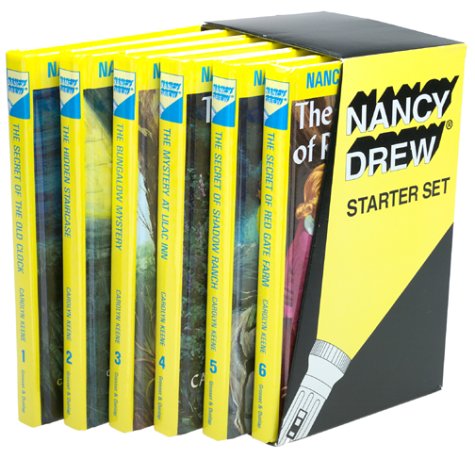
1. Nancy Drew series by Carolyn Keene

My mom and I love mysteries and trying to figure out what happened.

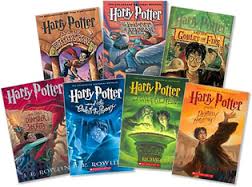
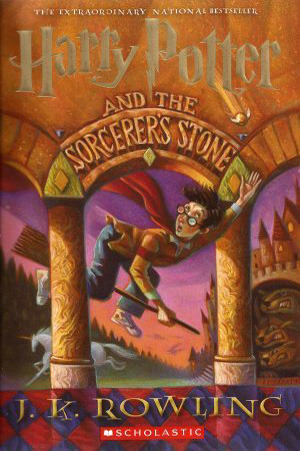
2. Harry Potter by J.K. Rowling

My mom and I loved reading the first one together.

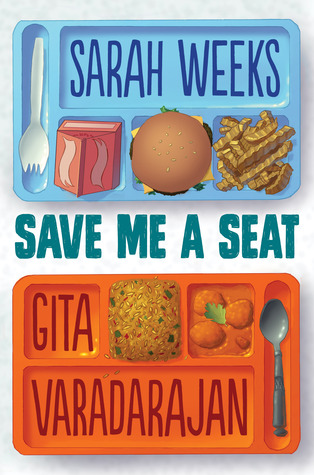
3. Save Me a Seat by Gita Varadarajan and Sarah Weeks

After reading it for Mrs. Moye’s Lunch Book Club, I recommended it to my mom, and we both loved it.

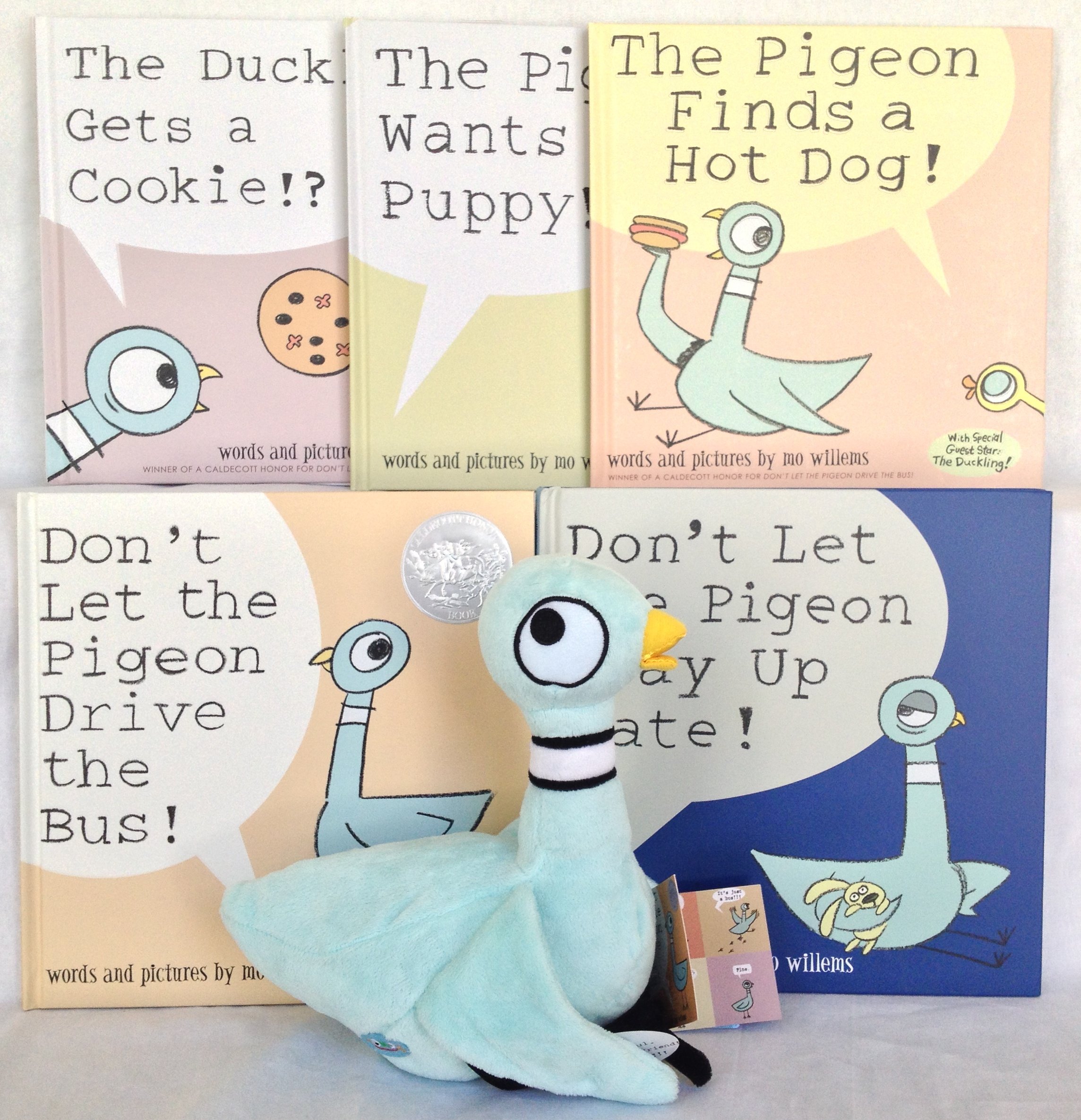
4. Pigeon Books by Mo Willems

I remember my mom reading these to me at bedtime, and we would both say the lines over and over.

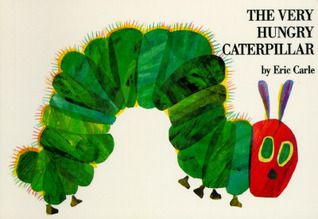
5. The Very Hungry Caterpillar by Eric Carle

After reading it in Kindergarten, my mom and I read it over and over.

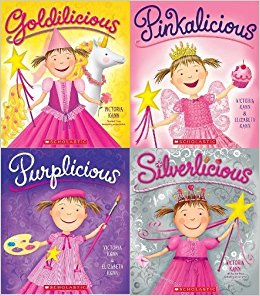
6. Pinkalicious and the others in the series by Victoria and Elizabeth Kann

My mom and I still read these–I love her imagination!

7. The Giver by Lois Lowry

I told my mom I was reading The Giver, and we started talking about it (after she reread it).

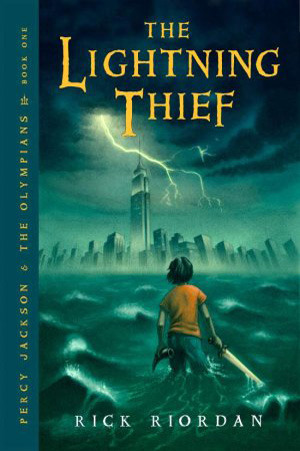
8. The Lightning Thief by Rick Riordan

My mom and I love the movie, and we wanted to see the differences.

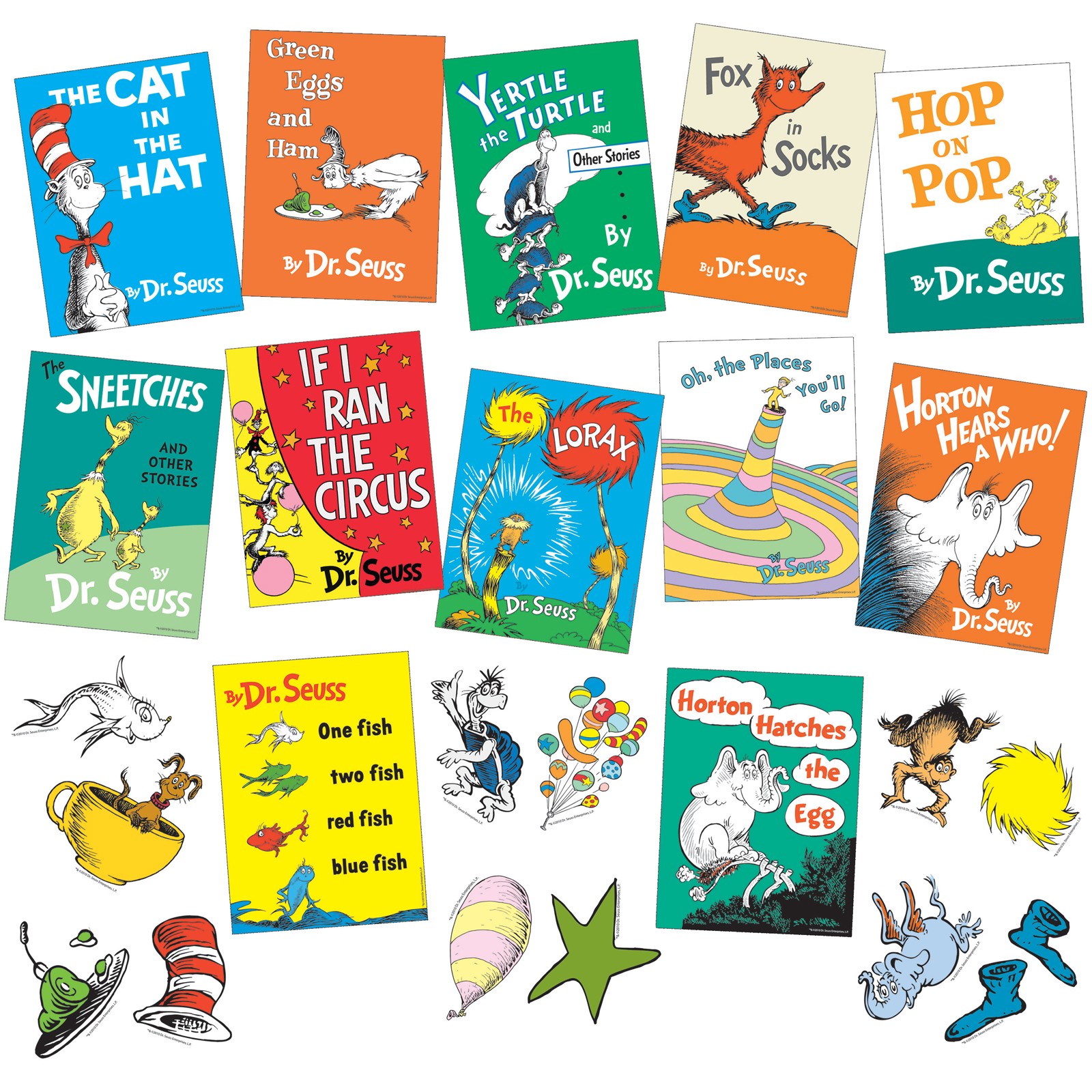
9. Dr. Seuss Books

I still have these in my closet, and we sometimes reread them and look through them.

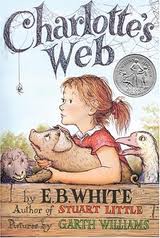
10. Charlotte’s Web by E. B. White

My mom and I love all the animals in this book. We read it over and over.

Thank you, Sarah!

Signature

Top Ten Tuesday: Ten Favorite Quotes from Books by Habiba F., 9th Grade

Share

top ten tuesday

Top Ten Tuesday is an original feature/weekly meme created at The Broke and the Bookish. The feature was created because The Broke and Bookish are particularly fond of lists (as are we!). Each week a new Top Ten list topic is given and bloggers can participate.

 Today’s Topic: Ten Favorite Quotes from Books

by Habiba F., 8th grade (2016-17) now a 9th grader!

1. “Come quickly. I am tasting the stars.” – The Fault in Our Stars by John Green

This is what Dom Perignon said after inventing champagne. I like this quote because it shows how one’s mind can stretch farther than than the clouds.

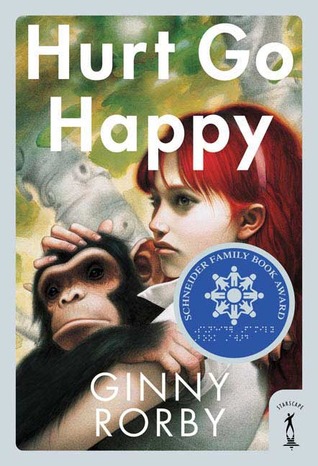
2. “She is not just an ape…” – Hurt Go Happy by Ginny Rorby

This quote sows that even if your eye see only an ape, they are more than that.

3. “Even in its darkest passages, the heart is unconquerable. It is important that the body survives, but its more meaningful that the human spirit prevails.” – A Child Called It by Dave Pelzer

This quote shows how Dave, even though he lived in torture with his family and was shown little love, still has hope.

4. “You have to understand that in a person’s life, there are a few precious moments in which decisions, choices that you man now, will affect you for the rest of your life.” – Lost Boy by Dave Pelzer

This quote shows how every move you make affects you later in life.

5. “I loved you when you were 300, 200 pounds. I love you now.” – Skinny by Donna Cooner

I love this quote because it shows true sibling love and that it isn’t about looks, it’s about love.

6. “I could keep running from my battles and live in fear, or I could embrace the fear.” – Roller Girl by Victoria Jamieson

This shows a courageous girl who faces what she has been avoiding.

7. “As he read, I fell in love the way you fall asleep: slowly then all at once.” – The Fault in our Stars by John Green

This quote shows how true love can be comforting and soothing.

8. “The things we do outlast our morality, the things we do are like monuments that people build to honor heroes after they’ve died. They’re like the pyramids that the Egyptians built to honor the pharoahs. Only instead of being made of stone, they’re out of the memories people have of you.” – Wonder by R.J. Palacio

9. “People are more than they look.” – A Wrinkle in Time by Madeline L’Engle

This quote gives a reason to not judge someone by looks.

10. “Don’t try to comprehend with your mind. Your minds are very limited.” – A Wrinkle in Time by Madeline L’Engle

This quote shows that sometimes there will be things you just don’t understand.

What are your favorite quotes? 

Signature

Top Ten Tuesday: Thirty Male Book Characters We’d Totally Date by Clara A., Amanda C., Kiersten R., & Ashley F., 8th Grade

Share

top ten tuesday

Top Ten Tuesday is an original feature/weekly meme created at The Broke and the Bookish. The feature was created because The Broke and Bookish are particularly fond of lists (as are we!). Each week a new Top Ten list topic is given and bloggers can participate.

 Today’s Topic: Thirty Male Book Characters We’d Totally Date

by Clara, Kiersten, Amanda, and Ashley, 7th grade (2016-2017) now 8th graders!

Clara A.

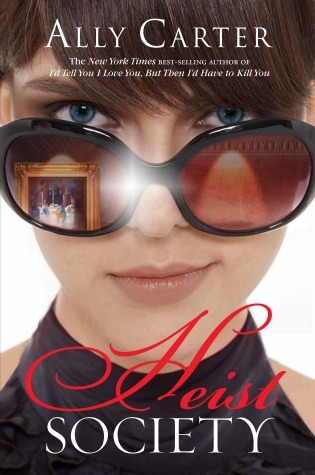
1. W.W. Hale the Fifth from Heist Society by Ally Carter

Hale is a combination of bad and sensitive. He is a thief; however, ever since his mom left him, he has been so scared of losing anyone else.

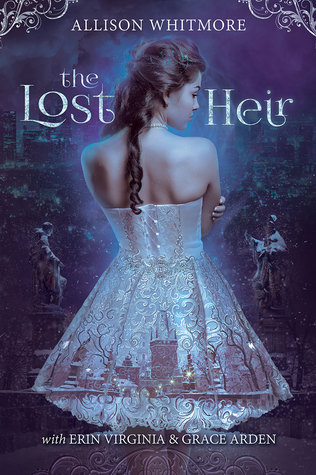
2. Seth Logan from The Lost Heir by Allison Whitmore

Seth is a guitar player who most people hate; however, he never loses sight of those he loves.

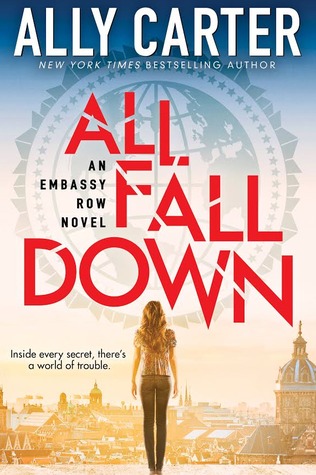
3. Alexi from All Fall Down by Ally Carter

Alexi is very protective of those he loves, even when they are over seas. He cares about his friends and always makes sure they are safe.

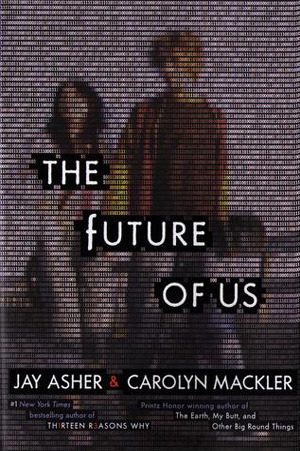
4. Josh from The Future of Us by Jay Asher & Carolyn Mackler

Josh is always willing to do whatever for his friends such as giving them his sweatshirt on a cold, chilly night.

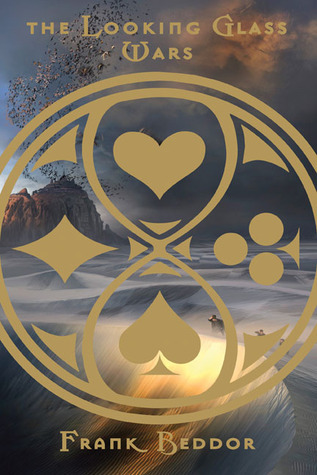
5. Dodge from The Looking Glass Wars by Frank Beddor

Whether he is a revel, knight, or peasant, Dodge never game up on his one true love even if it means dying for her.

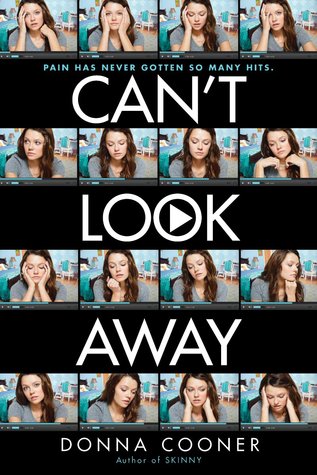
6. Luis from Can’t Look Away by Donna Cooner

Luis is both athletic and smart. He plays track and would do anything to help people.

7. Jonas from The Giver by Lois Lowry

Jonas always tries to do what is right. Even if it means breaking the law to save a child’s life.

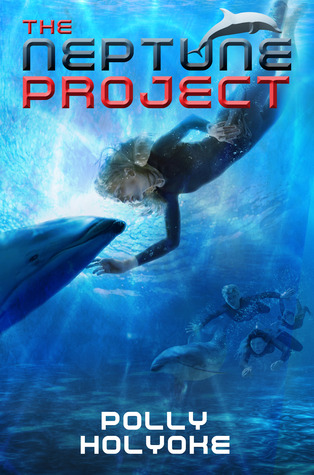
8. Kyle from The Neptune Project by Polly Holyoke

Kyle’s ability to make decisions quickly makes him a great leader. He made so many sacrifices to save his friends.

9. Dai from The Neptune Project by Polly Holyoke

Dai tries to hide his feelings and act tough; however, he cares for people and hates hurting them.

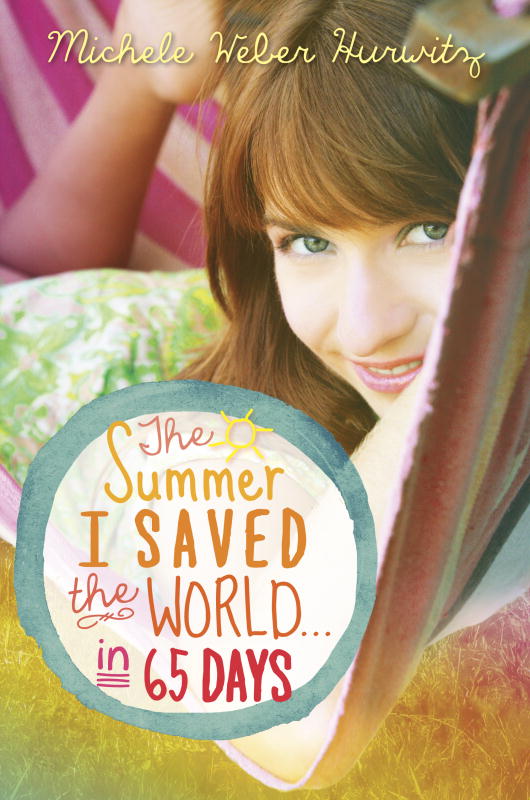
10. Eli from The Summer I Save the World in 65 Days by Michele Weber Hurwitz

Eli cares for his family, especially his little brother. He doesn’t try and high his feelings but talks to someone about them.

Amanda C. & Kiersten R.

1. Josh from The Future of Us by Jay Asher and Carolyn Mackler

I love Josh’s caring and attentive personality. The fact that he still tried to speak with Emma after 6 months shows how much he really cares for her! -Amanda

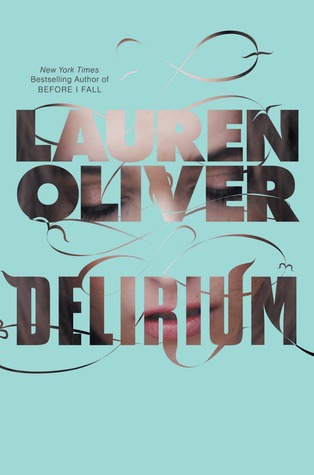
2. Alex from Delirium by Lauren Oliver

Alex is a sweet guy who’s very protective over Lena. I love the fact that he’s not afraid to stand out and go against society. -Kiersten

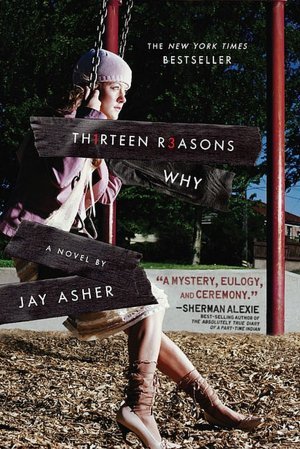
3. Clay from Thirteen Reasons Why by Jay Asher

Even though he didn’t really show it, Clay loved and wanted to help Hannah. After she died, he didn’t want the same thing to happen to Skye. He wasn’t gonna lose someone else. -Kiersten and Amanda

4. Noah from Paper or Plastic by Vivi Barnes

I love Noah’s serious yet geeky personality. Though he’s quiet, he feels comfortable talking to Lex, and I think it’s so cute how he has a quiet and serious side to him but also a sweet and caring side. -Amanda

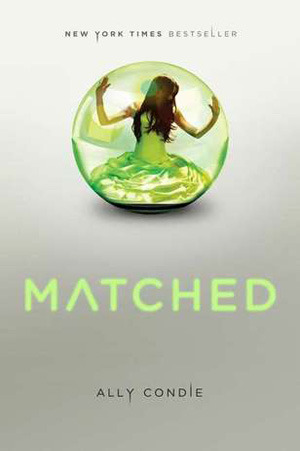
5. Xander from Matched by Ally Condie

Xander is super caring and nice to his best friend, Cassie. He’s super protective, and he supports Cassie in everything. Normally, he’s the quiet, obedient type, but he never stops talking to Cassie. -Kiersten

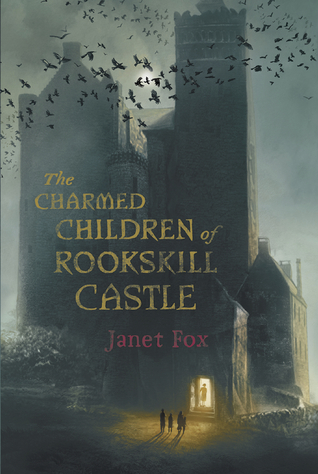
6. Peter from The Charmed Children of Rookskill Castle by Janet Fox

We love how Peter has such a friendly personality. He gives off a brave, strong image. He handles emergencies well and doesn’t have much of a temper. We imagine him with a New York accent, too. -Kiersten and Amanda

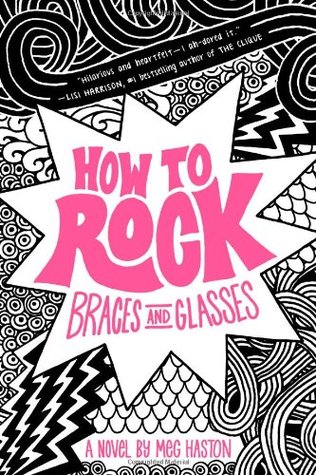
7. Zander from How to Rock Braces and Glasses by Meg Haston

Zander has this laid-back personality that I absolutely adore. He knows how to stick with the right crowd. Plus, he’s in a bad which I think is awesome. -Amanda

8. Mfumbe Taylor from The Barcode Tattoo by Suzanne Weyn

Mfumbe is a hardworking and perfect-student type of person, but he has ideas that go against the norm of society. He’s very caring and one of the most good-looking guys in his grade. He’s friendly, too. -Kiersten

9. Eli from The Summer I Save the World in 65 Days by Michele Weber Hurwitz

Eli is a very sweet guy, and the gift he gave to Nina is super cute. The first kiss she got from him on the bench was a-d-o-r-a-b-l-e! -Kiersten and Amanda

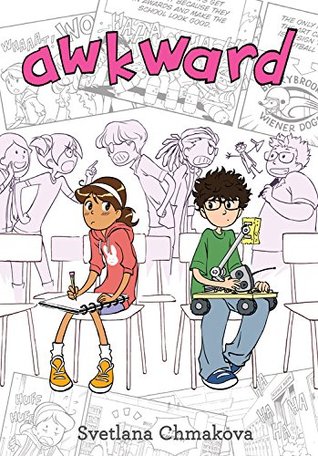
10. Jaime from Awkward by Svetlana Chmakova

He’s super shy and geeky, but when he’s around Peppy, he can be super adorable. Plus, he’s really intelligent. -Amanda

Ashley F.

1. Harry Potter from Harry Potter by J.K. Rowling

He is brave, powerful, confident, magical, and cares for others.

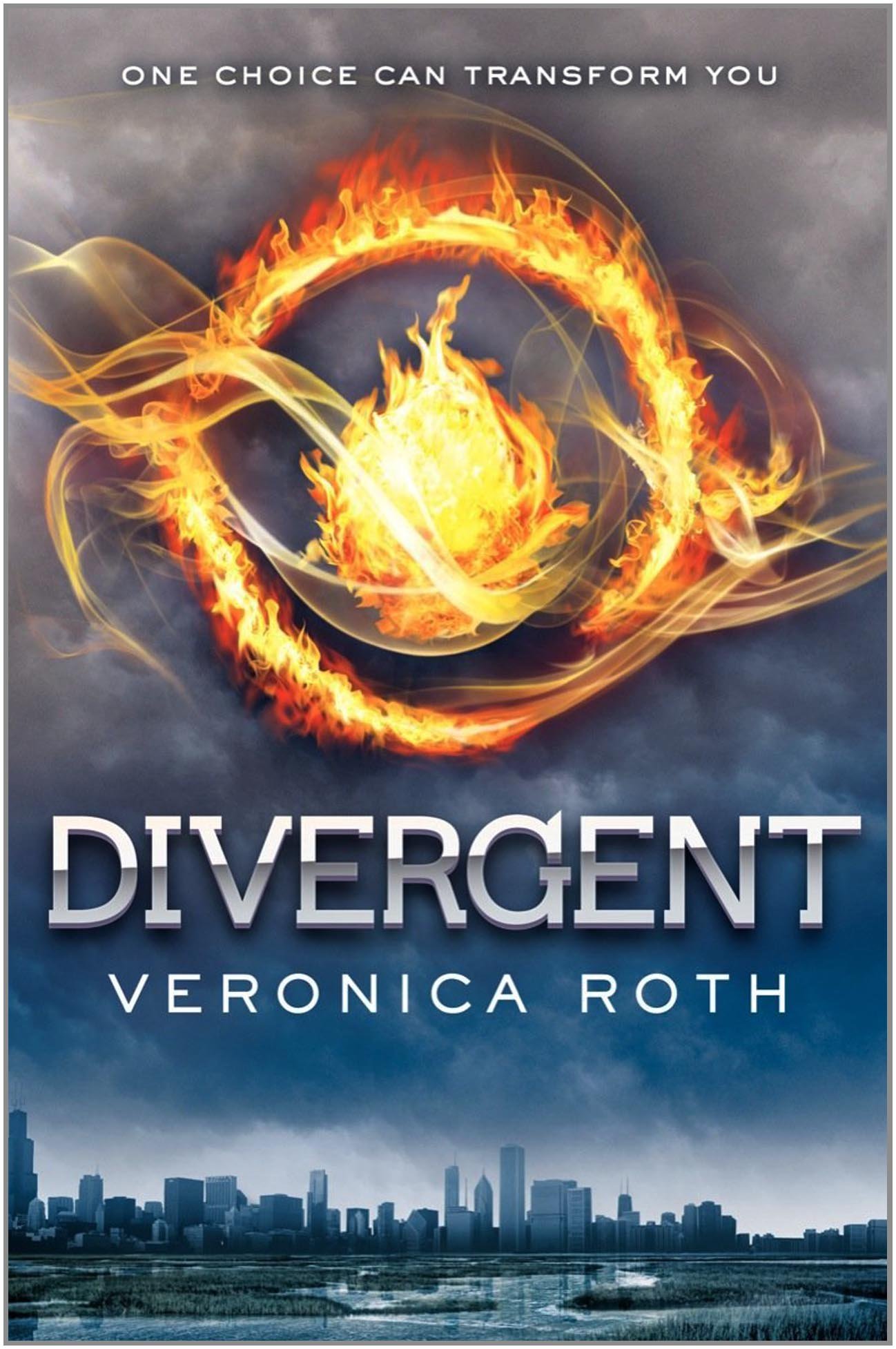
2. Tobias aka Four from the Divergent trilogy by Veronica Roth.

He is athletic, brave, fearless, loving, caring, and strong.

3. Neville Longbottom from Harry Potter by J.K. Rowling

He is unique, different, confident, full of spirit, and brave.

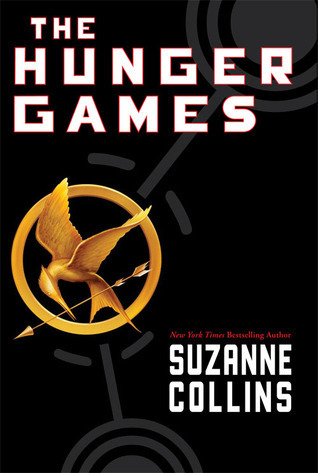
4. Peeta Mellark from the Hunter Games trilogy by Suzanne Collins

He’s brave, strong, loving, loyal, and cares for the people he loves.

5. Finnick Odair from the Hunger Games trilogy by Suzanne Collins

He’s really strong, flirtatious, charming, and works really hard.

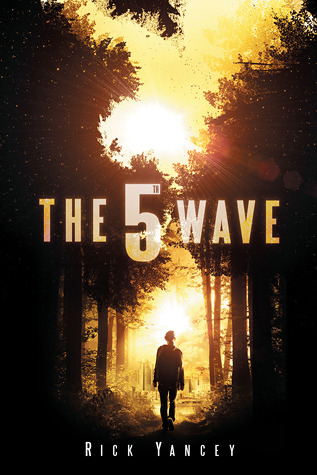
6. Evan Walker from The Fifth Wave by Rick Yancey

He’s mysterious, super sweet, and seems creepy but isn’t.

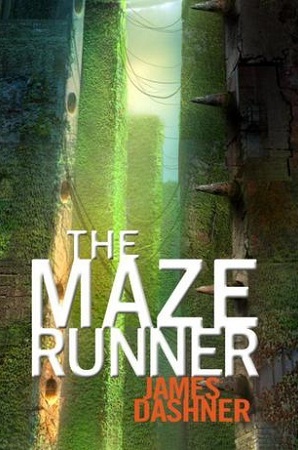
7. Thomas from the Maze Runner series by James Dashner

He is strong, brave, courageous, and good looking.

8. Newt from the Maze Runner series by James Dashner

He is muscular, supportive, and smart.

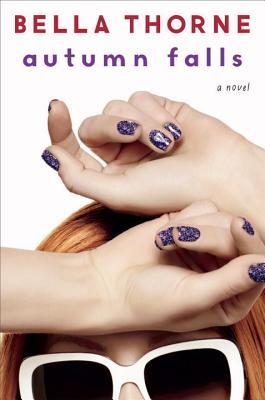
9. Sean from Autumn Falls by 

He’s understanding, caring, really sweet, and almost perfect.

10. J.J. Austin from Autumn Falls by Bella Thorne

He’s kind, sweet, smart, loves video games, and adores fictional things.

Who are your book crushes?

Signature

In the Middle School: Setting Up the School Year in Week One with Expectations, Kindness Goals, One Word Goals, and Six-Word Memoirs

Share

Monday

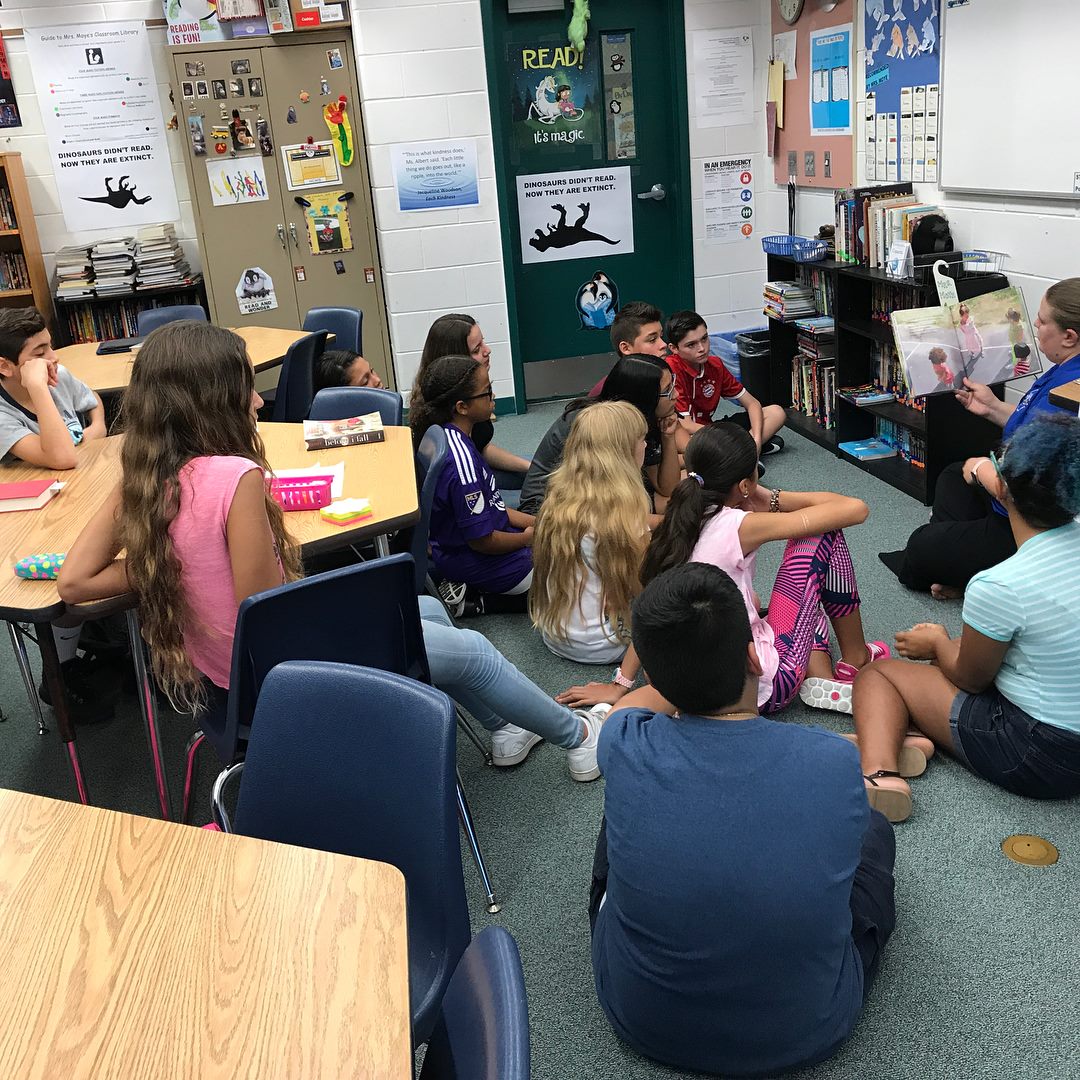
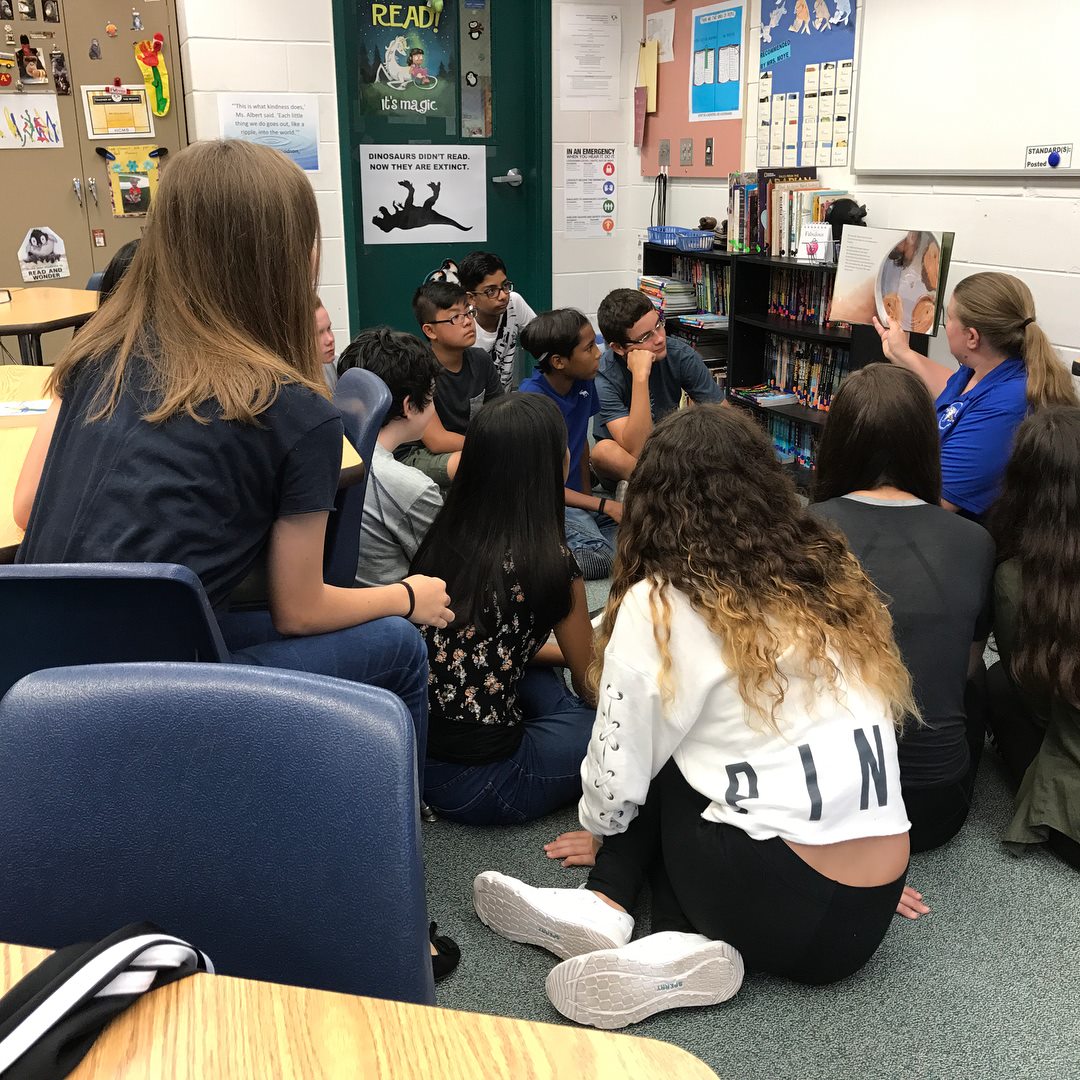
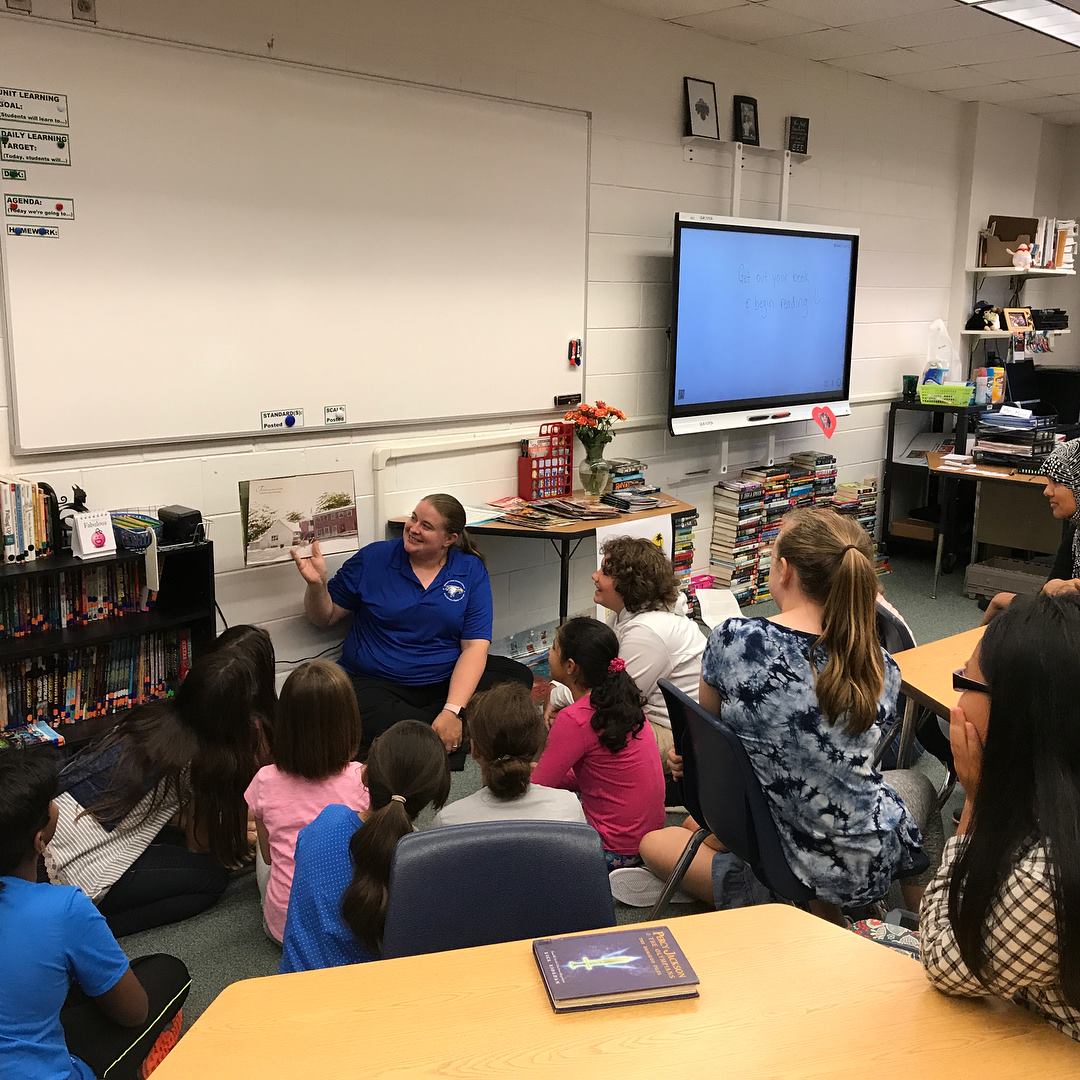
The first week of school is scary for all students. And boring. It is filled with syllabus review and lunch room rules. I want my students’ first day to be filled with friendliness. This year, to do this I started the year with telling my students about me. I have a philosophy that if students see you as a human, they are more likely to respect you and your class. After sharing about me, my family, my history, and my life, we played a fun game of Kahoot about me.

On day one, I wanted to make my expectations clear: I want you to do your best all year. That’s all I ask. To start this conversation, I showed them one of my favorite TED Talks: “Grit: The Power of Passion and Perseverance” by Angela Lee Duckworth, a psychologist who studies grit in many different aspects. When finished with the TED Talk, I asked each class, “Why would I show you this on day one?” One of my 6th grade girls said it the best, “You showed it to us because you want us to do our best all year because effort and wanting to grow is really important.” Our district has been focusing on growth mindset in students and teachers, and the idea of grit fits this goal.
Finally, I also introduced my students to the idea of OneWord365–that instead of setting unrealistic and too many goals, pick a word that summarizes the path they want the year to take. Most of the students’ choices included words that fit the growth mindset. Once each student had turned in their word to me, we then picked One Word for each class that embodied everyone’s word. Our words are: determination, try, and happiness.

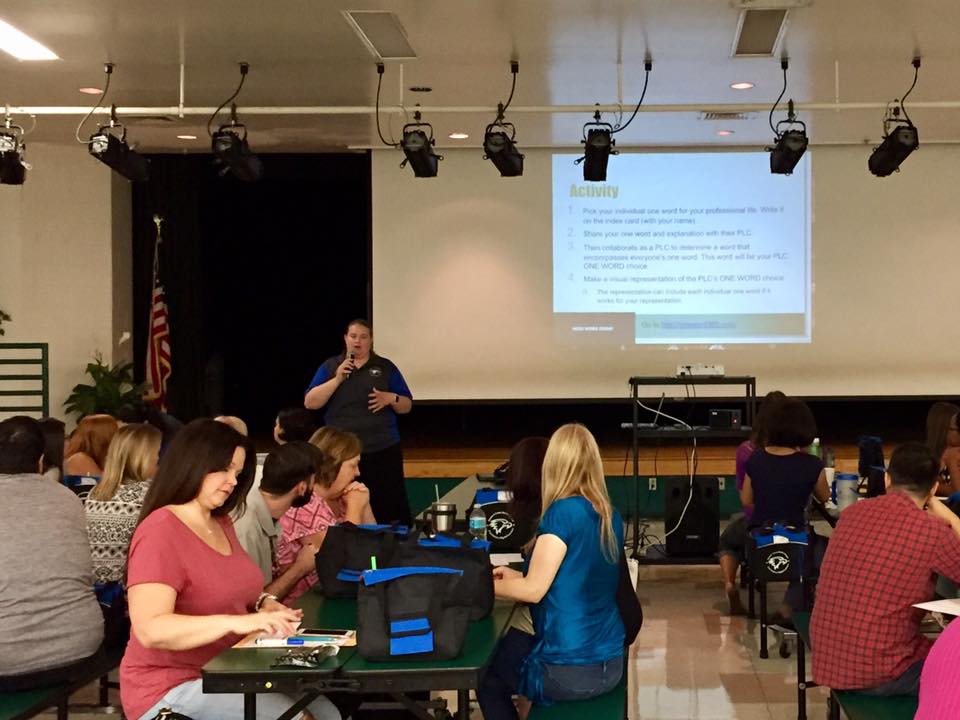
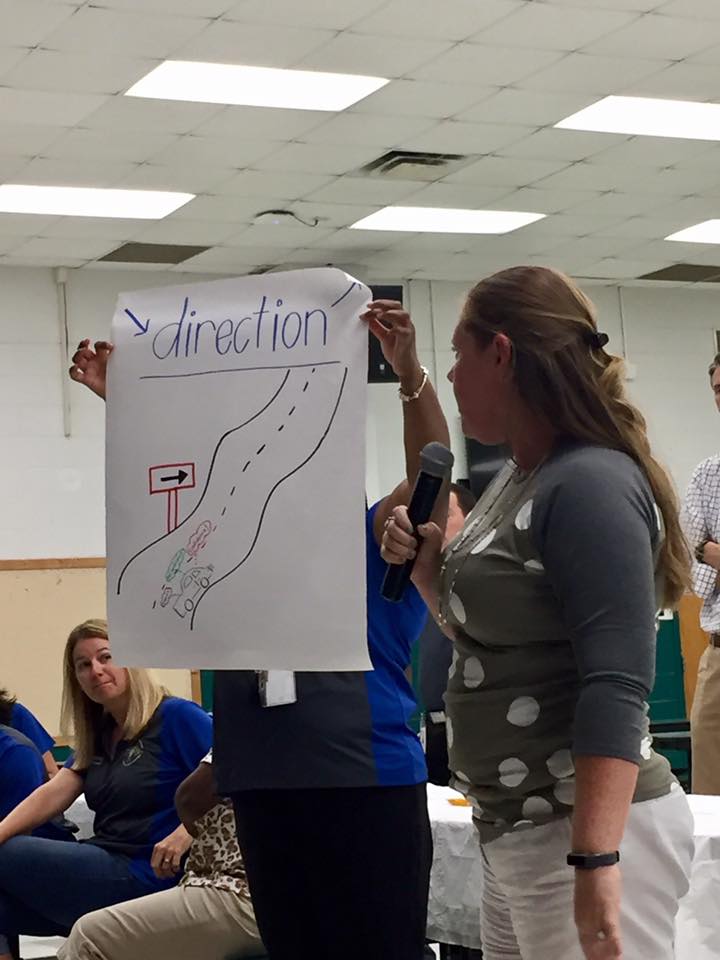
Sidenote: I did this activity on our first day of preplanning with my entire staff, and I only got positive feedback about it. Each teacher came up their own One Word then as a PLC (professional learning community) they came up with a summarizing word and a visual representation.

Tuesday

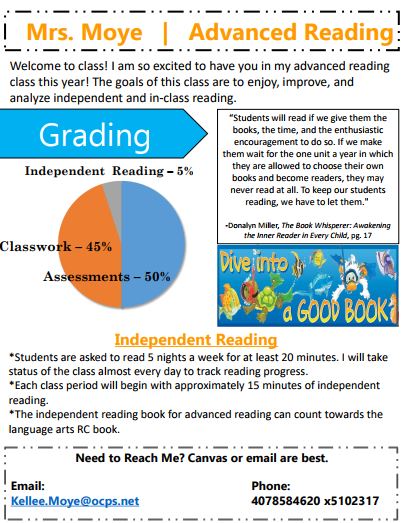
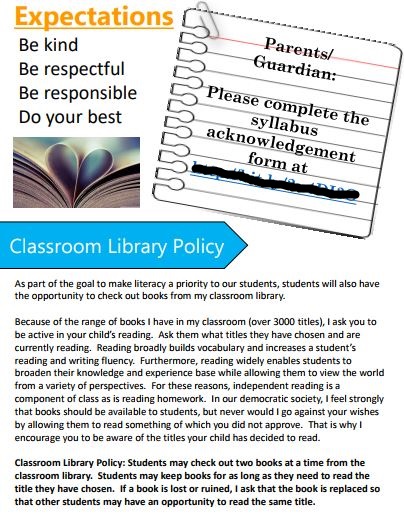
Tuesday was Code of Conduct and Syllabus day, so it was a bit boring; however, I fancied up my syllabus this year, so it was a bit more fun to look at:

I redid my rules this year to be called “Expectations” and to be short, sweet, and what I really see as important in humans:

  • Be kind
  • Be respectful
  • Be responsible
  • Do your best

Wednesday

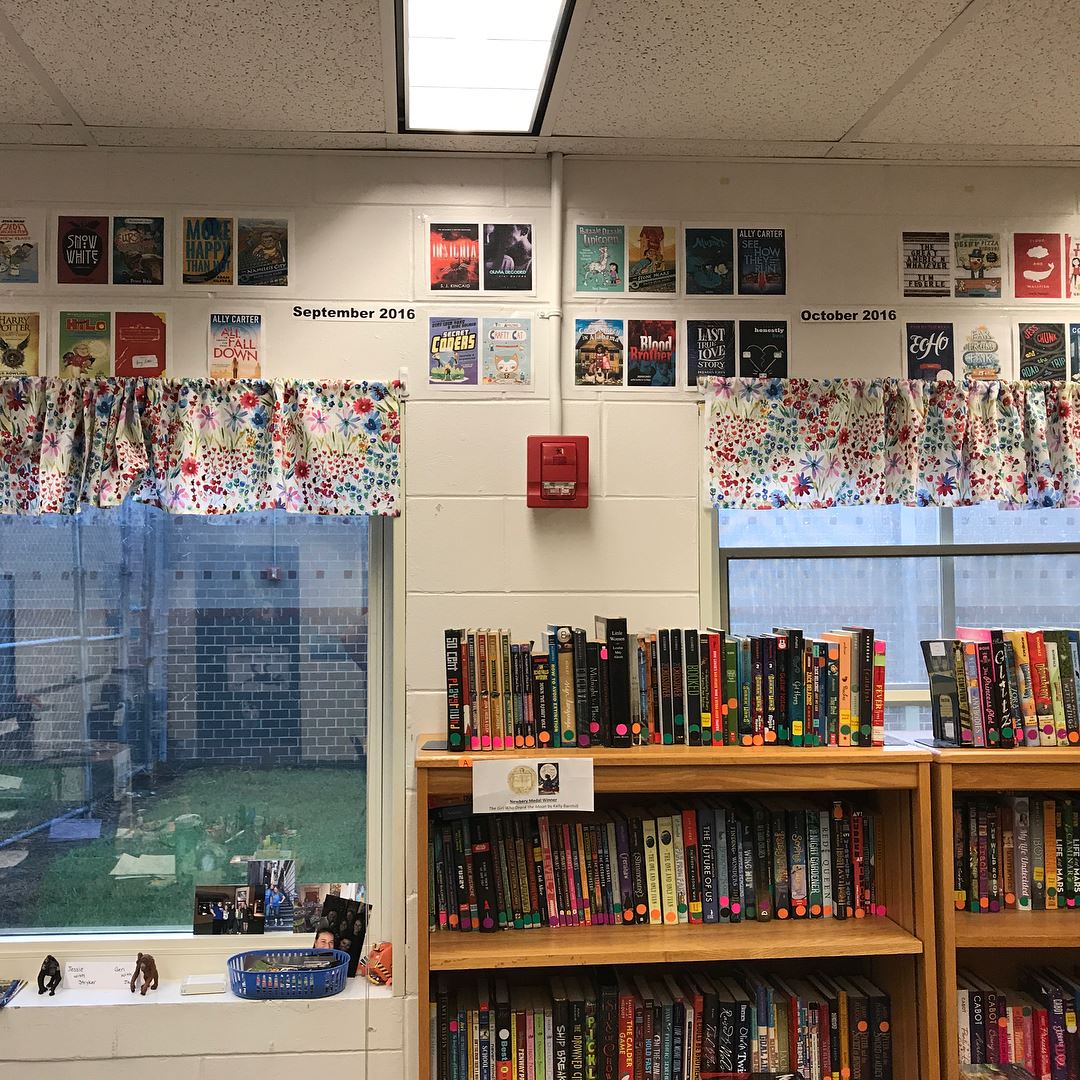
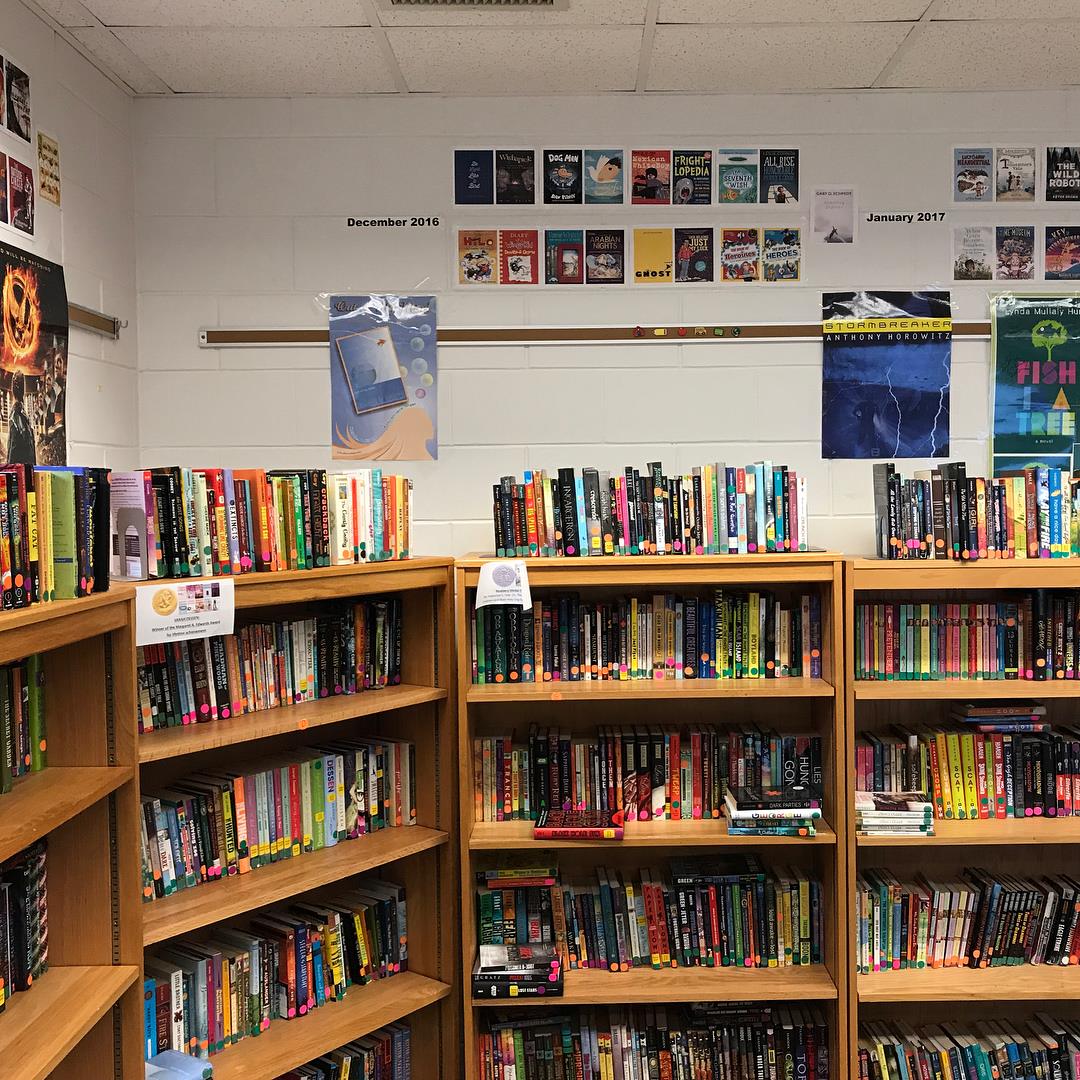
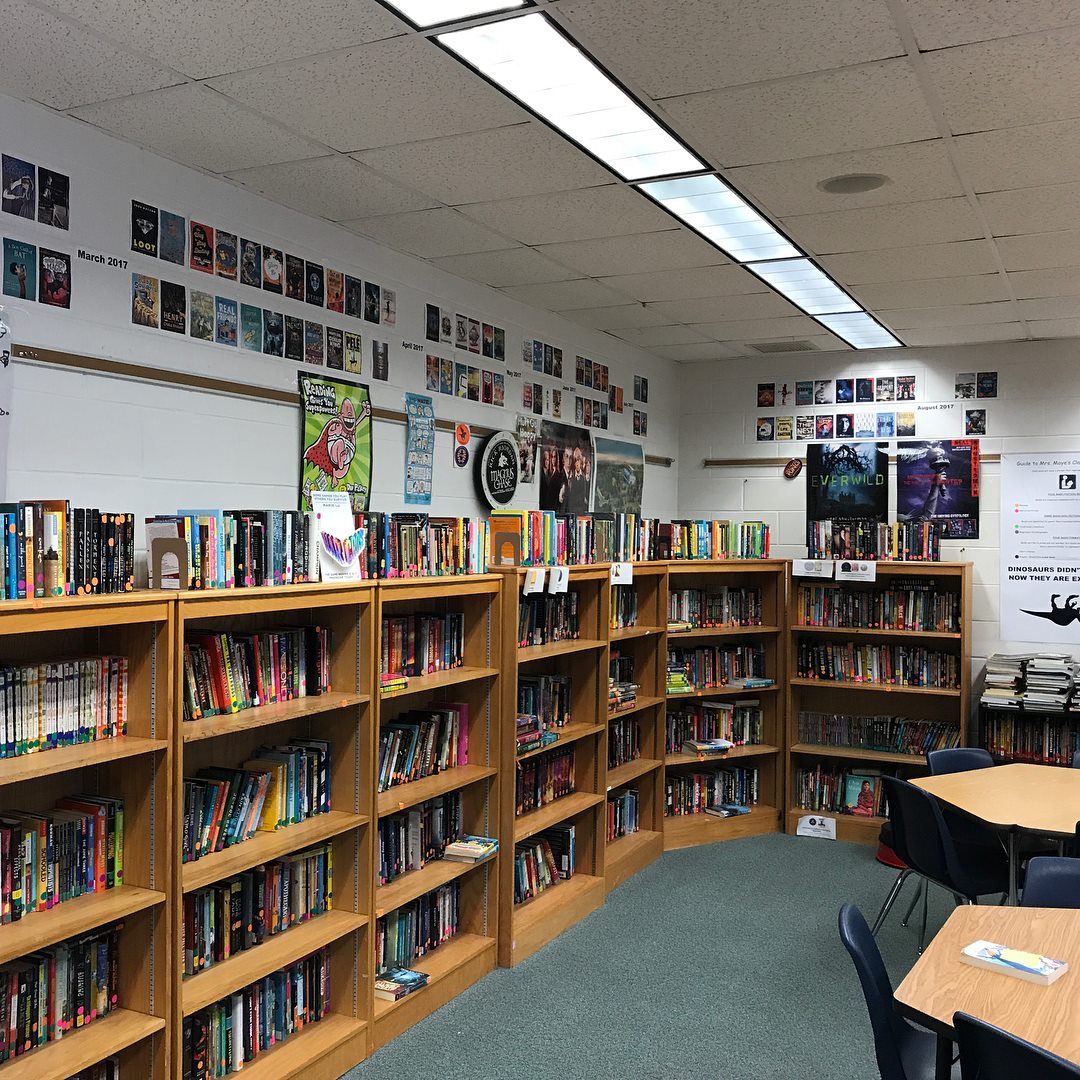
Wednesday was all about getting to know my students. Each year I have my students fill out an interesting and reading survey to help me get to know them. Wednesday was also BOOK DAY! Students were so excited to be able to dive into my classroom library. As students looked for books and filled out their survey, I went around to help with book selection and make discussion.

Thursday

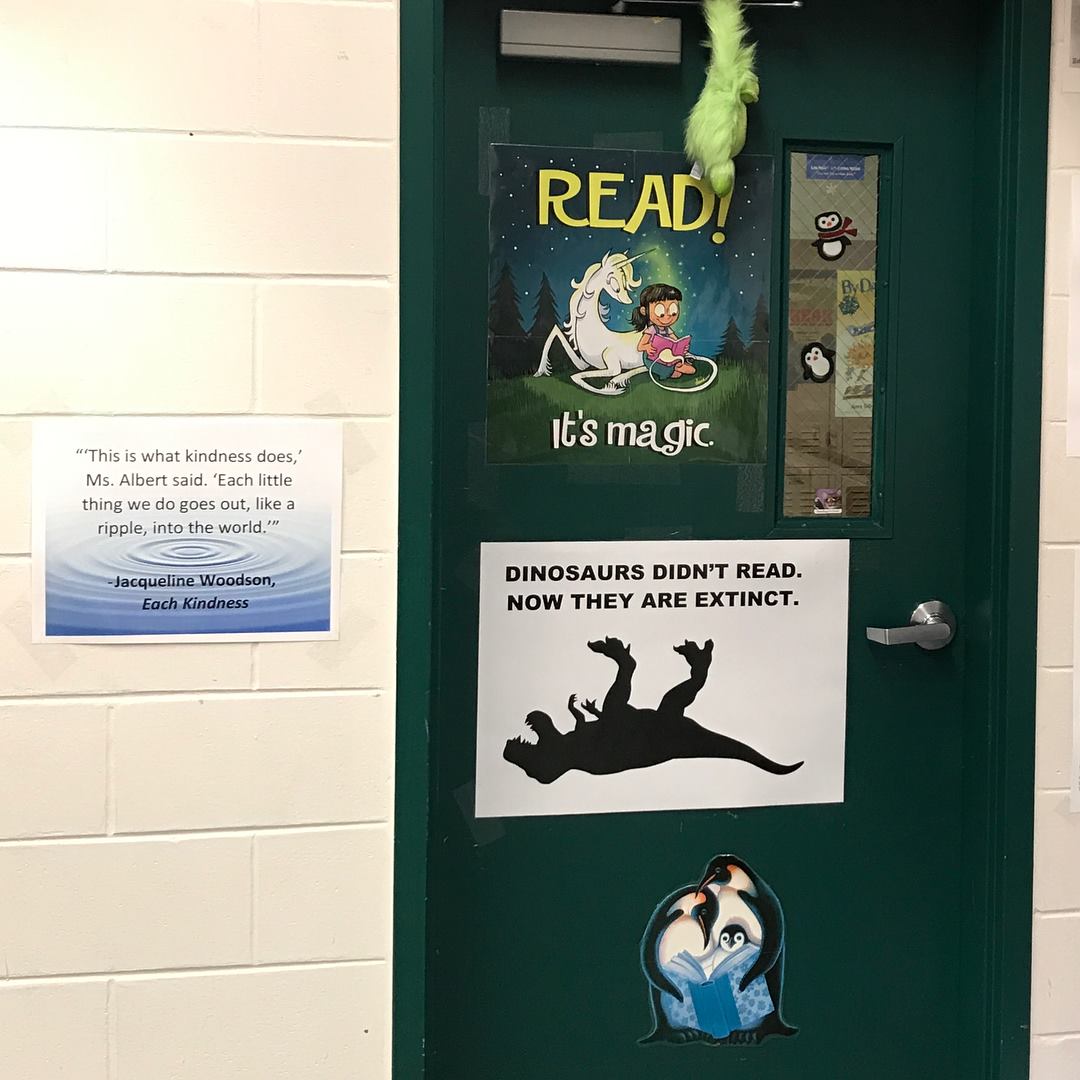
Each year in the first week, I make sure to read Each Kindness by Jacqueline Woodson to my students. With looping students, I try not to duplicate from year to year, but this is a text that I read at the beginning of the school year no matter what. Why? Because it uses Chloe’s tough lesson of not being kind to Maia to teach us about the power of kindness ripples and how they can affect the universe.

When we finished the book, I point out that Chloe wasn’t “bad” nor a “bully” but what she did by excluding Maia was devastating. I asked them to think about something in their life that they could do just a bit kinder: either broad like smiling at strangers more or specific like being nicer to a certain person. They then set kindness goals for the year which I’ll post for the entire year.

Friday

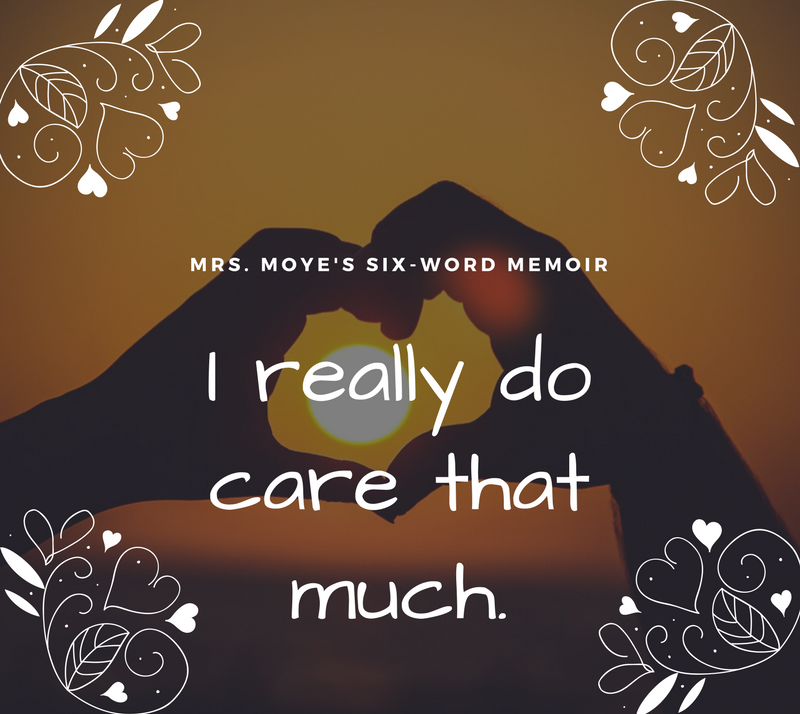
Friday it was once again about getting to know my students. I introduced them to the idea of six-word memoirs. First, we talked about Ernest Hemingway’s six-word story (“For Sale: Baby Shoes, Never Worn”) and the power of his six words and how Smith Magazine took the idea and turned it into people writing their memoir in six words.

To help them understand the idea, I showed them the Six Magazine You Tube video with teens’ six-word memoirs:

And I shared fiction characters’ six-word memoirs:

  • Cinderella: Sometimes the shoes you pick matter OR Sometimes fairy godmothers do show up.
  • Simba: Don’t believe an uncle with scars.
  • Alice: Down the rabbit hole yet again.
  • Romeo: Loving someone may very much kill

Then I gave them Smith Magazine’s six tips for writing a six-word memoir:

  1. It only works if it is personal.
  2. Limitations force you to be creative.
  3. Get inspired by reading other memoirs.
  4. Like any story, make revisions.
  5. Put the best six words in the best order.
  6. Publish your story to inspire others. (Though I made it clear this was optional)

And I sent them on their way, and the response has been phenomenal (shared only those with permission given):

  • Fear is my greatest enemy, always. -Amy, 6th grade
  • I fear an average human life. -Anonymous, 6th grade
  • Books are portals, go through them. -Anonymous, 6th grade
  • Music–the best thing that happened. -Anonymous, 6th grade
  • Sibling always wanted. Five years old. -Anonymous, 6th grade
  • Hospital. Diagnosed. Kept on living great. -Daniel, 6th grade
  • If you believe, you can succeed.” -Ian, 6th grade
  • Face what scares you most. -Lorenza, 7th grade
  • The great outdoors is my indoors. -Alexandra, 7th grade
  • Life is like a hard dream. -Anonymous, 7th grade
  • Who I am is not clear. -Anonymous, 7th grade
  • You can die happy or unhappy. -Anonymous, 7th grade
  • Hufflepuff isn’t the same without me. -Vanessa, 7th grade
  • Family means nobody gets left behind. -Anonymous, 7th grade
  • I said it was impossible. “Nevermind.” -Anonymous, 7th grade
  • Stop being worried and live life. -Anonymous, 7th grade
  • Why do people tell unnecessary lies? -Anonymous, 8th grade
  • Why do girls create unnecessary drama? -Emily, 8th grade
  • Don’t think twice, or never achieve. -Anonymous, 8th grade
  • Fake smiles, fake laugh, real tears. -Anonymous, 8th grade
  • It is not just a game. -Christian, 8th grade
  • 2009: Plane ticket–Egypt to America. -Clara, 8th grade
  • Your separation made everything more difficult. -Amanda, 8th grade
  • See you later, Island of Enchantment. -Lucas, 8th grade
  • Dancing is how I express myself. -Ashley, 8th grade
  • Parents can never stick together forever. -Anonymous, 8th grade
  • Try your best; get better results. -Anonymous, 8th grade
  • Divorce can break a child’s heart. -Anonymous, 8th grade
  • Prepared to succeed; failed of hesitation. -Anonymous, 8th grade

It is through these activities that I show my students that I care for them. 

What do you do your first week of school?

Top Ten Tuesday: Top Ten Antagonists from Christian, 8th grade

Share

top ten tuesday

Top Ten Tuesday is an original feature/weekly meme created at The Broke and the Bookish. The feature was created because The Broke and Bookish are particularly fond of lists (as are we!). Each week a new Top Ten list topic is given and bloggers can participate.

 Today’s Topic: Top Ten Antagonists

from Christian U., 7th grade (now 8th grade!!)

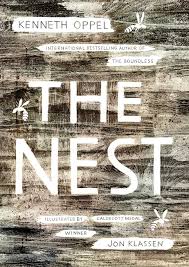
1. Queen Wasp from The Nest by Kenneth Oppel

Queen Wasp attempts to convince Steven to kill his own baby for a new one from a series of dreams. Strategic, Queen Wasp really deserves a spot on the list of the best antagonists.

2. Luke from The Lightning Thief by Rick Riordan

Luke was strategic, acting as the hero the whole book but was really the villain. With Luke being able to trick Percy into doing his dirty work, he is one of the most hated antagonists.

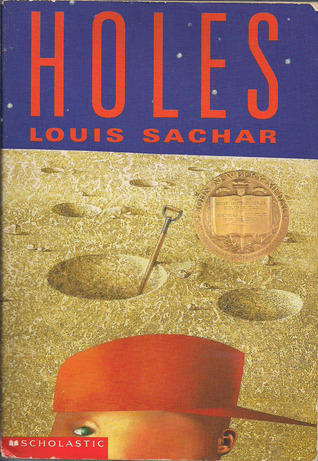
3. The Warden from Holes by Louis Sachar

The Warden tricks a group of kids to dig holes just for her to try and find a buried suitcase of money. Sneaky, the Warden is one of my top 10 antagonists.

4. Coastal Guard from The Neptune Project by Polly Holyoke

The Coastal Guard tries to fight off the experiments who try to make it to an area with others of their kind. Fearless, the Coastal Guards are actually the enemy.

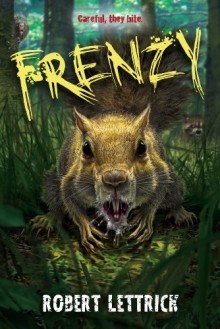
5. The Animals from Frenzy by Robert Lettrick

The animals of the forest are infected and start to pick off the humans. One by one. Unstoppable, the animals kick everyone out of their way.

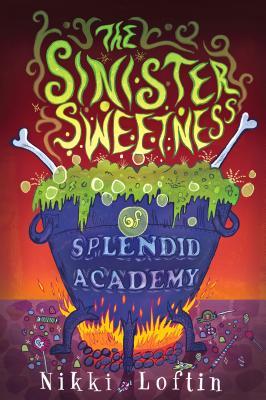
6. The Witches from Sinister Sweetness of Splendid Academy by Nikki Loftin

The witches disguise themselves as school teachers just to eat their students. Strategic (and kinda gross!), the witches are surely evil antagonists.

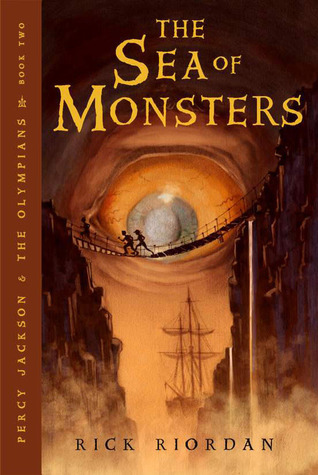
7. Giant Cyclops from The Sea of Monsters by Rick Riordan

The Giant Cyclops captures Grover and threatens to eat him up. The Giant Cyclops is fearless and will take down anyone in his path.

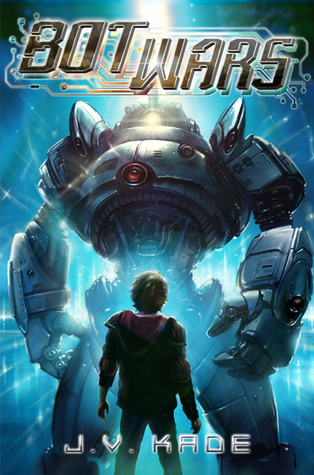
8. The Government in Bot Wars by J.V. Kade

The U.D. Government tries to take away Trout’s dad because he supports bots (who didn’t do anything wrong). The U.D. Government bombs bot territory and is bad to the good bots.

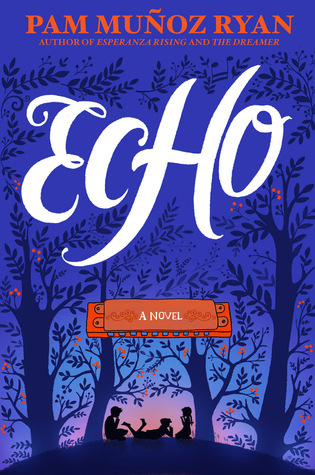
9. Hitler and the Nazi Party from Echo by Pam Muñoz Ryan

Hitler affected Fredrich’s future in music and sent his dad to prison for him not following the Nazi Party. Hitler is pure evil.

10. The Poacher from Hurt Go Happy by Ginny Rorby

The poacher killed Sukari’s mother which was the reason why Sukari went to Charlie. The poacher caused many of the problems and is a dangerous antagonist.

Thank you, Christian!

Signature

Adolescents’ Literature Syllabus

Share

Colorado State University

Dr. Ricki Ginsberg

COURSE DESCRIPTION

This course focuses on adolescence and the reading, analysis, and understanding of young adult literature. Some of the themes we will explore include: the body and mind, culture, (dis)ability, gender, grief, intersectionality, race, sexuality, and social class. Because the course is designed primarily for future English teachers to prepare them to examine issues of adolescents/ce, we will also consider supportive practices for teaching young adult texts critically in the classroom. This course will allow us the time and space to (re)consider our perspectives of adolescence. The reading and coursework is designed to be both rigorous but rewarding.

REQUIRED TEXTS

Required, Whole Class Texts:

Alexie, S. (2007). The absolutely true diary of a part-time Indian. New York, NY: Little, Brown.

Farizan, S. (2013). If you could be mine. Chapel Hill, NC: Algonquin.

Nelson, J. (2014). I’ll give you the sun. New York, NY: Speak.

Roskos, E. (2013). Dr. Bird’s advice for sad poets. New York, NY: Houghton Mifflin Harcourt.

Saenz, B. A. (2012). Aristotle and Dante discover the secrets of the universe. New York, NY: Simon & Schuster.

Schrefer, E. (2012). Endangered. New York, NY: Scholastic.

Sepetys, R. (2011). Between shades of gray. New York, NY: Speak.

Shusterman, N. (2007). Unwind. New York, NY: Simon & Schuster.

Thomas, A. (2017). The hate u give. New York, NY: Balzer + Bray.

Woodson, J. (2014). Brown girl dreaming. New York, NY: Nancy Paulsen.

Yang, G. L. (2006). American born Chinese. New York, NY: First Second.

Zentner, J. (2016). The serpent king. New York, NY: Ember.

Literature Circle Group Text (Disability and the Body):

You will select this text during the first week.

Anderson, L. H. (2009). Wintergirls. New York, NY: Penguin Group.

Draper, S. (2010). Out of my mind. New York, NY: Atheneum.

Van Draanen, W. (2011). The running dream. New York, NY: Ember.

Palacio, R. J. (2012). Wonder. New York, NY: Knopf.

Gemeinhart, D. (2015). The honest truth. New York, NY: Scholastic.

Stork, F. X. (2008). Marcelo in the real world. New York, NY: Scholastic.

Lindstrom, E. (2015). Not if I see you first. New York, NY: Poppy.

Sloan, H. G. (2013). Counting by 7s. New York, NY: Puffin.


STUDENT LEARNING OUTCOMES

  1. Analyze and critique a wide range of adolescents’ literature across genre and form (as evidenced in the reading portfolio, classroom discussions, and Book Bistro conversations).
  2. Examine research and theories of adolescence through a range of scholarly sources and (re)consider our own assumptions (as evidenced in the discussion of the Youth Lens and in the Scholarly Journal Article critique).
  3. Evaluate the purpose of literature that is written explicitly for adolescents and the value of using this literature for classroom instruction (as evidenced in each course requirement, particularly the Leading a Class Discussion assignment).
  4. Explore the ways in which adolescents’ literature can be highly political in nature (as evidenced in the selected required texts and the focused discussions and classroom activities in weeks 14 and 15).

COURSE REQUIREMENTS AND GRADING

The outside work for this course adheres to the instructional time equivalent to the federal credit hour definition of 2 hours of outside work for each contact hour. As such, you can expect to do approximately 5 hours of outside work each week. Much of this time will be dedicated to the course reading (required and free choice). I will not accept assignments after they are due. Please wait 24 hours to dispute a grade.

1.   Free Choice Reading Portfolio (25%)

You will be required to read a total of 3,000 pages of books written for and about adolescents.

The portfolio will reflect this work and must include:

  • A cover sheet listing the books and total number of pages that you read. If you prefer to keep track by hand, feel free to print the book log available on Canvas. At the bottom of your cover sheet, please include a signed honor statement that indicates that you read all of the pages that you list on this page.
  • A one-pager for each of the books that you read. Examples of one-pagers will be provided in class. The only requirement is that the one-pager must fit on one side of a piece of paper. Please complete these one-pagers as you read. You will be showing them to your peers during Book Bistro meetings.

Selecting texts:

  • Select texts from a variety of authors, forms, genres, subjects, and marketed age levels. Do not read over 1,000 pages of the same author, genre, or form.
  • Do not read a classic text unless it was expressly written for adolescents. For example, To Kill a Mockingbird and Catcher in the Rye were written for adults, but The Chocolate War and The Contender were written for adolescents. Check with me if you are unsure whether a text is traditionally considered to be a YA text.
  • Do not read books that were written for adults (Crichton, Grisham, King, Steele, etc.). You may, however, read books that are very popular, free choices among adolescents (e.g. Books on the Alex Awards lists).
  • Consult adolescents, librarians, the adolescent literature collections at the Morgan Library and 322 Eddy, ALA Award lists, and other published listings of texts. The Fort Collins libraries have great collections. Ask your peers what they are enjoying, and share books with each other. I will make ever attempt to flood you with books that you might be interested in reading, and I will bring a rolling classroom library to most classes.
  • ENJOY what you are reading. I typically use a 50-page rule. If I am not enjoying a book after 50 pages, I put it down. Please use whatever system works for you and keeps you reading. You can (and should) count the pages of unfinished books toward the 3,000-page requirement.

2. Class Participation (20%)

I cannot emphasize enough the importance of your participation in class. You are expected to read the entire required texts before you come to class. I am not a fan of reading quizzes, but I need to know that you are doing your homework. As such, you will complete a reading quiz at the beginning of many classes. If you are late or absent, you will miss this assignment for the week. Your literature circle presentation will also be included in this grade.

3. Leading a Class Discussion (in pairs) (15%)

You will sign up with a peer to lead an hour-long discussion of one of the required texts. You and your peer can decide how to structure the class time and activities. You do not need to focus your discussion on the weekly topic listed in the schedule. The only requirements are: a) you will give a 5-minute reading quiz at the beginning of the hour, and b) you will lead a discussion of the reading for some portion of the time. You and your peer will grade the reading quizzes and return them to me the following class.

 4. Book Bistro Participation (10%)

You will participate in five scheduled Book Bistro meetings. You will be in charge of leading one of these meetings and inspiring conversation around the books that the members in your group are reading. You will sign up to lead the meeting in the beginning of the semester.

5. Scholarly Journal Article Critique (in pairs) (10%)

Working in pairs, you will read and critique a scholarly journal article about young adult literature or adolescence. I will help find this article. You will present your findings, complete with a handout, to the class. Your presentation should last between five and ten minutes and can include discussion.

6. Final Exam (20%)

You will design a project for the final exam that meets your personal and professional needs and passions. I will provide suggestions from previous courses that I have taught, but I recommend that you design a project that you will find exciting. We will dedicate some class time to help you determine, workshop, and independently work on this project, but you will complete most of the work outside of class. You will present your project during the university-sanctioned final exam time. The exam is scheduled for Monday, December 11, from 4:10pm-6:10pm.

7. Graduate Students Only (10%, overall grade calculated out of 110%)

In an effort to help you organize and synthesize your thinking about your Master’s thesis or project, you can choose to write five annotated bibliography entries (choose a combination of the require texts—novels and articles—for this course plus texts of your own choosing.

OR

You can design a similar project tailored to your needs. Please see me early in the semester to discuss this course requirement and to solidify your choice. This work is due to me on December 3, 2017.

 8. Honors Credit Only (10%, overall grade calculated out of 110%)

Those who seek honors credit will be required to read five advanced reader copies (galleys) of texts within (not in addition to) their 3,000 page required. They will complete five book reviews in the form of blog posts. If these students choose, I can publish these blog posts on www.unleashingreaders.com, and this work can be featured as publications on their resumes. Please see me if you are seeking honors credit.

 Grade Overview

  1. Free Choice Reading Portfolio (25%)
  2. Class Participation (20%)
  3. Leading a Class Discussion (in pairs) (15%)
  4. Book Bistro Participation (10%)
  5. Scholarly Journal Article Critique (in pairs) (10%)
  6. Final Exam (20%)

As per University policy, I use +/- grading. Calculations on a 4.0 scale are:  A+ = 4.0; A = 4.0; A- = 3.667; B+ = 3.334; B = 3.00; B- = 2.667; C+ = 2.334; C = 2.00; D = 1.00; F = 0.00


POLICIES

Attendance Policy

Attendance is critical for your success in this course. I expect you to be punctual. Absences beyond two per semester will result in a grade deduction of ½ grade, as this is equivalent to over a week of missed classes. For instance, if you earn an A in the course but miss three class sessions, your grade will reduce to an A-. You will also miss reading quizzes, which will impact your grade. Please see me with any concerns about your attendance. Excused absences will not count against your grade, and these will include participation in University-sanctioned activities, as well as participation in religious holidays and observances. If you will be absent for an excused reason, please see me in advance of class or email me at least one day in advance.

It is respectful to email me prior to class if you will be absent. This will help me (and your peers who are presenting) adjust class plans and groups accordingly. Please do not sign up to present on a day that you anticipate you will be absent for an excused purpose.

Academic Integrity and Student Conduct

The course will adhere to the Academic Integrity Policy of the Colorado State University General Catalog and the Student Conduct Code. Do not plagiarize. Any student who plagiarizes or cheats on any assignment in this course faces penalties that may include an F on the assignment or an F in the course.

Cell Phones and Computers

Please remember to turn off your cell phone before coming into class. That means no text messaging during class. Please be respectful about your computer use and do not surf the internet or check emails while in class. Abuse of this policy will result in a lower classroom participation grade.

Safety, Reporting and Resources:  

CSU’s Discrimination, Harassment, Sexual Harassment, Sexual Misconduct, Domestic Violence, Dating Violence, Stalking, and Retaliation policy designates faculty and employees of the University as “Responsible Employees.”  This designation is consistent with federal law and guidance, and requires faculty to report information regarding students who may have experienced any form of sexual harassment, sexual misconduct, relationship violence, stalking or retaliation. This includes information shared with faculty in person, electronic communications or in class assignments.  As “Responsible Employees,” faculty may refer students to campus resources (see below), together with informing the Office of Support and Safety Assessment to help ensure student safety and welfare. Information regarding sexual harassment, sexual misconduct, relationship violence, stalking and retaliation is treated with the greatest degree of confidentiality possible while also ensuring student and campus safety.  CSU’s Discrimination, Harassment, Sexual Harassment, Sexual Misconduct, Domestic Violence, Dating Violence, Stalking, and Retaliation policy designates faculty and employees of the University as “Responsible Employees.”  This designation is consistent with federal law and guidance, and requires faculty to report information regarding students who may have experienced any form of sexual harassment, sexual misconduct, relationship violence, stalking or retaliation. This includes information shared with faculty in person, electronic communications or in class assignments.  As “Responsible Employees,” faculty may refer students to campus resources (see below), together with informing the Office of Support and Safety Assessment to help ensure student safety and welfare. Information regarding sexual harassment, sexual misconduct, relationship violence, stalking and retaliation is treated with the greatest degree of confidentiality possible while also ensuring student and campus safety.

Any student who may be the victim of sexual harassment, sexual misconduct, relationship violence, stalking or retaliation is encouraged to report to CSU through one or more of the following resources:

  • Emergency Response 911
  • Deputy Title IX Coordinator/Office of Support and Safety Assessment (970) 491-1350
  • Colorado State University Police Department (non-emergency) (970) 491-6425

For counseling support and assistance, please see the CSU Health Network, which includes a variety of counseling services that can be accessed at: CSU Health Network (http://www.health.colostate.edu/).  And, the Sexual Assault Victim Assistance Team is a confidential student resource that does not have a reporting requirement and that can be of great help to students who have experienced sexual assault. The web address is: Sexual Assault Victim Assistance Team (http://www.wgac.colostate.edu/need-help-support).

Accommodations

If you are a student who will need accommodations in this class, please do not hesitate to make an appointment to see me to discuss your individual needs. Accommodations must be discussed in a timely manner prior to implementation.   A verifying letter from Resources for Disabled Students may be required before any accommodation is provided.

COURSE SCHEDULE

Week 1           What is Adolescent Literature? and Introductions

08/21   Introductions, Select Literature Circle Texts

Read: The Youth Lens article and the Book Bistro article

Watch: “The Danger of a Single Story.”

Begin: Your choice reading. Anticipate reading about 150 pages of choice per week, and you will be successful.

08/23   Histories and Definitions of Adolescents’ Literature

Resources for Finding and Using YA Literature

Draw table numbers for Book Bistro, Sign up to lead class.

Read: The Absolutely True Diary of a Part-Time Indian


Week 2           Identity Part I

08/28   Discuss The Absolutely True Diary of a Part-Time Indian

08/30   The Absolutely True Diary of a Part-Time Indian

Read: American Born Chinese.

Bring: All of your book pages thus far to share in class.


Week 3           Identity Part II

09/04   NO CLASS: LABOR DAY

09/06   American Born Chinese

Book Bistro #1

Read: The Serpent King


Week 4           Family and Friendship

09/11   The Serpent King

09/13   The Serpent King

Read: Aristotle and Dante Discover the Secrets of the Universe


Week 5           Sexuality

09/18   Aristotle and Dante Discover the Secrets of the Universe

09/20   Aristotle and Dante Discover the Secrets of the Universe

Read: I’ll Give You the Sun


Week 6           Negotiating Death and Grief

09/25   I’ll Give You the Sun

Research project proposal due

Bring: All of your book pages thus far to share in class.

09/27   I’ll Give You the Sun

Book Bistro #2

Read: Dr. Bird’s Advice for Sad Poets


Week 7           Mental Health

10/02   Dr. Bird’s Advice for Sad Poets

Bring: One text that you’ve loved and enjoyed this semester.

10/04   Dr. Bird’s Advice for Sad Poets

Midway Book Talks

Read: Between Shades of Gray


Week 8           Adolescents Across Time and Place: Part I

10/09   Between Shades of Gray

10/11   Between Shades of Gray

Read: Endangered


Week 9           Adolescents Across Time and Place: Part II

10/16   Endangered

Bring: All of your book pages thus far to share in class.

10/18   Endangered

Youth Lens looking across all texts???

Book Bistro #3

Read: Brown Girl Dreaming


Week 10         Adolescents in the “Real World” (Nonfiction)

10/23   Brown Girl Dreaming

10/25   Brown Girl Dreaming

Read: Unwind


Week 11         Adolescents in the Imagined Worlds (Fantasy and Science Fiction)

10/30   Unwind

11/01   Unwind

Read: Literature Circle Text


Week 12         Disability and the Body

11/06   Literature Circle Text of Choice (See first page of syllabus)

Bring: All of your book pages thus far to share in class.

 11/08   Literature Circles

Book Bistro #4

Bring: Anything you need for your literature circle presentation.


Week 13         Disability and the Body

11/13   Literature Circle Presentations

Read: If You Could Be Mine

11/15   No Class (Ricki at NCTE) – Independent Reading and Work on Final Project


Thanksgiving Break; No Class; November 20-24, 2017


Week 14         The Politics of Adolescence

11/27   If You Could Be Mine

11/29   If You Could Be Mine, Skype with Sara Farizan

Read: The Hate U Give

Graduate Students: Paper Due Next Class


Week 15         Adolescents as Agents

12/04   The Hate U Give

Bring: Your completed Reading Portfolio

12/06   The Hate U Give

Book Bistro #5


Week 16         Final

12/11   Final Exam Presentations


2017 Picture Book 10 for 10: Favorite Picture Books to Use in the Secondary Classroom #PB10for10

Share

Thank you to Cathy Mere and Mandy Robek for hosting the Picture Book 10 for 10 (#PB10for10).

The rules are simple:

What:  10 picture books you can’t live without
Hashtag:  #PB10for10
Who:  Anyone who is interested—educators, authors, media specialists, librarians, parents, and book lovers.
When:  Thursday, August 10, 2017
Where:  All posts will be linked on the Picture Book 10 for 10 Google Community Site.


Our 2017 Topic: Favorite Picture Books to Use in the Secondary Classroom

Freedom Summer by Deborah Wiles (Aladdin, 2005).
(Ricki’s Review  |  Kellee’s Review)

Ricki: This book is beautifully written and the characterization is wonderfully done. I enjoy reading this book to discuss the intricacy of picture books and their application within units. This books reminds older students that picture books aren’t just for young kids.

Kellee: I feel that this picture book portrays a part of the Civil Rights Movement that most kids don’t know about unless they’ve been explicitly talked to about it. Freedom Summer gives me a way to start the conversation.

Red: A Crayon’s Story by Michael Hall (Greenwillow, 2015).

Ricki: We use this book when we talk about identity. I love reading this text aloud and then asking students about the author’s purpose. Many think that he is discussing disability and others argue that he is discussing gender identity. The interpretations remind us how texts give different interpretations, and this is a very good thing.

Kellee: Identity is something that everyone is struggling with in middle school, and I loved reading this book with my students and listening to their conversation about the crayons. When they begin to connect it to human identity, some really fascinating discussions break out.

Each Kindness by Jacqueline Woodson (Nancy Paulsen, 2012).
(Ricki’s Review  |  Kellee’s Review)

Ricki: I love to read this book on the first day or on any day that I am noticing classroom tensions. What I love about this book is that it teaches kindness without being didactic. The story goes beyond the theme of kindness and reminds readers about regret. This is a beautiful book that earns its place in classrooms of all levels.

Kellee: I begin every year with this book, and my students make kindness goals for the year to help ripple kindness throughout the school.

Locomotive by Brian Floca (Atheneum, 2013). 

Ricki: I love to show this book right before a research project/paper. It shows an example of high quality research and reminds readers that a lot of research is required in order to present a high quality product.

Tomás and the Library Lady by Pat Mora (Knopf, 1997). 

Ricki: This is a great book to start a conversation about being culturally responsive to other people. The library lady is very sensitive to Tomás, and the book makes readers want to be better people. My bilingual education teacher read this to my class, and I think of it often. I always enjoy reading it aloud.

The Dot by Peter H. Reynolds (Candlewick, 2003).

Kellee: I love to participate in Dot Day because it truly shows kids the range of what art is and the importance of creativity. I use The Dot to introduce this discussion then every student makes their own dot that symbolizes them.

Ricki: This is a fantastic book to discuss imagination. I show this book when I am trying to kickstart ideas about projects. Because I make strong attempts to allow a lot of flexibility in projects, this book is great to simply inspire students to examine ideas differently.

Last Stop on Market Street by Matt de la Peña (Putnam, 2015).
(Kellee & Ricki’s Review)

Kellee: I wrote a whole post just on using this book with my middle school students because students really found the depth and beauty in this amazing picture book.

Ricki: This book reminds us that picture books are anything but simple. I love to use this book to talk about themes and hidden messages in writing. Then, we apply this idea to our own writing. Reading this book reminds us to look at writing more deeply.

The Day the Crayons Quit by Drew Daywelt (Philomel, 2013).

Kellee: This is another superb crayon text that uses the idea of crayons being expected to act or do one thing really stunting the creativity and identity of the crayons. Also, the book is written in

Ricki: This book is funny, creative, and cleverly written. I’ve had students use this book for readers’ theater, and their performance was hysterical. Each student took the time to memorize their speech, and we talked about all of the qualities of a good speech.

Normal Norman by Tara Lazar (Sterling, 2016).
(Kellee & Ricki’s Review)

Kellee: I love the discussions of normal that this book brings up. You’ll notice, a lot of the picture books I read with my students discuss identity and kindness because picture books are such a perfect way to get conversations about tough subjects started. Norman shows us that what you think is normal may not be what another person thinks is normal, and being abnormal doesn’t mean anything is wrong.

Ricki: This is a great book to talk about what it means to be “normal.” I love to use this book to kick off discussions that queer the concept of normalcy.

Dear Dragon by Josh Funk (Viking, 2016).
(Kellee & Ricki’s Review)

Kellee: I am going to use Dear Dragon in my classroom for the first time this year! I want to get my student pen pals, and I am going to use Dear Dragon as an introduction to the idea. I’m not sure how I’m going to execute the pen pals yet, but there is also the theme of first impressions and judging based on looks that is perfect for our discussion on themes!

Ricki: Yes, Kellee! I have yet to use this book, but it would be a phenomenal text to start a student pen pal program! You might also use this book to talk about expectations and judgment.


What are your favorite books to use in the secondary classroom? 

Don’t forget to check out all of the other #PB10for10 posts by visiting the Google community site or searching on Twitter!

 and