Adolescents’ Literature Syllabus

Share

Colorado State University

Dr. Ricki Ginsberg

COURSE DESCRIPTION

This course focuses on adolescence and the reading, analysis, and understanding of young adult literature. Some of the themes we will explore include: the body and mind, culture, (dis)ability, gender, grief, intersectionality, race, sexuality, and social class. Because the course is designed primarily for future English teachers to prepare them to examine issues of adolescents/ce, we will also consider supportive practices for teaching young adult texts critically in the classroom. This course will allow us the time and space to (re)consider our perspectives of adolescence. The reading and coursework is designed to be both rigorous but rewarding.

REQUIRED TEXTS

Required, Whole Class Texts:

Alexie, S. (2007). The absolutely true diary of a part-time Indian. New York, NY: Little, Brown.

Farizan, S. (2013). If you could be mine. Chapel Hill, NC: Algonquin.

Nelson, J. (2014). I’ll give you the sun. New York, NY: Speak.

Roskos, E. (2013). Dr. Bird’s advice for sad poets. New York, NY: Houghton Mifflin Harcourt.

Saenz, B. A. (2012). Aristotle and Dante discover the secrets of the universe. New York, NY: Simon & Schuster.

Schrefer, E. (2012). Endangered. New York, NY: Scholastic.

Sepetys, R. (2011). Between shades of gray. New York, NY: Speak.

Shusterman, N. (2007). Unwind. New York, NY: Simon & Schuster.

Thomas, A. (2017). The hate u give. New York, NY: Balzer + Bray.

Woodson, J. (2014). Brown girl dreaming. New York, NY: Nancy Paulsen.

Yang, G. L. (2006). American born Chinese. New York, NY: First Second.

Zentner, J. (2016). The serpent king. New York, NY: Ember.

Literature Circle Group Text (Disability and the Body):

You will select this text during the first week.

Anderson, L. H. (2009). Wintergirls. New York, NY: Penguin Group.

Draper, S. (2010). Out of my mind. New York, NY: Atheneum.

Van Draanen, W. (2011). The running dream. New York, NY: Ember.

Palacio, R. J. (2012). Wonder. New York, NY: Knopf.

Gemeinhart, D. (2015). The honest truth. New York, NY: Scholastic.

Stork, F. X. (2008). Marcelo in the real world. New York, NY: Scholastic.

Lindstrom, E. (2015). Not if I see you first. New York, NY: Poppy.

Sloan, H. G. (2013). Counting by 7s. New York, NY: Puffin.


STUDENT LEARNING OUTCOMES

  1. Analyze and critique a wide range of adolescents’ literature across genre and form (as evidenced in the reading portfolio, classroom discussions, and Book Bistro conversations).
  2. Examine research and theories of adolescence through a range of scholarly sources and (re)consider our own assumptions (as evidenced in the discussion of the Youth Lens and in the Scholarly Journal Article critique).
  3. Evaluate the purpose of literature that is written explicitly for adolescents and the value of using this literature for classroom instruction (as evidenced in each course requirement, particularly the Leading a Class Discussion assignment).
  4. Explore the ways in which adolescents’ literature can be highly political in nature (as evidenced in the selected required texts and the focused discussions and classroom activities in weeks 14 and 15).

COURSE REQUIREMENTS AND GRADING

The outside work for this course adheres to the instructional time equivalent to the federal credit hour definition of 2 hours of outside work for each contact hour. As such, you can expect to do approximately 5 hours of outside work each week. Much of this time will be dedicated to the course reading (required and free choice). I will not accept assignments after they are due. Please wait 24 hours to dispute a grade.

1.   Free Choice Reading Portfolio (25%)

You will be required to read a total of 3,000 pages of books written for and about adolescents.

The portfolio will reflect this work and must include:

  • A cover sheet listing the books and total number of pages that you read. If you prefer to keep track by hand, feel free to print the book log available on Canvas. At the bottom of your cover sheet, please include a signed honor statement that indicates that you read all of the pages that you list on this page.
  • A one-pager for each of the books that you read. Examples of one-pagers will be provided in class. The only requirement is that the one-pager must fit on one side of a piece of paper. Please complete these one-pagers as you read. You will be showing them to your peers during Book Bistro meetings.

Selecting texts:

  • Select texts from a variety of authors, forms, genres, subjects, and marketed age levels. Do not read over 1,000 pages of the same author, genre, or form.
  • Do not read a classic text unless it was expressly written for adolescents. For example, To Kill a Mockingbird and Catcher in the Rye were written for adults, but The Chocolate War and The Contender were written for adolescents. Check with me if you are unsure whether a text is traditionally considered to be a YA text.
  • Do not read books that were written for adults (Crichton, Grisham, King, Steele, etc.). You may, however, read books that are very popular, free choices among adolescents (e.g. Books on the Alex Awards lists).
  • Consult adolescents, librarians, the adolescent literature collections at the Morgan Library and 322 Eddy, ALA Award lists, and other published listings of texts. The Fort Collins libraries have great collections. Ask your peers what they are enjoying, and share books with each other. I will make ever attempt to flood you with books that you might be interested in reading, and I will bring a rolling classroom library to most classes.
  • ENJOY what you are reading. I typically use a 50-page rule. If I am not enjoying a book after 50 pages, I put it down. Please use whatever system works for you and keeps you reading. You can (and should) count the pages of unfinished books toward the 3,000-page requirement.

2. Class Participation (20%)

I cannot emphasize enough the importance of your participation in class. You are expected to read the entire required texts before you come to class. I am not a fan of reading quizzes, but I need to know that you are doing your homework. As such, you will complete a reading quiz at the beginning of many classes. If you are late or absent, you will miss this assignment for the week. Your literature circle presentation will also be included in this grade.

3. Leading a Class Discussion (in pairs) (15%)

You will sign up with a peer to lead an hour-long discussion of one of the required texts. You and your peer can decide how to structure the class time and activities. You do not need to focus your discussion on the weekly topic listed in the schedule. The only requirements are: a) you will give a 5-minute reading quiz at the beginning of the hour, and b) you will lead a discussion of the reading for some portion of the time. You and your peer will grade the reading quizzes and return them to me the following class.

 4. Book Bistro Participation (10%)

You will participate in five scheduled Book Bistro meetings. You will be in charge of leading one of these meetings and inspiring conversation around the books that the members in your group are reading. You will sign up to lead the meeting in the beginning of the semester.

5. Scholarly Journal Article Critique (in pairs) (10%)

Working in pairs, you will read and critique a scholarly journal article about young adult literature or adolescence. I will help find this article. You will present your findings, complete with a handout, to the class. Your presentation should last between five and ten minutes and can include discussion.

6. Final Exam (20%)

You will design a project for the final exam that meets your personal and professional needs and passions. I will provide suggestions from previous courses that I have taught, but I recommend that you design a project that you will find exciting. We will dedicate some class time to help you determine, workshop, and independently work on this project, but you will complete most of the work outside of class. You will present your project during the university-sanctioned final exam time. The exam is scheduled for Monday, December 11, from 4:10pm-6:10pm.

7. Graduate Students Only (10%, overall grade calculated out of 110%)

In an effort to help you organize and synthesize your thinking about your Master’s thesis or project, you can choose to write five annotated bibliography entries (choose a combination of the require texts—novels and articles—for this course plus texts of your own choosing.

OR

You can design a similar project tailored to your needs. Please see me early in the semester to discuss this course requirement and to solidify your choice. This work is due to me on December 3, 2017.

 8. Honors Credit Only (10%, overall grade calculated out of 110%)

Those who seek honors credit will be required to read five advanced reader copies (galleys) of texts within (not in addition to) their 3,000 page required. They will complete five book reviews in the form of blog posts. If these students choose, I can publish these blog posts on www.unleashingreaders.com, and this work can be featured as publications on their resumes. Please see me if you are seeking honors credit.

 Grade Overview

  1. Free Choice Reading Portfolio (25%)
  2. Class Participation (20%)
  3. Leading a Class Discussion (in pairs) (15%)
  4. Book Bistro Participation (10%)
  5. Scholarly Journal Article Critique (in pairs) (10%)
  6. Final Exam (20%)

As per University policy, I use +/- grading. Calculations on a 4.0 scale are:  A+ = 4.0; A = 4.0; A- = 3.667; B+ = 3.334; B = 3.00; B- = 2.667; C+ = 2.334; C = 2.00; D = 1.00; F = 0.00


POLICIES

Attendance Policy

Attendance is critical for your success in this course. I expect you to be punctual. Absences beyond two per semester will result in a grade deduction of ½ grade, as this is equivalent to over a week of missed classes. For instance, if you earn an A in the course but miss three class sessions, your grade will reduce to an A-. You will also miss reading quizzes, which will impact your grade. Please see me with any concerns about your attendance. Excused absences will not count against your grade, and these will include participation in University-sanctioned activities, as well as participation in religious holidays and observances. If you will be absent for an excused reason, please see me in advance of class or email me at least one day in advance.

It is respectful to email me prior to class if you will be absent. This will help me (and your peers who are presenting) adjust class plans and groups accordingly. Please do not sign up to present on a day that you anticipate you will be absent for an excused purpose.

Academic Integrity and Student Conduct

The course will adhere to the Academic Integrity Policy of the Colorado State University General Catalog and the Student Conduct Code. Do not plagiarize. Any student who plagiarizes or cheats on any assignment in this course faces penalties that may include an F on the assignment or an F in the course.

Cell Phones and Computers

Please remember to turn off your cell phone before coming into class. That means no text messaging during class. Please be respectful about your computer use and do not surf the internet or check emails while in class. Abuse of this policy will result in a lower classroom participation grade.

Safety, Reporting and Resources:  

CSU’s Discrimination, Harassment, Sexual Harassment, Sexual Misconduct, Domestic Violence, Dating Violence, Stalking, and Retaliation policy designates faculty and employees of the University as “Responsible Employees.”  This designation is consistent with federal law and guidance, and requires faculty to report information regarding students who may have experienced any form of sexual harassment, sexual misconduct, relationship violence, stalking or retaliation. This includes information shared with faculty in person, electronic communications or in class assignments.  As “Responsible Employees,” faculty may refer students to campus resources (see below), together with informing the Office of Support and Safety Assessment to help ensure student safety and welfare. Information regarding sexual harassment, sexual misconduct, relationship violence, stalking and retaliation is treated with the greatest degree of confidentiality possible while also ensuring student and campus safety.  CSU’s Discrimination, Harassment, Sexual Harassment, Sexual Misconduct, Domestic Violence, Dating Violence, Stalking, and Retaliation policy designates faculty and employees of the University as “Responsible Employees.”  This designation is consistent with federal law and guidance, and requires faculty to report information regarding students who may have experienced any form of sexual harassment, sexual misconduct, relationship violence, stalking or retaliation. This includes information shared with faculty in person, electronic communications or in class assignments.  As “Responsible Employees,” faculty may refer students to campus resources (see below), together with informing the Office of Support and Safety Assessment to help ensure student safety and welfare. Information regarding sexual harassment, sexual misconduct, relationship violence, stalking and retaliation is treated with the greatest degree of confidentiality possible while also ensuring student and campus safety.

Any student who may be the victim of sexual harassment, sexual misconduct, relationship violence, stalking or retaliation is encouraged to report to CSU through one or more of the following resources:

  • Emergency Response 911
  • Deputy Title IX Coordinator/Office of Support and Safety Assessment (970) 491-1350
  • Colorado State University Police Department (non-emergency) (970) 491-6425

For counseling support and assistance, please see the CSU Health Network, which includes a variety of counseling services that can be accessed at: CSU Health Network (http://www.health.colostate.edu/).  And, the Sexual Assault Victim Assistance Team is a confidential student resource that does not have a reporting requirement and that can be of great help to students who have experienced sexual assault. The web address is: Sexual Assault Victim Assistance Team (http://www.wgac.colostate.edu/need-help-support).

Accommodations

If you are a student who will need accommodations in this class, please do not hesitate to make an appointment to see me to discuss your individual needs. Accommodations must be discussed in a timely manner prior to implementation.   A verifying letter from Resources for Disabled Students may be required before any accommodation is provided.

COURSE SCHEDULE

Week 1           What is Adolescent Literature? and Introductions

08/21   Introductions, Select Literature Circle Texts

Read: The Youth Lens article and the Book Bistro article

Watch: “The Danger of a Single Story.”

Begin: Your choice reading. Anticipate reading about 150 pages of choice per week, and you will be successful.

08/23   Histories and Definitions of Adolescents’ Literature

Resources for Finding and Using YA Literature

Draw table numbers for Book Bistro, Sign up to lead class.

Read: The Absolutely True Diary of a Part-Time Indian


Week 2           Identity Part I

08/28   Discuss The Absolutely True Diary of a Part-Time Indian

08/30   The Absolutely True Diary of a Part-Time Indian

Read: American Born Chinese.

Bring: All of your book pages thus far to share in class.


Week 3           Identity Part II

09/04   NO CLASS: LABOR DAY

09/06   American Born Chinese

Book Bistro #1

Read: The Serpent King


Week 4           Family and Friendship

09/11   The Serpent King

09/13   The Serpent King

Read: Aristotle and Dante Discover the Secrets of the Universe


Week 5           Sexuality

09/18   Aristotle and Dante Discover the Secrets of the Universe

09/20   Aristotle and Dante Discover the Secrets of the Universe

Read: I’ll Give You the Sun


Week 6           Negotiating Death and Grief

09/25   I’ll Give You the Sun

Research project proposal due

Bring: All of your book pages thus far to share in class.

09/27   I’ll Give You the Sun

Book Bistro #2

Read: Dr. Bird’s Advice for Sad Poets


Week 7           Mental Health

10/02   Dr. Bird’s Advice for Sad Poets

Bring: One text that you’ve loved and enjoyed this semester.

10/04   Dr. Bird’s Advice for Sad Poets

Midway Book Talks

Read: Between Shades of Gray


Week 8           Adolescents Across Time and Place: Part I

10/09   Between Shades of Gray

10/11   Between Shades of Gray

Read: Endangered


Week 9           Adolescents Across Time and Place: Part II

10/16   Endangered

Bring: All of your book pages thus far to share in class.

10/18   Endangered

Youth Lens looking across all texts???

Book Bistro #3

Read: Brown Girl Dreaming


Week 10         Adolescents in the “Real World” (Nonfiction)

10/23   Brown Girl Dreaming

10/25   Brown Girl Dreaming

Read: Unwind


Week 11         Adolescents in the Imagined Worlds (Fantasy and Science Fiction)

10/30   Unwind

11/01   Unwind

Read: Literature Circle Text


Week 12         Disability and the Body

11/06   Literature Circle Text of Choice (See first page of syllabus)

Bring: All of your book pages thus far to share in class.

 11/08   Literature Circles

Book Bistro #4

Bring: Anything you need for your literature circle presentation.


Week 13         Disability and the Body

11/13   Literature Circle Presentations

Read: If You Could Be Mine

11/15   No Class (Ricki at NCTE) – Independent Reading and Work on Final Project


Thanksgiving Break; No Class; November 20-24, 2017


Week 14         The Politics of Adolescence

11/27   If You Could Be Mine

11/29   If You Could Be Mine, Skype with Sara Farizan

Read: The Hate U Give

Graduate Students: Paper Due Next Class


Week 15         Adolescents as Agents

12/04   The Hate U Give

Bring: Your completed Reading Portfolio

12/06   The Hate U Give

Book Bistro #5


Week 16         Final

12/11   Final Exam Presentations

 

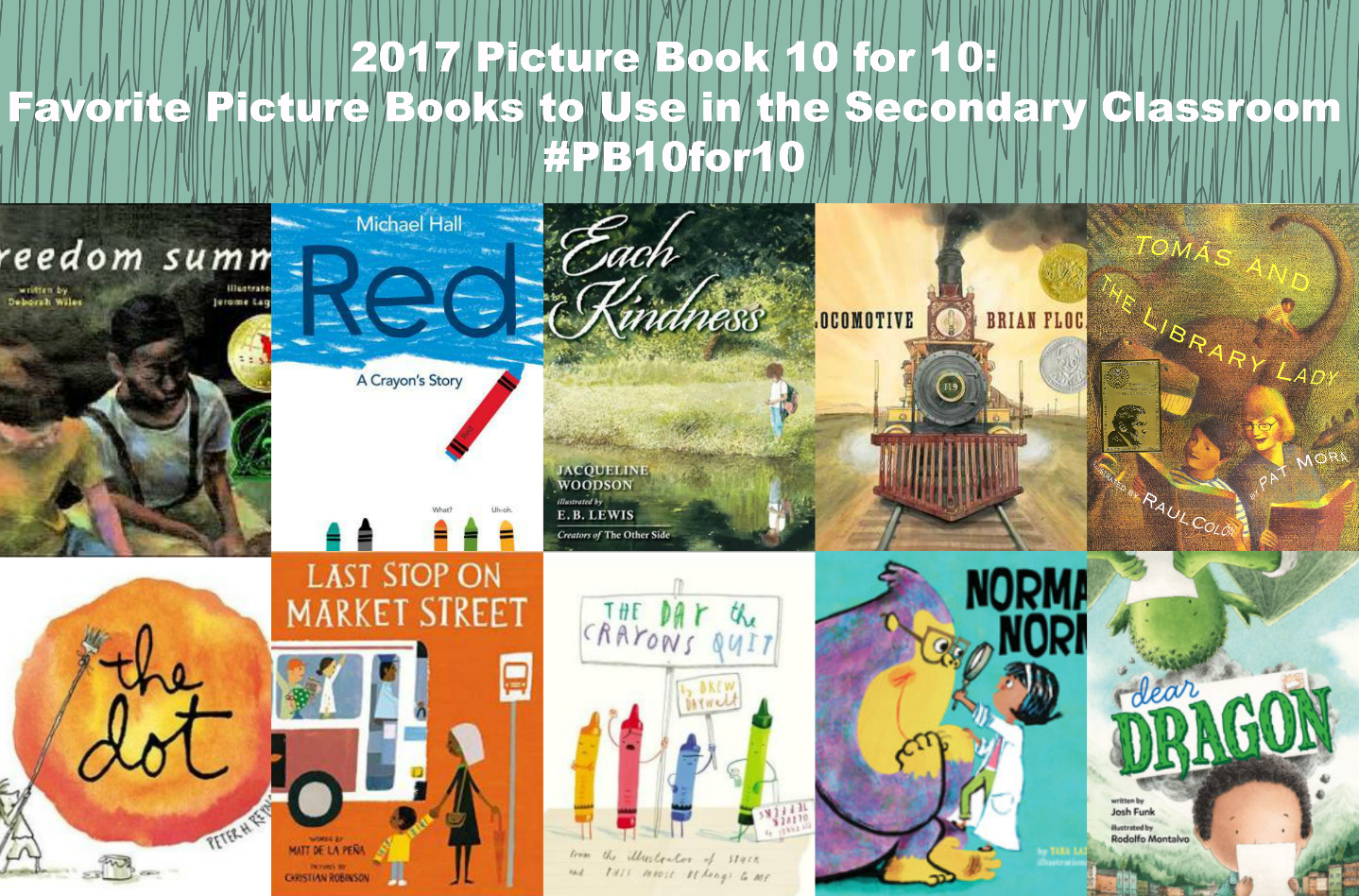
2017 Picture Book 10 for 10: Favorite Picture Books to Use in the Secondary Classroom #PB10for10

Share

Thank you to Cathy Mere and Mandy Robek for hosting the Picture Book 10 for 10 (#PB10for10).

The rules are simple:

What:  10 picture books you can’t live without
Hashtag:  #PB10for10
Who:  Anyone who is interested—educators, authors, media specialists, librarians, parents, and book lovers.
When:  Thursday, August 10, 2017
Where:  All posts will be linked on the Picture Book 10 for 10 Google Community Site.


Our 2017 Topic: Favorite Picture Books to Use in the Secondary Classroom

Freedom Summer by Deborah Wiles (Aladdin, 2005).
(Ricki’s Review  |  Kellee’s Review)

Ricki: This book is beautifully written and the characterization is wonderfully done. I enjoy reading this book to discuss the intricacy of picture books and their application within units. This books reminds older students that picture books aren’t just for young kids.

Kellee: I feel that this picture book portrays a part of the Civil Rights Movement that most kids don’t know about unless they’ve been explicitly talked to about it. Freedom Summer gives me a way to start the conversation.

Red: A Crayon’s Story by Michael Hall (Greenwillow, 2015).

Ricki: We use this book when we talk about identity. I love reading this text aloud and then asking students about the author’s purpose. Many think that he is discussing disability and others argue that he is discussing gender identity. The interpretations remind us how texts give different interpretations, and this is a very good thing.
Kellee: Identity is something that everyone is struggling with in middle school, and I loved reading this book with my students and listening to their conversation about the crayons. When they begin to connect it to human identity, some really fascinating discussions break out.

Each Kindness by Jacqueline Woodson (Nancy Paulsen, 2012).
(Ricki’s Review  |  Kellee’s Review)

Ricki: I love to read this book on the first day or on any day that I am noticing classroom tensions. What I love about this book is that it teaches kindness without being didactic. The story goes beyond the theme of kindness and reminds readers about regret. This is a beautiful book that earns its place in classrooms of all levels.

Kellee: I begin every year with this book, and my students make kindness goals for the year to help ripple kindness throughout the school.

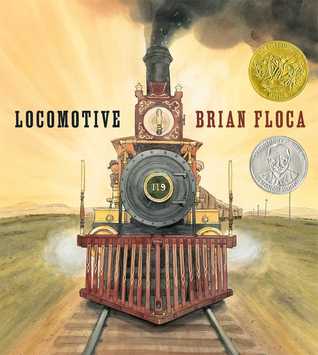
Locomotive by Brian Floca (Atheneum, 2013). 

Ricki: I love to show this book right before a research project/paper. It shows an example of high quality research and reminds readers that a lot of research is required in order to present a high quality product.

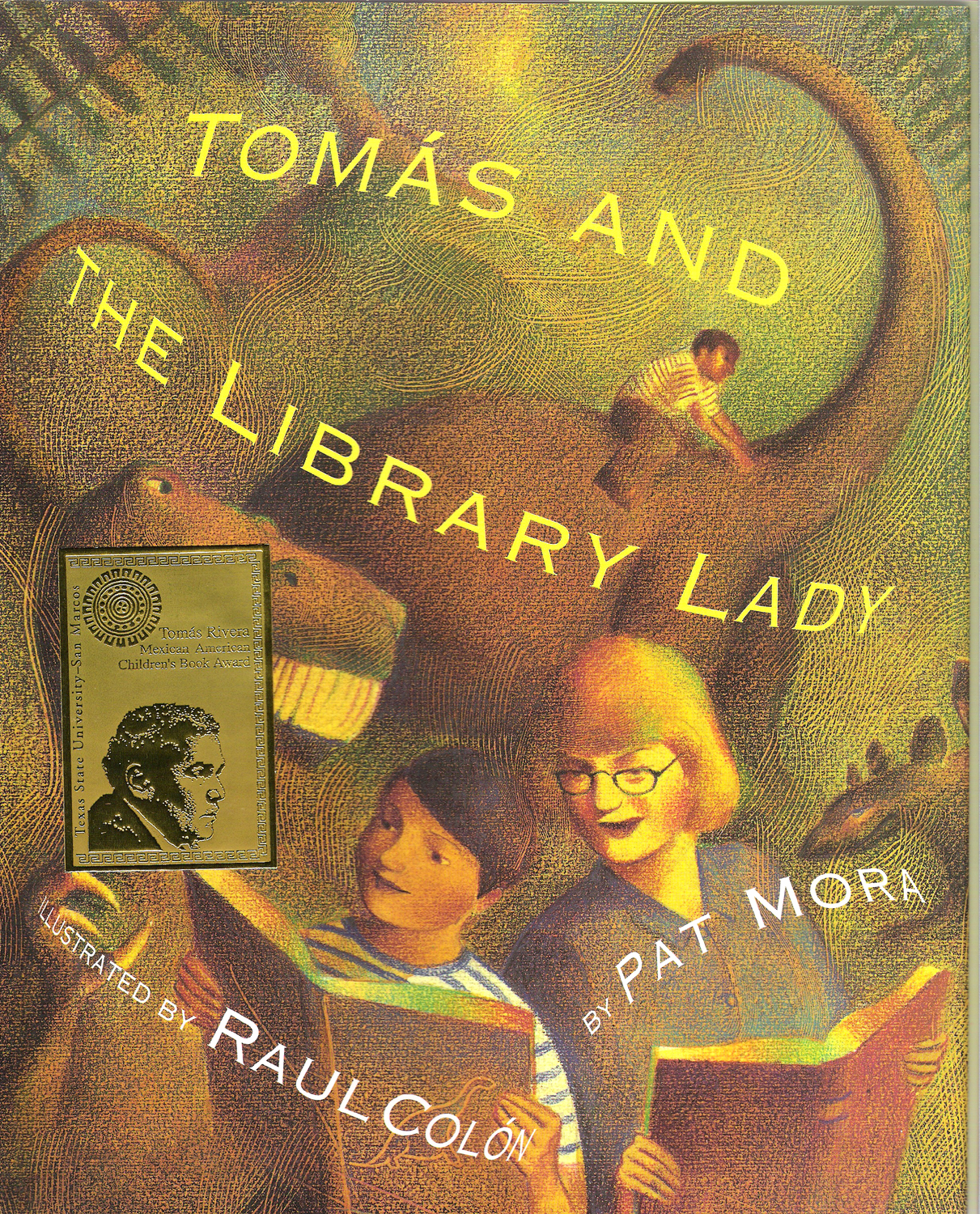
Tomás and the Library Lady by Pat Mora (Knopf, 1997). 

Ricki: This is a great book to start a conversation about being culturally responsive to other people. The library lady is very sensitive to Tomás, and the book makes readers want to be better people. My bilingual education teacher read this to my class, and I think of it often. I always enjoy reading it aloud.

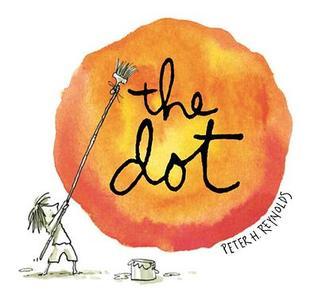
The Dot by Peter H. Reynolds (Candlewick, 2003).

Kellee: I love to participate in Dot Day because it truly shows kids the range of what art is and the importance of creativity. I use The Dot to introduce this discussion then every student makes their own dot that symbolizes them.

Ricki: This is a fantastic book to discuss imagination. I show this book when I am trying to kickstart ideas about projects. Because I make strong attempts to allow a lot of flexibility in projects, this book is great to simply inspire students to examine ideas differently.

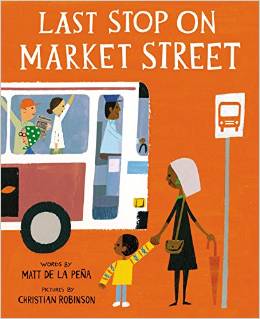
Last Stop on Market Street by Matt de la Peña (Putnam, 2015).
(Kellee & Ricki’s Review)

Kellee: I wrote a whole post just on using this book with my middle school students because students really found the depth and beauty in this amazing picture book.

Ricki: This book reminds us that picture books are anything but simple. I love to use this book to talk about themes and hidden messages in writing. Then, we apply this idea to our own writing. Reading this book reminds us to look at writing more deeply.

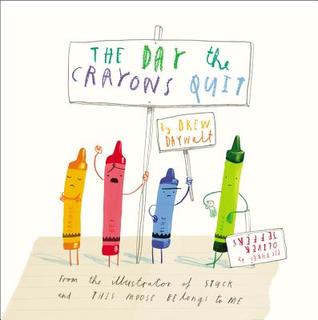
The Day the Crayons Quit by Drew Daywelt (Philomel, 2013).

Kellee: This is another superb crayon text that uses the idea of crayons being expected to act or do one thing really stunting the creativity and identity of the crayons. Also, the book is written in

Ricki: This book is funny, creative, and cleverly written. I’ve had students use this book for readers’ theater, and their performance was hysterical. Each student took the time to memorize their speech, and we talked about all of the qualities of a good speech.

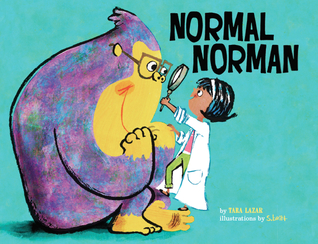
Normal Norman by Tara Lazar (Sterling, 2016).
(Kellee & Ricki’s Review)

Kellee: I love the discussions of normal that this book brings up. You’ll notice, a lot of the picture books I read with my students discuss identity and kindness because picture books are such a perfect way to get conversations about tough subjects started. Norman shows us that what you think is normal may not be what another person thinks is normal, and being abnormal doesn’t mean anything is wrong.
Ricki: This is a great book to talk about what it means to be “normal.” I love to use this book to kick off discussions that queer the concept of normalcy.

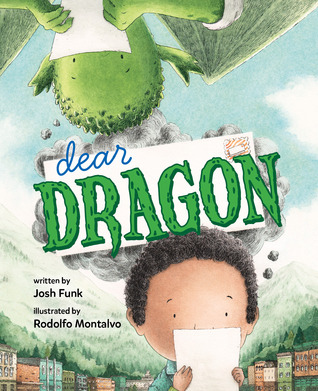
Dear Dragon by Josh Funk (Viking, 2016).
(Kellee & Ricki’s Review)

Kellee: I am going to use Dear Dragon in my classroom for the first time this year! I want to get my student pen pals, and I am going to use Dear Dragon as an introduction to the idea. I’m not sure how I’m going to execute the pen pals yet, but there is also the theme of first impressions and judging based on looks that is perfect for our discussion on themes!

Ricki: Yes, Kellee! I have yet to use this book, but it would be a phenomenal text to start a student pen pal program! You might also use this book to talk about expectations and judgment.

What are your favorite books to use in the secondary classroom? 

Don’t forget to check out all of the other #PB10for10 posts by visiting the Google community site or searching on Twitter!

 and

Top Ten Tuesday: Ten Unbelievable Moments in Books [Spoilers!] from Courtney and Yasmine, 8th grade

Share

top ten tuesday

Top Ten Tuesday is an original feature/weekly meme created at The Broke and the Bookish. The feature was created because The Broke and Bookish are particularly fond of lists (as are we!). Each week a new Top Ten list topic is given and bloggers can participate.

 Today’s Topic: Ten Unbelievable Moments in Books

from Courtney B. and Yasmine P., 8th grade

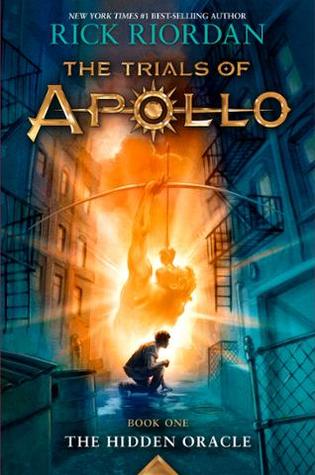
10. Hidden Oracle by Rick Riordan

When Meg betrays Apollo. Throughout the book, Meg is the sarcastic and feisty sidekick to Apollo, but at the climax of the story, she betrays him.

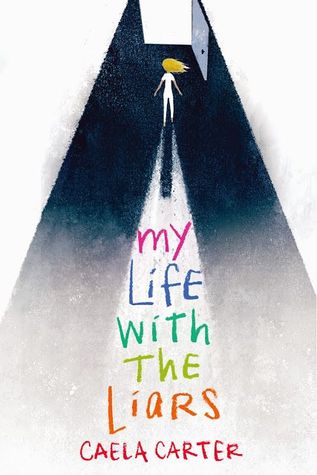
9. My Life with Liars by Caela Carter

At the end when all of reality is brought to Zylnn, and it really makes the reader rethink reality and humanity.

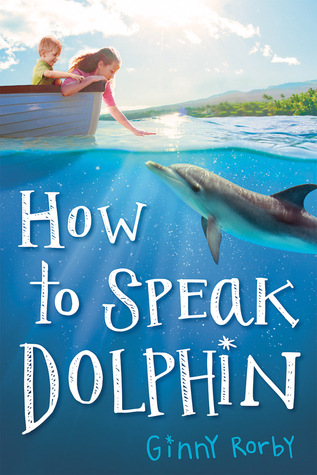
8. How to Speak Dolphin by Ginny Rorby

When Nori is realsed back into the wild. Nori had cancer and was miraculously released.

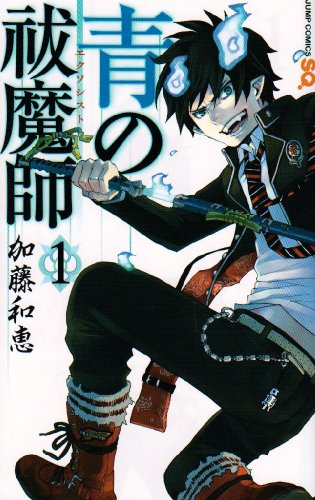
7. Blue Exorcist by Kazue Kato

The most unexpected character is also a pervert and is a double spy for the Illuminati. He also kidnaps his friend.

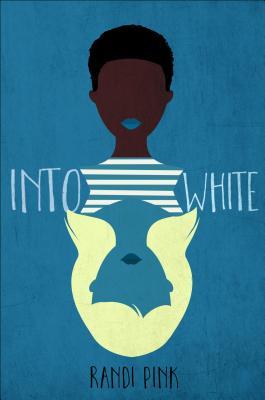
6. Into White by Randi Pink

When Toya turns Caucasian. It was very unexpected as this is something that can’t happen in real life, and the book seems realistic fiction.

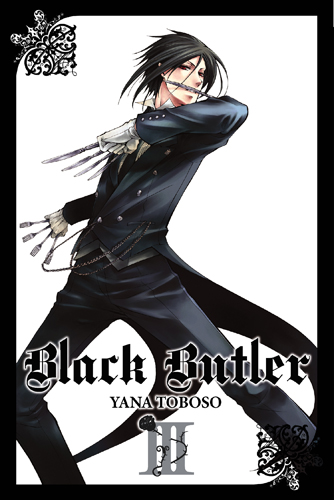
5. Black Butler by Yana Toboso

The backstory of the main character is that he murdered his family and other people, and he has a demon serving him as a butler.

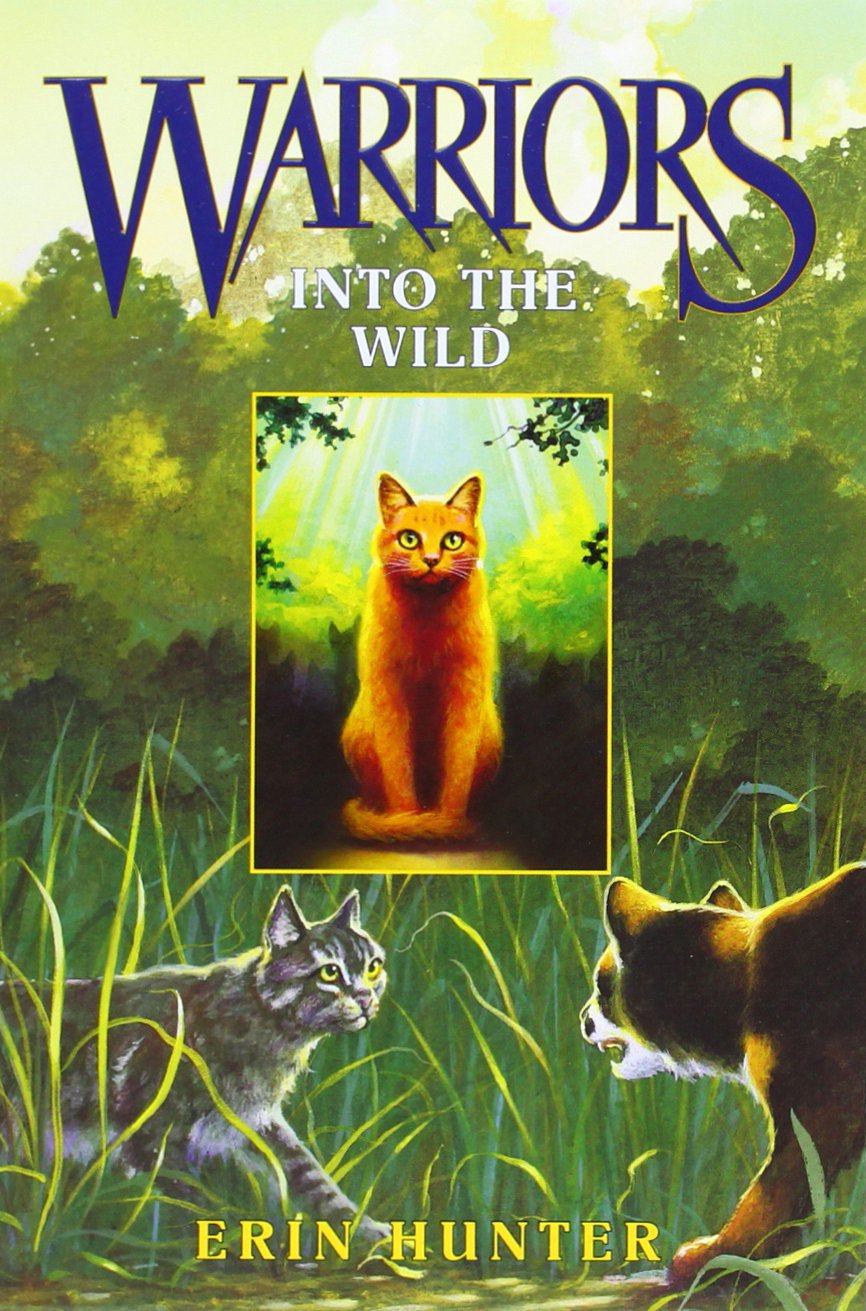
4. Warrior by Erin Hunter

When the unexpectedly dies making Fireheart leader (though she dies later, too!).

3. Haikyuu by Haruichi Furudate

In a match between two high school teams, Karasuno against Nekoma and the tension while reading was unbelievable.

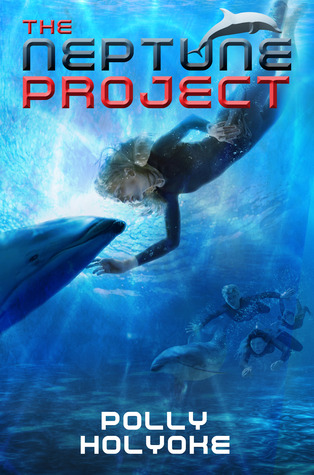
2. The Neptune Project by Polly Holkyoke

When Nere’s mom is shot! Through the frantics of the scene, Nere’s mom is shot and is most likely dead.

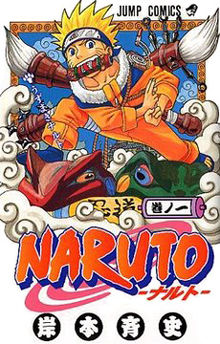
1. Naruto by Masashi Kishimoto

At the end of Naruto when there is a literal battle to the death and even though they are all beaten up and their arms are cut off, making a sort of heart shape with blood, they still become best friends again.

Thank you, Courtney and Yasmine!

Signature

Author Guest Post and Giveaway!: “Creepy Crawley Science” by Kim Kasch, Author of Irma the Inventor and the Vampire Spiders

Share

“Creepy Crawley Science” 

S.T.E.M. (or Science, Technology, Engineering and Math) might not sound interesting to you. But, did you know when you play with Legos you’re using a form of engineering to create something?

And, who isn’t interested in flying cars, robots, and undersea ships? Well, those things are simply science, technology, engineering and math set in motion.

It’s all about finding easy ways to use these complicated disciplines to create new opportunities with common components…and some not so common ingredients, like spider silk.

Believe me, these teeny-tiny creatures create silk that can be used for breathtaking breakthroughs.

Spiders . . . ?

Yes. Spiders. I know you might think these eight-legged creatures sound more creepy than creative but did you know that spider silk is one of the strongest substances around? Well, it is. Scientists even call spider silk a “wonder material”.

I’m talking about that sticky stuff you sometimes walk through in the garden that sends shivers running up your spine.  Walking through a spider web immediately sends you searching for those little, unwelcome visitors which might be hiding in your hair. And, it’s stronger than steel and super flexible.

For decades scientists have been searching for a convenient way to harvest that silk so they would be able to use huge quantities.

It’s true. They have.

But, as you might expect, very few people want to become spider farmers simply to spend their afternoons walking up and down spider-infested rows to collect sticky webs dangling from trees, stuck to shrubs or clinging to bushes.

So what’s the answer to this scientific conundrum?

Well, you might want to read this article to find out more about sustainable spider silk: https://www.businessgreen.com/bg/news/3013893/scientists-develop-sustainable-spider-silk-in-green-materials-breakthrough in BusinessGreen.com

And if you think that’s interesting, you really might enjoy reading Irma the Inventor and the Vampire Spiders.

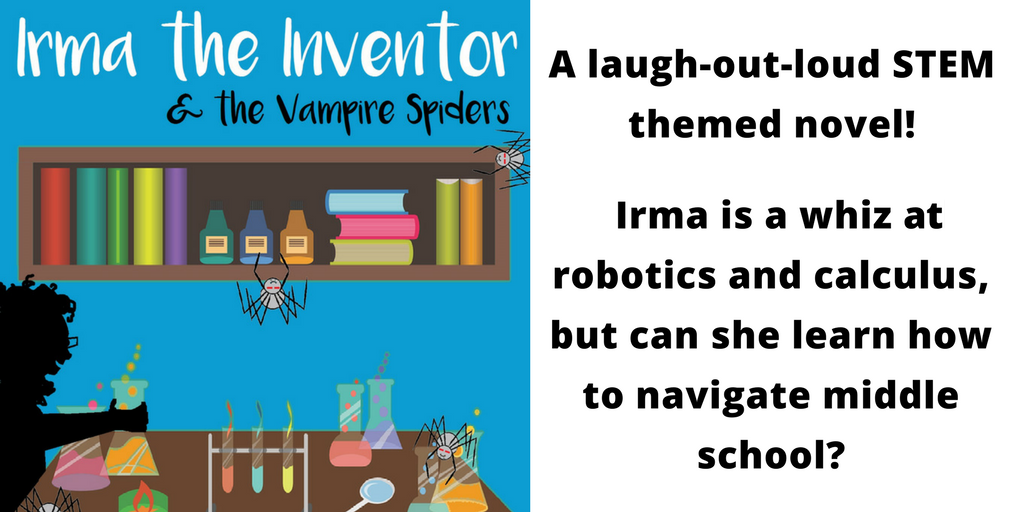
How many kids do you know who can build robotic spiders out of scrap metal, develop a substance that’s stronger than steel, or crash a cyber-wizard’s computer from an undetectable monitor? Well, that’s Irma. Still, all she really wants is to make some friends and blend in for once, but no matter how hard she tries, Irma always seems to stand out.

This laugh-out-loud middle grade novel encourages readers to explore the STEM fields while never losing its sense of fun.

Irma the Inventor & the Vampire Spiders
Author: Kim Kasch
Published August 21st, 2017 by 50/50 Press

About the Book: 

How many kids do you know who can build robotic spiders out of scrap metal, develop a substance that’s stronger than steel, or crash a cyber-wizard’s computer from an undetectable monitor? Well, that’s Irma. Still, all she really wants is to make some friends and blend in for once, but no matter how hard she tries, Irma always seems to stand out.

This laugh-out-loud middle grade novel encourages readers to explore the STEM fields while never losing its sense of fun.

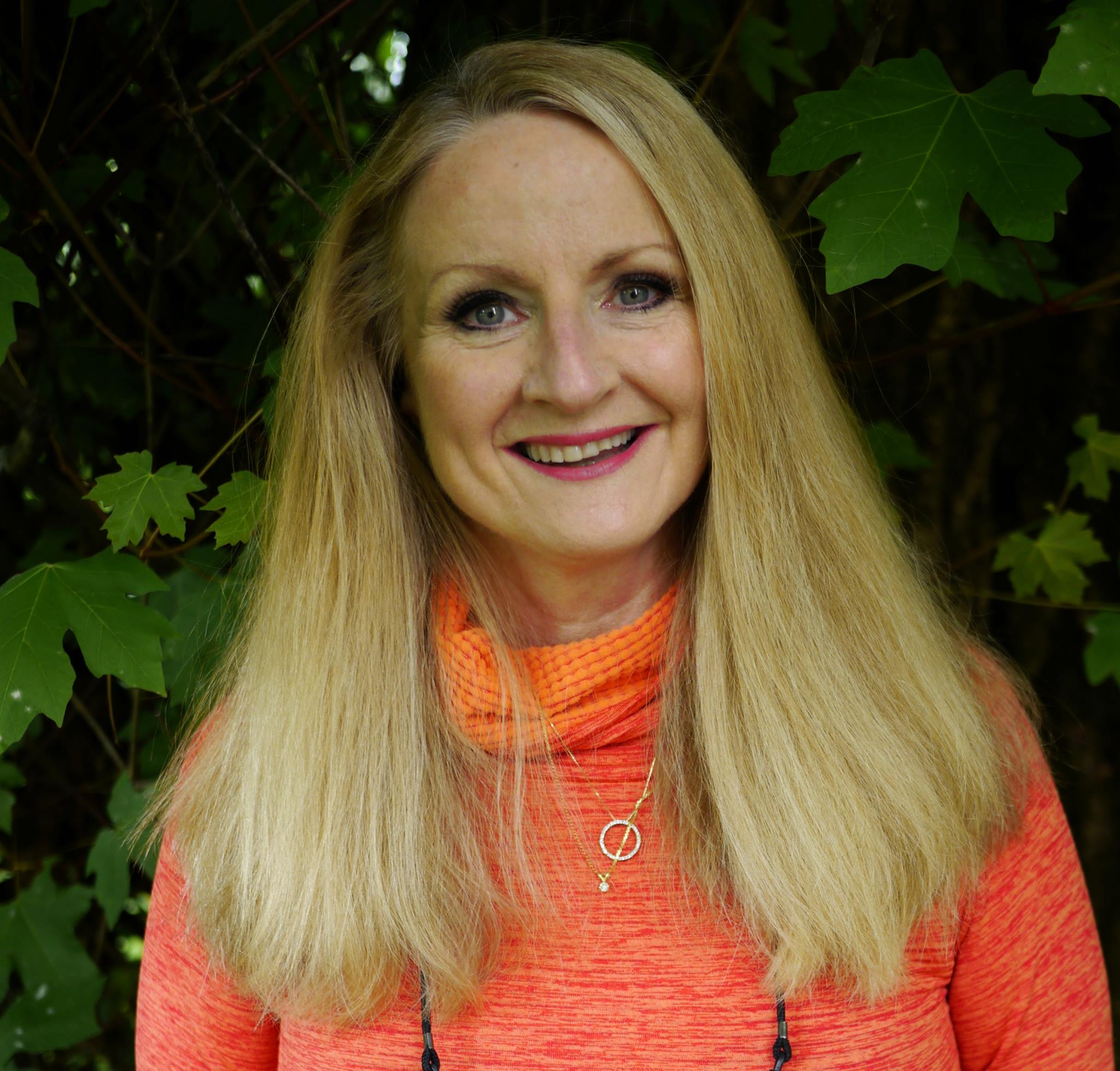
About the Author Kim Kasch: 

I grew up in a family with 9 kids and grandma living in the back bedroom. Not surprising that I have a few stories to tell, especially since we only had 1 t.v.

I spent my days reading and, later, trying to create another world where I could escape all those brothers and sisters-and grandma-by writing. Maybe that’s why I love books so much. Well, that and the fact that I was near the end of that long sibling-chain and never had the clout to pick the t.v. shows we watched. But I’d run home after school to catch the last fifteen minutes of Barnabus Collins in Dark Shadows…

I still love to run or maybe I should say, I love to wog (a cross between walking and jogging).

Here in Portlandia, I love Halloween themed runs – where people don costumes and run. It’s a lot of fun…and I know those two words don’t always go together: fun…and…run. But here, in the damp days of fall, I think it is.

And, with all those Halloween themed runs, I guess Dark Shadows had more of an influence than some people might think. Even today my favorite author is Stephen King. My all-time favorite book is Salem’s Lot, which might have something to do with Irma the Inventor and the Vampire Spiders 🙂 

Sorry to be so long-winded but did I say I love to write, and talk, and knit, and sew, and bake… I could go on but I’ll stop by saying, I hope you’ll stop by my blog, send me a tweet, or check out my Facebook page. I’ll be sharing news about new books over there.

Thanks for listening and, hopefully, reading 🙂

Join me on Twitter or stop by and see what I’m pinning on  Pinterest and, if you read Irma the Inventor and have a question or simply want to share a comment, please feel free to send me an email. I love connecting with readers.

Goodreads
Amazon Author Page
Facebook
Website

GIVEAWAY!!!

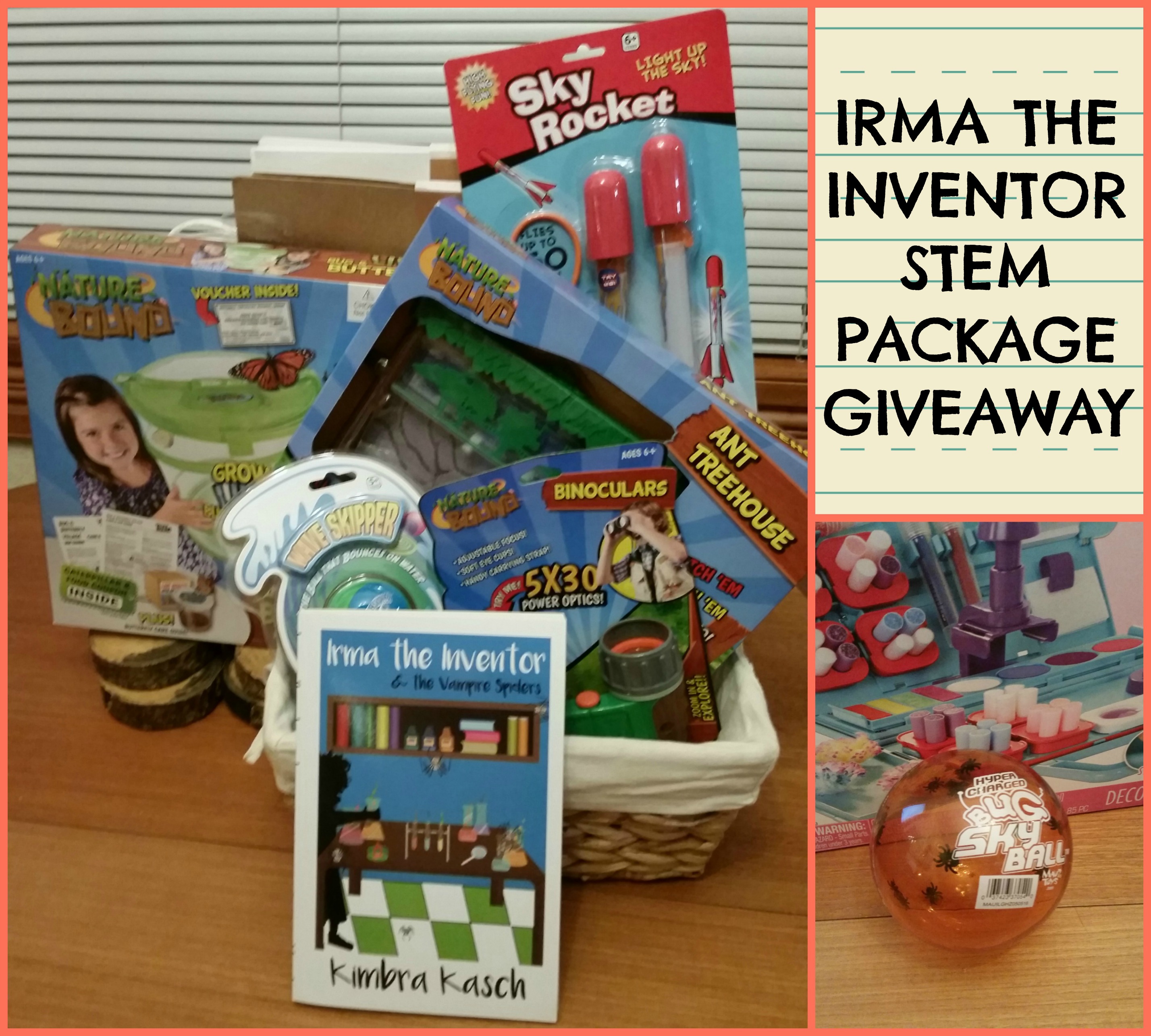
Enter to win a STEM prize package and a copy of Irma the Inventor and the Vampire Spiders!

a Rafflecopter giveaway

Thank you, Kim, for this science-rific guest post and giveaway!

 and

Top Ten Tuesday: Ten Books I Want to Reread from Danny J., 6th grade

Share

top ten tuesday

Top Ten Tuesday is an original feature/weekly meme created at The Broke and the Bookish. The feature was created because The Broke and Bookish are particularly fond of lists (as are we!). Each week a new Top Ten list topic is given and bloggers can participate.

 Today’s Topic: Ten Books I Want to Reread

From Danny J., 6th Grade

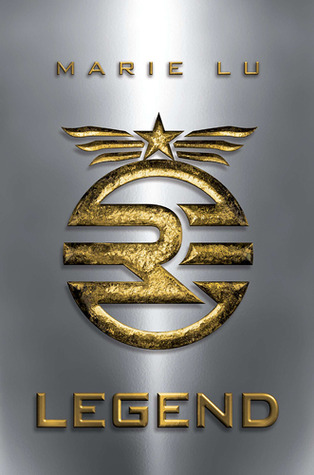
1. Legend by Marie Lu

One of my favorite books because it was suspenseful to see if Day would be able to get out. Also, because it was exciting to figure out who killed her family and what secrets the government was hiding.

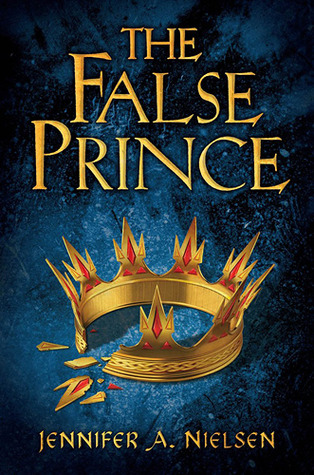
2. The False Prince by Jennifer Nielsen

It was really suspenseful to see who would become the false prince and who would die.

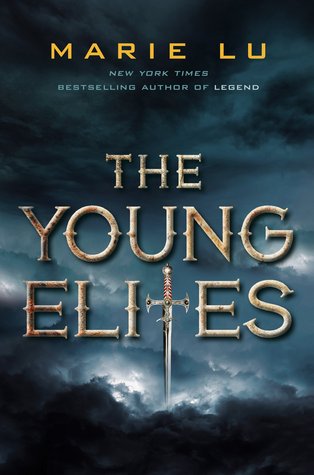
3. The Young Elites by Marie Lu

It was exciting how everyone use their own power and what their plan was and if they would be able to take over.

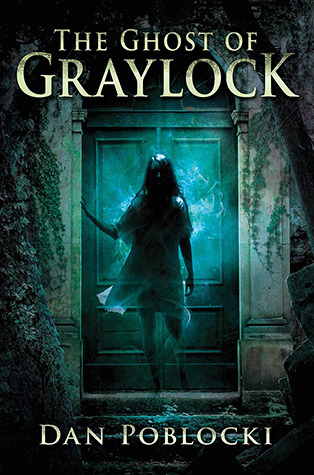
4. The Ghost of Graylock by Dan Poblocki

It was scary how the author slowly brought out the truth of all the hospital’s events.

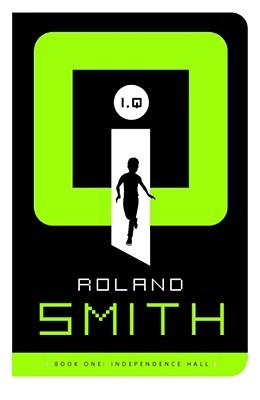
5. I, Q by Roland Smith

The action of them working with the government never stopped because there was always a problem to stop.

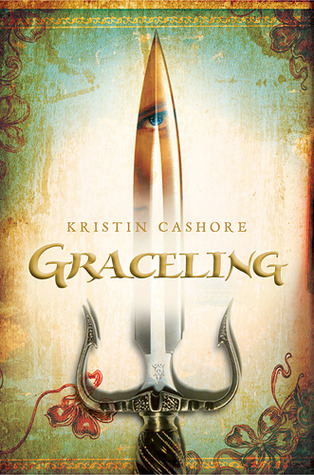
6. Graceling by Kristin Cashore

The fact that she was graced with fighting/survival was cool because she could survive and fight in most situations.

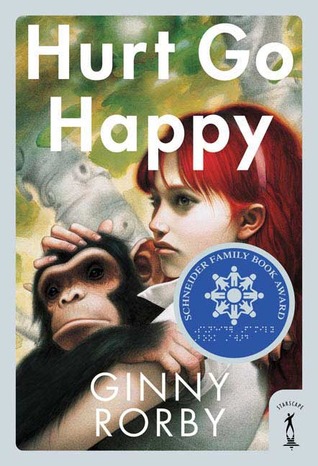
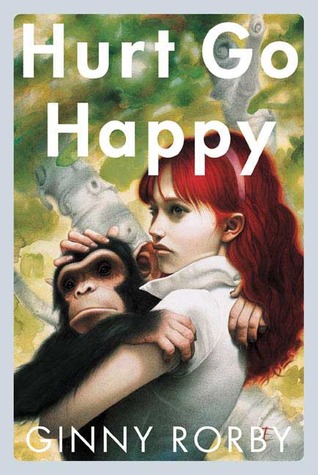
7. Hurt Go Happy by Ginny Rorby

It was exciting to see what would happen to Sukari after Charlie passed away and Joey’s mom wasn’t fond of Sukari.

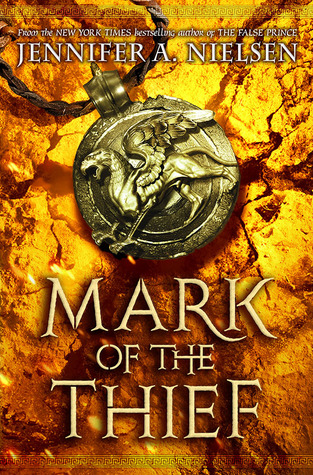
8. Mark of the Thief by Jennifer Nielsen

It was exciting to see what would happen to Nic now that so many people are after him because he has the bulla.

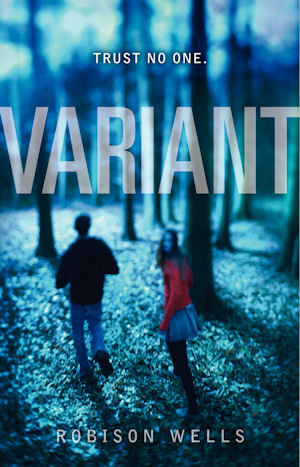
9. Variant by Robison Wells

It is very suspenseful to see if Ben and the other kids would make it out of the “school.”

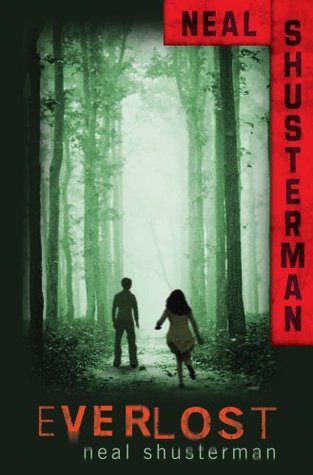
10. Everlost by Neal Shusterman

I liked the story of him finding a way out of Everlost and all the challenges he has to face, like the Mcgill, to get out.

Thank you, Danny!

Signature

Top Ten Tuesday: Twenty Characters We Would Be Friends With from Varun & Yassine, 6th Grade, and Tyler & Pedro, 8th Grade

Share

Eltop ten tuesday

Top Ten Tuesday is an original feature/weekly meme created at The Broke and the Bookish. The feature was created because The Broke and Bookish are particularly fond of lists (as are we!). Each week a new Top Ten list topic is given and bloggers can participate.

 Today’s Topic: Ten Characters We Would Be Friends With

From Varun J. and Yassine M., 6th Grade

Varun

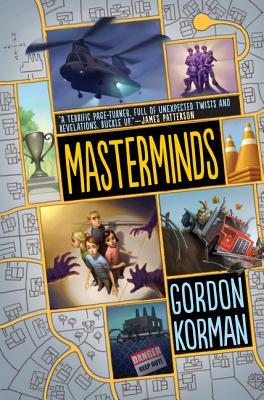
1. Eli from Masterminds by Gordon Korman

Because both of us are computer nerds

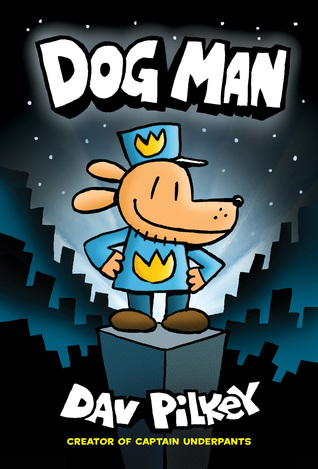
2. Dog Man from Dog Man by Dav Pilkey

Because I love dogs.

3. Captain Underpants from Captain Underpants by Dav Pilkey

He would give me many laughs.

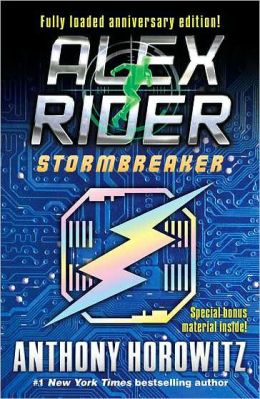
4. Alex Rider from Alex Rider by Anthony Horowitz

I would be interested in his work and volunteer for MI6 but not in the dangerous missions.

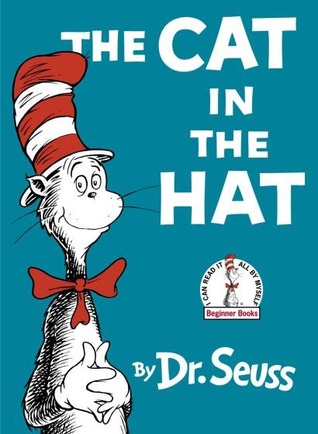
5. Cat in the Hat from The Cat in the Hat by Dr. Seuss

We would have a good time in his flying machine and playing a lot of jokes.

Yassine

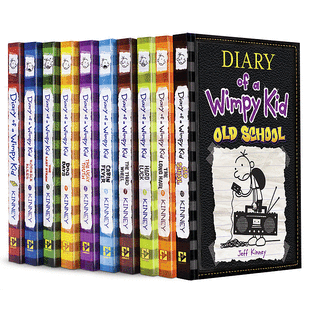
1. Greg from Diary of a Wimpy Kid by Jeff Kinney

Because he is funny.

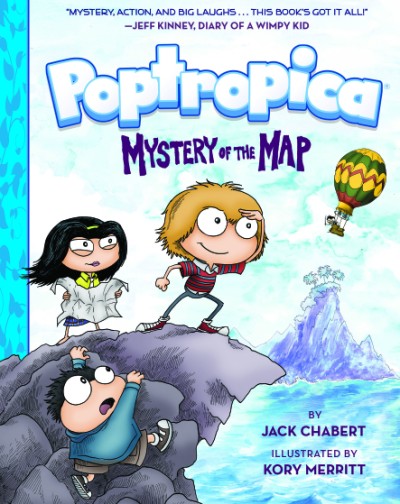
2. Oliver from Poptropica by 

Because he’s adventurous.

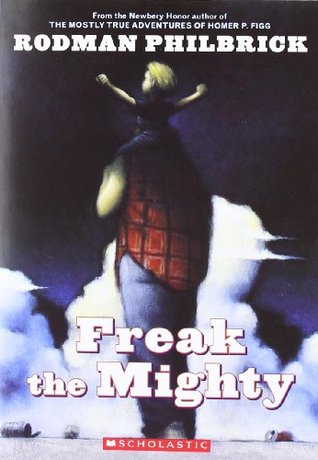
3. Freak from Freak the Mighty by Rodman Philbrick

Because he’s smart.

4. Dog Man from Dog Man by Dav Pilkey

Because he’s a hero.

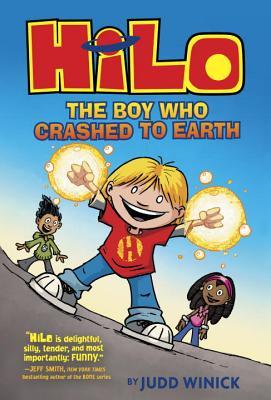
5. HiLo from HiLo by Judd Winick

Because he has superpowers.


 Today’s Topic: Ten Characters We Would Be Friends With

From Tyler S. and Pedro G., 8th Grade

Pedro

1. HiLo from Hilo by Judd Winick

HiLo seems like a cool friend, and I like going on adventures, and HiLo goes to random places a lot.

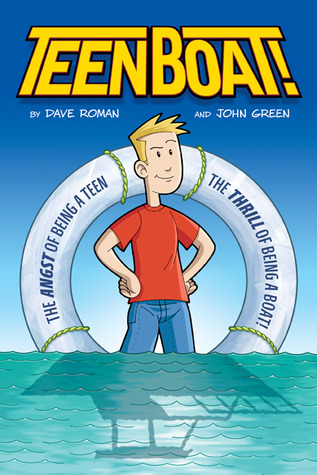
2. Teenboat from Teenboat by Dave Roman

I would like to be Teenboat’s friend because we could go anywhere we wanted to over sea and lust chill. He seems like a cool person.

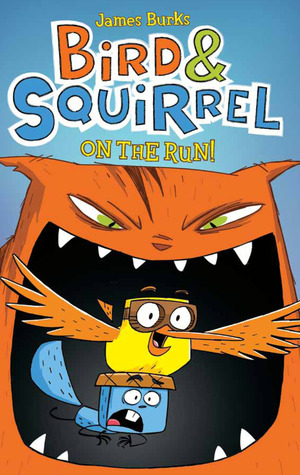
3. Bird from Bird and Squirrel by James Burks

Bird is very funny and interesting, so I would love to be his friend. He also is adventurous yet cautious.

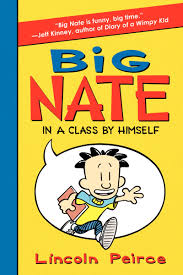
4. Nate from Big Nate by Lincoln Peirce

Nate does a lot of cool stuff, and it must be fun and interesting to be his friend.

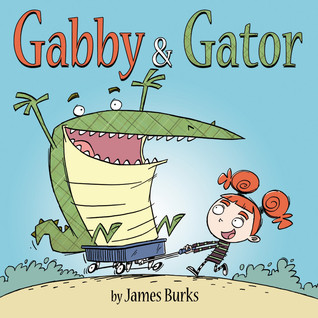
5. Gator from Gabby and Gator by James Burks

Gator seems chill, and I love how he protects Gabby from bullies. He could help our school (or any school) with bullying.

Tyler

1. Captain Underpants from Captain Underpants by Dav Pilkey

Because he has superpowers and could fly me around town.

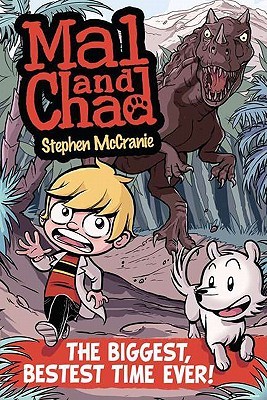
2. Mal from Mal & Chad by 

Mal could invent cool things for me and do my homework. (And I could play fetch with Chad.)

3. Dog Man from Dog Man by Dav Pilkey

Dog Man could protect me and play with me, and we could fight crime together.

4. Greg Heffley from Diary of a Wimpy Kid by Jeff Kinney

Greg and I could play video games together, and we could go to school and beat the bullies.

5. Sukari from Hurt Go Happy by Ginny Rorby 

Sukari and I could climb trees together and do everything together and have fun.


Thank you, Yassine, Varun, Tyler, and Pedro!

Signature

Author Guest Post!: “How Do You Engage Restless Fourth Graders During the Last Weeks of School? With a Good Book, Of Course!” by Miriam Spitzer Franklin, Author of Call Me Sunflower

Share
 “How Do You Engage Restless Fourth Graders During the Last Weeks of School? With a Good Book, Of Course!”

This spring I was asked to fill in for a fourth grade teacher on maternity leave. I was excited to get back in the classroom, though a little nervous about taking over during those last hazy crazy days when students have already checked out and are dreaming of spending their homework-free vacation at the swimming pool or doing some other activity that doesn’t involve sitting still and listening to the teacher.

When I stepped in during April, most of the weeks were full of to-do lists with structured plans already in place. But once the end-of-year testing was completed, I was left with three weeks to fill. I was told I should continue the math lessons according to the manual, and should do some project-based learning to cover the science unit on matter.

But what was the best use of time during the language arts block? The director said I didn’t need to continue with vocabulary or spelling units. We had finished Junior Great Books, and there wasn’t a reading workshop set in place. So how was I going to keep my restless students engaged and involved for the last three weeks of school? The answer was simple: by reading an amazing book.

Luckily, I found a worn-out set of Number the Stars by Lois Lowry, one of my all-time favorites and a novel I had taught to sixth graders for many years. Since the students in my class were reading above grade level and this was a Jewish Day School, I felt the difficulty and content would be appropriate for fourth grade.

I introduced the book in the usual way: studying the cover, giving some author background, finding out what students knew about the Holocaust, doing a quick map study. The real fun began when I told the class we were going to hold Reader’s Theater each day to read and act out the chapters together. I set up some ground rules:

1) You may turn down a part if you don’t want it

2) We will rotate the parts each day

3) If you participate, you must try your best to read loudly and with expression

4) You should act out any motions described by the narrator
5) Anyone who does not take his/her part seriously will be replaced by another student for the day

Each day, I made a list of props that would be helpful for the next day’s reading and asked for volunteers to bring them in. Students began bringing in other props that they thought of as well. I used name cards to randomly draw parts until all students had been chosen. Sometimes I swapped out partway through a chapter, depending on the length.

I made up Rule #1 since some students did not want roles for the opposite gender, and I wanted to allow them the choice of just following along if they did not want to be onstage. (This would also be helpful if you have a classroom of varied reading skills so that everyone has the option of participating.) I began by reading the part of Narrator but about halfway through the book I chose others to read the part.

I included Rule #5 because I wanted the students to understand and respect the seriousness of the story. I had to give a few warnings and remind students of their goals, but I only had to replace a student once for talking in a silly voice during a serious scene. This was a learning experience for everyone as it led to journal responses and a discussion about what it would feel like if you were woken in the middle of the night by Nazi soldiers looking for your best friend.

We covered two chapters each day, one with Reader’s Theater and one read silently. Students kept journals where they wrote predictions along with other responses each day. Sometimes they responded to specific prompts; sometimes they wrote from the point of view of a character; sometimes they picked out the best descriptions and drew pictures to match. We started each day with a swapping of journals and a brief discussion in small groups. We finished the book in a little over two weeks, leaving the last week for final activities that included group murals, A to Z picture books, character interviews, and quiz bowls.
During the last few weeks of school, there were unexpected interruptions: extra practices for the end-of-year musical performance, an invitation to watch another class’s PBL presentations, a guest speaker. We may not have gotten to journal entries each day, but through it all, we never skipped the day’s reading. Students came in talking about the book in the morning, wanting to play with the props and act out parts.

No one can deny that it’s hard to hold a student’s attention during those hot last days of school when fourth graders are already looking at themselves as fifth graders and students are ready to escape the four walls of the classroom and run barefoot through the grass, the sun beating down on their shoulders.

But as I discovered when I taught fourth grade this year: if there was one time where I captured the attention of all of my students, it was during reading time. So if you want to beat the I’m-ready-for-summer-vacation blues, find a good book and read it from start to finish during the last weeks of school. Lois Lowry wove a spell over my students and made them forget that school was almost out. For an hour each day, we were transported to a different time and place where the challenges the characters faced became challenges of our own. This is the power of the well-chosen word; this is the magic of books.

About the Book:

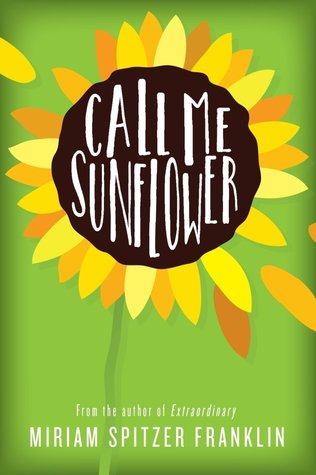
Sunny Beringer hates her first name—her real first name—Sunflower. And she hates that her mom has suddenly left behind her dad, Scott, and uprooted their family miles away from New Jersey to North Carolina just so she can pursue some fancy degree. Sunny has to live with a grandmother she barely knows, and she’s had to leave her beloved cat and all her friends behind. And no one else seems to think anything is wrong.

So she creates “Sunny Beringer’s Super-Stupendous Plan to Get My Parents Back Together”—a list of sure-fire ways to make her mom and Scott fall madly in love again, including:

Send Mom flowers from a “Secret Admirer” to make Scott jealous and make him regret letting them move so far away.
Make a playlist of Scott’s favorite love songs—the mushier the better—and make sure it’s always playing in the car.
Ask them about the good old days when they first fell in love.

But while working on a photo album guaranteed to make Mom change her mind and rush them right back home, Sunny discovers a photo—one that changes everything.

Sunny’s family, the people she thought she could trust most in the world, have been keeping an enormous secret from her. And she’ll have to reconcile her family’s past and present, or she’ll lose everything about their future.

Review from Atlanta Journal Constitution: “Much as she did in her 2015 debut “Extraordinary,” North Carolina author Franklin delivers a moving and realistic story (with subplots, such as one that involves protesting the luxury fur business). “Sunflower” shines with emotion, convincing dialogue and relatable characters.”

About the Author:

Miriam Spitzer Franklin has taught elementary and middle school students for over 20 years in public, private, and homeschool settings. She is passionate about reading, writing, figure skating, and animal rights and environmental causes. She has coached her daughter’s Odyssey of the Mind team for the past five years and loves to see creativity in action! Her debut novel, EXTRAORDINARY, was published by Skypony Press in May 2015 and her second middle grade novel, CALL ME SUNFLOWER, was published by Skypony in May 2017.

Thank you to Miriam for this wonderful post!

and