The First Step: How One Girl Put Segregation on Trial by Susan E. Goodman

Share

NFPB2016

Nonfiction Wednesday

Nonfiction Picture Book Wednesday is hosted by Kid Lit Frenzy and was started to help promote the reading of nonfiction texts. Most Wednesdays, we will be participating and will review a nonfiction text (though it may not always be a picture book).
Be sure to visit Kid Lit Frenzy and see what other nonfiction books are shared this week!

first step

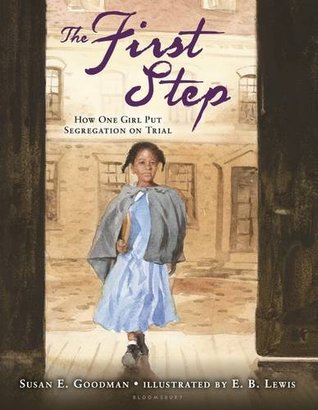
The First Step: How One Girl Put Segregation on Trial
Author: Susan E. Goodman
Illustrator: E.B. Lewis
Published January 5th, 2016 by Bloomsbury Children’s Books

Goodreads Summary: In 1847, a young African American girl named Sarah Roberts was attending a school in Boston. Then one day she was told she could never come back. She didn’t belong. The Otis School was for white children only.

Sarah deserved an equal education, and the Roberts family fought for change. They made history. Roberts v. City of Boston was the first case challenging our legal system to outlaw segregated schools. It was the first time an African American lawyer argued in a supreme court.

These first steps set in motion changes that ultimately led to equality under the law in the United States. Sarah’s cause was won when people–black and white–stood together and said, No more. Now, right now, it is time for change!

With gorgeous art from award-winning illustrator E. B. Lewis,The First Step is an inspiring look at the first lawsuit to demand desegregation–long before the American Civil Rights movement, even before the Civil War.

Backmatter includes: integration timeline, bios on key people in the book, list of resources, and author’s note.

My Review: I really appreciate the abundance of quality nonfiction books about the early civil rights in our country because I fear that so much of the prejudice still remains, so it is important to learn about history so hopefully it will not repeat itself. The First Step is a story that shows how even if you do not win your fight, that doesn’t mean that the effort you put forth was for naught. Sarah Roberts and her family were so brave in standing up for her education and rights, and their fight helped pave the way for the bumpy road of integration in schools. Goodman does a wonderful job starting with Sarah’s story but tying it to the Brown v. Board of Education trial while not taking away any credit from the Roberts’ part of history.  

Teachers’ Tools for Navigation: My first thought is to do a jigsaw type activity with The First Step and other civil rights nonfiction picture books (such as the ones listed below in recommended reading). Students can learn about different parts of the history of civil rights by reading the picture books and maybe even researching extra. They would then either present as a group to the class or you can jigsaw the kids back together (pull one person from picture book and put them together as a group), and they can each teach each other about what they learned. This is one of my favorite activities to do with picture books because it allows students to learn in depth about one subject then teach the rest of their class thus everyone learns about all subjects.

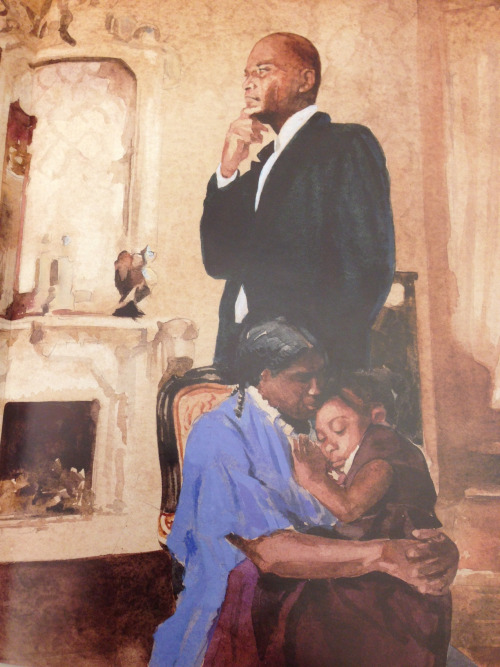
Discussion Questions: How did Sarah Roberts’s family’s fight lead to the integration of schools even though she did not win her case?; How did the author structure the book to go through the history of segregation?; How do the illustrations by Lewis help bring Goodman’s story to life?

We Flagged: 

first step spread

“Adeline and Benjamin Roberts tried to imagine Sarah’s walk to the Smith School, which was for African American children. She would have to zigzag through many streets, crossing one neighborhood after another.

Sarah would have to go all that way for a school that never taught subjects like history or drawing. All that way for Boston’s only school without a play yard. A school that owned only one book.”

Read This If You Loved: Separate is Never Equal by Duncan TonatiuhFreedom Summer (Kellee’s Review, Ricki’s Review) by Deborah Wiles, Seeds of Freedom by Hester Bass

Recommended For: 

classroomlibrarybuttonsmall readaloudbuttonsmall litcirclesbuttonsmall

Signature

Blog Tour, Giveaway, and Review!: Twenty Yawns by Jane Smiley and Lauren Castillo

Share

Twenty Yawns

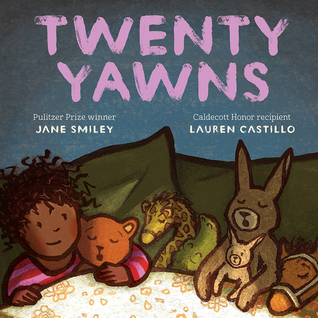
Twenty Yawns
Author: Jane Smiley; Illustrator: Lauren Castillo
Published April 1, 2016 by Two Lions

Goodreads Summary: Featuring lyrical text and beautiful illustrations, this bedtime tale from Pulitzer Prize winner Jane Smiley and Caldecott Honor recipient Lauren Castillo evokes the splashy fun of the beach and the quietude of a moonlit night, with twenty yawns sprinkled in for children to discover and count.

As her mom reads a bedtime story, Lucy drifts off. But later, she awakens in a dark, still room, and everything looks mysterious. How will she ever get back to sleep?

Ricki’s Review: My son asks me to read this book every single night. (I’m not kidding. Imagine his sweet voice asking, “Twenty Yawns, please, Mama?”) My favorite part about this book is that there are many interactive sections that we can read together. He can’t read yet, but he is slowly learning sight words and loves reading the “Flap! Flap! Flap! Flap!” of the umbrella and each of the twenty “yawns.” He also tells me what Lucy is doing on each page. There are a lot of bedtime books out there, but this book truly makes me sleepy. I’m getting sleepy as I think about it right now! My son and I both yawn as we see each character yawn. Parents, READ: This book will make your child(ren) tired! I’d be remiss if I didn’t mention that the illustrations are breathtaking. The drawings of Lucy’s stuffed animals capture my attention every time I read this book. I feel lucky to have this book in my bedtime arsenal. My son is falling asleep more quickly. Could it be the twenty yawns?

Kellee’s Review: I love Ricki’s story of how Henry has imprinted on this book! Trent and I read it, and he said “Night, night!” on each of the pages where someone was going to sleep. And like Ricki said, in addition to having beautiful illustrations and a sweet story, this book will definitely make your child sleepy! I cannot help but yawn when I am reading it.

One other thing Trent loves is a promotional piece we received with the book (and you could win below!): a door hanger. One side says, “Shhh…we’re yawning.” And the other side says, “Come in. We’re ready to play.” It is hanging on his door, and we have to flip it back and forth depending on if he is getting up or going to bed. And on the “Shhh” side, he says goodnight to the little girl.

Teachers’ Tools for Navigation: Teachers might use this book to teach figurative language. Kids will enjoy the bold print of onomatopoeias. The illustrations feature aspects of the story that aren’t always present in the text. I love with authors and illustrators don’t match the illustrations and text perfectly because it provides such great opportunities for students to compare and contrast the story and pictures. They might talk about why the text doesn’t include all of the information from the illustrations and how this enhances the narrative. Also, kindergarten teachers and daycare providers can use this book right before nap time! I would have loved to have listened to this book as a child. Check out the Activity Kit!

Discussion Questions: Why doesn’t the author number the twenty yawns? How does this make the story more interesting to read?; What does Lucy do when she is frightened? How might you learn to soothe yourself when you are scared?; What activities do Lucy and her parents do together? What activities do you enjoy doing with family?

We Flagged: “Lucy started to carry Molasses back to her bed. But the other toys were looking at her, even Leonard, the baby Kangaroo. They seemed lonely.”

Read This If You Loved: Goodnight Moon by Margaret Wise BrownGoodnight Songs by Margaret Wise Brown

Recommended For: 

readaloudbuttonsmall classroomlibrarybuttonsmall

  Follow All of the Stops on the Tour, and Don’t Forget to Enter the Giveaway!:

About the Authors:
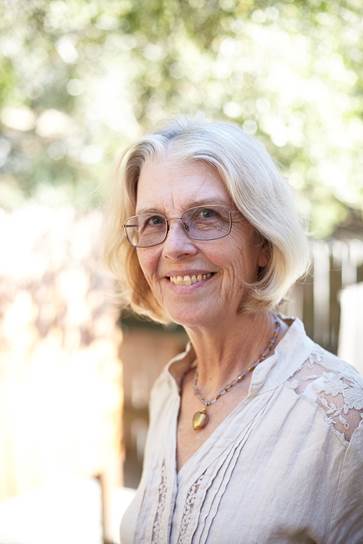
Jane Smiley photo
Jane Smiley is the author of numerous novels, including A Thousand Acres, which was awarded the Pulitzer Prize, as well as five works of nonfiction and a series of books for young adults. In 2001 she was inducted into the American Academy of Arts and Letters, and in 2006 she received the PEN USA Lifetime Achievement Award for Literature. This is her first picture book. She lives in Northern California.
laurencastillo_headshot (2)
Lauren Castillo is the illustrator of many books, including The Reader by Amy Hest. She has also written and illustrated several books, including Caldecott Honor book Nana in the City and The Troublemaker. She lives in Harrisburg, Pennsylvania. To learn more, visit www.laurencastillo.com.
Twitter: @studiocastillo.

RickiSigand Kellee Signature

**Thank you to Barbara Fisch for sending us this book and for allowing us to host the giveaway!**

Blog Tour, Giveaway, and Review!: The Typewriter by Bill Thomson

Share

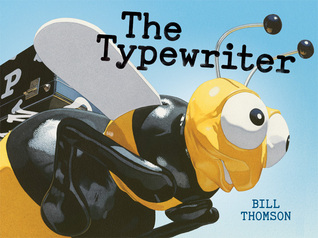
Thomson_TheTypewriter_6603_JK_FL_ v3.indd

The Typewriter
Author & Illustrator: Bill Thomson
Published March 8th, 2016 by Two Lions

Goodreads Summary: Using just nine words, the award-winning creator of Chalk takes readers on another unforgettable journey. When three children discover a typewriter on a carousel, they are transported on an adventure of their own creation—complete with a giant beach ball and a threatening crab. Stunning, richly colored artwork is paired with limited text so children can tell their own version of the story.

About the Author: Bill Thomson is the creator of Chalk and Fossil and the illustrator of Baseball Hour, Karate Hour, Soccer Hour, and Building with Dad, all written by Carol Nevius. Thomson’s books have received many accolades: the National Parenting Publications Gold Award, designation as a Notable Children’s Book by the American Library Association, a Teacher’s Choice selection from the International Reading Association, a Booklist Editor’s Choice, the Connecticut Book Award for Children’s Illustrator, Kentucky’s Bluegrass Award, Ohio’s Buckeye Children’s Book Award, and the Prix Livrentête in Paris, France. Thomson’s artwork has also received more than 75 awards in the country’s most prestigious juried illustration competitions.

Bill Thomson RGB photo (2)

Thomson lives with his family in Southington, Connecticut and is also a professor of illustration at the University of Hartford. To see more of his artwork, visit: www.billthomson.com.

Kellee’s Review: I often hear that it is best to show not tell in writing, and this is taken to another level with this wordless picture book. I’m always blown away by excellent wordless picture books because there are illustrators that can take you on such an amazing journey without telling you anything. Although Bill Thomson does use nine words in The Typewriter, it is his illustrations that transport you into the story. He is an incredibly talented illustrator. Just like with Chalk, I am in awe of how realistic his illustrations are!

Ricki’s Review: This book is very innovative in the way it shares story. Readers will zoom into and out of the scenes on each page and will be pulled right into the book. My son has read this book several times, and I love how he carefully and slowly examines all of the illustrations on the pages. When he gets a bit older, I plan to ask him to tell his own story that connects the illustrations. We can change the story just a bit each night. Thomson creates the story to be interpretive for readers, and I can’t wait to hear what my son comes up with! This would be a great story for the classroom. The magic of this book will not be lost on readers.

Teachers’ Tools for Navigation: The Typewriter is a wonderful jumping off point for a creative writing unit. There are two different directions that it can be taken. First, as with all wordless picture books, you can have students narrate The Typewriter. I also would love to see what students would do if they had the magic typewriter. The Typewriter could be used as a prompt for students to write their own story as a sequel when they find the magic typewriter on the carousel.

Other classroom activities can be found in the free curriculum guide.

Discussion Questions: Without using words, how does the author show how the characters feel during the story?; What do you think the backstory of the typewriter is? How did it get there? Where did it come from?; What is the turning point in the story?; What caused the kids to put the typewriter back?

We Flagged: 

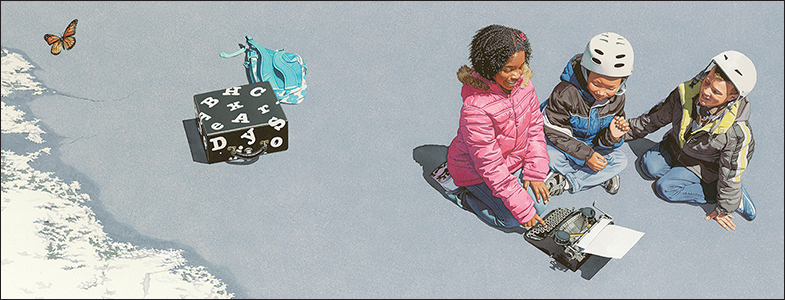
Thomson-TheTypewriter-8-9 (2)
Illustration from THE TYPEWRITER copyright © 2016 by Bill Thomson Published by Two Lions

Read This If You Loved: Chalk by Bill Thomson, Journey by Aaron Becker, Float by Daniel Miyares, Mr. Wuffles by David Wiesner

Recommended For: 

classroomlibrarybuttonsmall readaloudbuttonsmall

Follow All the Stops on the Tour: 

Fri, Mar 4
Teach Mentor Texts
Mon, Mar 7
The Book Monsters
Tues, Mar 8
Kid Lit Frenzy
Wed, Mar 9
5 Minutes for Books
Thur, Mar 10
Cracking the Cover
Fri, Mar 11
Unleashing Readers
Mon, Mar 14
Sharpread
Tues, Mar 15
Jean Little Library
Wed, Mar 16
NC Teacher Stuff
Thur, Mar 17
A Rup Life
Fri, Mar 18
A Foodie Bibliophile in Wanderlust
Tues, Mar 22
Library Fanatic

And Don’t Forget to Enter the Giveaway!

a Rafflecopter giveaway

Kellee Signature andRickiSig

**Thank you to Barbara for sending us this book and for allowing us to host the giveaway!**

Blog Tour, Giveaway, and Review!: Good Morning Yoga by Mariam Gates

Share

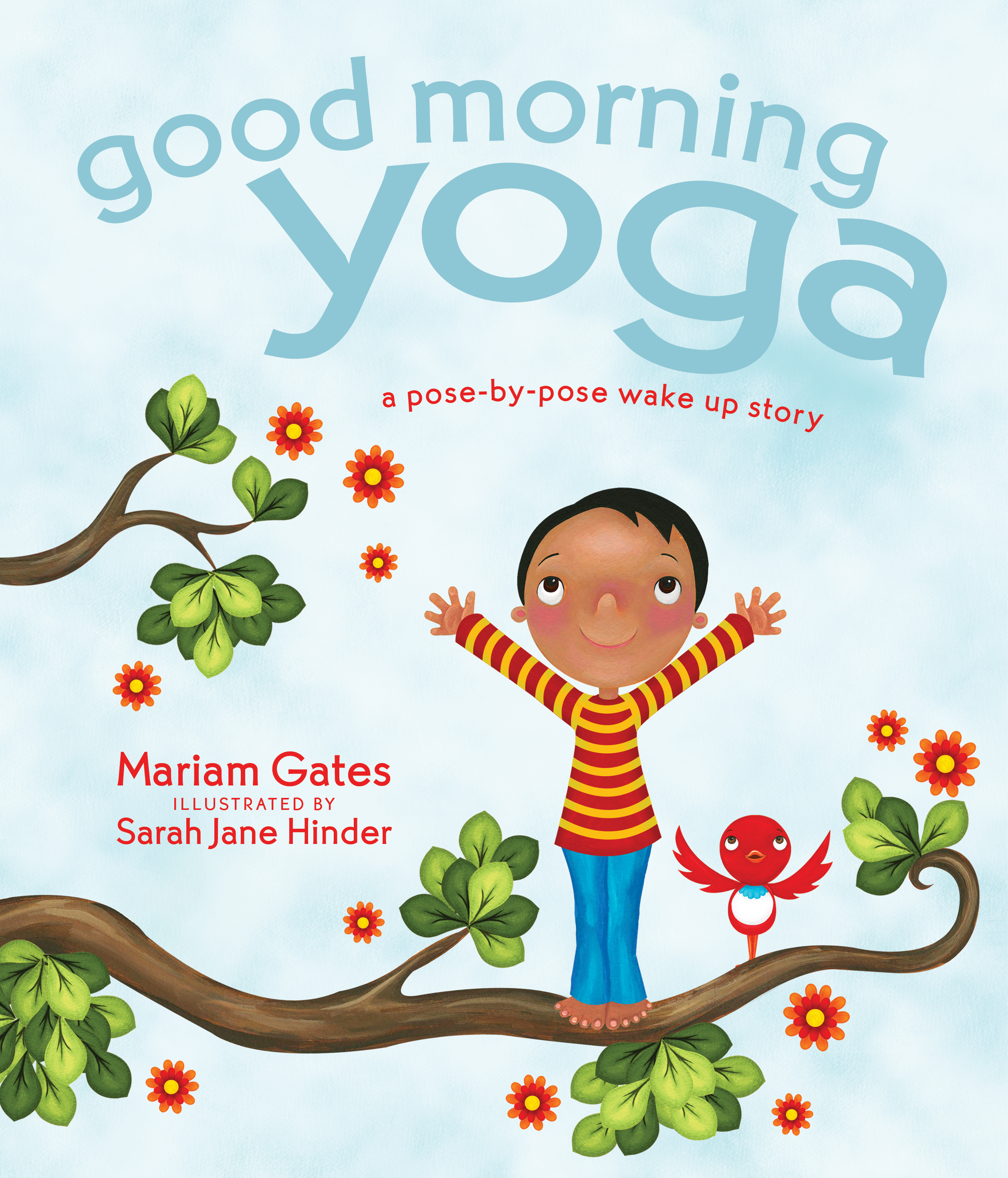
Good Morning Yoga-UPDATED cover hi-res

Good Morning Yoga: A Pose-By-Pose Wake Up Story
Author: Mariam Gates; Illustrator: Sarah Jane Hinder
Published March 1, 2016 by Sounds True

Goodreads Summary: Yoga helps children learn how to focus, relax, and both self-monitor and self-soothe Good Morning Yoga instills these four skills and more, enabling children to jumpstart the day with energy and excitement and meet the adventures that come with mindfulness and perspective.

Good Night Yoga tells the story of the world retiring for the evening and a new generation of readers has fallen in love with the relaxing sequences and beautiful pictures that lead them to dreamland. Good Morning Yoga weaves gentle exercises with a heartwarming narrative and wonderful illustrations to empower children to manage the energies that visit throughout the day from the fiery volcano to the mountain quiet and still. Good Morning Yoga concludes with a visualization for kids to set intentions for the day.

About the Author: Mariam Gates holds a master’s in education from Harvard University and has more than twenty years’ experience working with children. Her renowned Kid Power Yoga program combines her love of yoga with teaching to help children access their inner gifts. She is the author of Good Night Yoga (Sounds True, April 2015), and lives in Santa Cruz, CA, with her husband, yoga teacher Rolf Gates, and their two children. For more information, visit mariamgates.com.

Twitter:  @gatesmariam
Instagram: mariam.gates

Mariam Gates

Review: My father is a pediatrician, and he is constantly recommending meditation and yoga to his patients. He wasn’t a meditation kind of guy when he started practicing medicine, but he came to realize that many of the children who came to him were asking for natural ways to deal with stress and anxiety. I can’t wait to share this book (and Good Night Yoga) with him! There is a definite need for these two texts. Children are rarely taught stress-relieving practices in school, and I wish I’d been taught yoga as a child. 

My two-year-old son and I have had so much fun with this book since it arrived. He constantly asks for the “Woga book.” We practice yoga at least once a day with this book, and it we really enjoy this time together. The narrative that weaves through the book will engage readers and allow them to connect with the yoga moves. The illustrations match the calm beauty of this text, and I think kids will love it. I can’t help but think about how Gates’ books would really help kids grow and develop emotionally and physically.

Teachers’ Tools for Navigation: As a high school teacher, there were many times that I found my students’ energy was flagging. Also, during exams, they were very stressed. We stopped for stretch or meditation breaks. They appreciated these moments and reminded me of them when they’d visit me many years later. This book would be excellent to use in classrooms of all ages. The teacher might read the entire text the first time and then use excerpts in future yoga breaks, depending on time allowance. Research shows that kids who have more recess time perform better. I’d love to do some research on the effect of yoga breaks during schools! This book should be printed in oversized book format!

Encourage yoga time in your home, bookstore, or library with this downloadable kit!

Discussion Questions: How did reading this book make you feel? How might yoga fit into your life?; What are the benefits of yoga?; How does the author’s language connect you with the narrative and yoga moves? How does the illustrator creatively depict the text?; How do the different yoga moves work together?

Book Trailer:


Book Reading:

Another Great Video!:

Read This If You Loved: 

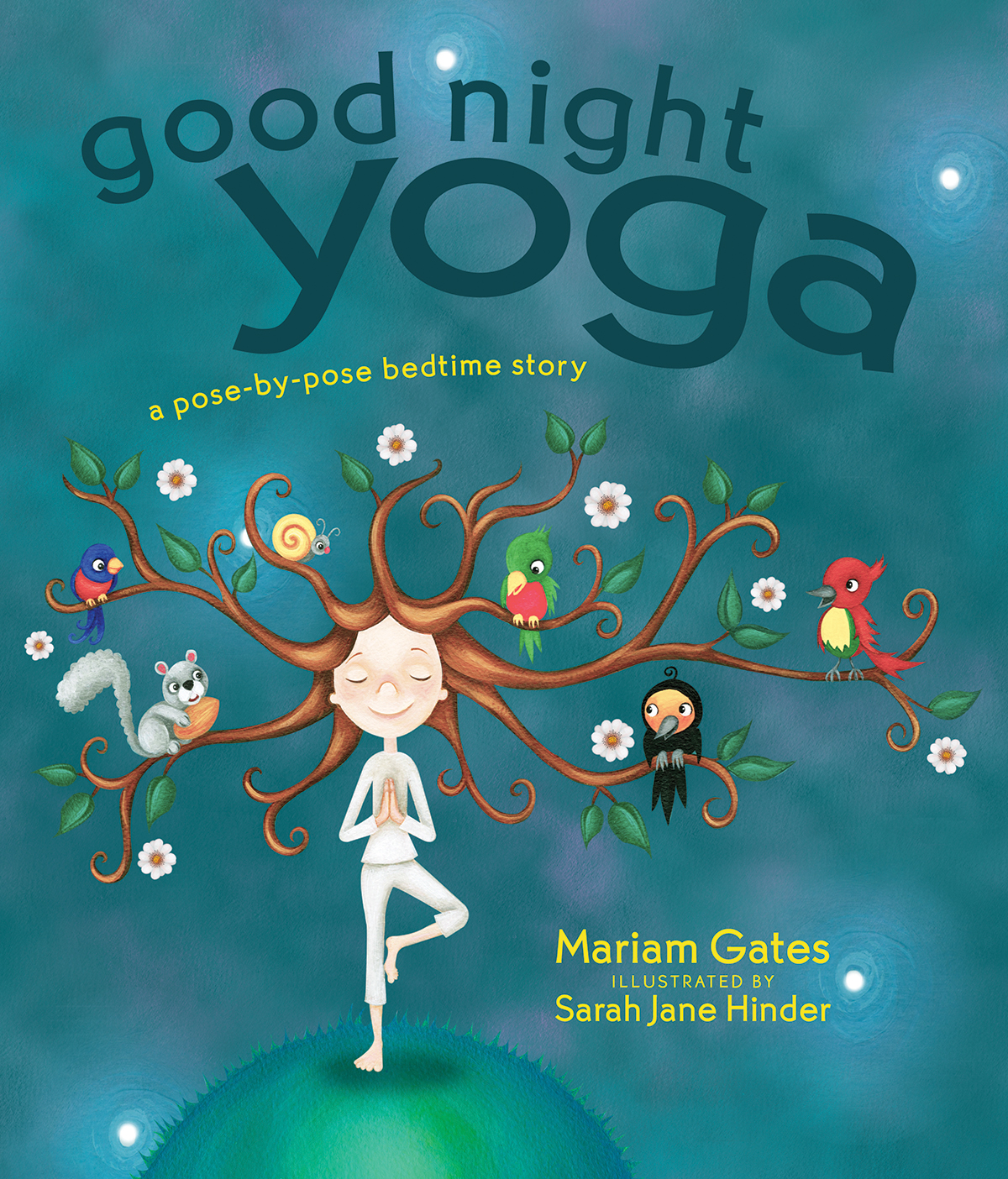
Good Night Yoga (2)

Recommended For: 

readaloudbuttonsmall classroomlibrarybuttonsmall


Follow All the Stops on the Tour: 

Wed, Feb 24
Teach Mentor Texts
Fri, Feb 26
Where Imagination Grows
Mon, Feb 29
A Rup Life
Tues, Mar 1
Proseandkahn
Wed, Mar 2
Kid Lit Frenzy
Thurs, Mar 3
5 Minutes for Books
Fri, Mar 4
Once Upon a Story
Mon, Mar 7
Wrapped in Foil
Tues, Mar 8
Sharpread
Wed, Mar 9
A Foodie Bibliophile in Wanderlust
Thurs, Mar 10
Unleashing Readers
Fri, Mar 11
Children’s Book Review
Tues, Mar 15
The Library Fanatic
And Don’t Forget to Enter the Giveaway!:

a Rafflecopter giveaway

RickiSig

**Thank you to Barbara Fisch for sending us this book and for allowing us to host the giveaway!**

The Perfect Tree by Chloe Bonfield

Share

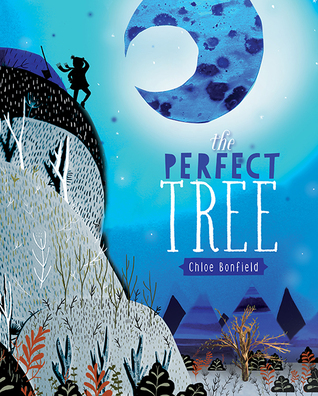
perfect tree

The Perfect Tree
Author and Illustrator: Chloe Bonfield
Published January 5th, 2016 by Running Press Kids

Summary: Jack is searching for the perfect tree—one that he can chop, hack, and stack! But when it becomes too hard to find, Jack stumbles across three unlikely friends who want to show him their perfect trees.

In this lively, enchanting story, The Perfect Tree is a reminder to notice the wonders we often overlook, and to value our friendship with the natural world.

Kellee’s Review: The Perfect Tree is a book that I hope doesn’t go beneath the radar because it is a wonderful book with a positive theme and beautiful illustrations. Jack’s story makes the reader think about all the harm we do when we destroy the forest, but it does so without listing or preaching. It just shows. It mentions in her biography that Chloe Bonfield is fond of printmaking, and you can see this in her artwork that accompanies Jack’s story. It is mixed media, 3D, collage, and illustrated and just really takes the book to the next level.

Ricki’s Review: Whew. This book is quite beautiful. I felt like I went through a journey as I turned the pages. When I got to the end, I flipped to the front of the book and read it once more. My 2-year-old son kept saying, “Ooooo,” as I turned the pages. The words flow naturally in a way that is both quiet in its delivery and loud in its message. And the artwork—oh the artwork! I love the way the images are layered to grab readers’ attention. I spent much time on each page wondering, “But how did she do this?!” The mixed media will captivate readers and inspire them to want to create their own works of art/literature. I am excited to have this book in my library because I know it will be inspirational to my son.

Teachers’ Tools for Navigation: This book is a great one to discuss theme with. It is one that you have to infer, but it isn’t too difficult to interpret which would make it a good scaffolding tool to longer narratives. Additionally, it would be a great book to read around Earth Day because of the environmental lesson and love of nature.

Discussion Questions: Why does Jack change his mind?; Why is it important to take care of nature?; What are some ways that the author helps you see Jack’s story (through illustrations and text)?

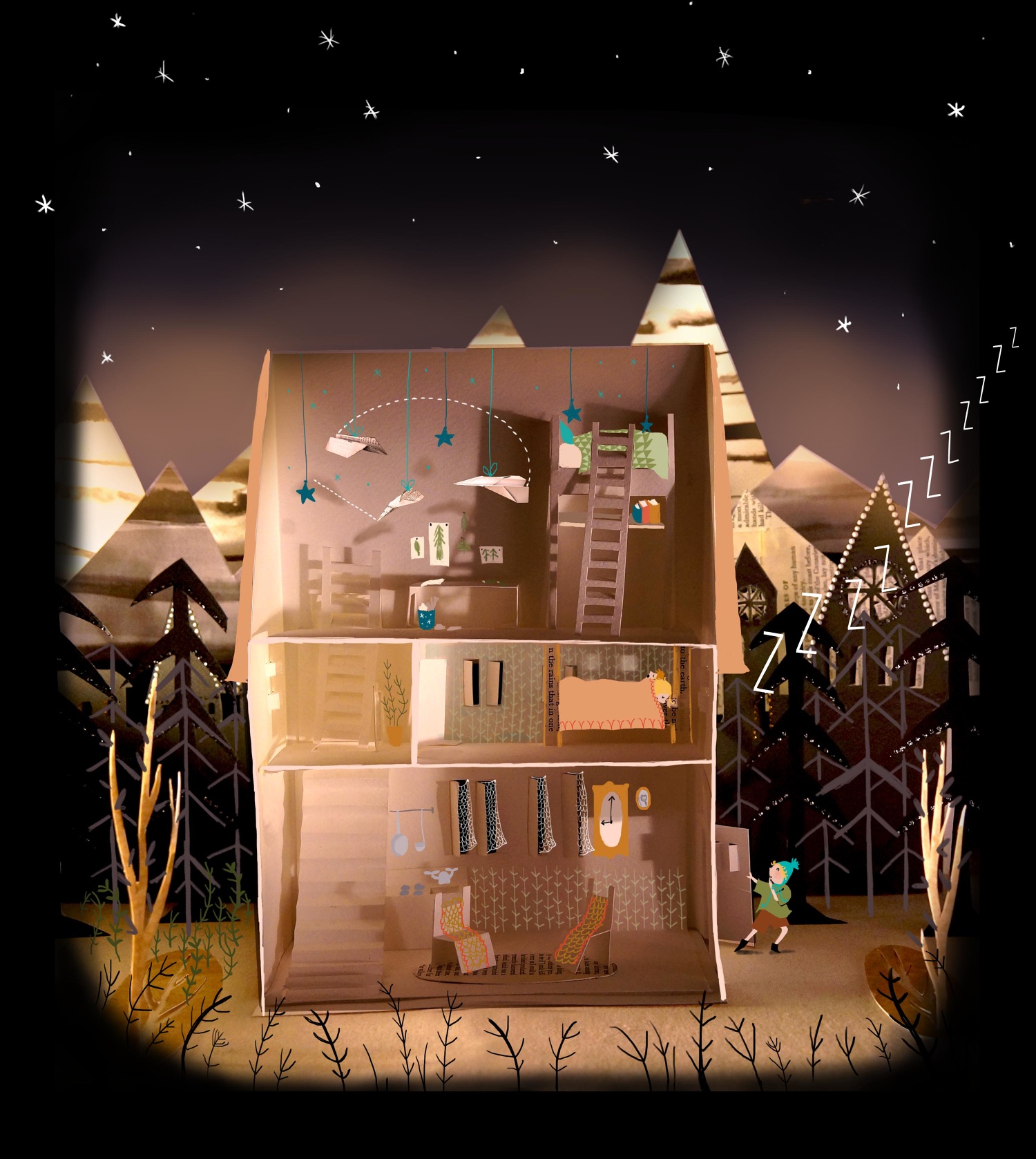
We Flagged: “Once a boy named Jack went on a journey to find the perfect tree. Not to climb, not to draw, and definitely not to hug. No, Jack wanted a perfect tree to chop. A perfect tree to hack! A perfect tree to stack.”

perfect tree illustration

Read This If You Loved: The Lorax by Dr. Seuss, The Giving Tree by Shel Silverstein, The Tree Lady by H. Joseph Hopkins, Can We Save the Tiger? by Martin Jenkins, Mama Miti by Donna Jo Napoli

Recommended For: 

readaloudbuttonsmall classroomlibrarybuttonsmall

Kellee Signature andRickiSig

**Thank you to Cassie from Running Press for providing copies for review!!**

Where’s Will?: Find Shakespeare Hidden in His Plays by Tilly (Illustrator) and Anna Claybourne

Share

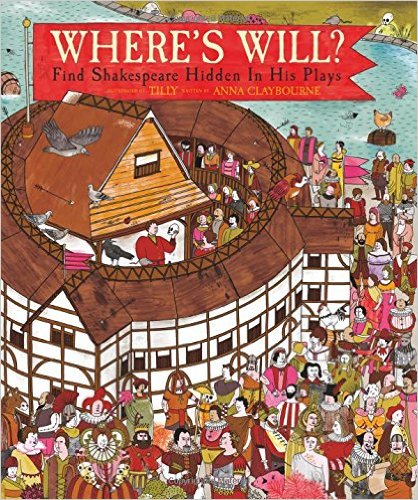
Where's Will?

Where’s Will?: Find Shakespeare Hidden in His Plays
Illustrator: Tilly; Author: Anna Claybourne
Published September 1, 2015 by Kane Miller Books

Goodreads Summary: Spot Will Shakespeare and a selection of colourful characters from ten of his best-loved plays! Can you pick out Puck in the midsummer night? Will you spy Cecilia hidden in the Forest of Arden? And can you see Shakespeare making a cameo in every scene?

First, get to know each play by reading a snappy synopsis of the plot and meeting the main characters. Next, hunt for the characters, who are hidden in the detailed and beautifully illustrated pictures of the plays’ settings.

My Review: This book was a lot of fun for me to read! Readers of all ages would enjoy it. My son (age two) enjoyed pointing to all of the animals and people in the book. An elementary schooler or middle schooler would enjoy finding Will, the characters, and the pig in all of the pictures. A high schooler or adult will appreciate the brief (about 300 words) synopses of each play and illustrations (along with finding Will, of course). Each play features a two-page spread similar to a graphic novel, where the play is depicted in illustrations and words. At the top of each spread are cameos of the main characters of the play. Then, the reader can turn the page and search for the characters, Will, and the pig in a very detailed illustration (see below). 

Teachers’ Tools for NavigationI haven’t read the full version of each play featured in the book, but I am quite inspired to read them now! High school teachers would love this book. It shows the complexity and greatness of Shakespeare’s work. After reading one of Shakespeare’s plays, a teacher could show the students the synopsis and the spread. This provides a picture of the time period and also allows for conversations about why the author may have made decisions to include/exclude specific plot details. If my tenth graders had all read Romeo & Juliet the previous year, it would be neat to show them that play. Then, when we read another Shakespeare play, I could ask them to illustrate their own scenes. This would be an intense final project, and I would give the option for students to use video games as a platform for this kind of world-building.

Discussion Questions: How do the illustrations of the plays differ? Why might the illustrator have chosen to depict the play with these colors/moods?; What tough decisions might the author have faced when choosing the plot details to include in the 300-word synopses?; How do these illustrations/synopses give us fuller depictions of the plays?

We Flagged: 

where's will

Read This If You Loved: Plays by William Shakespeare; Where’s Waldo? books

Recommended For: 

 classroomlibrarybuttonsmall

 RickiSig

**Thank you to Lynn for providing a copy for review!**

Little Tree by Loren Long

Share

little tree

Little Tree
Author and Illustrator: Loren Long
Expected Publication: October 27th, 2015 by Philomel Books

Goodreads Summary: In the middle of a little forest, there lives a Little Tree who loves his life and the splendid leaves that keep him cool in the heat of long summer days. Life is perfect just the way it is.

Autumn arrives, and with it the cool winds that ruffle Little Tree’s leaves. One by one the other trees drop their leaves, facing the cold of winter head on. But not Little Tree—he hugs his leaves as tightly as he can. Year after year Little Tree remains unchanged, despite words of encouragement from a squirrel, a fawn, and a fox, his leaves having long since turned brown and withered. As Little Tree sits in the shadow of the other trees, now grown sturdy and tall as though to touch the sun, he remembers when they were all the same size. And he knows he has an important decision to make. From #1 New York Times bestselling Loren Long comes a gorgeously-illustrated story that challenges each of us to have the courage to let go and to reach for the sun.

Kellee’s Review: Loren Long’s books, Otis and The Little Engine That Could, are household names, and I believe Little Tree will find its home along side these books. Little Tree is a sweet, little story at the surface, but it is really very deep. The story can be read as a story at bedtime to talk about nature or as a starting point for a discussion about growing up and/or making hard choices. The illustrations are beautiful yet simple, so that the readers eyes are drawn into Little Tree and its friends.

Ricki’s Review: This book represents everything I love in literature. From the moment I cracked the cover, I was whisked into the quiet story, and I felt a bit of a rush as I turned each page. The publishers graciously sent me a print from the book, which I plan to hang in my son’s bedroom. My advisor has the print resting behind her desk in the office. Kellee accurately described this book. While it seems simple, there are so many ways this texts could be used to promote quality conversations in the classroom. This would be my mentor text to teach personification.

Teachers’ Tools for Navigation: Little Tree will be a read aloud favorite for many teachers and students, but it can also be used to promote great discussions. At the surface, the book is a great jumping off point to talk about the seasons and nature and how nature changes throughout the seasons and would be a great companion to nonfiction books about the seasons. If you want to go a bit deeper, there is definitely a message in Little Tree about letting go, growing up, and making choices that may not be easy.

Discussion Questions: Why did Little Tree not want to let go of its leaves?; What happened as a result of not letting go of its leaves?; What does the author want you to think about after reading Little Tree’s story?

We Flagged:

little tree image
From http://www.nytimes.com/interactive/2015/09/11/books/review/13bookshelf-lettinggo.html?_r=0

Read This If You Loved: The Little Engine That Could by Watty Piper and Loren Long, The Story of Ferdinand by Munro Leaf, Frozen Wild by Jim ArnoskyCounting Crows by Kathi Appelt, and other nonfiction texts about seasons

Recommended For:

classroomlibrarybuttonsmall readaloudbuttonsmall

  Signatureand RickiSig

**Thank you to Penguin for providing copies for review!**