Guest Post: Classroom Uses for Jo Jo Makoons by Dawn Quigley, Length of a String by Elissa Brent Weissman, Melissa by Alex Gino, and Merci Suarez Changes Gears by Meg Medina

Share

One of the assignments during my Spring Children’s Literature course at UCF was creating a mini-teaching guide for the books we read for book clubs. We started with picture books for practice then students created them in their book clubs each week.

Today, I am happy to share the classroom uses and discussion questions found by my UCF Elementary Education students about these realistic fiction books.

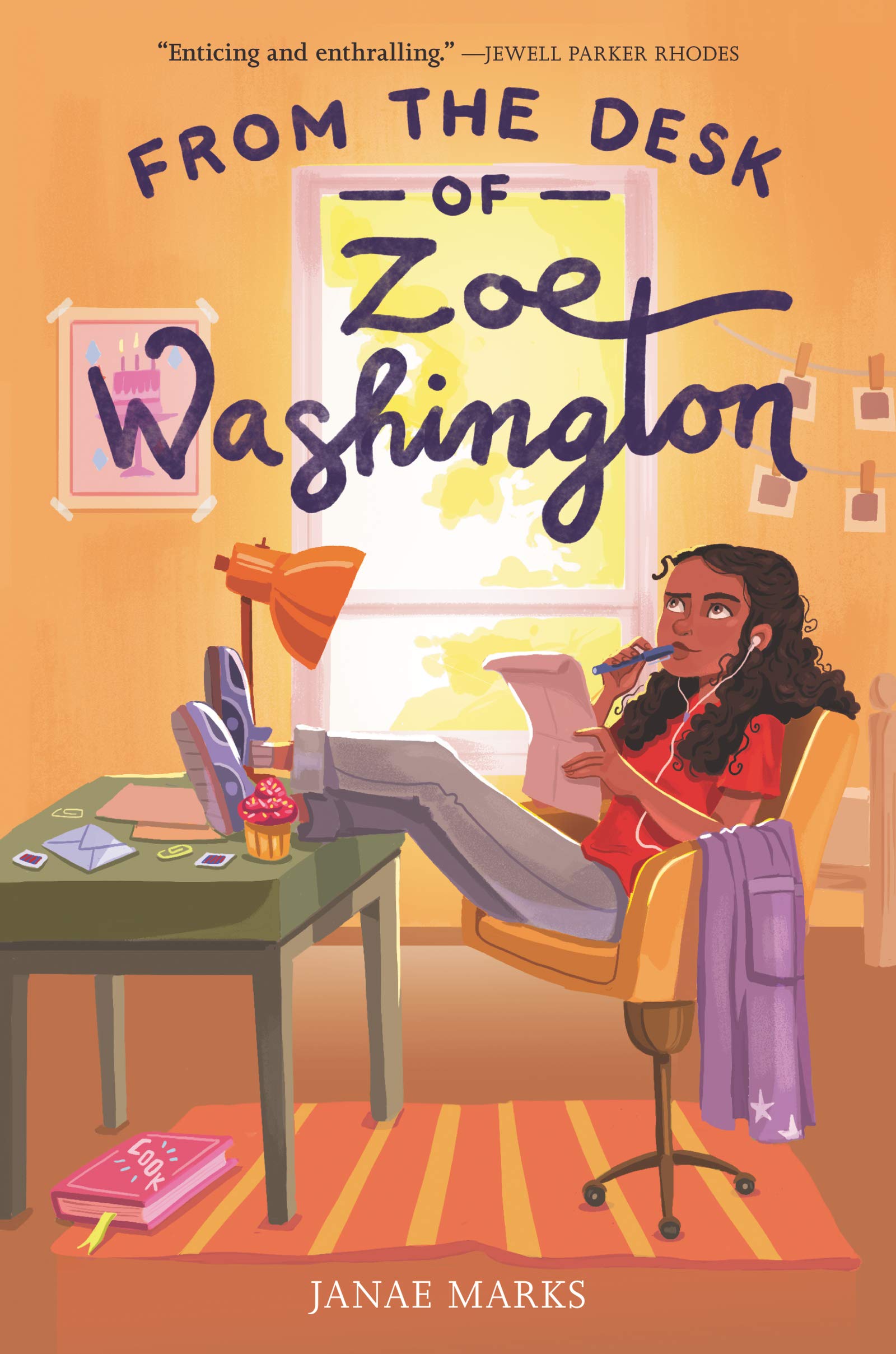
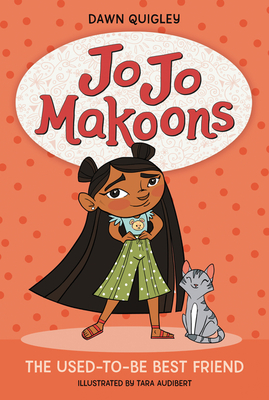
Jo Jo Makoons: The Used-to-be Best Friend
Author: Dawn Quigley
Illustrator: Tara Audibert
Published May 11th, 2021 by Heartdrum

Summary: Hello/Boozhoo—meet Jo Jo Makoons, a spunky young Ojibwe girl who loves who she is.

Jo Jo Makoons Azure is a spirited seven-year-old who moves through the world a little differently than anyone else on her Ojibwe reservation. It always seems like her mom, her kokum (grandma), and her teacher have a lot to learn—about how good Jo Jo is at cleaning up, what makes a good rhyme, and what it means to be friendly.

Even though Jo Jo loves her #1 best friend Mimi (who is a cat), she’s worried that she needs to figure out how to make more friends. Because Fern, her best friend at school, may not want to be friends anymore…

Teachers’ Tools for Navigation: This book can be used in the classroom as a tool to show the students that it’s important not to assume what another student is thinking. It is always best to vocalize concerns

Discussion Questions: 

  • Describe what a reservation is according to the book?
  • Why did Kokum (grandma) move in with Jo Jo and her mom?
  • In what ways are cats and balloons different?
  • Why did Jo Jo Makoons cut the toes out of her socks? What did she do with them?
  • What happens when Jo Jo takes Mimi to school?
  • What did the new girl, Susan do when she saw Mimi in the classroom?  How did JoJo feel about Susan’s reaction?
  • What are some ways you may relate to Jo Jo?
  • Has anybody ever felt like they might lose their best friend? Why?
  • How do Jo Jo’s classmates help her see that they are friends at the end of the story.
  • What does it mean to be a good friend to you?
  • What are some positive traits we could learn from Jo Jo?
  • In the Book Jo Jo cut out the toes in her socks. Why did she do this?
  • Why do you feel that Jo Jo felt left out at school?
  • Why was it so important for Jo Jo to bring MiMi to school with her?
  • What ways could JoJo have approached her classmates at lunch before getting upset about eating alone?
  • Why do you feel it’s important for Jo Jo and her family to learn and know the language of her Ojibwe tribe?
  • What could JoJo have done better for her original rhyme to make it better?
  • Like Jo Jo if you had to bring your best friend to class with you, who would it be and why?
  • How did you feel about the nickname Jo Jo made for Chuck?
  • Why do you think Jo Jo thought the Gym teacher’s name was Jim?

Recommended For: 
classroomlibrarybuttonsmall


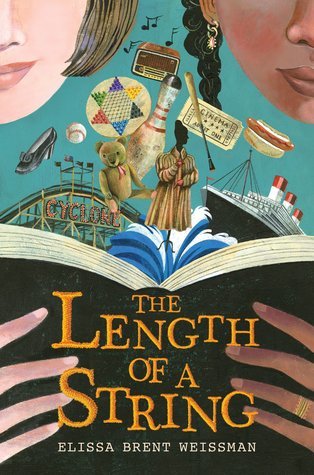
The Length of a String
Author: Elissa Brent Weissman
Published May 1st, 2018 by Dial Books

Summary: Imani is adopted, and she’s ready to search for her birthparents. But when she discovers the diary her Jewish great-grandmother wrote chronicling her escape from Holocaust-era Europe, Imani begins to see family in a new way.

Imani knows exactly what she wants as her big bat mitzvah gift: to meet her birthparents. She loves her family and her Jewish community in Baltimore, but she has always wondered where she came from, especially since she’s black and almost everyone she knows is white. When her mom’s grandmother–Imani’s great-grandma Anna–passes away, Imani discovers an old diary among her books. It’s Anna’s diary from 1941, the year she was twelve–the year she fled Nazi-occupied Luxembourg alone, sent by her parents to seek refuge in Brooklyn. Written as a series of letters to the twin sister she had to leave behind, Anna’s diary records her journey to America and her new life with an adopted family. Anna’s diary and Imani’s birthparent search intertwine to tell the story of two girls, each searching for family and identity in her own time and in her own way.

Teachers’ Tools for Navigation: Use this book to discuss and learn about History-World War II/Holocaust, the Jewish faith, and adoption.

This book is educational because it discusses the Holocaust from the point of view of someone who experienced it. It also has an engaging story line that makes readers want to read more to find out what will happen. This book would be very useful when teaching about the Holocaust.

Discussion Questions: 

  • How do you think Imani felt when she started to read about Anna’s life in her diary?
  • Think of a time you felt out of place and write about how that made you feel.
  • Why do you think Imani’s mom cries so much?
  • Have you ever felt a special connection with someone in you family?
  • If you were Imani, would you continue to look for your birth parents?
  • Suppose you wrote a diary about something that you want people/family in the future to know. What would it be about and why?
  • What are some special celebrations that you do with your family?
  • If you were Imani’s friend, what advice would you give her as she goes through this journey?
  • What is something you have that is special that you think you will give to someone in the future?
  • Why do you think people living around Imani insensitive questions?

Recommended For: 
classroomlibrarybuttonsmall


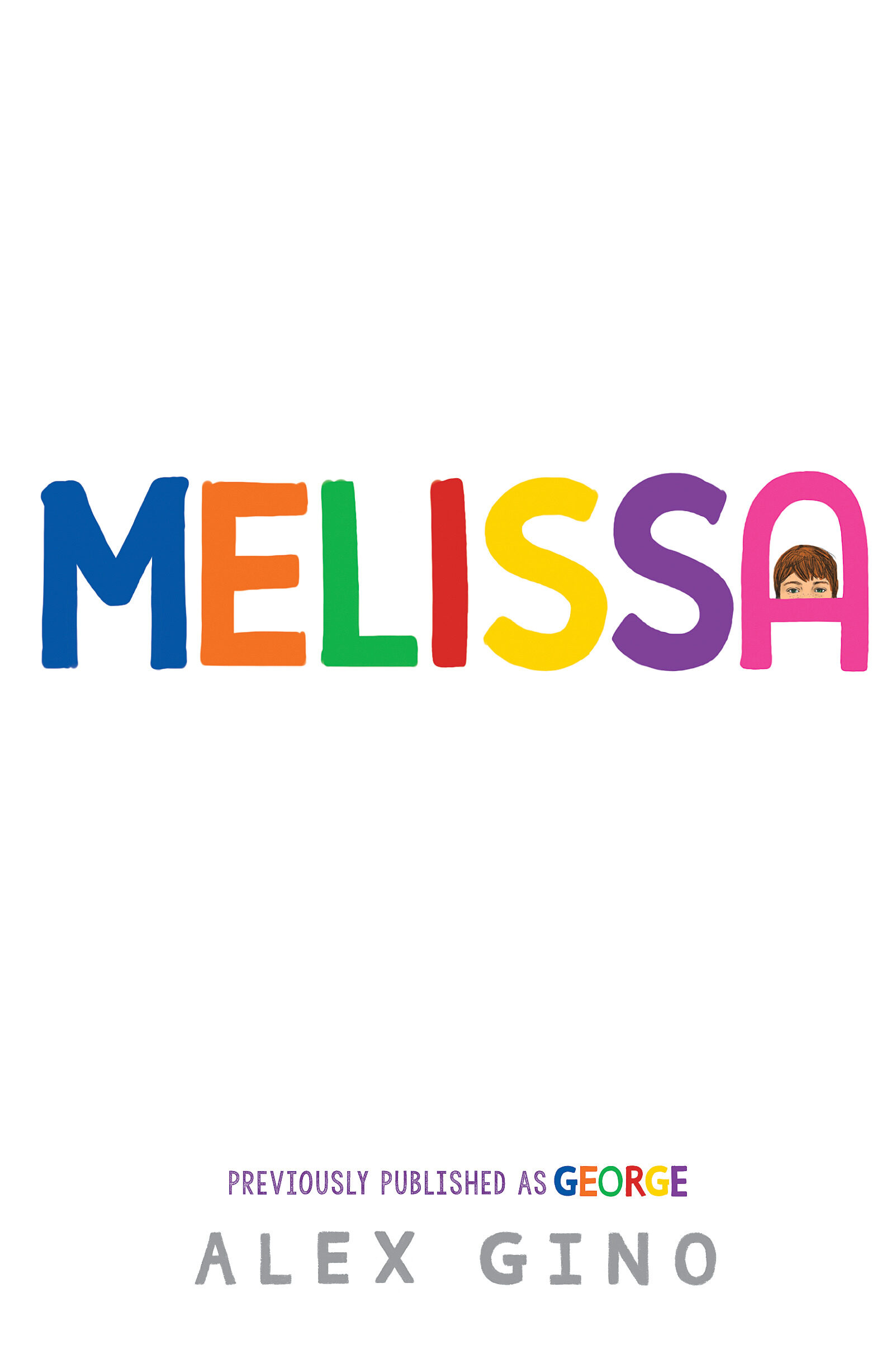
Melissa
Author: Alex Gino
Published August 25th, 2018 by Scholastic

Summary: When people look at George, they think they see a boy. But she knows she’s not a boy. She knows she’s a girl.

George thinks she’ll have to keep this a secret forever. Then her teacher announces that their class play is going to be Charlotte’s Web. George really, really, REALLY wants to play Charlotte. But the teacher says she can’t even try out for the part . . . because she’s a boy.

With the help of her best friend, Kelly, George comes up with a plan. Not just so she can be Charlotte — but so everyone can know who she is, once and for all.

Teachers’ Tools for Navigation: This story is a good teachable book where certain themes can be brought up and talked about within the classroom setting. Where students can ask questions that may push boundaries but can be answered in a professional setting. This novel would be useful in the classroom to teach and promote gender diversity. This book would also be great as a classroom library so that students who may be facing these issues will have something relatable to read.

Discussion Questions: 

  • Identify some ways Melissa being trans affected their life.
  • Think about a moment when someone in the book was bullied. What could have been done differently?
  • Why do you think Melissa was so scared to tell her parents about who she is?
  • What does it mean to be an Ally?
  • Describe two ways someone else helped Melissa.
  • Describe Melissa’s disposition throughout the book. How did it change?
  • Do you think that it was a good idea to talk to a therapist about the issues between Melissa and her mom?
  • Write about a time you felt scared to tell someone the truth.
  • If you were in Melissa’s class what would you do to make her feel welcome?
  • Sketch a scene from the book. Why did you pick that scene?
  • Why do you think the author chose to use the pronoun “she” when describing or referring to George?  Does this make a difference to the way you feel about the character?
  • How do you think George feels having to keep this big secret inside?  (Use text evidence to support your claims.)  Have you had to keep a secret about yourself — how does this make you feel?  Without revealing the secret (unless you feel comfortable), share or write about this experience and how you were affected.
  • George eventually reveals her secret to those she cares about.  How does this make her feel?  (Use text evidence to support your claims.)  What are some consequences of “hiding” vs. “being yourself”?
  • What do you think it takes to “be yourself”? What are some pros and cons of being who you are?  What are some other examples of “being yourself” that might be scary for kid?
  • Share or write about a time where you had to be brave enough to be who you are.  What made you finally do it, and what effects did the experience have on your life?
  • People reacted differently to George’s revelation. Discuss how they differed and possible reasons why (try to think about this from the person’s point of view).  How do you think you would react if you were each of these individuals?
    1. Classmates
    2. George’s mom and big brother
    3. School teacher/principal
    4. George’s best friend Kelly
    5. Kelly’s dad and uncle
  • Discuss diversity, acceptance/tolerance, prejudice, bullying, compassion, etc.  Come up with real-life examples. What are some way your classroom/school/family/community could be more accepting of those who might be different from you?
  • Towards the end of the book, the author switches to the name Melissa when referring to George.  Why do you think they chose to do that?
  • How does Melissa feel in the first few chapters of the book?
  • How does Melissa feel at the end of the book?
  • Why did Ms.Udell not let Melissa play Charlotte?
  • Have you ever felt lost or scared to tell the truth? If so, how did that make you feel?
  • If Melissa was in your class, what are some ways you could make her feel welcomed?
  • Name a few things that Melissa had to struggle with, because she wanted to be trans.

Recommended For: 
classroomlibrarybuttonsmall


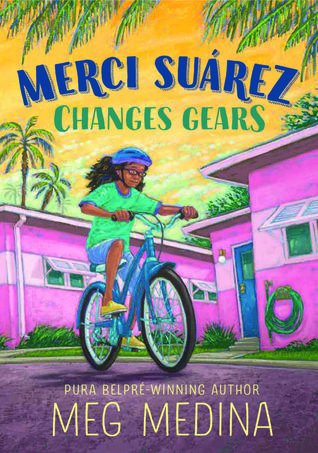
Merci Suárez Changes Gears
Author: Meg Medina
Published September 11th, 2018 by Candlewick Press

Summary: Thoughtful, strong-willed sixth-grader Merci Suarez navigates difficult changes with friends, family, and everyone in between in a resonant new novel from Meg Medina.

Merci Suarez knew that sixth grade would be different, but she had no idea just how different. For starters, Merci has never been like the other kids at her private school in Florida, because she and her older brother, Roli, are scholarship students. They don’t have a big house or a fancy boat, and they have to do extra community service to make up for their free tuition. So when bossy Edna Santos sets her sights on the new boy who happens to be Merci’s school-assigned Sunshine Buddy, Merci becomes the target of Edna’s jealousy. Things aren’t going well at home, either: Merci’s grandfather and most trusted ally, Lolo, has been acting strangely lately — forgetting important things, falling from his bike, and getting angry over nothing. No one in her family will tell Merci what’s going on, so she’s left to her own worries, while also feeling all on her own at school. In a coming-of-age tale full of humor and wisdom, award-winning author Meg Medina gets to the heart of the confusion and constant change that defines middle school — and the steadfast connection that defines family.

Teachers’ Tools for Navigation: This book would be useful in a classroom for teachers to expose a lot of topics to students such as bullying, family relations, and relatable school interactions like wanting to play sports or friendships and grades. As well as students that are nervous about their 6th grade year or also starting sixth grade read about someone going through the same things as them.

Discussion Questions: 

  • What do you think caused Lolo to pick up the wrong twins?
  • Why do you think Merci and Edna are not friends?
  • Why do you think Edna is worried about appearances and mercy is not?
  • After their first interaction, do you think Merci will end up enjoying Michael as a sunshine buddy?
  • If you were a new kid would you want a sunshine buddy? Would you want to be a sunshine buddy? Why or why not?
  • Do you think Merci handled her situations maturely? Why or why not ?
  • Why did Merci’s parents hide Lolo’s conditions from her ?
  • How would you describe Merci’s relationship with her grandfather?
  • Do you think Merci’s culture made her feel different from her peers at school ? Why or Why not ?
  • How would you handle being falsely accused of something you didn’t do like Merci when edna destroyed the mask ?

Recommended For: 
classroomlibrarybuttonsmall


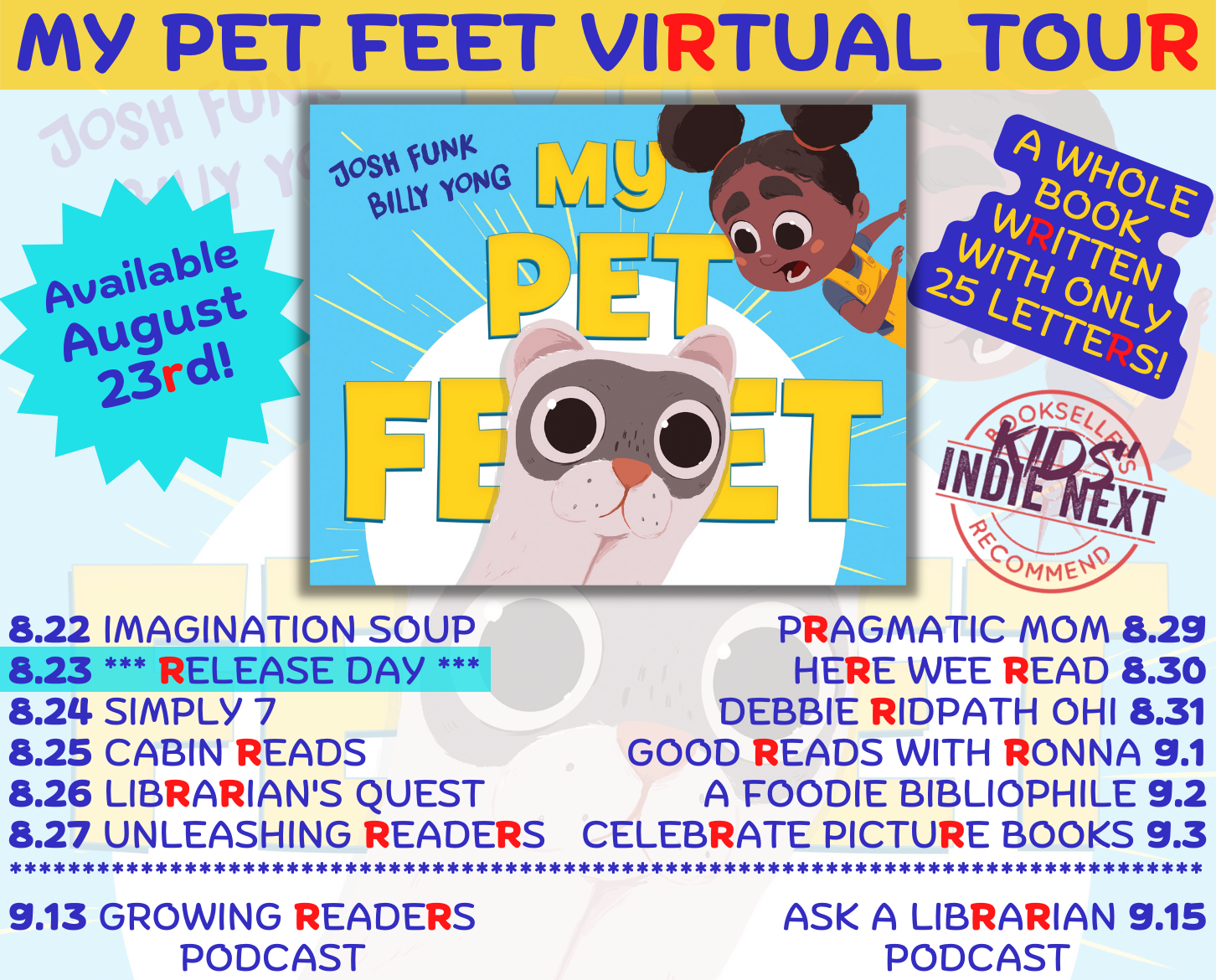
Blog Tour with Review by our 8-Year-Olds!: My Pet Feet by Josh Funk, Illustrated by Billy Yong

Share

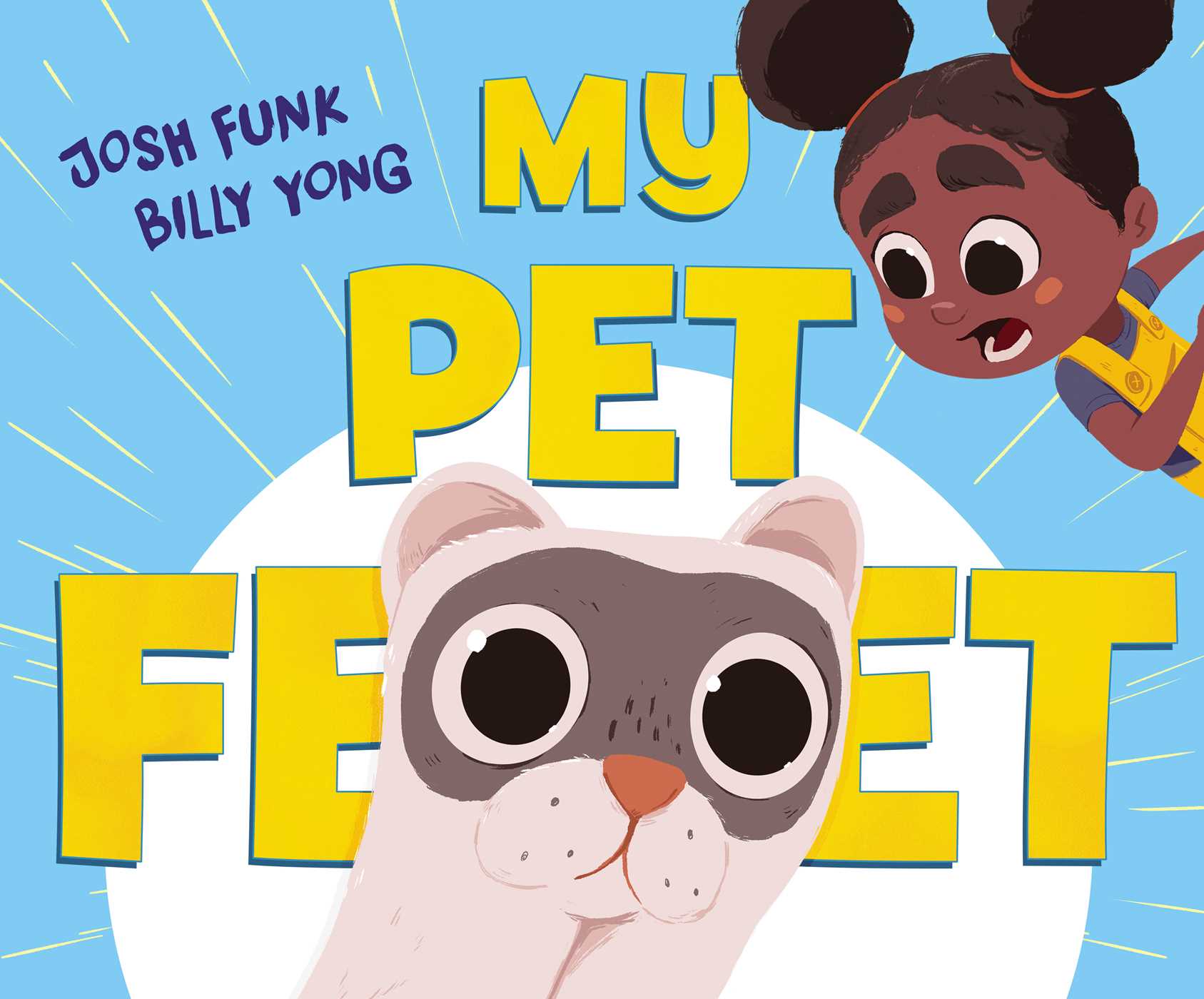
My Pet Feet
Author: Josh Funk
Illustrator: Billy Yong
Anticipated Publication: August 23, 2022 by Simon & Schuster

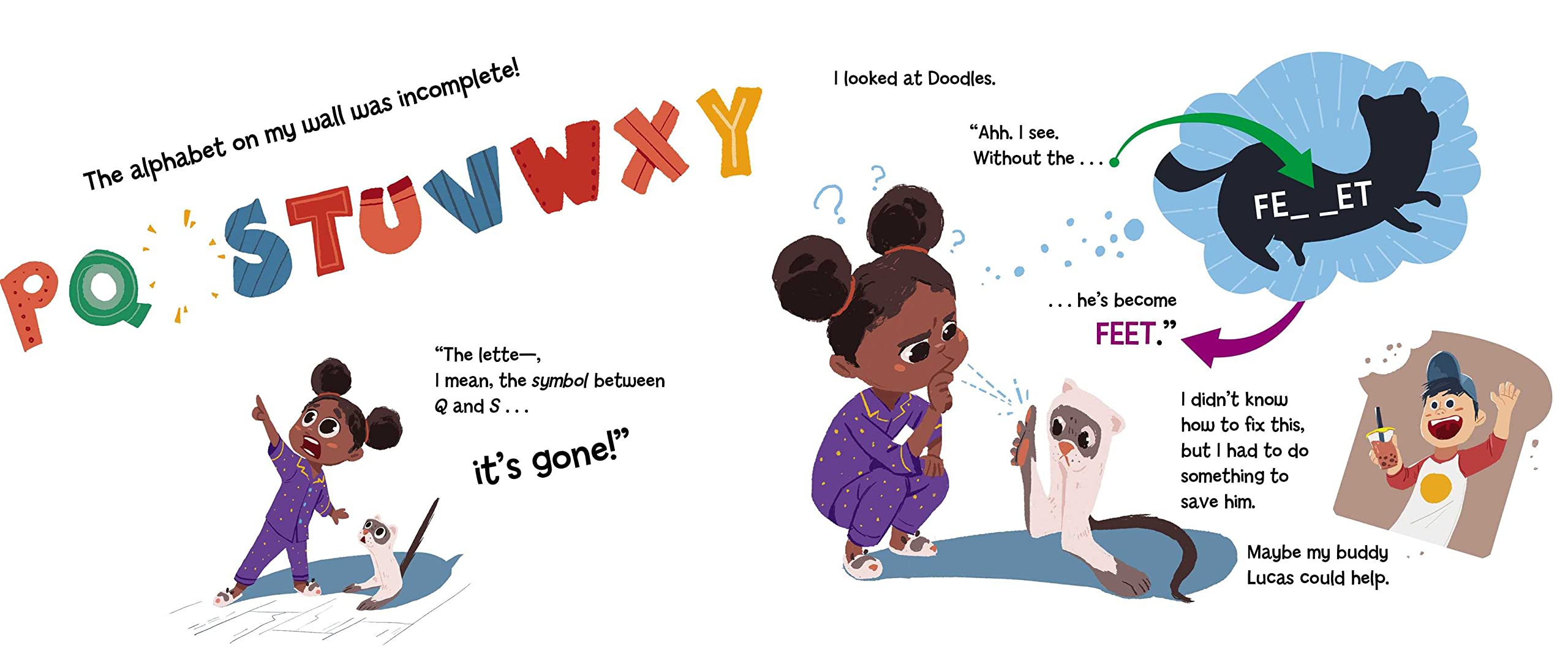
Goodreads Summary: When the letter R suddenly vanishes, a whole town goes upside-down in this side-splitting picture book of alphabet chaos that’s Can I Be Your Dog? meets P Is for Pterodactyl.

A little girl wakes up one day to find that R, a vital piece of the alphabet, has vanished! Suddenly, she has pet feet instead of a ferret. Flocks of cows replace crows flying in the sky. Giant shoes (not shores!) live on the sandy beaches of her town.

What could have happened to the eighteenth letter of the alphabet? Did it get lost—or stolen? One way or another, the town needs to be saved!

When Trent first read this book, he said (and I quote), “This book should win all the awards! Not just now but forever!” Because of how much he loved the book, we decided to let him and Henry chat about and review the book for us!

Our 8-Year-Olds Chat About the Book:

Henry: Did you notice on the background on the first page that it said “fist place” instead of “first place”? That was so funny!

Trent: Hahahaha! Fist place! Hahahaha! What do you think will happen next because the bees are taking the Zs?

Henry: I would say that…hmm… I don’t know. I think the bees will just be quiet and will say Zs. What do you think?

Trent: Same.

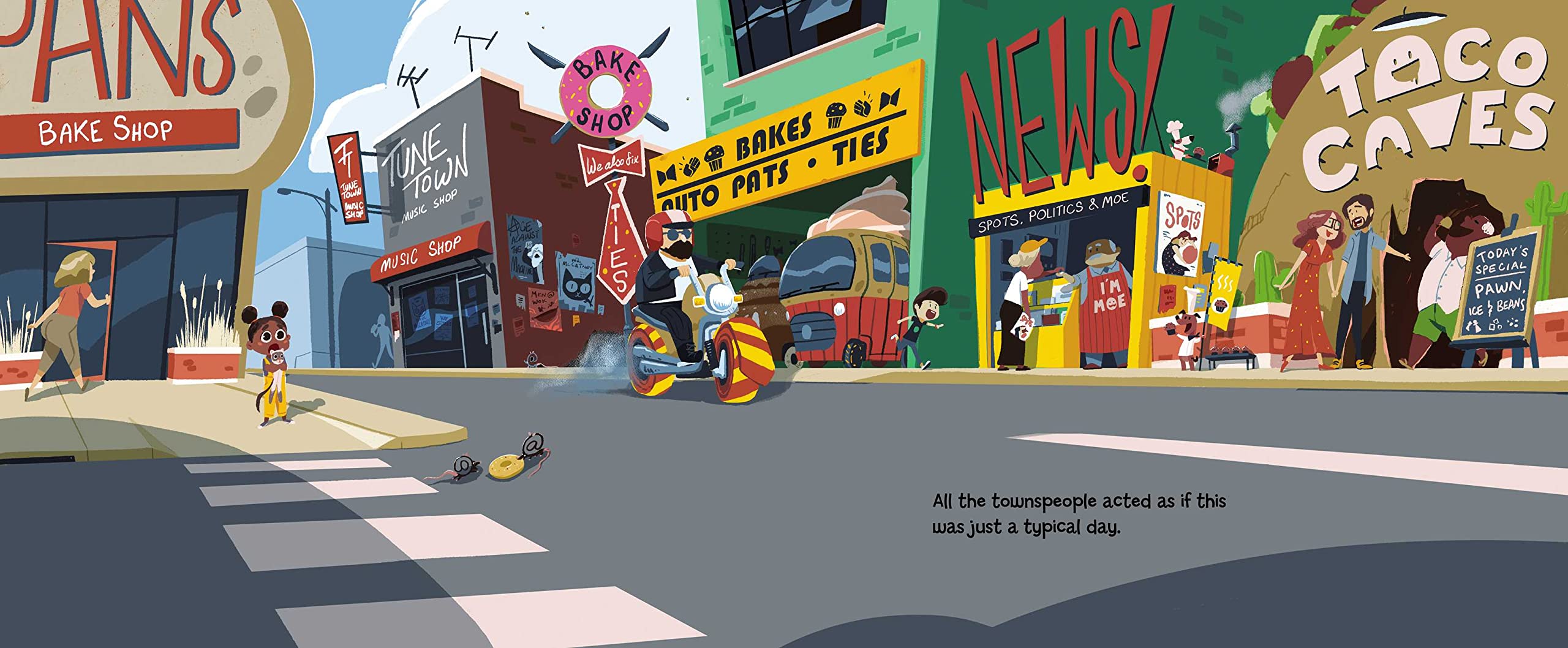
Henry: Have you seen the mice? Have you seen the mice on most of the pages? There’s a little mouse holding a donut on the pages. I love that! Why do you think they did that?

Trent: I didn’t notice that. Oh look at that! I think they are actually rats.

Henry: Yah! Rats without the Rs. 

Trent: They are taking the donuts at the bake shop! What are three words without Rs and what would they say?

Henry: Hmm….[looking around the room] Roar would be oa! Hahahahaha! Grown would be gown! Growl would be gowl! Hahaha! Those are so funny!

Trent: In the book, the doo is the door. The cows are the crows. The cane is the crane.

Henry: Oh. You meant from the book! Hahaha! I just picked words!

Trent: Well we are talking about the book, silly.

Henry: Reading would be eading, like eating. Isn’t that funny?

Henry’s little brother: I love this book! 

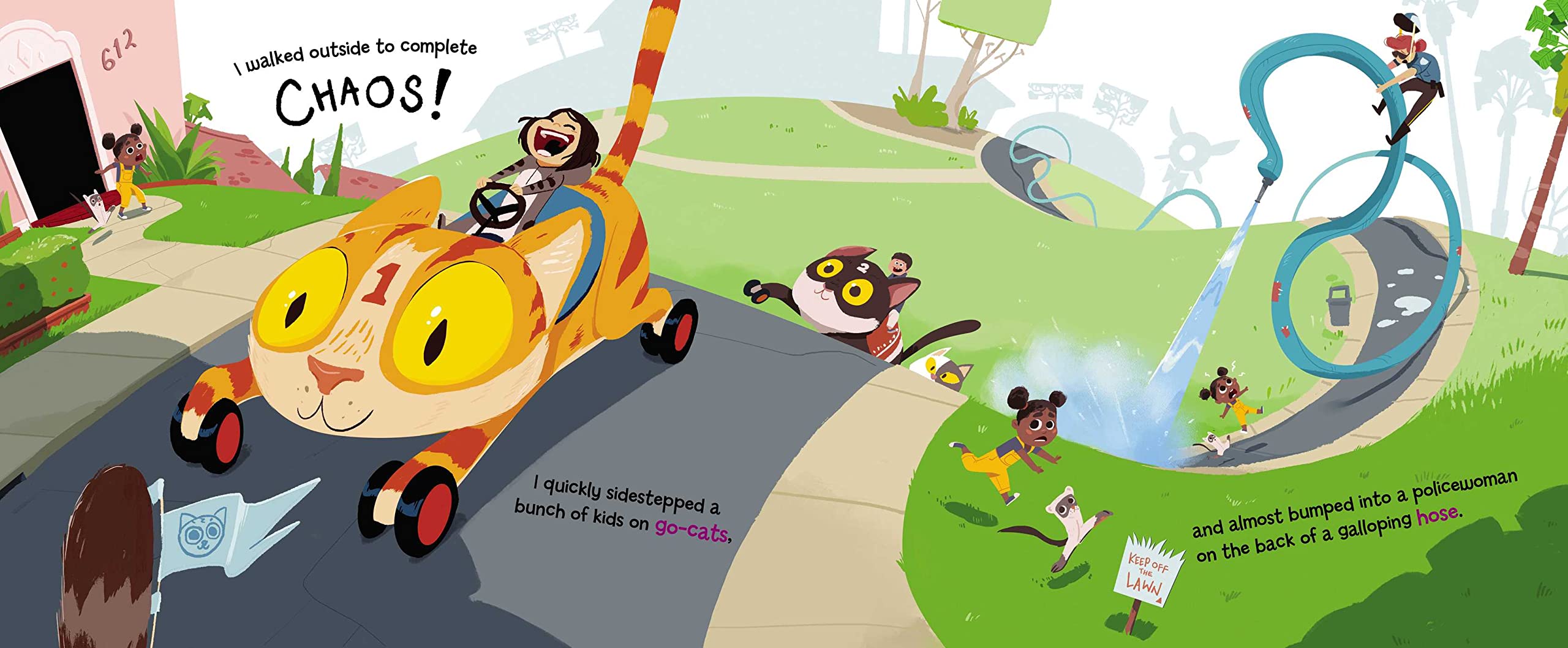
Henry: The go-carts are go-cats! The feet is ferret! The fist is first! What do you think another good letter missing book would be, like this one, that is just as funny as this one?

Trent: But we are talking about this book!

Henry: I know, but I am talking about how this book is funny and thinking about other ones Josh Funk could make.

Trent: E would be good!

Henry: Oh nice! Like “see” would be “ssssss,” hahaha! I like that. Good one, Trent. “Fled” would be “fld.”

Trent: Oh! Compare the spreads on pages 8 and 20. What is the same and what is different? Bake shop, brake shop. That stuff. I like these ones. Taco caves! What do you think taco caves is?

Henry: Oh! Ha! I don’t know! I don’t know! It sounds so funny! 

Trent: It’s taco cravers, I think. If you look at the toon town closely inside the brake shop sign, you see posters. And then they are actually different, too.

Henry: Oh!! Taco cravers! Toon Town. Oh! Tires on Brake Shop! I love this book. Oh! Instead of Brake Shop, it is Bake Shop, Trent! We also fix ties instead of tires, it says. Cool! Haha. 

Trent: What could the sequel be called with the Zs? It could be My Pet Zzzs. 

Henry: Instead of Zzzs for sleeping, it would just say NOTHING! Ha! Why do you think the Bs are taking the Zs away?

Trent: I already asked you that question. Haha!

Henry: On the final page, page 20, in the corner, near Pam’s Bake Shop, the rats are finally eating the donut. Haha! It’s cute. There’s a dog on top, too!

Trent: Oh yah! I see it!

Henry: On page 15, in the left top corner, there is a shoe!

Trent: I know. The sea shore. Shoe, shore. And the pie is the pier.

Henry: Oh yah! 

Trent: Josh Funk told me that the illustrator and him didn’t meet before, and there are jokes in the illustration that he didn’t write. Henry, go to the butt page! The gassy field! Page 13!

Henry: Oh, hahahaha! I love this page. Did Josh Funk put that in?

Trent: I think that the illustrator put that in.

Henry: What is your favorite part about the book? 

Trent: I like the gassy field the best.

Henry: Hahahaha! I like how they take out the Rs. And I like the gassy fields. And I like the big, giant cow poop. On page 9, they are chasing the poop. And it says “town hall” and it has the poop in front of it.

Trent: It’s the door. It’s supposed to be the door!

Henry: On page 10, if you look in the corner, the door or doo is even bigger.

Trent: Hahahah poop. Hahaha poop.

Henry: What would you rate this book from 1 to 10?

Trent: 10! 10! 10! It was a really good book.

Henry: Same! I rate it a 10, too! I love the crane. The cane!

Trent: Yah, the cane! I like the cane, too. And I like the cows.

Henry: What kind of kids do you think would like to read this book?

Trent: Kindergarten to third, like us.

Henry: Yah, and fourth grade, too. And kids who like potty talk like me. And words.

Trent: Kids who like funny things would really like this book.


Parent Perspective: Not only does this book allow our kids to play with words, they maintained a long conversation about the book without parent prompts. It offered them so much to talk about. In particular, they loved the humor. It made them laugh, and it made them think about different word combinations. This book pushed our kids as readers because they had to pause and consider where the Rs were missing. 

We loved this book and think it would be a wonderful addition to classrooms. Although our kids were limited to their own age group, we think readers of all ages would find great joy in the play on words in this book. 


Recommended For: 
readaloudbuttonsmall classroomlibrarybuttonsmall closereadinganalysisbuttonsmall


Guest Post: Classroom Uses for Stargazing by Jen Wang, The Party by Sergio Ruzzier, Twins by Varian Johnson, and When Stars Are Scattered by Victoria Jamieson and Omar Mohamed

Share

One of the assignments during my Spring Children’s Literature course at UCF was creating a mini-teaching guide for the books we read for book clubs. We started with picture books for practice then students created them in their book clubs each week.

Today, I am happy to share the classroom uses and discussion questions found by my UCF Elementary Education students created for these graphic novels they read.

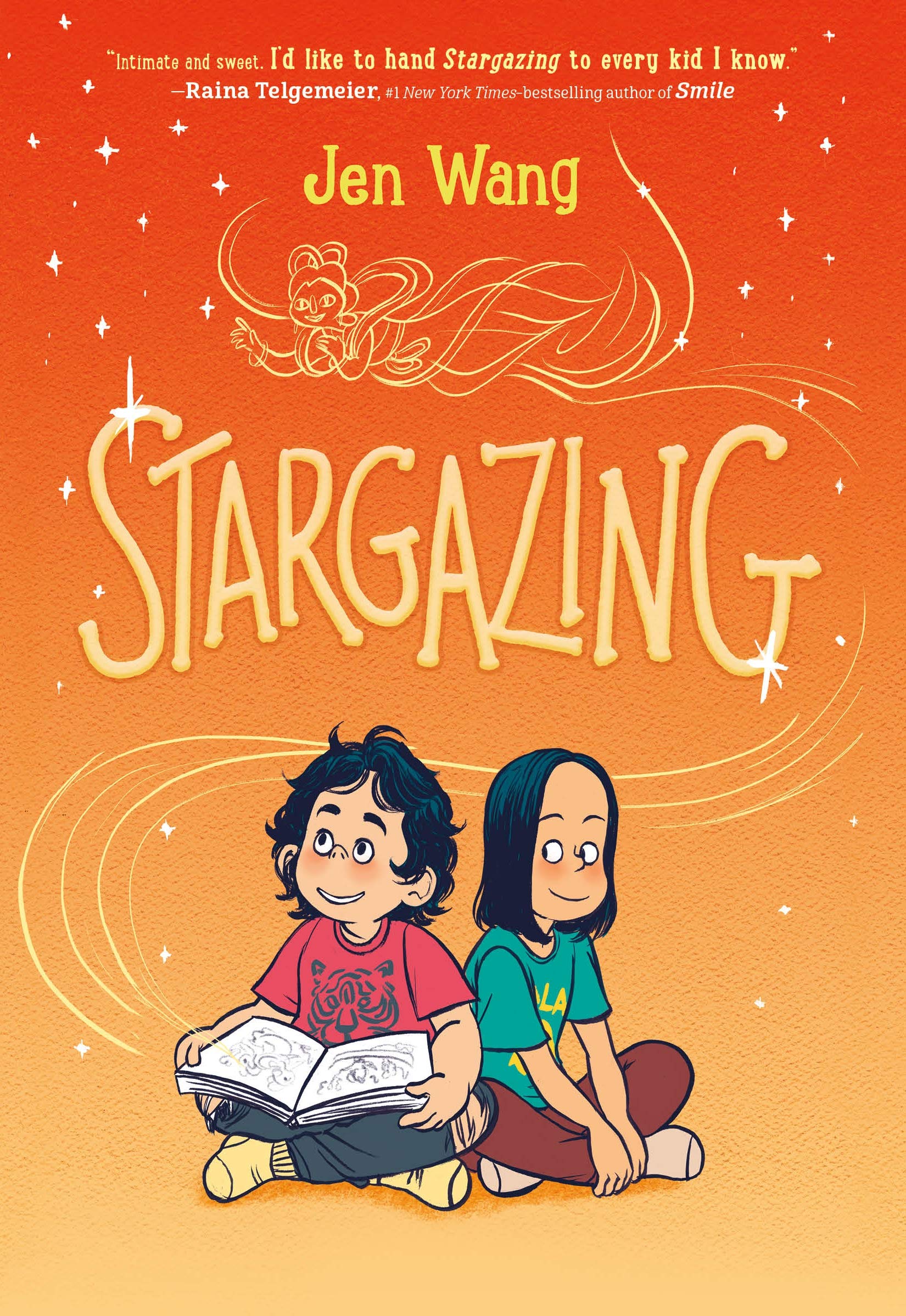
Stargazing
Author: Jen Wang
Published September 10th, 2019 by First Second

Summary: Christine is a young girl who plays the violin and is suggested by her parents to join the talent show. She then meets a girl, Moon, who is rumored to beat up other kids. Once she gets to know her, she finds out that she is actually a good person and they become great friends who decide on performing in the talent show together. The girls get closer but when Christine’s schedule gets busier, Moon finds a new friend in Madison, making Christine jealous to the point she leaves Moon’s journal open on the table for everyone to see. The girls start laughing at the drawings in the journal but when Moon encounters situations that upset her, she doesn’t know how to act and gets violent. After attacking a classmate, Moon passes out and it’s discovered she has a tumor in her brain that requires surgery. Christine avoids talking to Moon as she was the one that caused the fight and Moon gets surgery to remove her tumor. The girls make up afterwards and Christine bands together with their other classmates to perform at the talent show in tribute to Moon while the school hosts the night as a Fundraiser for Moon and her mother.

Teachers’ Tools for Navigation: This book would be useful in the classroom to help students learn the importance of accepting differences, treating others fairly and anger management. The book touches on topics such as stereotyping, homelessness, and bullying which can help students in the classroom.

Discussion Questions: 

  • How would you react if you were Christine and learned that your new friend has a brain tumor?
  • Have you ever had a vegetarian dish, if so what was it?
  • What are some other ways Moon could handle Angela reading her pictures to everyone at the birthday party?
  • In the book the characters participate in a talent show, if you were to participate one what would your talent be?
  • Why do you think Moon left during Chinese learning class, do you think she should’ve gone back to learn Chinese?
  • If one of your friends were feeling sad and alone like Moon was after her surgery, how would you comfort them?
  • Do you think that Moon was wrong in sharing her concert ticket with Madison after Christine said she didn’t want to go?
  • Do you believe it was right for Moon to attack Gabrielle for making fun of Vivian about her math puzzles.
  • Was Christine’s father right for getting mad at Christine for painting her nails and not telling her parents about it?

Recommended For: 
classroomlibrarybuttonsmall


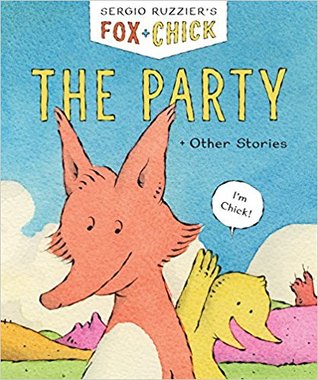
Fox & Chick: The Party and other stories
Author: Sergio Ruzzier
Published April 17th, 2018 by Chronicle Books

Summary: Fox and Chick don’t always agree. But Fox and Chick are always friends.

Teachers’ Tools for Navigation: A great activity to do with this book would be “post-ful thinking” where students put sticky notes on pages where they have a connection to while reading and jot a quick comment. These connections are shared when the group meets to identify issues for discussion. The sticky notes can also be used to revisit the book around a particular issue by marking pages relevant to the issue as a way to prepare for the discussion.

This book touched on more of the social-emotional aspects of life which is important for the age that the book is for.

Discussion Questions: 

  • Do you believe Chick’s question was properly stated in The Party?
  • Did Chick do as he said he would in The Party?
  • How would you reword Chick’s question in The Party?
  • How would you react if someone did something they didn’t mention before?
  • What time of day do you think the story Good Soup is?
  • Have you ever found yourself not being able to sit still like Chick?
  • What did you do to help yourself sit still in this situation?
  • Do you think Fox was correct when they didn’t paint Chick? What would you have done if your friend would not sit still?
  • What lessons can you take away from this book?
  • Have you ever made assumed something before you got to know someone like Chick did?

Recommended For: 
classroomlibrarybuttonsmall


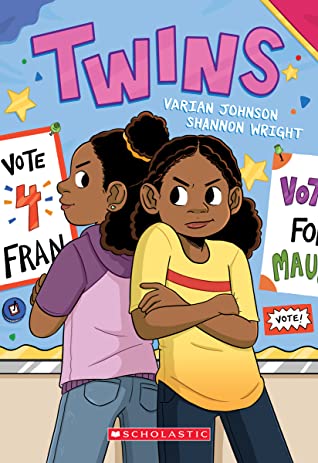
Twins
Author: Varian Johnson
Illustrator: Shannon Wright
Published October 6th, 2020 by Graphix

Summary:Maureen and Francine Carter are twins and best friends. They participate in the same clubs, enjoy the same foods, and are partners on all their school projects. But just before the girls start sixth grade, Francine becomes Fran — a girl who wants to join the chorus, run for class president, and dress in fashionable outfits that set her apart from Maureen. A girl who seems happy to share only two classes with her sister!

Maureen and Francine are growing apart and there’s nothing Maureen can do to stop it. Are sisters really forever? Or will middle school change things for good?

Teachers’ Tools for Navigation: This book would be useful in classrooms when trying to teach students about the importance of self-confidence, friendships and personal identity.

After reading the book, students can make a quick graphic or symbolic drawing reflecting how the story Twins made them feel/what they thought about the story and discuss their drawings.

Discussion Questions: 

  • How did Maureen and Francine find self-confidence?
  • How do Maureen and Francine change throughout the story?
  • What parts of the story do you see these changes?
  • How are Maureen and Francine alike?
  • How are Maureen and Francine different?
  • Why do you think Maureen ran for President instead of another position, such as Vice President or Treasurer?
  • Why do you think Maureen and Francine’s parents asked the twins to keep the election civil?
  • How do you think the parents feel about Maureen and Francine feuding with each other?
  • How does Maureen and Francine’s story influence how you see yourself? Do you know yourself?
  • Has the story of Maureen and Francine influenced how you view the concept of self confidence?

Recommended For: 
classroomlibrarybuttonsmall


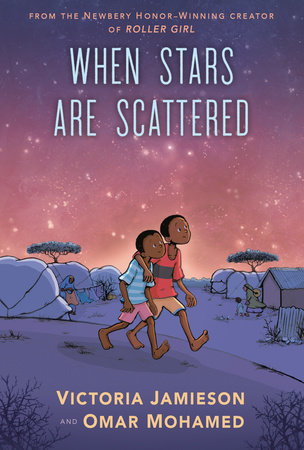
When Stars Are Scattered
Author: Victoria Jamieson & Omar Mohamed
Illustrator: Victoria Jamieson
Published April 14th, 2020 by Dial Books

Summary: Heartbreak and hope exist together in this remarkable graphic novel about growing up in a refugee camp, as told by a Somali refugee to the Newbery Honor-winning creator of Roller Girl.

Omar and his younger brother, Hassan, have spent most of their lives in Dadaab, a refugee camp in Kenya. Life is hard there: never enough food, achingly dull, and without access to the medical care Omar knows his nonverbal brother needs. So when Omar has the opportunity to go to school, he knows it might be a chance to change their future . . . but it would also mean leaving his brother, the only family member he has left, every day.

Heartbreak, hope, and gentle humor exist together in this graphic novel about a childhood spent waiting, and a young man who is able to create a sense of family and home in the most difficult of settings. It’s an intimate, important, unforgettable look at the day-to-day life of a refugee, as told to New York Times Bestselling author/artist Victoria Jamieson by Omar Mohamed, the Somali man who lived the story.

Teachers’ Tools for Navigation: When Stars are Scattered is an impactful graphic novel that tells the story of the authors hardships throughout his childhood.  It places us into his shoes as he navigates his new life in a Kenyan refugee camp.  It was interesting to see our country from another persons point of view.  Throughout this book Omar and his brother had to face challenges not familiar to most his age.  They often went hungry, not knowing when or where the next meal would be coming from.  It was really great to see and show children that what we might take for granted is not available to others across the world.  In the book Omar had to decide if school was worth leaving his brother by himself everyday.  School wasn’t accessible to everyone in the camp, especially middle and high school.  It was a great accomplishment that Omar was accepted into middle school.  Omar also had to battle taking care of his brother by himself with the help of a neighbor.  Omar and his brother got separated from their mother shortly after fleeing their home.  Overall this book is a great example of what children across the world go through on a daily basis. 

This book has a lot in it that can be unpacked and discussed within the classroom.  This book hits on war, disability representation, women’s rights, and perseverance.  Omar and his brother were faced with challenges they shouldn’t have been faced with at their age.  But they overcame them and eventually accomplished their goal.  You could open up a discussion within the classroom talking about the hard topics that might not get talked about anywhere else.  You could talk about war and how it happens around the world.  You could show how Omar’s brother had a disability but didn’t let it stop him from achieving his goals.  You could hit on how women are treated in other countries compared to our own.  Honestly I feel this book is a great book to just promote a safe space for open discussions.  Children might not have a safe space to discuss these types of things.

Social Studies tie-in: The students can use this graphic novels to study the region of this book, the conflicts that have taken place, and how others around the world live.

Math tie-in: The refugee camps that are mentioned in the graphic novel are very large have the students calculate how large these camps by adding together the size of the three. Have the students graph the number of refugees coming to the camp every year.

Art tie-in: Have students draw their own section of a graphic novel inspired by this book.

Economics tie-in: Throughout this book Omar and Jeri do their best to make money in order to buy new essentials such as clothing and food. Have the students analyze how the market in the refugee camp fluctuates and how Jeri and Omar made profits.

Astronomy/History tie-in: Students can learn about stars and how they have guided travelers of the past.

Social Emotional Learning tie-in: The book could teach students about responsibility, compassion and values. Students can relate to the message this story brings. Some kids can be going through a somewhat similar situation that you may not be aware of. It teaches students the importance of perseverance through difficult times. It allows for students to engage in discussions about social issues that are going on and how to be compassionate about them.

Discussion Questions: 

  • Who do you believe had the most influence on Omar’s life in the camp?
  • What is your first impression of Omar and Hassan?
  • Why do the boys think of Fatima as their foster mom? What is a foster parent?
  • Why was Omar hesitant to go to school?
  • Why was Maryam forced to quit school?
  • When Omar went to school why was there less girls then boys?  Was this normal?
  • Why was it so difficult for Omar to talk about his mom at the UN?
  • Why was Omar not going to school and when Salmen offered for him to go to school?
  • Write a diary entry from the perspective of Omar, describing thoughts and feelings about your day at school.
  • Omar realizes that he does have many people that love and support him, write about what you are grateful for, do you feel that love and support are things that mean the most in the world?
  • If you were Omar, would you have chosen the same path and attended school? Or stayed home to take care of Hassan? Explain
  • Throughout this graphic novel young girls and boys are treated differently within camp. Write about a time that you have seen someone be treated differently based on something they can’t control.
  • How were the schools within the refugee camp different from the schools in the United States?
  • Fatuma is considered a part of Omar and Hassan’s family despite not being related to them. Write about a person who is not related to you but who you love and consider a part of your family.
  • Which child in the story did you relate to and why?
  • Did this novel change your perspective of school? How so?
  • What is one lesson you learned from this book?
  • Have you ever read a story about a refugee before? Did it change your thoughts about what it means to be a refugee?
  • Who do you believe had the most influence on Omar’s life in the camp?
  • What do you want to be when you grow up?  What makes you want to do that?
  • What is your first impression of Omar and Hassan?
  • Why do the boys think of Fatuma as their ‘foster mum’? What is a foster parent?
  • Why did the author choose “Hooyo” to be the last words said in the story?

Recommended For: 

classroomlibrarybuttonsmall


Guest Review: There’s Only One You by Kathryn Heling and Deborah Hembrook, Illustrated by Rosie Butcher

Share

Guest Reviewer: Jessica G., UCF Elementary Education Student

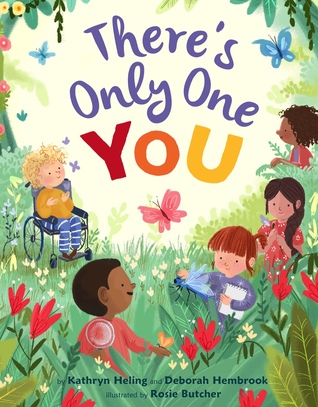
There’s Only One You
Authors: Kathryn Heling and Deborah Hembrook
Illustrator: Rosie Butcher
Published May 7th, 2019 by Union Square Kids

Summary: This feel-good book reassures kids that, whoever and whatever they are, it’s awesome being YOU! Expertly written to include all kinds of children and families, it embraces the beauty in a range of physical types, personalities, and abilities. Kids will love discovering and recognizing themselves in these pages—and they’ll feel proud to see their special qualities acknowledged. Adorable illustrations by Rosie Butcher show a diverse community that many will find similar to their own. (Goodreads)

About the Creators:

Kathryn Heling and Deborah Hembrook have coauthored several books for children, including Ten Lucky Leprechauns (Scholastic) and Mouse Makes Words: A Phonics Reader (Random House). Kathryn is a school psychologist and Deborah is a kindergarten teacher. They both live in WI. Learn more at helinghembrook.com.

Rosie Butcher lives in East Yorkshire and spends her summers in Sweden. Follow her @scrimmle.

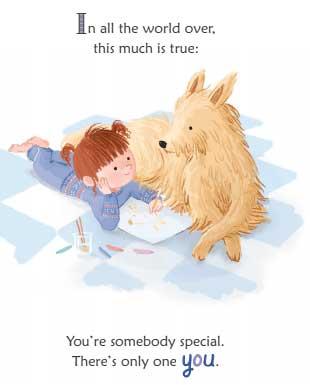
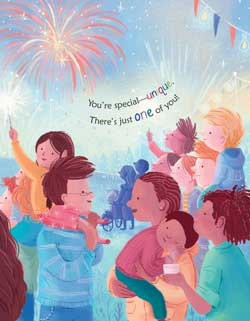
Review: I really enjoyed reading There’s Only One You. It is a wonderful book embracing diversity, inclusion, and individuality. The book is filled with beautiful illustrations demonstrating what makes us unique. The book is written in a rhythmic style, so it is engaging for young readers. Each spread beautifully displays the range of physical characteristics, personalities, or abilities individuals may have. The book is filled with bright vivid colors. Each page is filled with many details. Readers will enjoy exploring each page. The book and the illustrations go beyond inclusion of physical characteristics and incorporate physical attributes and challenges such as being in a wheelchair, using arm crutches, a walker, or using a hearing aid. The book also includes multiple spreads showing differences in families. Illustrations include families that comprise of a mom and a dad, or two moms, or two dads, or a single mom, or a single dad. The authors and illustrator do an excellent job displaying diversity within each page. The book also addresses differences in personalities, such as “crying when you’re sad, or keep tears inside”. The story emphasizes that being unique is what we all have in common. It is what makes us extraordinary.

Teachers’ Tools for Navigation: I believe There’s Only One You is a wonderful book to kick start a new school year. It is a great read aloud choice that reminds students that we are all unique and that is special. The story celebrates all learners. It also encourages empathy among students. It is an excellent aide to teach social emotional learning concepts such as self-esteem, managing thoughts, emotions,

and behaviors, and being against bullying. The book can also be used interdisciplinary in reading, social studies, and art. The text and illustrations are filled with many details that prompt discussion among readers. Students may also respond in a journal entry to some of the subjects addressed in the book or write and draw about their own family. Students may also respond by creating an acrostic poem. In social studies, students can utilize individuality to explore what makes us diverse. For example, exploring

what country each student is from, their culture, traditions, and norms. In art, students can draw a self-portrait of themselves, then share with their classmates.There’s Only One You provides a great opportunity to build a classroom community.

Discussion Questions: 

  • On page 3, the author writes, “It’s awesome being unique!” Based on what we have read so far, what do you think being unique means?
  • On page 4, the author writes, “Do your feelings spill out? Do they lay low and hide? You might cry when you’re sad or keep tears inside.” The author is trying to tell us we differ in how we express our emotions. What are ways you can respond if you do not like something or it is not what you may have wanted?
  • On pages 8 and 9, we see students at the zoo. The author wants us to know how they are different and special. How does the author tell us that the students are different? What can we see from the illustrations?
  • Is there something that makes you unique or different from your classmates?
  • On pages 12 and 13, we can see all the children doing different activities. What kind of activities do we see in the picture? Do you have an activity that you love to do?
  • On pages 14 and 15, we can see some cool tools that may help our friends. Can you recall any of these tools? How do they help?

Flagged Passages: 


Read This If You Love: Just Ask!: Be Different, Be Brave, Be You by Sonia Sotomayor, illustrated by Rafael López; You Are Enough: A Book about Inclusion by Margaret O’ Hair, illustrated by Sofia Cardoso; Different–A Great Thing to Be! by Heather Avis, illustrated by Sarah Mensinga

Recommended For: 

classroomlibrarybuttonsmall

Thank you, Jessica, for your review!

Guest Review: Magyk by Angie Sage

Share

Guest Reviewer: Grace, UCF Elementary Education Student

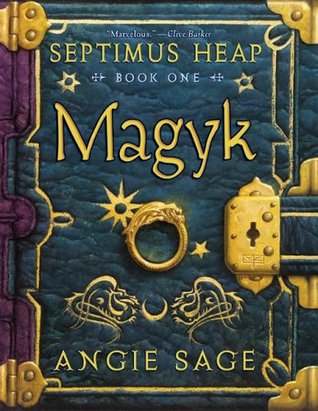
Magyk (Septimus Heap Book One)
Author: Angie Sage
Published March 2nd, 2005 by Bloomsbury Publishing

Summary: The first part of this enthralling new series leads readers on a fantastic journey filled with quirky characters, clever charms, potions and spells, and a yearning to uncover the mystery at the heart of this story…who is Septimus Heap?

The 7th son of the 7th son, aptly named Septimus Heap, is stolen the night he is born by a midwife who pronounces him dead. That same night, the baby’s father, Silas Heap, comes across a bundle in the snow containing a newborn girl with violet eyes. The Heaps take this helpless newborn into their home, name her Jenna, and raise her as their own. But who is this mysterious baby girl, and what really happened to their beloved son, Septimus?

Angie Sage writes in the tradition of great British storytellers. Her inventive fantasy is filled with humor and heart: Magyk will have readers laughing and begging for more.

About the Author: Angie Sage began her career illustrating books, and then started writing – first toddler books, later chapter books and then the masterful Septimus Heap. She lives in a fifteenth-century house in Somerset. She has two grown-up daughters.

Review: Magyk is an interesting fantasy adventure that provides children an alternative to the increasingly controversial Harry Potter series. It has themes of wizardry/magic and adventure and focuses on a small group of young characters that age throughout the series.

Magyk and the rest of the Septimus Heap series promotes gender equality as it has several strong female characters and shows women in positions of power without questioning from other characters. In addition, this book and its series promote friendships between characters not only of different genders but of different backgrounds and races.

This book also has strong themes of found-family as well as other complicated family relationships that can be comforting to children without a more traditional nuclear family structure. One of the main characters, Jenna, has been adopted and struggles with her relationships with her non-adopted siblings. This is explored further in later books in the series when she meets her biological father and learns the identity of her birth mother.

The series associated with Magyk grows with its reader as Septimus, the main character, ages throughout the series. The books introduce increasingly mature themes over time, introducing readers to new ideas as they are ready for them.

Teachers’ Tools for Navigation: This book touches upon the idea of found family. This theme could be implemented in the classroom to help students better understand the importance of relationships between themselves and those around them. Highlighting the importance of the people we surround ourselves with and the aid they can provide is an important lesson to learn as it gives us strength to go about our day.

This book also teaches students to trust themselves and bare more responsibility as time goes by. Throughout the book, the characters discover that true power comes from themselves. It is only by trusting themselves and working hard that can they achieve their goals. This teaches students the importance of a good work ethic and how you have to work in order to achieve your goals. By adding additional responsibilities to characters throughout the book you can see how their wants and needs change over time however, this does not take away from the goals and aspirations they want to achieve.

Discussion Questions: 

  • Although Jenna is not related to the Heaps by blood she is raised as their daughter. How does Jenna’s relationship with her parents differ from that of her “siblings”?
  • Boy 412 and Jenna both have complicated pasts. How does their relationship change throughout the book as they learn more about themselves and each other?
  • How does Boy 412 relationships with others vary compared to how other children in the book make relationships?
  • How do the circumstances in which Jenna and Boy 412 discover their identities vary? How does this affect how they react to the news?
  • Boy 412 was raised in a militaristic environment, how does this shape the person he has become? If he was raised in a different environment do you think his personality would be different?
  • How do Marcia, Sarah, Zelda, and Silas treat the children differently? Why do you believe they have such different approaches?

Flagged Passages: 

“Oh it’s a pebble… But it’s a really nice pebble Dad thanks.”

Read This If You Love: Books about witches/wizards, Books that age with you

Recommended For: 

classroomlibrarybuttonsmall

Thank you, Grace, for your review!!


Pigeon & Cat by Edward Hemingway

Share

Pigeon & Cat
Author & Illustrator: Edward Hemingway
Published June 21st, 2022 from Christy Ottaviano Books

Summary: Pigeon and Cat form a lasting bond in this poignant picture book about compassion and friendship.

In an abandoned city lot, Cat lives alone in a cardboard box. He leaves only to find food. One day, Cat discovers an unbroken egg too beautiful to eat. Soon, out pecks Pigeon, and they become fast friends. Cat is happy to share his box with Pigeon. But when Pigeon flies far away from where they live, Cat must brave the city in order to rescue his friend. This journey will forever transform his understanding of home.

This heartwarming story explores unlikely friendships, the creative spark within us, and how to give comfort and kindness in small, impactful gestures. It is also a celebration of urban community.

About the Author: Edward Hemingway is the acclaimed creator of many popular books: Tough Cookie: A Christmas Story, Field Guide to the Grumpasaurus, and Bad Apple: A Tale of Friendship. His writing and artwork have been published in the New York Times and GQ Magazine, among others. The youngest grandson of Ernest Hemingway, he lives in Bozeman, Montana. He invites you to visit him at edwardhemingway.com, on Twitter @EdwardHemingway, and  Instagram: @edwardhemingway.

Review: This book is special both in message and in art.

First, I loved that the book not only showed that one act of kindness can change a lot and that a friendship can change people, but it also showed that there are people out there that it is worth not giving up hope on. Cat, at the beginning, is hard to like and it seems he would be okay with that. Then he saves Pigeon and changes. Although, it is HIS act of kindness that changes the trajectory of the story, it is Pigeon that helps him see that that kindness isn’t a fluke; that Cat can be more than he’s been.

Second, Hemingway’s art is just so beautifully done. It is hard for me to explain, but just looking at the style of his painting, I find myself being sucked into the story. It is just a fantastic addition to the story and brings it all to life in a way that is so perfect. I can definitely see Hemingway’s love in the art (see below for what he said about the art).

Teachers’ Tools for Navigation: Edward Hemingway created a video sharing his inspiration behind the book (https://vimeo.com/626765984) which would be a wonderful start of a discussion about kindness and friendship and how it can change someone’s life and even the world. Students could also write their own stories with an act of kindness changing a character just like Cat changed.

Also, I received the book with an amazing letter from the author which is a call for action. I want to share it with you because it has so much to talk about as well as a perfect After Reading activity in the classroom:

Dear Reader,

I am very proud to be sending you my latest work, Pigeon & Cat. This book is so special to me. At its heart it is a story about kindness and compassion, and also about the gifts that art provides.

I hand painted all the artwork for the book during the height of the pandemic, so I was either isolating in my studio or at home with my fiancé. In a way, the book became one of my friends, and I looked forward to seeing it and working on it every day. I’m so happy to be sharing it with you now, and I hope that reading it touches you in some small way.

Pigeon & Cat begins with one small act of kindness. When Cat finds Pigeon’s abandoned egg on the ground, he cares for it instead of eating it. I firmly believe that such small acts of kindness can shine a bright light in dark times and open the pathway to a more positive future.

In the spirit of envisioning such a future, I have a small favor to ask of you. Pigeon opens Cat’s eyes to the beauty in the world around him, and when Pigeon goes missing, Cat creates beautiful messages in chalk that dot the city streets, walls, and avenues in an effort to reach his friend. He leaves these messages for all to see… Won’t you leave some beautiful messages on a wall or street or chalk board for your friends and community just like Cat? It would be wonderful to see the beautiful things you create.

If you post your creations, please tag me so I can see what you do!
🤗🙂❤️🌈
Sincerely yours,
Eddie Hemingway

Discussion Questions: 

  • What did Pigeon do to change how Cat viewed the world?
  • How did this change Cat’s character traits?
  • Why was Cat the way he was at the beginning?
  • Cat thought he was happy in the beginning of the book. Do you think he was happier at the beginning or end?
  • What types of messages did Cat draw around the city for Pigeon to find?
  • How does the transformation of Cat’s shelter represent Cat’s change as a character?
  • Why do you think the creator had illustrations change from full color to black silhouetted sometimes?
  • What kindness messages would you put around your community for others?
  • What was something during the pandemic that you did to help keep yourself preoccupied?

Flagged Passages: 

Read This If You Love: Mr. Fuzzbuster Knows He’s the Favorite by Stacy McAnulty, illustrated by Edward HemingwayNegative Cat by Sophie Blackall; Inside Cat by Brendan Wenzel; A Cat is Better by Linda Joy SingletonAll Are Welcome by Alexandra Penfold

Recommended For: 

classroomlibrarybuttonsmall

Signature

**Thank you to Blue Slip Media for providing a copy for review!!**

Review and Giveaway!: Pink Is Not a Color by Lindsay Ward

Share

Pink Is Not A Color
Author and Illustrator: Lindsay Ward
Published: July 1, 2022 by Two Lions

Goodreads Summary: Pink finds happiness right where she always knew it was in this colorful companion to the popular picture book This Book Is Gray.

Pink loves her rosy world, from her pink toy dinosaur to her pet flamingo, Phil. But when she sees the Primaries and Secondaries getting ready for the Rainbow Extravaganza, she begins to wonder why she isn’t in the rainbow…and if that means she’s not really a color. Then she meets the Tints, and she’s even more confused. Luckily, a friend shows her the many ways she spreads joy—reminding Pink that she is truly one of a kind, rainbow or not.

Featuring the world of colors introduced in This Book Is Gray—and a few new color concepts—this is a tale about appreciating who you are and realizing that only you can decide what makes you happy.

“Ward’s cast of colors, pink-cheeked and wearing accessories, speak in color-coded speech bubbles; appropriately, pink hues dominate the exuberant art. A rosy take on selfhood.” ―Kirkus Reviews

Lindsay Ward is the creator of the Dexter T. Rexter series as well as Between the Lines, Scooper and Dumper, Rosie: Stronger than Steel, This Book Is Gray, Brobarians, Rosco vs. the Baby, and The Importance of Being 3. Her book Please Bring Balloons was also made into a play. Lindsay lives with her family in Peninsula, Ohio with her husband, three boys, one dog, and eight ducks. When she’s not drawing, Lindsay loves to bake. Pink-frosted cupcakes are her favorite. Learn more about her online at www.lindsaymward.com.

Twitter: @lindsaymward
Instagram: lindsaymward

Check out activities and more here on Lindsay Ward’s website!

Ricki’s Review: Lindsay Ward is simply an incredible author/illustrator. She takes a concept that is deceivingly simple (the color pink) and connects it with readers through big themes of not fitting in. I have read this book to my son (whose favorite color is pink) so many times, and each time, we are able to have a discussion about his personal connections to the text. When I dropped him off to his new classroom, we talked about Pink and how she might feel in that moment, and how she was very brave. This is one of those books that will appeal to readers of all ages because it captures a complex concept (colors versus tints) that will teach readers something new, and it has so much heart that will ring loudly for all readers. I recommend it highly! (Side note: Her Dexter T. Rexter series is one of my favorites. Her books are just so fun to read aloud!)

Kellee’s Review: I want to start with the backmatter of this book. I love how it shows the research process behind Lindsay’s book and how one piece of information led to more research which led to Pink is Not a Color. It seems so much like a passion project which makes me love how that could show students the power of research and the creative process. And the research is so interesting! The science behind colors is so much more than most realize, and I love this introduction. I’d love to pair this book with Blue: A History of the Color as Deep as the Sea and as Wide as the Sky to look at the history AND the science of color. Pink is NOT a Color will also pair with This Book is Gray which shows how Lindsay Ward is making a canon of color books that are so much fun to read and even more fun to learn from.

Readers will love Pink’s personality and will definitely connect with her as she figures out her place in the world through the help of some friends, some discovery, and some reflection.

Teachers’ Tools for Navigation: This is one of those books that makes us really, really want to work with younger children. And yet, it is great for all ages! We would love to read this book in tandem with other identity stories like This Book is Gray by Lindsay Ward and Red: A Crayon’s Story by Michael Hall. Each offers an important message about ourselves but does so through color.

Discussion Questions:

  • How does the author convey the message implicitly and explicitly?
  • Is Pink happy? Where does Pink find happiness?
  • Have you ever felt like you didn’t fit in? What did you do?

Flagged Spreads:

Giveaway!:

a Rafflecopter giveaway

Read This If You Loved: This Book is Gray by Lindsay Ward, Red: A Crayon’s Story by Michael Hall, Blue: A History of the Color as Deep as the Sea and as Wide as the Sky by Nana Ekua Brew-Hammond, The Day the Crayons Quit by Drew Daywalt

Recommended For: 

readaloudbuttonsmall classroomlibrarybuttonsmall

RickiSigand Kellee Signature

**Thank you to Barbara at Blue Slip Media for providing copies for review!**