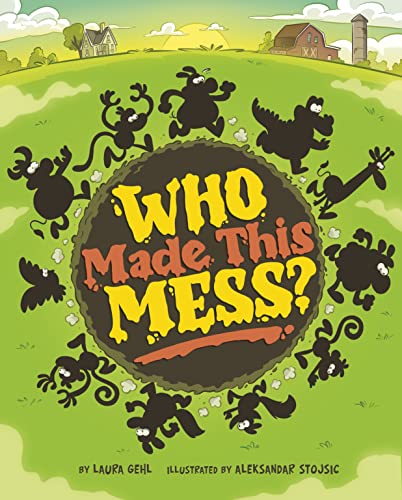
Who Made This Mess? by Laura Gehl, Illustrated by Aleksandar Stojsic

Share

Who Made This Mess?
Author: Laura Gehl
Illustrator: Aleksandar Stojsic
Published July 31st, 2023 by Capstone

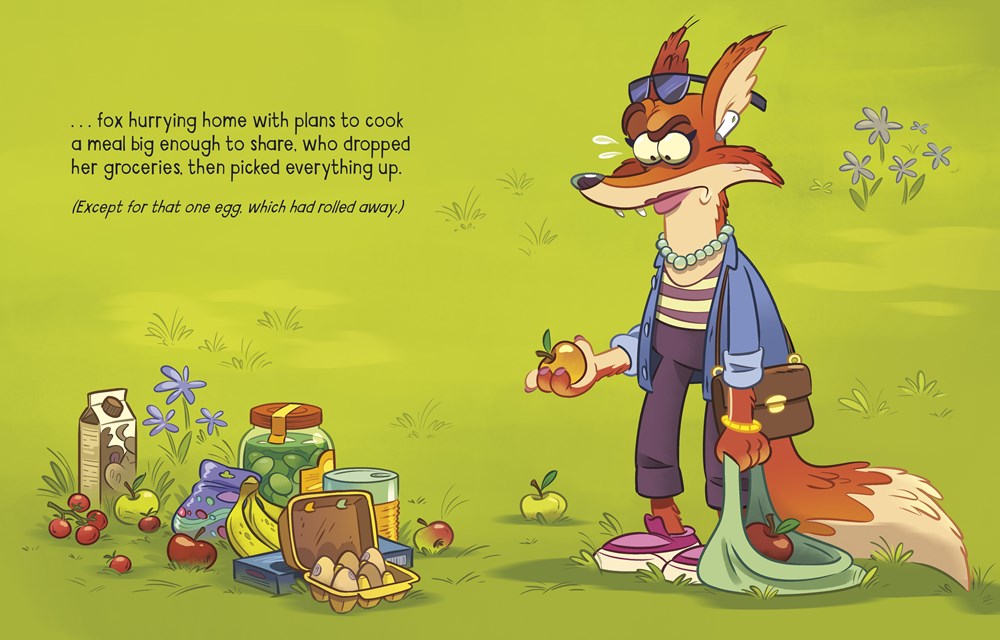
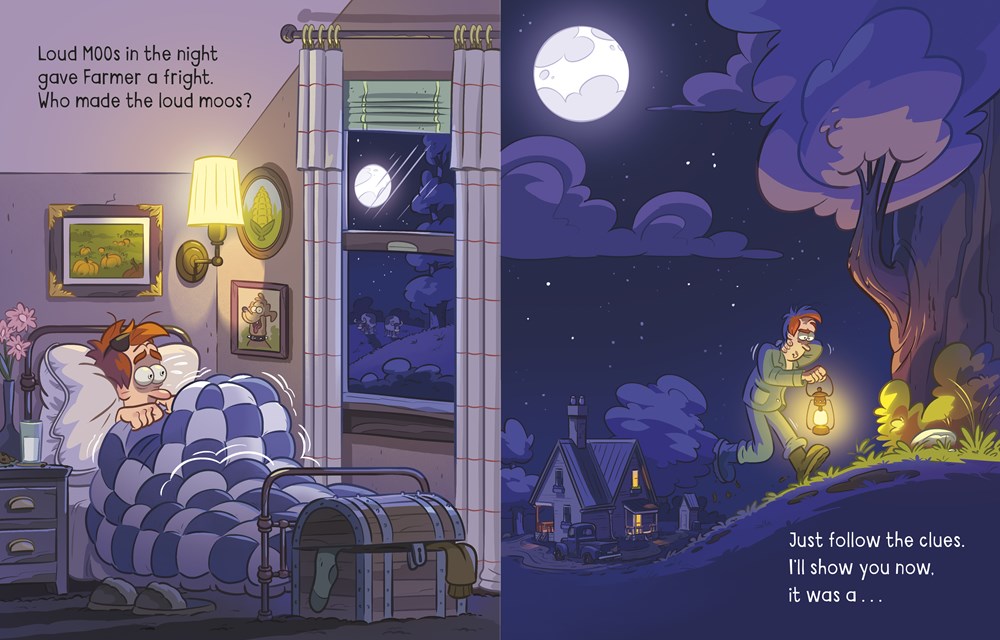
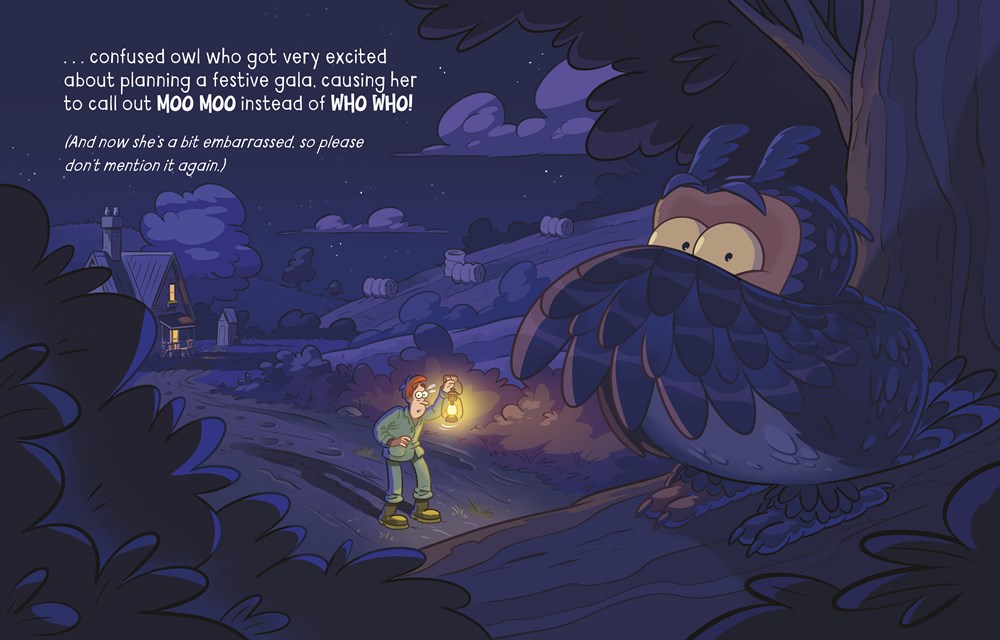
Summary: Mud splattered everywhere, tangled-up wool in huge piles, and carrot tops strewn about–what in the world is happening in this animal village? It’s quite a mystery! But thanks to rhyming clues, everyone will be able to easily guess the animal culprits–or will they? In this laugh-out-loud, expectation-defying picture book, Laura Gehl (May Saves the Day and The Hiking Viking) uses a rhyming mystery to help readers adjust their outlook, keep an open mind, and learn not to make assumptions.

About the Creators:

Laura Gehl is the award-winning author of more than forty popular picture books, board books, and early readers including One Big Pair of Underwear, Except When They Don’t, My Pillow Keeps Moving, Apple and Magnolia, and the Baby Scientist series. Laura lives in Chevy Chase, Maryland, with her husband and four children. Visit Laura at lauragehl.com.

Twitter: @AuthorLauraGehl
Instagram: @authorlauragehl
Facebook: @AuthorLauraGehl

Aleksandar Stojsic graduated from Novi Sad Academy of Arts in 2006. He is a prolific character designer and children’s book illustrator who has been producing humorous illustrations for clients for over two decades. He has worked with many leading publishers and animators around the world.

Review: The full page, colorful illustrations in combination with the silliness and rhyming will lead to so many kids loving this book. It is entertaining concept that will lead to so much fun back and forth when reading allowed: “Who made that mess??” then kids yell the answer and discuss then continue. It will be so much fun! And it lends it self to reading and writing opportunities in the classroom!

Tools for Navigation: This book will lead to conversations when read aloud and a fun writing activity. First, each new mess gives an opportunity for prediction. Second, because some are unexpected while others aren’t, the predictions can lead to discussions about assumptions. Third, the rhyming text can be used as a mentor text to make their own “Who Made This Mess?” spreads.

Discussion Questions: 

  • Who do you think made the mess?
  • Were you right or wrong?
  • Why did you assume ____ had made the mess?
  • What does this book teach us about assumptions?
  • Would you want to go to the party?
  • What type of mess could you write about an animal making? What about a mess YOU make?

Flagged Spreads: 
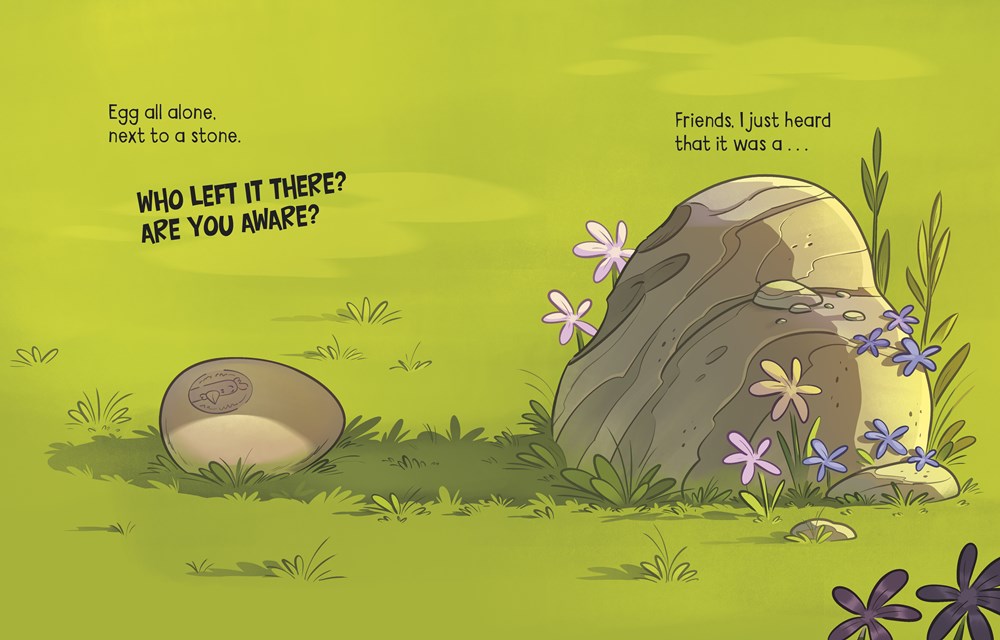
Read This If You Love: Silly animal picture books

Recommended For: 

classroomlibrarybuttonsmall 

Signature

**Thank you to Barbara at Blue Slip Media and Capstone for providing a copy for review!**
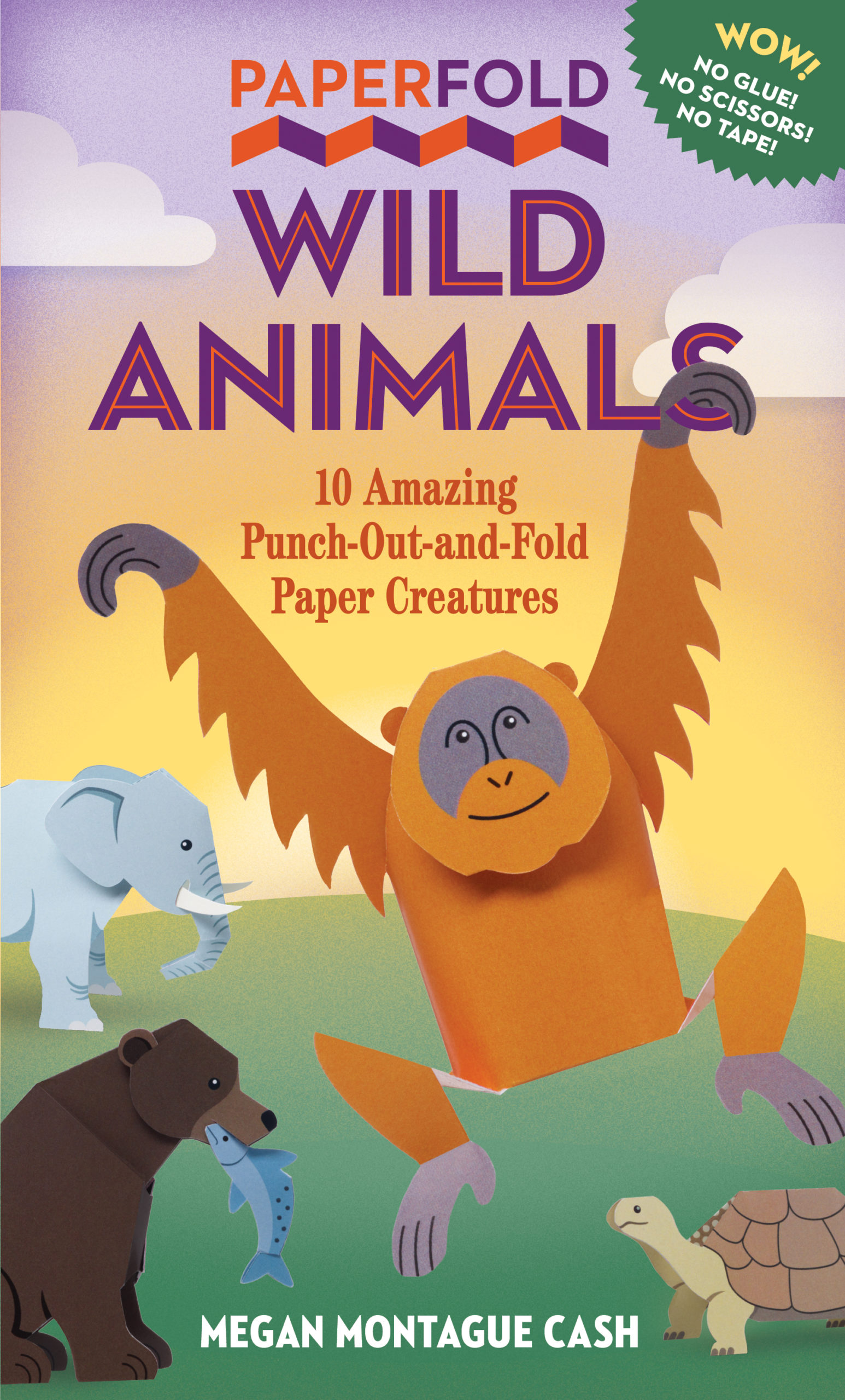
Paperfold Wild Animals: 10 Amazing Punch-Out-and-Fold Paper Creatures by Megan Montague Cash

Share

Paperfold Wild Animals: 10 Amazing Punch-Out-and-Fold Paper Creatures
Author: Megan Montague Cash
Published: May 2, 2023 by Workman Publishing

Summary: Welcome to the magic of paperfolding—from flat pieces of paper to 3D creatures, find a new creative outlet with no scissors or glue required!

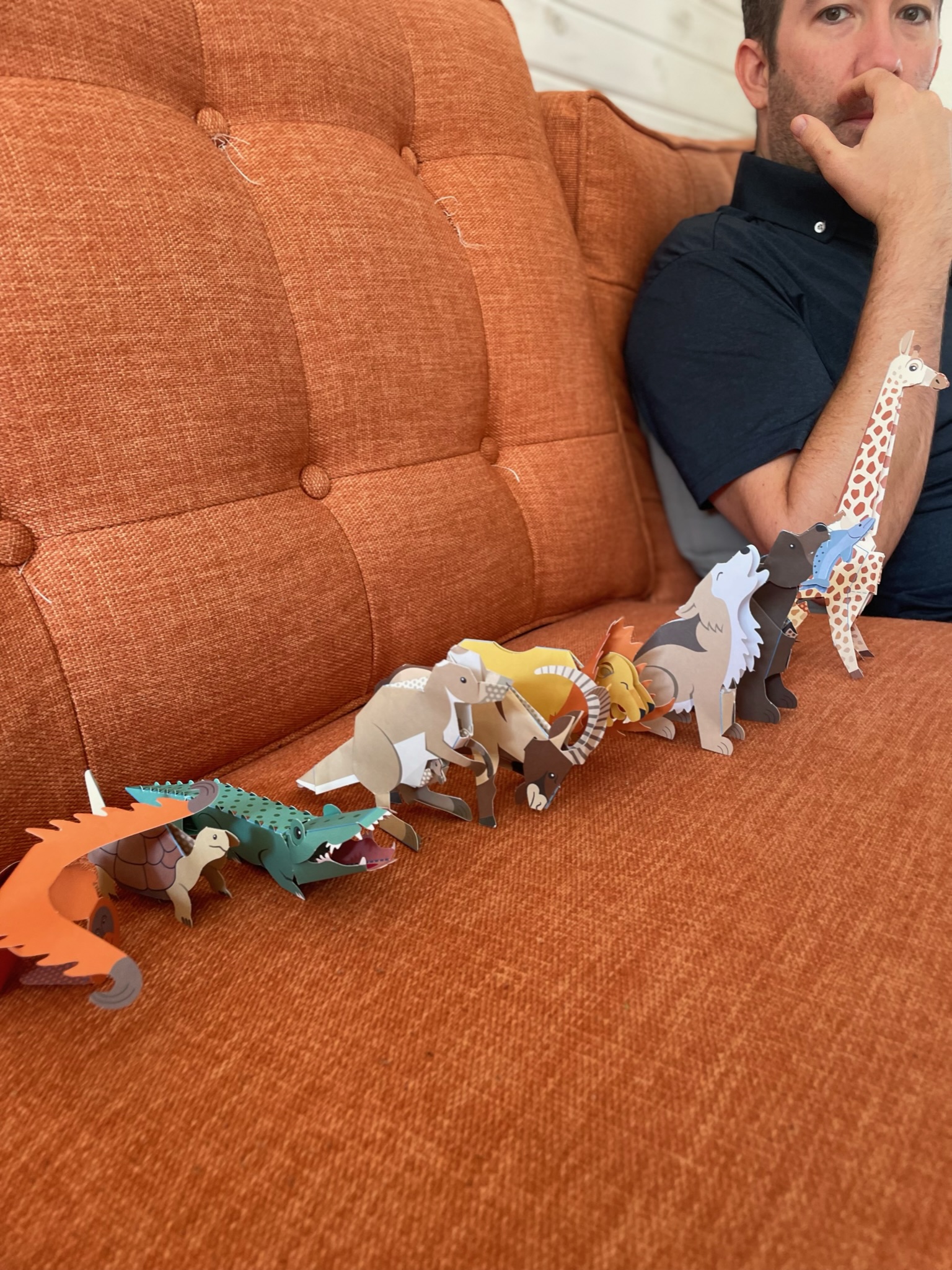
Ingeniously designed using interlocking tabs and only two simple types of folds, Paperfold Wild Animals is a new kind of paper craft that’s fun and mess-free for kids 7+. Punch out and construct ten amazing models of animals from around the a wolf in mid-howl, a bear about to enjoy the fresh salmon it just caught, an ibex with its horns down and ready to charge, and more.

Every animal comes with a set of surprising facts too. Did you know that a tortoise can live to be 150 years old and is able to recognize human features? Or that kangaroos are good swimmers? Or that a lion’s roar can be heard from 5 miles away?

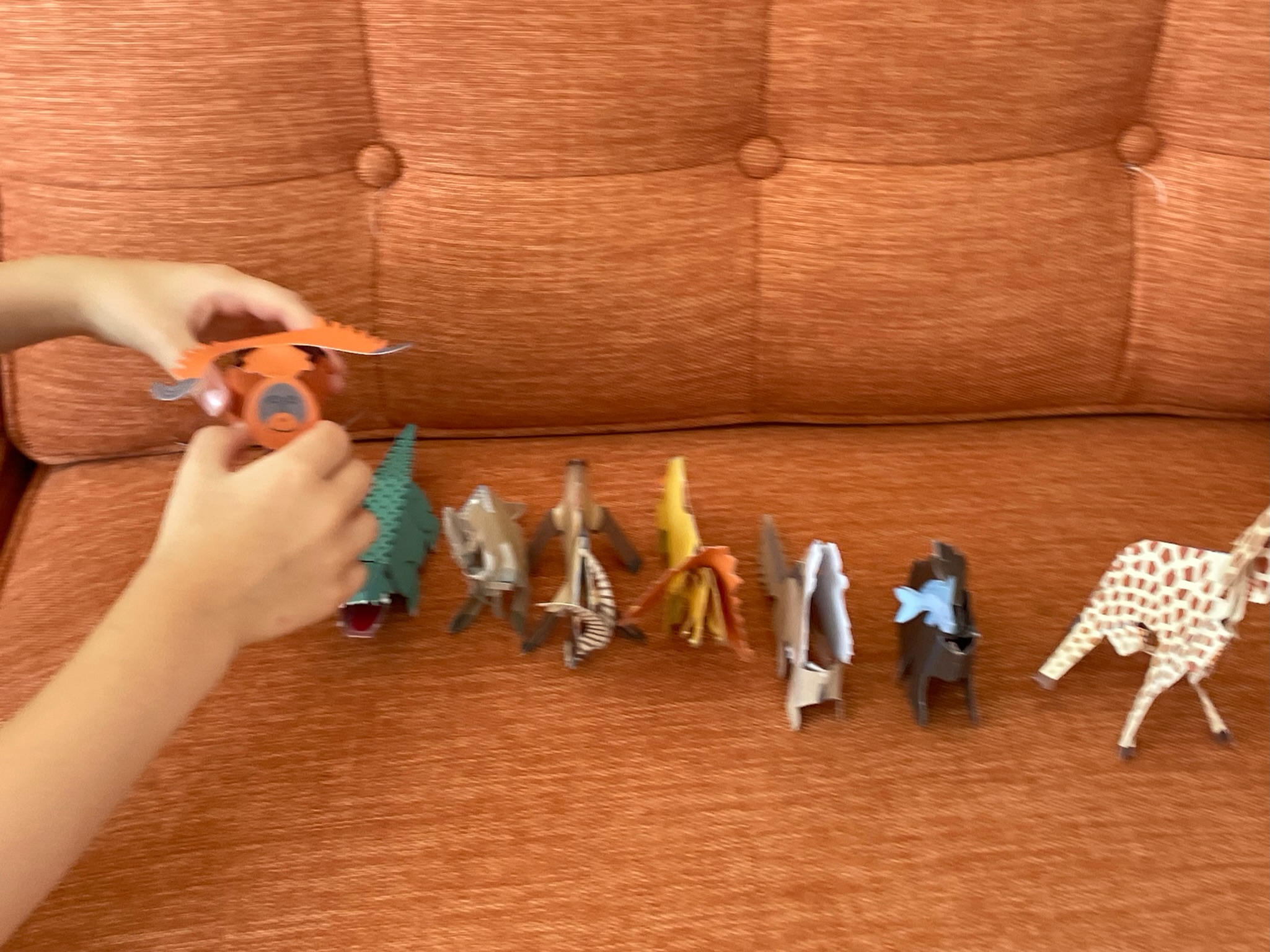
Review: We took our kids out of state to a wedding, and this book saved the week. My kids were feverishly folding the papers and sharing the facts with each other. They lined the animals up on the table when we ate, and they lined them on the dressers when we slept. When I think of this trip, I will think about the wedding, but I will also think about these wild animals and the fun facts that I learned. I highly recommend this one—it truly is mess-free fun!

Teaching Tools for Navigation: This book would be amazing for fast finishers in class. It requires students to follow instructions, and there are some really great facts for them to learn!

Discussion Questions: 

  • Which was your favorite animal?
  • What fun facts did you learn about the animals?

Paperfold Wild Animals on Our Trip: 

Read This If You Love: Activity Books, Animals

Recommended For: 

 classroomlibrarybuttonsmall 

RickiSig

**Thank you to Ivanka at Workman Publishing for sending a copy of this book for an honest review!**

Cat Jokes vs. Dog Jokes: A Read-From-Both-Sides Comic Book by David Lewman, Illustrated by John McNamee

Share

Cat Jokes vs. Dog Jokes: A Read-From-Both-Sides Comic Book
Author: David Lewman
Illustrator: John McNamee
Published: June 20, 2023 by Workman Publishing

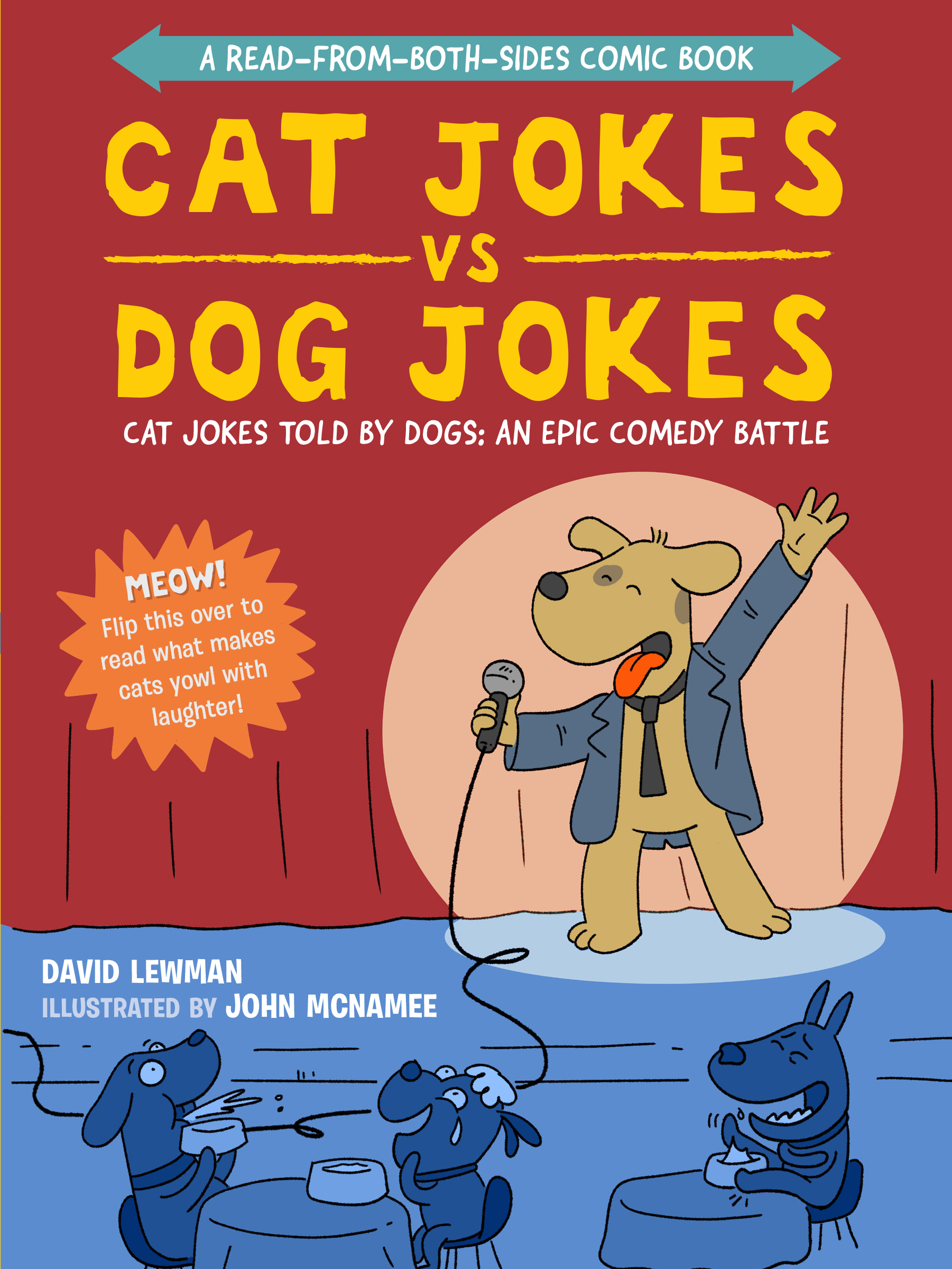
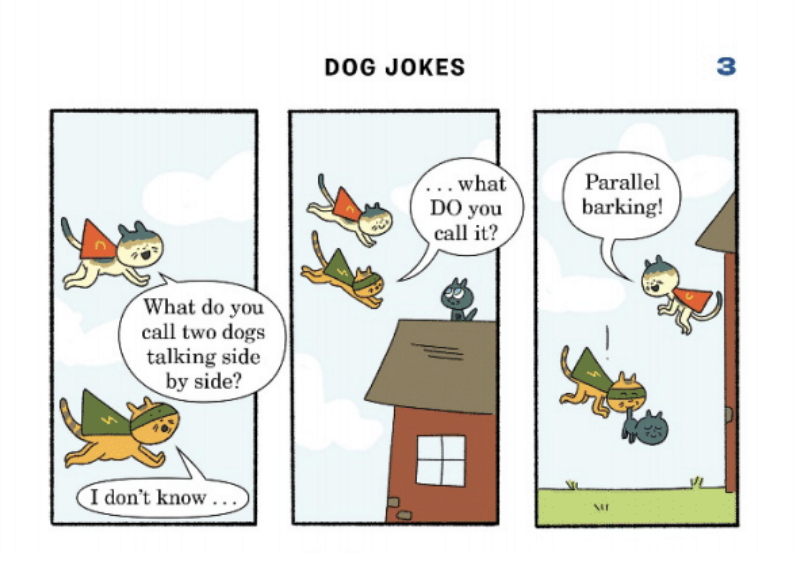
Summary: In this silly, comic-style joke collection for kids, one side is packed with cartoons of dog jokes told by cats, and the other side stuffed with cat jokes told by dogs—for more than 200 jokes in all!

There are few rivalries across history that are quite as formidable as CATS vs. DOGS. In this fully illustrated joke book, they go head-to-head—with a twist or two that may give you…paws. Presented in tête-bêche format (read-from-both-sides), the first half of the book consists of cat jokes told by a recurring cast of dogs—What do you call an insect in a cat’s bathroom? A litterbug! But, flip the book over to start from the other side, and it becomes a book of dog jokes told by What’s the difference between kibble and a heavy mist? One is dog food, and the other is fog, dude! In the middle spread, the casts of cartoon dogs and cats come together for a midbook finale of, believe it or not, shared giggles, snorts, and guffaws. The comic-book-style illustrations throughout offer added layers of humor, funny visuals, and wisecracking characters who don’t just tell the jokes, but comment on and react to them, too.

Review: This book has been the center of our household, and although I always donate the books I receive for review to the local schools—it is going to take a lot of effort to pry this out of my kids’ hands! Not a day has gone by in the last several weeks that I haven’t heard a dog or a cat joke. My kids love the rivalry between the dog and the cat in this book. I asked my first grader which jokes were the funniest, and he said, “The cat jokes!” I was shocked because he loves dogs and asked him why he liked the cat jokes more. He replied, “Because the dog is telling the cat jokes, and he is so funny!” I recommend this book for classrooms—it will pull in all kinds of readers, and they won’t even realize the great vocabulary that they are gaining!

Teaching Tools for Navigation: I would use this book as a way to inspire conversations about writing for humor. Students could also create their own tête-bêche (read-from-both-sides) books!

Discussion Questions: 

  • Which jokes really resonated with you? What type of humor did they use?
  • Do you think the dog or the cat is funnier? What kinds of humor do each of them use?
  • What other funny jokes do you know?

Flagged Passage:


Read This If You Love: Humor; Jokes, Animals

Recommended For: 

readaloudbuttonsmall classroomlibrarybuttonsmall  

RickiSig

**Thank you to Ivanka at Workman for sending a copy of this book for an honest review!**

Author Guest Post: “What is it Like to be a Dog?” by Dr. John Bradshaw, Author of A First Guide to Dogs: Understanding Your Very Best Friend

Share

“What is it Like to be a Dog?”

My middle-schooler grandkids love their superheroes. Posters of their favorites adorn their bedroom walls, their T-shirts feature costumed crusaders extolling their superpowers. Yet few parents realize that the family dog has his or her own set of superpowers, not so flashy as those of their two-legged fictional counterparts, but, in their own way, just as enthralling. If only more people would take the time to wonder, “what is it like to be a dog?” (or, indeed, any other animal).

Imaginary worlds are the very stuff of childhood, and nowadays we have the knowledge to stretch children’s imaginations to include the worlds of animals as well as humans and their ilk. Over the past hundred years or so, science has revealed just how many differences there are between reality as we know it, and the many parallel but distinctive realities inhabited by other animals. The family dog is probably the most accessible example, but any animal could serve, whether the family cat, a small furry, or even a bird perched on a wire outside an apartment window. Any one of these could lead to valuable insights into how the animals around us live in their own worlds.

Dogs make great subjects for such flights of fancy, and not only because they’re so familiar to us. Their version of the family home overlaps with ours a lot – otherwise we’d find them difficult to live with, and vice versa – but there are also many intriguing differences that I reveal in my book for middle-graders, “A First Guide To Dogs”. Dogs can hear high-pitched sounds that we can’t, they’re red-green color-blind and permanently long-sighted, their sense of smell is thousands of times better than ours, and they have a whole other “nose” that sits between their actual nose and the roof of their mouths, that helps them to decode – and perhaps store – the individual smells of other dogs. Indeed, dogs’ social lives revolve around these smells, hence the care with which they choose a place to pee, and their obsession with sniffing underneath each other’s tails.

It’s not only the physical world that must seem different to a dog. Their minds work differently too, even though their brains are laid out in a similar way to ours. Scientists are still arguing about whether dogs are aware of themselves to the same extent that we are (probably not so much), but we are now sure that their sense of time is different to ours. Dogs live much more in the here-and-now than we do, having only a limited perception of the past and even less of a grasp of the future. This has profound implications for the way they interpret our actions. Most pertinently, they seem unable to understand that whenever we leave the home, they should expect us to return. Left home alone, many dogs fear they have been abandoned for good, raising their stress levels sky-high. A simple training regime can overcome this, but too few owners understand the necessity.

Dogs’ lives can also provide great lessons for thinking about what “well-being” really means. Hold on, surely everyone loves their dog, right? But that’s no guarantee that dogs will always get the happiness they deserve. The problems come when dogs get treated as if they were just little people, not animals with their own priorities. How would middle-schoolers feel if their parents ripped their screens out of their hands every time they saw a message from a friend? Yet that’s exactly what dogs must experience when they’re yanked away from every interesting smell by the leash tightening around their neck.

Dogs – and other animals – can provide a springboard for amazing journeys into other worlds, now that science has given us so much insight into their minds and how they interpret their surroundings. Thinking about dogs, especially, can give us a close-to-home stimulus for the imagination, whether the focus of the class is science, or ethics, even creative writing.

Published June 13th, 2023 by Penguin Workshop

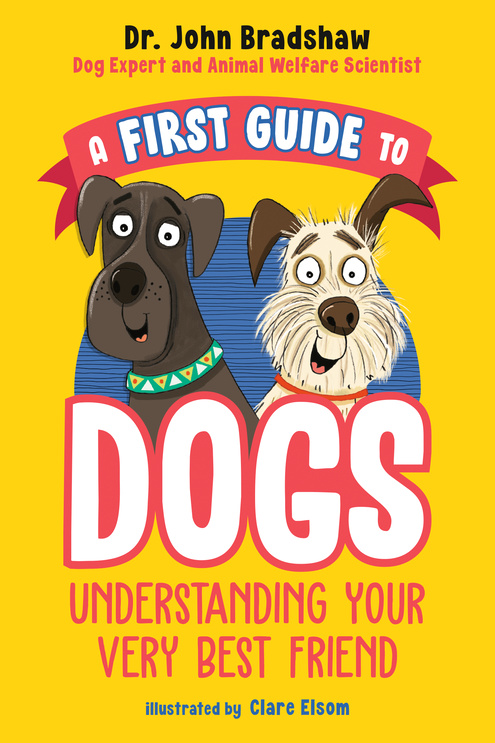
About the Book: Featuring fun illustrations (by Clare Elsom) and easy how-tos from animal expert Dr. John Bradshaw!

Uncovering the secret lives of pets, Dr. John Bradshaw invites young readers to learn more about their closest companions: their dogs! Told from the point of view of Rusty the Terrier, this lively, illustrated book gives kids a front-seat view to the everyday lives of dogs, sharing lessons and growing children into the best pet owners they can be.

 “Perceptive and engaging—essential reading for anyone seeking greater understanding of their four-legged best friends.” — Kirkus, starred review

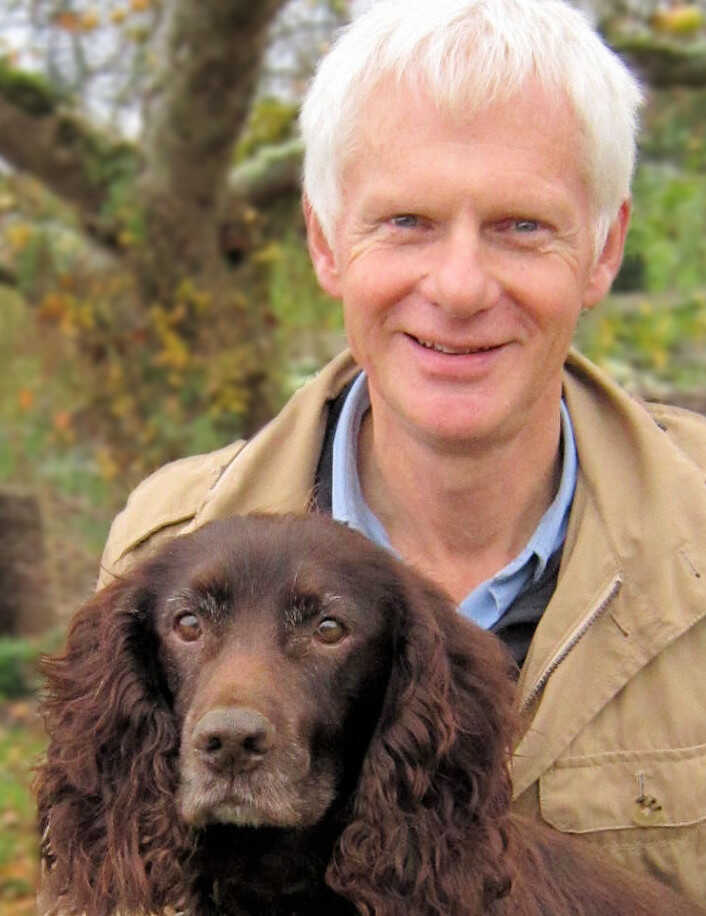
About the Author: John Bradshaw is the director of the Anthrozoology Institute at the University of Bristol in the U.K. He has studied the behavior of domestic cats and dogs for more than 25 years.

Thank you, John, for this fun look into the minds of dogs!

Educators’ Guide for Fox + Chick: The Quiet Boat Ride and Other Stories by Sergio Ruzzier

Share

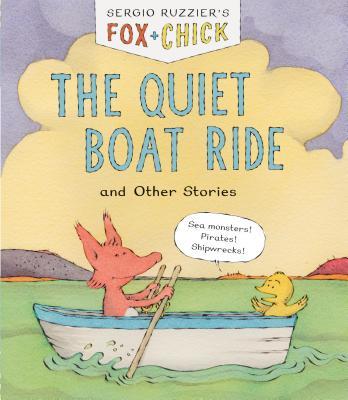
The Quiet Boat Ride and Other Stories (Fox + Chick #2)
Author and Illustrator: Sergio Ruzzier
Published: March 5th, 2019

Summary: Opposite personalities attract for these two unlikely friends: In the second book of this lauded series, Fox and Chick are off on three new adventures involving a boat ride, a mysterious box, and an early morning trip to see the sunrise. Despite the antics ensuing from their different personalities, the contradictory duo always manages to have fun together.

Teachers’ Tools for Navigation and Discussion Questions: 

Please view and enjoy the teachers’ guide I created for Chronicle Books for The Quiet Boat Ride:

You can also access the teaching guide here.

You can learn more about The Quiet Boat Ride and Other Stories on Chronicle’s page.

Recommended For: 

readaloudbuttonsmall classroomlibrarybuttonsmall litcirclesbuttonsmall closereadinganalysisbuttonsmall

Kellee Signature

Maps for Penguins and Other Traveling Animals by Tracey Turner, Illustrated by Hui Skipp

Share

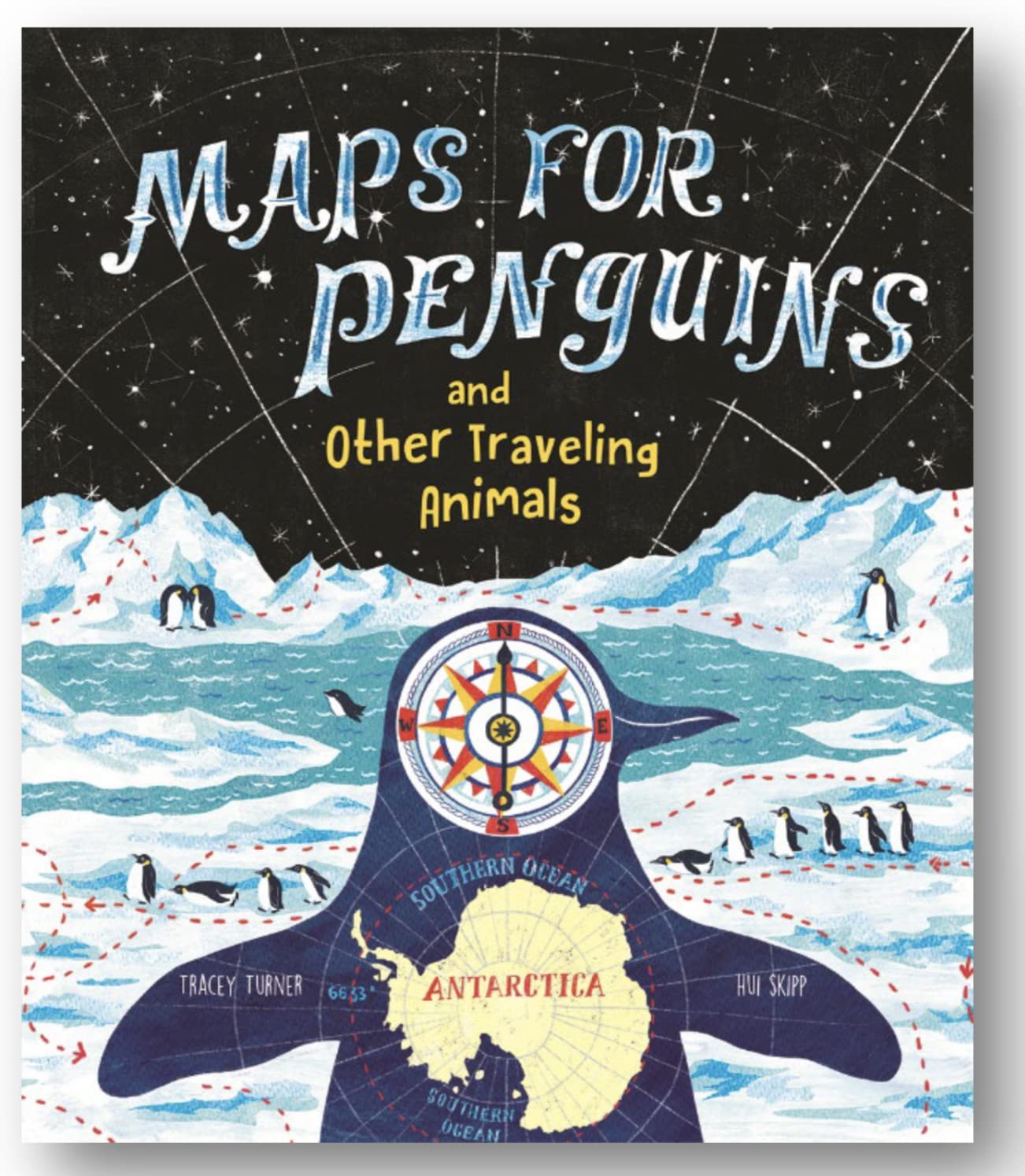
Maps for Penguins and Other Traveling Penguins
Author: Tracey Turner
Illustrator: Hui Skipp
Published January 1st, 2022 by Kane Miller Press

Summary: Follow the treks, long or short, made by ten different animals all over the world.

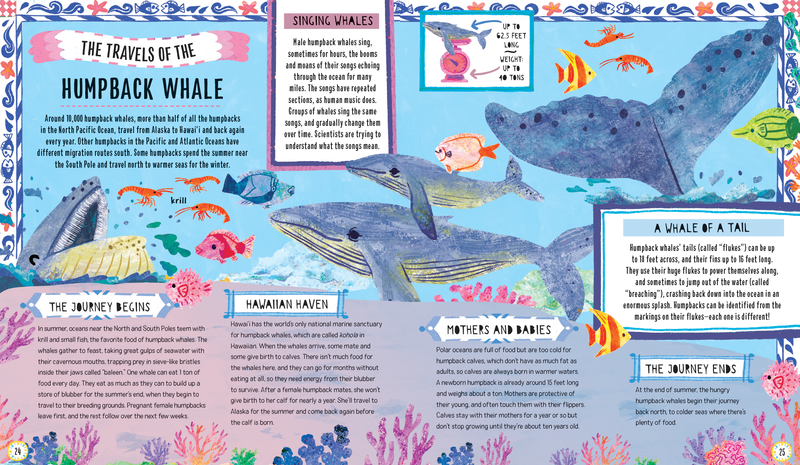
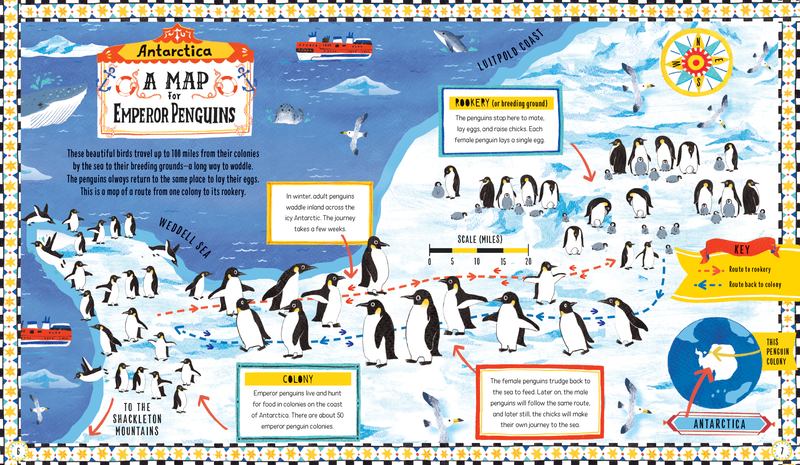
Animals don’t actually use maps, so how do they find their way without them? This book focuses on different animals, including elephants, penguins, tigers, and more, and maps of their migrations, territories, and routes to food. Along with discovering fascinating information about the animals and their amazing ability to navigate without GPS, readers will also learn about distances, geography, climate, and habitats .

Includes:

  • Migration paths plus lots of facts about ten animals and their varying habitats.
  • Introduction to maps and geography.
  • Glossary and index included.
  • Perfect STEM title.

About the Author: Tracey Turner is an author and editor has written more than 70 books that cover a wide range of topics. She lives in Bath, England, with her partner and son.

ReviewThis book is the perfect book for the scientist or animal lover kid in your life! It has so much information that readers will find interesting, even more than what is promised. In addition to maps and migration information, the author includes information about diet, mating, families, habits, and more! And the variety of the animals, from all over the world and habitats, are great also, so the reader takes a trip around the world. All accompanied by colorful and eye catching illustrations! All accompanied by colorful and eye catching illustrations!

Teachers’ Tools for Navigation: Teachers will find so much to use in classrooms! I would love to see this used in a jig saw where each member of a group is given one of the animals, learns all about them by studying the 2 spreads about the animal, then going back to their home group to share what they learned. It could also be used as a jumping off for an inquiry project about another animal using Maps for Penguins as a mentor text for creating their own maps and information spread. The book is also a great early introduction to geography and maps and the glossary and index in the back are helpful to the reader as well.

Discussion Questions: 

  • Which animal migrates or has habitats near where you live?
  • Which animal would you like to learn more about?
  • What other animals do you know about that migrate or travel in another way?
  • Why do animals travel? What are some similarities/differences between the different animals and why/how they travel?
  • Which continents were represented in the book? Which oceans?

Flagged Passages: 

Read This If You Love: Animals, Geography

Recommended For: 

classroomlibrarybuttonsmall 

Signature

**Thank you to Lynn at Kane Miller for providing a copy for review!**
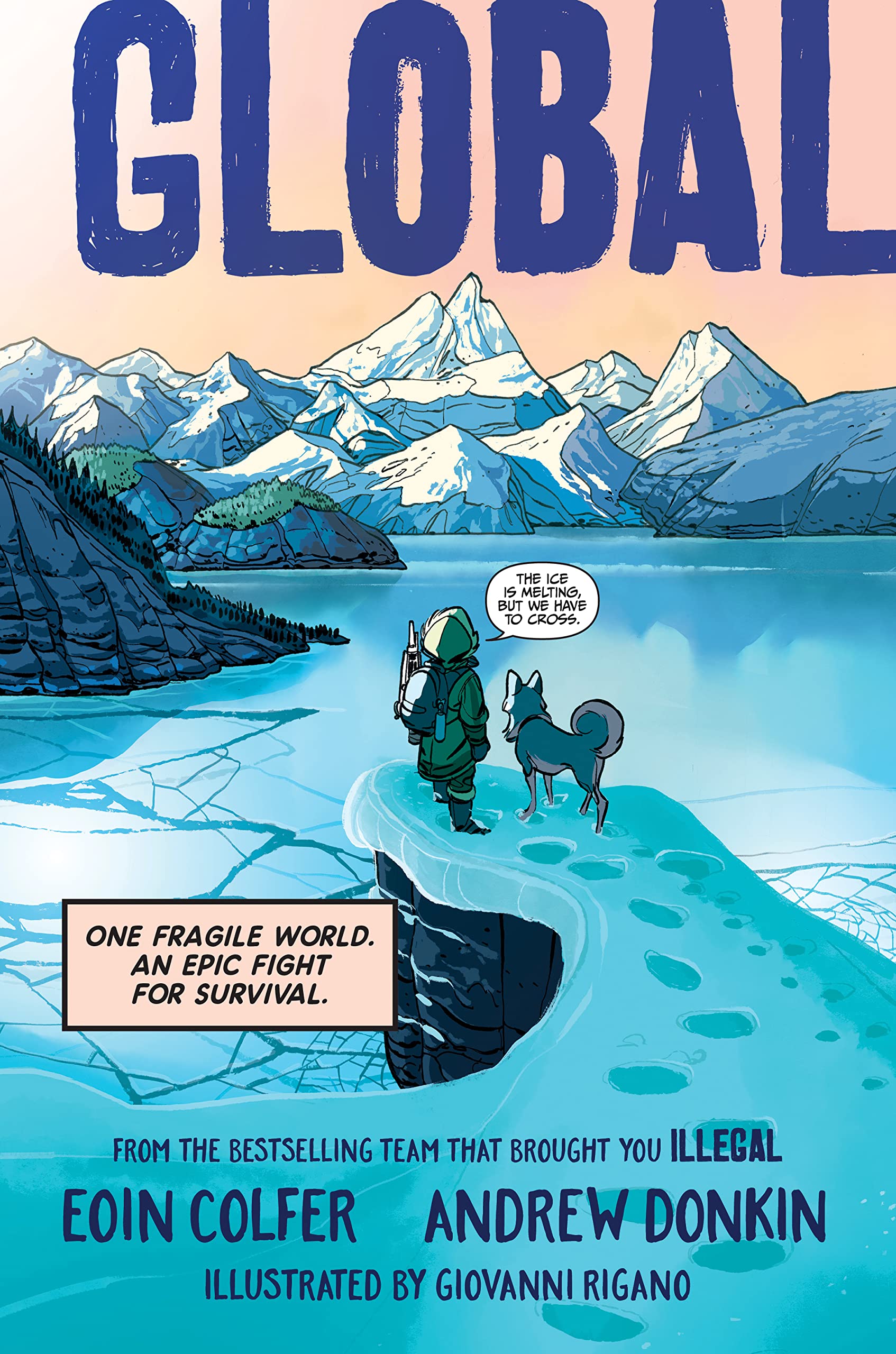
Global by Eoin Colfer and Andrew Donkin, Illustrated by Giovanni Rigano

Share

Global
Authors: Eoin Colfer & Andrew Donkin
Illustrator: Giovanni Rigano
Publishing April 11, 2023 by Sourcebooks Young Readers

Summary: Time is running out for Sami and Yuki. Sami and his grandfather live in a village along the Indian Ocean. They earn their living by fishing. But the ocean is rising and each day they bring back fewer and fewer fish. Yuki lives in the far north of Canada where warming temperature are melting the ice. Polar bears have less food to hunt and are wandering into town looking for something to eat. Yuki is determined to do something to help the bears.

Extras:

    • Four pages, written in graphic novel format, that summarize the history of global warming and the climate change movement
    • An author letter
    • Character sketches

Plot Synopsis as put by the authors: 

Book Trailer:

About the Creators:

Eoin Colfer is the author of Illegal as well as the internationally bestselling Artemis Fowl series. Eoin lives in Ireland with his family. Learn more at eoincolfer.com

Andrew Donkin is the author of more than sixty books and graphic novels for children and adults. He lives in London. Learn more at andrewdonkin.co.uk.

Giovanni Rigano is an artist and illustrator who has illustrated many graphic novels, including the Artemis Fowl series, The Incredibles, Pirates of the Caribbean, and Illegal. He lives in Como, Italy.

Review: Just like in Illegal, Colfer, Donkin, and Rigano do a beautiful job putting a narrative to a crisis to make it more accessible to children who may not understand how something so big is affecting their life and their world.

In Global, the two stories that are told are half a world apart but are tied in the young people who are willing to fight to make the world a better place amidst what many would find truly unlivable and treacherous times.

These three creators obviously have a mission that they have taken on in spreading information to young minds about about “man-made disaster(s) that most impact vulnerable children who had no hand in causing it,” and they do it so well. I look forward to their next collaboration.

Teachers’ Tools for Navigation: This book would be a great text to read in conjunction with the teaching of climate change because it gives a face and story outside of science to the problems our world is facing. Students could also write their own story in the vein of Global (see below in discussion questions) to connect the science to their life.

Discussion Questions: 

  • How do the two stories told in Global relate to each other? Why would the authors choose to tell these two specific stories?
  • How do the authors tell the story of climate change without writing a informational nonfiction book?
  • What did you learn about the two settings that you didn’t know before?
  • How is climate change affecting your home? If there was a story like Global about you and your home, what would it be about?

Read This If You Love: Illegal by the same trio of creators, learning about plights faced in our world, graphic novels about serious topics

Recommended For: 

classroomlibrarybuttonsmall 

Signature

**Thank you to Sourcebooks for providing a copy of the book to review!**