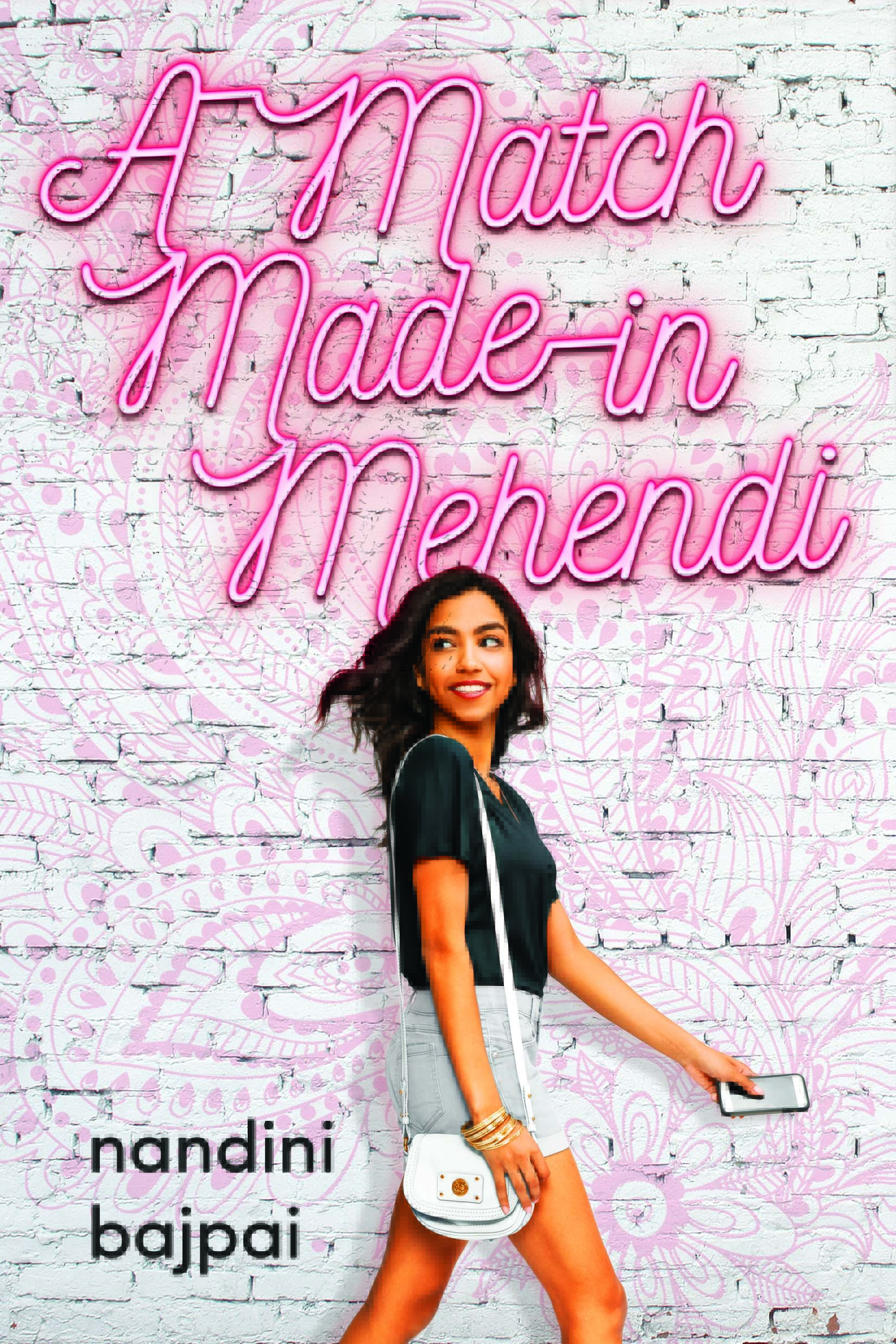
Educators’ Guide for A Match Made in Mehendi by Nandini Bajpai

Share

A Match Made in Mehendi
Author: Nandini Bajpai
Published: September 10th, 2019 by Little, Brown Books for Young Readers

Summary: Fifteen-year-old Simran “Simi” Sangha comes from a long line of Indian vichole-matchmakers-with a rich history for helping parents find good matches for their grown children. When Simi accidentally sets up her cousin and a soon-to-be lawyer, her family is thrilled that she has the “gift.”

But Simi is an artist, and she doesn’t want to have anything to do with relationships, helicopter parents, and family drama. That is, until she realizes this might be just the thing to improve her and her best friend Noah’s social status. Armed with her family’s ancient guide to finding love, Simi starts a matchmaking service-via an app, of course.

But when she helps connect a wallflower of a girl with the star of the boys’ soccer team, she turns the high school hierarchy topsy-turvy, soon making herself public enemy number one.

Teachers’ Tools for Navigation and Discussion Questions: 

Please view and enjoy the educators’ guide I created for Cake Creative Kitchen:

You can also access the educators’ guide here.

You can learn more about A Match Made in Mehendi by visiting Cake Creative Kitchen’s Library.

Recommended For: 

readaloudbuttonsmall classroomlibrarybuttonsmall litcirclesbuttonsmall closereadinganalysisbuttonsmall

Kellee Signature

It’s Monday! What Are You Reading? #IMWAYR 6/12/23

Share

It’s Monday! What Are You Reading?
Sharing Picture Books, Early Readers, Middle Grade Books, and Young Adult Books for All Ages!

It’s Monday! What Are You Reading? is a weekly blog hop co-hosted by Unleashing Readers and Teach Mentor Texts which focuses on sharing books marketed for children and young adults. It offers opportunities to share and recommend books with each other.

The original IMWAYR, with an adult literature focus, was started by Sheila at Book Journeys and is now hosted by Kathryn at The Book Date.

We encourage you to write your own post sharing what you’re reading, link up below, leave a comment, and support other IMWAYR bloggers by visiting and commenting on at least three of the other linked blogs.

Happy reading!

Bold_line

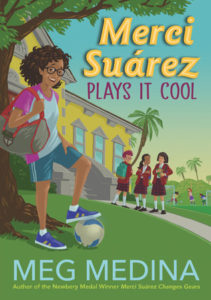
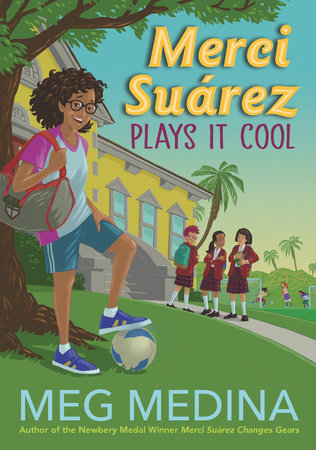
Tuesday: Discussion Guide for Merci Suárez Plays it Cool by Merci Suarez

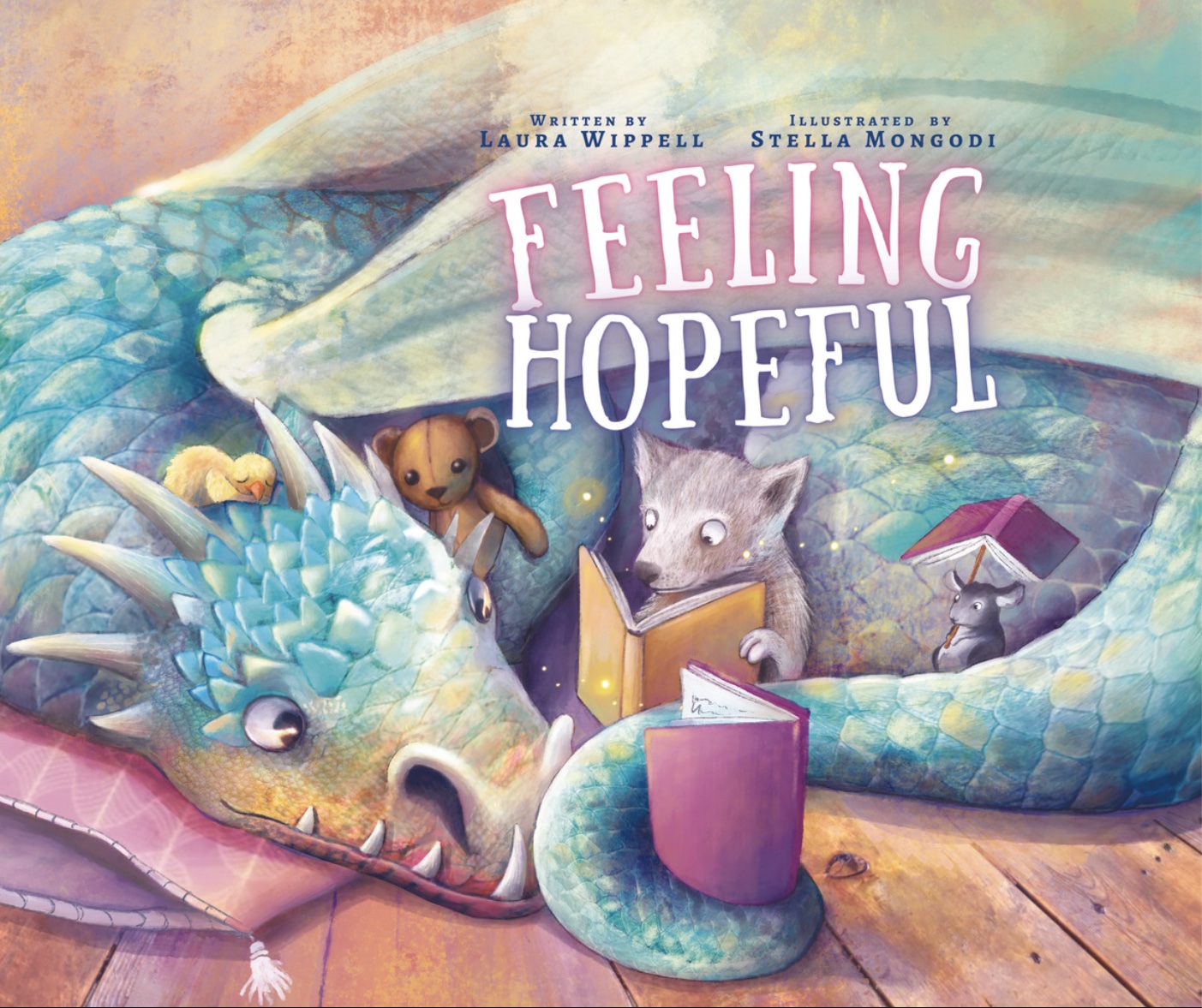
Sunday: Author Guest Post: “Big Ideas: Ways of Making Abstract Concepts More Tangible for Students” by Laura Wippell, Author of Feeling Hopeful

**Click on any picture/link to view the post**

Bold_line

Kellee

Hello 👋 It is my week; however, I am traveling home from the Future Problem Solvers International Competition (on Sunday, 6/11), so I won’t be able to get this post up. I will definitely update you all on my reading in my next post on June 26th!

(Also, this week is my birthday week!!! 🎉)

To learn more about what I’ve been reading, check out my read bookshelf on Goodreads.

Ricki

This is my week off–see you next week!

Bold_line

Tuesday: Educators’ Guide for A Match Made in Mehendi by Nandini Bajpai

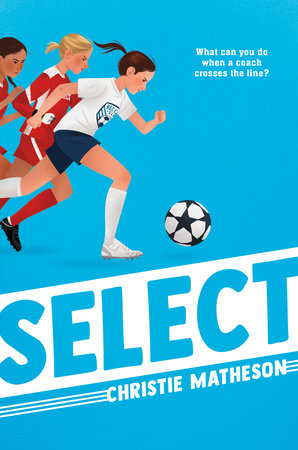
Sunday: Author Guest Post: “Notice What You Feel” by Christie Matheson, Author of Select

Bold_line

Link up below and go check out what everyone else is reading. Please support other bloggers by viewing and commenting on at least 3 other blogs. If you tweet about your Monday post, tag the tweet with #IMWAYR!

 Signature andRickiSig

Author Guest Post: “Big Ideas: Ways of Making Abstract Concepts More Tangible for Students” by Laura Wippell, Author of Feeling Hopeful

Share

“Big Ideas: Ways of Making Abstract Concepts More Tangible for Students”

One of my favourite things about picture books is their ability to communicate BIG IDEAS, BIG EMOTIONS and BIG ISSUES on their relatively small pages.

In an age of book bans it’s extremely encouraging to see authors continuing to tackle these big subjects within picture books, but is it something we are doing enough of in our classrooms?

I’m an Australian teacher who has been teaching English to students in Chile for almost a decade.  It can be challenging to explore BIG ideas with my ESL primary school students, who often need extra support when it comes to vocabulary or finding ways to describe these non-tangible concepts.  So, what I try to do is find ways to help them visualise these abstract concepts, or make them more tangible.

Here are three examples of how I’ve done that:

  • Show, don’t tell

When it comes to ESL classes, students have sometimes shown anxiety when I introduce a new concept, because while they might know what it is, they haven’t heard the term before in English, and it sounds big and scary.  When starting a new unit, I’ve learned that it’s best to retain a bit of mystery, and rather than telling students what our new unit will be about, I use inquiry activities such as the Question Formulation Technique, or Project Zero’s Thinking Routines from Harvard.  One example is their Name, Describe, Act activity.

Here’s how I’ve adapted that activity for my class:

I wanted to talk about fear as an emotion (a fairly abstract concept), so I displayed an emoji on the board and the students had to try to name it, describe it, and explain what sort of actions that emoji might produce.

The great thing about inquiry activities is that the students’ answers can give you a good indication about their prior knowledge on the subject, and how much support you might need to give them in the upcoming classes.

  • Food is a love language!

I’ve come across quite a few language and cultural barriers since living in Chile, but one sure way of breaking them down is through food.  Gosh, Chile has some incredible food!  From its soft, spongy marraqueta bread, to its creamy ‘manjar’ or ‘dulce de leche’ as it’s often referred to in other countries, to its colourful rainbow of seasonal berries and fruits, there’s something here for every appetite.  Food is a fantastic way to find common ground when meeting someone new, both in and out of the classroom.

Since food is so universal, I find it to be a great tool for making connections to more abstract ideas or concepts with students.  When I tutored students one-on-one, I was able to bring a few snacks for us to smell and nibble on and then compare each snack to something abstract, like an emotion or even a character from a book.

If the visual aspect of food wasn’t enough for them to make connections, the students could use their sense of touch, smell and taste to make surprising connections to those intangible concepts.  I once heard that watermelon was chosen to represent fear, because of all of those scary dark seeds that are hidden within.  Who would have thought?

For bigger classes at school where food sharing can sometimes be tricky or not allowed, you can always show high resolution pictures or videos.  The Hiho Kids channel on YouTube has a lot of cute videos of children trying food from around the world.

  • Differentiation is key

If food isn’t your thing, you might like to get your students to choose how they would like to describe a concept in a more tangible way.

For example, if you are exploring ‘fear’, they could choose between one of the following options:

  • If they had to write a letter to their fear, what would they say to it? Here you can always use vocabulary lists for extra support.
  • How would they represent fear in a dance? What music genre would they dance to?
  • What about a meme? If they had to sum up what their fear looks like in one meme or gif, what would it be?
  • How would they draw their fear? What does fear look like to them?

If you’re wondering why I’ve used fear as an example in my activities, it’s because it’s something that I feel we need to talk more about.  As teachers we often have a lot of social-emotional check-ins with our students about how they are feeling, but sometimes we need to dig deeper and look at their current fears in order to understand why someone might be feeling a certain way.

Fear can be tough to explore, so I wrote a picture book about it.
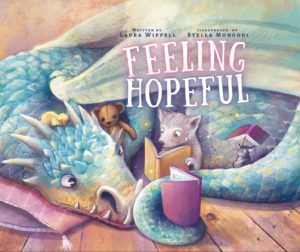
Published

About the Book: In my picture book, Feeling Hopeful, Hope takes on the form of a happy, somersaulting dragon, who is hunting Fear.  Fear appears as a creature that likes to climb on children so they feel its full weight and presence.  Don’t worry though, there is a happy ending!

Far above the world, Hope the dragon somersaults through the sky, protecting those below.  But he encounters a formidable opponent in Fear.  Fear proves no match for Hope, until he meets a curious character, The Reader.  And it’s inside The Reader’s vast library that Hope finds what he’s looking for, plus much more…

This lyrical story has an uplifting SEL message and contains themes of hope, fear, the importance of reading and friendship.  While this book is marketed at a younger audience of up to six years old, I’ve used it with students up to 11 years old, and all of them have been able to make surprising, honest and beautiful connections.

That’s the beauty of working with BIG ideas, emotions and issues – they really have no age limit.

You can find a free teaching resource for Feeling Hopeful on my website at https://www.laurawippell.com/resources, which contains activities aimed at helping students visualise hope and fear.  Please feel free to reach out with comments or questions via my contact page.

About the Author: Laura is a children’s author.  In 2022, she won the Bee Ethicool author contest, which received over five thousand entries.  Laura’s debut picture book, Feeling Hopeful, is out now with Ethicool Books.  As an Australian living in Chile, Laura loves writing imaginative children’s books that make you feel local, and think global.  Laura has a background in Education, and is passionate about sharing her books with children and educators around the world.  Visit her at https://www.laurawippell.com/

Thank you, Laura, for these activities for the classroom!

Discussion Guide for Merci Suárez Plays it Cool by Meg Medina

Share

Merci Suárez Plays it Cool
Author: Meg Medina
Published: September 13th, 2022 by Candlewick Press

Summary: In a satisfying finale to her trilogy, Newbery Medalist Meg Medina follows Merci Suárez into an eighth-grade year full of changes—evolving friendships, new responsibilities, and heartbreaking loss.

For Merci Suárez, eighth grade means a new haircut, nighttime football games, and an out-of-town overnight field trip. At home, it means more chores and keeping an eye on Lolo as his health worsens. It’s a year filled with more responsibility and independence, but also with opportunities to reinvent herself. Merci has always been fine with not being one of the popular kids like Avery Sanders, who will probably be the soccer captain and is always traveling to fun places and buying new clothes. But then Avery starts talking to Merci more, and not just as a teammate. Does this mean they’re friends? Merci wants to play it cool, but with Edna always in her business, it’s only a matter of time before Merci has to decide where her loyalty stands. Whether Merci is facing school drama or changing family dynamics, readers will empathize as she discovers who she can count on—and what can change in an instant—in Meg Medina’s heartfelt conclusion to the trilogy that began with the Newbery Medal–winning novel.

Discussion Questions: 

After writing the educators’ guide for Merci Suárez Changes Gears, I was so happy that Candlewick returned and asked me to create this discussion guide for the finale of the trilogy. Please view and enjoy the guide I created:

You can also access the discussion guide here.

You can learn more about Merci Suárez Plays it Cool on Candlewick’s page.

Recommended For: 

readaloudbuttonsmall classroomlibrarybuttonsmall litcirclesbuttonsmall closereadinganalysisbuttonsmall

Kellee Signature

It’s Monday! What Are You Reading? #IMWAYR 6/5/23

Share

It’s Monday! What Are You Reading?
Sharing Picture Books, Early Readers, Middle Grade Books, and Young Adult Books for All Ages!

It’s Monday! What Are You Reading? is a weekly blog hop co-hosted by Unleashing Readers and Teach Mentor Texts which focuses on sharing books marketed for children and young adults. It offers opportunities to share and recommend books with each other.

The original IMWAYR, with an adult literature focus, was started by Sheila at Book Journeys and is now hosted by Kathryn at The Book Date.

We encourage you to write your own post sharing what you’re reading, link up below, leave a comment, and support other IMWAYR bloggers by visiting and commenting on at least three of the other linked blogs.

Happy reading!

Bold_line

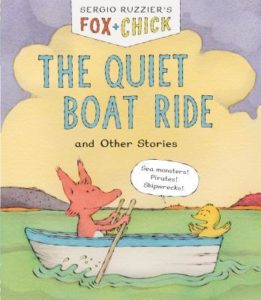
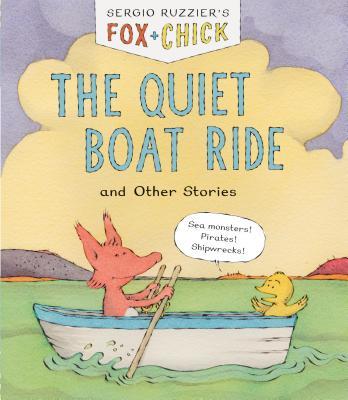
Tuesday: Teacher Guide for Fox + Chick: The Quiet Boat Ride and Other Stories by Serio Ruzzier

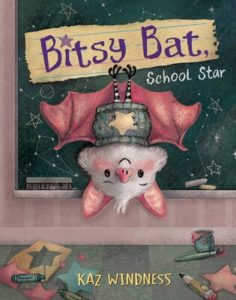
Sunday: Author Guest Post: “Using Fiction to Tell Your Truth” by Kaz Windness, Author of Bitsy Bat, School Star

**Click on any picture/link to view the post**

Bold_line

Kellee

I am off this week! See you next week for my update! To learn more about the books I’m reading, check out my read bookshelf on Goodreads.

Ricki

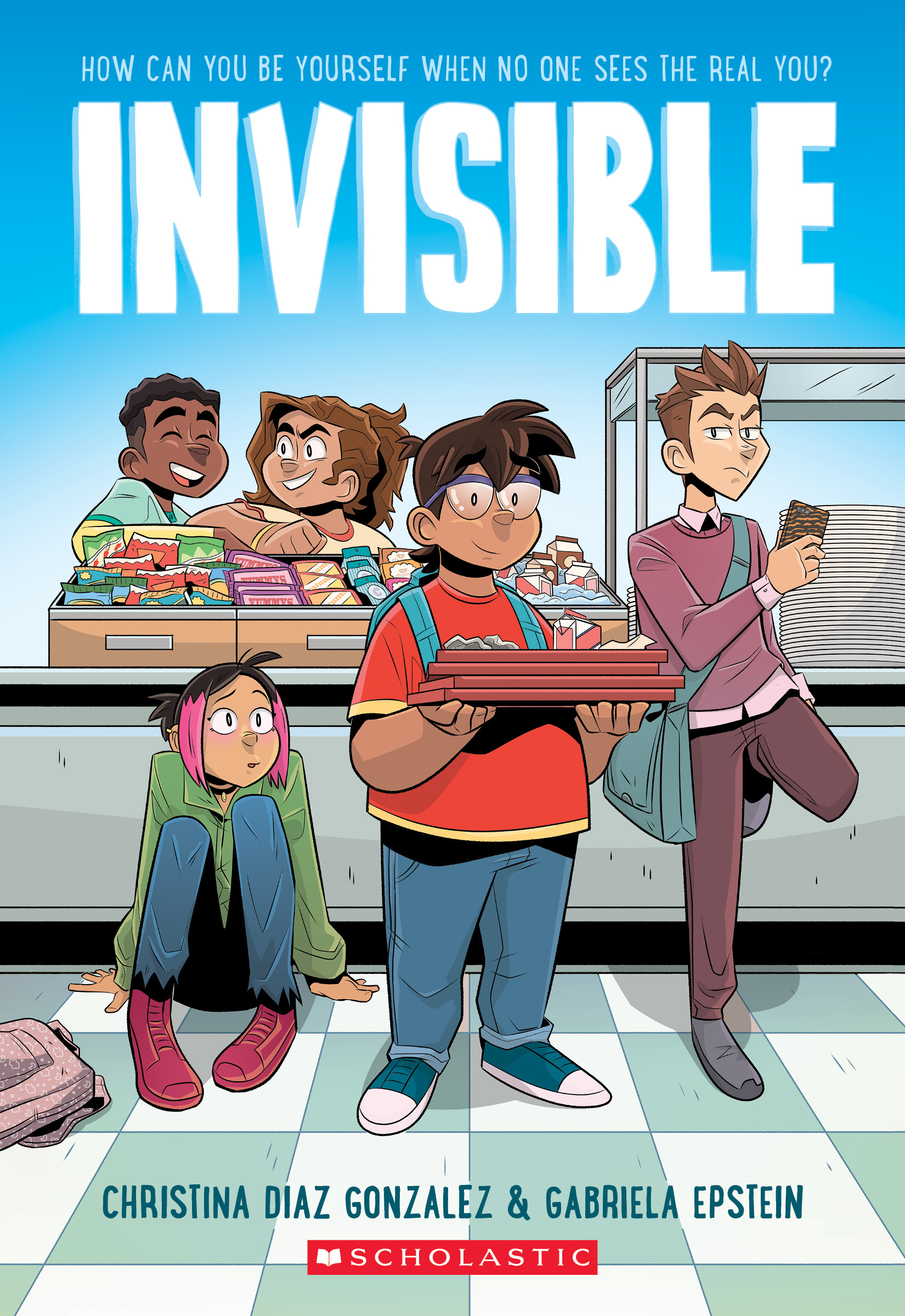
This week, I finished Invisible by Christina Diaz Gonzalez and Gabriela Epstein. I sat down and read it in one sitting. It’s beautifully written and illustrated and does an amazing job making the characters feel very real.

Bold_line

Ricki

There was a lot going on this week for me, so I am still continuing the books below!

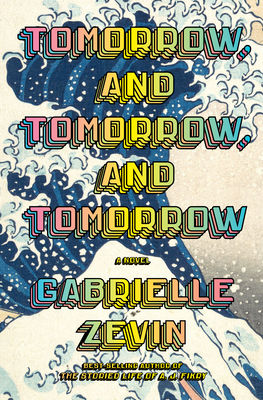
Reading: Tomorrow and Tomorrow and Tomorrow by Gabrielle Zevin

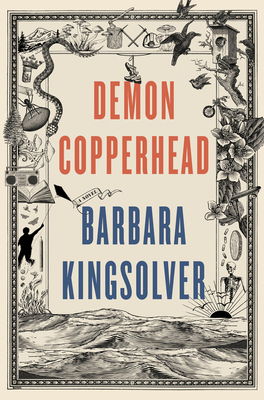
Listening to: Demon Copperhead by Barbara Kingsolver

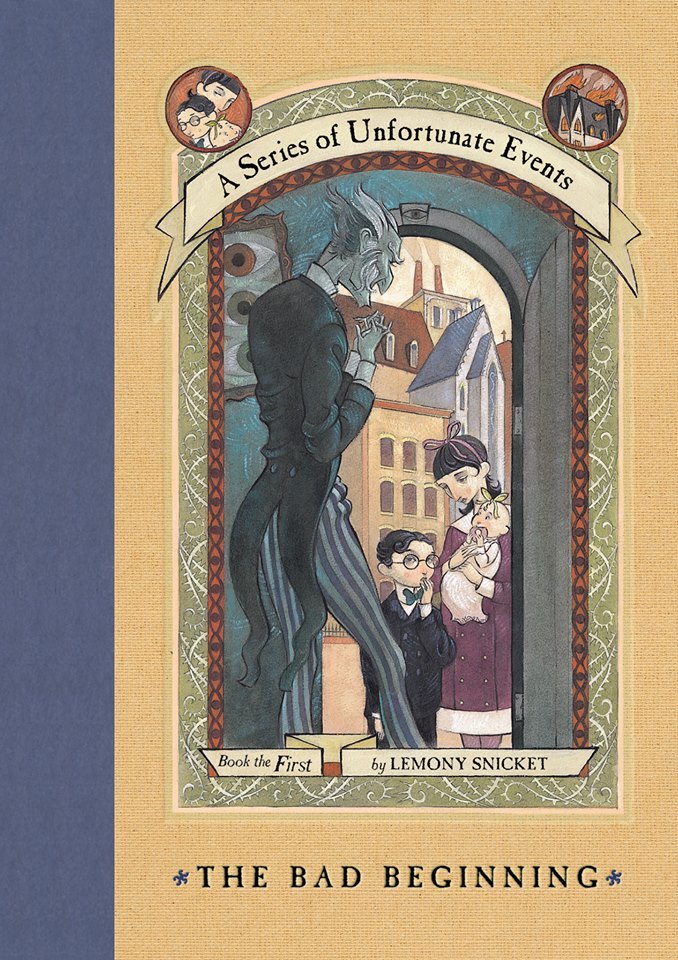
Reading with my kids: The Bad Beginning by Lemony Snicket

Bold_line

Tuesday: Discussion Guide for Merci Suárez Plays it Cool by Merci Suarez

Sunday: Author Guest Post: “Big Ideas: Ways of Making Abstract Concepts More Tangible for Students” by Laura Wippell, Author of Feeling Hopeful

Bold_line

Link up below and go check out what everyone else is reading. Please support other bloggers by viewing and commenting on at least 3 other blogs. If you tweet about your Monday post, tag the tweet with #IMWAYR!

 Signature andRickiSig

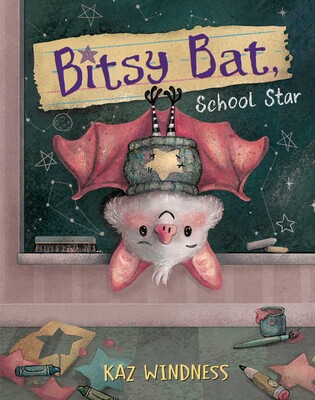
Author Guest Post: “Using Fiction to Tell Your Truth” by Kaz Windness, Author of Bitsy Bat, School Star

Share

“Using Fiction to Tell Your Truth”

“Write what you know.” We’ve all heard this advice, and likely your earliest writing assignments were personal narratives. Mine were. Now as a more experienced author, how can you write stories that are still authentic to you but utilize fictional characters and worlds? The answer is metaphor.

Since I discovered I was autistic six years ago, I’ve wanted to write a children’s book that captured my experience of trying to fit in a world not designed for me. I’ve always known I was different and struggled, but it took my child getting diagnosed through school to realize I fit the criteria, too. Finding out was life-changing and healing, but it also led me to discover how much work we still have to do to help the world understand autism. As a children’s book author, illustrator, teacher, and mom, I knew I needed to use my platform to help spread awareness. But how?

One day as I was chatting with an autistic illustration student and drawing bats in my sketchbook, I compared being autistic to being a bat in a classroom full of mice. The second I said it, I knew this was the book idea I’d been waiting for. “What if a bat tried to fit in at a school for mice?” I went straight to work writing Bitsy Bat, School Star.

Bats may look like mice, but their physiology and needs differ greatly. Additionally, they have traits common to autistics. For example, a bat’s eyes are sensitive to light and their ears are sensitive to sound. They flap when happy and prefer to eat a few specific foods. Moreover, they are misunderstood and need more love and understanding.

As I began working with my editor, Bitsy’s story evolved to include all sorts of nocturnal animals besides mice—a bunny, a porcupine, a fox, a mole, a raccoon, and a possum. Besides being a story about a little bat finding acceptance, we saw the potential for all children to feel seen. When Bitsy learns to share what makes her unique, she invites her classmates to do the same. The book ends with each child participating in a “Shine and Share” activity to celebrate everyone in the class.

Take a moment now to think about something that makes you uniquely you. This could be something about your background, your life experience, a disability, a unique talent, or any other aspect that is specific to you. Write a few sentences to describe what this is. Now brainstorm characters or circumstances that could mirror this story of your uniqueness.

During quarantine, many picture book authors wrote stories about a big storm. The storm was a metaphor for dangerous circumstances outside of our control. Forced to stay inside and shelter while the destruction was happening everywhere, we experienced fear and loss but grew closer as families and remained hopeful for brighter days ahead.

Metaphors offer safe places to experience big feelings in ways that are both more gentle and more impactful. We can go to extremes within the expanse and safety of fiction. Imagine if Max had moped around in his room for thirty pages instead of sailing to the island of monsters and living out a fantasy of being king of the Wild Things.

Don’t shy away from talking about your unique identity or struggles. Every time I’ve faced my fears and exposed a vulnerable part of myself, rather than being shamed or ridiculed, I’ve helped people who are like me in some way, just waiting for someone to break the silence so they knew they weren’t alone. Writing your truth will always resonate with readers. It helps heal others and yourself, too.

Try your hand at metaphor and tell stories that bring your authentic self to fiction.

Published January 1st, 2023 by Simon & Schuster

About the Book: A little bat struggles to fit in only to learn to celebrate differences in this heartfelt picture book from an autistic perspective about starting school, making friends, and seeing what makes each person special.

About the Author: Kaz Windness is an author-illustrator who loves to make her readers laugh. When she’s not writing or illustrating books, Kaz teaches illustration at the Rocky Mountain College of Art + Design and enjoys making deep-dish pizza. Kaz lives in Denver, Colorado, with her husband, two children, and Boston terrier. She’s the author of picture books Swim, Jim! and Bitsy Bat, School Star. She also created the Level 1 Ready-to-Read Graphics Worm and Caterpillar Are Friends and the Level 1 Ready-to-Read Cat vs. Vac. Visit her at WindnessBooks.com.

Thank you, Kaz, for sharing your truth and pushing writers to share theirs too!

Educators’ Guide for Fox + Chick: The Quiet Boat Ride and Other Stories by Sergio Ruzzier

Share

The Quiet Boat Ride and Other Stories (Fox + Chick #2)
Author and Illustrator: Sergio Ruzzier
Published: March 5th, 2019

Summary: Opposite personalities attract for these two unlikely friends: In the second book of this lauded series, Fox and Chick are off on three new adventures involving a boat ride, a mysterious box, and an early morning trip to see the sunrise. Despite the antics ensuing from their different personalities, the contradictory duo always manages to have fun together.

Teachers’ Tools for Navigation and Discussion Questions: 

Please view and enjoy the teachers’ guide I created for Chronicle Books for The Quiet Boat Ride:

You can also access the teaching guide here.

You can learn more about The Quiet Boat Ride and Other Stories on Chronicle’s page.

Recommended For: 

readaloudbuttonsmall classroomlibrarybuttonsmall litcirclesbuttonsmall closereadinganalysisbuttonsmall

Kellee Signature