Author Guest Post!: “Choosing Your Stepping Stones” by Margaret R. Chiavetta, Author of The Alchemist’s Theorem: Sir Duffy’s Promise

Share

“Choosing Your Stepping Stones”

Kids who are like me need the power of choice to help engage them in reading. Their choices are the stepping stones that lead to the path of engaged readers. They don’t just need a variety of stories to choose from; they also need the option to put a book down when it doesn’t interest them. Forcing myself to read something that doesn’t interest me is torture, but reading something that does interest me opens up my tastes, so that maybe one day a book I didn’t like before might actually be enjoyable later, when I am a slightly different person.

Reading has always been difficult for me. I don’t know why exactly. I know that my father has a difficult time reading, too. My mother and three sisters are “voracious” readers, and they are all well read. So I reckon there is something genetic involved.

As a child, I always wanted to read—I craved story just as much as any human being—but I couldn’t. I don’t mean that I couldn’t read (early testing deemed me an average, competent reader), I mean that I couldn’t stay engaged with the words on the page. I could look at illustrations and make up stories in my head, but I couldn’t bring myself to read the words.

I remember seeing books on our shelves that I wanted to read, like an herbal medicine guide, but no matter how many times I picked it up, I couldn’t engage with the words and retain the information. I grew up thinking I wasn’t very smart, and wishing I could read lots of books and become smarter.

I almost never finished the books assigned to me in school. I usually skimmed them, or asked friends before the test what I needed to know. Speaking out loud in front of people was a nightmare for me. Whenever a teacher asked me to read aloud in class my anxiety was so bad that I had no engagement with what I read whatsoever.

It wasn’t until fourth grade that I found my first stepping stone. We were assigned the book The Cay by Theodore Taylor. I loved the story. It was the first book I ever finished. Back then, I had no idea why the experience was different, but now as an adult I know exactly why. It’s an adventure story about survival. I love survival stories!

I still didn’t read assigned school books after that. However, I found my next stepping stone two summers later. I was home and extremely bored. There was a book that sat on the back of our toilet all of the time. I picked it up and read the whole thing cover to cover. It was a Calvin and Hobbes comic book. I fell in love with the series. I asked for more of the comics and got them for my birthday.

I still didn’t read the books assigned to me in school, and I rarely ever picked up books on my own. In high school, I remember reading The Amityville Horror and a romance novel, but that’s about it.

During college, a couple of important things happened. First, I started to suspect that I had the capacity to be smart in my own way. Second, my English 102 teacher assigned Octavia Butler’s book Dawn. It was my next stepping stone. I loved this book so much that I finished it and immediately went out and bought the second book of the series. Shortly after Butler’s books, I picked up Jean Auel’s Earth’s Children series. My tastes for fiction began forming a pattern.

My stepping stones turned into a walkable path when I moved to Puerto Rico after college to do field research. There wasn’t much to do after work. I could watch DVD’s but only at night because it was too hot to sit on the furniture during the day. All there was for me to do was read.

I read like a demon. My mother and sisters turned me on to Diana Gabaldon’s Outlander series, which I ate right up. My tastes diversified the more I read. In school, I never read the Hemingway books assigned because they didn’t interest me at the time, but in Puerto Rico I loved reading A Moveable Feast and A Farewell to Arms. I also picked up nonfiction, like David Sedaris’ books, and various memoirs and biographies. After Puerto Rico, I didn’t read as much, but I still read a lot more than before I lived there.

To this day, reading is still difficult for me. I can blow through a book in a couple of days if the story grabs me, and grabs me fast. But there are countless books I have picked up and struggled through, eventually putting back down. I know that reading is much easier when I have a choice, and I don’t feel pressured to read the same way and the same amount as other people. When I do choose to read a good book that suits my current mood, I can’t put it down.

My novel, The Alchemist’s Theorem, is the book I wrote for my younger self. If I had come across this fantasy adventure full of weird creature companions as a kid, I would have gobbled it up. I hope that it will serve as a stepping stone for kids who are wired like me and need a good foothold as readers.

I think it’s important to give kids free-range when it comes to reading. How can an entire class like the same book and read it at the same pace? In that scenario, there are at least a couple of kids suffering through it. And even when you let them choose their own books, it’s probable that they won’t like the first one or two or three that they pick up. As a kid, I wish I received encouragement to keep trying. I should have kept picking up books and putting them down until one grabbed me. I think my stepping stones would have popped up sooner, getting me to my reading path quicker.
CHIAVETTA_PIC

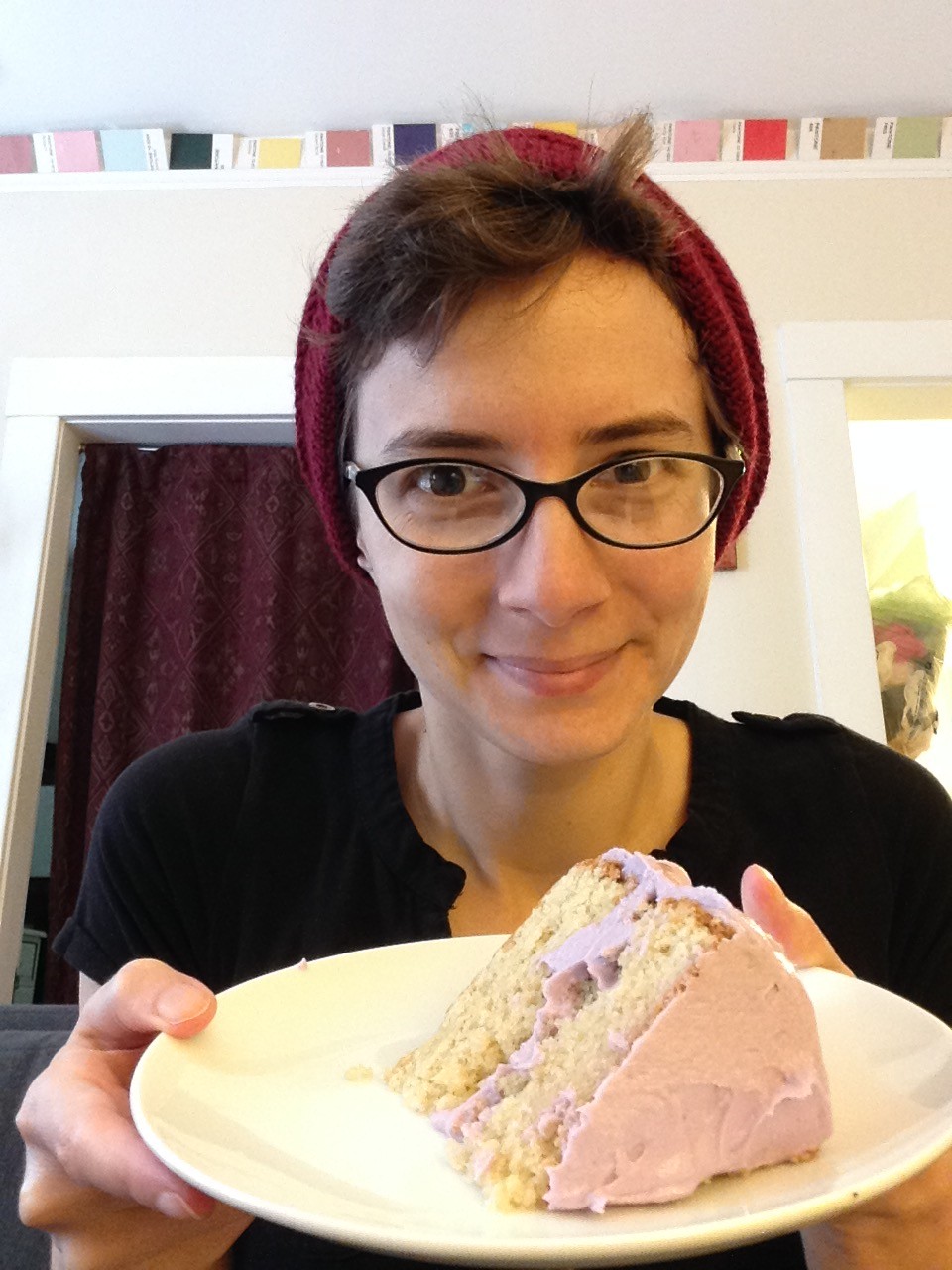
About the Author: Margaret graduated from the University at Buffalo in 2005 with her BA degree in anthropology. Afterward, she moved to Puerto Rico for a year where she spent the hot humid days following around free-range rhesus macaque monkeys. When the study finished, she went from one monkey job to the next, moving up and down the east coast for several years. Then she attempted a primatology graduate program in London, England, but developed an allergy to academia. Margaret dropped out and returned to the US and eventually went on to get her MFA in creative writing, graduating from the University of Washington Bothell in 2014. The Alchemist’s Theorem is her first novel. She lives in Seattle.
Alchemist Theorem

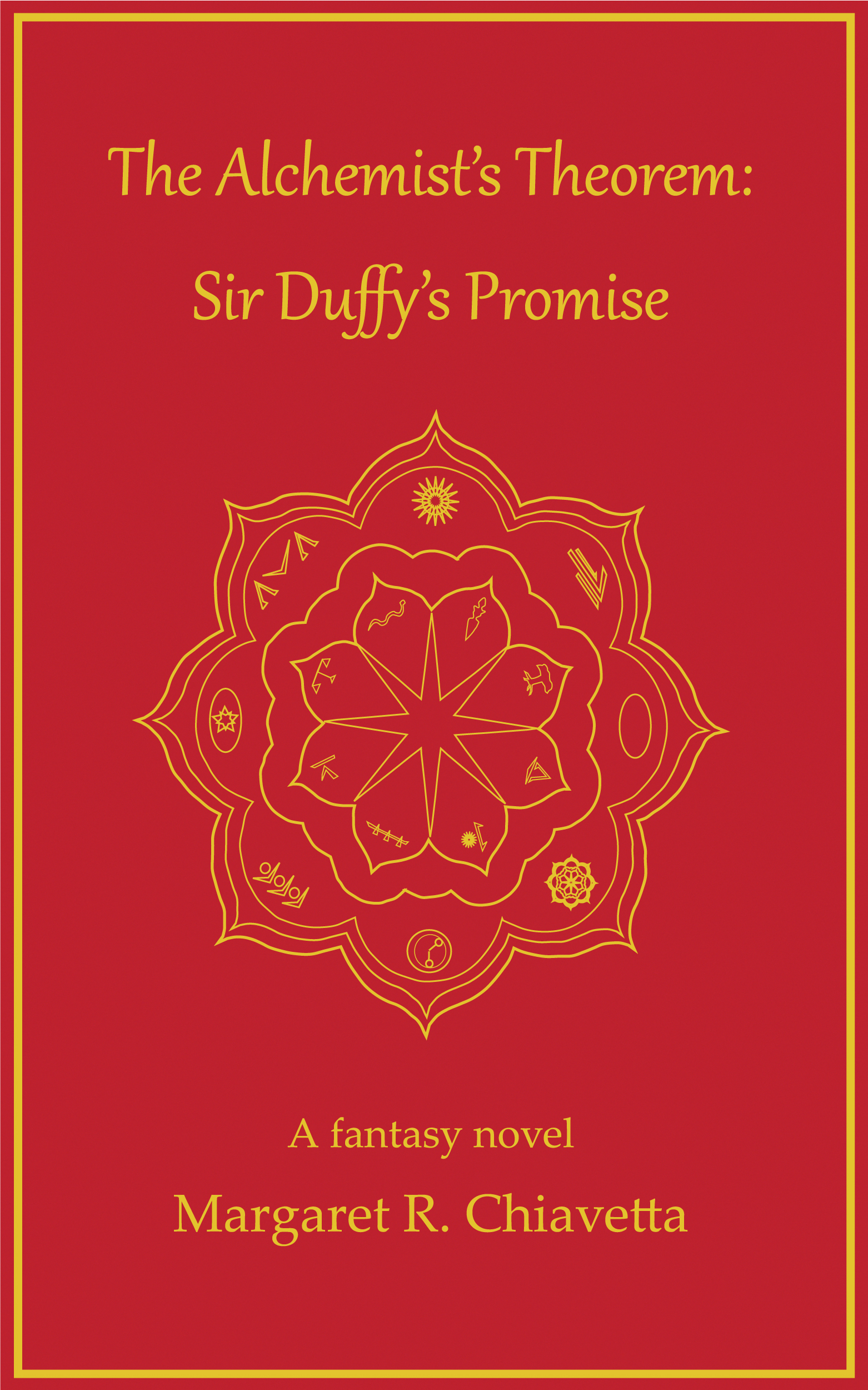
About The Alchemist’s Theorem: Sir Duffy’s Promise: An eccentric boy named Mendel and the alchemist Sir Duffy set out on a series of quests with their many weird and endearing creature companions–like Esther the snake-ish gusselsnuff and Gooder the big, lazy, carnivorous horse. These determined travelers must venture across the continent of Terra Copia, an exotic land where the species of flora and fauna in one forest are completely different from the next. It is up to them to safeguard secrets and dangerous artifacts from cagey enemies in order to prevent a terrifying curse from returning to their land.

The Alchemist’s Theorem published on November 6th and is now available.

Thank you to Margaret for this post!
We love the message that there is always hope when it comes to reading!

Kellee Signature andRickiSig

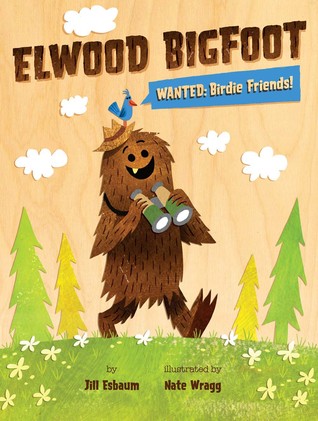
Elwood Bigfoot: Wanted: Birdie Friends! by Jill Esbaum

Share

9781454908791_cvr_1P.indd

Elwood Bigfoot: Wanted: Birdie Friends!
Author: Jill Esbaum
Illustrator: Nate Wragg
Published September 1st, 2015 by Sterling Children’s Books

Goodreads Summary: Elwood Bigfoot is big, clumsy, LOUD . . . and lonely. It’s hard for him to make friends—especially with the tiny, delicate birdies he loves so much. Each flash of their feathers, each chirp and cheerful song helps him feel less alone. But whenever a birdie swoops by, and Elwood hollers at it to STAY, the scared creature flies away. He tries everything: sitting on a branch, having a housewarming party, even building an amusement park with snacks and pools. But nothing helps—until Elwood finally learns how to make his bird dreams come true.

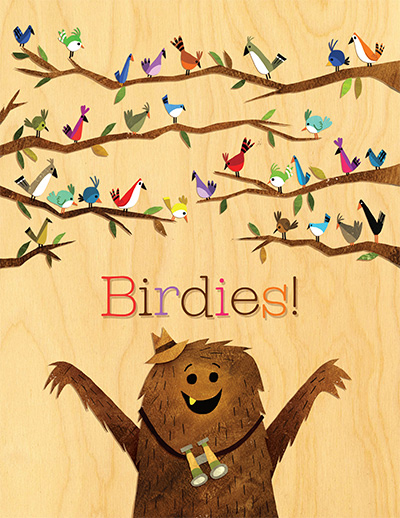
Kellee’s Review and Teachers’ Tools for Navigation: Elwood Bigfoot is such an sweet character. Throughout I just wanted to jump into the book and give him a hug. He doesn’t deserve to be alone, but he has to figure out how to make friends in the situation he is in. Elwood’s story would be a great way to introduce character traits as well as how a plot propelled a change in a character. Although Elwood does stay true to himself in the end, he does change throughout. Additionally, the book does have different birds throughout, and it would be fun to learn more about the different types.  

Ricki’s Review and Teachers’ Tools for Navigation: When my son and I read this book, we were both smiling at the wonderful illustrations. I think every person can find a piece of themselves in this character. We all approach situations where we are nervous, lonely, or uncomfortable. This would be a great book to ask students to make personal connections to the story. Then, teachers could host discussions about empathy and use the text as a way to teach metaphor. Elwood Bigfoot is a charming character that will stick with me. I can see him being very popular in classrooms!

Discussion Questions: What character traits did Elwood have at the beginning of the book? What did he have to change to help him get birdie friends?; What clues did the birds give Elwood to show him what scared them about him?; What are the different birdies that you saw throughout the book?

We Flagged: “Elwood loved birdies. Each flash of feather, each chirp and cheerful song helped him feel less alone. Whenever a birdie swooped by, Elwood hollered, “COME BACK, BIRDIE! BE MY FRIEND!” But no birdie every came back.”

elwood bigfoot illustration
From http://www.jillesbaum.com/elwood.html

Read This If You Loved: You Will Be My Friend by Peter Brown, Look Up! by Annette LeBlanc Cate; Giraffes Can’t Dance by Giles Andreae

Recommended For:

classroomlibrarybuttonsmall readaloudbuttonsmall

  Signatureand RickiSig

**Thank you to Joshua at Sterling Children’s Books for providing copies for review!**

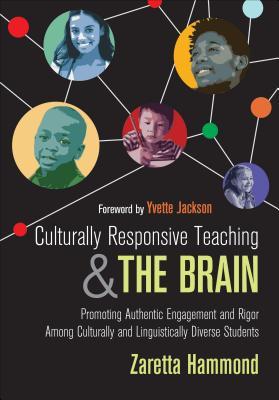
Culturally Responsive Teaching & the Brain by Zaretta Hammond

Share

culturally responsive teaching and the brain

Culturally Responsive Teaching & the Brain: Promoting Authentic Engagement and Rigor Among Culturally and Linguistically Diverse Students
Author: Zaretta Hammond
Published: December 1, 2014 by Corwin

I’ve read about a dozen professional development texts about culturally responsive teaching because I am very committed to this pedagogical concept. I particularly liked this text because it offered a new angle. Zaretta Hammond weaves neuroscience with both traditional and contemporary ideas of culturally responsive teaching. She doesn’t just say how we can practice this pedagogy, but she tells what is happening in students’ brains when we do and do not use culturally responsive practices. Hammond provides an excellent layout for her ideas, and if anything, I would even love for some of the chapters and ideas to be expanded further. That said, her work connects well with other scholarship, so I would likely use this text in an education class and pair it with another more traditional text about the subject, such as Geneva Gay’s landmark Culturally Responsive Teaching: Theory, Research, and Practice.

I was fortunate enough to read this text with preservice teachers enrolled in a Multicultural Education class. While I have much experience with the ideas taught in this class, I am taking the course as a doctoral student with the intention of integrating the ideas into future courses I might teach. Therefore, from my discussions with peers, I have gotten an insider perspective of this text and how it might work in a classroom. They have enjoyed it very much. It is not a long text (falling just under 200 pages), but the ideas promote fantastic classroom discussions. Our discussion boards have been brimming with students’ thoughts, and there is no shortage of topics to discuss. I include a few topics I’ve discussed below.

As stated previously, Hammond discusses some of the main ideas featured in other culturally responsive texts. She argues that culturally responsive pedagogy is a mindset–not an easy list of tips or tools. However, she does provide many strategies, such as how to make our classrooms visually engaging and responsive to students. Instead of stock posters of MLK, Jr., she argues that teachers might include framed art from different cultures. I liked this idea a lot and agree that it is more culturally responsive. She also discusses the differences between cultures, such as oral versus written traditions and the role these play on student learning. She addresses myths, such as those about poverty and access and colorblindness.

A few chapters into the book, Hammond begins to introduce neuroscience and marries these concepts with culturally responsive practices. For instance, she describes the ways an individual’s brain reacts with the student feels fearful versus feeling accepted. This reminded me a bit of my 7th grade science class. I had a teacher who was quite cruel to me and very strict, overall. I don’t think I learned very much in that class because my brain felt a bit frozen. Then I think about all of the wonderful teachers I’ve had who were very open and accepting. I think I learned twice as much in these classrooms, and it shows the value of creating responsive rapport with students.

I could write pages upon pages about this book. It would be a disservice for me to summarize some of her sections, such as how the neurons in your brain fire, create new pathways, and connect to culture or the ways individualistic and collectivist positionings differ or how microaggressions impact students. So instead of summarizing and commenting on the whole book, I will recommend that you read it. It is excellent. The text offers ideas that are quite different from others I’ve seen about the topic. Hammond fills a gap in research that needed to be filled, and I look forward to reading other publications by her.

Which culturally responsive texts are your favorite?

RickiSig

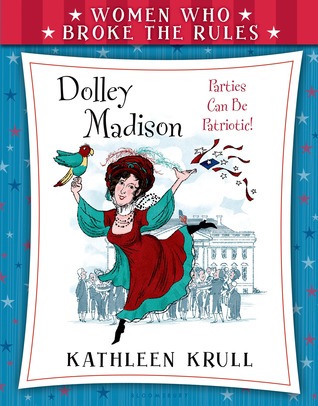
Women Who Broke the Rules: Sacajawea, Judy Blume, Sonia Sotomayor, and Dolley Madison by Kathleen Krull

Share

NFPB2015

Nonfiction Picture Book Wednesday

Nonfiction Picture Book Wednesday is hosted by Kid Lit Frenzy and was started to help promote the reading of nonfiction texts. Most Wednesdays, we will be participating and will review a nonfiction text (though it may not always be a picture book).
Be sure to visit Kid Lit Frenzy and see what other nonfiction books are shared this week!

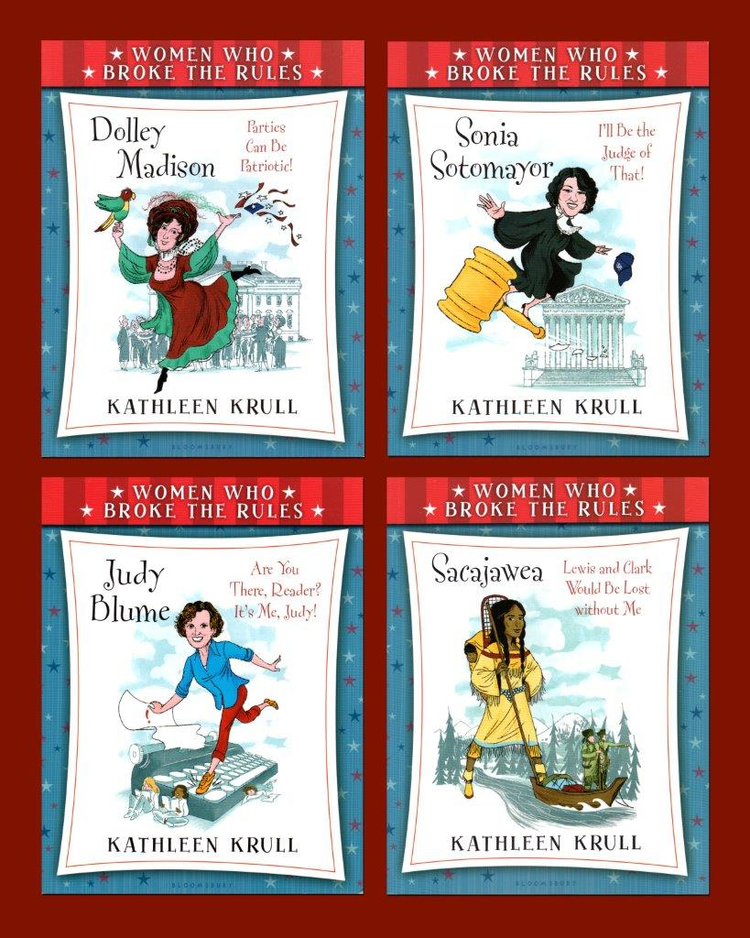
women who broke the rules

Women Who Broke the Rules series
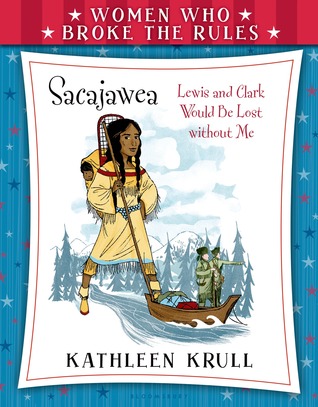
Sacajawea: Lewis and Clark Would Be Lost without Me
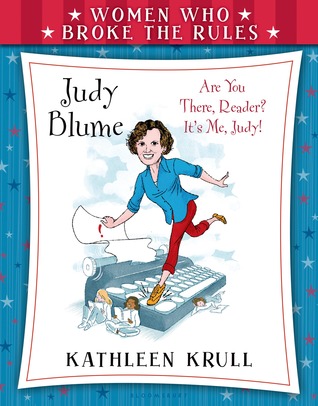
Judy Blume: Are You There, Reader? It’s Me, Judy!
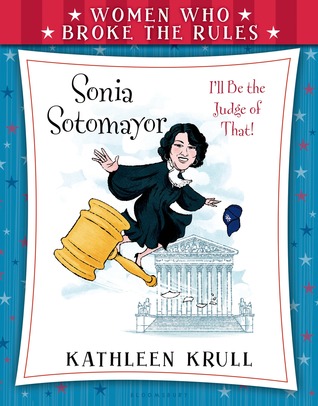
Sonia Sotomayor: I’ll Be the Judge of That!
Dolley Madison: Parties Can Be Patriotic
Author: Kathleen Krull
Illustrators: Various
Published 2015 by Bloomsbury

Publisher’s Summary: Many awe-inspiring women have changed the course of history. From fighting for social justice and women’s rights to discovering and shaping our amazing country, women have left an indelible mark on our past, present, and future. But it’s not easy to affect change, and these women didn’t always play by the rules to make a difference! Kathleen Krull blends history and humor in this accessible young biography series.

My Review:  I was first introduced to this series at Kid Lit Frenzy in June when Alyson shared these four biographies with us (along with an informative Q&A and a fun quiz), and as soon as I read her posts, I knew I had to get my hands on them. I am a huge fan of well-done biographies because I think they are an essential part of spreading history into a new generation’s memory. I am an even bigger fan of well-done biographies of strong women. While there has been a good chunk of biographical picture books lately about women, I am very happy to see that students will have longer biographies to explore strong women from history. I also really like that Krull’s series has a mix of contemporary and historical figures and is filled with diversity. Next Krull will be sharing Coretta Scott King and Mary Todd Lincoln’s life.

Teachers’ Tools for Navigation: There are so many ways these books will be used and loved in the classroom. First, add them to your classroom libraries! Krull’s biographies will be a wonderful rung above picture book biographies and below the “big head biographies” on a reading ladder. Also, they would a perfect addition to a unit on women in history and could definitely be used in inquiry lit circles where each group became an expert of a different female leader to share with the class.
Discussion Questions: In what way did ____ play a part in history?; Why was ____ included in the Women Who Broke the Rules series? What rules did she break? How did it change her part in history?

We Flagged: “Like most little kids, Judy Blume had a lot of questions. Okay, maybe more than most kids. What she didn’t have were answers. She grew up in a stifling time, when the rules stopped people from being honest and real.” (p. 7, Judy Blume)

“Was Sacajawea skittish about traveling into the unknown with an infant strapped to her back on a cradle board? Was she scared to be the only woman in a large group of men? We don’t know. The men seemed to treat her with respect, calling her ‘a good creature, of a mild and gentle disposition.'” (p. 13, Sacajawea)

“A girl grows up in a tough neighborhood. Her poor immigrant parents don’t speak English and don’t get along. She tackles a serious illness. . . and rises, rises, rises to become one of the country’s guiding lights.” (p. 7, Sonia Sotomayor)

“Dolley Payne was born with extra zip. And she was going to need as much energy as she could muster.” (p. 7, Dolley Madison)

Check out Kid Lit Frenzy’s post for interior artwork.

Read These If You Loved: Biographies

Recommended For: 

classroomlibrarybuttonsmall readaloudbuttonsmall closereadinganalysisbuttonsmall litcirclesbuttonsmall

Signature

**Thank you to Linette at Bloomsbury for providing copies for review!**

Top Ten Tuesday: Movies We’d Like to See Adapted Into Books

Share

top ten tuesday

Top Ten Tuesday is an original feature/weekly meme created at The Broke and the Bookish. The feature was created because The Broke and Bookish are particularly fond of lists (as are we!). Each week a new Top Ten list topic is given and bloggers can participate.

 Today’s Topic: Movies We’d Like to See Adapted Into Books

The book to movie route is common, but we are switching it up and writing about the movies we’d like to see adapted into books!

Ricki

Let me start by saying I don’t like movies very much (insert gasp). My husband laughed when I told him I was writing this post. We compiled this list together, and took us a long time. I would much rather read a book than watch a movie, and the fewer movies I watch, the more I stray from them. Most nights, my husband watches a movie on the TV, and I sit next to him, curled up with a book.

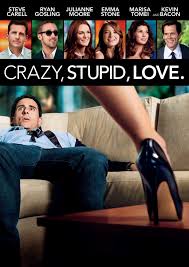
1. Crazy Stupid Love

crazy stupid love

This is my favorite movie. It was so enjoyable, and the weaving plot lines would make for a great book.

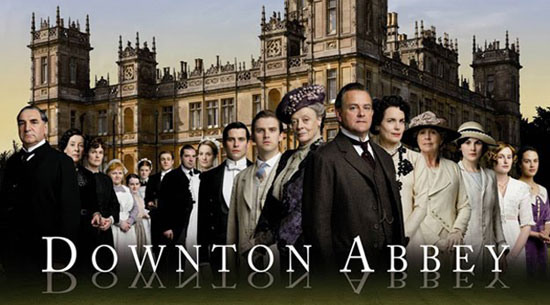
2. Downton Abbey (TV Series. I am cheating.)

downton abbey

They are making a movie, right? This series would translate really well to literature!

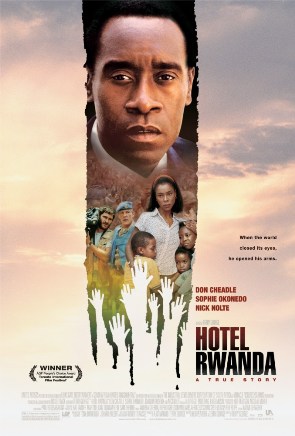
3. Hotel Rwanda

hotel rwanda

This movie gutted me. I showed it every year to my students, and it promoted a lot of discussion. I’d love it in book form.

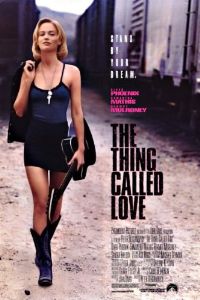
4. The Thing Called Love

thing called love

I used to watch this movie hundreds of times when I was growing up. It would have to come with a CD, too, I suppose, because the music is important.

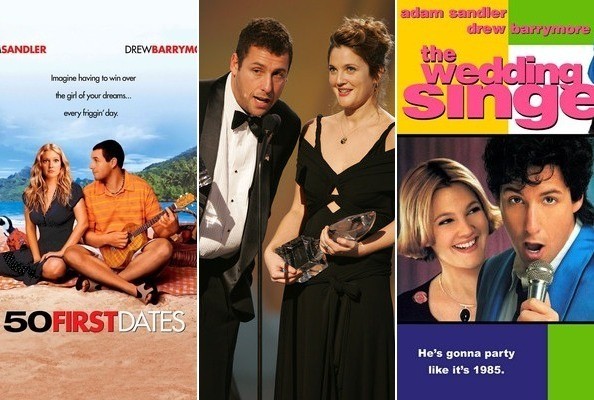
5. Any Movie with Adam Sandler and Drew Barrymore

Sandler and Barrymore

I love every comedy made by this duo (including Blended, not pictured). I am not sure if they’d translate well to books, but I’d read them!

Kellee

Ricki, I so agree about Sandler/Barrymore movies! Here are some of my favorite movies that I would love to read as a book.

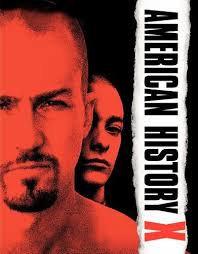
1. American History X

american history x

What an epic movie, and I would love an extended version to learn more about the characters and get deeper into the story.

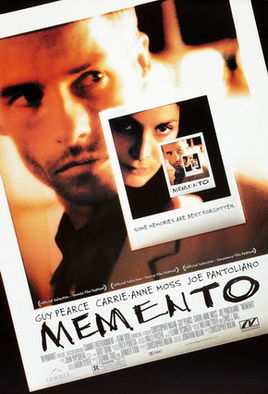
2. Memento

memento

It would be so interesting to see how Memento would be executed as a book. The way clues are shared throughout the movie would be fascinating to read. (Memento is technically based on a short story, but I would love to see it as a book.)

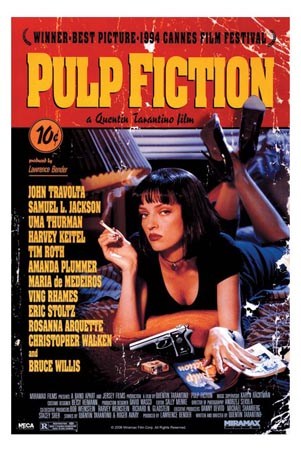
3. Pulp Fiction

pulp fiction

I really love movies where a bunch of different story lines come together, and I love books that are the same, and Pulp Fiction is one of the best.

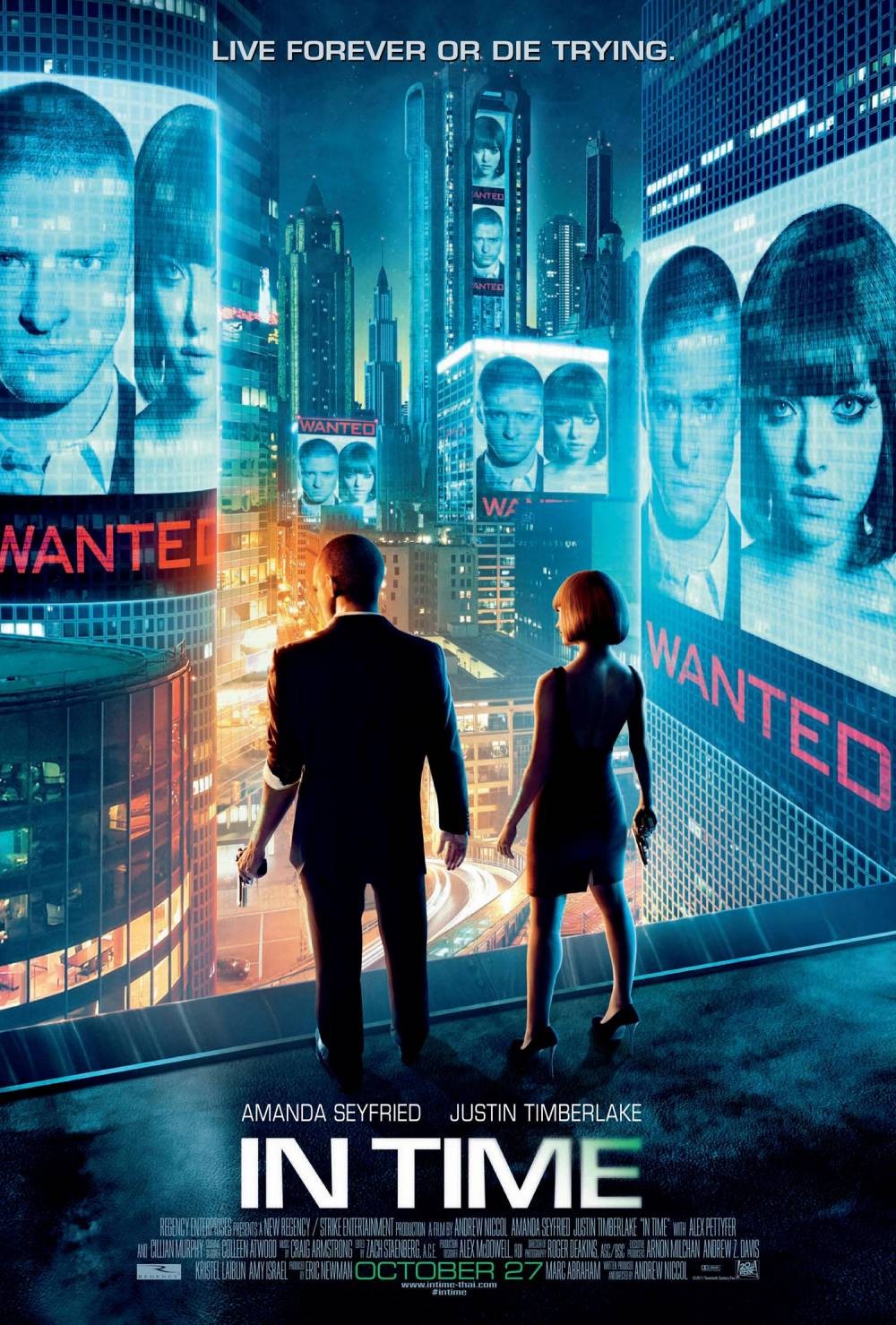
4. In Time

in time

I loved the premise of this dystopian movie, and I would love to have a series based around the world.

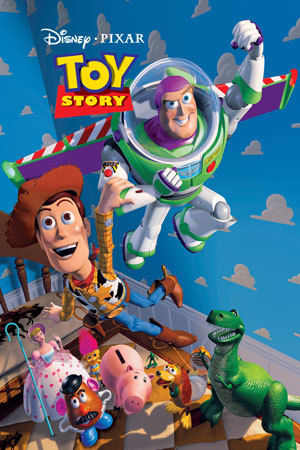
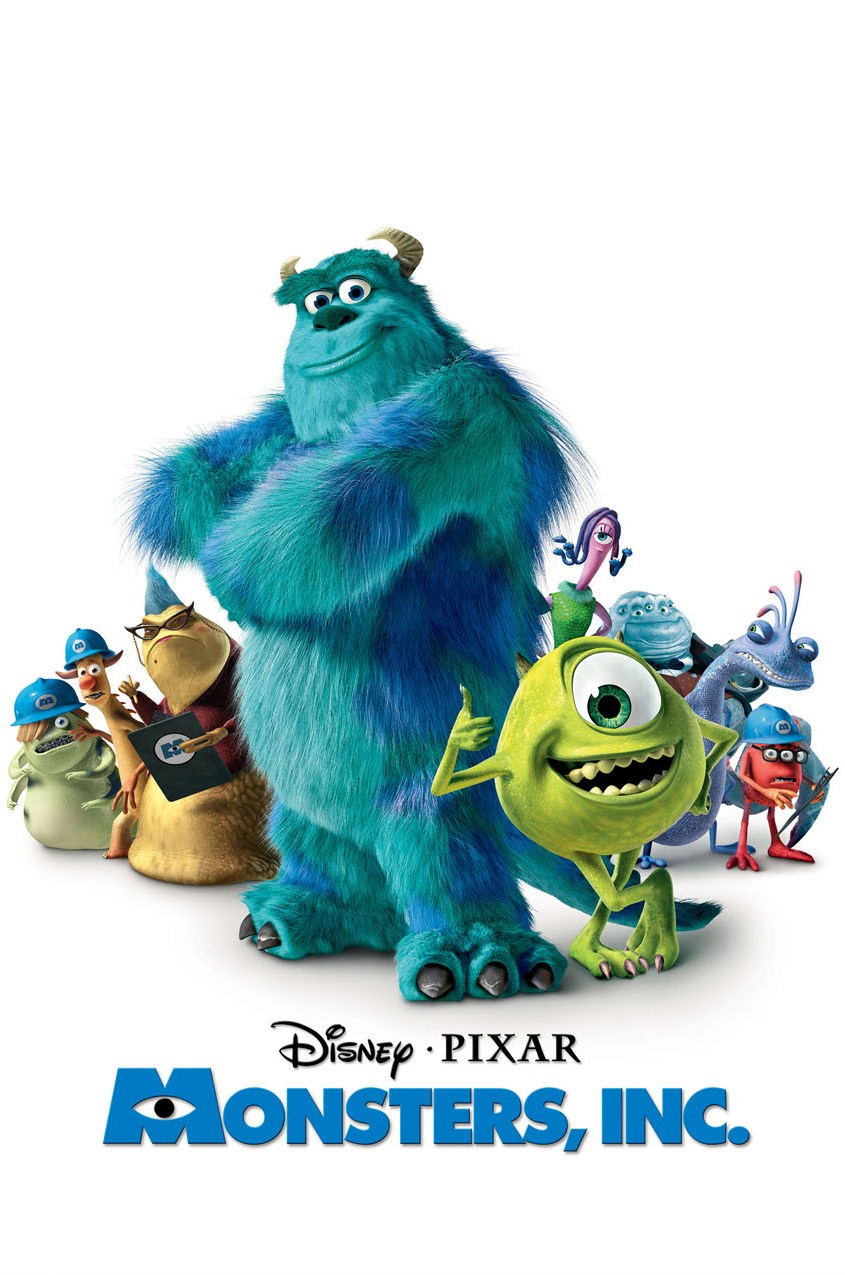
5. Any Pixar Movie

toy story pixar monsters inc

I love all Pixar movies, and I would love to have novels about the movies. There are picture books about them, but I would love to see these expanded.

Which movies would you like to see adapted into books?

RickiSig and Signature

It’s Monday! What Are You Reading? #IMWAYR 11/2/15

Share

IMWAYR 2015 logo

It’s Monday! What Are You Reading? From Picture Books to YA!

It’s Monday! What are you Reading? is a meme started by Sheila at Book Journeys and now hosted by Kathryn at The Book Date. It is a great way to recap what you read and/or reviewed the previous week and to plan out your reading and reviews for the upcoming week. It’s also a great chance to see what others are reading right now…you just might discover the next “must-read” book!

Kellee and Jen, of Teach Mentor Texts, decided to give It’s Monday! What Are You Reading? a kidlit focus. If you read and review books in children’s literature – picture books, chapter books, middle grade novels, young adult novels, anything in the world of kidlit – join us! We love this meme and think you will, too.

We encourage everyone who participates to support the blogging community by visiting at least three of the other book bloggers that link up and leave comments for them.

CONGRATULATIONS

Kelly G.

for winning copies of Mercy Watson to the Rescue and the two Deckadoo Drive books AND a Mercy Watson plush!

Last Week’s Posts

top ten tuesday baba yaga Monstrous Fun Monster Color Monster Monster Mind your Monsters Monster Trouble U7566717 Cop A pranzo coi mostri WSPdef.jpg How to Behave at a Dog Show Nanny X Returns

Tuesday: Scariest Topics

Wednesday: Baba Yaga’s Assistant by Marika McCoola

Thursday: Monstrous Fun by Travis Nichols

Friday: Reviews and Giveaway! Monster Books from Sterling Children’s Books

Giveaway open until Thursday!

Sunday: Author Guest Post!: “Games to Battle Writer’s Block” by Madelyn Rosenberg, Author of How to Behave at a Dog Show and Nanny X Returns

 Last Week’s Journeys

Kellee: This week, I finished The Lost Tribes by C. Taylor-Butler. This book ended up being quite a ride and was much different than I expected when I started! I look forward to sharing this title with you all and with ALAN attendees! I also read the four Women Who Broke the Rules books to review them for you this week. Such a wonderful series!

Ricki: This week, I finished The Lions of Little Rock by Kristin Levine. What a beautifully complex book! I imagine that teachers love using this book because there is so much to analyze!

This Week’s Expeditions

Kellee: This week, I plan on rereading Eleanor and Park in preparation for my AEWA NCTE session. I’m also going to start listening to The Very Nearly Honorable League of Pirates #3 starting tomorrow, and I am so excited because I loved the first two! I also have Hook’s Revenge #2 to read if I get to it this week.

Ricki: I am almost finished with Surviving Santiago by Lyn Miller-Lachmann. I haven’t read Gringolandia (the companion to this book), but I’ve loved getting to know Tina Aguilar and learning about the setting of Chile.

I am also diving into the adult world of books. I am reading Between the World and Me by Ta-Nehisi Coates in short spurts because I need time to digest it. It is very well-written. And I’ve loved listening to the audio of Mr. Penumbra’s 24-Hour Bookstore by Robin Sloan. I can’t tell if I love it so much because it is a neat story or if it is because the reader (Ari Fliakos) does such a great job. This may be my favorite audio that I’ve ever listened to.

Upcoming Week’s Posts

top ten tuesday judy blume sonia sotomayor dolley madison sacajawea

culturally responsive teaching and the brain Elwood Bigfoot Alchemist Theorem

Tuesday: Top Ten Movies We Would Like to See Adapted into Books

Wednesday: Women Who Broke the Rules

Thursday: Culturally Responsive Teaching and the Brain by Zaretta Hammond

Friday: Elwood Bigfoot: Wanted: Birdie Friends! by Jill Esbaum

Sunday: Author Guest Post!: “Choosing Your Stepping Stones” by Margaret R. Chiavetta, Author of The Alchemist’s Theorem: Sir Duffy’s Promise

 So, what are you reading?

Link up below and go check out what everyone else is reading. Please support other bloggers by viewing and commenting on at least 3 other blogs. If you tweet about your Monday post, tag the tweet with #IMWAYR!

 Signature andRickiSig

“Games to Battle Writer’s Block” by Madelyn Rosenberg, Author of How to Behave at a Dog Show and Nanny X Returns

Share

“Games to Battle Writer’s Block”

A few years ago, I visited a fifth grade classroom after a long week of state testing. The students were still grumbling, particularly about the writing test, which was new that year in Virginia. They’d spent weeks practicing various writing prompts. But some of them still got stuck.

“Writer’s block,” one of them told me. I’d seen the same expression on my daughter’s face after a recent soccer loss. I hated to think the kids felt like they were losing at writing, too.

But there was good news: If they had writer’s block, that meant they were thinking of themselves as writers. The bad news, of course, is that thinking like a writer didn’t help with the stuck part. I spent part of my time in the classroom talking about the games professional writers sometimes play when they’re stuck, too. It wouldn’t help with that year’s school testing. But maybe it would help loosen the students up when they received classroom writing prompts in the years ahead. I’m listing some of my writing games here, in the hopes they’ll be of help in other classrooms as well.
 
Game 1: Fortunately/Unfortunately
In this game, I start out with a simple prompt, usually based on the classroom teacher: “Mrs. Wohlford walked into the classroom carrying a giant box.”
Then I walk around the room, tapping heads like we’re playing Duck, Duck, Goose.
“Unfortunately,” I say, tapping Head No. 1.
The kid in the Minecraft shirt, picks up the story. “Unfortunately the box was full of snakes.”
I touch another head. “Fortunately.”
“Fortunately the snakes weren’t poisonous,” says a girl with a Katniss braid.
I touch the shoulder of the girl sitting next to her. “Unfortunately…” I begin.
“… one of them was,” she finishes.
By the time we make it around the classroom, poor Mrs. Wohlford has died and been resuscitated about six times. I make sure to end on a “fortunately.”
My son’s friend Patrick, who has played this game with us a few times, says it reminds him of the Direct TV commercials (https://www.youtube.com/watch?v=NZ80SVOHKoo). Except in the Direct TV commercials, they don’t live happily ever after.
 
Game 2: What if?
I ask myself this when I’m not satisfied with a plot point. And then I ask myself again. And again. And again. I ask until I have a situation that will move my story onward and upward.
In the classroom, I give the kids a scenario. “The fifth graders were sitting quietly at their desks, just before lunch. What if?”
Hands pop up like popcorn.
 “What if they heard a rumble and aliens landed on the roof?”
“What if an earthquake split the classroom in two?”
“What if  a dinosaur broke loose from the Smithsonian and grew flesh and stuff and started charging toward the school.”
Admittedly in this game, we are often dealing with an elementary school version of the apocalypse. But there’s plenty of laughter, too.
 
Game 3: Take a walk.
This isn’t a game so much as an activity, but take a walk. When I have true writer’s block, nothing unblocks me more quickly than changing the scenery and going for a walk outside. A walk outside with your students might be a great way to unstick them, too. And it’s also something they can do if they get stuck in their writing at home.
If you’re unable to walk, due to time constraints or weather, try suggesting a change of scenery in the writing prompt itself. Have the students move their character outside, to a park, to the mountains, to the sea.
 
Game 4: Reverse the order.
Stuck on a beginning? Have the students start in the middle or at the end. Sometimes, initial writing directions can be intimidating: Write five paragraphs, use complete sentences, don’t forget your summary sentence, etc. It’s not as daunting if you plunge in, kind of like jumping off the diving board without testing the water.
Once you’re in, you’re in deep.
 
Game 5: Add an elephant.
When students get stuck, have them add an extra ingredient that can change the plot, even if it doesn’t make total sense. There’s a lot that can happen when an elephant lumbers into the cafeteria.
Or better yet, keep a jar full of types of animals, planets, natural disasters, and methods of time travel on your desk. When the kids get stuck, let them pluck something from the jar to add into their story. Bonus activity: Have the kids fill the jar themselves–their own arsenal of writer’s block busters.
 
Game 6: Pass it on.
Remember the Exquisite Corpse game you used to play as a kid? Someone draws the head, then folds the paper and you draw the middle, and then you fold the paper and pass it to a friend for the legs? This works the same way, except with a story.
Students split into groups of three. They can each write a beginning, and then pass the story around so a different student writes the middle and a third student writes the end. They can do it completely blind, to make a nonsense story. Or they can do it reading one line from the section above. Either way, the results are always fun. And that’s exactly how we want students to think of writing.


About the Author: 
Madelyn Rosenberg is the author of eight books for kids of all ages. Her most recent books include Nanny X Returns and How to Behave at a Dog Show. Visit her online at www.madelynrosenberg.com or @madrosenberg.


About the Books:

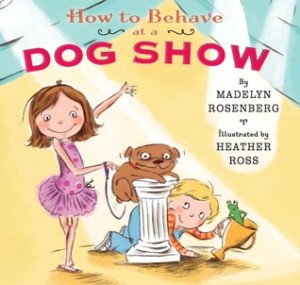
How to Behave at a Dog Show

How to Behave at a Dog Show
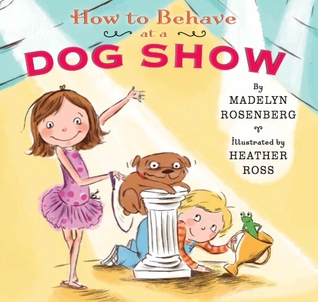
In How to Behave at a Dog Show, a picture book written by me and illustrated by Heather Ross, Julia and Charles learn that Rexie is not exactly Best-in-Show material. But he IS best at lots of other things. We’re hoping readers will see what’s best in their own pets, and in themselves. This book can be used in classrooms as a mentor text (How to Behave at a Tea Party is also in the series and kids could easily discuss how to do anything!) I also have a guide for how to host a classroom pet show. I’m attaching the link for that here, along with the link for the book trailer my son made for me. Teacher’s Guide


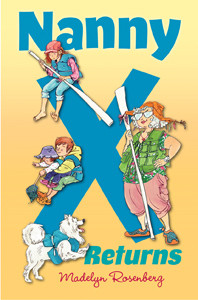
Nanny X Returns

Nanny X Returns
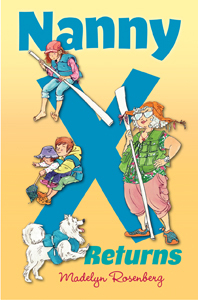
Nanny X Returns is a middle-grade novel. The first book in the series, Nanny X, has found favor among reluctant readers and I’m hoping this book will, too. The first Nanny X is a finalist for the Land of Enchantment Book Award. The follow-up chases Nanny X and her young charges around Washington, D.C., as they attempt to save our national treasures from someone named The Angler, who wants a statue of a fish installed on the White House lawn. I’m enclosing a discussion guide that can be used in classrooms. Teacher’s Guide


Thank you to Madelyn for these fantastic games and activities to battle writer’s block!

RickiSigandKellee Signature