Author Guest Post!: “Possible Impossibilities: Magic and the Middle-Grade Reader” by I. J. Brindle, Author of Balthazar Fabuloso in the Lair of Humbugs

Share

Possible Impossibilities: Magic and the Middle-Grade Reader”

When my son, Theo, was about to turn four, I asked him what he wanted for his birthday. His answer was simple, only one thing: Hogwarts Castle. “A mini tree-fort version?” I suggested hopefully. Nope, he wanted the whole thing, old stones, talking portraits, moving staircases, the whole shebang, to be built in our backyard. “Or a Batcave,” he relented, seeing my expression. “If you can’t do Hogwarts, I’ll take a Batcave.”

If little kids have one super power it’s that power to believe random, wacko stuff is totally possible. And why not? Those kind of things are happening all the time in their worlds: steam suddenly whistling out the spout of a kettle, crusty old seeds pushing up pale green sprouts through the dirt, clear light through faceted glass turning into rainbows. I remember clearly when I was four, hammering metal coffee cans and other bits of debris to an old flat piece of plywood to make a boat I would sail across Lake Ontario. My dad, who was sorting the laundry nearby, never told me that was not going to happen. To this day, I think that was one of the best gifts he ever gave me.

Too often, well-meaning adults rush in to help children develop a sense of perspective, an understanding of what is realistic, sealing up the cracks between the world of imagination and the more reliable, tried and true “reality.” The instinct generally comes from a good place. To protect from disappointment. To make sure the child is investing his or her precious hopes and dreams in something that might actually, in a million years, have some chance of ever happening.

“If only he would ask for something we could actually give him,” I remember bemoaning to Theo’s dad after Theo finished showing us the impossibly grandiose Batcave blueprints he had found in the back of one of his Batman books. Then I thought about my boat. About that sense of possibility. I took a deep breath. “This is too big a job for us,” I admitted to Theo. “But how would you do it?” Theo was disappointed in us. But eventually he took a shovel, went out behind the house and started to dig. His friends came over later in the week and they dug as well. And the digging has gone on sporadically from then—for about nine years now. At first it might have been about the bat cave, but as the digging went on it became about something else: about the undefined, mysterious possibilities of the hole itself. Something way better than anything we, his parents, could have cobbled together for him.

By the time kids get to the middle grades, the concept “real” becomes very important. “Is that real gold?” “That is sooooo fake!” At the same time, this age is also the sweet spot for the greatest magical literature ever written: Harry Potter; The Lion, The Witch and the Wardrobe; The Hobbit; The Dark Also Rises. The other day, my ten-year-old, Nicholas (one of the biggest realists I know), told me that all his favorite books have some kind of magic or fantasy in them. Hardly seems a coincidence. As the concepts of reality become more practically defined and potentially limiting, fantasy allows middle-graders to keep the doors and windows open into other possibilities.

Possibilities is the key word. When your nose is stuck between the covers of a great fantasy book, it’s not because you’re so caught up with bunch of stuff that could never happen. It’s because you’ve entered a place where the outrageous and fantastical does happen and you can’t wait to see what’s going to happen next. And sometimes what happens next is someone comes along and lifts one of these possible impossibilities off the page and turns it into a reality. The Internet search engine, for example, appeared in Douglas Adam’s Hitchhiker’s Guide to the Galaxy long before the real version was created. Sci-fi author, Jules Verne, landed the first rocket ship on the moon in remarkably accurate detail in his novel From the Earth to the Moon over a century before the first real lunar landing occurred. Sometimes what looks like wall between fantasy and reality is actually a door.

These doorway-moments, these meeting points of the real and the fantastical, are essential in middle-grade fantasy. Sometimes these doorways are quite literal. Harry Potter’s first arrival at Platform 9 ¾. Lucy walking through the wardrobe into Narnia. Other times the doorways come through characters that are so powerfully human it’s impossible not to relate to them, even if they are a different species from a totally different place and time. For example, Bilbo Baggins, the furry-footed hobbit who longs for adventure but is so attached to domestic comforts he almost abandons his great adventure when he discovers he has left his handkerchiefs at home.

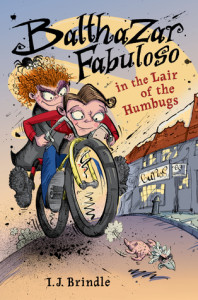
When writing my middle grade novel, Balthazar Fabuloso in the Lair of the Humbugs, the first doorway I discovered was through Balthazar’s family’s stage magic. When picking up a new bit of magic, they start by figuring out how to fake it, palming a coin to make it look like it disappeared, hiding a dove up a sleeve, etc. Only after they’ve mastered the illusion so fully it becomes second nature does the trick part fall away and the magic become real.

Some of my favorite doorway–moments as a writer come when magic doesn’t work out the way anyone planned. Unpaid bills that are folded into magical origami animals and sent flying away but wind up coming home again to demand payment. An invisibility charm that only works for as long as long as you hold your breath. Magic that is great for levitating sofas and turning puffs of smoke into baby turtles, but is totally useless for eliminating dry-rot or paying down credit card bills. In other words, magic that acts like life: messy and unpredictable, but kind of amazing at the same time.

Can magic help Balthazar get his family back after they mysteriously vanish in a sinister stage accident? Possibly, but first Balthazar must find his own magic, a journey which leads him down a rabbit hole of family secrets, unexpected friendships, surprise betrayals, sinister cliques and a few other twists and turns. A journey that is about messing up, figuring stuff out, banging into walls, overcoming limitations, and, ultimately, about making the impossible possible, although not quite in the way anyone had planned.

One of my favorite games to play on hikes and long road trips is the “what if” game. What if this forest was actually our home? What if the raindrops on the windshield all had personalities? What if that red car behind us is an evil road wizard hot on our trail? What if we could open the plane door and walk out onto the clouds? It’s all about finding the doorways, then seeing where they lead, the more unexpected the better. Sometimes they lead to a story or a sketch. Other times to complete absurdity. But they always lead somewhere. Which is why magical literature is so important to middle-graders. Not simply because of the magic itself, but because of the possibilities it opens up, possibilities which can lead anywhere.
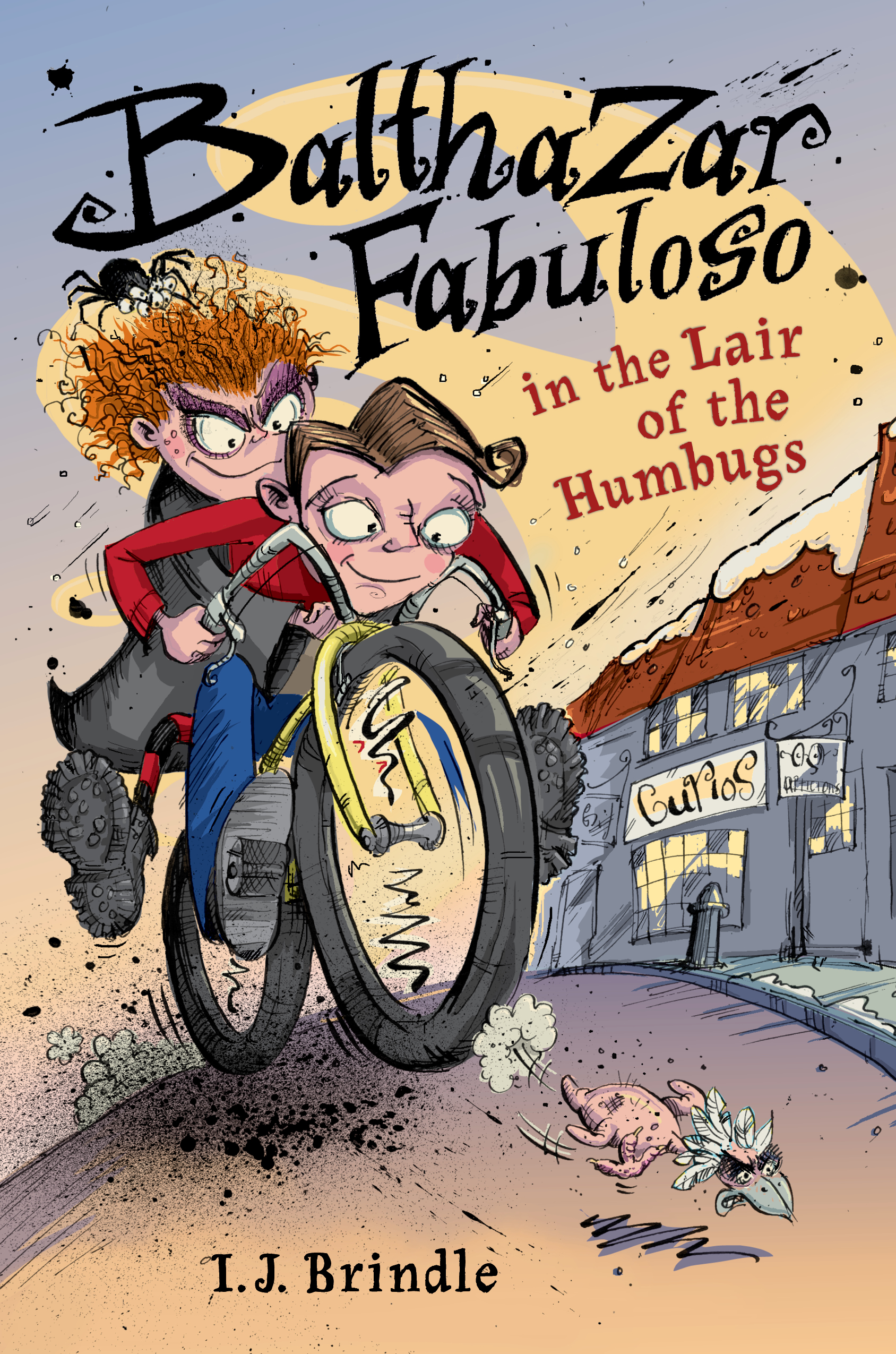
 

Balthazar Fabuloso

Balthazar Fabuloso in the Lair of Humbugs

About the Book: Magic, humor and high adventure are used to reaffirm fundamental family values in this debut novel.|

Balthazar Fabuloso’s lovable and eccentric family performs a magic show. What makes the act so unusual is that all the Fabulosos actually have superhuman powers, except for Balthazar, a practical-minded 11-year-old who simply aspires to be a normal kid. So when everyone but Balthazar disappears mid performance, the only Fabuloso without real magical skills must save the family. Balthazar wonders if the family’s archrivals, the Furious Fistulas, are to blame or if there are other, even darker forces at work. To free his loved ones Balthazar must work with some questionable characters, including a lunatic long-lost uncle, three enigmatic senior citizens and the loathsome Pagan Fistula, whose family also mysteriously goes missing.

At the center of these disappearances is a force so evil that the world’s most preeminent magicians cower before it. What hope could a ragtag crew of misfits have against it?

Link to the Book: http://www.holidayhouse.com/title_display.php?ISBN=9780823435777
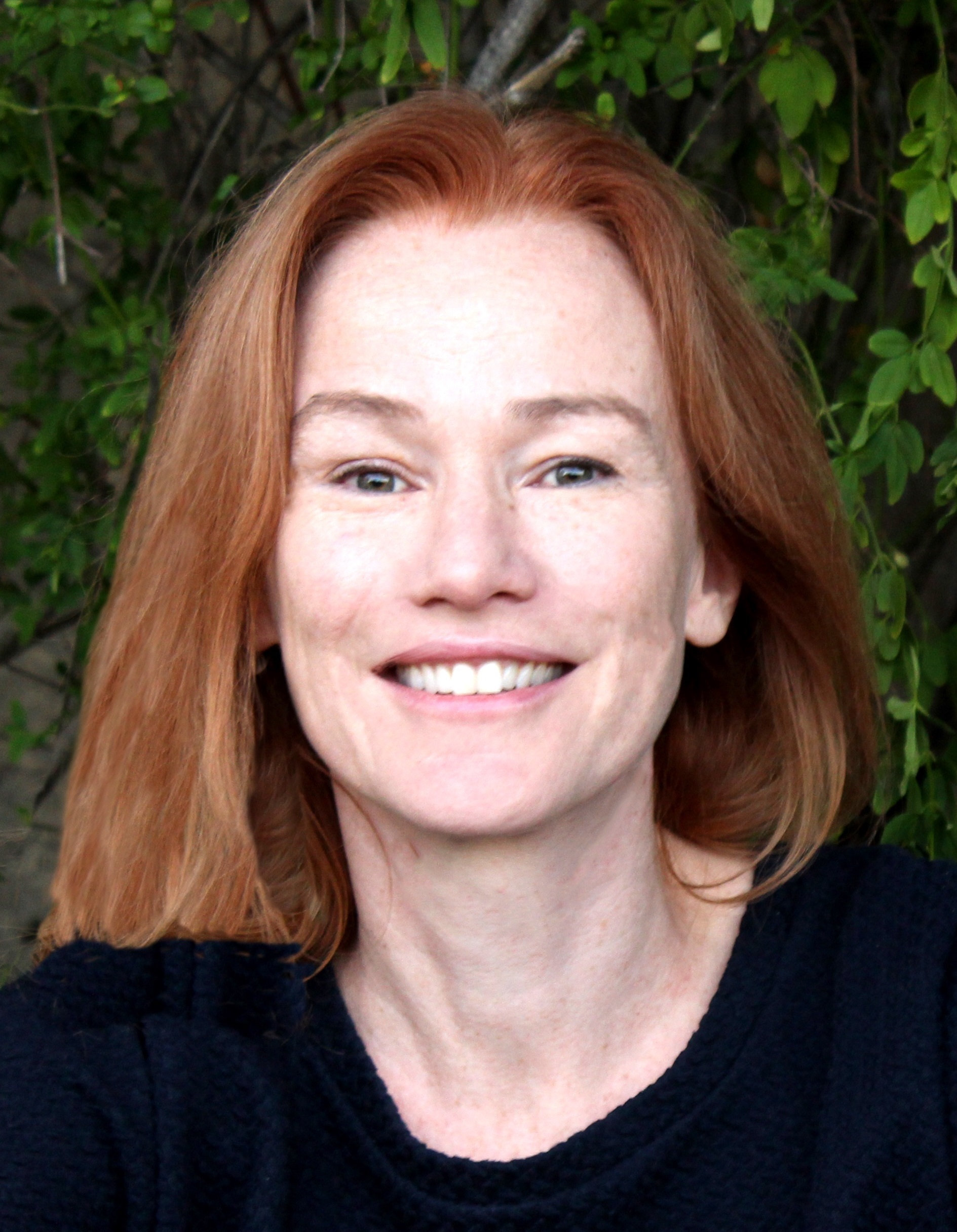
I.J. Brindle

About the Author: I. J. Brindle is an author and screenwriter. She has also produced internet games for Disney, written and directed theater in New York and Montreal, clerked in a bookstore, waited tables, and had a bunch of other adventures along the road. She is the mother of two wild monkey children and the companion of a dog named Moose.

Check Out the Other Books on the Tour:
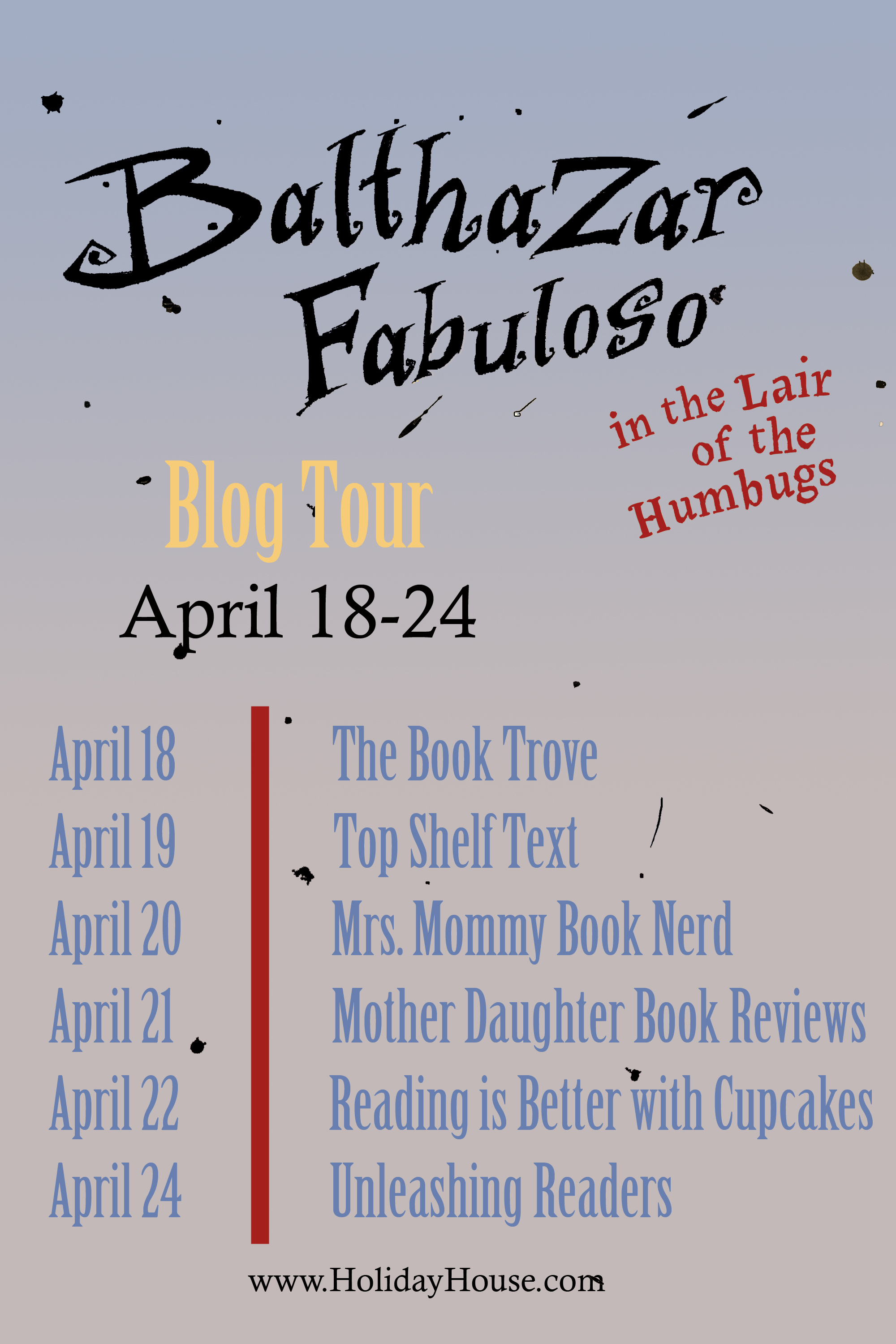
Balthazar_BlogTour02

Thank you to I. J. for this important post. We hope our readers enjoyed her words as much as we did!

Thank you to Brittany at Holiday House for connecting us with I. J.!

RickiSigandKellee Signature

What is Future Problem Solvers?

Share

FPSPI Logo

Future Problem Solving was introduced to me six years ago when a mom asked if I would be willing to advise a team so her sons could participate. At the time I did not know anything about the program, but I felt like I should give it a go since I wanted to work with gifted students more, so I jumped in with both feet and started learning about the program. I now co-advise the club with my co-worker who joined me when I was pregnant, Vanessa Gray, with four sixth graders, seven seventh graders, two eighth graders, nine ninth graders, two tenth graders, and an eleventh grader. These students have been with me and the program from one year to all six of the years that I’ve had the club.

fpspi motto

Through my initial trainings, I learned that the program was more than just a competition for students that I would be advising. It is a program that focuses on making our future leaders. It helps build a global mindset in kids 8-years-old and up and promotes creative thinking, critical thinking, problem solving, research, writing, futuristic thinking, global mindset, and collaboration–all things, I might add, that are high on the list from Forbes of skills employers look for in their employees.
fpsp steps

What Is It? 

Future Problem Solvers focuses around the six-step creative problem solving process.
First, students read a Future Scene which is a scenario that takes place in the future and revolves around a topic the students knew and researched about before the competition.

Step 1. In groups of four, the team has to pull out 16 potential problems they see that could happen in the Future Scene.

Step 2. They then have to decide which of the problems is the most impactful to the scene and also deals with the charge given to them at the end of the scenario that directs them to focus on a certain aspect of the scene usually based on the topic.

Step 3. As a team, they then have to determine 16 solutions to the underlying problem they identified in step 2.

Step 4. Criteria is laid out to help determine which solution is the best.

Step 5. The solutions are ranked based on the criteria they created.

Step 6. They write an extensive action plan about the highest ranking solution explaining in detail how the solution would work, who would do the jobs, what obstacles they may encounter, how much it would cost, etc.

This finishes the Global Issues Problem Solving portion which is the primary competition, but while the booklets are being scored, the students then prepare and put on a skit of their action plan for their fellow competitors.

flfpsp

This year, at the regional competition, I brought a junior division team, four middle division teams, and one senior division team. At regionals we placed, sixth in the junior division, second in the middle division, third in the middle division, and second in the senior division, and three of my teams (the junior and two middles) qualified to attend the Florida Future Problem Solving State competition. Only 97 out of 259 teams in Florida qualify for the State Competition.

FPSP IC

The FLFPSP State Competition is always a whirlwind. The first night is the opening ceremonies, the second day is the regular competition and skits, the third day has hands-on problem solving and a social, then the final morning is the awards ceremony. We always try to go into the competition being optimistic but not overall hopeful because there are some kids who have been doing FPS since they were in early elementary school versus my students who started in sixth grade. However, we got more than we could ever hope for.

First, it was announced that one of my middle school teams with their alternates had placed second in skits. My students excel at skits; I was so proud of them! I now was so happy that they had won ribbons, and I just was going to enjoy the rest of the award ceremony. Then, they awarded the alternate teams, and one of our seventh graders who did a multi-school booklet since he wasn’t needed as an alternate won first place! How exciting!

But then, they got to the main Global Issues Problem Solving. These were the awards that could qualify students for the International Competition. They started with individuals who do the entire six steps independently (less step 1s and step 3s required). One of my seniors, a junior who has been with me since the beginning, had competed as an individual since her team had not qualified, but I could bring her to states. And she placed THIRD! She wasn’t there to accept the award, so I went up for her and was shaking! I was so excited for her, and I called her immediately afterward (crying, of course!).

IMG_89581

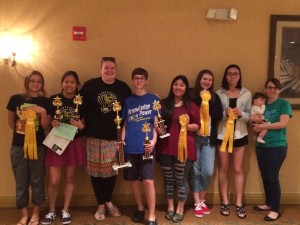
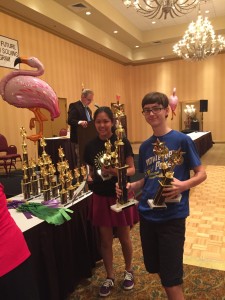
Then, we arrived at the middle division. When they give out the big team awards, they call all six of the placed teams up at once then state the places once everyone is up there. And they called BOTH of our middle division teams. These teams were made up of my eight ninth graders. One team had been together only two years while the other has been with me since they were in sixth grade (so four years). I could not believe it! And then they said sixth. Not us. Then fifth. Not us. Fourth–us! My two year team placed fourth at states! Then third. Not us. Then second. NOT US! They won FIRST! In the state! I could not have been more proud of these students.

IMG_9220

Not we have the opportunity to go to the Future Problem Solving International Competition in June at Michigan State University. I am so excited to take these brilliant students to this prestigious competition.

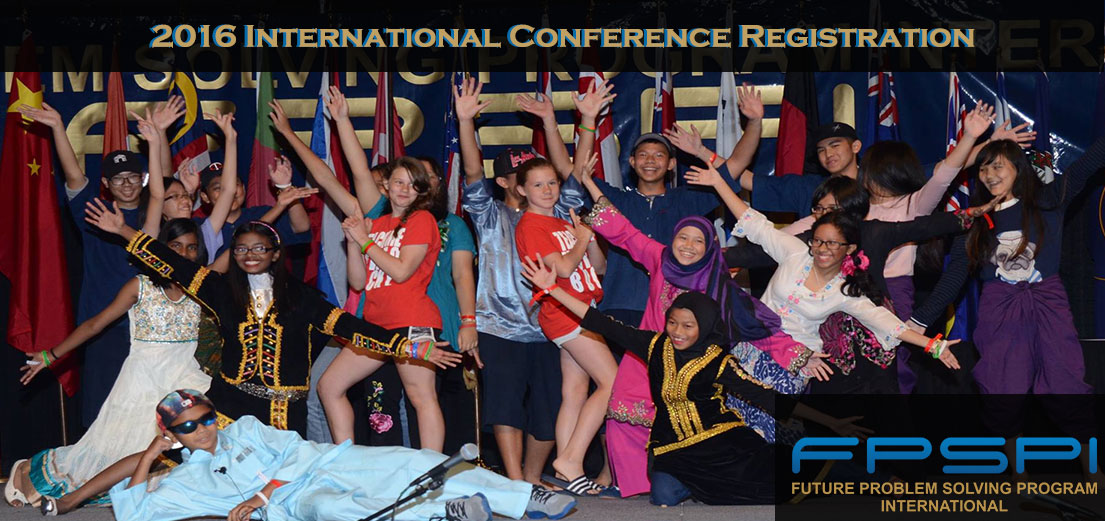
The International Competitors represent the top one percent of students from teams from around the world. The International Conference features four days of stimulating competitive problem solving, cooperative educational seminars, and social activities. Each year approximately 2,200 students and coaches attend the FPS International Conference from around the globe. The topic for Global Issues Problem Solving at the FPS 2016 International Conference is Energy of the Future. Future Problem Solving Program International charters Affiliate Programs throughout Australia, Korea, Malaysia, New Zealand, Portugal, Singapore, United Kingdom, and United States.

To learn more about Future Problem Solving visit http://flfpsp.org/ or http://fpspi.org/

To learn more about my Hunter’s Creek Future Problem Solvers and help us get to Internationals, please visit our Facebook page!

Kellee Signature

Teeny Tiny Toady by Jill Esbaum

Share

teeny tiny toad

Teeny Tiny Toady
Author: Jill Esbaum
Illustrator: Keika Yamaguchi
Published: March 1, 2016 by Sterling Children’s Books

Goodreads Summary: When a giant hand scoops up her mama and puts her in a pail, a terrified tiny toad named Teeny hops faster than she ever did in her life. “Mama’s stuck inside a bucket! Help me get her out!” she begs her big, clumsy brothers. “Don’t you worry, kid. We’ll save her!” they promise, bumbling and stumbling and jumbling out the door. But as the boys rush headlong to the rescue, pushing their little sister aside, it becomes clear: brawn isn’t always better than brains—and the smallest of the family may just be the smartest one of all.  Written in lilting verse.

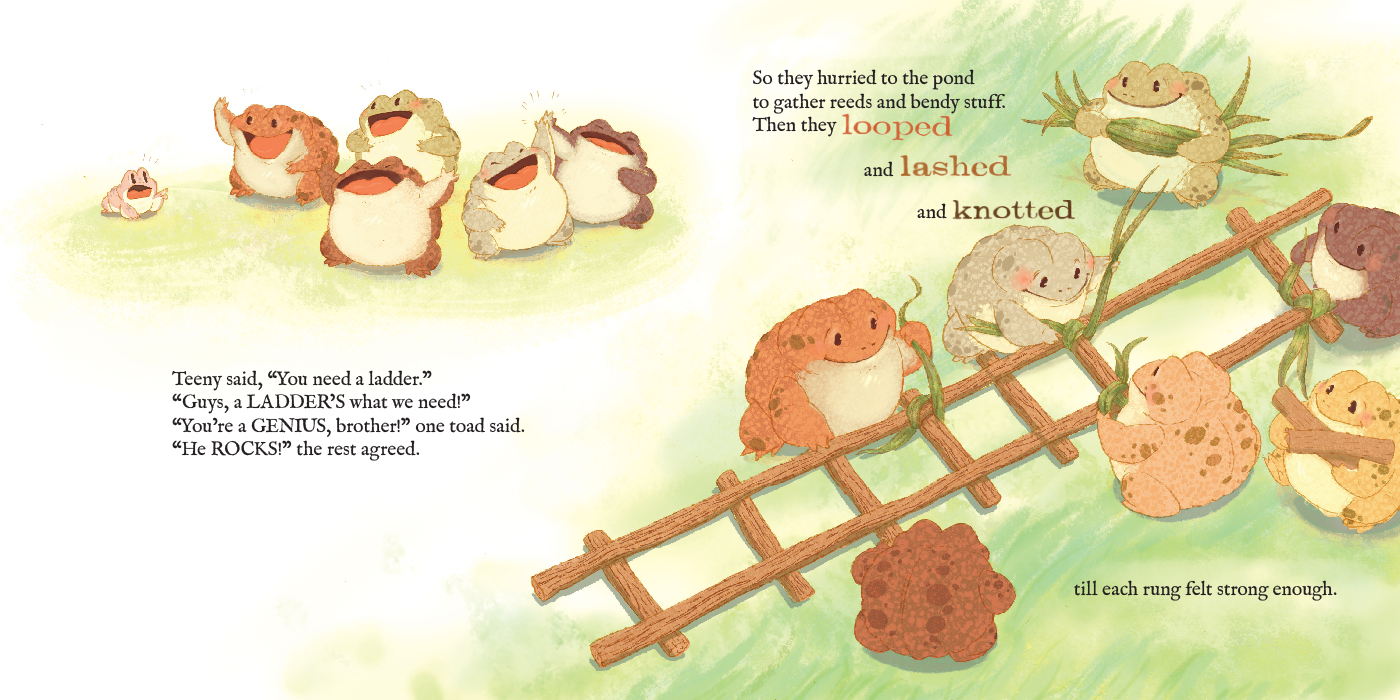
Ricki’s Review: I should be honest that frogs and toads are my favorite animal. I love everything about them! Reading this book was such a joy. I loved how the words danced across the page. If you look at the image below, you will see the way the words pop. The toads are personified in a way that makes me smile. They high five, cheer, hold each other up, etc. Teeny may be little, but she is fierce. It takes her some time to realize that she has valuable ideas. I enjoy teaching my son to be critical of gender as we read this book, and I particularly enjoyed the feminist theme.

Kellee’s Review: I should be honest that frogs and toads are one of my least favorite animals. However, that did not keep me from loving this book! Ricki touched on much of what is superb about the book including the onomatopoeias throughout, the way the words hop like toads all over the page, and the joyousness of these toads’ family. I also particularly enjoyed the theme of this book–it definitely shows how you shouldn’t underestimate people especially if you are basing it off of a prejudicial stereotype. It also  I plan on using this for one of my precept/theme activities with my students because I feel there is so much that could be discussed in this teeny, tiny book. 

Teachers’ Tools for Navigation: This story would be great to use in a creative writing class. The author and illustrator cleverly craft the phrasing and presentation of the story, and this will be inspirational for writers and illustrators. Teachers might also use this text to teach personification, onomatopoeias, and effective use of rhyme.

Discussion Questions: When does Teeny realize that her ideas are valuable? How does her size impact how she feels about herself?; Are there other ways that Teeny could have gotten her family out of the bucket? Try to think of as many ways as you can and how they would have impact the telling of the story.

Flagged Passage:

teeny passageSpread from: http://andreacmiller.com/projects/teeny-tiny-toady/

Read This If You Loved: The Frog and Toad series; Stick by Steve Green; Green Wilma by Tedd Arnold

Recommended For: 

readaloudbuttonsmall classroomlibrarybuttonsmall

RickiSigand Kellee Signature

**Thank you to Josh at Sterling Books for providing copies for review!**

Earth Day Recommended Reads: Gaia Warriors by Nicola Davies & 31 Ways to Change the World by 4,386 Children, We Are What We Do, and YOU!

Share

NFPB2016

Nonfiction Wednesday

Nonfiction Picture Book Wednesday is hosted by Kid Lit Frenzy and was started to help promote the reading of nonfiction texts. Most Wednesdays, we will be participating and will review a nonfiction text (though it may not always be a picture book).
Be sure to visit Kid Lit Frenzy and see what other nonfiction books are shared this week!

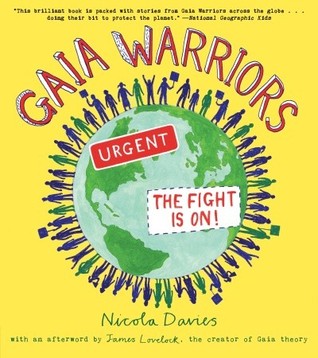
gaia warriors

 Gaia Warriors
Nicola Davies
Published March 22nd, 2011 by Candlewick Press

Goodreads Summary: A book on global warming like no other, merging key concepts with firsthand accounts from people of all ages who have found ways to help.

Inspired by the work of outstanding scientist and thinker James Lovelock and written by acclaimed author Nicola Davies, here is a book that takes a clear look at how and why Earth’s climate is changing and the ways we can deal with it. Its style is simple and its explanations are compelling, illuminating not only hard facts but also the opinions and potential solutions of scientists all over the world. But there are other voices too, those of people young and old — lawyers, food producers, fashion designers, scientists, rock stars, architects, conservationists, kids, campaigners, and more — who are trying to change the way they (and we) live on the planet. At once comprehensive and accessible, this galvanizing call to arms includes web links and resources that make it easy to join the cause.

My Thoughts: This is a text that takes the narratives of some global warming books and the information of others and combines them. I did not know what Gaia Theory was before this text, but now I know that it is the idea that we need to take care of our Mother Earth. “The Gaia Paradigm describes a productive confluence between scientific understandings of Earth as a living system with cultural understandings (ancient and new) of human society as a seamless continuum of that system.” Gaia Warriors is a text that shares why this idea makes sense, why it is up to us to make changes, and stories of those who have. I appreciated how it was set up with the climate change basics in Section One then the people stories in Section Two. It makes it even more inspiring because Davies makes sure you have all the facts before hitting us with emotional appeal.

Discussion Questions: Which of the Gaia Warriors inspires you the most?; How could you live differently to help climate change?; What could you do to become a Gaia Warrior?

And the chapter titles: What is climate change?; How do we know that climate change is happening?; What’s causing climate change? Is climate change our fault?

We Flagged: 

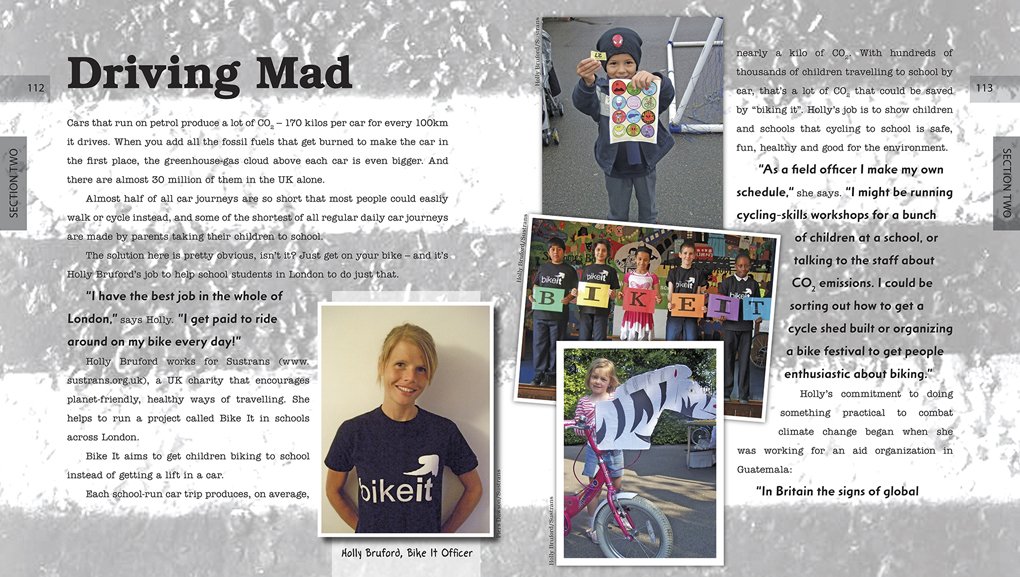
Gaia Warriors Spread


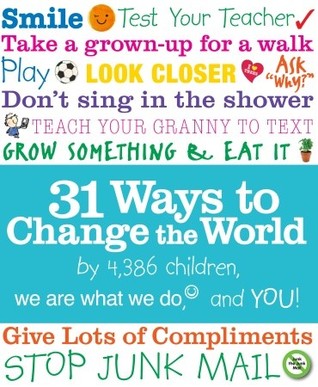
31 ways to change

31 Ways to Change the World
Author: 4,386 Children, We Are What We Do©, and YOU!
Published March 9th, 2010 by Candlewick Press

Goodreads Summary: Children have lots of ideas for changing the world — and here are thirty-one fun and simple ways to get started.

Small actions multiplied by lots of people equals big change! That’s the driving belief behind the social change movement We Are What We Do — and it infuses this lively, motivating book packed with action steps for younger readers. Incorporating the suggestions of thousands of children, tips range from stirring (stand up for something) to silly (walk your dad); from earth-friendly (don’t charge your phone overnight) to eye-opening (where is that Waldo?); from social (teach your granny to text) to downright surprising (speak soccer!). These thirty-one creative, original ideas are contributed by kids for kids — and each is guaranteed to have a clear and positive impact. Of course, the book would not be complete without a final question to the reader: what’s the one thing you would do to change the world?

My Thoughts: What I really liked about this book vs. other “change the world” books was that there are so many different options and something that everyone could do. It would be so easy to go through and do most of these. Although this book doesn’t focus completely on global warming/climate change, I think it fits perfectly on Earth Day because one way to make our Earth better is to make humans nicer.

Discussion Questions: Which of these activities have you done?; Which of these activities could you do and help others do as well?; What other activities could you do to help our Earth, your school, your friends, your family, etc.?

We Flagged: 

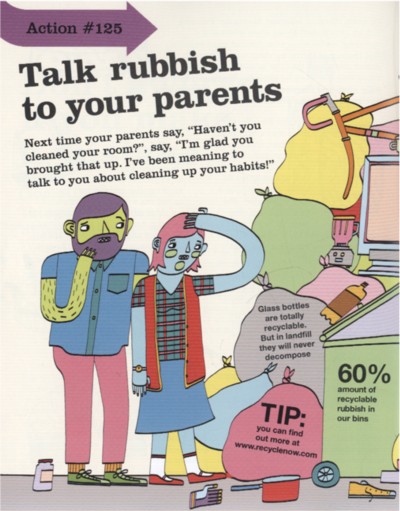
31 ways spread


Teachers’ Tools for Navigation: I think talking about climate change and changing our ways to help is so important with our youth. These books, along with other Earth Day friendly books, can help kids understand the importance of our decisions every day.

Read These Books If You Loved: The Lorax by Dr. Seuss, The Down-to-Earth Guide to Global Warming by Laurie David and Cambria Gordon, An Inconvenient Truth by Al Gore

Both Recommended For: 

classroomlibrarybuttonsmall closereadinganalysisbuttonsmall

Signature

**Thank you to Candlewick Press for providing copies for review!**

Top Ten Tuesday: Books That Make You Want to Make a Difference

Share

top ten tuesday

Top Ten Tuesday is an original feature/weekly meme created at The Broke and the Bookish. The feature was created because The Broke and Bookish are particularly fond of lists (as are we!). Each week a new Top Ten list topic is given and bloggers can participate.

 Today’s Topic: Books That Make You Want to Make a Difference

Ricki

Kellee’s list is awesome! A couple would have made it to my list, too! I am also focusing on books about helping fellow humans.

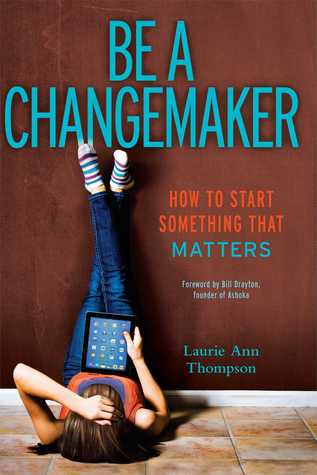
Be a Changemaker

1. Be a Changemaker: How To Start Something that Matters by Laurie Ann Thompson

This nonfiction book is accessible and a fantastic resource for teens. The book is designed and written well. It made me want to go out and be a changemaker!

From my review: My favorite aspect of this book is the way it is organized. The chapters and headings are very clear, and it moves in a fluent, understandable manner. Thompson provides very informative, necessary lessons about honing and fine-tuning leadership skills. Some of the sections I liked most were the tips about leading meetings (from standard operating procedures to icebreaker activities), the sample business plan with budgetary advice, the ways to make money (with grants and marketing tips), and the speaking skills (particularly the section about elevator pitches). Across the country, more and more states are requiring the development of advisory groups for high school students to learn life skills. This text would be perfect for this setting. I can also see the text working well in a business or entrepreneurship class. The best part about the way this book is set up is the fact that teachers can assign chapters to groups or teach the portions of the text that matter most to their syllabi or curricula.

how it went down

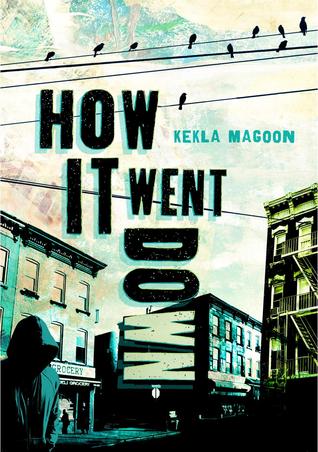
2. How It Went Down by Kekla Magoon

This book hit me in the gut. It made me so angry that I wanted to speak out immediately!

From my review: In light of the recent protests, this is an incredibly insightful book that is very important. The point-of-view shifts every 2-3 pages, which was very thought-provoking. Too often, books depict stereotypical portrayals of members of cultures, and the gamut of characters within this text felt very realistic. For some, this book may be too gritty and too uncomfortable. There is nothing comfortable about discussions regarding inequities and privilege in society. But if you walk down the halls of my high school, there is nothing in the book that is not a concern in schools. This is not a feel-good read, but it made me think. And thinking…is a very good thing.

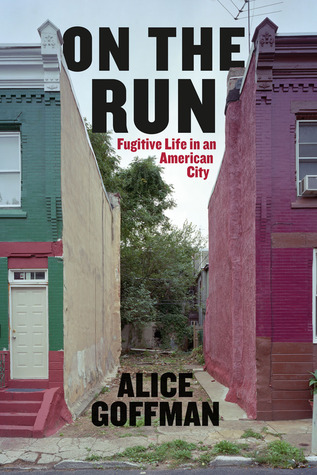
on the run

3. On the Run by Alice Goffman

Not only did this book make me want to go out and conduct an ethnography, but it made made me livid at the way society promotes inequity.

From my review: Inspired by a college course in her sophomore year, Alice Goffman seeks an ethnographic experience in inner-city Philadelphia. She gets a part-time job tutoring an African American girl, Aisha, and soon befriends the boys of 6th Street (pseudonym). Mike adopts her as a younger sister, and she comes to live with these boys—studying their every move. This quality piece of ethnographic research is a page turner. While it reads a bit more like a book than a scholarly publication, readers can glean her methodological approach through the footnotes. Goffman’s mission is clear. She wants readers to understand the inequities these African American boys of 6th Street face, and she shows how the criminal justice system (both law enforcement and the justice/prison system) are not working. I was ashamed at the actions of the police, specifically, and think this is very educational to readers of all ages, particularly in the wake of the racially based crimes that we consistently see in the news.

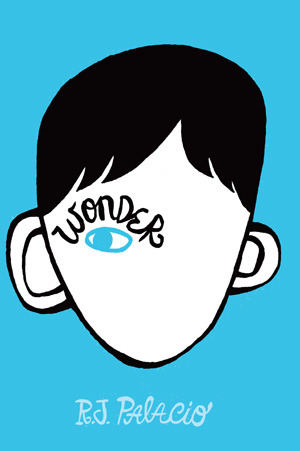
wonder

4. Wonder by R.J. Palacio

The first line in my review is that this book made me want to be a better person. I can’t stress this enough. I recommend this book constantly.

From my review: This book made me want to be a better person. It changed the way I look at the world, and it is just as incredible as everyone says it is. A friend urged me to push it to the top of my to-read list and said it was one of those books that everyone should read–regardless of age.

August Pullman was born with severe facial deformities. He says, “I won’t describe what I look like. Whatever you’re thinking, it’s probably worse.” Because he is continually in and out of surgery and recovery, Auggie has always been home-schooled. When his mother suggests he start the fifth grade in a private school, he is against it but decides to give it a try.

Told from multiple perspectives (including his sister who is in high school and other kids in the middle school), this book will capture your attention, page-by-page. I feel compelled to read it aloud to everyone, everywhere.

I urge you to put aside any books on your to-read list and pick this one up. I am convinced it will touch anyone who reads it.

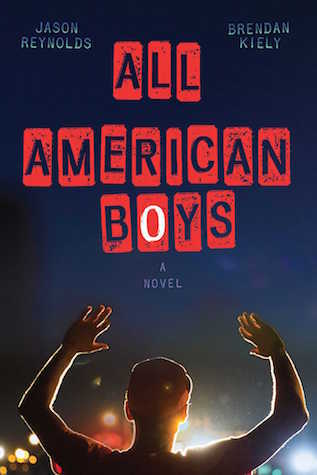
all american boys

5. All American Boys by Jason Reynolds and Brendan Kiely

I tried not to repeat any of the titles from Kellee’s list, but I just couldn’t help myself. I am halfway through the audio of this book, and I have wanted to pull over the car because it makes me so angry. This book absolutely makes me want to make a difference and stand up for what is right.

 Kellee

I decided to focus on books that make me want to help my fellow humans instead of animals; we may have to do another post about animal books that make me want to make a difference.

milkofbirds

1. The Milk of Birds by Sylvia Whitman

This book made me want to help two different types of kids: refugees and students with learning disabilities. I love how the two are intertwined in this story, and K.C. and Nawra’s story will give students a way to help those that struggle in the middle of war.

From my review: Both of these girls are not represented very often in books, and they are both so important to know. Through this book, the reader gets to see the intensity of the situation in Sudan and refugees’ power in overcoming however they can. They also get to see the brilliance of students with learning disabilities. There are so many students in our school just like K.C., and too many of their peers would judge them by their struggles instead of by their heart and soul.

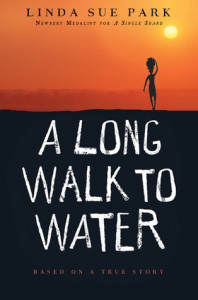
longwalk

2. Long Walk to Water by Linda Sue Park

Like The Milk of Birds, Linda Sue Park’s too true book puts us smack-dab in the middle of Sudan, but also gives the reader a way to help the situation. How can you help? Read A Long Walk to Water.

From my review: Linda Sue Park took a true story of a lost boy’s survival (watch a video about the true story here) after being chased from his village because of war and transformed it into a novel that will leave the reader with a feeling of awe. Awe of the bravery and pure fearlessness of Salva and the other Lost boys of Sudan and awe of the world of riches and blindness we live in while a horrendous war wages on the other side of the world. I love this book because it is very accessible to children, it won’t bog them down with too much history; however, it will definitely make them aware of the situation in Sudan.

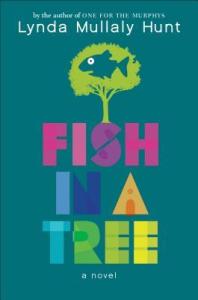
fish

3. Fish in a Tree by Lynda Mullaly Hunt

Reading this book shows why those of who love teaching love it. We can be someone’s Mr. Daniels.

From my review: “Mr. Daniels is the teacher that I hope I am, that I wish I could be, that I want all teachers to be, and that I want to be friends with.”

all american boys

4. All American Boys by Jason Reynolds and Brendan Kiely

I’ve always been vocal about supporting the #BlackLivesMatter movement and discussing social justice with my friends and students. This book pushed me even further. It gave me a “in” to discussing this others. Racism, white privilege, and prejudice need to be talked about; I’m so glad there are texts coming out that give an avenue for this discussion.

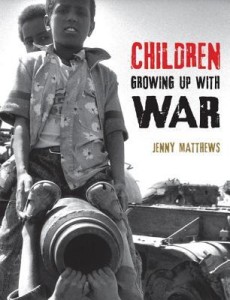
children growing

5. Children Growing Up with War by Jenny Matthews

This books will help those resistant to helping refugees realize what we are trying to save our fellow humans from.

From my review: Fortunately, as an American, very few wars touch our lives. Unfortunately, our news doesn’t focus on many of the tumultuous conflicts that are active throughout the world, so we have become detached from reality. Our students are even more detached. That is why this book is important. It puts it all into perspective and really makes me feel and think. We rarely look at the humans that are being affected by the wars, we always focus on getting the bad guy. This book puts faces to the people, specifically the children, being affected every day.

Which books make you want to make a difference? 

RickiSig and Signature

It’s Monday! What Are You Reading? #IMWAYR 4/18/16

Share

IMWAYR 2015 logo

It’s Monday! What Are You Reading? From Picture Books to YA!

It’s Monday! What are you Reading? is a meme started by Sheila at Book Journeys and now hosted by Kathryn at The Book Date. It is a great way to recap what you read and/or reviewed the previous week and to plan out your reading and reviews for the upcoming week. It’s also a great chance to see what others are reading right now…you just might discover the next “must-read” book!

Kellee and Jen, of Teach Mentor Texts, decided to give It’s Monday! What Are You Reading? a kidlit focus. If you read and review books in children’s literature – picture books, chapter books, middle grade novels, young adult novels, anything in the world of kidlit – join us! We love this meme and think you will, too.

We encourage everyone who participates to support the blogging community by visiting at least three of the other book bloggers that link up and leave comments for them.

Last Week’s Posts

raymie weird and wild National Parks Guide

Monster School Cover john coggin sarah and her twirling

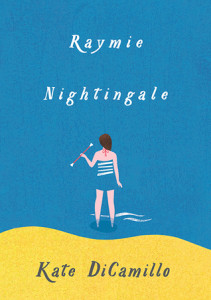
Tuesday: Exclusive Reveal!: Teaching Guide for Raymie Nightingale by Kate DiCamillo

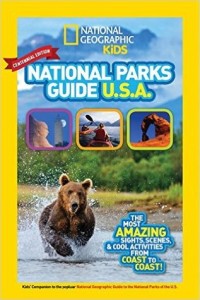
Wednesday: National Parks Week: A Weird and Wild Beauty by Erin Peabody & National Geographic’s National Parks Guide U.S.A.

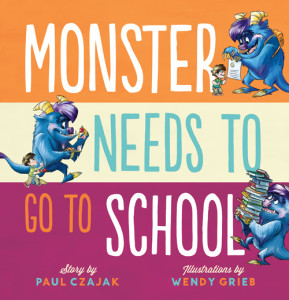
Thursday: Blog Tour and Review!: Monster Needs to go to School by Paul Czajak

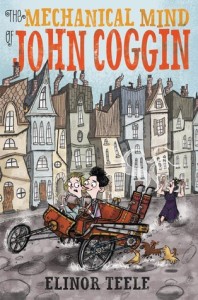
Friday: Blog Tour, Character Interview, Giveaway, and Review!: The Mechanical Mind of John Coggin by Elinor Teele
Giveaway open until Thursday!

Sunday: Author Guest Post!: “Picture Books: Better Than Teddy Bears” by Dawn Marie Hooks, Author of Sarah and her Twirling Toes

**Click on any picture/link to view the post**

 Last Week’s Journeys

Kellee: I love the weeks when I don’t know what I am going to read because there is just endless possibilities!

First, I went to Netgalley and perused the graphic novels, and I was so excited to get the chance to read Ben Hatke’s upcoming Mighty Jack. It’ll be a must buy when it comes out–my students are going to love this fractured retelling. I also read the third Lumberjane graphic novel. I love this series! It is unique and fun and fantastical.

Then I finished listening to The Terrible Two by Mac Barnett and Jory John. This is a over-the-top but such a silly read. (I went to book talk it to my students and cannot find it though! I hope it shows up, or if it walked, I hope the kid who took it loves it.)

Finally, I finished reading two middle grade novels (both which I’ll review soon). Cody and the Mysteries of the Universe by Tricia Sprinstubb is just as special as the first one in the series. I love Cody and the awesome cast of characters in her book. I also read Cici Reno #MiddleSchoolMatchMaker by Kristina Springer which is a new tween series that my 6th and 7th grade girls are going to love!

Ricki: I read several picture books this week. I enjoyed Monster Goes to School by Paul Czajak. Readers who love There Was an Old Lady Who Swallowed a Fly will love the board book version by Pam Adams. It is very cleverly depicted with cutouts and illustrations. I also adored Ten Little Kisses by Russell Julian. My aunt bought it for me because it is a favorite amongst the students she reads to with her therapy dog. I also finished Curiosity House: The Screaming Statue by Lauren Oliver and H. C. Chester. This was a fun book that reminded me a bit of Miss Peregrine’s Home for Peculiar Children by Ransom Riggs.

This Week’s Expeditions

Kellee: This week, I once again don’t know what I am going to read! I did start listening to The War that Saved my Life on Thursday, and I wish I could sit in my car and just listen to it. So heartbreakingly good so far. I’m about to go to bed, so I won’t pick up a new book tonight, but I will update you on what I get to read next week 🙂

Ricki: I am halfway through both All American Boys by Jason Reynolds and Brendan Kiely, Invisible Fault Lines by Kristen-Paige Madonia, and The Nest by Kenneth Oppel. All three are fantastic and very different from each other. This adds spice (and happiness) to my life! The semester is nearing a close, so I feel lucky that I will have more time to read more.

Upcoming Week’s Posts

top ten tuesday 31 ways to change gaia warriors

teeny tiny toad balthazar

FPSPI Logo

Tuesday: Books That Will Make You Want to Make a Difference

Wednesday: Earth Day Reads: Gaia Warriors by Nicola Davis & 31 Ways to Change the World by 4,386 Children, We Are What We Do ©, and YOU!

Thursday: Teeny Tiny Toady by Jill Esbaum

Friday: Future Problem Solving Program

Sunday: Author Guest Post!: Possible Impossibilities: Magic and the Middle-Grade Reader by I.J. Brindle, author of Balthazar Fabuloso in the Lair of the Humbugs

 So, what are you reading?

Link up below and go check out what everyone else is reading. Please support other bloggers by viewing and commenting on at least 3 other blogs. If you tweet about your Monday post, tag the tweet with #IMWAYR!

 Signature andRickiSig

Author Guest Post!: “Picture Books: Better Than Teddy Bears” By Dawn Marie Hooks, Author and Illustrator of Sarah and Her Twirling Toes

Share

“Picture Books: Better Than Teddy Bears”

I’ve always been a book lover. As a toddler, I fell asleep with my arms wrapped around my favorite book, The Mitten, like it was my teddy bear.  A picture book can be read and reread many times for many months or years and still cherished.  Kids are creative with their books.  He might use his truck book for a car ramp.  She might see if her mermaid book will swim.  That’s not exactly what I have in mind when I encourage creativity, but you can use those cherished picture books for more than reading.  Read, reread, and discover!  Do you have music lovers, math wizards, or budding scientists in your home or classroom?  You can explore those interests with a great book!

Fun activities with a favorite picture book can weave many topics and interests together. Choose the book the kids LOVE and do an internet search for an activity guide with that book.  Many websites (like my author/illustrator website, my publisher’s website, or teaching blogs) include discussion and activity guides.  Sometimes, there are printable worksheets and coloring pages. If an activity guide doesn’t fit your needs, it can spark ideas that do!  Some of you are experts at creating fully customized activity guides.  Others are thinking, “No way!”  Either way, teaching guides can inspire you to create activities for your needs using the book you choose!

When I create materials or talks, I am inspired by what I read – whether it’s the book alone, an activity guide, or an article.  As a classroom elementary teacher, I wrote lesson plans incorporating my favorite children’s books.  Currently, I have the pleasure writing and illustrating picture books and the discussion and activity guides that go with them.  Also, when I am presenting, I like to begin by reading a picture book that captures the attention of the group.  (At least, I hope it does!)  I even do this when I’m talking to parent or teacher groups.  (Don’t you think these books can be just as fascinating to adults?)  Whatever the topic, a great picture book can turn boring into captivating!

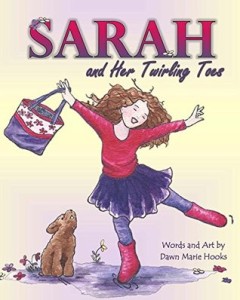
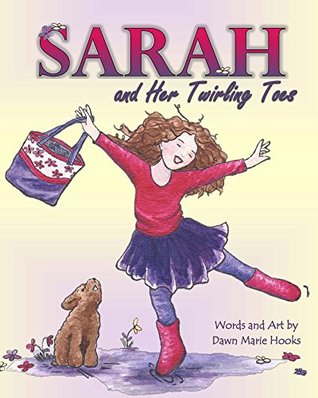
Do you have a favorite picture book?  Think of what you can do with it while reading the 14 examples geared toward my new book, Sarah and Her Twirling Toes:

1.      Reading:  Look at the cover of the book (front and back).  Ask kids to predict what the book will be about.  Read the book and check if predictions are correct.

2.      Discuss Manners:  Does it bother you when other people scream?  When is it okay to scream?  When is it bad manners to scream?  Do you have rules in your home or classroom about how loud you should be?

3.      Story elements: Discuss the setting, main character, problem, and solution.

4.      Writing:  Rewrite the story choosing one story element (setting, main character, problem, or solution) to change.

5.      Art:  Create a new cover for the book.  The book is painted using watercolor and gauche. Work with watercolor or choose something else (watercolor pencils, chalk, torn paper art, etc).

6.      Letters:  This book is full of words that begin with the letter “s.”  Search the book for the words.  Make a list.

7.      Synonyms & Antonyms:  Look through the book for the word “scream” and other words that mean the same thing.  Can you think of more synonyms?  Now think of antonyms for scream.

8.      Music and Body Concepts: Sing “Tonsils, Tummy, Heels, and Toes” like “Head and Shoulders, Knees, and Toes.”

9.      Cooking and Measuring:  Sarah drank honey ginger tea to try to help her throat.  Make some and have a cup of tea.  Slice lemon thinly until you have ½ cup.  Put slices in a jar.  Slice ginger root thinly until you have ½ cup.  Add to jar.  Squeeze honey into jar until lemon slices and ginger are covered.  Refrigerate for 24 hours.  Stir contents of jar. Put one cup of warm water in a mug.  Add two tablespoons of infused honey into warm water.  Stir and enjoy.  

10.  Science:  Explore the five senses.  Give each child a slice of lemon.  Have them describe the lemon using their five senses – touch, smell, taste, sound, and sight.  Do the same with ginger and honey, if desired.

11.  Health:  Research the health benefits of honey, lemon, and ginger.

12.  Health:  Sarah had “Screamingitis Syndrome,” a fictional condition.  Look up laryngitis and compare the causes, symptoms, and treatment to what Sarah suffered.

13.  Math:  Count how many times Tiger (Sarah’s dog) is in the book.  Multiply by two to find out how many dog ears that would be.  Multiply by four to see how many dog legs that would be.

14.  History: Research the history of tea used for medicinal purposes.

Sarah and Her Twirling Toes doesn’t directly talk about the five senses, synonyms, cooking, measuring, or even good manners.  I took actions from the story (like screaming or sipping tea) and created ideas to delve deeper. 

I hope you are inspired to be creative with picture books!  Pull out the book that’s being used as a car ramp.  Rescue the one that’s swimming in the tub.  Explore those books that are better than teddy bears!  Have fun and share your ideas with others!!

sarah and her twirling

About the Book: Sarah loves how screaming makes her feel. Her tonsils tickle. Her tummy dances. Best of all, her toes twirl! But one day, Sarah’s scream disappears …

This bright picture book celebrates Sarah’s spunky and endearing personality while showing that she can still be herself, with or without screaming.

Access the “Activity & Discussion Guide” for Sarah and Her Twirling Toes here.

dawn m hook

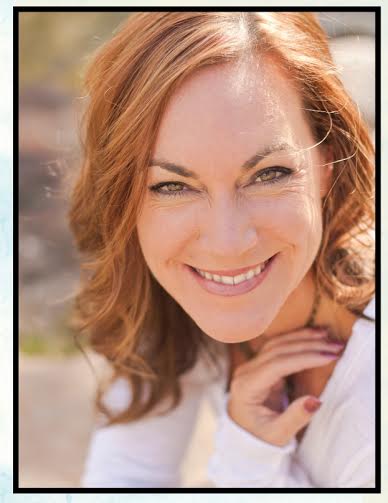
About the Author: Dawn Marie Hooks, M.S.Ed., combines her passion for children’s literature and painting through writing and illustrating picture books. A former elementary teacher, Dawn completed her first book, “Oh, Cookie!” as the final project for graduate coursework. Since then, she hasn’t stopped working on turning more ideas into books. She is a member of SCBWI and speaks to school, parent, and teacher groups.

Dawn currently resides in Vancouver, WA, with her husband, two young daughters, and their feisty puppy, Maui. When she isn’t working, she enjoys family time, Barre3, coffee, sunshine, reading, family vacations, and wakesurfing. Oh, she placed third in Women’s Masters at the 2015 World Wake Surfing Championship!

For the activity and discussion guide and information on giveaways, promotions, and events,  follow Dawn Marie Hooks on www.DawnMarieHooks.com, Twitter: @DawnMarieHooks , Pinterest: Dawn Marie Hooks, Facebook: Dawn Marie Hooks.  To purchase any of Dawn’s books, find her on Amazon Author Central, B&N, or your favorite book retailer.

Thank you Dawn for the guest post!

Kellee Signature andRickiSig