Author Guest Post!: Giving Kids a Break: What’s so normal about “normal”? Or, in other words, is it OK to be “average”? by J.L. Powers (with M.A. Powers), Authors of Broken Circle

Share

Giving Kids a Break: What’s so normal about “normal”?  Or, in other words, is it OK to be “average”?

A few years ago, I started writing books with my “little” brother (he’s younger but much taller…and a whole lot cooler!).
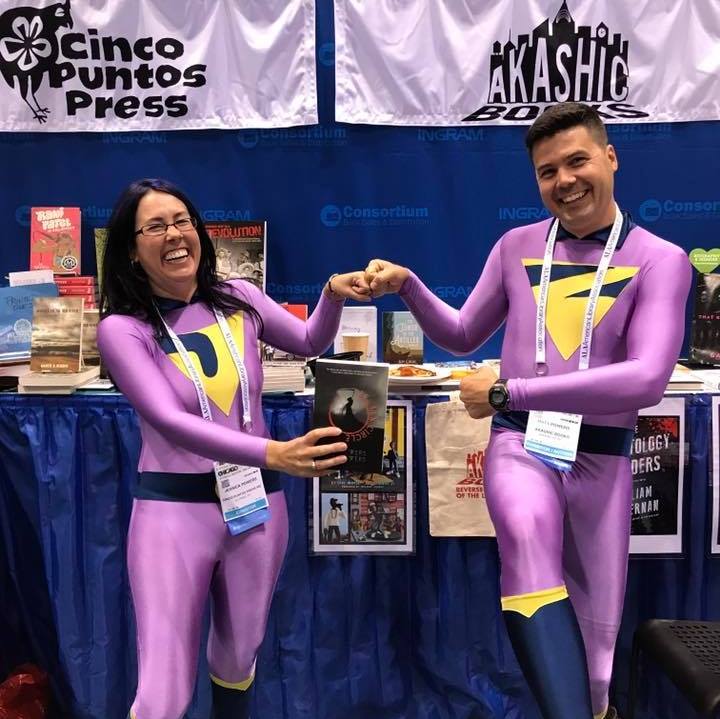
Broken Circle is the first book in a series that examines cultural concepts of death through teen characters who serve as “soul guides”—that is, the entities charged with ushering recently departed souls from this world to the next. Modern day Charons, rowing patrons across the River Styx. Each teen soul guide belongs to a particular family of psychopomps—from the Reaper family to the Angel of Death family to the La Muerte family, etc. And each soul guide teen brings to the table a little bit of cultural reference in how they understand death and the process of dying. In the first book, however, our main character 15-year-old Adam doesn’t even realize that he’s a soul guide. He doesn’t know that his father is the Grim Reaper and he’s about to inherit the family business.

When I called Matt to talk about writing this blog post, we spent some time trying to figure out what we could say that would be useful to teachers and readers. After all, “death” is not an everyday topic for teachers! (As an aside, maybe it should be. We all die someday….shouldn’t we prepare for it rather than avoid it? That is, by the way, part of the impetus for writing this book…. The series is an extended philosophical meditation about death via fast-paced fantasy novels. Why, as a culture, are we so afraid of something we all must do someday?)

As we thought about this, we explored the following questions: Why did we write this book about a kid who’s just trying to live a so-called “normal” life and who discovers that he’s anything but normal—that he is, in fact, the personification of something everybody fears? How would he cope with that? How should we, as people, cope with the way other people perceive us or the ways we feel we aren’t “normal”? Can the things we fear most become our friend? Can we learn to embrace what is “abnormal” because it is healthier for us than what is “normal”?

Matt and I did not grow up “normal,” although it certainly felt “normal” to us because it was what we knew. We lived in a neighborhood on the U.S.-Mexico border, where half our neighbors and friends were “undocumented” immigrants, and many of them refugees fleeing the violence of Central America. Our mother homeschooled us before homeschooling was trendy—in fact, for the first few years, we kept it secret because the state of Texas was actively prosecuting parents who were homeschooling. My parents always tried to stay out of debt so we drove old clunkers, like the 1972 sky-blue Montego that embarrassed us so much whenever we went to church, where other families drove nice cars. (In our neighborhood, though, that 1972 Montego was COOL….low-rider material!) We wore hand-me-down clothes. Our mom cut our hair. We lived in a decrepit old perpetually-remodeling house. We were the antithesis of cool.

Today, both Matt and I are live on opposite sides of the country—Matt in Maine and me in California, the “Left Coast.” We are both trying—hard—not to get caught up in what our current culture regards as “normal,” whether that’s the most recent trend or the rat race of trying to keep up with the Joneses. Of trying to live up to some standard of what others deem “success.” And one of the things that worries both of us about modern childhood is the extreme stress society and families place on kids in order to make them achieve some predetermined notion of “success.” From preschool to college, we expect not just perfection in grades and school but we seem to pressure our kids to fill every moment of their lives with some activity that will help them “achieve” some undetermined level of greatness. It’s not enough to just enjoy soccer—you have to be so good at soccer that you can earn a scholarship. It’s not enough just to enjoy karate—you need to earn a black belt. And so on and so forth. It’s a terrible cycle that never ends—and to what purpose? What are our kids supposed to achieve? Couldn’t it be enough to live a good life, fall in love (or not), go to a “mediocre” school (is it really necessary to go to Yale?) or learn a trade, have kids (or not), travel a little bit, and generally be happy?

“We need T-shirts,” Matt said, “that say, ‘Celebrating the Average!’”

This doesn’t mean, by the way, that we think people and kids shouldn’t strive to achieve their dreams—only that our modern vision of what that should look like or how to get there is fundamentally problematic.

In Broken Circle, Adam is forced to leave his regular public school and attend a special boarding school. There will be no college for him, so this isn’t an expensive prep school designed to get him into Harvard or Yale.  Instead, he must learn the skills necessary to help newly departed souls cross a world we named “Limbo” to reach the “other side.”

And what are those skills exactly? What does Adam need to know in order to fulfill the obligations of this very different kind of profession?

Actually, he doesn’t need to KNOW anything. But he does need a skill set, one we think all people would benefit from.

In the world of Broken Circle, each departed soul enters a world called “Limbo.” If they don’t pass through Limbo to the other side, they remain stuck in Limbo forever. Limbo, as we constructed it, is a world each person experiences differently. It represents the emotional apex of a person’s life—their obsessions or fears or loves or desires. A soul guide must help each soul solve the problem of their life so they can pass peacefully on. So for example, a person who has spent much of his life pushed and pulled between the competing whims of a manipulative parent or spouse may have to endure a monstrous exaggeration of that world in Limbo and learn to stand up for himself before he can pass on to the other side. Or a mathematician might find herself stuck in a difficult, seemingly impossible math equation that she must solve. Or a librarian might find himself facing a stack of books he must shelve but they all lack their Dewey classification numbers. Or an electrician faces a live wire and a body of water she must somehow cross. You get the point…

These soul guides can’t possibly “know” everything they need in order to do this job! How do you prepare for something that is impossible to prepare for? Every soul these teens will guide across Limbo will have a different world they must navigate—a different emotional or literal problem they must solve. As a result, at the School for Soul Guides, these teens are allowed to learn whatever interests them. If they want to cook, they can learn to cook. If they want to learn karate, learn karate. If they want to build a pyramid, let them build a pyramid—figuring out mathematical proportions, soldering, and everything else required to create a pyramid. School in this case isn’t made up of required subjects that they have to master. They don’t all need to progress through rote systems of knowledge. Instead, whatever interests them, they pursue.

In our book, a soul guide in training must learn skills that helps them adapt to different situations and different people’s needs. A soul guide must learn how to be a good friend and mentor so he or she can help souls navigate the complexity of their emotional world. In other words, a “good” soul guide is one who is curious, flexible, judicious, and non-judgmental.

In the end, as teachers and parents, what are the skills we should impart to our kids to prepare them for a rapidly changing world? Do we need them to be so stressed, to cram every minute full of learning? Is it knowledge they need—or something else? Can we give them more space and time to grow as people in these fundamentally necessary skills of curiosity, flexibility, sagacity, and acceptance of others?

In the book, when he realizes that he is allowed to learn whatever he wants and nobody will stand in his way by requiring him to learn something else, one of our characters jokes, “Are we becoming jacks of all trades, masters of none?” The answer is no. They are learning to pursue learning for the sake of learning. They are learning to be people.

I have spent twenty years teaching college English. Yes, I like my students to be better writers, thinkers, and readers when they leave my classroom. But more important than that , I hope that when they leave my classroom, they have grown as people….that they have become better, kinder citizens of an increasingly globalized world. In my students and my own kid, and especially in myself, I hope I celebrate this kind of growth rather than cultural and financial and educational markers of “success”…..


J.L. POWERS is the award-winning author of three young adult novels, The Confessional, This Thing Called the Future, and Amina. She is also the editor of two collections of essays and author of a picture book, Colors of the Wind. She works as an editor/publicist for Cinco Puntos Press, and is founder and editor of the online blog, The Pirate Tree: Social Justice and Children’s Literature. She  teaches creative writing, literature, and composition at Skyline College in California’s Bay Area, served as a jurist for the 2014 NSK Neustadt Prize for Children’s Literature, and is launching Catalyst Press in 2017 to publish African writers.

M.A. POWERS is J.L.’s “little” (but much taller) brother. He has a PhD in the oncological sciences from the Huntsman Cancer Institute at the University of Utah in Salt Lake City. He is currently a stay-at-home dad and lives in Maine.
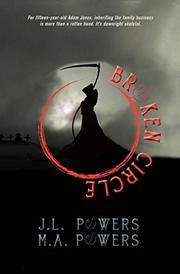
For young Adam Jones, inheriting the family business is more than a rotten hand. It’s downright skeletal.

PRAISE FOR BROKEN CIRCLE

“Adam’s ‘nightmares’ are so amped up that they begin to reveal to him truths about his parentage, and the mantle that has been placed upon his shoulders by his father, a grim reaper. There are so many other questions he wants answered and consequentially, he is shipped off to a ‘rehab’ which is actually the citadel for ‘soul guides.’ Teen and adult fans of the Sookie Stackhouse novels and the Mortal Instruments [series] will find Broken Circle a tight competitor for the new most addictive paranormal read.”

—Jilleen More, Square Books (Oxford, MS)

“Adam can’t even grow a man beard yet, but he can do something his friends can’t do—go to Limbo and back. Prepare to root for him as he makes new friends, discovers who he is, and saves a few souls in the process. This is a fast-paced, page-turning story!”

—Skila Brown, author of Caminar

“With a perfect balance of real-world and mythical, Adam’s story explores life, death, and everything in between. Anyone looking for a thoughtful take on life’s big questions will find it here, paired with fresh details, a fastmoving story, and bold world building.”

—Amy Rose Capetta, author of Entangled

ABOUT BROKEN CIRCLE

Adam wants nothing more than to be a “normal” teen, but his reality is quickly leaking normal. Afraid to sleep because of the monster that stalks him in his dreams, Adam’s breakdown at school in front of his crush Sarah lands him in the hospital. As he struggles to cope with his day-to-day life, Adam can only vaguely comprehend some sort of future. His mother died when he was only four and his eccentric father—who might be an assassin, a voodoo god, the reincarnation of the Buddha, or something even stranger—is never available when Adam really needs him. Even his paranoid grandfather, who insists that people are “out to kill the entire family,” is no help.

Adam’s life takes an even stranger turn when a fat man with a gold tooth and a medallion confronts his father regarding Adam’s supposed “True Destiny.” Adam is soon headed toward a collision with life, death, and the entities charged with shepherding souls of the newly dead, all competing to control lucrative territories where some nightmares are real and psychopomps of ancient legends walk the streets of North America.

Thank you for this guest post! It is so important for each kid to find their own path. 
and 

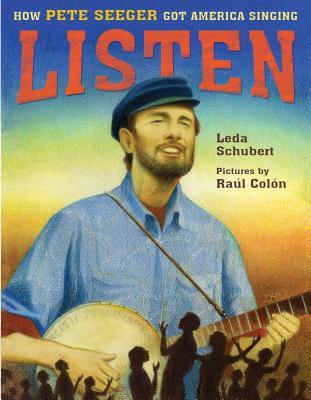
Review and Giveaway!: Listen: How Pete Seeger Got America Singing by Leda Schubert

Share

Listen: How Pete Seeger Got America Singing
Author: Leda Schubert
Illustrator: Raúl Colón
Published June 13th, 2017 by Roaring Brook Press

Summary: 

Listen.
There was nobody like Pete Seeger.
Wherever he went, he got people singing.
With his head thrown back
and his Adam s apple bouncing,
picking his long-necked banjo
or strumming his twelve-string guitar,
Pete sang old songs,
new songs,
new words to old songs,
and songs he made up.

In this tribute to legendary musician and activist Pete Seeger, author Leda Schubert highlights major musical events in Mr. Seeger’s life as well important moments of his fight against social injustice. From singing sold-out concerts to courageously standing against the McCarthy-era finger-pointing, Pete Seeger’s life is celebrated in this book.

Praise for Listen

★“Schubert and Colón ably demonstrate one of their book’s final assertions: ‘there really was nobody like Pete Seeger.’”—Kirkus Reviews (starred)

“A rousing tribute to a singular musician and activist who ‘walked the talk.’” —Publishers Weekly

“This inspiring picture book biography about one of America’s greatest folk heroes is sure to get a new generation of children singing.” —School Library Journal

“An inspiring and heartfelt tribute to, as Schubert calls him, a ‘true American hero.’” —Horn Book

About the Creators: 

Leda Schubert holds an MFA from Vermont College of Fine Arts in the Writing for Children and Young Adults and was a core faculty member until 2012. She is the author of many award-winning titles, including The Princess of Borscht, Ballet of the Elephants, and Monsieur Marceau, winner of the Orbis Pictus Award for Outstanding Nonfiction. Leda lives in Plainfield, Vermont, with her husband and two dogs. To learn more, and to download a curriculum guide, visit ledaschubert.com.
Raúl Colón has illustrated several highly acclaimed picture books, including Draw!; the New York Times-bestselling Angela and the Baby Jesus by Frank McCourt; Susanna Reich’s José! Born to Dance; and Jill Biden’s Don’t Forget, God Bless Our Troops. Mr. Colón lived in Puerto Rico as a young boy and now resides in New City, New York, with his family.

Kellee’s Review: Schubert’s narrative of Seeger’s life is so lyrical and poetic–it is a song accompanied by beautifully textured, light illustrations that bring the biography to life. I can tell that Schubert is a fan of Seeger because she told his story with gentleness and love honoring a man that is truly an American hero.

The more I read about Pete Seeger, the more I am intrigued. I have heard about Pete Seeger my whole life, but it wasn’t until I read Stand Up and Sing by Susanna Reich that I truly learned about HIM outside of just knowing his music. I truly wish that Pete Seeger was still around to help us in our current time. His story has shown me that one person can make a difference, that good can win and be honored, and that music can bring people together. I loved learning even more about Seeger through Schubert’s picture book.

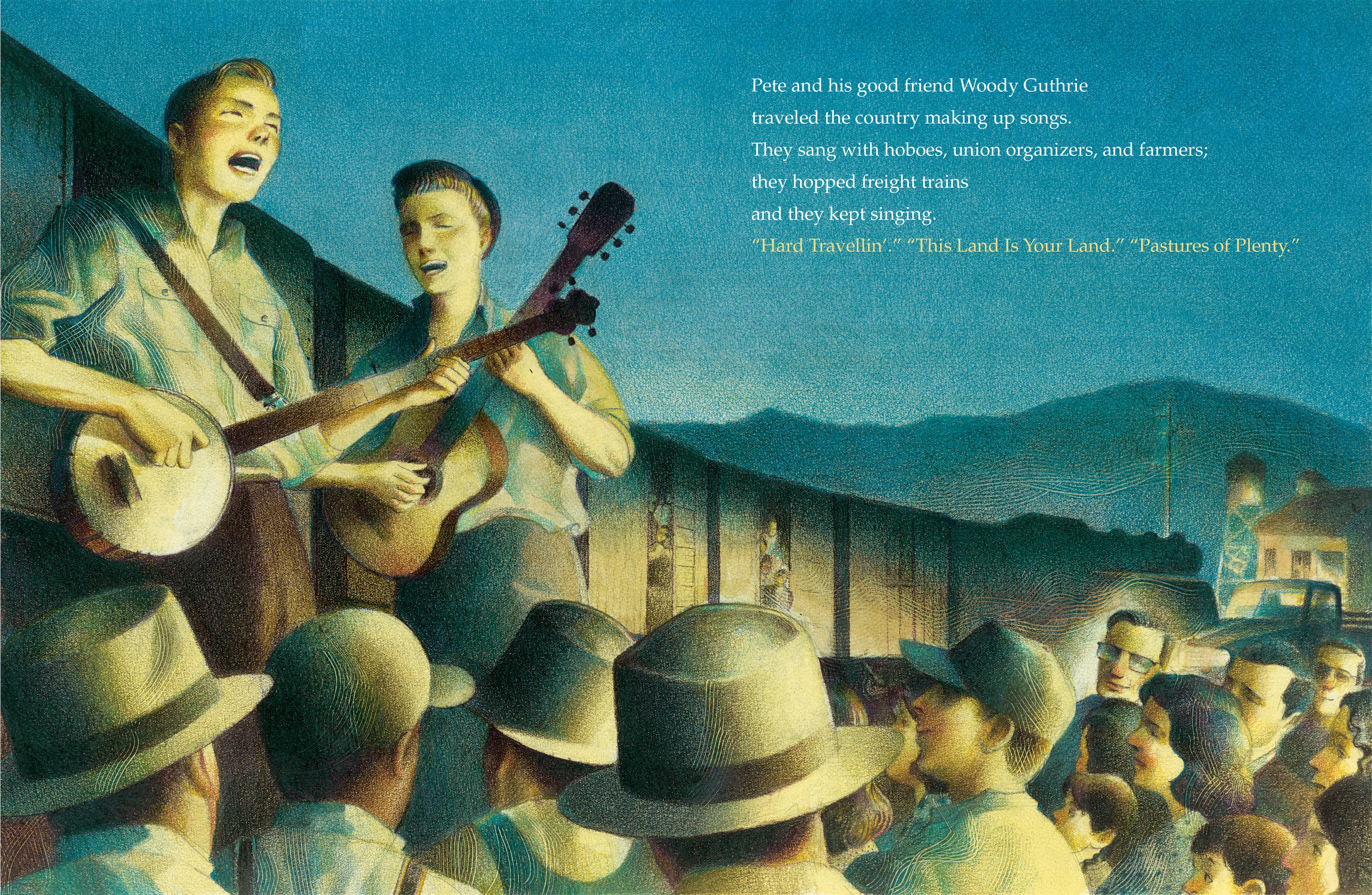
Ricki’s Review: Like Kellee, I didn’t know a lot about Pete Seeger until I read this book. I love reading texts that teach me more about a person. I didn’t realize that he traveled with Woody Guthrie! Too cool! Pete Seeger was a social activist, and his songs urge us to take action. This book will encourage readers to learn more about the singers that they listen to.

The author and illustrator bring great life to this book. It is very clear that they were inspired by his music, and the book truly comes alive. This is a book that teaches kids about an important man in our history and the power of music. It also reveals a lot of information about American History. I highly recommend this book to parents and teachers.

Teachers’ Tools for Navigation & Discussion Questions: A fabulous curriculum guide can be found here created by Leigh Courtney, Ph.D. and includes discussion questions and activities.

Example discussion questions:

  • Pete Seeger said, “Participation. That’s what’s gonna save the human race.” What do you think that means?
  • Pete Seeger found himself in trouble with the government at one point in his life. Which group questioned him? Why were they interested in him?
  • Encourage students to study the illustrations in Listen paying particular attention to the drawings of people in the story. Discuss what the people’s actions and expressions tell you about Pete Seeger’s impact on those who listened to his music.
  • Many view Pete Seeger as an American hero. Discuss why people might regard Seeger as an important figure in American history. Read aloud President Obama’s statement about Pete Seeger, made upon the musician’s death, found in the final timeline entry at the back of the book.

Some examples of activities include cause and effect, research, vocabulary, and some fun music activities.

Resources: Leda Schubert provides some great links to recordings and videos of Pete Seeger here.

Flagged Passages: 

Read This If You Love: Stand Up and Sing! by Suanna ReichWhen Bob Met Woody by Gary Golio, Jimi: Sounds Like a Rainbow by Gary Golio

Recommended For: 

classroomlibrarybuttonsmall 

GIVEAWAY!

a Rafflecopter giveaway

Signatureand 

**Thank you to Barbara at Blue Slip Media for providing the book for review!**

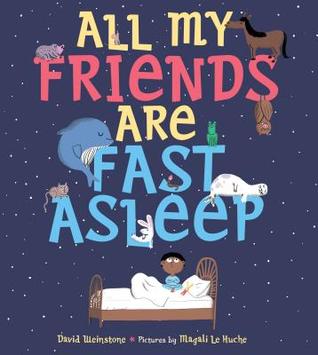
All My Friends Are Fast Asleep by David Weinstone

Share

All My Friends Are Fast Asleep
Author: David Weinston; Illustrator: Magali Le Huche
Published September 5, 2017 by FSG

Summary: After tossing and turning in his bed, a little boy embarks on a nighttime quest to find a cozy place to rest. He visits one animal friend after another, from a lark in its nest to a mole in its hole. But while all the animals he meets are happily dozing off, this tuckered-out wanderer remains wide-awake–until he finally finds the perfect spot to lay his head.

From David Weinstone, the popular children’s musician and creator of the Music for Aardvarks program, comes All My Friends Are Fast Asleep, a rhythmic, cheerily illustrated bedtime story sure to smooth the way to sleep for young insomniacs everywhere.

Ricki’s Review: I love books that feature a different animal on each page. This book is different from others that I’ve read because it explores the different ways in which animals sleep. My son enjoyed reading this with me, and he demonstrated each of the animal’s ways of sleeping. It was very fun and interactive. The illustrations are simply lovely. They pop off the page and lure the reader to want to turn the page to see which animal is next. We had a lot of fun with this book—we enjoyed stopping on each page to discuss the animal together.

Kellee’s Review: One of Trent’s favorite board books is A Book of Sleep by Il Sung Na which has a little owl that ventures out to visit other animals and they are all sleeping. We talk about the differences between all of the different animals and how different they sleep. All My Friends are Fast Asleep elevates this conversation and will be a great ladder up from the board book. In this book, the young protagonist is having trouble sleeping, so he goes and visits animals to try to sleep how they are to see if it’ll help. In the end, he realizes that the best way to sleep is in his bed, but we, as the reader, in the end have learned about many different animals’ sleeping habits. Additionally, the book ends with guitar chords to accompany the book to turn it into a song–how much fun!

Teachers’ Tools for Navigation: Teachers might ask students to pick one animal in the book and research other aspects of that animal’s life. Or, students could find other animals in the wild and draw additional pages of this book. They could compile those pages into a sequel!

Visit www.allmyfriendsarefastasleepbook.com for a free download of David Weinstone’s musical version of the text!

Discussion Questions: Which is your favorite animal page? Why? How is this animal different from all of the other animals in the book?; Why does the boy end up in his bed at the end of the night? What other animals could he have found?

We Flagged: “It’s time for bed and overhead / the moon has risen high / but I can’t seem to fall asleep, / no matter how I try.”

Read This If You Loved: Twenty Yawns by Jane Smiley; Goodnight Moon by Margaret Wise BrownGoodnight Songs by Margaret Wise BrownA Book of Sleep by Il Sung Na, I’m Not Sleepy by Jonathan Allen, Hoot & Honk Just Can’t Sleep by Leslie Helakoski 

Recommended For: 

readaloudbuttonsmall classroomlibrarybuttonsmall

RickiSigand Kellee Signature

**Thank you to Kelsey from Macmillan for sharing these books with us!**

Welcome Fall with These Picture Books: One Leaf, Two Leaves, Count with Me by John Micklos, Jr. & Autumn: A Pop-Up Book by David A. Carter

Share

Here are two amazing picture books to read to celebrate the start of fall!

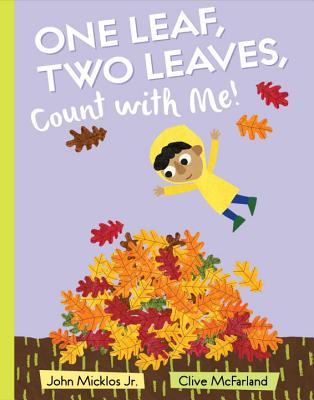
One Leaf, Two Leaves, Count with Me!
Author: John Micklos, Jr.
Illustrator: Clive McFarland
Published September 5th, 2017 by Nancy Paulsen Books

Summary: This playful counting book shares the colorful highlights of the four seasons in charming illustrations.

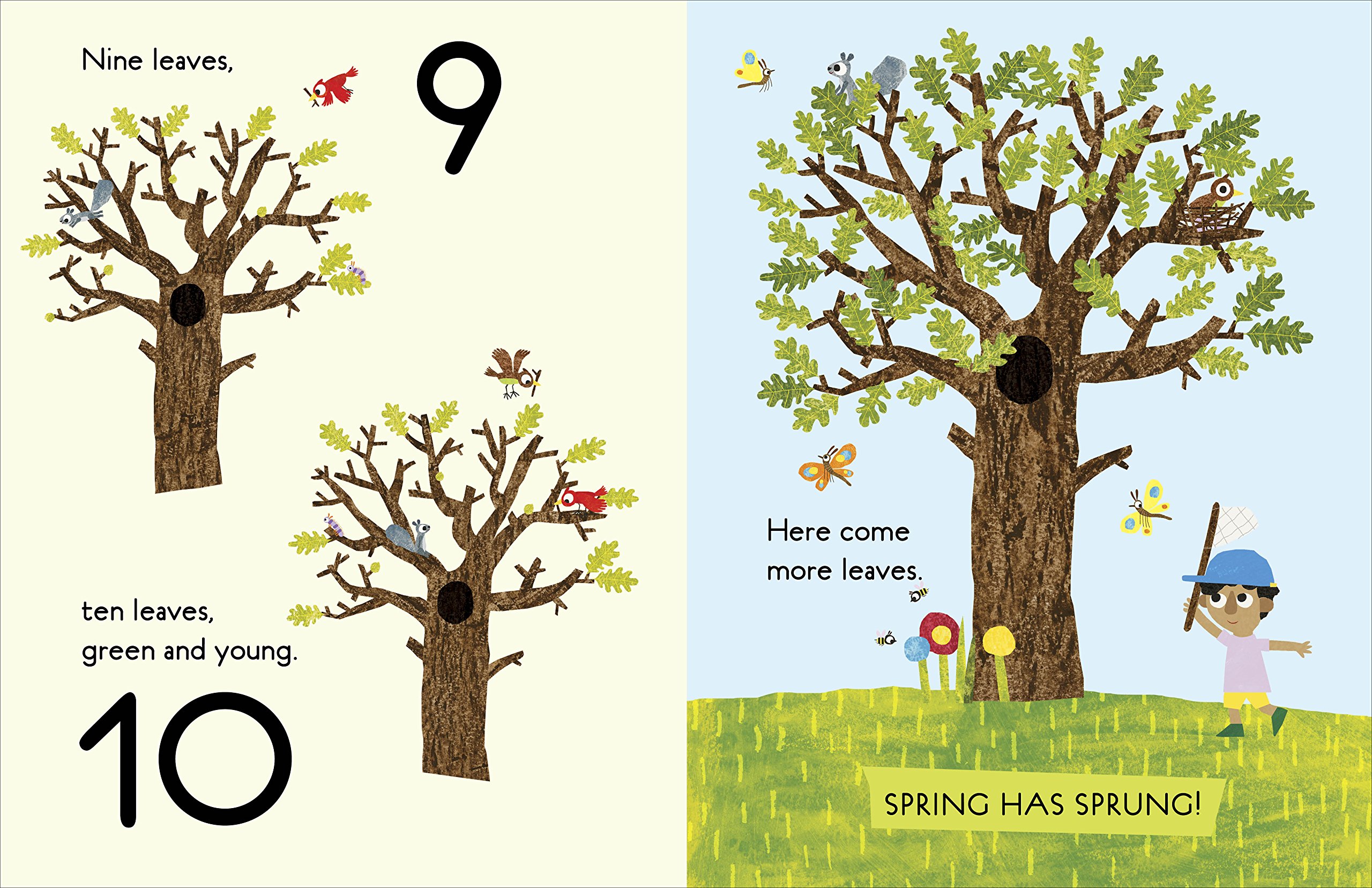
Count your way through the seasons! In spring, the tree’s leaves appear, one by one. By summer, there’s a glorious canopy. And when autumn winds blow, leaves fly from the tree, one after another, leading us into winter. There’s a world of activity to spy in and around this beautiful tree as the wild creatures, and one little boy, celebrate the cycles of nature. As little ones count leaves, look for animals, and enjoy the changing seasonal landscape, bouncy rhymes and bold illustrations make learning to count easy–corresponding numerals reinforcing the learning fun.

My Thoughts: I think Micklos was quite clever in incorporating nature/seasons and counting into one book. This allows it to be used for multiple purposes in a classroom. Also, rarely do counting books count backwards, so I think it is nice that the book counts to ten and back. I also was impressed with how this non-narrative picture book told such a cute story of a young boy, his tree, and the animals that live in the tree. And the illustrations are so fun! I love the style of art. It is colorful, collage-looking, and just so friendly looking. I know this is a book that teachers, parents, and kids are going to definitely love!

Flagged Passages: 


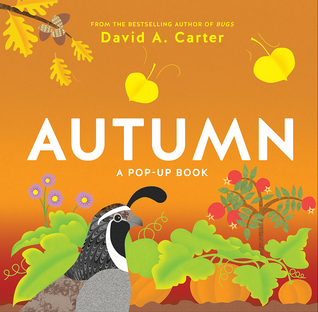
Autumn: A Pop-Up Book
Author and Illustrator: David A. Carter
Published August 29th, 2017 by Harry N. Abrams

Summary: Just in time for autumn, David A. Carter delivers the third book in his pop-up book series about the seasons. Each spread has a brief verse and depicts flora and fauna commonly found during the fall. Pictures of turkeys, wheat, pumpkins, sage, and more are labeled with simple text, making the book easy for young readers to understand and enjoy.
David A. Carter is an American author and illustrator. He is best known for his pop-up books for both children and adults. David Carter’s Bugs series has sold more than six million copies. He lives in Auburn, California. Visit Carter at cartermultimedia.us.com.

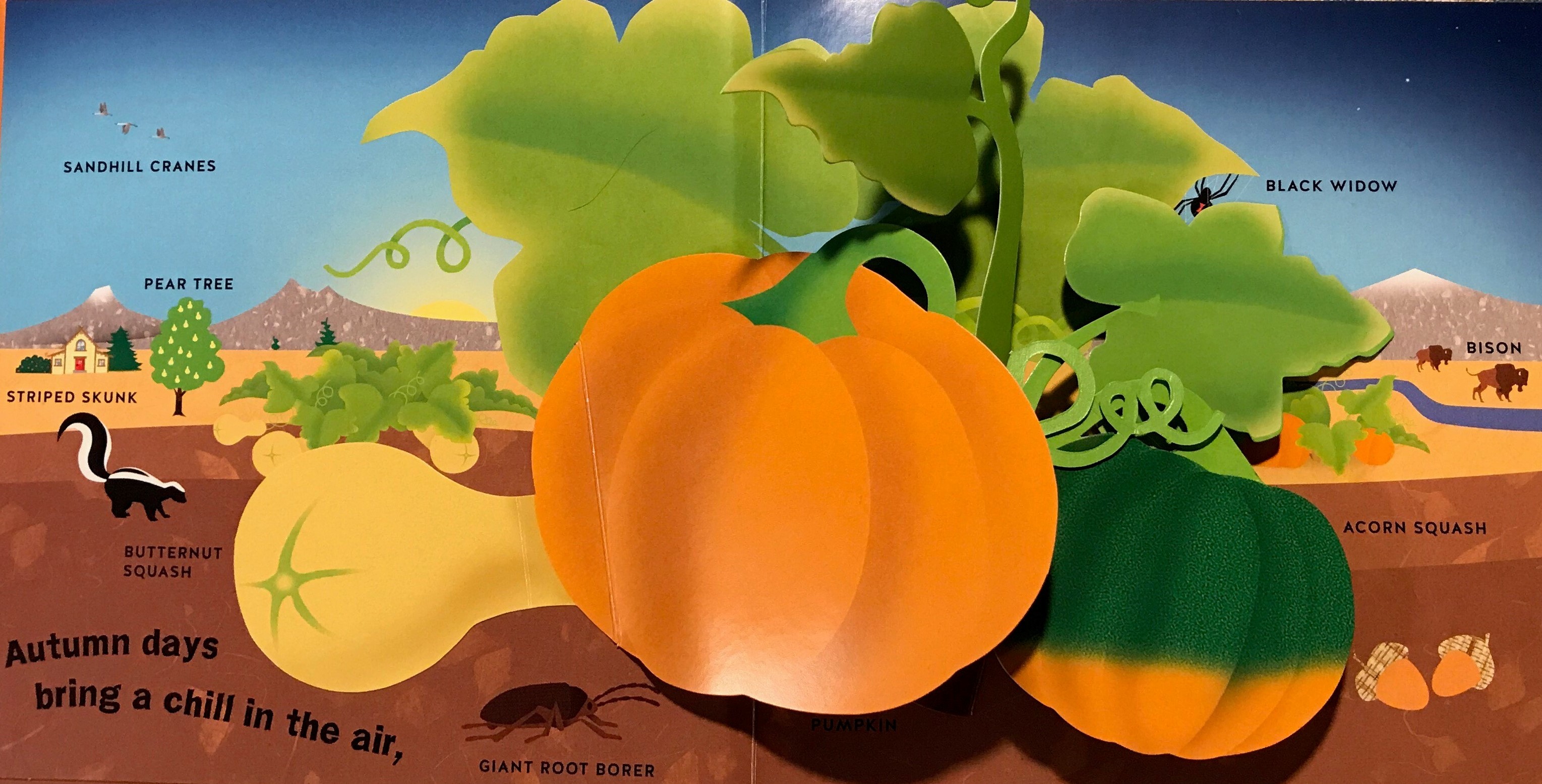
My Thoughts: I am fascinated by pop-up books, and David A. Carter may be one of the best I’ve ever witnessed. Check out his website or search his name on You Tube to see some of his brilliant work. And I know that kids love his work because one of Trent’s favorite books right now is Spot the Dot by Carter, so I know he is going to love Autumn also. Carter’s work is so intricate and detailed, and Autumn specifically includes so many different components to check out–it is a piece of art.

Flagged Passages: I could not find a professional photo of the book, so please forgive my amateur pop-up book photography, but I knew you needed to see a spread from this beautiful book. The pumpkins, leaves, and vines are all pop-up.

Both Recommended For: 

classroomlibrarybuttonsmall 

Signature

Top Ten Tuesday: Books that Feature Non-Traditional Families

Share

top ten tuesday

Top Ten Tuesday is an original feature/weekly meme created at The Broke and the Bookish. The feature was created because The Broke and Bookish are particularly fond of lists (as are we!). Each week a new Top Ten list topic is given and bloggers can participate.

 Today’s Topic: Ten Books that Feature Non-Traditional Families

Ricki

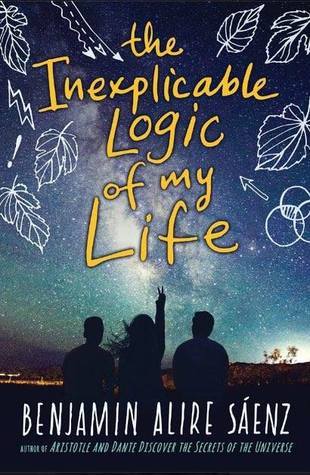
1. The Inexplicable Logic of My Life by Benjamin Alire Sáenz

Sal’s father just may be one of my favorite characters in all of the books that I’ve read. Sal is adopted and his father is gay. If I told more about the story, I would be spoiling much of the plot, but I will say that this book offers great commentary on the power of nontraditional families.

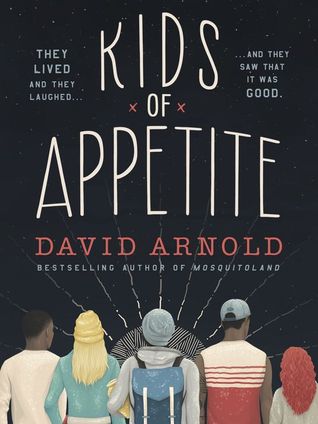
2. Kids of Appetite by David Arnold

The friendships in this book are incredibly powerful. The characters form a family-like friendship. It is reminiscent of The Outsiders.

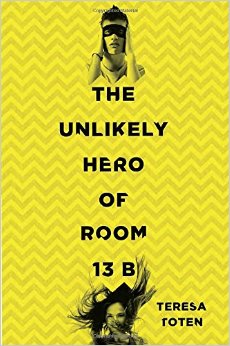
3. The Unlikely Hero of Room 13B by Teresa Toten

The characters in this book form a support group that acts like a very supportive family. This is a fantastic book. The themes are richly realized, and the characterization is excellent.

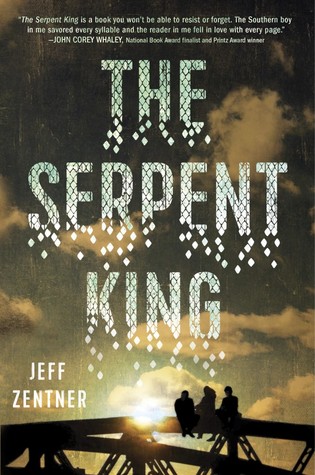
4. The Serpent King by Jeff Zentner

I adore this book. I just finished reading it with my college students, and they loved it, too. There is so much to discuss. The families in this book are very intricate, and the three narrators hold a powerful family-like bond.
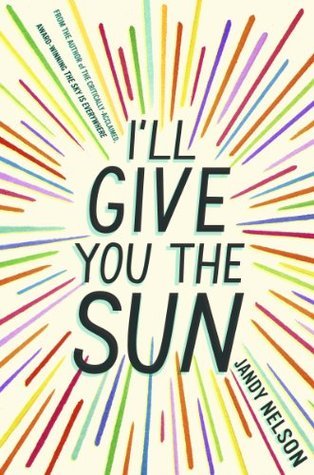
5. I’ll Give You the Sun by Jandy Nelson

The brother and sister (Noah and Jude) in this book are going through an immense amount of grief. Jude, in particular, forms an untraditional family in the people that she meets. I absolutely love this book.

Kellee

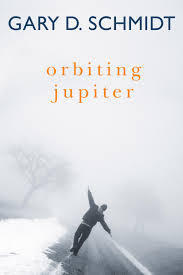
1. Orbiting Jupiter by Gary Schmidt

Orbiting Jupiter is narrated by Jack. His family is asked to foster a young convict named Joseph who becomes a bigger part of their family than they’d ever expected.

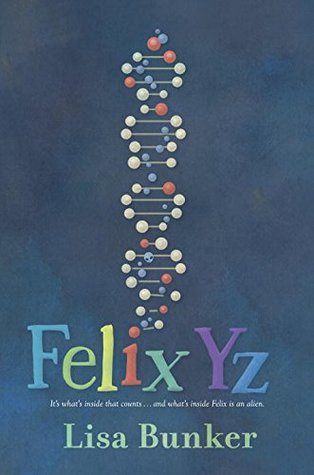
2. Felix Yz by Lisa Bunker

Every day Felix’s family eats dinner together, and they seem like a big, happy, traditional family. Well, aside from the fact that a fourth-dimensional being is melded with Felix, Felix’s father was killed in an accident when Felix was three, and Grandy is different han most grandparents. Grandy spends Thursday, Friday, and Saturday as Vern; Sunday, Monday, and Tuesday as Vera; and Wednesday Grandy meditates naked alone all day. I love how Grandy’s gender/sexuality is treated like normal in Felix’s story!

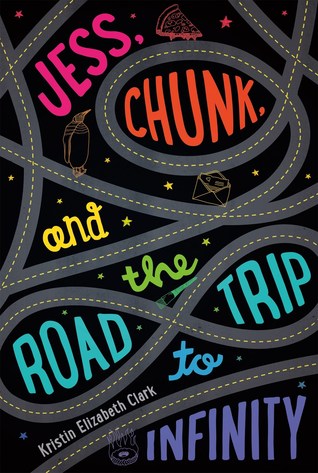
3. Jess, Chunk, and the Road to Infinity by Kristin Elizabeth Clark

The last time Jess saw her dad, she was a boy named Jeremy. But now she is going to visit her dad for the first time as Jess. At his wedding. To someone who is not her mom.

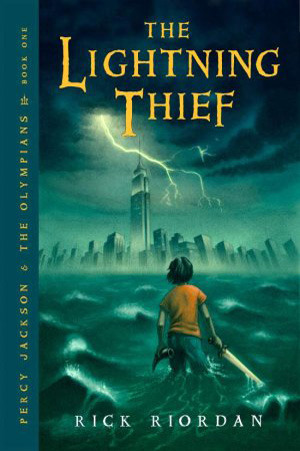
4. Lightning Thief by Rick Riordan

Well, Percy’s dad is Zeus. I think that fits the definition of non-traditional.

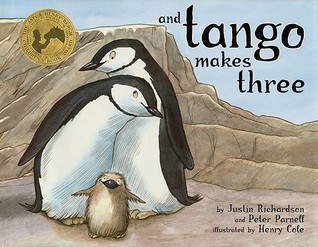
5. And Tango Makes Three by Justin Richardson

Based on a true story of two male penguins at the Central Park Zoo who raised a chick together. And they are such a happy family!

Which

RickiSig and Signature

It’s Monday! What Are You Reading? #IMWAYR 9/25/17

Share

IMWAYR 2015 logo

It’s Monday! What Are You Reading? From Picture Books to YA!

It’s Monday! What are you Reading? is a meme started by Sheila at Book Journeys and now hosted by Kathryn at The Book Date. It is a great way to recap what you read and/or reviewed the previous week and to plan out your reading and reviews for the upcoming week. It’s also a great chance to see what others are reading right now…you just might discover the next “must-read” book!

Kellee and Jen, of Teach Mentor Texts, decided to give It’s Monday! What Are You Reading? a kidlit focus. If you read and review books in children’s literature – picture books, chapter books, middle grade novels, young adult novels, anything in the world of kidlit – join us! We love this meme and think you will, too.

We encourage everyone who participates to support the blogging community by visiting at least three of the other book bloggers that link up and leave comments for them.

Bold_line

CONGRATULATIONS
Lisa M. 
for winning our giveaway for It’s Not Jack and the Beanstalk!

Bold_line

Last Week’s Posts

**Click on any picture/link to view the post**

top ten tuesday 


Tuesday: Ten Websites/Resources for Parents/Teachers to Who Want to Talk to Kids About Books

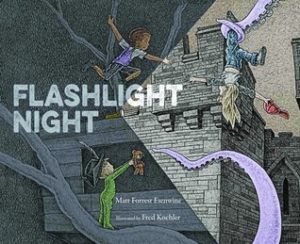
Wednesday: Blog Tour with Review and Giveaway!: Flashlight Night by Matt Forrest Esenwine, Illustrated by Fred Koehler

**Giveaway open until Tuesday!!!**

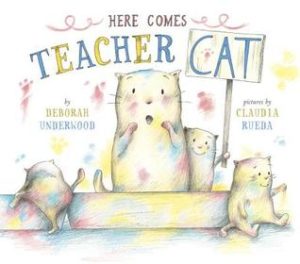
Thursday: Here Comes Teacher Cat by Deborah Underwood

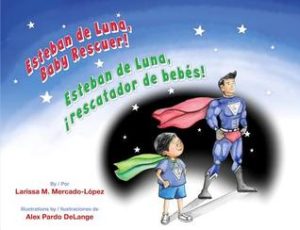
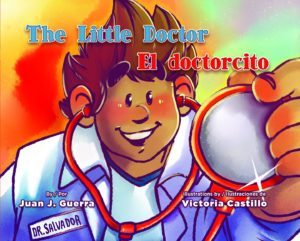
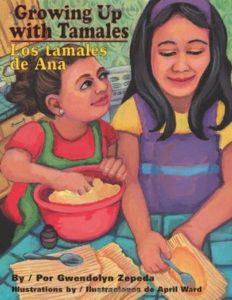
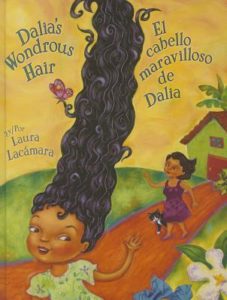
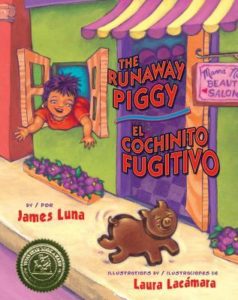
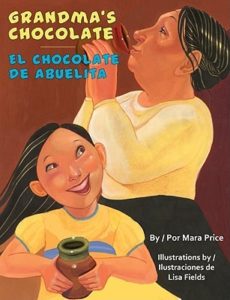
Friday:  New-to-Me Favorite Bilingual Picture Books from Arte Público Press: Growing Up with Tamales by Gwendolyn Zepeda; Esteban de Luna, Baby Rescuer! by Larissa M. Mercado-López; The Little Doctor by Juan J. Guerra; Dalia’s Wondrous Hair by Laura Lacámara; The Runaway Piggy by James Luna; Grandma’s Chocolate by Por Mara Price

Sunday: Author Guest Post!: “The Joy of Comic Reprints” by Tom Eaton, Author of The Bug Zapper

Bold_line

 Last Week’s Journeys

Kellee

Um, well, this week I didn’t finish anything! Oops! But I have been reading 🙂 See below.

 Ricki

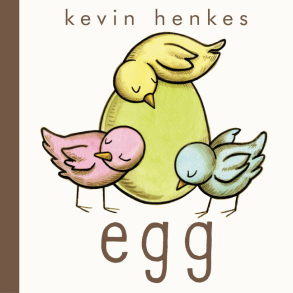
Henry and I enjoyed Trucks by Anne Rockwell, The Story Book Knight by Helen Docherty, and Egg by Kevin Henkes. I loved The Story Book Knight. It’s by the same author and illustrator team (a husband and wife) as Snatchabook—one of my all-time favorite picture books. My husband and I love both of these books. They have a good flow, the story is enjoyable, and you can reread them a dozen times without getting tired of the story (an important quality for parents!). Also, they promote reading! I loved reading Egg with Henry because we practiced some sight words, and it was a very fun read!

This week I REREAD I’ll Give You the Sun by Jandy Nelson. My students are reading it for Adolescents’ Literature. I am really, really excited to hear what they think of it. This book has a warm place in my heart.

Bold_line

This Week’s Expeditions
Kellee

But I am reading two books I’m really enjoying!

  • Currently reading: Felix Yz by Lisa Bunker is one of the oddest and unique books I’ve ever read! Going to wait until I finish to say more.
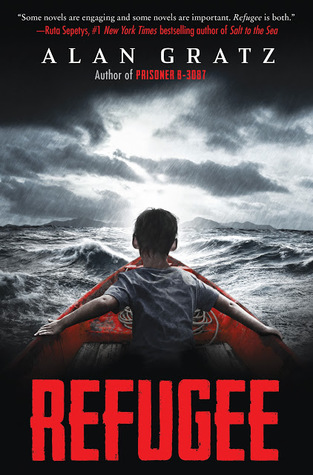
  • Currently listening: Refugee by Alan Gratz is heart-wrenching, suspenseful, sad, and I’m not even done!
 Ricki

I am about to start some of the books I am presenting at the ALAN Workshop! I’ll report back next week about them! 🙂

Bold_line

Upcoming Week’s Posts

top ten tuesday 

Tuesday: Ten Books that Feature Nontraditional Families

Wednesday: Welcome Fall with These Picture Books: One Leaf, Two Leaves, Count with Me by John Micklos, Jr. & Autumn: A Pop Up Book by David A. Carter

Thursday: All My Friends are Fast Asleeby David Weinstone

Friday: Review and Giveaway!: Listen: How Peter Seeger Got American Singing by Leda Shubert

Sunday: Author Guest Post

 So, what are you reading?

Link up below and go check out what everyone else is reading. Please support other bloggers by viewing and commenting on at least 3 other blogs. If you tweet about your Monday post, tag the tweet with #IMWAYR!

 Signature andRickiSig

Author Guest Post!: “The Joy of Comic Reprints” by Tom Eaton, Author of The Bug Zapper

Share

“The Joy of Comic Reprints”

When sharing my comic for kids, The Bug Zapper, at events throughout the year, I’m regularly asked for additional recommendations. Many kids have already devoured Calvin and Hobbes and TinTin – what next?

While there are many awesome new graphic novels for kids out there, I also like to recommend reprints and collections of older classics. Here are some of my favorites:

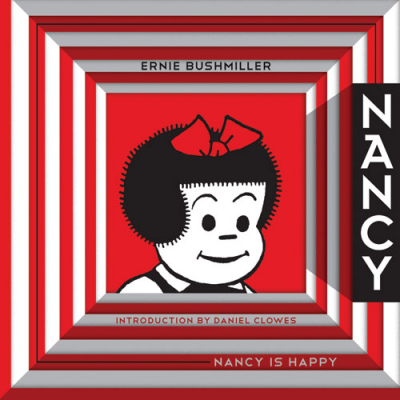
Nancy Is Happy

These original strips from Nancy creator Ernie Bushmiller are perfectly executed blasts of fun – often unabashedly cheesy, with bold, clear artwork. While they might seem like they’re for a younger audience, there’s something totally disarming about these that is universally appealing. They are the comic strip’s comic strip – as the Fantagraphics catalog tells us, Nancy strips have literally been used as the dictionary example of comics.

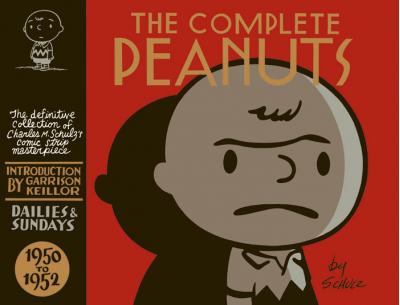
The Complete Peanuts

Similarly, the Fantagraphics reprints of early Peanuts are gems. One of my favorites is 1950-52, which reprints some of the earliest Peanuts cartoons. Everyone knows the Peanuts characters as the miniature adults they’d come to be, but in these, Charlie Brown starts out as more mischievous than neurotic, and the humor’s broader than it would end up being in later years.

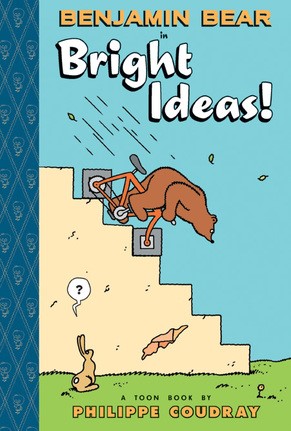
Benjamin Bear

I discovered these at our library while picking books out for my 5-year old, and was hooked. They’re reprints of a sparsely-worded French comic, now published by Toon Books (I’m not sure when they were originally published). As with Nancy, the strips are gag oriented and everything is staged perfectly to build to a clear yet surprising punchline. Perhaps for a bit younger age group than the Calvin and Hobbes crowd, but again, there’s something for everyone here.

Uncle Scrooge “Only a Poor Old Man”

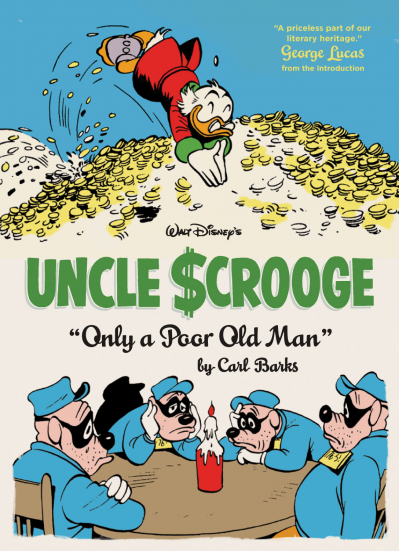
The cartoonist perhaps most synonymous with Uncle Scrooge is Carl Barks, and these reprints of his comic books (again, from Fantagraphics) are amazing. Given lots of creative control, Barks created a world of adventure and humor that would later inspire “Raiders of the Lost Ark” and its own DuckTales franchise. But this is the source. Each has a crazy premise at its heart – for instance, in one, Scrooge fears being shortchanged by Donald, so he sinks millions of quarters underwater just to create demand for a single coin. These outrageous concepts and clear artwork make these books a treat (and introduce basic economic principles, to boot!)

There are many more out there – when I discussed this with friends, they swore by Asterix (which I’m not as familiar with). I’m also personally a big fan of Moomin and Pogo, though I sometimes think they’re more for grown-ups. I’d love to hear more recommendations and what you think.

About the Author: I’m a Brooklyn, NY-based animator and professor, with an MFA in Digital Media from Lehman College. Professional animation industry experience includes Cartoon Network’s Sheep In The Big City and Codename: Kids Next Door, as well as Disney’s Little Einsteins.

Freelance projects include music videos for Sufjan Stevens (Put the Lights on the Tree) and the Danielson Famile (Idiot Boksen.) My original short animated films include the award-winning Don’t Smash, starring My Brightest Diamond’s Shara Worden as the voice of the bunny. Don’t Smash has screened in kids film festivals in the U.S. and internationally, and I’ve done Q&A sessions at the Brooklyn Academy of Music. My most recent work is a self-released graphic novel for kids, The Bug Zapper, an animated version of which was selected for the 2016 San Diego Comic Con Film Festival.

I’m an Assistant Professor of Animation at Kingsborough College in Brooklyn. I’ve also taught at Cooper Union and Queens College. Children’s classes have included animation and cartooning classes at the Brooklyn Design Lab in Brooklyn, NY and Creative Summer at the Mead School in Stamford, CT.

For even more of the nitty-gritty, check out my interview with HTML Giant.

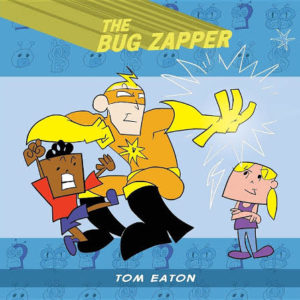
The Bug Zapper
Author and Illustrator: Tom Eaton

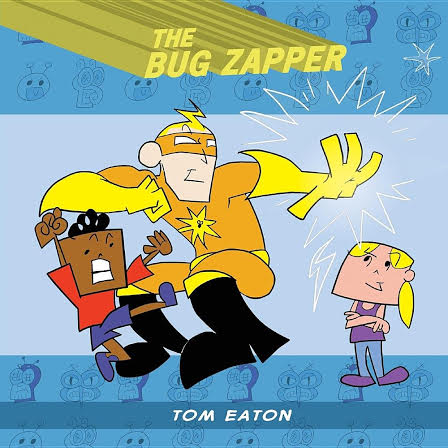
About the Book: The Bug Zapper is a superhero graphic novel for kids ages 6-8. It’s about a town full of bug villains, and the one superhero who must keep them in line. With the help of school reporters Robert and Amber, our hero must contend with Mean Mosquito, Bumblebeezy, and more.

You can check out The Bug Zapper at bugzappercomics.com, and facebook.com/BugZapperComics. It’s available as a print book, or an ebook series with extra animated scenes.

Tom Eaton also created a Bug Zapper animated short that has word balloons instead of audible dialogue, encouraging kids to read:

And remember teachers: Comics are reading, too!
Thank you, Tom, for this awesome reminder of these classic and timeless comics 🙂