It’s Monday! What Are You Reading? #IMWAYR 7/1/19

Share

IMWAYR 2015 logo

It’s Monday! What Are You Reading? From Picture Books to YA!

It’s Monday! What are you Reading? is a meme started by Sheila at Book Journeys and now hosted by Kathryn at The Book Date. It is a great way to recap what you read and/or reviewed the previous week and to plan out your reading and reviews for the upcoming week. It’s also a great chance to see what others are reading right now…you just might discover the next “must-read” book!

Kellee and Jen, of Teach Mentor Texts, decided to give It’s Monday! What Are You Reading? a kidlit focus. If you read and review books in children’s literature – picture books, chapter books, middle grade novels, young adult novels, anything in the world of kidlit – join us! We love this meme and think you will, too.

We encourage everyone who participates to support the blogging community by visiting at least three of the other book bloggers that link up and leave comments for them.

Bold_line


Tuesday: Student Voices!: Favorite Authors by Emma, Maria, Lisa, Isaias, Miguel, Sujan, & Ellian

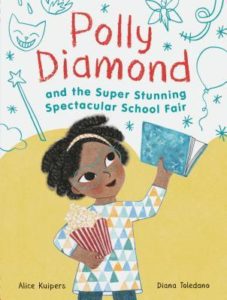
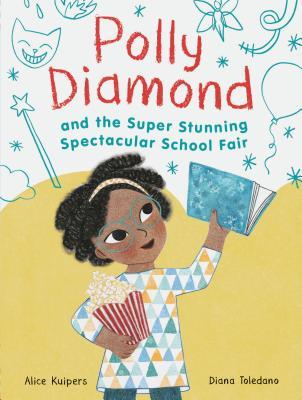
Friday: Teacher Guide for Polly Diamond and the Super Stunning Spectacular School Fair by Alice Kuipers

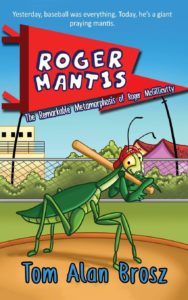
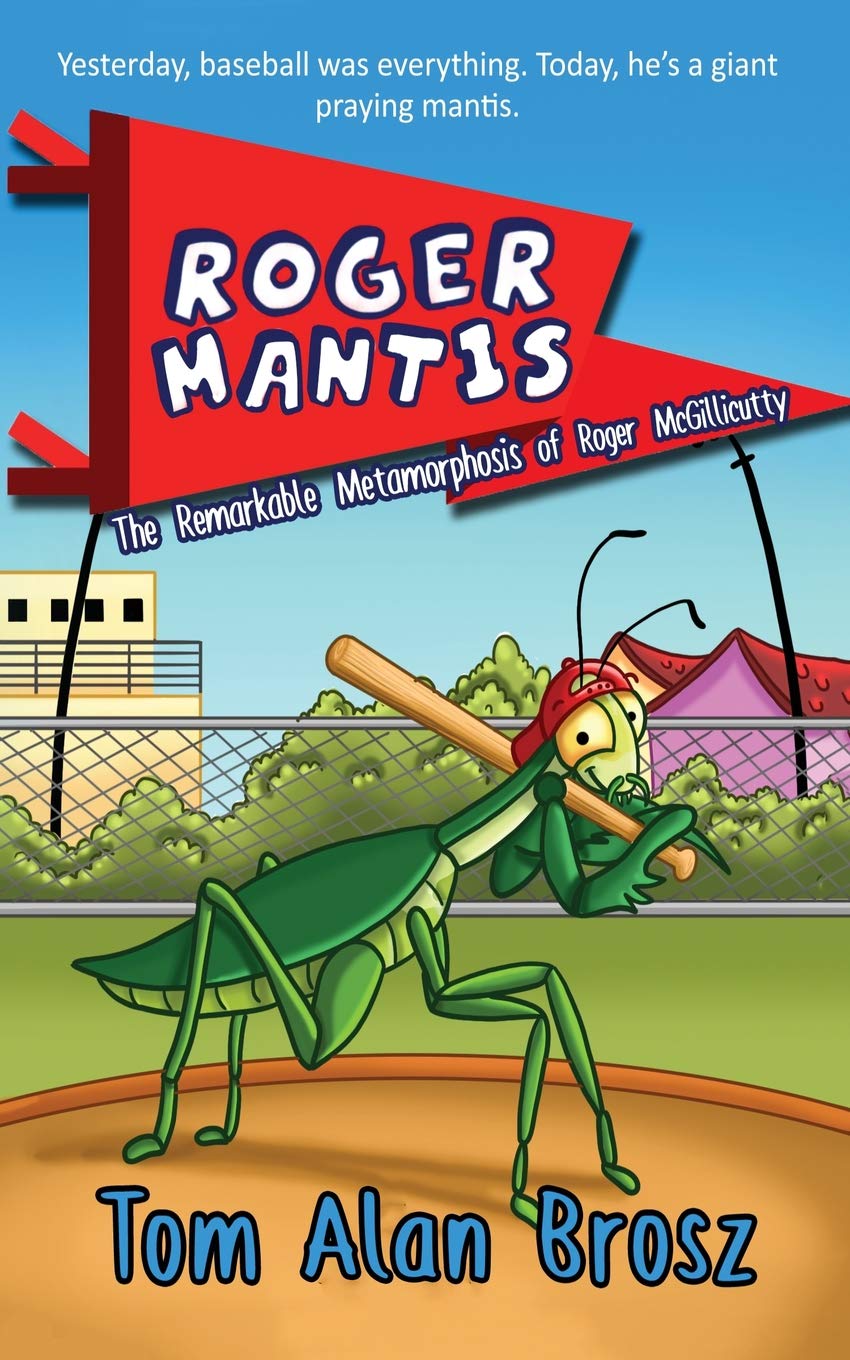
Sunday: Author Guest Post: “Suspension of Disbelief: Walking the Fine Line” by Tom Alan Brosz, Author of Roger Mantis

**Click on any picture/link to view the post**

Bold_line

Kellee

We are moving homes here in Orlando, so I am going to take off about 6 weeks to get my family moved and settled. I’ll be back early August.

Ricki

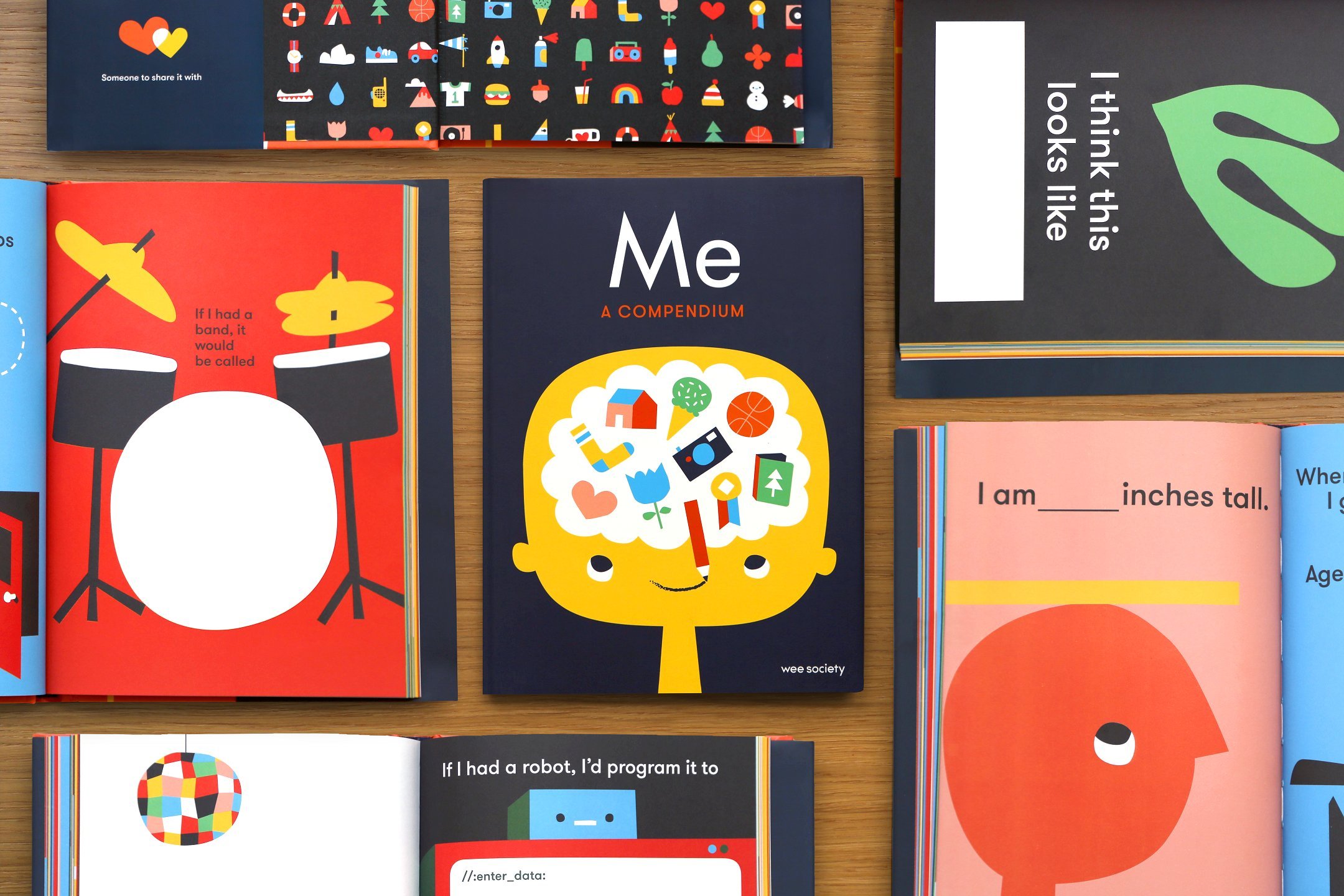
My five-year-old and I have been filling in daily pages in a journal called Me: A Compendium by wee society. As you can see above, it is a journal that highlights the importance of the child and the child’s interests. He loves it and looks forward to doing a couple more pages each night, and it gives me time to spend with him doing something different and exciting. I am a big fan of this journal, and you can see a few of the pages above.

I am still seeking two more middle or high school teachers to share their ideas for teaching YAL in Teacher Call-Out Boxes in a book I am writing for NCTE. I have eight solid contributors and was hoping to round out to ten contributors total. If you know teachers who creatively use YAL in their classrooms, would you please send them my way? I am particularly seeking teachers who teach a YAL elective, but I am open to any uses of the literature. Middle and high school teachers only, please. 🙂

Bold_line

Ricki

I am not sure where my next reading travel will go. My youngest is nine weeks old, and it seems to be hard to keep up on sleep and reading. I know it is just a short period of time, and I will be back in action soon. I am sorry I haven’t been sharing a lot of books!

Bold_line

Tuesday: Student Voices!: Favorite Characters by Isaias, Miguel, Max, Kaley, Ellian, Sujan, Mariana, Daniela, Vanessa, Angelina, & Nitya

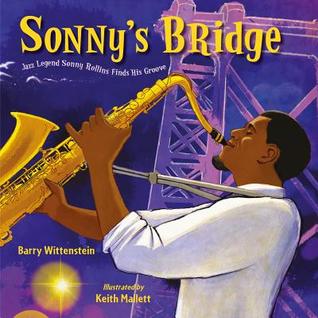
Friday: Sonny’s Bridge: Jazz Legend Sonny Rollins Finds His Groove by Barry Wittenstein

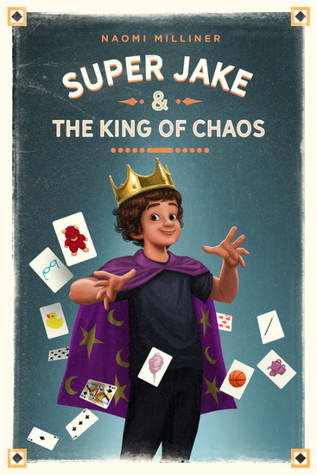
Sunday: Author Guest Post: “Making Lemonade out of Lemons: Creating Humor out of Sadness” by Naomi Milliner, Author of Super Jake & the King of Chaos

Bold_line

Link up below and go check out what everyone else is reading. Please support other bloggers by viewing and commenting on at least 3 other blogs. If you tweet about your Monday post, tag the tweet with #IMWAYR!

 Signature andRickiSig

Author Guest Post: “Suspension of Disbelief: Walking the Fine Line” by Tom Alan Brosz, Author of Roger Mantis

Share

“Suspension of Disbelief: Walking the Fine Line” 

In many works of science fiction or fantasy, books or movies, the reader or viewer is often required to do what’s called “suspending disbelief.”

This means that the reader must gently suppress some of the logical response to features of the story in order to enjoy the story itself. This is not a bad thing, and it happens all the time, particularly in fantasy. That’s why it’s called fantasy. When you read Watership Down, you know quite well that rabbits aren’t intelligent, and can’t talk, but you easily overlook it to immerse yourself in the book. Talking animals in stories predates writing itself, which tells you how long people have been suspending disbelief to enjoy a good yarn, or a fable with a lesson.

It’s not all that easy, though. As a writer of fantasy or SF, you need to encourage the suspension, but not push it too far, and it’s way too easy to push it too far. The last thing you want from your reader is the response, “Oh, come on, now. I’m not buying this!” The response isn’t usually that specific in the reader’s mind, it’s more often just a nagging discomfort that the writing has some big bumps in it that are distracting from the story itself.

My own book, Roger Mantis, is a humorous take-off of Kafka’s The Metamorphosis. In this case, the victim of a surprise transformation into a giant insect is an 11-year old boy, Roger McGillicutty. Roger Mantis is about how Roger manages to deal with it, how his friends and family deal with it, and how Roger manages the loss of his baseball dreams and tries to find new ones.

To make the story work, it was essential that the people around Roger accept his transformation into a giant praying mantis much more easily than would probably happen in real life. Otherwise, the idea of Roger talking to friends, going to school, and trying to play baseball just wouldn’t work at all.

If I were totally realistic about the situation (other than the giant mantis itself), my book would have ended at Chapter Two with poor Roger up a tall tree with terrified townspeople waving pitchforks, shotguns, and torches down below. So, a little suspension of disbelief, please.

My first attempt at this was to directly follow the lead of The Metamorphosis, where the characters are almost weirdly blasé about Gregor becoming a huge bug. It’s more of a household inconvenience than anything else. Even Gregor seems more concerned about his work issues than his six legs.

So, I tried this with Roger Mantis. This moved the story along nicely, but … well, here’s an early draft from the start of my story, as Roger the Giant Mantis surprises his mother coming out of his bedroom:

His mother dropped the laundry basket, and clothes fell on the floor as she stared at Roger.

“Mom?  Mom!  It’s me!  Roger!”  Roger tried to hold his evil-looking claws behind his narrow back.  It didn’t really work.

“Roger?  Roger!  What on earth have you done to yourself?” She looked at the floor. “Oh, no! My clean clothes!”

Okay, it’s funny, in a British humor kind of sense, but my editors thought it was a bit over the top as far as “acceptance” went. And if that’s what occurs to the reader first, instead of wanting to see what happens next, then you’ve gone over the suspension line. I had to agree with them, and the beginning of the book now has Roger hiding in the woods first, and his transformation is broken more slowly to his parents.

Okay, the level of acceptance is still a bit unrealistic, but hopefully not enough so that the reader gets pulled out of the book, and we can go on to the fun parts, and the real story of a boy dealing with something that can’t help but change his life drastically.

There were other issues of suspension of disbelief in Roger Mantis. The story depends on an entire town being able to mostly keep the secret of Roger’s existence. I placed the story back in the 70s to avoid the ubiquitous smartphones that make secrecy on almost anything impossible. But even so, it’s probably unlikely the existence of a giant talking insect wouldn’t leak out to a much larger extent than it did in the book. But by keeping it gentle, and having a few small leaks, I think I kept it within the suspension-of-disbelief limits.

And then of course, there’s the science. As one character in the book, Marlene, points out, a real giant insect couldn’t even stand up, and certainly couldn’t fly, but Roger does all these things easily. Weirdly, a character “hanging a lampshade” on something like this often actually helps the writer get across a disbelief hump. It kind of sends a message from the author to the reader, “Yeah, I know about this, but let’s all agree to overlook it together so we can have some fun.” Note to science fiction writers: you have a tougher row to hoe in this area than fantasy writers.

It’s not just about fantasy and science fiction, either. The suspension of disbelief problem can be an issue for any kind of story. Way too many coincidences in the plot? A first-class deus ex machina? A glaring plot hole? Even a mystery or romance book can fall afoul of these problems, and haul the reader uncomfortably out of the story.

Are there hard and fast rules to help with suspension of disbelief? Not really. The borderline between belief and disbelief depends on genre, writing style, humorous or serious, age of the target reader, and way too many other things.

So how do you deal with it? Experience helps, including a lot of reading in your chosen genre and age group, and some good beta readers. And of course, a good editor helps a lot more.

Roger Mantis: The Remarkable Transformation of Roger McGillicutty
Author: Tom Alan Borsz
Published April 2nd, 2019 by Tantrum Books

About the Book: Roger McGillicutty, 11, wakes up one Saturday morning and finds out he has unexpectedly transformed into a five-foot praying mantis.

His parents seem to be coping with it fairly well, and his dog Lou is okay with it, but how will the rest of the town of Highland Falls handle it? Roger has school on Monday, the carnival’s coming to town next week, and his Little League team is playing their biggest rival Centerville next Saturday. Being a giant bug will seriously cramp his style!

Or maybe not. Things begin to change when Roger performs a spectacular rescue of his classmates from a broken Ferris wheel.

Roger McGillicutty: a six-legged freak, or just possibly a superhero?

Roger’s story takes off from the famous beginning lines of Kafka’s The Metamorphosis, and then flies in an entirely different direction. Behind the adventure and the humor is a story about accepting who you are—your talents and limitations—and learning how to make the most of it.

About the Author: Tom Alan Brosz actually is a rocket scientist (sort of), having done design and engineering work in the private space industry back before the private space industry was cool. His qualifications for writing this book are that he has experience in raising children who like bugs and raising pet mantises for those children. Normal-sized mantises, of course.

Blog: https://tomalanbrosz.wordpress.com/
Roger Mantis website: https://rogermantis.com/

Thank you so much for this guest post looking at the thought process into fantasy writing!

Teachers’ Guide for Polly Diamond series updated with Polly Diamond and the Super Stunning Spectacular School Fair by Alice Kuipers

Share

Polly Diamond and the Super Stunning Spectacular School Fair
Author: Alice Kuipers
Illustrator: Diana Toledano
Published: May 7th, 2019 by Chronicle Books

Summary: Polly and her magic book, Spell, have all kinds of adventures together because whatever Polly writes in Spell comes true! But when Polly and Spell join forces to make the school fair super spectacular, they quickly discover that what you write and what you mean are not always the same. Filled with the familiar details of home and school, but with a sprinkling of magic, this book is just right for fans of Ivy + Bean, Judy Moody, and Dory Fantasmagory, as well for aspiring writers, who, just like Polly, know the magic of stories.

View my post about Polly Diamond and the Magic Book to learn about book one.

Teachers’ Tools for Navigation and Discussion Questions: 

Please view and enjoy the teachers’ guide I created for the Polly Diamond series:

You can also access the teaching guide here.

You can learn more about Polly Diamond on Chronicle Book’s Polly Diamond Book 2 page.

Recommended For: 

readaloudbuttonsmall classroomlibrarybuttonsmall litcirclesbuttonsmall closereadinganalysisbuttonsmall

Kellee Signature

Student Voices!: Favorite Authors by Emma, Maria, Lisa, Isaias, Miguel, Sujan, & Ellian

Share

The best way to learn what kids are thinking & feeling is by listening to them, so I am happy to share my students’ voices!

Top 3 Authors by Emma, 7th Grade

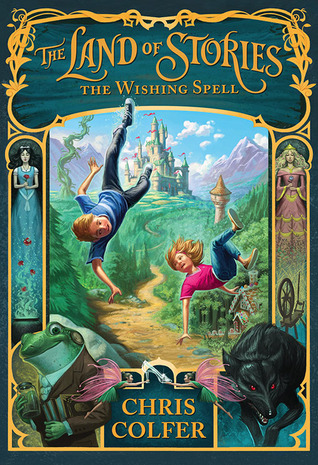
  • Chris Colfer: He is the author of a wonderful series, The Land of Stories. He created a fantasy world full of fairy tales. He also has more unknown books like Struck by Lightning and Stranger Than Fanfiction. He is also a character in Glee. Chris Colfer has opened my mind up to other genres.
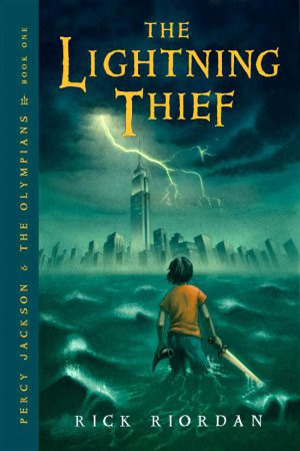
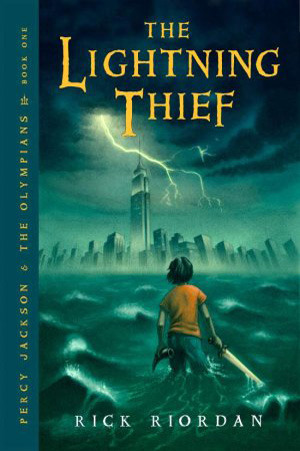
  • Rick Riordan: Author of many books. He created a mythological region for readers. In his books, Percy Jackson and Magnus Chase and others, he takes Greek tales and turn them into something different.
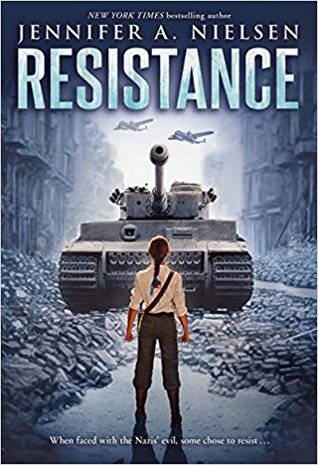
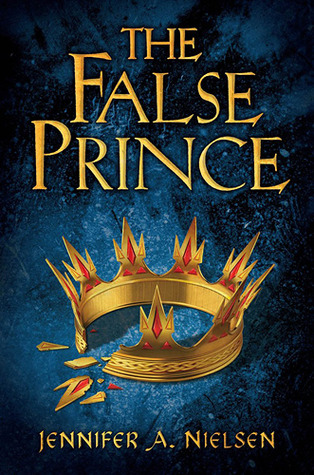
  • Jennifer Nielsen: Jennifer Nielsen is the author of many amazing books. In her historical fiction books, like Resistance, she takes history and brings it to life. He allows readers to interact and connect to her books.

Top 5 Authors for Middle Schoolers by Maria & Lisa, 6th Grade

Jeff Kinney
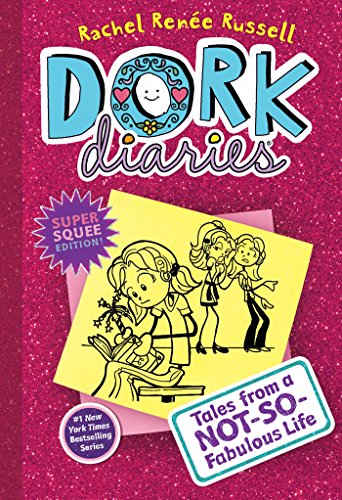
Racel Renee Russell
Raina Telgemeier
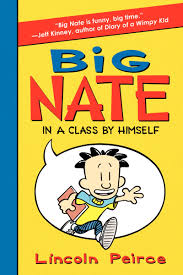
Lincoln Peirce
Rick Riordan

Top 10 Favorite Authors by Isaias & Miguel, 6th Grade

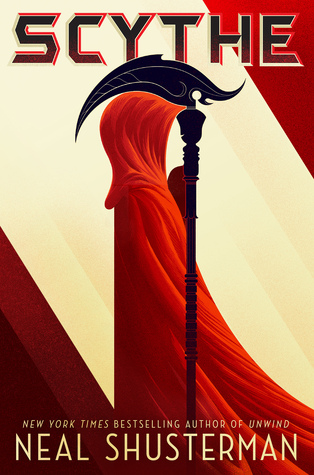
  • Neal Shusterman: He is creative and very good at making books with themes and ideas that no one has ever come close to thinking about.
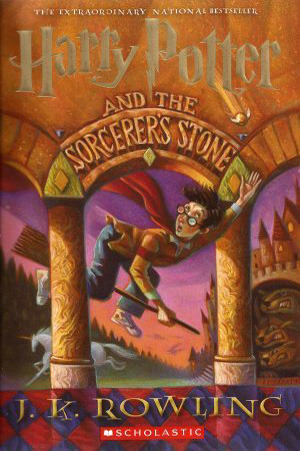
  • J.K. Rowling: She is very creative when she things about magic. Her books are one of the most interesting books we’ve read. The ways she writes the books are impressive.
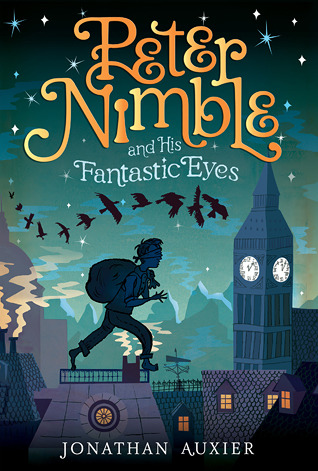
  • Jonathan Auxier: His stories are so page turning. The way he makes his characters and explains everything are interesting.
  • Rick Riordan: He is very good at including Greek mythology which makes his books more interesting and unique. The way his books add up make a good experience which shoes he does more than Green mythology.
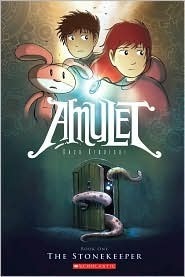
  • Kazu Kibuishi: His comics are probably the best we’ve read. He is creative with the creation of the story with magic and Emily and the bad people. It is interesting the way the book becomes a journey.
  • Jeff Kinney: He is probably the funniest author. The way he makes his characters are unbelievably funny.
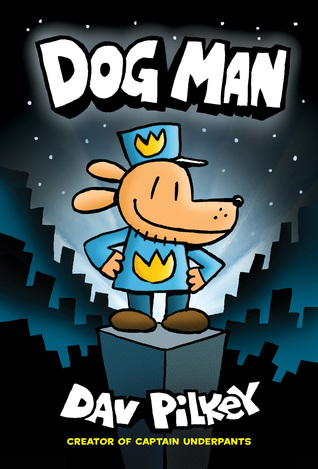
  • Dav Pilkey: His books are funny and the concepts are so weird which makes it more enjoyable. He is another author whose books make us laugh.
  • Lincoln Peirce: His books are interesting because of the way he describes his characters and what he has the characters do. They’re relatable.
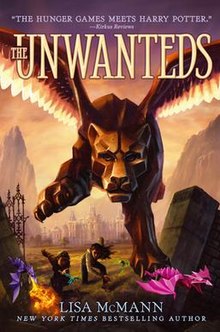
  • Lisa McMann: Her books are so creative, and the things she imagines we’ve never seen before. Such creativity. They are interesting and exciting.
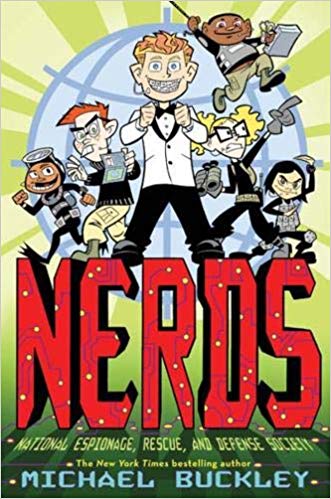
  • Michael Buckley: His books are very funny and exciting. They have lots of plot twists which make his books exciting and fun to read.

Top 10 Favorite Authors by Ellian & Sujan, 6th Grade

  • Sujan
    • Jennifer A. Nielsen: I like this author because she writes lots of adventure books. I loved The False Prince series, Mark of the Thief series, and Resistance.
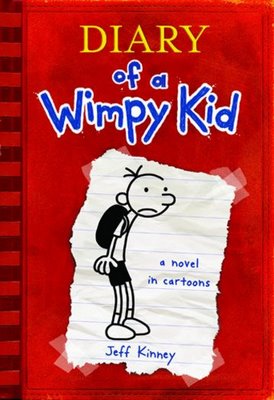
    • Jeff Kinney: I like this author because he writes my faovrite series for year, Diary of a Wimpy Kid.
    • Dav Pilkey: I like this author because Dog Man is one of my favorites of all time.
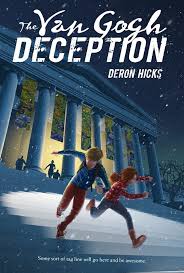
    • Deron R. Hicks: I like this author because I love mystery books and Deron made one of my favorite mystery books.
  • Ellian
    • Dav Pilkey: Because of the Dog Man series
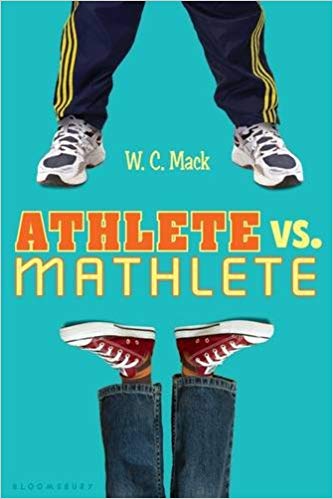
    • W.C. Mack: Because of Athlete vs. Mathlete
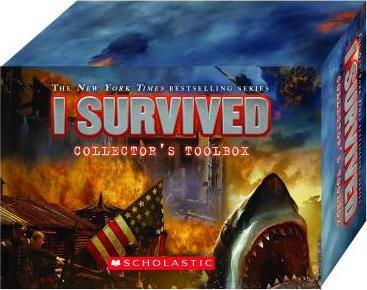
    • Lauren Tarshis: Because of the I Survived series
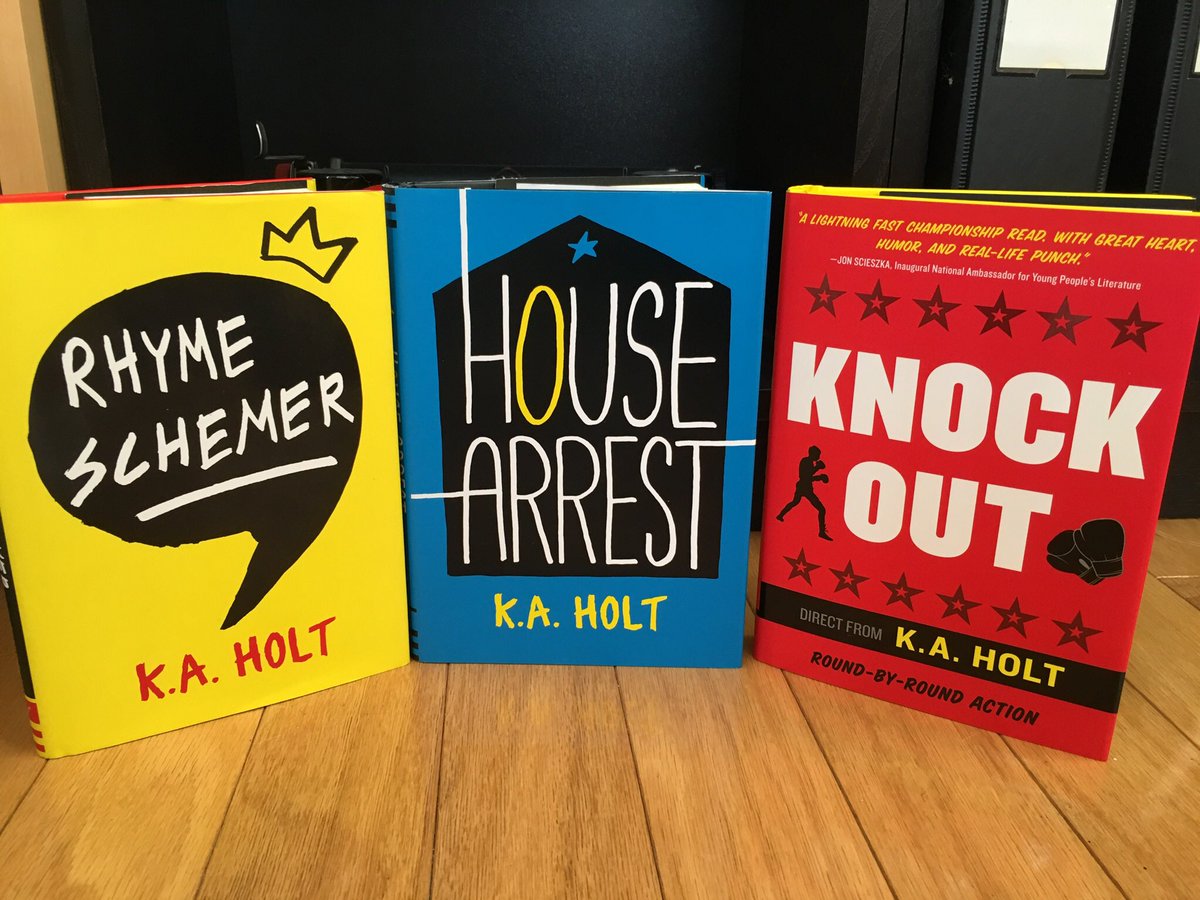
    • K.A. Holt: Because of House Arrest, Knockout, and Rhyme Schemer
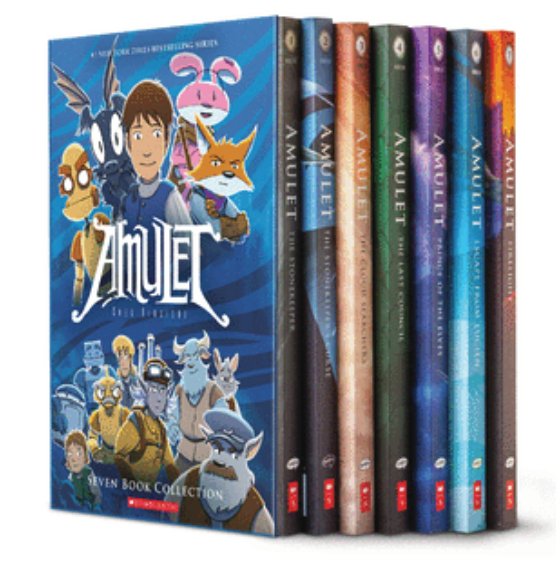
    • Kazu Kibuishi: Because of the Amulet series
    • Jeff Kinney: Because of the Diary of a Wimpy Kid series

Thank you everyone for your great lists!

Signature

It’s Monday! What Are You Reading? #IMWAYR 6/24/19

Share

IMWAYR 2015 logo

It’s Monday! What Are You Reading? From Picture Books to YA!

It’s Monday! What are you Reading? is a meme started by Sheila at Book Journeys and now hosted by Kathryn at The Book Date. It is a great way to recap what you read and/or reviewed the previous week and to plan out your reading and reviews for the upcoming week. It’s also a great chance to see what others are reading right now…you just might discover the next “must-read” book!

Kellee and Jen, of Teach Mentor Texts, decided to give It’s Monday! What Are You Reading? a kidlit focus. If you read and review books in children’s literature – picture books, chapter books, middle grade novels, young adult novels, anything in the world of kidlit – join us! We love this meme and think you will, too.

We encourage everyone who participates to support the blogging community by visiting at least three of the other book bloggers that link up and leave comments for them.

Bold_line

CONGRATULATIONS 
Dean
for winning the Max Attacks giveaway!

Bold_line

Tuesday: Student Voices!: Recommended Titles by Jacque, Jacob, Cooper, Maria, Lisa, Jordan, Alexandra, Molly, Olivia, Damon, Nathan, Duda, Max, Kaley, & Elsa

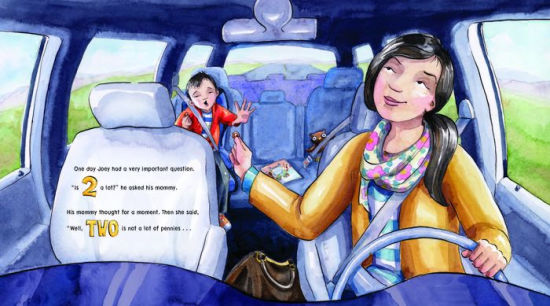
Friday: Is 2 a Lot? by Annie Watson

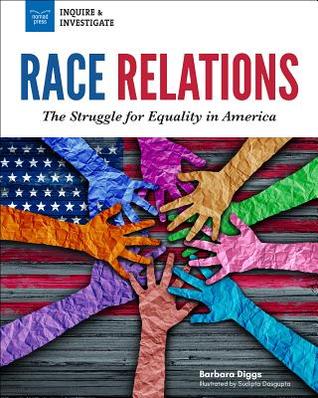
Sunday: Author Guest Post: “Understanding Race in a Country Divided” by Barbara Diggs, Author of Race Relations: The Struggle for Equality in America

**Click on any picture/link to view the post**

Bold_line

Kellee

At ALA Annual Conference! 🙂

Also, we are moving homes here in Orlando, so I am going to take off about 6 weeks to get my family moved and settled. I’ll be back early August.

Ricki

Sadly, I didn’t read any new books this week. My new baby is taking up a good amount of time. (I’m actually in my rocking chair with him right now.) I’m sorry that I’m not being a good blogger lately!

Bold_line

Ricki

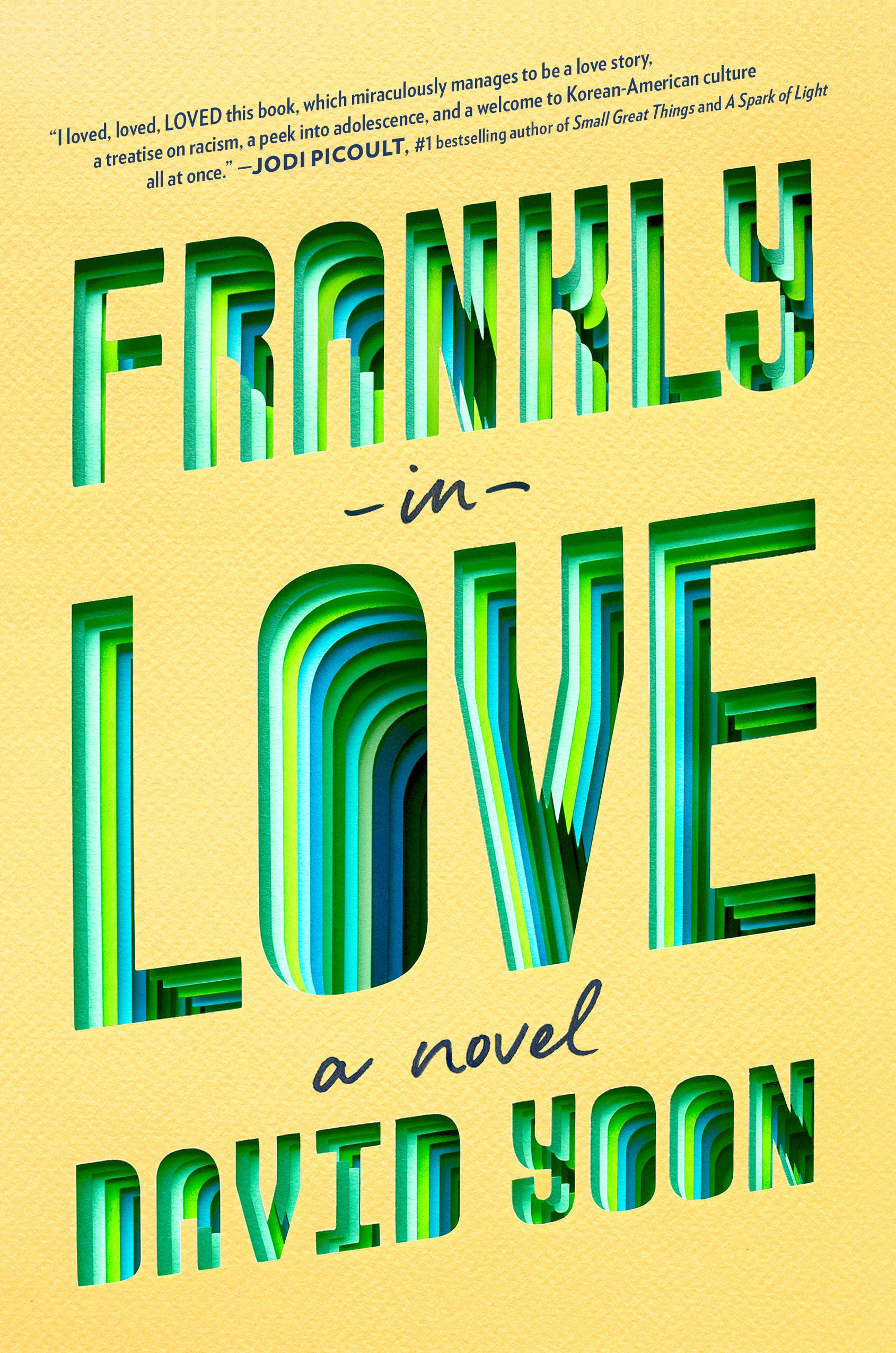
I’m still reading and loving Frankly in Love by David Yoon!

Bold_line


Tuesday: Student Voices!: Favorite Authors by Emma, Maria, Lisa, Isaias, Miguel, Sujan, & Ellian

Friday: Teacher Guide for Polly Diamond and the Super Stunning Spectacular School Fair by Alice Kuipers

Sunday: Author Guest Post: “Suspension of Disbelief: Walking the Fine Line” by Tom Alan Brosz, Author of Roger Mantis

Bold_line

Link up below and go check out what everyone else is reading. Please support other bloggers by viewing and commenting on at least 3 other blogs. If you tweet about your Monday post, tag the tweet with #IMWAYR!

 Signature andRickiSig

Author Guest Post: “Understanding Race in a Country Divided” by Barbara Diggs, Author of Race Relations: The Struggle for Equality in America

Share

“Understanding Race in a Country Divided”

Race and racism can be tricky topics to discuss in the classroom. With so many diverse experiences, perspectives, and opinions on these emotionally-charged issues, it can be tempting to avoid conversations about race to skirt potential conflict.

But if there’s any hope of creating greater harmony and understanding among people of all colors in our society, we have to face these issues head-on. Our kids must learn to discuss racial issues openly, with honesty, empathy–and historical perspective.

To my mind, no fruitful discussion of the United States’ racial issues can occur without having a comprehensive grasp of America’s history of race relations. This long and painful story is key to understanding today’s divisive racial climate and recognizing how America’s past continues to haunt and impact race relations today.

My book, Race Relations: The Struggle for Equality in America, helps put the complexity of contemporary U.S. race relations into historical context. It offers kids the chance to explore race and racism in ways that promote critical thinking about difficult societal problems.

The book begins, not with slavery, but with the creation of racial categories in the fifteenth century. Readers learn, in a fact-based way, how European colonizers embraced and honed these categories to create a racial hierarchy to justify the enslavement and persecution of races they believed to be inferior. Even as some people fought against it, this hierarchy would become codified in U.S. laws and woven into American social codes for the next 400 years, substantially affecting how people of different colors view and treat each other.

Race Relations guides tweens and teens through these four centuries of American race relations. It touches every major era, from colonization and slavery to Reconstruction, Jim Crow, and Civil Rights to the presidencies of Barack Obama and Donald Trump. Links to online primary sources such as narratives, laws, articles, poems, songs, statistics, and even YouTube videos help them explore the nature of American race relations during each era and allow them to consider how relations have changed–or haven’t–over the years.

The book also fosters discussions of contemporary racial issues, such as voting rights, imprisonment rate disparities, and affirmative action, and asks students to reflect on concepts such as racial bias, prejudice, and privilege and how these impact their lives. It further highlights current social justice movements, including Black Lives Matters, and encourages students to consider actions they can take to help improve race relations.

I wrote Race Relations to provide young teens with the tools for recognizing racism and the historical context for talking about it.  Only by addressing these problems can we begin to bridge our differences, understand each other’s realities, and build a more peaceful and unified society.

Here are some activities to get healthy conversations started!

Check Yourself

History isn’t the only factor that can influence our perception of races different from our own. Naturally, having a personal relationship with people of a different race plays a huge role in your perceptions, as does the nature of that relationship with them. But we also receive input from a variety of other sources—our family, friends, neighborhood, community, images on television, magazines, newspapers, books, videos, and music. How do all these factors influence our perception of race?

Write down the different factors that influence your perceptions of these races as listed on the U.S. Census: White, Latino, African American, Native American, Asian American. You do not have to share this list with anyone—it is for you to gain insights into your perceptions of other races and where they come from.

  • Do you know anyone of each race?
  • How many people?
  • Have you ever participated in any social events with someone of each race?
  • What do you frequently hear about people of each race?
  • What three adjectives would you use to describe people of each race?
  • Where do your strongest impressions of each race come from?
  • Can you find any patterns in your thinking? Are your impressions about groups that include people you know personally more positive than those groups that don’t contain anyone you know? What other patterns can you spot?

To investigate more, give yourself an assignment of reading, watching, or listening to books, movies, and music produced by people from each of the different races. Does this change your perception? If so, how?

Mass Depopulation of Native Americans

Before Europeans arrived in 1492, an estimated 54 million Native Americans were living in what is now the United States. Within decades, millions died due to European diseases, war, and displacement. By 1890, the Native American population had dropped to 228,000. Although historians debate whether the devastation of the Native American population was an intentional genocide, they do not dispute that Europeans caused the dramatic depopulation, whether by acting purposefully, accidentally, or with reckless indifference.

Trace the history of one of the Native American tribes. Choose between the Cherokee, Iroquois, Mohawk, Seminole, Sioux, Comanche, Algonquin, or Cheyenne.

Make a timeline of significant events in the tribe’s history. These should include important relationships with colonists or Americans, treaties made with the U.S. government, wars, peacetimes, displacements, and current status.

Research the culture of your chosen tribe. How did the historical events affect that culture?

To investigate more, write a short play or scene about an event in your chosen tribe’s history that affected its lifestyle or population. Incorporate differing views tribe members may have had and how they may have felt looking to the future.

More classroom resources can be found at https://nomadpress.net/wordpress/wp-content/uploads/2018/07/Race-Relations-Classroom-Guide.pdf.
Race Relations: The Struggle for Equality in America
Author: Barbara Diggs
Illustrator: Richard Chapman
Published April 9th, 2019 by Nomad Press

About the Book: How could a country founded on the honorable ideals of freedom and equality have so willingly embraced the evils of enslavement and oppression?

America’s history of race relations is a difficult one, full of uncomfortable inconsistencies and unpleasant truths. Although the topic is sensitive, it is important to face this painful past unflinchingly—knowing this history is key to understanding today’s racial climate and working towards a more harmonious society.

In Race Relations: The Struggle for Equality in America, kids ages 12 to 15 follow the evolution of race relations in America from the country’s earliest beginnings until present day. The book examines how the concept of race was constructed in the seventeenth century and how American colonists used racial differences to justify slavery, discrimination and the persecution of people of color. Through links to online primary sources such as newspaper articles, letters, poems, and songs, young readers will explore how race relations changed—and didn’t—through the eras of Reconstruction, Jim Crow, and Civil Rights, and under the presidencies of Barack Obama and Donald Trump.

About the Author: Barbara Diggs is a non-fiction writer who has written a range of historical articles for children. Her work has been featured in Learning Through History MagazineHistory Magazine, and Renaissance, among others. A graduate of Stanford Law School, Barbara practiced law in New York for several years before becoming a professional writer. She and her family currently split their time between Paris, France, and Washington DC. Website: barbaradiggs.com

Thank you so much for this guest post looking at the history, present, and future of race relations in the United States!

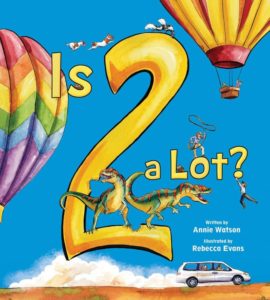
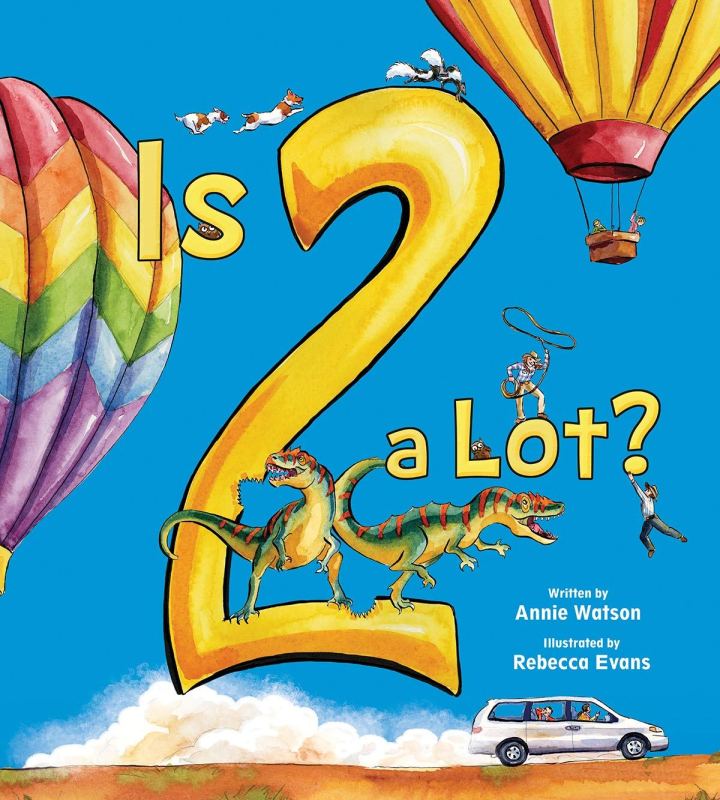
Is 2 A Lot? An Adventure with Numbers by Annie Watson

Share

Is 2 A Lot? An Adventure with Numbers
Author: Annie Watson
Illustrator: Rebecca Evans
Published June 4th, 2019 by Tilbury House Publishers

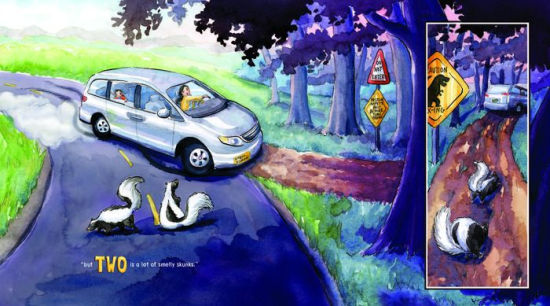
Summary: Two is not a lot of pennies, but it is a lot of smelly skunks. Ten is not a lot of popcorn pieces, but it is a lot of chomping dinosaurs. One thousand is not a lot of grains of sand, but it is a lot of hot air balloons!

While Joey’s mom explains the context of numbers in vivid ways, Joey’s imagination transforms their ordinary car ride into a magical odyssey through a land of make-believe.

Is Two a Lot? is a wonderfully charming and authentic exchange between mother and child. Annie Watson’s story makes numbers tangible, and Rebecca Evans’s illustrations bring them to life.

About the Author: Annie Watson (Flagstaff, AZ) is proud of the meaningful work that she does as a high school English teacher, and she feels balanced whenever she can get outside and find time to write. She finds daily joy in reading bedtime stories, and she looks forward to her family’s next adventure to the bookstore, museum, or beach. She and her husband and two children enjoy the beautiful mountains, sunflowers, parks, community events, and pizza places in and around Flagstaff.
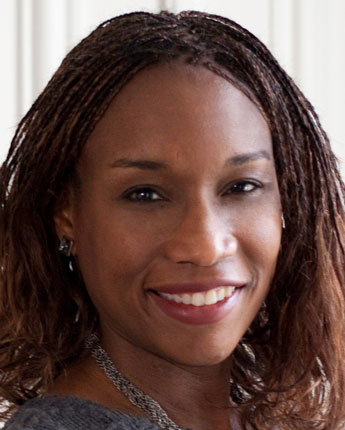
About the Illustrator: Rebecca Evans worked for nine years as an artist and designer before returning to her first love: children’s book illustration and writing. Her children’s books include Someday I’ll Fly; Friends in Fur Coats; The Good Things; The Shopkeeper’s Bear; Naughty Nana; Amhale in South Africa; Mei Ling in China; Tiffany in New York; Masterpiece Robot; and Finding the Speed of Light. She lives in Maryland with her husband and four young children, shares her love of literature and art regularly at elementary schools, teaches art at the Chesapeake Center for the Creative Arts, and works from her home studio whenever time permits. Rebecca’s own boundless imagination enjoys free reign at www.rebeccaevans.net
Praise: “A picture book that accurately depicts how children think about numbers and values in a fun and engaging way.
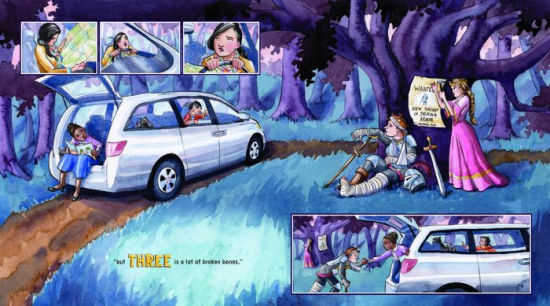
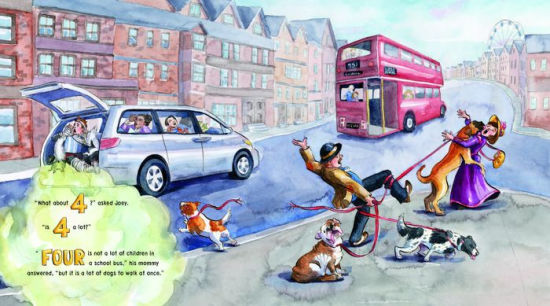
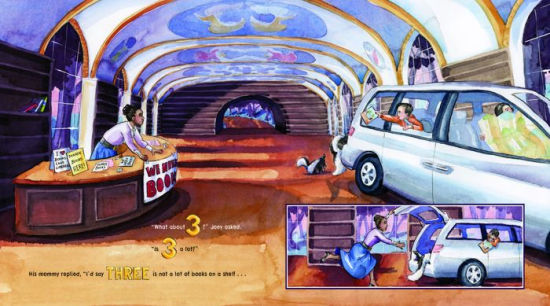
Readers will want to count the number of skunks, cowboys, and other imaginative creatures and objects Joey and his mother discuss throughout the book, and they will enjoy seeing various characters from the places they visit pile into the trunk of the station wagon.

Children who are learning the meaning of value and numbers will both learn from this book, with its whimsical examples of what “a lot” means, and find much to enjoy.” – Kirkus Reviews

Review: Trent loves books like I do, but he really is more of a science and math kid than I was (am!), so whenever we can combine the two in fun ways, the book is a favorite in my house. This also shows the engagement opportunities with a book in a classroom.

I love that the story is a conversation between a mom and her son. It reminds me so much of so many conversations I’ve had in my car with Trent. I really promotes the inquisitiveness of kids which is something I think we all need to keep promoting.

Teachers’ Tools for Navigation: Trent actually had a hard time grasping the concept that is being discussed in the book, so it would be an amazing math activity to turn the conversations into manipulatives and bring the numbers to life!

Discussion Questions: 

  • When is ___ (#) a lot? When is it not?
  • How many pieces of sand are on a beach?
  • How many bones are in your body?
  • Why do skunks spray?
  • How many types of dinosaurs were there?
  • How many kids fit in a bus? A double-decker bus?
  • How do hot air balloons work?
  • What questions do you have that you would like answered?
  • Look at the illustrations and how all of the things mentioned throughout come together, and write your own narrative telling the story about what happened.

Flagged Passages: 

Read This If You Love: Math, Inquiry

Recommended For: 

classroomlibrarybuttonsmall 

Signature