A Teen’s Experience in Quarantine by Monika A., 8th Grade
I am an 8th grader of the Class of 2020. I am a child who never knew her last day of middle school would be the day before spring break. I was the kid who was really excited for spring break and to just have time to spend with friends, but everything changed super quickly and it was overwhelming. I don’t speak for everyone, but I’m sure a bunch of kids just like me feel this way too. Not only are we missing a big part of our education, more importantly, we’re missing our social interactions. We need to be able to connect with people and ideas and cultures to learn and understand. We can’t really do that if we’re stuck at home watching Netflix.
I don’t know about you, but I’m EXTREMELY bored. My home schedule is different than most people my age. We all have different circumstances at home, but more importantly, we’re kids who have a phone next to them with Netflix just screaming “Watch me… Watch meeee!” Most of us have a very short attention span, and it doesn’t help when we’re put in our houses with the bed, couch, or the fridge 2 steps away.
And now that school was at home, we all needed to find a balance between school, home, and fun (or what we could do for fun). Tests were a big failure. I think it’s because we weren’t put in the spot to answer a certain question or explain an idea. Grades were either oddly low or way too high. Mrs. Moye shared with us that our brains were in crisis mode which I definitely felt.
As the weeks went by though, we all started to get the hang of it. We found ways to have fun and go outside, even if it was just a bike ride around the community.
This is a learning experience and what I have learned during this time is:
1. We need school. Like, really need it.
2. Balance is key to having fun and doing well in school.
3. Just because your family loves you, doesn’t mean they don’t
annoy you the most.
4. You can’t learn everything on Netflix, You Tube, and TikTok.
5. The likes you get on TikTok won’t get you out of the math
assignment.
This, I know: We can’t wait to get back to the real world! I know it can’t be just me, but boy, I’m tired of seeing the same 5 people everyday. Yes, I love my family, but yes, I am waiting to see my friends. But until then, we have to understand that this is the safest option for not only us, but everyone around us. Patience is key to this part of the journey.
Thank you, Monika, for sharing your reflection with so much truth in it!
This is My America Author: Kim Johnson
Published: February 28, 2017 by Balzer + Bray
GoodReads Summary:Dear Martin meets Just Mercy in this unflinching yet uplifting YA novel that explores the racist injustices in the American justice system.
Every week, seventeen-year-old Tracy Beaumont writes letters to Innocence X, asking the organization to help her father, an innocent Black man on death row. After seven years, Tracy is running out of time—her dad has only 267 days left. Then the unthinkable happens. The police arrive in the night, and Tracy’s older brother, Jamal, goes from being a bright, promising track star to a “thug” on the run, accused of killing a white girl. Determined to save her brother, Tracy investigates what really happened between Jamal and Angela down at the Pike. But will Tracy and her family survive the uncovering of the skeletons of their Texas town’s racist history that still haunt the present?
Fans of Nic Stone and Jason Reynolds won’t want to miss this provocative and gripping debut.
Review:This is a book that will stick with me forever. The characters are powerfully written, and the plot unfolds itself beautifully. It tackles complex themes that offer excellent fodder for classroom discussion. Some of these include implicit and explicit racism, the ripple effects of White supremacy and racism, White privilege, and injustices in the judicial system. I could go on. This book is truly exceptional, and I envision it winning some big awards this year. There is so much to unpack and so much to admire in Johnson’s writing. It’s absolutely brilliant. If you buy no other book this summer, buy this one. It will make you think deeply about equity and justice.
Teachers’ Tools for Navigation: I highlighted so many passages of this book while I was reading it. There are so many sections that would make phenomenal close readings in the classroom. I highly recommend pairing this text with portions or all of Michelle Alexander’s The New Jim Crow: Mass Incarceration in the Age of Colorblindness.
Discussion Questions: What are some of the injustices in this text?; How can we, as a society, work to change these injustices?; How do the injustices have a ripple effect on other characters?; How does Johnson layer the plot to elevate the reading and message of the text?
Flagged Passage: “Corinne never held that memory [of Daddy getting arrested], but I know she feels it in everything we breathe. It’s in the polite nods across the street we have to make, the way our family turns down our music when there are others around. Say yes ma’am and no sir. Leave our jackets and backpacks in the car when we go shopping.
It’s in the way I carry myself that tells our story now. I can’t risk being accused of anything. Because if something goes wrong or missing, I know it’s in the back of someone’s mind that maybe I had something to do with it. And it’s in the way that the voice of the strongest woman I know stumbles when saying, ‘Hello, Officer’ as she walks through the visitation gates to see Daddy.”
Read This If You Loved: Just Mercy by Bryan Stevenson; The Hate U Give by Angie Thomas; All American Boysby Jason Reynolds and Brendan Kiely; X by Ilyassah Shabazz and Kekla Magoon; The Rock and the River by Kekla Magoon; How it Went Downby Kekla Magoon; Freedom Summerby Deborah Wiles;
Osmo is an add on for your tablet (iPad or Fire) that brings digital learning to life! The Osmo Genius Starter Kit (from Tangible Play, Inc.) comes with materials for 3 of their different apps and with the Osmo stand and reflector, there are 2 other apps availabe to play without any materials.
Osmo knows kids learn by doing, so each game uses physical action. Whether it’s arranging tangrams, zooming number tiles around, or even freehand drawing, Osmo sees and reacts to every real-live move. Users will receive real-time feedback which lets kids learn through experimentation in a stress-free environment.
To date Osmo has been named one of Time Magazine’s Best Inventions, is a Parents’ Choice award winner, a winner of the prestigious Oppenheim award, and a 2016 finalist for Toy of The Year.
Kellee’s Review: What I love about Osmo is that it takes technology and adds kinesthetic aspects to it. It is truly the best of both worlds. This combination of hands-on learning and technology is how we are going to prepare our students for their life journey.
Trent loves Osmo because he thinks everything about it is fun. Even when there is a challenge, he faces it, figures it out, and moves forward because of the engagement he has for the activities. And if it gets too tough, the app is intuitive and helps him out when needed.
It is hard to pick his favorites apps. I think Masterpiece and Newton would be what he picked first to play, but he wouldn’t argue about playing any of them.
Masterpiece shows his paper on the screen and an outline of what he wants to draw. It can be from their gallery, online, or even a picture he took. Then he can look at the screen and follow the lines. He loves drawing, so him loving Masterpiece makes so much sense.
As for Newton, which is a problem-solving physics platform. I found it to be extremely difficult, so I was pleasantly surprised that Trent loved it so much. He figured out so many creative ways to solve the puzzles, past the drawing that it initially instructs the user to do. It was fascinating watching him! (Please note: the Osmo whiteboard in the image is not from the Genius Starter Kit. Trent loved the starter kit so much, we bought other games and it came with another game; however, any white board or paper would work for Newton.)
Words is at this point a bit easy for him, but I know there are ways to up the difficulty, but he is really enjoying it and getting used to searching for the letters, so I don’t want to frustrate him.
Numbers starts with addition which is perfect for Trent and lets him practice his number skills in a low-stakes, fun environment. He is a math fan, so this is another favorite app.
Tangrams is probably the one he struggles with the most. When the tasks get more difficult and do not show which shapes go where, Trent has trouble visualizing which are correct (but I’m the same way, so maybe like mom, like son).
And like I mentioned above, we loved Osmo so much, we’ve purchased other kits which Trent have all enjoyed also! I highly recommend Osmo to parents and teachers as an extension to other learning.
Ricki’s Review:Kellee did an amazing overview of each of the games within the kit, so I will offer more of a holistic overview and perspective from two different kids’ age levels. We have been staying at home pretty much exclusively for three months. My kids are in need of something different. My 3yo is able to read simplistic books and words, and my 6yo is reading fairly fluently now. They are tired of workbooks, they are tired of any book that looks like an early reader, and they are looking for something more interactive. Osmo is the answer.
The kids beg me to play with it during the day. We are pretty strict about screentime in our house, but the Osmo is so interactive that it doesn’t feel like screentime to me. As a parent, it feels remarkably guilt-free as the kids cheer and play the games together.
What intrigues me the most is that Kellee’s son, who is the same age as Henry and has similar interests, has different favorite games than my son. (Although, truly, my kids love ALL of the games.) Tangrams is both of my kids’ favorites. It seems to come naturally to them (which surprises me because I am not very good at spatial recognition). Masterpiece is the hardest for them, and I wonder if they will progress more with it with some time. Regardless, all of the games are huge hits, and they want to play all of them every time they play with the Osmo.
Here, you see my 6yo cheering wildly for himself while he plays numbers. When he met his teacher for a small math group at the end of the school year, she spent a lot of time decomposing numbers. As a parent, I have been focused with addition, subtraction, and number sentences. I hadn’t realized how much decomposing numbers helps their math sense. Osmo’s Numbers does just this. My son is breaking down numbers and figuring out how they work. Using this game in repetition will surely help his math abilities.
Not pictured: the INTENSITY of this shot. Here, the boys are playing two-player Words. They are each tossing letters into the center and hoping to guess the spelling of the word. For the 6yo, it is conscientious. He is able to consider which vowels are the right fit. For the 3yo, it is a lot of guesswork. He focuses on the first and last vowels. The middle is still confusing, as is suspected. I stress here that despite the 3yo being outside of the age level, he is still able to have fun and try out words, which is fun and exciting for him (and for me!).
And lastly, I share a picture of the boys playing Newton together. (Kellee highlights Tangrams and Masterpiece above.) I said earlier that Tangrams is my kids’ favorite, but now I wonder if their favorite might also be Newton. Gosh this game is so fun. They are considering gravity and physics. The game forces them to problem solve. If they mess up, they might slide the paper a little bit.
If you are on the fence, we recommend the Osmo highly. The kids have been having a BLAST, and it makes learning really fun. As an educator who doesn’t believe much in worksheets, this is a phenomenal system that has brought a lot of joy to our house.
The kids have been making big plans for which kits they are going to put on their wishlists for birthdays and holidays! I am very intrigued by the Pizza kit, so that might be next!
Teachers’ Tools for Navigation: We highly recommend Osmo for centers in classrooms. There are ways to set up multiple profiles which will make it so students can each have their own progress and with the hands-on + technology, students will have so much fun while learning!
Here are the subjects that the Genius Starter Kit compliments:
Math: Tangram and Numbers
Reading: Words
Handwriting: Masterpiece
Science: Newton
Basic geography (maps): Masterpiece
Spatial relationships: Tangram
and
**Thank you to Tangible Play, Inc. for providing starter kits for review!**
It’s Monday! What Are You Reading?
Sharing Picture Books, Early Readers, Middle Grade Books, and Young Adult Books for All Ages!
It’s Monday! What Are You Reading? is a weekly blog hop co-hosted by Unleashing Readers and Teach Mentor Texts which focuses on sharing books marketed for children and young adults. It offers opportunities to share and recommend books with each other.
The original IMWAYR, with an adult literature focus, was started by Sheila at Book Journeys and is now hosted by Kathryn at The Book Date.
We encourage you to write your own post sharing what you’re reading, link up below, leave a comment, and support other IMWAYR bloggers by visiting and commenting on at least three of the other linked blogs.
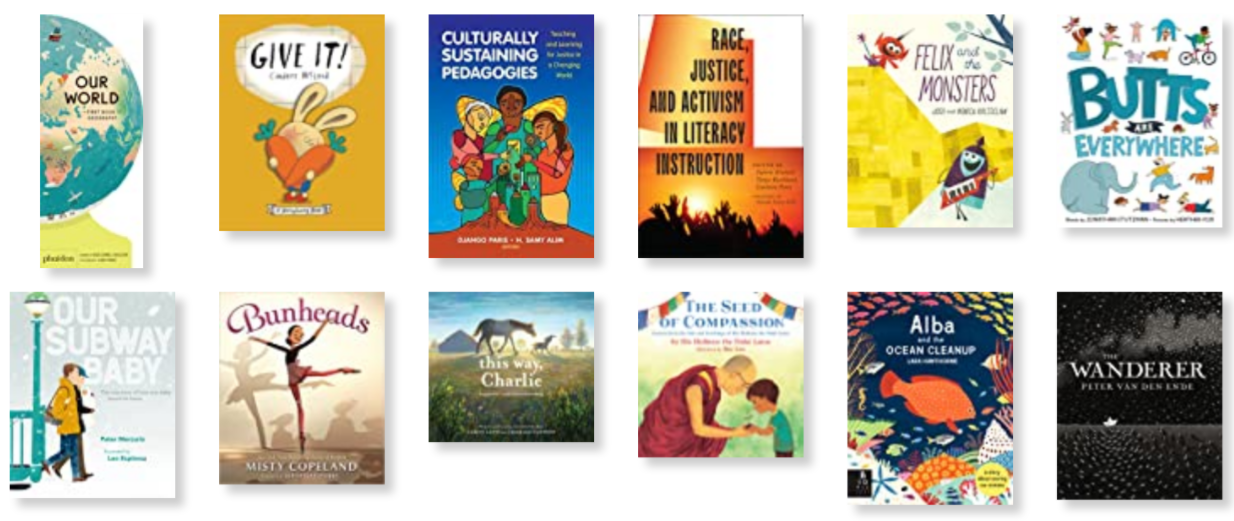
Go with the Flow by Lily Williams & Karen Schneeman: A book about periods. And man, do I wish I had this book when I was a preteen/teen. The stigma around periods is just so ridiculous, and this book will help stop that.
Being Toffee by Sarah Crossan: “After running away from an abusive home, Allison finds herself taking shelter in a shed behind an abandoned house. But the house isn’t empty after all; an elderly woman named Marla, who suffers from dementia, lives there. And rather than turn her away, Marla welcomes her – she mistakes Allison for an old friend from her past named Toffee.”
Big Black: Stand at Attica by Frank “Big Black” Smith with Jared Renmuth, illustrated by Améziane: This mature teen/adult graphic novel is about 4 days at Attica prison when the prisoners rebelled in hopes of more humane conditions but instead found themselves massacred.
Superman Smashes the Klan by Gene Luen Yang, illustrated by Gurihiru: When the Lee family moves to downtown Metropolis from Chinatown, the KKK targets them. But with the help of their two teens and Superman, the Klan has no chance. Takes place in the 1940s. (I wish we had Superman around right now…)
The Oracle Code by Marieke Nijkamp, illustrated by Manuel Preitano: “After a gunshot leaves her paralyzed, Barbara Gordon enters the Arkham Center for Independence, where Gotham’s teens undergo physical and mental rehabilitation. Now using a wheelchair, Barbara must adapt to a new normal, but she cannot shake the feeling that something is dangerously amiss. Within these walls, strange sounds escape at night; patients go missing; and Barbara begins to put together pieces of what she believes to be a larger puzzle.”
This was our Pact by Ryan Andrews: A friend of mine told me this was a must read when it first came out, and I am so happy that I finally got around to reading it. It was like a Miyazaki movie but in graphic novel format. It was adventurous and magical and a bit ridiculous but wonderful.
Tornado Brain by Cat Patrick: “Things never seem to go as easily for thirteen-year-old Frankie as they do for her twin sister, Tess. Unlike Tess, Frankie is neurodiverse. In her case, that means she can’t stand to be touched, loud noises bother her, she’s easily distracted, she hates changes in her routine, and she has to go see a therapist while other kids get to hang out at the beach. It also means Frankie has trouble making friends. She did have one–Colette–but they’re not friends anymore. It’s complicated.”
For Everyone by Jason Reynolds: A Jason Reynolds poem about dreams. Beautiful.
All the Way to the Top by Annette Bay Pimental with Jennifer Keelan-Chaffins, illustrated by Nabigal-Nayagam Haider Ali: “Jennifer Keelan was determined to make a change—even if she was just a kid. She never thought her wheelchair could slow her down, but the way the world around her was built made it hard to do even simple things. Like going to school, or eating lunch in the cafeteria. Jennifer knew that everyone deserves a voice! Then the Americans with Disabilities Act, a law that would make public spaces much more accessible to people with disabilities, was proposed to Congress. And to make sure it passed, Jennifer went to the steps of the Capitol building in Washington DC to convince them.”
With Trent:
Lyric picture books: With the edition of the LyricPop picture books in our home library, Trent found something he truly loves! They all have been read over and over. I also had three Bob Dylan lyric picture books, so I got those out also. These combine two of his favorite things: books and music.
Here are the other picture books we read (I always want to pick favorites and only share those, but we are on a roll of really great picture books!):
Our House is on Fire: Greta Thurnberg’s Call to Save the Planet by Jeanette Winter: An introduction to Greta Thurnberg and her passion for our environment. A call to action.
Double Bass Blues by Andrea J. Loney, illustrated by Rudy Gutierrez: Onomatopoeias and illustrations tell this story, but the message is clear: if you know your passion, your path is clear. And the acrylic painted illustrations are beautiful.
Nya’s Long Walk to Water: A Step at a Time by Linda Sue Park, illustrated by Brian Pinkney: A beautiful companion to A Long Walk to Water.
Going Down Home with Daddy by Kelly Starling Lyons, illustrated by Daniel Minter: Such a wonderful story of family and finding your voice.
The Space Walk by Brian Biggs: Trent loves Tinyville Town, so when he saw this one at the library he grabbed it. A fun story about what may actually be out there.
Night Out by Daniel Miyares: A beautiful nearly wordless picture book about loneliness and adventure. The first spread made Trent and I so sad, but it got better!
Just in Case You Want to Fly by Julie Fogliano, illustrated by Christian Robinson: Christian Robinson has a fan–Trent sees his books and wants to read them! This was a nice message book about not giving up.
I Am Perfectly Designed by Karamo Brown with Jason “Rachel” Brown, illustrated by Anoosha Syed: No matter who we are, how we look, how we identify, who we love, etc., we are perfectly designed. What a beautiful lesson to teach children.
Cece Loves Science by Kimberly Derting and Shelli R. Johannes, illustrated by Vashti Harrison: Scientific inquiry around a truly fun character. I hope there more stories about Cece.
When Aidan Became a Brother by Kyle Lukoff, illustrated by Kaylani Juanita: “When Aidan was born, everyone thought he was a girl. His parents gave him a pretty name, his room looked like a girl’s room, and he wore clothes that other girls liked wearing. After he realized he was a trans boy, Aidan and his parents fixed the parts of life that didn’t fit anymore, and he settled happily into his new life. ” And now his parents are pregnant again and he is trying to do everything he can to make sure his new sibling will have a wonderful life, but he is so afraid to mess up, but we see that the most important thing about family is to love no matter what.
The Bear At Your Sandwich by Julia Sarcone-Roach: Read by Michelle and Barack Obama on PBS Kids. I love this story about point of view and unreliable narrators.
Giraffe Problems by Jory John, illustrated by Lane Smith: Read by Michelle Obama on PBS Kids. A funny story looking at embracing yourslef for who you are.
Hair Love by Matthew Cherry, illustrated by Vashti Harrison: We now see what all the hype is about. And we watched the short too. Beautiful.
This week, we read every Pigeon book in the series, including The Duckling Gets a Cookie by Mo Willems. My 3yo loves the Pigeon books (as do the other kids). We read them again and again, and we watch YouTube readings for the ones we don’t own that have long holds at the library.
The newest book in the series by Jory John and Pete Oswald explores what it means to be cool. My kids loved The Cool Bean, and it offers great fodder for conversations in the classroom.
We found a copy of Mo Willems’ The Story of Diva and Flea. This is a chapter book with pictures, and the kids had me read the entire book in one sitting. It’s set in Paris and explores aspects like setting and facing fears.
The kids enjoyed this early reader Babe Ruth Saves Baseball. It offered a lot of great information about Babe.
We loved reading Who Is Malala Yousafzai? It prompted some great family conversations. I recommend this one highly.
A Squiggly Story is a charming book that inspires creativity.
Who doesn’t love to count chickens? Chicken Break: A Counting Book by Cate Berry is quite charming.
My kids talk about Amelia Earhart almost daily. They enjoyed reading this board book to their baby brother.
Kellee
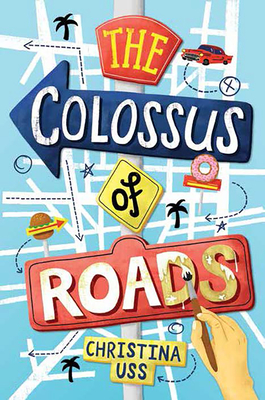
Reading: Light it Up by Kekla Magoon
Reading: The Runaway Princess by Johan Troïanowski
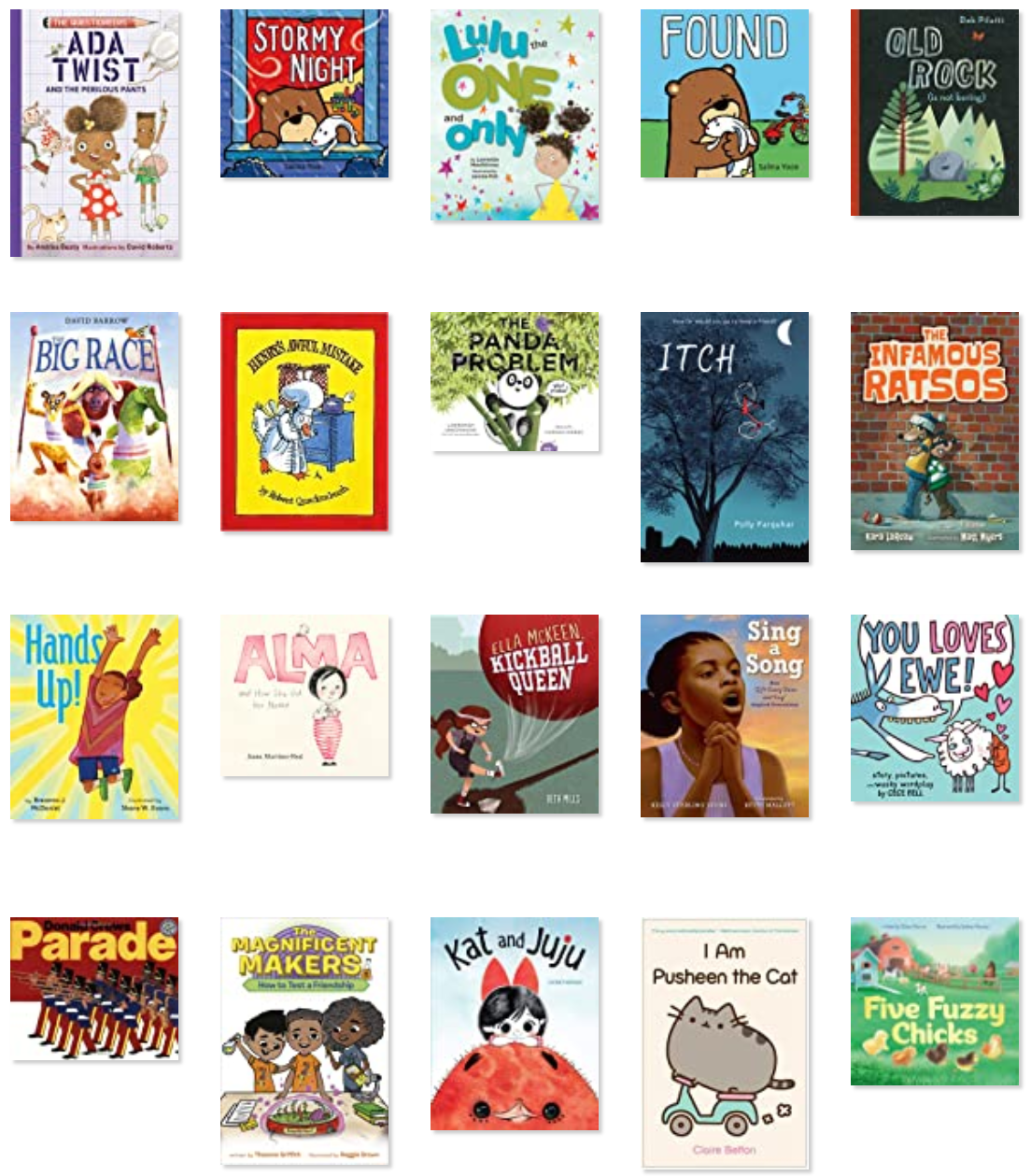
Reading with Trent for one of his book clubs: Ada Twist and the Perilous Pants by Andrea Beaty, illustrated by David Roberts
Reading with Trent for one of his book clubs: The Magnificent Makers #1: How to Test a Friendship by Theanne Griffith, illustrated by Reggie Brown
Ricki
The Magnificent Makers #1: How to Test a Friendship by Theanne Griffith is fantastic. We are reading it for the same book club as Kellee and Trent, and we love it.
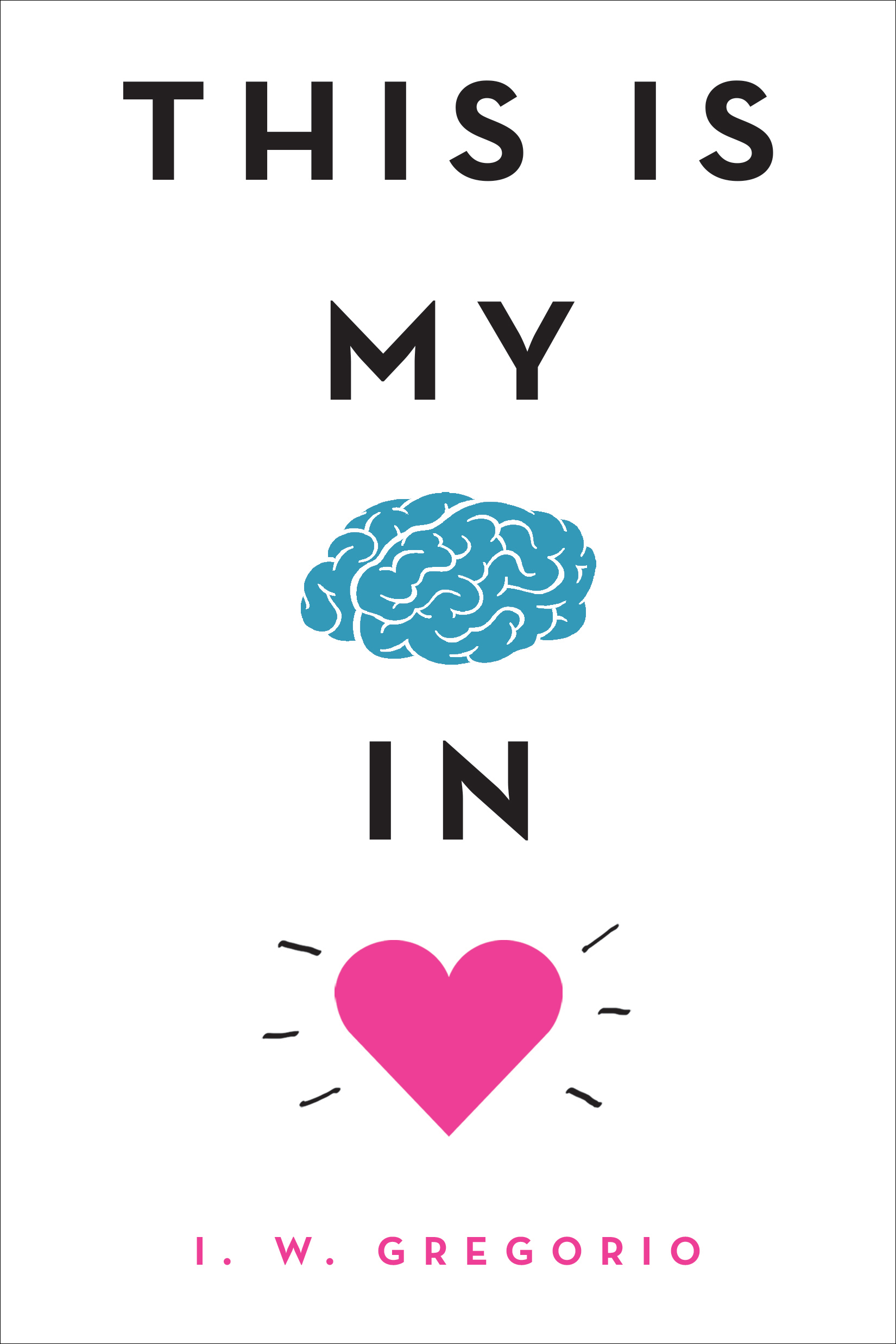
I have about four chapters left in Stamped: Racism, Anti-Racism, and You by Jason Reynolds and Ibram X. Kendi.
I am rereading (listening to) The New Jim Crow: Mass Incarceration in the Age of Colorblindness by Michelle Alexander. It is just as powerful as the last time I read it.
Tuesday: Osmo’s Genius Start Kit: Math, Spelling, Problem Solving, Creativity, and More!
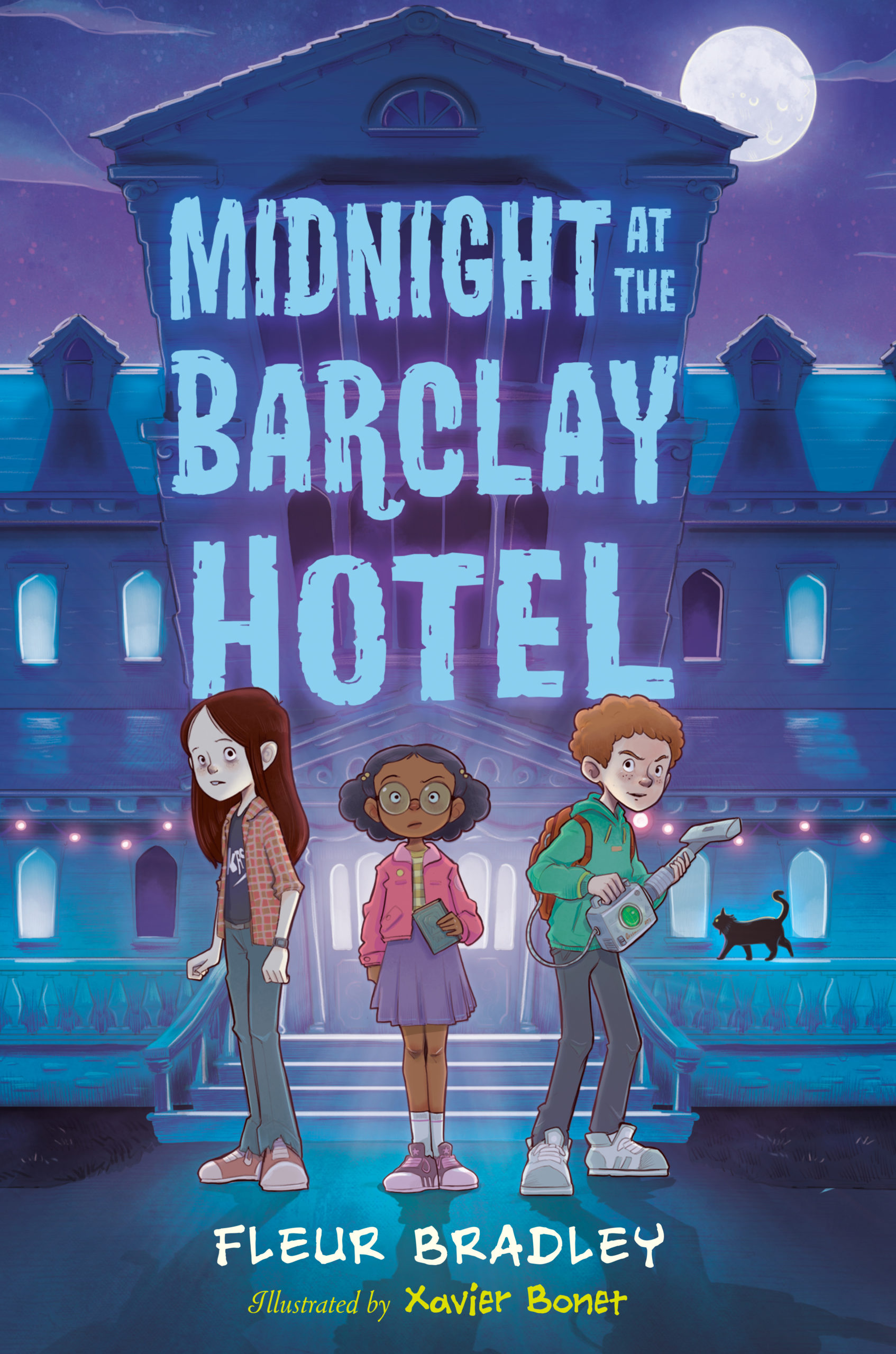
Thursday: This Is My America by Kim Johnson
Sunday: Student Voices: Teen Experienes During Quarantine by Monika A., 8th Grade
Link up below and go check out what everyone else is reading. Please support other bloggers by viewing and commenting on at least 3 other blogs. If you tweet about your Monday post, tag the tweet with #IMWAYR!

A Posivite Among Negatives: Pollution during COVID-19 by Zack L., 8th Grade, with assistance from Kellee
COVID-19 put a pause on the world, and although its effects have been primarily negative, the effect on our environment has been primarily positive.
Since we have all been in quarantine, pollution has changed dramatically around the world. The stay at home order around the world has been keepings us away from our cars and onto our bikes. Our pollution levels have dropped due to the large number of people not using their cars. The EPA has said, “motor vehicles collectively cause 75 percent of carbon monoxide pollution in the U.S.” Because of the world wide quarantine efforts, we have all been off the roads and reducing this amount of pollution. These images are good representations of before and afters the quarantine:
Additionally, water pollution has been affected positively by the lessening of carbon pollution levels and other pollution. For example, the Venice Canal, which is normally polluted to where few animals exist and the water is murky became clear and swans, dolphins, and octopuses are spending their time in the canal.
The effects of pollution are huge. As we emit more gases into the air, the temperature slowly increases. Due to the increase, things like wildfires become more common. The temperature increase can also cause glaciers to melt meaning the water levels will rise and possibly even flood some places. Air pollution affects our lungs, heart, and brain. We don’t feel it at first, but later on, our bodies will have taken in so much pollution that we’ll get really sick. Air pollution kills 4 million people a year and many are living with polluted water, but we can stop that. This change shows that our polluted world is reversible.
We can all keep these levels lower by using our bikes or walking instead of driving everywhere we go. We can also keep these levels low by reducing the amount of plastic we use or recycling more. There are many clean up groups out there to help pick up plastic or trash from our streets or plant trees to produce more oxygen. These groups get donations from people to go do more. There is so much we can do to keep this positive effects on the planet from reversing:
What Did the Good Night Monster Do? Author: Ruth Austin
Illustrator: Katie Harnett
Published May, 2020 by Compendium
Summary: Bedtime can stir up all kinds of emotions for a child. Good Night Monster is your child’s very own nighttime guardian, a friend for building confidence at bedtime.
Get to know Monster and read about its evening adventures in the playful storybook. When it’s time for bed, tuck Monster in with your child for added comfort. Or pose Monster under the bed, near a closet, or anywhere your child wants a trusted lookout while they sleep.
-A reassuring friend for kids
-Share your monster’s adventures and discover the adventures of others using #goodnightmonster
-Includes a plush, a storybook, a letter to your child, and tips for grown-ups on how to use Monster to manage emotions
Kellee’s Review: This storybook kit is going to do so much for so many kids! It is being advertised for kids who are afraid of monsters, but Trent is not afraid of monsters, but he loves the idea of his monster, Moony, guarding his room. All kids are going to love the reassurance that their monster can bring to their room.
And in addition to that super cute stuffed monster, the book that comes with it introduces the reader to their monster and how he takes charge at night and explores their room and is just so much fun to read.
Moony has quick become a favorite stuffed animal for Trent. Like the book and the instructions, Trent made a bed for him that he goes in during the day, and then at night he takes him out and puts him at the end of his bed to stand guard.
There is so much that can be done with Monster and its book, and my family is loving the addition of Moony.
Ricki’s Review:When we first got this book, my boys were really excited to share it with our 1-year-old. And then we opened the box, and my 3-year-old and 6-year-old were green with envy. They learned the magic of the goodnight monster, and everyone wanted a part of it.
The goodnight monster is a creature that comes with its own box bed, a set of instructions for kids and parents, and a story. At night, children whisper fears to the goodnight monster, and the monster protects them in their sleep. The goodnight monster also has a blast doing it. It tries on clothes from the drawers, plays with toys in the room, etc. as it waits for the child to get up. Here’s my favorite part for one of my children who wakes up grumpy—in the morning, the child can hold the monster if they are feeling crabby (we’ve utilized this quite frequently).
Initially, I thought the goodnight monster would rest with my 1-year-old, but after receiving the kit and knowing its purpose, it is with my 3-year-old, and my goodness—it does a great job protecting him. If I had more time on my hands, I might position it in the mornings like some people do with elves on shelves.
We named our goodnight monster Giggles because the one year old giggles every time he holds it. Below, I include a picture of the 6-year-old talking with Kellee’s 6-year-old while sharing their goodnight monsters.
Teachers’ & Parents’ Tools for Navigation: Forget monster spray and lovies without a purpose. This monster is very specific to needs that almost every parent or guardian experiences: night fears and morning grumpiness. We will recommend this kit again and again and again. It is truly magical.
Discussion Questions:
What did you name your goodnight monster and why?
What fears do you have? How can your goodnight monster protect you?
What does the goodnight monster do at night? Which of your toys might it play with? Which outfit of yours do you think the goodnight monster will enjoy wearing the most?
Flagged Passages:
Read This If You Love: M
Recommended For:
and
**Thank you to Compendium for providing copies for review!!**
The Blue Giant Author & Illustrator: Katie Cottle
Published May 26th, 2020 by Pavilion Books Ltd.
Summary: A poignant and timely picture book introducing children to the issue of ocean pollution, with ideas to help the world become a better, cleaner place.
Coral and her mom are enjoying a break at the seaside. Until a creature emerges from the waves! It’s a giant. A blue giant. It is made of water, fish, and sea plants and has a stirring plea to help clean up the ocean.
Coral and her mom agree to help, donning their scuba-diving outfits and setting off to sea. But they can’t do it alone…can they?
This stunning follow-up to Katie Cottle’s debut picture book The Green Giant is another entertaining and beautiful eco-tale from the 2017 winner of the Batsford Prize. It introduces children to the issues of pollution, waste management, and the oceans, with suggestions of lifestyle changes to help clean up our seas.
About the Author: Katie Cottle is an illustrator and printmaker living and working in Bristol, U.K. Her work is often informed by the marks and colors created through traditional lithography. She also works digitally, using an iPad, and occasionally paints with gouache. The Blue Giant is her second book, following on from The Green Giant.
Review:Katie Cottle has caught onto something big with the format of this and her Green Giant book: it truly brings our environment to life and shows the harm that we are doing to it. The anthropomorphism of the ocean makes it even easier to connect to it as an entity as it shows how we are hurting it, and it shows what Meera DOES to try to reverse the effects we’ve caused.
In addition to the theme and story, I also really liked the illustrations. The author’s use of line is used expertly to show movement, and I loved all of the colors to really bring the story to life.
Teachers’ Tools for Navigation: This book is perfect for any discussion of water pollution and the environment. It shows a problem, a potential soultion, and hope for the future. It also specifically talks about single-use plastics which may be a new topic for many students.
Discussion Questions:
What is something you can do to help the ocean?
What does Meera do to help the ocean?
How does our actions effect the ocean?
What is an animal that is effected by our pollution?
What is a single-use plastic that you use that you could replace?
What was the author’s purpose in writing this book?
Why did the author give the ocean a voice in the book?
Flagged Passages:
Read This If You Love: Learning about the environment
Recommended For:
**Thank you to Media Master Publicity for providing a copy for review!**