It’s Monday! What Are You Reading? #IMWAYR 12/14/20

Share

It’s Monday! What Are You Reading?
Sharing Picture Books, Early Readers, Middle Grade Books, and Young Adult Books for All Ages!

It’s Monday! What Are You Reading? is a weekly blog hop co-hosted by Unleashing Readers and Teach Mentor Texts which focuses on sharing books marketed for children and young adults. It offers opportunities to share and recommend books with each other.

The original IMWAYR, with an adult literature focus, was started by Sheila at Book Journeys and is now hosted by Kathryn at The Book Date.

We encourage you to write your own post sharing what you’re reading, link up below, leave a comment, and support other IMWAYR bloggers by visiting and commenting on at least three of the other linked blogs.

Happy reading!

Bold_line

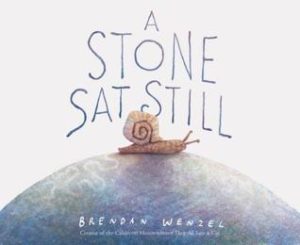
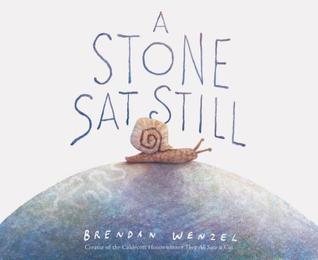
Tuesday: Educators’ Guide for A Stone Sat Still by Brendan Wenzel

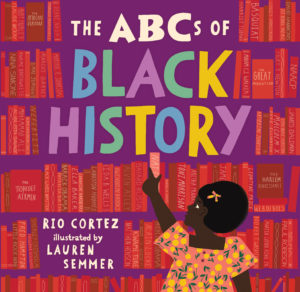
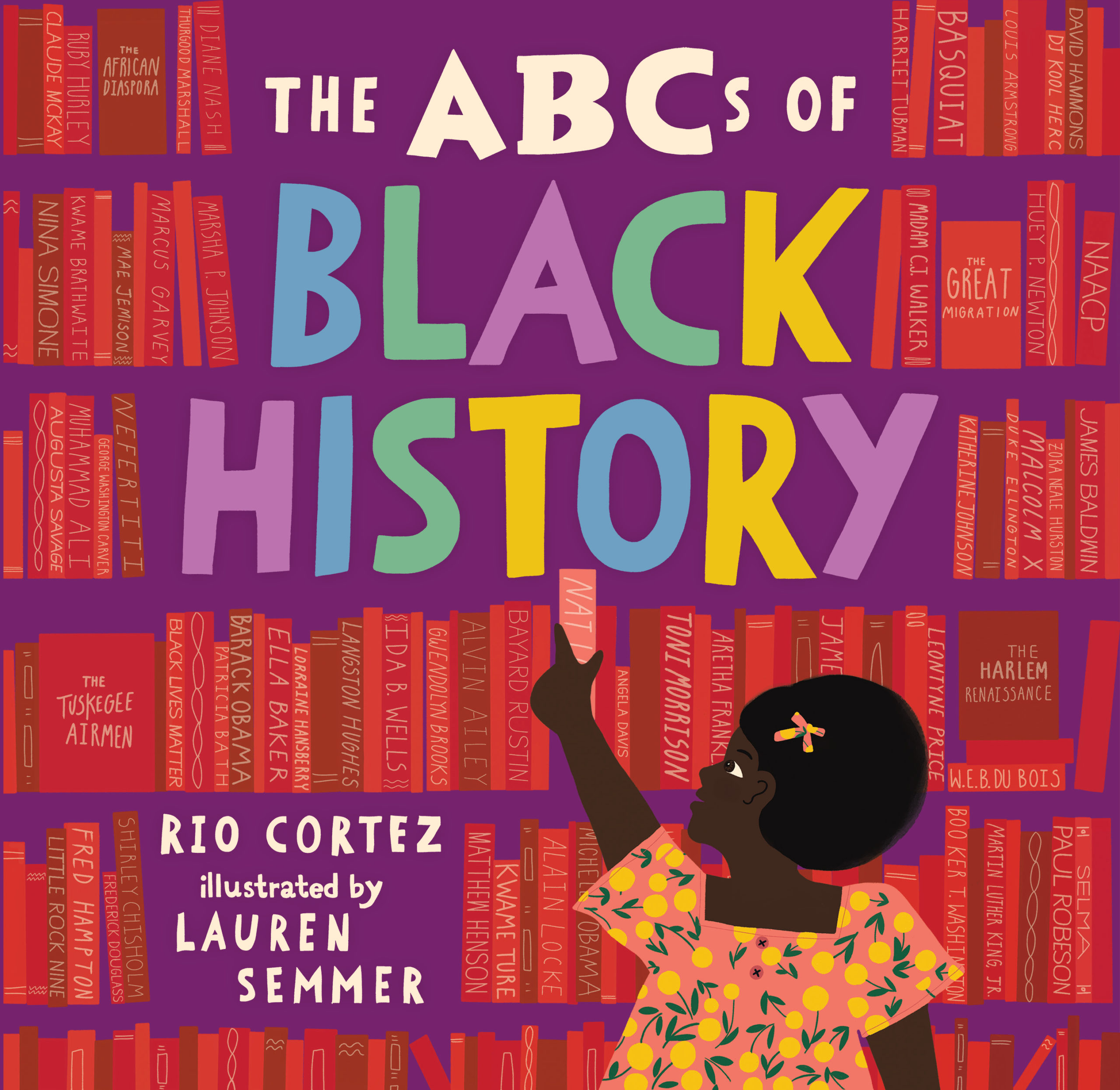
Thursday: The ABCs of Black History by Rio Cortez, Illustrated by Lauren Semmer

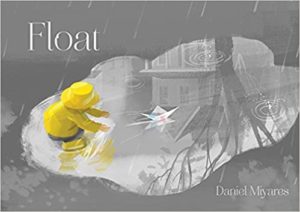
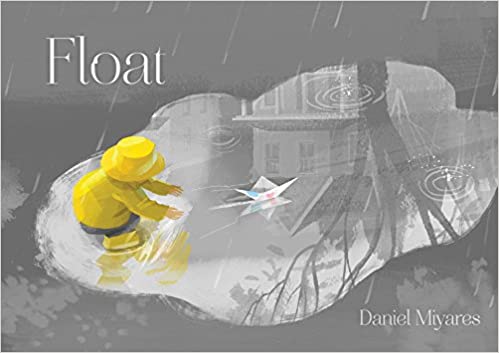
Sunday: Educator Guest Post: “Story Talk: Use Conversation to Fall in Love with a Book–A Reading Resource using Float by Daniel Miyares” by Hillary Wolfe

**Click on any picture/link to view the post**

Bold_line

Kellee

I’m sorry–because of my Schneider reading, I just do not have much to share this week.

I did get some new reading in with Trent this week though!

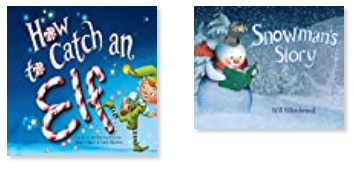
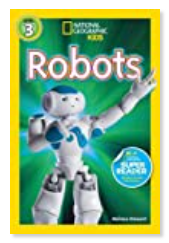
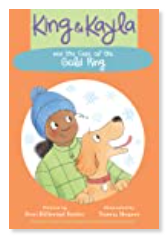
We loved Snowman’s Story, a great wordless picture book for this time of year, and we liked How to Catch an ElfRobots by Melissa Stewart was so informative and sent Trent on a knowledge hunt about robots! And the newest King & Kayla is a great addition to the series.

To learn more about any of these books, check out my 2020 Goodreads Challenge page  or my read bookshelf on Goodreads.

Bold_line

Kellee

Just reading and rereading for the Schneider Family Book Award!

Bold_line

Tuesday: Books Kellee Learned About at the ALAN workshop is SO EXCITED to Read

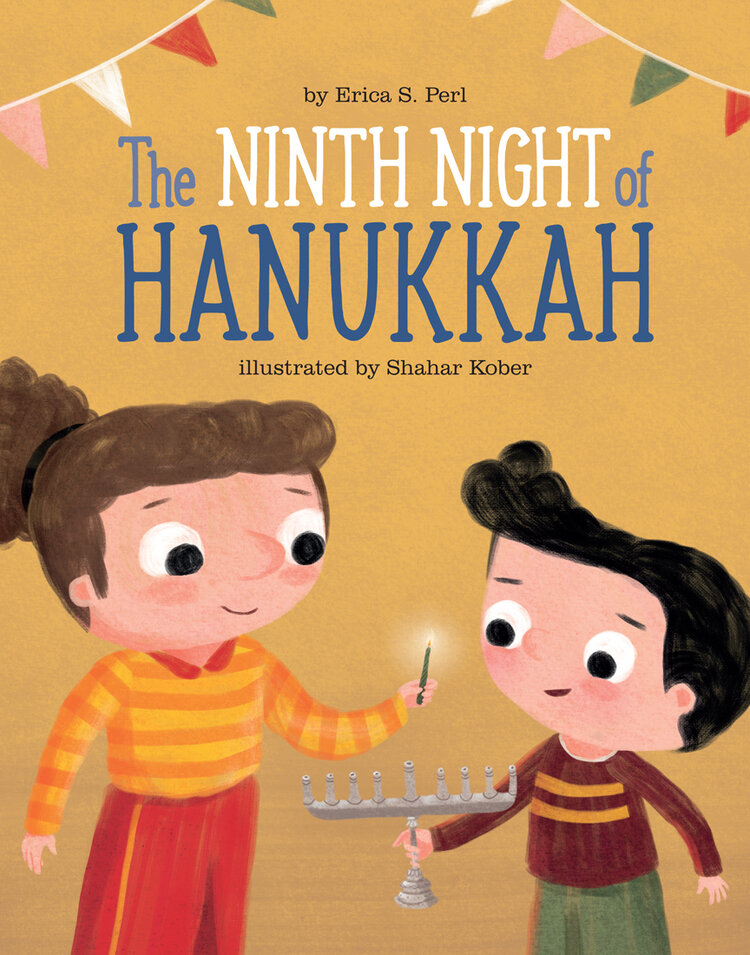
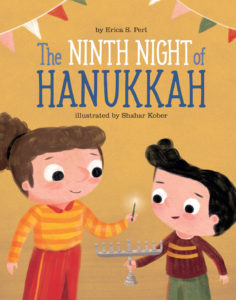
Thursday: Author Guest Post by Erica Perl, Author of The Ninth Night of Hanukkah

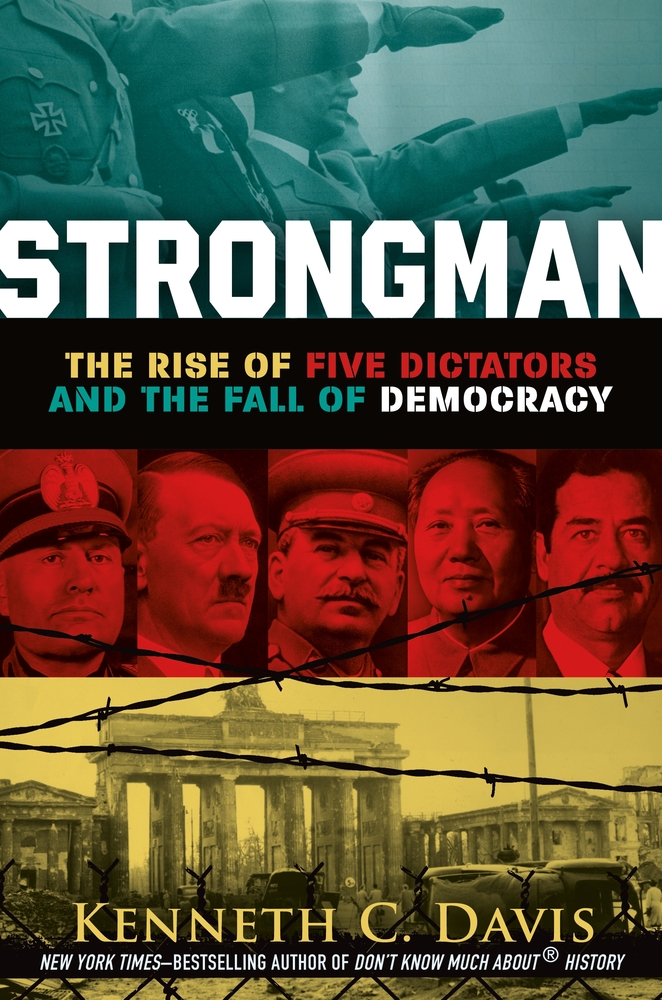
Sunday: Author Guest Post by Kenneth Davis, Author of Strongman: The Rise of Five Dictators and the Fall of Democracy

Bold_line

Link up below and go check out what everyone else is reading. Please support other bloggers by viewing and commenting on at least 3 other blogs. If you tweet about your Monday post, tag the tweet with #IMWAYR!

 Signature andRickiSig

Educator Guest Post: “Story Talk: Use Conversation to Fall in Love with a Book–A Reading Resource using Float by Daniel Miyares” by Hillary Wolfe

Share

“Story Talk: Use Conversation to Fall in Love with a Book–A Reading Resource using Float by Daniel Miyares”

Reading a story with a child is one of the most loving ways to build a relationship. Snuggled up together, you can laugh, feel sad, be curious, and learn something, together. Stories open up worlds and let us see things through the eyes of another. It’s the best way to teach empathy.

The first few times you read a story, just enjoy the experience of saying the words, or looking at the pictures. How is your child responding? Let them just sit with the feelings they have.

But you don’t have to stop there. The real reason to read a story more than once or twice is so you can get to know it better, learn its secrets, discover what it’s trying to tell you. Just like a new friend, the first few times you meet, you just want to have fun. But each time you return to the story, try to learn a little more about it. This is how you fall in love with storytelling, and with reading.

Here’s a secret about authors: They wish they could be in the room with you, talking to you about their story. Since they can’t do that, they leave you clues instead. It’s like a puzzle – can you figure out what the author was thinking about? Why did they use that word, that color, or those images? The author loves it when you take the time to get to know what they are thinking.

Once you feel like you understand howthe author thinks, see if you can determine whythe author thinks that way. What was this story really trying to tell you?

Take a look at the picture book Float by Daniel Miyares. There are no words, but it is most definitely a rich story. The first time you read it, just flip through the pages and ask your child what is happening. What is this story about?

After a few reads, you can stop at a few places on each page and point to something, pose a question, and ponder with your child about the choices that the author or illustrator made. Not only are you getting to know the story better, you are providing your child with a blueprint for how to approach reading. Can they visualize something? Will they make a prediction? Does this story connect with their own life in any way? When children can do these things on their own, they are more likely to stay engaged with reading, and to go beyond the surface to explore deeper understanding.

If you want an example of how this can look, follow the prompts in the figure below. On each page of the story, notice the feature identified under “Stop at…”. Have a conversation about the feature. As you do this, you are modeling great reading strategies, such as Visualizing, Making Predictions, Summarizing, Asking Questions, Inferring, or Making Connections to the text. These conversations are reading skill-builders.

Then, go a little deeper. Ask your child to consider what the author was thinking about, or to try to explain a choice the author made. These questions will help the child understand that behind every story is a human being who just wants a moment of your time to talk to you about something they care about.

In school, teachers will call this “close reading.” Close reading means reading a text more than once, for multiple purposes. First, read to get the gist. What is the story about? Who are the characters? What happens first, in the middle, and at the end?

Next, read for author’s craft. This means paying attention to the word choices the author made, the text structure they chose, the images they used. What was the context for the story? From whose point of view is the story told?

Finally, read to evaluate the ideas from multiple perspectives. What does the story stir up in you? Does it make you want to take an action, or make a change in your own life?

This may sound very dry and academic and like it takes a lot of work. But it doesn’t have to be so formal. It’s a conversation, a way to make friends with a story, and let it into your life. Get to know it, ask it questions, try to understand its point of view. Be a good friend. In return, you may get a companion that will stay with you for a long, long time.

As you read…

Page Suggestions of Places to Pause… Focus on a Reading Strategy… Have a Discussion About…
Inside cover Arrows and dotted lines Visualize: What do the arrows mean? What do the dotted lines mean?

How many sheets of paper will be needed to make this?

Text Structure: What is the author/illustrator showing us?
Title Float Inferring: What did the instructions on the previous page make? (Hint: There’s a clue on the cover)
1-2 Picture: Notice the blue square Inferring: How many people are in the picture? Who do you think they are? Author’s/Illustrator’s Craft: Why is there only a little bit of color on the paper? What does the illustrator want you to notice?
3-4 What the child is wearing; the sky Predicting: What will the weather be like? Author’s/Illustrator’s Craft: Why did the author make the coat and boots the only color in the picture?
5-6 Third panel Questioning: How does the child feel in the first panel? In the second? In the third? Author’s/Illustrator’s Craft: What do the three panels represent?
7-8 Yellow Visualize: Does this look like rainstorms you have seen?

Make Connections: Do you like the rain?

Gist: What is this story about so far?
9-10 Reflections Question: Has the weather changed? Why is the picture of the house and tree upside down? Citing Evidence: How do you know it is still raining?
11-12 Blurred lines, ripples Summarizing: Explain what is happening in this picture. Citing Evidence: How does the author/illustrator show movement?
13-14 Second panel Visualizing: What angle are we seeing the child from? How do you know?

What do the wavy white lines mean?

Gist: What did the rain provide for the boat?
15-16 Child holding his hat; perspective Predicting: Who is faster- the child or the boat?

What will happen to the boat?

Citing Evidence: The child is holding onto the hat. Is it windy or is the child running fast? What are the clues in the picture?
17-18 Child’s pose Summarize: Explain what has happened. Integration of Ideas: How has the child’s feelings about the boat changed so far?
19-20 Top panel Questioning: Did the child see the boat cross the street?
21-22 Child’s pose Predicting: What is about to happen to the boat?
23-24 Child’s face Making Connections: How does it feel to lose something you care about? Author’s/Illustrator’s Craft: The illustrator used the color black and drew a shadow across the boat. Do you think the child will be able to find the boat?
25-26 Water Inferring: Where did the boat go?  
27-28 Third panel Inferring: How does the child feel? Integration of Ideas: The weather has changed again. What is the relationship between the rain and the child’s mood?
29-30 Shadow Visualizing: What time of day is it? Where is the child going?  
31-32 Boat Questioning: Who opened the door? Gist: What do you think the child will tell the adult about what happened?
33-34 First and third panels Making Connections: What do you do when someone you care about is sad? What makes you feel better when you are sad?  
35-36 Pink picture in the paper Predicting: What do you think they will make with the paper? Citing Evidence: Is it morning or night-time? What clues did the illustrator give you?
37-38 Color of the sky; what the child is holding Summarizing: What time of day is it? How do you know?

Predicting: What is going to happen next?

Integration of Ideas: Yellow is a bright color. What does the author/illustrator want us to know about how the child is feeling?
39-40 Child’s pose, clothes Predicting: Was your prediction from the last page correct? Integration of Ideas: What is something you can tell yourself when something makes you sad? What determines if you will be happy or sad?
41-42 Arrows, dotted lines Questioning: Why did this story end this way? Text Structure: How is this page the same as, and different from, the opening page?
Furthering the Conversation
Think about the title. What does the word “float” mean? Explain what it means for a boat or for a plane. How could you use the word “float” to describe an attitude?

Do you have a favorite story that you would like broken down this way? Please send suggestions to Story Talk, a website for engaging in reading conversations. https://hillwolfe.wixsite.com/story-talk, or email me at hw.storytalk@gmail.com.

About Educator Hillary Wolfe: Hillary Wolfe is a Director of Curriculum and Instruction in El Monte, CA, who has worked with students from grades pre-K through 12, and has served as an instructional coach, intervention coordinator, and media specialist. As a classroom teacher, she created a writing curriculum for middle- and high school literacy students reading two or more years below grade level, helping her students achieve substantial gains on state exams. Ms. Wolfe also brings 10 years as a journalist and an education columnist to her understanding of instruction and best practices. She has written books on writing strategies (Capstone 2013/2015), and teachers guides for phonemic awareness activities (Capstone 2017), as well as articles on literacy and intervention in national journals. She has made presentations around literacy for national organizations, and has served as an editor, curriculum writer, and Academic Officer in educational publishing as well as a Coordinator for Academic Interventions for the Orange County Department of Education.

Float
Creator: Daniel Miyares
Published June 9th, 2015 by Simon & Schuster Books for Young Children

About the Book:A boy’s small paper boat and his large imagination fill the pages of this wordless picture book, a modern-day classic from the creator of Pardon Me! that includes endpaper instructions for building a boat of your own.

A little boy takes a boat made of newspaper out for a rainy-day adventure. The boy and his boat dance in the downpour and play in the puddles, but when the boy sends his boat floating down a gutter stream, it quickly gets away from him.

So of course the little boy goes on the hunt for his beloved boat, and when the rain lets up, he finds himself on a new adventure altogether.

This seemingly simply story from Daniel Miyares is enriched with incredible depth and texture that transcend words.

Thank you, Hillary, for this amazing resource!

The ABCs of Black History by Rio Cortez, Illustrated by Lauren Semmer

Share

The ABCs of Black History
Author: Rio Cortez
Illustrator: Lauren Semmer
Published: December 8, 2020 by Workman Publishing Company

Summary: While many alphabet books have tackled a range of social justice topics from consent to feminism, there remains an urgent need to explore through a thoughtful lens how Black history has shaped American culture. The ABCs of Black History is a beautiful representation of the ideas and personalities that embody a wide range of Black people, experiences, and ideas in lively verse matched with vivid imagery.

Written by Pushcart-nominated-poet, Rio Cortez and illustrated by newcomer Lauren Semmer, The ABCs of Black History uses the alphabet as a frame to introduce Black history. Beginning with Anthem—an introduction to James Weldon Johnson’s Lift Ev’ry Voice and Sing—and ending with Zenith, a tribute to the mountaintop Dr. King spoke about before his death, readers will travel across continents and centuries, navigate triumph and heartbreak, and celebrate creativity and joy.

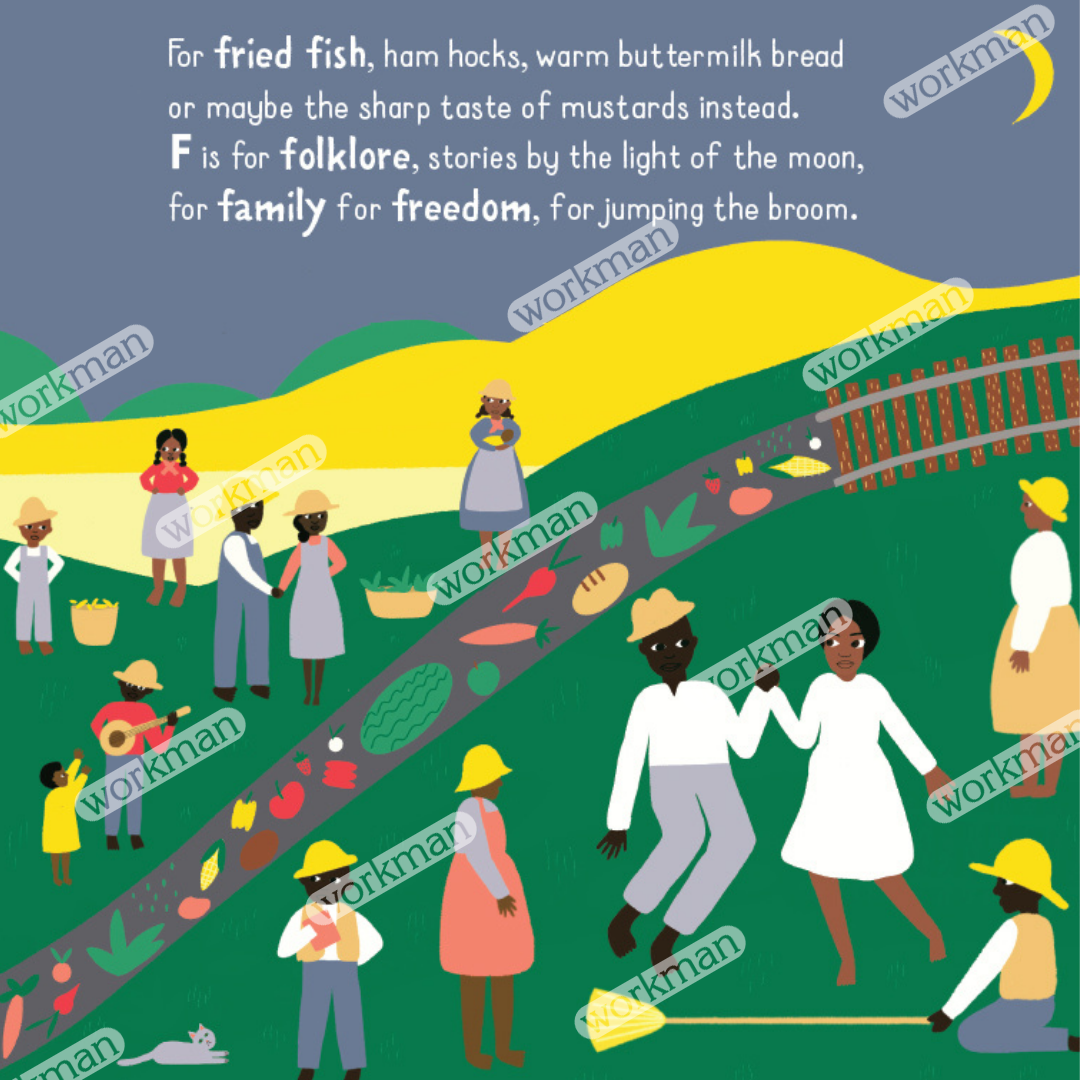
The poetic text introduces big ideas to engage curious minds. Every letter has a rhyming verse, and every spread is a visual feast. F explores the concepts of farming and food. G is for Go! and the Great Migration from the rural South to the urban North. Then the reader lands in Harlem, New York, where they meet Zora Neale Hurston and Langston Hughes. Contemporary moments are included too. M is for march and message, which explores the culmination of movements that have changed the course of history, from the Selma to Montgomery March in 1965 to the Black Lives Matter movement today. And Q is for queens, acquainting readers with powerful women like Leontyne Price, Queen Nandi, Toni Morrison, Michelle Obama, and many more.

The book also includes robust back matter that offers more information on the events, places, and people mentioned in the poem, from Fannie Lou Hamer to DJ Kool Herc, the Little Rock Nine to Sam Cooke.

A necessary addition to every child’s bookshelf, The ABCs of Black History is an exuberant celebration of history, culture, race, and justice.

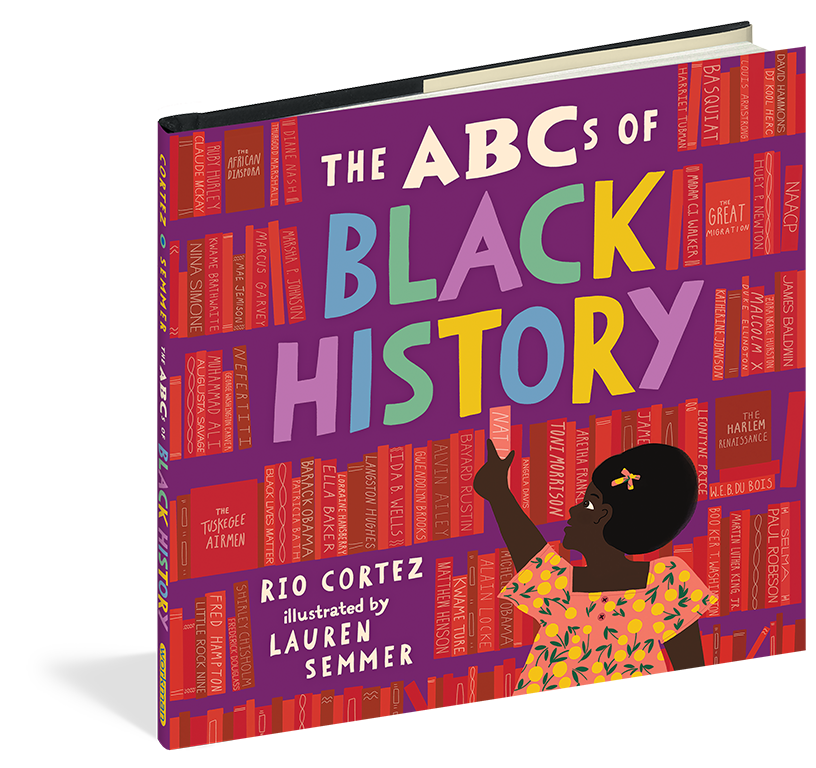
Ricki’s Review: Oh my. This is a powerful book. Every single page is beautifully constructed. I simply cannot imagine how long it took to create this book. It is 64 pages of masterful writing and eye-catching illustrations. To call this an alphabet book would be to undermine everything that it is. Each spread features a different letter with numerous words connected to Black history and written in poetic form. Nine pages of back matter offer further information of all of the people, places, and terms used throughout the book. Thus, a child will hear the lilt of a poetic description in a read aloud, and the back matter offers more learning. I describe a child here, but as an adult, I was absolutely captivated by this text. This book is one to read and love and it is one to gift. Also, in case you missed it, look at the cover! I loved this book and give it my highest recommendation.

Teachers’ Tools for Navigation: Teachers might ask each child to select a letter in the book. They can learn more about the people, places, and terms used and share with peers more information about Black history. Then, they might create their own alphabet books about a topic they are interested in researching.

Discussion Questions: 

  • Which letter spread did you like the most? What did you learn?
  • How does the author incorporate information in a poetic and engaging way?
  • How do the illustrations elevate your understanding of the text?

Flagged Passage: 

E is for explore—to study a place: like Matthew Henson, the Artctic; Mae Jemison, space.

E is for education, for expanding the mind, like Ruby Bridges, Linda Brown, the Little Rock Nine—The first Black children in all-white schools, they opened the doors and challenged the rules.

Flagged Spread:

Excerpted from THE ABCs of BLACK HISTORY by Rio Cortez (Workman Publishing). Copyright © 2020. Illustrations by Lauren Semmer

Read This If You Love: Nonfiction picture books, Black history books, alphabet books, Hidden Figures by Margot Lee Shetterly, Frederick Douglass: The Lion Who Wrote History by Walter Dean Myers, Duke Ellington: The Piano Prince and His Orchestra by Andrea Davis Pinkney, We March by Shane W. Evans, Harlem’s Little Blackbird: The Story of Florence Mills by Renee Watson, Freedom in Congo Square by Carole Boston Weatherford

Recommended For: 

  classroomlibrarybuttonsmall

Educators’ Guide for A Stone Sat Still by Brendan Wenzel

Share

A Stone Sat Still
Author & Illustrator: Brendan Wenzel
Published: August 27th, 2019 by Chronicle Books

Summary: The brilliant follow-up to the Caldecott Honor-winning and New York Times bestselling picture book They All Saw a Cat by Brendan Wenzel!

A Stone Sat Still tells the story of a seemingly ordinary rock—but to the animals that use it, it is a resting place, a kitchen, a safe haven…even an entire world.

This is a gorgeous exploration of perspective, perception, and the passage of time, with an underlying environmental message that is timely and poignant.

• Filled with stunning illustrations in cut paper, pencil, collage, and paint
• Soothing rhythms invite reading aloud and bedtime snuggles
• Introduces concepts like color, size, function, and time in a way that is easily understandable and teachable for children

With a rhythmic, calming narrative about the stone and its place in the world—and the changing environment—A Stone Sat Still proves Brendan Wenzel’s mastery of the picture book form.

Teachers’ Tools for Navigation and Discussion Questions: 

Please view and enjoy the official educators’ guide for A Stone Sat Still (created by me!):

You can also access the teaching guide here.

You can learn more about A Stone Sat Still here.

Recommended For: 

readaloudbuttonsmall classroomlibrarybuttonsmall litcirclesbuttonsmall closereadinganalysisbuttonsmall

Kellee Signature

It’s Monday! What Are You Reading? #IMWAYR 12/7/20

Share

It’s Monday! What Are You Reading?
Sharing Picture Books, Early Readers, Middle Grade Books, and Young Adult Books for All Ages!

It’s Monday! What Are You Reading? is a weekly blog hop co-hosted by Unleashing Readers and Teach Mentor Texts which focuses on sharing books marketed for children and young adults. It offers opportunities to share and recommend books with each other.

The original IMWAYR, with an adult literature focus, was started by Sheila at Book Journeys and is now hosted by Kathryn at The Book Date.

We encourage you to write your own post sharing what you’re reading, link up below, leave a comment, and support other IMWAYR bloggers by visiting and commenting on at least three of the other linked blogs.

Happy reading!

Bold_line

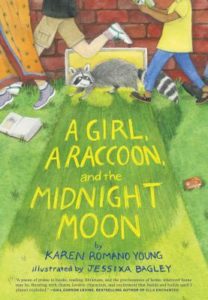
Tuesday: Educators’ Guide for A Girl, a Racoon, and the Midnight Moon by Karen Romano Young, Illustrated by Jessixa Bagley

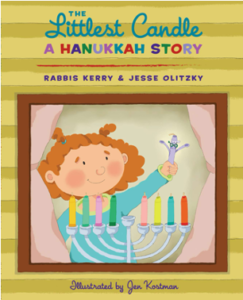
Thursday: Two New Hanukkah Books You Must Read: The Ninth Night of Hanukkah by Erica Perl and illustrated by Shahar Kober & The Littlest Candle by Rabbis Kerry and Jesse Olitzky,  Illustrated by Jen Kostman

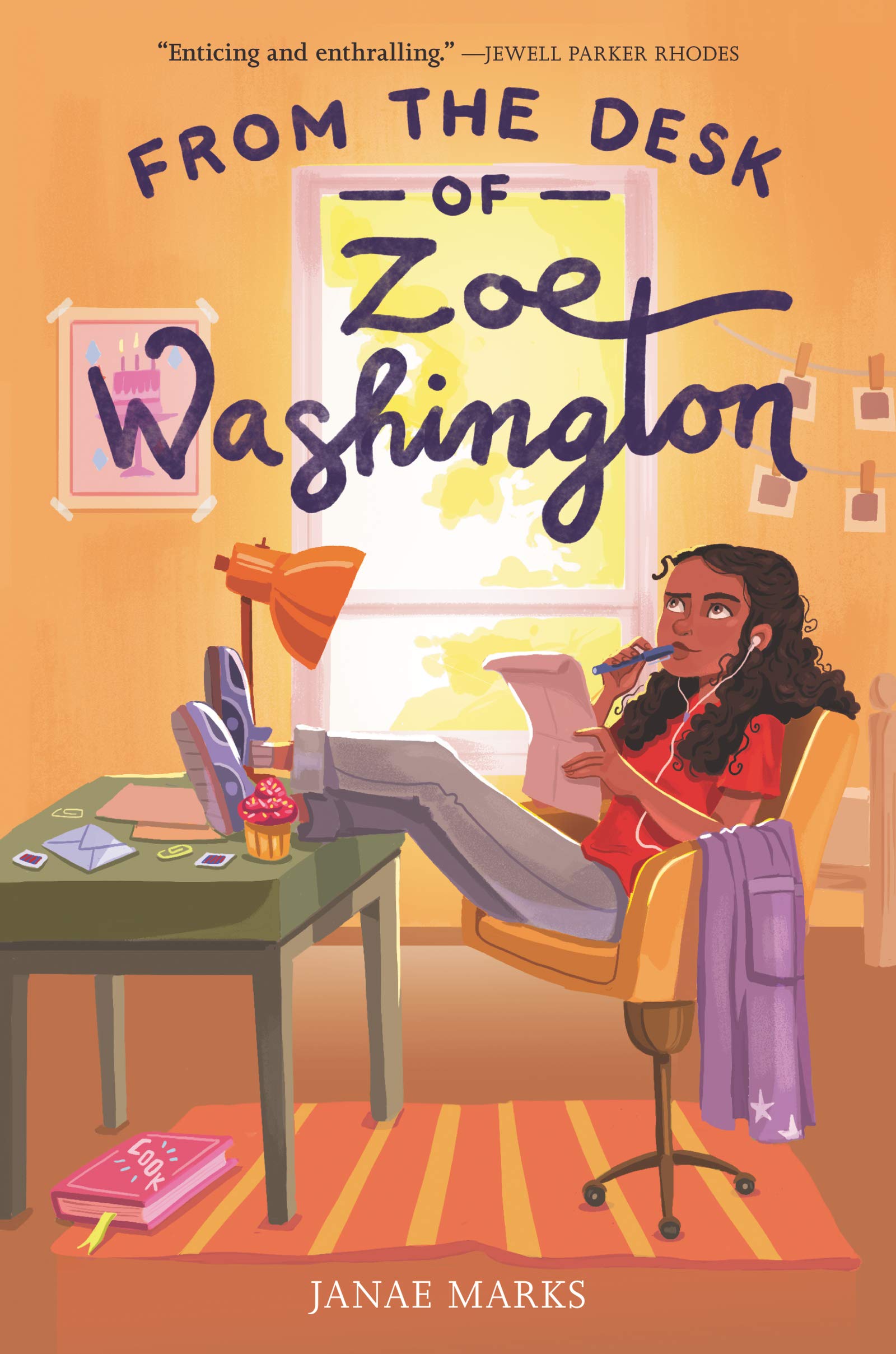
Saturday: Sofia’s Kids’ Corner: From the Desk of Zoe Washington by Janae Marks

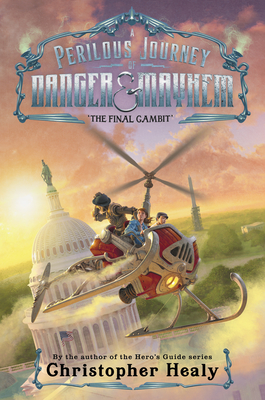
Sunday: “Character Interview with Jasper Bloom” by Christopher Healy, Author of The Final Gambit (A Perilous Journey of Danger and Mayhem #3)

**Click on any picture/link to view the post**

Bold_line

Kellee

Here’s the books that Trent and I read this week. There is not a dud in this bunch!

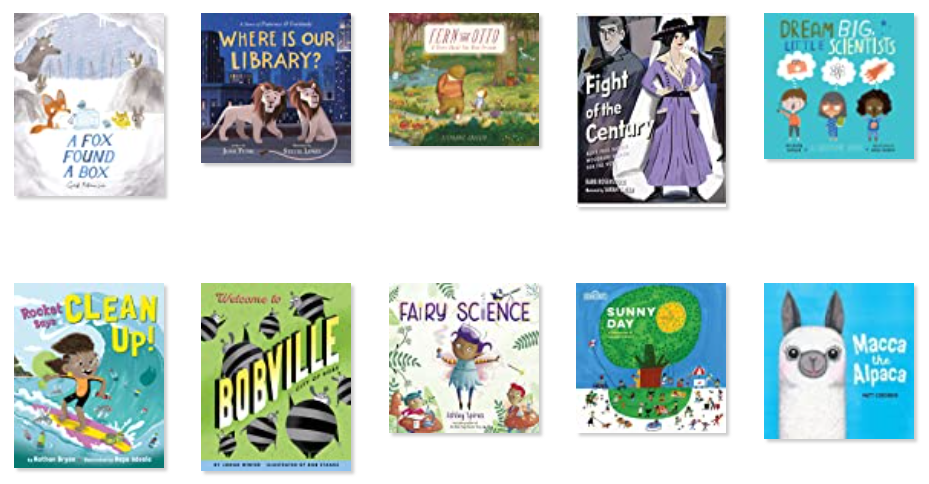
  • Reading Dream Big, Little Scientists 6 months ago versus this time was a completely different experience! The first time it was definitely just a bedtime story–this time it was a deep dive into all of the scientific fields found in the book. I loved listening to Trent’s curiosity and knowledge about each discipline!
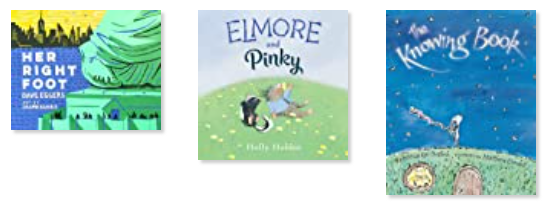
  • I personally loved Dream Fight of the Century and Her Right Foot so much when I read them, so I was glad that Trent chose them from his shelf!
  • I also ADORED the Sunny Days book! We read it while listening to the theme song because you can’t read it without singing it!
  • Where is Our Library? Shows us that once again, Josh Funk can do no wrong. 
  • The second Rocket book is as good as the first! I love her as a kid so much–she shows everything that is good in children!
  • A Fox Found a  Box is a perfect lesson in finding beauty around you, and I love Ged Adamson’s art.
  • Bobville was a great mixture of funny and lesson!
  • Fern and Otto is a MUST GET for my elementary teachers and librarian friends. Great allusions to nursery rhymes, beautiful illustrations, a solid story, and an important lesson!
  • Fairy Science is a fun introduction to the scientific method!
  • Macca the Alpaca is a good book to discuss bullying but with cute alpacas!
  • Elmore and Pinky is about friendship and how everyone has a someone out there.

To learn more about any of these books, check out my 2020 Goodreads Challenge page  or my read bookshelf on Goodreads.

Ricki

Two favorites from this week:

Ahh! I am really excited about The ABCs of Black History by Rio Cortez. Full review to come this Thursday.

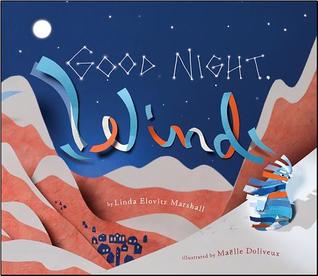
Good Night, Wind by Linda Elovitz Marshall is a retelling of a Yiddish folktale. The illustrations are photos of dioramas. The day after I read this one to my kids, I caught my 4yo sitting in the corner and rereading it—he was slowly turning the pages to soak in the beauty of this one.

Bold_line

Kellee

I am reading for Schneider, so cannot share everything I am reading right now…. However, I look forward to sharing Trent and my reading!

Ricki

Now that my book is turned in, I am doing a new study, which involves a lot of rereading of Indigenous YAL.

Bold_line

Tuesday: Educators’ Guide for A Stone Sat Still by Brendan Wenzel

Thursday: The ABCs of Black History by Rio Cortez, Illustrated by Lauren Semmer

Sunday: Educator Guest Post: “Story Talk: Use Conversation to Fall in Love with a Book–A Reading Resource using Float by Daniel Miyares” by Hillary Wolfe

Bold_line

Link up below and go check out what everyone else is reading. Please support other bloggers by viewing and commenting on at least 3 other blogs. If you tweet about your Monday post, tag the tweet with #IMWAYR!

 Signature andRickiSig

Author Guest Post: “Character Interview with Jasper Bloom” by Christopher Healy, Author of A Perilous Journey of Danger & Mayhem #3—The Final Gambit

Share

Character Interview: A Perilous Journey of Danger & Mayhem—The Final Gambit

On the occasion of the publication of The Final Gambit, the third installment of the Perilous Journey of Danger & Mayhem trilogy, author Christopher Healy will be interviewed by one of the characters from that series, humble ashman turned heroic sidekick, Jasper Bloom.

Jasper: Okay, I will not take offense to being called a character, because I most certainly am one—as in, look at that Jasper Bloom, ain’t he charming, he is such a character. Nor do I have any problem with most of the other words in that sentence: Humble? Yes. Heroic? Yes. Ashman? Well, to be truthful, I got fired from my job at the ash dump after I missed several days of work on account of I was helping save a certain pair of children from a certain villain who tried to destroy New York in the first book of a certain series. But anyways, I must note my objection to the term, “sidekick.” Jasper Bloom is not sidekick material. Now, if you wanna call Balthazar Birdhouse a sidekick, well, you’d better think twice about that too, ‘cause the man wouldn’t take kindly to it. One time at the dump, I referred to him as my “handy helper” and the man swore revenge with a scheme that involved a water hose, three grapefruit, and an angry chihuahua. You shoulda seen the way—

Christopher Healy: Um, Jasper? Excuse me, but aren’t you supposed to be asking me questions?

Jasper: I’m getting to it! For someone whose job is making up words, you sure don’t want anybody else getting any in, do you?

Christopher Healy: That’s not what I—

Jasper: So, tell me: Why did you set your story in 1883?

Christopher Healy: It was the Golden Age of Invention. And this is a story that revolves greatly around inventors and their inventions. But 1883 was also a very difficult time in history for women to get recognized for their work, which is why so many of the characters—

Jasper: Thank you! I would have also accepted, “Because that’s when Jasper Bloom was around.” Next question! Tell me some new and exciting bits of business from this third book that we haven’t seen in the first two books. I apologize—that wasn’t really a question. It was more of a command. But I do expect you to follow through on it.

Christopher Healy: Well, there are cowboys. And a museum heist. And a swamp man.

Jasper: Ooh, like one of them monsters that are all green and weedy and shamble around like an angry salad?

Christopher Healy: I think you’re thinking of the trolls from my other books. No, this is just a man who lives in a swamp in Florida.

Jasper: Ooh, I lived in a Florida swamp once too. If by “Florida,” you mean “Central Park.” And by “swamp,” you mean “a big flowerpot.” And by “lived in” you mean “fell asleep in after I got tired of chasing Balthazar Birdhouse all over the city and shouting at him to give me my good spatula back.”

Christopher Healy: I didn’t mean any of that.

Jasper: Fair enough. So, tell me. Is there going to be another Perilous Journey book after The Final Gambit?

Christopher Healy: No. That’s why it’s called The Final Gambit.

Jasper: Hmmph! Tell that to Sherlock Holmes! Man appears in a story called “The Final Problem,” falls off a cliff, and then—abra-kazam!—he’s in like forty more stories after that.

Christopher Healy: Um, that’s true, but—Hey, wait a minute. The character of Sherlock Holmes wasn’t even created until 1887. How do you know about—

Jasper: That’s all the time we have for today, folks! In closing, I would just like to say that this book series, A Perilous Journey of Danger & Mayhem, has a whole lot more than just danger and mayhem. It’s got action and humor and mystery. It’s got flying vehicles, and talking robots, and heroic ashmen (though not in nearly enough scenes, if you ask my humble opinion). It’s got devious, villainous scoundrels that try to pull off some nasty stuff that even Balthazar Birdhouse would think twice before trying. It’s got exotic locations, like Antarctica and Ohio. It’s got historical folks like Thomas Edison and Chester A. Arthur and other people who act in way you might not be expecting them to act if you’ve only ever read about them in history books. And it’s got a couple of spunky kid heroes that even a man of my expertise and abilities is constantly impressed by. I suggest you read it.

Christopher Healy: Why, thank you, Jasper. That was very kind of you to say.

Jasper: You are most welcome. Now, if I could just grab you for a moment, I have a spinoff idea I would like to run by you.
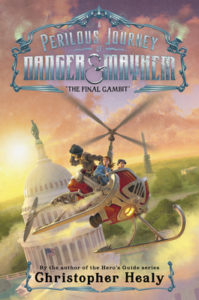
Published December 1st, 2020 by Walden Pond Press

About the Book: The thrilling conclusion to Christopher Healy‘s funny, action-packed, acclaimed alt-history adventure!

It is 1884, and Molly and Cassandra Pepper, Emmett Lee, and Emmett’s long-lost father are sailing back to New York following their death-defying adventure in Antarctica. Having discovered a subterranean world at the South Pole while saving the world from certain doom once again, surely their accomplishments will finally earn them the recognition they deserve.

Unless, of course…well, you know by now.

And so do the Peppers and Lees. They’re used to having their deeds covered up by the government in order to protect powerful men, and frankly, they’re sick of it. And when their return to New York doesn’t go the way they’d planned, they decide that maybe it’s best to go into hiding and accept that, perhaps, the forces aligned against them are just too great.

As the 1884 presidential election approaches, however, our heroes discover a plot against leading candidate Thomas Edison that only they can stop. It’ll be up to them to decide whether to come out of hiding, make the perilous journey to Washington, DC, and do the right thing one last time. Even if it means risking everything they have left.

About the Author: Christopher Healy is the author of The Hero’s Guide to Saving Your Kingdom series and A Perilous Journey of Danger & Mayhem trilogy. Before becoming a writer, he worked as an actor, an ad copywriter, a toy store display designer, a fact-checker, a dishwasher, a journalist, a costume shop clothing stitcher, a children’s entertainment reviewer, and a haunted house zombie. He lives in New Jersey with his wife, two children, and a dog named Duncan. You can visit him online at www.christopherhealy.com.

Thank you, Christopher, for this hilarious piece–anyone who reads it can see the humor that you bring to your adventures!

Sofia’s Kids’ Corner: From the Desk of Zoe Washington by Janae Marks

Share

Sofia is an 9-year-old brilliant reader who aspires to be a book reviewer. On select Saturdays, Sofia shares her favorite books with kids! She is one of the most well-read elementary schoolers that we know, so she is highly qualified for this role!

Dear readers,

I have just finished reading this amazing book about a girl who would stop at nothing to find out the truth about her father! It is called From the Desk of Zoe Washington by Janae Marks! This book is recommended for ages 8-12.

On Zoe’s twelfth birthday she finds out that her father is sending her letters from jail when she accidentally finds one in the mail. Zoe is confused by the letter because it says that her father had written more letters and decides to keep the letter secret and answer it. She does that because her mom refuses her to have any contact with her dad because of the crime he is in jail for. She knows that her mom will forbid her to write any more letters the second she tells her she has been writing letters to her father. In her reply to the letter she asks a bit about him. Zoe is also an excellent baker, like her father and wants to enter The Kids Bake Challenge!. She asks her mom and her new dad if she can, but they say maybe. They allow her to work at Ari’s Cakes so her mother’s friend, Arianna, can teach Zoe some of her baking tricks. They also say if Arianna gives her a good review then she would probably be able to enter The Kids Bake Challenge!. When Zoe is ready to mail her letter she goes to the street’s mailbox so her parents won’t see the letter. Her dad, named Marcus, keeps on writing her letters and Zoe sends some back along with questions. But one time Zoe’s grandma sees one of Zoe’s letters to Marcus when she is on her way to mail it! Will Zoe get in humongous trouble or will her grandmother be kind about it?

I loved this book so so so much because of how well it was written and how much joy it gave me reading it. I couldn’t put this book down because of the amazing suspense, action and normal life drama that was in it. There were so many cliffhangers in the story, it was just great! Too good for words to express! I loved every second of the journey through this book. I also loved it because of Zoe’s personality. The fact that Zoe was curious, courageous and smart made the book very interesting. It also meant that she would keep digging for the truth about her father no matter how impossible it was. I also loved this book because Zoe’s passion for baking and creating recipes carried on to me and she even inspired me to make up a recipe, Nutella swirl Cupcakes! My mom had a recipe for vanilla cupcakes and I simply just added my favorite thing… Nutella! I’ll include the recipe in case you want to try it out.

Nutella swirl cupcakes recipe

Ingredients

  • 1 ½ sticks unsalted butter
  • 1 cup of sugar
  • 2 eggs
  • 2 teaspoons vanilla extract
  • 2 ½ teaspoons of baking powder
  • ¼ teaspoon salt
  • 2 ½ cups of flour
  • 1 ¼ cups of milk
  • 15 teaspoons of Nutella

Instructions

Grab a big bowl and mix butter, eggs and sugar together. Add vanilla. Grab a medium sized bowl and mix flour, baking powder and salt. Mix all into the big sized bowl using spoonfuls each time of the medium bowl and use the mixer to stir around and add milk. Put into cupcake forms. Add one teaspoon of Nutella into each cupcake (you should have about 15) and twirl with a toothpick. After all that put the cupcakes in your oven and bake at 375 degrees for twenty minutes. Let cool and Voila! You baked Nutella swirl cupcakes! Enjoy!

If you absolutely loved this book then I would definitely recommend Front Desk by Kelly Yang! I have already written a book review about that book so click on the link here Front Desk book review  to see the review! I make this recommendation because they are kind of alike in the characteristics of the main characters. Mia in Front Desk is just as courageous and smart as Zoe in From the Desk of Zoe Washington.

**Thanks so much to Sofia for this terrific review!**