Author Guest Post: “I Write About the Real World and Real Feelings… by Using Magic” by Corey Ann Haydu, Author of Hand-Me-Down Magic Series

Share

“I Write About the Real World and Real Feelings… by Using Magic”

I like to say that I write about myself without writing about myself, that I try to understand my feelings by writing about someone else’s very similar feelings.

And I use magic to do it.

I have never owned a second hand shop filled with cuckoo clocks and birdcages and patchwork purses and chandelier earrings. I have never participated in an end of the school year parade, and, regrettably, I didn’t have a cousin who lived in the apartment downstairs from me when I was growing up. And most of all, as much as I wish I could, I have never witnessed magic. At least not the kind that shows up in my books. Not the magic passed down through generations, not the kind of magic that the best friend cousins of my HAND-ME-DOWN MAGIC series encounter in book after book.

But. I did have a best friend growing up, and we did it get into fights. I did have family that I sometimes felt part of and sometimes felt confused about my place in. I did feel jealous when a friend had something I wanted, and I did feel scared when things didn’t feel entirely in my control. Some of those things—fighting with a friend, feeling jealous or scared or left out or uncertain about who you are—are a little bit scary. Uncomfortable. Hard to talk about, and harder still to write a whole book or series of books about. When I am feeling those hard and scary and uncomfortable feelings, for myself or for my characters, I know it’s time for magic.

When something feels hard to look at straight on, I introduce a bit of magic to help make it easier to understand. Because there’s a lot about the world I don’t understand! There’s a lot about my characters’ worlds that I don’t understand right away. I don’t know when I first start writing why a particular bag in a particular shop window could make someone feel like they would become the best version of themselves if only they had it over their shoulder. And I don’t know why someone else’s happiness can sometimes feel like a personal slight. Or why it is hard to share in that happiness sometimes. I don’t even really know how to solve those problems, or any of the strange and awkward and tricky and uncomfortable problems that arise simply from being a person in the world interacting with other people. But I do know that many of us think we aren’t supposed to talk about those messier parts of our hearts and friendships and lives. And I do know that if I add magic, the conversation becomes easier.

I don’t try to hide the truth in my books—that doesn’t feel fair to anyone—me or my readers or the characters I spend so much time writing and falling in love with. But I try to make the truth easier to understand, easier to look at straight on, easier to manage. Magic helps manage hard truths—big ones, sure, but small ones too, little moments where your heart hurts or you are blushing and wish you weren’t, or your best friend is making you mad or sad or uncomfortable and you don’t know why. Look! Look at me! Magic says in those hard moments in my books,  I’m here too! Maybe I can help? Maybe I can explain it? Or maybe I just make things a little lighter, a little prettier, a little more interesting than regular old life is.

Sometimes, I use magic to make a feeling bigger: what if Alma feels a little left out of her family life, not just because she hasn’t lived in the same home as them ever before, but also because the rest of them have a belief in magic that she just can’t seem to muster?

It’s an added layer to bulk up the feelings I want to discuss. A way to turn up the volume on the circumstances, so make sure they come through loud and clear.

Sometimes, I use magic to make the feeling easier: Someone I loved did something mean to me: maybe it was because of magic?

Mostly I use magic to make things easier to talk about: Life is confusing and big and hard to understand and not in our control and that is scary. But Del doesn’t want to say all of that. Or even think it. Del is scared of a crystal ball telling fortunes that come true in tricky ways. Let’s talk about that, and maybe it will show us some other things along the way.

Magic is sneaky. Maybe when we talk about Del’s fear of her crystal ball, we can start talking about other things that happen unexpectedly or other times we think something bad might be our fault. Magic lets a conversation evolve naturally, instead of going right to the center of things. Magic is a beautiful and fun and silly and shiny way in to the scary things.

It is easier to talk about the world—a world which is sometimes very challenging and uncomfortable and sometimes even a bit sad and lonely, especially lately—when there is a mix of the familiar and the mysterious. A mix of real life and magic. A combination of the things we understand and the things we never fully will. Magic, when done well, is the bridge between those two things.

Using a bit of magic to talk about the real world reminds me of an old fashioned radio dial. Magic can turn things up or down, it can cut through the static, it can help you search for the story you want to hear, it is a tool in the toolbox of a writer, and a reader, and a person in the world, when you are a bit lost and bit frightened and a bit unsure. I am those things pretty often. That’s why I use magic so much!

The truth is—I’m a writer and a reader and a parent and a person in the world, and I’m just as flummoxed as everyone else, about why things are the way they are or feel the way they feel. Magic helps me make sense of it all too, it gives me a little space and perspective, a new angle at which to look at my character’s circumstances. Which in turn helps me make sense of my own. I believe it can help make sense of things for young readers, too. Magic can bring order to the mess and can put a magnifying glass to the tiny tricky details. It can amplify what we need to look at more closely, a quiet what feels too scary to approach head on.

We all want to reach young people, we all want a way in. For me, magic is the way.

Maybe it can be for you too.
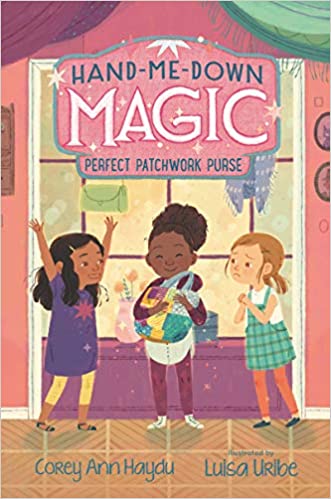
Hand-Me-Down Magic: Perfect Patchwork Purse
Author: Corey Ann Haydu
Illustrator: Luisa Uribe
Published May 4, 2021 by Katherine Tegen Books

About the Book: Family magic saves the day for best-friend-cousins Del and Alma in the third Hand-Me-Down Magic book! With adorable illustrations and short, easy-to-read chapters, this series is perfect for fans of Ivy & Bean and Dory Fantasmagory.

Almaknew it the first time she saw it: The patchwork purse in the window of the Curious Cousins Secondhand Shoppe was magical. Special. Perfect. But when her friend Cassie spots the purse and buys it, what could Alma do but agree that the purse really did look just right on Cassie?

Del decides it’s up to her to bring some homespun magic back into Alma’s life, and she’s got just the plan to do it. After all, she is the EXPERT on magic!

All she needs is some glitter and lots and lots of glue . . . because she knows magic can always come from the most unexpected places, but most importantly, that best-friend-cousins never let each other down.
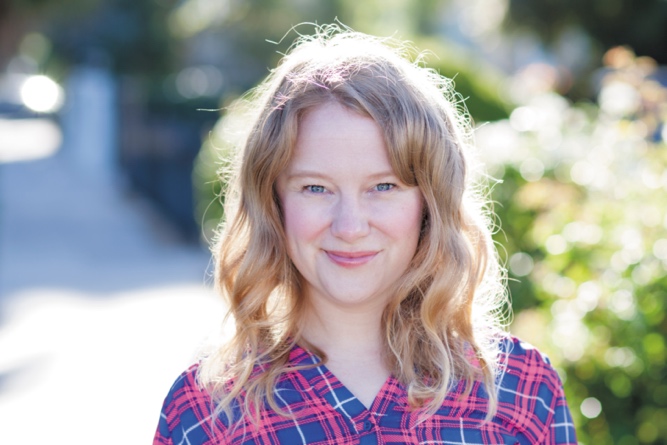
About the Author: Corey Ann Haydu is the author of EventownThe Someday Suitcase, and Rules for Stealing Stars and four acclaimed books for teens. She grew up in the Boston area, earned her MFA at the New School, and now lives in Brooklyn, New York, with her dog Oscar. Find out more at www.coreyannhaydu.com.

Thank you, Corey, for sharing how you use magic to tackle what is real!

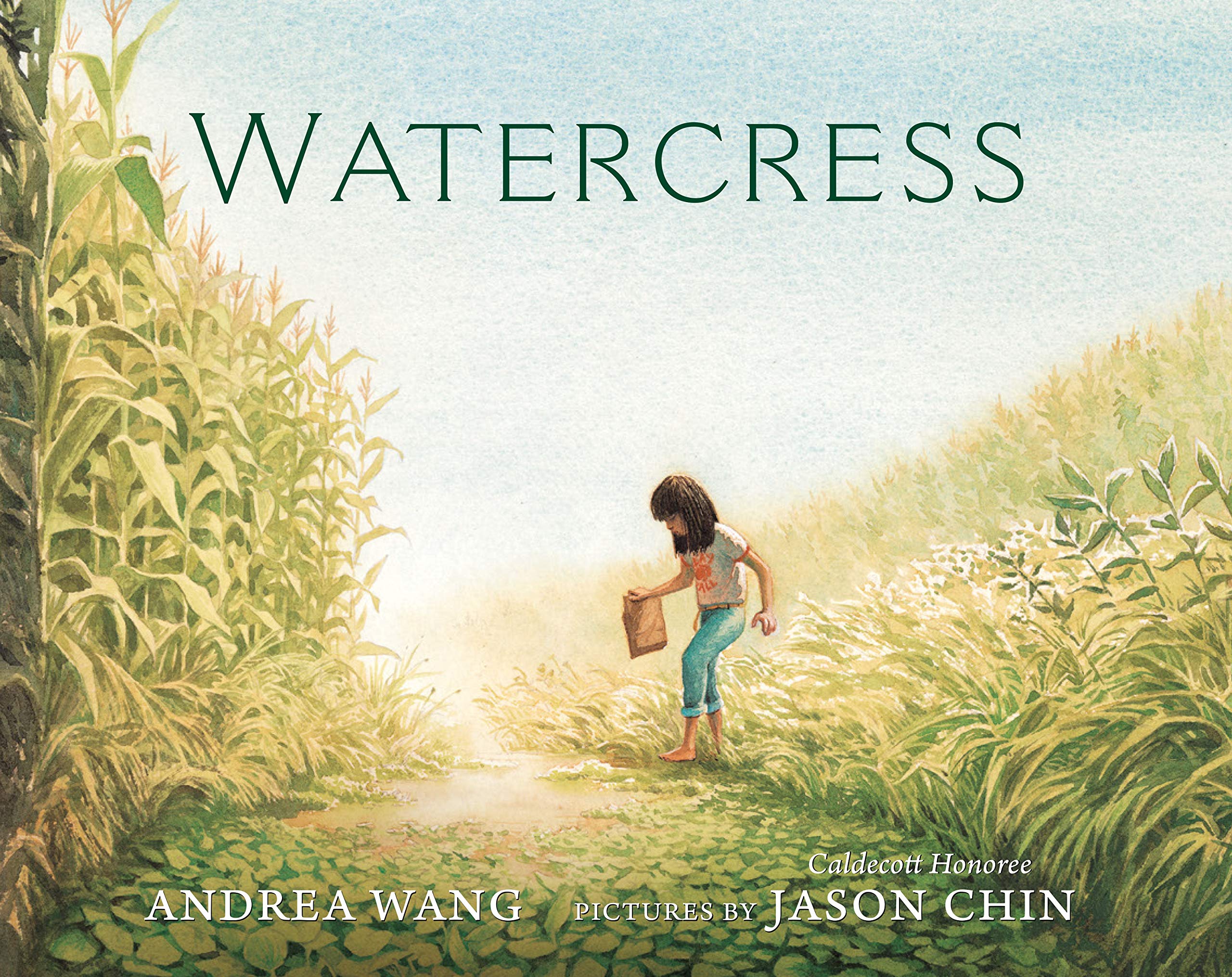
Watercress by Andrea Wang, Illustrated by Jason Chin

Share

Watercress
Author: Andrea Wang
Illustrator: Jason Chin
Published: March 30, 2021 by Neal Porter Books

Summary: Gathering watercress by the side of the road brings a girl closer to her family’s Chinese Heritage.

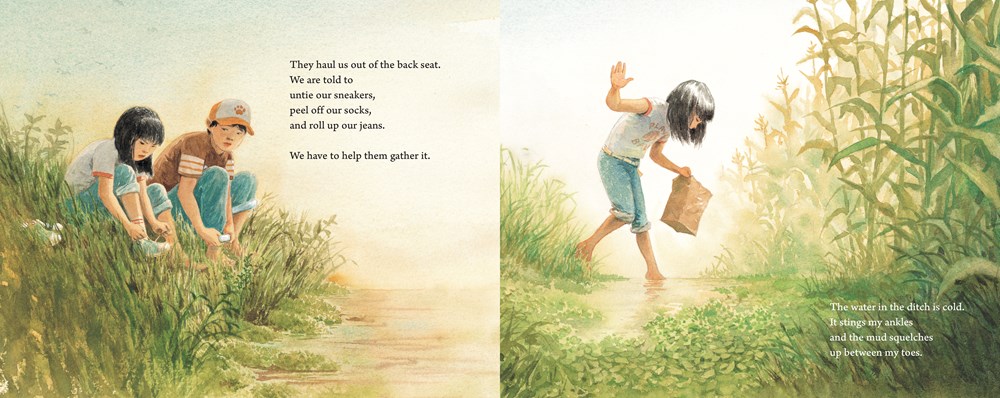
Driving through Ohio in an old Pontiac, a young girl’s parents stop suddenly when they spot watercress growing wild in a ditch by the side of the road. Grabbing an old paper bag and some rusty scissors, the whole family wades into the muck to collect as much of the muddy, snail covered watercress as they can.

At first, she’s embarrassed. Why can’t her family get food from the grocery store? But when her mother shares a story of her family’s time in China, the girl learns to appreciate the fresh food they foraged. Together, they make a new memory of watercress.

Andrea Wang tells a moving autobiographical story of a child of immigrants discovering and connecting with her heritage, illustrated by award winning author and artist Jason Chin, working in an entirely new style, inspired by Chinese painting techniques. An author’s note in the back shares Andrea’s childhood experience with her parents.

A Junior Library Guild Gold Standard Selection!

Ricki’s Review: This book took my breath away. A girl’s family stops by the side of the road, and she is embarrassed as they fill paper bags with muddy watercress and eat it for dinner. Her mother shares a story of her childhood and talks about a brother who has passed on. I will be recommending this book over and over again. The story is stunningly written and captures painful memories that are passed intergenerationally. The author writes that it is “both an apology and a love letter” to her parents. I imagine the story would make her parents very proud. There is a bond between the family that reaches off the pages and pulls readers into the story. I highly recommend this book.

Teachers’ Tools for Navigation: Teachers might use this book to ask students to share moments that they were embarrassed about a family or friend situation. They might then add layers to that story–what do these stories tell? How do these stories reveal layers of their lives?

Discussion Questions: 

  • How does the author write about emotion? What feelings does the narrator have, and how do these feelings change?
  • How are stories passed intergenerationally?
  • What does the narrator learn, and how does this knowledge change her?

Flagged Spread:


Read This If You Love: Fry Bread: A Native American Family Story by Kevin Noble Maillard; A Big Mooncake for Little Star by Grace Lin; Eyes that Kiss in the Corners by Joanna Ho

  classroomlibrarybuttonsmall

**Thank you, Sara, from Holiday House and Pixel+Ink for sending a copy for review!**

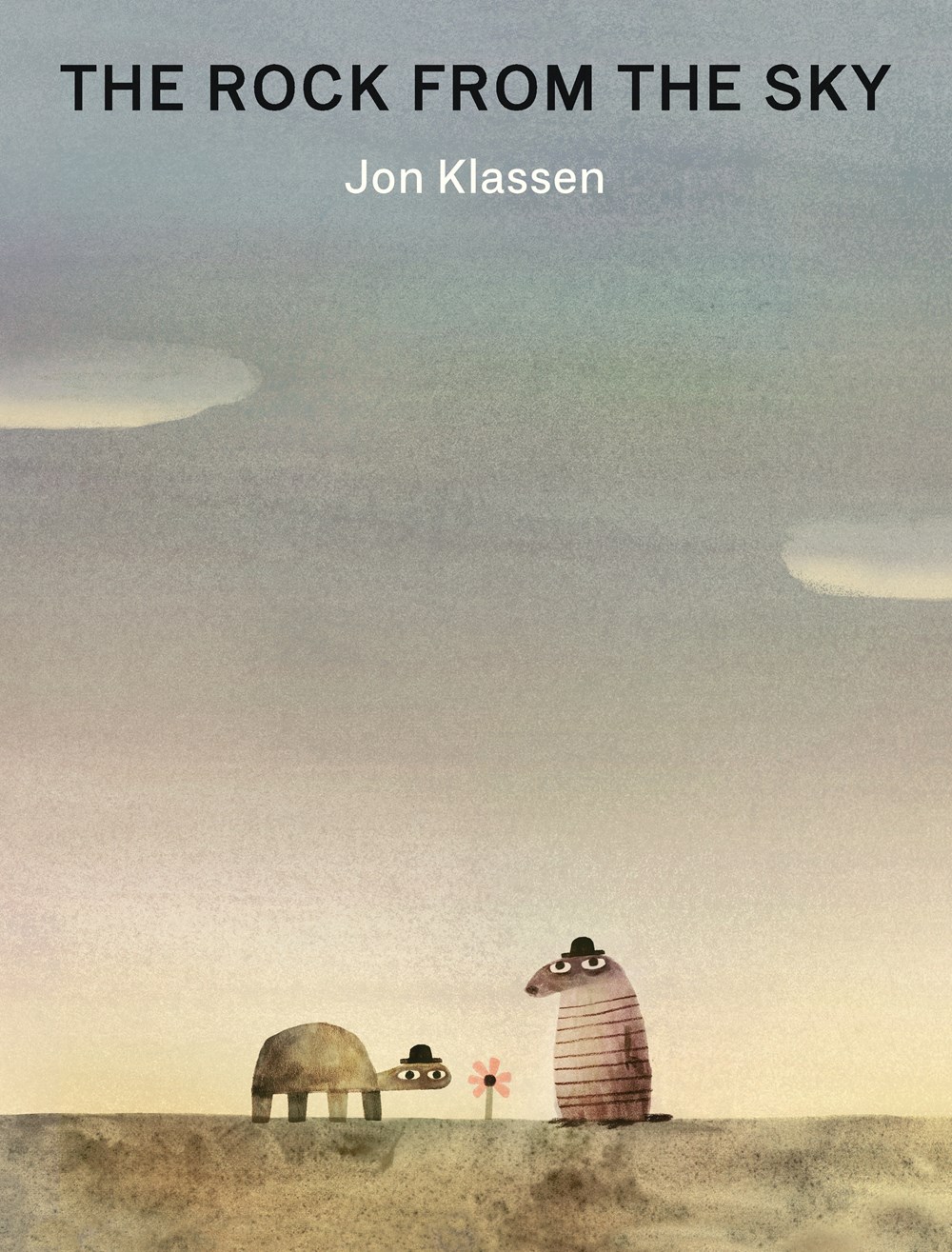
Educators’ Guide for The Rock from the Sky by Jon Klassen

Share

The Rock from the Sky
Author & Illustrator: Jon Klassen
Published: April 13, 2021 by Candlewick Press

Summary: Look up!

Turtle really likes standing in his favorite spot. He likes it so much that he asks his friend Armadillo to come over and stand in it, too. But now that Armadillo is standing in that spot, he has a bad feeling about it . . .

Here comes The Rock from the Sky, a meditation on the workings of friendship, fate, shared futuristic visions, and that funny feeling you get that there’s something off somewhere, but you just can’t put your finger on it.

Teachers’ Tools for Navigation and Discussion Questions: 

Please view and enjoy the teachers’ guide I created for Candlewick Press for The Rock from the Sky:

You can also access the teaching guide here.

You can learn more about The Rock in the Sky on Candlewick’s page.

Recommended For: 

readaloudbuttonsmall classroomlibrarybuttonsmall litcirclesbuttonsmall closereadinganalysisbuttonsmall

Kellee Signature

It’s Monday! What Are You Reading? #IMWAYR 5/10/21

Share

It’s Monday! What Are You Reading?
Sharing Picture Books, Early Readers, Middle Grade Books, and Young Adult Books for All Ages!

It’s Monday! What Are You Reading? is a weekly blog hop co-hosted by Unleashing Readers and Teach Mentor Texts which focuses on sharing books marketed for children and young adults. It offers opportunities to share and recommend books with each other.

The original IMWAYR, with an adult literature focus, was started by Sheila at Book Journeys and is now hosted by Kathryn at The Book Date.

We encourage you to write your own post sharing what you’re reading, link up below, leave a comment, and support other IMWAYR bloggers by visiting and commenting on at least three of the other linked blogs.

Happy reading!

Bold_line

Tuesday: Chickens on the Loose by Jane Kurtz, Illustrated by John Joseph

Thursday: Already a Butterfly: A Meditation Story by Julia Alvarez, Illustrated by Raúl Colón

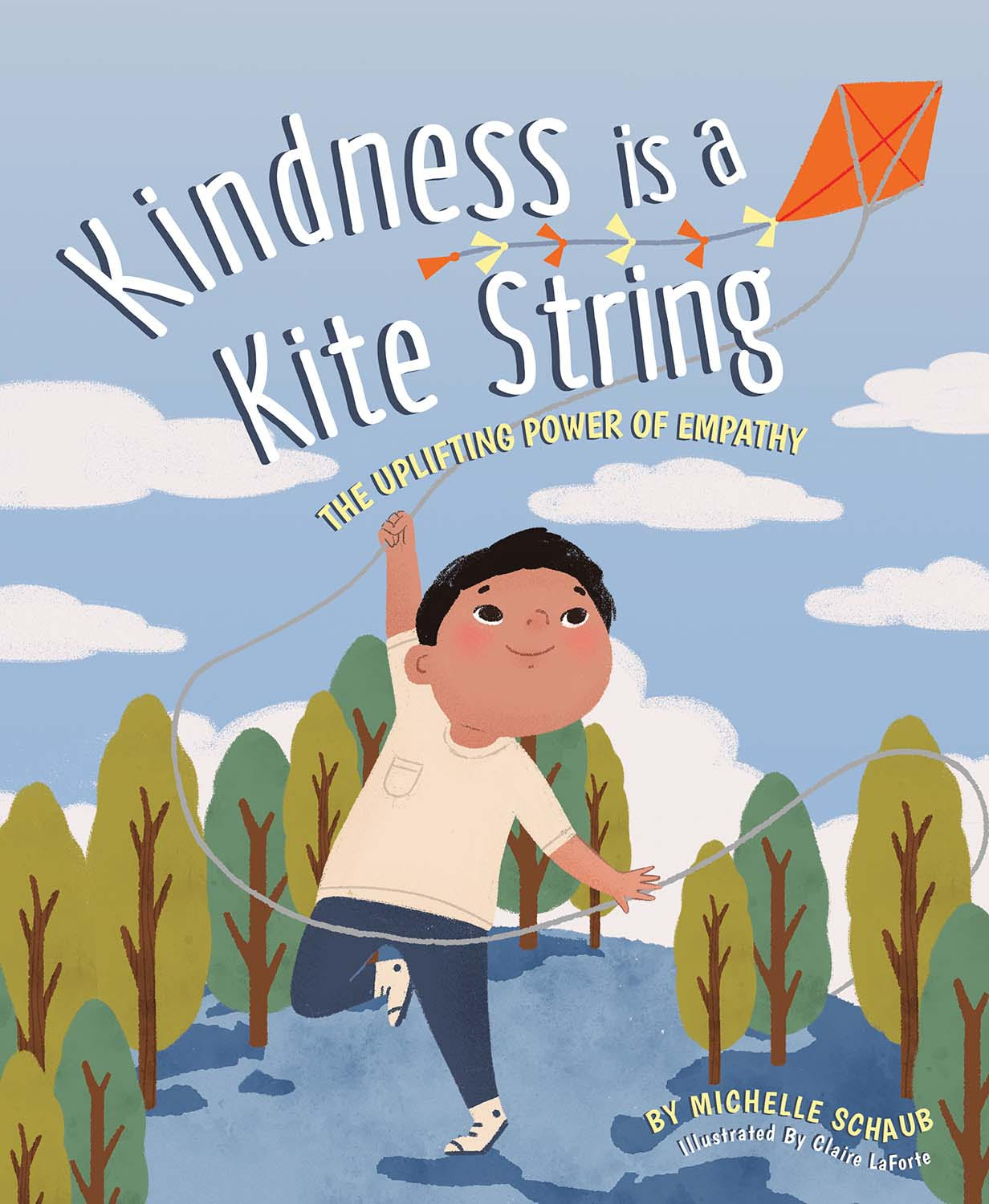
Saturday: Author Guest Post by Michelle Schaub, Author of Kindness is a Kite String

**Click on any picture/link to view the post**

Bold_line

Kellee

As I shared last week, I am taking the rest of May and the beginning of June off. I plan to be back on June 21st–see you then!

To keep up with what I am reading, check out my 2021 Goodreads Challenge page  or my read bookshelf on Goodreads.

Ricki

I just read many new books that will be published later this year and can’t wait to share them, but I’ve been up since 3am, so I am exhausted. Forgive me, and I promise to share all of them next week! We have some great books for review this week and hope you enjoy them!

Bold_line

Tuesday: Educators’ Guide for The Rock from the Sky by Jon Klassen

Friday: Watercress by Andrea Wang, Illustrated by Jason Chin

Sunday: Author Guest Post: “I Write About the Real World and Real Feelings… by Using Magic” by Corey Ann Haydu, Author of Hand-Me-Down Magic Series

Bold_line

Link up below and go check out what everyone else is reading. Please support other bloggers by viewing and commenting on at least 3 other blogs. If you tweet about your Monday post, tag the tweet with #IMWAYR!

 Signature andRickiSig

Author Guest Post: “Using Similes and Metaphors to Spark Conversations about the Power of Empathy” by Michelle Schaub, Author of Kindness is a Kite String

Share

Using Similes and Metaphors to Spark Conversations about the Power of Empathy

One of the most important things we can do as parents and educators is encourage kids to be kind.  Not only does fostering a culture of kindness and empathy create a positive learning environment, but it also improves kids’ sense of well-being and agency. Besides, spreading kindness makes the world a little brighter. And who doesn’t want that?

How can you cultivate kindness, both in the classroom and at home?

One simple way to develop this much needed virtue is by sharing books that model kind behavior. My picture book, Kindness is a Kite String, does just that. The book starts with the words, “Kindness is like sunshine, it starts the day off right” and shows a child hugging his mom. This starts a wave of kindness that ripples through the community, connect diverse groups of people. As readers follow the story, they gather ideas for ways they can lift others with kindness.

Building Connections with Similes and Metaphors

Each action in Kindness is a Kite String is described using a simile or metaphor. For example, “Kindness is an open door to welcome others through,” and “Kindness runs like dominoes. Reach out and tip a tile.” As a writer and teacher, I know that similes and metaphors are powerful tools. They unlock readers’ imaginations and inspire mental pictures. Similes and metaphors build connections that promote understanding. They help kids comprehend something unfamiliar or abstract (like kindness) by comparing it to something they know well (like sunshine or an open door). In this way, similes and metaphors go hand in hand with kindness. When you act with kindness, you also bridge the gap between something familiar (yourself) and something that might seem new or different (others).

Kindness is a Kite String packs a double educational punch. Not only does the book help spark conversations about empathy, but it also provides models of similes and metaphors in action. That’s good news, considering knowledge of figurative language, including similes and metaphors, is part of the ELA Common Core Standards starting in grade three. However, this concept is often introduced with even younger kids.

Kindness is…

How can you use Kindness is a Kite String to reinforce the concept of similes and metaphors?

One way is by creating a collective “kindness poem.” I have found writing collective poems to be a very effective and engaging strategy to use with students. In a collective poem, each child contributes a line according to a provided prompt or rule. Collective poetry is a great warm-up writing activity because it invites all students to participate without the pressure of having to compose an entire poem from the get-go. It’s also an effective way to explore different perspectives on a topic, like kindness.

After reading KINDNESS IS A KITE STRING with your class, take some time to define and review similes and metaphors. The Authors Note at the back of the book will help you do this. Then provide the provide the prompts, “Kindness is  like…”(for similes)  and/or “Kindness is… (for metaphors.) If you’re working with students in person, you can write this prompt on the board. If you’re working with students remotely, try posting the prompt with an online program like Padlet or Flipgrid.  Ask students to think of something that they enjoy doing or something makes them happy. Ask them how this activity or object might relate to kindness. After modeling some possible responses, invite each student to contribute their own simile or metaphor to complete the prompt. String the student responses together and you’ll have a kindness poem to display in your classroom or home.

Here’s an example of a kindness poem I started with second and third graders:

Kindness is
a cuddly kitten-
it makes you feel warm and cozy.

Kindness is like
a trampoline
bouncing happiness from one person to another.

Kindness is
Lego bricks
because kind deeds build on one another.

Kindness is like
a bowl of popcorn
because it’s meant to be shared.

Not only will your kindness poem remind kids to act with kindness, but it will also serve as great student-created examples of similes and metaphors.

Continue the Kindness Chain

There are many other ways Kindness is a Kite String can spark conversations about the power of empathy. The front of the book includes prompts to use before, during, and after reading. For example, one prompt says: “The last line of the book is ‘When you catch it, pass it on.’ Ask your child what kindness they have caught. What can they do to pass it on?” A free Readers Guide, downloadable from my website,  also accompanies the book. It includes activities like a printable Kindness certificates and a kindness journal for kids to log their empathetic actions.

You can continue to reinforce kindness by exploring other recent picture books with themes of empathy, including Evie’s Field Day, by Claire Noland, Be Kind, by Pat Zietlow Miller, The Big Umbrella, by Amy June Bates, and Scribble Stones, by Diane Alber.

I hope I’ve inspired you with some new ways to promote kindness with kids.  After all, as I say at the end of Kindness is a Kite String, “kindness is contagious. When you catch it… pass it on!”

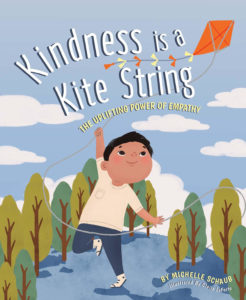
Kindness is a Kite String: The Uplifting Power of Empathy
Author: Michelle Schaub
Illustrator: Claire LaForte
Published April 1st, 2021 by Cardinal Rule Press

About the Book: Cultivating kindness is easy when you try. Spread a little kindness and watch empathy ripple through the community… spreading happiness like sunshine, connecting diverse groups like a footbridge and lifting hope like a kite string.

How can YOU lift others with kindness?

This compelling book illustrates simple, yet impactful ways, to spread kindness and brighten the lives of others. Through poetry, the inspiring words uplift young readers, planting seeds of empathy, kindness and community support.

The best book for positively teaching kindness.

Kindness is a Kite by Michelle Schaub carries the key message of kindness as well as how to teach similes and metaphors supported by the many advocates of positive parenting solutions. It’ll sit comfortably on your shelf alongside other books that focus on the power of kindness.

This book comes with a free Reader’s Guide for children. The guide is available for free download from the publisher website. Lesson plans, activities and discussion questions to allow parents, teachers and caregivers to explore the topic further and deepen comprehension.

READER’S GUIDE

COLORING PAGES

READ-ALOUD

SEE INSIDE THE BOOK

About the Author: Michelle Schaub is an award-winning children’s author and language arts teacher. Her previous books include Dream Big, Little Scientists, Finding Treasure: A Collection of Collections, and Fresh-Picked Poetry: A Day at the Farmers’ Market. Her poems appear in several anthologies, including Great Morning! Poems for School Leaders to Read Aloud. Michelle speaks at conferences on the power of poetry to boost literacy. Michelle lives near Chicago, where she loves finding creative ways to cultivate kindness.

Thank you, Michelle, for writing this book for kids. Kindness and empathy are what is going to change this world–thank you for opening up the conversation more!

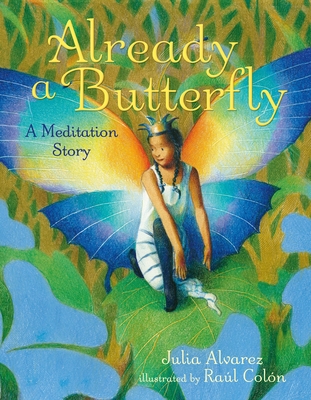
Already a Butterfly: A Meditation Story by Julia Alvarez, Illustrated by Raúl Colón

Share

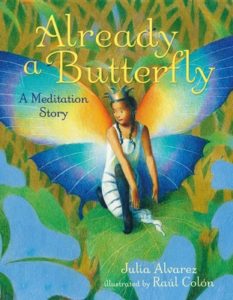
Already a Butterfly: A Meditation Story
Author: Julia Alvarez
Illustrator: Raúl Colón
Published June 16, 2020 by Henry Holt and Co.

Summary: Already a Butterfly is a gentle picture book tale about self-soothing practices and self-confidence beliefs.

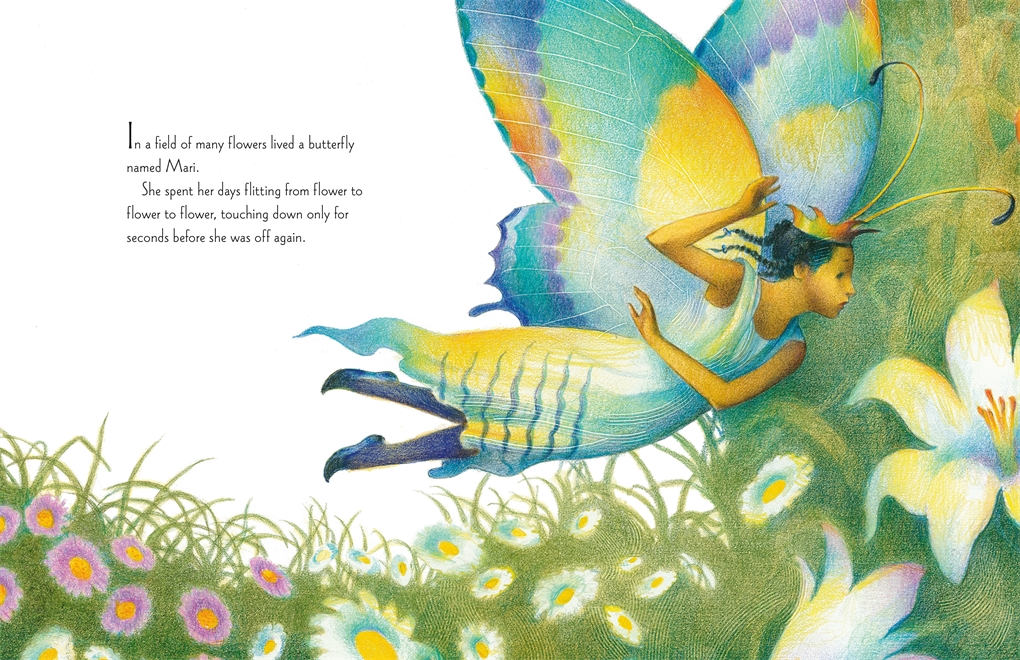
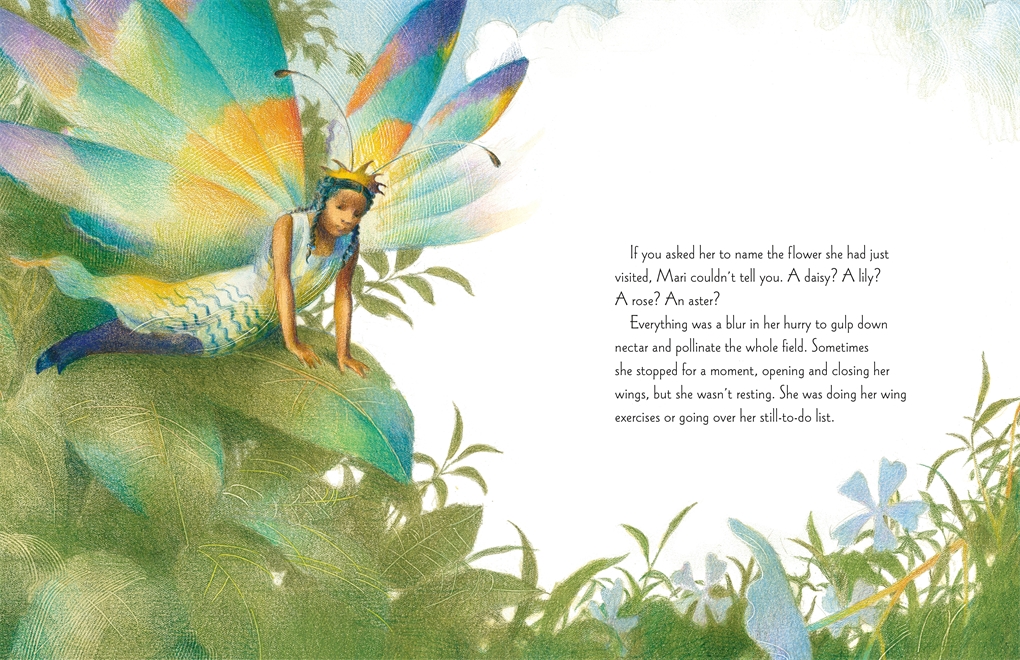
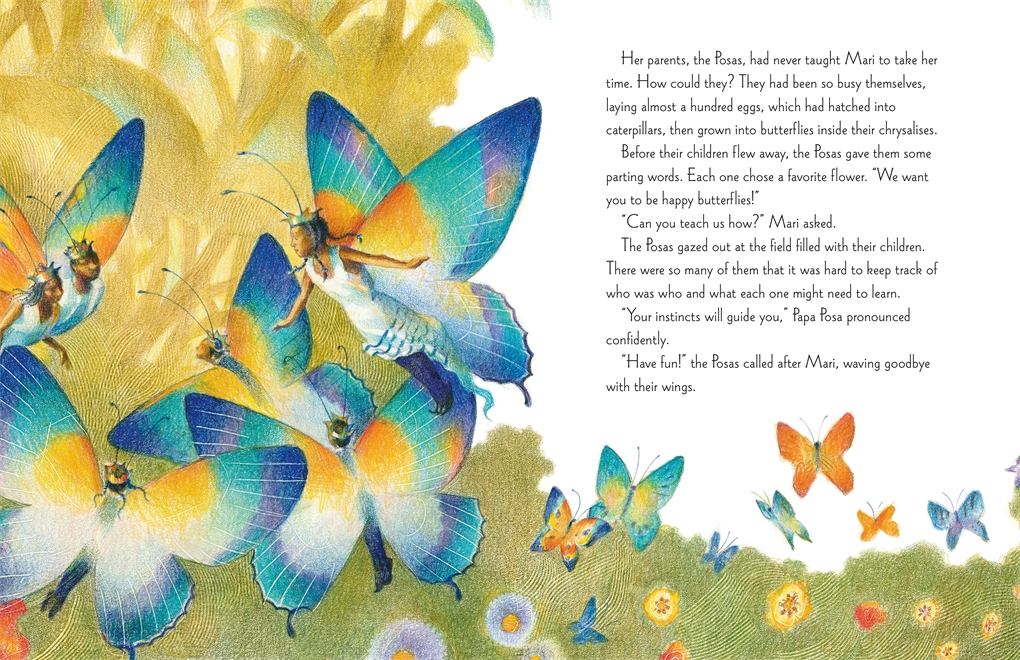
With so much to do in so little time, Mari is constantly on the move, flitting from flower to flower, practicing her camouflage poses, and planning for migration. She’s the busiest butterfly around. But does being productive mean she is happy? Mari couldn’t say. The only way she feels like a butterfly is by acting like one. Little does Mari know, the secret to feeling like herself is simply to focus her breath, find her quiet place, and follow her instincts. With the guidance of a thoughtful flower bud, Mari soon learns to meditate and appreciate that she was a butterfly all along.

Acclaimed author Julia Alvarez extolls the importance of mindfulness, reflection, and self-care for young children in this gratifying picture book, stunningly illustrated by award-winning artist Raúl Colón.

About the Author: 

Julia Alvarez is the author of numerous bestselling and award-winning novels including How the García Girls Lost Their Accents and In the Time of Butterflies, collections of poems, and works of nonfiction as well as picture books. She has won the Pura Belpré Award, the Américas Award, the Hispanic Heritage Award in Literature, the F. Scott Fitzgerald Award for Outstanding Achievement in American Literature, and the National Medal of Arts.

Raúl Colón has illustrated several highly acclaimed picture books, including Draw!; the New York Times-bestselling Angela and the Baby Jesus by Frank McCourt; Susanna Reich’s José! Born to Dance; and Jill Biden’s Don’t Forget, God Bless Our Troops. Mr. Colón lived in Puerto Rico as a young boy and now resides in New City, New York, with his family.

Praise:

“Soft, textured illustrations full of floral elements match the gentle quality of the tale. In a world that can’t seem to slow down, this story reminds readers to trust their instincts and breathe.” —Kirkus Reviews

“This is a tale about learning to be joyful in a world that seems to demand more and more of individuals. Young readers will find the prose and the dreamlike pictures of Mari’s journey soothing—and something to meditate on.” —Booklist

“Alvarez pens this introduction to meditation with advisory zeal, focusing on explanations that will appeal to caretakers who seek to support young meditation practitioners. Jewel-toned spreads by Colón provide scope for dreaming: Mari’s distinctive features—her black braids, her elflike shoes, her golden crown—give readers a fantasy heroine to linger over.” —Publishers Weekly

Review: At first glance, Mari seems like the perfect butterfly. She is beautiful, busy, efficient… but is she happy? She is doing what she things she should do but is she embracing who she is? These are the types of questions that this book is asking.

To be honest, reading this book may have hit home more for me than for Trent. The book is about slowing down and taking the time to be happy. Trent is still young and knows how to enjoy time, but it is important for me to show him that I too have time for the small things and also help him continue to do so. But just like the book made me think about passions, being busy, and how we come off, it will do the same for most readers.

I really loved the backmatter as well, learning how the author was inspired by the Mariposa DR Foundation’s Center for Girls and her granddaughters. It truly brought the book together and shows how the ideas within the book can be used in the real world.

Now, take all of this beautifulness in words and story and add in Colón’s beautiful watercolor illustrations that bring Mari to life, and this book clearly is a must have when discussing mindfulness with all ages!

Teachers’ Tools for Navigation: Use Already a Butterfly and the ideas in the “Growing Your Own Wings” backmatter to bring meditation into your classroom. A great day to introduce this would be World Meditation Day which is May 21st!

An extension reflection activity that would be fun is to have students make their own butterfly wings and write items, moments, people, etc. on their wings that make them truly happy. These wings can be a symbol to remind them to cherish those things.

Tips for Mindful Meditation: 

Discussion Questions: 

  • Why did the author choose Mari as the butterfly’s name?
  • How was the author inspired by her time with the Mariposa DR Foundation’s Center for Girls?
  • How could Mari’s story be compared to your life?
  • What did Bud teach Mari?
  • Why was Mari happier in her chrysalis?
  • Do you think what Bud taught Mari will make her happier?

Flagged Passages: 

Read This If You Love: I am Peace by Susan Verde, Calm with the Very Hungry Caterpillar by Eric Carle, My Magic Breath by Nick OrntnerGood Morning Yoga by Miriam Gates

Recommended For: 

classroomlibrarybuttonsmall 

Signature

**Thank you to Barbara at Blue Slip Media for providing a copy for review!**

Review and Giveaway!: Chickens on the Loose by Jane Kurtz, Illustrated by John Joseph

Share

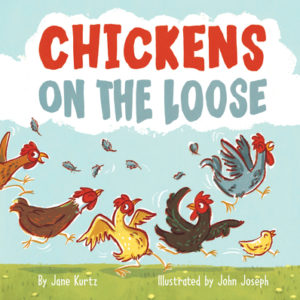
Chickens on the Loose
Author: Jane Kurtz
Illustrator: John Joseph
Published May 11, 2021 by West Margin Press

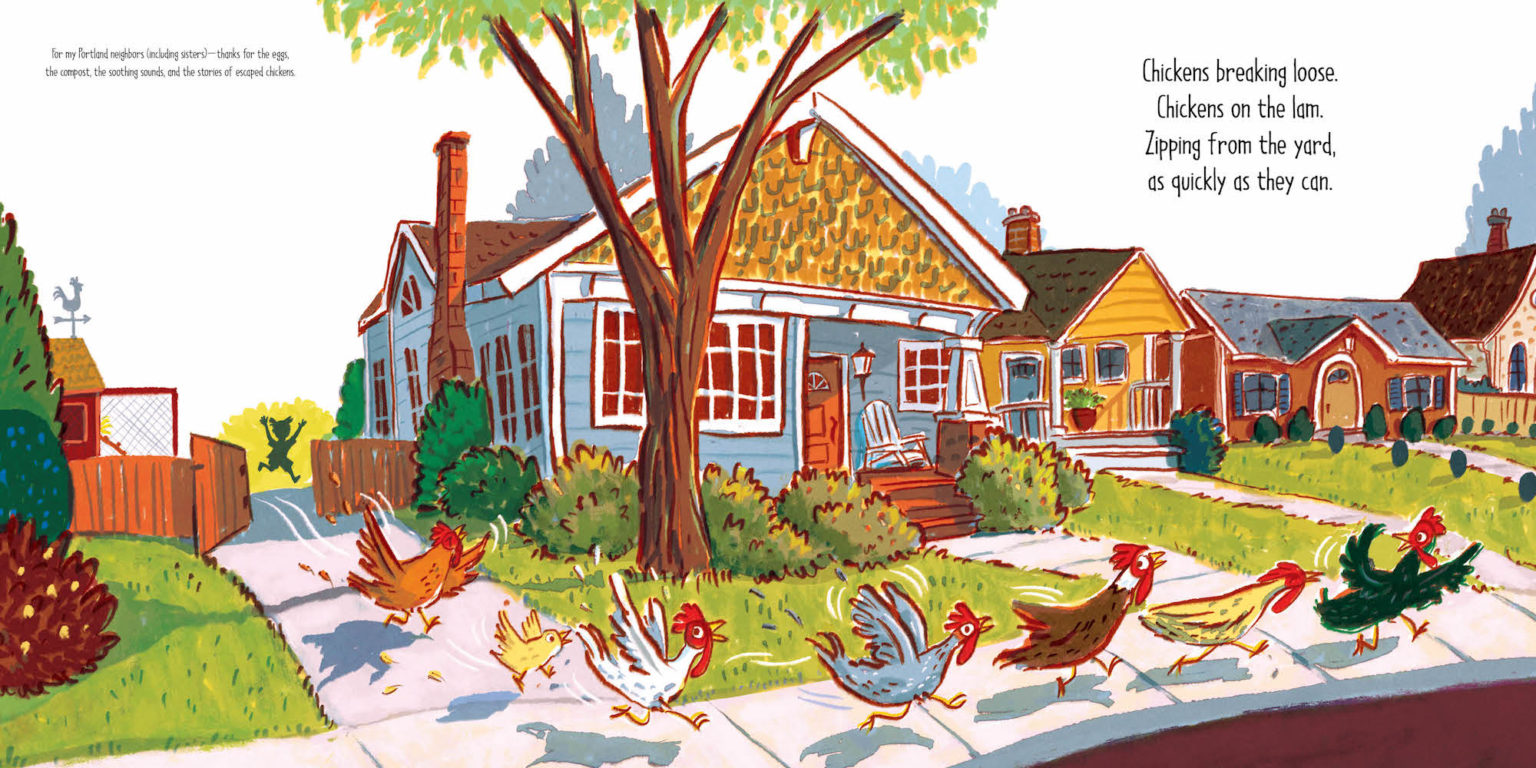
Summary: A happy-go-plucky rhyme adventure of chickens frolicking in an urban environment as they run rampant all around town!

Chickens on the loose.
Chickens on the lam.
Zipping from the yard,
As quickly as they can.

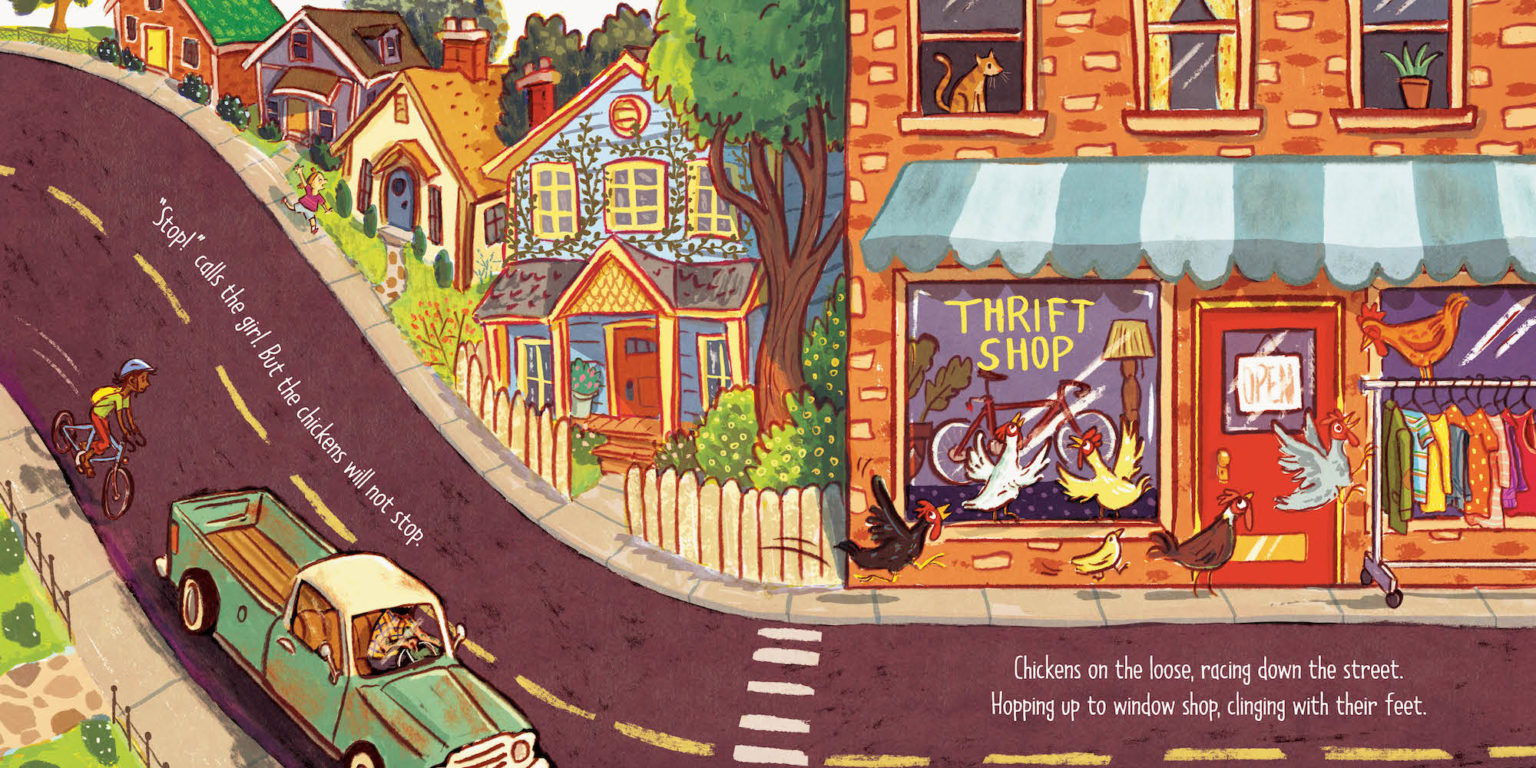
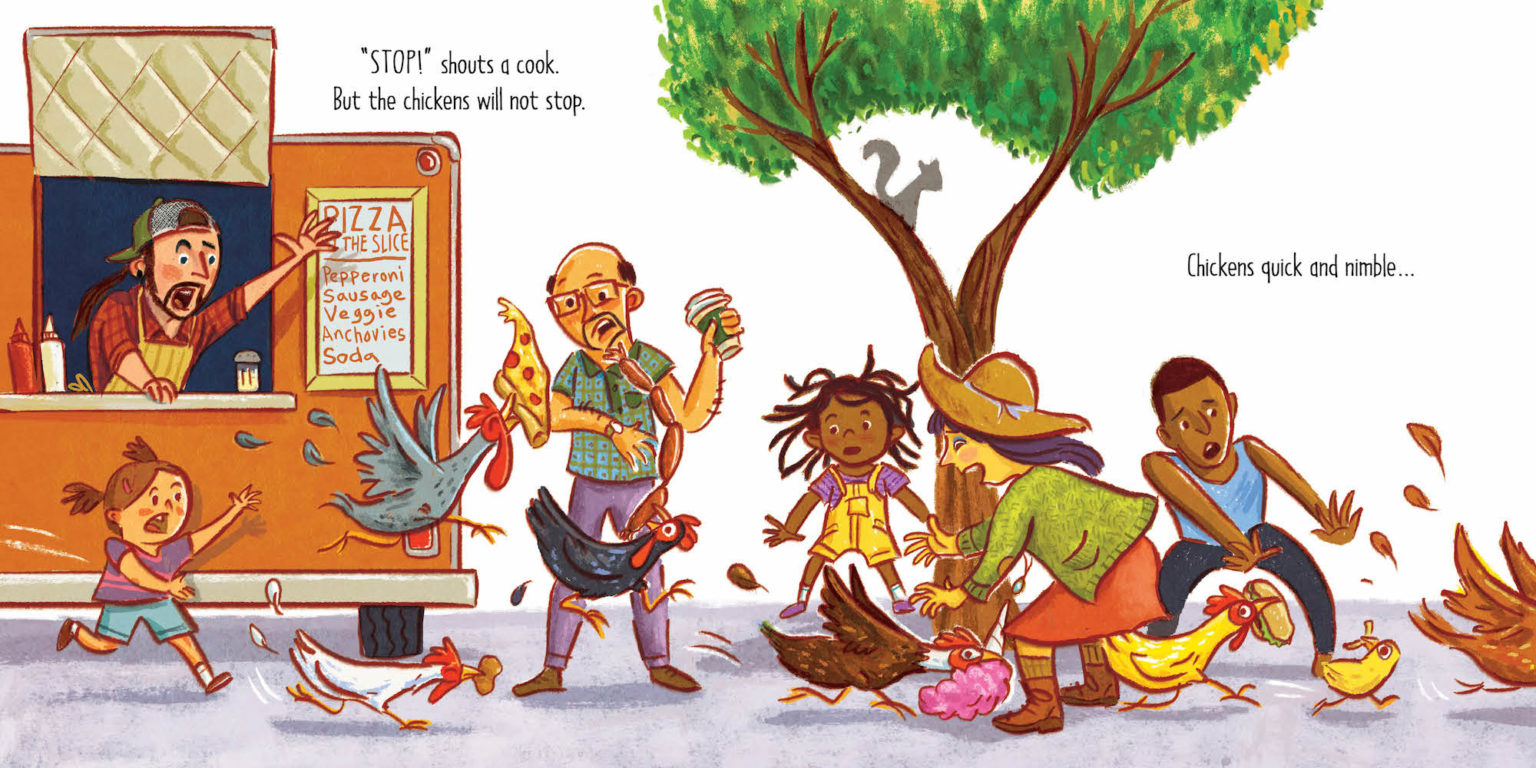
Chickens don’t just live on farms—they’re in the city too! In the store, on the street, they bring mayhem and excitement to all the surprised people. See where these mischievous chickens go in this brightly illustrated picture book told in verse. Also included at the back are fun facts and tips for the urban chicken farmer.

About the Creators: 

Jane Kurtz is an award-winning children’s book author, speaker, educator, and she is on the faculty of the Vermont College of Fine Arts MFA in Children’s and YA Literature. She is a co-founder of the nonprofit Ethiopia Reads, an organization that brings books and literacy to the children in Ethiopia, where Jane grew up. She also heads the creative team of Ready Set Go Books, a project of Open Hearts Big Dreams to create fun, colorful, local language books for people in Ethiopia. She is the author of many books for children, including River Friendly River Wild, winner of the SCBWI Golden Kite award for picture book text, and What Do They Do With All That Poo?, a finalist to the AAAS/Subaru SB&F Excellence in Science Books list; it has also been named to several state reading lists, voted on by children.

Author website

Instagram: @writerjanie

Twitter: @janekurtz

John Joseph is an artist, illustrator, elementary school teacher, avid gardener, and community leader. He earned a degree in visual arts from Colorado State University and a Masters from Lesley University, and has won the ACP Excellence in Publishing Award for Best Picture Book. He lives in Colorado with his wife, two sons, and a German shepherd.

Artist website

Meet Jane Kurtz and learn more about Chickens on the Loose

Praise: 

“Urban backyard chickens go on a madcap tour of the city in this rhyming romp. . . the narrative bounces off the tongue. The marker-bright illustrations are frenetic and filled with humorous details.” ~ Kirkus Reviews

“In jaunty pitch-perfect rhyme and splendiferous, chaotic color, Jane Kurtz and John Joseph combine forces to tell the story of recalcitrant urban chickens who burst forth from forced chicken coopery to explore a lively, diverse neighborhood rich with thrift shops, yoga studios, food carts, pet shops, and street art–all free for the pecking. At the end of an energetic day, the chickens-on-the-loose return to their henhouse, bedraggled but with plans for a rerun! Prepare for a rambunctious reading experience.” ~ Toni Buzzeo, Author of 28 picture books for children, including the 2013 Caldecott Honor Book, ONE COOL FRIEND

Review and Teachers’ Tools for Navigation: I love urban chickens! We have a town nearby (Oviedo) which has chickens that roam in their downtown, Jim has a cousin with chickens, and I have a past student with chickens. I love the idea of mixing farm animals and cities because it adds a bit of whimsy and quietness to the bustle and hustle.

Though in Chickens on the Loose the chickens definitely add whimsy but are not quiet–instead they add a bit of chaos. 😂

Reading this out loud was so much fun! The rhyming and rhythm added a musical element to reading the book. And within the rhymes there are great vocabulary moments, too! For example, some words Trent and I got to talk about were lam, peckish, and plucky.

Also while reading, Trent definitely saw that the book alludes to the gingerbread man story. It was fun listening to him share how the book is similar and different to The Gingerbread Man. There’s also a chicken Mona Lisa at the end that cracked him up! Great way to introduce allusion!

Additionally, the backmatter of the book gives information about keeping urban chickens and some fun chicken facts. It is a great way to connect the story to science.

The publisher also has an activity kit available for the book:

Discussion Questions: 

  • What would you name the painting the chick painted at the end?
  • Where do you think chickens would run to in your town?
  • Write your own rhyme that starts with “Chickens on the loose,…”
  • What new words did you see in the book?

Flagged Passages: 

Book Trailer: 

Read This If You Love: The Gingerbread Man by various; Other chicken picture books like Chicken Butt by Erica S. Perl, Chicken Dance by Tammi Sauer, Little Chicken’s Big Day by Jerry Davis, Blue Chicken by Deborah Freedman, Chicken Story Time by Sandy Asher, Pirate Chicken by Brian Yanish, Interrupting Chicken by David Ezra Stein, Chicken Little by Sam Wedelich; Follow that Frog! by Philip C. Stead; Nibbles series by Emma Yarlett

Recommended For: 

classroomlibrarybuttonsmall 

GIVEAWAY!

a Rafflecopter giveaway

Signature

**Thank you to Barbara at Blue Slip Media for providing copies for review and giveaway!**