It’s Monday! What Are You Reading? #IMWAYR 4/30/18

Share

IMWAYR 2015 logo

It’s Monday! What Are You Reading? From Picture Books to YA!

It’s Monday! What are you Reading? is a meme started by Sheila at Book Journeys and now hosted by Kathryn at The Book Date. It is a great way to recap what you read and/or reviewed the previous week and to plan out your reading and reviews for the upcoming week. It’s also a great chance to see what others are reading right now…you just might discover the next “must-read” book!

Kellee and Jen, of Teach Mentor Texts, decided to give It’s Monday! What Are You Reading? a kidlit focus. If you read and review books in children’s literature – picture books, chapter books, middle grade novels, young adult novels, anything in the world of kidlit – join us! We love this meme and think you will, too.

We encourage everyone who participates to support the blogging community by visiting at least three of the other book bloggers that link up and leave comments for them.

Bold_line

Last Week’s Posts

Tuesday: Grading is Complicated: Ruminations of an English Teacher Educator

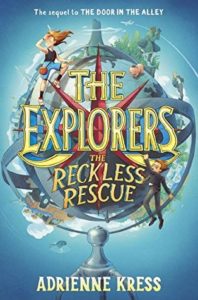
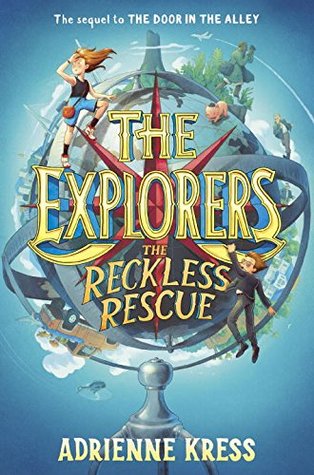
Wednesday: Blog Tour with Review: The Reckless Rescue (The Explorers #2) by Adrienne Kress

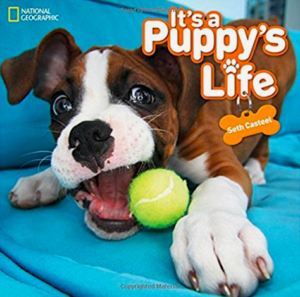
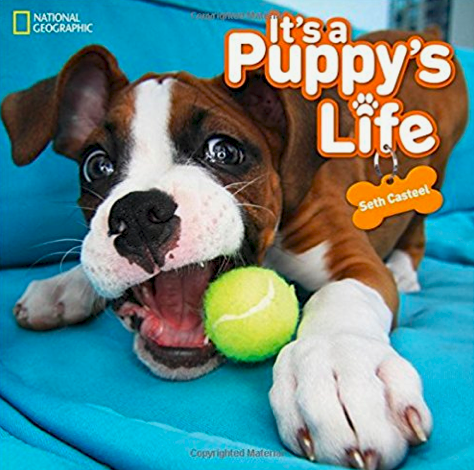
Thursday: It’s a Puppy’s Life from National Geographic

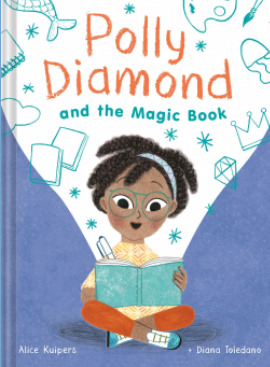
Friday: Teaching Guide with Discussion Questions and Activities for Polly Diamond and the Magic Book by Alice Kuipers

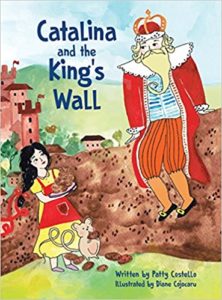
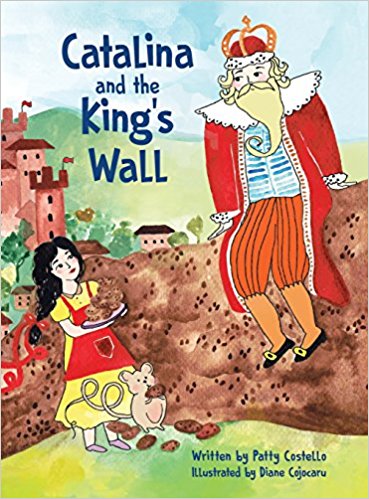
Sunday: Author Guest Post!: “What Kinds of Storybook Characters Teach the Best Lessons” by Patty Costello, Author of Catalina and the King’s Wall

**Click on any picture/link to view the post**

Bold_line

 Last Week’s Journeys

Kellee

Hello, everyone! Sunday, April 29th is my husband’s birthday, so even though I originally planned on getting this post written, we just got home, and it is bedtime! I will catch everyone up next week 🙂

 Ricki

Apparently, it’s not a good week for us. I was falling asleep in bed and realized I didn’t write this post! Ha!
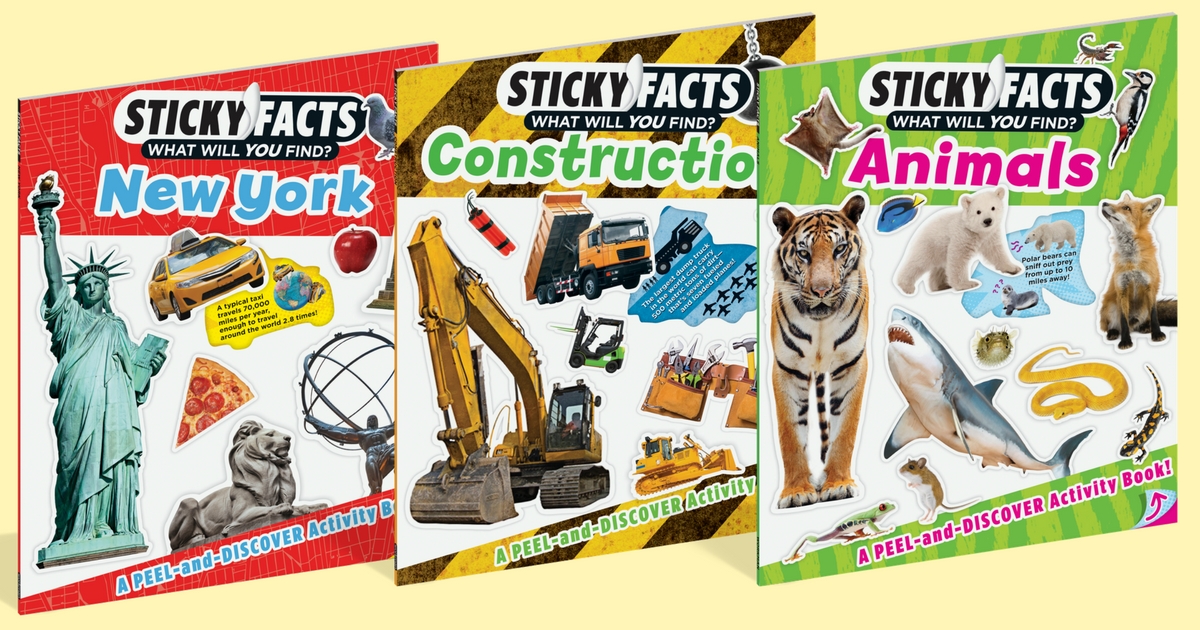
My son and I read the Sticky Facts books. There are facts below each picture, and they are delightful to read. I’ll be reviewing these later in the week.
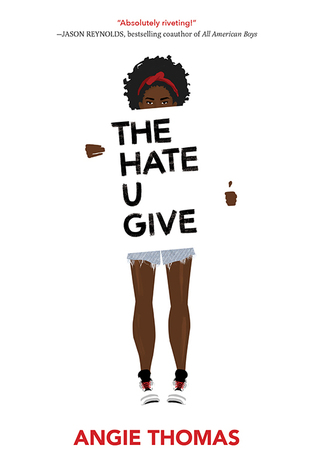
I REREAD The Hate U Give by Angie Thomas for the fifth time. My students are broken into three groups tomorrow. Twelve students are in each group, and they are discussing this book, Dear Martin, and All American Boys. I am excited to talk within the groups and across the groups.
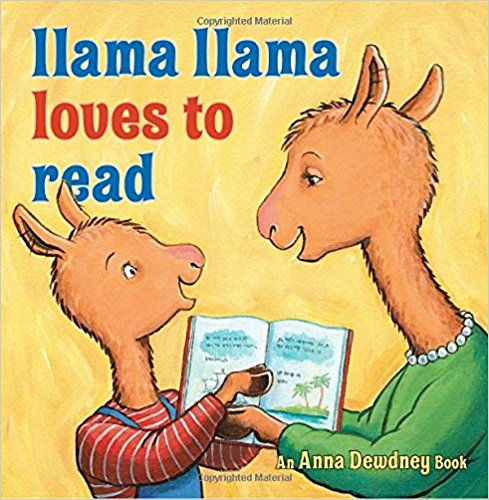
Llama Llama Loves to Read is a great addition to the Anna Dewdney series. Published posthumously, this book features Reed Duncan as the second author. Duncan is her longtime partner, and he seeks to honor the work she left behind in various stages. I think that Dewdney would be proud of the way this one turned out. It is beautifully done.
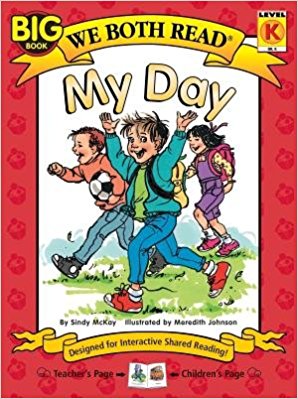
My son and I are loving the We Both Read series. My Day by Sindy McKay is one of several books in this series that we’ve read together. For those of you who are unfamiliar with the series, the left page is the parent page (with more words) and the right page is the child page (with simpler words). In this book, there is just one word on the child page. In the more advanced book that we read earlier in the week, the parent page bolds new words, and the child page includes that word (among others). I try to avoid early readers, but my son really likes this one, so we have been taking them out of the library quite often.

Bold_line

This Week’s Expeditions
Ricki

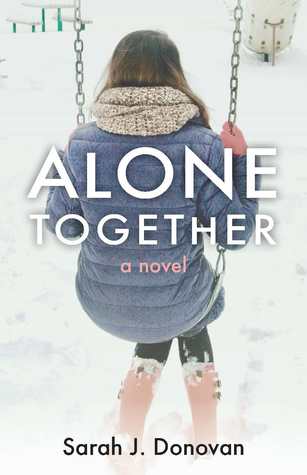
I am loving Alone Together by Sarah J. Donovan. She is well-known and well-loved in the blogger world, and this book shows her deep knowledge of adolescence.

Bold_line

Upcoming Week’s Posts

Tuesday: Teaching Tuesday: Random Thoughts From a Teacher Circulating During Testing

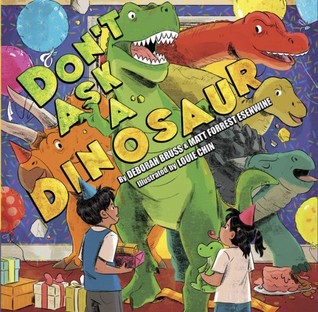
Wednesday: Blog Tour with Review!: Don’t Ask a Dinosaur by Deborah Bruss & Matt Forrest Esenwine

Thursday: Sticky Facts series from Workman Press

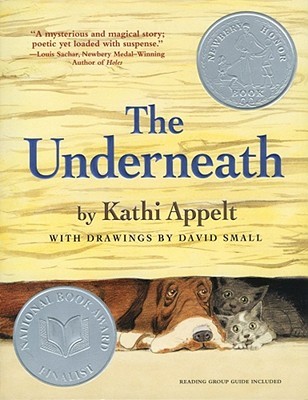
Friday: 10 Year Anniversary Celebration of The Underneath by Kathi Appelt with an Interview with the Author, Book Trailer, and Giveaway!

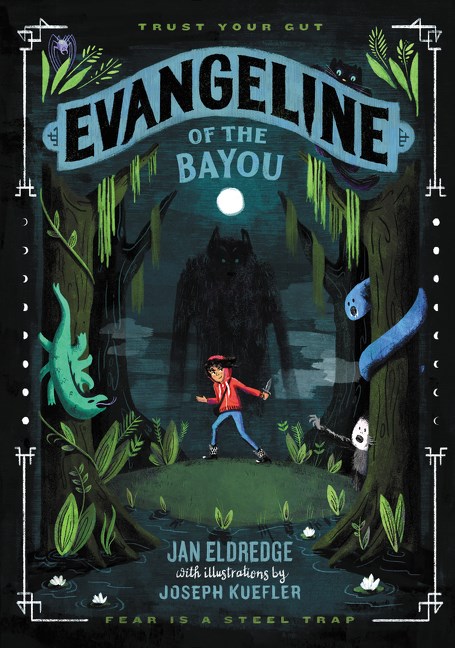
Sunday: Author Guest Post!: “Defeat Your Fear of Writing” by Jan Eldredge, Author of Evangeline of the Bayou

Bold_line

 So, what are you reading?

Link up below and go check out what everyone else is reading. Please support other bloggers by viewing and commenting on at least 3 other blogs. If you tweet about your Monday post, tag the tweet with #IMWAYR!

 Signature andRickiSig

Author Guest Post!: “What Kinds of Storybook Characters Teach the Best Lessons” by Patty Costello, Author of Catalina and the Kind’s Wall

Share

“What Kinds of Storybook Characters Teach the Best Lessons?”

Do you want to teach your students prosocial behaviors? What are good ways to teach children about sharing, caring, helping, honesty, fairness, and responsibility? One popular way is through storybooks, which have been a part of children’s lives and schooling for hundreds of years. Storybooks entertain, but they can also teach important life and moral lessons. But what are the best kind of characters in storybooks to teach children prosocial behavior? Does one type of character work better than another? Many stories for young children often contain animal characters who are anthropomorphized: they take on human characteristics and can talk, walk, eat, and get into all sorts of mischief too. A group of researchers at the Jackman Institute of Child Study in Toronto found that in a review of over 1000 children’s books, more than half the books featured animals, and only 2% were realistic depictions of the animals; in other words, 98% of the animals in over half of picture books feature anthropomorphized animals. People on all sides of the picture book equation – teachers, students, parents, authors, and illustrators – all have assumed that children are naturally attracted to animals and therefore in using anthropomorphized animals, a story may be more enchanting and its lessons more accessible to children’s young minds. And the bigger assumption is that children may be more likely to act in agreement with the moral of the anthropomorphized animal story.

But is this true? These same researchers – Nicole Larsen, Kang Lee and Patricia Ganea – realized in 2017 that no direct psychological or child development study had ever asked this question – are anthropomorphized animals better at promoting prosocial behavior in children compared to a book featuring human characters? The researchers realized that it was unclear as to whether children can learn prosocial moral lessons from stories with anthropomorphized animal characters and then act accordingly.

The researchers designed a study to help answer this very question: Can children learn prosocial moral lessons from stories with anthropomorphized animal characters? Do stories with anthropomorphized animal characters work better than stories with human characters at teaching kids lessons?

How did they study this? They first picked a book called Little Racoon Learns to Share by Mary Pacard. The book has a sharing theme and a moral lesson – that sharing makes you feel good. The story features anthropomorphized animals as the main characters. The researchers took the book and used Photoshop to create the same book, only with human characters instead.

All children in the study (males and females ages 4 – 6) had a vocabulary test first to make sure that they were all at a similar language ability level. Next, the children were allowed to choose 10 of their favorite stickers from a huge pile of stickers. They were then told that there was a child their same age that could not be there that day and therefore would not get any stickers. The children were told that they could share some of their stickers with this (imaginary) child by putting them into an envelope when no one would be looking. This was the pre-test or baseline measure to get a sense of their sharing level before they heard the book about sharing.

Next, students were divided into three groups of 32 children each. The first group heard the sharing story with the human characters. The second group heard the same story, but with the original animal characters. The third group, the control group, heard a story about seeds. The children in the control condition were also asked to choose between reading either a book about human characters or a book about animal characters. This question was asked to determine whether children would prefer to read the animal book or the human book when given a choice. If the argument that using anthropomorphized animal characters makes a story more captivating to young children is correct, then children should be more likely to choose the book about animal characters. I’ll cut to the chase on this one – the children in this control group picked each book equally – there was not a clear preference for the animal book over the human book.

After the three groups heard the book, the same sticker sharing task was given with new stickers (post-test). The researchers measured the differences in sticker donation before and after the story reading. Again, the researchers were wondering whether reading storybooks with a sharing theme could significantly increase children’s generous giving relative to reading the control story about seeds. More importantly, they examined whether the story in the animal condition with anthropomorphized animal characters and the story in the human condition with real human characters would have differential effects in promoting generosity in young children, that is, would the children share more stickers after hearing the sharing story with animals or humans, or would it even matter?

What happened? I bet you are very curious by now! Reading a book about sharing had an immediate effect on children’s sharing behavior: Children who read the book with human characters became more generous with how many stickers they donated to the fictional child. In contrast, there was no difference in generosity between children who read the book with anthropomorphized animal characters and the control book; both groups decreased how many stickers they gave.

Here is the chart I adopted from the study:

Condition Before the book: How many stickers did they donate? After hearing the book: How many stickers did they donate?
Human characters 2.03 stickers 3 stickers ↑
Animals characters 2.31 stickers 1.7 stickers ↓
Control condition – book about seeds 2.14 stickers 2 stickers ↓

Why did the researchers think this happened? Maybe children see anthropomorphic characters more as animals than humans. Maybe they are not able to interpret the anthropomorphic characters as being similar to themselves, and as a result, the lesson in the story is not absorbed. This does not mean that children should never hear stories with animal characters, but it’s important to keep this in mind.

Future research future should look at whether anthropomorphism in books has the same effect on older children as on younger children as this study was done on 4 – 6-year olds.

It’s fun (at least for me as a cognitive neuroscientist!) to think about storybooks from an academic perspective – maybe the assumptions we hold are not true – studying these assumptions in a systematic way can provide real answers and guidance for future generations of teachers and parents.

This post was adopted from the following article should you like to read it yourself: Larsen, N.E., Lee, K., Ganea, P.A. (2017). Do storybooks with anthropomorphized animal characters promote prosocial behaviors in young children? Developmental Science, pp. 1-9.

About the Author: Patty lives in Boise, Idaho with her husband, a zany awesome toddler, a dog named Pippa, and a dog named Spencer. She grew up in the Twin Cities and is a Minnesotan at heart (you betcha!). She has a BS in Psychology from the University of St Thomas and a PhD in Neuroscience from the University of Minnesota. She currently works in higher education. Her first book, Catalina and the King’s Wall, released May 5th, 2018 from Eifrig Publishing. At all hours of the day (and night) she can be found standing at her desk, helping her university run smoothly and working on her next children’s book. For fun, she likes to trail run, mountain bike, cross country ski, and hike. She is also a voracious volunteer for various local organizations.

Catalina and the King’s Wall
Author: Patty Costello
Illustrator: Diana Cojocaru
Expected publication: May 5th, 2018 by Eifrig Publishing

About Catalina and the King’s WallWhen Catalina overhears the king planning to build a wall, she fears her family won’t ever be able to visit. Catalina tricks the king into building walls that droop, drip, swirl, and swoosh away. But now the king demands an impenetrable wall. Luckily, Catalina has the perfect ingredients to bake up a family reunion! Through beautiful illustrations and enjoyable prose, kids learn how to stand by their convictions of inclusivity and kindness even when powerful people tell them not to.

Thank you, Patty, for a look at this study and for sharing your book!

Teaching Guide with Activities and Discussion Questions for Polly Diamond and the Magic Book by Alice Kuipers

Share

Polly Diamond and the Magic Book
Author: Alice Kuipers
Illustrator: Diana Toledano
Expected Publication May 1st, 2018 by Chronicle

Summary: Polly loves words. And she loves writing stories. So when a magic book appears on her doorstep that can make everything she writes happen in real life, Polly is certain all of her dreams are about to come true. But she soon learns that what you write and what you mean are not always the same thing! Funny and touching, this new chapter book series will entertain readers and inspire budding writers.

Teachers’ Tools for Navigation: Activities for Polly Diamond include:

Color Poem

On page one, Polly says that her teacher said her color poem was fantastic.

Have your students use the Read. Write. Think. template to create their own color poem.

Template

Finish her perfect house story

On page 3, Polly is interrupted while writing her perfect house story.

Finish her story with what your perfect house would include.

Wishes

When Polly realizes her book is magical, she thinks of many things she can wish for such as a cell phone, not frizzy hair, more books, a flat screen TV, and world peace.

Using a brainstorming graphic organizer, have your students think of all the things they wish for.

After brainstorming all of their wishes, have them circle your top three.

Using the five-paragraph format for informative essays, have students write explaining their three wishes.

Measuring

For Polly’s grandmother’s recipe for pancakes called for a cup of flour and a cup of milk. Many times, when baking, you do not have what you need to make the recipe, and not just ingredients—you may not have the right measuring cup.

Bring in one cup measuring cups along with 1/4, 1/3, 1/2, 3/4, tablespoon, and teaspoon measuring cups/spoons. Break students into groups and give each group one of each measuring cup/spoon as well as something to measure (water, rice, flour), and have them answering the following questions:

  • If you only had 1/4 cup, how could you get one cup of flour?
  • If you only had 1/3 cup, how could you get one cup of flour?
  • If you only had 1/2 cup, how could you get one cup of flour?
  • If you only had 3/4 cup, how could you get one cup of flour?
  • If you only had a tablespoon, how could you get one cup of flour?
  • If you only had a teaspoon, how could you get one cup of flour?

Favorite words

Polly has a lot of favorite words: words with double letters like doozy and mutli-meaning words like basil.

Have students make a list of three words that they really like.

For each word, they should define it and also explain why they like the word.

When finished, students should do a word meet and greet. Using clock buddies or some other buddy system, have students meet with other students in the classroom and learn about their favorite words. They should add the favorite words they learn about to their list.

Paint names

On page 29, Polly makes up names for paint that describes the color such as muddy pond, lunch bag, and baboon butt.

First, have students look at the colors Polly described on page 29 and find the corresponding color in either a crayon box or a color exploration site online.

Then, have students create color names using imagery. Either have them use the color exploration site online or the colors from Microsoft Word.

Affixes

Show students how there are different word parts (affixes) that can be put together to make new words. They are like puzzle pieces! Share with them the different types of word parts (prefix, suffix, root, and base) and how they fit together.

On page 56, Polly explains how adding un- to the beginning of a word gives it an opposite meaning. The word she uses as an example is unobservant. Share with your students that un- is a prefix that means NOT which does make a word the opposite. Have student brainstorm a list of words with un- at the beginning and define them using NOT as the definition for un.

Extension: dis-, il-, im-, in-, and ir- also mean NOT. Students can also explore words with these
prefixes.

Extension: On page 57, Polly also talks about adding –fully to the end a word to make it bigger,
but it does more than that. Share with your students that –fully is actually a combination of ful, a root word that means full of, and –ly, a suffix that turns an adjective to an adverb, so her example of sorrowfully means full of sorrow (adv).

After showing students how words break apart and how affixes help with word meanings, give students words with un- and –ful (or any other affix you taught) and have them mark the different word parts and define the word.

Coloring Sheets

Coloring sheets can also be downloaded from Chonricle’s website here.

See the Teaching Guide Created by Me (Kellee) for even more activities! 

You can also access the teaching guide through Chronicle’s website here.

Recommended For: 

readaloudbuttonsmall classroomlibrarybuttonsmall closereadinganalysisbuttonsmall

Kellee Signature

It’s a Puppy’s Life by Seth Casteel

Share

It’s a Puppy’s Life
Author: Seth Casteel
Published March 20, 2018 by National Geographic Society

Summary: Have you ever wanted to know what goes on in the life of one of nature’s most beloved animals–the puppy? Follow along in this picture book featuring the photography of Seth Casteel.

Follow several puppies as they play, go for walks, eat, sleep, and romp about.

My Review: Who doesn’t love puppies? I don’t have a dog right now, and this made me want to take a trip to the pet store! Seth Casteel does a phenomenal job capturing the spirit of these energetic pups. I enjoyed looking at the different angles that he used. Further, I loved the key at the end of the book that distinguished between the breeds. This is a charming book that kids will love.

Teachers’ Tools for Navigation: This book inspired me to want to take photographs! Teachers might use this at the start of a photography unit. They can examine the angles of the photographs and talk about how the author captured such incredible images.

Discussion Questions: Which puppy is your favorite? How does the author capture the spirit of the puppies? How does he organize the book?

We Flagged: 

Read This If You Love: Dogs; Photography

Recommended For: 

RickiSig

**Thank you to Media Masters for providing copies for review!!**

Blog Tour with Review!: The Reckless Rescue (The Explorers #2) by Adrienne Kress

Share

The Reckless Rescue (The Explorers #2)
Author: Adrienne Kress
Published April 24th, 2018 by Delacorte Books for Young Readers

Summary: More mystery, more bravery, more danger, and one amazingly reckless rescue await in the second book in the Explorers series! The perfect read for fans of The Name of This Book Is a Secret and The Mysterious Benedict Society!

Reader! Your attention is greatly needed. We have left things unresolved! What began as your average story of a boy stumbling upon a pig in a teeny hat and a secret international explorers society has turned into an adventure of epic proportions.

* The bad news: The boy (Sebastian) has been kidnapped by a trio of troublesome thugs.
* The good news: His new friend Evie has promised to rescue him!
* The bad news: Sebastian has been taken halfway around the world.
* The good news: Evie has famous explorer and former Filipendulous Five member Catherine Lind at her side!
* The bad news: There’s still the whole matter of Evie’s grandfather (and the leader of the Filipendulous Five) somewhere out there in grave danger.
* The good news: Pursuing Sebastian will lead Evie and Catherine to another member of the Filipendulous Five, who might be able to help!

This missive is a call to action and an invitation to join in mystery, bravery, and danger. There will be new people to meet, new places to see, and some dancing along the way. And one amazingly reckless rescue.

About the Author: Adrienne Kress is a writer and an actress born and raised in Toronto. She is the daughter of two high school English teachers, and credits them with inspiring her love of both writing and performing. She also has a cat named Atticus, who unfortunately despises teeny hats. She is the author of The Explorers: The Door in the AlleyThe Explorers: The Reckless Rescue,and The Explorers: The Quest for the Kid. To find out more about Adrienne, visit AdrienneKress.com and follow @AdrienneKress on Twitter and Instagram.

ReviewThis book starts RIGHT up where the first left off–like, actually! Mid-sentence! And I’m so glad because the cliffhanger in the first one was so intense! But here we are, right where we left off: Sebastian is kidnapped, and Evie has to figure out how to save him (hence the title…). Like the first book, I found that the snarky narrator, silly footnotes, and ridiculous situations was humor that is right up my alley, causing many laugh out loud moments, but let’s not forget that the story is also a nerve-racking adventure story also! Other than the humor and adventure, I also really like the characters in this story. Evie and Sebastian complement each other so well, and we really get to see them shine in this book as individuals since they are separated.

Teachers’ Tools for Navigation: This series would be a perfect mentor text when teaching dramatic irony, breaking the 4th wall, and footnotes. Even reading the first chapter will cover these three literary elements and will also get a lot of kids excited to read the story. Because the other place this book belongs is in libraries and classrooms–it is going to be a big hit with adventure and humor fans!

Discussion Questions: 

  • How does the narration style the author chose change the tone of the story?
  • Why do you think the author chose to include footnotes in the story?
  • How does the author use dramatic irony to keep the reader reading?
  • What is the “Lost Boys” K-Pop group an allusion to?
  • How do Sebastian and Evie complement each other?
  • How did some good or bad things in the story end up being the opposite of what you thought?

Flagged Passages: “Chapter 1: In which we resume our story.

There is a difference between fact and opinion. It’s hard to tell sometimes because opinions like to dress up as facts, and their costumes have gotten quite impressive lately.¹ There is a way, however, to easily tell the difference between them. You have to weigh them. Because, you see, facts have more substance. So they’re heavier. This is how one can know for a fact, for example, that being kidnapped for your brain is scary. Because when this fact is placed on the scale, man, does it ever tip the balance.

There are other facts one can be certain of. Like that private jets are cool. That traveling long distances get boring. And that not knowing where you are going or what’s going to happen to you is exhaustingly stressful.

And if you don’t believe me, just ask Sebastian, who is sitting in his seat and staring out the window of the private jet, feeling precisely all of those things.

It is odd to feed bored. Not that feeling bored is a rare or weird feeling. It’s a very common part of life, after all. But it just felt strange to feel bored in his particular situation. He should have been feeling terrified, possibly even a little excited. And he knew this because he’d felt those things initially when he’d been snatched out of the Explorers Society headquarters and held captive in a helicopter. But that felt like forever ago now.

¹I once saw an opinion wearing the most spectacular curly mustache that distracted me so much, I totally let him into my head, even though I found his footwear suspicious.”

Read This If You Love: The first Explorers book: The Door in the AlleyEmily and the Spellstone by Michael RubensGuardians of the Gryphon’s Claw by Todd Calgi Gallicano, Cucumber Quest series by Gigi D.G., Alex Rider series by Anthony Horowitz, The Lightning Thief by Rick Riordan

Recommended For: 

classroomlibrarybuttonsmall closereadinganalysisbuttonsmall

Signature

Teaching Tuesday: Grading is Complicated: Ruminations of an English Teacher Educator

Share

“Grading is Complicated: Ruminations of an English Teacher Educator”

My students (future secondary English teachers) have a lot of questions about grading. They wonder if effort should count. They wonder if an emergent bilingual who works dang hard on three drafts of an essay should receive the same grade as another student’s essay, which is better. They wonder if in the grading process, after looking at other student work, it is fair to go back and change a previous student’s rubric evaluation. They wonder if we need to use rubrics for everything. They wonder if rubrics are too limiting of intellectual freedom.

My students are brilliant, and they ask complex questions that don’t have definite answers.

Let’s take them one-by-one. I invite readers to push back on any of the comments. I don’t have the answers, and I am often wondering if I need to reimagine my conceptualizations of grading.

Should effort count?

I believe that effort should count. The book that we read (Wormeli’s Fair Isn’t Always Equal) argues that effort shouldn’t count. For me, that’s conceiving of grades in simplistic ways. English language arts, as a subject area, cannot be quantified. I think that multiple drafts should count. If we are to accommodate the varying needs of students in our classrooms, we need to consider effort. A student who has a learning disorder who works dang hard and produces draft after draft to improve an essay should get some credit. Not counting effort standardizes grades in ways that might be harmful to learners. I argue that we need to individualize students’ learning progress. We need to know our students, and then we can evaluate whether the paper earns the A. Does this dilute grading systems? It sure does. But are we in this field to actually help students improve their writing or reading, or are we in this field to calculate GPAs and circle the grade of an 81 on a written essay (something that can hardly be quantified)?

Let’s complicate it even more:

Emergent bilinguals. If we don’t include effort and don’t focus on students’ personal improvement in their reading and writing, wouldn’t emergent bilinguals who are just learning a new language fail repeatedly? For me, this is an easy-to-see example of why effort does need to factor into the grading process.

Rubrics

I hate them, but I also recognize their importance. I think it’s critical that students know how they are going to be evaluated. We need to show them rubrics before they start brainstorming. On the other hand, rubrics are wildly limiting on creativity and intellectual freedom. By creating rubrics, we automatically tell students exactly what they are looking for. I know that folks argue that they create rubrics that are very open. No matter how open a rubric is, it limits students’ creativity to go in a wildly different (and potentially incredible) direction. They are teacher-focused rather than student-focused. My solution to this is the provision of rubrics that are student-generated (as a whole class, most often) and as open as possible. I continually remind my students that I would excitedly invite a different approach to the assignment, and I invite them to see me if their vision seems to conflict with criteria on the rubric. The students and I collaboratively develop expectations, and it is my hope that this process will not restrict their visions.

Grading with Rubrics

A student asked the smart question—if I grade a student’s work according to a rubric and then read other students’ work and realize that I evaluated the first student’s work wrong, can I redo the rubric? I am very conflicted about this issue. If you didn’t even know how to evaluate the first student, how would they know how to earn an “A.” For me, this means that the assignment expectations weren’t clear enough. I told my students that they are welcome to go back and redo the grading process, but they might rethink how students might be more firmly aware of the assignment expectations. The solution here, in my opinion, is that students always need to be given the opportunity to revise. No summative assessment should ever be a definitive final grade, and students should always be able to revise their work to improve their reading and writing skills. An argument against this might be, “But an employer wouldn’t allow a worker to revise their writing!” My response to this is, “Classrooms aren’t businesses. Classrooms are designed to foster learning.”

What complications do you have with grading? 

It’s Monday! What Are You Reading? #IMWAYR 4/23/18

Share

IMWAYR 2015 logo

It’s Monday! What Are You Reading? From Picture Books to YA!

It’s Monday! What are you Reading? is a meme started by Sheila at Book Journeys and now hosted by Kathryn at The Book Date. It is a great way to recap what you read and/or reviewed the previous week and to plan out your reading and reviews for the upcoming week. It’s also a great chance to see what others are reading right now…you just might discover the next “must-read” book!

Kellee and Jen, of Teach Mentor Texts, decided to give It’s Monday! What Are You Reading? a kidlit focus. If you read and review books in children’s literature – picture books, chapter books, middle grade novels, young adult novels, anything in the world of kidlit – join us! We love this meme and think you will, too.

We encourage everyone who participates to support the blogging community by visiting at least three of the other book bloggers that link up and leave comments for them.

Bold_line

CONGRATULATIONS
Danielle H.
for winning our giveaway of Rewind by Carolyn O’Doherty

Bold_line

Last Week’s Posts


Tuesday:  Kellee’s Middle School In-Class Book Clubs and Recommended Titles

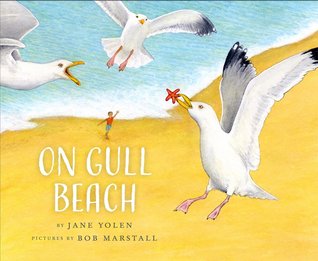
Wednesday: On Gull Beach by Jane Yolen

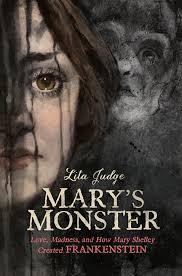
Thursday: Mary’s Monster by Lita Judge

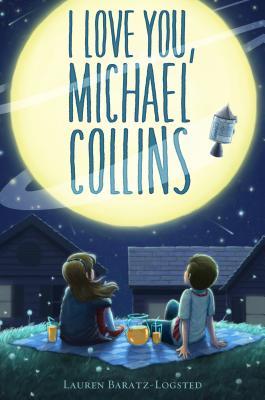
Friday: I Love You, Michael Collins by Lauren Baratz-Logsted

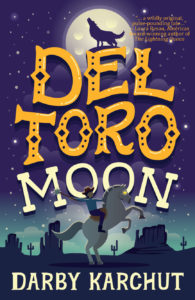
Sunday: Author Guest Post from Darby Karchut, Author of Del Toro Moon

**Click on any picture/link to view the post**

Bold_line

 Last Week’s Journeys

Kellee

I used this past weekend to get some work done and also to read some picture books that I’ve had waiting for me, piling up. I’m so glad I did–all were good, some were phenomenal.

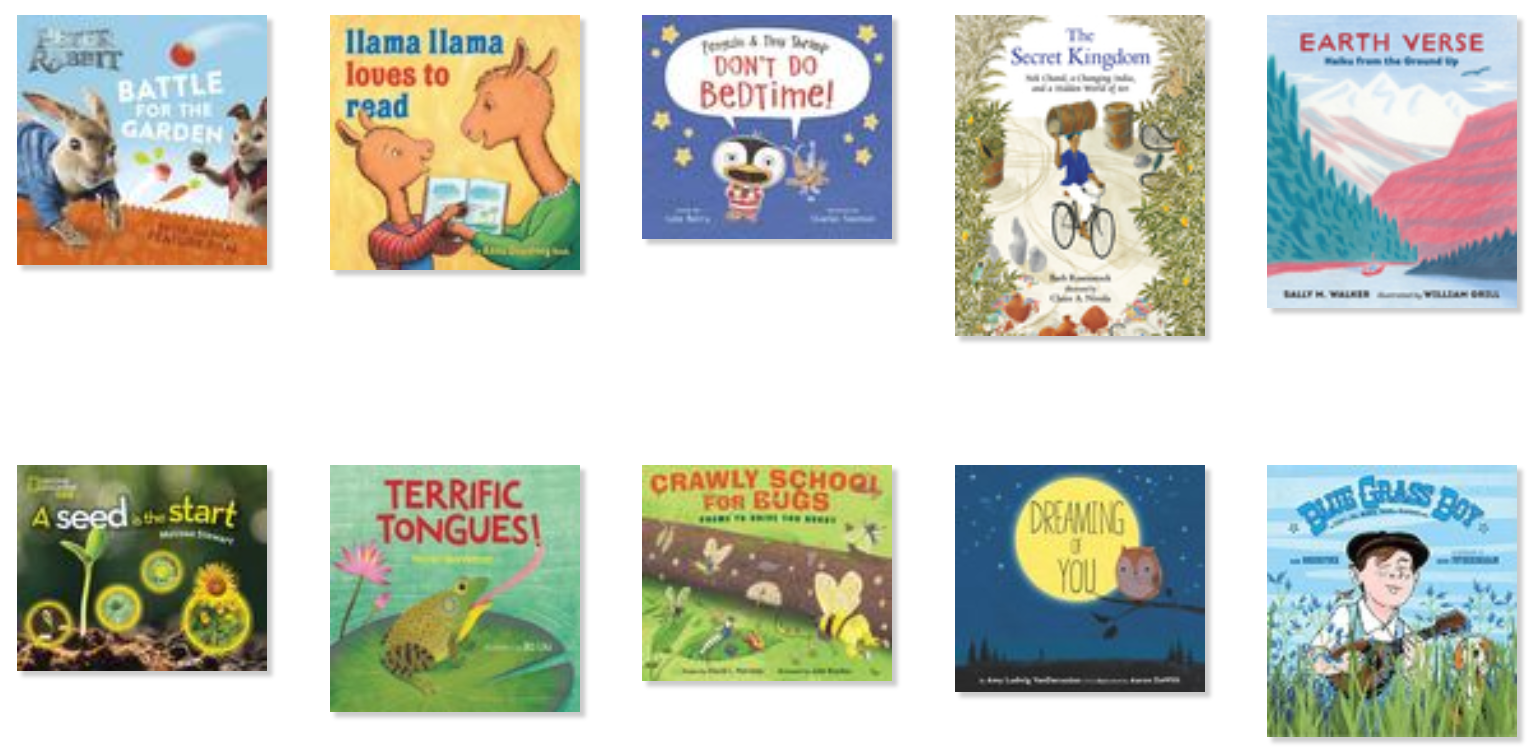
  • Trent really loved the Peter Rabbit movie, so when he saw this book adaptation, he wanted to read it so badly! It isn’t a literary masterpiece, but it made my boy happy 🙂
  • Llama Llama Loves to Read by Anna Dewdney is one of my favorite Llama Llama books, and it showed me that Trent knows how to read GO and STOP–yay!
  • Penguin and Tiny Shrimp Don’t Do Bedtime by Cate Barry was probably my favorite fiction picture book we read. It was really funny and made me and Trent laugh out loud.
  • The Secret Kingdom by Barb Rosenstock is as brilliant as I knew it would be based on her guest post. I loved learning about Nek Chand, a man who wanted to keep beauty even as society was tearing it down.
  • Earth Verse by Sally Walker is full of haikus about the Earth and geology which made the volcano-obssessed me pretty happy. It was a perfect mix of science and poetry, and the back matter was really interesting and helps make the haikus make more sense.
  • A Seed is the Start by Melissa Stewart is as good as everyone is saying. She does a great job of providing information in interesting, lyrical, yet scientific ways.
  • Same goes for Maria Gianferrari and her book Terrific Tongues. I had no idea that tongues were so fascinating, but they are!
  • Crawly School for Bugs by David L. Harrison immediately seemed like a companion to Leaf Litter Critters! I could see them working so well together!
  • Dreaming of You by Amy Ludwig VanDerwater was a sweet book about what animals dream about.
  • Blue Grass Boy by Barb Rosenstock is another interesting biography from Barb that tells us the story of Bill Monroe, the father of bluegrass music. I loved how she explained the inspiration for Monroe’s music.

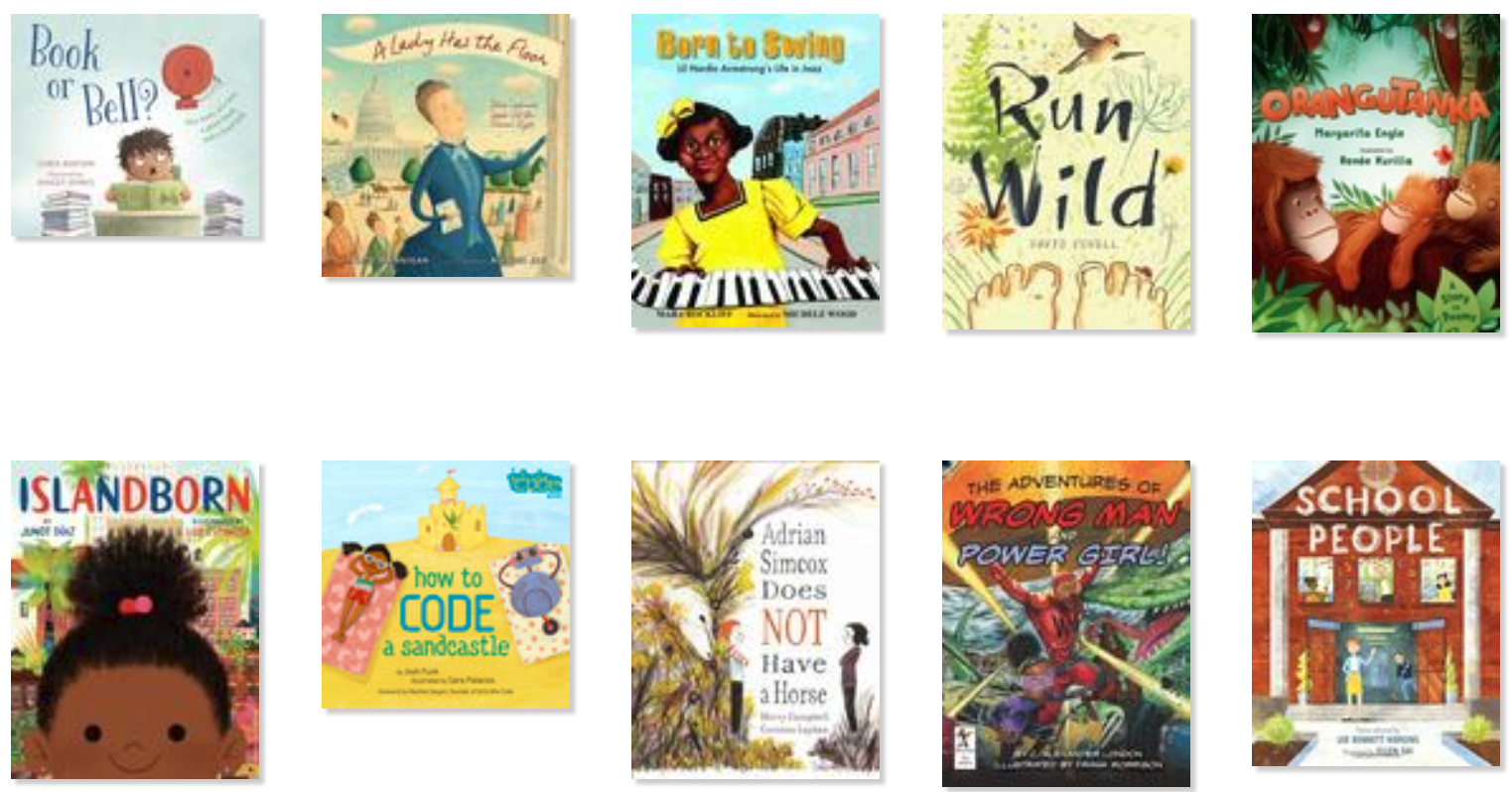
  • Book or Bell by Chris Barton looks at what happens when you can’t put down a book, even when the bell rings at school to go somewhere else.
  • I sadly didn’t know of Belva Lockwood until Hillary Clinton ran for president and many threw her name out there saying Hillary wasn’t the first woman to run, so I was so happy to read A Lady Has the Floor by Kate Hannigan to learn about her amazing life and brilliance.
  • Born to Swing by Mara Rockliff introduced me to another amazing woman that we should all know about: Lil Hardin Armstrong, Louis Armstrong’s second wife who was more famous (and arguably talented) than he was and helped him become famous. She was a piano prodigy who revolutionized woman in music.
  • Run Wild by David Covell looks at the wonders of just running free and enjoying the outside world.
  • Orangutanka by Margarita Engle is a reread for me, but it was the first time Trent and I read it together. With just finishing Rescued by Eliot Schrefer with my students, it was a great time to read this fun and poetic book about these amazing animals.
  • Islandborn by Junot Díaz is as perfect as everyone, including Ricki, has said. What a beautiful way to talk about heritage, specifically Lola’s.
  • Josh Funk’s newest picture book, How to Code a Sandcastle, combines his day job and his writing with our protagonist using her coding skills to have her robot help her build the perfect sandcastle. It is a great introduction to coding!
  • A book you need to add to your empathy text set: Adrian Simcox Does NOT have a Horse by Marcy Campbell looks at poverty, judging, and imagination.
  •  The Adventures of Wrong Man and Power Girl by C. Alexander London shows that dad is super even if he does the wrong thing a lot of the time. Luckily Power Girl is around to help save the day!
  • School People compiled by Lee Bennett Hopkins is a must get for every teacher! It is a compilation of poetry about all the different people who make a school what it is.

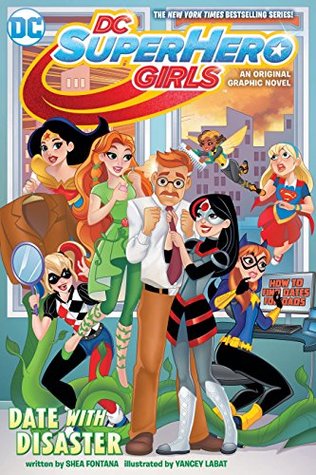
  • Trent and I finished DC Superhero Girls: Date with Disaster this week, and by the end of the graphic novel, Trent had obviously gotten used to the format and was really into it. I loved experience this first full graphic novel with him.
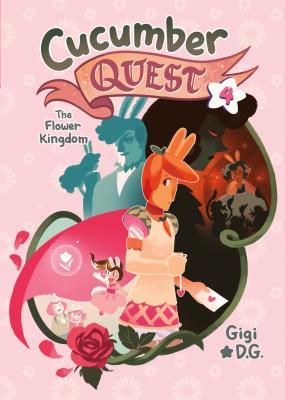
  • I’ve now finished the fourth Cucumber Quest book, and the waiting for more in the series begins…..
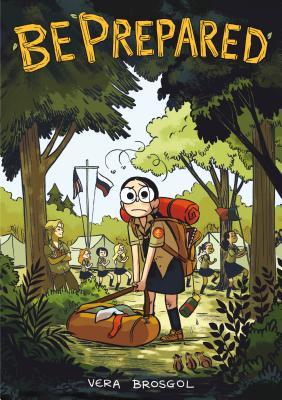
  • Be Prepared by Vera Brosgol is a semi-autobiographical story of Vera’s trip to Russian summer camp in Connecticut. Full of situations that anyone can connect to and other situations that will make you laugh out loud, the story is a coming of age graphic novel for all.
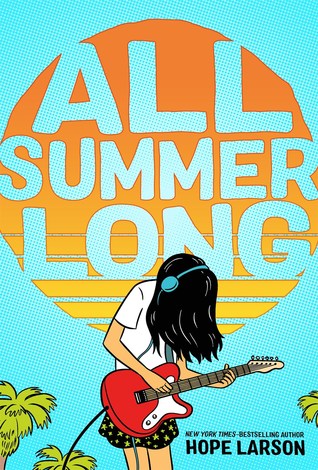
  • All Summer Long by Hope Larson is also a summer-long coming of age story, but Bina’s story looks more at friendship, gender expectations, and music. I definitely connected to this one more, but Be Prepared gave me better insight into a culture I am not part of.


  • I cannot wait to review The Reckless Rescue for you all on Wednesday!
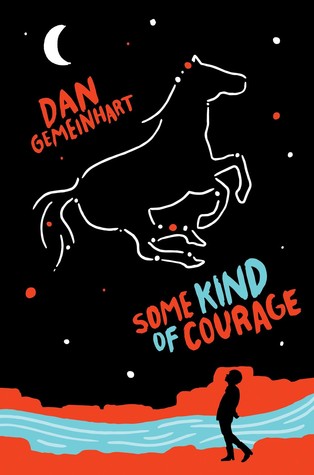
  • Dan Gemeinhart is another author who I am starting to realize is one I can trust to write a story I would love. Some Kind of Courage was some kind of book–just amazing. Wow! And the narrator for the audiobook was perfect! I cried of sadness and happiness while reading. Just so many emotions! Wow!
 Ricki

There is no way I can compete with that!

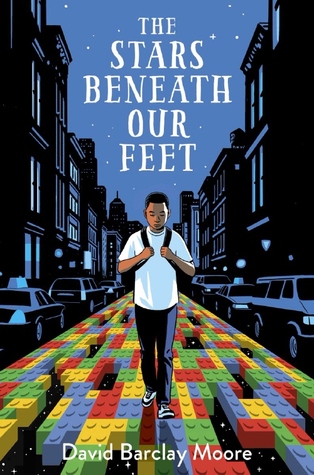
I listened to (and loved) The Stars Beneath Our Feet by David Barclay Moore. I loved the integration of legos, and I admired the brave, 12-year-old Lolly. This is a powerful book about grief.

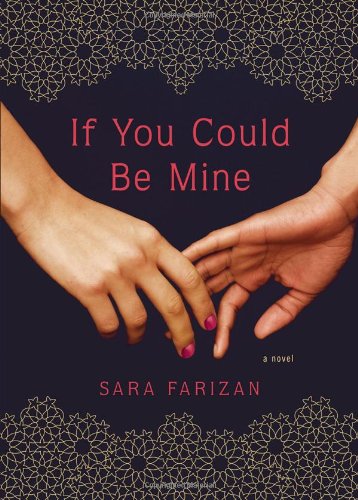
I REREAD If You Could Be Mine for the fifth time. I dare say that it gets better with each reading. I love this book, and I am looking forward to talking about it with students tomorrow! Besides discussing the book, we will be talking about it in the context of censorship.

My kids and I reread a hundred or so picture books, but none were new!

Bold_line

This Week’s Expeditions
Kellee

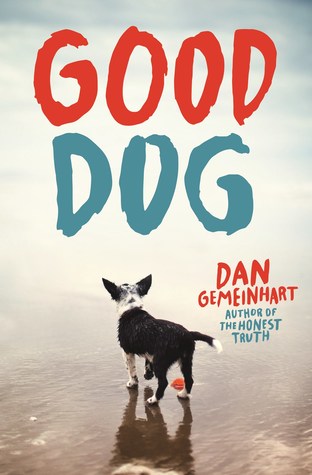
  • My book club’s virtual author visit with Dan Gemeinhart is on Friday, and Good Dog is the last of his books that I haven’t read, so I am planning on finishing it before then.
  • The Underneath by Kathi Appelt is RAVED about by so many, and it is turning 10 this year–obviously it is time for me to finally get to it!
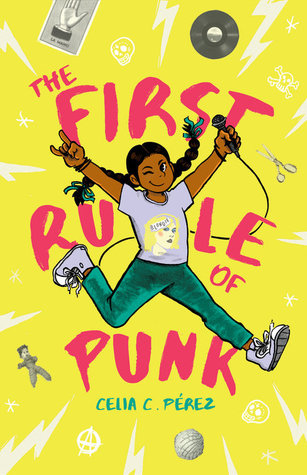
  • The Sunshine State Young Reader lists for next year were just announced, and First Rule of Punk by Celia C. Pérez is on the list; luckily, it was one of the books I’ve gotten from Audible, so I am going to start listening to it.
Ricki

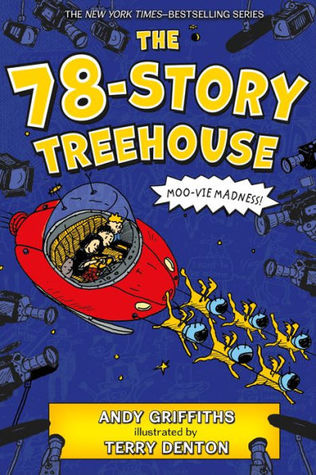
My son and I are reading The 78-Story Treehouse by Andy Griffiths. I’ve never read any of the treehouse books (GASP!), but now, I get it. I suspect that we will be reading every book in this series together. My son loves it!

I am excited to start Alone Together by Sarah J. Donovan. I admire this author, so I am looking forward to diving into this book!

Bold_line

Upcoming Week’s Posts

Tuesday: Grading is Complicated: Ruminations of an English Teacher Educator

Wednesday: Blog Tour with Review: The Reckless Rescue (The Explorers #2) by Adrienne Kress

Thursday: It’s a Puppy’s Life from National Geographic

Friday: Teaching Guide with Discussion Questions and Activities for Polly Diamond and the Magic Book by Alice Kuipers

Sunday: Author Guest Post from Patty Costello, Author of Catalina and the King’s Wall

Bold_line

 So, what are you reading?

Link up below and go check out what everyone else is reading. Please support other bloggers by viewing and commenting on at least 3 other blogs. If you tweet about your Monday post, tag the tweet with #IMWAYR!

 Signature andRickiSig