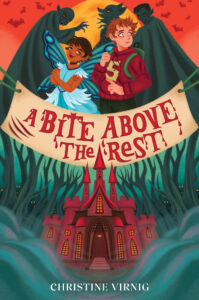
Author Guest Post: “Tackling the Blank Page with the WHY Method” by Christine Virnig, Author of A Bite Above the Rest

Share

“Tackling the Blank Page with the WHY Method”

I’m extremely lucky to be able to run two writing clubs at the library where I work—one for TEENs and one for 9–12-year-olds. It’s so fun to sit there and soak in the young writers’ enthusiasm, their energy, their creativity. But while some of them are bursting with ideas, others have a hard time getting started. They stare at the blank page in front of them and don’t know where to begin.

I very much commiserate with this can’t-figure-out-how-to-start group. I also have the hardest time coming up with ideas. Nothing ever seems unique enough, interesting enough, engaging enough to bother turning it into a book that anyone but my mom would want to read. So how do I move beyond the blank page to get at least SOMETHING written down? I use what I call the WHY method.

What is this magical WHY method? It’s nothing more than starting with a shred of an idea—such as a character (like a girl with a peanut allergy), a place (like a haunted woods), a villain (like a vomit-breathed math teacher), or a theme (like evolving friendships)—and then asking myself “why, why, why, why” until I finally have enough of an idea to start writing. To walk you through this WHY method, let’s use my debut middle grade novel, A Bite Above the Rest, as an example.

The shred of an idea I started with was a character who just popped into my head one day: a boy who was walking around with a wooden stake in his back pocket because he was terrified he was about to encounter a vampire or witch or werewolf. I named this boy Caleb, I declared him to be eleven years old, and then I started asking why.

Why is Caleb afraid he’ll run into a vampire or werewolf or witch? Does he simply have a vivid imagination, so he sees a bat and thinks VAMPIRE or sees a full moon and thinks WEREWOLF? Or does he live in a world known to contain vampires and witches, and everyone around him is similarly terrified. OR… is he afraid he’ll run into a werewolf or witch because he’s seen them, and yet nobody else is afraid? That last option intrigued me the most… but I still needed to ask more why questions to flesh out the idea.

Why is nobody around him afraid? Are the vampires and werewolves somehow invisible to everyone but my main character? Are the creatures hiding, and my main character is the only who’s ever encountered them?  OR… does everyone around him also see the monsters, but they don’t perceive them as scary? Again, I went with option number 3. And then I asked why yet again.

Why doesn’t anyone else see the vampires or witches as scary? Are most werewolves and vampires friendly, and my character is alone in being afraid of them? Is everybody but Caleb a monster, so of course they aren’t afraid of each other? OR… what if everyone else just thinks the witches and vampires are regular people wearing costumes? Option three was the most compelling to me, but I had to keep going with the whys…

Why do people think the monsters are just regular humans in costumes? Is there a haunted house in town that employs oodles of costumed workers? Does my main character live in an alternative universe where costumes are as ho-hum as jeans and a t-shirt? OR… what if he finds himself in a Halloween tourist town—the Halloween equivalent of the North Pole? It can be a place where Halloween decorations are kept up all year long; where the bakery bursts with mouth-watering, pumpkin-flavored treats; where the library’s mascot can be something ridiculous… like a Book Banshee. How cool would that be?!? I only needed to ask one more why before I was ready to start writing.

Why does my main character come to this town in the first place?  Was he born there? Is he a tourist? Is he visiting his grandma for a week? OR… has he just moved there? As an outsider (and an anxious, fearful one at that), he’ll be more likely to notice things about the town that others overlook. That others take as “normal.”

I went with option three, and BOOM. After asking just five why questions, I had my character, my setting, and the start of an adventure. Did I have it all figured out? Not at all! Why, I still didn’t know if the vampires and werewolves were just costumed humans—and Caleb had it all wrong—or if they were actual monsters (and honestly, I didn’t figure out the answer to this question until I was half way through writing the first draft). But nonetheless, these why questions were enough to get me started. They allowed me to fill up that first blank page with something other than a blinking curser.

So, when you have students who can’t decide what to write—when they’re frustrated and stuck and just want to give up—maybe have them try the WHY method and see if it helps them too. Why does that hedgehog talk? Why do the woods feel spooky? Why did that girl’s best friend just call her a name? Why? Why? Why?

And hopefully, all these why questions will help them fill their blank pages too!

Published August 6th, 2024 by Aladdin

About the Book: A boy moves to a Halloween-themed town only to realize there may be more to the tourist trap than meets the eye in this fast-paced romp of a middle grade novel perfect for fans of The Last Kids on Earth and Escape from Mr. Lemoncello’s Library!

When Caleb’s mom decides they are moving to her childhood home in Wisconsin, Caleb is not thrilled. Moving schools, states, and time zones would be bad enough, but Mom’s hometown is Samhain, a small and ridiculously kitschy place where every day is Halloween.

Caleb is not a fan of Halloween when it only happens once a year, so Halloween-obsessed Samhain is really not the place for him. How is he supposed to cope with kids wearing costumes to school every single day? And how about the fact that the mayor is so committed to the bit that City Hall is only open from sundown to sunup to accommodate his so-called vampirism? Sure enough, Caleb becomes an outcast at school for refusing to play along with the spooky tradition like the other sixth graders. Luckily, he manages to find a friend in fellow misfit Tai, and just in time, because things are getting weird in Samhain…or make that weirder.

But there’s no way the mayor is an actual vampire, and their teacher absolutely cannot really be a werewolf—right? Caleb discovers Samhain is so much stranger than he ever could have imagined. As one of the only people who realizes what’s happening, can he save a town that doesn’t want saving?

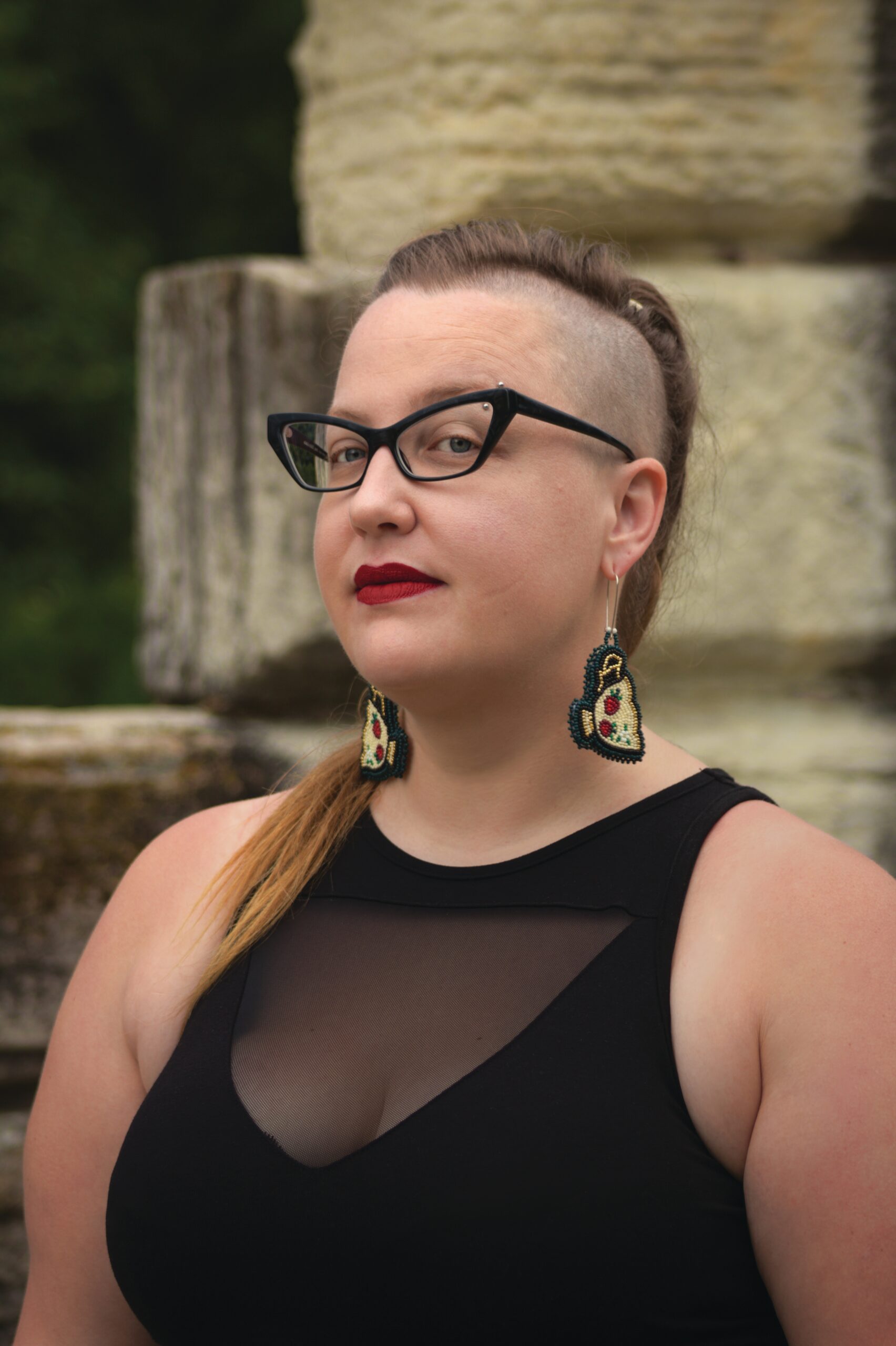
About the Author: Christine Virnig (she/her/hers) is a fan of books, candy, spooky stories, poop jokes, and coffee…in no particular order. As a former physician, Christine now spends her days writing books, reading books, and working at a library where she is surrounded by books. Christine lives in southern Wisconsin with her husband, two daughters, a ridiculous number of dust bunnies, and one incredibly lazy cat. You can visit her on the web at ChristineVirnig.com.

Thank you, Christine, for this hint on how to get started when being taunted by that blank page!

Author Guest Post: “On Writing the Unexpected Narrator” by Jordan Kopy, Author of Theodora Hendrix and the Monstrous League of Monsters

Share

“On Writing the Unexpected Narrator”

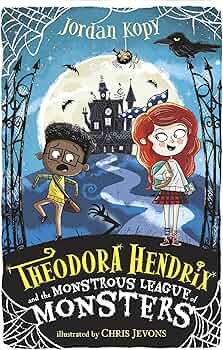
My debut middle grade novel, Theodora Hendrix and the Monstrous League of Monsters, follows the adventures of one Theodora Hendrix, who isn’t your average ten-year-old: her best friend is a talking, top-hat-wearing tarantula named Sherman. She reads torat cards (think tarot cards, but magical). Oh, and she lives in a haunted mansion full of monsters, breaking Headquarters’ Number One Rule: Keep Monsters Hidden from Humans.  When a series of anonymous letters threatens to reveal her secret, Theodora must follow a series of clues to track down the source. If she fails, Theodora will be sent to live with humans (the horror, the horror!) and her family will end up in the Deepest, Darkest Prisons of Transylvania. Forever.

Like many authors, I’m often asked where I got the idea for this book. The story goes like this: my mom and I were watching one of our favorite movies, “My Cousin Vinny”.  Fred Gwynne, who played the judge, also played Herman Munster on “The Munsters”, a black and white television show from the 1960s. That fact must have been in my head – probably because my mom mentioned it a dozen-odd times – when I went to sleep, because I woke up the next morning with the idea for a story about a ten-year-old girl being raised by a bumbling family of monster superheroes. I jumped out of bed and grabbed my laptop; two hours later, I had written the book’s opening chapters. Over the next few days, I outlined the plot – at least, I knew where the story started and how it ended, sketched out my ensemble cast of characters, and sorted out the book’s main themes. But what I hadn’t sorted out was my narrator.

Choosing the narrator is one of the most critical decisions an author makes when crafting their story, as this is the vehicle by which your tale is relayed to your reader. There’s much to consider:

For starters, who is the narrator – who’s telling us this story? It can be anyone, really – the main character, a third party, an animal sidekick…When thinking through the various options, considering point of view can be super helpful: most novels typically employ first or third person point of view. In first person, the narrator is directly involved in the story, sharing the events that occurred according to their own recollection or experience, using “I” or “we” to describe the action. A well-known example of this is the Percy Jackson and the Olympians series by Rick Riordan. In third person, the narrator isn’t directly involved in the story, using “he”, “she”, or “they” to describe the action. Third person is often (but not always!) omniscient, meaning that the narrator is all-knowing. A (very!) well-known example of this is the Harry Potter series by J.K. Rowling. Along with point of view, the narrator’s perspective – i.e., their individual perceptions of and interactions with the world at large – should also be considered: a narrator whose perception differs from that of the main character will provide a different experience than one in which a similar worldview is shared. Together, point of view and perception can help to define the best narrator for a given tale; the former tells us the “what”, the latter the “how”.

I had no clear sense of my narrator when I first started writing Theodora Hendrix and the Monstrous League of Monsters. So, I started thinking about perspective and point of view – and kept waffling between the two. I liked the intimacy of first person as it allows readers to experience events with the main character – a technique which is particularly successful with young readers who can, perhaps, more easily envision themselves in that character’s shoes. In contrast, I liked the omniscience of third person as allows the narrator to hint at things yet to come which the main character couldn’t possibly know; this works especially well in novels in which there’s some degree of mystery, which I knew my story would have. In the end, I decided to take a (perhaps not so small) risk and combine the two. The result is a rather unexpected narrator:

In the prologue and the epilogue, my narrator’s point of view is first person. He often breaks the fourth wall, speaking directly to the reader. He’s also mysterious: he declines to introduce himself at the beginning of the tale, stating that his identity is for him to know and “for you to find out”; it is only on the very last page that he finally reveals himself. In contrast, the main body of the novel is largely relayed in deep third person, where the narrator closely mimics Theodora’s perspective. To bridge the gap between the two, he occasionally interrupts the story, breaking the fourth wall to share his own thoughts and insights directly with the reader.

To make this process a little less painful going forward, I’ve made myself a “narrator checklist” which I peruse whenever I begin a new manuscript. Some of the questions I consider are:

  1. Who is telling this story? Is it one person or multiple people?
  2. Why are they telling it and not someone else?
  3. Where do they stand in relation to the story – are they directly involved in the action or observing it from the outside?
  4. What information do readers need to follow the plot, and who can best convey this to them?
  5. Comparatively, what information should be withheld or obscured or obscured from readers, allowing for potential misdirection?

Sometimes, choosing a narrator is a matter of trial and error. If the plotting is tight, the characters well-developed, and the pacing appropriate, it may be worth taking another look at your narrator. Changing the point of view and perspective can feel more than a little overwhelming, but it’s worth it in the end: the right narrator can make all the difference.

Published July 16th, 2024 by Simon & Schuster Books for Young Readers

About the Book: If you think monsters don’t exist, just ask Theodora Hendrix. The start of a brilliantly funny new series, perfect for fans of Amelia Fang.
The first rule of the Monstrous League of Monsters is: Keep monsters hidden from humans. But when zombie George and his cat companion Bandit find an abandoned baby, they can’t leave her to be eaten by hobgoblins. So they spirit her home where she quickly becomes part of the family. Fast-forward ten years, and young Theodora doesn’t seem too scarred by her monstrous upbringing. But now a series of anonymous letters suggest that someone is about to reveal their secret. If Theodora doesn’t act fast, she may lose her family for ever…

“Readers will be irresistibly drawn into the captivating world of Kopy‘s monster-filled middle-grade novel, where the promise of tantalizing secrets sets the stage for adventure. …a delightful blend of whimsy and mystery … lively characters and light mystery, the narrator imparts a particularly mischievous charm, with cheeky asides…With playful, comical illustrations reminiscent of the Addams Family that vividly bring the scenes and characters to life, this delightful, cheeky romp is ideal for those who relish eerie tales with a humorous twist.” – Booklist

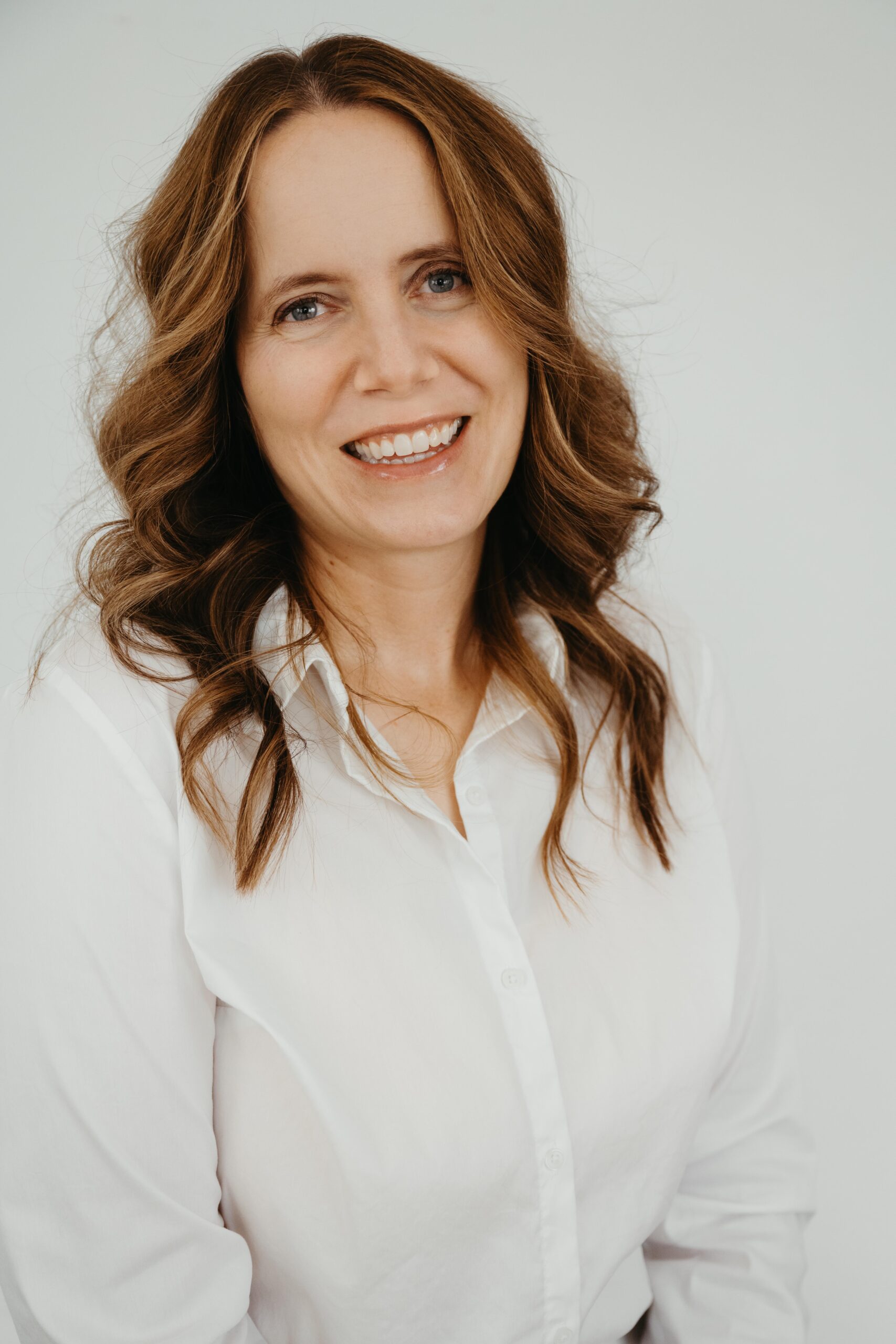
About the Author: Jordan Kopy is a born and raised New Yorker who now lives in London with her husband and poorly behaved (but lovable) cat. A financial services professional by day (no idea how that happened), Jordan spends her nights with ghouls, witches, and the occasional evil hag. She’s also the author of Theodora Hendrix and the Curious Case of the Cursed Beetle and Theodora Hendrix and the Snare of the Shadowmongers.

Thank you, Jordan, for this post looking at the process of choosing a narrator!

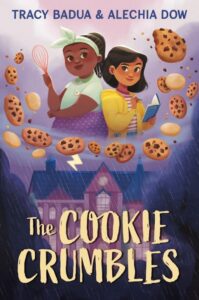
Author Guest Post: “Creativity, Collaboration, and Cookies” by Tracy Badua and Alechia Dow, Author of The Cookie Crumbles

Share

“Creativity, Collaboration, and Cookies”

When you mention group projects, how many of your students groan?

With grades at stake, there’s so much potential for conflict: some people may battle for control, some may disagree about what the overall project should look like, and some might not even complete their assigned tasks. To some students, having to partner up often feels like extra work.

But group projects get a bad rap. Collaboration doesn’t have to mean more conflict or more work: it can be an opportunity to excel together. Learning how to work well in a team proved to be a vital skill when we embarked on our own group project: writing a middle grade murder mystery. In The Cookie Crumbles, two best friends must solve the mystery behind a celebrity judge’s collapse at a kids baking competition.

  • Why did you choose to co-write THE COOKIE CRUMBLES?

Alechia: The Cookie Crumbles, in my mind, was the type of story that would be a blast with dual perspectives and voices. Add that I’ve been friends with Tracy for nearly eight years, and it made the project that much easier to develop together. Tracy and I have similar styles, we have the same work ethic, and we complement each other. Knowing that she will find the things I forget (descriptions are tough), and I’ll think of the things she might’ve missed, means we’re a good team. A lot of communication and establishing an order of operation made collaboration seamless.

  • What do you think you each brought to the process?

Alechia: Food is a huge part of my life and is absolutely in my element. So bringing that to a story that features food heavily meant I could rely on the skills I learned in pastry school––creating fancy desserts, sure, yet also food writing. I have to add that when Tracy and I work together, we tend to laugh a lot. Many of our jokes ended up making it into the final version of this book. How much you enjoy the process seeps into the story and I think (I hope) the reader feels that too.

Tracy: I brought in my intense love of organization. I took notes on all of our brainstorming conversations and had spreadsheets mapping out everything from what happens in each chapter, what they’re baking, and who wins which baking competition round. Collaborating on a project requires a lot of clear communication, and I tried my best to use whatever tools we had handy to make the process run smoothly.

  • How do your characters work together as a team?

Laila is a talented kid chef, and she’s invited to compete at the Golden Cookie Competition at the prestigious Sunderland boarding school. Her best friend, newscaster-hopeful Lucy, comes too, hoping to write a strong piece that will wow the Sunderland scholarship committee. But when one of the celebrity judges collapses after eating one of Laila’s cookies, there are whispers that Laila had something to do with it.

Together, Laila and Lucy work to not only clear Laila’s name, but to also figure out the real culprit. This means poking around for clues, tag-teaming interviews with the judges and other competitors, and covering for each other so they can thoroughly investigate. They do hit some stumbling blocks along the way, and you’ll have to read the book to see if this friendship can weather all the storms!

  • What other co-written middle grade works do you recommend?

Alechia: Save Me a Seat by Sarah Weeks and Gita Varadarajan is adorable! Time After Time (Best Wishes #3) by Sarah Mlynowski & Christina Soontornvat is one of my daughter’s favorite series. Camp Sylvania: Moon Madness by Julie Murphy & Crystal Maldonado is going to be a blast, no doubt!

Tracy: I love The Secret of the Dragon Gems by Rajani LaRocca and Chris Baron and You Are Here: Connecting Flights, an anthology edited by Ellen Oh.

Published June 11th, 2024 by Quill Tree Books

About the Book: Best friend duo works to solve baking competition puzzle in charming story.

The Great British Bake Off meets a tween-friendly Knives Out in this fun and propulsive middle grade novel following two best friends who must solve the mystery behind a baking competition gone awry.

This sweet treat early readers are calling “completely sublime” comes from author buddies and Middle Grade favorites Alechia Dow, an American Library Association notable and Indie Next Kids pick novelist, and Tracy Badua, a Society of Children’s Book Writers and Illustrators’ multi-award winner.

Laila gave Lucy a cupcake on the second day of kindergarten, and they’ve been inseparable ever since. But the summer before eighth grade, they find out that since they live on opposite sides of town, they’ll go to different high schools. Yuck!

Then Laila’s invited to compete at the Golden Cookie competition, which awards its winner admission and a full ride to the prestigious Sunderland boarding school, and it’s the perfect opportunity. Sunderland doesn’t just have an elite culinary program;
it’s also home to an elite journalism track, if only newscaster-hopeful Lucy could build up a strong enough portfolio to impress the scholarship committee.

But when one of the celebrity judges collapses after sampling Laila’s showpiece, rumors of foul play swirl, with Laila rising to the top of the suspect list. Even worse, a major storm has effectively cut off all access to the outside world. Can the girls find the real culprit and clear Laila’s name before it’s too late?

About the Authors: 

Tracy Badua is an award-winning Filipino American author of books about young people with sunny hearts in a sometimes stormy world. By day, she is an attorney who works in national housing policy, and by night, she squeezes in writing, family time, and bites of her secret candy stash. She lives in San Diego, California, with her family.

TikTok: @tracybwrites | Instagram: @tracybaduawrites | Facebook: U | Twitter: @tracybwriteshttps://tracybadua.com/

Alechia Dow is a former pastry chef, a librarian, and an award-winning author of acclaimed young adult sci-fi fantasies, several short anthology pieces, and magical (sometimes mysterious) middle grade stories. When not writing, you can find her having epic dance parties with her family, baking, reading, taking teeny adventures, and exploring her local food scene.

Instagram: @alechiadow | https://www.alechiadow.com/

Thank you for sharing this fun interview and an inside look at The Cookie Crumbles!

Author Guest Post: “So What You’re Really Saying Is…” by Adam Borba, Author of This Again

Share

“So What You’re Really Saying Is…”

By the end of the sixth grade, most students have been introduced to the concept of a thesis statement by their English teachers. That infamous sentence that typically appears in the first paragraph of an essay declaring the main point or purpose of the paper in a concise summary. It gives a paper direction and informs readers what the author intends to discuss. For years, I dreaded them. I found thesis statements daunting and believed their prescriptive nature took the fun and art out of writing and made it more formal, like science or math (never my strong suits). But while I loathed thesis statements as a kid, as a storyteller, I love a strong, clear theme. The irony is thesis statements and themes are essentially the same—it’s just a successful rebrand. Like Blue Ribbon Sports changing its name to Nike or a restaurant deciding their menu’s underwhelming fettuccini alfredo is actually amazing cacio e pepe. Let me explain!

A theme (or message) is the essence of a story—what it’s all about. Themes tend to be strongest when they’re simple, clear, and universal, so they’re relatable to everyone. A single sentence, often only a few words. They’re not always a line that’s written verbatim (or spoken in a movie) and rarely are themes stated definitively up front, but even buried in subtext all the scenes in a story with a strong thematic build to that idea. Themes are something that I learned to appreciate while developing and producing movies, which I’ve done for over twenty years. Early in my career, I discovered having a clear theme tended to be one of the things that allowed an audience (or readers) to have a strong emotional connection with a story.

When I’m beginning a movie or writing a book, one of the early goals I have is to get to that one sentence message. Again, preferably something universal. And it’s always something that my colleagues, the director, and the film’s writers have agreed to. A few examples: In Pete’s Dragon it was “Everyone belongs somewhere.” In Timmy Failure it was “It’s okay to be different.” In Peter Pan & Wendy it was “Everyone grows up at their own pace,” In A Wrinkle in Time it was “Everyone is deserving of love.”

When I’m writing, I try to figure out the theme before I begin a rough draft, so I can tie it to narrative and character as much as possible, because ideally, it’s the theme that the protagonist learns that ultimately allows them to get out of trouble and succeed in the end.

My first book, The Midnight Brigade, is about a shy boy named Carl with a big heart who has trouble sharing how he feels. The book is set in Pittsburgh and one night Carl finds a grumpy troll named Frank living under one of the city’s four hundred bridges. Carl decides to keep the troll a secret with his friends which leads to all kinds of trouble. Ultimately, the troll teaches Carl to be bold (the story’s theme), which sets the kid on a stronger path.

In my novel Outside Nowhere, the main character, Parker Kelbrook is an extrovert. He’s funny, and charming, and talks a lot. He’s a Ferris Bueller-type, the opposite of Carl and he doesn’t take life seriously. When the story begins, Parker is more concerned about himself than other people. So, as a character, he’s got a lot of room to grow. The kid loves pulling pranks, and in the opening scene, he pulls one that goes too far, pouring sixty gallons of fruit punch mix into a community pool. Afterwards, his dad sends him halfway across the country to work on a farm in the middle of nowhere.

The farm has three rules:

  1. Do your chores
  2. Stay out of the farmhouse
  3. Don’t eat the crops

The other kids on the farm are roll up your sleeves, get the work-done-types. So, Parker doesn’t fit in. They don’t find him charming or funny because he’s not getting his chores done and he’s making more work for everyone else.

Parker needs learn how to turn things around for himself. And when he does, magical and mysterious events begin happening. For instance, one morning he wakes to discover a cow on the roof of a barn, which makes Parker realize that things on this farm aren’t as they appear. Eventually, when Parker accepts the story’s theme that it’s less important how you start something, and more important how you finish, he sets off on a quest to right his wrongs.

My new novel, This Again, is in the spirit of Back to the Future or Groundhog Day. It’s about an anxious, perfectionist kid named Noah who’s running for class president and has no shot of winning, until one day in a bowling alley he runs into a kid who looks exactly like him. The double explains that he’s Noah from nine days in the future and has come back in time to help Noah make all of his dreams come true. As long as Noah does everything he tells him to do no matter how silly and ridiculous it sounds.

This Again is about the funny misadventures of a kid who attempts to orchestrate the perfect day with the help of his future self and a time machine. It’s a story about fate and free will. But more importantly, it’s a book about a kid wrestling with anxiety and perfectionism, learning to accept that life doesn’t always go according to plan and that he’s good enough. And once again, the book is driven by a universal theme: No one can do everything. Much of Noah’s anxiety comes from comparing himself to others (family, friends, classmates), a fear of failure, and trying to do too much at once. Along the way he learns the importance of balance, and that sometimes people appear to have their lives more under control than they actually do. And by learning and accepting this theme, Noah just might have a shot to win in the end.

So, readers can go on these fun rides and take away the same lessons that the protagonists learn, because the themes are universal, but also, they’re so baked into the story, that they’re one and the same. Like the importance of a strong thesis statement that my wonderfully patient, darn-near saintly English teachers growing up attempted to instill on me. And while I didn’t appreciate thesis statements when I was younger, I’ve realized how important it is to define the core of a piece, whether it’s in a film or a book. It not only helps you as a writer to tell a compelling story, but helps readers connect with the material. The next time you read or watch something that you love, beyond the plot and in the subtext, take a step back and ask yourself what the creator was really trying to say. Chances are, it’ll be a message that resonates with you.

Published April 16th, 2024 by Little, Brown Books for Young Readers

About the Book: Noah Nicholson focuses on the could’ve-beens, should’ve-beens and wish-I-dids in his life. Still, there’s plenty to be grateful for— he gets solid grades, he has a nice group of friends, and he’s becoming closer with Lucy Martinez (who he’s had a crush on since the second grade). Most excitingly, he might have a chance to be voted class president next week.

But one day, Noah sees the oddest thing—he sees himself. It turns out, this lookalike is Noah from the future, and he’s here to make sure that Present-Day Noah snags the class president spot. It’s up to the two of them to make sure everything goes off without a hitch, but fate just might have other plans…

Perfect for fans of Finn and the Intergalactic Lunchbox and Operation Do-OverThis Again? takes readers on an incredible journey through time, mind, and middle school.

About the Author: ADAM BORBA is a writer and filmmaker from California who helps develop and produce movies for Walt Disney Studios. He is the author of The Midnight Brigade and Outside Nowhere.

Thank you, Adam, for tying together lessons and reality!

Author Guest Post: “Home is Where the Heart is: Lessons for Writing About Place” by Margaret Finnegan, Author of Sunny Parker is Here to Stay

Share

“Home is Where the Heart is: Lessons for Writing About Place”

If you’re going to tell a story, you’re going to need characters, and to understand those characters, you’ll need to understand the world where they exist. That world is often called the setting. But I don’t like that word. It seems passive—like the backdrop of a play. I like the word place, as in the place where you live. The place where you live is anything but passive. Houses settle. Schools hum. Mountains fall and rise, and then do it all over again. The fact is, the world is its own character. And in our favorite stories, the place—the setting, if you must—is a character. It grounds reality, propels action, and enlivens conflict and drama. Sometimes, it’s an impediment to the protagonist. Sometimes, it’s a savior.

For example, my new book Sunny Parker is Here to Stay takes place in an unnamed but affluent community. There is a country club up in the hills, and most people live in large houses. In fact, a lot of the smaller homes have recently been replaced by McMansions.

Can you picture it? Are you getting a sense of its character? Are you getting a sense of how place affects lives?

Okay. Smack in the middle of town there’s a wide boulevard, three lanes in each direction. Just off the boulevard stands The Del Mar Garden Apartments. It’s an affordable housing complex, a pretty decent one, with balconies and a grass-filled courtyard, but it’s a little neglected too. Sunny Parker, our protagonist, lives here.

This new detail complicates things, doesn’t it? Suddenly, this world seems a little less predictable and a little more fractured. But maybe it also seems more interesting, because like any good character it is multi-faceted, and that makes it fun. After all, you never really know how a multi-faceted character is going to act or what it’s going to do.

Helping writers and readers understand that world building is character building can not only help them grow as writers, but, with the right scaffolding, it can prompt them to think about their own world as more than a place for them to exist, but as an active presence in their own lives, one that they help shape, and one that shapes them in return.

With that in mind, here are two lessons about place—one for writers and one for readers.

Writing About Place

  1. Start with a blank piece of paper. Draw the world you know, in this case, the room/place where you sleep (although other spaces could be fun to play around with too). Be sure to label the furniture, windows, etc.
  2. Add sensory details (as words or pictures) so that you can better visualize what things look, sound, feel, smell, and maybe even taste like.
  3. Look at your picture. What contradictions might exist here? Maybe your side of your room is perfectly clean, for example, but your sister’s side looks (and smells) gross. Or maybe the contradiction is outside. Maybe inside the room/place it’s warm and dry, but outside it’s cold and wet.
  4. Now write about what you’ve drawn, especially the contradiction. Be sure to use those sensory details and other words that give a sense of life and action.
  5. Share your writing with a peer. Have them answer this question: What do you think this writing tells you about the person/people who live here?
  6. Reflect in writing for one minute more by answering this question: Did your peer say what you thought they might? If so, what? If not, did their response surprise you? Why?

Reading about place

  1. Start with a book. Identify passages that describe an important place in the book.
  2. Draw it out on a piece of paper. No need to be fancy, but do try to get those sensory words in there.
  3. Reflect in writing on your drawing. What is your picture trying to tell you about the personality of the place. For example, is it warm, cozy, scary? What clues does the personality of the place tell you about the people or animals in the story?

Published April 23rd, 2024 by Atheneum Books for Young Readers

About the Book: A determined girl spends the summer before middle school learning to stand up for her low-income community in this funny, fast-paced read just right for fans of Kelly Yang’s Front Desk.

Sunny Parker loves the Del Mar Garden Apartments, the affordable housing complex where she lives. And she especially loves her neighbors. From her best friend, Haley Michaels, to Mrs. Garcia and her two kids—developmentally disabled son AJ and bitter but big-hearted daughter Izzy—every resident has a story and a special place in Sunny’s heart.

Sunny never thought living at the Del Mar Garden Apartments made her different—until the city proposes turning an old, abandoned school into a new affordable housing complex and the backlash of her affluent neighborhood teaches Sunny the hard way that not everyone appreciates the community she calls home. Her dad, the Del Mar’s manager-slash-handyman, wants Sunny to lay low. But as hurtful rhetoric spreads and the city’s public hearing approaches, Sunny realizes that sometimes there’s too much at stake to stay silent.

With her friends behind her, Sunny Parker is determined to change the narrative—because she and her community are here to stay!

About the Author: Margaret Finnegan is the author of the Junior Library Guild Selections New Kids and UnderdogsWe Could Be Heroes, and Susie B. Won’t Back Down. Her other work has appeared in FamilyFun, the Los Angeles TimesSalon, and other publications. She lives in South Pasadena, California, where she enjoys spending time with her family, walking her dog, and baking really good chocolate cakes. Visit her online at MargaretFinnegan.com or on Instagram at FinneganBegin.

Thank you, Margaret, for sharing these setting reading and writing tips!

Student Voices: Jerry Craft’s Visit to Kellee’s Middle School

Share

I am so lucky because my principal began an initiative at my school where we get to have an author visit our school yearly (2023: Christina Diaz Gonzalez, 2022: Nathan Hale, 2020: Neal Shusterman, 2019: Jennifer A. Nielsen). The author sees all students in the school, so it is a great community literacy event for my school, and I love being able to bring this experience to all of my students each year!


This year, we hosted NEWBERY-WINNING AUTHOR Jerry Craft!
The visit was phenomenal and included 5 presentations for approximately 220 kids and book signings. It was all such an amazing experience!

Here are some reflections from my students after the visit. I asked them to think about what they learned, what they enjoyed, how they were impacted, or anything else they wanted to share:

  • Having an author visit yearly means a lot because it shows that our school cares for us.
  • I thought that the day was overall amazing. My biggest takeaway from the experience was that something you hate when you’re young could end up being your passion. This visit impacted me by making me feel like I could do anything. To me, these author visits make me feel like I can do anything with my life and it inspires me to read a lot more. This visit was important to me because I felt that Jerry Craft was really the person who could inspire people to read.
  • I am very glad that Jerry Craft was able to come to our school because he had a great presentation and he was good at educating all of us in a very fun and entertaining way. I think it was cool how Jerry Craft was able to draw a perfect circle for all of his 5 presentations! That was pretty cool, I can’t even draw a perfect one, lol. This visit impacted me because whenever the authors come to visit our school and tell us about their books, it always inspires me to be more creative and to be able to reach their level of creativity. Having authors come to visits means to me that I can look forward to skipping a class period to listen to an expert about all of their writing strategies, ideas, etc. This visit was important because it is good for us kids to be able to hear about all of the different authors and what they do to make each of their books different than the others.
  • My biggest take away, was that Jerry Craft said, that he didn’t read a lot as a kid, which was weird to me because I was always told that normally, authors read a lot to get inspiration, but I think is not always like that.

  • It showed me that you should always go into something saying you can do it because if you say you can’t you won’t be able to. You have to put your mind to it so you can do it.
  • Having an author visit yearly help is important and means a lot to me because I love seeing how different authors see different things in different ways and the challenges they face to become who they are in the present. It also helps me learn more about myself because taking some bits of what they say can reflect choices in my present and future and I appreciate the authors for coming and Mrs. Moye for getting these authors for us to enjoy and being caring for us.
  • The biggest takeaway I took from that visit is that no matter how much you prepare for something, you never know what you are going to end up as.
  • The visit impacted me by showing authors are people too they don’t just write books because they have to but because they are inspired.
  • I feel like hearing from an author yearly is just amazing and how they got from the beginning of their life to how they are right now.
  • I thought this visit was important because it helped me understand different people POVs and how their life as an author works.
  • I loved the way he talked about his goals and how his dreams never stop.
  • Having a yearly author visit to me means that I get to learn the creative processes of famous authors.

  • Learning about the work that goes into making books makes me feel more connected to the books that I read.
  • It feels special that we learn something from someone who created a successful book.
  • It made me realize I could do so much in life if i don’t give up and keeping working toward it.
  • I think my biggest takeaway was how, in the end, he kind of “taught” us how to draw different things and how even if you think you won’t be able to draw something good, you can if you believe you’ll be able to.
  • This visit was important because it showed me that even when people don’t think you’ll be able to do anything with your dream if you believe you can, you can show other people that they’re wrong.
  • As this will be my last year, I saw that over the years, all authors have said different things that impacted me throughout my life in middle school.
  • I really enjoyed the day. Mr. Craft was super nice and I found his presentation very interesting. My biggest takeaway was that even if you fail a lot, never give up and keep trying because you will succeed eventually. One thing that impacted me was how Mr. Craft said a lot about how you can do anything even if you think you can’t. Take the little steps that lead up to that goal. I like having a yearly author visitor because it helps me learn more about the people who wrote some of the books that I really liked and how they made them. I like seeing what problems they faced because I could somehow relate to them as well. This visit was important because meeting an author who tells you about their experiences writing their books is really impactful. Their stories and how they accomplished their goals was interesting and relatable to some.
  • My biggest takeaway was that not everything will be perfect, but sometimes it’s for the best.

Another teacher also shared her students’ responses to “What I liked the best was…”

  • How he explained that he went from being bad at writing books to being basically famous.
  • When he explained about his life and how was it. That you can do whatever you want if you propose it.
  • My favorite moment from the author’s visit was seeing his drawing skills live and seeing the Raina Telgemeier books in his presentation. I was surprised to learn that he was inspired by Raina Telgemeier who is also one of my favorite authors.
  • I thought it was interesting how he got the inspiration of real places of his life
  • When he talked about the awards he won as a book writer and how he did it.
  • I wanna read New Kid now because its very inspirational to others.
  • When Mr.Craft showed us an easier way you can draw and not just throw away messed up drawings into better drawing by seeing what you can make out of the messed up drawing.
  • When he started to talk about how he didn’t like to read but now he writes books and has to read for inspiration.
  • When jerry craft started drawing iconic media characters with mundane items. I want to learn more about shape theory.

BUT THERE WAS MORE!

The next day, Jerry Craft surprised my school by COMING BACK TO PLAY IN OUR STUDENT VS. STAFF BASKETBALL GAME!!!

This is more than I could have ever asked for!!!

As you can see from the comments and love, my students and I would highly recommend Jerry for a school visit!

Signature

Educators’ Guide for The Partition Project by Saadia Faruqi

Share

The Partition Project
Author: Saadia Faruqi
Published: February 27th, 2024 by Quill Tree Books

Summary: When her grandmother comes off the airplane in Houston from Pakistan, Mahnoor knows that having Dadi move in is going to disrupt everything about her life. She doesn’t have time to be Dadi’s unofficial babysitter—her journalism teacher has announced that their big assignment will be to film a documentary, which feels more like storytelling than what Maha would call “journalism”.

As Dadi starts to settle into life in Houston and Maha scrambles for a subject for her documentary, the two of them start talking. About Dadi’s childhood in northern India—and about the Partition that forced her to leave her home and relocate to the newly created Pakistan. As details of Dadi’s life are revealed, Dadi’s personal story feels a lot more like the breaking news that Maha loves so much. And before she knows it, she has the subject of her documentary.

Teachers’ Tools for Navigation and Discussion Questions: 

Please view and enjoy the educators’ guide I created for the author:

You can also access the educators’ guide here.

You can learn more about The Partition Project on Saadia Faruqi’s website.

Flagged Passage: View an excerpt HERE.

Recommended For: 

classroomlibrarybuttonsmall litcirclesbuttonsmall closereadinganalysisbuttonsmall

Kellee Signature