Picture Book Science Series: Physical Science for Kids by Andi Diehn

Share

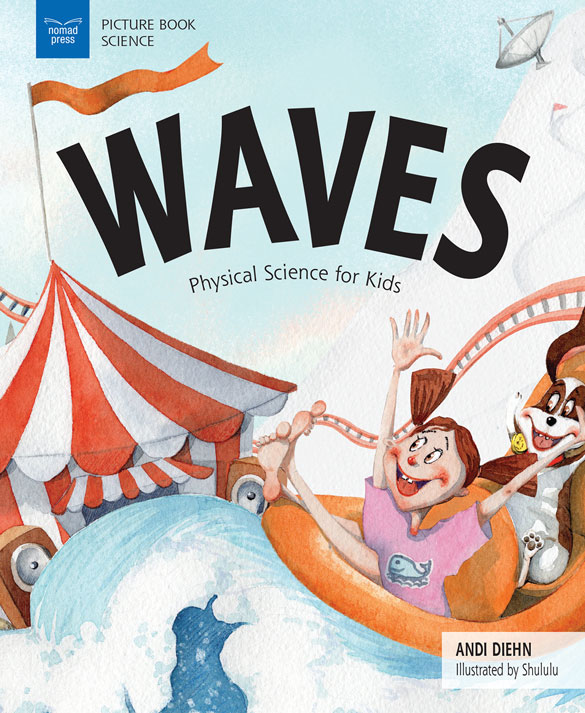
Picture Book Science: Physical Science for Kids
Author: Andi Diehn
Illustrator: Shululu
Published March 1st, 2018 by Nomad Press

Series Summary: By combining children’s natural curiosity with prompts for keen observations and quick experiments, Physical Science for Kids provides a fun introduction for kids to the physical science that rules our world! Great for beginner readers or as a read aloud for younger children. Children are introduced to physical science through detailed illustrations paired with a nonfiction narrative that uses fun language to convey familiar examples of real-world connections.

  • Encourages the development of important skills, including observing, connecting, problem solving, and model testing.
  • Explores vocabulary, encouraging readers to make language arts connections and conclusions.
  • Visually stimulating, detailed illustrations make this an excellent choice as a read aloud for younger children.

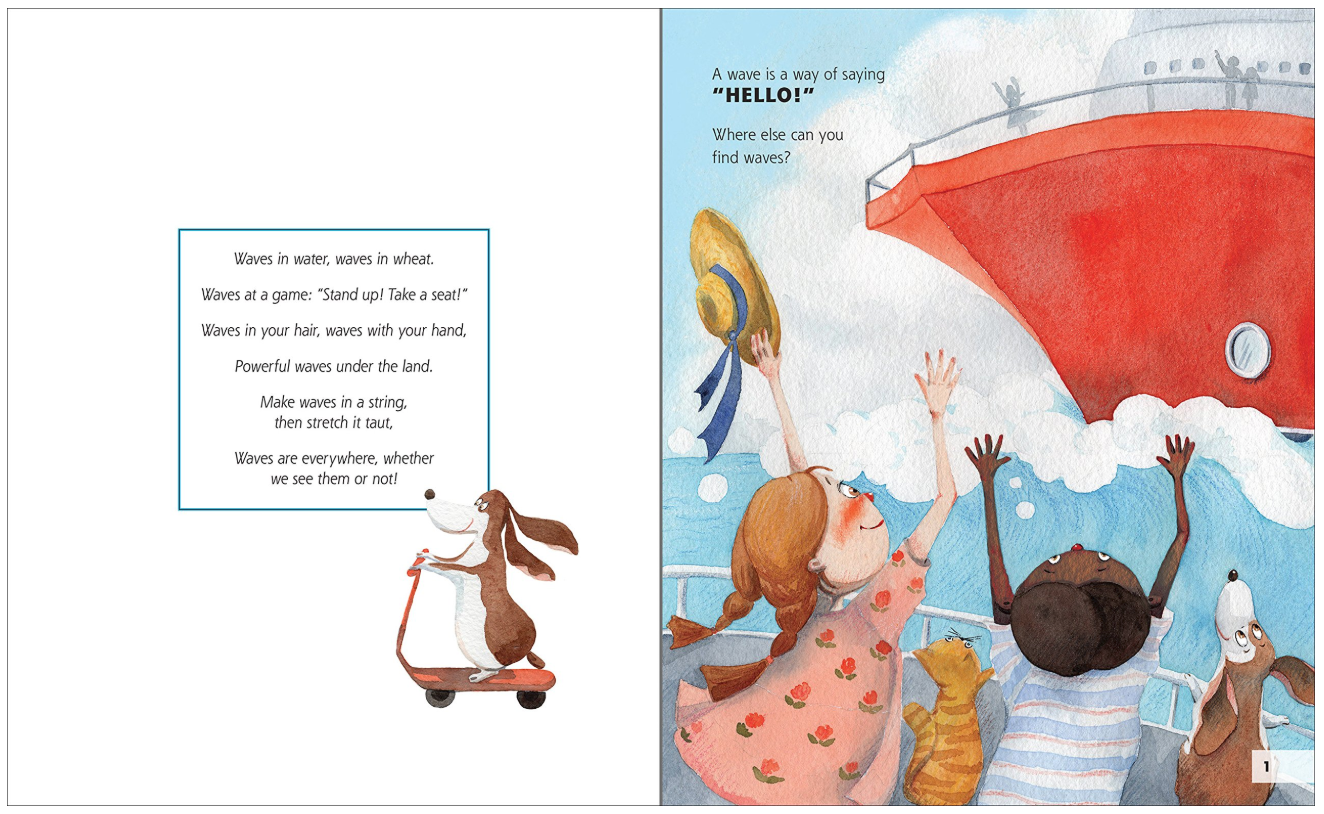
Waves Summary: You can find waves just about everywhere you look! Take a tour of the world of waves in this fun, illustrated introduction to the concept of waves and energy and their presence in our world. This installment in Picture Book Science encourages readers to observe lots of different kinds of waves, including those found in water, wheat, a baseball stadium, and even invisible waves!

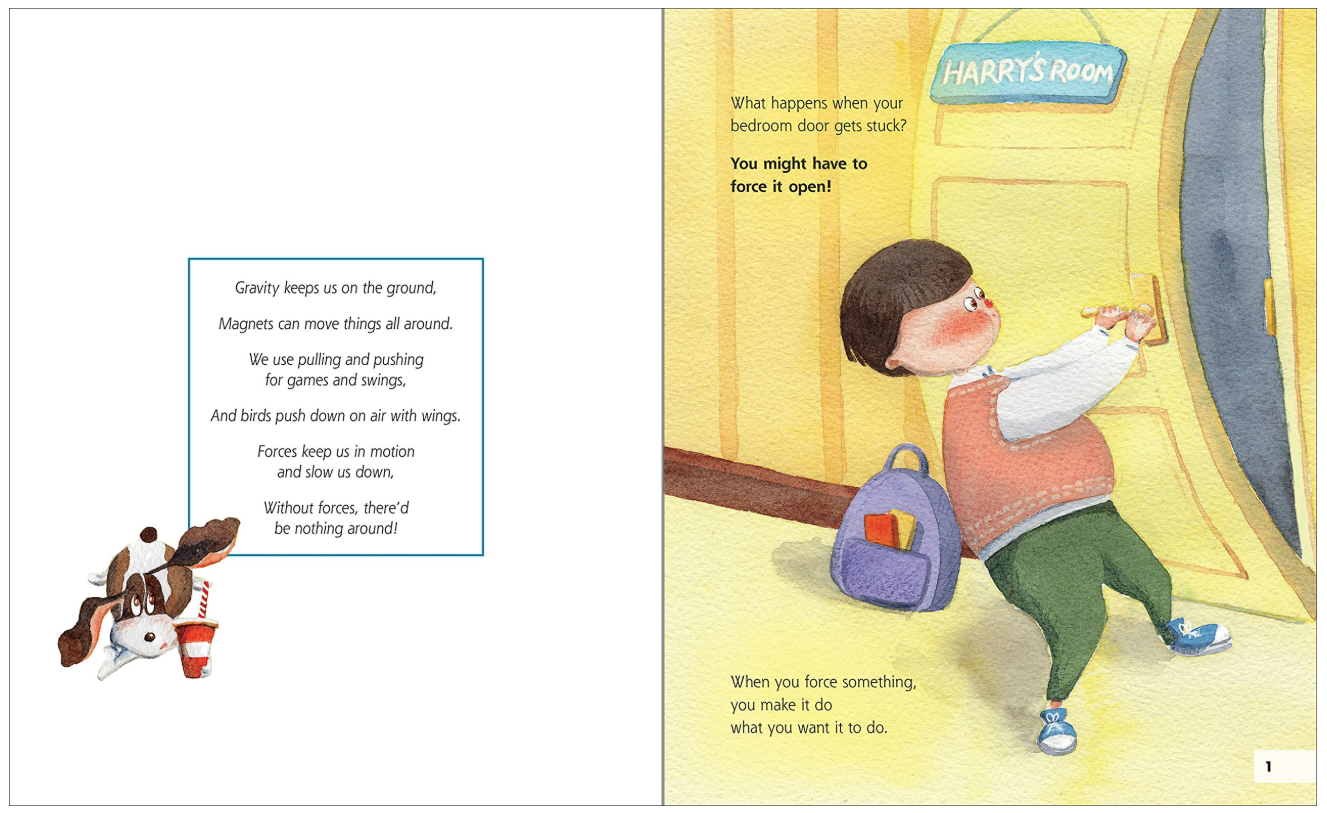
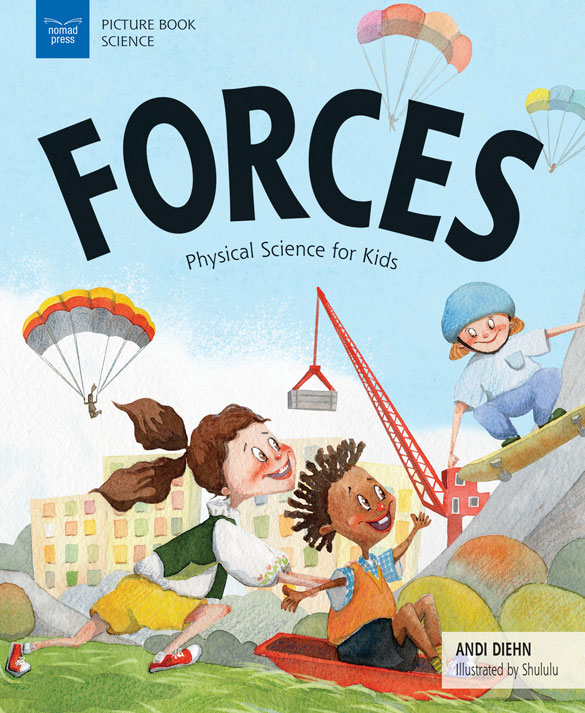
Forces Summary: Our world operates the way it does because of forces. Gravity, magnetism, pulling and pushing, and friction are some of the many forces that affect the way we move on Earth. They even affect the Earth itself-without gravity, the world would eventually fly apart! In Forces: Physical Science for Kids, readers  observe different types of forces, including gravity, magnetism, pulling, pushing, and friction.

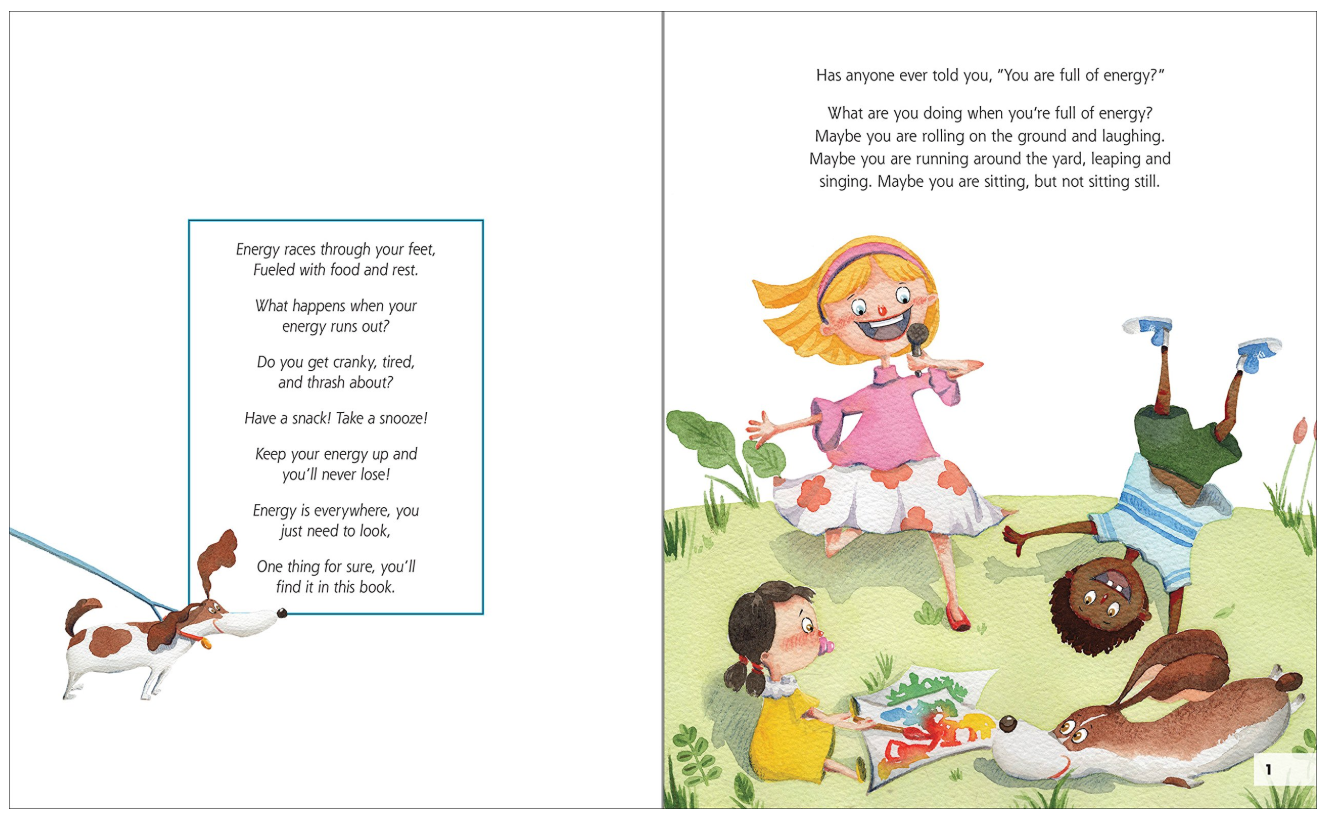
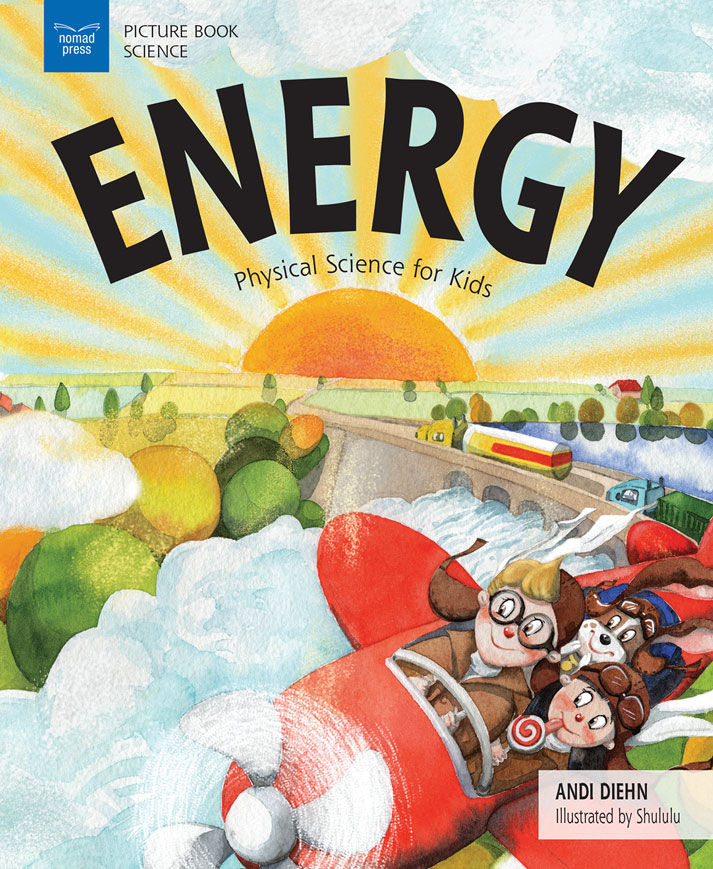
Energy Summary: When you feel like running, leaping, and singing, people might say you have a lot of energy. And you’re not the only one! Energy is the stuff that makes everything live and move. People, animals, plants-we all need energy to live! In Energy: Physical Science for Kids, readers discover different forms of energy, including heat, light, and chemical energy, that keep the world working and moving.

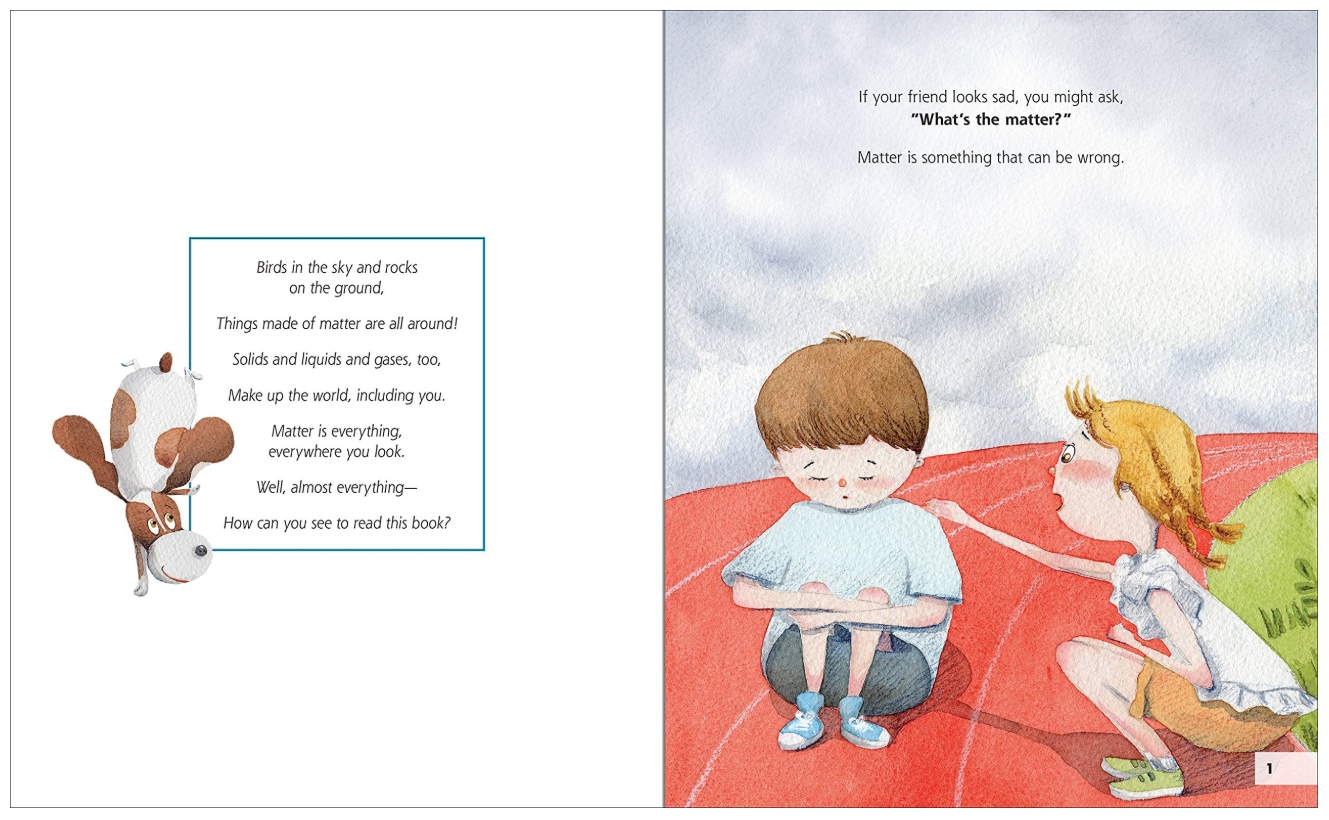
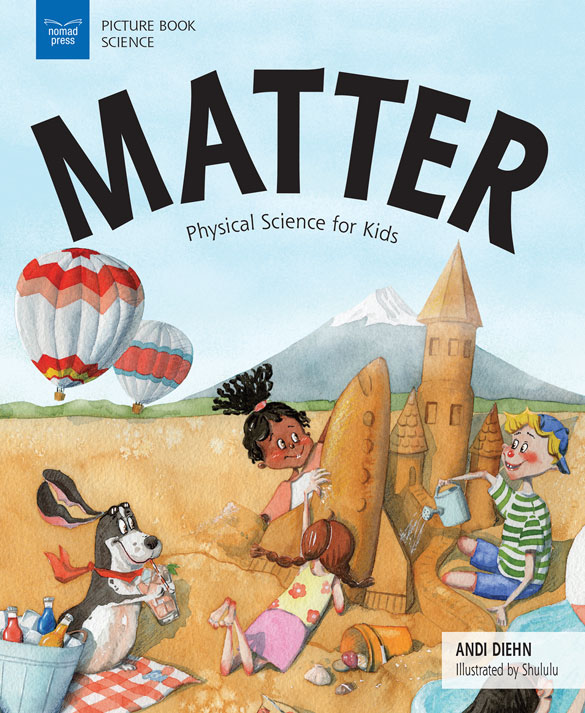
Matter Summary: Everything you can touch and hold is made up of matter-including you, your dog, and this book! Matter is stuff that you can weigh and that takes up space, which means pretty much everything in the world is made of matter! In Matter: Physical Science for Kids, readers  discover the basic building block of most of the material they come in contact with every day, including themselves-matter!

About the Creators: 

Andi Diehn is a writer, editor, and book critic with a BA in English and an MFA in Creative Writing from Vermont College. She has published dozens of articles, stories, and essays and spent many hours volunteering in her son’s classrooms. She lives in Enfield, New Hampshire, with her family.

Website: andidiehn.com
Facebook: facebook.com/andi.diehn
Twitter: twitter.com/lostinthree
Instagram: instagram.com/andiwritesbooks

Shululu (Hui Li) has always been driven by curiosity. She received a PhD in computational chemistry from the University of Chicago. Her research has been published in the world’s most influential science journals, including Science and Proceedings of the National Academy of Sciences. She is devoted to bringing joy and science to young readers through fun illustrations! She lives with her husband in New York, NY.

Website: shulululee.com
Twitter: twitter.com/shululustudio
Instagram: instagram.com/shulululee

Review: Young children have so many questions about the world and how everything works. Curiousity runs wild in their brains, but more than anything they just want to learn and absorb. This series is a must get for parents, classrooms, and libraries because it addresses many of the questions that kids have.

Each book begins with a poem that introduces the topic then is followed by lyrical text going through scientific information about the topic of the book. Mixed in with the text are “TRY THIS” sidebars with fun experiments for kids to take the text into the real world.

Teachers’ Tools for Navigation: Each of the books has a classroom guide!! The guides have Essential Questions for Before, During, and After Reading; Key Vocabulary; and Common Core Connections:

Classroom Guide for Waves

Classroom Guide for Forces

Classroom Guide for Energy

Classroom Guide for Matter

Discussion Questions: Example questions from the classroom guides:

  • How do we know something exists if we cannot see it?
  • What would the world be like if there was no energy?
  • How are forces created?
  • How are magnets and gravity related to each other?
  • How is energy related to waves?
  • How do science activities help you learn about energy?
  • The word “matter” can mean lots of different things. Can you think of other words that are the same but have different meanings?
  • How might we weigh things that are too large to hold in our hands or put on a scale?

Flagged Passages: 
Read This If You Love: Sharing science with children

Recommended For: 

classroomlibrarybuttonsmall 

Signature

**Thank you to Nomad Press for providing copies for review!**

Our Solar System by Arthur John L’Hommedieu

Share

Our Solar System
Author: Arthur John L’Hommedieu
Published January 16, 2018 by Child’s Play Books

Goodreads Summary: Packed with information, this book opens before us like a tunnel through space, enabling us to make a fascinating tour of the planets in our solar system. Revised and updated edition of this three-dimensional information book children to study interesting data about each of the planets. Larger trim size and additional spread.

Review: I took this book for review because I have a thing for accordion-like books. I wasn’t disappointed. The book is packed with great information about space. After my son goes to sleep, it is one of his favorites to read. He can really get into the book (quite literally) and put his face in between the planets. It’s hard to describe the book, but the cutouts allow readers to see all of the pages collapsed. It can be opened accordion-style, and it can stand up in a cube-style. Lovers of space will really appreciate this book and all of its information.

Teachers’ Tools for Navigation: This book made me want to make my own accordion book. It would be neat for teachers to share this book and invite groups of students to create an accordion book on a shared topic of interest. For example, my son would have a blast making a book about predatory plants. He is currently fascinated with Venus flytraps. 🙂

Discussion Questions: After reading about _____, what did you learn?; What do you still want to learn about space? How did the book format add to your understanding?

We Flagged: “This is the sun. Our journey begins here…

The sun is a gaseous mass of hydrogen and helium” (n.p).

Read This If You Loved: Any nonfiction book about space, for background knowledge when reading science fiction that takes place in space (e.g. Dr. E’s Super Stellar Solar System; Space Encyclopedia)

Recommended For: 

classroomlibrarybuttonsmall

**Thank you to Veronica Crisler at Myrick Marketing & Media for providing a copy for review**

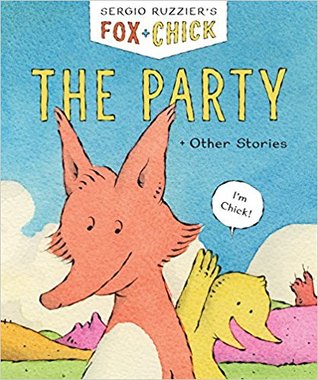
Teaching Guide with Activities and Discussion Questions for Fox + Chick: The Party and Other Stories by Sergio Ruzzier

Share

Fox + Chick: The Party and Other Stories
Author and Illustrator: Sergio Ruzzier
Published April 17th, 2018 by Chronicle Books

Summary: Fox and Chick don’t always agree. But Fox and Chick are always friends. With sly humor and companionable warmth, Sergio Ruzzier deftly captures the adventures of these two seemingly opposite friends. The luminous watercolor images showcased in comic-book panel form will entice emerging readers, while the spare text and airiness of the images make this early chapter book accessible to a picture book audience as well.

Teachers’ Tools for Navigation: Activities for The Party and Other Stories include:

How to Read a Graphic Novel

Reading a graphic novel differs from reading prose text because readers must infer everything outside of the dialogue they are given and what is presented in the illustrations.

First, using Fox + Chick discuss the differences with your class between a picture book, a chapter book, and a graphic novel. Make sure to point out the parts of a graphic novel like speech bubbles show what the characters are saying, panels (each square), and the gutter (the space between panels). Then discuss how to read a graphic novel (typically read left to right, top to bottom).

Extension activity: Discuss with students why an author would choose to write their story as a graphic novel versus a chapter book or picture book.

Then, to show how inferences have to be made between panels, use pages 2/3 to page 4. As a reader you can infer that Chick continued walking to the house shown on page 2/3 even though the illustrations don’t show each little step. Also, between the first two panels on page 4, the reader can infer that Chick had to wait a bit even though the panels don’t show it.

After reading the story, have students show how they use inferring to comprehend the story by:

K-1st: Retell the story including inferences made between panels and what the illustrations show.

2nd-3rd: Rewrite the story as a narrative including inferences made between panels and what the illustrations show.

Conflict and Resolution

Conflict is the problem with a story or part of a story while the resolution is how that problem is solved. In each of the chapters in Fox + Chick, there is a conflict and a resolution. Each chapter gives an opportunity to learn these narrative elements.

For chapter 1, “The Party,” as a class, determine the conflict and the resolution.

For chapter 2, “Good Soup,” have students determine the conflict and resolution in pairs.

For chapter 3, “Sit Still,” have students determine the conflict and resolution independently.

Character Traits

Character traits are all the aspects of a character’s behavior from how they act to what they think.

Before reading: As a class, list the character traits the students assume a fox and a chick are going to have. How will they act? What type of personality will they have? How are they going to interact with each other?

After reading: Independently or as a class, have students complete a character trait activity on each character. Have students answer the following questions then place their answers into a graphic organizer:

How did the character act in the story?

What feelings did the character portray in the story?

What words would you use to describe the character’s personality?

See the Teaching Guide Created by me (Kellee) for even more activities and discussion questions! 

You can also access the teaching guide through Chronicle’s website here.

Recommended For: 

readaloudbuttonsmall classroomlibrarybuttonsmall closereadinganalysisbuttonsmall

Kellee Signature

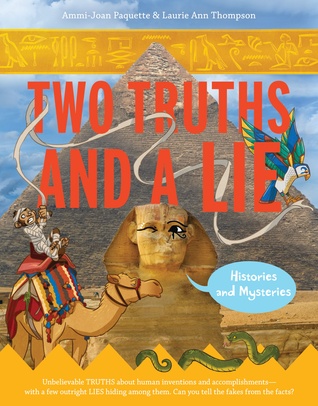
Blog Tour with Review, Teaching Guide, and Giveaway!: Two Truths and a Lie: Histories and Mysteries by Ammi-Joan Paquette and Laurie Ann Thompson

Share

Two Truths and a Lie: Histories and Mysteries
Authors: Ammi-Joan Paquette and Laurie Ann Thompson
Published June 26th, 2018 by Walden Pond Press

Summary: Unbelievable TRUTHS about outrageous people, places and events—with a few outright LIES hiding among them. Can you tell the fakes from the facts?

Did you know that a young girl once saved an entire beach community from a devastating tsunami thanks to something she learned in her fourth-grade geography lesson? Or that there is a person alive today who generates her own magnetic field? Or how about the fact that Benjamin Franklin once challenged the Royal Academy of Brussels to devise a way to make farts smell good?

Welcome to Two Truths and a Lie: Histories and Mysteries! You know the game: Every story in this book is strange and astounding, but one out of every three is an outright lie.

Can you guess which stories are the facts and which are the fakes? It’s not going to be easy. Some false stories are based on truth, and some of the true stories are just plain unbelievable! Don’t be fooled by the photos that accompany each story—it’s going to take all your smarts and some clever research to root out the alternative facts.

From a train that transported dead people to antique photos of real fairies to a dog who was elected mayor, the stories in this book will amaze you! Just don’t believe everything you read. . . .

About the Authors:


Ammi-Joan Paquette loves caves, hates mushy bananas, and is ambivalent about capybaras. She is the author of the novels The Train of Lost Things, Paradox, and Nowhere Girl as well as the Princess Juniper series and many more. She is also the recipient of a PEN/New England Susan P. Bloom Children’s Book Discovery Award honor. Joan lives outside Boston, Massachusetts, where she balances her own writing with her day job as a literary agent. You can visit her online at www.ajpaquette.com.

Laurie Ann Thompson loves capybaras, hates caves, and is ambivalent about mushy bananas. She is the author of several award-winning nonfiction books, including Emmanuel’s Dream,  a picture book biography of Emmanuel Ofosu Yeboah, which was the recipient of the Schneider Family Book Award and was named an ALA Notable Book and a CCBC Choice, among other accolades. She lives outside Seattle with her family, and you can visit her online at www.lauriethompson.com

Unleashing Readers review of Two Truths and a Lie: It’s Alive! https://www.unleashingreaders.com/?p=13591 

ReviewI just love this series for so many reasons! First, it is just so interesting! Even the “lies” include true stories with information switched out to make it not true. There are quizzes and tidbits of information. There is so much to read about and just take in. I am so in awe with the authors who truly find unknown information that is fascinating and will keep kids (and adults!) reading. Also, I think it is so important to teach students/kids (and adults!) how to determine if information being given to us is valid and reliable. Third, I think the authors do a fantastic job including a wide variety of topics to give students who may have different interests interested. And with two books in the series now focusing on two different focuses, it makes it so even more readers will find something they want to learn about. And lastly, I am so glad that the authors are making nonfiction fun! Too many of my students don’t like nonfiction because they find it “boring.” This book is anything but boring.

Teaching Guide:

Flagged Passages: 

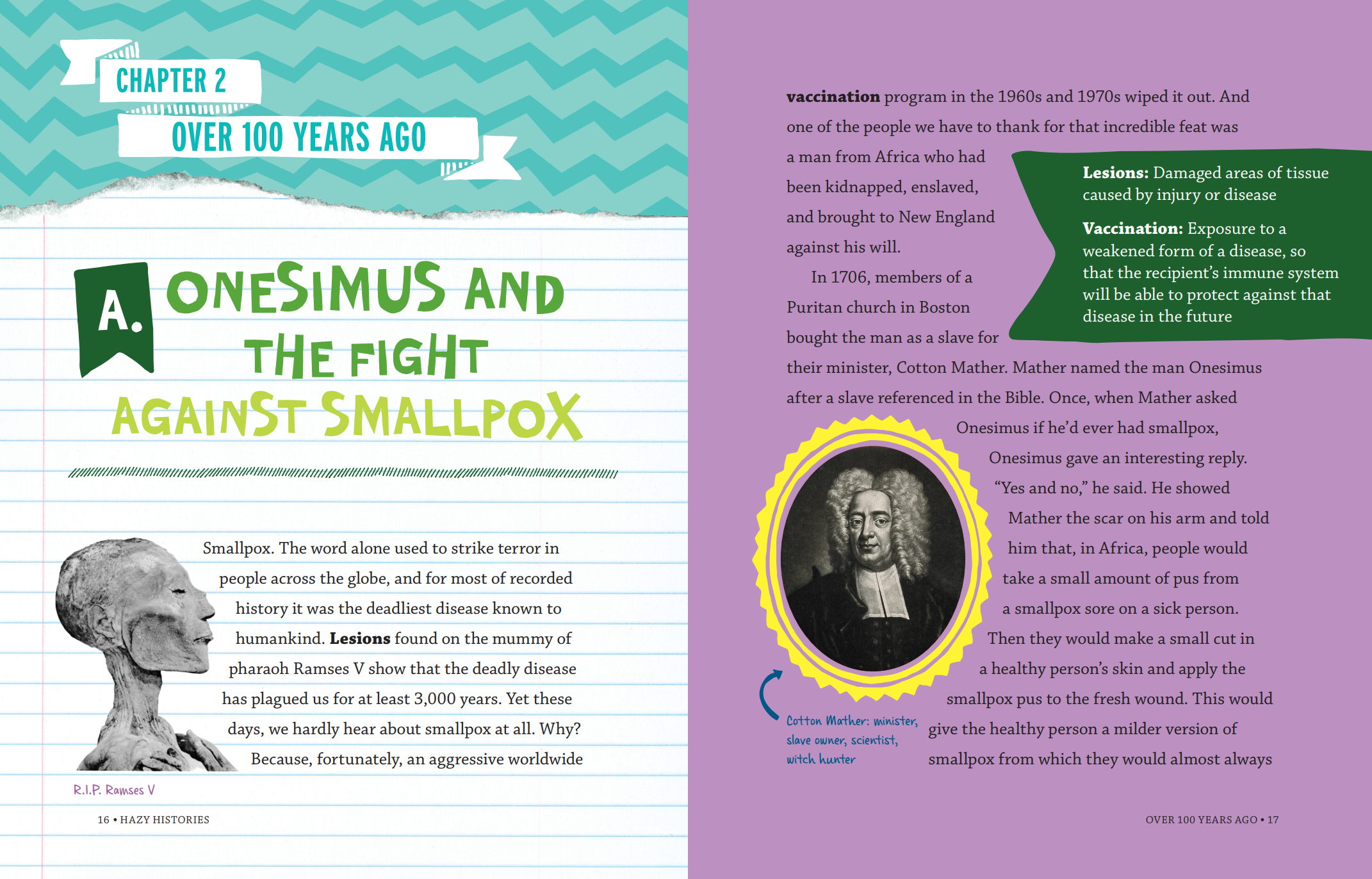
Part 1: Hazy Histories

History. Some people think of it as nothing more than a whole bunch of names and events and dates to be memorized. But history is so much more than that. History is people, history is stories, history is fascinating! 

In this section, we’ll spin some amazing tales from ancient history right up to the present day. All of them are remarkable, but remember–one of the stories in each chapter is fake.

Prepare yourself to experience history in a way that you never have before.

Let’s get started!

Chapter 2: Over 1,00 Years Ago

Read This If You Love: Unsolved Mysteries from History series by Jane Yolen and Heidi Elisabet Yolen Stemple: The Mary Celeste, Roanoke, The Wolf Girlsand The Salem Witch Trials; History’s Mysteries from National Geographic; History; Nonfiction mysteries

Recommended For: 

classroomlibrarybuttonsmall 

Blog Tour Stops: 

DATE BLOG
6/19 Library Lions Roar
6/20 Geo Librarian
6/21 A Foodie Bibliophile in Wanderlust
6/21 Roadmap to Reality: Helping Kids Find Their Way in a World of Fake News
6/26 The Official Tumblr of Walden Media
6/26 Bluestocking Thinking
6/27 Unleashing Readers
6/27 Nerdy Book Club
6/27 Writers Rumpus
6/28 The Book Monsters
6/29 Pragmatic Mom

GIVEAWAY!

a Rafflecopter giveaway

Signature

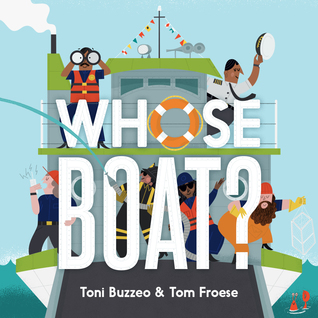
Whose Boat? by Toni Buzzeo

Share

Whose Boat?
Author: Toni Buzzeo
Illustrator: Tom Froese
Published May 22nd, 2018 by Abrams Appleseed

Summary: Smoke billows up.
Cool water flows.
Whose boat is that?
Do you know?

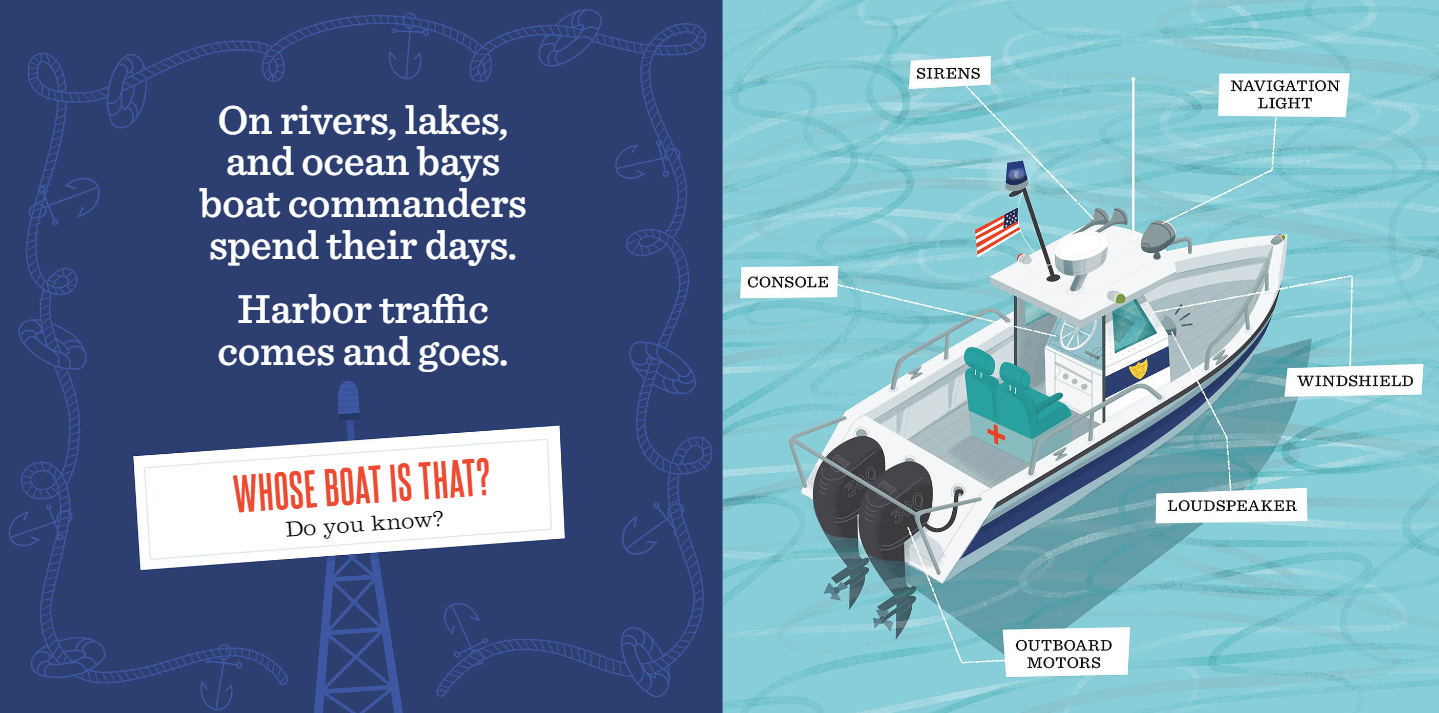
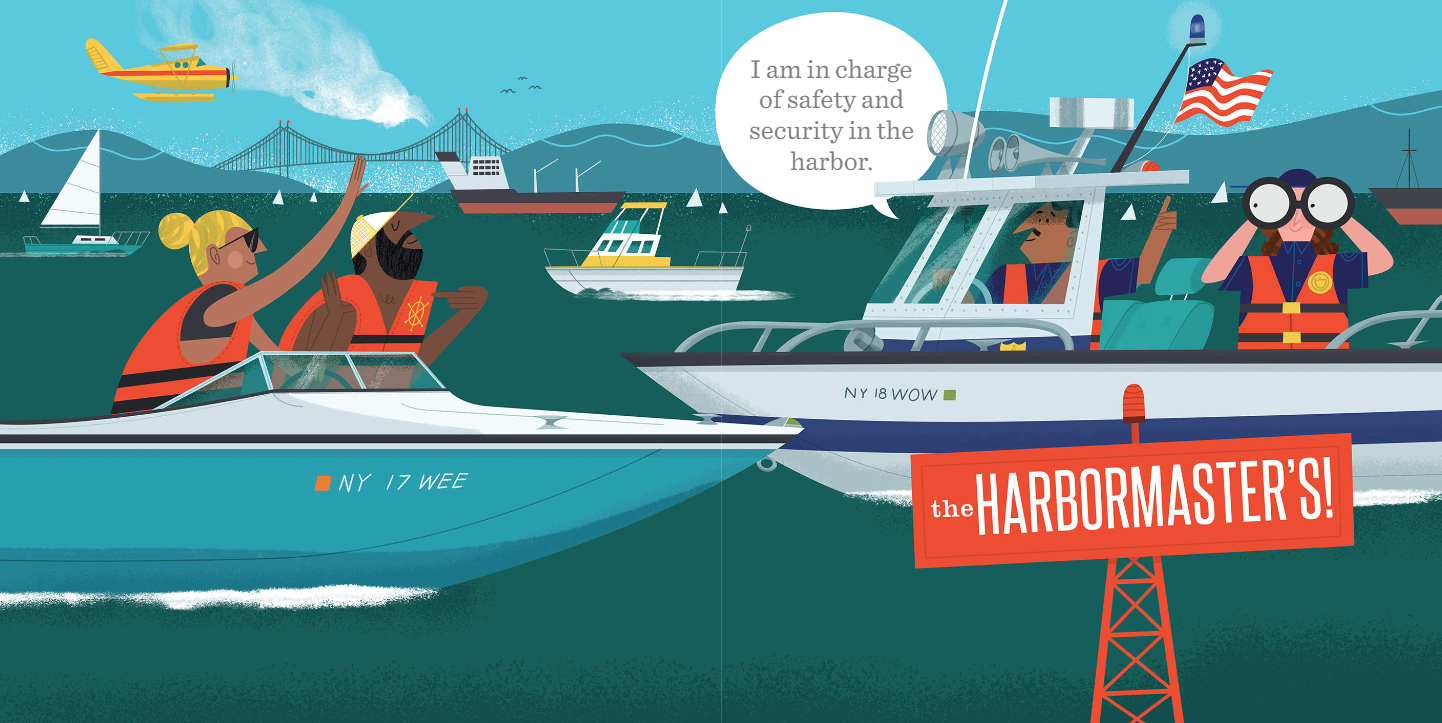
This nonfiction ode to boats features six kinds of workers and their boats—a patrol boat, a tugboat, a car ferry, a lobster boat, a lifeboat, and a fireboat—with important parts properly labeled. The answer to each inquiring refrain lies under a gatefold, engaging the reader in an informative guessing game. With lyrical (and factual!) text by New York Times–bestselling author Toni Buzzeo, and the stylized art of Tom Froese, this sturdy board book is perfect for curious and playful young readers.

About the Author and Illustrator: 

Toni Buzzeo’s first two books in the series, Whose Tools? and Whose Truck?, have sold more than fifty thousand copies. Toni is the author of the 2013 Caldecott Honor Book and New York Times bestseller One Cool Friend, as well as many other books for children. A former elementary school librarian and secondary teacher, she now presents at schools, national and international library and reading conferences, and in district and regional staff development trainings. Buzzeo lives with her husband in Arlington, Massachusetts.

Tom Froese is a commercial artist. His work can be seen in retail stores and publications including MonocleHarvard Business Review, and Wired UK. He lives in Canada.

Kellee’s ReviewThis book quickly became a favorite in our household. Trent was so excited about learning about the boats, and the little bit of a twist at the end makes it so that Trent loves to reveal this surprise and he gets excited every time. I do really like how the book doesn’t only introduce the boats but also shares the who the boat is owned/driven by. The lyrical poems for each boat are also really nicely written and fun to read aloud. 

Trent’s Review:I like how the pages open up. And I like reading it to mom, dad, and my two kitty cats. My favorite boat is the car ferry. Sometime I want to park my car in the car ferry then I’ll go up and up to the top. It is fun how the boats were the kids’ in the pool.  I like this page and this page (he then went through every page).

Teachers’ Tools for Navigation: This would be a great book to discuss careers on the water. Also, the text would be a great introduction to possessive apostrophes since it focuses on the owners of the boats. Students could also write their own poems about a vehicle or boat or building or whatever they want to have their peers guess the owner of what they are writing about.

Discussion Questions: 

  • Which boat helps maintain order in the harbor? Whose boat is it?
  • Which boat moves cars across the bay? Whose boat is it?
  • Which boat helps with fires and accidents? Whose boat is it?
  • Which boat moves larger boats? Whose boat is it?
  • Which boat captures fish and other animals for food? Whose boat is it?
  • What is the twist at the end of the book?
  • What are the differences between the boats? Similarities?
  • What boat vocabulary was new to you?

Flagged Passages: 

Read This If You Love: Jonathan and the Big Blue Boat by Philip C. Stead, Just a Tugboat by Mercer Mayer, Books about vehicles

Recommended For: 

classroomlibrarybuttonsmall 

Signature

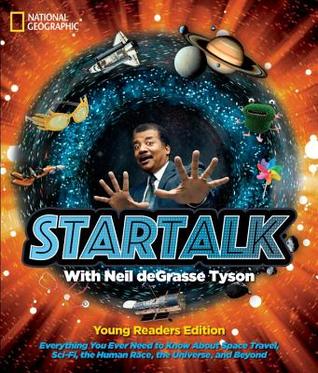
StarTalk with Neil deGrasse Tyson Young Readers Edition Edited by Shelby Alinsky

Share

StarTalk with Neil deGrasse Tyson
Editor: Shelby Alinsky
Published March 20th, 2018 by National Geographic Children’s Books

Summary: Now abridged for YA audiences, this beautifully illustrated companion to celebrated scientist Neil deGrasse Tyson’s popular podcast and National Geographic Channel TV show is an eye-opening journey for anyone curious about the complexities of our universe.

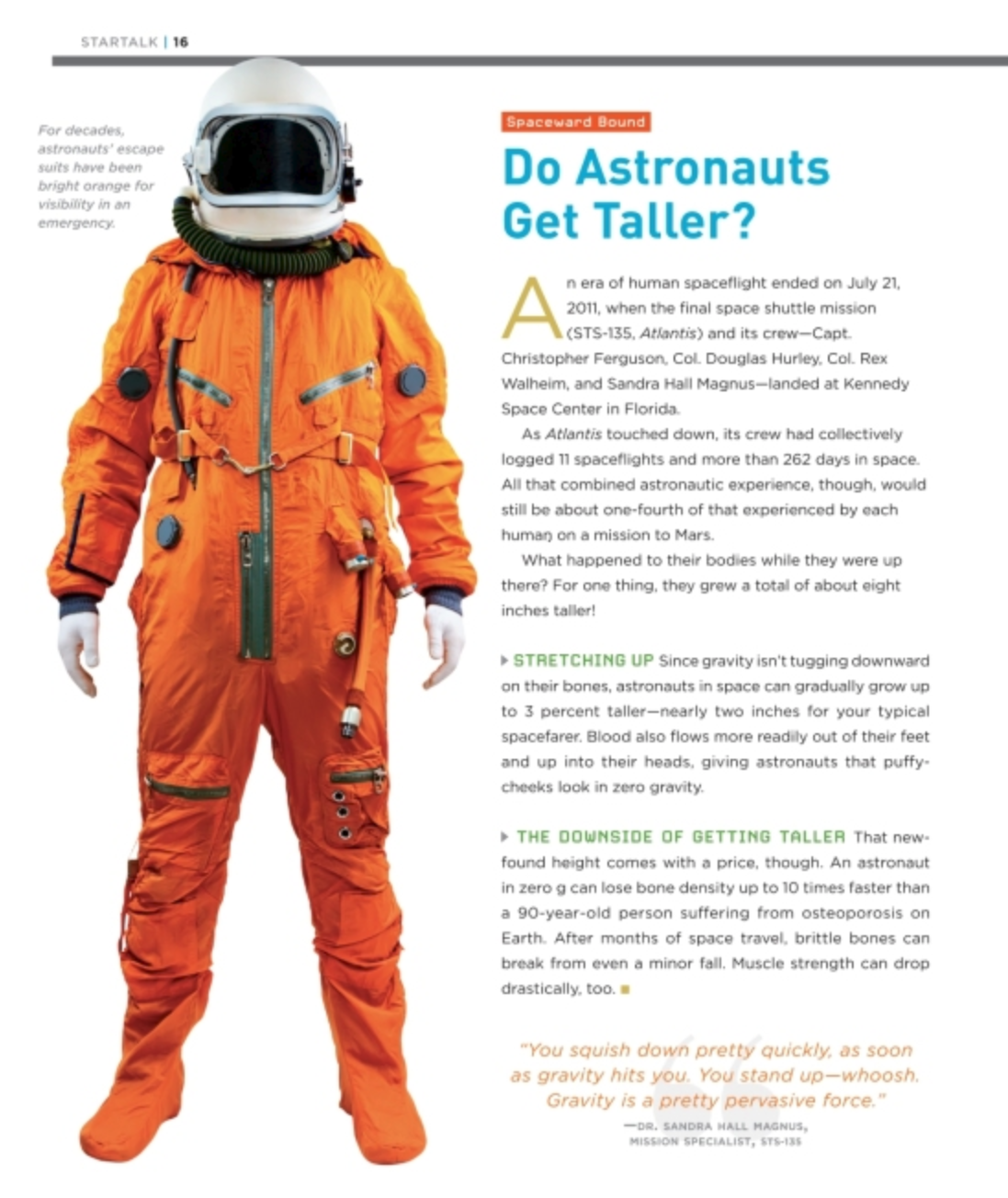
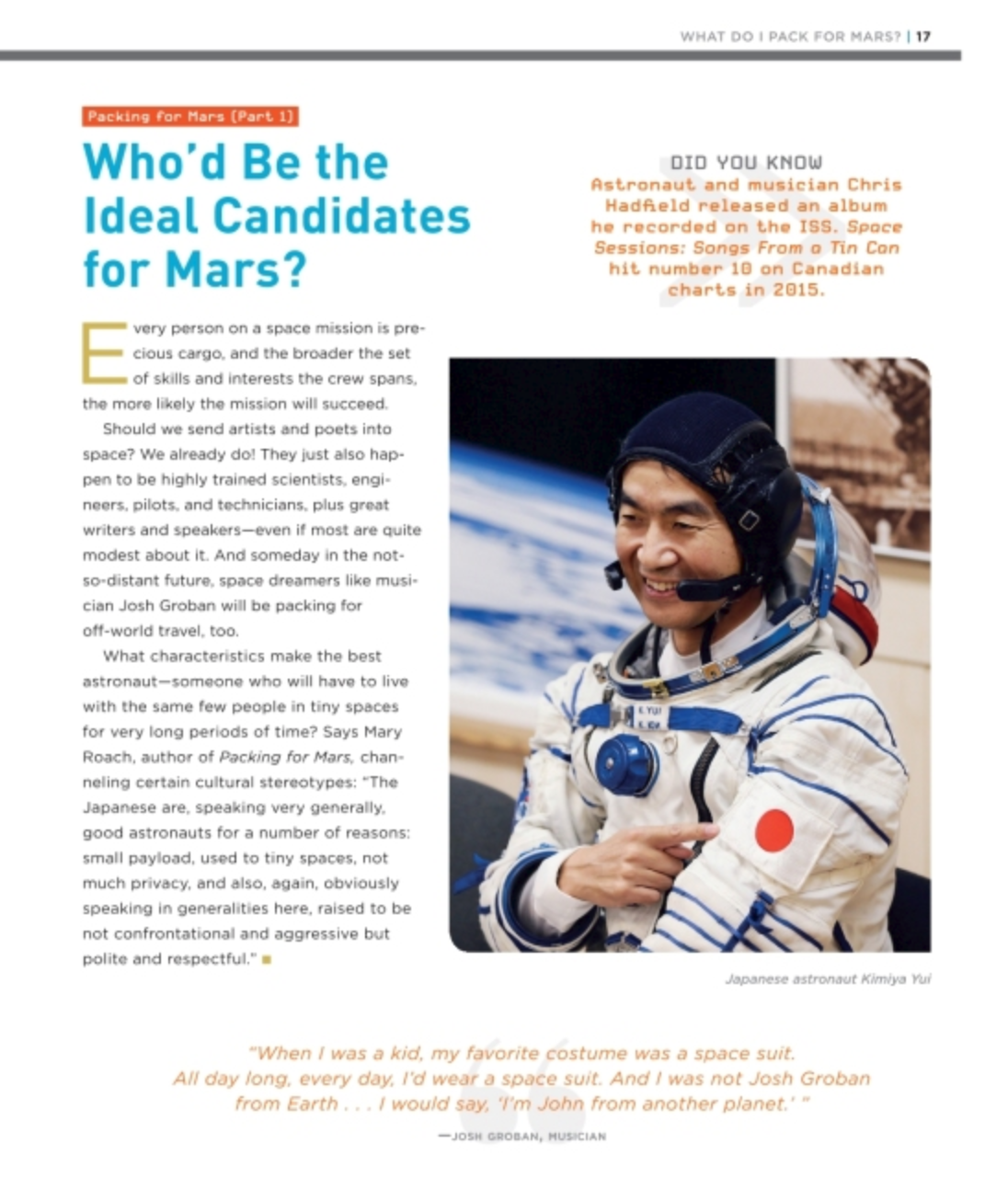
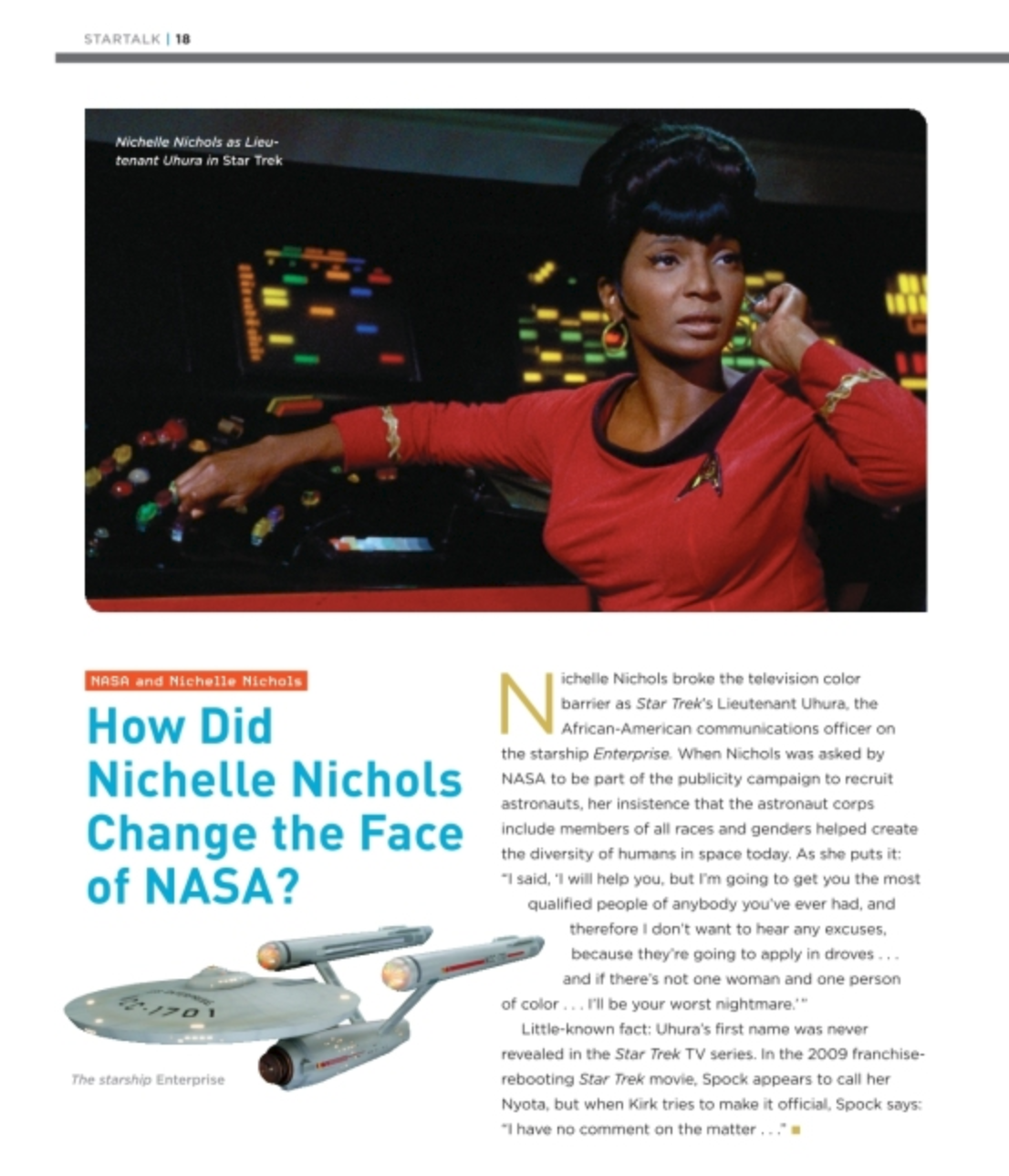
For decades, beloved astrophysicist Neil deGrasse Tyson has interpreted science with a combination of brainpower and charm that resonates with fans everywhere. In 2009, he founded StarTalk, the wildly popular podcast that became an Emmy-nominated talk show on the National Geographic Channel in 2015. Tyson’s pioneering book takes the greatest hits from the airwaves to the page in one smart, richly illustrated compendium for young adult readers. Featuring vivid photography, thought-provoking sidebars, enlightening facts, and fun quotes from science and entertainment luminaries like Bill Nye and Josh Groban, StarTalk reimagines science’s most challenging topics–from how the brain works to the physics of comic book superheroes–in a relatable, humorous way that will attract curious young readers.

Praise: “Most notable throughout the book, as on the original television show, are the connections between science and creativity, art, and wonder. Educational and entertaining, this will engage loyal followers and recruit new fans.”—Booklist

ReviewThis book is everything you would think a book by Neil deGrasse Tyson named after his National Geographic Channel’s late-night talk show and his podcast. Tyson mixes culture, creativity, and science in a fun and interesting way that will suck in readers of all kinds in.

I loved the structure of the book! The mix of Tyson’s answers to science-based questions, fun facts about the topics, extension activities, and all sorts of other fun text features! And the topics are so interesting! Split into space, planet earth, being human, and futures imagined, the text looks at so many interesting topics including going to Mars, evolution, Superman, and Bigfoot!

Teachers’ Tools for Navigation: I love texts like this because they can be used for research or as interest starters or just for fun! This book is perfect for classroom libraries, school libraries, and as a class resource!

Discussion Questions: Almost every page has a discussion question!

Flagged Passages: 

Read This If You Love: To learn, Science, Astonomy, Neil deGrasse Tyson

Recommended For: 

classroomlibrarybuttonsmall 

Signature

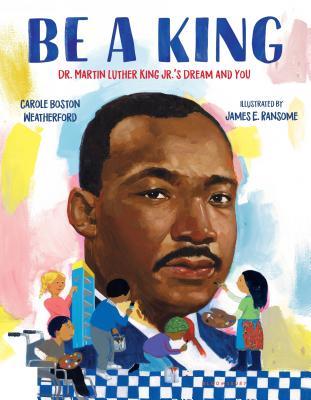
Be A King: Dr. Martin Luther King Jr.’s Dream and You by Carole Boston Weatherford

Share

Be A King: Dr. Martin Luther King Jr.’s Dream and You
Author: Carole Boston Weatherford
Illustrator: James E. Ransome
Published January 2nd, 2018 by Bloomsbury USA Childrens

Summary: You can be a King. Stamp out hatred. Put your foot down and walk tall.
You can be a King. Beat the drum for justice. March to your own conscience.

Featuring a dual narrative of the key moments of Dr. King’s life alongside a modern class as the students learn about him, Carole Weatherford’s poetic text encapsulates the moments that readers today can reenact in their own lives. See a class of young students as they begin a school project inspired by Dr. Martin Luther King Jr. and learn to follow his example, as he dealt with adversity and never lost hope that a future of equality and justice would soon be a reality. As times change, Dr. King’s example remains, encouraging a new generation of children to take charge and change the world . . . to be a King. 

Praise: 

“While the book is accessible as an inspiring primer on social justice and taking action, it also challenges more sophisticated readers to make connections between the art, the text, Dr. King’s life, the civil rights movement at large, and the continuing struggle to affect change . . .This book is sure to spark discussion and empower readers of all ages.” –  Starred review, School Library Journal

“Thoughtful paintings of moving scenes are paired with brief, motivational reflections that evoke all the sentiment and fervor of the American civil rights movement.” –  Foreword Review

“The book manages to make essential lessons in civic responsibility accessible to the very young reader.” –  Booklist

“The historical scenes, painted in Ransome’s signature thick, saturated style, are infused with a powerful sense of narrative.” –  Publishers Weekly

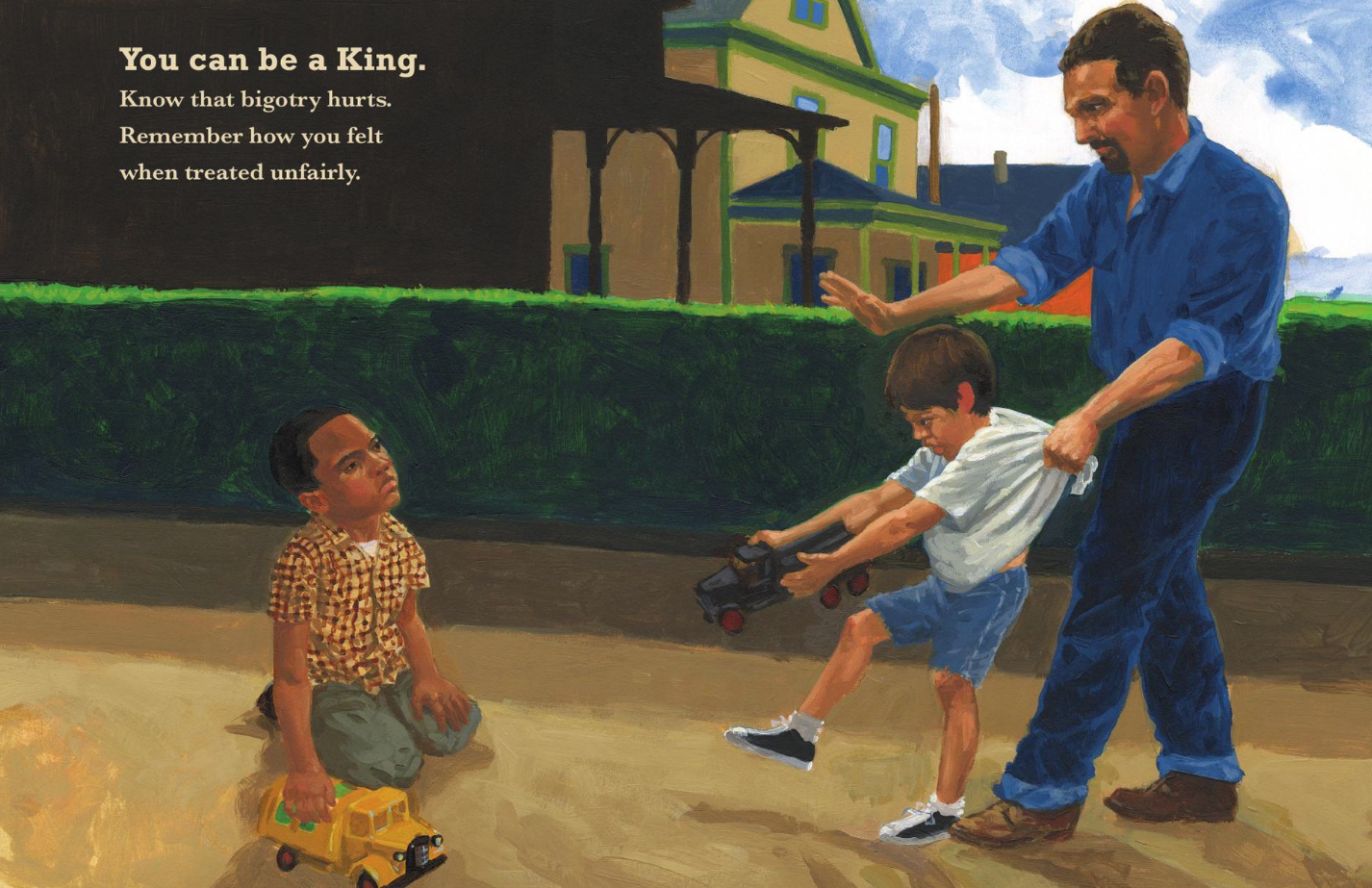
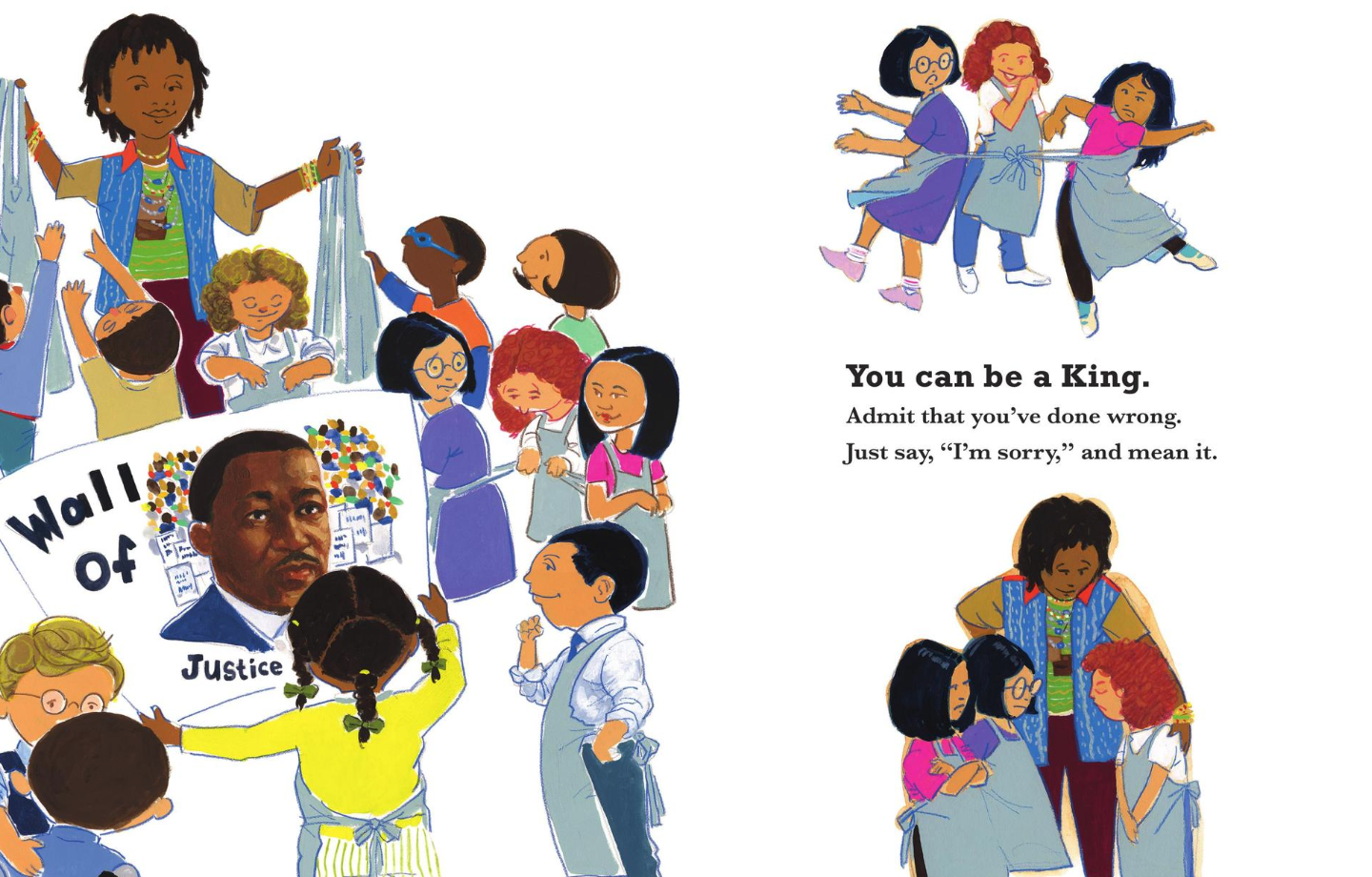
“The use of rich, realistic paintings with pencil detailing for King’s life contrasts with the brighter, simpler drawings for the contemporary children, giving a physical reminder that his work is ongoing.” –  School Library Connection

ReviewI am so happy that a book like this exists! It makes a beautiful connection between King’s history and how the same concepts can (and should!) drive us today. The book is very young kid friendly and is a great scaffold to talk about Dr. King or about kindness; however, it could also be used with older kids to infer and go deeper into the lyrical language Weatherford uses. I also loved how Ransome’s illustrations changed between King’s biography and the more contemporary school narrative.

P.S. As a teacher and a person who believes in kindness and equity and acceptance and friendship, I am so happy to see conversations like this happening so freely now! My students and I speak about injustice and prejudice and equity so often now when it would have been a stigma just a few years ago to even mention race or other social justice issues. It is important to talk about race in a non-prejudicial way with children to allow them to learn and grown and reflect. Sadly, it has been through horrific injustices that has gotten us to this point, but hopefully with our future generations having these types of conversations starting at such a young age, these injustices will stop.

Teachers’ Tools for Navigation: Have students look at each school spread (or split up the spreads between groups of students) and ask them to connect the ideals happening in the spread with something that King spoke about. This idea can also be used with the King spreads because it does not explicitly state what historical event each spread is representing, so students could look through King’s story and try to match each illustration and words with an event in his life.

Discussion Questions: 

  • What was Dr. King’s dream?
  • What are some ways you can fulfill this dream?
  • Although he was speaking of a much larger issue than a classroom, how can King’s ideals be transferred to how we treat each other in the classroom?
  • What events of King’s life were portrayed in the illustrations?
  • What other ways could you BE A KING?
  • Why do you believe the author wrote this story?
  • What is the author trying to teach the reader?
  • How did the author structure the story to reach her purpose and theme?

Flagged Passages: 

Read This If You Love: Stories of MLK, Jr.’s life, Books (historical fiction or nonfiction) about the Civil Rights MovementEach Kindness by Jacqueline Woodson

Recommended For: 

classroomlibrarybuttonsmall closereadinganalysisbuttonsmall 

Signature