Summer Brain Quest and Star Wars Workbooks

Share

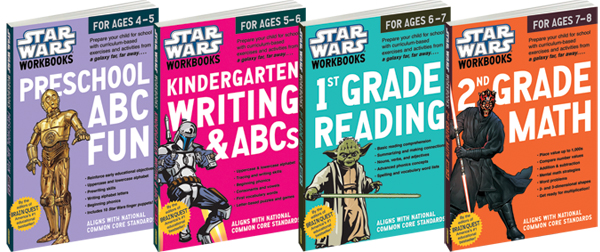
Star Wars Workbooks (Writing, ABCs, Reading, and Math)

and

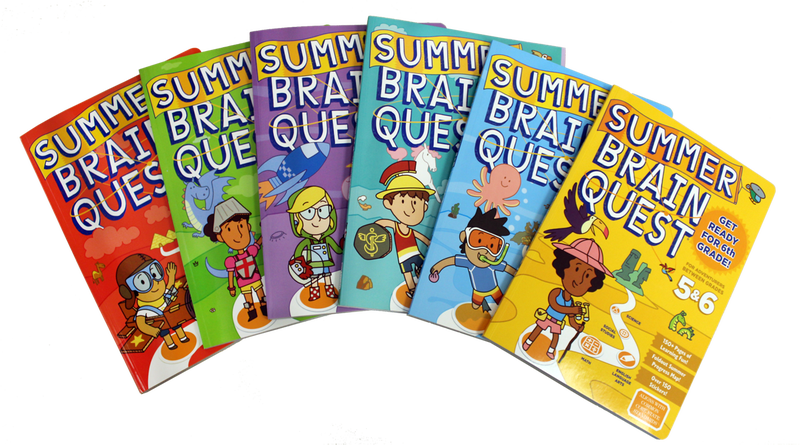
Summer Brain Quest Workbooks

Published by Workman

Star Wars Workbooks Summary: The Force is strong with this series! Introducing a line of workbooks that marries the iconic popularity of Star Wars with the unique mix of editorial quality, fun presentation, and rigorous educational standards that Workman applied to the BRAIN QUEST Workbooks.

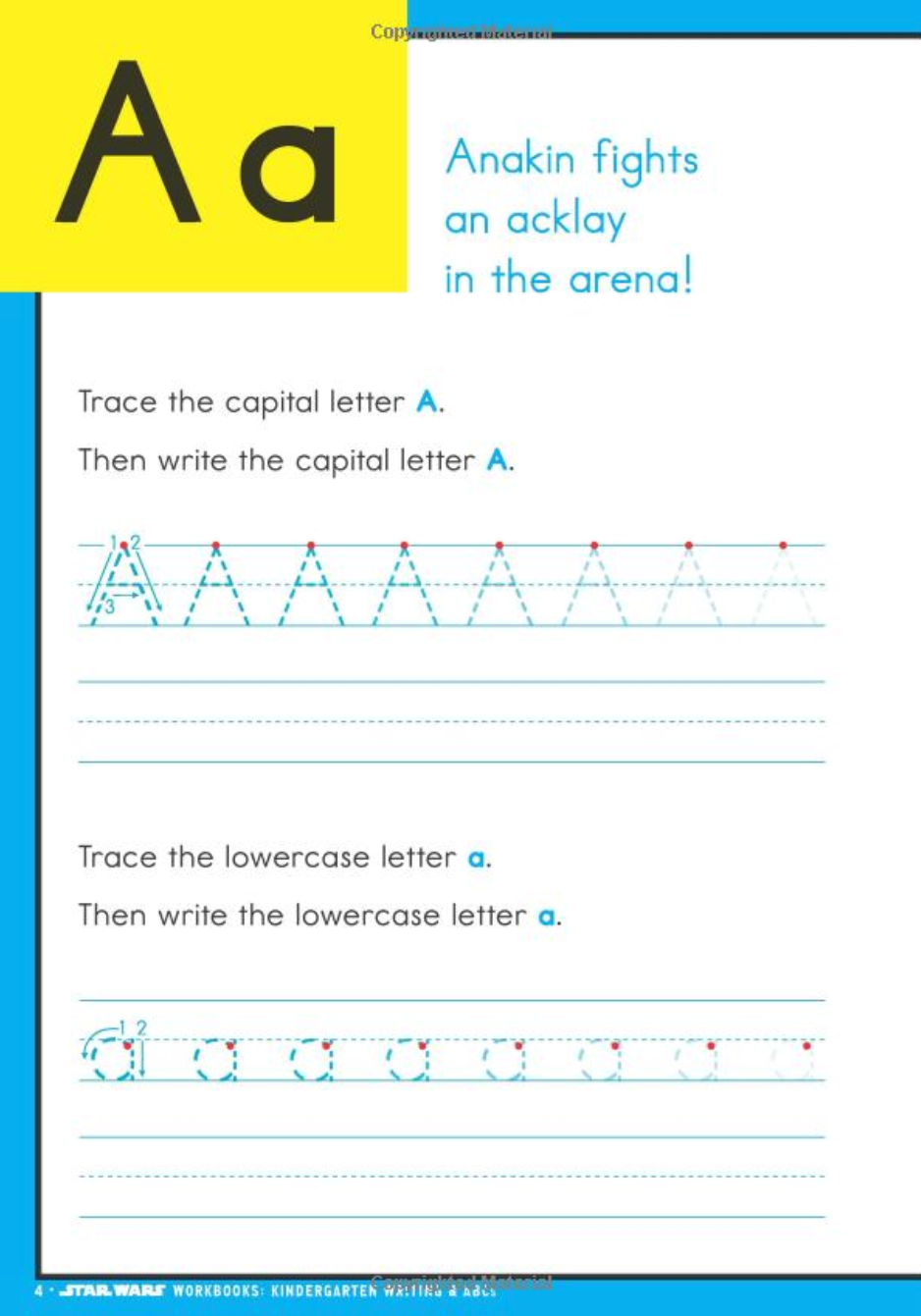
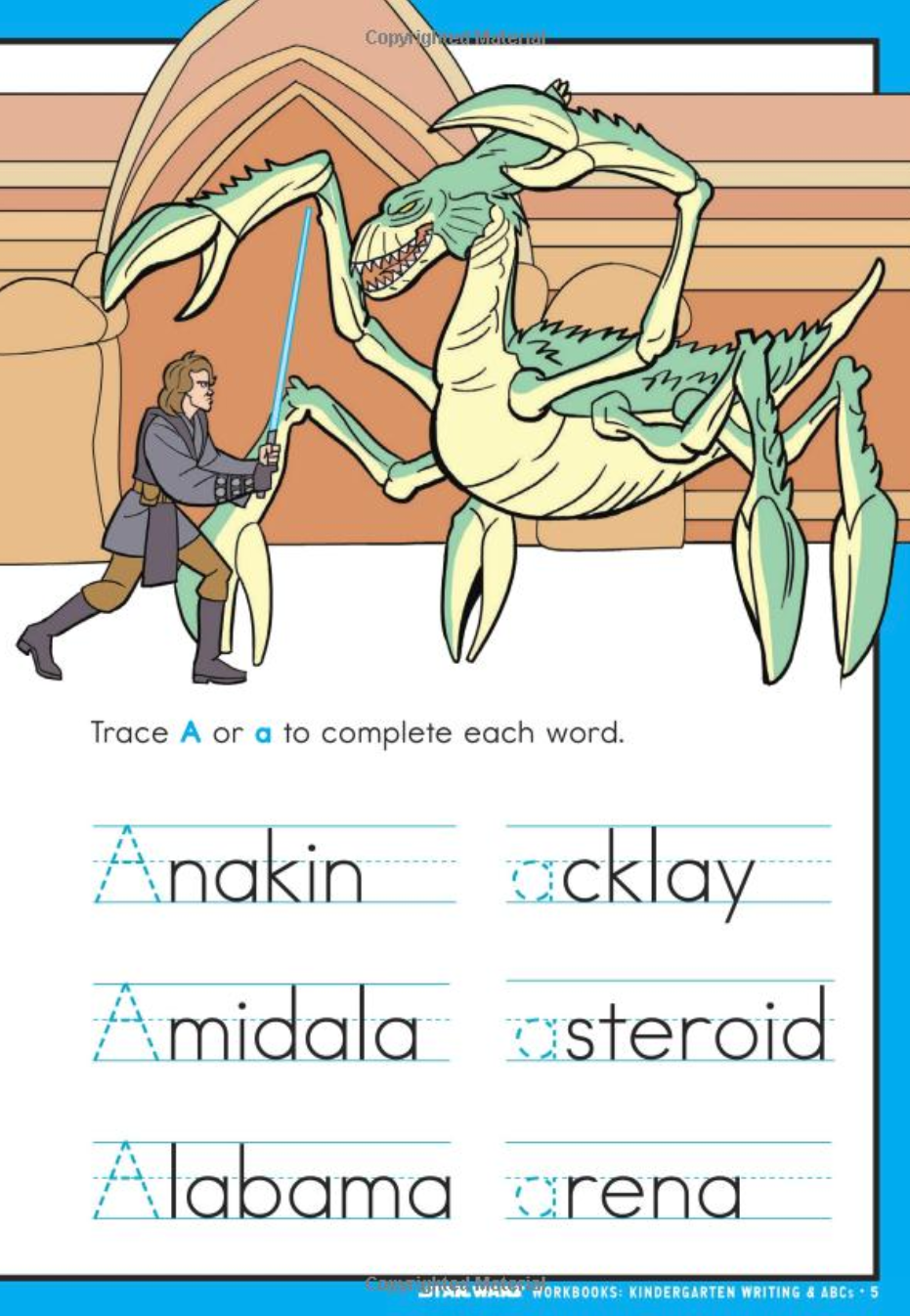
Twelve titles launch the series―three each for Pre-K through 2nd Grade―and dig deep into core subjects, including numbers, ABCs, phonics, and reading readiness for younger grades, and math, reading, and writing for the older ones. The material, which aligns with national Common Core State Standards, is designed to reinforce essential concepts and lessons taught in schools. Any child, not just fans of Star Wars―but yes, those fans will be especially delighted (as will reluctant learners)―will love the “A” is for Anakin approach to phonics. Kids will practice learning numbers by counting and circling X-wing starfighters and clone troopers. Master place values by sorting groups of Wookiees. There are math problems―Yoda is holding 7 lightsabers. 5 of the lightsabers are blue. The rest are green. How many green lightsabers is he holding? And Language Arts―Circle the correct homophone in this sentence: Luke is a Jedi knight/night.

Featuring favorite characters like Luke Skywalker, Queen Amidala, Yoda, and Obi-Wan Kenobi, and other creatures, monsters, Jedi, and Sith, the workbooks are filled with thousands of original illustrations drawing from all six Star Wars movies and the expanded Star Wars universe.

Learn well, you will.

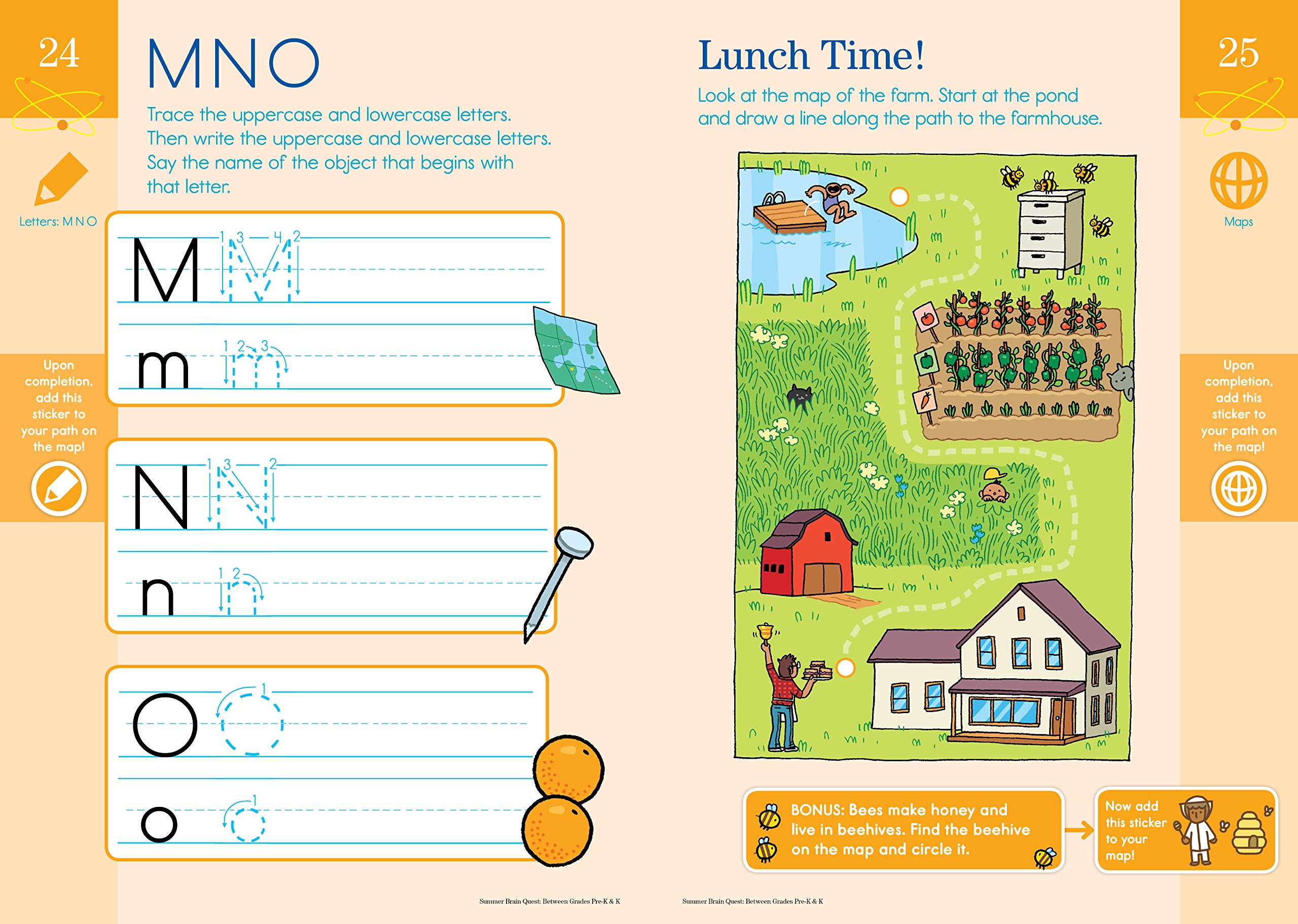
Summer Brain Quest Workbooks Summary (Pre-K to K Summary): It’s time to get ready for school! Now, the series that keeps K–6th graders sharp, active, and curious in between grades is expanding to meet popular demand: Introducing Summer Brain Quest: Between Grades Pre-K & K, covering the summer between Preschool and Kindergarten so 4- and 5-year-olds can get ready for school—and have fun doing it.

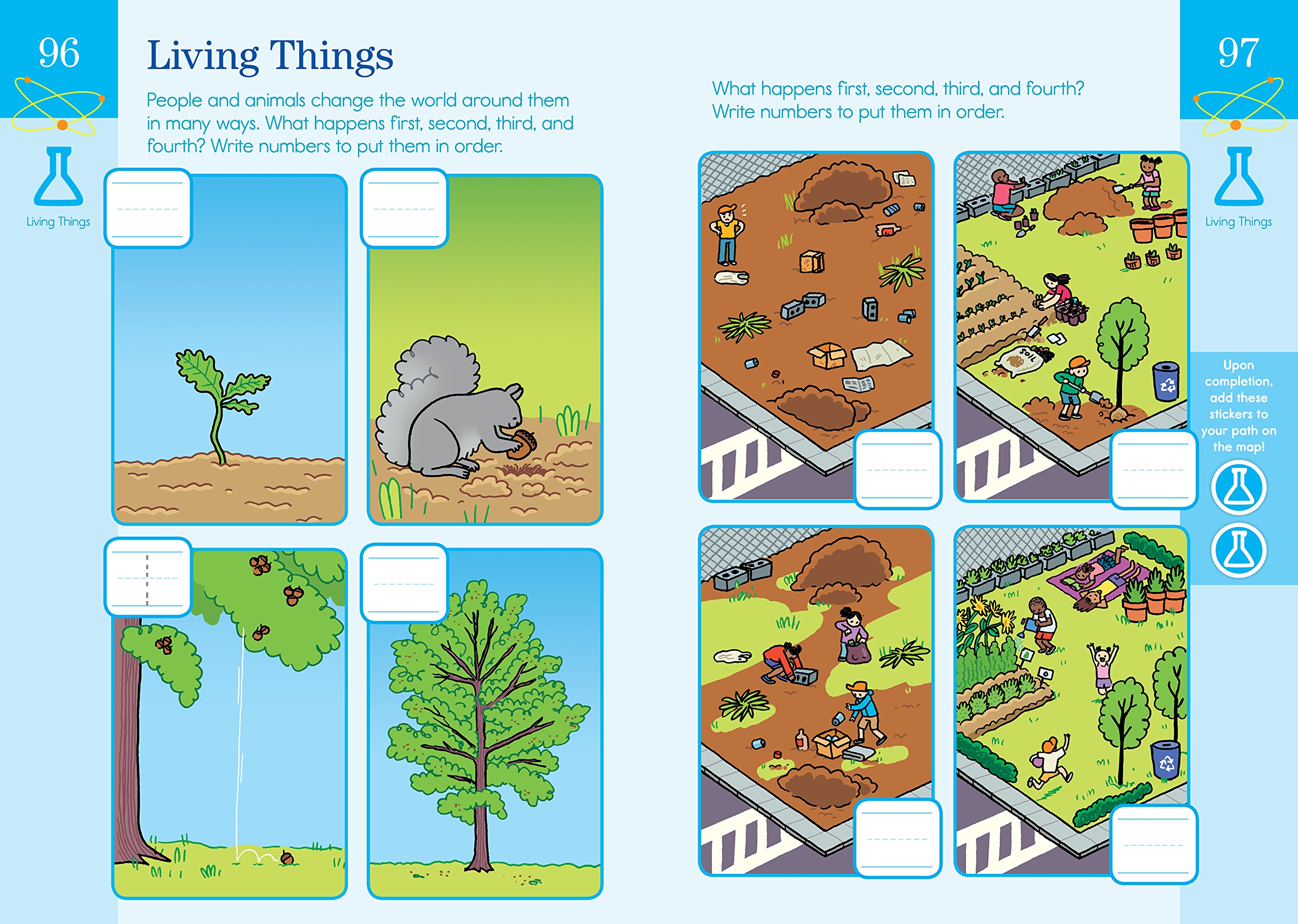
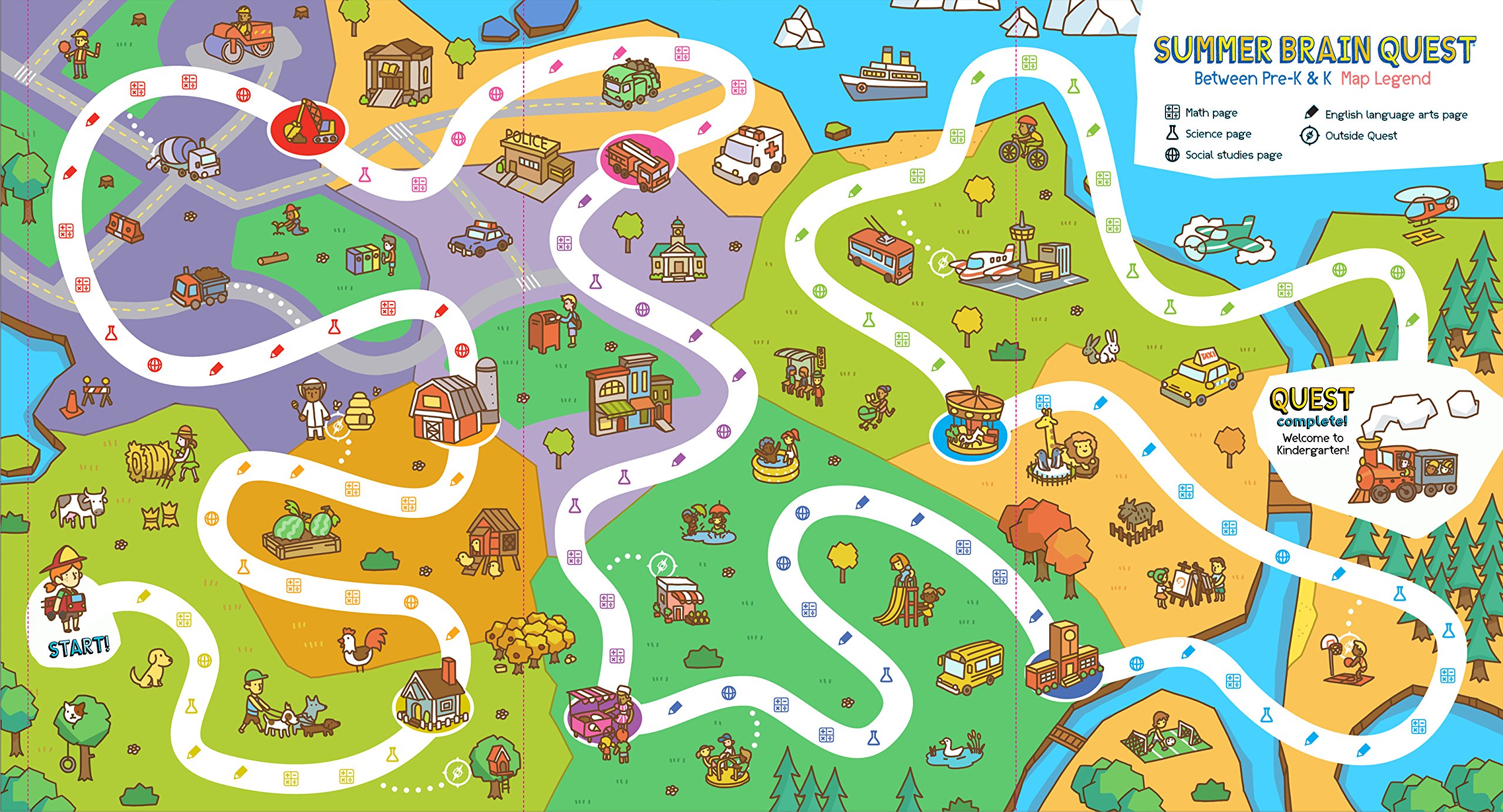
Part workbook, part game, part adventure, it’s the interactive book that combines educational activities with indoor and outdoor play—with entertaining and effective results. The pullout map guides kids on a learning quest; to cross the finish line, they fulfill the curriculum-based exercises and customize their path by pursuing the bonus challenges and outdoor activities that excite them most. How about extra counting or reading calendars? A hunt for three-dimensional shapes? Identifying landforms? Or finding words that rhyme? Along the way, they earn stickers for completing pages, tick off an adventure list, and get fresh air with outdoor learning challenges, like writing the alphabet with sidewalk chalk.

Teacher-approved, parent-trusted, and designed to appeal to kids’ natural love of learning and playful curiosity, Brain Questmakes it fun to be smart all summer long!

Ricki’s ReviewMy son LOVES these books. They have made him so excited about reading, writing, and math. I am not a workbook kind of teacher, but these books defy all notions of worksheet and workbook teaching. The Summer Brain Quest books feature a map at the end. As kids finish each page, they earn stickers to go along the map. The books ask them about themselves in the “my world” pages. They make learning very fun. He particularly loves the Star Wars reading book. He enjoys matching the letters to words and circling answers. My son is an outdoors-y kind of kid. He doesn’t enjoy sitting at the table and practicing his reading. Therefore, we do these at night. After we read together, he picks one of these workbooks to do together. We sit on the floor, and he loves it. It extends his awake time, and he loves thinking he is doing something fun to stay up later than his brother. We found the workbooks in the bookstore yesterday, and he was thrilled to see his books on the shelves. We ended up buying other books in the Brain Quest series because he enjoyed them so much. He chose this rather than a new toy! I’ll be purchasing these books for my younger son when he gets a bit older. They are absolutely wonderful and make learning fun! 

Kellee’s ReviewLike Ricki, I am skeptical whenever I see a workbook, but as soon as these arrived, my son became a bit obsessed with “doing his Star Wars letters,” and I just cannot argue with that as Trent is not a sit-and-do-something type of kid. But since the workbook is a mix of writing and activities, it doesn’t seem like work to him but instead is seen as a game. Because of this, I view them more as an activity book than just a workbook. We’ve currently been focusing primarily on the Star Wars activity book because I don’t want to overwhelm him, and it also leaves the Brain Quest for us to do when he is done. (Though, I do LOVE Brain Quest cards. My sister, Natalie, gives them to Trent for his birthday, and we do his “cards” in the car.) Lastly, I want to give a shout out to these helping parents who want to include educational activities at home. I know that even I, as a teacher mom, struggle with figuring out what to do to help my child learn to read and keep learning, and these activity books are perfect!

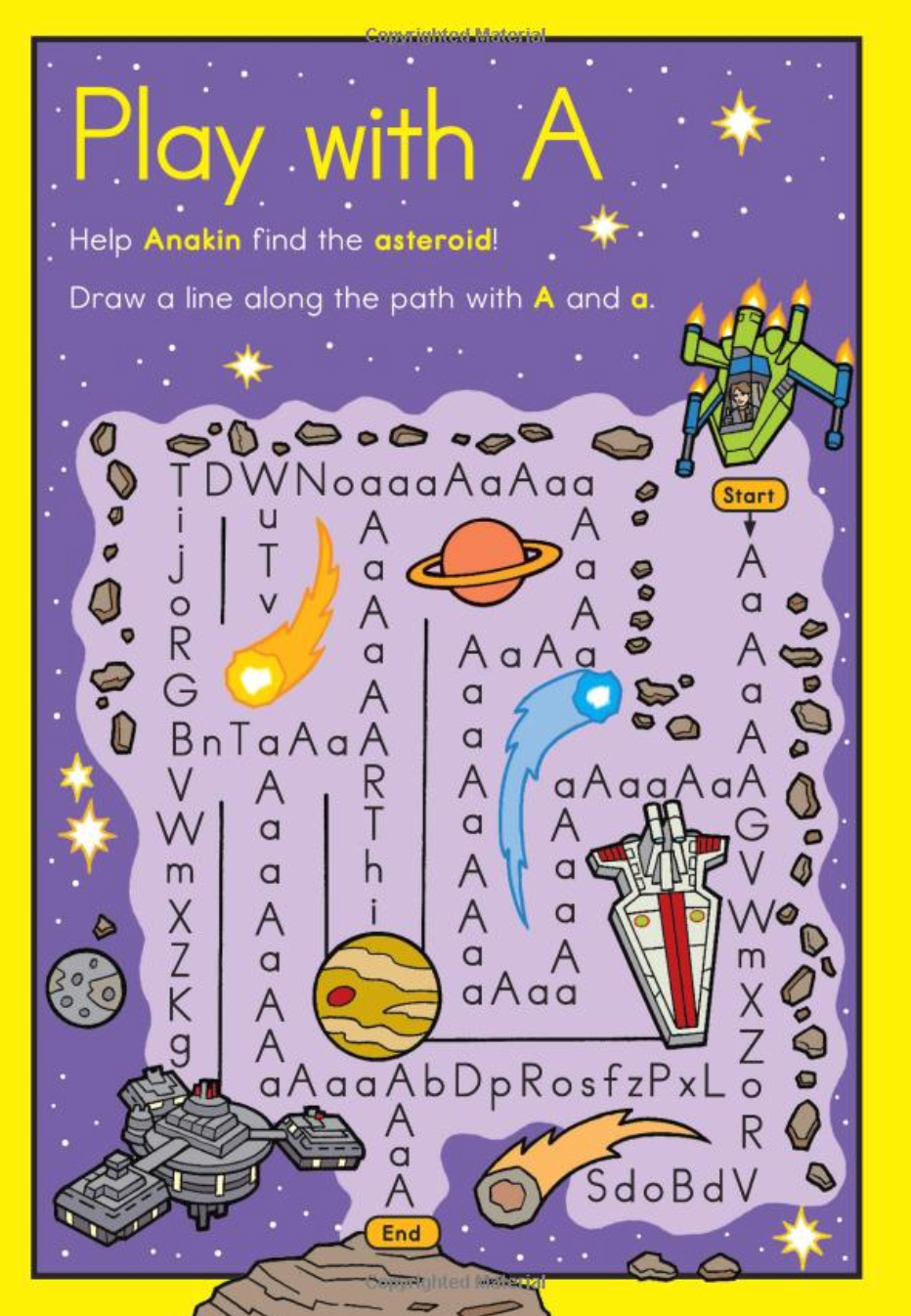
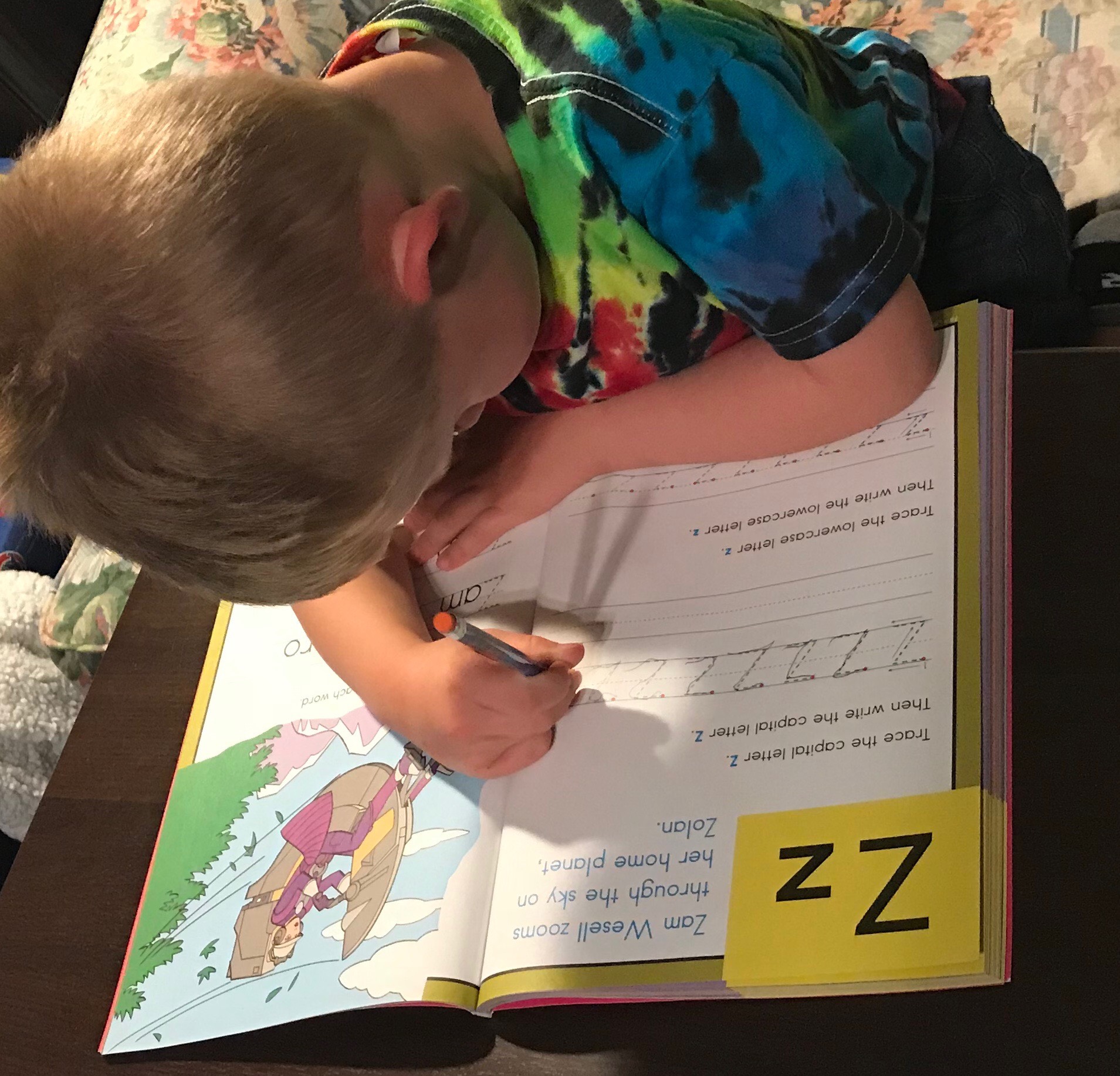
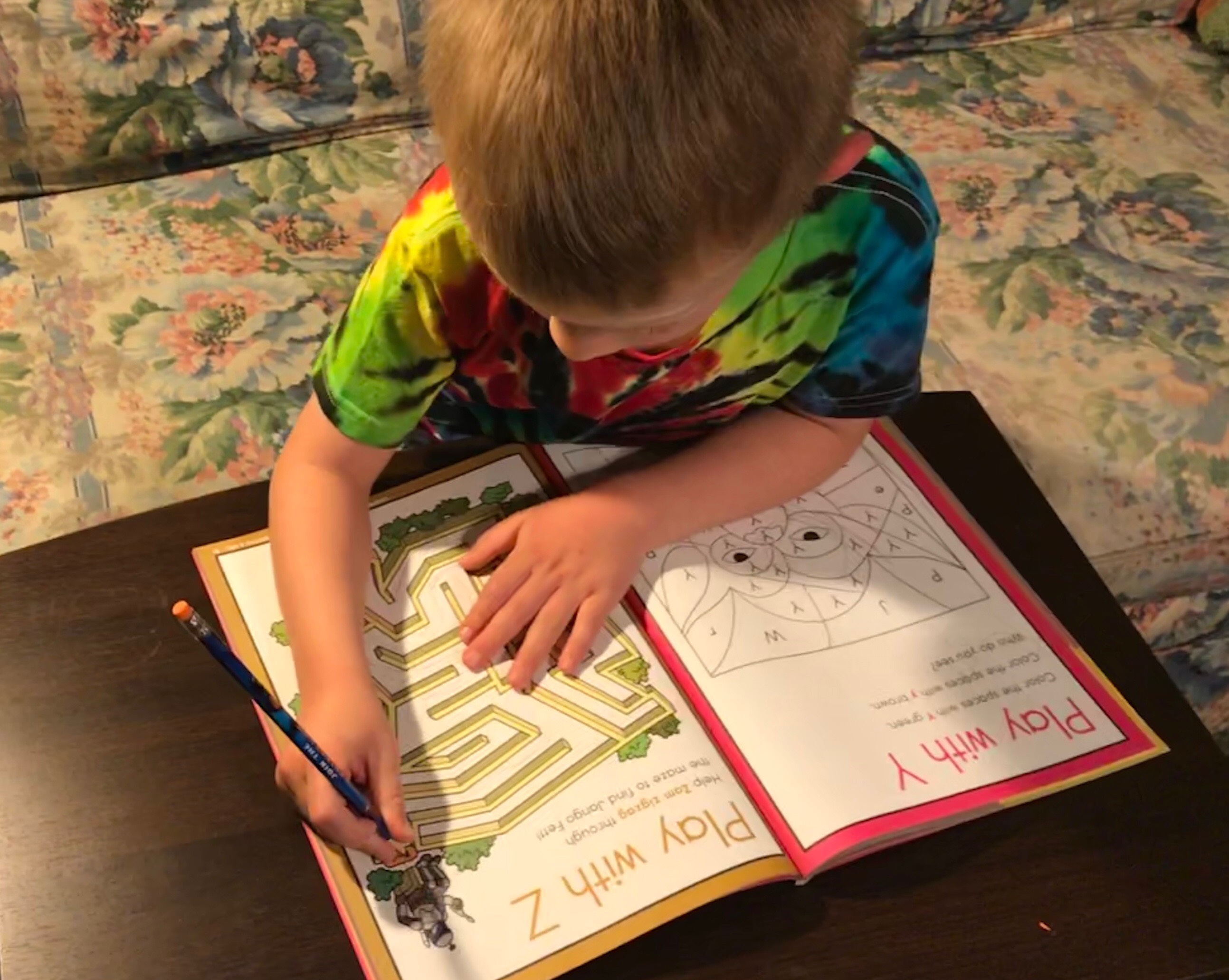
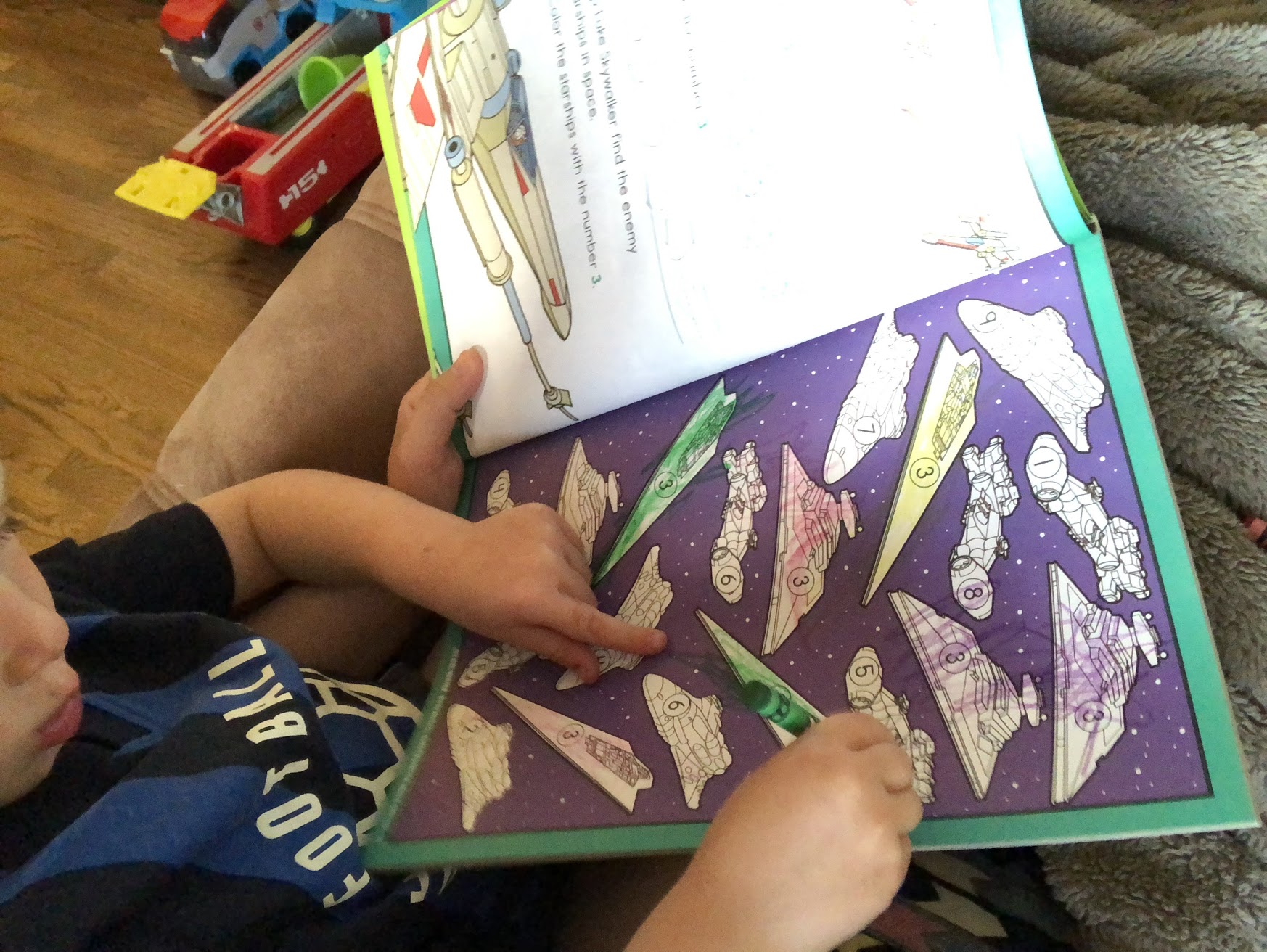
We Flagged: 

Star Wars “A”

to “Z”

Tracing and Coloring the Number 3

Brainquest “MNO” and “Living Things”

“Summer Brain Quest” map

Recommended For: 

classroomlibrarybuttonsmall

 and

**Thank you to Diana and Christi at Workman for providing a copy for review**

Sticky Facts: What Will You Find?: A Peel-and-Discover Activity Book

Share

Sticky Facts: What Will You Find?
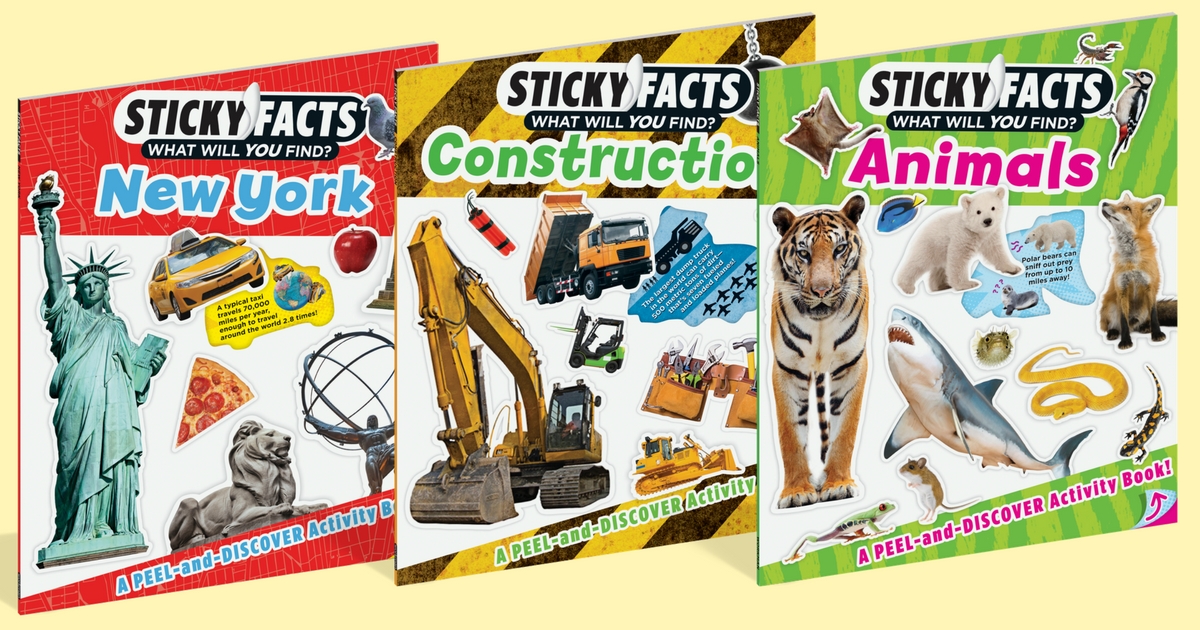
New York, Construction, Animals
Published: December 12, 2017 by Workman

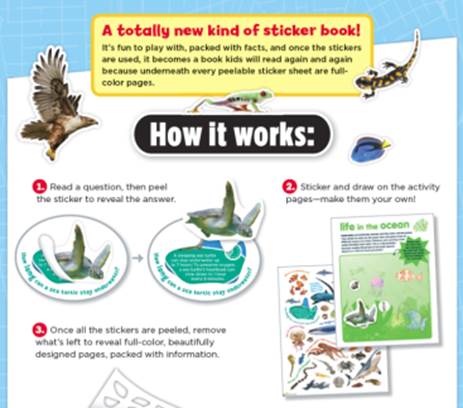
Summary: Sticky Facts is an innovative, kid-friendly approach to beloved topics for ages 6 and up, featuring a cutting-edge sticker sheet design that allows for text and color images to appear underneath the sticker.

Unlike average sticker books, each sticker page features questions with facts hidden underneath the relevant sticker. Once the sticker is peeled o­ff, the fascinating factis revealed. Activity pages with corresponding prompts are featured next to the sticker pages for readers to use as fuel for sticker landscapes, adding hours of fun to the whole experience!

ReviewWhile the book is marketed for ages 6 and up, my 4-year-old had a blast with these books. I had to read the facts beneath the stickers to him, but he loved peeling them off of the pages and finding their matching places within the book. As a parent, sometimes it gets to the point that I am looking for something new and different, and this clever idea was very impressive to me. The books are well-made and fun. I overheard my son sharing one of the construction facts with a friend at preschool, so it really works! These books make great gifts and add a new twist to kids’ love of stickers.

Teachers’ Tools for Navigation: Teachers might group students by interest to allow them to learn and work together on a book of their choosing. This allows students to learn nonfiction facts on a topic that they are interested about!

Discussion Questions: Which was your favorite sticky fact?; What are some new facts that you learned? What kinds of facts are featured below the stickers?

We Flagged: 

Read This If You Loved: Nonfiction; Sticker Books

Recommended For: 

classroomlibrarybuttonsmall

**Thank you to Christy at Workman for providing a copy for review**

Teaching Guide with Activities and Discussion Questions for Polly Diamond and the Magic Book by Alice Kuipers

Share

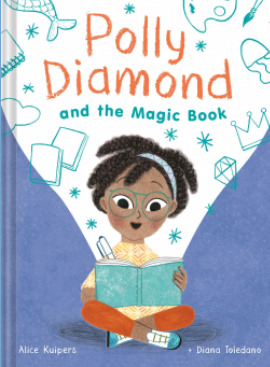
Polly Diamond and the Magic Book
Author: Alice Kuipers
Illustrator: Diana Toledano
Expected Publication May 1st, 2018 by Chronicle

Summary: Polly loves words. And she loves writing stories. So when a magic book appears on her doorstep that can make everything she writes happen in real life, Polly is certain all of her dreams are about to come true. But she soon learns that what you write and what you mean are not always the same thing! Funny and touching, this new chapter book series will entertain readers and inspire budding writers.

Teachers’ Tools for Navigation: Activities for Polly Diamond include:

Color Poem

On page one, Polly says that her teacher said her color poem was fantastic.

Have your students use the Read. Write. Think. template to create their own color poem.

Template

Finish her perfect house story

On page 3, Polly is interrupted while writing her perfect house story.

Finish her story with what your perfect house would include.

Wishes

When Polly realizes her book is magical, she thinks of many things she can wish for such as a cell phone, not frizzy hair, more books, a flat screen TV, and world peace.

Using a brainstorming graphic organizer, have your students think of all the things they wish for.

After brainstorming all of their wishes, have them circle your top three.

Using the five-paragraph format for informative essays, have students write explaining their three wishes.

Measuring

For Polly’s grandmother’s recipe for pancakes called for a cup of flour and a cup of milk. Many times, when baking, you do not have what you need to make the recipe, and not just ingredients—you may not have the right measuring cup.

Bring in one cup measuring cups along with 1/4, 1/3, 1/2, 3/4, tablespoon, and teaspoon measuring cups/spoons. Break students into groups and give each group one of each measuring cup/spoon as well as something to measure (water, rice, flour), and have them answering the following questions:

  • If you only had 1/4 cup, how could you get one cup of flour?
  • If you only had 1/3 cup, how could you get one cup of flour?
  • If you only had 1/2 cup, how could you get one cup of flour?
  • If you only had 3/4 cup, how could you get one cup of flour?
  • If you only had a tablespoon, how could you get one cup of flour?
  • If you only had a teaspoon, how could you get one cup of flour?

Favorite words

Polly has a lot of favorite words: words with double letters like doozy and mutli-meaning words like basil.

Have students make a list of three words that they really like.

For each word, they should define it and also explain why they like the word.

When finished, students should do a word meet and greet. Using clock buddies or some other buddy system, have students meet with other students in the classroom and learn about their favorite words. They should add the favorite words they learn about to their list.

Paint names

On page 29, Polly makes up names for paint that describes the color such as muddy pond, lunch bag, and baboon butt.

First, have students look at the colors Polly described on page 29 and find the corresponding color in either a crayon box or a color exploration site online.

Then, have students create color names using imagery. Either have them use the color exploration site online or the colors from Microsoft Word.

Affixes

Show students how there are different word parts (affixes) that can be put together to make new words. They are like puzzle pieces! Share with them the different types of word parts (prefix, suffix, root, and base) and how they fit together.

On page 56, Polly explains how adding un- to the beginning of a word gives it an opposite meaning. The word she uses as an example is unobservant. Share with your students that un- is a prefix that means NOT which does make a word the opposite. Have student brainstorm a list of words with un- at the beginning and define them using NOT as the definition for un.

Extension: dis-, il-, im-, in-, and ir- also mean NOT. Students can also explore words with these
prefixes.

Extension: On page 57, Polly also talks about adding –fully to the end a word to make it bigger,
but it does more than that. Share with your students that –fully is actually a combination of ful, a root word that means full of, and –ly, a suffix that turns an adjective to an adverb, so her example of sorrowfully means full of sorrow (adv).

After showing students how words break apart and how affixes help with word meanings, give students words with un- and –ful (or any other affix you taught) and have them mark the different word parts and define the word.

Coloring Sheets

Coloring sheets can also be downloaded from Chonricle’s website here.

See the Teaching Guide Created by Me (Kellee) for even more activities! 

You can also access the teaching guide through Chronicle’s website here.

Recommended For: 

readaloudbuttonsmall classroomlibrarybuttonsmall closereadinganalysisbuttonsmall

Kellee Signature

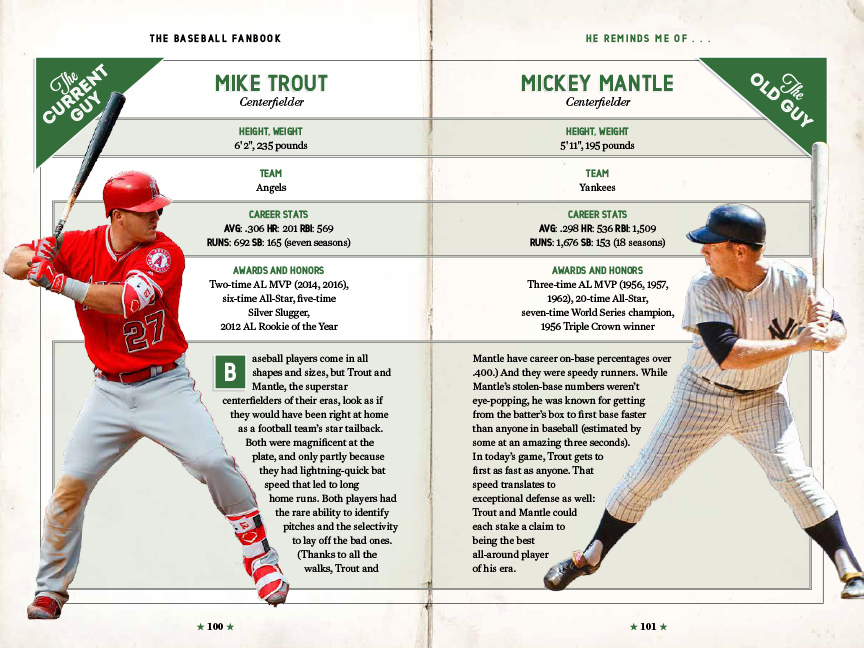
Sports Illustrated Kids: The Baseball Fanbook by Gary Gramling

Share

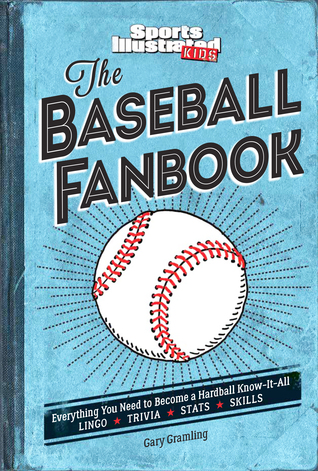
Sports Illustrated Kids: The Baseball Fanbook
Everything You Need to Become a Hardball Know-It-All: Lingo, Trivia, Stats, Skills
Author: Gary Gramling
Published April 3rd, 2018 by Sport Illustrated

Summary: Everything You Need to Become a Hardball Know-It-All!

The next book in the Fanbook series from Sports Illustrated KidsThe Baseball Fanbook has all the nerdy-cool insider knowledge that fans ready for next-level, in-depth stats need to know to impress their friends, family, coaches, and any season ticket holders they may meet. Tailor-made for baseball fanatics ages 8 and up who know the basics of the sport they love, may play it, and are looking to become super fans, this new fanbook is filled with fun trivia, unique lingo, and illustrated behind-the-skills how-to’s. Chapters include Team Tidbits (salient baseball facts about every MLB team), Think Like a Manager (essential strategies to understand), He Reminds Me Of (compares current players to legendary greats of America’s favorite pastime), and much more!

ReviewAs the 2018 baseball season begins, I knew I had to share this book with you all because I love this resource! I saw the The Football Fanbook, and I was impressed by it, but I LOVE BASEBALL! So I am so happy that there is a baseball version now.

Now, please don’t stop here just because I say I love baseball, so you assume you have to love it also to like this book. One of the things I like about this series is that they are written for all levels of fans. Maybe you don’t get why people like baseball? Check out this book to learn why! Maybe you are a player but really want to learn more specifics about the MLB? Check out this book to find out more! Maybe you are a baseball fanatic that lives and breaths the sport? Check out this book to maybe learn some fun facts you don’t know or as just a fun and entertaining read. It really is written in ways that all types of readers will find something in it.

Although this book is aimed for kids in grade 3 and up, don’t let that make you think it doesn’t include detailed information–it does! Each chapter is focused and full of information and photographs. But at the same time, I will say that it isn’t so overwhelming that younger kids will be turned off either. I’ve used parts of it with Trent this year as the season begins, and as we get ready for him beginning t-ball.

I am also impressed by its text structure. It is set up to be a book that could be read in order or jumped around, which is what I think is the best structure for informational nonfiction books because it makes it so any type of reader can grab it and read it how they’d like. The chapter titles are: 1) Know These Numbers, 2) Obscure Facts, 3) Skills to Master, 4) Run a Team, 5) He Reminds Me Of…, 6) Team Tidbits, & 7) Talk to Talk, and they are pretty self explanatory about their content.

Teachers’ Tools for Navigation: Like other topic focused books, the best place for it will be in libraries and classrooms for students to read if they want to. Parts of it could be used for math statistics activities or for sports history lessons or for a research resource; however, primarily it is going to be in kids’ hands being read.

Discussion Questions: 

  • Who is your favorite player? Create your own “Reminds me of…” document.
  • How are statistics such as ERA, WHIP, and batting average determined in baseball?
  • How has the sport of baseball changed over time?
  • Using the “Run a Team” chapter, create your own team. First, create it with known players then work on making a team of players you create.
  • Who is your favorite team? What did they leave out of the team tidbits that you would have included?

Flagged Passages: 

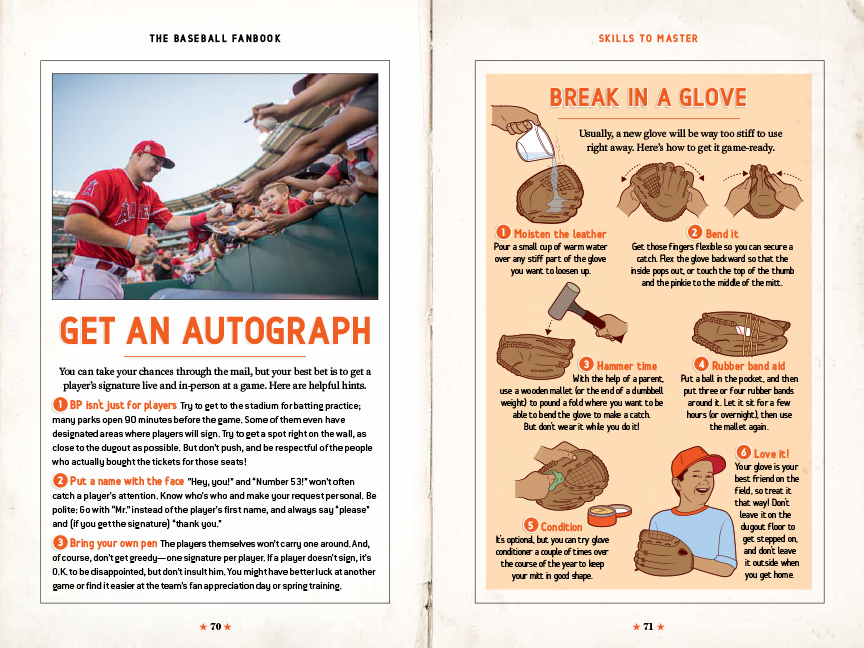
“Chapter 3: Skills to Master

Whether you’re eager to snag an autograph or ready to perfect your slide into second, you need to know how to do things the right way — even eat sunflower seeds!”

“Chapter 5: He Reminds me of…

Your grandparents have déjà vu all over again when they see these modern players on the diamond. Which stars of today play like the stars of yesteryear?”

Read This If You Love: Baseball!, Sports history, Fun with numbers

Recommended For: 

classroomlibrarybuttonsmall

Signature

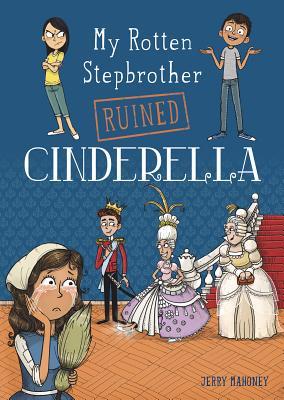
My Rotten Stepbrother Ruined Cinderella by Jerry Mahoney

Share

My Rotten Stepbrother Ruined Cinderella
Author: Jerry Mahoney
Illustrator: Aleksei Bitskoff
Published August 1st, 2017 by Stone Arch Books

Summary: Holden, what have you done?! It wasn’t enough to ruin Maddie’s report on Cinderella, but now you’ve somehow broken the ACTUAL fairy tale? The ugly stepsister is marrying the prince and there’s no happy ever after! You need to fix this and the only way seems to be by entering the story. But beware: if you can’t mend it, you can never return…

ReviewEveryone! You listening?!?! If you or any of your students are a fan of the Whatever After series, you need to get this for you/them. It is a perfect companion for them! But don’t think that this is just a duplicate of the series, it is similar yet also so different! First, Holden and Maddie already don’t work well together, so going into the fairy tale is not only about fixing the fairy tale but also about fixing their relationship. Second, the fracturing of fairy tales gets even more ridiculous than you can even imagine. Third, Holden and Maddie are in the fairy tales as characters, not as themselves. I will say that both this book and the Mlynowski series looks at the problems in fairy tales and how the stories could be better told to make everyone happy.

(I will say the only “issue” I had was I really don’t like the negative connotation around step-siblings, so calling a step-brother rotten really doesn’t help that idea; however, I do like how Maddie has to learn that her opinion on her stepbrother may not be correct.)

Teachers’ Tools for Navigation: First and foremost, this book will be a hilarious read aloud and an independent reading books that will fall into so many hands. Additionally, in the backmatter of the book, the author includes a glossary including the harder vocabulary in the book, a think again section with three questions for readers to think about, and finally a section about how to write a ruined version of a favorite tale. All three of these activities help make the book even more useful in a classroom.

Discussion Questions: (From the “Think Again” section by the author)

  • Everyone has someone in their life like Holden, who’s unavoidable and hard to get along with. Who’s someone you’ve struggled to relate to, and what would you do if you had to work with him or her to “fix” a fairy tale?
  • There are details about the wicked stepsisters that weren’t in the original tale, such as Beautianna’s desire to go to art school. Think of a supporting character from one of your favorite books whom you wish you knew more about. Come up with your own ideas for his or her character traits, wants, and needs. You can even try to write the whole story from that character’s perspective.
  • What do you think of the questions Holden raises about Cinderella? Do you think he makes some good points, or would you be as annoyed with him as Maddie was? Pick another story you know well and try to imagine what Holden’s problems with that story might be.

Flagged Passages: “Maddie hadn’t seen her before, but she could tell this woman had plenty to be sad about, starting with her clothes. They were filthy, patched-up work clothes, and her hair was tied back with a rag. She sat in front of a pile of roses, and one by one, she plucked the thorns off each stem and placed them into a vase. Her hands were scratched and bruised from hours of performing this tedious, excruciating task. No wonder she was crying.

‘Do you need a tissue?’ Maddie asked her.

‘Tissue?’ the woman replied. ‘What’s a tissue?’ The woman turned her head and gazed at Maddie, confused.

Of course, Maddie thought. They don’t have tissues in fairy tales. They weren’t invented yet. While she wondered how to explain this, she had another realization. This wasn’t any ordinary, sad woman. She was kind and familiar, the most beautiful woman Maddie had ever seen. She had bright blue eyes and, underneath the rag on her head, hair that seemed to be made from pure gold.

‘Oh my gosh!’ Maddie exclaimed. ‘You’re–you’re Cinderella!’

‘You seem surprised to see me, Glamoremma,’ the young woman replied.” (p. 29-30)

Read This If You Love: Whatever After by Sarah Mlynowski, It’s NOT Jack and the Beanstalk by Josh Funk, Fractured fairy tales

Recommended For: 

Signature

**Thank you so much to the author for providing a copy for review!**

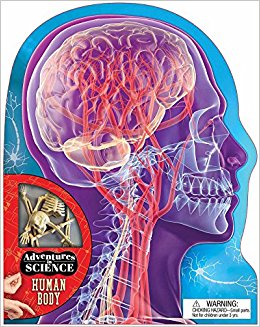
Adventures in Science: Human Body by Courtney Acampora

Share

Adventures in Science: Human Body
Author: Courtney Acampora
Published: December 12, 2017 by Silver Dolphin Books

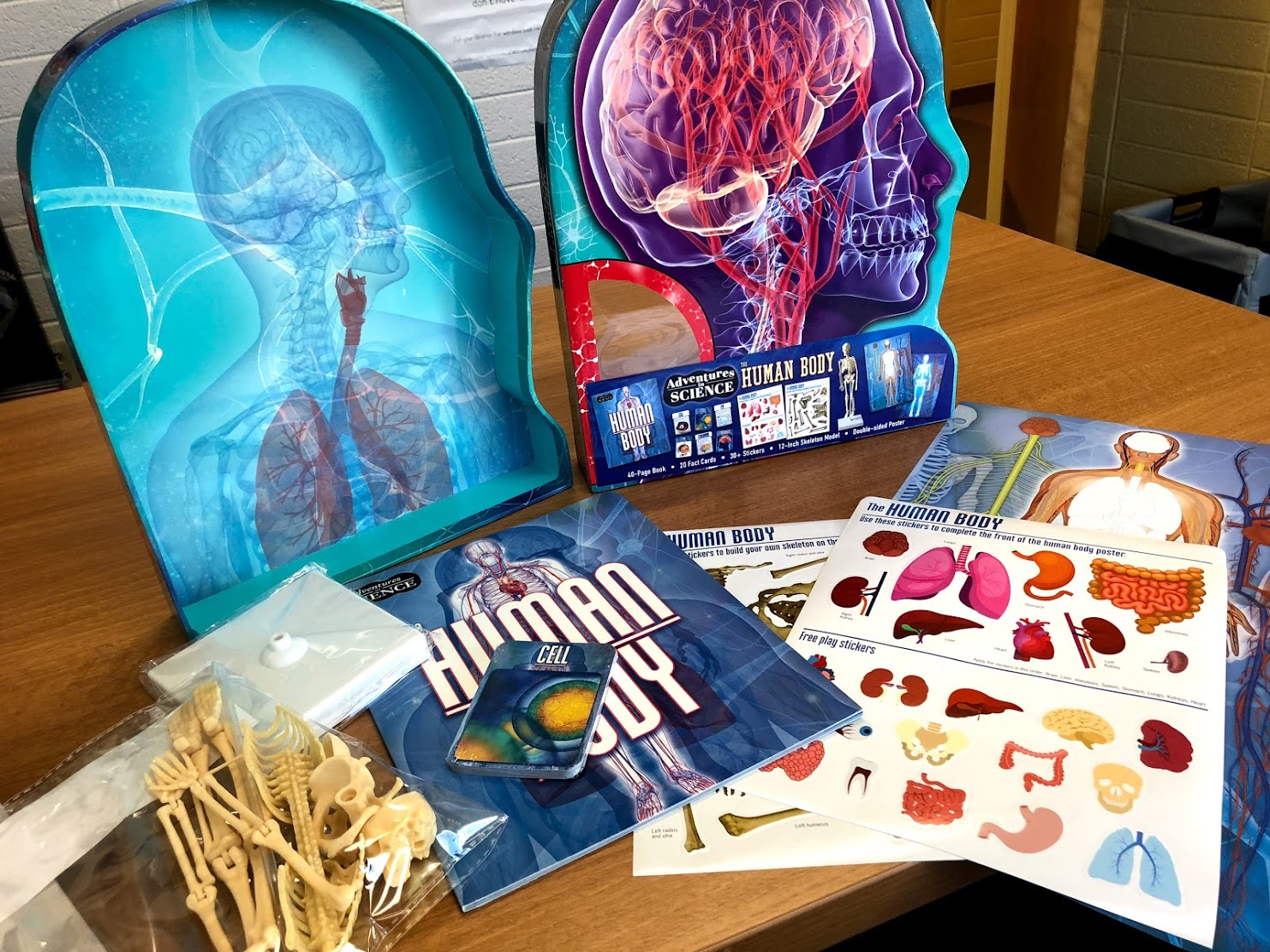
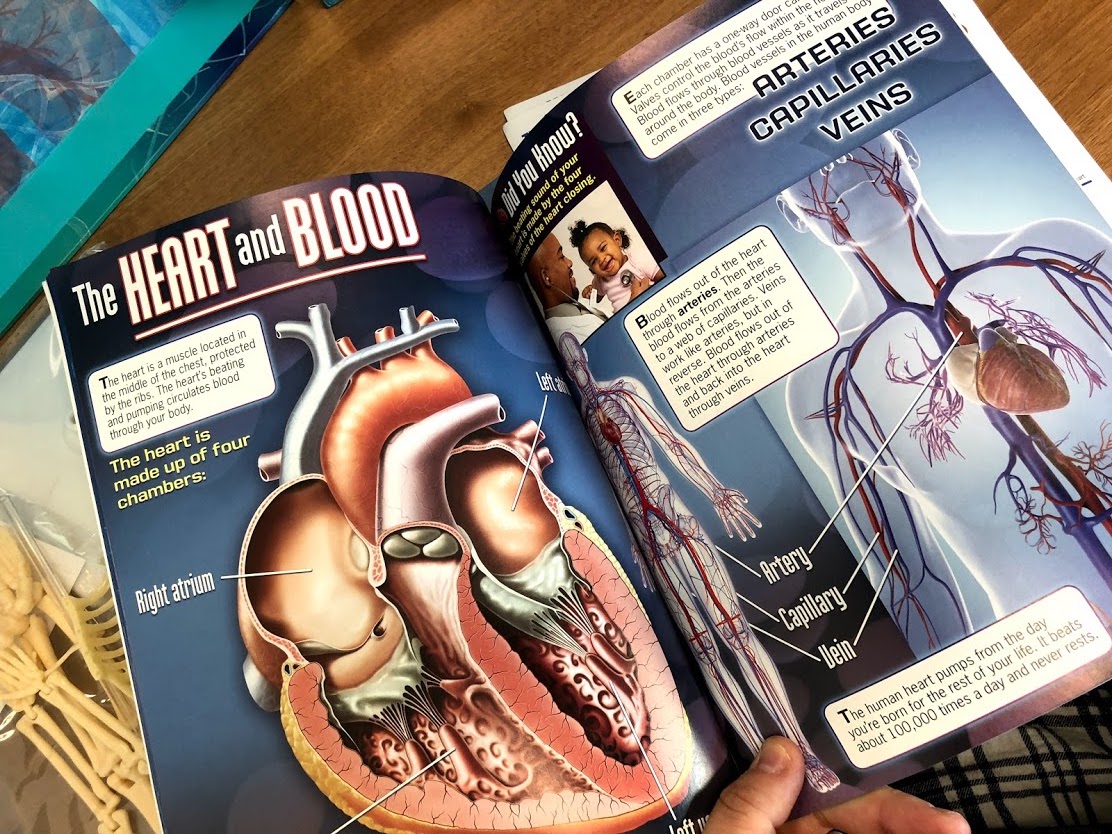
Summary: Which part of the brain is in charge of creativity? What is the smallest human muscle? Take a trip inside the human body and discover the amazing systems that allow us to move, breathe, and speak. After reading about everything from the digestive tract to the cornea, kids can assemble their own plastic skeleton and view the systems of the body in a layered cardstock model. With 20 fact cards, 2 sticker sheets, and a double-sided poster, this interactive kit is a perfect primer for learning about how the human body works.

ReviewThis book kit is so much fun! It’s very cleverly designed to engage readers. It includes an informational book about the human body, a skeleton to build, flash cards, a sticker sheet that features the major bones of the human body, a sticker sheet that features the organs within the human body, and a double-sided poster with outlines to help readers stick the bone and organ stickers in the correct places. As we read the book, we did the activities and filled in the human body. What a powerful learning experience! I am crossing my fingers that this kit becomes a series. I would love to purchase a kit for space, geography, etc.

Teachers’ Tools for Navigation: Teachers could purchase five kits and divide their classes into five different groups to build the skeleton and affix the stickers onto the appropriate parts of the body. I sent a message to a few of my friends who homeschool their children. I think this kit will be a huge hit in their families.

Discussion Questions: What did you learn as you did the activities?; What parts of the human body do you find most interesting? Why?; How do the different parts of the body work together?

We Flagged: 

Read This If You Loved: Any nonfiction books about the human body; interactive books and kits

Recommended For: 

classroomlibrarybuttonsmall

**Thank you to Casey at Media Masters Publicity for providing a copy for review**

Dr. E’s Super Stellar Solar System by Bethany Ehlmann with Jennifer Swanson

Share

Dr. E’s Super Stellar Solar System
Authors: Bethany Ehlmann with Jennifer Swanson
Published January 16, 2018 by National Geographic Children’s Books

Goodreads Summary: Take to the skies with Planetary Geologist Dr. E and her robot sidekick, Rover, to explore the solar system’s wildest, most astronomical geology–with comic book flair! This stellar book introduces kids to outer space through in-depth info and comic book adventure. Along the way, kids follow explorer Bethany Ehlmann, a member of the NASA Mars Rover Curiosity mission, and her lovable robo-dog, Rover, as they study and protect our amazing solar system. Dr. E’s conversational and funny explanations of the solar system and planetary geology will pull kids in like gravity. The pairing of fun, graphic novel side stories with science facts makes big concepts accessible and interesting to boys and girls of all levels, from STEM science fans to reluctant readers alike.

Review: This book is wild. I learned so much while reading it. I thought I knew a lot about space, but this book made me realize how much I didn’t know about it. My son is much too young for this book, but he loved looking at the pictures while I summarized the text on the pages. There are some fantastic photographs, and there are also digital representations of what things might look like. Most exciting, this book filled me with wonder. There are so many possibilities with space, and I am really excited about new discoveries and new information that will come in my lifetime and beyond. This is a must-read for space lovers and those who are curious about the world. I particularly appreciated the comics at the front of each chapter. They allowed me to better engage with the material that followed. Dr. E made me want to learn even more about space!

Teachers’ Tools for Navigation: I’d love to see this book used in literature circles. The National Geographic books are phenomenal, so teachers might collect books on various topics and allow students to form groups based on interest.

Discussion Questions: After reading about _____, what did you learn?; What do you still want to learn about space?

We Flagged: 

Image from Amazon.

Read This If You Loved: Any nonfiction book about space, for background knowledge when reading science fiction that takes place in space (e.g. Space Encyclopedia)

Recommended For: 

classroomlibrarybuttonsmall closereadinganalysisbuttonsmall

**Thank you to Karen at Media Masters Publicity for providing a copy for review**