New Nonfiction Texts and Nonfiction & Fiction Chapter Books from Animal Planet

Share

nfpb2017

Nonfiction Wednesday

Nonfiction Picture Book Wednesday is hosted by Kid Lit Frenzy and was started to help promote the reading of nonfiction texts. Most Wednesdays, we will be participating and will review a nonfiction text (though it may not always be a picture book).
Be sure to visit Kid Lit Frenzy and see what other nonfiction books are shared this week!

If you haven’t noticed, nonfiction texts have really been stepping up their game recently! Some of my favorites from from Animal Planet and Time, Inc., so I wanted to share some new series that are coming from them. 

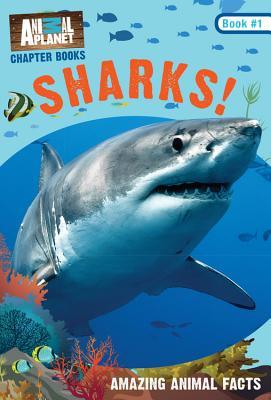
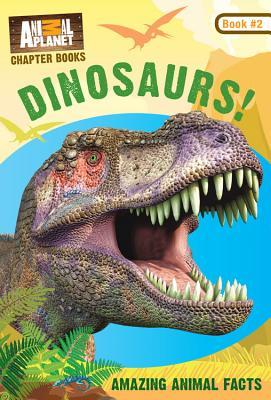
Animal Planet Chapter Books

Book #1: Sharks
Book #2: Dinosaurs
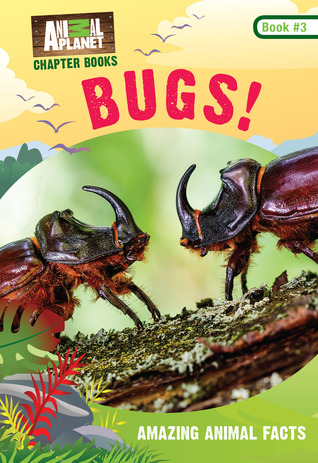
Book #3: Bugs
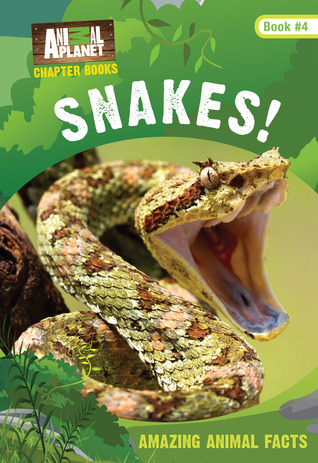
Book #4: Snakes

Summary: Engaging narrative nonfiction is paired with tried-and-true kid-friendly subjects in a popular chapter book series from Animal Planet and Time Inc. Books. All books in the series feature plentiful full-color photographs, illustrations, and a kid-friendly design. Sidebars such as “Meet the Scientists,” “In Your News Feed,” and “Fact File” pages highlight interesting aspects of each creature profiled and keep readers up to date on the most current research. Packed with information for thrill seekers and animal lovers alike, these are the perfect books for new readers who are ready to take a deeper dive into their favorite subject.

A companion fiction series, Animal Planet Adventures, is also available.

Animal Planet Adventures

Book #1: Dolphin Rescue by Catherine Nichols
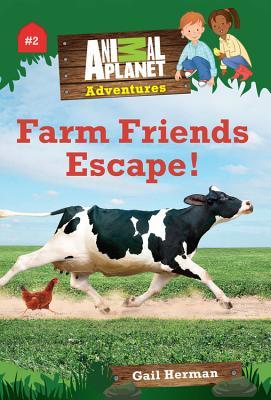
Book #2: Farm Friends Escape! by Gail Herman

Summary: Animal Planet Adventure chapter books present fiction and nonfiction within a familiar narrative format to bring the best of the animal world to young readers. Perfect for reluctant, challenged, and newly fluent readers, the new series combines fun animal mysteries with cool nonfiction sidebars that relate directly to the stories. Each book contains 100 full-color illustrations and photographs.

Animal Planet Adventures Curriculum Guide

Animal Planet Animal Bites

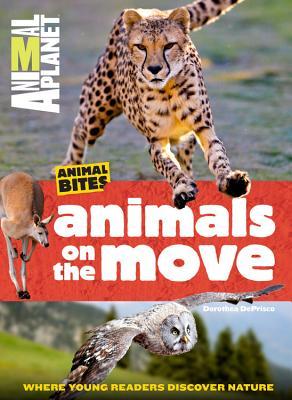
Animals on the Move
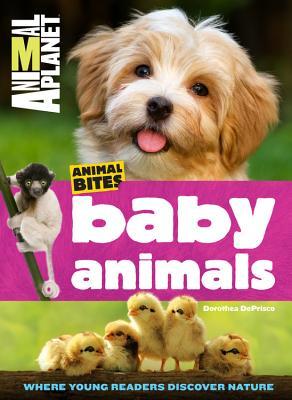
Baby Animals
*Newest titles!*

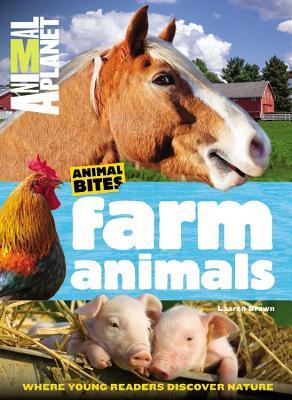
Farm Animals
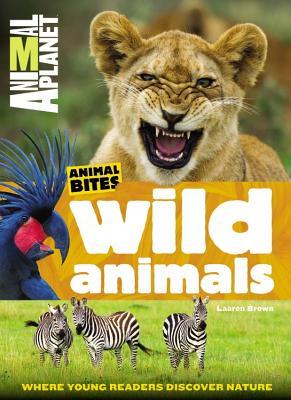
Wild Animals
*Reviewed October 5th, 2016*

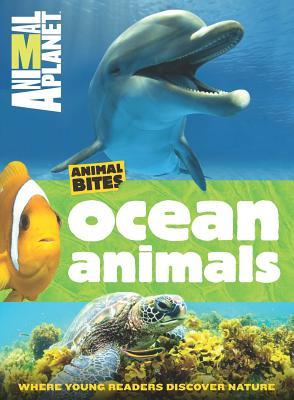
Ocean Animals
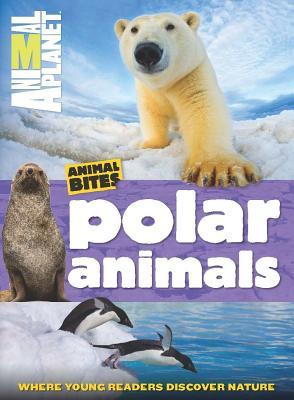
Polar Animals
*Reviewed April 27th, 2016*

Summary: The Animal Bites series provides emerging readers with the perfect bite-sized guide to the animal world. Each book contains more than 200 striking photographs, easy-to-understand graphics, and maps. Fun “Just Like Me” call-outs show the ways in which animals are similar to young readers–sharks rely on their senses of sight and scent to learn about their world, for example, just like kids do. “Info bits” boxes highlight quick facts about a species’ home, size, and classification. Each book contains a glossary, a page of resource where kids can go to learn more about animals, and a great list of activities to try, from making a bird feeder to moving like a baby rabbit or tern chick.

A portion of proceeds from the sale of books in the Animal Bites series benefits the principal partners of Reach Out. Act. Respond. (R.O.A.R.), Animals Planet’s initiative dedicated to improving the lives of animals in our communities and in the wild.

All Recommended For:

  litcirclesbuttonsmall classroomlibrarybuttonsmall

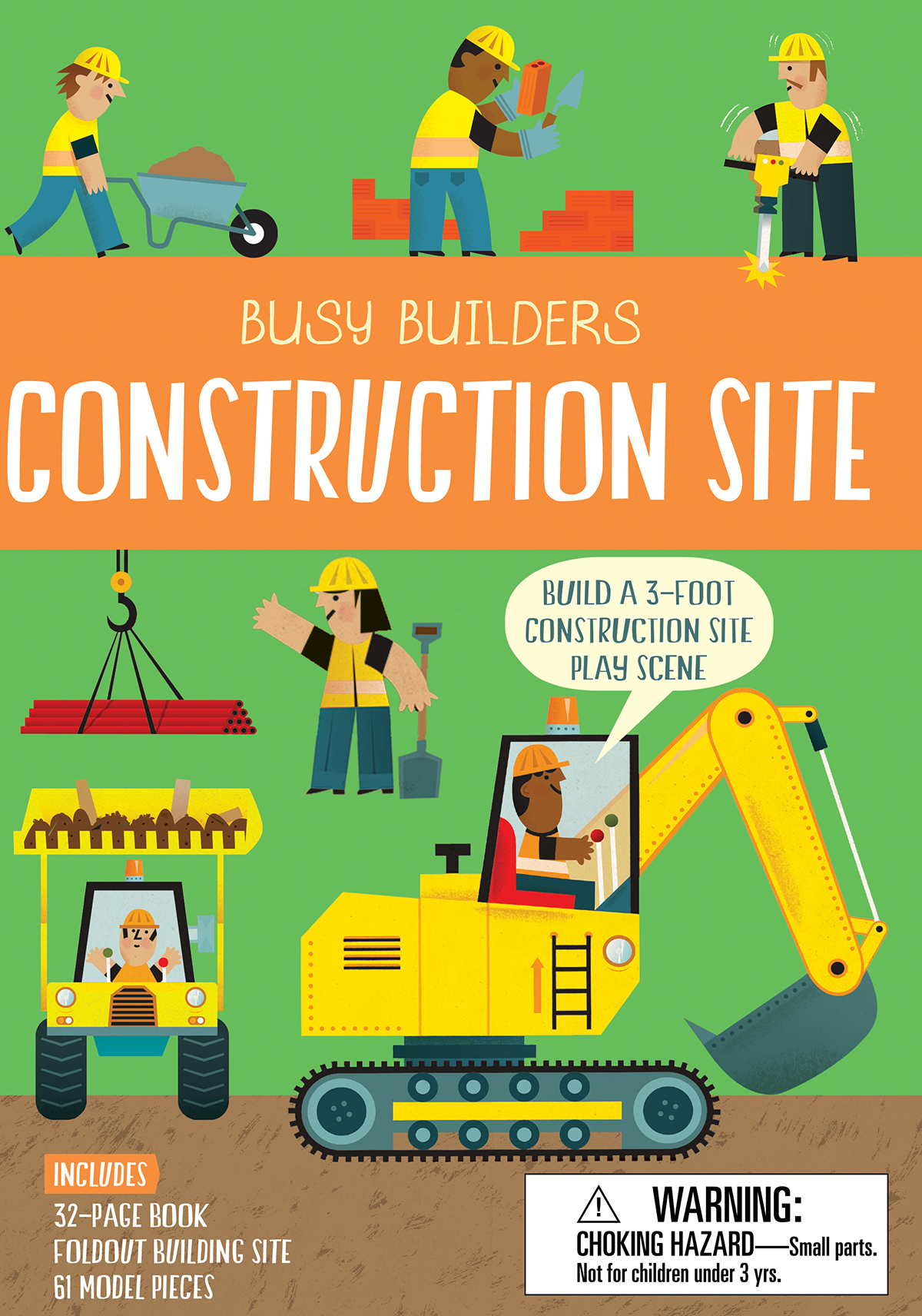
Busy Builders: Construction Site by Katherine Sully

Share

Busy Builders Construction Site
Author: Katherine Sully
Illustrator: Carles Ballesteros
Published December 20, 2016 by Silver Dolphin

Summary: Dig in and get ready to work in Busy Builders: Construction Site. This three-dimensional interactive kit will bring young children to a busy building site, where they will meet the construction crew at work on a new school. The fact book introduces kids to the people and machines at a construction site, using colorful illustrations and simple text. Plus, the box folds out to form a school under construction, complete with model pieces for the building, vehicles, and construction workers.

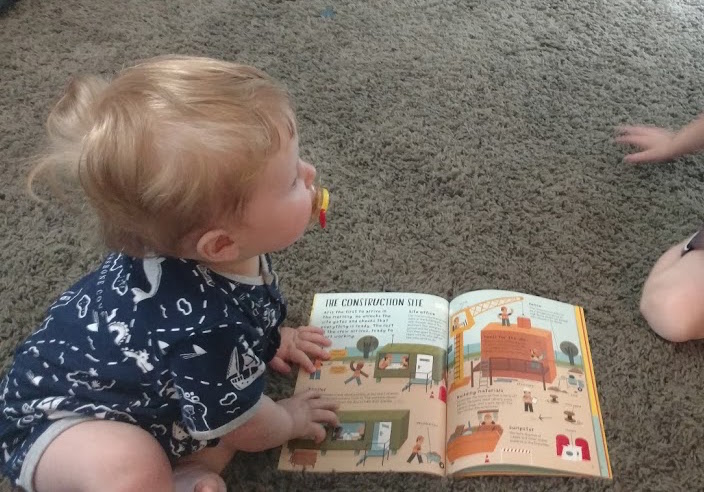
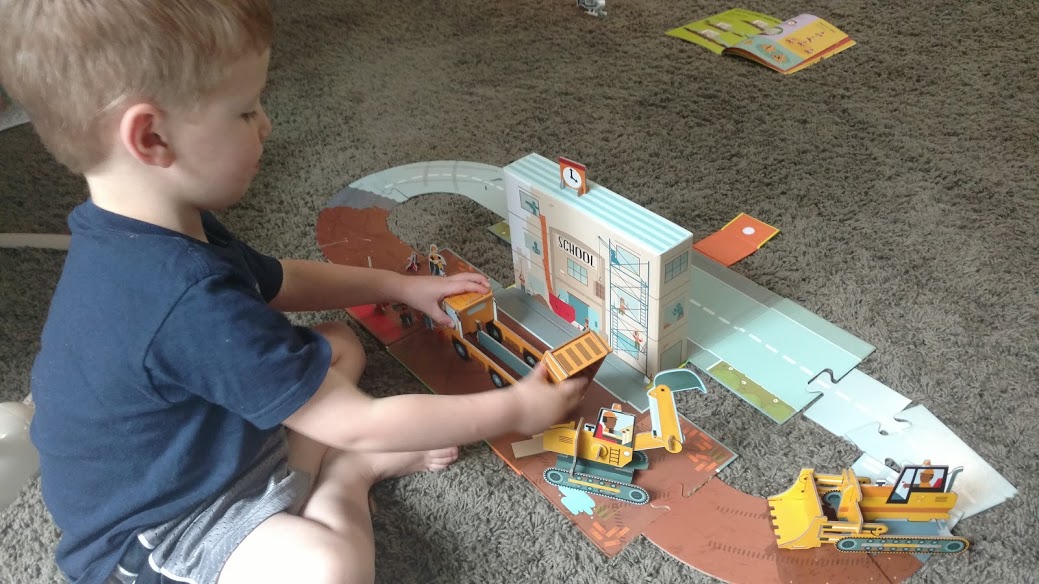
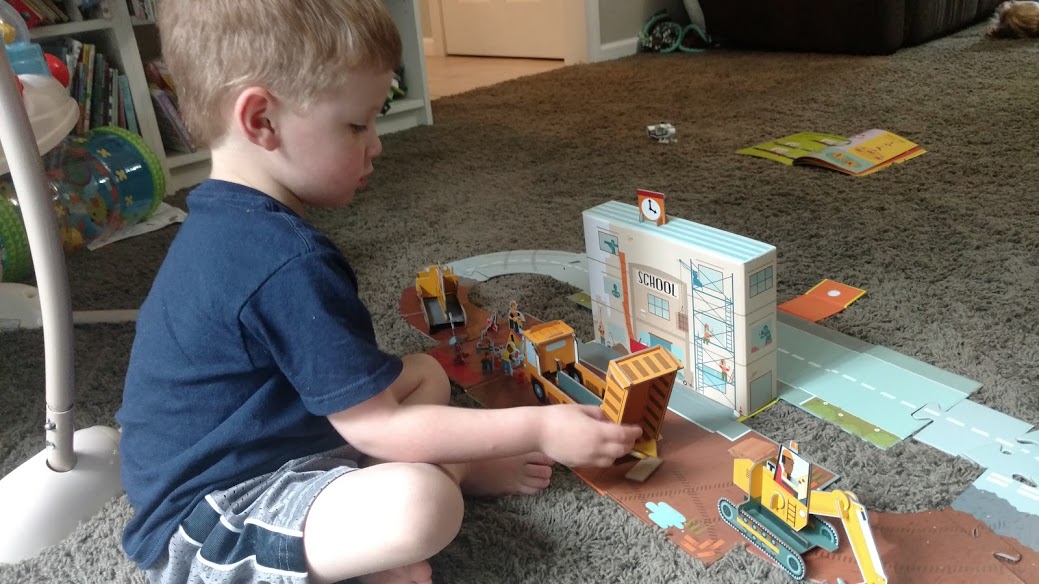
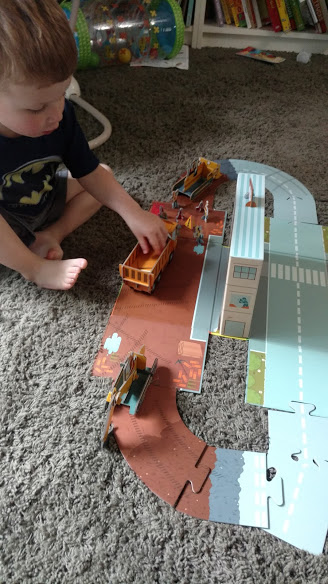
Review and Teachers’ Tools for Navigation: This book/kit was such a joy. I saved it for a gathering of kids at a lake house. Six kids (a 9 mo, 2 yo, 2.5 yo, 3.5 yo, 5 yo, and 7 yo) worked together to read the book and build the construction site. The two oldest kids were the best at putting the pieces together, and the parents helped. The directions were very easy to follow, and the construction vehicles swivel and move!

I didn’t remember to take pictures of the group effort in action, but I did take a few pictures of my two sons reading the book and playing with the kit the next day (see below). It was so fun to read about all of the construction workers and to have the figures in hand to place them on the construction site. This book would make a wonderful gift and would be great for a learning station in a class. My son is 3.5 years old, and I built most of the vehicles, but he helped with the smaller figures. Early elementary school students would be able to build this kit together with assistance, and the picture book is clear and easy to follow. For a learning stations, the kit can easily be disassembled between groups, or each group of students can build a different vehicle.

We are very excited to assemble the airport and fire station kits next!

Discussion Questions: Where do all of the crew members work? How do they work together to build the school?; How do you think the author and illustrator worked together to craft this book?

Fun Moments: 

An Hour Later (No Lie):

Read This If You Love: Building Models, Vehicles, Interactive Play, Engaging Reading Activities

Recommended For:

  classroomlibrarybuttonsmall

Blog Tour with Review and Giveaway!: Two Truths and a Lie: It’s Alive! by Ammi-Joan Paquette and Laurie Ann Thompson

Share

nfpb2017

Nonfiction Wednesday

Nonfiction Picture Book Wednesday is hosted by Kid Lit Frenzy and was started to help promote the reading of nonfiction texts. Most Wednesdays, we will be participating and will review a nonfiction text (though it may not always be a picture book).
Be sure to visit Kid Lit Frenzy and see what other nonfiction books are shared this week!

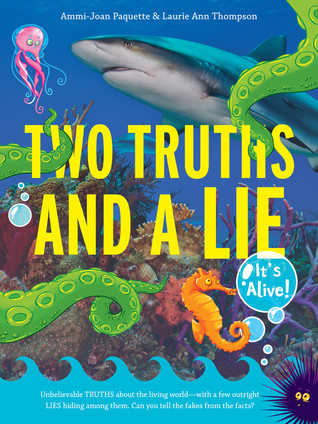
Two Truths and a Lie: It’s Alive!
Author: Ammi-Joan Paquette & Laurie Ann Thompson
Published June 27th, 2017 by Walden Pond Press

Summary: Two Truths and a Lie is the first book in a fascinating new series that presents some of the most crazy-but-true stories about the living world as well as a handful of stories that are too crazy to be true—and asks readers to separate facts from the fakes!

Did you know that there is a fungus that can control the mind of an ant and make it do its bidding? Would you believe there is such a thing as a corpse flower—a ten-foot-tall plant with a blossom that smells like a zombie? How about a species of octopus that doesn’t live in water but rather lurks in trees in the Pacific Northwest?

Every story in this book is strange and astounding. But not all of them are real. Just like the old game in this book’s title, two out of every three stories are completely true and one is an outright lie. Can you guess which? It’s not going to be easy. Some false stories are based on truth, and some of the true stories are just plain unbelievable. And they’re all accompanied by dozens of photos, maps, and illustrations. Amaze yourself and trick your friends as you sort out the fakes from the facts!

Acclaimed authors Ammi-Joan Paquette and Laurie Ann Thompson have teamed up to create a series of sneaky stories about the natural world designed to amaze, disgust, and occasionally bamboozle you.

About the Authors:


Ammi-Joan Paquette has traveled to twenty-four countries, has the ability to wake herself up at a given time without an alarm clock, and once climbed Mt. Everest. (Not all of these are true!) Joan is the author of the novels Rules for Ghosting, Paradox, and Nowhere Girl, as well as the picture books Petey and Pru and the Hullabaloo, Ghost in the House, The Tiptoe Guide to Tracking Mermaids, and The Tiptoes Guide to Tracking Fairies. She lives outside Boston, Massachusetts, where she balances her own writing and her day job as a literary agent. You can visit her online at www.ajpaquette.com.

Laurie Ann Thompson has ridden a pig, gotten stuck in an elevator overnight, and jumped out of a perfectly good airplane. (One of these facts is not true; can you guess which?) She is the author of Be a Changemaker: How to Start Something That Matters, My Dog Is the Best, and Emmanuel’s Dream, a picture book biography about Emmanuel Ofosu Yeboah, which was the recipient of the Schneider Family Book Award and was named an ALA Notable Book, a CCBC Choice, and a Bank Street College Best Book of the Year, among dozens of other accolades. She lives outside Seattle with her family. You can visit her online at www.lauriethompson.com.

Review: Walden Pond, as far as I know, hasn’t published a nonfiction text other than the Guys Read: True Stories, and I can definitely see why this is one they chose to add to their publication catalog. One of the greatest educational obstacles right now is that students have access to such a wide variety of information, some that is anything but reliable and valid, so it is up to parents and educators to show how to filter through all of the information and check the validity of what they find. Paquette and Thompson’s Two Truths and a Lie take that to a fun level giving the reader three stories, all the seem as crazy yet possible, but it gives kids the opportunity to use the internet to research each story to determine what is the truth and what is the lie. But the book doesn’t seem like it is for teaching, though it would work perfectly in the classroom, because the stories are just so crazy and fun to read from zombie-making fungi to an unlikely chicken, the stories are just all so unbelievable!

Teachers’ Tools for Navigation: Like I shared above, these stories would be a perfect way to practice digital literacy and learn about reliable and valid sources.

A teaching guide is also available from the publisher here!

Discussion Questions: Which is a lie? Why do you think so? Where could you check to find out? Which of the true stories do you want to learn more about?

Flagged Passages: “Part 1: Preposterous Plans and Fungi–Crazy, Creepy, Cool

Ah, nature. A green meadow. Wind rustling through the leaves.
Mushrooms growing on the side of a fallen log. What could be more peaceful, more predictable, more ordinary?
To that we say: ha! The plants and fungus we spotlight in this section are full of surprises. They completely defy those common stereotypes and misconceptions
Intrigued? We hope so! Because once you’ve read these, going green will never mean quite the same thing…

A. Underground Miracle Root
B. Pandomonium
C. The Secret Lives of Plants.” Chapter 1, Part 1

Read This If You Love: Learning interesting and new facts about nature

Recommended For: 

classroomlibrarybuttonsmall closereadinganalysisbuttonsmall

Follow the Blog Tour!

June 5th   Librarian’s Quest
June 7th   Flowering Minds
Pragmatic Mom
June 11th  Geo Librarian
June 13th Smack Dab in the Middle
June 14th Bluestocking Thinking
June 15th Novel Novice
Library Lions Roar
June 16th Archimedes Notebook
June 18th Nerdy Book Club
June 19th Cracking the Cover
June 20th Writers Rumpus
The Hiding Spot
June 21st  Maria’s Melange
June 23rd Unleashing Readers
June 24th This Kid Reviews Books

Enter the Giveaway!

a Rafflecopter giveaway

Signature

Behind the Legend: The Loch Ness Monster & Big Foot by Erin Peabody

Share

nfpb2017

Nonfiction Wednesday

Nonfiction Picture Book Wednesday is hosted by Kid Lit Frenzy and was started to help promote the reading of nonfiction texts. Most Wednesdays, we will be participating and will review a nonfiction text (though it may not always be a picture book).
Be sure to visit Kid Lit Frenzy and see what other nonfiction books are shared this week!

Behind the Legend Series
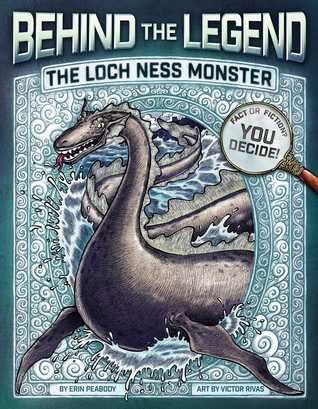
The Loch Ness Monster
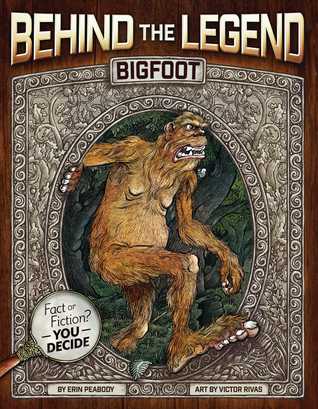
Big Food
Author: Erin Peabody
Illustrator: Victor Rivas
Published May 2nd, 2017 by little bee books

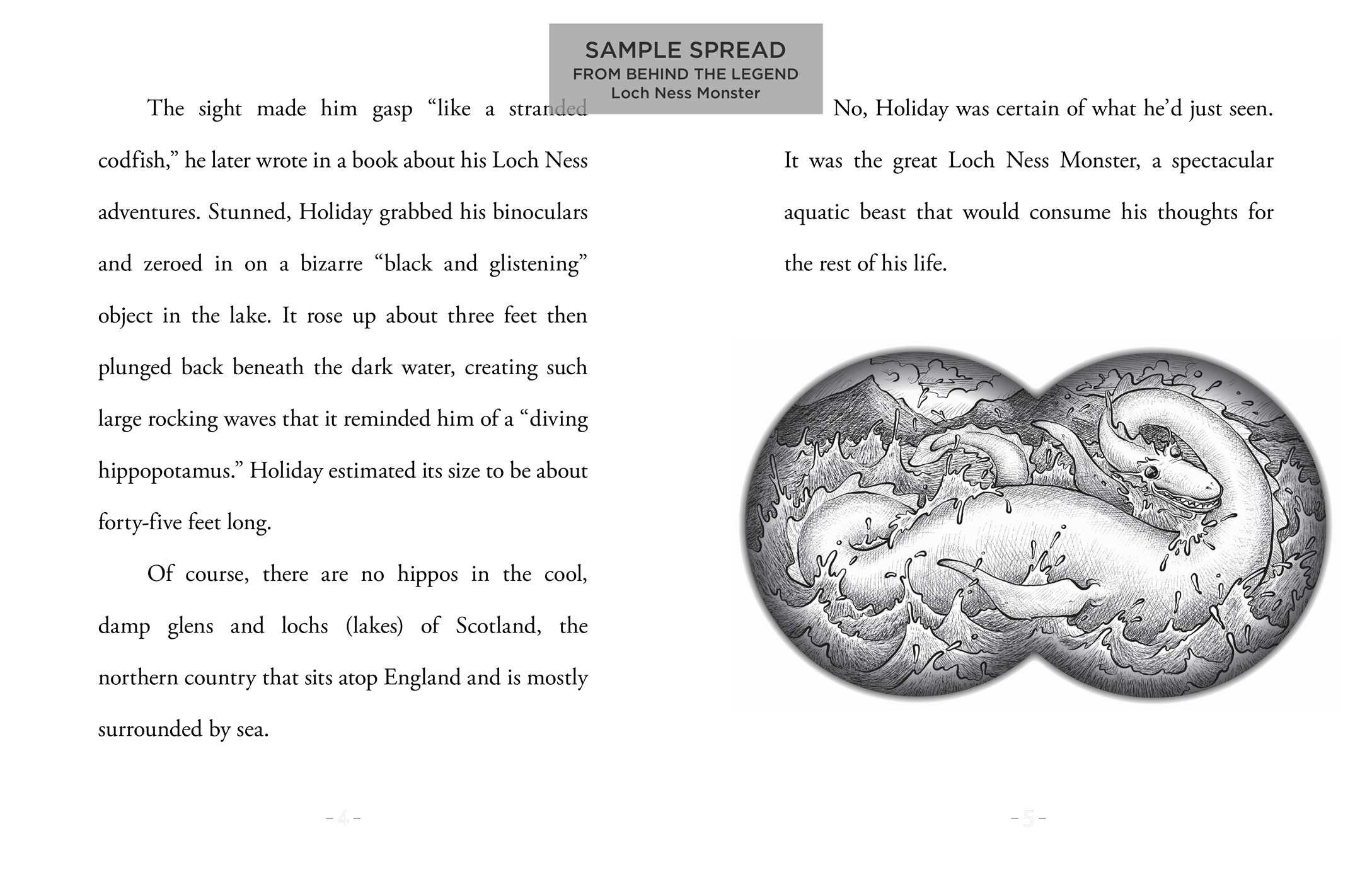
Series Summary: little bee books is thrilled to announce their brand-new nonfiction middle grade series! Behind the Legend is designed for readers ages 8-10 and asks that to decide what is fact and what is fiction. Each book analyzes legendary creatures throughout history using scientific problem solving. Readers evaluate the evidence of sightings, debunk hoaxes with scientific experiments, and read from sources to decide if the monster is made of myth, legend, or fact. Packed with interesting anecdotes, photos, sidebars, and illustrations, each title is a page-turning adventure that readers won’t want to put down.

Learn all about creatures and monsters throughout history and discover if they’re real or not in this new nonfiction series! Behind the Legend looks at creatures and monsters throughout history and analyzes them through a scientific, mythbusting lens, debating whether or not the sightings and evidence provided are adequate proof of their existence.

More books coming soon! Zombies and Werewolves coming in Summer 2017 and Unicorns and Dragons in Spring 2018.

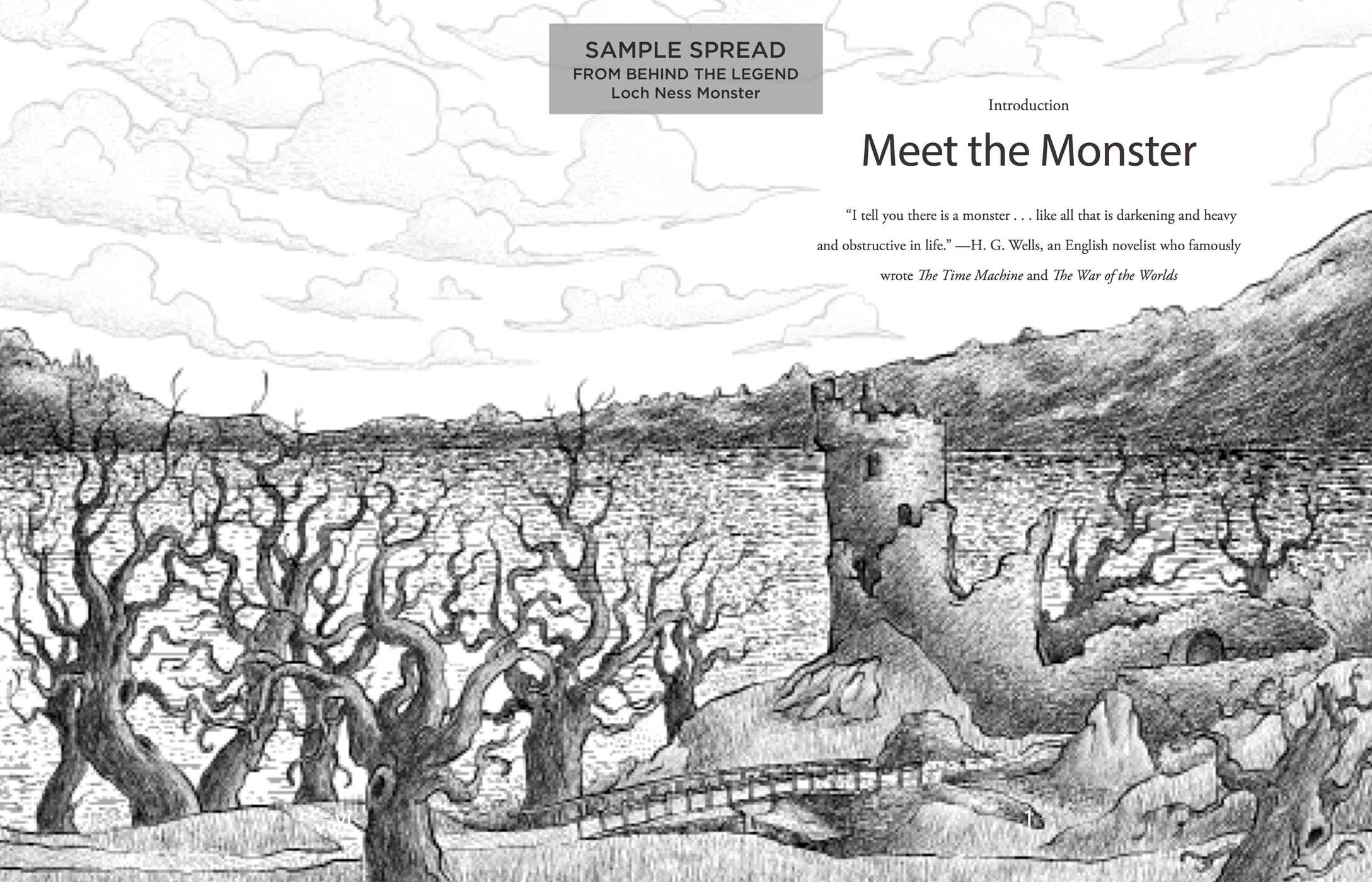
The Loch Ness Monster Summary: In The Loch Ness Monster, readers learn about all the sightings and proof of it, from the famous photograph to the huge “footprints” found by the Loch. It also discusses other history about the monster, such as how Nessie became a major figure in popular culture, and other mythical beings that came from Scotland. Complete with engaging anecdotes, interesting sidebars, and fantastic illustrations, kids won’t want to put this book down!

Big Foot Summary: In Bigfoot, readers learn about all the sightings and proof of it, from the famous photograph and video to footprints and other evidence. It also discusses additional history about the monster, such as how Bigfoot became a major figure in popular culture, and how other versions of the creature (such as the Yeti) have been seen around the world. Complete with engaging anecdotes, interesting sidebars, and fantastic illustrations, kids won’t want to put this book down!

Review: On one of our recent Top Ten Tuesday posts, I shared that I am always looking for nonfiction books to keep my middle grade students reading nonfiction because it is so hard to talk them into reading it unless it really catches their interest. I think part of the reason is because there aren’t many transitional nonfiction books from picture books and shorter informational nonfiction books to longer works like books by Jim Murphy, Deborah Heiligman, and Candance Fleming (which are phenomenal, but many readers just don’t have the nonfiction stamina). I think the Behind the Legend series fits this need perfectly! They are slightly longer than the traditional children’s nonfiction book and the words outnumber the pictures though there are still many illustrations, big font, lots of white space, and short chapters.

Teachers’ Tools for Navigation: The Behind the Legend series’ texts will be perfect for not only reading aloud and discussing the truly interesting information within the book, I think the texts would be perfect mentor texts for writing an informational nonfiction text of the students’ own. The books do a wonderful job at looking at many different aspects of the legend and remaining unbiased.

Discussion Questions: Based on the information shared in the text, do you believe the legends are fact or fiction? Support your answer with evidence form the text.; How do legends such as the Loch Ness Monster and Bigfoot become such cultural phenomenons?

Flagged Passages: 

Read This If You Love: Who Was? series, Legends

Recommended For: 

classroomlibrarybuttonsmall closereadinganalysisbuttonsmall

Signature

**Thank you little bee books for providing copies for review!**

An Interactive Children’s Book App: Care For Our World by Karen Robbins from Sunbreak Games

Share

nfpb2017

Nonfiction Wednesday

Nonfiction Picture Book Wednesday is hosted by Kid Lit Frenzy and was started to help promote the reading of nonfiction texts. Most Wednesdays, we will be participating and will review a nonfiction text (though it may not always be a picture book).
Be sure to visit Kid Lit Frenzy and see what other nonfiction books are shared this week!

Happy (almost) Earth Day!

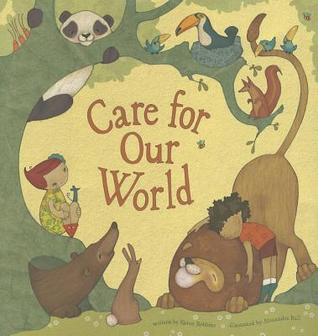
Care For Our World
Author: Karen Robbins
Illustrator: Alexandra Ball
Originally Published: July 15th, 2012 by Compendium Publishing and Communications
App Release: March 1st, 2017 by Sunbreak Games, LLC

Book Summary: Get ready to meet some truly wonderful wild animals from every continent on Earth. As children turn the pages of this book, they’ll encounter dozens of playful creatures in their natural habitats and will learn about the importance of caring for all the plants, animals, and people that call planet Earth their home. A timely reminder of the responsibility every generation shares: to nurture and respect life in all its many forms.

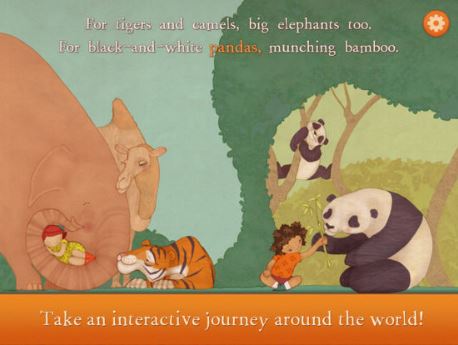
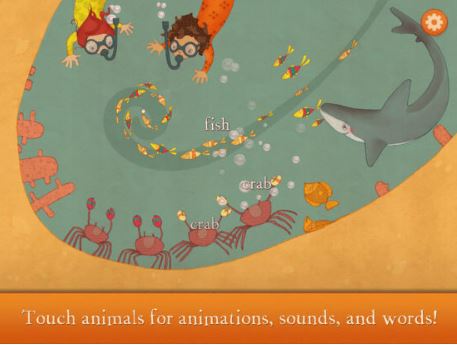
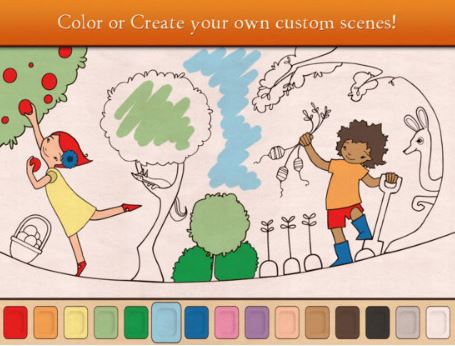
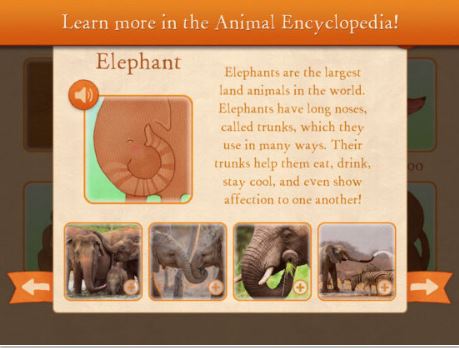
App Information: Take an interactive journey around the world, discovering diverse environments and the animals that call them home, in this animated adaptation of the award-winning children’s book, Care for Our World. Additional creative activities are included, like Coloring Book pages, Creating custom habitats, and even Learning facts, sounds, and photo galleries in the Animal Encyclopedia.

“Care for our world, for you and for me, for all living things from mountain to sea.”

Author Karen Robbins’ delightful words and illustrator Alexandra Ball’s captivating images combine to inspire children to care for the earth they call home: a timely reminder of the responsibility every generation shares to nurture and respect life in all its many forms.

Features: 

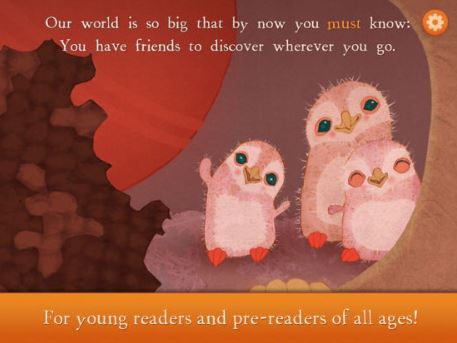
• Listen to the animated story, with narration, music, and sounds.

• Touch characters to see and hear them react, and practice their words.

• Color select pages from the book
• Create custom habitats with select animals and backgrounds.
• Save images of your creations to the Gallery.

• Learn more with facts, sounds, and photos in the Animal Encyclopedia.

Recommended for ages 3-8

Review and Teachers’ Tools for Navigation: I’m so impressed with so many of the book apps that are becoming available! As a 21st century mom and teacher, technology is just inevitable in our lives, so I want to make sure that whatever my son and my students interact with is the best out there and isn’t just a tech babysitter. Care For Our World fits this definition and is definitely an app that I am going to recommend to my mom friends and my elementary teacher friends.

The story by itself is a wonderful read aloud and discussion starter. It takes the two main characters around the world to visit different habitats and the animals that live there. The author’s theme is quite clear throughout: this is OUR world and we need to take care of it because we share it with some amazing animals. This theme makes it a perfect read aloud for Earth Day and many animal and Earth-centered activities and inquiry projects could stem from the story.

The app takes the book to a whole new level. Everything wonderful about the book is still there, but now the story is interactive! First, it reads to you. On each page, you can also click on the plants and animals and the narrator will tell you what they are. You can also click on each word, and it’ll read it to you. This is perfect for kids learning to read! The viewer, when finished with the book, can now go explore more about some of the animals in the story by going to the Animal Encyclopedia where you can hear the sounds the animals make, learn about their behaviors, and see photos of them. Lastly, kids will have a blast coloring different scenes from the book or creating their own habitat (all artwork can be saved in a gallery to view later). The app is fun and informative–a perfect mix for the type of app I’m always trying to find for my son.

Trailer: 

Recommended For: 


Teaching Guide for Ada’s Ideas: The Story of Ada Lovelace, the World’s First Computer Programmer by Fiona Robinson

Share

nfpb2017

Nonfiction Wednesday

Nonfiction Picture Book Wednesday is hosted by Kid Lit Frenzy and was started to help promote the reading of nonfiction texts. Most Wednesdays, we will be participating and will review a nonfiction text (though it may not always be a picture book).
Be sure to visit Kid Lit Frenzy and see what other nonfiction books are shared this week!

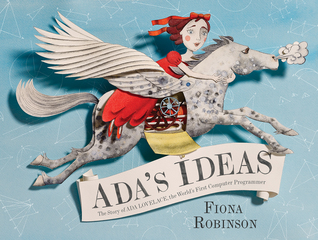
Ada’s Ideas: The Story of Ada Lovelace, the World’s First Computer Programmer
Author and Illustrator: Fiona Robinson
Published August 2nd, 2016 by Abrams Books

Summary: Ada Lovelace (1815–1852) was the daughter of Lord Byron, a poet, and Anna Isabella Milbanke, a mathematician. Her parents separated when she was young, and her mother insisted on a logic-focused education, rejecting Byron’s “mad” love of poetry. But Ada remained fascinated with her father and considered mathematics “poetical science.” Via her friendship with inventor Charles Babbage, she became involved in “programming” his Analytical Engine, a precursor to the computer, thus becoming the world’s first computer programmer. This picture book biography of Ada Lovelace is a portrait of a woman who saw the potential for numbers to make art.

Teaching Guide with Discussion Questions and Activities: 

Ada’s Ideas: The Story of ADA LOVELACE, the World’s First Computer Programmer

Ada Lovelace (1815–1852) was the daughter of Lord Byron, a poet, and Anna Isabella Milbanke, a mathematician. Her parents separated when she was young, and her mother insisted on a logic-focused education, rejecting Byron’s “mad” love of poetry. But Ada remained fascinated with her father and considered mathematics “poetical science.” Via her friendship with inventor Charles Babbage, she became involved in “programming” his Analytical Engine, a precursor to the computer, thus becoming the world’s first computer programmer. This picture book biography of Ada Lovelace is a portrait of a woman who saw the potential for numbers to make art.

Note about this guide and Ada’s Ideas

Ada Lovelace was a mathematician far ahead of her time. Because of this, much of the math included in Ada’s Ideas are quite complex. Because of this, Ada’s Ideas could be used for a wide range of students from early-elementary, focusing on Ada’s impact on math, to college, focusing on her use of complex math to write the first computer programs. Within this guide, you will find activities and discussion questions that primarily focus on its use in elementary and middle classrooms, but this does not limit it to these grade levels.

Vocabulary

These vocabulary words can be found throughout the book (in the order they are listed). Use these words as a starting point for a vocabulary study with Ada’s Ideas. Research shows that reading and discussing vocabulary within the context of reading is one of the most effective ways to learn vocabulary.

Despaired     |     Era     |    Defy     |    Reckless     |    Parallelogram     |    Influence     |    Steady     |    Whirred     |    Clanked     |    Newly Harnessed     |    Mechanical     |    Affectionate     |    Carrier Pigeon     |    Confined     |    Poetical expression     |    Aside     |    Eligible     |    Thrust     |     Regimented     |    Re-ignited     |    Potential     |    Orient     |    Corresponding     |    Loom     |    Thereby     |    Algorithm     |    Compute     |    Potential     |    Foresaw     |    Impact     |    Stunned     |    Envision

Activities: Use these activities to extend student learning with Ada’s Ideas.

Ana’s Parents

  • Ana’s parents are both well-renowned and intelligent; however, they are both very different.
  • Get to know George Byron
    • Have your students read the first stanza of “She Walks in Beauty” by Lord Byron. Analyze the stanza with them and discuss: How is Lord Byron describing the subject of his poem? Does it fit your idea of “Romantic” as Lord Byron was considered a leading figure in the Romantic Movement of poetry.
      • She walks in beauty, like the night
        Of cloudless climes and starry skies;
        And all that’s best of dark and bright
        Meet in her aspect and her eyes;
        Thus mellowed to that tender light
        Which heaven to gaudy day denies.
  • Get to know Anne Isabella Byron
    • Lady Byron was wealthy and educated. She was tutored by a Cambridge University professor as a child and found she excelled at mathematics. Discuss with your students: How did Lady Byron’s fascination of mathematics influence Ana’s life? Do you think her life would have been the same if her mother had not been a mathematician herself?

Nature vs. Nurture

  • Discuss with your students the idea of nature vs. nurture.
  • Lord and Lady Byron worked hard to separate Lord Byron from Ada to try and limit her poetical and imaginative behavior; however, Ada still ended up with quite the imagination. What does this show us about nature vs. nurture? Was Ada’s mother able to change how she was going to grow up by separating her from her father, or did it not matter since she is biologically his daughter?
  • Have your students break into two sides and research the ideas of nature vs. nurture then debate whether a person’s DNA decides their development or if experiences and environment can change the development.
    • Extension: Move the debate to Ada’s situation instead of a generic debate about the idea.

Industrial Revolution

  • The Industrial Revolution was possible because of the engineers, scientists, and mathematicians who put theory into practice. These new exciting feats of engineering and science included the first reliable steam engine, the cotton gin, telegraph, dynamite, vaccines, telephone, light bulb, airplane, and automobile.
  • Individually, in partners, or in groups, assign a different Industrial Revolution invention and look at how it was created, how it changed the world, and how it changed science/math/engineering then present their findings to the class.
  • After learning more about the Industrial Revolution, tie it back to Ada Lovelace’s life by discussing if the class believes that Ada’s accomplishments could have happened during a different time in history.

Influence

  • Ada Lovelace’s findings are largely said to be the first computer program. Her programs, in conjunction with Babbage’s hardware, were a theory over a century before the first computers were invented in the United States and England. Even though she was not part of the actual invention and start of computer science, she influenced much of modern computer science. Use the information below as the starting point for a research paper/project or discussion.
  • Some of the ways Ada has influenced computer science are:
    • Mill made by Babbage’s son
      • Charles Babbage’s son made the part of the analytical engine called the mill which carried out numerical operations.
    • Alan Turing
      • Babbage and Lovelace’s analytical engine was the original “drum” computer though Turing is often portrayed as the inventor of the idea.
    • John Graham-Cumming
      • Graham-Cumming is a British programmer who is working to bring the analytical engine, known as Plan 28, to realization.
    • Some ways Ada has been commemorated:
      • ADA: a standardized computer language used by the US Department of Defense
        • A computer language that appeared for the first time in 1980 and is still used today.
      • Ada Lovelace Day
        • Ada Lovelace Day was founded in 2011 and aims to share female pioneers in STEM fields. Ada Lovelace Day is the second Tuesday of October.

Discussion Questions: Use these questions as whole class discussions, reading check-ins, or as writing prompts with Ada’s Ideas. The discussion questions are written as if they are being asked to a student.

  • Ada’s schedule as an 8-year-old was very intense. Compare and contrast your current schooling schedule to what Ada was expected to do daily.
    • How many hours did she spend on each subject? How long do you spend?
    • Do you feel like what was expected of her was too high of expectations or fair?
  • How did Ada’s contraction of measles change her life?
  • Why did the author choose to cover Ada’s comforter in geometric shapes on the page when she is suffering with measles?
  • Ada surrounded herself with some very intelligent and influential people including Mary Fairfax Somerville, nominated to be jointly the first female member of the Royal Astronomical Society; Charles Dickens, one of the greatest novelist of the Victorian era; Florence Nightingale, the founder of modern nursing; and Charles Babbage. How do you think having these historical figures as her friends helped influence her focus and trajectory in life?
  • The mentorship of Charles Babbage changed Ada’s life as well as the trajectory of computer science. How did Ada influence Charles’s work and vice versa? Do you think either could have accomplished what they did without each other?
    • Compare their work to modern technologies: Ada’s work ended up influencing the creations of ____, and Mr. Babbage’s work ended up influencing the creations of ____.
  • How did Joseph-Marie Jacquard’s loom influence Ada’s idea of the program for the Analytical Engine?
  • The author’s note about Bernoulli Numbers states that Ada chose them as “beautiful examples” of the complexity of the Analytical Engine. Elaborate on this statement: Why would Ada choose something so complicated as the first program she wrote for the Analytical Engine?
  • The illustrations of Ada’s Ideas are Japanese watercolor pieces cut out and rearranged at different depths to achieve 3-D artwork then photographed. How does this artwork fit Ada’s story? Would another type of illustrations have been able to capture Ada’s ideas and personality as well?

Common Core Standards: English Language Arts

Examples of English Language Arts Common Core Anchor Standards that can be met by extending Ada’s Ideas with the above discussion questions/activities.

  • ELA-LITERACY.CCRA.R.1
    Read closely to determine what the text says explicitly and to make logical inferences from it; cite specific textual evidence when writing or speaking to support conclusions drawn from the text.
  • ELA-LITERACY.CCRA.R.2
    Determine central ideas or themes of a text and analyze their development; summarize the key supporting details and ideas.
  • ELA-LITERACY.CCRA.R.3
    Analyze how and why individuals, events, or ideas develop and interact over the course of a text.
  • ELA-LITERACY.CCRA.R.4
    Interpret words and phrases as they are used in a text, including determining technical, connotative, and figurative meanings, and analyze how specific word choices shape meaning or tone.
  • ELA-LITERACY.CCRA.R.5
    Analyze the structure of texts, including how specific sentences, paragraphs, and larger portions of the text (e.g., a section, chapter, scene, or stanza) relate to each other and the whole.
  • ELA-LITERACY.CCRA.W.7
    Conduct short as well as more sustained research projects based on focused questions, demonstrating understanding of the subject under investigation.
  • ELA-LITERACY.CCRA.W.9
    Draw evidence from literary or informational texts to support analysis, reflection, and research.

Computer Science Teachers Association Standards

  • Computational Thinking: Grades K-3, #4: The student will be able to recognize that software is created to control computer operations.
  • Computational Thinking: Grades K-6, #6: The student will be able to understand the connections between computer science and other fields.
  • Computational Thinking: Grades 6-9, #3: The student will be able to define an algorithm as a sequence of instructions that can be processed by a computer.
  • Computing Practice and Programming: Grades K-3, #5: The student will be able to identify jobs that use computing and technology.
  • Computing Practice and Programming: Grades 6-9, #7: The student will be able to identify interdisciplinary careers that are enhanced by computer science.
  • Computers and Communication Devices: Grades 6-9, #3: The student will be able to demonstrate an understanding of the relationship between hardware and software.
  • Computers and Communication Devices: Grade 6-9, #4: The student will be able to use developmentally appropriate, accurate terminology when communicating about technology.
  • Community, Global, and Ethical Impacts: Grade 6-9, #2: The student will be able to demonstrate the knowledge of changes in information technologies over time and the effects those changes have had on education, the workplace, and society.

Author/Illustrator

Fiona Robinson is originally from the north of England she now lives in Brooklyn, New York. She is an author and illustrator of books for children including Whale Shines, What Animals Really Look Like, and Ada’s Ideas. What Animals Really Like received the 2012 Irma Black Award, and Bank Street named it one of the 2012 Best Children’s Books. She has been praised by Publishers Weekly for her “humor tinged with heart,” and her work has been honored by the Royal Academy of Arts in London. Her favorite things include drawing, reading, drinking tea and telling her stories to children. She doesn’t like loud noises or clapping and often reads newspapers and magazines back to front. When she was in elementary school her teachers called her Little Leonardo, and she’s forever thankful for their support and that of her fabulous family in England too.

Resources

https://en.wikipedia.org/wiki/Ada_Lovelace

http://www.telegraph.co.uk/technology/11285007/Ada-Lovelace-paved-the-way-for-Alan-Turings-more-celebrated-codebreaking-a-century-before-he-was-born.html

http://findingada.com/

https://plus.maths.org/content/ada-lovelace-visions-today

The teaching guide can also be viewed at: https://www.scribd.com/document/341092371/Ada-s-Ideas-Teaching-Guide# or http://www.abramsbooks.com/academic-resources/teaching-guides/

Recommended For: 

classroomlibrarybuttonsmall closereadinganalysisbuttonsmall 

Signature

In the Middle School Classroom: Who Wins?100 Historical Figures Go Head-to-Head and You Decide the Winner! by Clay Swartz

Share

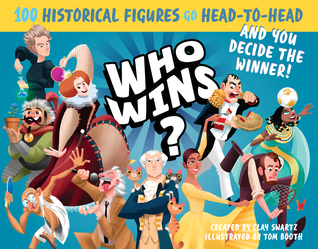
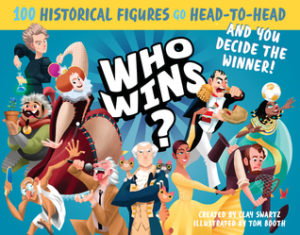
Who Wins? 100 Historical Figures Go Head-to-Head and You Decide the Winner!
Created by Clay Swartz
Illustrated by Tom Booth
Published July 12th, 2016 by Workman Publishing Company

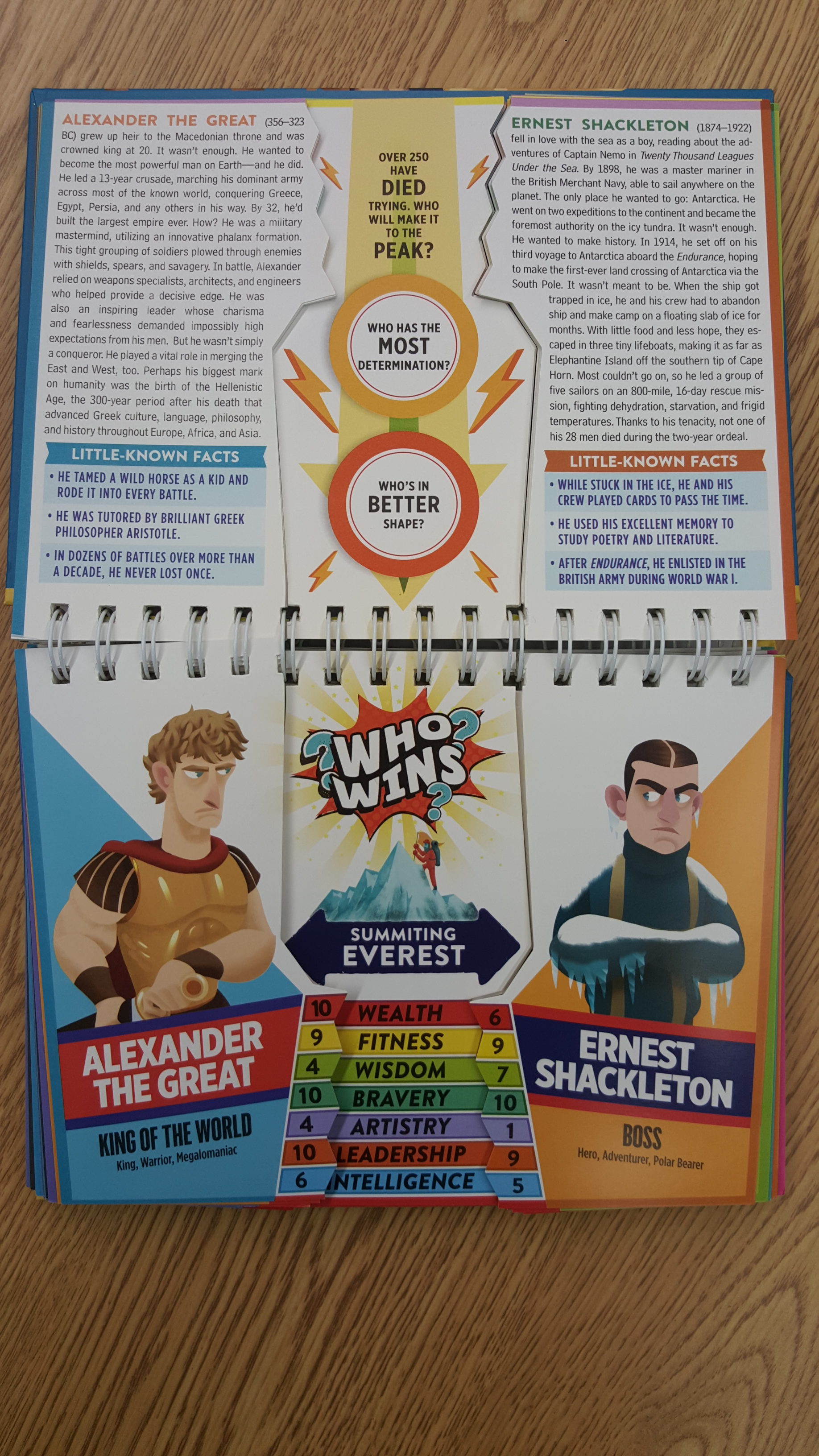
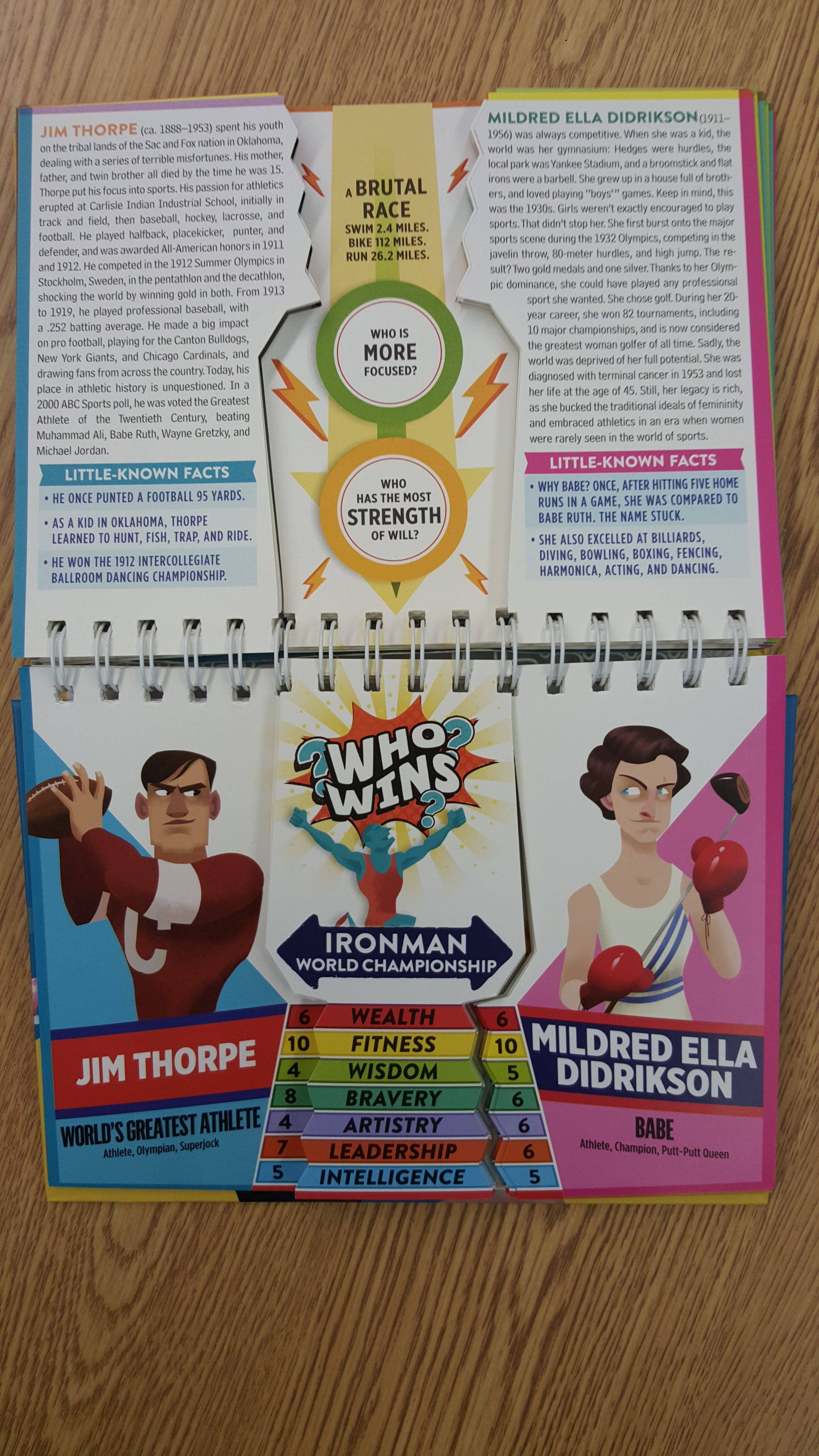
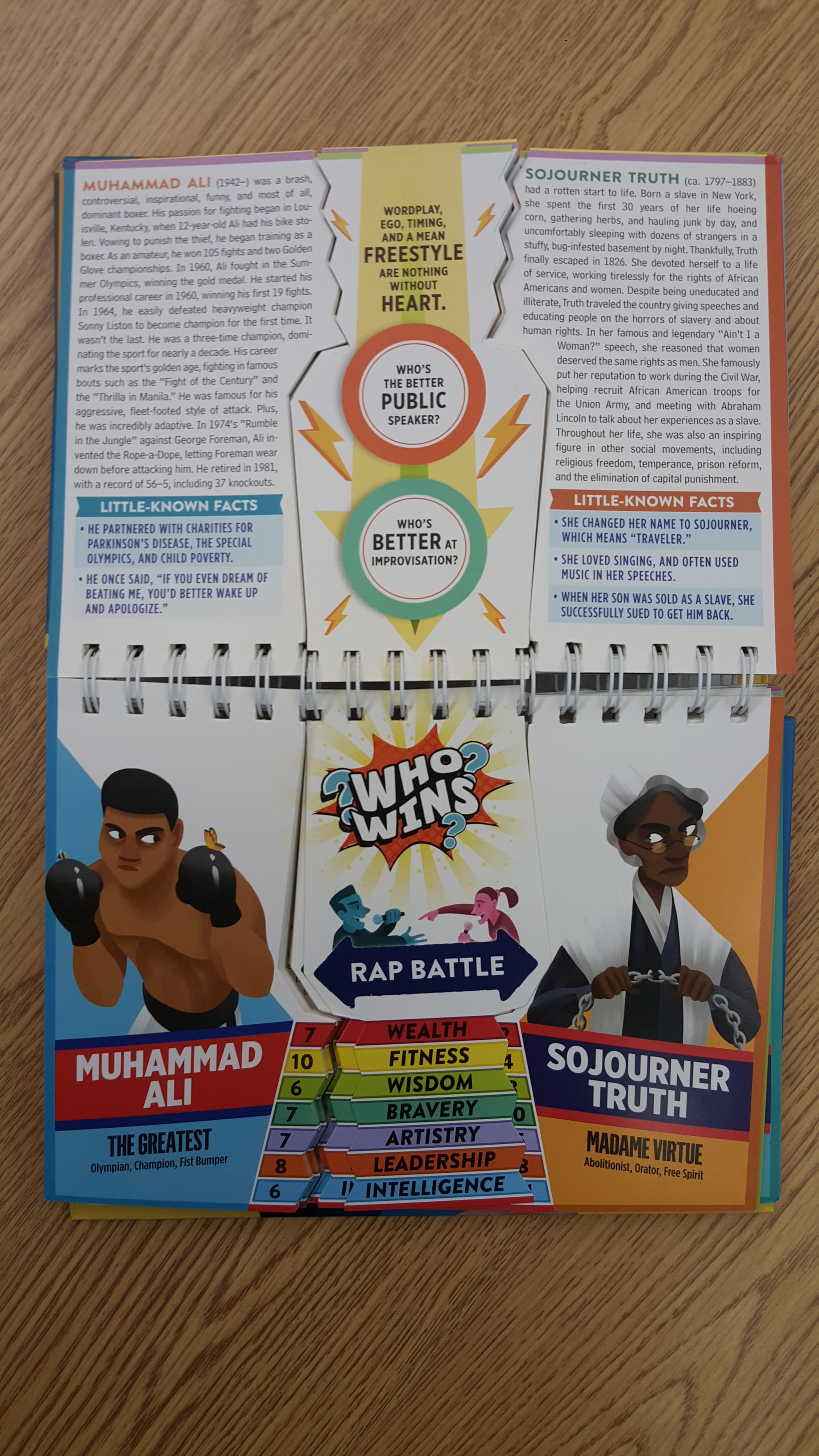
Summary: Who would rock the mic at karaoke night? Abraham “The Great Emancipator” Lincoln or Jane “Lady Persuasion” Austen? How about a hot dog eating contest between Harry “Mr. Magic” Houdini and Mary “Mother of Frankenstein” Shelley? What about a pie contest? A staring contest? And who has a better chance of sneaking into Area 51, Isaac “Gravity Guy” Newton or Sacagawea aka “The Pathfinder”?

In Who Wins?: History, you decide the winner in over 50 head-to-head challenges between 100 of history’s most illustrious characters. But choosing the victor isn’t arbitrary. Readers must justify their answers using each of the historical figures’ six 0-10 category rankings in bravery, leadership, artistry, wealth, wisdom, and fitness; as well as facts from short biographies.

As funny as it is informative, the book is uniquely formatted so readers can match up each and every character in any of the head-to-head battles. History has never been so much fun!

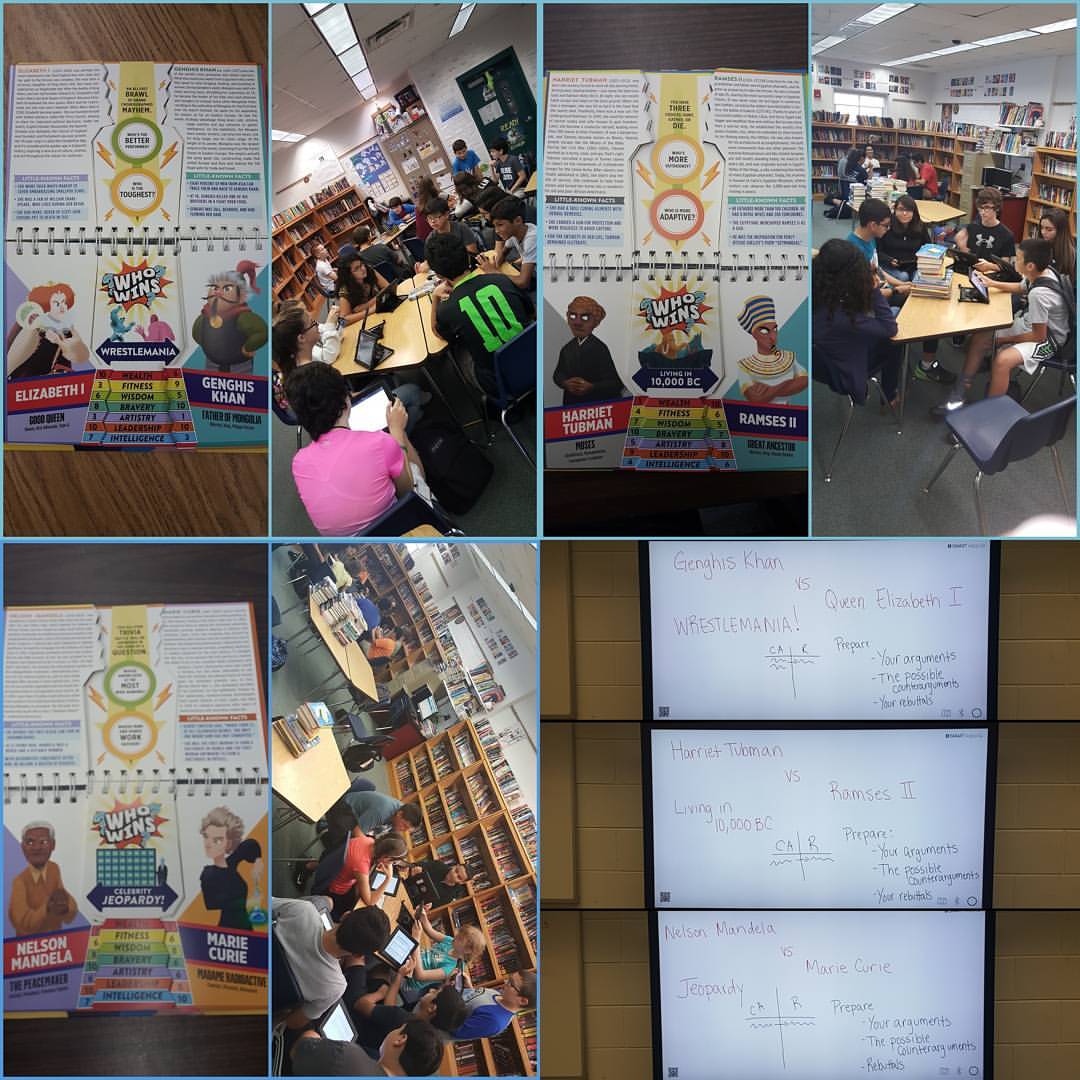
Review (from 10/26/16): Who Wins? is informative, funny, and so cleverly formatted that it is going to be a star in homes and classrooms. I love how the book gives each historical figure a nickname (either one they already were given, like Satchmo, or made up, like Gravity Guru for Isaac Newton) to add a bit of humor to the book; however, still makes sure to include a plethora of information about each figure including a bio then 3 little-known facts. Each head-to-head situation also helps guide your decision by giving some example questions to think about. Let’s look at a head-to-head, so you can really see how clever it is!

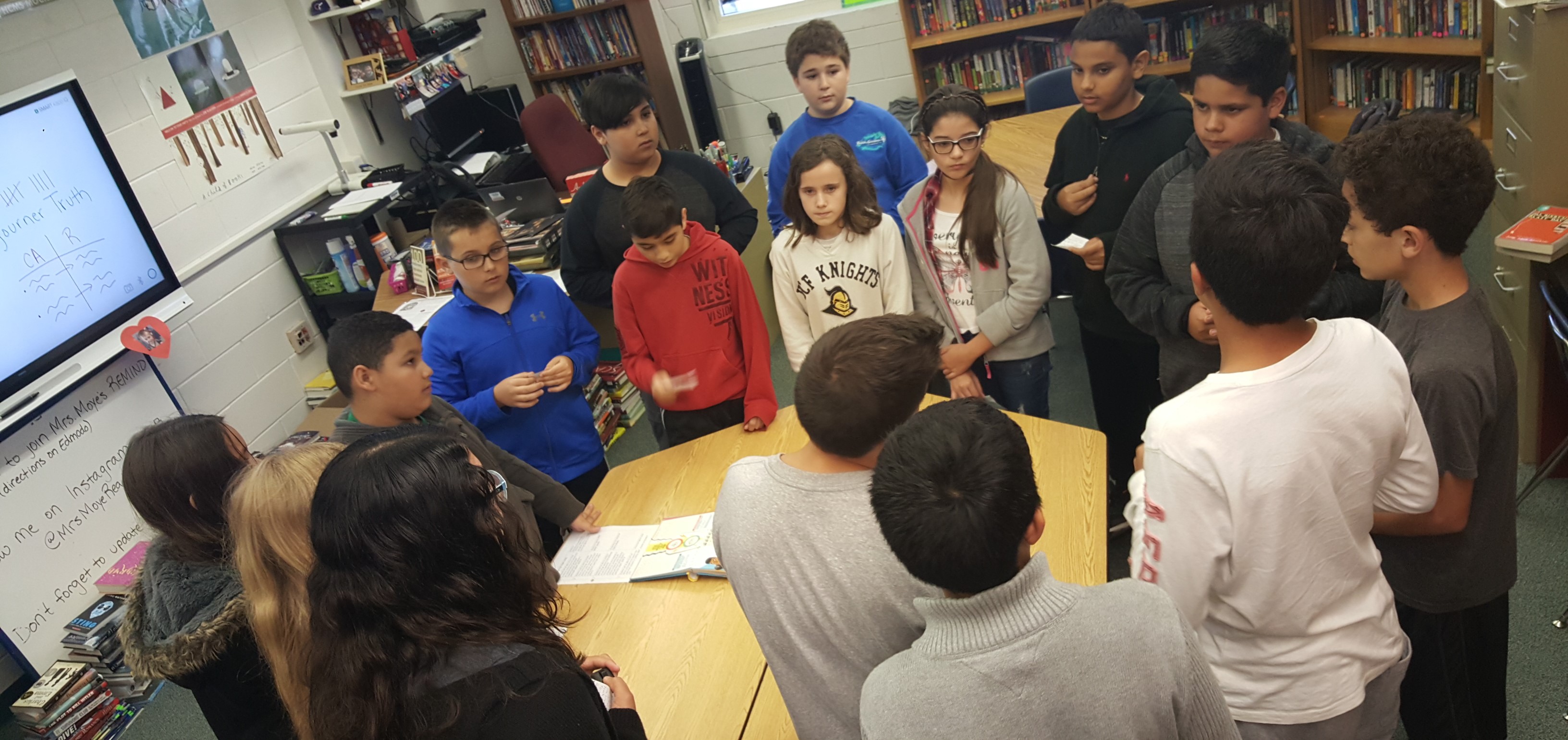
In My Classroom: Whenever I begin a debate unit, I always start with a mini-debate, and I wanted this year’s to include Who Wins? because I thought it was such an awesome class resource (and my students were slightly obsessed with the book). To start, I randomly picked a male and a female historical figure from each side of the Who Wins? book for each class. I didn’t choose the middle activity yet because I wanted my students to get to know their historical figures before I gave them the rest of the topic for the debate. For two days, the students researched their figures and tried to learn as much about them as possible. We talked about making sure to not just list dates but to get to know them as a person: their strengths, their weaknesses, their personality, their education, etc. Finally, on day three, I randomly revealed the rest of the debate topic and randomly put each class into two groups. We ended up with:

Who wins WRESTLEMANIA? Queen Elizabeth I or Genghis Khan?
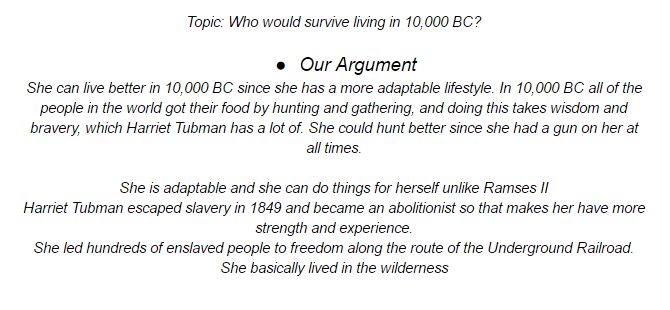
Who wins LIVING IN 10,000 BC? Harriet Tubman or Ramses II?
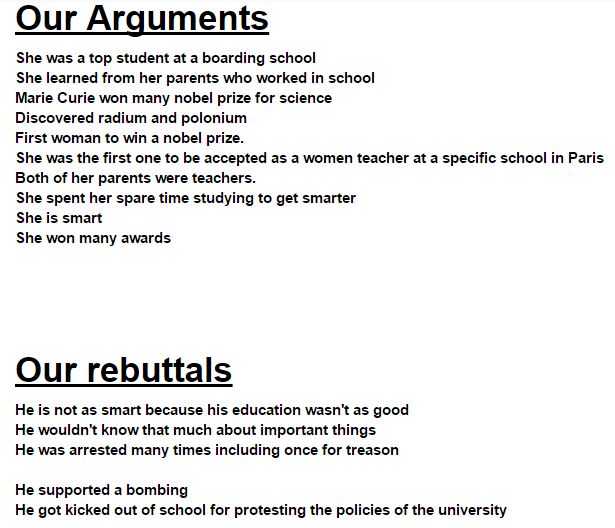
Who wins CELEBRITY JEOPARDY? Nelson Mandela or Marie Curie?
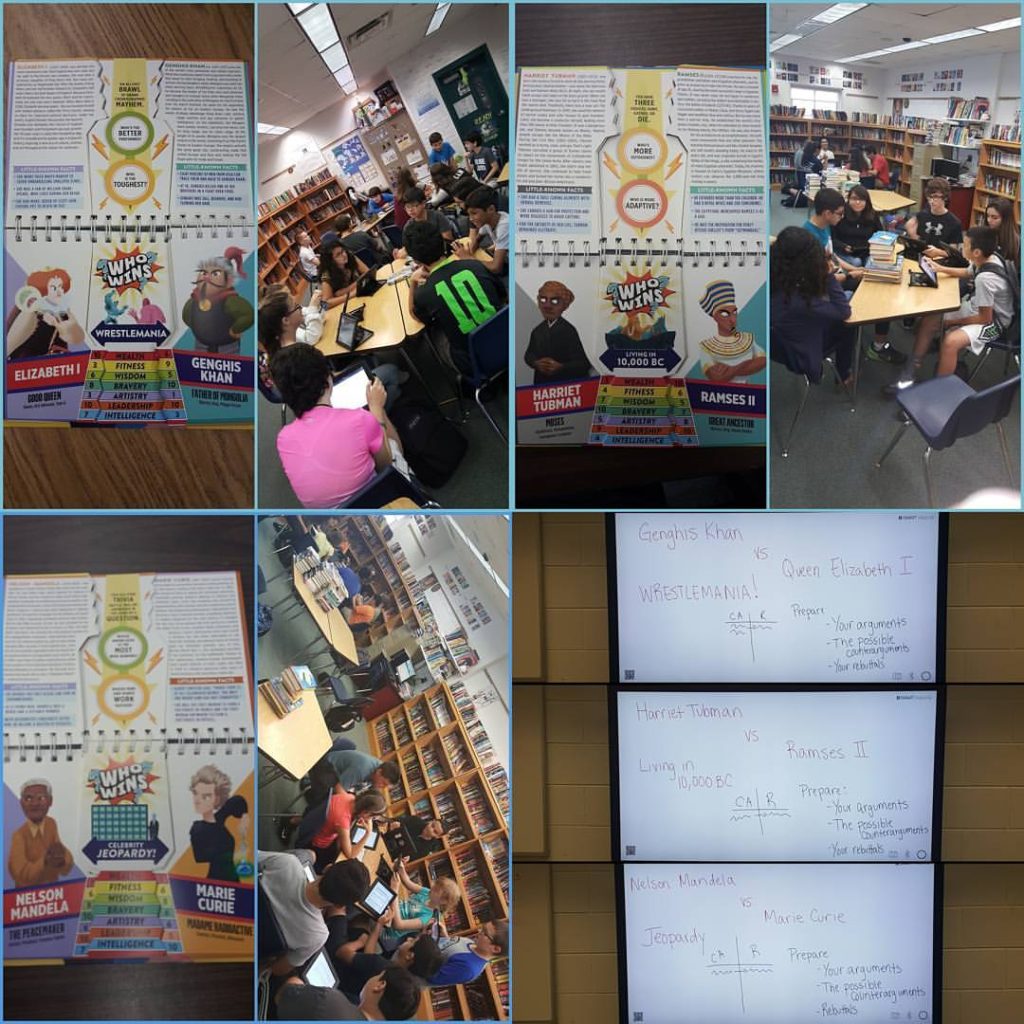
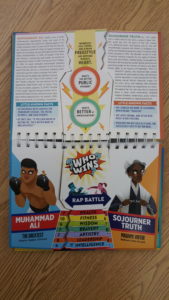
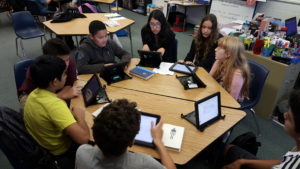
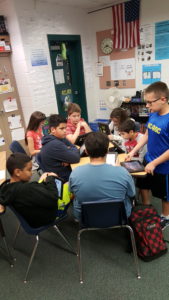
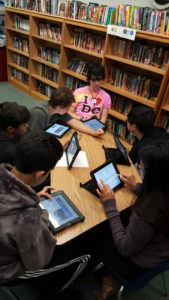
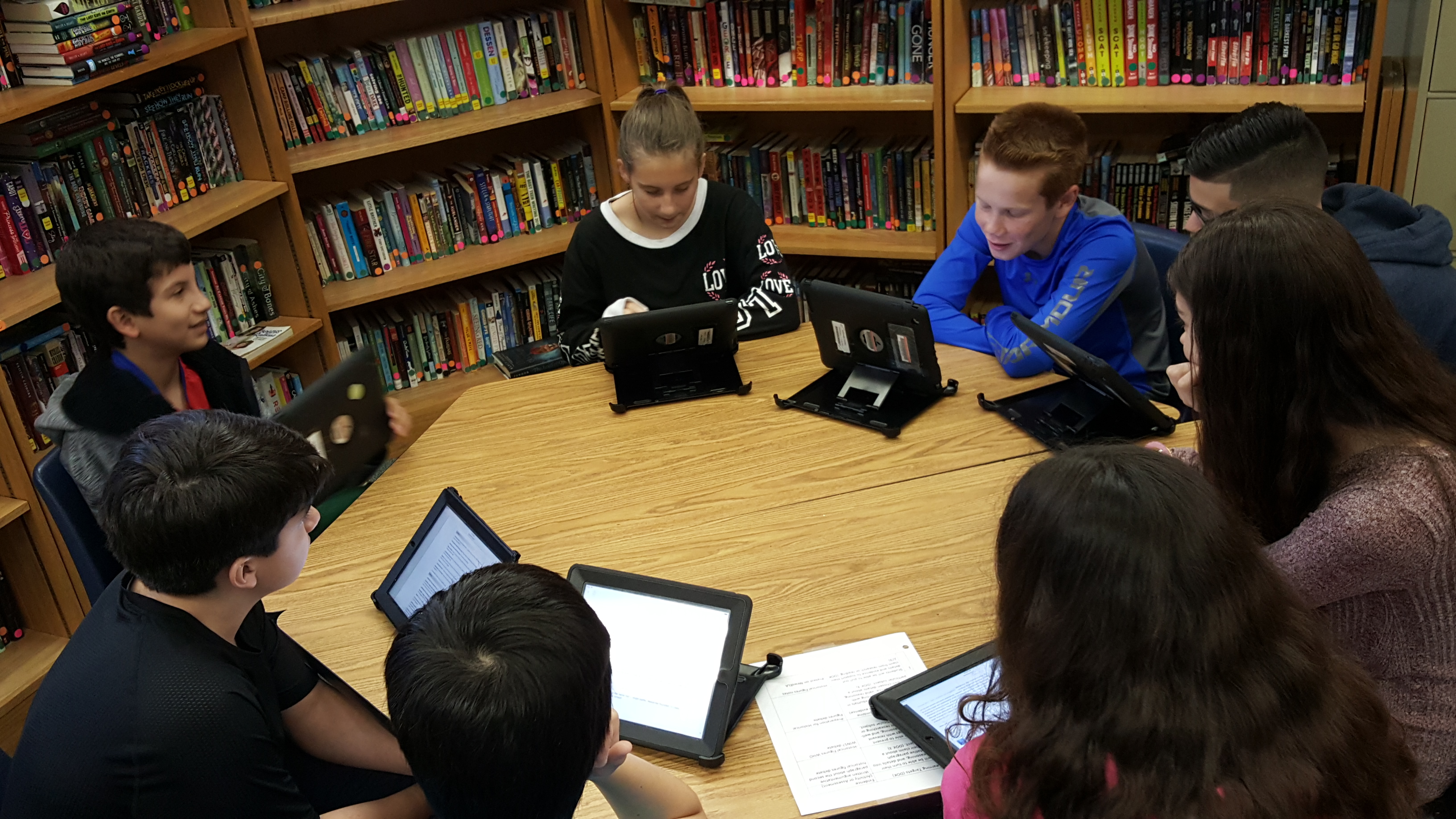
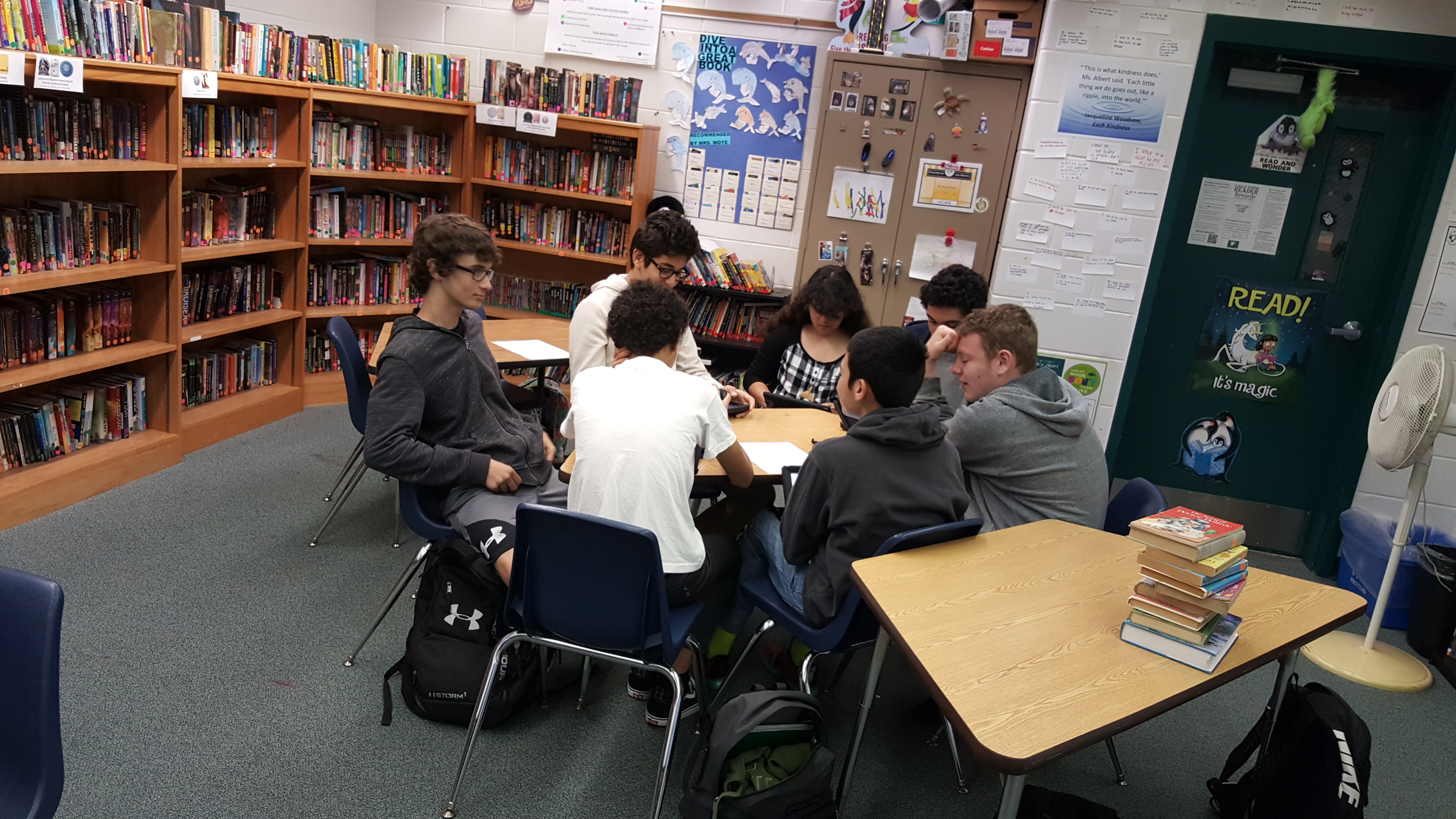
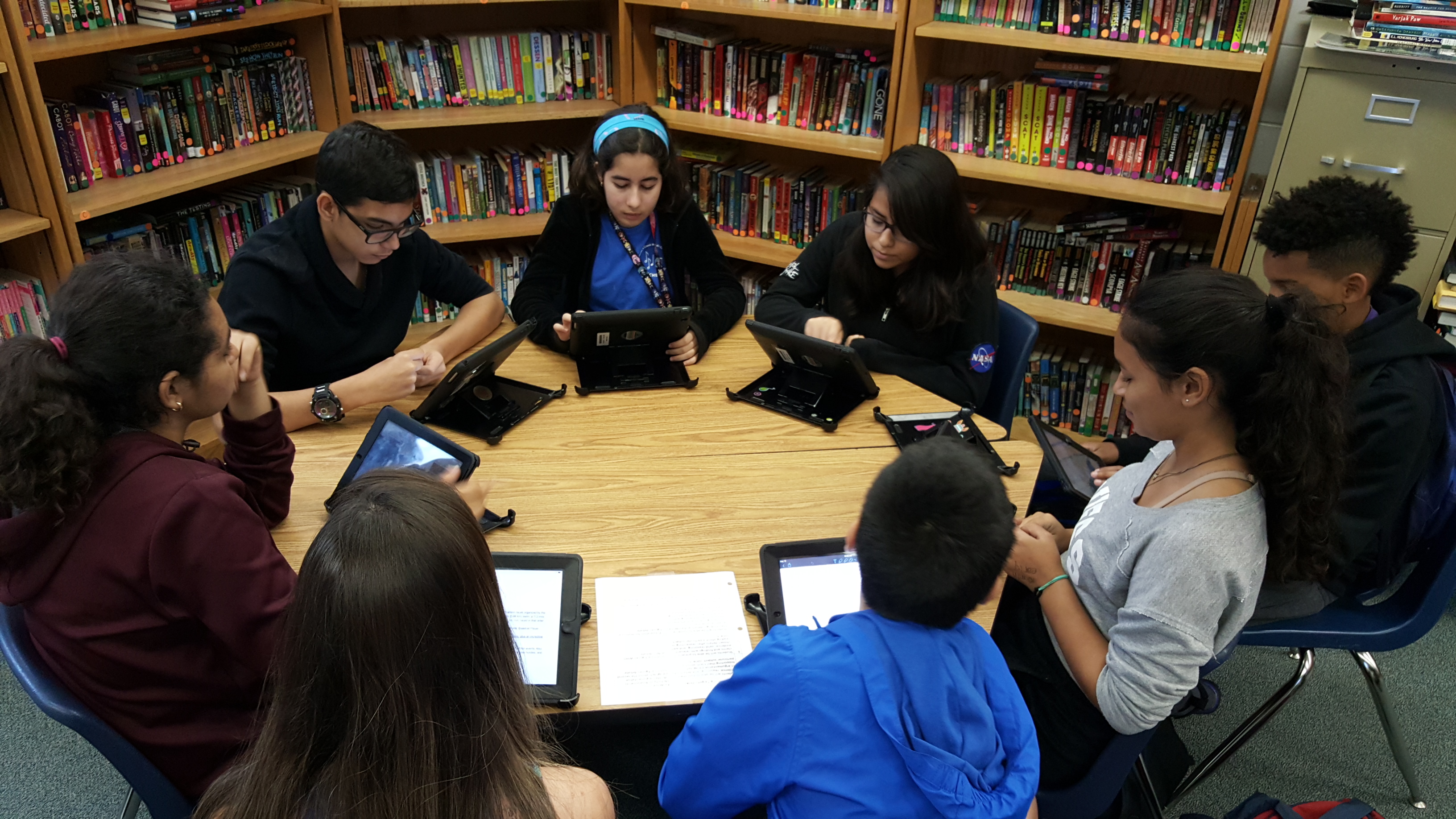
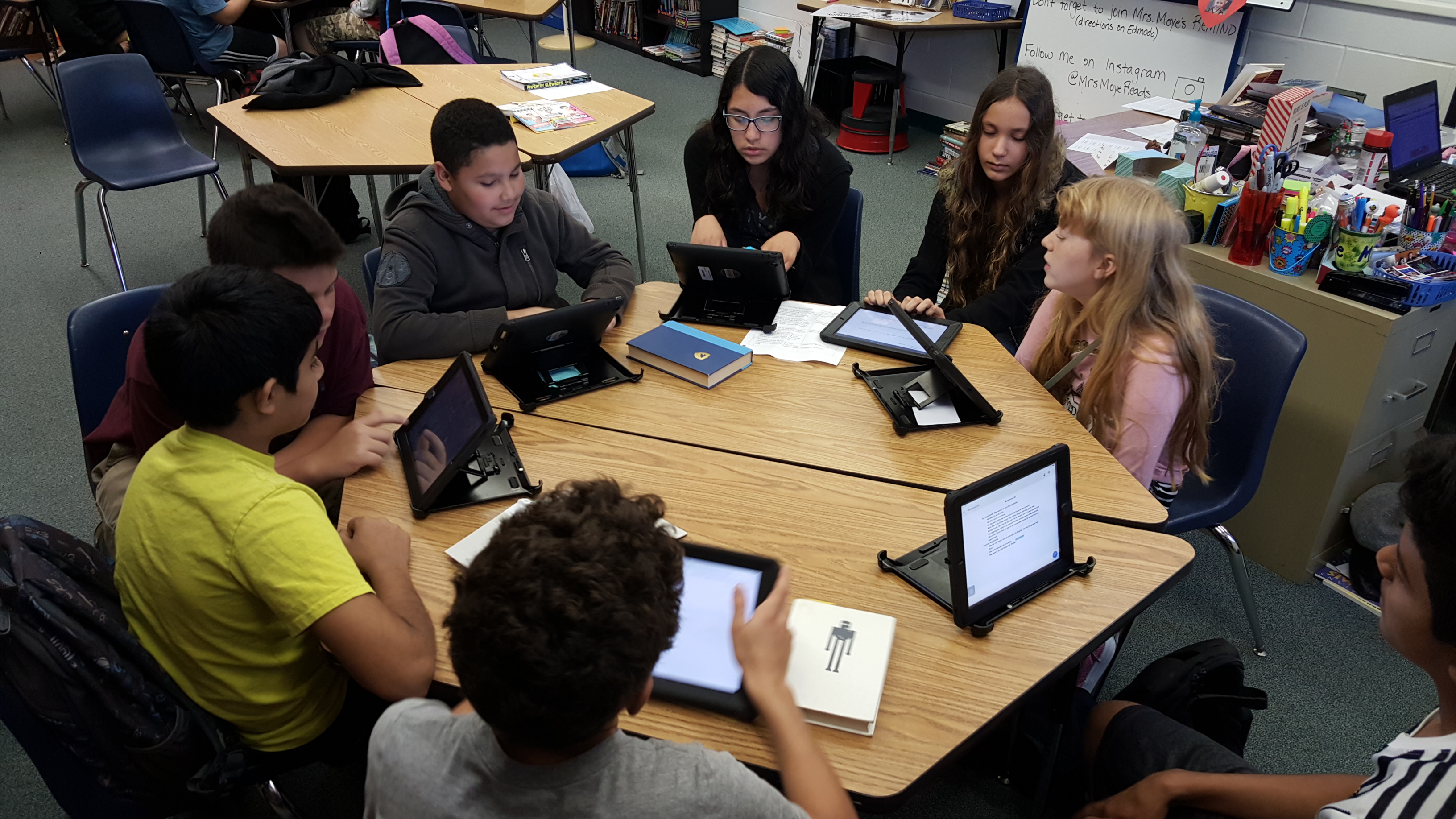
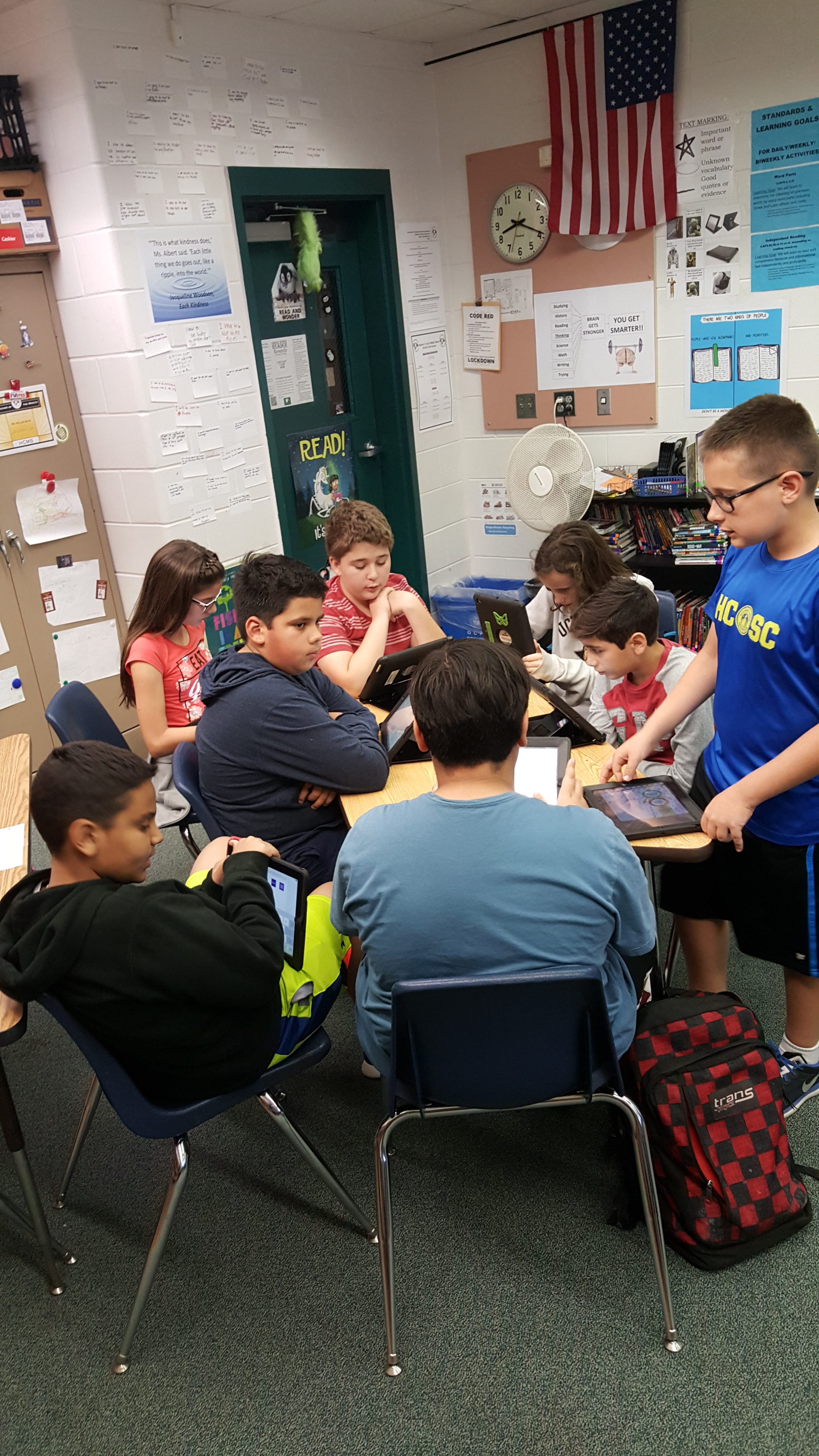
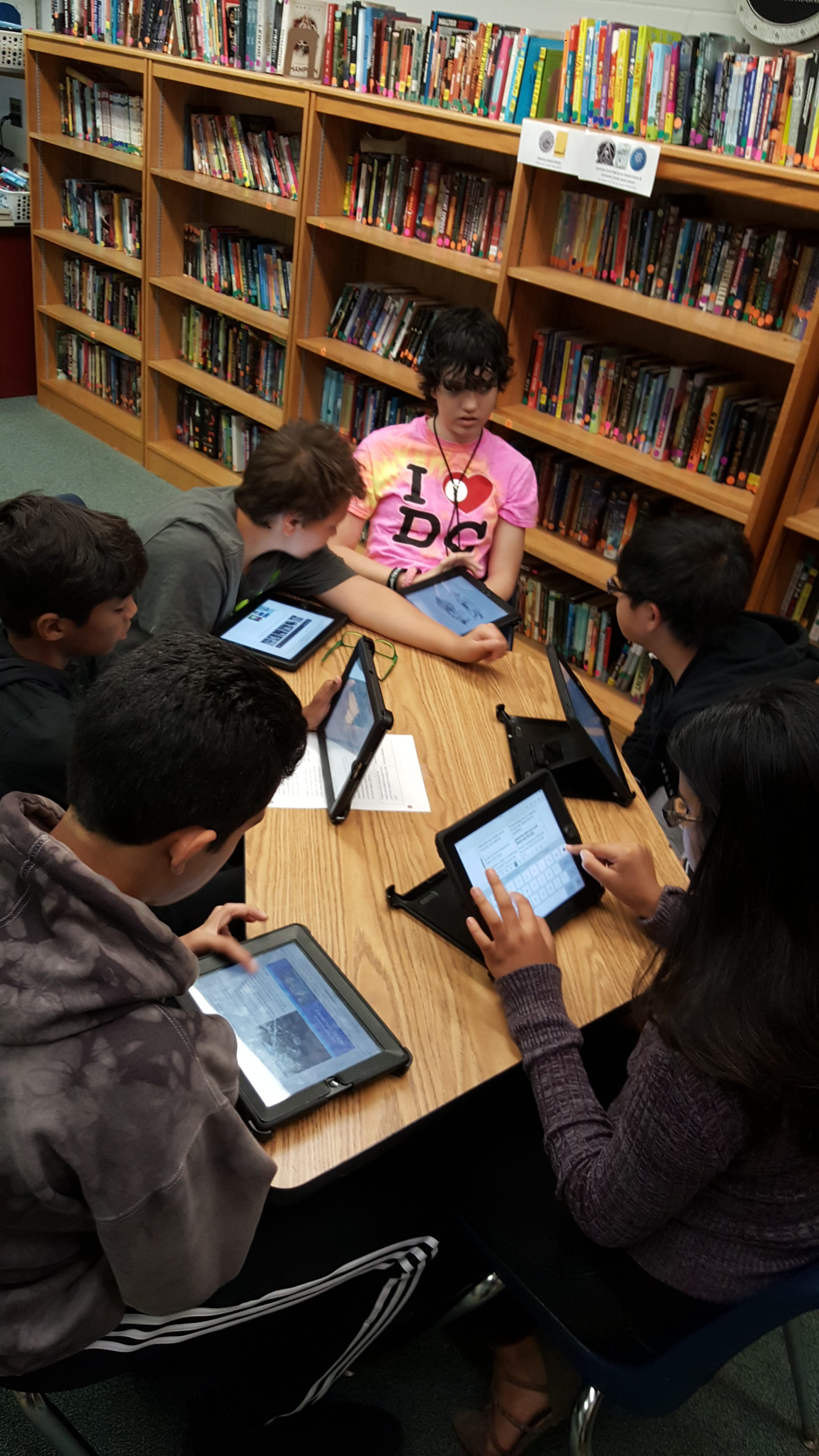
Each group then made a Google Doc that they could collaborate on, and they focuses on preparing their argument, possible counterarguments, and rebuttals to the counter argument. They could research more now that they knew the topic, and I shared Who Wins? information with them as well (see photo above).
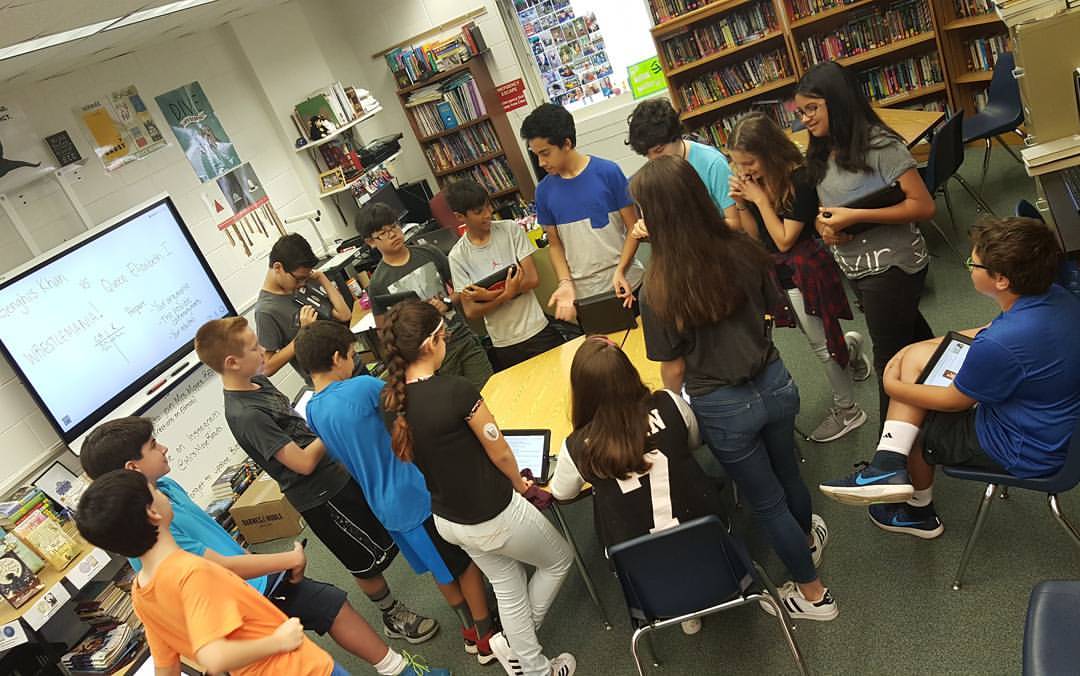
Then, after a couple of days of collaboration, we had our mini-debate. The most successful was the Queen Elizabeth I vs. Genghis Khan because they not only researched their historical figure, but they also researched Wrestlemania which allowed the debate go to a whole different level than my other two periods. The Nelson Mandela vs. Marie Curie debate had the opposite problem: they didn’t research Jeopardy at all which made for the debate never really having a clear winner because they were just debating who was smarter. The Ramses II vs. Harriet Tubman went well though the Harriet Tubman side never pulled out their best argument: she primarily lived on the run in the wilderness! In the end, Wrestlemania was a tie; Ramses II would survive better in 10,000 BC; and Marie Curie would win Jeopardy.

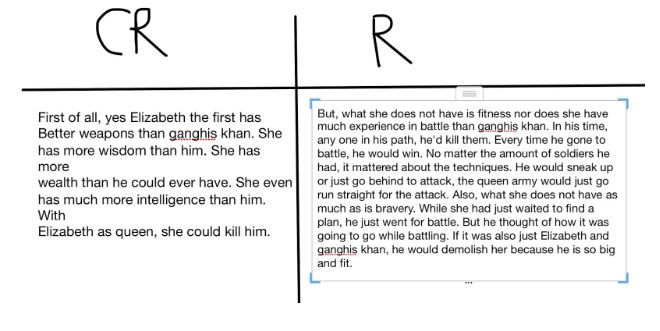
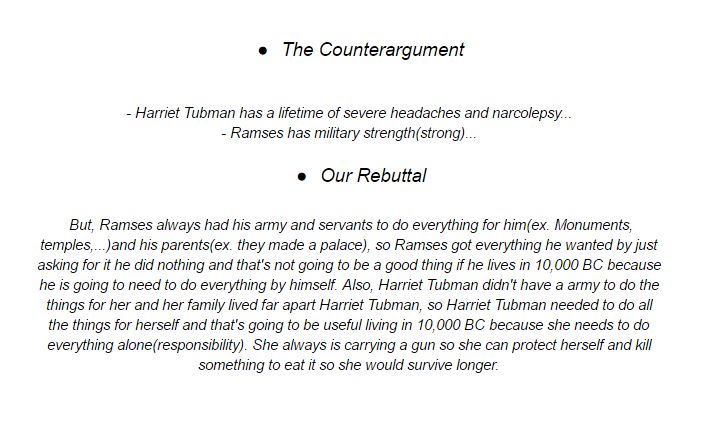
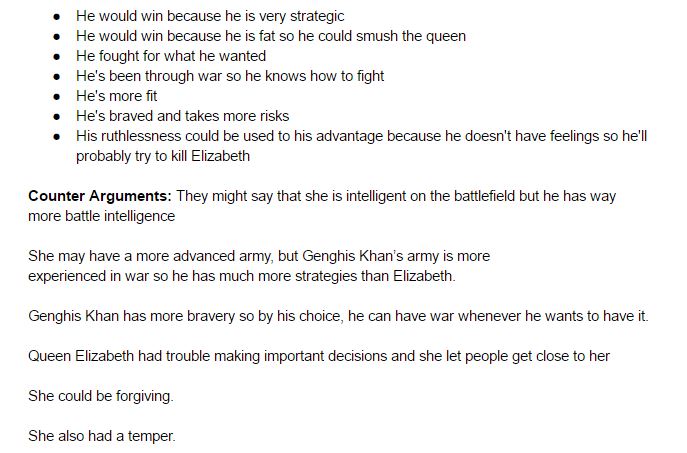
Some Students’ Collaborative Notes: Here are some examples of the collaborative notes some groups put together when preparing for the mini-debate. These are not examples of the initial research notes they took on their historical figures.

Genghis Khan
Harriet Tubman: 
Marie Curie:
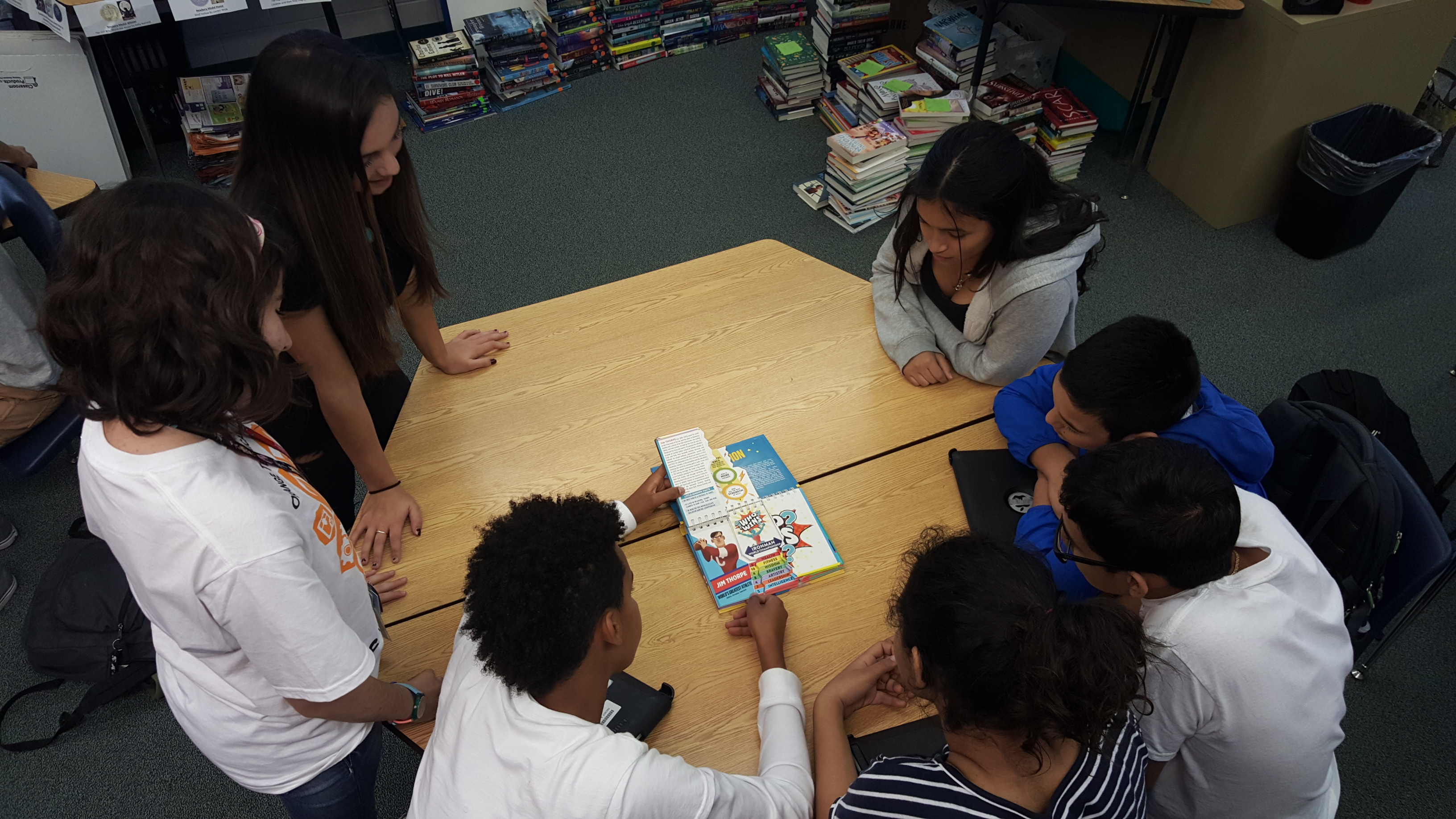
Second Debate Using Who Wins?For our second debate, I did things a little bit differently. Instead of giving them the historical person first, for each class, I randomly chose the center tile (the topic) and we ended up with: Rap Battle, Ironman World Championship, and Summiting Everest. I then let the students, within their groups, go through their side of the book to find the person they wanted for their side of the debate.
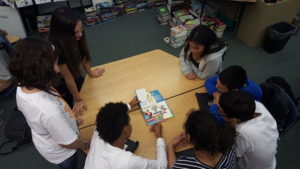
They used their prior knowledge, the bios, and the stats for each person to try to pick the best for the debate. Our people ended up being:

Who Wins a Rap Battle: Muhammad Ali vs. Sojourner Truth?
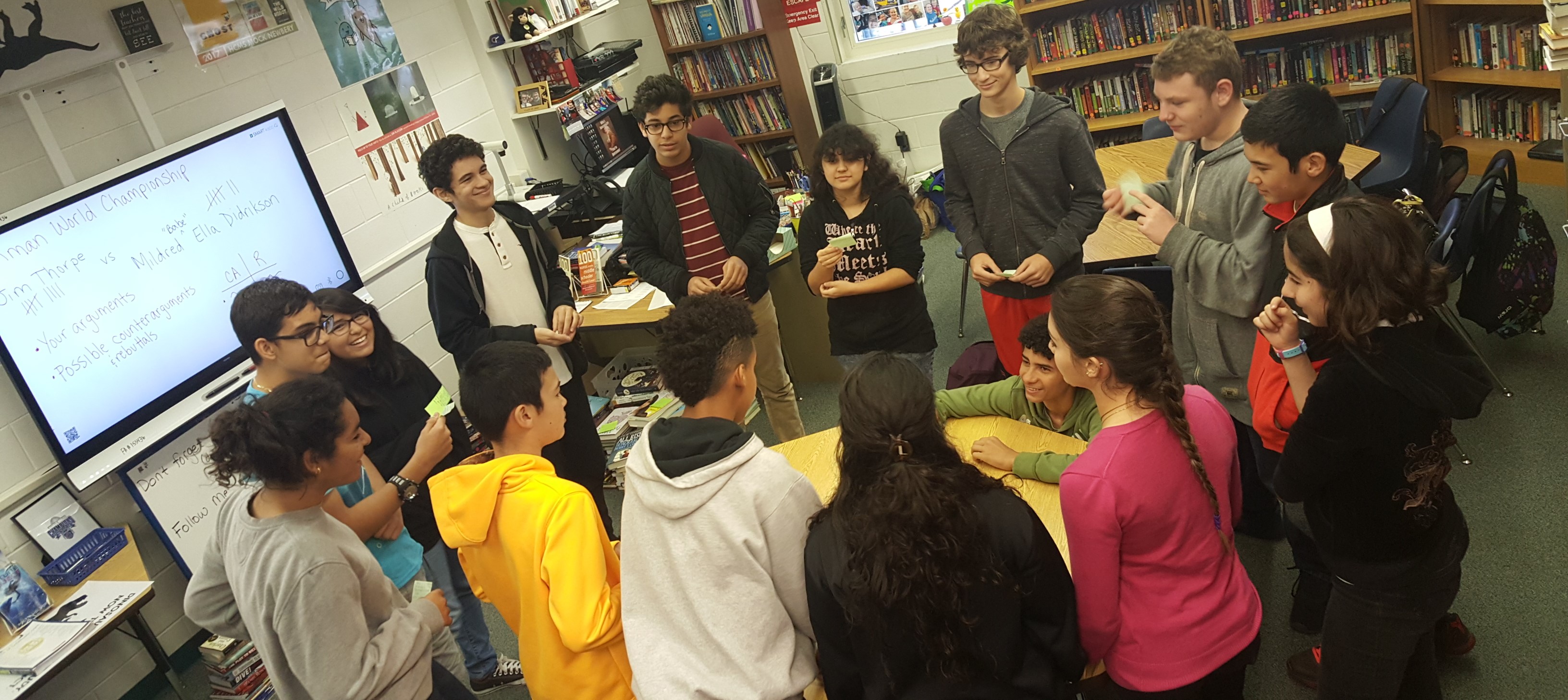
Who Wins the Ironman World Championship: Jim Thorpe vs. Mildred Ella Didrikson?
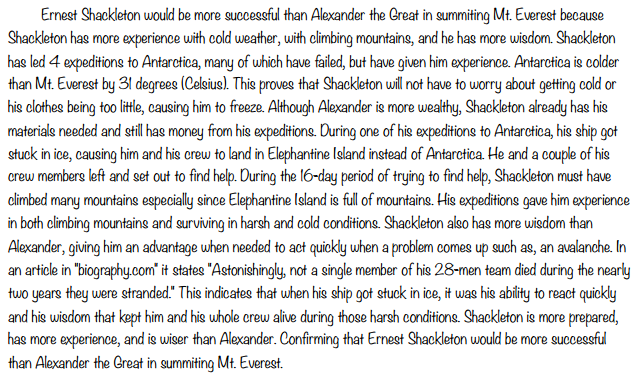
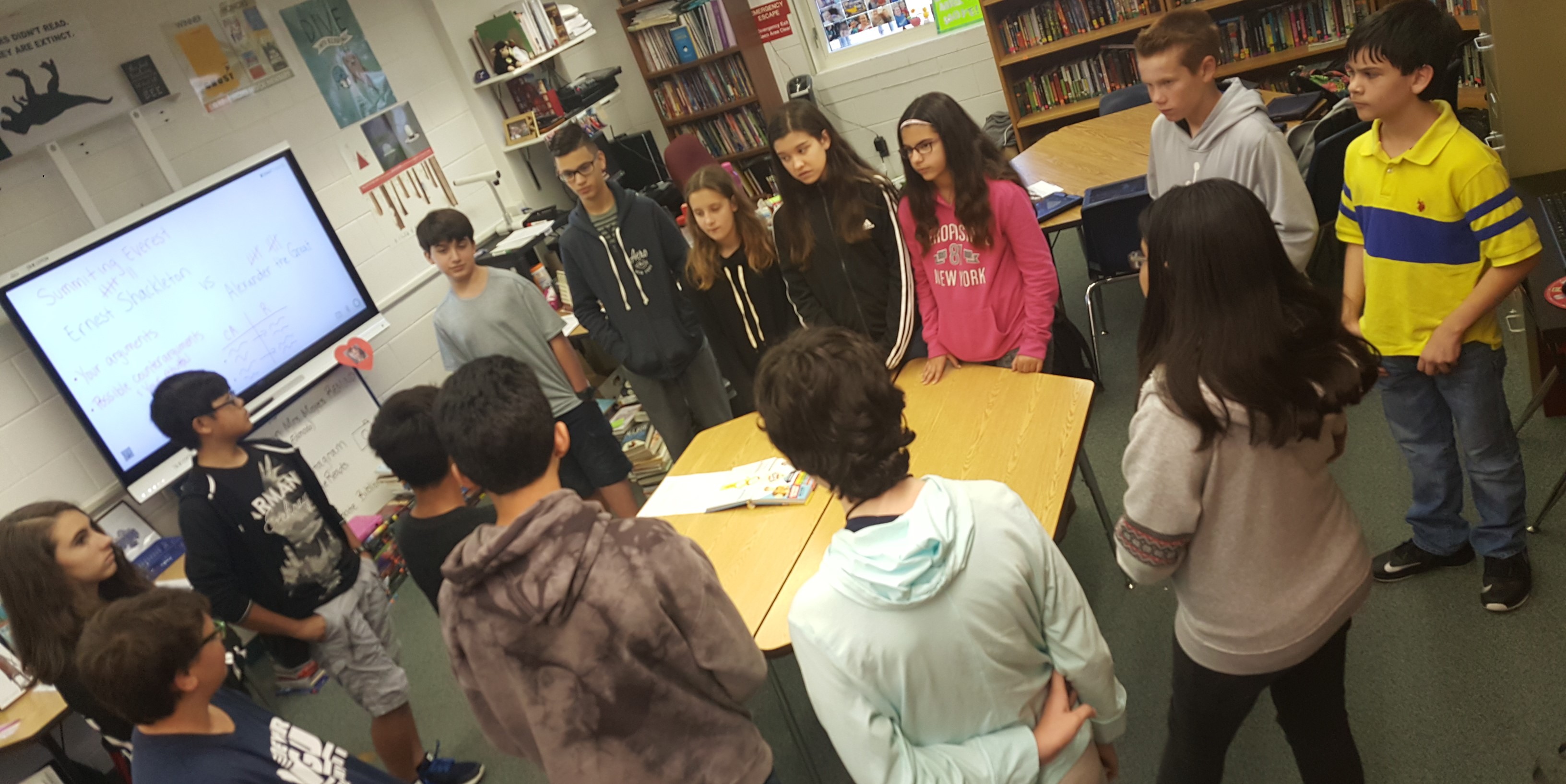
Who Wins at Summiting Everest: Ernest Shackleton vs. Alexander the Great?
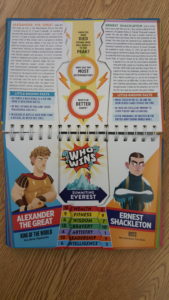
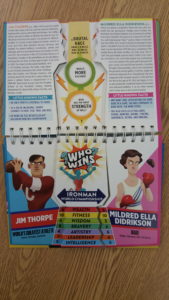
This time around, students were much more invested in their historical figure and with the topic already chosen, they could narrow down their research. Also, they realized how important it was to research the topic. Students also were given 2 extra days to research this time though given the same amount of time (2 days) to collaborate.
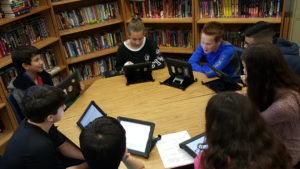
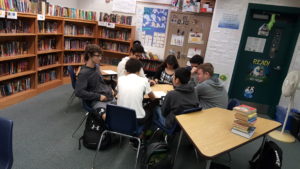
Once we got to the debates, I made a decision I was so happy about: Students were not allowed to have their iPads with them. They could have 1 Post-it note (front only) with any specifics that were tough to remember (years, prices, times, etc.), but that was it. And the debates went so much better! Students knew their stuff, and the debates were so intense, detailed, and close!
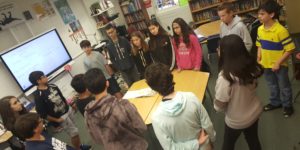
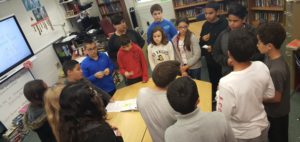
In the end, we’re still not sure who would be most successful at summiting Everest, Shackelton or Alexander the Great; Jim Thorpe is more likely to win the Ironman World Championship; and Muhammad Ali would win a rap battle vs. Sojourner Truth.

Final Assessment: As a final cumulative assessment, I asked my students to write me an argumentative paragraph stating why they felt their historical figure would be more successful than the other. Students were asked to have multiple reasons why with evidence to support their claim.

Examples from the Shackleton vs. Alexander the Great debate: 
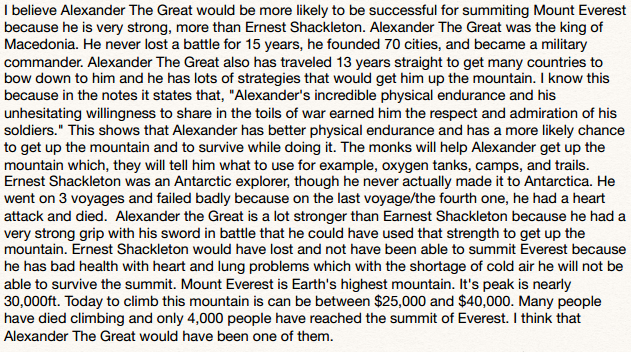
Reflection: Using Who Wins?, I was able to create a standards-based unit that allowed students to not only debate, research, and read informational texts, but work collaboratively, think outside the box, and cite evidence to support their claims. I know the students learned from it as well, and they asked to do another, so I know they enjoyed it. They also now realize that learning just dates or facts about a person isn’t thorough research, it is important to know both sides of an argument so you can have a rebuttal, and that you need to research all aspects of a debate to ensure you are arguing for the right reasons. Overall, I call this a win!