Review and Giveaway!: Grace Hopper: Queen of Computer Code by Laurie Wallmark

Share

nfpb2017

Nonfiction Wednesday

Nonfiction Picture Book Wednesday is hosted by Kid Lit Frenzy and was started to help promote the reading of nonfiction texts. Most Wednesdays, we will be participating and will review a nonfiction text (though it may not always be a picture book).
Be sure to visit Kid Lit Frenzy and see what other nonfiction books are shared this week!
Grace Hopper: Queen of Computer Code
Author: Laurie Wallmark
Illustrator: Katy Wu
Published May 17th, 2017 by Sterling Children’s Books

Summary: Do you know who Grace Hopper was?

A software tester, workplace jester, cherished mentor, ace inventor, avid reader, and naval leader! Acclaimed picture book author Laurie Wallmark (Ada Byron Lovelace and the Thinking Machine) once again tells the riveting story of a trailblazing woman in Grace Hopper: Queen of Computer Code (Sterling Children’s Books, May 16, 2017).

Grace Hopper coined the term “computer bug” and taught computers to “speak English.” Throughout her life, Hopper succeeded in doing what no one had ever done before. Delighting in difficult ideas and in defying expectations, the insatiably curious Hopper truly was “Amazing Grace” . . . and a role model for science- and math-minded girls and boys. With a wealth of witty quotes, and richly detailed illustrations, this book brings Hopper’s incredible accomplishments to life.

“If you’ve got a good idea, and you know it’s going to work, go ahead and do it.”  The picture book biography of Grace Hopper—the boundary-breaking woman who revolutionized computer science.

Who was Grace Hopper? A software tester, workplace jester, cherished mentor, ace inventor, avid reader, naval leader—AND rule breaker, chance taker, and troublemaker. Grace Hopper coined the term “computer bug” and taught computers to “speak English,” and throughout her life succeeded in doing what no one had ever done before. Delighting in difficult ideas and in defying expectations, the insatiably curious Hopper truly is “Amazing Grace” . . . and a role model for science- and math-minded girls and boys.

About the Author: Laurie Wallmark has degrees in Biochemistry from Princeton University, Information Systems from Goddard College, and Writing for Children and Young Adults from the Vermont College of Fine Arts. Her debut book  Ada Byron Lovelace and the Thinking Machine (Creston Books) received four starred reviews, praise in The New York Times, and numerous awards. Laurie lives in New Jersey. Follow her on Twitter: @lauriewallmark.

About the Illustrator: With a BFA in Illustration and Entertainment Arts from Pasadena Art Center College of Design in 2007, Katy Wu has worked for Google, Laika, Pixar, CinderBiter, and Simon & Schuster. Grace Hopper is her first picture book. Having worked on such projects as the feature film Coraline, and various shorts (La LunaCar Toons) as well as CG, 2D, stop motion, online games, and content for social media platforms, Katy is an incredible talent. She lives and freelances in New York City. Follow her online at katycwwu.tumblr.com.

Review: Each time I learn about a new woman in history that made such a tremendous contribution yet is a name I didn’t know, I am flabbergasted by the lack HERstory in HIStory. Grace Hopper is a phenomenal individual! I love how much her story promotes imagination and STEM. Her stories of rebuilding clocks and building a doll house from blueprints with an elevator shows how building a strong mathematical and scientific mind begins from youth, and it is all about teaching kids to mess around, use their imagination, tinker, and learn through trying. Wallmark’s biography of Grace Hopper does a beautiful job of combining a message of rebellion (in the name of science), creativity, imagination, and education with Grace’s biography. In addition to the narrative, Wu’s illustrations and formatting of the novel adds humanity and color to her story.

Teachers’ Tools for Navigation: Grace Hopper is one example of a female scientist that should be a name that everyone knows yet she is not taught in schools. Luckily there are so many wonderful nonfiction picture book biographies being published showcasing woman who made a difference (some listed below). One way I picture this text being used in the classroom is by using these picture books in a lit circle or even like a jig saw type activity. Each group reads a different nonfiction picture book and shares what they learned with the class.

Grace Hopper could also be used in a computer classroom because it has such a wonderful introduction to the beginning of computers. Grace was part of very early computer programming and computer science, and her story would be perfect to share during a technology class looking at the history of computers.

Discussion Questions: How did Grace Hopper’s legacy continued to the computers and technology we use today?; How did Grace Hopper stand out from what was expected of woman at the time?; What hardships did Grace probably face because of gender prejudice?; Choose one of Grace’s quotes shared in the book and share what it meant for Grace and how it could it be taken as inspirational for your life?

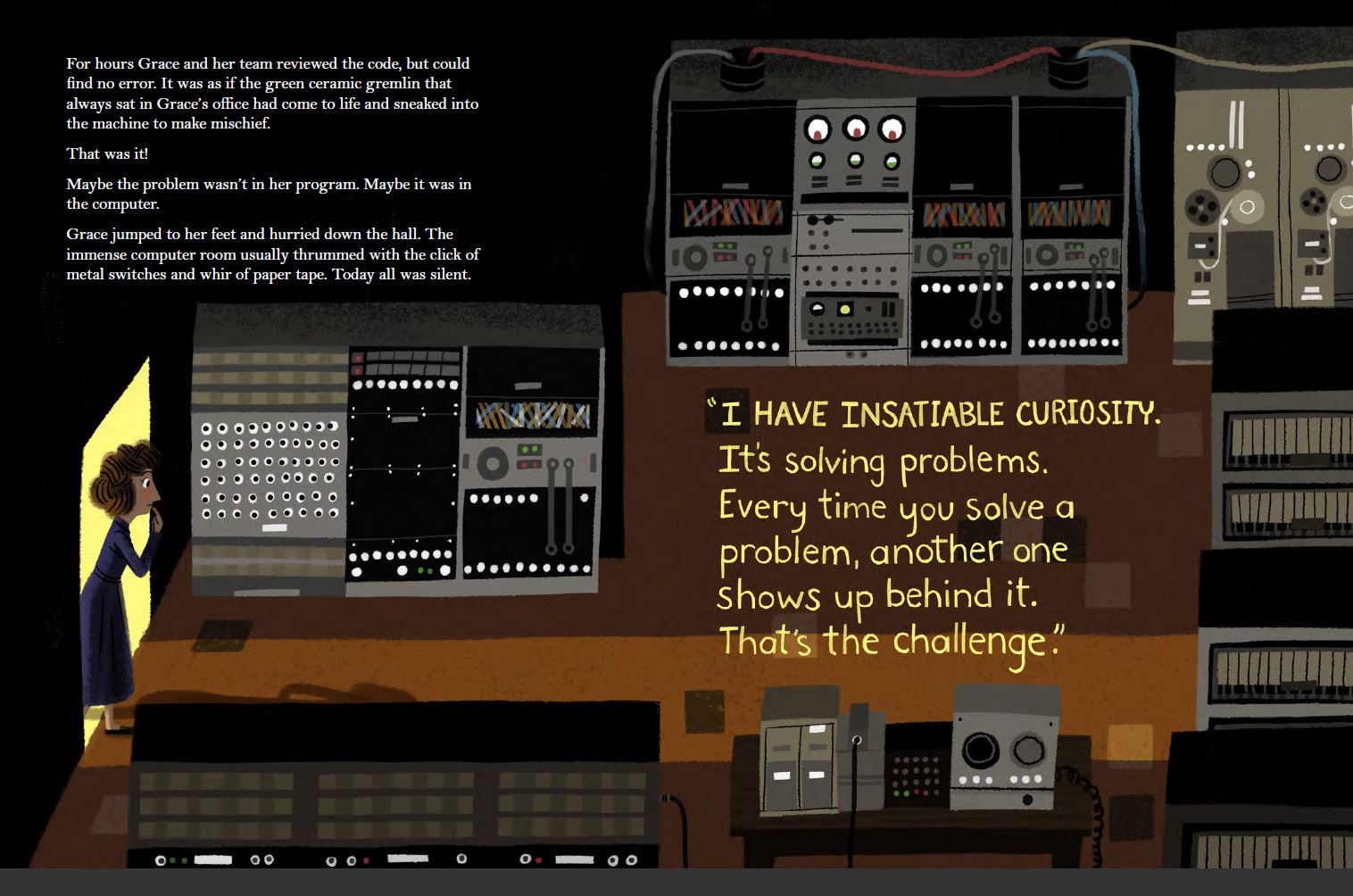
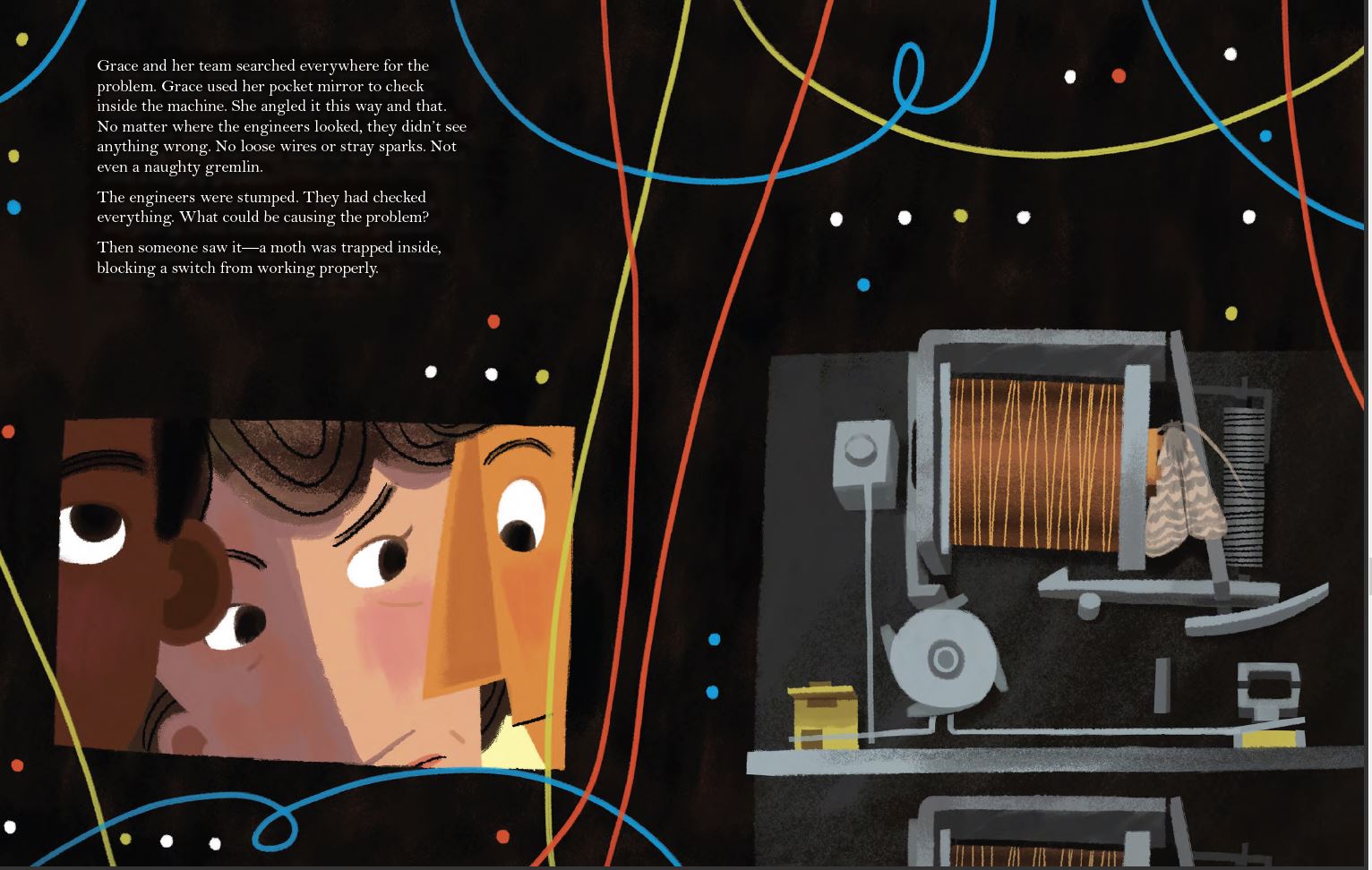
Flagged Passages: 

Read This If You Love: Ada’s Ideas by Fiona Robinson, Maya Lin by Susan Rubin, I Dissent by Debbie Levy, Fearless Flyer by Heather Lang, Dorothea’s Eyes by Barb Rosenstock, Women Who Broke the Rules series by Kathleen KrullLiberty’s Voice by Erica SilvermanJosephine by Patricia Hruby Powell, Swimming with Sharks by Heather Lang, The Book of Heroines from National Geographic Kids

Recommended For: 

classroomlibrarybuttonsmall closereadinganalysisbuttonsmall  

Giveaway: 

a Rafflecopter giveaway

Signature

**Thank you to Ardi at Sterling for providing a copy for review and giveaway!**

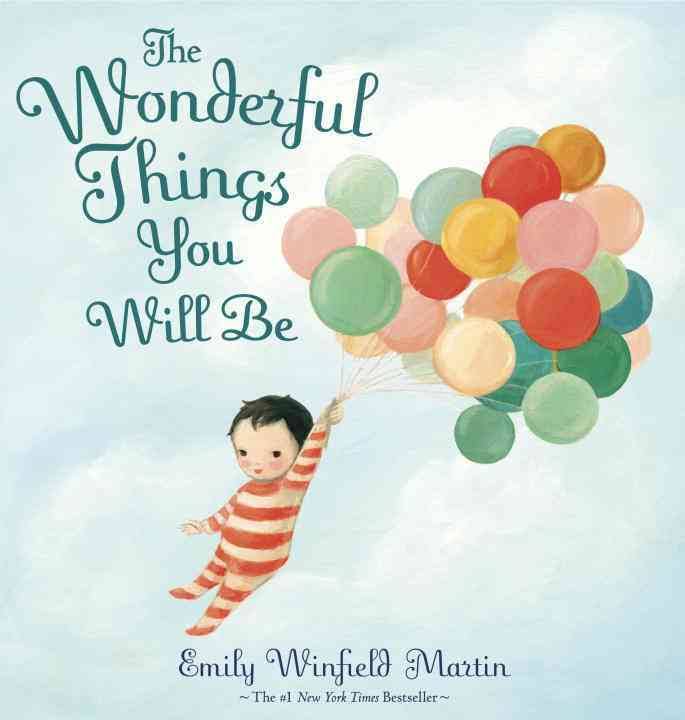
The Wonderful Things You Will Be by Emily Winfield Martin

Share

The Wonderful Things You Will Be
Author: Emily Winfield Martin
Published: August 25, 2015 by Random House

A Guest Review by Jennifer Zafetti

Summary: This heartwarming picture book is from the point of view of a parent who is eager to see the development of their child. The parent questions who their child will become and what interests they will possess. In the end, there are endless possibilities that the future has to offer to the child.

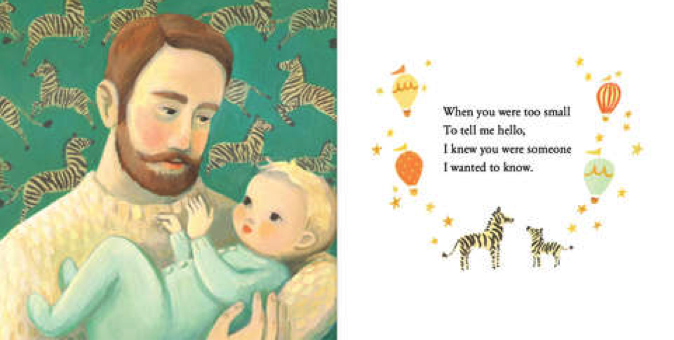
Review: This is a great book to give to a parent with a small child! The Wonderful Things You Will Be would make for a soothing bedtime story. The sweet message of the story is that a child can be anybody that they want to be. There are no expectations set for a child to adhere to so their future is an empty canvas waiting to be painted! The book, using second person, discusses the uniqueness of you and the wonderful attributes you have to offer to the world. There are many “what if” questions that will get the reader thinking about all the wonderful things that they can do with their life.

Teachers’ Tools for Navigation: The Wonderful Things You Will Be is an engaging children’s book that encourages the reader to embrace the future. There are beautiful illustrations to accompany the text. The teacher can use this book to discuss rhyming words, as well as point of view.

Discussion Questions: What are some rhyming words that you noticed in the story? How do the illustrations enhance the text? What do you want to be when you grow up?

Flagged Passage: 

Read This If You Loved: Giraffes Can’t Dance by Giles Andreae, and If Animals Kissed Good Night by Ann Whitford Paul

Recommended For:
 classroomlibrarybuttonsmall

Thank you, Jennifer!

RickiSig

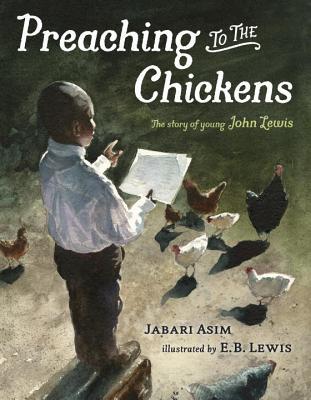
Preaching to the Chickens: The Story of Young John Lewis by Jabari Asim

Share

nfpb2017

Nonfiction Wednesday

Nonfiction Picture Book Wednesday is hosted by Kid Lit Frenzy and was started to help promote the reading of nonfiction texts. Most Wednesdays, we will be participating and will review a nonfiction text (though it may not always be a picture book).
Be sure to visit Kid Lit Frenzy and see what other nonfiction books are shared this week!

Preaching to the Chickens: The Story of Young John Lewis
Author: Jabari Asim
Illustrator: E.B. Lewis
Published October 11th, 2016 by Nancy Paulsen Books

Summary: A glimpse into the boyhood of Civil Rights leader John Lewis.

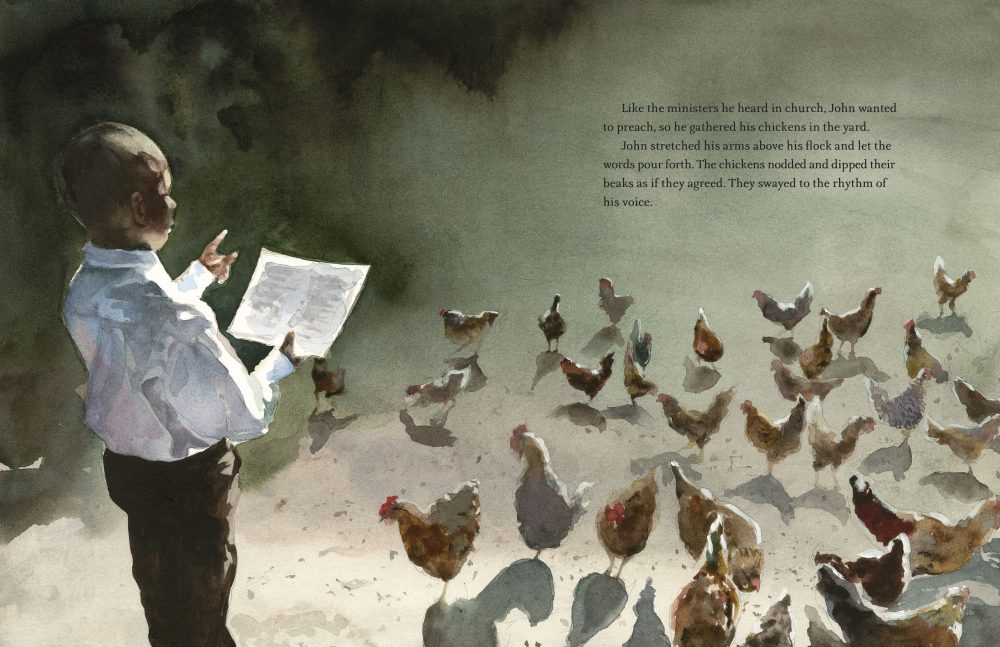
John wants to be a preacher when he grows up—a leader whose words stir hearts to change, minds to think, and bodies to take action. But why wait? When John is put in charge of the family farm’s flock of chickens, he discovers that they make a wonderful congregation! So he preaches to his flock, and they listen, content under his watchful care, riveted by the rhythm of his voice.

Review: John Lewis is an American hero and often what we hear about is his history as a Freedom Rider, Civil Rights Movement, and a politician, but Preaching to the Chickens shows us about John Lewis’s childhood and his faith and hard work as well as his passion and empathy for animals that helped build the foundation of who we see in the public eye. The truly inspiring story that Asim shares with us combined with Lewis’s illustrations really makes for a beautiful book.

Teachers’ Tools for Navigation: The Civil Rights Movement and the individuals that fought (and continue to fight) for equal rights is something that we need to make sure the current generation of kids are knowledgeable about as equality (or even equity) are not  here yet. There are so many amazing texts out there from nonfiction to fiction and picture books to novels that share this time within our history. These texts make up a text set (or reading ladder) that can be utilized in the classroom in so many ways including lit circles, book clubs, jigsaw, or inquiry projects.  Preaching to the Chickens is not itself a story of Civil Rights but it is the story of how a Civil Rights leader and Freedom Rider became. It is the story of hard work, empathy, and faith that have led to a man who is unlike any other.

Discussion Questions: How did John Lewis’s childhood impact his outlook on life?; How did John Lewis’s practice sermons help him become the public speaker and politician he is today?; What character traits did you see in young John Lewis that show you what kind of man he is today?

Flagged Passages: 

Read This If You Love: Picture books and nonfiction texts focusing on the Civil Rights Movement including Martin’s Big Words by Doreen Rappaport, The March Against Hate by Ann BausumThe First Step by Susan E. GoodmanBlood Brother by Rich Wallace and Sandra Neil Wallace, and other texts listed on my Civil Rights Text Set

Recommended For: 

classroomlibrarybuttonsmall 

Signature

Animal Identity Picture Books: Leaping Lemmings! by John Briggs & Hoot and Honk Just Can’t Sleep by Leslie Helakoski

Share

`

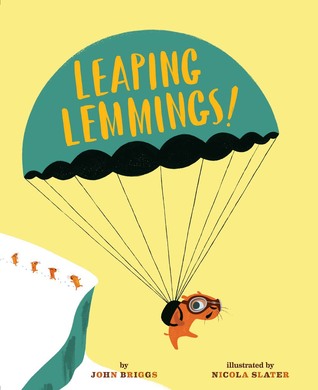
Leaping Lemmings!
Author: John Briggs
Illustrator: Nicola Slater
Published September 6th, 2016 by Sterling Children’s Books

Summary: Think before you leap! Lemmings look alike, they sound alike, and they act alike. So if one jumps off a cliff, the others will jump right after him . . . except Larry. Larry’s very independent-minded and he won’t follow his fellow lemmings blindly to their doom. But can he teach them to use their brains and stop making terrible group decisions? John Briggs has created a wonderfully funny, quirky tale about staying true to yourself, while Nicola Slater’s witty illustrations capture all the humor and pathos of Larry’s situation.

My Thoughts: Leaping Lemmings looks at human identity but the message is symbolized by lemmings. The book personifies the saying, “If your friend jumped off a cliff, would you?!” and has the reader examine the dangers of trying to follow a crowd as well as the excitement of being yourself. Told in a silly way but with a very important message, this story is a perfect one to share with kids as they struggle with being themselves versus being accepted by their peers. 


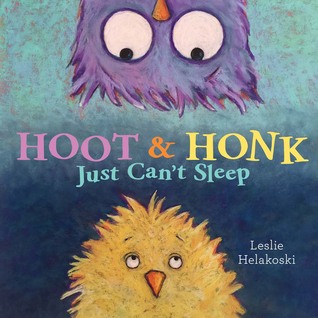
Hoot & Honk Just Can’t Sleep
Author and Illustrator: Leslie Helakoski
Published March 14th, 2017 by Sterling Children’s Books

Summary: Dark sky. Wake or doze?
Some eyes open. Some eyes close.

Some chicks like day, others like night. Some sleep in the dark, and some in the light. Hoot, an adorable owlet, and Honk, a fuzzy gosling, have just hatched—but their eggs got switched and now they’re in the wrong nests. Will they find their way home? Leslie Helakoski’s gentle, lilting verse and irresistible illustrations make the perfect bedtime story as they capture two adorable babies exploring the world for the first time.

My Thoughts: Hoot & Honk’s story is literally an animal identity story. It looks at nature and different types of birds, and tells the story of two birds trying to find their correct home and sleep schedule. The text is a perfect time to discuss nocturnal versus diurnal animals and how they work within nature. The story is also a perfect bedtime story because the writing is so rhythmic and the story is all about finding the right time to sleep. Kids are going to love this story whenever it is used–before bed or in the classroom. 


Both Recommended For:

  classroomlibrarybuttonsmall 

The Dark by Lemony Snicket

Share

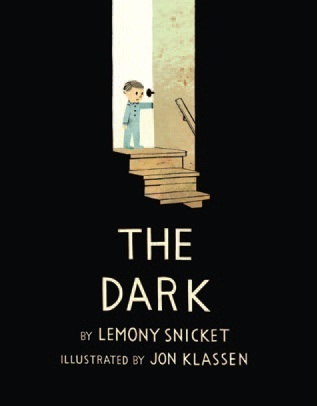
The Dark
Author: Lemony Snicket
Illustrator: Jon Klassen
Published April 2, 2013 by Little, Brown

Guest Post by: Nichole Pitruzzello

Summary: Laszlo is afraid of the dark. But is the dark afraid of Laszlo? They live in the same house, with the same creaky roof, smooth, cold windows, and several sets of stairs. But the dark mostly stays in the basement…until one night, when it doesn’t. Laszlo walks through his house, as the dark converses with him, on a journey to overcome his fear.

Review: In his unique writing style, Lemony Snicket takes an eerie childhood fear and personifies the dark in a soothing way. John Klassen’s illustrations are a wonderful compliment to the story of Laszlo, using black space and warm colors to enhance the mood. I’m very impressed by the way they take a concept that many children fear, and transform it into a friendly, calming presence. I cannot wait to add this book to my library!

Teachers’ Tools for Navigation: Teachers can use this book as a mentor text for a variety of mini lessons. Lemony Snicket personifies the dark, uses vivid language to talk about Laszlo’s house, and creates suspense through a blend of dialogue and narration. In addition, it’s an excellent book to teach a lesson about overcoming one’s fears. There’s so much that this book can add to a classroom!

Discussion Questions: What are some places that you are scared of, and why are they scary? Was the dark really scary? How did the dark help Laszlo? Why shouldn’t we be afraid of the dark? What should we do when we are afraid of something?

Book Trailer: 

Read This If You Loved: Go Away, Big Green Monster by Ed Emberly, Singing Away the Dark by Caroline Woodward, 13 Words by Lemony Snicket

Recommended For:

   classroomlibrarybuttonsmall

Grandma in Blue with Red Hat by Scott Menchin

Share

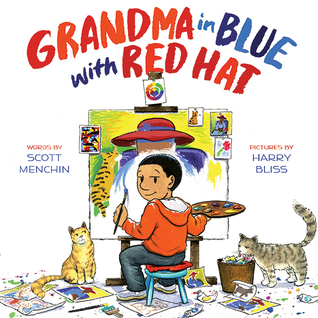
Grandma in Blue with Red Hat
Author: Scott Menchin
Illustrator: Henry Bliss
Published April 14, 2015 by Abrams

Guest Post by: Sarah Mangiafico

Summary: When a young boy learns about what makes art special—sometimes it’s beautiful, sometimes it’s funny, sometimes it tells a story—he realizes that these same characteristics are what make his grandmother special, too. As a result, he finds the inspiration to create his own masterpiece that’s one of a kind.

Christopher Award–winning author Scott Menchin and New York Times bestselling illustrator Harry Bliss have teamed up for a celebration of the power of art and expression, and the extraordinary love between grandparent and child.

Review: I love how this book expresses the different feelings that art can evoke in someone, along with the meaningful moments that it can capture. Sometimes something can be art simply for being funny or for making you feel nice; art does not have to be complicated to be art. This is a powerful message to share with readers, since many people often think that art needs to have many different meanings and lots of creativity in order to be art. The art that the boy makes about his grandma clearly shows the feelings and thoughts that can inspire someone to make art. The art that he makes about her is also very touching, and is a great ending to the book that leaves readers (including myself) ready to go out and create their own meaningful art pieces.

Teachers’ Tools for Navigation: Grandma in Blue with Red Hat is a wonderful book that can show students how “Anything can be in an art exhibition,” and can teach them how anything that they create can be considered art (Menchin 3). This is a great book to introduce students to what art is, and can motivate kids to want to create their own art pieces for a “class art museum.” After creating their pieces, students can walk around the “class art museum” and write down why they think each piece is art. Grandma in Blue with Red Hat is a sure way to get students interested in art, and to create art that is meaningful to them in some way.

This book is also a wonderful book to share with students because the art pieces shown in the book are real and famous pieces of art. Reading this book as a read aloud can introduce students to these pieces and can lead to a more in-depth class study of them and the artists that made them. A variety of cultures are represented in the art pieces shown in the book as well, which makes this book culturally relevant.

Discussion Questions: What is art? Why did the boy in the story decide to use his grandma as an inspiration for his art? What are some things that you could make an art piece about? What makes you choose those things?

Flagged Passages: “Grandma is beautiful. Grandma is different. Grandma is funny. Grandma tells me stories. Grandma comes from far away. Grandma makes me feel good” (p. 17).

Read This If You Loved: Draw! by Raúl Colón, Maybe Something Beautiful by F. Isabel Campoy and Theresa Howell, My Pen by Christopher Myers

Recommended For:

   classroomlibrarybuttonsmall

Review and Giveaway: Caring for Your Lion by Tammi Sauer

Share

Caring for Your Lion
Author: Tammi Sauer
Illustrator: Troy Cummings
Anticipated Published: May 2, 2017 by Sterling

Goodreads Summary: What happens when you expect an itty-bitty kitty . . . but get a lion instead?
It’s kitten delivery day, but—SURPRISE. Congratulations on your new LION! We know you ordered a kitten, but we ran out of those. Fortunately, the big cat comes with instructions—like, try very hard NOT to look like a zebra. Or a gazelle. And give your lion PLENTY of space to play. But soon the feathers and fur start flying and everything’s in chaos. Is there any way a lion could actually be a child’s purr-fect pet?

Ricki’s Review: This text will be a fantastic read-aloud for elementary school classrooms. It is a how-to book that will make kids roll with laughter. There is much to be taught from this text, so teachers will love teaching it as much as students will love listening to it. I enjoyed how straight-forward the text was. The pages include step-by-step instructions that are very clear and direct. The pictures show the consequences (e.g. the lion will eat you!). This is a perfect mentor text for a variety of teaching tools (see below) and a great addition to classrooms.

Kellee’s Review: Kids are going to love this step-by-step introduction into how to care for a pet lion. (Though I predict there are going to be some “No, you cannot have a lion as a pet.” conversations because of this book! The lion is just that adorable!) I loved how the book was a combination of a how-to guide and a narrative of the boy’s experience with his lion–what a unique concept! It is going to be such a fun book to read aloud with time to examine each page. And like Sauer’s Alien books, it really makes you think about expectations, prejudice, and first impressions vs. reality.

Teachers’ Tools for Navigation: Teachers might use this book to teach sequence and how-to directions. They could also use it with students to discuss how caring for a lion would compare and contrast to caring for a more typical animal like a cat, dog, or fish. Students could then write their own how-to guides about caring for an exotic animal. 

Discussion Questions: What is difficult about caring for a lion? What is important to remember?; When should you use a feather? What does the feather do?

Flagged Passage: “Step 3: Try very hard NOT to look like a zebra. Or a gazelle. Or a bunny. (See Diagram A).”

Read This If You Love: Share, Big Bear, Share by Maureen WrightMr. Fuzzbuster Knows He’s the Favorite by Stacy McAnultyDear Dragon by Josh Funk; How to Track a Truck by Jason Carter Eaton; How This Book Was Made by Mac Barnett

Recommended For: 

classroomlibrarybuttonsmall readaloudbuttonsmall

Giveaway!

a Rafflecopter giveaway

RickiSigandSignature

**Thank you to Lauren at Sterling for providing copies for review!**