Love, Mama by Jeanette Bradley

Share

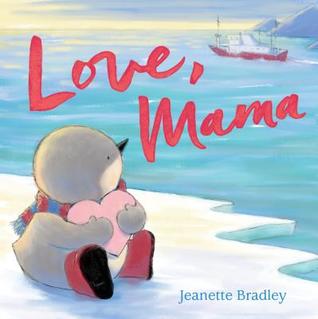
Love, Mama
Author and Illustrator: Jeanette Bradley
Published January 9th, 2018

Summary: With a heartwarming story and tender illustrations, Jeanette Bradley’s debut picture book Love, Mama is perfect for Valentine’s Day, Mother’s Day, and any day when a child needs a reminder of the strength of a mother’s love.

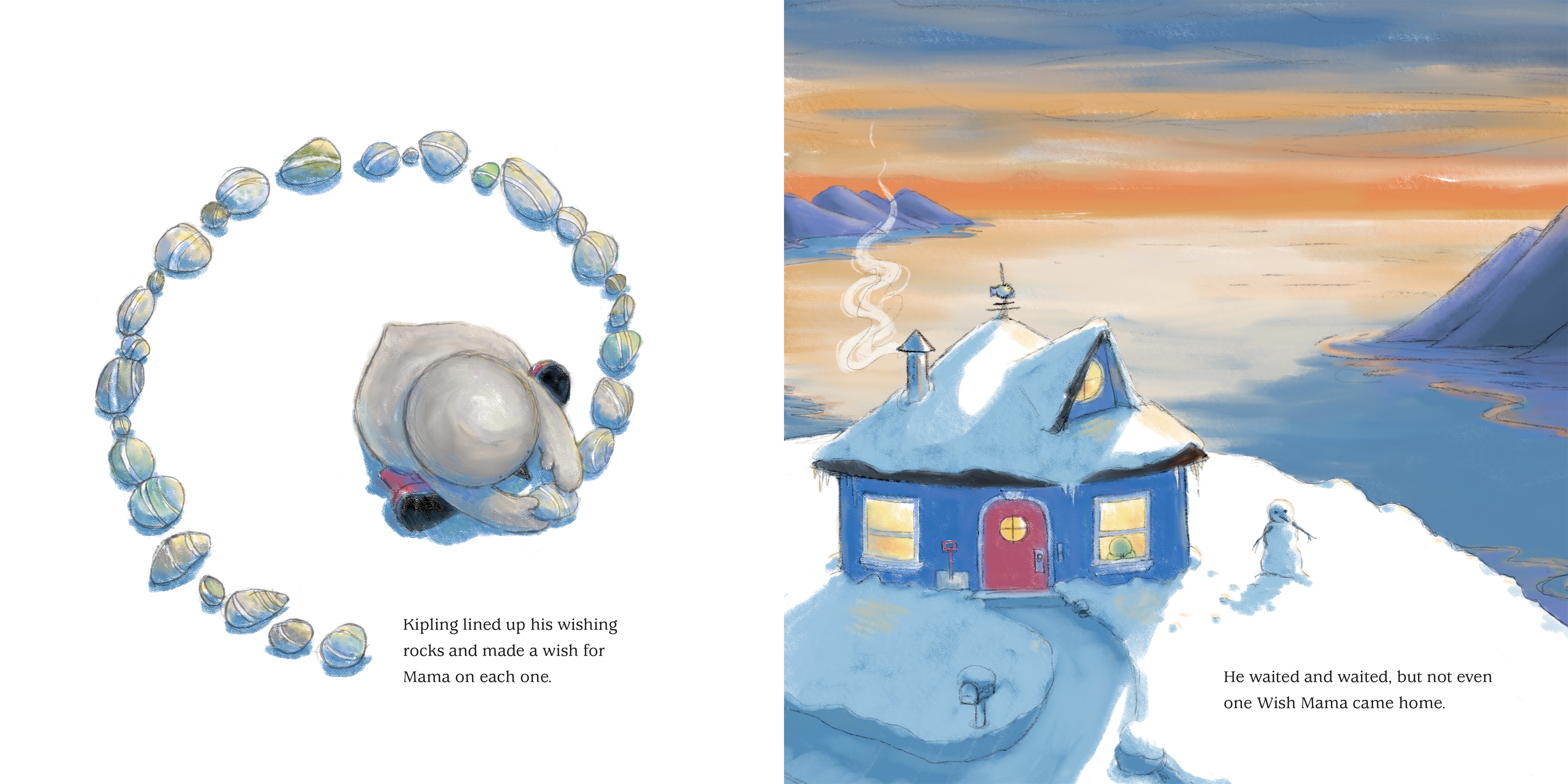
When Mama leaves her young penguin Kipling, he knows she’ll return home soon—yet he still can’t help but miss her. After all, Pillow Mama won’t read, Picture Mama won’t laugh, and Snow Mama is too cold to cuddle.

But then Kipling receives a special delivery from Mama, including a note that reads:

My love for you stretches across the wide ocean, 
through day and night, 
from earth to sky 
and back again.

And Kipling knows that no matter where Mama is, he is loved. Soon, Mama comes home, and Kipling ends the day where he belongs—right in her arms.

Ricki’s Review: This is a charming book that is perfect for Valentine’s Day week. I was thinking of Kipling today when I walked into my son’s school, and he said, “Why did it take you so long to get here?” I remember always feeling like I was waiting interminably long for my parents to get to school. It’s very tricky for kids to understand a sense of time. This book is a great conversation starter between parents and kids. It might be particularly good for kids who are living across multiple houses due do a divorce. The note that Mama writes does a beautiful job capturing a mother’s love. 

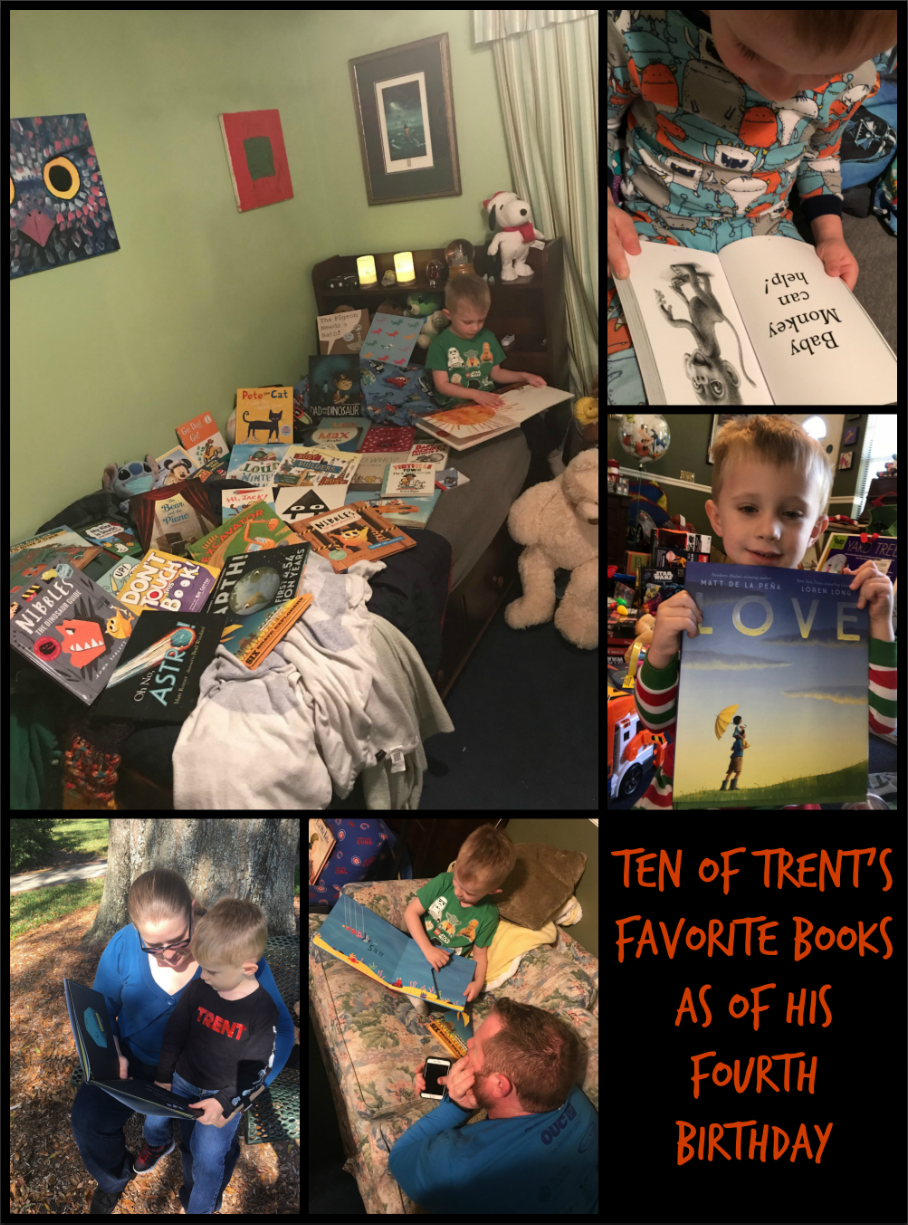
Kellee’s Review: I am such a sucker for penguin books! And a penguin book about a son’s love for his mama? Melted my heart! And I can see so many different times this book will come in handy to read to Trent including when I have to leave for longer than a day, when he asks how much I love him, or if he asks why I need to leave. The author complimented her sweet text so nicely with soft, detailed illustrations that help support the mood of the story. Trent and I have already read this more than once, and I know there will be more reads in the future. 

Discussion Questions: 

  • What does Kipling do while he waits for Mama? Does it help? What does he learn?
  • What personification do you see in Mama’s note to Kipling? Other figurative language?
  • What is the message of the story? What does Mama’s return teach Kipling?
  • Have you ever waited for someone you love? What did that feel like?
  • Who do you think the other adult penguin in the book is?

Teachers’ Tools for Navigation: Teachers might ask students to write their own metaphor letters to family members to describe their love. This would be a great activity that teaches figurative language and also allows students to show their families their appreciation. Alternatively, teachers might ask students to compare and contrast the things that Kipling does to try to recreate Mama while she is gone. Then, they might think of other things that Kipling might do while he waits for Mama.

Flagged Passage:

Read This If You Love: Llama Llama Misses Mama by Anna Dewdney, The Kissing Hand by Audrey Penn, And Tango Makes Three by Justin Richardson and Peter Parnell, Love by Matt de la Peña, Forever by Emma Dodd, If I Were a Penguin by Anne Wilkinson,

Recommended For: 

andSignature

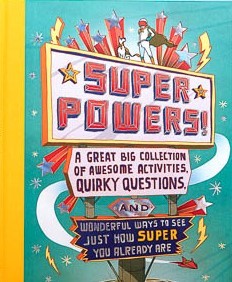
Super Powers!: A Great Big Collection of Awesome Activities, Quirky Questions, and Wonderful Ways to See Just How Super You Already Are by M.H. Clark

Share

Super Powers!: A Great Big Collection of Awesome Activities, Quirky Questions, and Wonderful Ways to See Just How Super You Already Are
Author: M.H. Clark
Illustrator: Michael Byers
Published 2017 by Compendium, Inc.

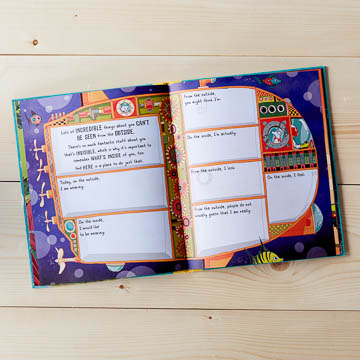
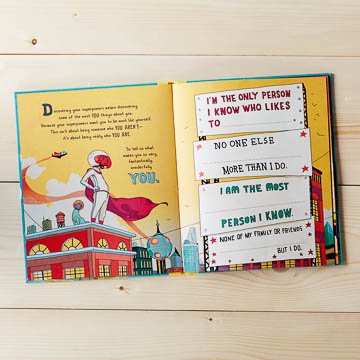
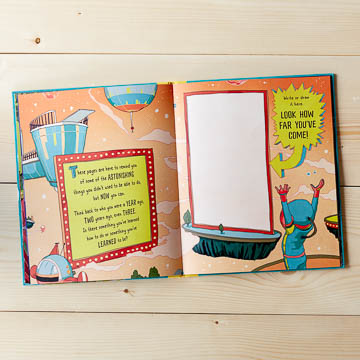
Summary: Calling on all kids to turn on their superpowers! A great big collection of awesome activities and quirky questions, this book offers tons of wonderful ways for kids to discover what really interests them, what makes them unique, and what makes them so amazing just the way they are. With invitations to declare a superhero name, create a superhero tool kit, and even write their own superhero legend, this book will light up the imagination of young kids and open up their minds to big possibilities.

Kellee’s Review: Compendium Inc.’s tagline is “Live Inspired,” and I really do feel like every book I read from them embodies this. This new title from them that we received helps us look more closely at all the different ways we are awesome. Throughout the book, the reader gets to answer questions, draw, and imagine to help make a superpower profile. I think the questions really make the reader think about different aspects of their life and how things that they don’t normally consider super are just that. Then after picking what their superpower is, they get to expand and imagine and be creative! It is truly a fun and inspiring interactive picture book! I cannot wait to complete this book with Trent as well—it is so special!

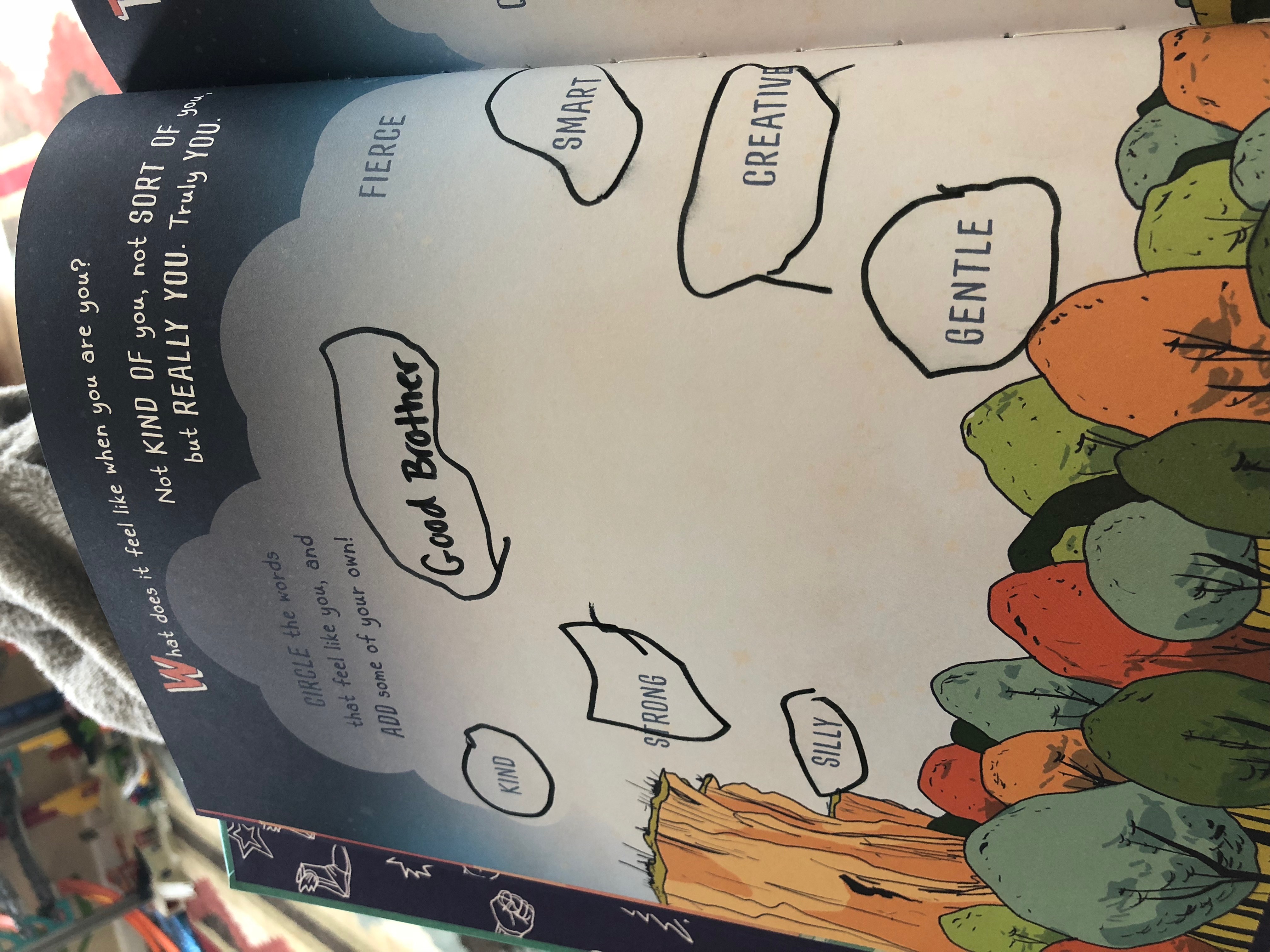
Ricki’s Review: I absolutely love this book! My son and I work on a different page each night, and we’ve had so much fun. He’s four, and the book is a bit above his reading level, but we are going to go back and continue to fill the pages as he learns and grows. Each page takes a closer look at his personality and others’ perceptions of him. It really boosts his confidence level about his positive characteristics and skills. Below, I post a picture of one of the pages we worked on:

This page asked him to circle the words that he felt described him. He circled all of the words except fierce. He was also instructed to write words not listed. He decided that he should write down that he is a good brother (which is very true). I am going to purchase a second copy of this book for his brother, who is younger. It is a great learning experience!

Teachers’ Tools for Navigation: Superpowers! takes the reader through a complete prewriting activity for a creative story! Instead of having students answer for themselves, teachers might ask them use the questions and activities to plan their main character. Another option is to have students complete the books with consideration of a protagonist that they just read. Both of these activities make the reader/writer look more in depth at the characters, emotionally and physically.

One thing, as a teacher, that we really like about this book is that it can be used in so many different ways for so many different types of students.

Discussion Questions: This book is a big discussion question! 🙂

Flagged Passages: 

Read This If You Love: Doodle Adventures by Mike Lowery,  Just Imagine by Nick Sharratt, Interactive picture books

Recommended For: 

Signatureand 

**Thank you to Moira at Compendium for providing copies for review!!**

Pandamonia by Chris Owens

Share

Pandamonia
Author: Chris Owen
Illustrator: Chris Nixon
Published 2017 by Kane Miller Books

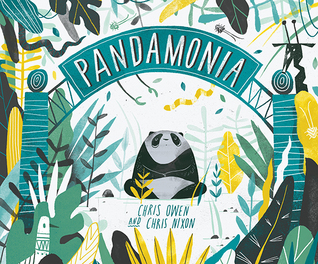
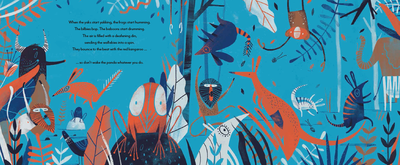
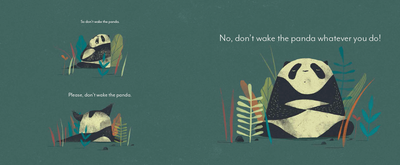
Summary: Here’s something to remember: when visiting the zoo, whatever you do, DON’T WAKE THE PANDA!

Join in the fantastic fun of Chris Owen and Chris Nixon’s Pandamonia, as one could-be-grumpy-if-woken-up sleeping panda sets off a frenzy of wild partying.

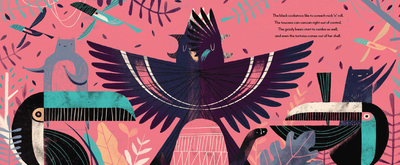
There’s grunting and growling and prancing and prowling and … so much more in this rollicking, rhyming text. It is so filled with energetic art and action and noise and alliteration that it just begs to be read aloud.

There is a playfulness, a rhythm and an energy to both the text and the illustrations, a cumulative growing and building of words and pictures, plus a whole bunch of animals you might never have seen in a picture book before. And the hilarity will have listeners and readers on their feet!

This is one for story time, or anytime!

ReviewThis picture book quickly became a regular in our reading because my son is just a bit obsessed with animals and there is such a wide variety introduced and shared in this title. Sometimes we read all the way through and just have fun with it while other times we look up the animals and find them in the pictures and find videos of the sounds they make. A different experience each time. And with the party-filled pages and colorful illustrations, every experience is fun.

Teachers’ Tools for Navigation: This book will be such a fun read aloud! The illustrations are really colorful, the text is alliterative with a ton of onomatopoeias, and there’s lots of fun to be had! In addition to alliteration and sound words, it can also be a way to talk about animals or zoos.

Discussion Questions: 

  • How did the author use the word pandemonium and panda as a premise to his book?
  • What animals did the author include that you didn’t know?
  • What type of medium do you think the illustrator used to make the illustration?
  • How did the author use onomatopoeias and alliteration in the story?
  • What do you think will happen if the panda gets woken up?!?!

Flagged Passages: 

Read This If You Love: Du Iz Tak? by Carson Ellie, Nothing Rhymes with Orange by Adam Rex, The Curious Case of the Missing Mammoth by Ellie HattieHello Hippo! Goodbye Bird! by Kristyn Crow, Can Aardvark Barkby Melissa Stewart, Other books about animals or zoos

Recommended For: 

Signature

**Thank you to Lynn Kelly from Kane Miller for providing a copy for review!**

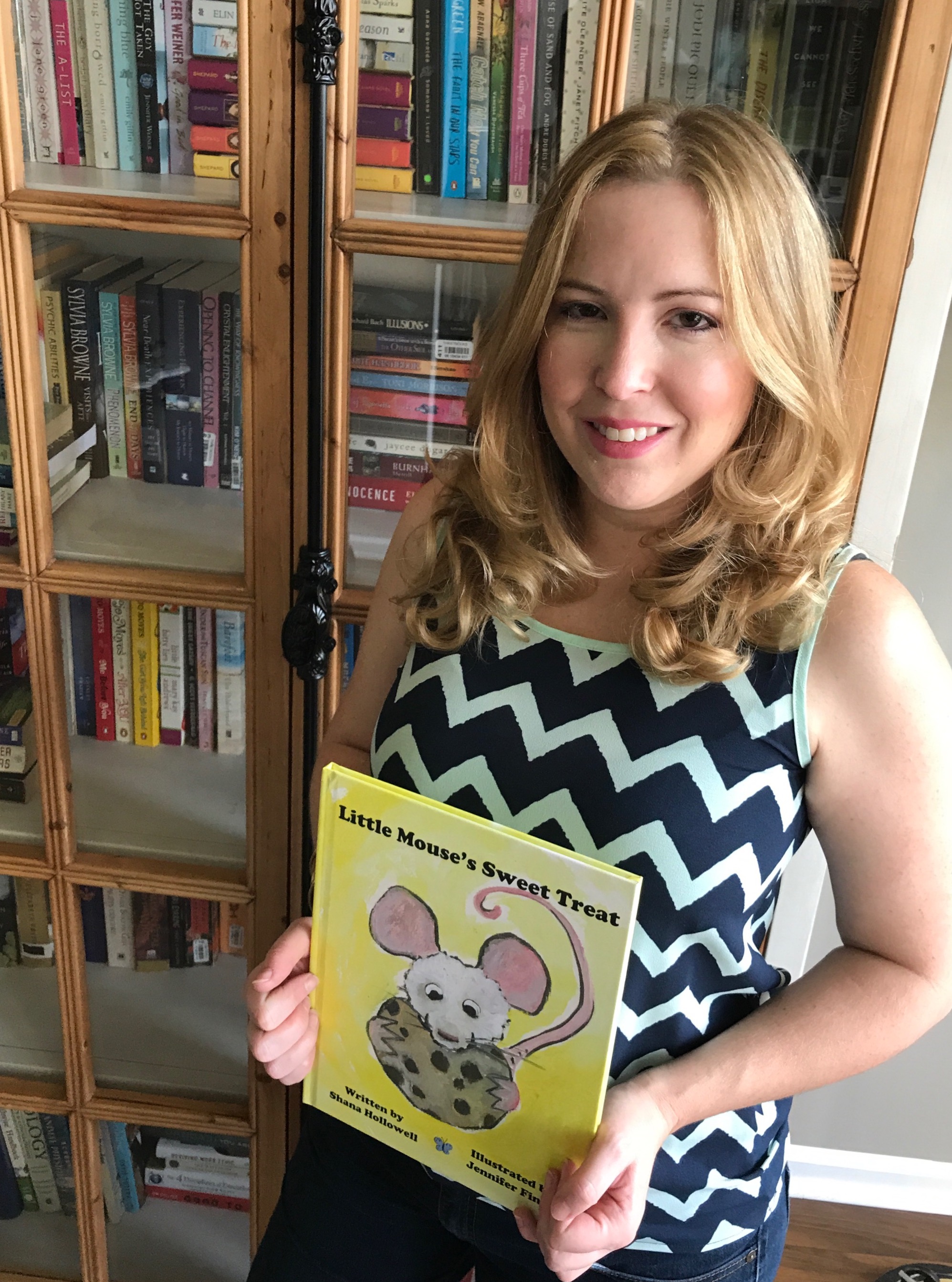
Author Guest Post!: “How to Get Your Toddler to Enjoy Reading” by Shana Hollowell, Author of Little Mouse’s Sweet Treat

Share

“How to Get Your Toddler to Enjoy Reading”

by Shana Hollowell, MPH

I cannot think of a better activity than reading with your child. Not only is it a great bonding experience, but it helps your child learn the meanings of words, explore new concepts through pictures, and stimulate their imagination. Some parents may feel reading to their child during the toddler years is a challenge due to their attention span and ability to sit quietly. However, the following are some easy tips to get your energetic, busy toddler to wind down and develop a love for reading.

Select the right book.

Choose a book that you think your toddler will enjoy, not necessarily a book that you want to read. Make sure it is fun and age appropriate. Books geared towards toddlers usually rhyme and are not too long, which is important as toddlers are not known for their attention span. Toddlers love animals, the alphabet, real pictures of children, a finger puppet, etc. When reading the book to your toddler, say the rhymes in a sing-song voice. Your child will enjoy hearing your voice and looking at the bright, colorful pictures.

Read every day.

Make sure that reading to your child is an important part of your day. Children love routine so whether you read before nap time, after bath time, before bed time, etc., try to read to your toddler at the same time every day. It also makes a good winding down activity for active toddlers. Soon your child will begin to expect and look forward to reading time.

Keep books accessible.

Store your child’s books so that they are readily accessible to them, not just you. View your child’s room from their eye level. Install book racks low on the wall so they are within your toddler’s reach or store books on the floor in a basket or bin. Create a special reading nook in their bedroom with a bean bag chair or a cool teepee.  The goal is to keep your child’s books low so they are able to see them and pick out a book to look at whenever they choose.

Change books as interests change.

As your toddler grows, they may begin developing new or different interests. You want your child to enjoy the books they read and learn that books are special so change books as your child’s interests change. You can also promote reading during special occasions. For instance, if you celebrate Christmas, when you put your Christmas tree up, place Christmas storybooks under the tree so your toddler can pick out a Christmas story to read leading up to Christmas Day. Websites that carry a variety of low cost children’s books are Thriftbooks and Amazon.

Involvement is key.

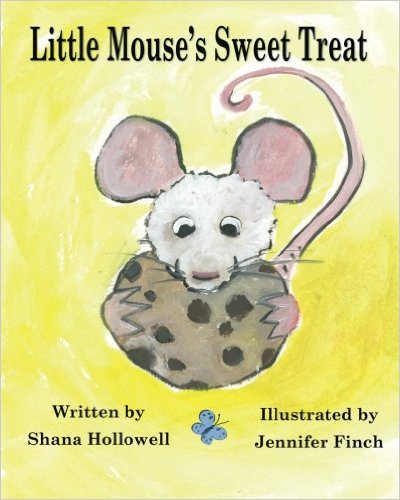
When you read to your child, do not just read the story word for word and close the book. Instead, explain and involve your child in the book. Let them hold and feel the book. Talk about what is in each picture before turning the next page. For instance, in “Little Mouse’s Sweet Treat,” little mouse meets different animals that share their preferred food with him. Talk to your toddler about the colors of each animal and the sounds they make. For example, on the page where little mouse meets the cow and the cow offers him grass to eat, you can also say “The cow is black and white. The cow says moo.” Then after a couple reads, you should be able to point to the cow and ask your toddler “what animal is this” and they will respond “cow” and then say “what does the cow say” and they will respond “moo.” Then, try to incorporate it into everyday life. For instance, when you drive past a cow pasture, say “look a cow just like little mouse met in the book.” Another fun activity in “Little Mouse’s Sweet Treat,” is to have your child find and point out the little snail that is hiding on each page. Toddlers get so excited when they find the snail that follows little mouse on his journey.

Keep at it.

If your toddler does not seem interested, do not give up. They are learning and absorbing so many new things. Just keep reading and soon your toddler will start asking you to read to them. Sometimes they may ask for one particular book to be read over and over, but just remember this is how they learn. They are internally building their memory, vocabulary, and understanding. Then, one day they will repeat phrases from the book and read to you. This makes it all worthwhile. I hope these tips help make reading an enjoyable experience for you and your toddler and they grow into becoming a lifelong reader.

Shana Hollowell is a public health professional and author of the children’s picture book, “Little Mouse’s Sweet Treat.” She has two boys age 8 months and 2 years old and reads to them every day. “Little Mouse’s Sweet Treat,” is recommended for children ages 0-5 and is available for purchase on Amazon and Barnes and Noble.

About the Book:

Little Mouse’s Sweet Treat is a cheerful, lyrical story that tells the tale of a little mouse that goes on an adventure in search of something sweet. He meets lots of friends along the way that share their preferred treats with him, but none are quite right. He is disappointed until he arrives home and realizes his Mommy baked the sweetest snack just for him – cookies! Toddlers, preschoolers, and kindergarteners love this book.

About the Author:

Shana Hollowell has a Master’s of Public Health in Health Care Management from Eastern Virginia Medical School and a Bachelor’s of Biology from Old Dominion University. She is a Supervisor for the Virginia Department of Health. She has a background in HIPAA compliance, medical research compliance, and veterinary management. She lives in Suffolk, Virginia, with her husband, two baby boys, four cats, 31 koi fish, and hundreds of bonsai trees. She has been published previously in scientific journals, but this is her first children’s picture book.

Thank you, Shana, for this very helpful advice!

and

What Do You Do with a Chance? by Kobi Yamada

Share

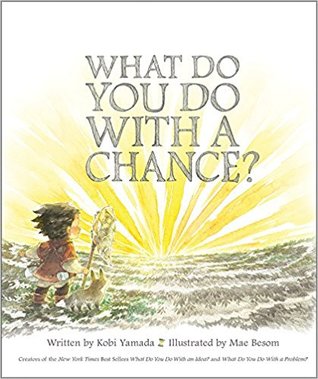
What Do You Do with a Chance?
Author: Kobi Yamada
Illustrator: Mae Besom
Published: July 1, 2016 by Compendium Inc.

Summary: The award–winning creators of The New York Times best sellers What Do You Do With an Idea?and What Do You Do With a Problem? return with a captivating story about a child who isn’t sure what to make of a chance encounter and then discovers that when you have courage, take chances, and say yes to new experiences, amazing things can happen.

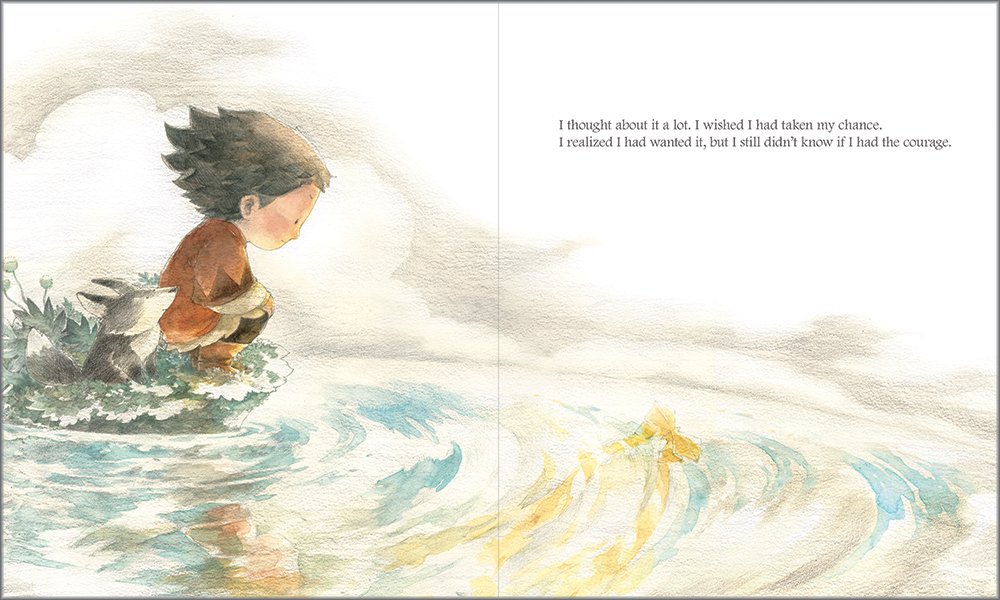
In this story, a child is visited by his first chance and unsure what to do with it, he lets it go. Later on, when a new chance arrives he reaches for it, but this time he misses and falls. Embarrassed and afraid, he begins ignoring each new chance that comes by, even though he still wants to take them. Then one day he realizes that he doesn’t need to be brave all the time, just at the right time, to find out what amazing things can happen when he takes a chance.

The final addition to the award-winning What Do You Do With…? picture book series created by New York Times best selling author Kobi Yamada and illustrator by Mae Besom, What Do You Do With a Chance? inspires kids of all ages and parents alike to find the courage to go for the opportunities that come their way. Because you never know when a chance, once taken, might be the one to change everything.

Ricki’s Review: There is something absolutely magical about these books. This author/illustrator team is simply remarkable in their ability to make the abstract come alive. Each semester, I read one of the books from this series aloud to my preservice teachers. They will be teaching in secondary schools, but this book series makes it obvious about how they can powerfully use picture books in their classrooms. After I read the book aloud, I don’t need to go through a long justification of why picture books work well in middle and high schools. What I like about this series is that each book is different from the other two. They overlap in their conceptualization and they all are remarkable choices for the instruction of symbolism and creating writing–but they all teach very different, big ideas. I can see each book pairing well with a different canonical or YA text. 

Kellee’s Review: I hope each and every one my students leave my class with is that life is about trying and working hard and being creative and kindness and so much more than just passing tests, and Yamada’s series teaches all of these things in such a beautiful, fun, and inspiring way! The newest book in the series looks at the fear that comes with new things, and I think this is something that is so important to talk to kids about, doing anything different or new can be scary for a bunch of different reasons. And this ranges from toddlers (Trent is afraid of fast rides) to teenagers (who may be afraid of doing something that may look uncool or are too busy to grab a chance when it comes by). I am so sad that this is the final installation of the series, but I am so glad that we have the three we do. 

Teacher’s Tools for Navigation: In previous posts for this series, we have discussed how teachers might use this book to teach word choice, symbolism, and creative writing. Teachers might also consider reading all three books aloud to students and talking about the ways they are conceptually similar and different. Students might discuss the paratext of the novels and the marketing of the books. They might also compare and contrast how the books offer completely different, powerful illustrations of abstract ideas.

Discussion Questions: What do you do with a chance?; How do the author and illustrator work together to make the abstract concept of a “chance” more concrete?; What does the book teach about courage?; When have you taken a chance? Did it work out? What did it teach you? What famous people in history have taken chances? What do you think they learned?

Flagged Passage: 

Read This If You Loved: What Do You Do with an Idea? by Kobi Yamada; What Do You Do With a Problem? by Kobi Yamada; The Most Magnificent Thing by Ashley Spires; The Dot by Peter H. Reynolds, The Noisy Paint Box by Barb Rosenstock, Lost and Found by Oliver Jeffers, Journey by Aaron Becker

Recommended For:

  readaloudbuttonsmall closereadinganalysisbuttonsmall classroomlibrarybuttonsmall

 and

Love by Matt de la Peña

Share

Love
Author: Matt de la Peña
Illustrator: Loren Long
Published January 9th, 2018 by Putnam

Summary: From Newbery Medal-winning author Matt de la Peña and bestselling illustrator Loren Long comes a story about the strongest bond there is and the diverse and powerful ways it connects us all.

“In the beginning there is light
and two wide-eyed figures standing near the foot of your bed
and the sound of their voices is love.

A cab driver plays love softly on his radio
while you bounce in back with the bumps of the city
and everything smells new, and it smells like life.”

In this heartfelt celebration of love, Matt de la Peña and  illustrator Loren Long depict the many ways we experience this universal bond, which carries us from the day we are born throughout the years of our childhood and beyond. With a lyrical text that’s soothing and inspiring, this tender tale is a needed comfort and a new classic that will resonate with readers of every age.

Kellee’s Review: I sat here for a long time trying to figure out how to put into words how I feel about this book. I just can’t, but I will try. 

Let me give you some history. At ALAN in 2016, I believe, Matt was a speaker, and he shared how he’d written a poem about love to share with his daughter when the world didn’t seem so loving. Matt’s daughter is approximately Trent’s age and she’s his first just like Trent is, so I completely understood his feelings–the reality that we’ve brought children into this hard world. When Matt read his beautiful words, I cried. It was beautiful. At the end of the poem, he let us know it was going to be a book, and I had very high expectations.

Then at NCTE 2017, I heard that Penguin had a finished copy. I thought that there was no way that the book could live up to what I expected. But then I read it. And I cried again. I, probably rudely, found Matt right away, maybe interrupting a conversation he was having with someone else, to tell him what a beautiful book he and Loren had created. Matt’s poem had been about love, but the book is about LOVE. Love in the sense that every one needs to start thinking about–love between every person. Empathy. Understanding. Tolerance. Unity. Love for all humans.

And as I read it over and over (after I was lucky enough to receive a copy), I couldn’t think of a kid I didn’t want to share it with. I wanted to share it with my son to talk about how much I love him and how he should love all of human kind; I wanted to share it with my friend who is a 2nd grade teacher, so she could share it with all of her students; I wanted to share it with my students, so we can discuss about the love and acceptance found in each spread and each word; and I am so happy to be sharing it here with all of you so that it can be in every person’s life.

Also, please read this amazing article by Matt de la Peña: “Why We Shouldn’t Shield Children from Darkness” from Time and Kate DiCamillo’s follow-up “Why Children’s Books Should Be a Little Bit Sad” where she answers a question de la Peña posed in his article as well as this Twitter thread from Sayantani DasGupta where she explores the need for joy in the darkeness! It truly embodies my parenting and teaching philosophy: that although kids are kids, they are also humans and future adults; life should be about being real and about happiness.

In the end, I want to just thank these two amazing men for writing this phenomenal book that I so feel is needed so badly right now, and thank you for including nothing but truth within it including inclusion of all types of people and children and situations and cultures and races and ethnicities, etc.

Ricki’s Review: I am really looking forward to seeing Matt de la Peña next month during his tour! This book is absolutely stunning, and we will certainly be purchasing many copies to give as baby shower gifts. The entire text simply emanates love. It is honest, poetically, and it treats children as the intelligent people that they are. The illustrations are simply marvelous and the words dance across the page. I simply don’t have the words to share how absolutely beautiful this book is. When I think of this book, I think about a warm, cozy house and two little boys on my lap. And these little boys make me feel love, love, love.

Teachers’ Tools for Navigation: I’ll talk about one scene specifically, which happens to be my favorite.

As soon as I saw this scene, I wanted to show it to students and have discussions with them. How does this scene make them feel? Who is the family? What are they watching? What clues did they use to answer these questions?

Then I would add in the word that accompany the scene:

“One day you find your family
nervously huddled around the TV,
but when you asked what happened,
they answer with silence
and shift between you and the screen.”

And I would ask them how these words change the inferences they made about the spread.

Lastly, I would ask them why this stanza would be in a poem about love, how it fits with the theme, and what it represents.

Another idea that I brainstormed with my friend Jennie Smith are:

  • Recreate my experience by sharing the poem first with the circumstances I shared above. Then reread the poem to them but with the illustrations.
    • After the first read, you can also have them make their own illustrations analyzing the words then compare/contrast the choices that Loren Long made with what they did.

Discussion Questions: 

  • Why did the author and illustrator include tough scenes in their picture book about love?
  • Which scene represents love the most for you?
  • Which scene are you glad they included?
  • How does the poem differ with and without the illustrations?
  • What different purposes could this poem of love be perfect for?

Flagged Passages: *psst!* Matt may have told me this is (one of) his favorite spreads:

Read This If You Love: Love. (But seriously, read this. Period.)

Recommended For: 

Signatureand 

Review and Giveaway!: Don’t Forget Dexter by Lindsay Ward

Share

Don’t Forget Dexter
Author and Illustrator: Lindsay Ward
Published January 1, 2018 by Two Lions

Summary: Introducing Dexter T. Rexter, the toughest, coolest dinosaur ever. At least he likes to think so.

When his best friend, Jack, leaves him behind at the doctor’s office, Dexter T. Rexter panics. First he tries to find Jack. Then he sings their special song. Then he sings their special song even louder. But when Jack still doesn’t appear, Dexter starts to wonder. What if he’s being replaced by another toy? It can’t be—after all, he can STOMP, RAWR, and CHOMP! Right? Right?!

This hilariously neurotic dinosaur will do whatever it takes to get his friend back—even asking the reader’s advice—in this first book of a brand-new series.

Praise for  DON’T FORGET DEXTER!:

★ “Ward’s ink, colored-pencil, and cut-paper illustrations give readers a toy’s view of the world and allow children to stomp in Dexter’s feet for a while, his facial expressions giving them lots of clues to his feelings. Lost and found was never so riotously funny or emotionally draining.” —Kirkus Reviews (starred review)

“Ward (Brobarians) is as funny as ever as she chronicles her orange hero’s nervous, no-filter state of mind, and her cut-paper, pencil, and ink drawings—with their visual asides, annotations, and shifts in scale—are irrepressible. It’s high anxiety made highly adorable.” —Publishers Weekly

Ricki’s Review: I simply adored this charming story about a toy that is mistakenly left behind by his best friend, Jack. It reminded me a bit of The Velveteen Rabbit and Toy Story (but different!), and it is very accessible for kids. This book  teaches some great lessons, and my son and I had a long conversation about how being separated from his things doesn’t always have to be forever. We recently moved across the country, and he doesn’t have all of his favorite toys around, so this book was really helpful to me as a parent, and I imagine that other parents will find it to be a great resource. We received this book a few weeks ago and have read it several times. My son calls it his “dinosaur book.” We have several dinosaur books, so it is a big compliment that this book is the dinosaur book.

Kellee’s Review: I love the voice of Dexter in this book! And the breaking of the fourth wall really adds such humor to the story line. And although the story sounds a bit like Toy Story and other toy books, it is so different than what you’d expect because Dexter is all alone, doesn’t know why he’s still at the doctor’s office, and is having a bit of an identity crisis. However, the way that Dexter feels will be easily a feeling that readers will relate to because anyone who has ever felt left out from something will feel like Dexter does. 

Teachers’ Tools for Navigation: Teachers might ask kids to write about a time that they were separated from something that they value. They might consider how this separation may or may not have been permanent. Alternatively, teachers might ask kids to write a story in which one of of their toys comes to life.

Check out some fun activities here!

Discussion Questions: How do you learn about the feelings of the characters? What do the author and illustrator do to make these come to life?; When is a time that you were separated from something that you love? Was it permanent?; How do the author and illustrator make the text interactive? How do they engage readers?

Flagged Passage: 

Read This If You Love: Nibbles: The Book Monster by Emma Yarlett, Caring for Your Lion by Tammi Sauer, The Velveteen Rabbit by Margery Williams

About the Author: Lindsay Ward was inspired to write this book after her husband texted her a photo of a toy dinosaur abandoned at a doctor’s office. The caption read: “Well, they left me here.” Lindsay thought it was so funny that she sat down to write Dexter’s story immediately. She is also the author and illustrator of Brobarians, Henry Finds His Word, and When Blue Met Egg. Her book Please Bring Balloons was also made into a play.

Most days you can find Lindsay writing and sketching at her home in Peninsula, Ohio, where she lives with her family. Learn more about her online at www.LindsayMWard.com  or on Twitter: @lindsaymward.

Recommended For:

  classroomlibrarybuttonsmall 

Giveaway!

a Rafflecopter giveaway

 and

**Thank you to Barbara at Blue Slip Media for providing copies for review!!**