Candlewick Nonfiction Picture Books: Who’s Like Me? by Nicola Davies; Can We Help? by George Ancona; Belle, the Last Mule at Gee’s Bend by Calvin Alexander Ramsey & Bettye Stroud; and The Boy Who Fell Off the Mayflower by P.J. Lynch

Share

NFPB2016

Nonfiction Wednesday

Nonfiction Picture Book Wednesday is hosted by Kid Lit Frenzy and was started to help promote the reading of nonfiction texts. Most Wednesdays, we will be participating and will review a nonfiction text (though it may not always be a picture book).
Be sure to visit Kid Lit Frenzy and see what other nonfiction books are shared this week!
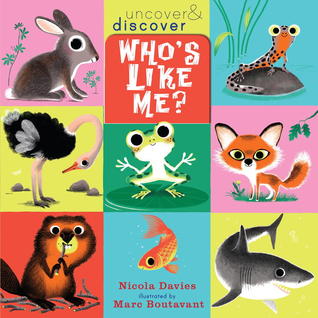
who's like me

Who’s Like Me?
Author: Nicola Davis
Illustrator: Marc Boutavant
Published February 28th, 2012 by Candlewick Press

Goodreads Summary: Lift the flaps and learn about animal life in this fresh, fun-filled book for curious preschoolers.

A bunny is furry and breathes air. Who else is like that — a pigeon, a fish, a chameleon, or a fox? Some animals have fins to swim with, some have feathers and a beak, some have skin that is scaly, or smooth and wet. But whatever features a creature has, someone else has them, too. Can you guess who? Big flaps and a matching spread at the end make animal classification fun.

My Thoughts: This flap book is going to be a big hit in my house both because it is entertaining and because it is informative. First, the author does a great job making the identification of animal types a game including flaps and comparisons/contrasts then she ensures that factual information follows the matching to explain the type of animal and the characteristics of the type.
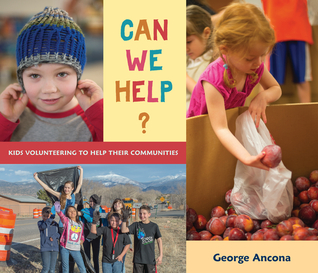
can we help

Can We Help? Kids Volunteering to Help their Communities
Author: George Ancona
Published August 25th, 2015 by Candlewick Press

Goodreads Summary: Real kids make a real difference in their communities in this vibrantly photographed chronicle by George Ancona.

George Ancona celebrates the joy of kids giving back. In one after-school program, middle-school students mentor and tutor younger children. Via a special partnership, schoolchildren help professionals train assistance dogs for people with disabilities. At a community farm, families plant, grow, and harvest produce for soup kitchens and charities. In these and other examples of volunteering, kids of all ages work together knitting hats and scarves for those who could use warm clothes, packing hot meals to deliver to housebound people, and keeping roadways clean. Young humanitarians reading these accounts may well be inspired to find ways that they can help, too.

My Thoughts: I think this picture book would be a wonderful one to read in conjunction with the 31 Ways to Change the World because that book includes suggestions while this one gives us narratives about those actually making a difference. I love the variety of ways the author highlights: from knitting to a community farm to training dogs and mentoring. These stories are inspiring and will make the reader (adult or child) want to do something to make a difference!
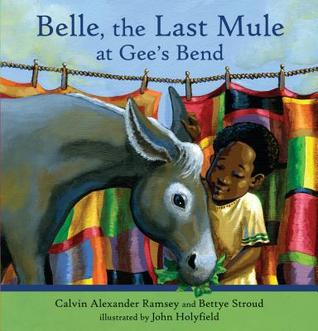
belle last mule

Belle, the Last Mule at Gee’s Bend
Authors: Calving Alexander Ramsey and Bettye Stroud
Illustrator: John Holyfield
Published September 13th, 2011 by Candlewick Press

Goodreads Summary: A true story inspires the moving tale of a mule that played a key role in the civil rights movement– and a young boy who sees history anew.

Sitting on a bench waiting for his mother, Alex spies a mule chomping on greens in someone’s garden, and he can’t help but ask about it.””Ol Belle?” says Miz Pettway next to him. “She can have all the collards she wants. She’s earned it.” And so begins the tale of a simple mule in Gee’s Bend, Alabama, who played a singular part in the civil rights movement of the 1960s. When African-Americans in a poor community– inspired by a visit from Dr. Martin Luther King, Jr.– defied local authorities who were trying to stop them from registering to vote, many got around a long detour on mule-drawn wagons. Later, after Dr. King’s assassination, two mules from Gee’s Bend pulled the farm wagon bearing his casket through the streets of Atlanta. As Alex looks into the eyes of gentle Belle, he begins to understand a powerful time in history in a very personal way.

My Thoughts: This story adds an extra truth to the story of Martin Luther King that many of us know. MLK was an advocate and leader and activist for all African and Black Americans and this meant a lot to so many communities of people around America including Gee’s Bend. To learn about Belle and King’s reason for having Belle pull his coffin really just shows how true his intentions of being a man of the people while fighting for the rights of all. And I loved how this story was told as a story from a Bender to a young boy visiting the town. Gee’s Bend is such a historical place, and I love this new part of their history that I didn’t know. (I love the quilts produced in Gee’s Bend! If you haven’t viewed them, Google it now!)
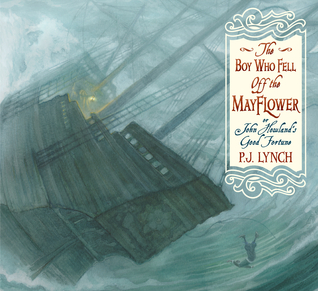
boy who fell

The Boy Who Fell Off the Mayflower or John Howland’s Good Fortune
Author and Illustrator: P.J. Lynch
Published September 22nd, 2015 by Candlewick Press

Goodreads Summary: In the first book he has both written and illustrated, master artist P.J. Lynch brings a Mayflower voyager’s story to vivid life.

At a young age, John Howland learned what it meant to take advantage of an opportunity. Leaving the docks of London on the Mayflower as an indentured servant to Pilgrim John Carver, John Howland little knew that he was embarking on the adventure of a lifetime. By his great good fortune, John survived falling overboard on the crossing of the Atlantic Ocean, and he earned his keep ashore by helping to scout a safe harbor and landing site for his bedraggled and ill shipmates. Would his luck continue to hold amid the dangers and adversity of the Pilgrims’ lives in New England? John Howland’s tale is masterfully told in his own voice, bringing an immediacy and young perspective to the oft-told Pilgrims’ story. P.J. Lynch captures this pivotal moment in American history in precise and exquisite detail, from the light on the froth of a breaking wave to the questioning voice of a teen in a new world.

My Thoughts: I have to start my review with discussing the art work. Describing P.J. Lynch as a master artist is a perfect statement. His watercolor and gouache full page plus illustrations are so lifelike and beautiful that the reader will spend time on each page viewing the art in addition to reading the text. And what makes the book even better is that the text is interesting. Told in first person from John Howland’s point of view, we travel from London to America through storms, a fall off the Mayflower, death, disease, famine, and shows how friendship and kindness pay. In the classroom, this text would be an informational and interesting introduction to the Mayflower voyage and Plymouth.


All Recommended For: 

classroomlibrarybuttonsmall readaloudbuttonsmall litcirclesbuttonsmall

Kellee Signature

Blog Tour with Review!: Mastermind by National Geographic

Share

NFPB2016

Nonfiction Wednesday

Nonfiction Picture Book Wednesday is hosted by Kid Lit Frenzy and was started to help promote the reading of nonfiction texts. Most Wednesdays, we will be participating and will review a nonfiction text (though it may not always be a picture book).
Be sure to visit Kid Lit Frenzy and see what other nonfiction books are shared this week!

mastermind

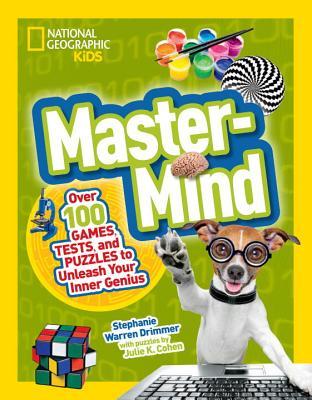
Mastermind: Over 100 Games, Tests, and Puzzles to Unleash Your Inner Genius
Author: Stephanie Warren Drimmer
Puzzles by: Julie K. Cohen
Published May 10th, 2016 by National Geographic Children’s Books

mastermind banner

Welcome to Stop #7 on the National Geographic Kids Mastermind Blog Tour!

This summer, National Geographic Kids Books is inviting kids to “Unleash Their Inner Genius” with the release of Mastermind (May 2016, ages 8-12).  In this fun, interactive book, kids learn what type of thinker they are and are given the chance to exercise different parts of their brains with games, tests and puzzles.

Each stop on the National Geographic Kids Mastermind Blog Tour brings you one step closer to becoming a Certified Mastermind. Be sure to stop by each stop on the tour and challenge yourself to unleash your inner genius with fun quizzes, optical illusions, and brain teasers, and learn tips and tricks for improving brainpower and explanations for the science behind navigating your mental map.

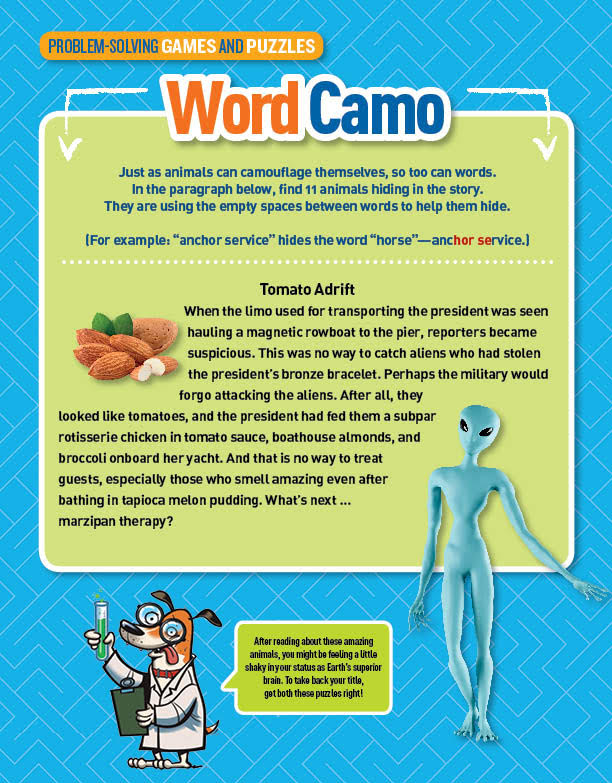
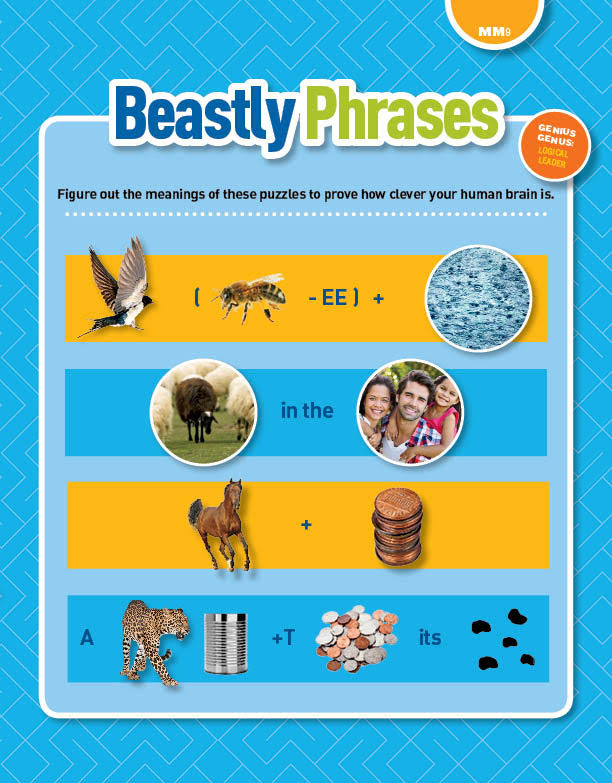
Are you ready to put your genius to the test with some word puzzles? Check out below and tweet your answers using #Mastermind!

mastermind 1

mastermind 2

Goodreads Summary: Ready to exercise your brain? Let zany superbraniac Ima Genius be your guide in this interactive book full of fascinating brain facts, puzzles, games, and challenges. Learn what type of thinker you are and the geniuses that share your special type of intellect. Discover why your brain does what it does, and how that affects vision, hearing, touch, smell, taste, spatial reasoning, language, memory, and problem solving. Each chapter is filled not only with fun and games, but also famous historical cases, crazy quizzes, exciting experiments, and a glossary of Genius Jargon, invented for advanced brain-related vocabulary.

The cheeky narrator and self-proclaimed “Mastermind” Ima Genius and her talking dog, Atom, guide the reader through short and snappy explanations of the science behind why the brain does what it does and how it affects the senses, spatial reasoning, language, memory and problem solving. As kids work their way through the book completing experiments, brain teasers, mazes, quizzes and games, their efforts (and smarts!) are rewarded with a Certificate of Mental Achievement declaring them as a Certified Mastermind.  Or, in the words of Ima Genius:

When I’m finished with you, your brain will be so huge that your average-size neck will no longer be able to support your massive noggin.  Ha!  I kid.  That’s only happened once.”

Kellee’s Review: I love the variety of puzzles and games found within this book! They are quite clever and are definitely brain exercises. I also always love National Geographic books because of the quality of not only the text inside but also because of the photographs. Mixed in with all the puzzles are perfect animal photos and other science-y photos. For example, even the maze within the book is finding your way through a maze within a spine! Although the puzzles definitely are fun, I think my favorite things within the book are the “Atom’s Brain Breaks,” “Myths: Busted,” “Fun Facts,” tests, and other fun knowledge that was shared within.  

Ricki’s Review: This would be the perfect road trip book. There are so many puzzles and games, and they are all quite different. I am tempted to save this for my son for when he is a bit older, but I know my neighbors would love it. It’s a great book to share with others because it will appeal to kids of all interest levels. As with most of the National Geographic books we’ve reviewed here on Unleashing Readers, this book is jam-packed with awesome facts about animals, science, etc. This book will last a long time—there is so much to learn and do! The narrator (Ima Genius) is a perfect guide, and she made me smile.

Teachers’ Tools for Navigation: Although this book may seem like an individual book, it would definitely be fun as a whole-class bell work activity. It is almost exactly one page per school day if you did one each day. It would be a fun way to mix literacy and science!

Discussion Questions: What myths were busted that you thought were true?; What’s the difference between how dogs and humans see the world?; How do the different parts of your body work and work together?; What fun facts did you learn that you didn’t know before?

We Flagged: See above!

Read This If You Loved: Interactive books with puzzles, brain teasers, tests, or other games

Recommended For: 

classroomlibrarybuttonsmall readaloudbuttonsmall

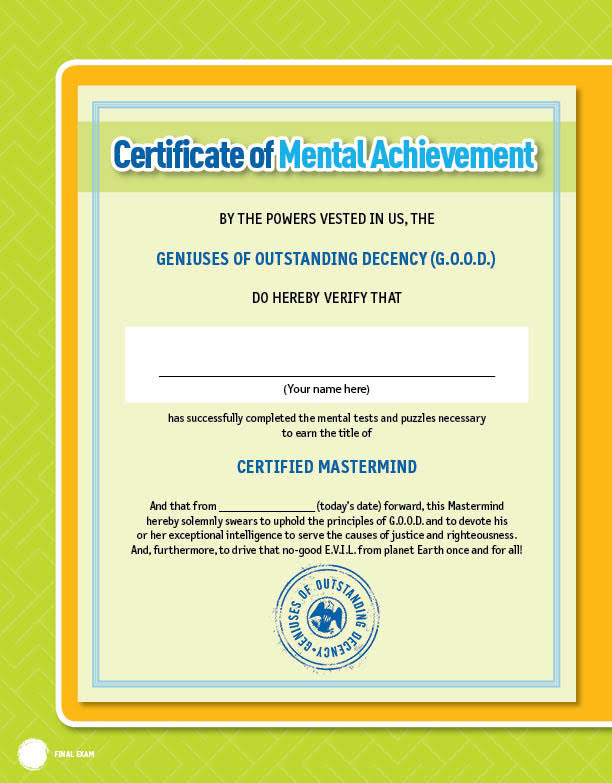
Thank you for stopping by and being a part of the National Geographic Kids Mastermind Blog Tour!  Did you master all of the quizzes, puzzles and brain teasers?  If so, congratulations Mastermind! Here is your Certificate of Mental Achievement!

mastermind 3

If you missed one or two, visit these stops and become a Certified Mastermind!

Blog Tour Schedule:

5/23 – Reading is Better With Cupcakes

5/24 – Mother Daughter Book Reviews

5/25 – Geo Librarian

5/26 – Mrs. Mommy Book Nerd’s Book Reviews

5/27 – Always In The Middle

5/31 – Mundie Kids

6/1 – Unleashing Readers

Signatureand RickiSig

**Thank you to Karen at Media Masters Publicity for providing copies for review!!**

Boyds Mills Press Nonfiction Picture Books: Fearless Flyer by Heather Lang, Dorothea’s Eyes by Barb Rosenstock, and Fresh Delicious by Irene Latham

Share

NFPB2016

Nonfiction Wednesday

Nonfiction Picture Book Wednesday is hosted by Kid Lit Frenzy and was started to help promote the reading of nonfiction texts. Most Wednesdays, we will be participating and will review a nonfiction text (though it may not always be a picture book).
Be sure to visit Kid Lit Frenzy and see what other nonfiction books are shared this week!

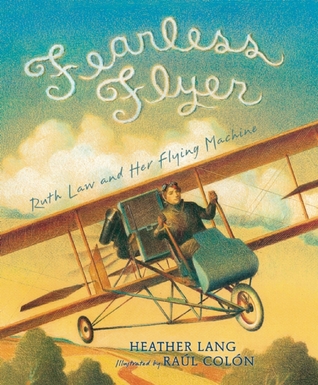
fearless flyer

Fearless Flyer: Ruth Law and Her Flying Machine
Author: Heather Lang
Illustrator: Raúl Colón
Published March 1st, 2016 by Calkins Creek

Goodreads Summary: On November 19, 1916, at 8:25 a.m., Ruth Law took off on a flight that aviation experts thought was doomed. She set off to fly nonstop from Chicago to New York City. Sitting at the controls of her small bi-plane, exposed to the elements, Law battled fierce winds and numbing cold. When her engine ran out of fuel, she glided for two miles and landed at Hornell, New York. Even though she fell short of her goal, she had broken the existing cross-country distance record. And with her plane refueled, she got back in the air and headed for New York City where crowds waited to greet her. In this well-researched, action-packed picture book, Heather Lang and Raúl Colón recreate a thrilling moment in aviation history. Includes an afterword with archival photographs.

My Thoughts: I love Ruth. She just doesn’t care if anyone tells her she cannot do something. She just goes about it her own way. Law is definitely a woman who should be taught about in schools because she really embodies someone that is not going to let lower expectations for women get in her way of doing exactly what she wants to do. And even next to flying, Law goes against everything that is stereotypical about women because she is also mechanical. (Also, interestingly enough, there is a flying book called Flying Solo which is about another Ruth pilot.) Ruth Law will definitely be added to my “Biographical Picture Books about Strong Women” update post when I do it.

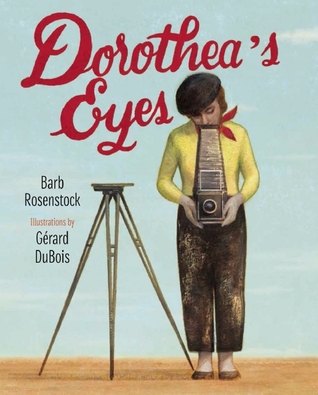
Dorothea's Eyes

Dorothea’s Eyes
Author: Barb Rosenstock
Illustrator: Gérard DuBois
Published March 1st, 2016 by Calkins Creek

Goodreads Summary: After a childhood bout of polio left her with a limp, all Dorothea Lange wanted to do was disappear. But this desire not to be seen helped her learn how to blend into the background and observe others acutely. With a passion for the artistic life, and in spite of her family’s disapproval, Dorothea pursued her dream to become a photographer and focused her lens on the previously unseen victims of the Great Depression. This poetic biography tells the emotional story of Lange’s evolution as one of the founders of documentary photography. It includes a gallery of Lange’s photographs, and an author’s note, timeline, and bibliography.

My Thoughts: Friends and family of mine know that art is dear to me because my father is an art museum director, and photography is especially dear to me because my mom is a photographer. Dorothea Lange’s Migrant Mother is one of the most famous photographs ever taken but not Dorothea Lange herself isn’t often talked about. Her life is fascinating, and I love the messages that she focused on in her artwork. I definitely would love to team this book up with Photos Framed because it is the biography behind the photo.

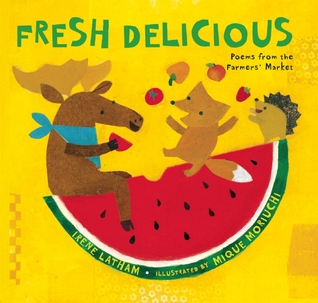
fresh delicious

Fresh Delicious: Poems from the Farmers’ Market
Author: Irene Latham
Illustrator: Mique Moriuchi
Published March 8th, 2016 by Wordsong

Goodreads Summary: In these vivid poems, blueberries are “flavor-filled fireworks,” cucumbers are “a fleet of green submarines in a wicker sea,” lettuce tastes like “butter and pepper and salt,” but sometimes “I crunch into a leaf the very same flavor as rain.” The unexpected, ingenious imagery and enticing artwork in this collection will inspire the imaginations of young readers, and show how poetry can be as fresh and delicious as the farmers’ market produce it celebrates.

My Thoughts: I love poetry anthologies that make poetry accessible yet is still well written, and Fresh Delicious definitely fits this bill. Latham has done a very nice job at making each food’s poems unique and fit the topic. I love that it also brings personality to vegetables. As a mom to a son that doesn’t eat them, maybe seeing them in this light will make him want to try them again. Many of the poems also include figurative elements that can be taught through the poems. such as alliteration in “Blueberries:” flavor-filled fireworks, teeth and tongue, and best thing about blueberries, and similes in “Tomato:” smooth like a balloon and red like a fire truck.


All Recommended For: 
classroomlibrarybuttonsmall readaloudbuttonsmall litcirclesbuttonsmall

Kellee Signature

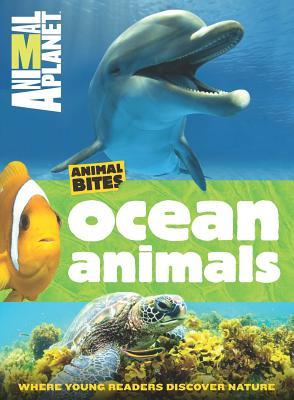
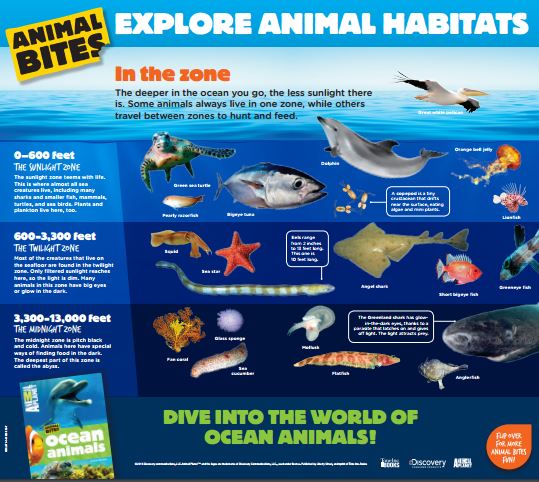
Animal Planet’s Animal Bites: Ocean Animals and Polar Animals

Share

NFPB2016

Nonfiction Wednesday

Nonfiction Picture Book Wednesday is hosted by Kid Lit Frenzy and was started to help promote the reading of nonfiction texts. Most Wednesdays, we will be participating and will review a nonfiction text (though it may not always be a picture book).
Be sure to visit Kid Lit Frenzy and see what other nonfiction books are shared this week!

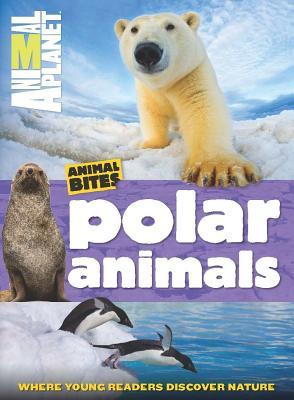
animal planet 2

Polar Animals

animal planet 1

Ocean Animals

Animal Planet
Published March 1st, 2016 by Animal Planet

Polar Animals Summary: With more than 200 gorgeous animal photos of penguins, polar bears, sea lions, walruses, reindeer and others, Animal Planet Polar Animals is a fun, habitat-by-habitat guide that provides kids in the first years of schooling with the perfect bite-sized view of their favorite animals living in both polar climates. Arranged thematically with focus on animal behavior and family relationships, young readers will explore sections about animal bodies, baby animals, food, play time, conservation, and more. Special book features designed for this age group include Quick Bites sidebars with cool animal facts, simple infographics, and illustrated maps of the coldest places on Earth.

Ocean Animals Summary: With more than 200 gorgeous animal photos of sharks, whales, clown fish, jelly fish, dolphins, and others, Animal Planet Ocean Animals is a fun, habitat-by-habitat guide that provides kids in the first years of schooling with the perfect bite-sized view of their favorite ocean-dwelling animals. Arranged thematically with focus on animal behavior and family relationships, young readers will explore sections about animal bodies, baby animals, food, play time, conservation and more. Special book features designed for this age group include Quick Bites sidebars with cool animal facts, simple infographics, and illustrated maps of Earth’s watery environments.

A portion of the proceeds will benefit Animal Planet’s R.O.A.R. (Reach Out. Act. Respond.) project which partners with leading animal organization to make the world a better place for domestic and wild animals.

Kellee’s Review: Like National Geographic nonfiction books for kids, Animal Planet’s books have some of the most stunning photographs of animals that I’ve ever seen. They take the reader to the animals’ home and shows the reader the ins and outs of the animal and how and where they live.   

Ricki’s Review: My toddler adores these books. My husband was watching him when I started this post, and he said, “Henry have those! Henry have those!” They are intended for an older audience, but that doesn’t stop him. The pictures are gorgeous and there is so much to learn. Each page is brimming with facts! These are great books for readers of all ages.

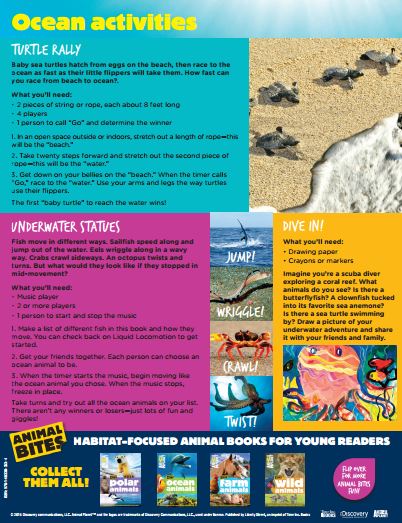
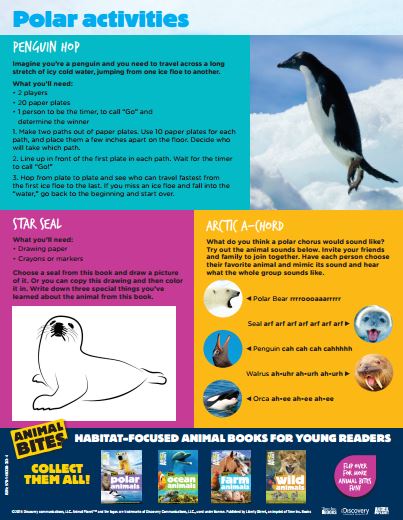
Teachers’ Tools for Navigation: The Animal Bites series uses colorful tabs and other text features to organize the information throughout the book. The tabs are: Where They Live, How They Live, Vista (awesome photos that show the places animals live), Big Data, Animal Gallery, Living/working, Conservation, and specific animal tabs. They also have Just Like Mes thrown throughout the book showing how the animals are similar to humans. The way the book is set up is perfect to discussing biology and zoology. While you use these books in science, you can do comparisons/contrasts and text features in language arts, and find the animals’ habitats in geography. These are perfect books for cross-curricular lessons and inquiry projects.

Activities Created by Time Inc.: 

ocean activitiespolar activities

Ocean and Polar Animals Activity Sheets PDF

Discussion Questions: What other Animal Bites books would you like to see?; What are some examples of ways that some animals are like us?; Which animal that you learned about is the best at camouflaging? Fastest? Best predator? etc.; What text features does the author use to help you understand the text?; How did the author structure the text?; What are the differences/similarities of some of the animals within the books?

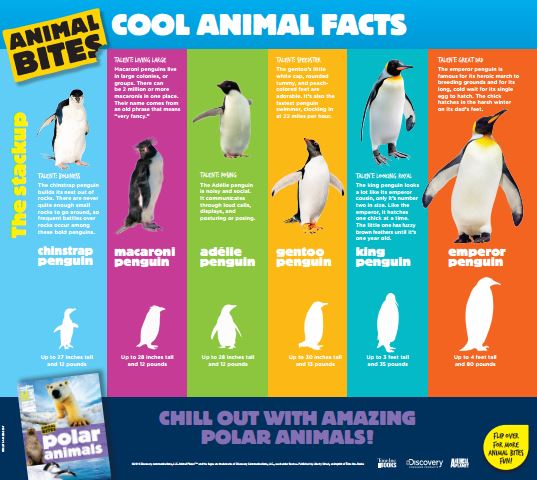
We Flagged: 

ocean poster polar poster

Ocean and Polar Animals Posters PDF

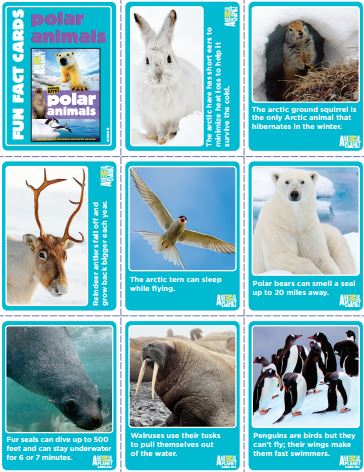
Animal Planet has also created FUN FACT cards for each of their Animal Bites books that can be accessed fore free HERE.

animal-fun-fact-cards-2

Read This If You Loved: National Geographic nonfiction texts, Seymour Simon animal texts, Extreme Ocean Records by Seymour Simon 

Recommended For: 
classroomlibrarybuttonsmall closereadinganalysisbuttonsmall

SignatureandRickiSig

What is Future Problem Solvers?

Share

FPSPI Logo

Future Problem Solving was introduced to me six years ago when a mom asked if I would be willing to advise a team so her sons could participate. At the time I did not know anything about the program, but I felt like I should give it a go since I wanted to work with gifted students more, so I jumped in with both feet and started learning about the program. I now co-advise the club with my co-worker who joined me when I was pregnant, Vanessa Gray, with four sixth graders, seven seventh graders, two eighth graders, nine ninth graders, two tenth graders, and an eleventh grader. These students have been with me and the program from one year to all six of the years that I’ve had the club.

fpspi motto

Through my initial trainings, I learned that the program was more than just a competition for students that I would be advising. It is a program that focuses on making our future leaders. It helps build a global mindset in kids 8-years-old and up and promotes creative thinking, critical thinking, problem solving, research, writing, futuristic thinking, global mindset, and collaboration–all things, I might add, that are high on the list from Forbes of skills employers look for in their employees.

fpsp steps

What Is It? 

Future Problem Solvers focuses around the six-step creative problem solving process.

First, students read a Future Scene which is a scenario that takes place in the future and revolves around a topic the students knew and researched about before the competition.

Step 1. In groups of four, the team has to pull out 16 potential problems they see that could happen in the Future Scene.

Step 2. They then have to decide which of the problems is the most impactful to the scene and also deals with the charge given to them at the end of the scenario that directs them to focus on a certain aspect of the scene usually based on the topic.

Step 3. As a team, they then have to determine 16 solutions to the underlying problem they identified in step 2.

Step 4. Criteria is laid out to help determine which solution is the best.

Step 5. The solutions are ranked based on the criteria they created.

Step 6. They write an extensive action plan about the highest ranking solution explaining in detail how the solution would work, who would do the jobs, what obstacles they may encounter, how much it would cost, etc.

This finishes the Global Issues Problem Solving portion which is the primary competition, but while the booklets are being scored, the students then prepare and put on a skit of their action plan for their fellow competitors.

flfpsp

This year, at the regional competition, I brought a junior division team, four middle division teams, and one senior division team. At regionals we placed, sixth in the junior division, second in the middle division, third in the middle division, and second in the senior division, and three of my teams (the junior and two middles) qualified to attend the Florida Future Problem Solving State competition. Only 97 out of 259 teams in Florida qualify for the State Competition.

FPSP IC

The FLFPSP State Competition is always a whirlwind. The first night is the opening ceremonies, the second day is the regular competition and skits, the third day has hands-on problem solving and a social, then the final morning is the awards ceremony. We always try to go into the competition being optimistic but not overall hopeful because there are some kids who have been doing FPS since they were in early elementary school versus my students who started in sixth grade. However, we got more than we could ever hope for.

First, it was announced that one of my middle school teams with their alternates had placed second in skits. My students excel at skits; I was so proud of them! I now was so happy that they had won ribbons, and I just was going to enjoy the rest of the award ceremony. Then, they awarded the alternate teams, and one of our seventh graders who did a multi-school booklet since he wasn’t needed as an alternate won first place! How exciting!

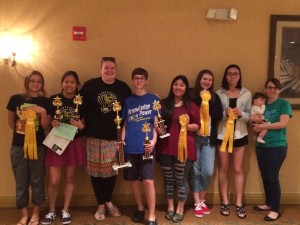
But then, they got to the main Global Issues Problem Solving. These were the awards that could qualify students for the International Competition. They started with individuals who do the entire six steps independently (less step 1s and step 3s required). One of my seniors, a junior who has been with me since the beginning, had competed as an individual since her team had not qualified, but I could bring her to states. And she placed THIRD! She wasn’t there to accept the award, so I went up for her and was shaking! I was so excited for her, and I called her immediately afterward (crying, of course!).

IMG_89581

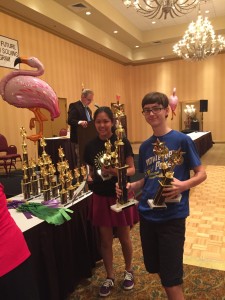
Then, we arrived at the middle division. When they give out the big team awards, they call all six of the placed teams up at once then state the places once everyone is up there. And they called BOTH of our middle division teams. These teams were made up of my eight ninth graders. One team had been together only two years while the other has been with me since they were in sixth grade (so four years). I could not believe it! And then they said sixth. Not us. Then fifth. Not us. Fourth–us! My two year team placed fourth at states! Then third. Not us. Then second. NOT US! They won FIRST! In the state! I could not have been more proud of these students.

IMG_9220

Not we have the opportunity to go to the Future Problem Solving International Competition in June at Michigan State University. I am so excited to take these brilliant students to this prestigious competition.

The International Competitors represent the top one percent of students from teams from around the world. The International Conference features four days of stimulating competitive problem solving, cooperative educational seminars, and social activities. Each year approximately 2,200 students and coaches attend the FPS International Conference from around the globe. The topic for Global Issues Problem Solving at the FPS 2016 International Conference is Energy of the Future. Future Problem Solving Program International charters Affiliate Programs throughout Australia, Korea, Malaysia, New Zealand, Portugal, Singapore, United Kingdom, and United States.

To learn more about Future Problem Solving visit http://flfpsp.org/ or http://fpspi.org/

To learn more about my Hunter’s Creek Future Problem Solvers and help us get to Internationals, please visit our Facebook page!

Kellee Signature

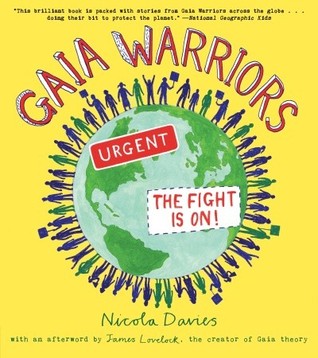
Earth Day Recommended Reads: Gaia Warriors by Nicola Davies & 31 Ways to Change the World by 4,386 Children, We Are What We Do, and YOU!

Share

NFPB2016

Nonfiction Wednesday

Nonfiction Picture Book Wednesday is hosted by Kid Lit Frenzy and was started to help promote the reading of nonfiction texts. Most Wednesdays, we will be participating and will review a nonfiction text (though it may not always be a picture book).
Be sure to visit Kid Lit Frenzy and see what other nonfiction books are shared this week!

gaia warriors

 Gaia Warriors
Nicola Davies
Published March 22nd, 2011 by Candlewick Press

Goodreads Summary: A book on global warming like no other, merging key concepts with firsthand accounts from people of all ages who have found ways to help.

Inspired by the work of outstanding scientist and thinker James Lovelock and written by acclaimed author Nicola Davies, here is a book that takes a clear look at how and why Earth’s climate is changing and the ways we can deal with it. Its style is simple and its explanations are compelling, illuminating not only hard facts but also the opinions and potential solutions of scientists all over the world. But there are other voices too, those of people young and old — lawyers, food producers, fashion designers, scientists, rock stars, architects, conservationists, kids, campaigners, and more — who are trying to change the way they (and we) live on the planet. At once comprehensive and accessible, this galvanizing call to arms includes web links and resources that make it easy to join the cause.

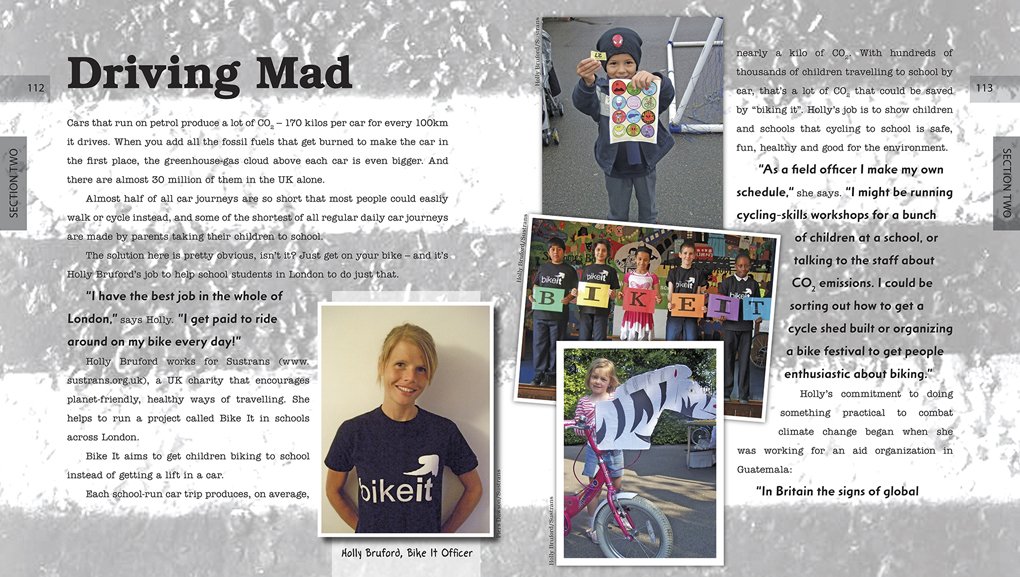
My Thoughts: This is a text that takes the narratives of some global warming books and the information of others and combines them. I did not know what Gaia Theory was before this text, but now I know that it is the idea that we need to take care of our Mother Earth. “The Gaia Paradigm describes a productive confluence between scientific understandings of Earth as a living system with cultural understandings (ancient and new) of human society as a seamless continuum of that system.” Gaia Warriors is a text that shares why this idea makes sense, why it is up to us to make changes, and stories of those who have. I appreciated how it was set up with the climate change basics in Section One then the people stories in Section Two. It makes it even more inspiring because Davies makes sure you have all the facts before hitting us with emotional appeal.

Discussion Questions: Which of the Gaia Warriors inspires you the most?; How could you live differently to help climate change?; What could you do to become a Gaia Warrior?

And the chapter titles: What is climate change?; How do we know that climate change is happening?; What’s causing climate change? Is climate change our fault?

We Flagged: 

Gaia Warriors Spread


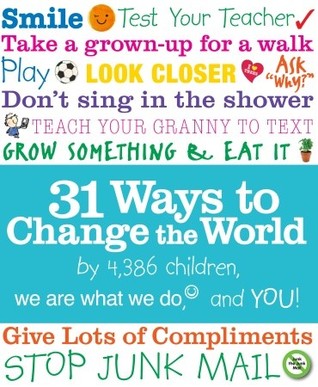
31 ways to change

31 Ways to Change the World
Author: 4,386 Children, We Are What We Do©, and YOU!
Published March 9th, 2010 by Candlewick Press

Goodreads Summary: Children have lots of ideas for changing the world — and here are thirty-one fun and simple ways to get started.

Small actions multiplied by lots of people equals big change! That’s the driving belief behind the social change movement We Are What We Do — and it infuses this lively, motivating book packed with action steps for younger readers. Incorporating the suggestions of thousands of children, tips range from stirring (stand up for something) to silly (walk your dad); from earth-friendly (don’t charge your phone overnight) to eye-opening (where is that Waldo?); from social (teach your granny to text) to downright surprising (speak soccer!). These thirty-one creative, original ideas are contributed by kids for kids — and each is guaranteed to have a clear and positive impact. Of course, the book would not be complete without a final question to the reader: what’s the one thing you would do to change the world?

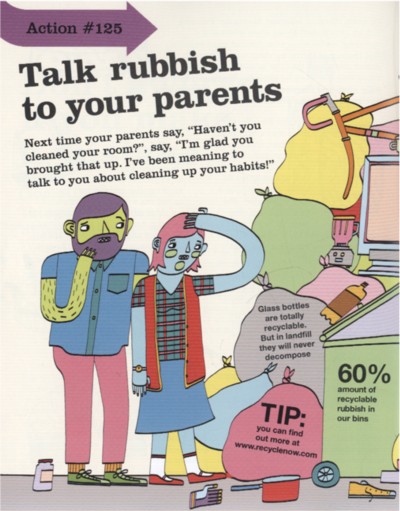
My Thoughts: What I really liked about this book vs. other “change the world” books was that there are so many different options and something that everyone could do. It would be so easy to go through and do most of these. Although this book doesn’t focus completely on global warming/climate change, I think it fits perfectly on Earth Day because one way to make our Earth better is to make humans nicer.

Discussion Questions: Which of these activities have you done?; Which of these activities could you do and help others do as well?; What other activities could you do to help our Earth, your school, your friends, your family, etc.?

We Flagged: 

31 ways spread


Teachers’ Tools for Navigation: I think talking about climate change and changing our ways to help is so important with our youth. These books, along with other Earth Day friendly books, can help kids understand the importance of our decisions every day.

Read These Books If You Loved: The Lorax by Dr. Seuss, The Down-to-Earth Guide to Global Warming by Laurie David and Cambria Gordon, An Inconvenient Truth by Al Gore

Both Recommended For: 

classroomlibrarybuttonsmall closereadinganalysisbuttonsmall

Signature

**Thank you to Candlewick Press for providing copies for review!**

National Parks Week (April 16th-24th) Recommended Reads: A Weird and Wild Beauty by Erin Peabody and National Geographic’s National Parks Guide U.S.A.

Share

NFPB2016

Nonfiction Wednesday

Nonfiction Picture Book Wednesday is hosted by Kid Lit Frenzy and was started to help promote the reading of nonfiction texts. Most Wednesdays, we will be participating and will review a nonfiction text (though it may not always be a picture book).
Be sure to visit Kid Lit Frenzy and see what other nonfiction books are shared this week!

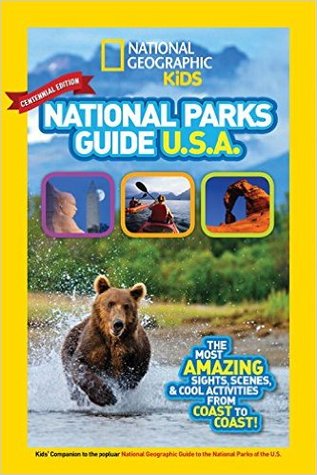
National Parks Guide

 National Parks Guide USA Centennial Edition: The Most Amazing Sights, Scenes, and Cool Activities from Coast to Coast!
National Geographic Kids
Published February 9th, 2016 by National Geographic Children’s Books

Goodreads Summary: Happy 100th Birthday, National Parks! Join the centennial celebration by reading all about these greatest of American treasures — from Acadia to Zion — in preparation for a parks visit sometime soon. Filled with color photos, information on animals, fascinating lists, fun facts, maps, cool things to do, conservation tips, and much more — think of this book as your trusted guide to these most majestic of places.

My Thoughts: This book makes me want to go on a road trip! As you all know, I am a huge fan of National Geographic books because of their brilliant graphics, text features, easy-to-follow text structure, and interesting information. This text is no different. Like the title states, it goes through many of the USA National Parks from the east to the west and gives the reader not only history about the national park but also beautiful photos, fun facts, visiting tips, a map, excursions within the park, and must-do activities. This text will be a great companion to any trip to these amazing parks.

Discussion Questions: Which national park do you want to visit?; What activity looks like the most fun to you at that park?; What national parks are near you?

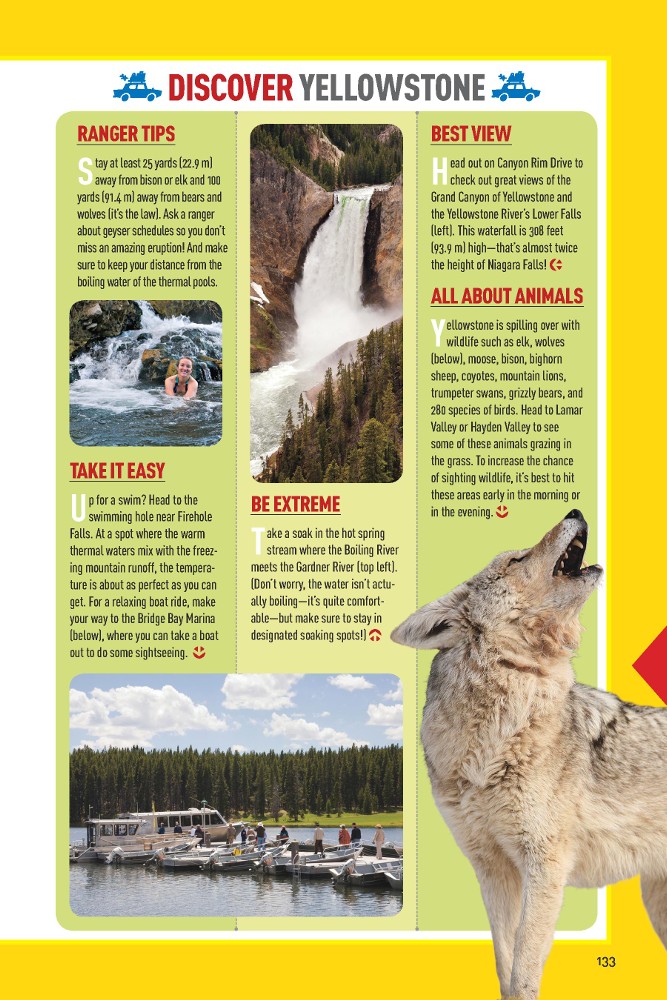
We Flagged: 

yellowstone

Giveaway and National Parks Video by National Geographic

Celebrate the beauty and wonder of America’s national parks during this centennial year with an amazing outdoor adventure! Climb mountains, hike trails, see wildlife, explore the country, and plan it now with National Geographic books as your inspiration and guide. Be sure to enter for the chance to win a National Geographic Expeditions family trip for four to Grand Canyon, Bryce, and Zion National Parks at nationalparkssweeps.com.


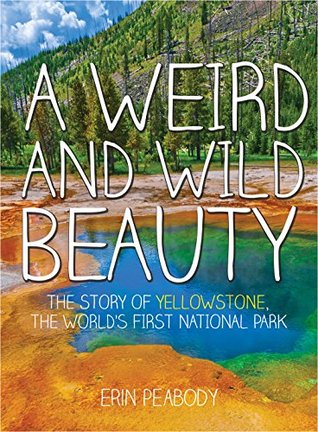
weird and wild

A Weird and Wild Beauty: The Story of Yellowstone, the World’s First National Park
Author: Erin Peabody
Published February 2nd, 2016 by Sky Pony Press

Goodreads Summary: The summer of 1871, a team of thirty-two men set out on the first scientific expedition across Yellowstone. Through uncharted territory, some of the day’s most renowned scientists and artists explored, sampled, sketched, and photographed the region’s breathtaking wonders—from its white-capped mountain vistas and thundering falls to its burping mud pots and cauldrons of molten magma. At the end of their adventure, the survey packed up their specimens and boarded trains headed east, determined to convince Congress that the country needed to preserve the land from commercial development. They returned with “stories of wonder hardly short of fairy tales,” to quote the New York Times.

With the support of conservationists such as Ralph Waldo Emerson, Henry David Thoreau, Frederick Law Olmsted, and John Muir, the importance of a national park was secured. On March 1, 1872, Ulysses S. Grant signed the Yellowstone Park Bill into law. It set aside over two million acres of one-of-a-kind wilderness as “a great national park for the benefit and enjoyment of people.” This important and fascinating book will introduce young adults to the astonishing adventure that led to “the best idea America ever had.” Today over 130 countries have copied the Yellowstone model, and billions of acres of critical habitat and spectacular scenery are being preserved for all of us to enjoy.

This book has a wonderful ecological and historical message for readers ages 12 and up. No book about Yellowstone’s founding has been written for this age group before, yet Yellowstone National Park is a major destination for many families, so many readers will likely have heard of Yellowstone or even have visited there. This is a great book for any school library or for history or science classrooms in middle and high school, where information can be used for research projects.

My Thoughts: Many of us take advantage of the national parks that have been preserved throughout the United States without knowing the history of the National Park Program or realizing how important it is to preserve these parks. This book will help middle grade and teen readers learn about this history and the beautify of a park they’ve probably heard of or been to but may not know everything about. Peabody does a good job making the history readable and interesting.

Discussion Questions: Why did President Grant pass the Yellowstone Park Bill? How did this bill change the direction of parks in the U.S.? If you went to Yellowstone, what would you most be looking forward to?

We Flagged: “J.G. Holland sat at his desk, staring wide-eyed at the pages spread before him. Holland was an editor at Scribner’s Monthly, a popular magazine and source of news for Americans in the mid- to late 1800s.

Holland had just received the most bizarre-sounding account. It spoke of a strange land where the ground gurgled and hissed. A land where scalding waters blew from craters and vats of steaming pink mud threatened to swallow a man whole. The place, according to the man who’d recently traveled through the region, abounded with ‘boiling springs,’ ‘mud volcanoes,’ and ‘huge mountains of sulphur.’

Incredulous, Holland tried to absorb the dazzling imagery. The author, clearly spellbound by what he saw, gushed about the brilliant turquoise pools and hot-water fountains. The mud volcano, the man wrote, erupted with the force of thundering cannons. Its boiling broth scalded trees hundreds of yards away.

This world of absurdities, the traveler informed Holland, was not some far-off land. It belonged to the United States.” (Prologue)


Teachers’ Tools for Navigation: The National Geographic book gives such a wonderful overview of all of the major national parks and would be a great introduction to these parks. Then, the students could choose to learn more about a specific national park. Erin Peabody’s book would be a fabulous resource for the students who choose Yellowstone. It is so thorough and it, combined with the National Geographic book, would give a detailed overview of Yellowstone.

Both Recommended For: 
classroomlibrarybuttonsmall closereadinganalysisbuttonsmall

Signature

**Thank you to Karen at Media Masters Publicity and Cheryl at Skyhorse Publishing for providing copies for review!**