Quack and Daisy & Quack and Daisy: Beyond the Meadow by Aileen Stewart

Share


Quack and Daisy Quack and Daisy: Beyond the Meadow
Author and Illustrator: Aileen Stewart
Published September, 2015 & April, 2016 by Tate Publishing, Children’s Division

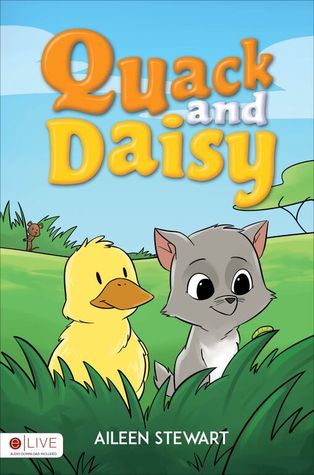
Quack and Daisy Summary: Quack the Duckling and Daisy the Kitten meet for the first time in the meadow and instantly become the best of friends.

Can two such unlikely friends stay friends when everyone else tells them it’s impossible? Will Daisy’s failure to swim and Quack’s inability to catch a mouse cause them to give up on each other? Or will their friendship survive? Find out in this fun new adventure!

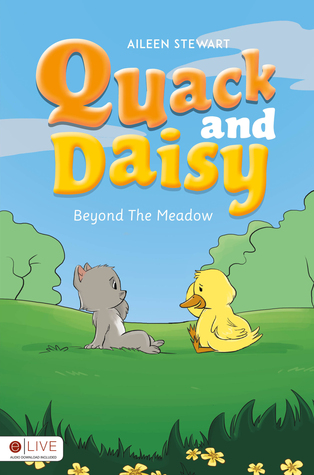
Quack and Daisy: Beyond the Meadow Summary: Quack the duckling and Daisy the kitten are best friends who spend most days playing in the meadow. One day, Quack decides to tell Daisy a secret. She tells her of Mama Duck’s ominous warnings to not go beyond the meadow. Will the two friends heed Mama’s words about the dangers beyond the meadow, or will their curiosity get the better of them?

Review: Quack and Daisy’s story looks at friendship as something that completes you and makes you happy instead of something that others mandate and define. I think this is such an important lesson for young readers because too often they have to be friends with who their parents or siblings or other friends say they should be friends with. But Quack and Daisy ignore all that and find happiness with each other. Their story isn’t just one big lesson though–it is a story of a friendship and an adventure that two friends have. I also really love Aileen Stewart’s illustrations. They are so colorful and friendly and really brings the story to life.

Teachers’ Tools for Navigation: Quack and Daisy are a great opportunity to discuss comparing and contrasting. Daisy and Quck are so different on the surface, but if you look deep down, they are both adventurous, curious, and kind. If you check out the activity guide on the author’s website (http://aileenw4bobbyg.tripod.com/webonmediacontents/Workbook.pdf) it contains and similarities/differences activity. The guide also includes an activity about the meadow and a maze.

Something I think is really special is that each of these books comes with a complimentary audiobook. This is a wonderful resource for teachers to use with students in a reading station or as a whole class read.

Discussion Questions: 

  • How are Quack and Daisy similar? Different?
  • Everyone said the two friends shouldn’t be friends–do you agree or disagree? Explain.
  • Why did Quack’s and Daisy’s parents not want them to go beyond the meadow?
  • Quack and Daisy feel like they can only be their true selves and friends in the meadow–is this how is should be? Explain.
  • How did Daisy use problem solving to save Quack?

Flagged Passages: 

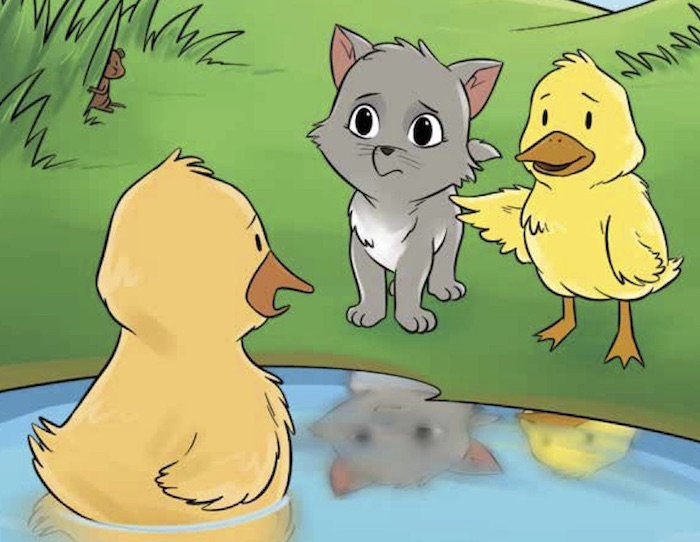
“The two friends headed through the meadow. As they reached the edge of the pond, Quack’s bother, Puddles, swam up. He looked at Daisy and frowned. ‘Who’s that?’

‘This is my friend Daisy. She lives in the red barn on the hill.’

Puddles continued to frown. ‘You can’t be friends with her. She’s not a duck. I bet she can’t even swim.'”

Read This If You Love: Little Elliott by Mike Curato, Hattie and Hudson by Chris Van Dusen, The Monster Next Door by David Soman, and other stories with unlikely friends

Recommended For: 

Signature

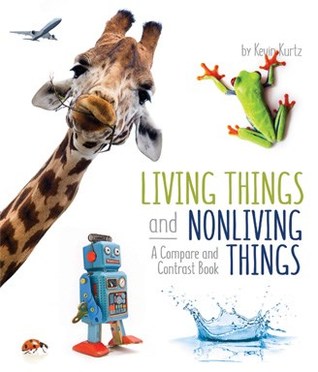
Living Things and Nonliving Things: A Compare and Contrast Book by Kevin Kurtz

Share

nfpb2017

Nonfiction Wednesday

Nonfiction Picture Book Wednesday is hosted by Kid Lit Frenzy and was started to help promote the reading of nonfiction texts. Most Wednesdays, we will be participating and will review a nonfiction text (though it may not always be a picture book).
Be sure to visit Kid Lit Frenzy and see what other nonfiction books are shared this week!

Living Things and Nonliving Things: A Compare and Contrast Books
Author: Kevin Kurtz
Published September 10th, 2017 by Arbordale Publishing

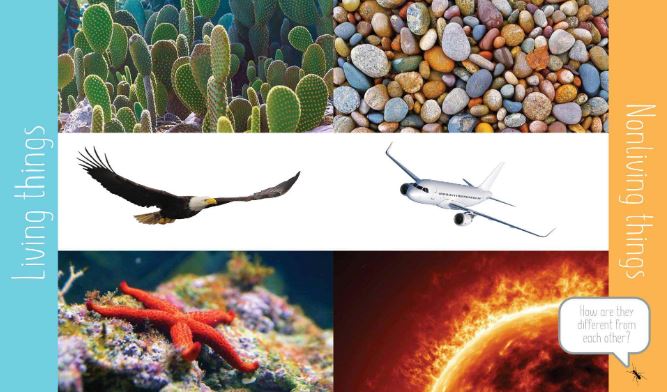
Summary: Using a wide variety of stunning photographs, author Kevin Kurtz poses thought-provoking questions to help readers determine if things are living or nonliving. For example, if most (but not all) living things can move, can any nonliving things move? As part of the Compare and Contrast series, this is a unique look at determining whether something is living or nonliving.

Author Information: Award-winning author Kevin Kurtz holds degrees in English literature and elementary education and started his career by working at a marine biology lab. Since then, he has combined all of these experiences by working as an environmental educator and curriculum writer for organizations such as the South Carolina Aquarium, the Science Factory Children’s Museum, and the Center for Birds of Prey. Kevin has authored A Day in the DeepA Day on the Mountain, and A Day in the Salt Marsh for Arbordale. Kevin also wrote Uncovering Earth’s Secrets after spending eight weeks as the Educator at Sea aboard the marine geology research vessel JOIDES Resolution. Visit Kevin’s website for more information.

ReviewLiving Things and Nonliving Things is a great introduction to what makes something living. Kevin Kurtz uses bright photographs to illustrate his different points that will start great scientific conversations about different things in our world and what makes them living or nonliving. This text is going to be wonderful in classrooms within early STEAM lessons.

Teachers’ Tools for Navigation: Kurtz includes backmatter with permission to photocopy for class use which includes a glossary, discussion questions, an activity, and a “Living or Nonliving Checklist” all which are great resources for classrooms.

Arbordale Publishing also includes a 30-page cross curricular teaching activity guide available for the book:

Additionally, there is an interactive ebook available that reads aloud in English or Spanish and includes word highlighting and interaction with the animals.

Discussion Questions: 

  • What characteristics do living things have?
  • What are the differences between a living and nonliving thing?
  • What are some examples of nonliving things that include characteristics that living things have?

Flagged Passages: 

Read This If You Love: Science, Animals

Recommended For: 

classroomlibrarybuttonsmall closereadinganalysisbuttonsmall

Signature

**Thank you to Heather at Arbordale Publishing for providing a copy for consideration!**

Pug & Pig: Trick-or-Treat by Sue Lowell Gallion

Share

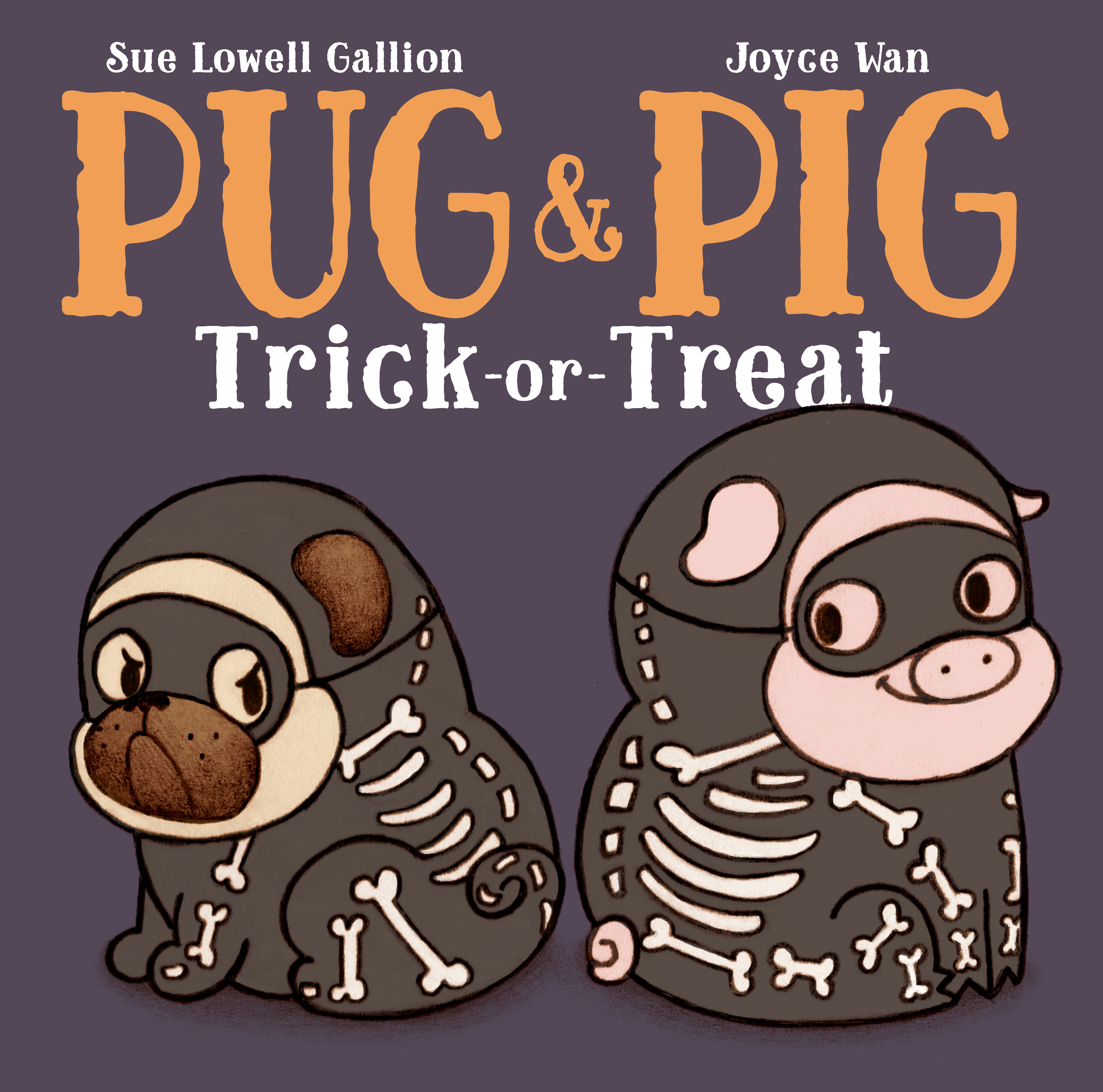
Pug & Pig: Trick-or-Treat
Author: Sue Lowell Gallion; Illustrator: Joyce Wan
Published: July 25, 2017 by Beach Lane Books

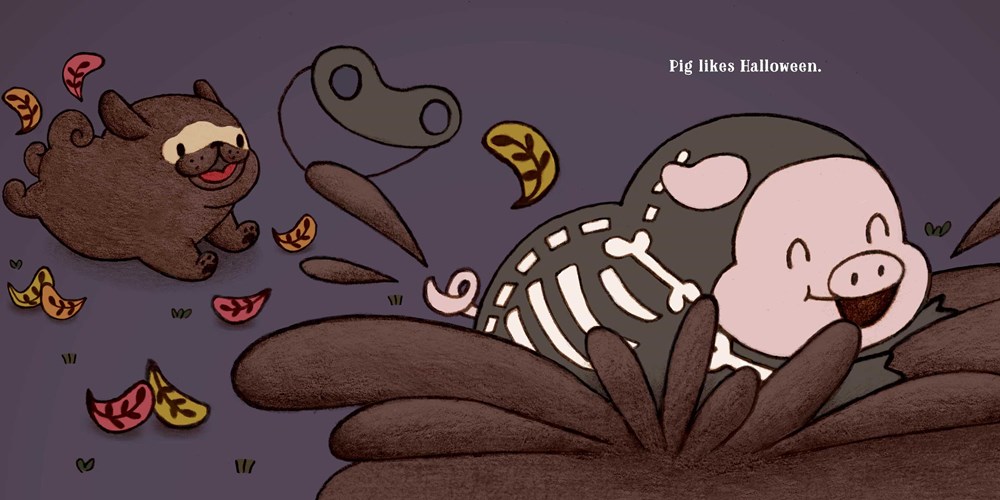
Summary: Pug and Pig are back for a heartwarming Halloween adventure in this adorable picture book that’s perfect for pet lovers of all ages.

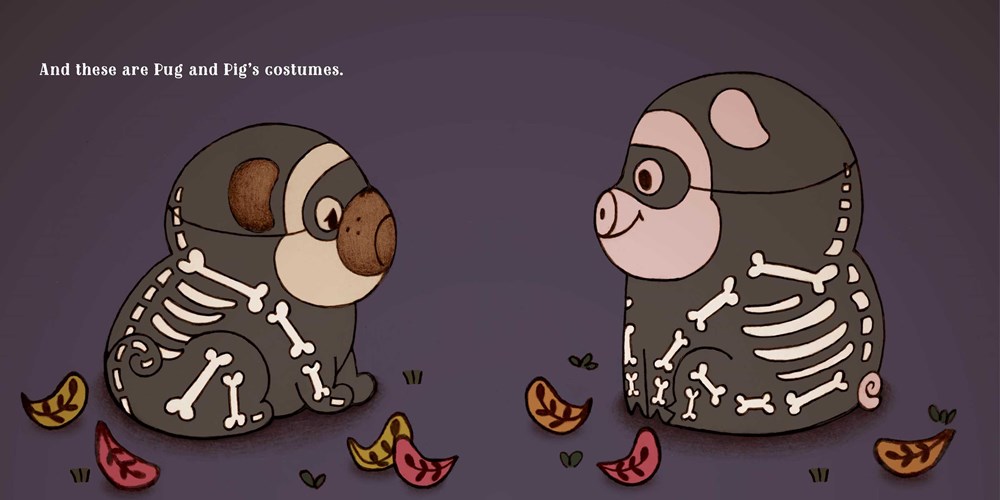
Halloween night has come to Pug and Pig’s house, and the darling duo is sporting matching costumes. The costumes are cozy. They glow in the dark. And they have masks! There’s only one problem—Pug hates wearing his. So he decides to rip it up and stay home. But Halloween just isn’t any fun for Pig without Pug! Can Pug find a way to be a good friend and get back into the Halloween spirit?

Ricki’s Review: This is a phenomenal second installment in the Pug & Pig series! I really enjoy the personalities of these two characters, and I can’t help but smile as I read the stories. In this book, Pug decides that he doesn’t enjoy wearing his Halloween costume. Pig isn’t too pleased with this. Together, they devise a clever solution! Early readers will absolutely adore this charming story. It would make for a great Halloween read aloud! We’ll be bringing our copy to my son’s preschool to use as a read aloud this week!

Teachers’ Tools for Navigation: Teachers might ask students to make connections with the book. They could discuss whether or not they’ve had a time where they haven’t wanted to participate in an activity. Or perhaps, they didn’t care about something that their friends cared deeply about. Students might talk through these conflicts and problem solve by suggesting different ways they might approach the situations.

Be sure to download the fun activity kit, complete with masks, cupcake toppers, a coloring sheet, and more! (The link also takes you to a Common Core-aligned discussion guide.)

Discussion Questions: Why does Pug want to stay home? How does this make Pig feel?; Have you ever wanted to stay home when your friends or family wanted to do something? What did you do? What are some other ways you could have acted?; What are some other costumes that Pug and Pig could have been for Halloween?

Flagged Passage: 

Read This If You Loved: Pug Meets Pig by Sue Lowell Gallion; Pig the Pug by Aaron Blabey; Dog vs. Cat by Chris Gall; Mr. Fuzzbuster Knows He’s the Favorite by Stacy McAnulty

Giveaway!:

a Rafflecopter giveaway

About the Author: Sue Lowell Gallion is the author of Pug Meets Pig and Pug & Pig Trick-or-Treat (Simon & Schuster/Beach Lane Books). She has two grown-up kids, one grandson, and a black lab mix named Tucker, who all provide writing inspiration. As a printer’s daughter, she has a life-long love of type, paper, and the aroma of ink. She lives in Kansas City, KS. Visit Sue at suegallion.com, follow @SueLGallion on Twitter, and check out her kids’ book recommendations at Goodreads.

Recommended For:
 classroomlibrarybuttonsmall

Thank you, Barbara from Blue Slip Media, for sending a copy for review!

RickiSig

National Geographic Kids: What Would Happen? by Crispin Boyer

Share

nfpb2017

Nonfiction Wednesday

Nonfiction Picture Book Wednesday is hosted by Kid Lit Frenzy and was started to help promote the reading of nonfiction texts. Most Wednesdays, we will be participating and will review a nonfiction text (though it may not always be a picture book).
Be sure to visit Kid Lit Frenzy and see what other nonfiction books are shared this week!

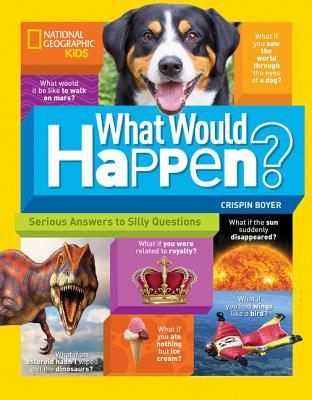
National Geographic Kids: What Would Happen? 
Author: Crispin Boyer
Published July 11th, 2017 by National Geographic Society

Summary: Ever wondered what would happen if some cool or crazy things were possible? Like what would happen if: you got sucked into a black hole; dinosaurs still existed; humans could fly; you could communicate with dolphins; or you could dig a hole through to the center of the Earth?

Get ready to explore all kinds of scenarios that would or could happen if the world was just a slightly different place. Each scenario is examined with real scientific, historical, and cultural facts in mind. This out-of-the-box book encourages readers to cultivate a better understanding of the world as it is – and as it could be!

ReviewA favorite book of mine and my husband’s that we read years ago was Why do Men have Nipples?, and we really loved getting answers to questions that you may not even know to ask yet are really intriguing. What Would Happenis the middle grade equivalent! So many interesting questions are answered! Do you want to know about global warming? Honeybees? Time machines? You will find answers in this book. Each question’s answer is set up to give the reader background knowledge, potential outcomes, extenuating circumstances, etc. to fill in any blanks and curiosities there may be. And as with all National Geographic books, the photographs are superb!

Teachers’ Tools for Navigation: I love that so many of the National Geographic books touch on such a variety of topics, but also in the books that are like What Would Happen?, the information only touches the surface. This book would be a perfect jump start to passion or inquiry projects. What do students want to learn more about? They can start by reading the spread in What Would Happen? then research more to prepare a presentation about everything they learn.

The book also definitely has a place in libraries: school, classroom, and home. It is a wonderful book filled with questions that kids will love to learn the answers to!

Discussion Questions: Every page in this book has a discussion question!

Flagged Passages: 

Read This If You Love: Getting answers to burning questions

Recommended For: 

classroomlibrarybuttonsmall closereadinganalysisbuttonsmall

Signature

**Thank you to Karen from Media Masters Publicity for providing a copy for review!**

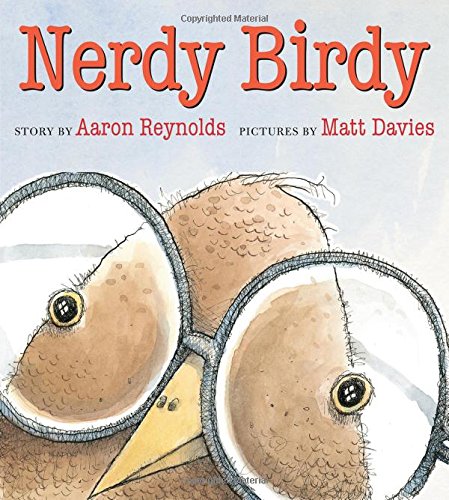
Nerdy Birdy by Aaron Reynolds

Share

Nerdy Birdy
Author: Aaron Reynolds; Illustrator: Matt Davies
Published September 22, 2015 by Roaring Brook Press

GoodReads Summary: Nerdy Birdy likes reading, video games, and reading about video games, which immediately disqualifies him for membership in the cool crowd.

One thing is clear: being a nerdy birdy is a lonely lifestyle.

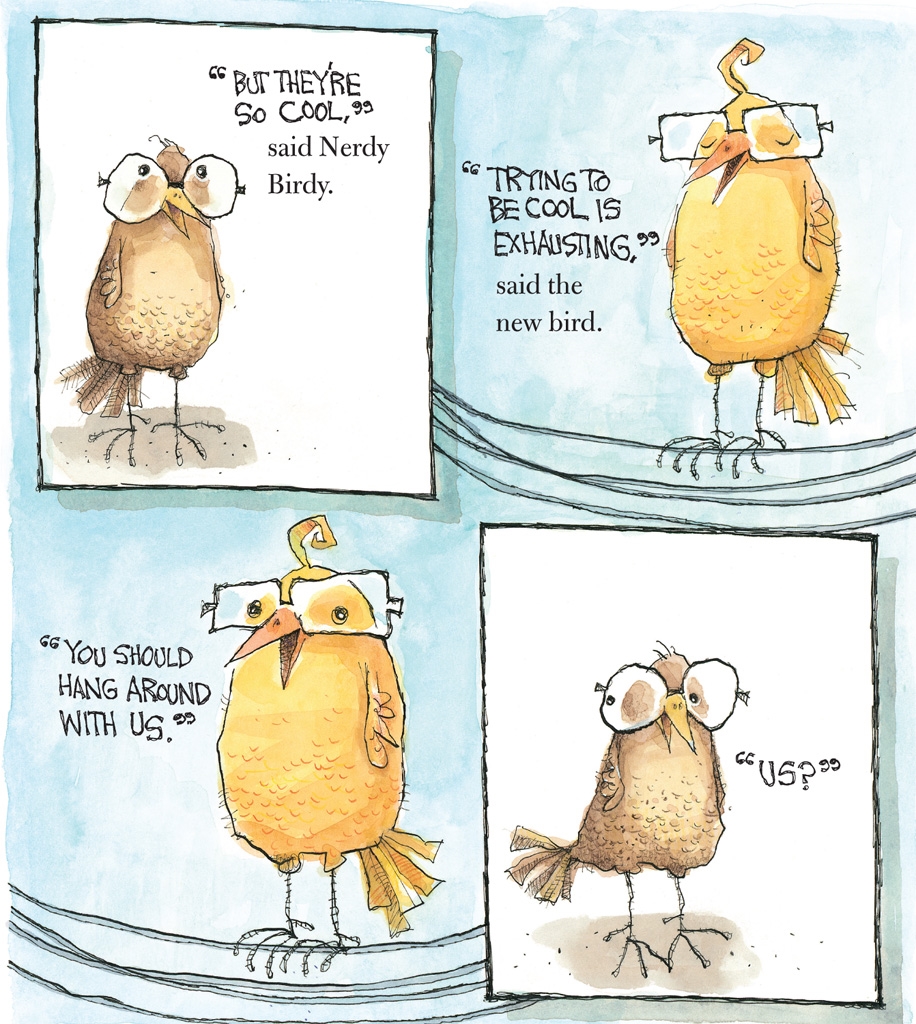
When he’s at his lowest point, Nerdy Birdy meets a flock just like him. He has friends and discovers that there are far more nerdy birdies than cool birdies in the sky.

Ricki’s Review: I absolutely adored this book. I don’t usually review books that are more than a year old, but my love for this book, compelled me to write a review. The book is about a nerdy bird whose physical appearance makes him feel lonely. He meets other birds who share his physical appearance, and he finds comfort in this. But then a very, very different bird comes along (a vulture), and Nerdy Birdy is forced to consider his values and whether or not the nerdy bird club might be just as exclusive themselves. This book provided an avenue for an excellent discussion with my son. We talked about his class and about how some of his peers might feel left out. I’d love to use this book in an elementary school classroom.

Teachers’ Tools for Navigation: This is a great book to read on the first day of school or at a time when students are leaving one or some students left out. It provides a great opportunity for critical discussions of cliques.

Discussion Questions: Why does Nerdy Birdy feel left out? How does he find solace in other birds that look like him?; How does the vulture differ from him? What does this teach him about friendship, groups, and personal appearances?

We Flagged: 

Image from: https://us.macmillan.com/nerdybirdy/aaronreynolds/9781626721272/

Read This If You Loved: Counting Crows by Kathi Appelt; Giraffes Can’t Dance by Giles Andreae, Unicorn Thinks He’s Pretty Great by Bob SheaThe Magic of Maxwell and His Tail by Maureen Stolar Kanefield

Recommended For: 

readaloudbuttonsmall classroomlibrarybuttonsmall

RickiSig

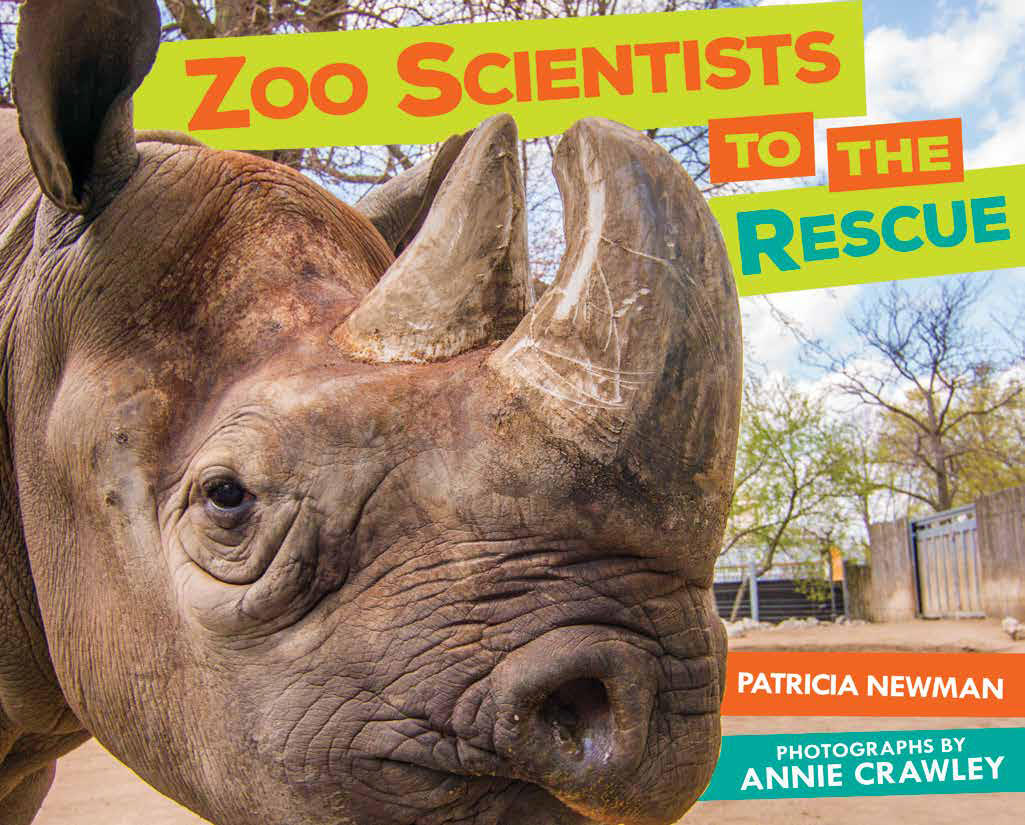
Blog Tour with Book Trailer, 30 Day #ProtectOurWorld Challenge, and Review!: Zoo Scientists to the Rescue by Patricia Newman, Photographs by Annie Crawley

Share

nfpb2017

Nonfiction Wednesday

Nonfiction Picture Book Wednesday is hosted by Kid Lit Frenzy and was started to help promote the reading of nonfiction texts. Most Wednesdays, we will be participating and will review a nonfiction text (though it may not always be a picture book).
Be sure to visit Kid Lit Frenzy and see what other nonfiction books are shared this week!

Zoo Scientists to the Rescue
Author: Patricia Newman
Photographer: Annie Crawley
Published October 1st, 2017 by Millbrook Press

Summary: Zoos take care of animals and welcome visitors of all ages, but that’s not all zoos do. Author Patricia Newman and photographer Annie Crawley bring readers behind the scenes at three zoos to meet scientists working to save endangered animals.

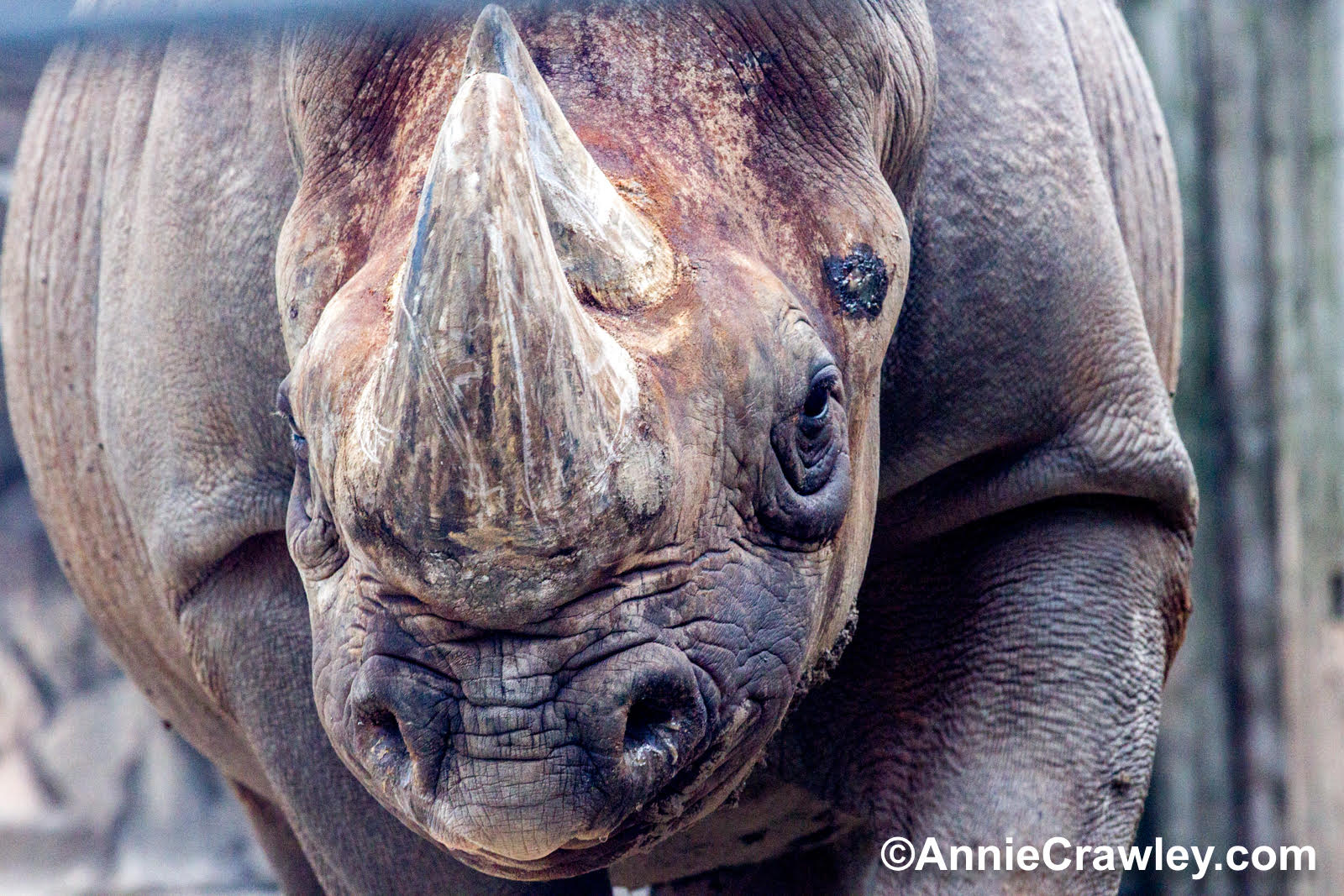
Meredith Bastian’s experiences studying wild orangutans help educate both zoo visitors and the zoo workers who care for captive orangutans. Jeff Baughman breeds black-footed ferrets and reintroduces them into the wild. And Rachel Santymire examines poop from black rhinoceroses at the zoo and in their natural habitat to benefit all black rhinos. Find out how zoo scientists are helping us learn more about these remarkable, at-risk species before it’s too late!

Visit the authors at http://www.patriciamnewman.com and https://www.anniecrawley.com/

ReviewPatricia Newman’s work always blows me away and Annie Crawley’s photos in Plastics, Ahoy! were breathtaking, so I was so happy to see that they had a new book coming out. In Zoo Scientists, a text is just as brilliantly done as Newman’s other works, she once again focuses on a topic that needs a spotlight. This time, we see how zoos are working towards saving endangered animals. Zoos are such important places when they are done correctly, so I loved this focus on three specific stories about how zoos are helping rhinos, orangutans, and black-footed ferrets. Each section tells us about a scientist at a different zoo, how they came to be where they are today, and how they help the species they work with. I loved the inclusion of each scientist’s story paying special attention to how they each became an expert. This makes Zoo Scientists perfect for looking at not only looking at endangered animals and zoos but how to reach your potential in a career making this book a must-get for classrooms that study any of these things.

Teachers’ Tools for Navigation: Teaching guides for all of Patricia’s books including the Zoo Scientist one coming soon can be found at http://www.patriciamnewman.com/teacher-guides/.

Rhino bookmarks!: http://www.patriciamnewman.com/wp-content/uploads/2017/07/Bookmark.pdf

Pinterest board with activities and articles to supplement the reading of Zoo Scientists to the Rescuehttps://www.pinterest.com/newmanbooks/zoo-scientists-to-the-rescue/

Consider an Author for Earth Day visit! Consider an Authors for Earth Day visit in conjunction with Zoo Scientists to the Rescue. Students research a list of five conservation nominees selected by Patricia Newman and then vote for their favorite. Newman writes a check to the winning organization. The mission? To empower young readers to shape the world around them!

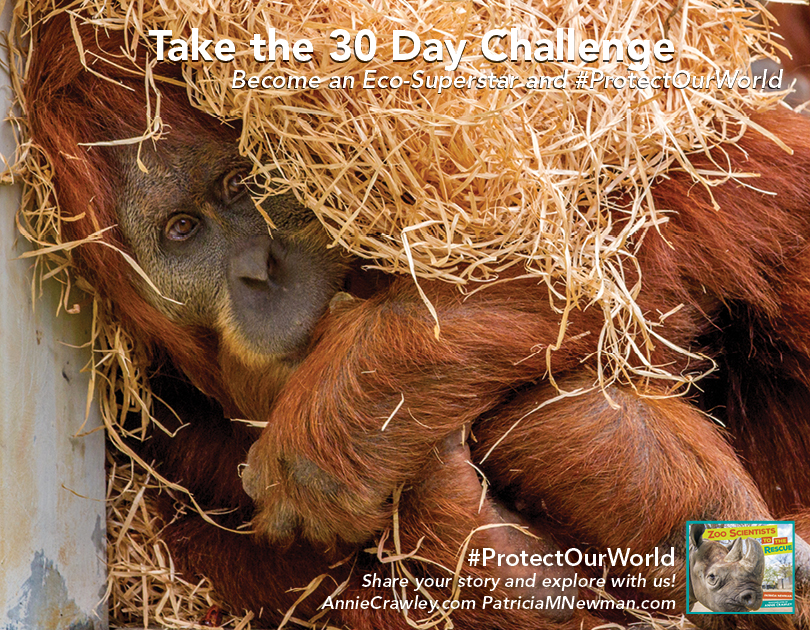
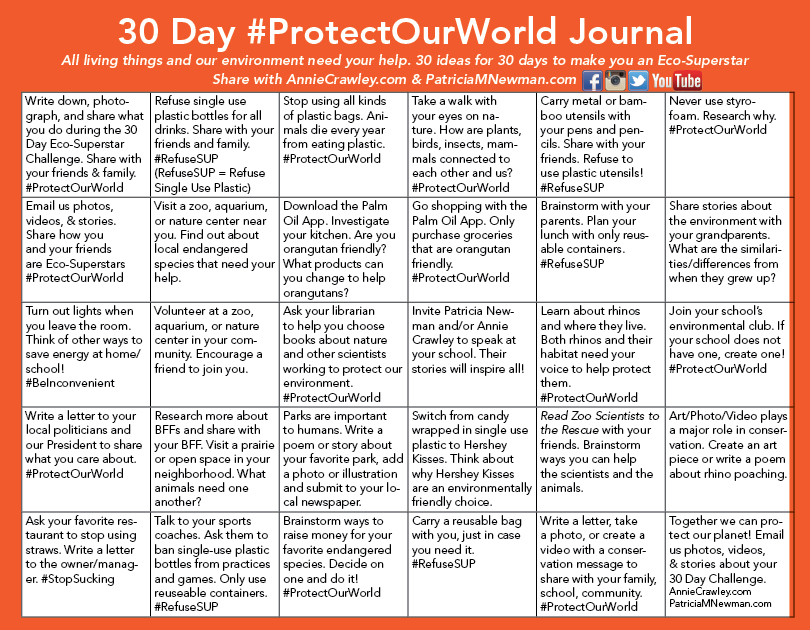
Participate in the 30 Day #ProtectOurWorld Challenge! Here is the Orangutan example. Visit http://www.patriciamnewman.com/books/zoo-scientists-rescue/ to see the rhino and black-footed ferret posters.

Discussion Questions: Use any or all of these discussion questions to extend the learning with Zoo Scientists to the Rescue:

  • What steps did each scientist take to become an expert in their field?
  • Why are orangutans’ habitat being destroyed?
  • Why is the poaching of rhinos for their horns such a devastating action?
  • How did the expansion of our nation effect the black-footed ferret?
  • How did humans play a role in each of these animals’ endangered status?
  • What can you do to help these animals?
  • Visit some of the resources about other conservation stories in the end of the book and share what you learn.
  • What words did you learn from the book? (Check out the glossary!)

Flagged Passages: 

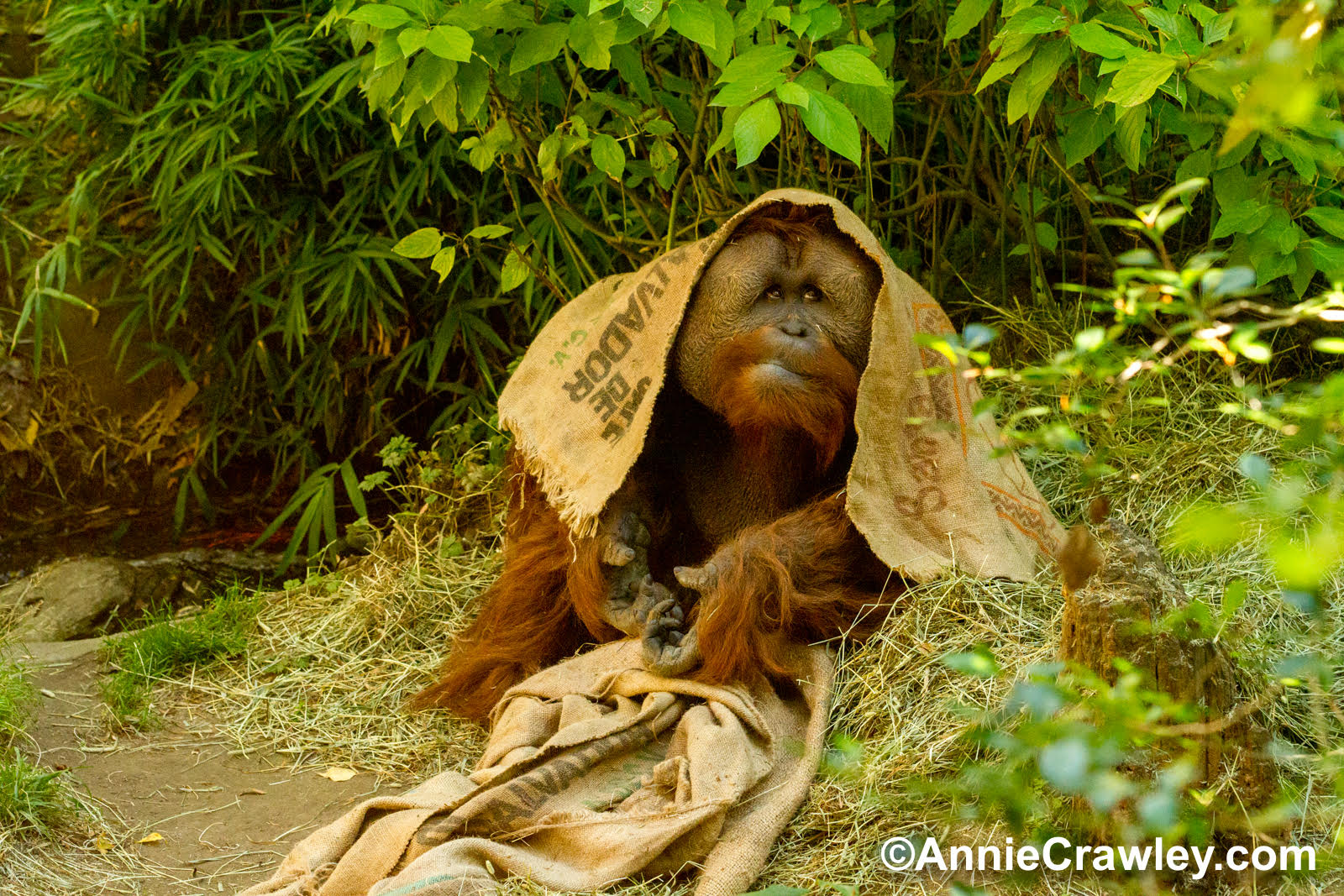
“A sign outside the orangutan enclosure at the National Zoo explains that the apes red coloring mimics shadows in the forest’s canopy. As little as 30 feet above the forest floor, orangutans essentially disappear, which is surprising given their bulk. Fully grown wild wild male orangutans can weigh up to 220 pounds and wild females can weight up to 120 pounds. Zoo orangutans tend to be between 50 to 100 pounds heavier because of their nutritious diet.”

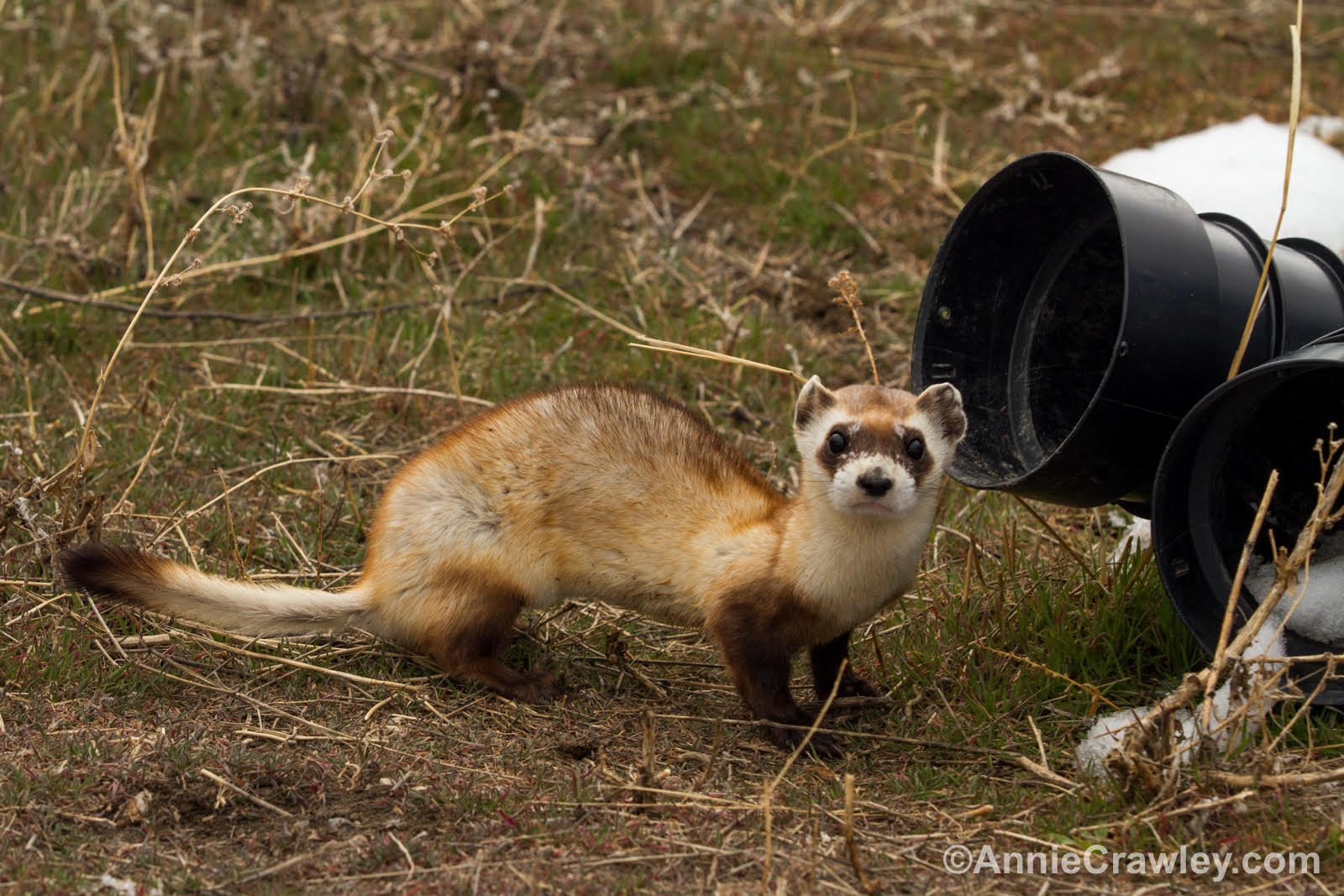
“About 15 years ago, black-footed ferrets roamed the Great Plains from Canada to Mexico. The Lakota call them pispiza itopta sapa (black-faced prairie dog) and believe they are sacred. But in the late 1800s, settlers moving westward and travelers from across the Pacific Ocean unknowingly put the ferrets in danger.”

“Unfortunately, rhinos are no match for armed poachers, hunters who kill wild animals illegally for profit. Approximately 5,050 black rhinos remain in the world due to poaching and habitat loss. They are labeled critically endangered–one step from extinct in the wild, and only two steps from fully extinct. Lincoln Park Zoo hopes to play a role in saving them.”

Book Trailer: 

Read This If You Love: Zoos, Animals, Learning about scientists, Science, Conservation efforts, Earth Day

Recommended For: 

classroomlibrarybuttonsmall closereadinganalysisbuttonsmall 

Make sure to visit the other stops on the Blog Tour!

Signature

**Thank you to Patricia Newman for asking me to be part of the blog tour!**

All My Friends Are Fast Asleep by David Weinstone

Share

All My Friends Are Fast Asleep
Author: David Weinston; Illustrator: Magali Le Huche
Published September 5, 2017 by FSG

Summary: After tossing and turning in his bed, a little boy embarks on a nighttime quest to find a cozy place to rest. He visits one animal friend after another, from a lark in its nest to a mole in its hole. But while all the animals he meets are happily dozing off, this tuckered-out wanderer remains wide-awake–until he finally finds the perfect spot to lay his head.

From David Weinstone, the popular children’s musician and creator of the Music for Aardvarks program, comes All My Friends Are Fast Asleep, a rhythmic, cheerily illustrated bedtime story sure to smooth the way to sleep for young insomniacs everywhere.

Ricki’s Review: I love books that feature a different animal on each page. This book is different from others that I’ve read because it explores the different ways in which animals sleep. My son enjoyed reading this with me, and he demonstrated each of the animal’s ways of sleeping. It was very fun and interactive. The illustrations are simply lovely. They pop off the page and lure the reader to want to turn the page to see which animal is next. We had a lot of fun with this book—we enjoyed stopping on each page to discuss the animal together.

Kellee’s Review: One of Trent’s favorite board books is A Book of Sleep by Il Sung Na which has a little owl that ventures out to visit other animals and they are all sleeping. We talk about the differences between all of the different animals and how different they sleep. All My Friends are Fast Asleep elevates this conversation and will be a great ladder up from the board book. In this book, the young protagonist is having trouble sleeping, so he goes and visits animals to try to sleep how they are to see if it’ll help. In the end, he realizes that the best way to sleep is in his bed, but we, as the reader, in the end have learned about many different animals’ sleeping habits. Additionally, the book ends with guitar chords to accompany the book to turn it into a song–how much fun!

Teachers’ Tools for Navigation: Teachers might ask students to pick one animal in the book and research other aspects of that animal’s life. Or, students could find other animals in the wild and draw additional pages of this book. They could compile those pages into a sequel!

Visit www.allmyfriendsarefastasleepbook.com for a free download of David Weinstone’s musical version of the text!

Discussion Questions: Which is your favorite animal page? Why? How is this animal different from all of the other animals in the book?; Why does the boy end up in his bed at the end of the night? What other animals could he have found?

We Flagged: “It’s time for bed and overhead / the moon has risen high / but I can’t seem to fall asleep, / no matter how I try.”

Read This If You Loved: Twenty Yawns by Jane Smiley; Goodnight Moon by Margaret Wise BrownGoodnight Songs by Margaret Wise BrownA Book of Sleep by Il Sung Na, I’m Not Sleepy by Jonathan Allen, Hoot & Honk Just Can’t Sleep by Leslie Helakoski 

Recommended For: 

readaloudbuttonsmall classroomlibrarybuttonsmall

RickiSigand Kellee Signature

**Thank you to Kelsey from Macmillan for sharing these books with us!**