It’s Monday! What Are You Reading? #IMWAYR 8/8/22

Share

It’s Monday! What Are You Reading?
Sharing Picture Books, Early Readers, Middle Grade Books, and Young Adult Books for All Ages!

It’s Monday! What Are You Reading? is a weekly blog hop co-hosted by Unleashing Readers and Teach Mentor Texts which focuses on sharing books marketed for children and young adults. It offers opportunities to share and recommend books with each other.

The original IMWAYR, with an adult literature focus, was started by Sheila at Book Journeys and is now hosted by Kathryn at The Book Date.

We encourage you to write your own post sharing what you’re reading, link up below, leave a comment, and support other IMWAYR bloggers by visiting and commenting on at least three of the other linked blogs.

Happy reading!

Bold_line

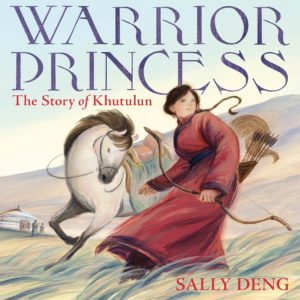
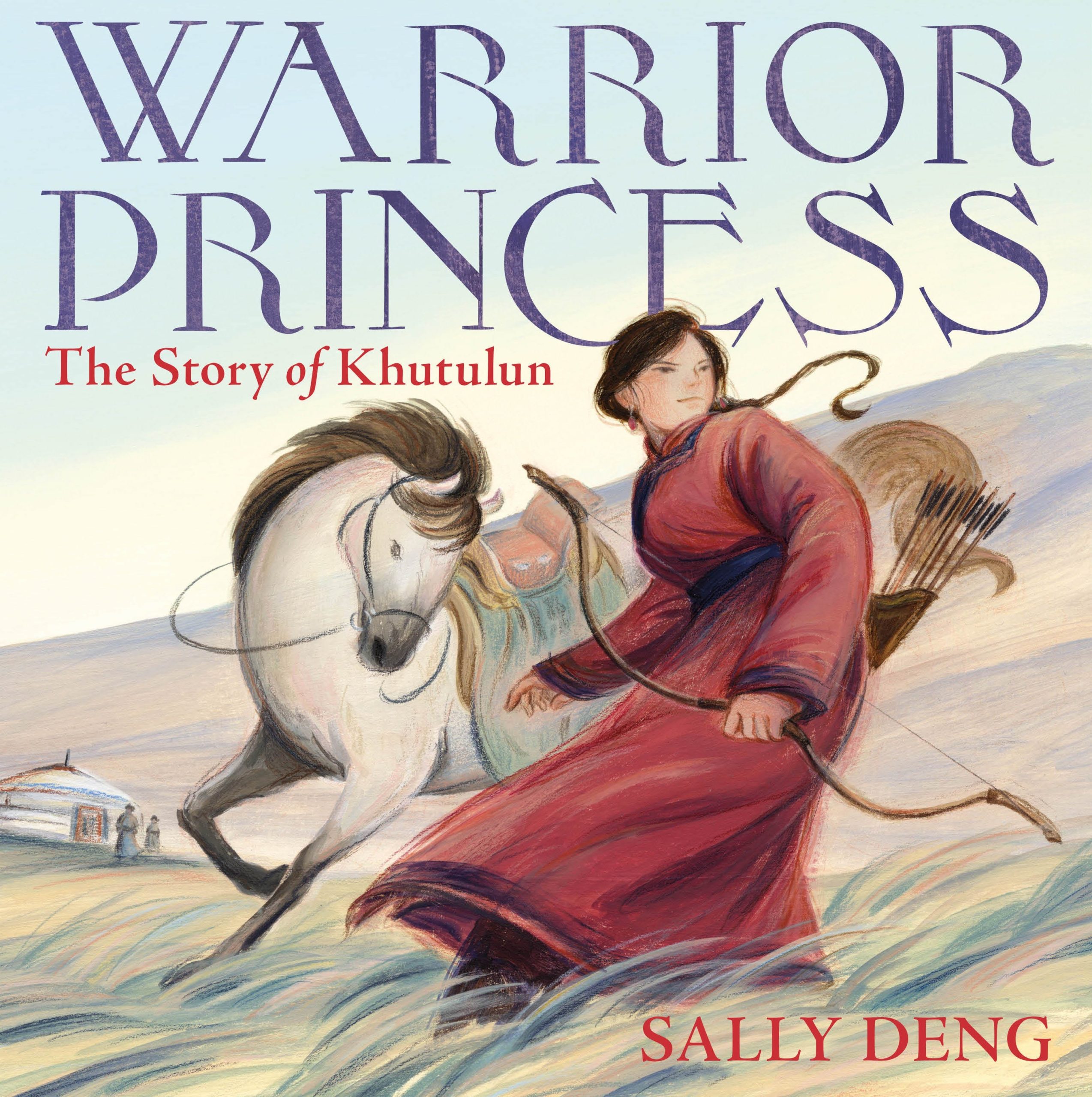
Thursday: Warrior Princess: The Story of Khutulun by Sally Deng

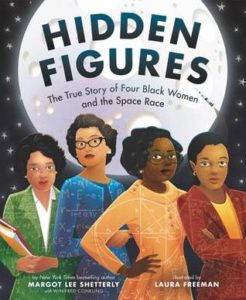
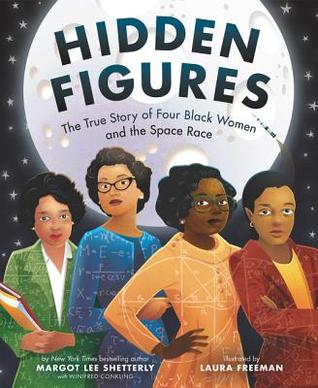
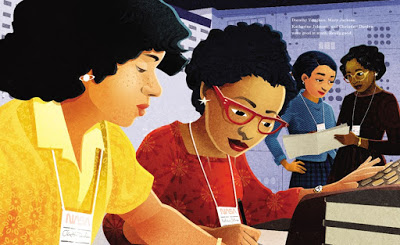
Saturday: Guest Review: Hidden Figures: The True Story of Four Black Women and the Space Race by Margot Lee Shetterly, Illustrated by Laura Freeman

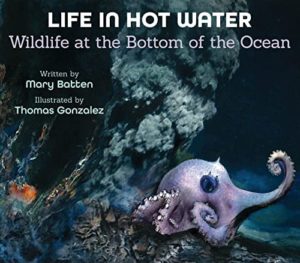
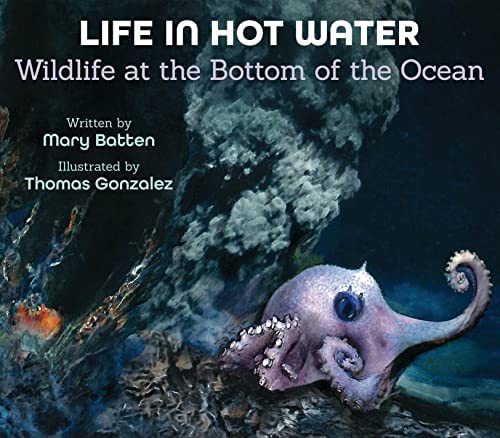
Sunday: Author Guest Post by Mary Batten, Author of Life in Hot Water: Wildlife at the Bottom of the Ocean

**Click on any picture/link to view the post**

Bold_line

Kellee

Teen

Don't Ask Me Where I'm From by Jennifer  De Leon We Were Liars by E. Lockhart Genuine Fraud by E. Lockhart

  • Don’t Ask Me Where I’m From by Jennifer De Leon: I really, really, really liked this book, and I don’t see why there hasn’t been more hype around it. I loved the characters, the story, the evolution, and definitely the theme. Beautifully written with real representation.
  • We Were Liars by E. Lockhart: I can see why this book is so popular–the characters are pretentious yet interesting enough that you are intrigued and you have to figure out the truth behind all of the terrible. I know lots of people said they figured it out; I didn’t, so the reveal worked for me. I look forward to reading the prequel.
  • Genuine Fraud by E. Lockhart: This one was harder for me to get into. It reminded me of Memento the movie in that you never knew what was true and what wasn’t and the sequence just wasn’t right. This one didn’t work for me as well, but I am glad I read it!

Middle Grade

The Nerdy Dozen by Jeff     Miller The Million Dollar Race by Matthew Ross Smith Fenris & Mott by Greg Van Eekhout

  • The Nerdy Dozen by Jeff Miller: I can see why students like this book–it is full of action and keeps you on the edge of your seat!
  • The Million Dollar Race by Matthew Ross Smith: I ended up really liking this book! It is just written really well, and I loved the characters–you just cannot help but rooting for them all!
  • Fenris & Mott by Greg Van Eekhout: This is a newly released book that all of my elementary and middle school educators will want to get for their classroom or library! Van Eekhout takes the reader on a heart-stopping adventure full of Norse mythology, including the potential for the mythological pup, Fenris, to eat the entire world. Mott is a character that readers will connect with and the friendships found within the pages are unique and heartwarming. I cannot wait to share this book with students!

Teen Manga

Your Lie in April, Vol. 1 by Naoshi Arakawa Penguin & House, Vol. 1 by Akiho Ieda

  • Your Lie in April Vol. 1 by Naoshi Arakawa: Always looking for new manga for my library, and this is one a friend recommended. It is a slice of life story that has a sad premise but also has hope. I have a feeling it gets sadder as the series goes along though…
  • Penguin & House Vol. 1 by Akiho Ieda: YAY! An all ages manga! I am so happy my friend Shannon is as into finding mangas for the school library as I am. This one is just so silly and charming–I mean it is a brilliant penguin and a blockhead guy in silly antics!

Adult

By the Book by Jasmine Guillory

  • By the Book by Jasmine Guillory: I loved this Beauty and the Beast retelling with an editorial assistant and a past-prime bad boy who is supposed to be writing a memoir. Kept the essence of the fairy tale but got rid of all the cringe parts.

To learn more about any of these books, check out my 2022 Goodreads Challenge page or my read bookshelf on Goodreads.

Ricki

It is Kellee’s week to share a long IMWAYR post, and she’s taking next week, too; I will update you all on my reading in a couple of weeks!

Bold_line

Kellee

Delirium (Delirium, #1) Hooky The Mysterious Benedict Society (The Mysterious Benedict Society, #1) Stella

Reading: Delirium by Lauren Oliver & Hooky by Míriam Bonastre Tur

Listening to: The Mysterious Benedict Society by Trenton Lee Stewart & Stella by McCall Hoyle

Bold_line

Tuesday: Student Voices: Insights from Karina D., Emma Y., Nour B., Maria F., Bianca C., and Anabella S.

Thursday: Guest Post: Classroom Uses for Astronuts by Jon Sciezska, El Deafo by Cece Bell, Jukebox by Nidhi Chanani, One Dead Spy by Nathan Hale, and Squish: Super Amoeba by Jennifer L. Holm

Saturday: Guest Post: Classroom Uses for Stargazing by Jen Wang, The Party by Sergio Ruzzier, Twins by Varian Johnson, and When Stars Are Scattered by Victoria Jamieson and Omar Mohamed

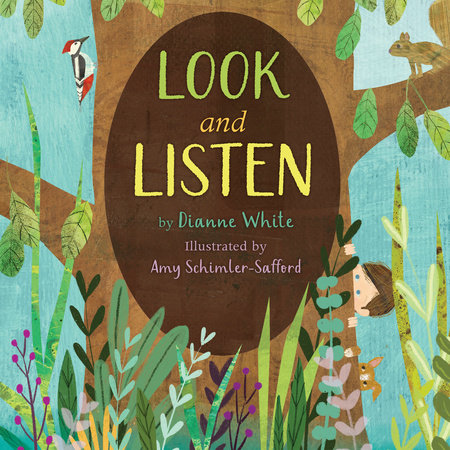
Sunday: Author Guest Post by Dianne White, Author of Look and Listen

Bold_line

Link up below and go check out what everyone else is reading. Please support other bloggers by viewing and commenting on at least 3 other blogs. If you tweet about your Monday post, tag the tweet with #IMWAYR!

 Signature andRickiSig

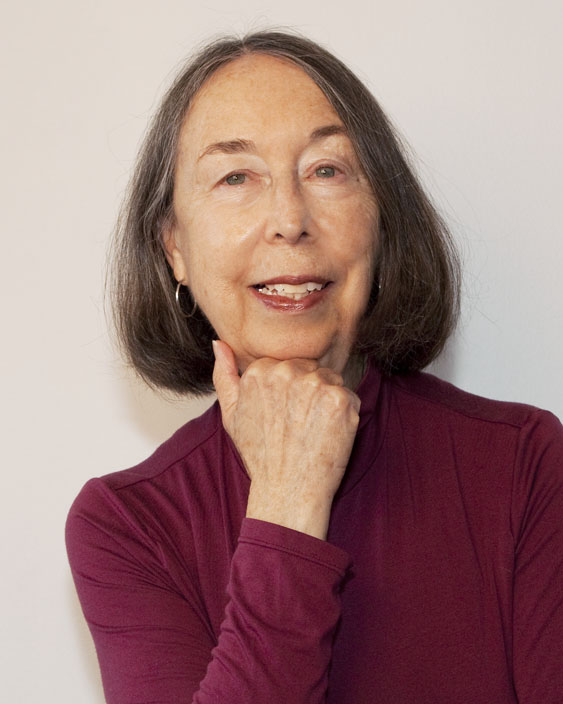
Author Guest Post: “Why I Write Science Books for Children” by Mary Batten, Author of Life in Hot Water: Wildlife at the Bottom of the Ocean

Share

“Why I Write Science Books for Children”

One day some years ago when I was writing scripts for the Children’s Television Workshop science series 3-2-1 Contact, I took my four-year-old daughter to my office and introduced her to the show’s actors. Afterwards, she looked at me and said, “I didn’t know they were real.” I was astounded. She had learned from watching Sesame Street and the show I was working on–the only TV shows we allowed her to watch–that what you see on TV is pretend. Big Bird, Cookie Monster and the other muppets were imaginary characters. Sesame Street was an imaginary street. My little daughter had learned the difference between fact and fiction.

From toddler age, children are fascinated by the real world. I consider them budding field biologists. They pick up the tiniest pieces of their environment–a pebble, a shell, a feather, a blade of grass–and excitedly present it to their parent or caretaker. As soon as they can, they repeatedly ask “Why?” About everything! These questions are the beginning of scientific curiosity. And it is my hope that my books tap into and nourish that curiosity.

By third grade, most children have learned about the two literary genres, fiction and nonfiction. The books I write are nonfiction–science, nature. When people ask me why I write nonfiction, I have two answers: First, I am fascinated and excited by the complex interrelationships among animals, plants, microbes, soil, sun and water that hold ecosystems together. Secondly, what goes on in nature is more fantastic, more bizarre than anything science fiction writers have imagined. Sex-changing fishes, flowers that use trickery to attract pollinators, insects that look like leaves and sticks, symbiotic partnerships between totally different species, and creatures that live in water hot enough to melt lead–these and many more are all real!

My newest book, Life in Hot Water: Wildlife at the Bottom of the Ocean, is about animals that live in the hottest, most extreme environment on Earth–hydrothermal vents. It is the second book in a series I created called “Life in the Extreme,” about the incredible ability of living things to evolve and take up residence in nooks and crannies of the most extreme environments. Discovery of hydrothermal vents in 1977 is one of the greatest adventures in science. 

Hydrothermal vents are underwater hot springs that form along the mid-ocean ridge, the longest mountain range on Earth. You can’t see it because it’s at the bottom of the sea. There it snakes more than 40,000 miles (65,000 kilometers) around the planet. When scientists first descended into this world, nobody expected to find any living thing. But the porthole of their tiny submarine revealed fish, clams, shrimp, crabs, and giant red-tipped tube worms never seen before. How could anything live amidst plumes of superhot, toxic liquid gushing from strange chimney-like structures?

Like toddlers who develop by asking questions, scientists also gather knowledge by asking questions and searching for answers. Questions open doors to discovery and the mind-blowing discovery of hydrothermal vents raised many questions. One of the most important was, “What are these creatures eating?”

Until vents were discovered, scientists thought that green plants and the sun were the base of all food chains–a process called photosynthesis. But no sunlight reaches the total darkness of the vent world miles below the ocean’s surface. And no green plants grow in this world. What then?

Following up these and other questions, scientists discovered an entirely new food chain–one that depends on energy from the Earth instead of energy from the sun. Amazingly, vent animals eat bacteria that feed on toxic chemicals such as hydrogen sulfide, which smells like rotten eggs, spewed from Earth’s interior by undersea volcanoes that create the vents. Scientists called this process chemosynthesis. Robert Ballard, the oceanographer who discovered where the sunken ship Titanic lay, called it “Probably one of the biggest biological discoveries ever made on Earth.”*

Textbooks had to be rewritten to include chemosynthesis as well as photosynthesis. Today research to learn more about hydrothermal vents is going on all over the world.

For me, one of the joys of writing nonfiction is reaching out to scientists who are doing the real work and interviewing them. One of the scientists whom I consulted for this book, Dr. Janet Voight, Associate Curator at the Field Museum in Chicago, said, “There’s so much about the deep sea that we haven’t even begun to explore. It’s all discovery, and that makes it exciting.”

Children are natural born explorers. Tapping into their questions is one of the most exciting and productive ways to foster children’s developmental curiosity, engage them in the basic scientific process, and encourage them to write their own nonfiction. Children’s science books, such as Life in Hot Water, can be used to create multi-disciplinary units engaging biology, geography, art, and creative writing. 

*Bill Nye discusses discovery of hydrothermal vents with Robert Ballard: http://www.youtube.com/watch?v=D69hGvCsWgA

Published June 21, 2022 by Peachtree

About the Book: .A dramatic overview of the deep-sea extremophiles that thrive in scalding water and permanent darkness at the bottom of the ocean

The scalding-hot water gushing from vents at the bottom of the ocean is one of the most extreme environments on Earth. Yet over millions of years, many organisms—from chemical-eating bacteria to eyeless crabs and iron-shelled snails—have evolved in amazing ways that enable them to thrive in this unlikely habitat. Scientists are hard at work to learn more about the complex ecosystems of the ocean depths.

Award-winning science writer Mary Batten and NYT best-selling illustrator Thomas Gonzalez, the masterful duo that created Life in a Frozen World, team up again in this impressive overview of hydrothermal ocean vents. Her clear, informative text coupled with his unique and eerily realistic paintings of sights never seen on land—gushing “black smokers,” ghostly blind shrimp, red-plumed tube worms—will entice readers to learn more about this once-hidden world at the bottom of the sea.

About the Author: Mary Batten is an award-winning writer for television, film and publishing. Her many writing projects have taken her into tropical rainforests, astronomical observatories, and scientific laboratories. She scripted some 50 television documentaries, was nominated for an Emmy, and is the author of many children’s science books, including Aliens From Earth, and Life in a Frozen World: Wildlife of Antarctica. Her most recent book is Life in Hot Water: Wildlife at the Bottom of the Ocean.

Thank you, Sara at Holiday House, for connecting us with Mary!

Guest Review: Hidden Figures: The True Story of Four Black Women and the Space Race by Margot Lee Shetterly, Illustrated by Laura Freeman

Share

Guest Reviewer: Kayla, UCF Elementary Education Student

Hidden Figures: The True Story of Four Black Women and the Space Race
Author: Margot Lee Shetterly
Illustrator: Laura Freeman
Published

Summary: Dorothy Vaughan, Mary Jackson, Katherine Johnson, and Christine Darden were good at math…really good.

They participated in some of NASA’s greatest successes, like providing the calculations for America’s first journeys into space. And they did so during a time when being black and a woman limited what they could do. But they worked hard. They persisted. And they used their genius minds to change the world.

In this illustrated picture book edition, we explore the story of four female African American mathematicians at NASA, known as “colored computers,” and how they overcame gender and racial barriers to succeed in a highly challenging STEM-based career.

About the Creators: 

Margot Lee Shetterly is the author of  Hidden Figures: The American Dream and the Untold Story of the Black Women Mathematicians Who Helped Win the Space Race (William Morrow/HarperCollins). Shetterly is also the founder of The Human Computer Project, an endeavor that is recovering the names and accomplishments of all of the women who worked as computers, mathematicians, scientists and engineers at the NACA and NASA from the 1930s through the 1980s. Shetterly is a Virginia native, University of Virginia graduate, an entrepreneur, and an intrepid traveler who spent 11 years living in Mexico. She currently lives in Charlottesville, VA.

Originally from New York City, Laura Freeman now live in Atlanta with her husband and their two children. Freeman received my BFA from the School of Visual Arts and began her career working for various editorial clients. She has illustrated over thirty children’s books, including Hidden Figures written by Margot Lee Shetterly, the Nikki & Deja series by Karen English and Fancy Party Gowns by Deborah Blumenthal. In addition to illustrating books and editorial content, Freeman’s art can be found on a wide range of products, from dishes and textiles to greeting cards.

Review: This book was a gem to find. I didn’t really know the story of how NASA got the skills to make it to space when planning the exploration. I was very intrigued when I read the story of these four African American women who were mathematical geniuses. These women were around during the segregation era but that didn’t stop them from doing what they loved even through tough times. In this picture book I was able to explore their story and how they made everything possible to help NASA put the first man into space. I also really like the message of women entering a career we only see men in but overcoming gender and racial barriers will allow any women to be successful in her career.

Teachers’ Tools for Navigation: This book can be used in many ways. We can use in social studies when talking and exploring segregation and how these women overcame a lot of obstacles to help NASA but men into space. We can also speak about STEM based careers and how difficult it was for many women to enter science or engineering jobs or schools because it was considered a “mans” job. This book will allow many children to see that hard work and dedication pays off. We should follow are dream and work hard and overall, not let any obstacle allow us to fail.

Discussion Questions: 

  • How did these 4 women make NASA hire them to work on the program to allow humans into space?
  • Was it easy for these women to get into school or even work for NASA? Why?
  • Who would you identify more with Dorothy, Mary, Katherine or Christine?
  • Descried how the segregation affected Black people?
  • What two major obstacles did Dorothy Vaughan face to become a computer at the Langley Laboratory?
  • Using the timeline in the book what were the most important events in the story?

Flagged Passages: 

Read This If You Love: Counting on Katherine by Helaine Becker, Mae Among the Stars by Roda Ahmed

Recommended For: 

classroomlibrarybuttonsmall

Thank you, Kayla, for your review!

Warrior Princess: The Story of Khutulun by Sally Deng

Share


Warrior Princess: The Story of Khutulun
Author and Illustrator: Sally Deng
Published: August 23, 2022 by Farrar, Straus, and Giroux

Summary: This picture book follows the life of the great-great granddaughter of Genghis Khan, a princess who could rule on the battlefield as well as—or better—than any soldier, and when faced with a potential marriage, learns that sometimes the best way to serve one’s community is to stay true to oneself.

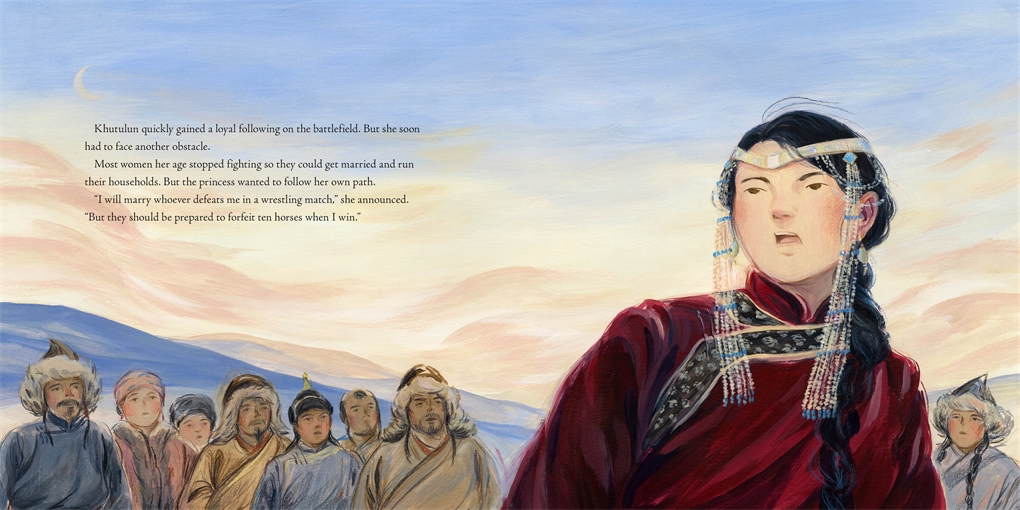
Ricki’s Review: This creative nonfiction text shares what we know about the life of Khutulun, great-great granddaughter of Genghis Khan. She was a princess who had never been defeated in a wrestling match and was a force on the battlefield. When she is forced to marry, she agrees that she will only do so if a man can defeat her in a wrestling match. If they lose, they owe her family ten horses. I really, really enjoyed reading this story. I started reading it to two of my sons, and my third son creeped on over because he was listening and was hooked. It is captivating! The characters are well drawn and the pacing is perfect. 

Teachers’ Tools for Navigation: This book would inspire students to research and learn more about Khutulun and Genghis Khan. Teachers might include other books that creatively imagine people of the past to talk about writers craft and agency in reimagining people of our past.

Discussion Questions: 

  • In what ways does Khutulun show strength?
  • What important decisions does she make in the text? Why does she make it?
  • What themes does this text teach you?

Flagged Spread:

Read This If You Love: Creative nonfiction, historical fiction, autobiographies, reading about historical figures


**Thank you, Macmillan for sending an advanced reading copy for an honest review!**

It’s Monday! What Are You Reading? #IMWAYR 8/1/22

Share

It’s Monday! What Are You Reading?
Sharing Picture Books, Early Readers, Middle Grade Books, and Young Adult Books for All Ages!

It’s Monday! What Are You Reading? is a weekly blog hop co-hosted by Unleashing Readers and Teach Mentor Texts which focuses on sharing books marketed for children and young adults. It offers opportunities to share and recommend books with each other.

The original IMWAYR, with an adult literature focus, was started by Sheila at Book Journeys and is now hosted by Kathryn at The Book Date.

We encourage you to write your own post sharing what you’re reading, link up below, leave a comment, and support other IMWAYR bloggers by visiting and commenting on at least three of the other linked blogs.

Happy reading!

Bold_line

**Click on any picture/link to view the post**

Tuesday: Student Voices: Recommendations by Anna Liz R., Brielle P., Ava G., Chase S., and Silvia S.

Thursday: Guest Post: Classroom Uses for Dragons in a Bag by Zetta Elliott, Magnificent Makers: How to Test a Friendship by Theanne Griffith, Polly Diamond and the Magic Book by Alice Kuipers, and Sisters of the Neversea by Cynthia Leitich Smith

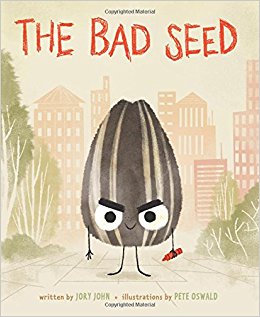
Saturday: Guest Review: The Bad Seed by Jory John, Illustrated by Pete Oswald

Sunday: Author Guest Post by Kerry L. Malawista, Author of Meet the Moon

Bold_line

Kellee

Hi! I am unexpectedly out this week, so Ricki is covering for me! As always, you can learn more about what I’ve been reading by checking out my 2022 Goodreads Challenge page or my read bookshelf on Goodreads.

Ricki

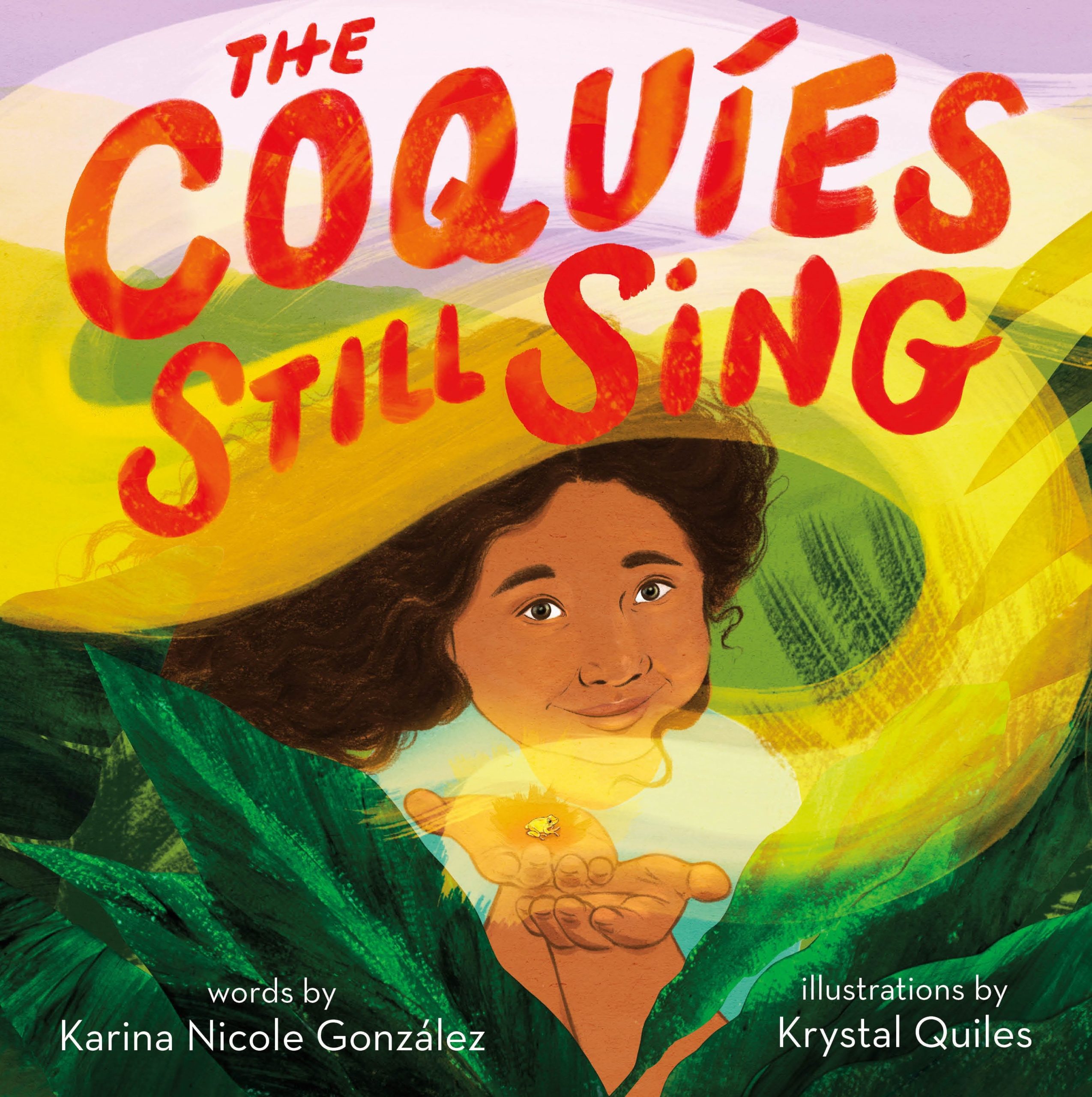
The Coquíes Still Sing by Karina Nicole González is a picture book about the rebuilding of Puerto Rico after Hurricane Maria. It offers readers a window into the devastation of the hurricane and shares the power of community and togetherness.

Warrior Princess: The Story of Khutulun by Sally Deng is a creative nonfiction text that shares what we know about the life of Khutulun, great-great granddaughter of Genghis Khan. I absolutely loved this book, and I am going to review it in full this Thursday!

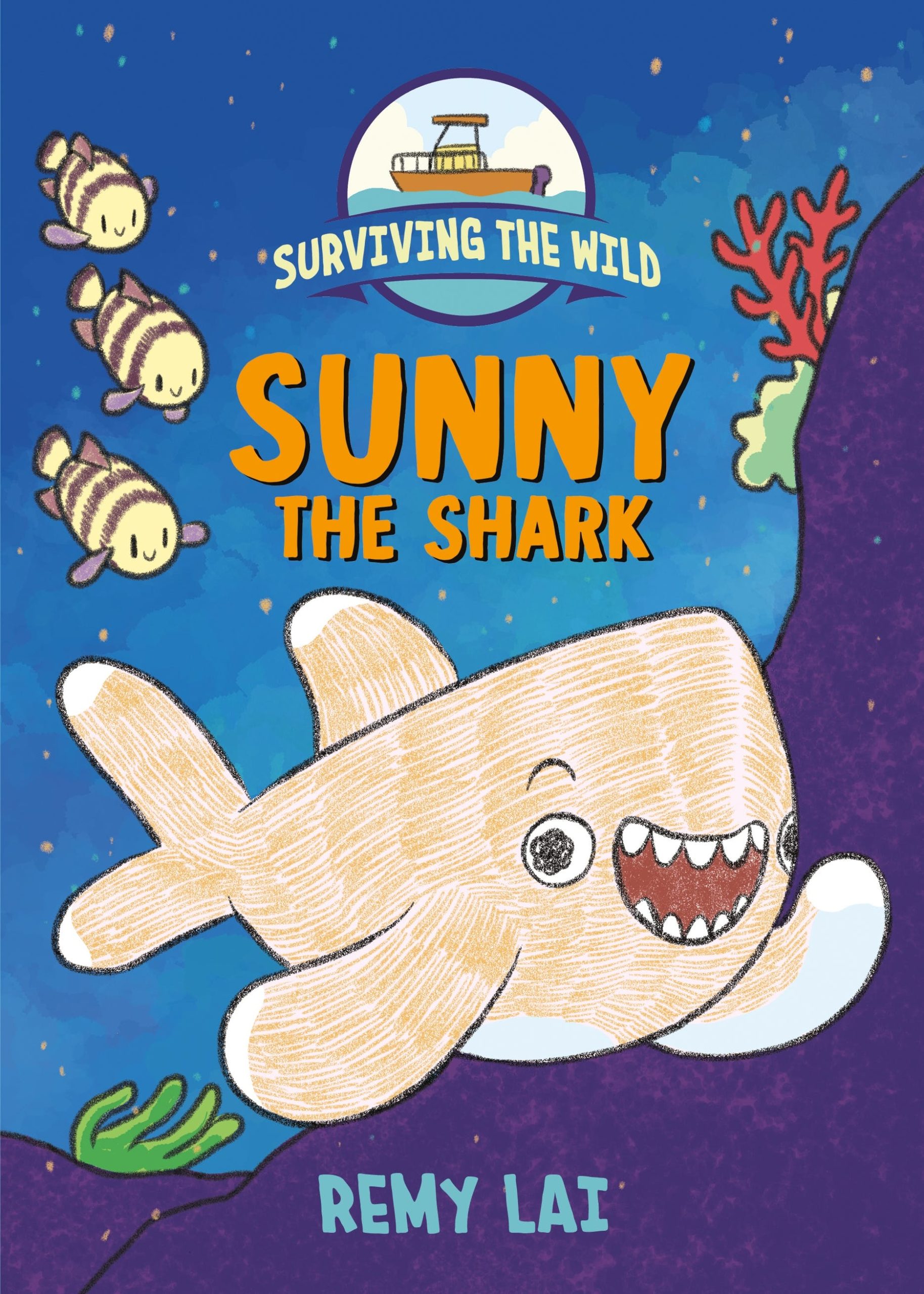
I read the middle grade graphic novel Sunny the Shark by Remy Lai with my sons. They loved it, and we read the book in one sitting. It teaches kids about the whitetip shark, pilot fish, and water pollution. It’s laugh out loud funny, and we loved it.

My sons and I read Ride On by Faith Erin Hicks. This is a middle grade graphic novel that I think would also be appreciated by young adult readers (and adult readers, of course!). It reminds readers of the great emotions that come with friendship—falling out with friends, meeting new friends. This was the book I needed in middle school.

Bold_line

Ricki

I am reading Ibi Zoboi’s (edited collection) Black Enough. I’ve read three of the stories so far, and they were all fantastic!

Bold_line

Thursday: Warrior Princess: The Story of Khutulun by Sally Deng

Saturday: Guest Review: Hidden Figures: The True Story of Four Black Women and the Space Race by Margot Lee Shetterly, Illustrated by Laura Freeman

Sunday: Author Guest Post by Mary Batten, Author of Life in Hot Water: Wildlife at the Bottom of the Ocean

Bold_line

Link up below and go check out what everyone else is reading. Please support other bloggers by viewing and commenting on at least 3 other blogs. If you tweet about your Monday post, tag the tweet with #IMWAYR!

 Signature andRickiSig

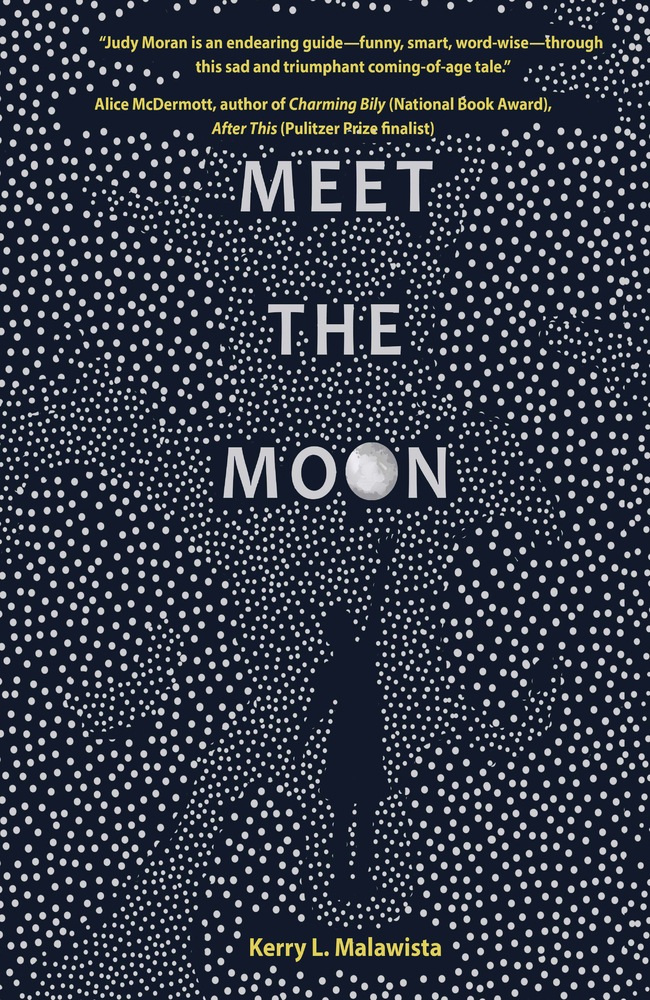
Author Guest Post: “Unforgotten” by Kerry L. Malawista, Author of Meet the Moon

Share

“Unforgotten”

In my thirties, newly pregnant, I returned to my hometown library in search of my mother.

Once inside that maroon brick building, I was transported back in time. The thrill of possibilities lining the shelves, the card catalog with its array of seemingly endless wooden drawers, and the metal water fountain—where I struggled with how to simultaneously hold down the foot pedal and rise up on tiptoes to take a sip of water.

A gray-haired woman approached me. “Can I help you?” she whispered into the hush.

“Yes, I am trying to find the Bergen Record—from 1970.”

“Any newspapers over a year old are kept on microfiche. Follow me.” She drifted toward a side room full of machines that had clearly seen better days. A mysterious room, where grown-ups had unspooled reels and loaded slides into carousels, forgotten ways of recording the world. She demonstrated how to load the microfiche into the viewer and how to move the film around to find past articles, then she left me to my task.

“Good luck!” she said as she walked out of the room.

My eyes blurred as the years flew by. I slowed down as I reached 1970. Even more slowly I scrolled. January…March… April. I noticed the headline for the Apollo 13 launch on April 17 of that year, and stopped. I remembered that day at Shaler Elementary School in Ridgefield, New Jersey. It was a Friday, and my teacher, Mrs. McCurry, had marched us single file down the hall to the all-purpose room to watch the splash down with the entire school. Two large televisions were set up on the stage at the front of the room.

I overheard talk among the teachers that something might have gone wrong with the space shuttle and that the astronauts were at risk of burning up as they re-entered the Earth’s atmosphere. A tense chatter filled the room until we saw the first sight of the parachutes opening, and like purple butterflies the astronauts floated down to safety. Everyone cheered. But for me, the thought of those men floating around in a capsule, out in space, away from their families, left a sad and lonely sensation in the pit of my stomach.

I never understood why that feeling about Apollo 13 stayed with me so long. The astronauts had made it back to earth. They hadn’t blown up.

Sitting beside the industrial metal bulk of the microfiche viewer, carefully sliding the brittle plastic film forward, I was launched back to my childhood bedroom. Running along the wall next to my bed, right where my eyes landed was a line of white trim that extended out from the center windows. On the wood was a tiny indentation with some chipped paint, shaped just like a rocket ship, with what I thought at the time looked like fire, blasting it off into outer space. As I settled into sleep each night I would check to see that my rocket ship, my Apollo 13, was still there.

Scrolling down to May, I realized that the desolation lingering from that long-ago Apollo landing was actually from three weeks later, when my mother’s capsule didn’t protect her. Till that moment I hadn’t realized how close these two events were in real time. My memory had fused them together, overlaying the later dread with the earlier Apollo 13 landing.

Now I wondered if had it always been a rocket I saw there, or did it only become one after our lives exploded?

Increasing the magnification, I zoomed in to the top of the front page—May 8, 1970. At first all I saw was the large faded photograph of the demolished Ford Country Squire station wagon, smashed in, glass shattered.

I read the caption below, “A woman was killed and her small son critically injured in Palisades Park.” I didn’t want to imagine a “woman,” my mother, pressed inside what looked like an enormous accordion with all the air pressed out of it.

The story below unfolded: “Police say Mrs. Leddy, 32, of 389 Mayer Court, Ridgefield, was driving south on Grand Avenue when her car swerved into the northbound lane and crashed head on into a truck driven by Edward Martini, 45, of Staten Island. According to police, Martini was sitting in his van reading a road map when the accident occurred.”

When I paused the flat black and white microfiche, I thought how little of the story those spare words told. I knew the facts: My mother, with my baby brother in the back seat, was on her way to pick up my little sister from nursery school. An eyewitness saw my mother slump to her side, that it appeared she had fainted, resulting in her foot pressing down on the accelerator. The autopsy stated, with high certainty, that an aneurysm exploded in her brain.

Yet, in that moment, staring at the picture, the intoxicating smell of the burgundy leather seats returned—just months before the accident we had celebrated the arrival of our very first new car—and the reel of that long-ago day unfurled through my brain.

My nine-year-old self, along with my four siblings, staring at my father sitting on the edge of the bed.

“Girls, there’s been…”

My knees weak, I glanced away, trying to land my eyes anywhere but on my father’s face. Not wanting to see his tears.

“There has been a terrible accident,” he said. I was like one of my lightening bug trapped in a jar, looking for a way out.

Slowly he choked out the rest of the words. “Mom’s gone.”

“What do you mean she’s gone?” I understood, but I didn’t want to.

Barely audible, he said, “She died.”

One of us asked, “What happened?”

“We aren’t sure yet, but she was in a car accident.” He might have said more. I couldn’t take in his words—a wall had gone up between my ears and my mind.

After I left the library, eager for more memories of that day I called the Palisades Police Department. While I realized it was unlikely, I wanted to see if there might be a small chance someone there remembered the accident. Something they could tell me. A desk officer answered the phone.

“Palisades Police Department. Is this an emergency?”

“No. I just have a question. I’m wondering if there might be someone working in the police department that was here in 1970.” Adding, “There was a car accident…I was hoping to ask about.”

He said, “Well our Captain was here then. Maybe he’d remember. Hold on a moment. What was your name?”

“It was Kerry Leddy back then.”

As I waited, my self-consciousness grew. Should I hang up? This guy has better things to do. Who calls the cops twenty years later, expecting someone to remember a car accident?

“I can’t believe I’m hearing from you,” a voice said, nearly as whispery as the librarian. He sounded as if he had been sitting by the phone, awaiting my call. “How is your brother?” His voice choked.

“He’s fine.” I said, doing my best to keep my own voice steady. “Really well. He’s in the army.”

“I’m so glad. . . . He was so . . . badly hurt. . . . I had gone to the hospital to check on him.” I could hear him struggling to find the words.

I said, “I’m shocked you remember.”

“How could I forget? It’s like it was yesterday. . . I was a new officer, just there a couple of months, and going to that scene and seeing the accident and your Mom. . . five kids. . . Well. . . Man. . . jeez. . . .” His voice once again caught in his throat. “I think about your family all the time. . . it was so awful. . . you kids…your brother like that. . . your mom. I never could get her out of my head. My wife had just had a baby. I never forgot it. I’m so glad to hear you all did so well.”

Captain Stanton had nothing new to tell me about the accident. Nothing new to tell me about my mother.

Yet he gave me just what I was needed, what truly mattered: Captain Stanton remembered. Remembered my mother. Remembered our family. All these years he had carried her and us with him, linking the past to the present. That’s what I was searching for, to not forget.

I found my mother in the newspaper that day in the library, and I discovered that I’d merged our family history with that of the space program. Then I found an eye witness to the devastation our family faced—a man who’d just started a family of his own when my mother died—and he’d spent time inventing a future for our family. That factual and emotional confirmation, together on the same day, launched me to write my novel, Meet the Moon. I remembered, embellished, and invented a family grappling with grief in hopes of reaching readers the way I reached the policeman, who gratefully said to me, “I can’t believe I’m hearing from you.”
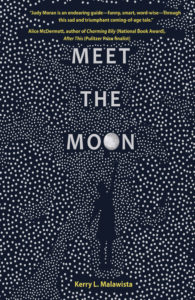
Expected Publication: September 15th, 2022 by Fitzroy Books/Regal House Publishing

About the Book: In 1970, 13-year-old Jody Moran wants pierced ears, a kiss from a boy, and more attention from her mother. It’s not fair. Seems like her mother is more worked up about the Apollo 13 astronauts, who may not make it back to earth safely. As it happens, the astronauts are spared a crash landing, but Jody is not, for three days after splashdown, her mother dies in a car accident. Now, Jody will never know if her mother really loved her. Jody’s father has taught them to believe in the “Power of Intention.” Announce what you want to the world to make it happen. But could the power of Jody’s jealousy and anger have caused Mom’s accident? To relieve her guilt and sadness, she devotes herself to mothering her three younger siblings and helping Dad, which quickly proves too much for her, just as persuading quirky Grandma Cupcakes to live with them proves too much for Grandma. That’s when Jody decides to find someone to marry her father, a new mom who will love her best. Jody reads high and low to learn about love, marriage and death. For her adolescent firsts—kiss, bra, and boyfriend—she has the help of her popular older sister, her supportive father, and comical Grandma. But each first, which makes her miss her mother, teaches her that death doesn’t happen just once.

About the Author: Kerry L. Malawista, PhD is a writer and psychoanalyst in Potomac, MD. She is co-chair of New Directions in Writing and founder of the recent project The Things They Carry – offering virtual writing workshops for healthcare and frontline workers. Her essays have appeared nationally in newspapers, magazines and literary journals including The New York Times, The Washington PostThe Baltimore SunThe Boston GlobeZone 3Washingtonian MagazineThe Huffington PostBethesda MagazineArlington MagazineThe Account Magazine, and Delmarva Review, which nominated her for a Pushcart Prize. She is the co-author of Wearing my Tutu to Analysis and Other Stories (2011), The Therapist in Mourning: From the Faraway Nearby (2013), both published by Columbia University Press, and Who’s Behind the Couch (2017) published by Routledge Press. When the Garden Isn’t Eden: More Psychoanalytic Concepts from Life will be published by Columbia University Press spring 2022 and her novel, Meet the Moon will be released September 2022 by Regal House Publishing. Her website is KerryMalawista.com.

Thank you, Kerry, for this beautifully written post!

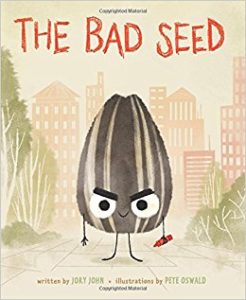
Guest Review: The Bad Seed by Jory John, Illustrated by Pete Oswald

Share

Guest Reviewer: Katie, UCF Elementary Education Student

The Bad Seed
Author: Jory John
Illustrator: Pete Oswald
Published August 29th, 2017 by HarperCollins Publishers

Summary: This is a book about a bad seed. A baaaaaaaaaad seed. How bad? Do you really want to know?

He has a bad temper, bad manners, and a bad attitude. He’s been bad since he can remember! This seed cuts in line every time, stares at everybody and never listens. But what happens when one mischievous little seed changes his mind about himself, and decides that he wants to be—happy?

About the Creators:

Jory John is a New York Times bestselling author and two-time E. B. White Read Aloud Honor recipient. Jory’s work includes the award-winning Goodnight Already! series; the bestselling Terrible Two series; the popular picture books The Bad Seed, Penguin Problems, and Quit Calling Me a Monster!; and the national bestseller All My Friends Are Dead, among other books. He lives in Oregon.

Pete Oswald is an LA-based artist, kid lit author/illustrator, and production designer. He is the co-creator of Mingo the Flamingo, published in 2017 by HarperCollins. Pete is also the illustrator of The Bad Seed, by Jory John. When Pete is not working on books he is helping to uplift many of the most successful animated franchises as a character designer, concept artist, and production designer. Pete lives in Santa Monica, California, with his wife and two sons.

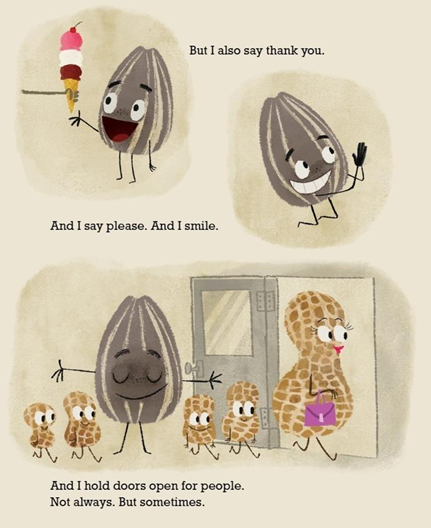
Review: I personally love this book and the character development it possesses throughout. There is a background on how the seed became to be “The Bad Seed”, which helps readers understand that there is always a reason behind their peers’ behaviors. The seed shared the things he does and the reasons he believes himself to be so bad but also a chance in his mindset, he no longer wants to be a bad seed. He starts changing his behavior and wants to be happy. This shows kids that it’s okay to want to make positive changes in themselves and it is possible for their peers to do so too. The seed also shares that he may not continue these positive behaviors at all times but does so from time to time. This shows that you can not be the perfect person at all times but it’s all about you trying to do so. With this, I think this would be a great book to start the year out with to show students that it is okay to start out being “bad” and changing for the better. It also gives students a chance to understand behaviors without telling them.

Teachers’ Tools for Navigation: I think this book would be best for a classroom read aloud. This is because it would be a great introduction book or even if you notice there are a lot of negative behaviors happening in the classroom. It shows character development and how you can turn your behavior around. It also shows that there is a reason behind all negative behaviors and that these reasons are justifiable as well showing that you can get past it.

Some activities you could also do with it are:

Mapping: Mapping could be used for this book as you can map the journey the character takes to change his behavior from being bad to being good. You can have points that begin with the seed being happy, what happened that made him change his behavior, what he did while he was being bad, and what he started doing to become good.

Literature Logs: This could be used for older age groups, they can stop at the beginning to make connections or write down their initial thoughts after a picture walk. They can stop at different points to make inferences about what’s going to happen next or things they believe the character can do to turn around his behavior.

Graffiti Boards: This could be used just like the literature logs but may be more fun for the students as it is less structured. Here they have a chance to write, draw and interpret ideas on their own with little guidance other then the initial instructions and it can be done at any point without having to stop as a whole class to complete.

Discussion Questions: 

  • Describe in your own words the reasoning behind the bad seed becoming bad?
  • Why do you think the seed is considered to be the bad seed just from looking at the cover?
  • Do you think the seed will be able to overcome his “bad” behavior? Why or why not?
  • Describe a time in your life where you interacted with someone who acted like the bad seed? How did it make you feel?
  • Why do you think the seed wanted to turn his behavior around and become good again?
  • What do you think we can learn from the bad seed and his journey to become good?

Flagged Passages: 

Read This If You Love: Understanding behavior, colorful illustrations

Recommended For: 

classroomlibrarybuttonsmall

Thank you, Katie, for your review!