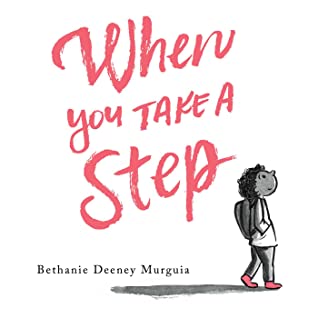
When You Take a Step Author: Bethanie Deeney Murguia
Expected Publication September 27th, 2022 by Beach Lane Books
Summary: Each step leads to a new discovery in this evocative picture book about how mindfulness, peace, or change could be just around the corner.
To take a walk is to begin a journey. It can be an adventure or a chance to let your thoughts roam and be one with nature. It can be a time for daydreaming and pondering life’s many questions. It can be a time to reflect on the past or to stand up for a better future. So take a step and see where your journey will lead you!
Praise:
“Though the concept is simple—even a single step can empower—it uplifts via Deeney Murguia’s polished execution.” —Publisher’s Weekly
About the Author: Bethanie Deeney Murguia graduated from the School of Visual Arts in New York City with an MFA in illustration and has created numerous picture books, including Cockatoo, Too; Zoe Gets Ready; Snippet the Early Riser; I Feel Five!; We Disagree; and When You Take a Step. She lives in the San Francisco Bay area with her two daughters and her dog, Disco. To learn more about Bethanie, please visit her website, AquaPup.com.
Review:Murguia has created a simple yet deep picture book about how one step, both figurative and literal steps, can make a difference. And it could be a small change or big, but the steps are important and they all have a purpose. This book will be an amazing text to inspire young minds to not give up, to make a difference, and to make that step they may be afraid to make.
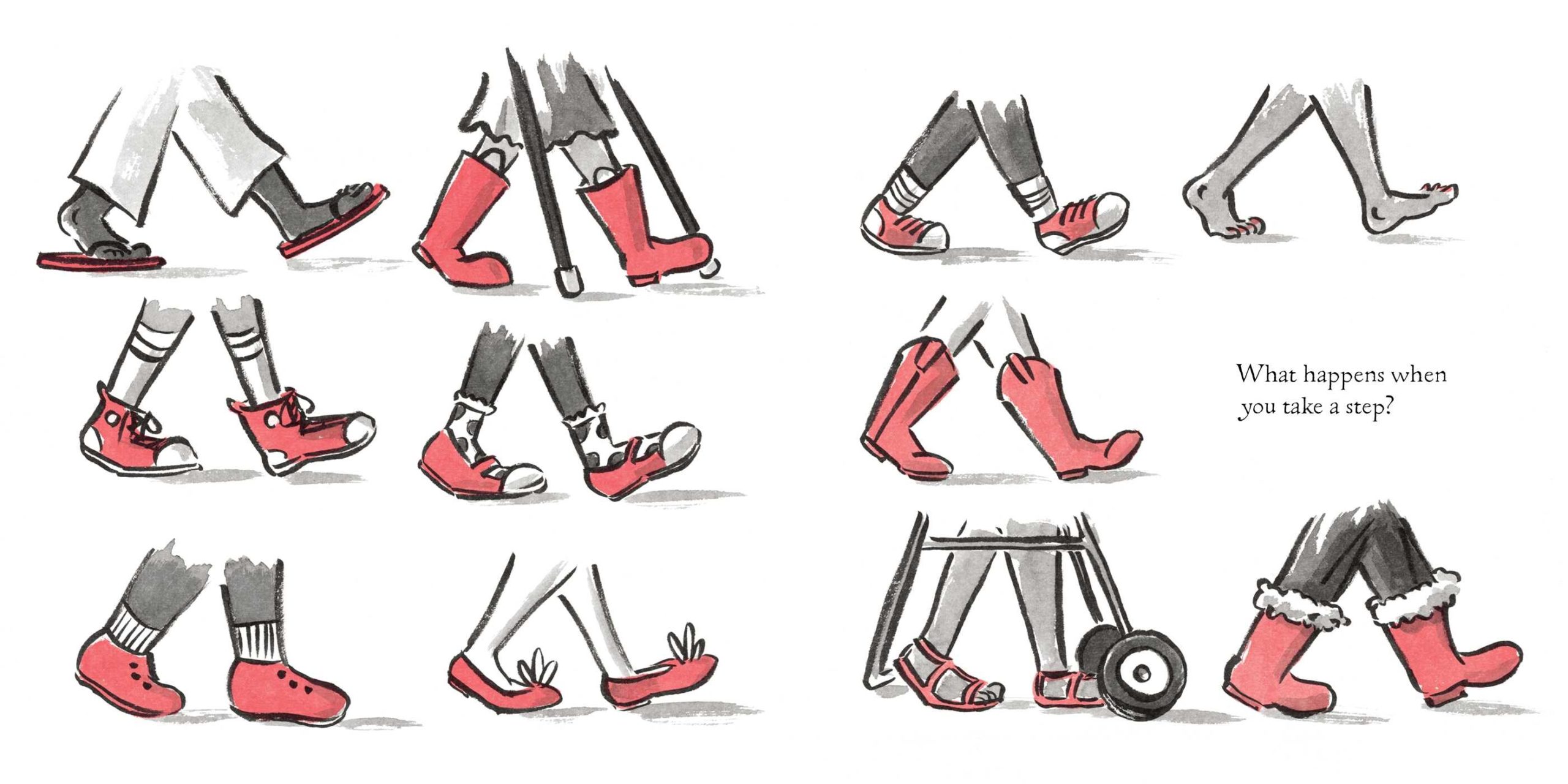
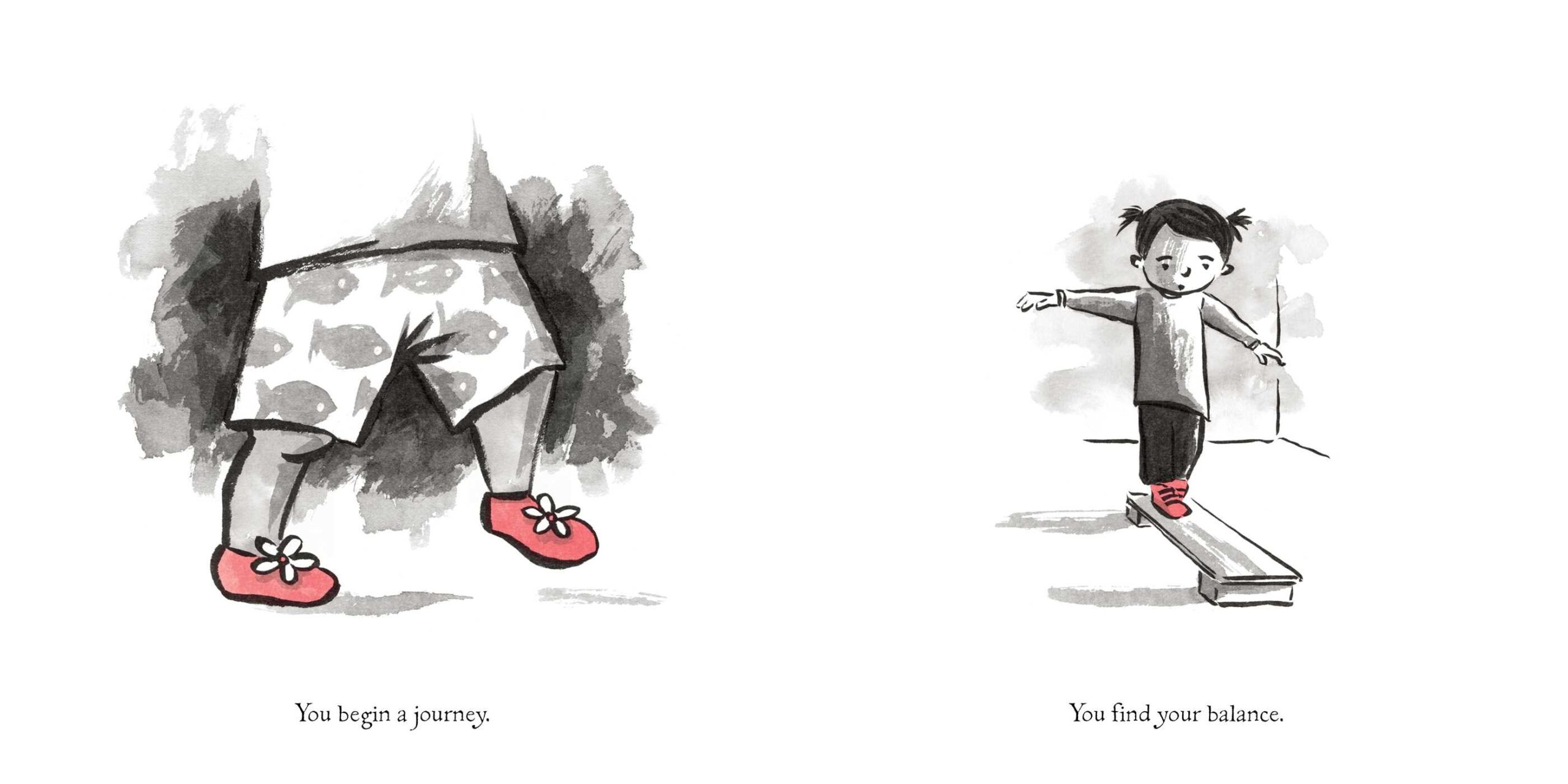
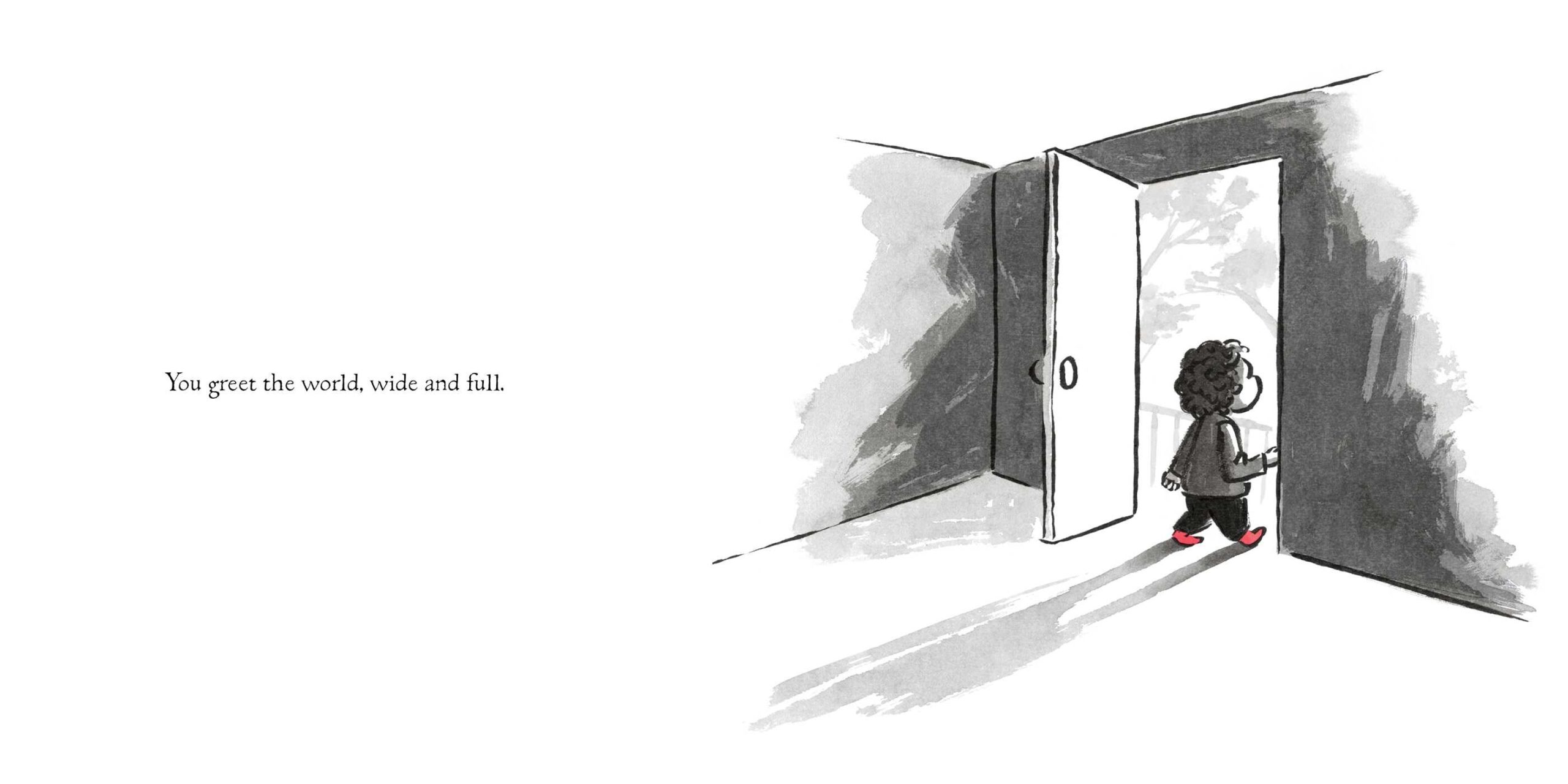
And I love the illustrations and purposeful use of pink color. The cartoon-style illustrations are realistic yet fun; I think readers will connect with them! Also, the use of pink on the shoes to its full page pink spread at the end was so well done to show the spread of the steps.
Teachers’ Tools for Navigation: The publisher has provided a guide for using books about feelings and emotions in the classroom which would work perfectly with this book:
Discussion Questions:
Does the author always mean actual steps? Explain.
What are the different types of steps, figurative and literal, that the author includes in the book?
In what ways did the author add inclusivity into the book?
What is the theme of the book?
Why do you think the author chose to write this book?
Flagged Passages:
Read This If You Love: Inspirational books, Books about emotions
Recommended For:
**Thank you to Alex at Simon & Schuster for providing a copy for review!**
It’s Monday! What Are You Reading?
Sharing Picture Books, Early Readers, Middle Grade Books, and Young Adult Books for All Ages!
It’s Monday! What Are You Reading? is a weekly blog hop co-hosted by Unleashing Readers and Teach Mentor Texts which focuses on sharing books marketed for children and young adults. It offers opportunities to share and recommend books with each other.
The original IMWAYR, with an adult literature focus, was started by Sheila at Book Journeys and is now hosted by Kathryn at The Book Date.
We encourage you to write your own post sharing what you’re reading, link up below, leave a comment, and support other IMWAYR bloggers by visiting and commenting on at least three of the other linked blogs.
The Red Umbrellaby Christina Diaz Gonzalez: WHY DID I WAIT SO LONG TO READ THIS BOOK?! I am so glad that The Bluest Sky coming out and Christina coming to visit my school in February finally pushed me to read this book I’ve owned for years. It is definitely one of my favorite middle grade historical fiction books ever. It is engaging, informative, realistic, heart wrenching, and heart filling; in other words, everything you want a historical fiction book to be. And again, I learned more from this book about history than I did about Cuban history in any history class. I am now a smarter human.
The Bluest Sky by Christina Diaz Gonzalez: And my Cuban history knowledge grew even more with this book which is a companion to The Red Umbrella but in a way that makes them both standalones but with a secret connection. The Bluest Sky, which comes out next week, is another historical fiction masterpiece by Gonzalez which once again tells us a moving story within the context of engaging history.
When You Look Like Us by Pamela N. Harris: I am so glad I put this book on my #mustreadin2022 list because I don’t know if I would have picked it up otherwise, and I am so glad I did! The book was different than what I expected–it was less contemporary realistic fiction and more crime & mystery realistic fiction. Fans of crime-focused fiction will really like this book that follows a brother on a search to find a missing sister that no one else is looking for.
Scritch Scratchby Lindsay Currie: Woof! This book was scary! It is definitely going to find some fans in my middle school as I always have kids looking for ghost and scary stories. What I liked the most about the book (because I am not a huge fan of scary in general usually) was the history aspects–I enjoyed learning about tragedies in Chicago.
Measuring Up by Lily LaMotte, illustrated by Ann Xu: Trent read Measuring Up and when he finished said that he thought I would really like it because “it is like those cooking shows you watch.” And he was right! A great finding identity away from what others expect of you graphic novel mixed with a cooking show!
Stellaby McCall Hoyle: Trent and I listened to this story about a dog that is more than anyone expected. It is a true tribute to rescue and service dogs within a story filled with humor, lots of feelings, suspense, and love.
It is Kellee’s week for a long post, so I’ll be back next week!
Kellee
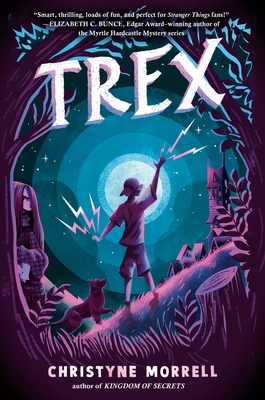
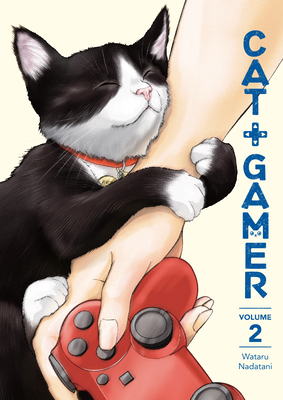
Reading: Trex by Christyne Morrell & Cat + Gamer Vol. 2 by Wataru Nadatani
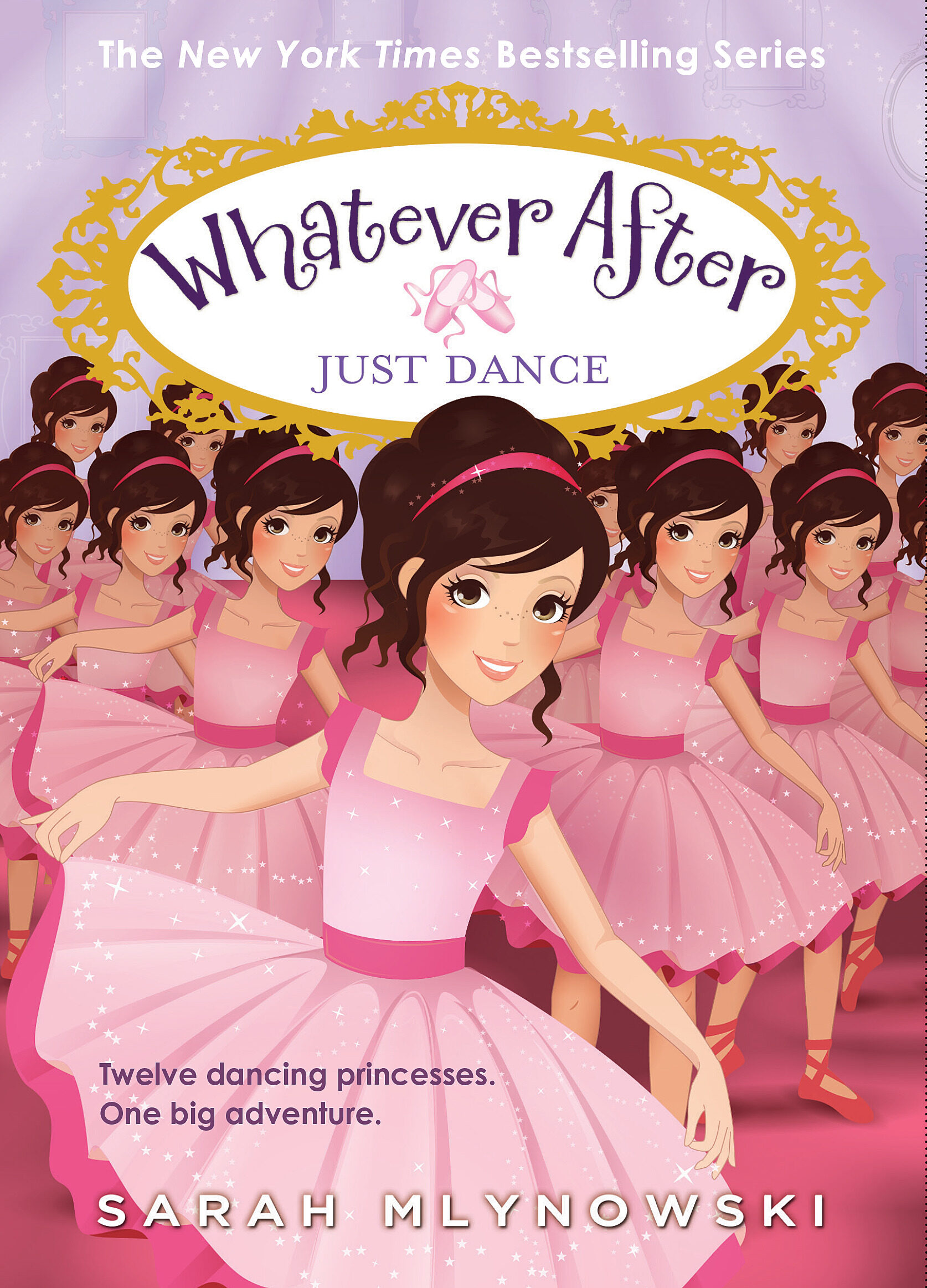
Listening: Just Dance (Whatever After #15) by Sarah Mlynowski
Tuesday: When You Take a Step by Bethanie Deeney Murguia
Thursday: Guest Post: Classroom Uses for Jo Jo Makoons by Dawn Quigley, Length of a String by Elissa Brent Weissman, Melissa by Alex Gino, and Merci Suarez Changes Gears by Meg Medina
Saturday: Guest Post: Classroom Uses for New Kid by Jerry Craft, Other Words for Home by Jasmine Warga, Stella Díaz Has Something to Say by Angela Dominguez, and From the Desk of Zoe Washington by Janae Marks
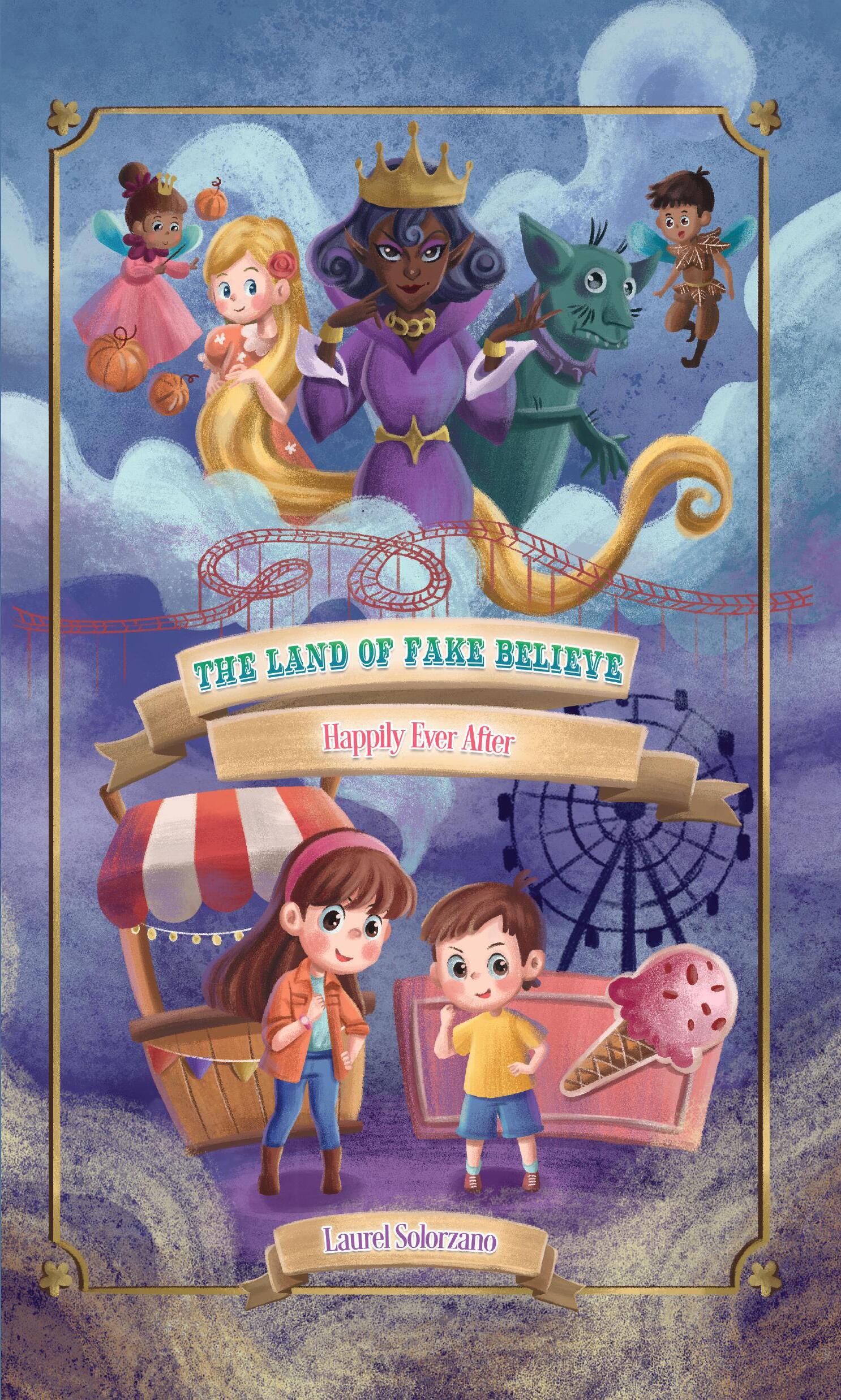
Sunday: Author Guest Post by Laurel Solorzano, Author of The Land of Fake Believe
Link up below and go check out what everyone else is reading. Please support other bloggers by viewing and commenting on at least 3 other blogs. If you tweet about your Monday post, tag the tweet with #IMWAYR!
In 2010, I switched careers. I had been a middle school language arts teacher for many years, and I decided it was time for a change. So, I became a school librarian. It’s the perfect career for someone who loves kids, books, and kids’ books. It’s also a great job choice for someone who doesn’t want to grade even one more essay written by a 12-year-old. And because of this shift to the library, I was able to pursue my lifelong dream of writing books. The Prince of Steel Pier is my debut novel.
You know which parts of my job I love the most? First, I thoroughly enjoy matching students with the perfect book for them. This process is called Readers’ Advisory in librarian lingo. It’s a mini-interview and discussion that helps the librarian connect readers with great book choices specific to their likes and needs. I start off every Readers’ Advisory by asking what I think is the most telling question: What’s the last book you read that you really loved?
The other best part of my job? Filling the shelves! I get to order ALL the books and materials. It’s like a childhood fantasy come true! Yes, I’ll order that one and that one, and oh, I have to get the new book by that author, and I must order that one. It’ll fly off the shelves! Between being a middle school librarian and being a children’s book author, I know what kids like.
And what they like is a long book series. They like getting comfortable with a set of characters and reading about those characters again and again and again. Investing time and emotion in a new protagonist is hard! The path of least resistance, which, honestly, kids are prone to take, means they’ll reach for Diary of a Wimpy Kid #5 and #8 and #16, and on and on. I have reserve lists five-kids deep every time Stuart Gibbs publishes the next Spy School novel. In kids’ minds, long book series rule.
Or do they?
Let’s go back to my Readers’ Advisory opening question: What’s the last book you read that you really loved? Last year, I received an answer from a sixth grader that caught me off guard in the best way. She said, “The last book I really loved was A Night Divided by Jennifer Nielsen. I don’t really want to read another series. After, like, the third book, they all get repetitive and boring.”
I wanted to hug her when she said that.
Stand-alone books make me smile. And as a writer, I understand how difficult a great stand-alone is to pull off. Stand-alone books do all their own heavy lifting. They work their 250-page tails off (or 350 or 180; you get the idea). The author of a stand-alone knows she only has one shot at capturing her audience. None of this “You’ll find out in book 4 why he and his dad don’t get along” or “It will all make sense once you finish book 7” stuff. Good stand-alone books give readers a satisfying character arc and a complete storyline. A reader can finish the last page of a stand-alone and close the book with a gratified exhale. Nothing more is needed. It’s like leaving the dinner table sated after a delicious meal. Sure, you can raid the fridge for leftovers later, but the experience just isn’t the same, is it?
Historical fiction is especially well-suited for the stand-alone format. Authors of historical fiction evoke a moment in time, the only moment when that story could have happened to that person in that place. Thanhha Lai didn’t need to make Inside Out & Back Again into a six-book series. This National Book Award-winning stand-alone tells us one story: Hà’s story, as her family flees war-torn Vietnam and comes to the United States. There’s no need for us to see what happens to Hà the following year, or the year after that, or the year after that. Inside Out & Back Again beautifully presents the family’s traumas and triumphs of that singular experience. Lai leaves it to us, her readers, to imagine Hà’s future, rather than simply telling us everything that happens to her. That stand-alone novel, that no more-no less story, is enough.
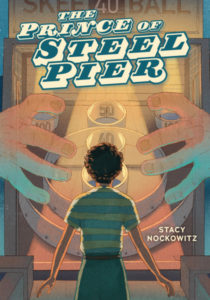
This is exactly what I hope I’ve achieved with The Prince of Steel Pier. The main character, 13-year-old Joey Goodman, doesn’t cease to exist after the last page of the book. I’m sure he goes on to have more adventures and more experiences. But you’ll have to envision them for yourself. Joey’s story from two weeks in August of 1975 stands alone. His moments of happiness and moments of fear, his epiphanies and realizations, can only happen in that one special time in his life. Making my book into an endless series would take away from the power of what Joey learns about himself and his world in The Prince of Steel Pier.
I’m not calling for the abolishment of the long children’s book series. Not at all! Kids need to be able to rely on Percy Jackson getting himself into another mythological mess. They love the continuing escapades of Dogman and The Last Kids on Earth.
But here’s to the stand-alone book, the book that needs no sequels, no books #3-#10. Here’s to a story that thrills kids from its inciting incident all the way through its climax and denouement, and that’s it. Here’s to the books that have no more to say because they’ve said it all, perfectly, the first time around.
Some of my favorite stand-alone middle grade books:
The Magical Imperfect by Chris Baron Where the Watermelons Grow by Cindy Baldwin A Place to Hang the Moon by Kate Albus Alone by Megan Freeman Orphan Island by Laurel Snyder Too Bright to See by Kyle Lukoff When You Reach Me by Rebecca Stead Red, White, and Whole by Rajani LaRocca Some Kind of Happiness by Claire Legrand One Jar of Magic by Corey Ann Haydu
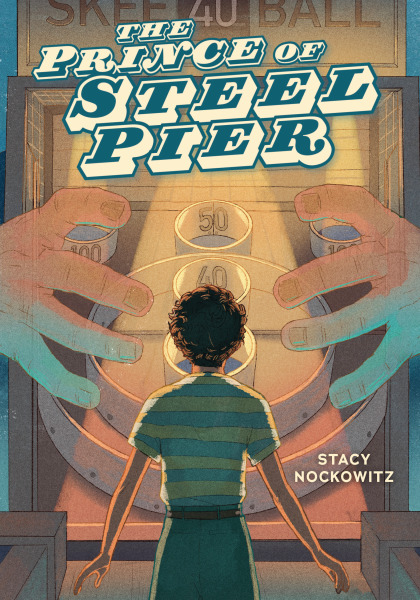
The Prince of Steel Pier Published September 1st, 2022 by Kar-Ben Publishing
About the Book:
Poor 13-year-old Joey Goodman is not suited for 1975 Atlantic City: he’s anxious, fearful, and prone to puking at any moment. On top of it all, his tight-knit Jewish family babies him more than they do his younger brother! With wanting to prove his mettle top of mind, Joey ends up working for kingpin Artie Bishop, whose gangsters are impressed by how Joey handles thieves who steal his prize tickets. Joey suddenly feels important as he runs around with Artie and his crew – but after a streak of deceiving his loved ones and dangerous jobs that put his family at risk, Joey’s resolve will be put to the test. This adventure-filled middle grade will have young readers relating to Joey as he goes through his fair share of feelings (like a crush!), goons, and finding that his place was with his real family all along.
Advance Praise for THE PRINCE OF STEEL PIER:
“What a wonderful book! I loved the sense of atmosphere, all the things that Joey struggles with, and most of all, that big, beautiful family.” —Rajani LaRocca, Newbery Honor-winning author of Red, White, and Whole
“I love the funny voice of Joey/Joseph/Squirt Goodman. (Who wouldn’t fall for a Skeeball champion with a big heart and a nervous stomach?) I was captivated by Joey’s large lovable family and the authentic rendering of the 1970’s Atlantic City setting complete with gangsters, gangster’s daughters, lucky frog fountains, sinister business and mysterious packages. A fun read from start to finish.” —Gennifer Choldenko, Newbery Honor-winning author of the Alcatraz series
“The Prince of Steel Pier has everything a great book needs: an engaging main character, a blooming crush, page-turning adventure, and a loving, quirky family that owns a hotel on the delightfully nostalgic Atlantic City boardwalk. Oh, and don’t forget to throw in some just-short-of-too-scary gangsters and a huge helping of heart.” —Nora Raleigh Baskin, ALA Schneider Family Book Award–winning author of Anything But Typical
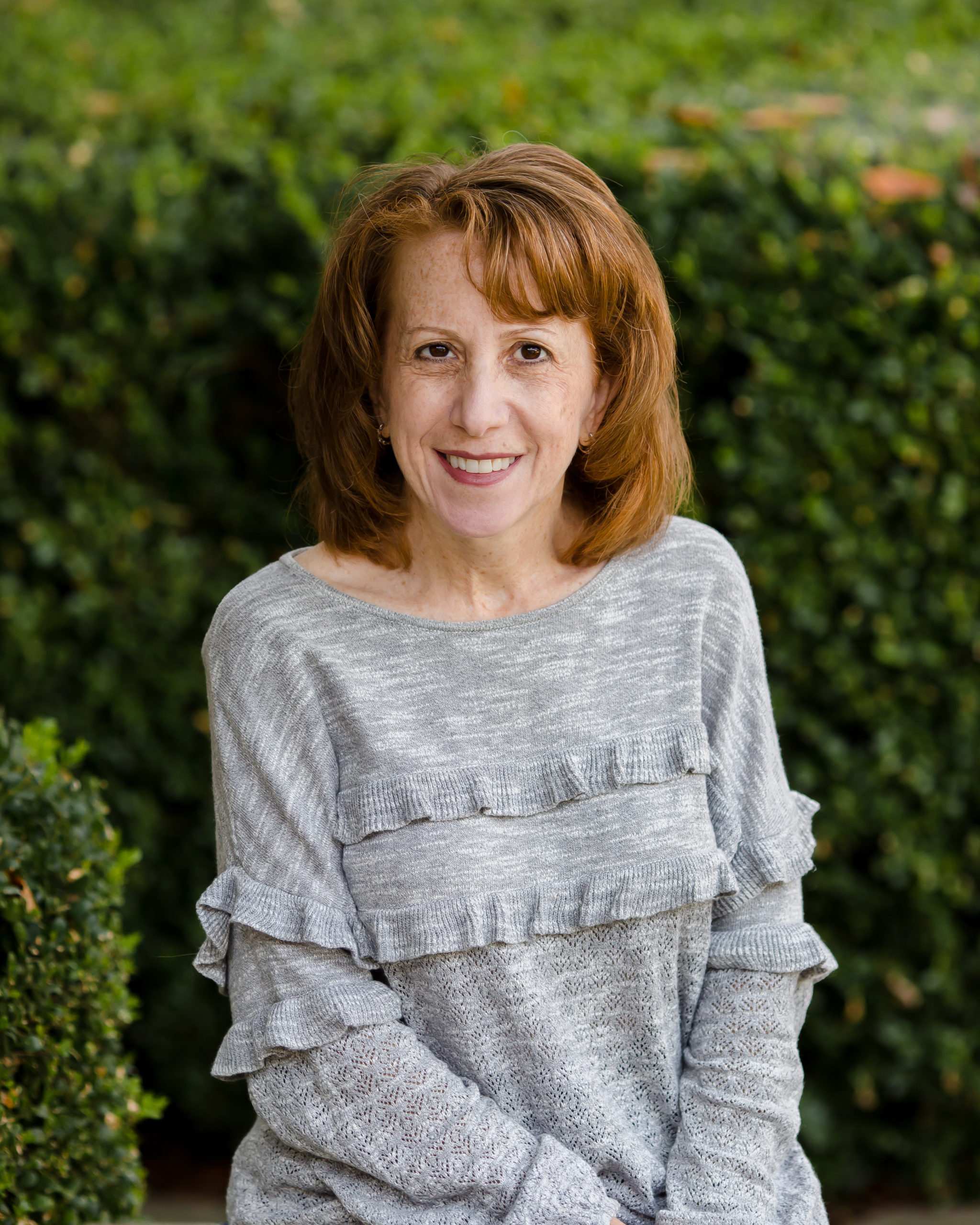
About the Author: StacyNockowitz is a middle school librarian and former language arts teacher with more than 25 years of experience in middle school education. Stacy received her BA from Brandeis University and holds Master’s Degrees from Columbia University Teachers College and Kent State University. She is also an MFA candidate in Writing for Children and Young Adults at Vermont College of Fine Arts. Stacy received a PJ Library Writer’s Incentive Award in 2020 for her debut novel THE PRINCE OF STEEL PIER, coming in September 2022 from Kar-Ben Publishing. An unrepentant Jersey Girl, Stacy still teases her hair and uses plenty of spray. When she’s not writing or matching great kids with great books, Stacy can most likely be found reading or rooting on her beloved Philadelphia Eagles. Her kids have flown the coop, so Stacy lives in central Ohio with her husband and their cat, Queen Esther. Find her on Twitter @snockowitz or at www.stacynockowitz.com
Thank you, Stacy, for sharing the joy in the standalone!
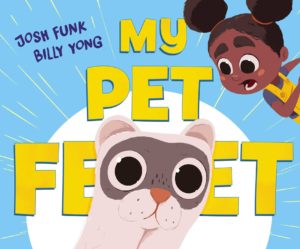
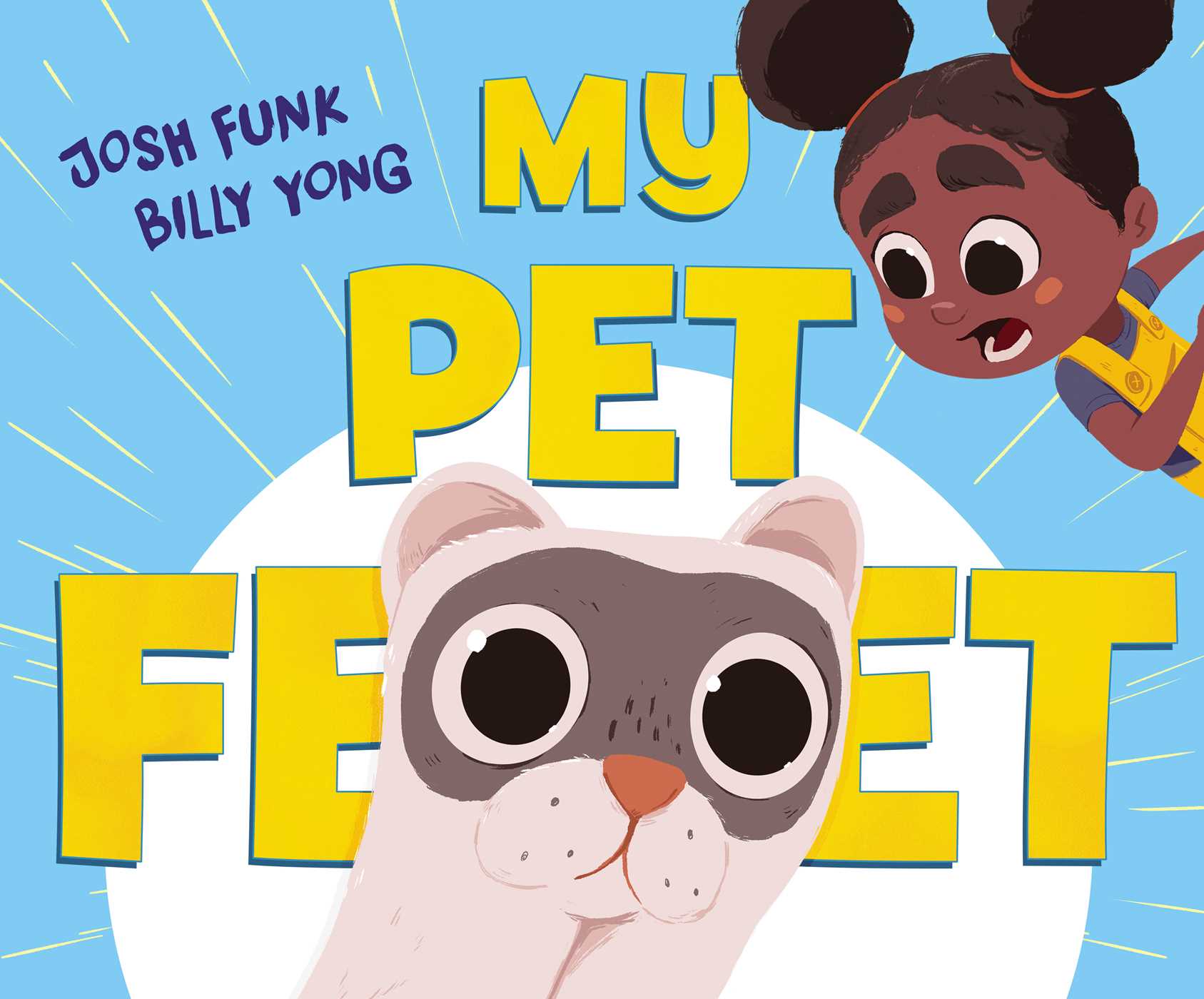
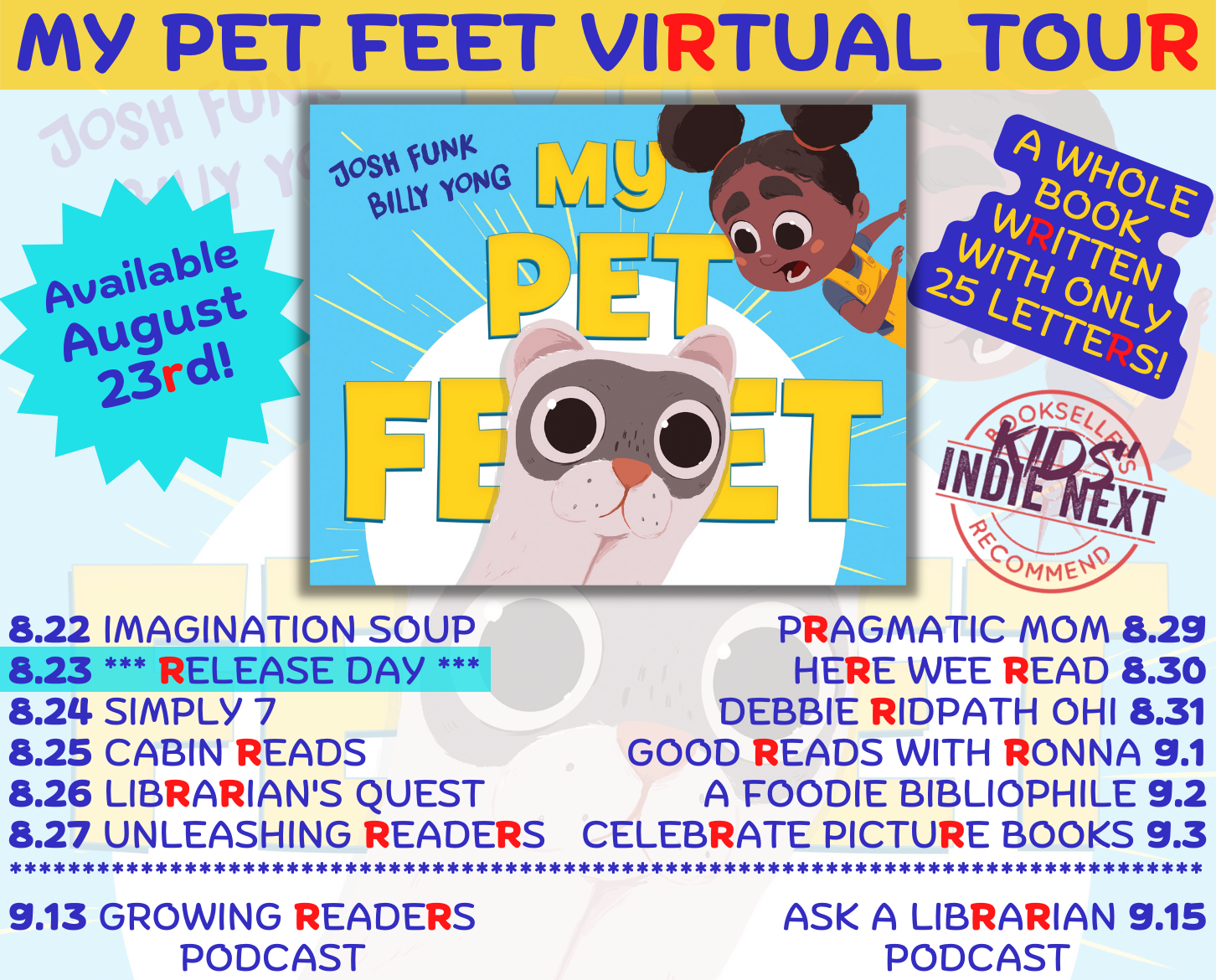
My Pet Feet Author: Josh Funk Illustrator: Billy Yong Anticipated Publication: August 23, 2022 by Simon & Schuster
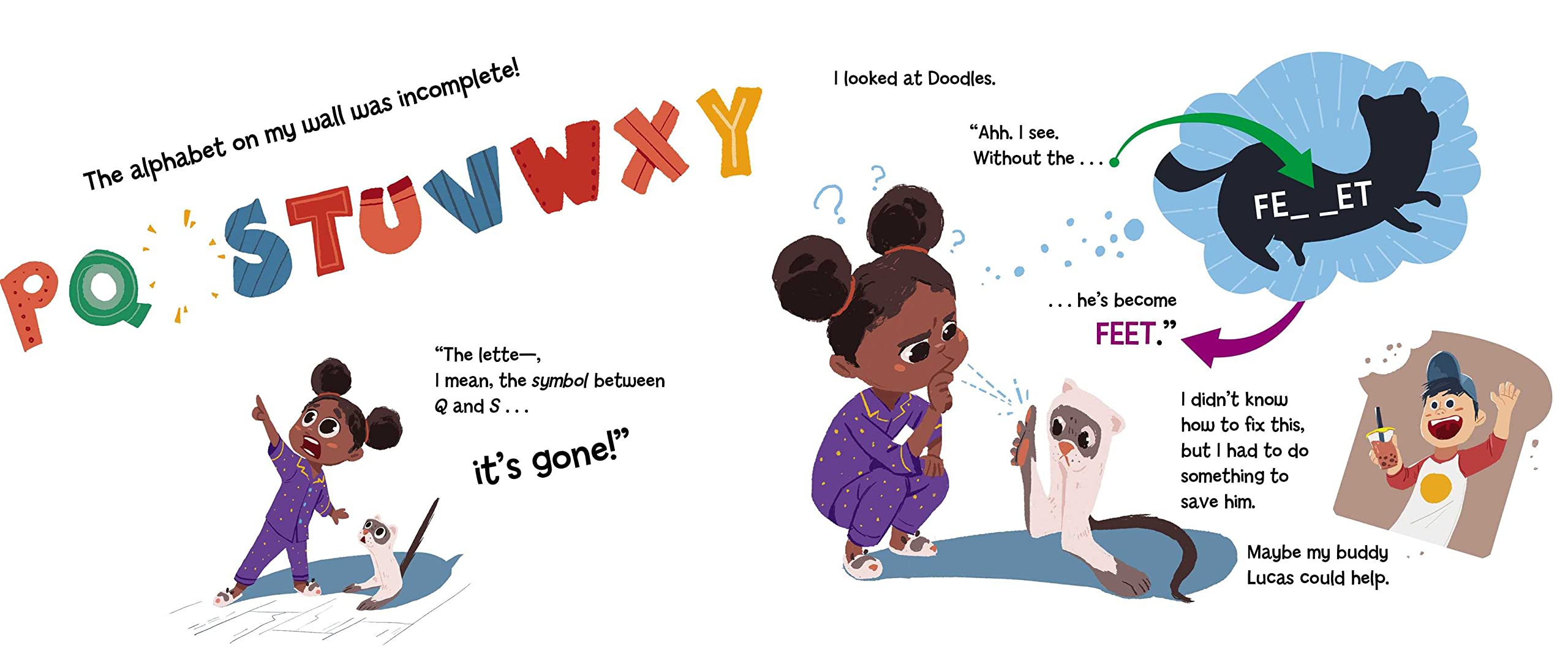
Goodreads Summary: When the letter R suddenly vanishes, a whole town goes upside-down in this side-splitting picture book of alphabet chaos that’s Can I Be Your Dog? meets P Is for Pterodactyl.
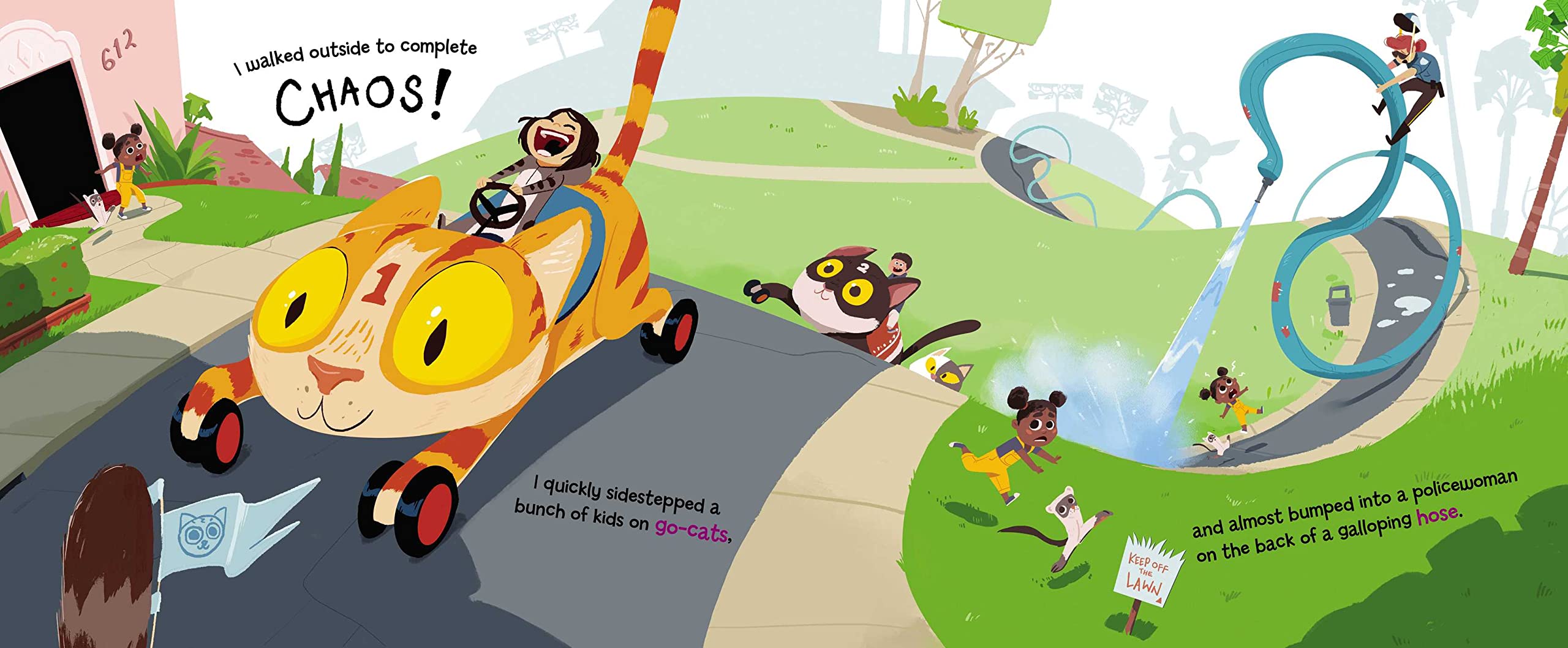
A little girl wakes up one day to find that R, a vital piece of the alphabet, has vanished! Suddenly, she has pet feet instead of a ferret. Flocks of cows replace crows flying in the sky. Giant shoes (not shores!) live on the sandy beaches of her town.
What could have happened to the eighteenth letter of the alphabet? Did it get lost—or stolen? One way or another, the town needs to be saved!
When Trent first read this book, he said (and I quote), “This book should win all the awards! Not just now but forever!” Because of how much he loved the book, we decided to let him and Henry chat about and review the book for us!
Our 8-Year-Olds Chat About the Book:
Henry: Did you notice on the background on the first page that it said “fist place” instead of “first place”? That was so funny!
Trent: Hahahaha! Fist place! Hahahaha! What do you think will happen next because the bees are taking the Zs?
Henry: I would say that…hmm… I don’t know. I think the bees will just be quiet and will say Zs. What do you think?
Trent: Same.
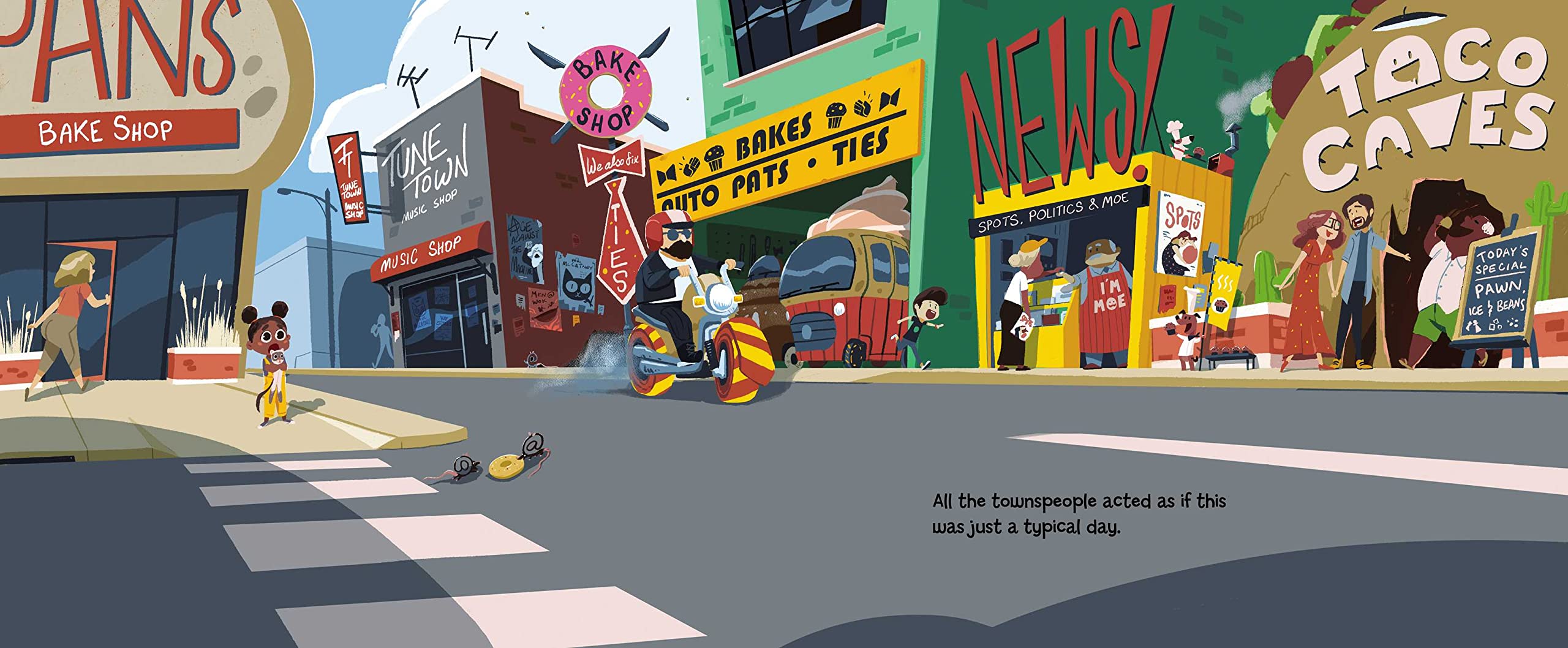
Henry: Have you seen the mice? Have you seen the mice on most of the pages? There’s a little mouse holding a donut on the pages. I love that! Why do you think they did that?
Trent: I didn’t notice that. Oh look at that! I think they are actually rats.
Henry: Yah! Rats without the Rs.
Trent: They are taking the donuts at the bake shop! What are three words without Rs and what would they say?
Henry: Hmm….[looking around the room] Roar would be oa! Hahahahaha! Grown would be gown! Growl would be gowl! Hahaha! Those are so funny!
Trent: In the book, the doo is the door. The cows are the crows. The cane is the crane.
Henry: Oh. You meant from the book! Hahaha! I just picked words!
Trent: Well we are talking about the book, silly.
Henry: Reading would be eading, like eating. Isn’t that funny?
Henry’s little brother: I love this book!
Henry: The go-carts are go-cats! The feet is ferret! The fist is first! What do you think another good letter missing book would be, like this one, that is just as funny as this one?
Trent: But we are talking about this book!
Henry: I know, but I am talking about how this book is funny and thinking about other ones Josh Funk could make.
Trent: E would be good!
Henry: Oh nice! Like “see” would be “ssssss,” hahaha! I like that. Good one, Trent. “Fled” would be “fld.”
Trent: Oh! Compare the spreads on pages 8 and 20. What is the same and what is different? Bake shop, brake shop. That stuff. I like these ones. Taco caves! What do you think taco caves is?
Henry: Oh! Ha! I don’t know! I don’t know! It sounds so funny!
Trent: It’s taco cravers, I think. If you look at the toon town closely inside the brake shop sign, you see posters. And then they are actually different, too.
Henry: Oh!! Taco cravers! Toon Town. Oh! Tires on Brake Shop! I love this book. Oh! Instead of Brake Shop, it is Bake Shop, Trent! We also fix ties instead of tires, it says. Cool! Haha.
Trent: What could the sequel be called with the Zs? It could be My Pet Zzzs.
Henry: Instead of Zzzs for sleeping, it would just say NOTHING! Ha! Why do you think the Bs are taking the Zs away?
Trent: I already asked you that question. Haha!
Henry: On the final page, page 20, in the corner, near Pam’s Bake Shop, the rats are finally eating the donut. Haha! It’s cute. There’s a dog on top, too!
Trent: Oh yah! I see it!
Henry: On page 15, in the left top corner, there is a shoe!
Trent: I know. The sea shore. Shoe, shore. And the pie is the pier.
Henry: Oh yah!
Trent: Josh Funk told me that the illustrator and him didn’t meet before, and there are jokes in the illustration that he didn’t write. Henry, go to the butt page! The gassy field! Page 13!
Henry: Oh, hahahaha! I love this page. Did Josh Funk put that in?
Trent: I think that the illustrator put that in.
Henry: What is your favorite part about the book?
Trent: I like the gassy field the best.
Henry: Hahahaha! I like how they take out the Rs. And I like the gassy fields. And I like the big, giant cow poop. On page 9, they are chasing the poop. And it says “town hall” and it has the poop in front of it.
Trent: It’s the door. It’s supposed to be the door!
Henry: On page 10, if you look in the corner, the door or doo is even bigger.
Trent: Hahahah poop. Hahaha poop.
Henry: What would you rate this book from 1 to 10?
Trent: 10! 10! 10! It was a really good book.
Henry: Same! I rate it a 10, too! I love the crane. The cane!
Trent: Yah, the cane! I like the cane, too. And I like the cows.
Henry: What kind of kids do you think would like to read this book?
Trent: Kindergarten to third, like us.
Henry: Yah, and fourth grade, too. And kids who like potty talk like me. And words.
Trent: Kids who like funny things would really like this book.
Parent Perspective:Not only does this book allow our kids to play with words, they maintained a long conversation about the book without parent prompts. It offered them so much to talk about. In particular, they loved the humor. It made them laugh, and it made them think about different word combinations. This book pushed our kids as readers because they had to pause and consider where the Rs were missing.
We loved this book and think it would be a wonderful addition to classrooms. Although our kids were limited to their own age group, we think readers of all ages would find great joy in the play on words in this book.
One of the assignments during my Spring Children’s Literature course at UCF was creating a mini-teaching guide for the books we read for book clubs. We started with picture books for practice then students created them in their book clubs each week.
Today, I am happy to share the classroom uses and discussion questions found by my UCF Elementary Education students for some historical fiction books they read.
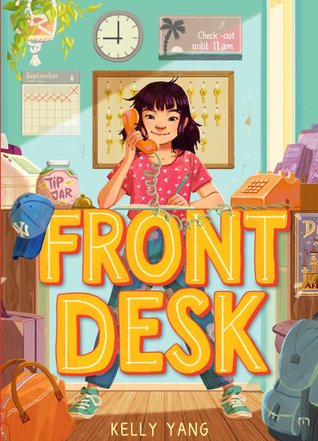
Front Desk Author: Kelly Yang
Published May 29th, 2018 by Arthur A. Levine Books
Summary: Mia Tang has a lot of secrets.
Number 1: She lives in a motel, not a big house. Every day, while her immigrant parents clean the rooms, ten-year-old Mia manages the front desk of the Calivista Motel and tends to its guests.
Number 2: Her parents hide immigrants. And if the mean motel owner, Mr. Yao, finds out they’ve been letting them stay in the empty rooms for free, the Tangs will be doomed.
Number 3: She wants to be a writer. But how can she when her mom thinks she should stick to math because English is not her first language?
It will take all of Mia’s courage, kindness, and hard work to get through this year. Will she be able to hold on to her job, help the immigrants and guests, escape Mr. Yao, and go for her dreams?
Teachers’ Tools for Navigation: This book would be useful in a classroom because it discusses real life topics like immigration, racism, poverty, bullying and even fraud. It gives a message to students on how important it is to fight for what’s right and to learn to treat others with respect, regardless of what they look like. It can be used as a platform for students to discuss issues that they can relate to.
Discussion Questions:
What was Mia’s job at the hotel? What characteristics she have to make her flourish doing that job?
Mia’s mom mothers says, were immigrants. Our lives are never fair,” what does she mean by that?
How did Mia change and grow throughout the book?
Within the book, Mias mother wanted her to practice her math skills despite how Mia felt. Has there ever been a time where you felt like you were in the same position as Mia?
Mia and her dad discuss the value of a penny. He says, “A mistake isn’t always a mistake. Sometimes a mistake is actually an opportunity. What does he mean by that?
Would you try to help immigrants the same way Mia’s family did or would you try to come up with a different solution? What would you do if you were caught by your employer?
If you were part of an immigrant family would you stay to work at this motel or would you leave to try better opportunities? Why would you stay or leave?
If you ran a motel how would you handle customers?
Do you think Mia’s mother was right to have her focus more on math or should she have been supportive of her daughter’s interest in writing? Why do you think one way or the other.
Recommended For:
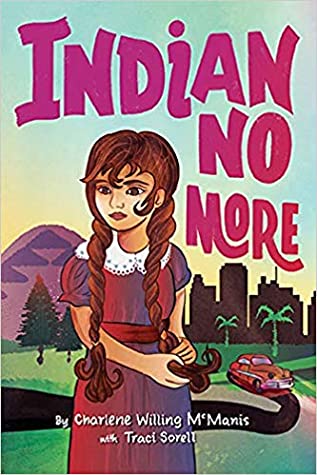
Indian No More Author: Charlene Willing McManis with Traci Sorell
Published September 24th 2019 by Tu Books
Summary: Regina Petit’s family has always been Umpqua, and living on the Grand Ronde reservation is all ten-year-old Regina has ever known. Her biggest worry is that Sasquatch may actually exist out in the forest. But when the federal government signs a bill into law that says Regina’s tribe no longer exists, Regina becomes “Indian no more” overnight–even though she was given a number by the Bureau of Indian Affairs that counted her as Indian, even though she lives with her tribe and practices tribal customs, and even though her ancestors were Indian for countless generations.
With no good jobs available in Oregon, Regina’s father signs the family up for the Indian Relocation program and moves them to Los Angeles. Regina finds a whole new world in her neighborhood on 58th Place. She’s never met kids of other races, and they’ve never met a real Indian. For the first time in her life, Regina comes face to face with the viciousness of racism, personally and toward her new friends.
Meanwhile, her father believes that if he works hard, their family will be treated just like white Americans. But it’s not that easy. It’s 1957 during the Civil Rights Era. The family struggles without their tribal community and land. At least Regina has her grandmother, Chich, and her stories. At least they are all together.
Teachers’ Tools for Navigation: This book is useful for teaching about the US Government and US History. This book also teaches about how people from diverse identities showed solidarity with each other in the face of white supremacy, which is a core value of US democracy. The book also teaches that one’s identity is personal and they cannot be defined by other people.
Discussion Questions:
Describe the significance of storytelling in Umpqua culture.
This book examines how identity is very complicated and mixed but the US government imposes very rigid categories on people. Discuss how the categories the US government attempts to put people in, then and now, can harm people and are inaccurate.
Describe the Grande Ronde Reservation from Regina’s point of view, is this different from other depictions of reservations you have seen?
What made the Thanksgiving and the Thanksgiving play so hard on Regina and her family?
Compare and Contrast the Indian Agency School on Grande Ronde Reservation and Budlong Elementary School in Los Angeles.
Reflect on Regina’s first Halloween off the Reservation. What went wrong and how do you think Regina and her friends felt? Think about how it could affect them even after the attack.
How did the passing of Chich affect the family? Why do you think Regina’s father reacted the way he did?
Regina connects to her culture and identity by storytelling. Write about a significant event that happened to you.
How does Regina’s father struggle with his identity after they move to Los Angeles?
Within the story Regina Petit called her grandmother and grandfather Chich and Chup. What do you call your grandparents where you’re from? Why do you think it differs from Regina?
Within the story, Regina was prideful of her long hair. It represented their culture back home. When Regina’s father cut it off, she was very upset. How do you think you would have reacted if someone took something that means alot in your culture and why?
Chich would keep the story of their homeland alive through her story telling. What stories do you have of your own culture that represents you? Why did you chose this?
Looking back at the story of the beaver, how can this relate to you in your life?
Have you ever experienced/seen someone experience what Regina and her friends did on Halloween? How would you react if you were in this situation? Do you think this was a fair treatment?
When Regina and her family wanted to celebrate her father promotion at work, they were denied service due to the color of their skin and appearance. Have you or someone you know experienced not being served at a restaurant just because of your appearance? Do you think this treatment of people of color is correct and just? How would you react if it were you in this very same situation?
What did you know about this time period prior to reading this book? Do you believe you learned more about the time period from the book after reading it? What have you learned?
How do you think Regina’s life differs from your own life? Do you think the time period has anything to do with that?
Have you ever experienced a great loss like Regina and her sister did towards the end of the book? How did you react to it?
If there was anything about the events in the book that you would change what would it be? Why did you choose this event to change?
Recommended For:
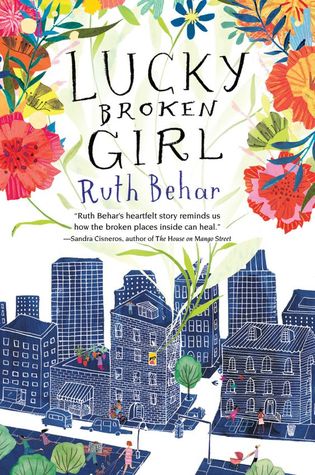
Lucky Broken Girl Author: Ruth Behar
Published April 11th 2017 by Nancy Paulsen Books
Summary: Based on the author’s childhood in the 1960s, a young Cuban-Jewish immigrant girl is adjusting to her new life in New York City when her American dream is suddenly derailed.
Ruthie Mizrahi and her family recently emigrated from Castro’s Cuba to New York City. Just when she’s finally beginning to gain confidence in her mastery of English and enjoying her reign as her neighborhood’s hopscotch queen, a horrific car accident leaves her in a body cast and confined her to her bed for a long recovery. As Ruthie’s world shrinks because of her inability to move, her powers of observation and her heart grow larger. She comes to understand how fragile life is, how vulnerable we all are as human beings, and how friends, neighbors, and the power of the arts can sweeten even the worst of times.
Teachers’ Tools for Navigation: This book would be useful in the classroom for group discussions about overcoming hardships. It is also useful in the classroom to help students who are learning English relate to Ruthie.
This book will be a good choice for a classroom library. This book represents the story of a strong girl living through a difficult time in her life. She had to move to a new country but also had a bad accident that left her physically and emotionally drained. This book can help children learn to face loss and have hope for a better future.
Discussion Questions:
Ruthie faced hardship and she found it difficult to stay positive but her family and friends tried helping in the best way they could. How have your friends and family helped you when facing difficulties?
What is the theme of Lucky Broken Girl and how can you relate to the theme?
How are characters helping and not helping Ruthie cope during her recovery?
Was Chico a good friend to Ruthie? Why? What did he do during Ruthie’s recovery?
What did Ruthie learn about the immigration stories of the people around her?
Ruthie has been reading a lot during her recovery, especially Nancy Drew. How are these books helping her and encouraging her?
How was Ruthie “Lucky” while being bedridden for ten months?
What connection can you make with Ruthie or her family?
The painting of Frida Kahlo and the poems of Emily Dickerson help Ruthie understand her situation. What poems, books, or artists have helped you through a hard time, and why?
Recommended For:
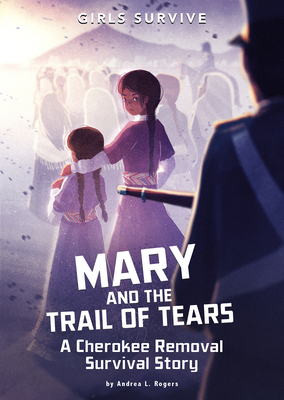
Mary and the Trail of Tears: A Cherokee Removal Survival Story Author: Andrea L. Rogers
Published January 1st 2020 by Stone Arch Books
Summary: Twelve-year-old Mary and her Cherokee family are forced out of their home in Georgia by U.S. soldiers in May 1838. From the beginning of the forced move, Mary and her family are separated from her father. Facing horrors such as internment, violence, disease, and harsh weather, Mary perseveres and helps keep her family and friends together until they can reach the new Cherokee nation in Indian Territory. Featuring nonfiction support material, a glossary, and reader response questions, this Girls Survive story explores the tragedy of forced removals following the Indian Removal Act of 1830.
Teachers’ Tools for Navigation: The story goes into great detail from the time Mary learns what is happening and the journey across the land. The characters face many different challenges on their journey, and the book does a great job at providing dates and locations. Also, the drama response of the news reporter would be fun, as it is clear the characters in the story have many opinions and emotions.
This book could also be used as a read-aloud book. It would be great to read a chapter a day as a class, even having children popcorn read paragraphs. After reading, students can do several different activities about the culture, history, and even character perspectives
Discussion Questions:
In what ways would you try to communicate to the soldiers if you didn’t speak English like Mary.
In what ways would you try to comfort your younger family members knowing you had no home to return to?
When Mary and her family are trapped in the mud caused by the non-sto prain, they begin to sing a song they all remember. Do you have a song your whole family knows? What song(s) do you sing to make yourself feel better?
While reading this book what emotions trigger you the most: sad, happy, confused?
In what ways do you relate to Mary?
How does not being able to speak the language with the soldiers create a conflict for Mary?
We’ve all felt alone at some point whether its been when we lost our mom at the grocery store for a second or what have you, name a similar situation in which you felt alone like Mary. Elaborate.
When was there a time where you felt scared like Mary? What did you do to overcome this fear?
How do you think that this situation of being forcefully kicked out of your house would play out today because you were of a certain racial group? What would be the effects?
Explain a time you cried tears of joy?
Recommended For:
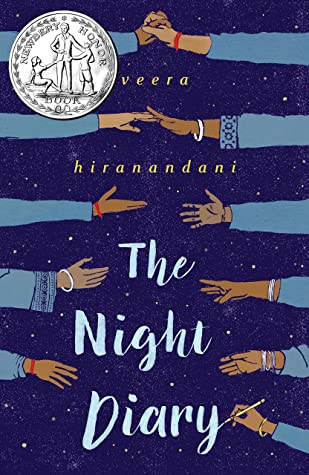
The Night Diary Author: Veera Hiranandani
Published March 6th 2018 by Kokila
Summary: It’s 1947, and India, newly independent of British rule, has been separated into two countries: Pakistan and India. The divide has created much tension between Hindus and Muslims, and hundreds of thousands are killed crossing borders.
Half-Muslim, half-Hindu twelve-year-old Nisha doesn’t know where she belongs, or what her country is anymore. When Papa decides it’s too dangerous to stay in what is now Pakistan, Nisha and her family become refugees and embark first by train but later on foot to reach her new home. The journey is long, difficult, and dangerous, and after losing her mother as a baby, Nisha can’t imagine losing her homeland, too. But even if her country has been ripped apart, Nisha still believes in the possibility of putting herself back together.
Told through Nisha’s letters to her mother, The Night Diary is a heartfelt story of one girl’s search for home, for her own identity…and for a hopeful future.
Teachers’ Tools for Navigation: This book can be useful in the classroom when talking about and learning about different cultures around the world. Students will have a better understanding of the differences of two close religions and cultures, as I learned when reading the book.
This book would also be useful when it comes to the topic of World History. After reading this book, students would have had insight to another culture and perspective from a standpoint of someone of a different culture in a different country.
Discussion Questions:
How do you think Nisha felt when she had to move?
What do you think you would have done if you or a family member were attacked on a train like Nisha and her family was?
Nisha kept a diary, what kind of thing do you think you would put in yours if you had one? Would your diary be similar to Nishas?
Do you think Papa made the right decision on moving away? Explain why or why not.
Do you think Nisha preferred one religion to the other? Hindu or muslim?
Kazi was Nisha’s best friend but she had to leave her behind. Do you think they would still keep in touch if they could?
Why do you think there was so much division in India?
How did the book make you feel after and during reading? Was it what you expected? Explain.
Nisha is half Muslim and half Hindu. Do you only have one religion in your household, or do you come from two like Nisha?
How did reading about Nisha’s journey make you feel when she was attacked on the train? What would you do in that situation ?
What are two lessons you learned from reading this book that are specific to Nisha’s Journey?
Do you think Papa made a good choice by leaving? Why or why not?
If you had to be a character from the book, who would you choose? Why?
How did moving away affect Nisha?
Name one character that contributed to Nisha’s life and journey to find herself.
Does anyone have a diary? If so, do you think that you can relate to Nisha because she had one to? Why?
Why do you think Papa didn’t want his son to smile in the beginning? What does this say about their culture?
Think about your bond with your siblings if you have any. Do you find it to be similar to Nisha and her brothers in any way?
When Nisha had to leave Kazi behind she was very sad. Have you ever lost a friend the way Nisha did, if so what was that like ?
One of the assignments during my Spring Children’s Literature course at UCF was creating a mini-teaching guide for the books we read for book clubs. We started with picture books for practice then students created them in their book clubs each week.
Today, I am happy to share the classroom uses and discussion questions found by my UCF Elementary Education students when reading these historical fiction books.
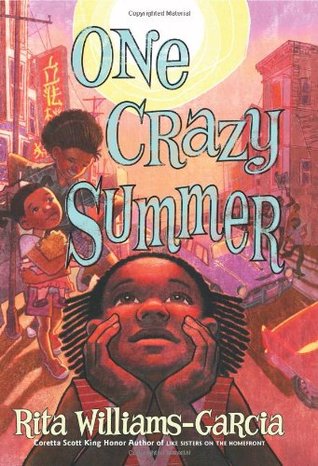
One Crazy Summer Author: Rita Williams-Garcia
Published January 26th, 2010 by Quill Tree Books
Summary: In the summer of 1968, after travelling from Brooklyn to Oakland, California, to spend a month with the mother they barely know, eleven-year-old Delphine and her two younger sisters arrive to a cold welcome as they discover that their mother, a dedicated poet and printer, is resentful of the intrusion of their visit and wants them to attend a nearby Black Panther summer camp.
In a humorous and breakout book by Williams-Garcia, the Penderwicks meet the Black Panthers.
Discussion Questions:
What do you think of Cecile and the way she treats her daughters? How does that make you feel?
What do you think Cecile does for the black panthers? Do you think it is good or bad?
Explain why you think the girls were sent to visit their mother?
Why did the black panthers call Fern’s doll, Ms. Pattycake, self hatred?
Who or what is a black panther? (For background knowledge on the history in story)
Why do you think Vonneta didn’t stick up for Fern when her friend was calling her a baby? Why did she then destroy Fern’s doll?
Family is an important theme of the novel, write about your relationship with your family.
Do you think Delphine agrees with the black panthers are fighting for? Why or why not?
Do you think Fern’s name is the real reason Cecile left? Why or why not?
Do you think Delphine forgives her mom for abandoning her? Why or why not?
Recommended For:
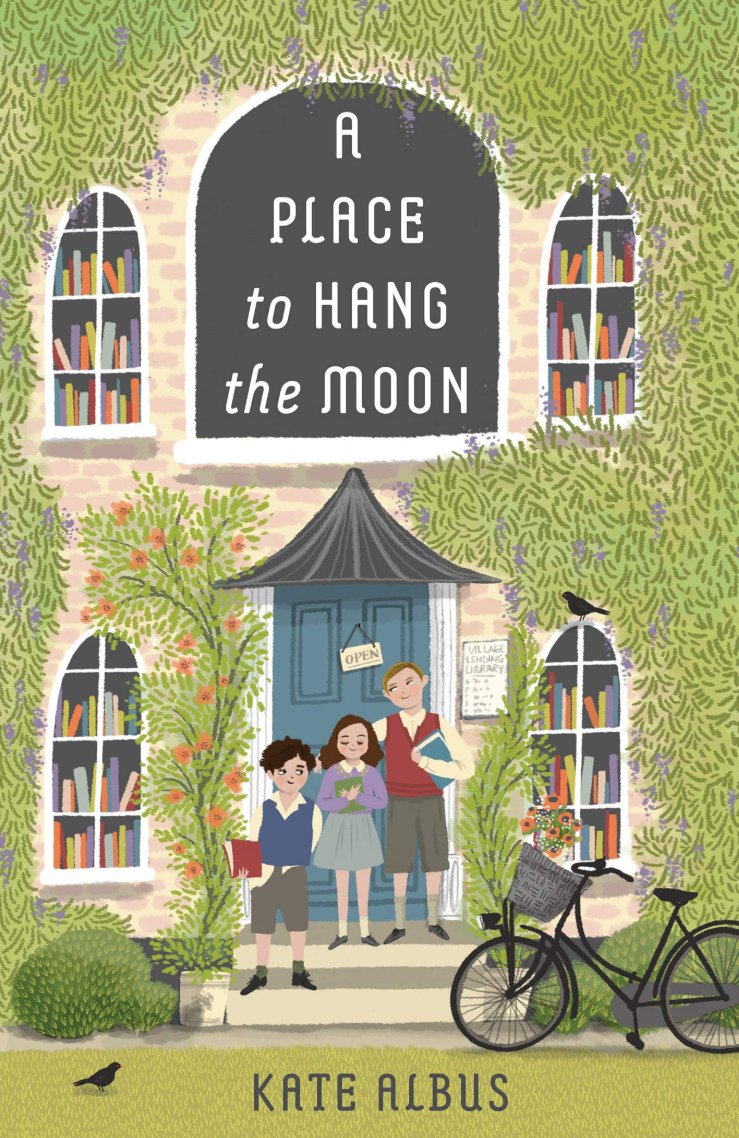
A Place to Hang the Moon Author: Kate Albus
Published February 2nd, 2021 by Margaret Ferguson Books
Summary: Set against the backdrop of World War II, Anna, Edmund, and William are evacuated from London to live in the countryside, bouncing from home to home in search of a permanent family.
It is 1940 and Anna, 9, Edmund, 11, and William, 12, have just lost their grandmother. Unfortunately, she left no provision for their guardianship in her will. Her solicitor comes up with a preposterous plan: he will arrange for the children to join a group of schoolchildren who are being evacuated to a village in the country, where they will live with families for the duration of the war. He also hopes that whoever takes the children on might end up willing to adopt them and become their new family–providing, of course, that the children can agree on the choice.
Moving from one family to another, the children suffer the cruel trickery of foster brothers, the cold realities of outdoor toilets, and the hollowness of empty tummies. They seek comfort in the village lending library, whose kind librarian, Nora Muller, seems an excellent candidate–except that she has a German husband whose whereabouts are currently unknown. Nevertheless, Nora’s cottage is a place of bedtime stories and fireplaces, of vegetable gardens and hot, milky tea. Most important, it’s a place where someone thinks they all three hung the moon. Which is really all you need in a mom, if you think about it.
Teachers’ Tools for Navigation: This book could be used to teach children about the effects of World War II on England and specifically how it affected children. This book could also be used to have an open discussion about family. To help children understand how family changes and how your ideas and those you consider family can change over time.
This book should definitely be put in the classroom library. Close reading/analysis would be used especially when the children are learning about World War II, so they are able to better understand historical context and explore what else was going on in this time period and why the actions of the characters were necessary. And the book would be great in a book club could also be used to help students reflect upon what they were feeling and give them an opportunity to share their opinions of the story with their peers.
Interdisciplinary Aspects:
History- This book takes place during World War II students can take this as an opportunity to research the war and understand the setting of the novel and why the characters were forced to move away in more detail
Reading/Literature- Throughout the book the children are introduced to many different books and authors. Students can explore these books and read one of their choosing to understand these stories in more detail
Discussion Questions:
Throughout the book the children mention that they know they will have found their new family when they find someone who believes that they had hung the moon. What do you believe that this phrase means?
During this book the children mention that they are frequently talking about rationing and the need for rationing coupons. What is rationing and why was it necessary during the war?
Why would Mrs.Mueller having a German husband make her unsuitable to house the children?
Which housing accommodation was the least suitable for the children? Why?
Throughout the book the children read different books to pass the time and feel better about their current situation? How can reading bring about comfort to these characters?
How is Edmunds understanding of the war and his actions to his billet hosts different from Williams?
Edmund tells William that he knows that the stories he tells about his parents are fake. Why does he still enjoy these stories even though he knows they aren’t real?
Each of the siblings is hoping to get something specific out of the new family. (Edmund wants someone to cook for him, William wants to not worry about taking care of his siblings and having so many burdens, and Anna wants someone to tuck her in and give her a hug) Why is their idea of parents so different? How does Mrs. Mueller meet each of their expectations?
Why do you think that none of the children were devastated at the death of their Grandmother? How do you think they acted at their parents’ funeral?
Why are the children sent to a village in the country?
What war did this story take place during?
Where did the children get sent off to?
What is one thing they encountered during their foster care?
What is the name of the librarian they fell in love with?
Who is the person that sent them into foster care and why?
What did it mean for them when they said they hung the moon?
Who sank the boat of refugee children?
Why did the English women who’s husband was German get a lot of prejudice from neighbors?
Recommended For:
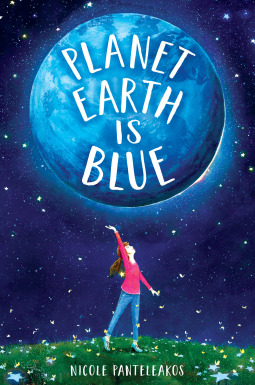
Planet Earth is Blue Author: Nicole Panteleakos
Published May 14th, 2019 by Random House
Summary: Twelve-year-old Nova is eagerly awaiting the launch of the space shuttle Challenger–it’s the first time a teacher is going into space, and kids across America will watch the event on live TV in their classrooms. Nova and her big sister, Bridget, share a love of astronomy and the space program. They planned to watch the launch together. But Bridget has disappeared, and Nova is in a new foster home.
While foster families and teachers dismiss Nova as severely autistic and nonverbal, Bridget understands how intelligent and special Nova is, and all that she can’t express. As the liftoff draws closer, Nova’s new foster family and teachers begin to see her potential, and for the first time, she is making friends without Bridget. But every day, she’s counting down to the launch, and to the moment when she’ll see Bridget again. Because Bridget said, “No matter what, I’ll be there. I promise.
Teachers’ Tools for Navigation: This book would be useful for students who aren’t nonverbal and autistic, it would teach the perspective from these students who are to better understand them and find ways to relate to them.
It can also be an introduction to space and the solar system focusing on science.
This would be a great book to have in the classroom library as it is easy to build a personal connection to the characters that students may not want to speak about to a larger group. This would give them the chance to dive into subjects that may be relatable to them but not others and provide a safe space for it.
Using this book for a close reading or analysis can be beneficial as it can be used as an introduction to the space unit. It can be used as a way to introduce the topic of differences in students’ lives and how it can be accepted rather than seen as a negative.
Discussion Questions:
Describe the relationship between Nova and Bridget that was given by the narrator.
Why do you think Nova and Bridget were unable to live with their mother any longer?
Why do you think Nova took a special interest in space?
How does it make you feel that people are mean to Nova? Use describing words.
Nova often talks about being tested multiple times. How does Nova feel about this testing? Can you relate to this? Explain.
Why do you believe the book was written from the point of view of a narrator rather than Nova herself?
When Francine looks up the word Nova, how does this relate to her?
Why were the chapters counting down instead of up?
Describe the alternative ending you would have liked to read for Nova and Bridget.
Recommended For:
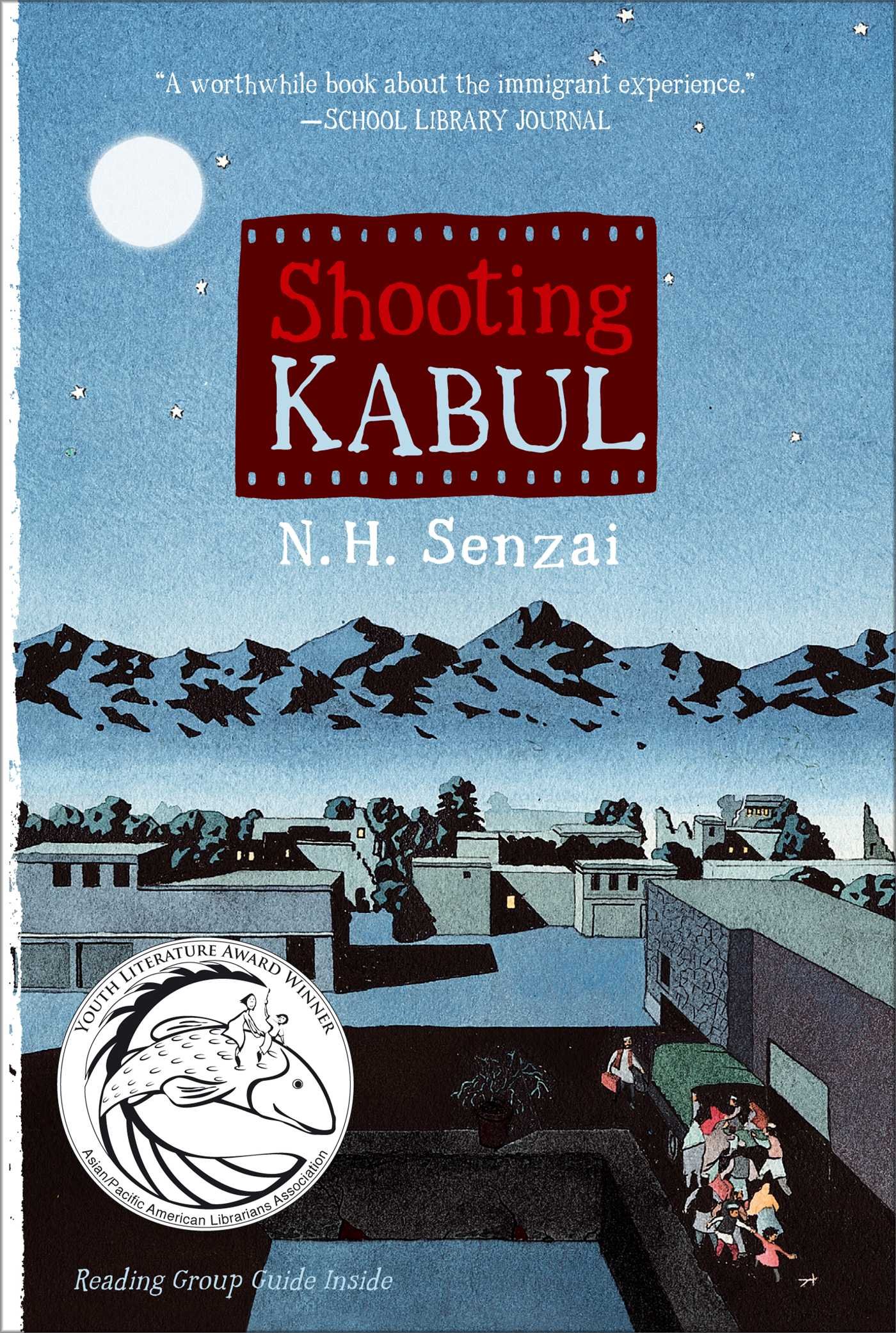
Shooting Kabul Author: N.H. Senzai
Published June 22nd, 2010 by Simon & Schuster
Summary: In the summer of 2001, twelve-year-old Fadi’s parents make the difficult decision to illegally leave Afghanistan and move the family to the United States. When their underground transport arrives at the rendezvous point, chaos ensues, and Fadi is left dragging his younger sister Mariam through the crush of people. But Mariam accidentally lets go of his hand and becomes lost in the crowd, just as Fadi is snatched up into the truck. With Taliban soldiers closing in, the truck speeds away, leaving Mariam behind.
Adjusting to life in the United States isn’t easy for Fadi’s family, and as the events of September 11th unfold the prospects of locating Mariam in a war torn Afghanistan seem slim. When a photography competition with a grand prize trip to India is announced, Fadi sees his chance to return to Afghanistan and find his sister. But can one photo really bring Mariam home?
Based in part on Ms. Senzai’s husband’s own experience fleeing his home in Soviet-controlled Afghanistan in the 1970’s, Shooting Kabul is a powerful story of hope, love, and perseverance.
Teachers’ Tools for Navigation:This book would be useful in the classroom when talking about history. Events like 9/11 and especially the history of the Middle East and how refugees adapt to American culture. It speaks on culture and religion. It also creates a discussion for kids to speak on transitioning, which most can relate to.
Discussion Questions:
How do the events of September 11, 2001, affect Fadi’s school and home life?
How would you handle accidentally leaving your sibling behind in another country?
Would you go to another country if things are going bad in yours or would you stay to help? How would you help if you stay? Where did you leave and why did you choose there?
If you were put in charge of a country would you put your beliefs and needs first or would you worry more for your people’s wants and desires? How would you handle either situation?
Would you move on if the bullies had destroyed your camera? What would you do if the principal asked you who was there during the fight?
What kind of observations tell you on how Fadi has adapted to his new school and life in America?
If you were a member of Fadi’s family, how would you have felt about Habib, your dad, wanting to return to Afghanistan?
In the book, what types of misunderstandings about the Muslim faith and Middle Easterns are shown?
How do you think Fadi felt when in school? Was it difficult for him to cope with American culture ?
Recommended For:
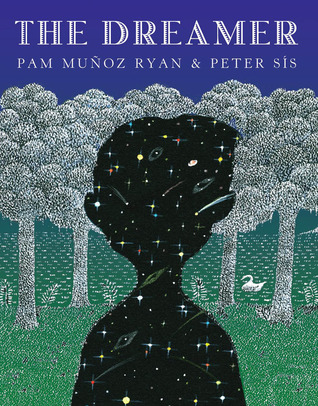
The Dreamer Author: Pam Muñoz Ryan & Peter Sis
Published April 1st, 2010 by Scholastic Press
Summary: Neftali finds beauty and wonder everywhere: in the oily colors of mud puddles; a lost glove, sailing on the wind; the music of birds and language. He loves to collect treasures, daydream, and write–pastimes his authoritarian father thinks are for fools. Against all odds, Neftali prevails against his father’s cruelty and his own crippling shyness to become one of the most widely read poets in the world, Pablo Neruda. This moving story about the birth of an artist is also a celebration of childhood, imagination, & the strength of the creative spirit. Sure to inspire young writers & artists.
Teachers’ Tools for Navigation: This book is more about beating the odds that someone has set in place for you. Neftali is told he should be a poet by his father but when Neftali decides to be who he is meant to be, a poet/ artist, he finds success and happiness there.
The Dreamer would be an excellent book for independent reading within the classroom. This book would be great to have in your classroom library so that there are an array of diverse books to choose from. There will be a student at some point that will be able to relate to Neftali’s story with his father. This book could definitely make an impact on a student.
This book would be an excellent shared reading pick or book club choice. The story takes place in Chile, so can be used when teaching about other countries, specifically focusing on the norms, culture, and government. This story is also based on the childhood of poet Pablo Neruda. The book serves as an excellent introduction to poetry. The book is also a great aid for social emotional learning.
Discussion Questions:
Why do you think Neftali enjoys daydreaming?
How would you describe Neftali’s relationship with his father?
What does Neftali’s father think of Rodolfo’s singing?
Why does he want Rodolfo to focus on business or medicine, instead of singing?
Compare Neftali’s father to Neftali’s uncle, Orlando. How are they similar or different?
Who did you think Neftali relates more to, his father or his uncle? Why?
How did Neftali’s relationship with his father change after his trip to the forest?
Why does Neftali love and hate the ocean?
Has anyone ever told you what you should be when you grow up? If so, how did it make you feel? What do you want to be when you grow up?
Why does Neftali’s have a hard time making it to school on time?
What does Neftalis’ collections represent? How do they make him feel?
Has someone ever told you that you should do something- as your father did with Neftali? How did that make you feel?
What does Neftali dream of becoming? Does his father agree? Why or why not?
Neftali’s father called him by really harsh names, such as “idiot”- Do you think that Neftali was truly any of those things?
In the beginning, Neftali was shy, frail, didn’t say much, and spent a lot of time alone. How did Neftali begin to change throughout the book?
In what ways did Neftali’s relationship begin to change with his father?
What do you think it feels like to be Neftali?
Draw a specific scene from the book, why did you choose this scene to draw?
It’s Monday! What Are You Reading?
Sharing Picture Books, Early Readers, Middle Grade Books, and Young Adult Books for All Ages!
It’s Monday! What Are You Reading? is a weekly blog hop co-hosted by Unleashing Readers and Teach Mentor Texts which focuses on sharing books marketed for children and young adults. It offers opportunities to share and recommend books with each other.
The original IMWAYR, with an adult literature focus, was started by Sheila at Book Journeys and is now hosted by Kathryn at The Book Date.
We encourage you to write your own post sharing what you’re reading, link up below, leave a comment, and support other IMWAYR bloggers by visiting and commenting on at least three of the other linked blogs.
Hi!! It is Ricki’s week for a long post, so I’ll update next week 🙂 But as always, you can learn more about what I’ve been reading by checking out my2022 Goodreads Challenge page or my read bookshelf on Goodreads.
Ricki
Well, my reading is kind of a mess! I start school on Tuesday and of course I spent hours designing a new bitmoji classroom. I am going to combine this section with the currently reading section because I have many books going on right now. Two finished and many substantially in progress. I like to read a lot of books at the same time. Just me? 😉
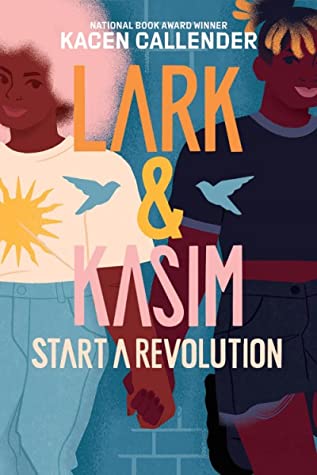
I finished Kacen Callender’s Lark & Kasim Start a Revolution, and you need to stop everything and read this book. Seriously, right now. It is so good.
I can’t wait for this book to come out in two days! My Pet Feet by Josh Funk is so creative! Check out our 8-year-olds’ review tomorrow!
I am listening to Black Enough, which is edited by Ibi Zoboi. The stories are fantastic, and I keep thinking about how well they’d fit into instructional units. I love that the collection emphasizes the diversity within diversity.
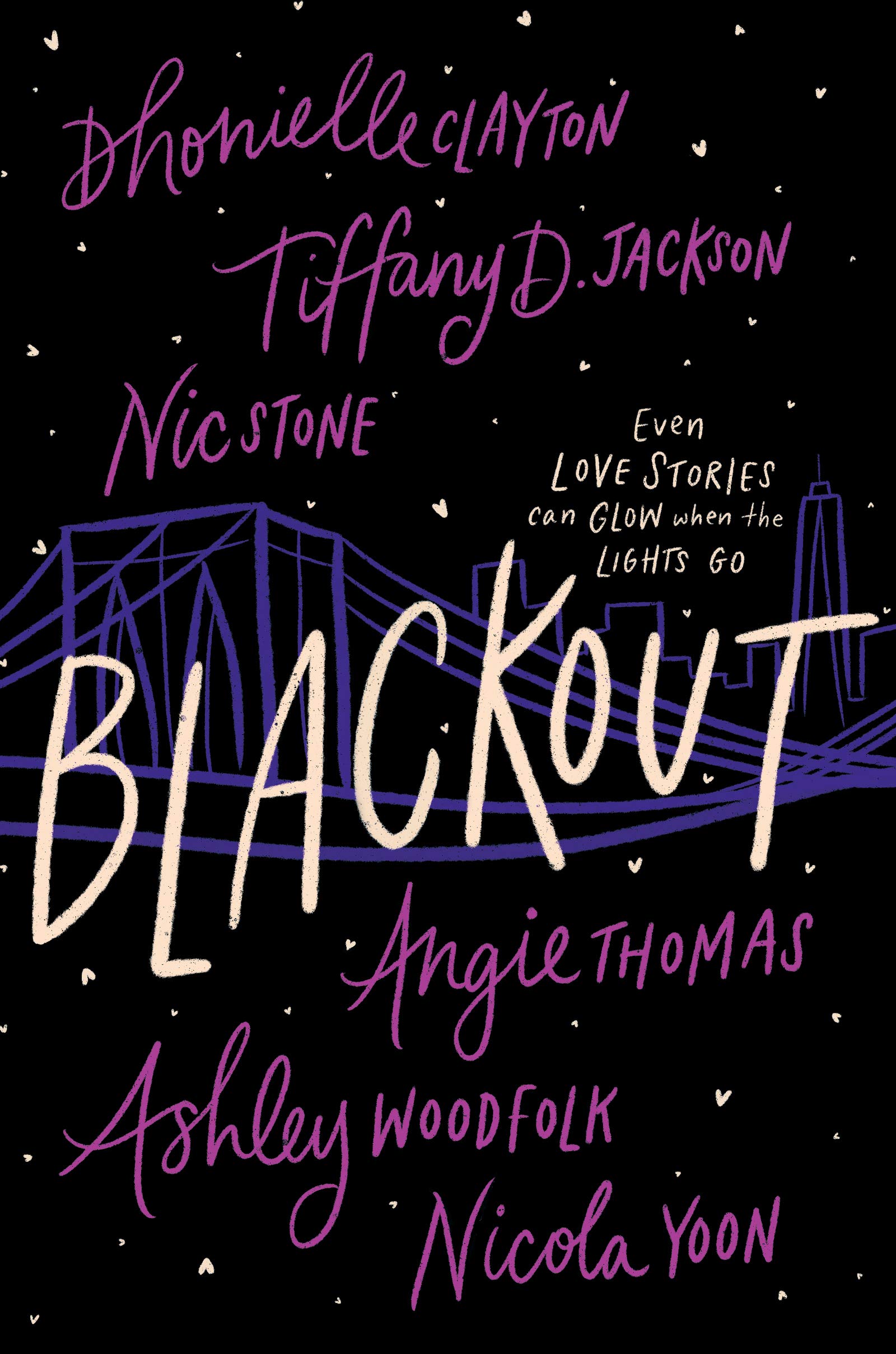
I have read a good amount of Blackout by Dhonielle Clayton, Tiffany D. Jackson, Nic Stone, Angie Thomas, Ashley Woodfolk, and Nicola Yoon. I just finished the story that could be described as the beginning of something new. Ahh, it was so good!
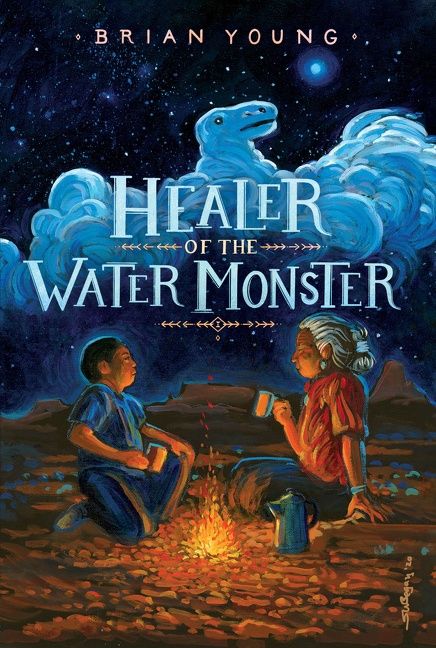
My son and I are reading Healer of the Water Monster by Brian Young. It is so, so good. We rotate reading chapters, and it has offered so much to talk about.
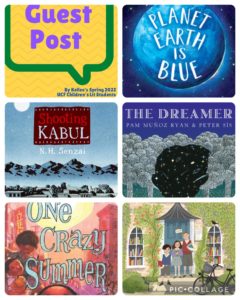
Tuesday: Guest Post: Classroom Uses for One Crazy Summer by Rita Williams-Garcia, A Place to Hang the Moon by Kate Albus, Planet Earth is Blue by Nicole Panteleakos, Shooting Kabul by N.H. Senzai, and The Dreamer by Pam Muñoz Ryan
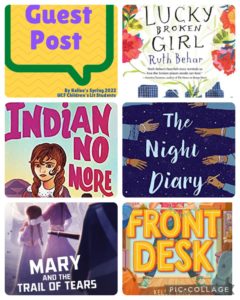
Thursday: Guest Post: Guest Post: Classroom Uses for Front Desk by Kelly Yang, Indian No More by Charlene Willing McManis with Traci Sorell, Lucky Broken Girl by Ruth Behar, Mary and the Trail of Tears by Andrea L. Rogers, and Night Diary by Veera Hiranandani post
Saturday: Blog Tour and Guest Review from our 8 Year Olds!: My Pet Feet by Josh Funk
Sunday: Author Guest Post: “In Praise of the Standalone Book” by Stacy Nockowitz, Author of The Prince of Steel Pier
Link up below and go check out what everyone else is reading. Please support other bloggers by viewing and commenting on at least 3 other blogs. If you tweet about your Monday post, tag the tweet with #IMWAYR!