Author Guest Post: “Big Problems and Small Fascinations” by Olivia A. Cole, Author of Where the Lockwood Grows

Share

Big Problems and Small Fascinations

School requires a lot from young people. Focus, sitting still, hands to yourself, social skills. (This doesn’t end with elementary school. Middle school? For sure. High school? Yep!) This is all hard enough – particularly if you won the neurodivergent lottery – and then you have to throw the whole “actual learning” thing on top too: the math and the science and the history. Oh, and homework! Don’t forget homework. (I’m admittedly sad that the “no homework” movement seems to have lost steam in the last year.)

Where is the space for special interests?

This isn’t a write-up about kids being swamped by “activities” starting in kindergarten. It’s not about how college prep seems to start earlier and earlier in a country where college isn’t free. It’s not even about overwork and burnout.

It’s about small fascinations.

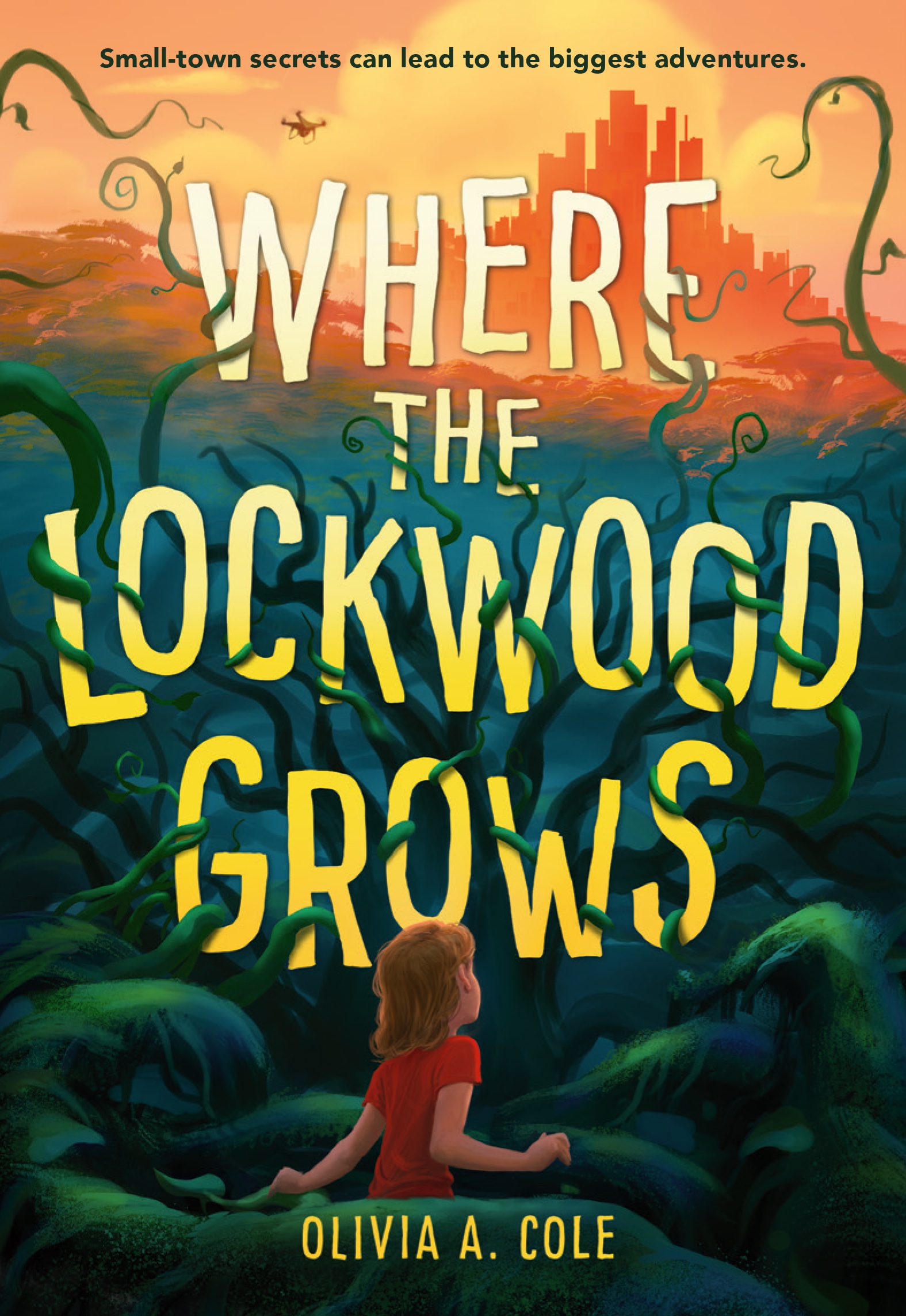
In Where the Lockwood Grows, Erie Neaux isn’t tied up with swimming practice. Rather, she and the other young people in the town of Prine are struggling under the yoke of child labor, although of course no one is calling it that. It’s called survival. (Which at least is more noble than the current justifications.) Erie (and the other children who have no choice but to do the dangerous work in the trees that keeps their town running) wakes up before dawn to finish their work, after which they go to school for a few hours, where most of them are too tired or stressed to pay much attention to what they’re expected to learn.

Erie spends most of the time either daydreaming or flipping through an old encyclopedia of entomology, studying the many strange bugs and their attributes contained in the pages. She applies her knowledge as best as she can in the tiny, insulated town of Prine, admiring the dustnose beetles and other local insects.

But when she and her sister discover the truth about what keeps the people of Prine in the dark, their adventure takes them to the city of Petrichor, where Erie’s world finally opens up. Along the way, she’s taken to the Bug Yard, a place where other bug-lovers have developed their fascinations with insects and turned them toward solutions to climate and waste problems. (Awesomely enough, these imaginings aren’t science fiction!) In the end, Erie’s fascination with bugs that she nurtured in her sparse spare time plays a big part of saving the day.

Capitalism has a way of wringing every drop out of a day. Adults feel it when we don’t even have time for a hobby. (Or worse, when we try to turn hobbies into streams of income.) Children feel it when between school and homework there’s none of their day left empty for daydreaming.

In Where the Lockwood Grows, the lockwood blocks the stars that Erie’s mother says her children need to dream. What about us? What do we need to dream? Our Earth has big problems that need big solutions, born from creativity and innovation, from small fascinations that grow into resolutions. How will they be born if we don’t have time to dream?

Published August 15th, 2023 by Little, Brown Books for Young Readers

About the Book: Twelve-year-old Erie has never lived life fully in the sunlight. After destructive wildfires wreaked havoc on the world around her, the government came up with a plan—engineer a plant that cannot burn. Thus, the fire-resistant lockwood was born. The lockwood protects Erie and her hometown of Prine, but it grows incredibly fast and must be cut back every morning. Only the town’s youngest and smallest citizens can fit between the branches and tame the plant. Citizens just like Erie.

But one evening, Erie uncovers a shocking secret that leads her to question the rules of Prine. Alongside her older sister, Hurona, she’ll journey from the only home she’s known and realize that the world is much more complicated than she’d ever imagined.

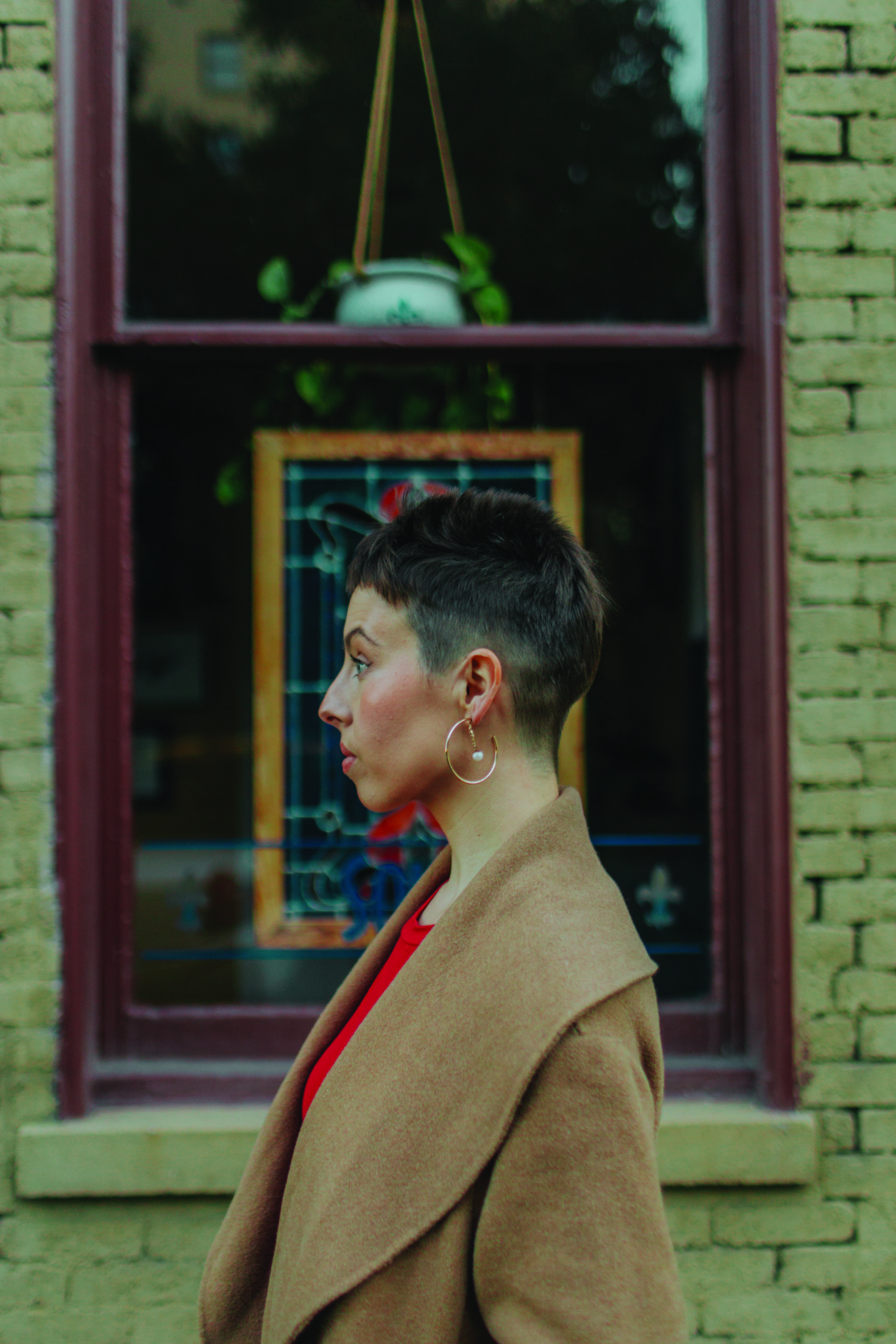
About the Author: Olivia A. Cole is a writer from Louisville, Kentucky. Her essays, which often focus on race and womanhood, have been published in Bitch Media, Real Simple, The LA Times, HuffPost, Teen Vogue, Gay Mag, and more. She teaches creative writing at the Kentucky Governor’s School for the Arts, where she guides her students through poetry and fiction, but also considerations of the world and who they are within it. She is the author of several books for children and adults. Learn more about Olivia and her work at oliviaacole.com and follow her on Twitter @RantingOwl.

Thank you, Olivia, for this food for thought and reminder that it is okay to allow kids to focus on their loves and passions!

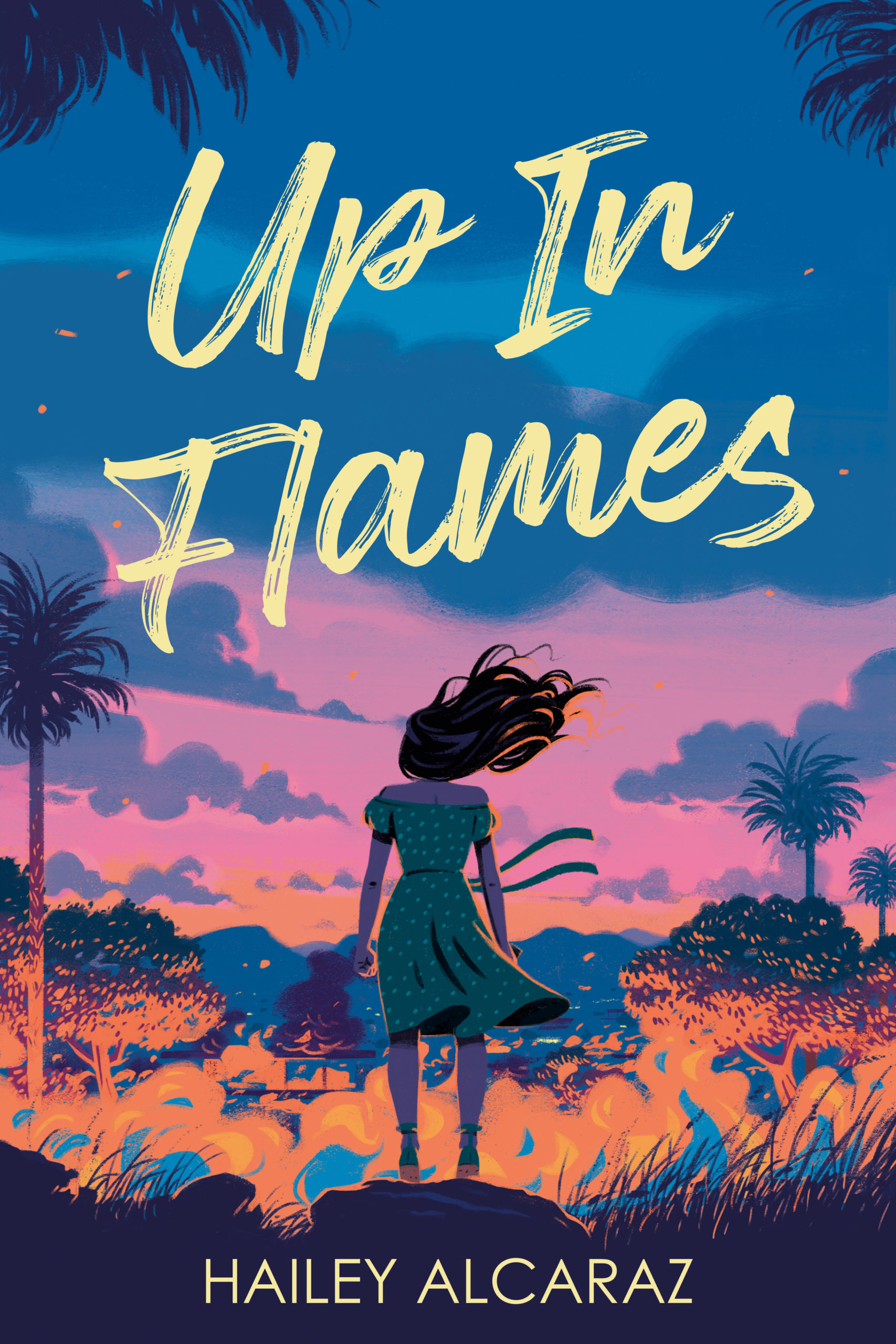
Up In Flames by Hailey Alcaraz

Share

Up In Flames
Author: Hailey Alcaraz
Published: October 3, 2023 by Viking

Summary: Gorgeous, wealthy, and entitled, Ruby has just one single worry in her life—scheming to get the boy next door to finally realize they’re meant to be together. But when the California wildfires cause her privileged world to go up in flames, Ruby must struggle to find the grit and compassion to help her family and those less fortunate to rise from the ashes.

At eighteen, Ruby Ortega is an unapologetic flirt who balances her natural aptitude for economics with her skill in partying hard. But she couldn’t care less about those messy college boys—it’s her intense, brooding neighbor Ashton who she wants, and even followed to school. Even the fact that he has a girlfriend doesn’t deter her . . . whatever Ruby wants, she eventually gets.

Her ruthless determination is tested when wildfires devastate her California hometown, destroying her parents’ business and causing an unspeakable tragedy that shatters her to her core. Suddenly, Ruby is the head of the family and responsible for its survival, with no income or experience to rely on. Rebuilding seems hopeless, but with the help of unexpected allies—including a beguiling, dark-eyed boy who seems to understand her better than anyone—Ruby has to try. When she discovers that the fires also displaced many undocumented people in her town, it becomes even more imperative to help. And if she has to make hard choices along the way, can anyone blame her?

In her powerful debut novel, Mexican American author Hailey Alcaraz chronicles a riveting portrait of transformation, resilience, and love with an unlikely heroine who, when faced with unforeseen disaster, surprises everyone, especially herself.

Review: This book reminds us all that we are imperfect, and we won’t always make the right choices. Ruby’s story is set in a backdrop of the California wildfires. The book includes richly realized themes, and I particularly appreciated the ways in which Author Hailey Alcaraz interrogated the intersections of race and class. I was invested in Ruby’s story and rooting for her from the beginning to end. She is certainly flawed (as we all are), and she felt very real to me. I really enjoyed reading this book and highly recommend it. (The audiobook is excellent!)

Tools for Navigation: Teachers might have students map some of the many themes of this book, considering how they are integrated within the text and the lessons they teach readers.

Discussion Questions: 

  • How would you describe Ruby? What qualities does she have that are positive? What qualities might she work on? What lessons does she learn?
  • How does the setting shape the story? How might the text be different if the setting was different?
  • How are Ashton, Remy, and Charlie different? How does Ruby’s relationship with each help us understand her more?

Flagged Spreads/Passages: She understood that some things required more than sheer willpower. Some things—the important things, the hard things, the things that defined you as a person—required patience and trust and listening, too (p. 370, Advanced Reader Copy, and the quote may change).

Read This If You Love: Realistic Fiction, Romance, Social Justice Stories

Recommended For: 

RickiSig

**Thank you to Aubrey at Penguin Young Readers for providing a copy for an honest review**

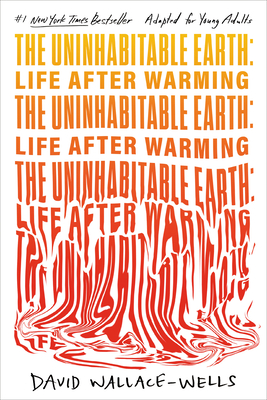
The Uninhabitable Earth (Adapted for Young Readers): Life After Warming by David Wallace-Wells

Share

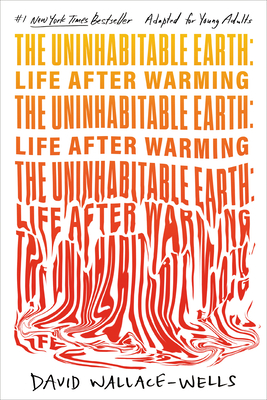
The Uninhabitable Earth (Adapted for Young Readers): Life After Warming
Author: David Wallace-Wells
Published October 10th, 2023 by Delacorte Press

Summary: An exploration of the devastating effects of global warming—current and future—adapted for young adults from the #1 New York Times bestseller. This is not only an assessment on how the future will look to those living through it, but also a dire overview and an impassioned and hopeful call to action to change the trajectory while there is still time.

The climate crisis that our nation currently faces, from rising temperatures, unfathomable drought, devastating floods, unprecedented fires, just to name a few, are alarming precursors to what awaits us if we continue on our current path. In this adaptation for young adults from the #1 New York Times bestseller, journalist David Wallace-Wells tells it like it is, and it is much worse than anyone might think. Global warming is effecting the world, if left unchecked, it promises to transform global politics, the meaning of technology and the trajectory of human progress.

In sobering detail, Wallace-Wells lays out the mistakes and inaction of past and current generations that we see negatively affecting all lives today and more importantly how they will inevitably affect the future. But readers will also hear—loud and clear—his impassioned call to action, as he appeals to current and future generations, especially young people. As he “the solutions, when we dare to imagine them . . . are indeed motivating, if there is to be any chance of preserving even the hope for a happier future—relatively livable, relatively fulfilling, relatively prosperous, and perhaps more than only relatively just.”

About the Author: David Wallace-Wells is a columnist and deputy editor at New York magazine. He has been a national fellow at the New America Foundation and was previously the deputy editor of The Paris Review. He lives in New York City.

Review: This is an intense book. Like shared in the excerpt below, climate change is a “hyperobject” which makes it seems so intimidating, but David Wallace-Wells does a good job of taking this daunting reality and potential future and breaking it down for the reader though he definitely did not sugar coat anything for the Young Reader edition. It is terrifying and a call to action. But it is also so important, and I am so glad that the author and publisher decided to make it available and accessible for young readers.

I really liked the structure of the books. Wallace-Wells didn’t combine everything and just throw it all at the reader. Each of the four parts are broken up into smaller topics where he focuses on just those aspects. For example, climate changes’ effect on hunger, wild fires, air, plagues, etc. This allows the reader to process each part and not get too overwhelmed.

I also appreciate that he added an afterword which has updates since the original book was published. I think this shows readers that science changes and needs to be updated and make the book more reliable.

I do need to add a warning: The book will not help with eco-anxiety. If anything, it will make it worse. I had to pause the book sometimes to take a breath.

Tools for Navigation: This text could definitely be used in a high school course looking at global warming and climate change since he does a great job of connecting the science to reality. I would love to see this text used in English class as the science is studied in science: a cross-curricular gem of an opportunity.

Most importantly, though, this book needs to get into kids’ hands. It reminds them of the importance of the decisions that our current and future generations need to make about our environment.

Discussion Questions: 

  • What are some actions that we could begin doing to help with the future?
  • Why did the author add to the book when he rewrote it for Young Readers?
  • How has human progression been the downfall for our Earth?
  • Why does climate change seem so daunting to many and thus leads to doing nothing?
  • What do you think is the most important thing that humans need to do now?
  • How will climate change directly impact where you live?

Flagged Passages: Chapter 1: Cascades

The world will be what we make it–perhaps what you make it. The timelines are indeed that short.

Consider the speed of change. The earth has experienced five mass extinctions before the one we are living through now, each so complete a wiping of the fossil record that it functioned as an evolutionary reset, the planet’s phylogenetic tree first expanding, then collapsing, at intervals, like a lung: 86 percent of all species dead 450 million years ago; 70 million years later, 75 percent; 125 million years later, 96 percent; 50 million years later, 80 percent; 135 million years after that, 75 percent again. All but one of these involved climate change produced by greenhouse gas. The most notorious was 250 million years ago; it began when carbon dioxide warmed the planet by five degrees Celsius, accelerated when that warming triggered the release of methane, another greenhouse gas, and ended with all but a sliver of life on Earth dead. We are currently adding carbon to the atmosphere at a considerably faster rate–by most estimates, at least ten times faster. The rate is one hundred times faster than at any point in human history before the beginning of industrialization. And there is already, right now, fully a third more carbon in the atmosphere than at any point in the last 800,000 years–perhaps in as long as 15 million years. There were no humans then. The oceans were more than a hundred feet higher.

Many perceive global warming as a sort of moral and economic debt, accumulated since the beginning of the Industrial Revolution and now come due after several centuries. In fact, more than half the carbon exhaled into the atmosphere by the burning of fossil fuels has been emitted in just the past three decades. The United Nations established its climate change framework in 1992, building a political consensus out of a scientific consensus and advertising it unmistakably to the world; this means we have now done as much damage to the environment knowingly as we ever managed in ignorance. Global warming may seem like a distended morality tale playing out over several centuries and inflicting a kind of Old Testament retribution on the great-great-grandchildren of those responsible, since it was carbon burning in eighteenth-century England that lit the fuse of everything that has followed. But that is a fable about historical villainy that acquits those of us alive today–unfairly. The majority of the burning has come since the 1994 premiere of Friends. A quarter of the damage has been done since Barack Obama was elected president, and Joe Biden vice president, in 2008. Since the end of World War II, the figure is about 90 percent. The story of the industrial world’s kamikaze mission is the story of a single lifetime–the planet brought from seeming stability to the brink of catastrophe in the years between a baptism or bar mitzvah and a funeral.

It is the lifetime of many of the scientists who first raised public alarm about climate change, some of whom, incredibly, remain working–that is how rapidly we have arrived at this promontory, staring down the likelihood of three degrees Celsius of warming by the year 2100. Four degrees is possible as well–perhaps more. According to some estimates, that would mean that whole regions of Africa and Australia and the United States, parts of South America north of Patagonia, and Asia south of Siberia would be rendered brutally uncomfortable by direct heat, desertification, and flooding. Certainly, it would make them inhospitable, and many more regions besides. Which means that, if the planet was brought to the brink of climate catastrophe within the lifetime of a single generation, the responsibility to avoid it belongs with a single generation, too. We all also know that second lifetime. It is ours.

I am not an environmentalist and don’t even think of myself as a nature person. I’ve lived my whole life in cities, enjoying gadgets built by industrial supply chains I hardly think twice about. I’ve never gone camping, not willingly anyway, and while I always thought it was basically a good idea to keep streams clean and air clear, I also always accepted the proposition that there was a trade-off between economic growth and its cost to nature–and figured, well, in most cases I’d probably go for growth. I’m not about to personally slaughter a cow to eat a hamburger, but I’m also not about to go vegan. In these ways–many of them at least–I am like every other American who has spent their life fatally complacent, and willfully deluded, about climate change, which is not just the biggest threat human life on the planet has ever faced but a threat of an entirely different category and scale. That is, the scale of human life itself.

A few years ago, I began collecting stories of climate change, many of them terrifying, gripping, uncanny narratives, with even the most small-scale sagas playing like fables: a group of Arctic scientists trapped when melting ice isolated their research center, on an island populated also by a group of polar bears; a Russian boy killed by anthrax released from a thawing reindeer carcass, which had been trapped in permafrost for many decades. My file of stories grew daily, but very few of the clips, even those drawn from new research published in the most pedigreed scientific journals, seemed to appear in the coverage about climate change the country watched on television and read in its newspapers. In those places, climate change was reported, of course, and even with some tinge of alarm. But the discussion of possible effects was misleadingly narrow, limited almost invariably to the matter of sea-level rise. Just as worrisome, the coverage was sanguine, all things considered. As recently as the 1997 signing of the landmark Kyoto Protocol, two degrees Celsius of global warming was considered the threshold of catastrophe: flooded cities, crippling droughts and heat waves, a planet battered daily by hurricanes and monsoons we used to call “natural disasters” but will soon normalize as simply “bad weather.” More recently, the foreign minister of the Marshall Islands offered another name for that level of warming: “genocide.”

This is not a book about the science of warming; it is about what warming means to the way we live on this planet. But what does that science say? It is complicated research, because it is built on two layers of uncertainty: what humans will do, mostly in emitting greenhouse gases, but also in how we adapt to the environment we have transformed and how the climate will respond, both through straightforward heating and a variety of more complicated and sometimes contradictory feedback loops. But even shaded by those uncertainty bars, it is also very clear research, in fact terrifyingly clear. The United Nations’ Intergovernmental Panel on Climate Change (IPCC) offers the gold-standard assessments of the state of the planet and the likely trajectory for climate change. In its latest report, the IPCC suggested the world was on track for about 3 degrees of warming, bringing the unthinkable collapse of the planet’s ice sheets not just into the realm of the real but into the present.

Because these numbers are so small, we tend to trivialize the differences between them–one, two, four, five. Human experience and memory offer no good analogy for how we should think of those thresholds, but, as with world wars or recurrences of cancer, you don’t want to see even one.

At two degrees of warming, the ice sheets will likely begin their collapse, 400 million more people could suffer from water scarcity, and major cities in the equatorial band of the planet will become lethally hot in summer. There would be thirty-two times more extreme heat waves in India, and each would last five times as long, exposing ninety-three times more people. This is our best-case scenario.

At three degrees, southern Europe would be in permanent drought, and the average drought in Central America would last nineteen months longer and in the Caribbean twenty-one months longer. In northern Africa, the figure is sixty months longer–five years. The areas burned each year by wildfires would double in the Mediterranean and sextuple, or more, in the United States.

At four degrees, damages from river flooding could grow thirtyfold in Bangladesh, twentyfold in India, and as much as sixtyfold in the United Kingdom. In certain places, six climate-driven natural disasters could strike simultaneously. Conflict and warfare could double.

Even if we pull the planet up short of two degrees by 2100, we will be left with an atmosphere that contains 500 parts per million of carbon–perhaps more. The last time this was the case, sixteen million years ago, the planet was not two degrees warmer; it was somewhere between five and eight, giving the planet about 130 feet of sea-level rise, enough to draw a new American coastline as far west as I-95. Some of these processes take thousands of years to unfold, but they are also irreversible and therefore effectively permanent. You might hope to simply reverse climate change; you can’t. It will outrun all of us.

This is part of what makes climate change what the theorist Timothy Morton calls a “hyperobject”–a conceptual fact so large and complex that, like the internet, it can never be properly comprehended. There are many features of climate change–its size, its scope, its brutality–that alone satisfy this definition; together, they might elevate it into a higher and more incomprehensible conceptual category yet. But time is perhaps the most mind-bending feature, the worst outcomes arriving so long from now that we reflexively discount their reality.

Read This If You Love: Nonfiction, specifically about climate change

Recommended For: 

classroomlibrarybuttonsmall 

Signature

**Thank you to Nicole Banholzer PR and the Publisher for providing a copy for review!**

It’s Monday! What Are You Reading? #IMWAYR 10/9/23

Share

It’s Monday! What Are You Reading?
For readers of all ages

It’s Monday! What Are You Reading? is a weekly blog hop we host which focuses on sharing what we’re reading. This Kid Lit version of IMWAYR focuses primarily on books marketed for kids and teens, but books for readers of all ages are shared. We love this community and how it offers opportunities to share and recommend books with each other.

The original IMWAYR, with an adult literature focus, was started by Sheila at Book Journeys and is now hosted by Kathryn at The Book Date. The Kid Lit IMWAYR was co-created by Kellee & Jen at Teach Mentor Texts.

We encourage you to write your own post sharing what you’re reading, link up below, leave a comment, and support other IMWAYR bloggers by visiting and commenting on at least three of the other linked blogs.

Happy reading!

Bold_line

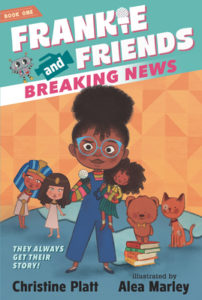
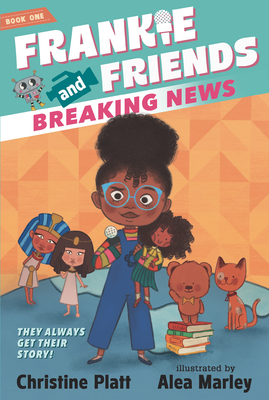
Tuesday: Frankie and Friends: Breaking News by Christine Platt, Illustrated by Alea Marley

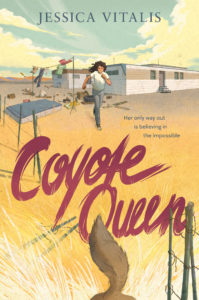
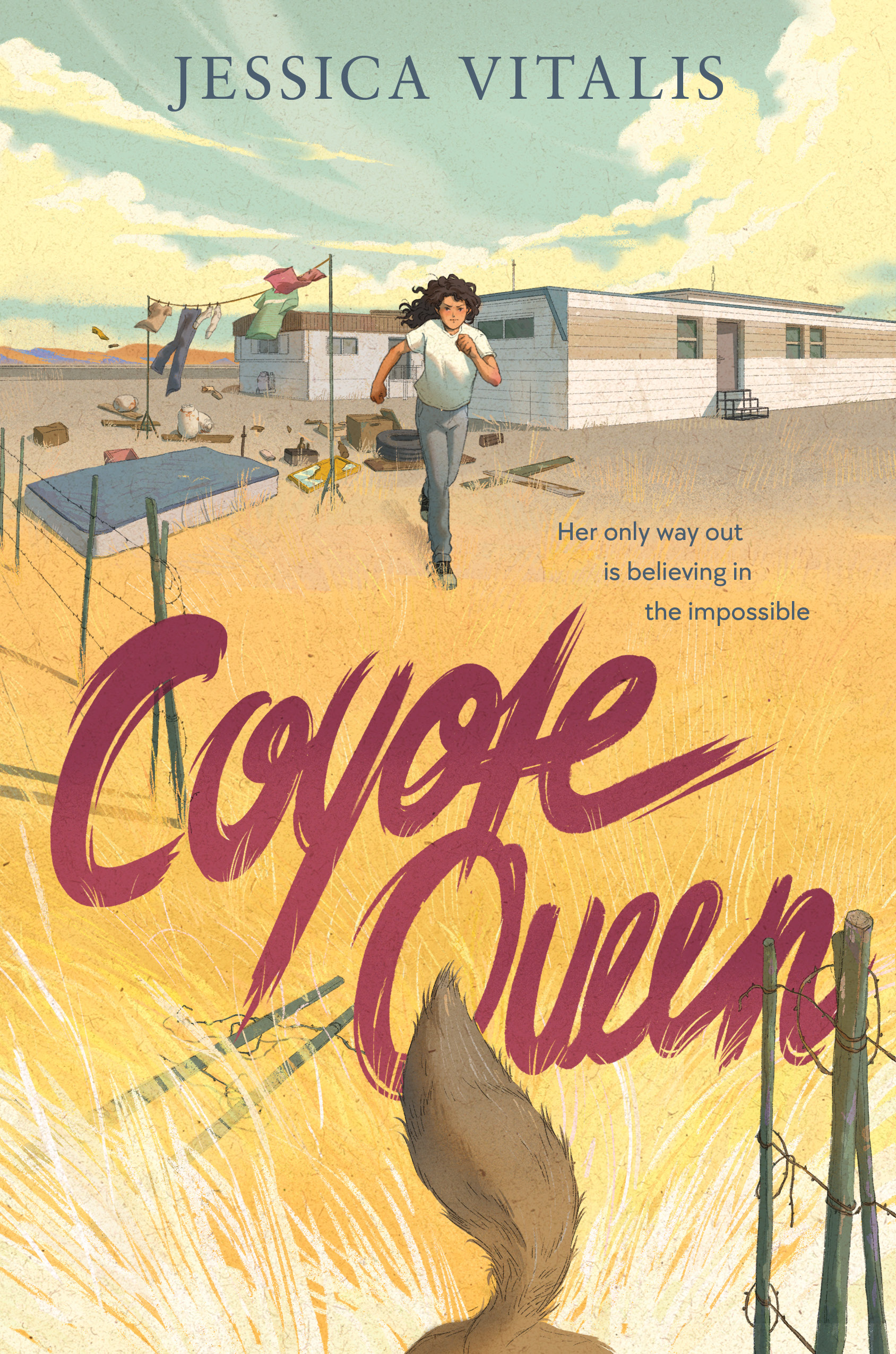
Sunday: Author Guest Post: “No Easy Answers: Using A Twist of Magic to Make a Tough Topic Accessible” by Jessica Vitalis, Author of Coyote Queen

**Click on any picture/link to view the post**

Bold_line

Kellee

Today is my day off from IMWAYR, but you can learn more about any of the books I’ve been reading by checking out my read bookshelf on Goodreads. To learn more about any of these books, click on any title/image to go to the book’s Goodreads page or check out my read bookshelf on Goodreads.

Ricki

I just finished Hailey Alcaraz’s Up In Flames. This book gave me so much to think about! I am reviewing it this Thursday.

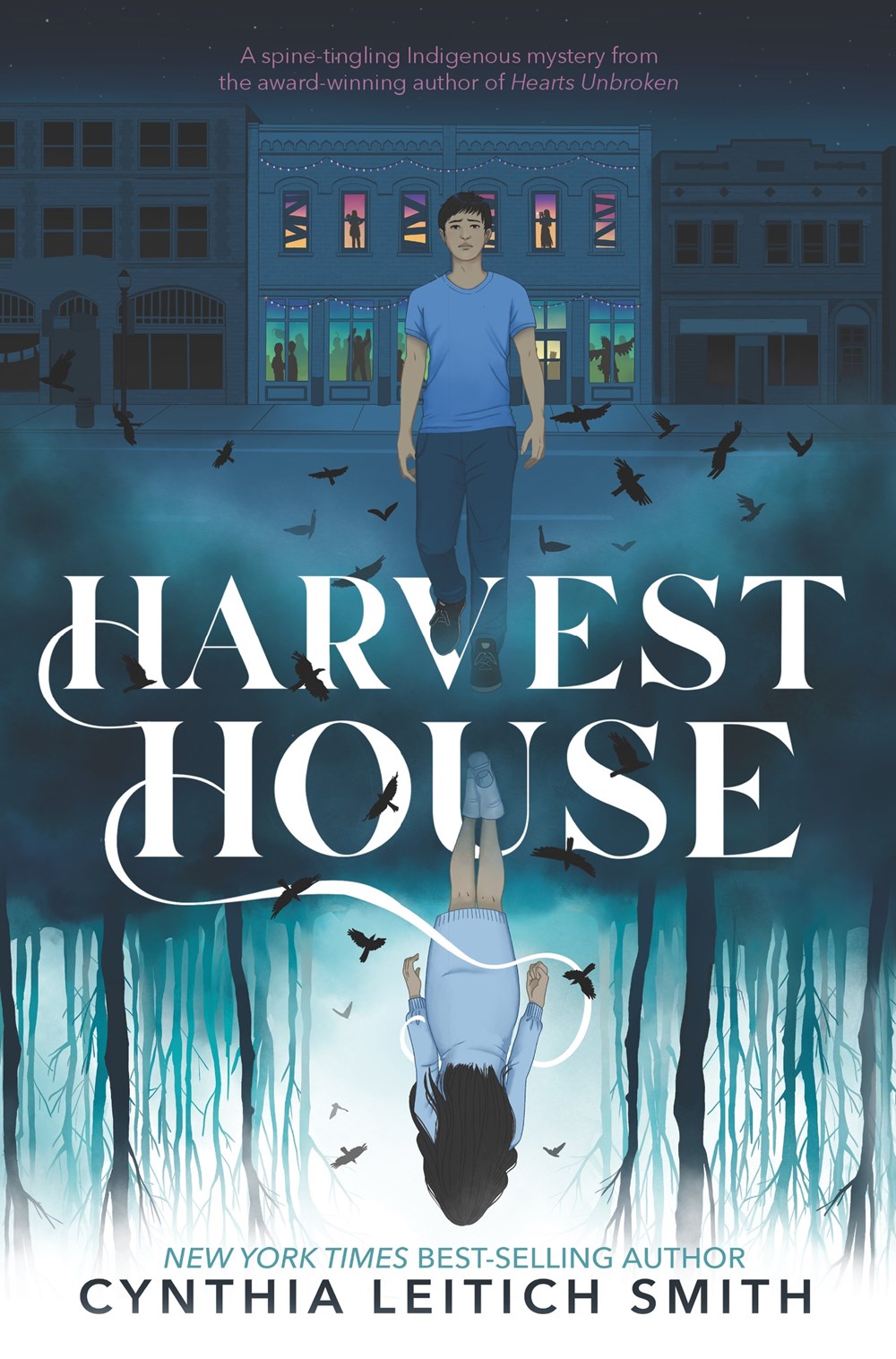
I will read anything that Cynthia Leitich Smith writes. This book is captivating in the way that it blends genres of realistic fiction, horror, and mystery. This is the perfect book to get your hands on right now for Halloween.

Bold_line

Ricki

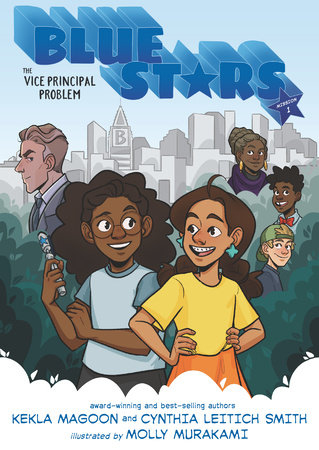
I just received Blue Stars: The Vice Principal Problem by Kekla Magoon and Cynthia Leitich Smith, Illustrated by Molly Murakami. I am excited to read it!

Bold_line


Tuesday: The Uninhabitable Earth (Adapted for Young Readers): Life After Warming by David Wallace-Wells

Thursday: Up In Flames by Hailey Alcaraz

Sunday: Author Guest Post: “Big Problems and Small Fascinations” by Olivia A. Cole, Author of Where the Lockwood Grows

Bold_line

Link up below and go check out what everyone else is reading. Please support other bloggers by viewing and commenting on at least 3 other blogs. If you tweet about your Monday post, tag the tweet with #IMWAYR!

 Signature andRickiSig

Author Guest Post: “No Easy Answers: Using A Twist of Magic to Make a Tough Topic Accessible” by Jessica Vitalis, Author of Coyote Queen

Share

No Easy Answers: Using A Twist of Magic to Make a Tough Topic Accessible

In the nearly twenty years that I’ve specialized in middle grade literature, I’ve learned that if there’s one defining characteristic of the category, it’s that these stories end in hope. Not that the characters always get their happily ever after, but they do always learn something new about themselves––or the world––that leaves the reader feeling like the characters they’ve developed an emotional connection with are going to be okay––maybe not today or tomorrow, but in the long run.

This unspoken promise that everything will turn out in the end is part of what makes middle grade books such a delight to read––in a world where it’s sometimes hard to feel optimistic, these stories offer us glimmers of light. As an author, I believe in this promise with all my heart, and I also believe that kids need to see themselves in books, whether it’s characters that reflect their skin color or culture or sexual orientation or any number of other differences from the white, cishet, able-bodied, neurotypical narratives that have traditionally been published.

Despite fitting into the latter categories, I didn’t see myself reflected in the stories of my youth—I don’t recall reading any books where the main characters were hungry or cold or didn’t feel safe (physically or emotionally). I felt alone and isolated––desperate to be seen but at the same time desperate to hide my situation from anyone and everyone. Desperate to be accepted as “normal.”

I set out to write my upcoming novel, Coyote Queen, with a mission to give voice to the countless children who share my lived experiences, but I found myself grappling with how to write an authentic story infused with hope––I know all too well that for many children there aren’t any easy answers to the problems they face. I know because I suffered in silence until the age of sixteen when I left home. While everything turned out for me in the long run, staying silent until you are old enough to run away is decidedly not the message I want to share with young readers. Nor did I want to write a book so bleak as to render it unreadable.

In the end, I turned to magic to help balance out the darker realities of childhood with the need to write a story that is readable and optimistic. The result? A story in which a twelve-year-old girl enters a Wyoming beauty pageant desperate to win the prize money she and her mother need to escape her mother’s abusive boyfriend. But an eerie connection to a local pack of coyotes starts causing strange changes to her body––her sense of smell sharpens, she goes color-blind, and eventually, she has to figure out how to win the pageant with a tail.

This twist of magic doesn’t provide any easy answers for Fud; instead, it serves as a metaphor for her inner journey, and it helps to show her who she is––and who she can save. The magic swirling inside Fud is the same magic we all carry inside ourselves––it won’t turn us into coyotes, but it is always waiting to be called upon when we need it the most. If that’s not a cause for hope, then I don’t know what is.

For Class Discussion

Read the following passage from the opening of Coyote Queen:

“Before the coyote stuff happened, I would have told you that magic didn’t exist…Now, I know better. I might look like a normal girl on the outside, but on the inside . . . well, let me put it this way: if you consider yourself the practical sort, then this is one story that you’re going to find really hard to believe.”

Answer the following questions:

  1. What do you know about this character? How do you know these things?
  2. What do you think is going to happen in this story? Why?

Read the following passage from Coyote Queen:

“As the yelling from the front of the trailer continued, I concentrated on blocking out their harsh words, on the darkness behind my eyelids, on existing somewhere outside of this small trailer. I was only vaguely aware of my arms growing long, of a thick layer of protective fur sprouting to cover my body. Of leaving the trailer on all fours, slinking through the shadowed kitchen so Mom and Larry didn’t notice my exit.”

Answer the following questions:

  1. What happens to the main character in this passage? Why does this happen?
  2. Do you think the main character actually turns into a coyote? What else might be happening? Why?

Read the following passage from Coyote Queen:

“Off in the distance, a bluff jutted up from the ground, making it feel like we were in a bit of a valley. A flat, nothing-filled valley. The whole state used to be under glaciers. When those melted, it was an ocean. I tried to imagine being underwater with sharks swimming around, but it was hard. There was pretty much nothing but dirt, sagebrush, and sun-crisped prairie grass as far as the eye could see—unless you counted the piles of junk scattered around Larry’s property, which I didn’t.”

Answer the following questions:

  1. Where do you think this story takes place? Why?
  2. Why do you think the author set the story in Wyoming? How does the setting support the themes in the story? How would the story change if it were set in a jungle? Near the ocean? On the moon?


One of the defining features of middle grade books is that they always include hopeful endings. This doesn’t always mean things turn out like the characters want them to, but it does usually mean that there is the promise that things will get better.

  1. Why do you think this is important?
  2. In Coyote Queen, Fud joins a beauty pageant hoping to earn the prize money she and her mother need to escape her mother’s abusive boyfriend, and Fud eventually has to try to figure out how to win the beauty pageant after she grows a tail. How could this story have a have a hopeful ending? What would you do if you were in a situation where you needed help?

Published October 10th, 2023 by Greenwillow Books

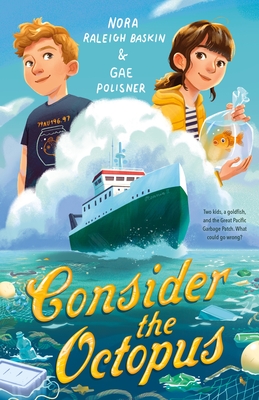
About the Book: Inspired by the author’s childhood, Coyote Queen is about a twelve-year-old girl, Fud, who lives in a trailer with her mother’s abusive boyfriend. When he comes home with a rusted-out boat he plans to turn into their new home, Fud vows to save her mother from the floating prison by entering a local beauty pageant to win the prize money they need to escape. But then Fud develops an eerie connection to a local pack of coyotes and starts noticing strange changes to her body––she goes colorblind, develops an acute sense of smell, and before long, she has to figure out how to win the pageant with a tail. The Benefits of Being an Octopus meets The Nest in this contemporary middle grade novel with a magical twist about family, class, and resilience.

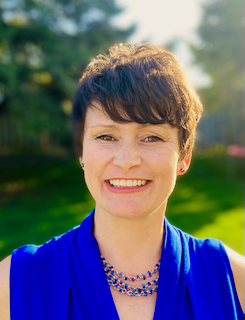
About the Author: JESSICA VITALIS, a Columbia MBA-wielding author for Greenwillow / HarperCollins, wrote The Wolf’s Curse and a standalone companion novel, The Rabbit’s Gift (which received starred reviews from the School Library Journal and the Canadian Centre for Children’s Books Best Books for Kids and Teens 2023). Her next book, Coyote Queen, arrives on 10/10/23 and an unnamed novel in verse comes out in 2024. Her work has been translated into three languages, and she was named a 2021 Canada Council of the Arts Grant Recipient and featured on CBCs Here and Now and CTVs Your Morning. Jessica now lives in Ontario with her husband and two daughters but speaks at conferences, festivals, and schools all over North America.

Thank you, Jessica, for this insight into your book and the wonderful classroom discussion questions!

Frankie and Friends: Breaking News by Christine Platt, Illustrated by Alea Marley

Share

Frankie and Friends: Breaking News
Author: Christine Platt
Illustrator: Alea Marley
Published October 10th, 2023 by Walker Books

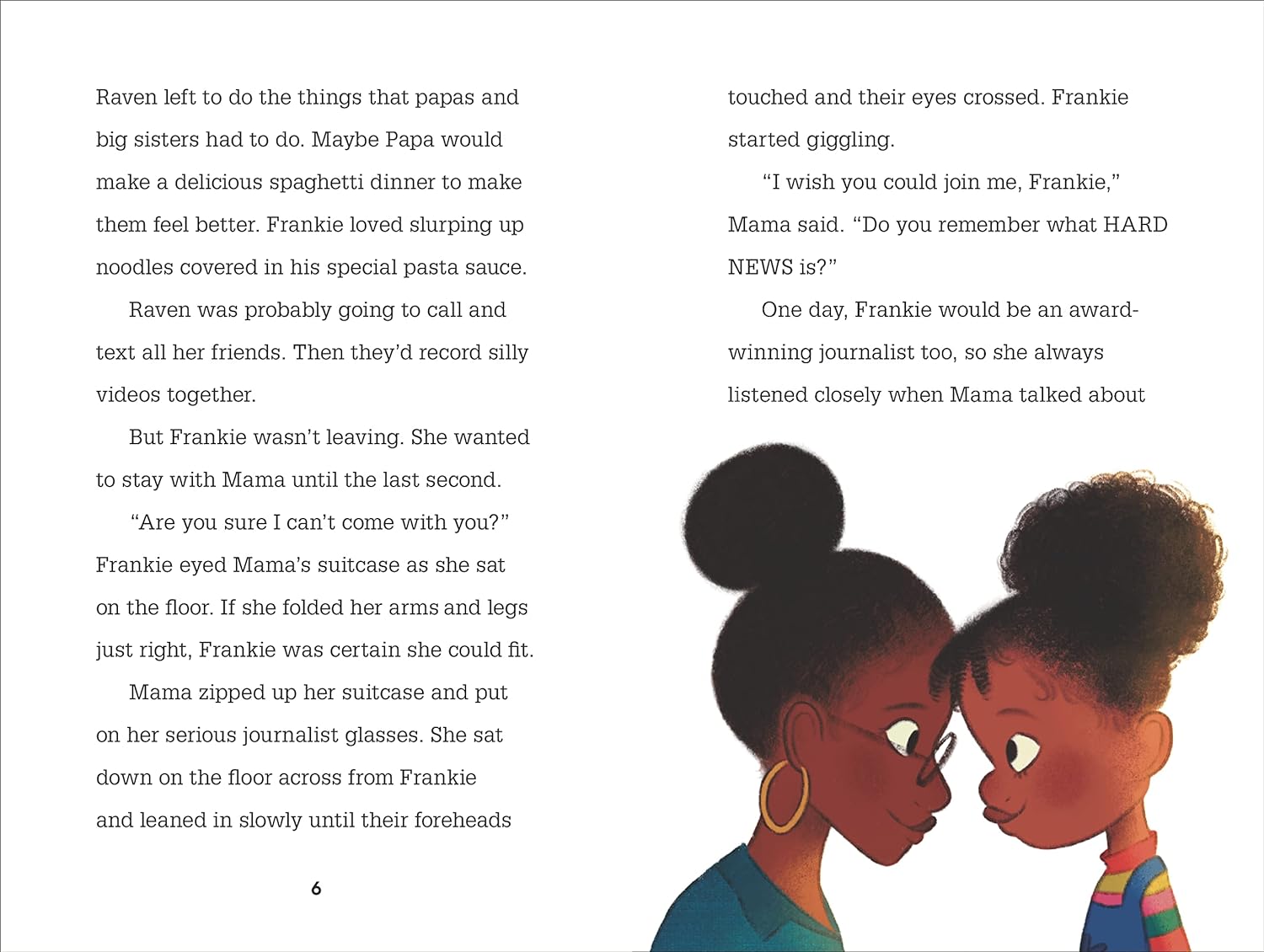
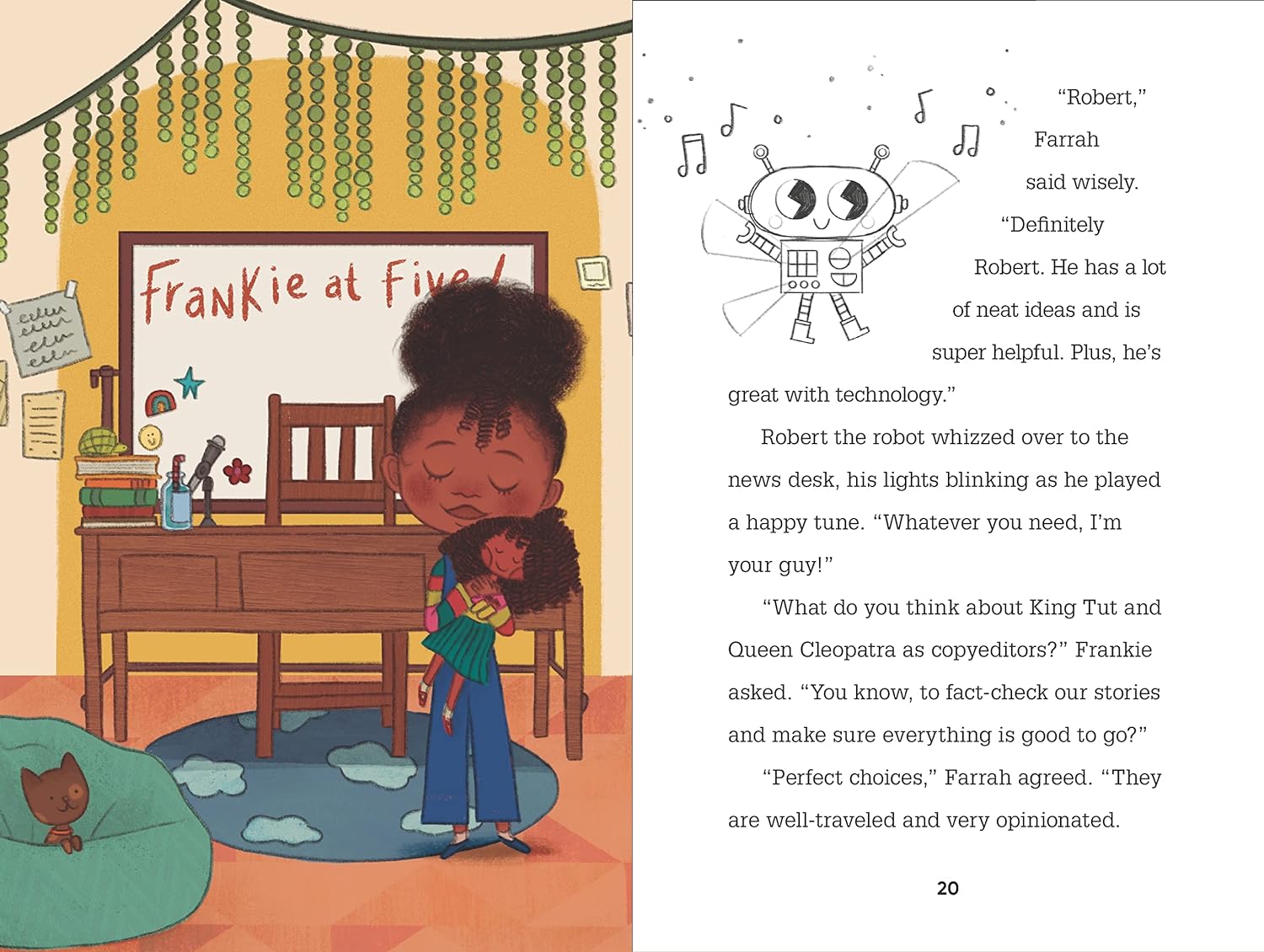
Summary: Frankie’s mama is leaving to cover a breaking news story. Frankie, Papa, and Frankie’s teenage sister, Raven, are all proud of Mama, even though they miss her when she’s away. But Frankie has a great idea: she can make her own news show! After all, Mama has told her that news is happening around her all the time. With a little assistance from her friends—including her doll Farrah, Robert the toy robot, and her tabby cat, Nina Simone—Frankie prepares for her first “broadcast.” And when she hears someone crying in the house, she knows that’s the developing story she must cover. With humor, empathy, and imagination, Frankie gets the scoop—and learns that even mature older sisters can miss Mama sometimes. With sweet illustrations throughout, this engaging new series embraces communication and compassion and is a refreshing portrayal of Black women in journalism. Young reporters will learn the terms of the trade, which are clearly presented in the text and reinforced in a glossary at the end of the book.

In a charming new chapter-book series by a social-change advocate, young Frankie emulates her journalist mama by reporting on household news with the help of her sister and an unlikely news crew.

About the Creators: 

Christine Platt is a literacy advocate and historian who believes in using the power of storytelling as a tool for social change. She holds a BA in Africana studies, an MA in African American studies, and a JD in general law. Although her only daughter is now in college, Christine Platt continues to draw on their adventures together as inspiration for her children’s literature. She has written more than thirty books for young readers and currently resides in Washington, DC.

Alea Marley is an award-winning illustrator of many books for children, including Phoebe Dupree Is Coming to Tea! by Linda Ashman. She loves creating whimsical scenes that are filled with patterns, texture, and bursts of color. Alea Marley lives in northern England.

Review: I love when I read a book, and I can immediately see it being loved by readers and how educators can utilize it in the classroom. Breaking News did exactly that–readers are going to love Frankie, her family, her group of stuffed animals, and her go-get-em attitude. They will also connect with Frankie’s emotions and curiosity.  Then, on top of that, educators can easily grab so much from the book to use in the classroom, especially the journalism aspects. And all of this is done in a early chapter book that is age appropriate, full of family dynamics, promotes imagination, and has beautiful full-page color illustrations!

Tools for Navigation: The author does a great job intertwining journalism terminology with the story and also has back matter which delves deeper into the different terms. I would love to see these aspects used to help a class get started on a class newspaper or, like Frankie and her mom, an oral report that is news-based.

Discussion Questions: 

  • How does Frankie’s curiosity help her start the important conversation with her sister?
  • What emotions does Frankie, and her family, go through when her mom needs to leave to cover a news story?
  • How does Frankie’s mom inspire Frankie?
  • What traits does Frankie have that will make her a good journalist?
  • What journalistic terms did you learn from the book?
  • What do you think was the author’s purpose in this book?

Flagged Spreads: 

Read This If You Love: Polly Diamond series by Alice Kupiers, Illustrated by Diana Toledano; Pigeon Private Detectives series by Christee Curran-Bauer; King and Kayla series by Dori Hillestad Butler, Illustrated by Nancy Meyers

Recommended For: 

classroomlibrarybuttonsmall 

Signature

**Thank you to Nicole Banholzer PR for providing a copy for review!**
It’s Monday! What Are You Reading? #IMWAYR 10/2/23

Share

It’s Monday! What Are You Reading?
For readers of all ages

It’s Monday! What Are You Reading? is a weekly blog hop we host which focuses on sharing what we’re reading. This Kid Lit version of IMWAYR focuses primarily on books marketed for kids and teens, but books for readers of all ages are shared. We love this community and how it offers opportunities to share and recommend books with each other.

The original IMWAYR, with an adult literature focus, was started by Sheila at Book Journeys and is now hosted by Kathryn at The Book Date. The Kid Lit IMWAYR was co-created by Kellee & Jen at Teach Mentor Texts.

We encourage you to write your own post sharing what you’re reading, link up below, leave a comment, and support other IMWAYR bloggers by visiting and commenting on at least three of the other linked blogs.

Happy reading!

Bold_line


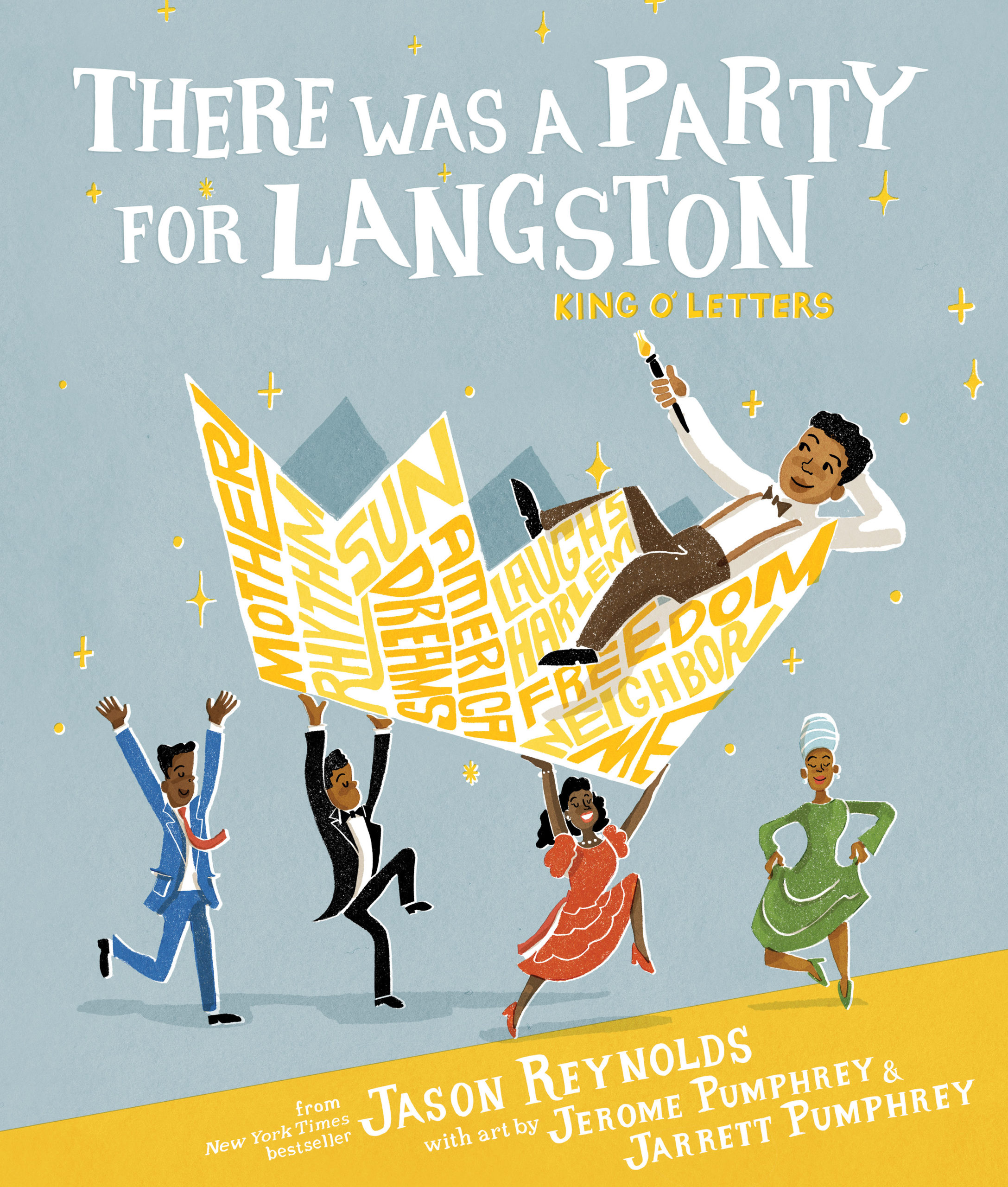
Tuesday: There Was a Party for Langston by Jason Reynolds, Illustrated by Jerome Pumphrey & Jarrett Pumphrey

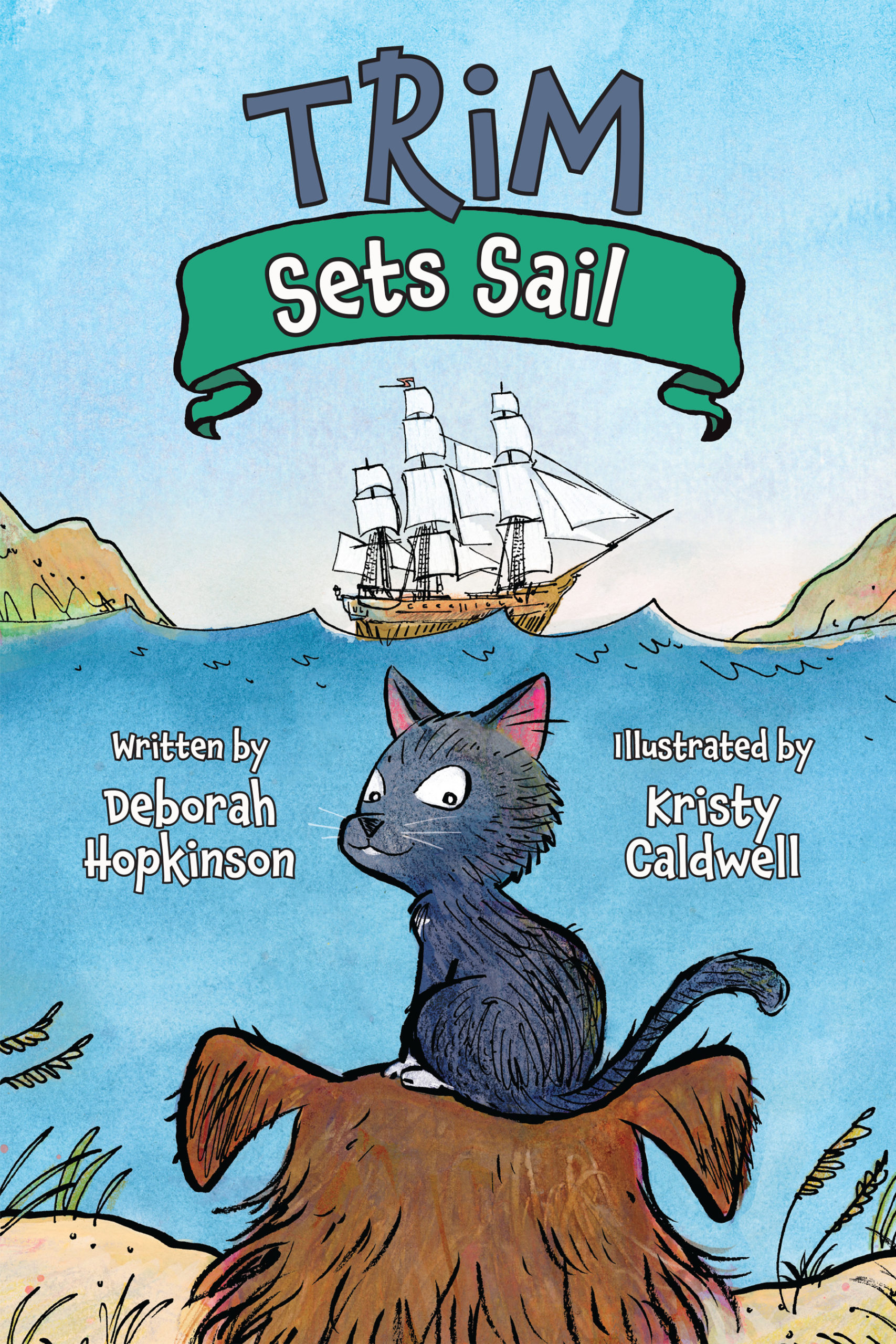
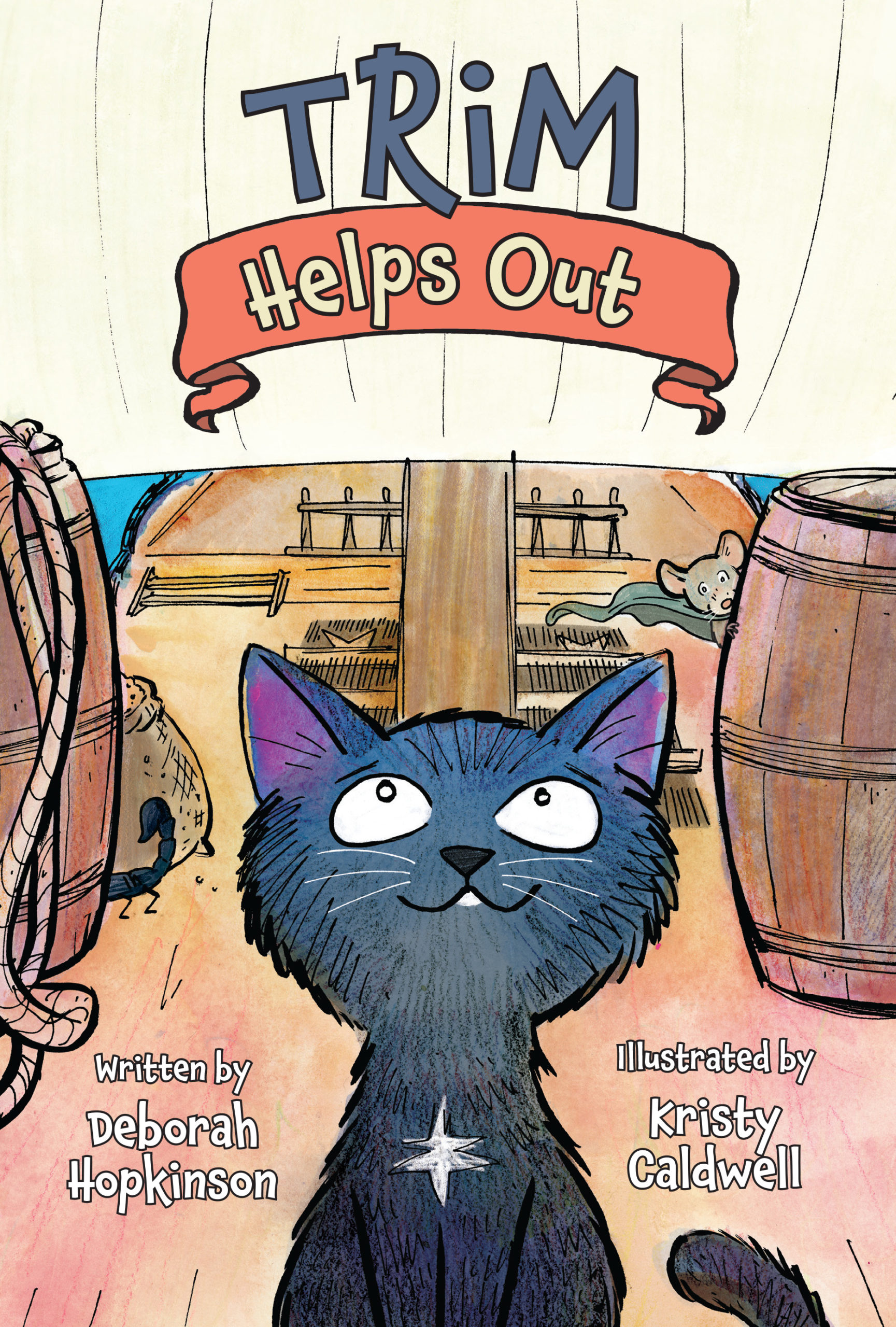
Sunday: Author Guest Post: “Introducing Young Readers to Historical Fiction” by Deborah Hopkinson, Author of The Adventures of Trim

**Click on any picture/link to view the post**
Bold_line

Kellee

Middle Grade

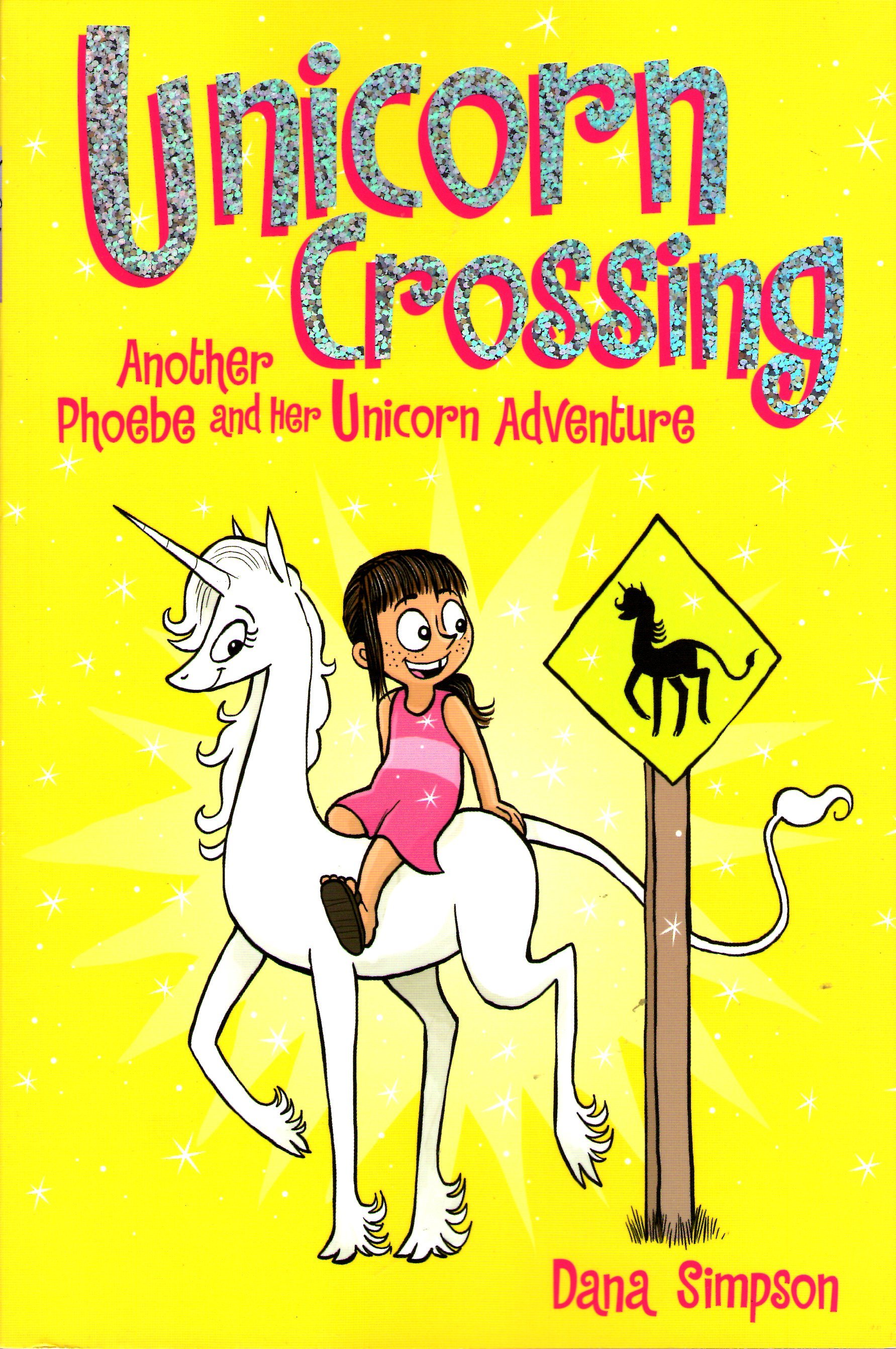
  • Unicorn CrossingUnicorn for a Day, and Unicorn of Many Hats by Dana Simpson: Phoebe and her Unicorn books are just such a pleasure to read! They are funny and sweet, and I just can only find joy when reading them. I’m excited for the new one (Unicorn for a Day) to be out soon!
  • Super Boba Cafe by Nidhi Chanani: Chanani’s graphic novel is unlike any other I have ever read! What starts as a sweet story about a granddaughter visiting her grandmother for the summer, turns into something so unexpected; I think most readers will be quite surprised by the turn of events!
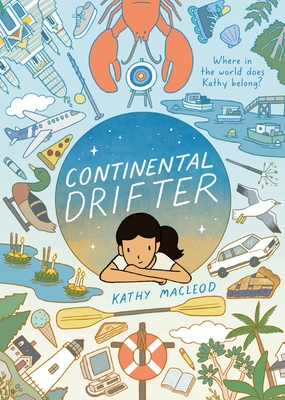
  • Continental Drifter by Kathy Macleod: Many readers will connect with the author in this memoir about trying to figure out where exactly she fits in. Kathy has connections to two different places, two different races, and struggles with fitting in either place or with either race. So many have this same experience and will find connections with Kathy! And it is told in a way that any middle schooler will connect with, even if they’re not exactly dealing with the same situation as Kathy.
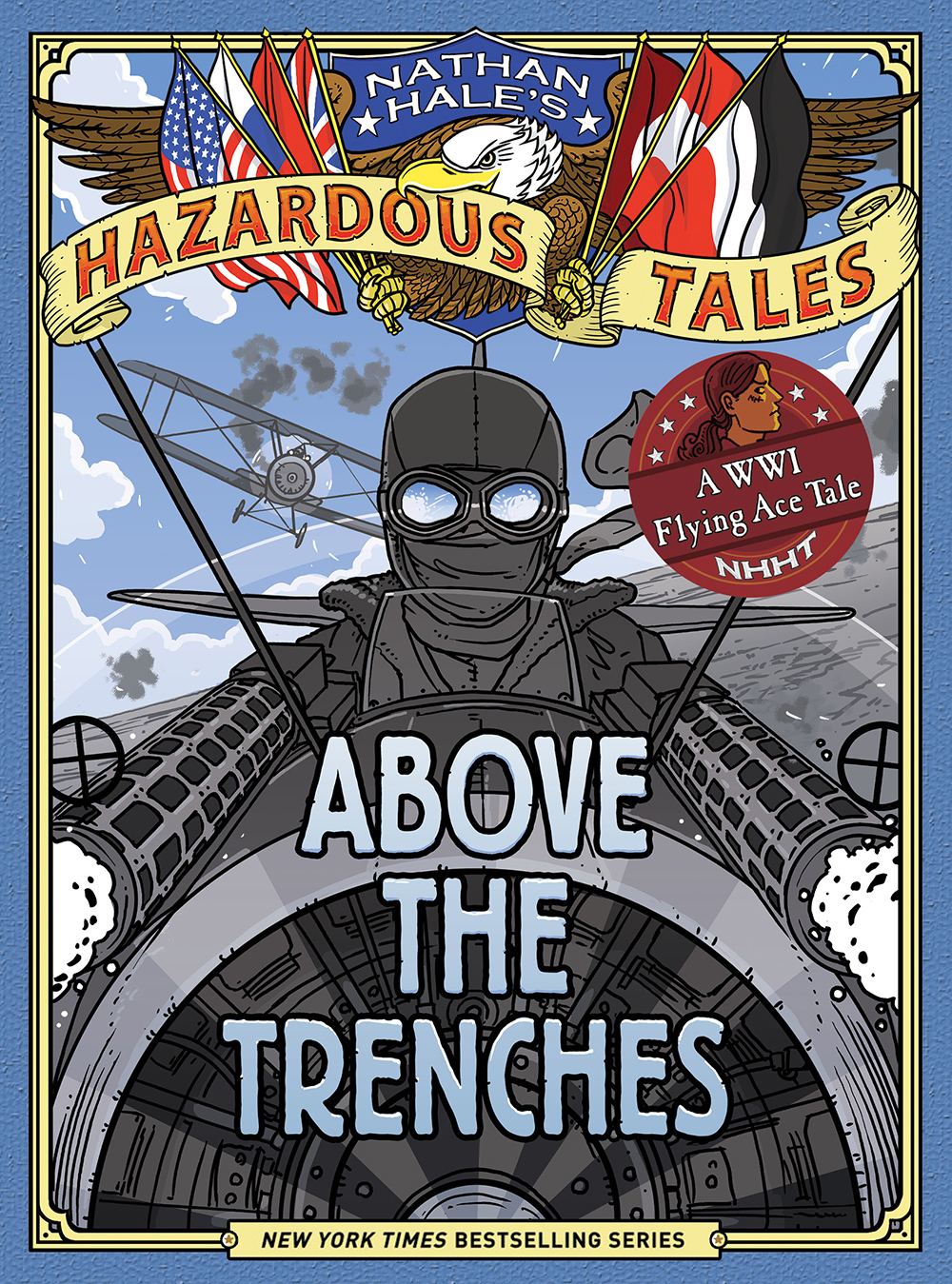
  • Above the Trenches by Nathan Hale: I am so excited about a new Hazardous Tales book, so I was honored that I got to read it early! This newest book brings us back to World War I, but this time it is looking at how flight changed the war and the pilots that were part of the first military in the air. Told with gruesome truth mixed with the hangman’s humor, Nathan Hale does it again.

Young Adult

  • Lunar New Year Love Story by Gene Luen Yang, Illustrated by LeUyen Pham: The title promises a love story, and the one the reader is given is just so heartwarming! Both characters are flawed but you cannot help rooting for them to figure out how to be together because it is obviously the right thing and they need each other.
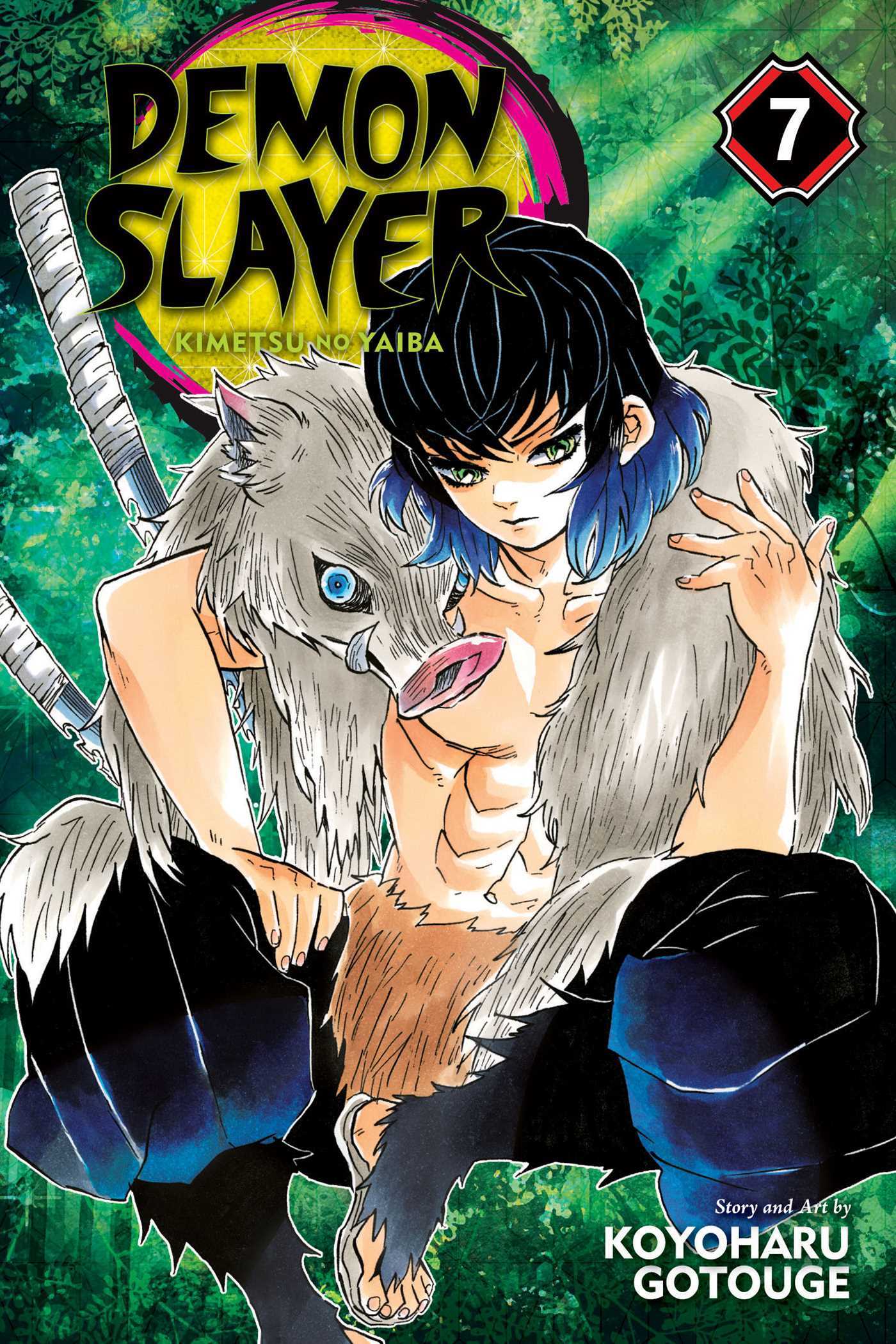
  • Demon Slayer Vol. 7 and Vol. 8 by Koyoharu Gotouge: It is always an adventure with Tanjiro as he travels with the Demon Corps, and these two volumes didn’t disappoint as they were filled with an epic battle though also filled with a very sad loss.
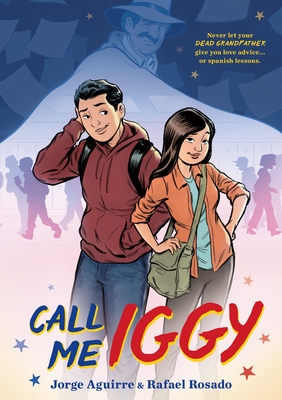
  • Call Me Iggy by Jorge Aguirre, Illustrated by Rafael Rosado: I loved this graphic novel about connecting present life with the history of one’s family and how that all affects identity. It also looked at how one event and one person can change the trajectory of your life!
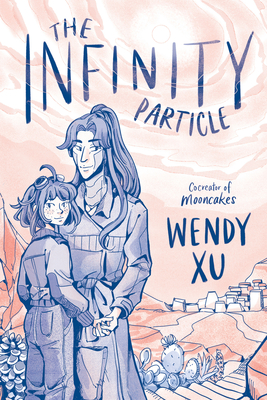
  • The Infinity Particle by Wendy Xu: This graphic novel was an unexpectedly intense and deep sci-fi story about what makes someone (something?) deserve autonomy as well as what makes someone human. The story was entertaining yet moving, and it kept me reading as I rooted for Clem and Kye to figure out their future. As we begin to jump into the world of AI in our contemporary world, the questions asked in this book are ones that will need to be answered in the future.
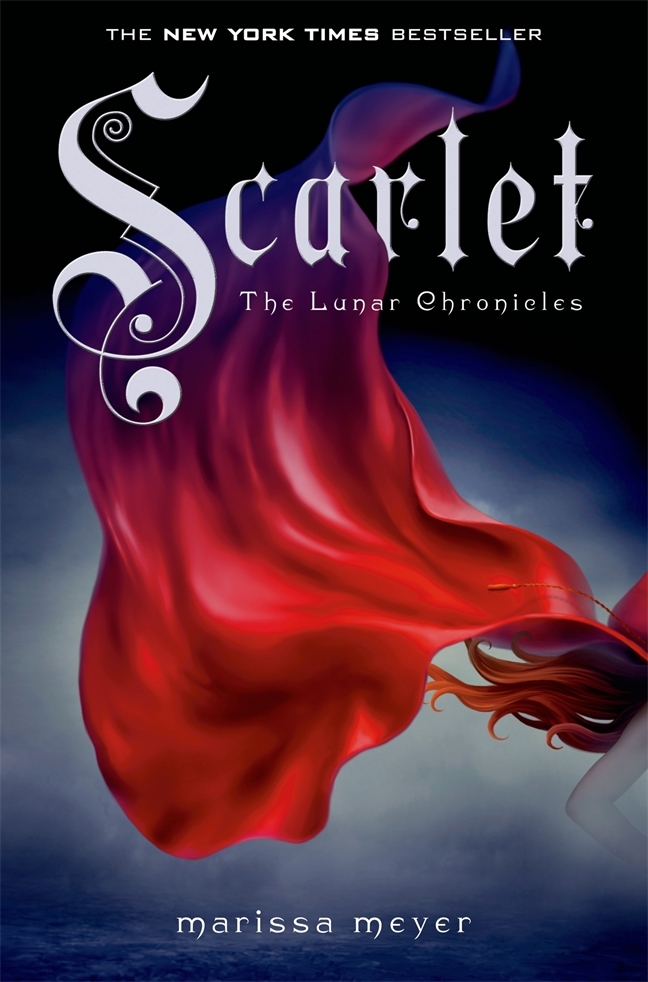
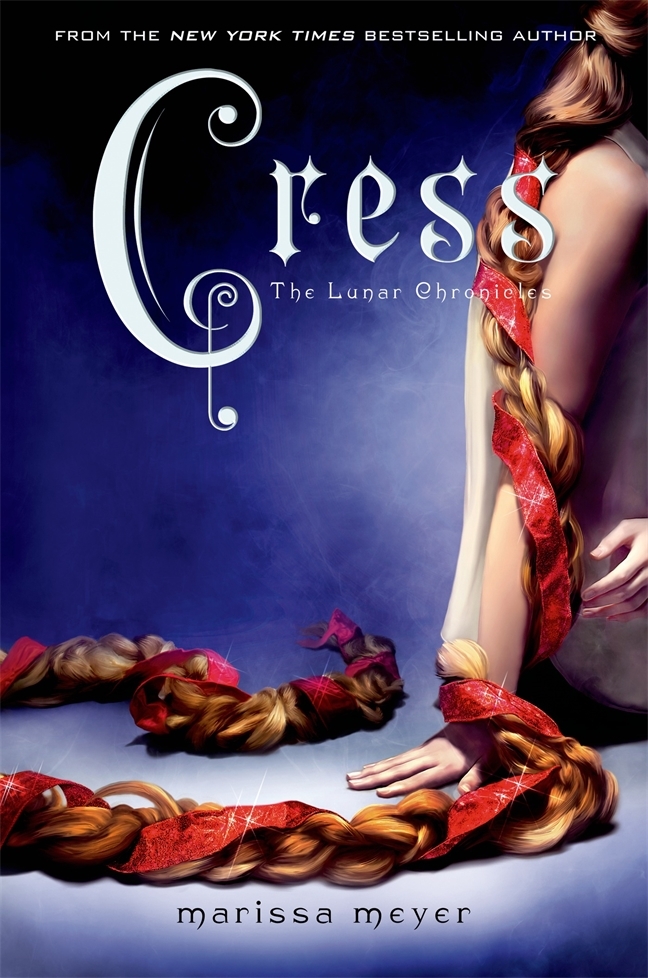
  • The Lunar Chronicles #2: Scarlet by Marissa Meyer: The Lunar Chronicles continue being quite epic! I cannot tell you much about this one because it is the sequel to Cinder and I don’t want to spoil it, but I will tell you that more characters are added which gives Cinder quite the entourage to help her on her adventure.

Picture Books


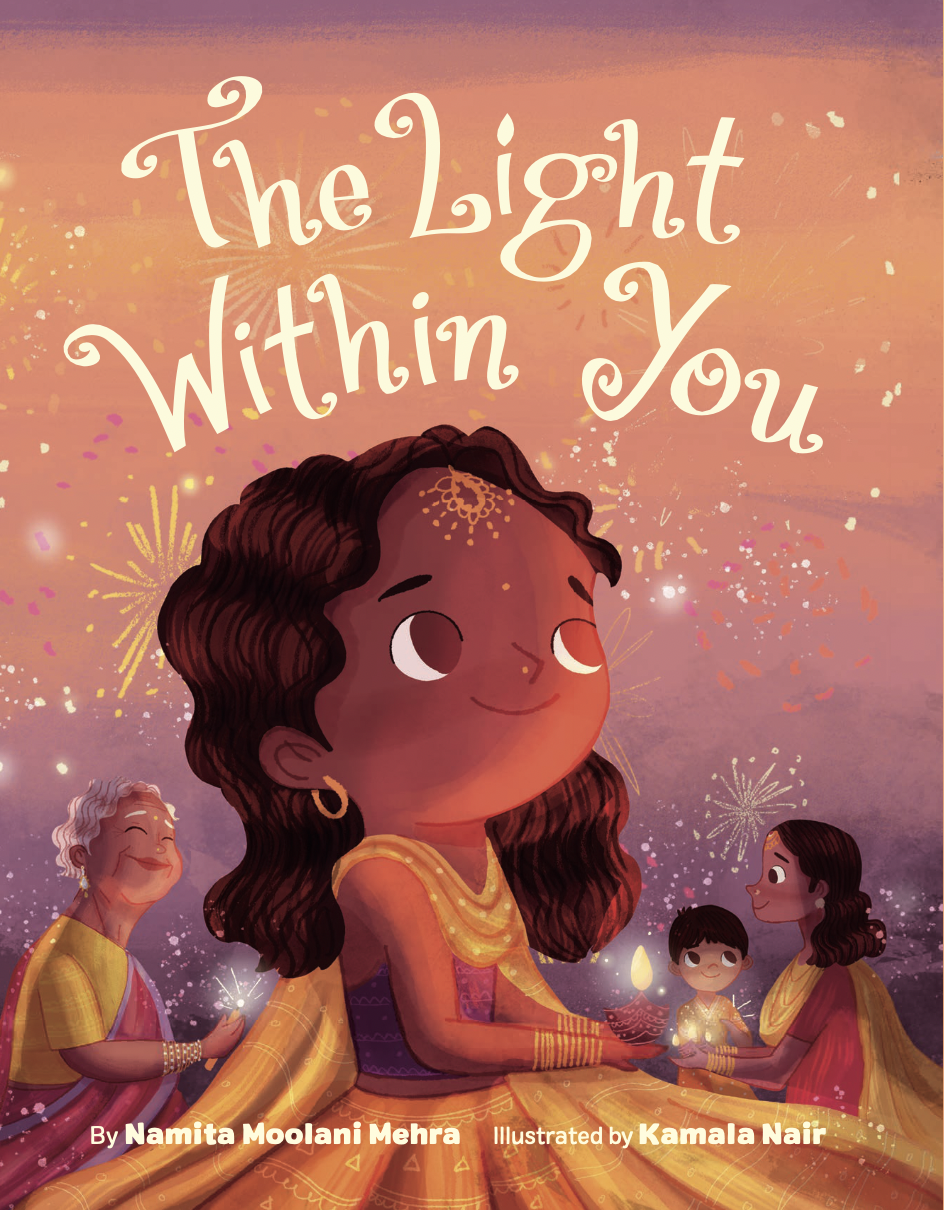
  • The Light Within You by Namita Moolani Mehra, Illustrated by Kamala M. Nair: The starred review from Publishers Weekly really summarizes the beautify of this book: ★“Nair’s jewel-toned illustrations, sprinkled with dots of light, reinforce the text’s essential themes and its core bond between two family members who share a special connection and light each other up.” This beautiful picture book both takes us on Diya’s celebration of Diwali but also her journey to come to terms with her new home. Her wise grandmother is a beacon of light, just like so much of this book. Readers will definitely feel lit up from the inside after finishing this book.
  • Ganesha’s Great Race by Sanjay Patel, Illustrated by Emily Haynes: A retelling of a famous Hindu story which invites readers to get to know the Hindu gods of the story and embrace the message found within the book. The fun race between siblings with a sweet theme and colorful illustrations all lend themselves to a book that readers will have such a fun time reading.
  • I Want 100 Dogs by Stacy McAnulty, Illustrated by Claire Keane: This book is a great look at realistic expectations as well as becoming a pet owner. McAnulty does a great job of keeping humor in this story while also teaching the reader about making realistic expectations, especially when it comes to pets, and the colorful, cartoonesque illustrations bring the silliness and sweetness to life.
  • 10 Cats by Emily Gravett: I am a sucker for books about cats, and the cats in this one are just so cute! The art is realistic and all the cats have such great personalities. Also, this book is more than just a simple counting book, as it seems at first glance. Gravett does a wonderful job adding subtle complexity through her artwork which will lead to the book being interactive, almost like a spot-the-difference and seek-and-find book. Through the illustrations, Gravett also adds in a lesson in secondary and primary colors!

To learn more about any of these books, click on any title/image to go to the book’s Goodreads page or check out my read bookshelf on Goodreads.

Ricki

This week isn’t my week for an IMWAYR post; I’ll see you next week!

Bold_line

Kellee

Bold_line

Tuesday: Frankie and Friends: Breaking News by Christine Platt, Illustrated by Alea Marley

Sunday: Author Guest Post: “No Easy Answers: Using A Twist of Magic to Make a Tough Topic Accessible” by Jessica Vitalis, Author of Coyote Queen

Bold_line

Link up below and go check out what everyone else is reading. Please support other bloggers by viewing and commenting on at least 3 other blogs. If you tweet about your Monday post, tag the tweet with #IMWAYR!

 Signature andRickiSig