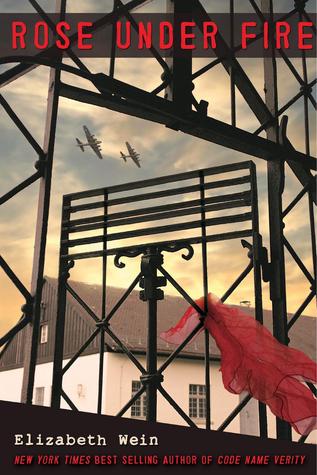
Title: Rose under Fire
Author: Elizabeth Wein
Expected Publication: September 10th, 2013 by Miramax (Disney)
Summary: While flying an Allied fighter plane from Paris to England, American ATA pilot and amateur poet, Rose Justice, is captured by the Nazis and sent to Ravensbrück, the notorious women’s concentration camp. Trapped in horrific circumstances, Rose finds hope in the impossible through the loyalty, bravery and friendship of her fellow prisoners. But will that be enough to endure the fate that’s in store for her?
Elizabeth Wein, author of the critically-acclaimed and best-selling Code Name Verity, delivers another stunning WWII thriller. The unforgettable story of Rose Justice is forged from heart-wrenching courage, resolve, and the slim, bright chance of survival.
Review: Out of the thousands of books I’ve read, this one is going to sit among my all-time favorites. There is a phenomenal balance of history and narrative that will engage readers while offering harrowing lessons in history. I am not an air and space girl. My husband loves planes, and he was giddy when we went to the Smithsonian Air and Space Museum in Washington D.C. As much as I want to love planes, I don’t find them to be interesting. This book changed my outlook.
Rose under Fire has many similarities with Wein’s Code Name Verity. They are both written in an epistolary format, involve pilots/airplanes, and are set during World War II. Both offer wonderfully complex themes about friendship, loyalty, and the strength of women. However, Rose under Fire focuses more on concentration camps, while Code Name Verity dealt more with the interrogation techniques used during World War II. Neither of these two elements drove the novels, but they are two plot features that make the texts quite different from one other. I found CNV to be a bit slow in the beginning (which isn’t the case with all readers), but I was hooked to Rose under Fire from the very first page. Wein writes characters so vividly that I still feel their presence in my life, long after I finish the books. I recommend this book to everyone. It will appeal to readers of all ages, backgrounds, genders, and interest levels.
Teacher’s Tools for Navigation: Teachers, this is a MUST-HAVE book. It is phenomenally written and shows the truly complexity of young adult literature. It can be used to teach elements like setting, character, dialogue, the epistolary format, imagery, voice, and theme. Students might write letters back to Rose, or they could analyze one of the many well-developed characters in this story. It would also make for a great research unit of topics like the Nuremberg Trials, female WWII pilots, flying bombs, or the experimentation on Holocaust prisoners. History teachers will also find this text to be invaluable.
Discussion Questions: What loyalties did the Holocaust prisoners have for each other? What are some examples of incidents that showed this loyalty?; Why were the Rabbits so important to the concentration camp? What did they add to the story as a whole?; How does Maddie’s friendship with Rose differ from her friendship with Julie?; Why was Nick’s character important throughout the story? How does his level of importance change, and why?; Rose has very different friendships with many of the characters. Describe how three of these friendships differ from one another.; Does the novel end in a hopeful way? Why or why not?
We Flagged: I marked so many passages that it is hard to choose just a few, so I selected two longer quotes that show the quality of Wein’s writing.
Incredible Imagery:
“…and the reason everyone in there was trying to get out in the rain was because they were dying of thirst.
Really dying of it, I think.
Hands and arms and heads stuck out anywhere there was a gap—cupped hands collecting rainwater, some holding bowls or even just a piece of cloth to collect moisture—I saw one woman lying on her back with her hair in the black cinder mud at the tent’s edge, her mouth open, letting a rivulet of water stream down the canvas and into her mouth.”
And Beautiful Figurative Language:
“Hope—you think of hope as a bright thing, a strong thing, sustaining. But it’s not. It’s the opposite. It’s simply this: lumps of stale bread stuck down your shirt. Stale gray bread eked out with ground fish bones, which you won’t eat because you’re going to give it away, and maybe you’ll get a message through to your friend. That’s all you need.
God, I was hungry.”
Please note: The above quotes are from the Advanced Reader Copy. The e-book (a galley) did not provide page or chapter numbers. The quotes may change when the book is published.
Read This If You Loved: Code Name Verity by Elizabeth Wein, Between Shades of Gray by Ruta Sepetys, Nazi Hunters by Neal Bascomb, Night by Elie Wiesel
Recommended For:



Thank you to NetGalley and Disney for sending me the Advanced Reader Copy!





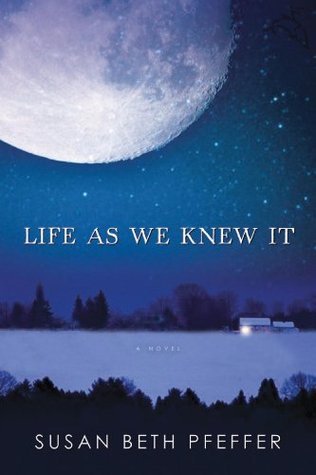 Life as we Knew it: Meteor hits moon and the effects from the disaster
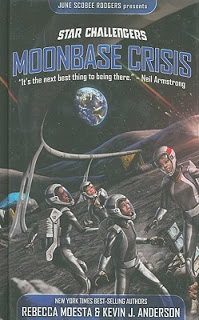
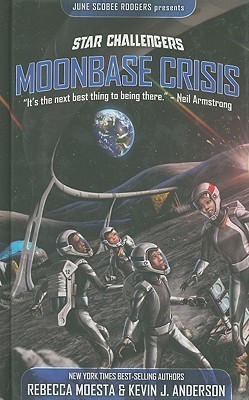 Moonbase Crisis: Space exploration, Space science
 Trapped: Meteorology
 An American Plague: Medical (Virology), Yellow fever epidemic
 Fever 1793: Fictionalized account of same epidemic
 Blizzard!: Meteorology
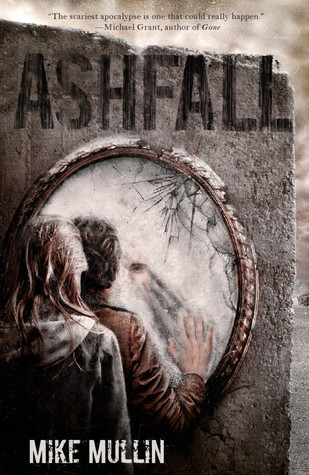 Ashfall: Geology, Yellowstone eruption
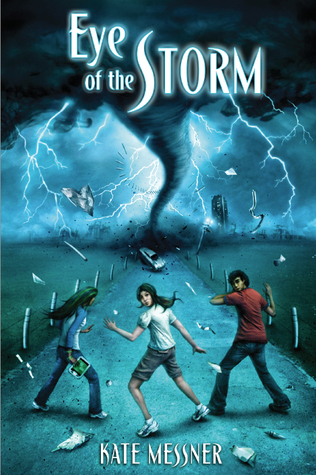 Eye of the Storm: Meteorology
 Feed: AI, Technology
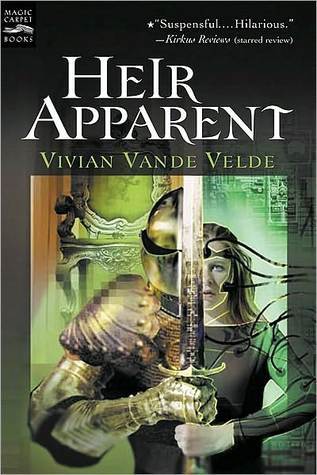 Heir Apparent: Technology, Game simulation
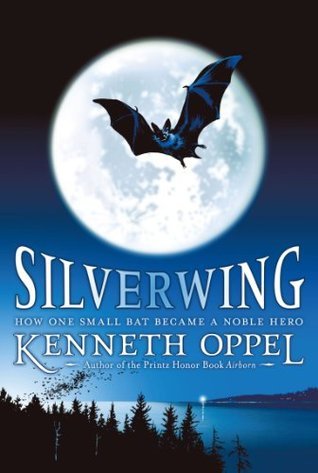 Silverwing: Chiroptologist (Study of bats)
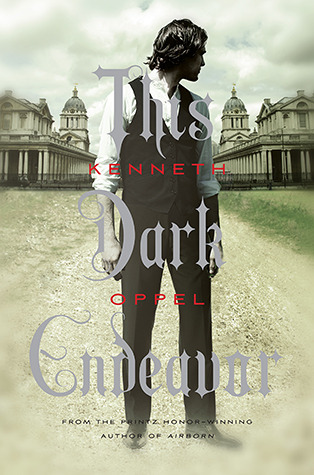 This Dark Endeavor: Alchemy, Medical
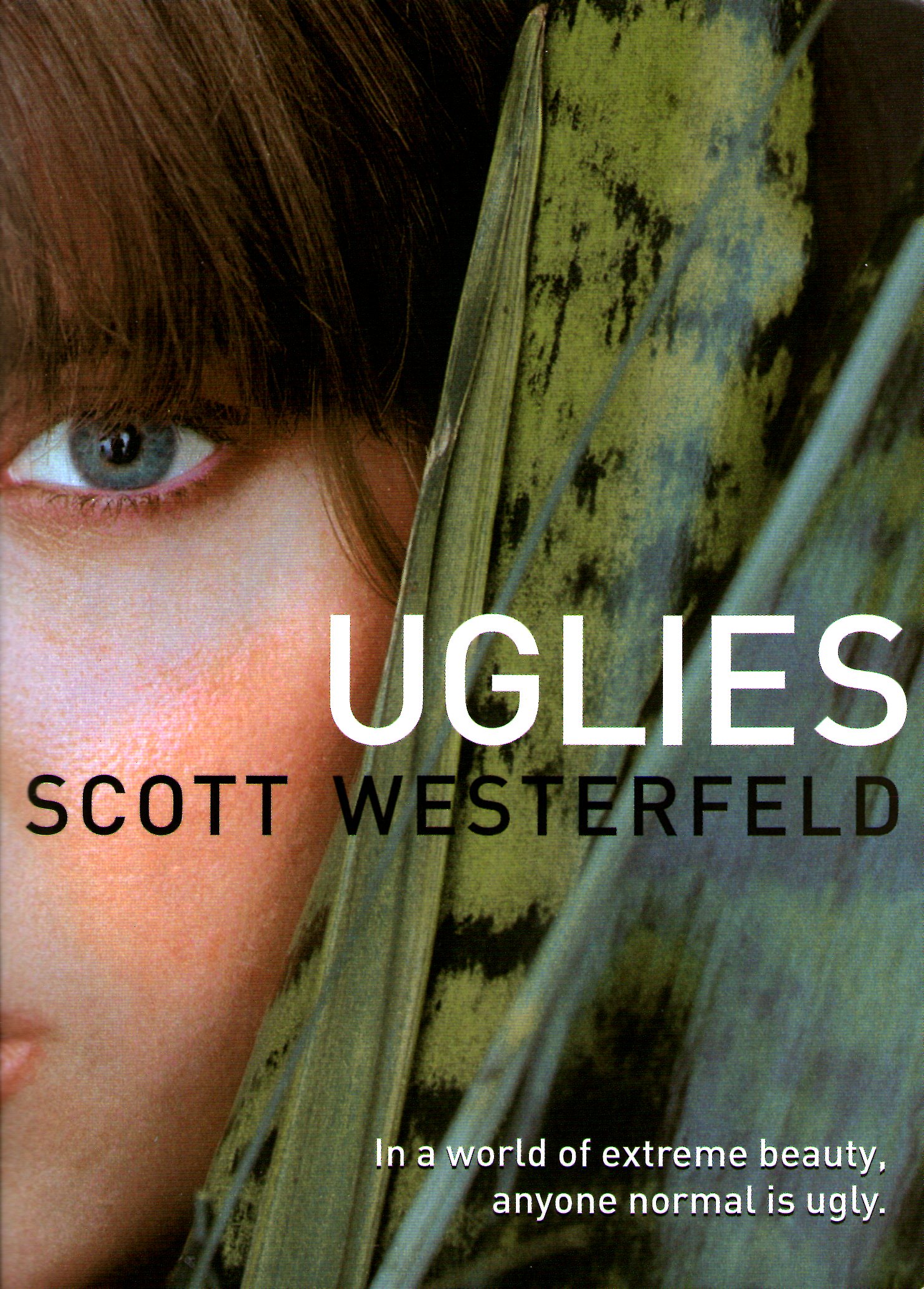 Uglies: Plastic surgery, Technology, Oil contamination
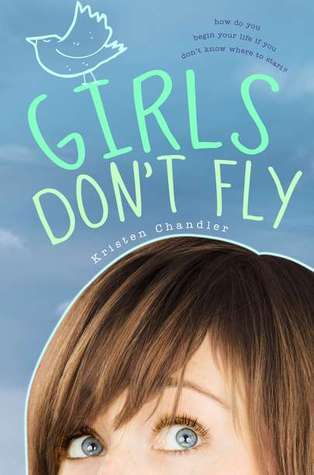 Girls Don’t Fly: Ornithology (Study of birds)
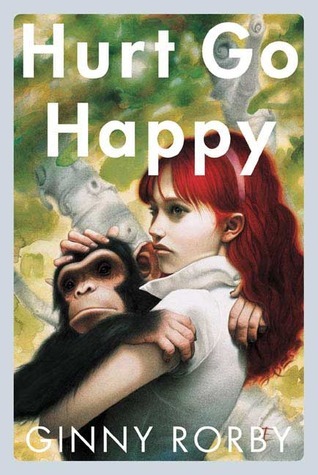 Hurt Go Happy: Animal testing, Chimp acquisition of language (ASL), Deafness
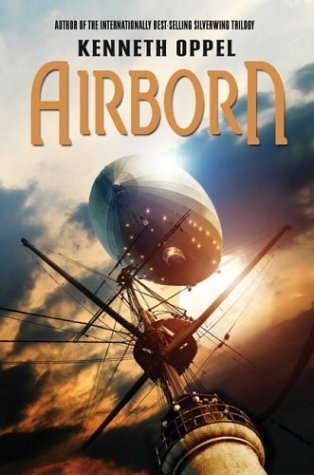 Airborn: Zoology, Airships
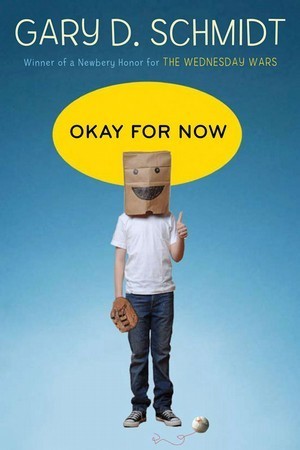 Okay for Now: NASA Apollo Mission, National Audubon Society
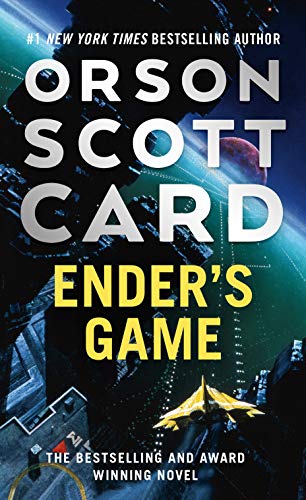 Ender’s Game: Space science (Low gravity, alien technology, space craft/station)
 I, Robot: Robotics
 Leviathan: Genetic engineering, Mechanics
 The Way We Fall: Microbiology, Pandemic, Quarantine
 Lost in the River of Grass: Everglades
 Dark Life: Subsea settlement
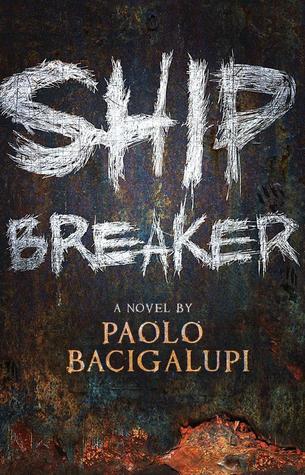 Ship Breaker: Global warming, Oil
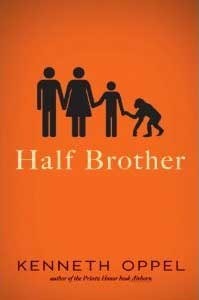 Half Brother: Linguistics, Animal testing, Chimp acquisition of language (ASL)
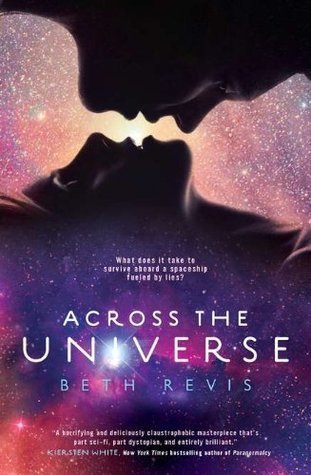 Across the Universe: Space science, Space ship, Computer, Cryonics
 The House of the Scorpion: Cloning
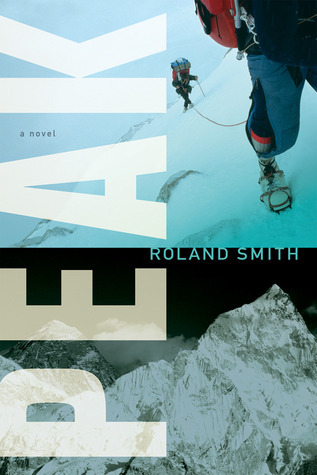 Peak: Teenager climbing Mt. Everest
 Smiles to Go: Quantum physics, Philosophy
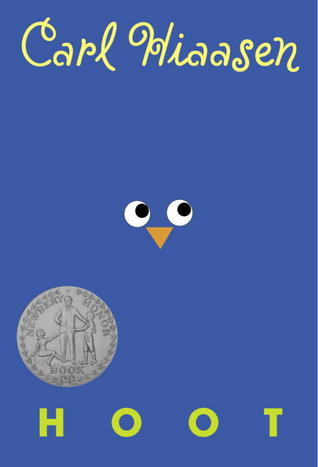 Hoot: (and other Hiaasen middle grade books) Ecology, Zoology
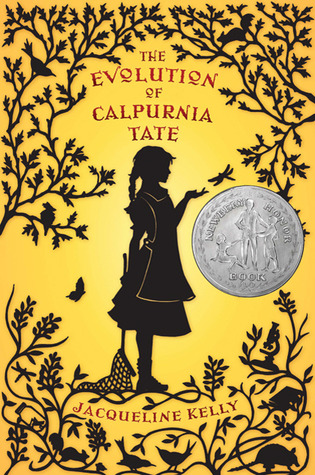 The Evolution of Calpurnia Tate: Natural History, Evolution
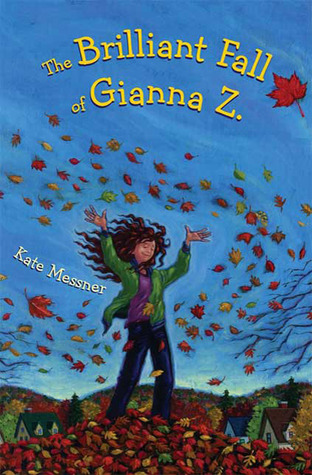 The Brilliant Fall of Gianna Z: Botany
 Chronal Engine: Dinosaurs
 George’s Secret Key to the Universe: Astronomy
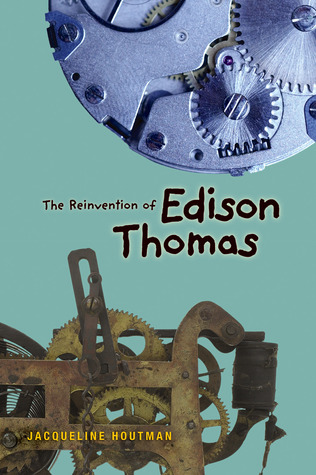 The Reinvention of Edison Thomas: Physics, Mechanics, Inventing
 Samantha Hansen has Rocks in her Head: Geology
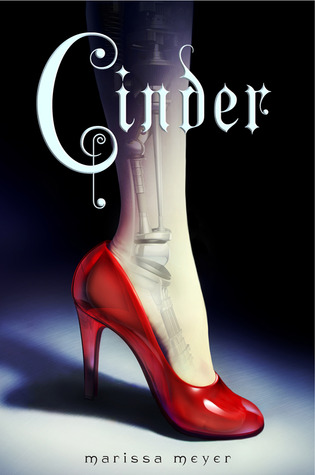 Cinder: Androids, Cyborgs
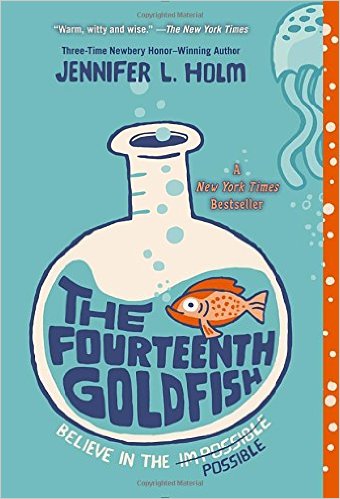
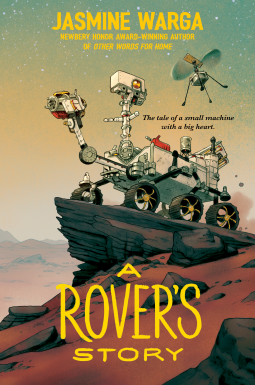 A Rover’s Story: Mars rover
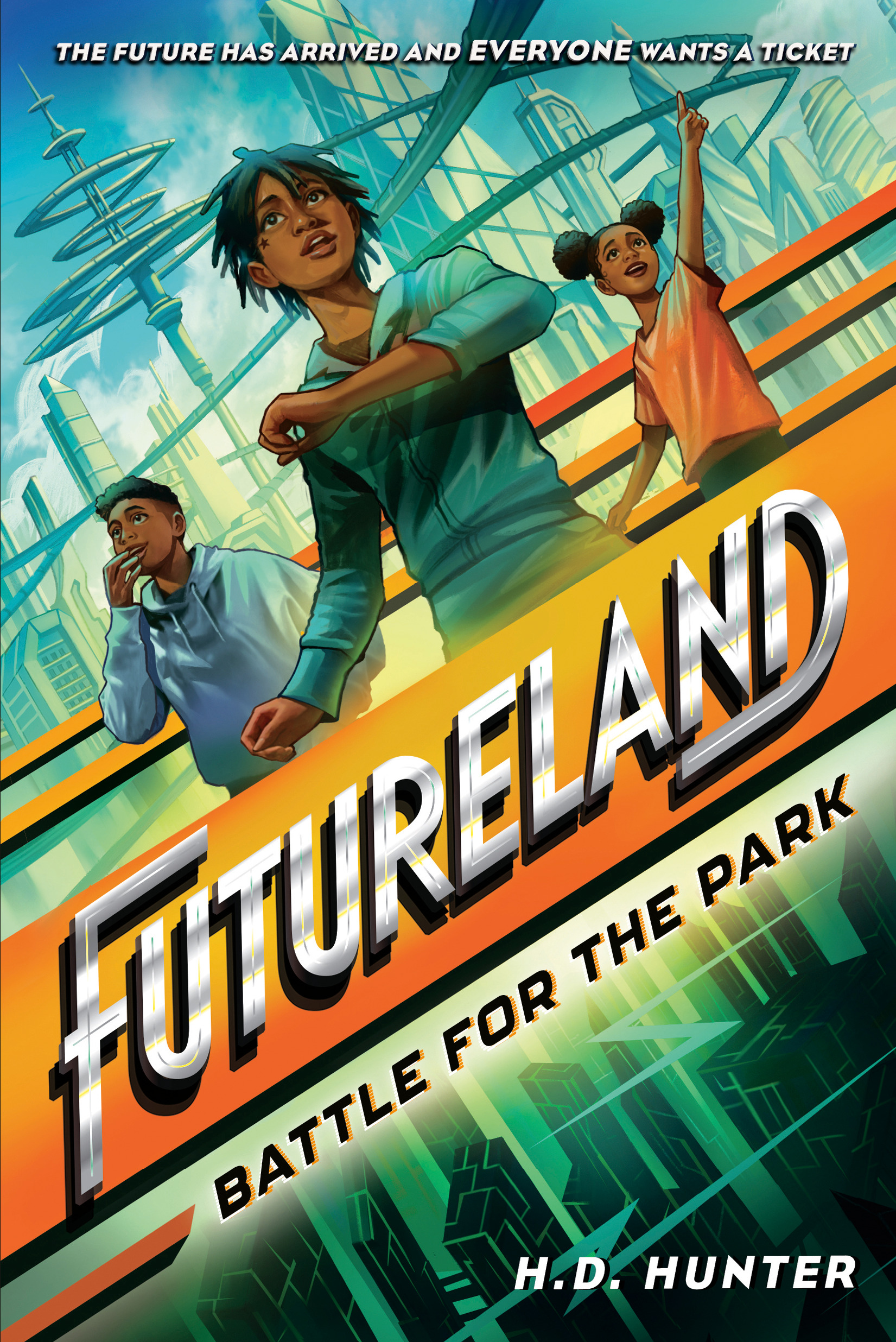 Futureland: AI
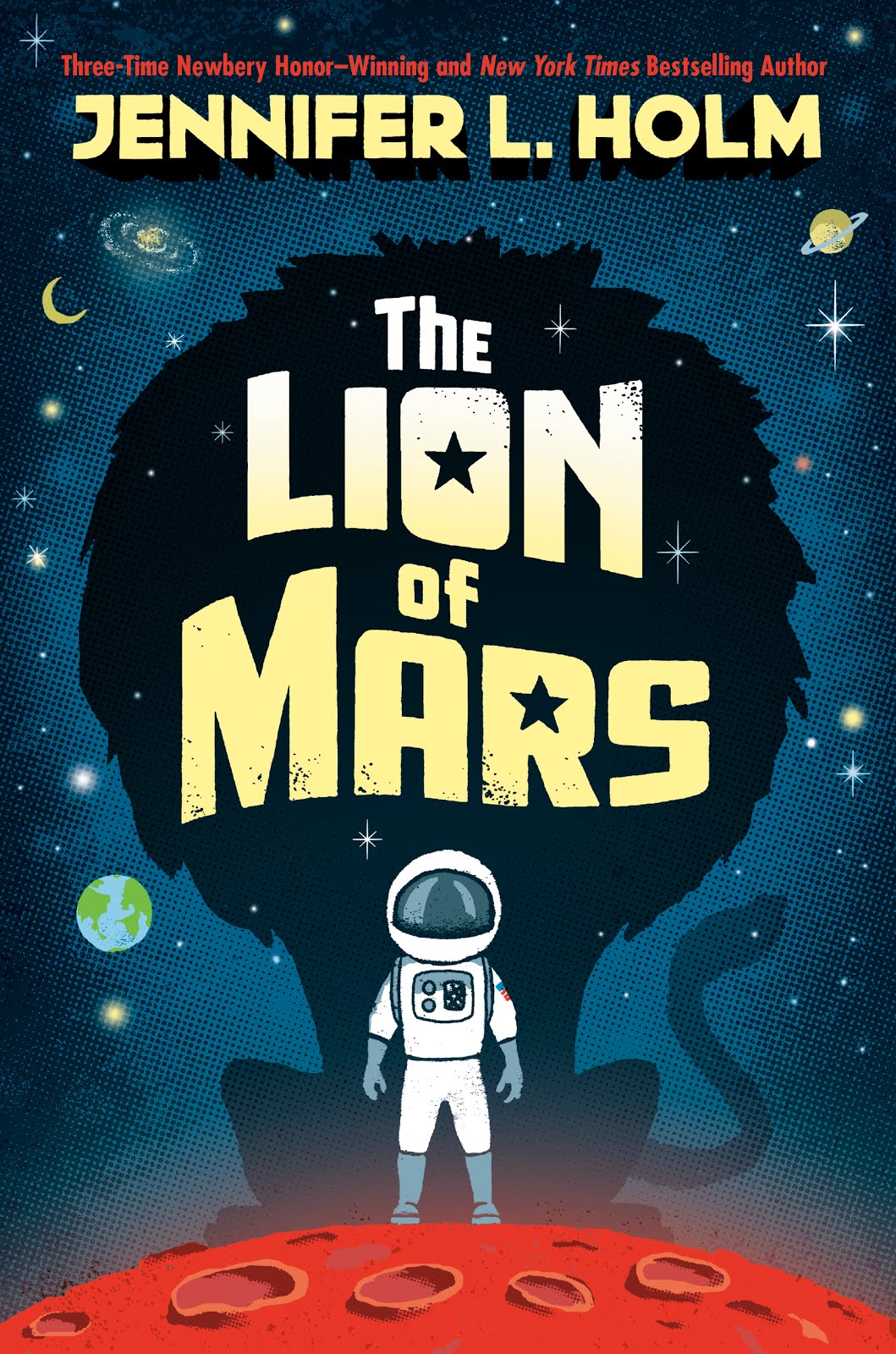 The Lion of Mars: Mars colonization
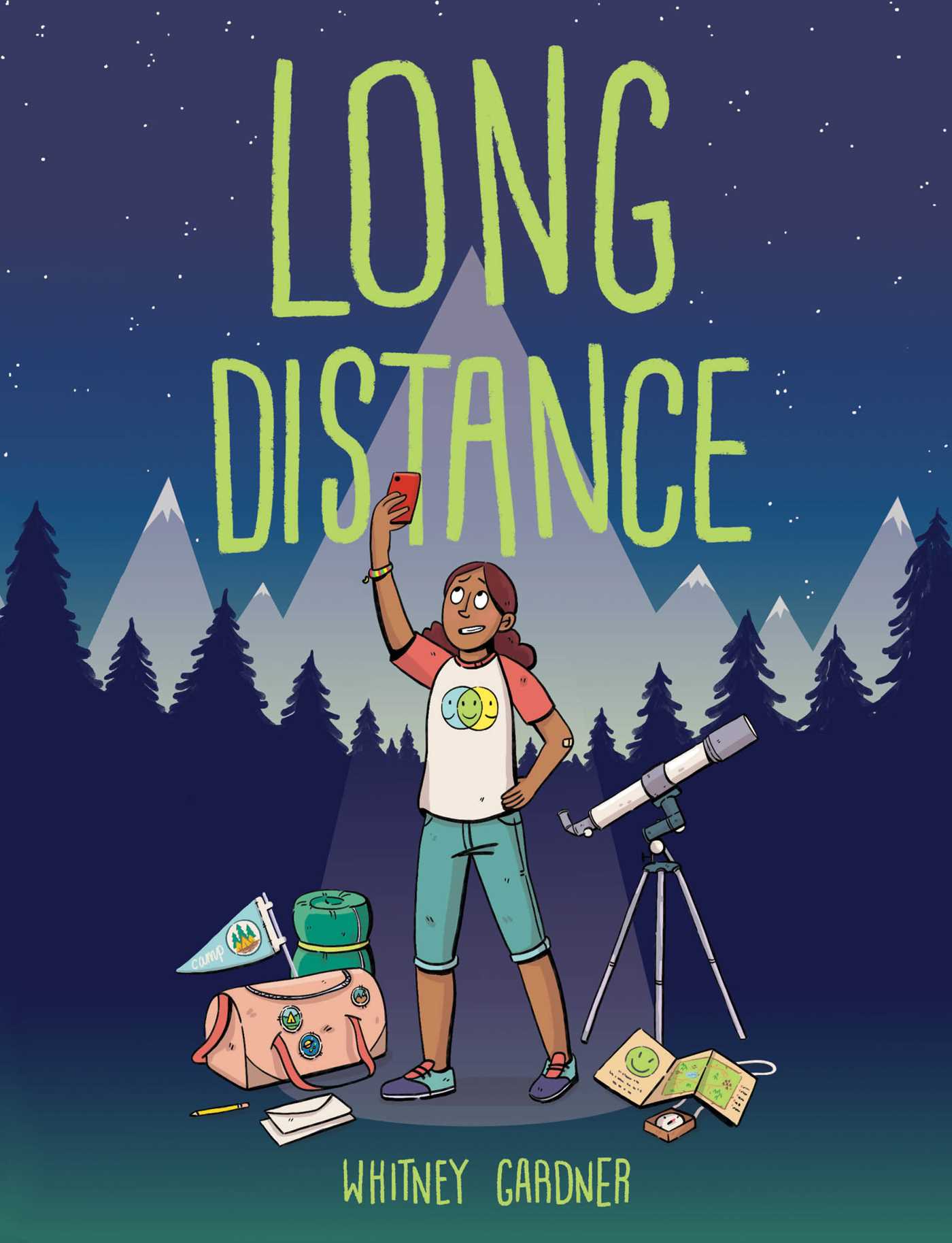 Long Distance: Astronomy
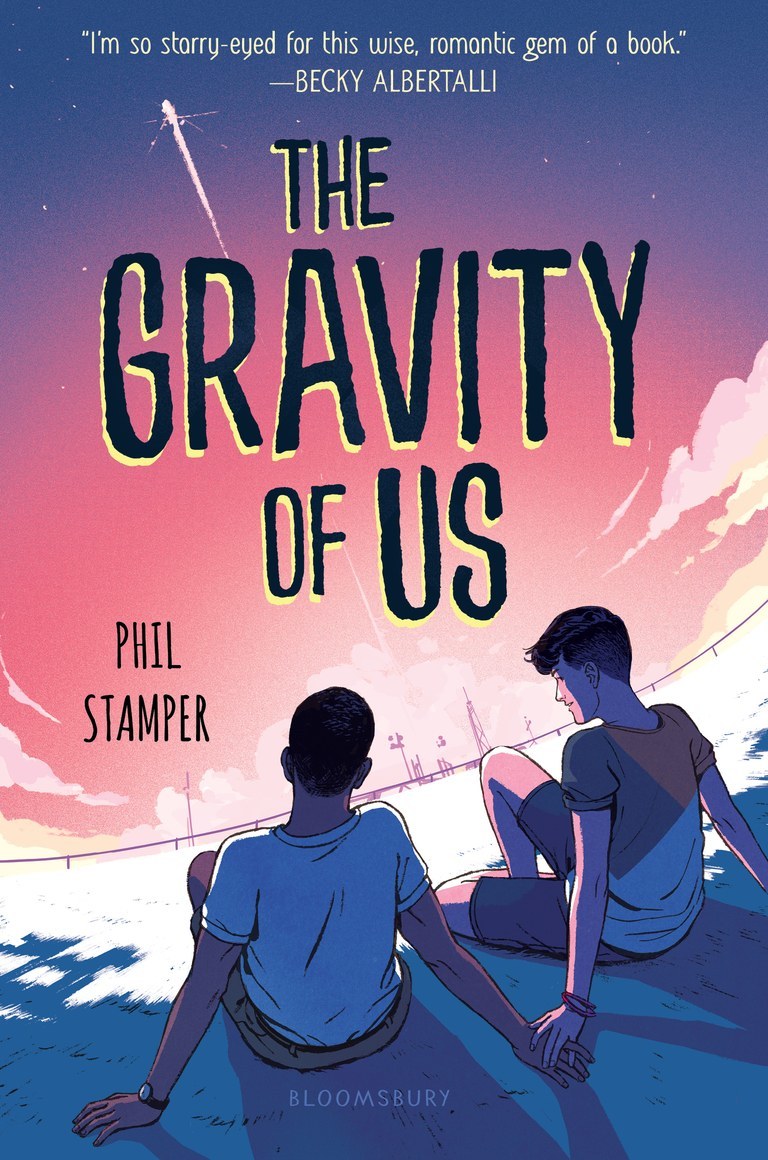 The Gravity of Us: NASA, Space travel
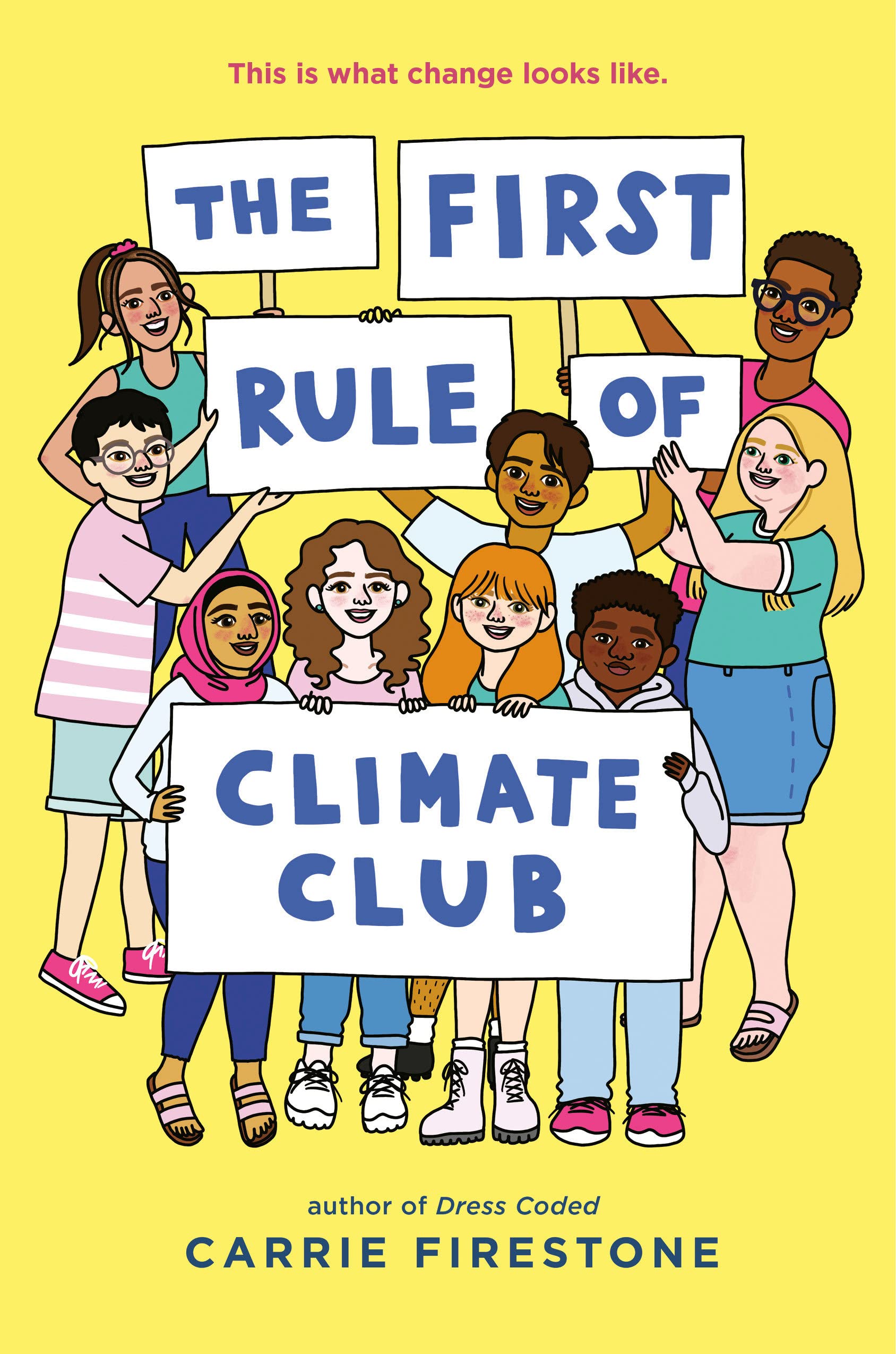 The First Rule of Climate Club: Climate change
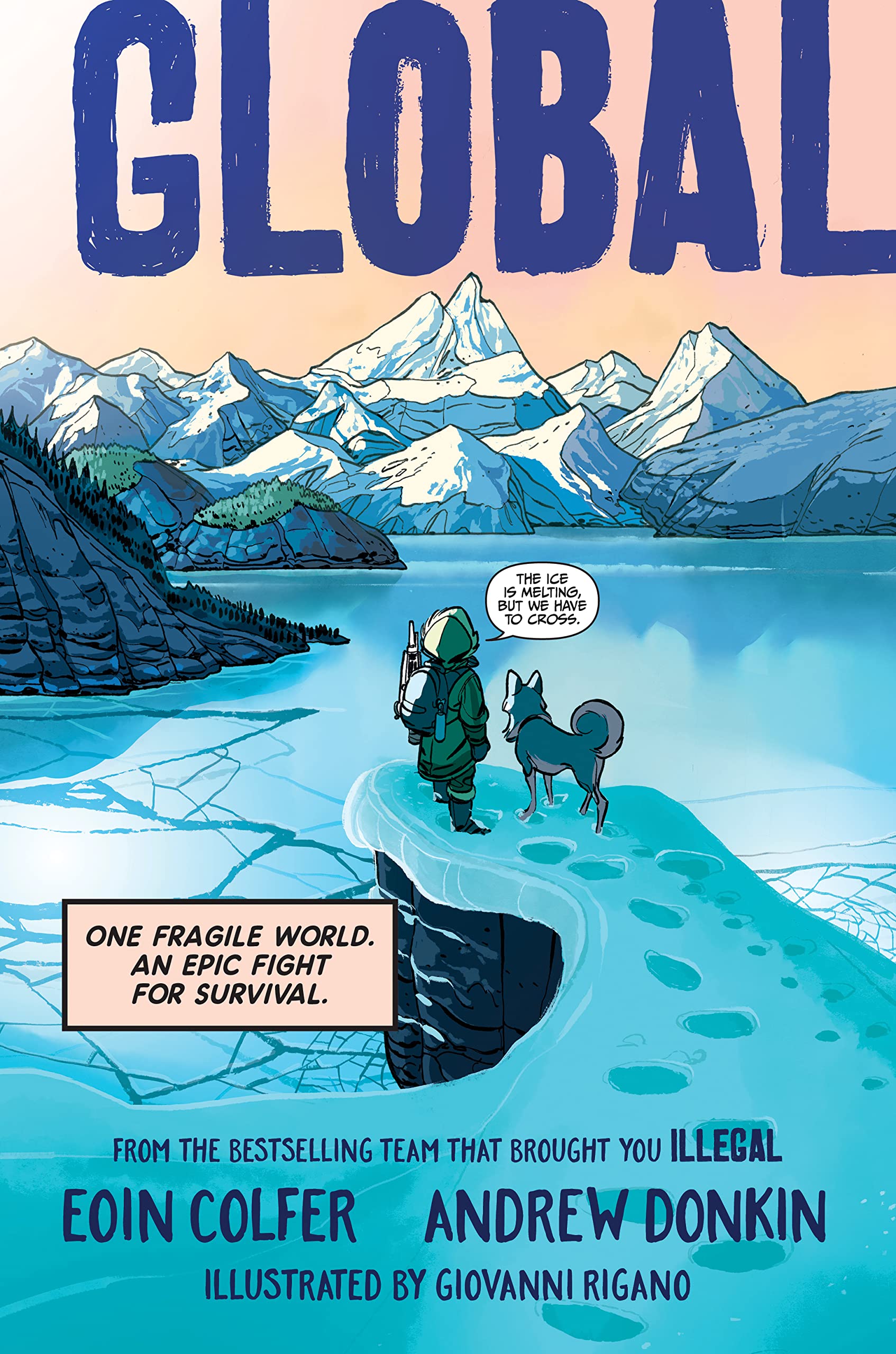 Global: Global warming
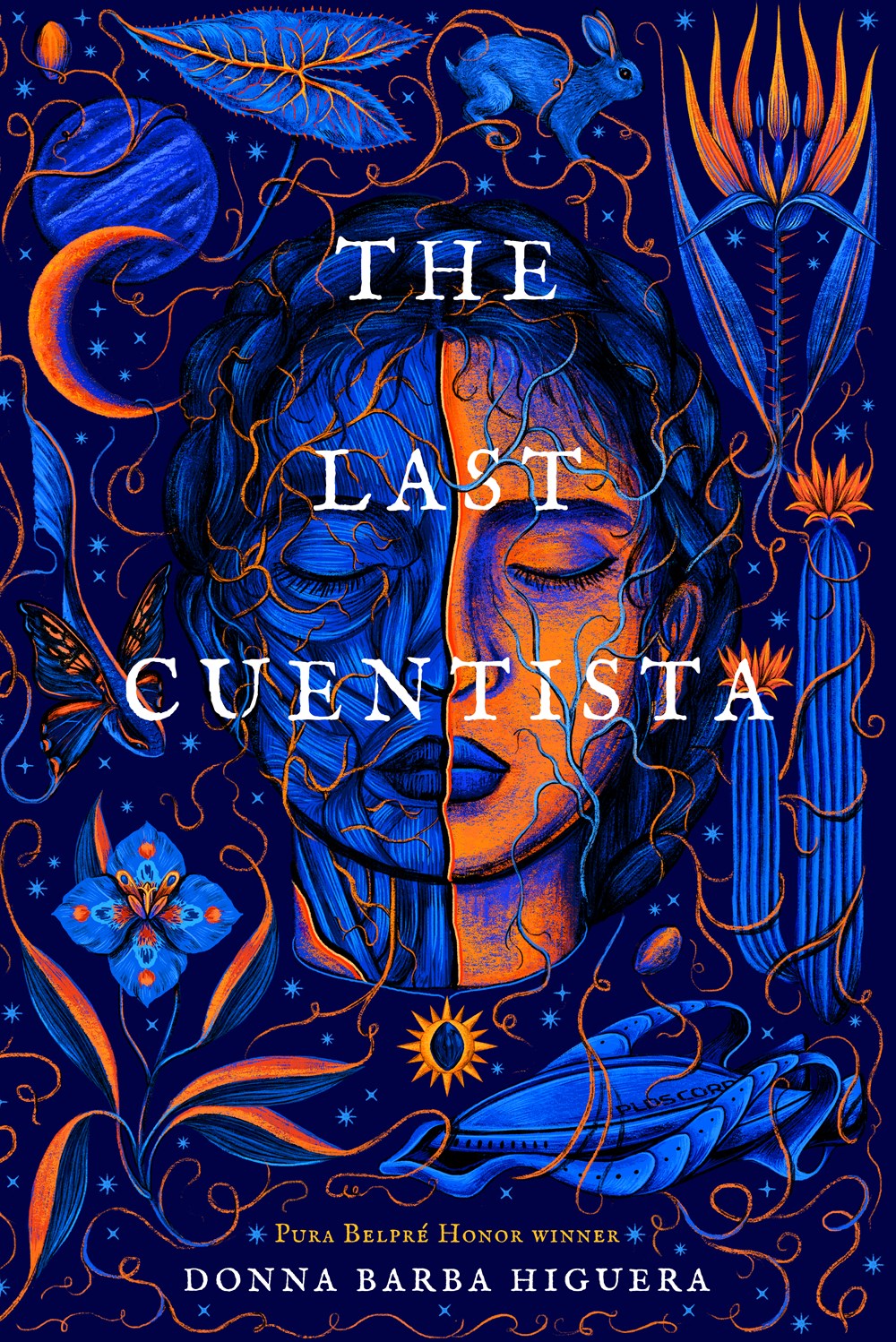 The Last Cuentista: Apocalypse, Space travel, AI
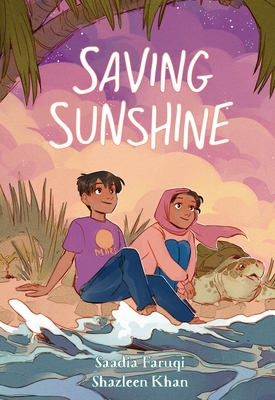 Saving Sunshine: Sea turtle
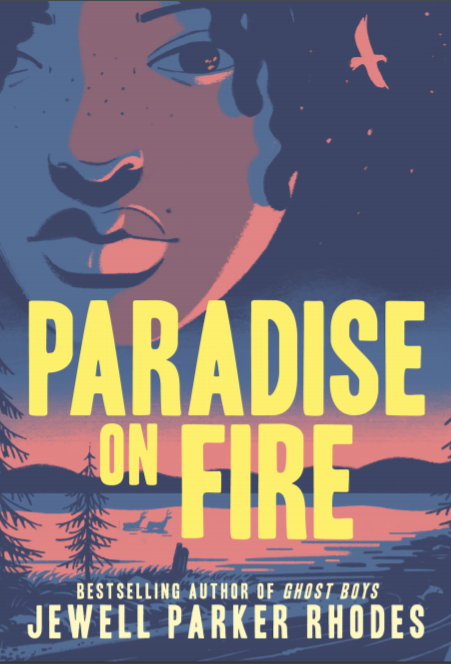 Paradise on Fire: Wildfire
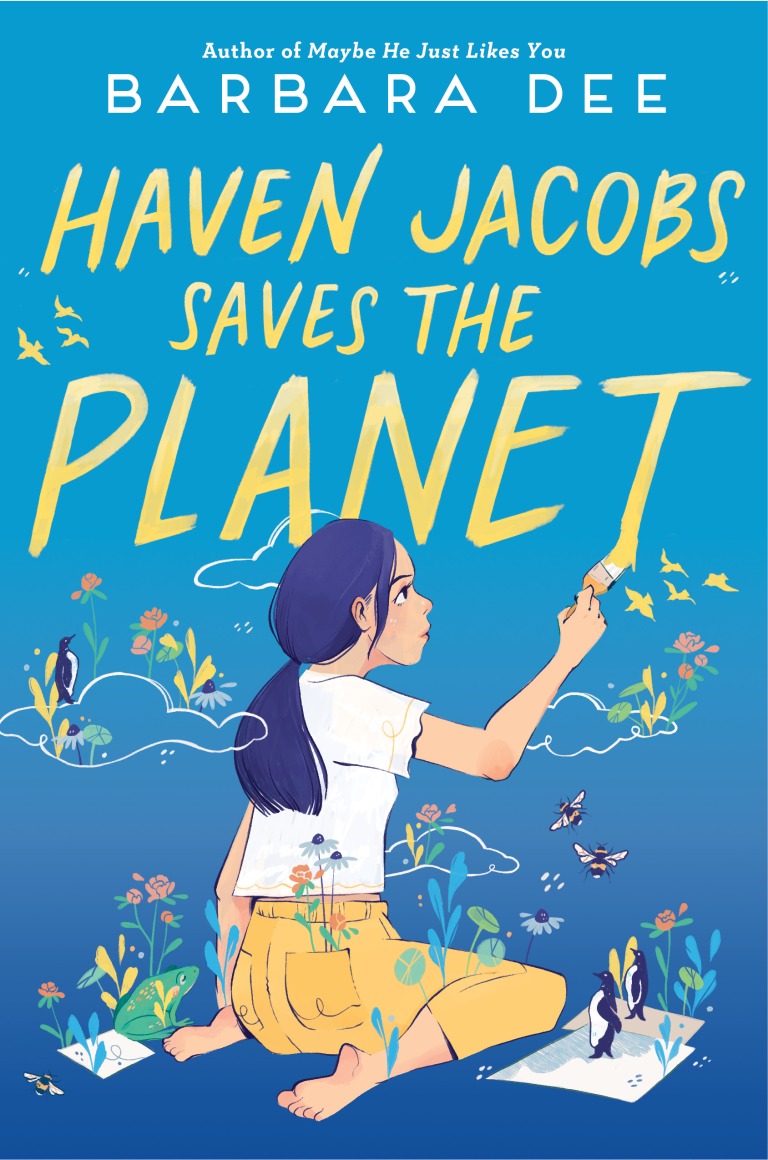 Haven Jacobs Saves the Planet: Climate change
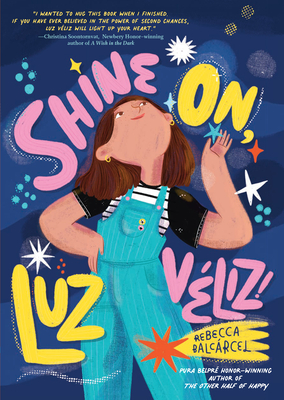 Shine on Luz Véliz: Coding
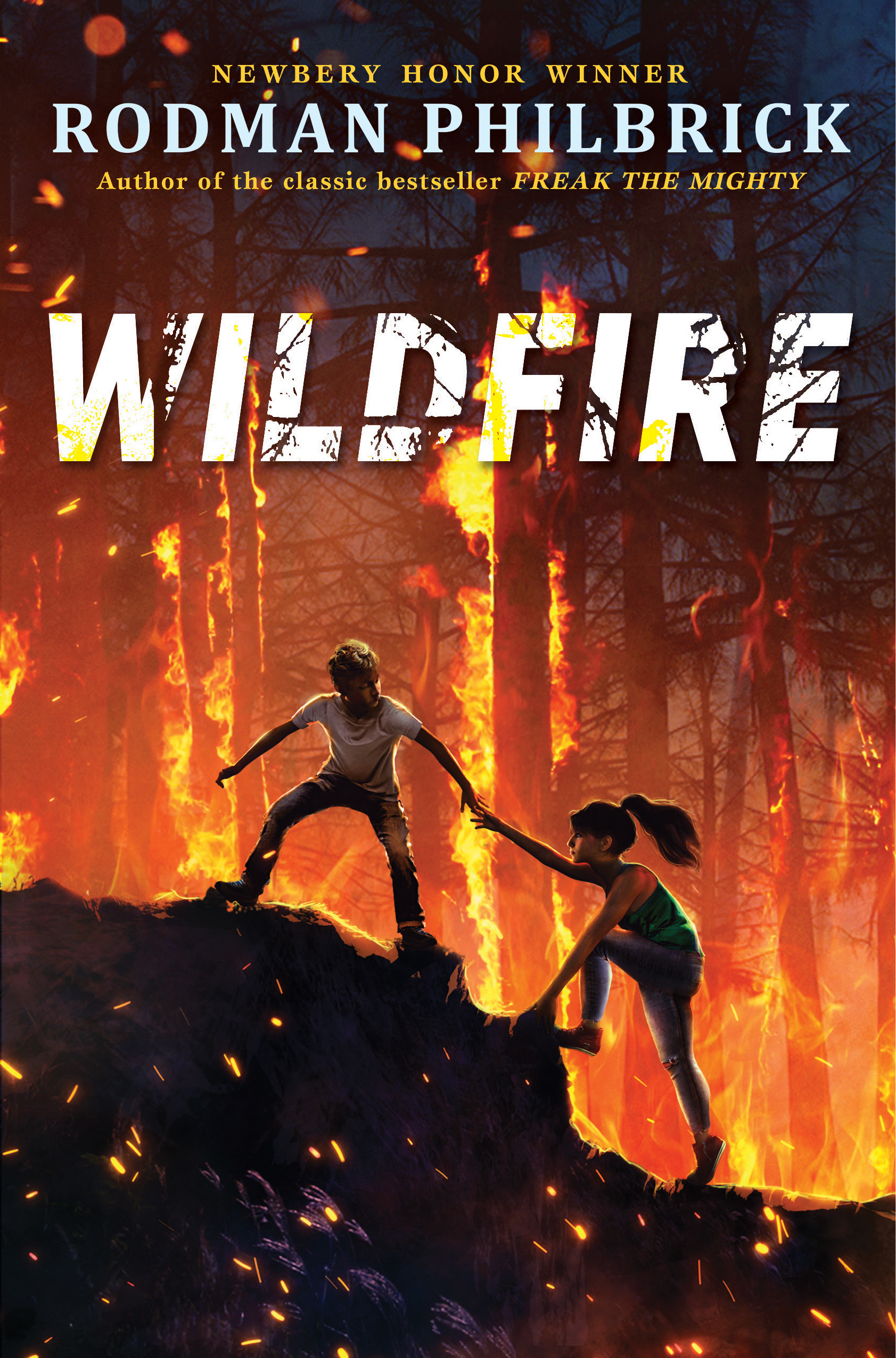 Wildfire: Wildfire
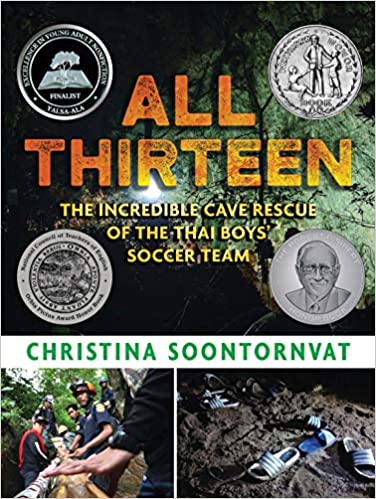 All Thirteen: Cave rescue
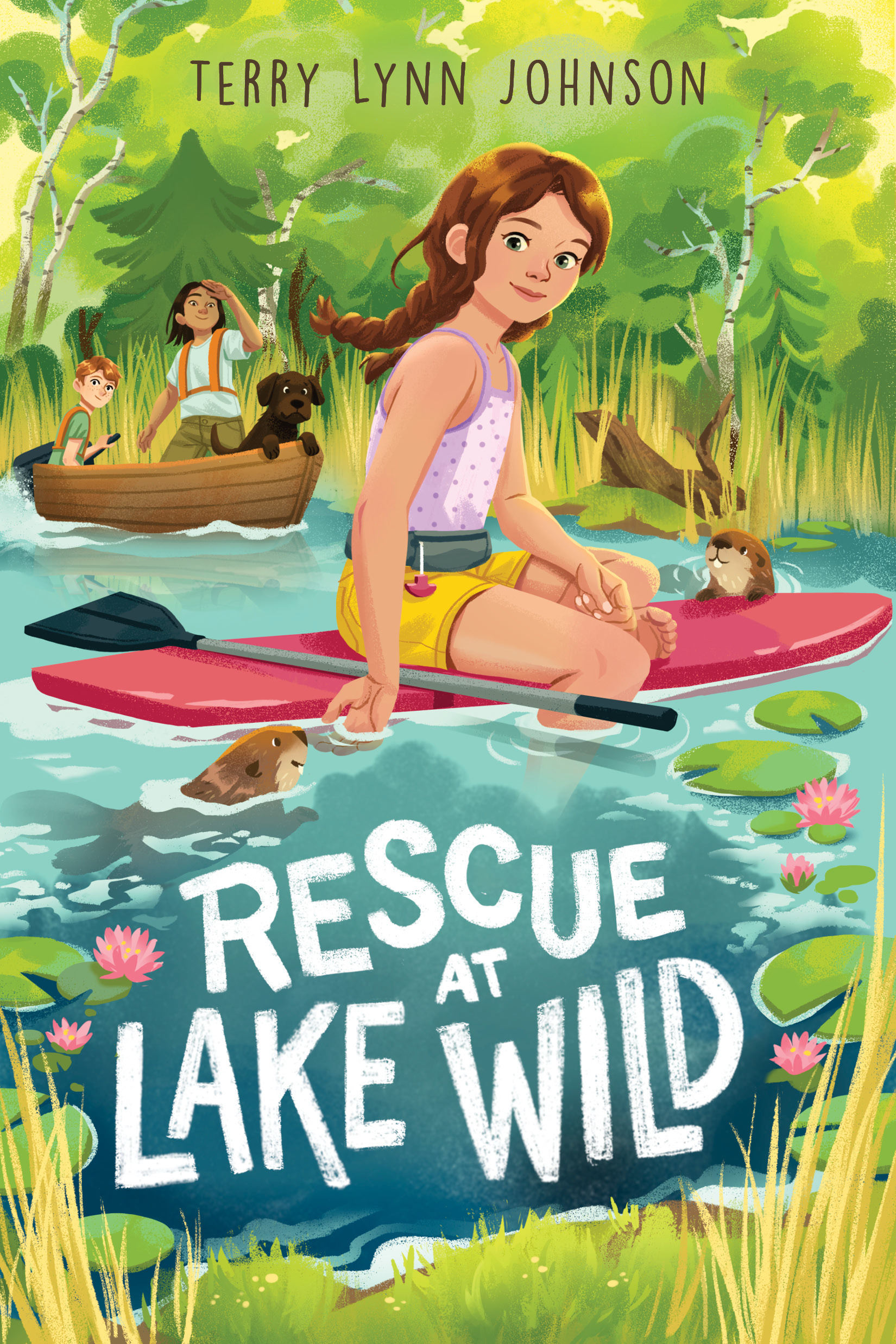 Rescue at Lake Wild: Ecology, Animal impact
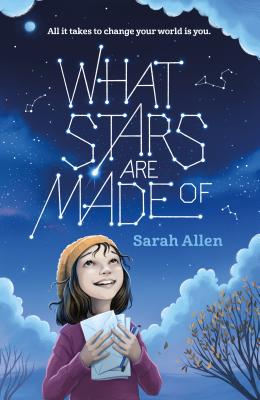 What Stars are Made of: Astronomy
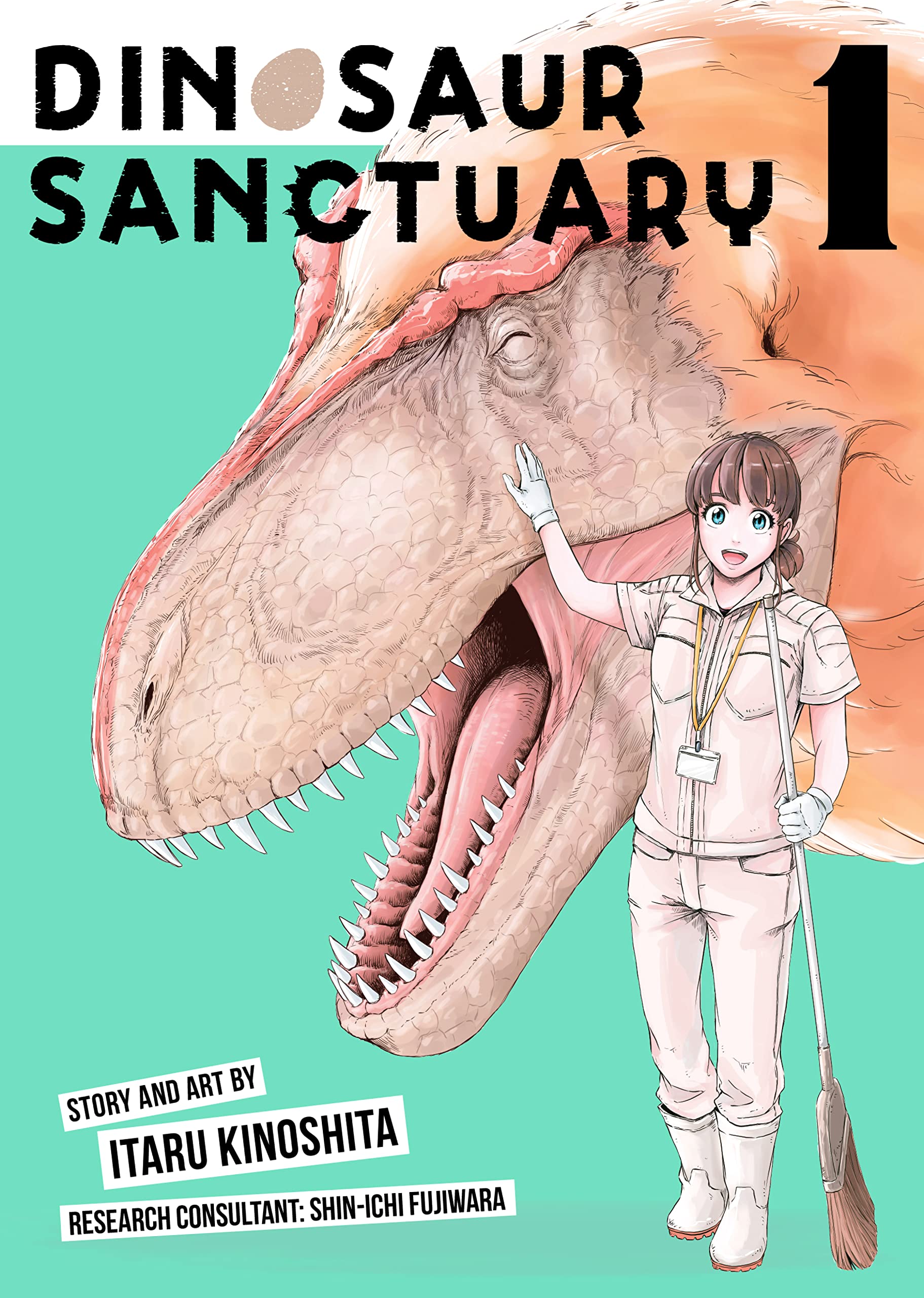 Dinosaur Sanctuary: Paleontology, Genetic mutation