Author Guest Post: “Theater Games to Promote Reading and Writing” by Gary Schwartz, Author of The King of Average

Share

“Theater Games to Promote Reading and Writing”

WHY BRING THEATER GAMES INTO THE CLASSROOM?

Everyone can play! Everyone can learn through playing. The Theater Game format is a charted course for the regular classroom teacher who wishes to bring the excitement, the pleasures, the disciplines and the magic of theater to the classroom.

Theater games, played in the classroom, should be recognized not as diversions from curriculum needs, but rather as supports, which can thread through each day, acting as energizers and/or springboards for everyone. Inherent in theater techniques is verbal, nonverbal, written and unwritten communicating. Communication abilities, developed and heightened in theater game workshops will, in time, spill over into other curriculum need (the 3 Rs) and into everyday life.

Teaching/learning should be a happy, joyful experience, as full of glee as the infant’s breakthrough out of the limitations of crawling into the first step walking!

Beyond immediate curriculum needs, playing theater games will bring moments of spontaneity. The intuitive comes bearing its gifts only in the moment of spontaneity.” Right now is the time of discovery, of creativity, of learning. While playing theater games, teachers and students can meet as fellow players in present time, involved with one another, off the subject, and ready for free connecting, communicating, responding, experiencing, experimenting and breaking through to new horizons.

Reprinted from THEATER GAME FILE HANDBOOK, Viola Spolin, Northwestern University Press


I had the extreme good fortune to study with Viola Spolin author of Improvsiation for the Theater and inventor of modern day Improvisation. I can honestly say she changed my life in many ways. After a long career as an actor and performer and teacher I’ve written extensively on the philosophy of education she imparted to me. (http://spolin.com/?page_id=322) Recently I’ve branched out and written my first full-length children’s adventure novel and incorporated some the lessons I learned from Improvisational Theater Games. The main one being PRESENCE is the state one must be in to tap imagination, and creativity.

To that end, I would like to introduce you to some games I learned from Viola Spolin that foster a love of words, creative writing and story-telling. I urge you to try these games in the classroom or at home for fun.

Warm-up with HANDWRITING LARGE – have the student think of their favorite word or phrase and go to the black or white board and write the word as large as possible to fill the entire board! At desks make sure they cover on page entirely with their favorite word or phrase. Urge them to “FEEL” the word as they write! It is essential the body be involved. You may coach them to feel the word in their feet, their spine, their chest – now write your word!

SINGING SYLLABLES – Have one person go out of the room and the rest of the group or class decide on a 3 or 4 syllable word. (depending on age group). Break the word into its syllables and assign each syllable to a portion of the group. Then decide on a simple song to sing. Row, Row, Row Your Boat, Twinkle Twinkle Little Star, Happy Birthday, etc. A song where all know the melody. Have each group sing their syllable to that tune, simultaneously. Then bring in the person who does not know the word, have them wander through the singing groups and “put the word together”. It’s a lot of fun and you can use this as part of a vocabulary lesson or just for fun.

THE WRITING GAME is a more advanced game is also fun if you are teaching creative writing:

Materials: 4 pieces of paper or one divided into quadrants, pen or pencil

Label each paper 1, 2, 3 and 4. Title #1 My Dream, #2 How To, #3 A Story and #4 A letter (or any 4 disparate subjects or styles of writing. i.e., A memory, A poem, etc.)

Sidecoach calls out a number to the players. Players must begin (without hesitation or forethought) writing on that subject. Writing is to continue non-stop. Points off for hesitating or too much thinking and not writing. After a short interval coach calls another number and players must INSTANTLY SWITCH to that number’s page, writing non-stop on the new subject. Coach will call each number randomly and at intervals under one minute. Players are to switch to each subject called and continue writing where they left off.

Game continues until each player has covered each page with writing.

Focus: To switch instantly between 4 different subjects when coached

Sidecoaching: One!      Three!      Two!, etc. (giving enough time to get a flow going but not too much and vary the times from short to medium short) Keep writing! Don’t plan! No pausing – write continuously!

Points of Observation:

  1. Each subject requires a different mode of thinking and switching instantly between modes allows access to player’s intuitive areas.
  2. This is an exercise and not a test. Have fun and push to make switches instantly. Hesitation is bound up with worry that what you write will be evaluated. Judgement causes hesitation. Judgement is subjective and will cancel flow.
  3. Avoid forethought. Forethought is writing without putting it down.

My experience in improvisation has allowed me to reach into areas of my own creativity that I never imagined and the experience contributed to my life as an actor, teacher and now author.

I hope this work will do the same for you and your students.

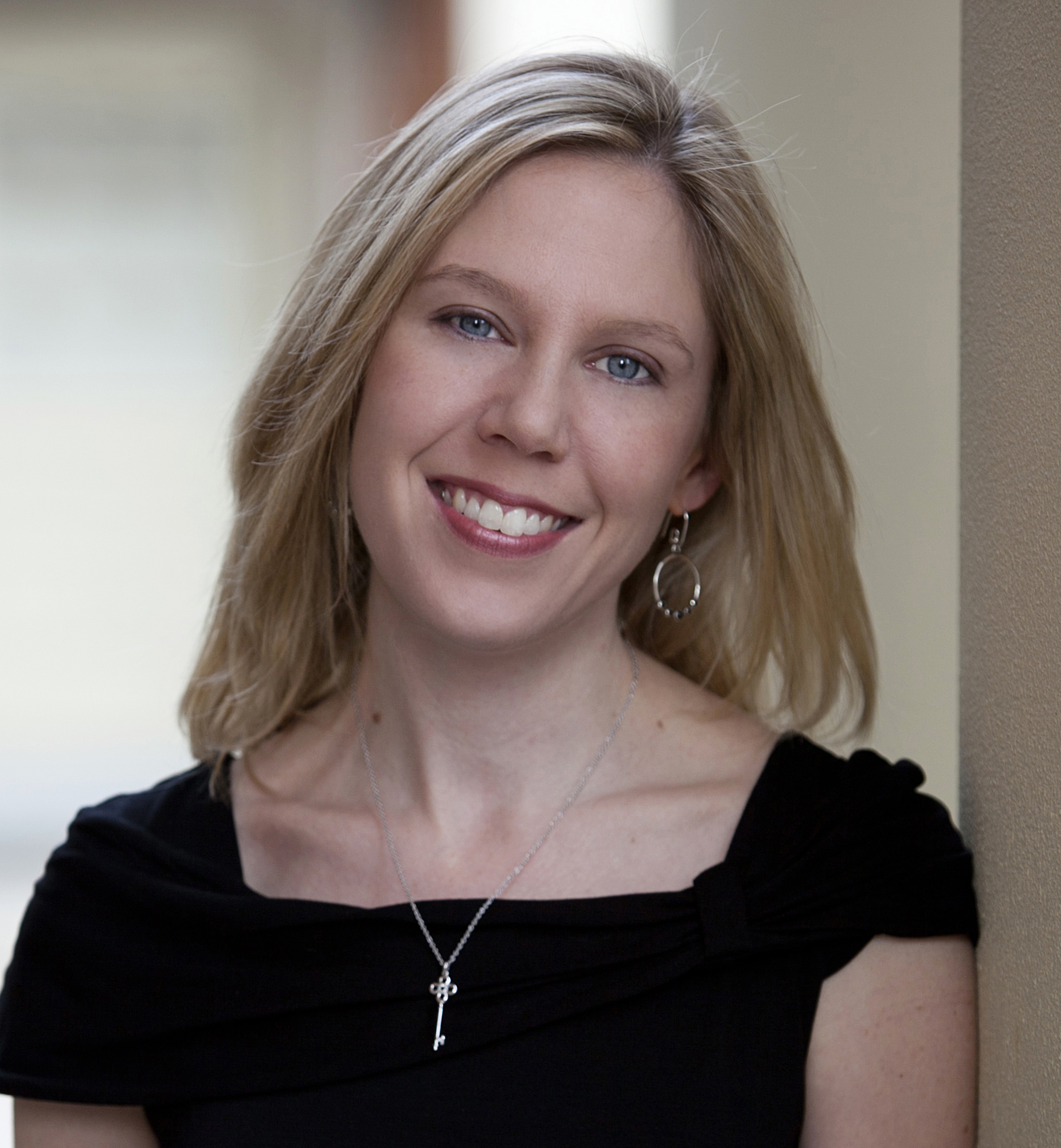
About the Author: Gary Schwartz is an award-winning, TV and film actor, director, comedian and a master improvisational acting coach whose 30 years as a performer and improv teacher has helped transform the lives of thousands of people, both on- and off-screen.

It was Gary’s 18-year association with world-renowned theater educator and author, Viola Spolin – famous for training the very first improvisational theater troupe in the US which led to the creation of today’s well-known Second City improv troupe – that has provided the foundation for his work today. In 1988 Gary co-founded the Spolin Players improv troupe (www.spolinplayers.com), and is the only master teacher to have ever earned an endorsement from both Viola Spolin and her son, the legendary original director of Second City, Paul Sills.

Originally from New York State, Gary began his professional career as a mime at age 13, performing up and down the Hudson River with Pete Seegar, Arlo Guthrie and other great folk entertainers of the 60’s. In the 70’s and 80’s he appeared in numerous film and television projects including the Oscar-winning feature film Quest for Fire and 65 episodes of the Emmy-winning TV series Zoobilee Zoo, with Ben Vereen. Since then, as a voice actor, Gary has gone on to work with Robert Redford, Barbra Streisand, Tim Burton, Kenneth Brannagh and many other well-known directors. Details of his extensive acting career are available at IMDB.com. (www.imdb.com/name/nm0777229).

Currently Gary resides in North Bend WA. He is founder of The Valley Center Stage, North Bend’s Community Theater. He teaches theater games locally and around the world. He also teaches acting for animation and writes on Spolin.

He has recently authored his first children’s novel The King of Average (978-0-9975860-7-7 Paperback ),  published by Bunny Moon Books. It has been named to The Best Books of 2016 lists by Kirkus Reviews and IndieReader.com. More information can be found at his website http://gary-schwartz.com
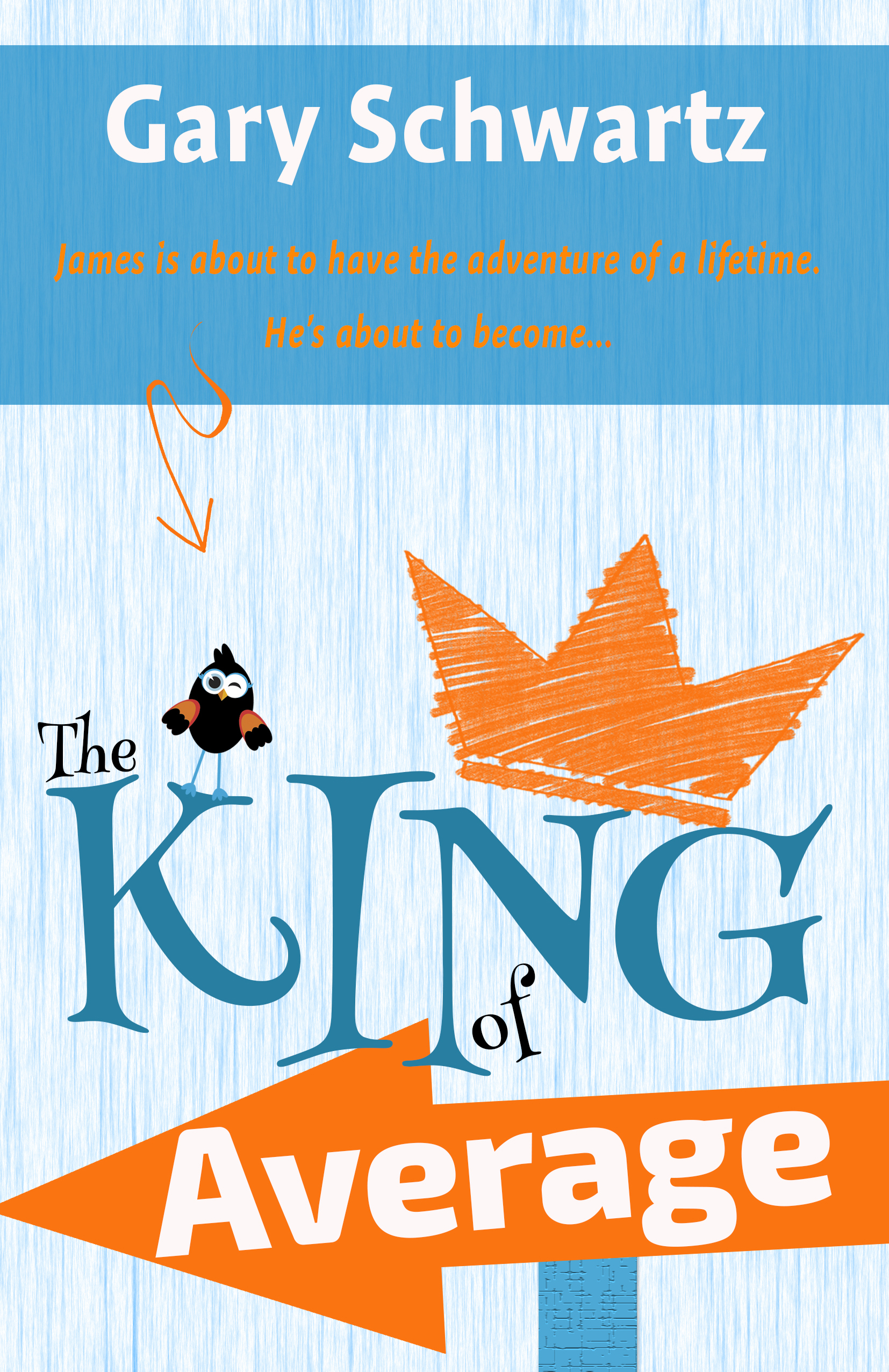
About The King of AverageJames isn’t the world’s greatest kid, but he’s not the worst, either: he’s average! When he decides to become the most average kid who ever lived, James is transported to another world where he meets Mayor Culpa, a well-dressed talking Scapegoat who recruits him to become the new King of Average.

He’s joined on his quest by a professional Optimist and his grouchy companion, an equally professional Pessimist. Together, they set out on a journey of self-discovery that leads them all the way from the Sea of Doubt to Mount Impossible, the highest peak in the Unattainable Mountains. When James stumbles into a Shangri-la called Epiphany, he uncovers the secret of who he really is.

Follow James on his hilarious, adventure-packed journey to find self-worth in this heartfelt middle grade novel The King of Average by debut author Gary Schwartz.


Thank you, Gary, for this fun-filled and kinesthetic-focused post!

 and

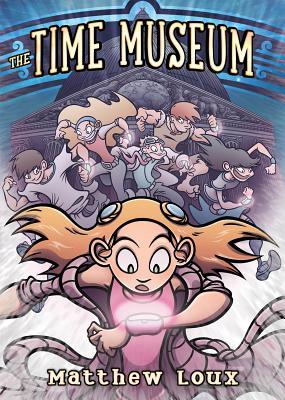
The Time Museum by Matthew Loux

Share

The Time Museum
Author: Matthew Loux
Published February 21st, 2017 by First Second

Summary: The internship program at the Time Museum is a little unusual. For one thing, kids as young as twelve get to apply for these prestigious summer jobs. And as for the applicant pool . . . well, these kids come from all over history.

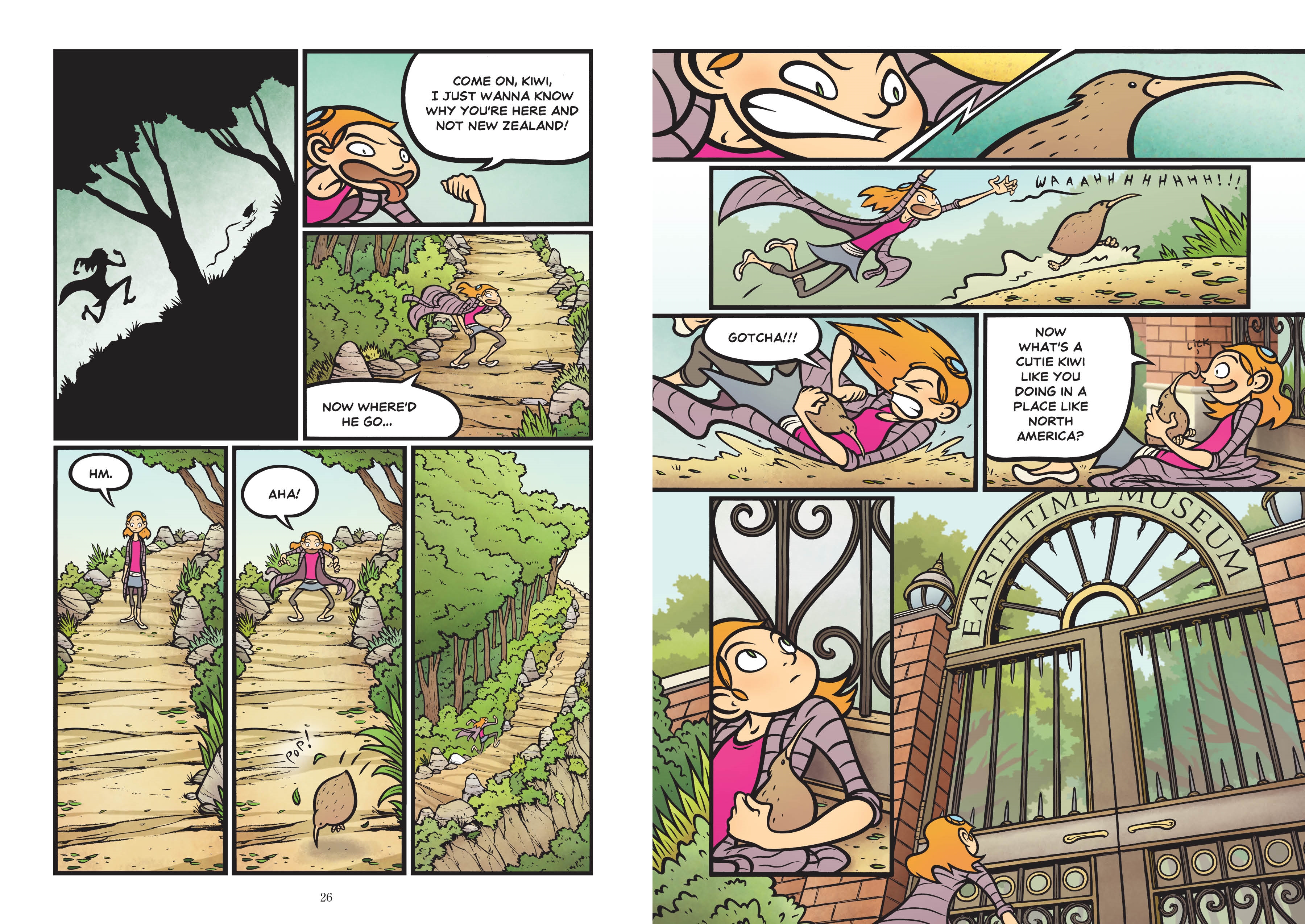
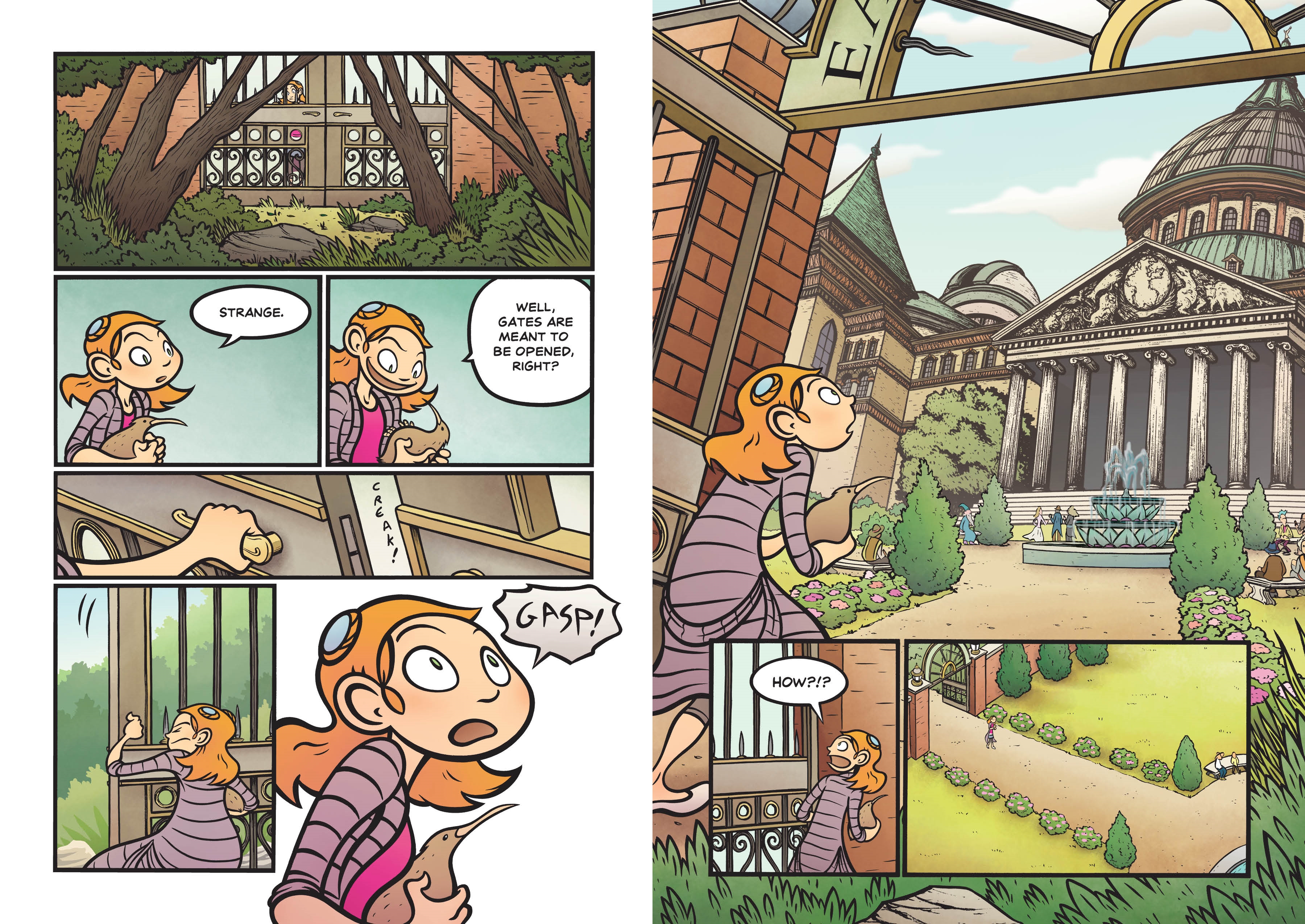
When Delia finds herself working at the Time Museum, the last thing she expects is to be sent on time-traveling adventures with an unlikely gang of kids from across the eons. From a cave-boy to a girl from the distant future, Delia’s team represents nearly all of human history! They’re going to need all their skills for the challenge they’ve got in store . . . defending the Time Museum itself!

Review: Delia’s life changes drastically when she learns the truth about her uncle and his career running the Time Museum. Unlike any museum that she’s ever been too, the Time Museum curates directly from historical periods by traveling through time. Because of her love of science and high intelligence, Delia is chosen not to only spend some time at the Time Museum but also to compete with five others for a coveted internship! This competition includes challenges that take them to different points in time and a task they have to compete. 

Teachers’ Tools for Navigation: Loux’s adventure-packed though humorous sci-fi novel will find a wide range of readers because it hits on so many different genres and is so well done. This is definitely a book to pick up for your graphic novel, sci-fi, and adventure fans! (Oh, and as a teacher, I mus say I love the theme!)

Discussion Questions: If you found the Time Museum, what time period would you want to visit?; Which of the characters have traits that are most similar to you?; What are the dangers of time travel? Do you think it’s worth it?

Flagged Passages: 

Read This If You Loved: Ghostopolis by Doug TenNapel, Amulet series by Kazu Kibuishi, Lucy and Andy Neanderthal by Jeffrey Brown, Jedi Academy by Jeffrey Brown, HiLo by Judd Winick

Recommended For:

  readaloudbuttonsmall classroomlibrarybuttonsmall

Kellee Signature

Review and Giveaway: Mr. Fuzzbuster Knows He’s the Favorite by Stacy McAnulty

Share

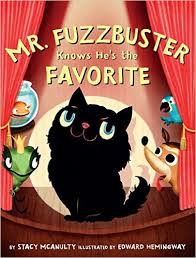
Mr. Fuzzbuster Knows He’s the Favorite
Author: Stacy McAnulty; Illustrator: Edward Hemingway
Published: February 7, 2017 by Two Lions

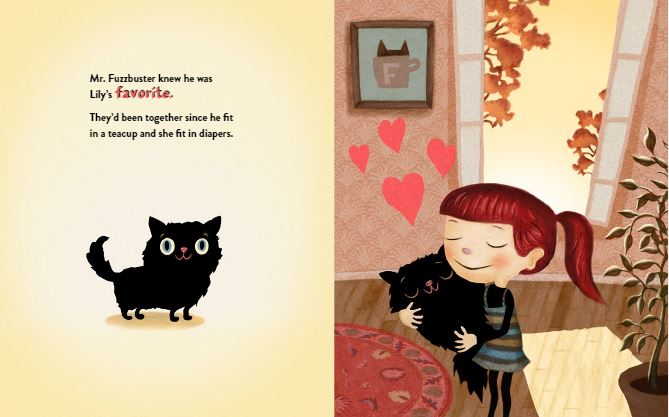
GoodReads Summary: Mr. Fuzzbuster knew he was Lily’s favorite. They did everything together. Naps. Story time. Walks. And more naps. But now four more animals lived in the house.…

To prove he’s still Lily’s favorite, Mr. Fuzzbuster will have to ask her, but will her answer surprise him? This funny, heartwarming story is for every child who has ever wondered if there’s a favorite in the house.

Ricki’s Review: This was a very fun book to read aloud to my son. It reminded me of my childhood—my siblings and I often fought over who was the favorite child. The dramatic hooks at the end of each page make for a silly, giggly read aloud. Mr. Fuzzbuster has a hysterical personality that kids will surely adore. I have a feeling that this book will get funnier and funnier after each read aloud! The illustrations and humor will have readers begging for more Mr. Fuzzbuster.

Kellee’s Review: Unlike Ricki, my siblings and I didn’t have to fight about who was the favorite–I knew I was! 😉 [We’ll see if they read this review!] So I may be a bit like Mr. Fuzzbuster who is just loves his owner, Lily, so much that he cannot imagine his life without her. Kids will definitely relate to Mr. Fuzzbuster, and the book will also be a great chance to talk about how sometimes there are no favorites–a lesson that is taught in such a fun way that the reader won’t even realize they are being taught something! And the cartoonish, humorous illustrations just add to the fun of this book. Hemingway has such a distinct style of illustrations that are just so eye-catching and exciting to read. 

Teachers’ Tools for Navigation: Teachers might ask students to make predictions at the end of each page. Because of the dramatic hooks, it would make predictions very enjoyable. I tried doing this with my three-year-old and while he is a bit young, we think we might be able to use this book for predictions in the near future! He slowly caught on!
Did you know Mr. Fuzzbuster loves writing notes? He wants to send cards to young readers across the country.  Maybe he will be your favorite. More information can be found at http://www.stacymcanulty.com/fuzzbuster-email.

Discussion Questions: Who is Lily’s favorite?; Why does the book end the way that it does?; Why do we feel a strong desire to be the favorite? How may this be harmful?

Flagged Passage: “Mr. Fuzzbuster knew he was Lily’s favorite. They’d been together since he fit in a teacup and she fit in diapers.”
Read This If You Loved: Dog vs. Cat by Chris Gall, Barkus by Patricia MacLachlanMemoirs of a Goldfish by Devin Scillian,  One Cool Friend by Toni Buzzeo, They All Saw a Cat by Brendan Wenzel, Ballet Cat by Bob Shea, Cat the Cat by Mo Willems

Recommended For:

classroomlibrarybuttonsmall 

Giveaway!
Two Lions is offering a copy of MR. FUZZBUSTER KNOWS HE’S THE FAVORITE to one lucky winner (U.S. addresses).
About the Author and Illustrator:
STACY MCANULTY is certain she’s her mom’s favorite. Her younger brother disagrees. She’s the author of Beautiful, illustrated by Joanne Lew-Vriethoff; Excellent Ed, illustrated by Julia Sarcone-Roach; and 101 Reasons Why I’m Not Taking a Bath, illustrated by Joy Ang. Originally from upstate New York, she now lives in Kernersville, North Carolina, with her three children, two dogs, and one husband. She doesn’t have a favorite. You can find her online at www.stacymcanulty.com.
 
EDWARD HEMINGWAY is certain he’s Stacy McAnulty’s favorite illustrator, although the illustrators of Stacy’s other books may disagree. Edward himself is the author and illustrator of the children’s books Bump in the Night, Bad Apple: A Tale of Friendship, Bad Apple’s Perfect Day, and Field Guide to the Grumpasaurus. Originally from Bozeman, Montana, he now lives in Brooklyn where he teaches creative writing at the master’s level at SVA in Manhattan. If he has any favorite students, he’ll never tell. Learn more about him online at www.edwardhemingway.com.

RickiSig andKellee Signature

**Thank you to Barbara at Blue Slip for providing a copy for review!**

Famous Fails!: Mighty Mistakes, Mega Mishaps, & How a Mess Can Lead to Success! by Crispin Boyer

Share

nfpb2017

Nonfiction Wednesday

Nonfiction Picture Book Wednesday is hosted by Kid Lit Frenzy and was started to help promote the reading of nonfiction texts. Most Wednesdays, we will be participating and will review a nonfiction text (though it may not always be a picture book).
Be sure to visit Kid Lit Frenzy and see what other nonfiction books are shared this week!

Famous Fails!: Mighty Mistakes, Mega Mishaps, & How a Mess Can Lead to Success!
Author: Crispin Boyer
Published October 25th, 2016 by National Geographic Children’s Books

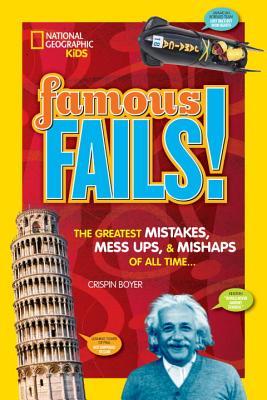
Summary: This fun book of quirky failures and famous flops will keep kids laughing while they learn the importance of messing up in order to get it right. Science, architecture, technology, entertainment — there are epic fails and hilarious goof-ups from every important field. Silly side features help to analyze the failures: “Lesson Learned,” “It Could be Worse!,” “Losing Combinations,” and a “Fail Scale” to help readers navigate the different kinds and scope of the mistakes made. The stories will include what went wrong, what went right, and what kids can learn from each failed attempt.

Review: I think one of the greatest lessons for children to learn is that failure doesn’t always equal failure. So many inventions and success began as what many would consider a failure when in actuality it was the beginning of a great thing. Giving up after a failure means you didn’t learn anything from it when failure is one of the best learning experiences. This text goes through hundreds of examples of famous people who failed or failures that became successes–wonderful stories for young people to read.

Teachers’ Tools for Navigation: As I read more and more of National Geographic’s new books like this one, Awesome 8, Book of Heroes/HeroinesReal or Fake?, and others, I’m coming to realize that these texts are made for project-based learning. These books make me question and inquire so many things within them. As I read, I find myself Googling and thinking and wanting to learn more–and I know they’ll do the same for kids.

Discussion Questions: Which famous inventions did you learn that was from a “failure?”; What famous person did you learn about that surprised you with their “failure?”; When is a time that you “failed” and stopped but now you wish you could go back and keep trying?

Flagged Passages: 

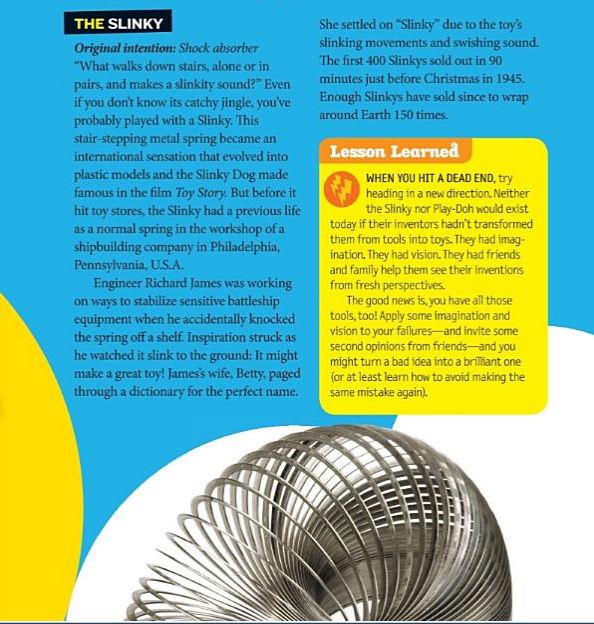
Read This If You Loved: The Marvelous Thing That Came from a Spring: The Accidental Invention of the Toy That Swept the Nation by Gilbert Ford, Earmuffs for Everyone!: How Chester Greenwood Became Known as the Inventor of Earmuffs by Meghan McCarthy, and other books about inventions; The Book of Heroes by Crispin Boyer & The Book of Heroines by Stephanie Warren Drimmer; and other nonfiction texts about inventors, heroes, failures then successes, and history

Recommended For: 

classroomlibrarybuttonsmall

Signature

**Thank you to Karen at Media Masters Publicity for providing a copy for review!**

Top Ten Tuesday: Favorite LGBTQ Love Stories

Share

top ten tuesday

Top Ten Tuesday is an original feature/weekly meme created at The Broke and the Bookish. The feature was created because The Broke and Bookish are particularly fond of lists (as are we!). Each week a new Top Ten list topic is given and bloggers can participate.

 Today’s Topic: Ten Favorite LGBTQ Love Stories

The TTT topic for this week is romance, and we felt that topic was much too broad and as supporters of marriage (and love!) equality, we wanted to highlight our favorite LGBTQ love stories.

Ricki

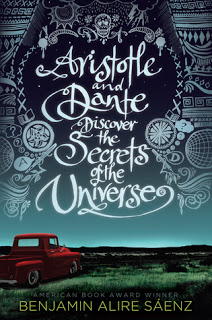
1. Aristotle and Dante Discover the Secrets of the Universe by Benjamin Alire Sáenz

aristotleand

This is one of the most beautiful books that I’ve ever read.

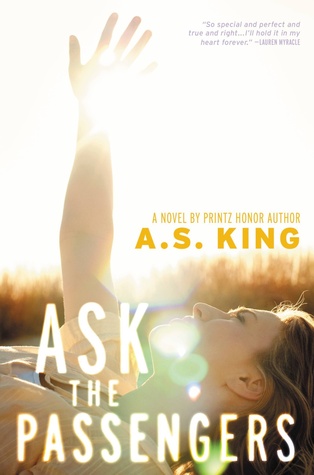
2. Ask the Passengers by A.S. King

ask the passengers

This book touched me deeply. A.S. King is such a clever, smart author. I envy her ability!

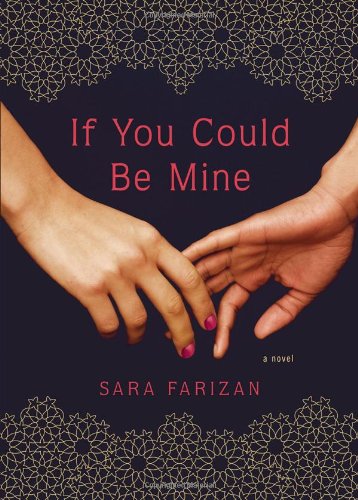
3. If You Could Be Mine by Sara Farizan

if you could be mine

If you haven’t read this book, drop everything and read it! It is incredibly powerful, and I learned a lot!

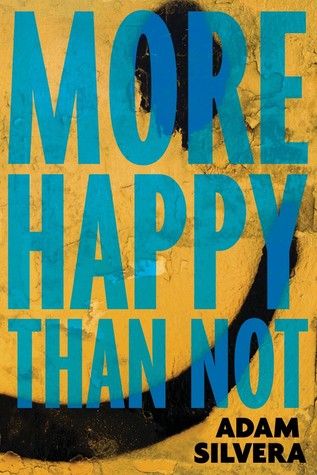
4. More Happy Than Not by Adam Silvera

More Happy Than Not

After I finished this book, I was thinking, thinking, thinking. It made me examine my beliefs about the morality of altering our personal histories. This is a great book .

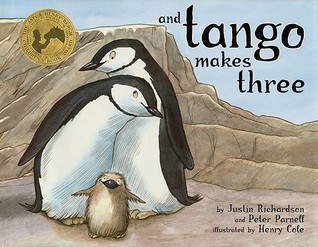
5. And Tango Makes Three by Justin Richardson

tango

I reread this book every year to my students. I just read it last week, and they absolutely loved it. I love this story!

Kellee

I’ve read 4 of the 5 books Ricki listed, and I LOVED them also! (I need to read If You Could Be Mine!)

1. Boy Meets Boy by David Levithan

I love Paul’s town and Paul’s story. With prejudice nonexistent, this is just a love story.

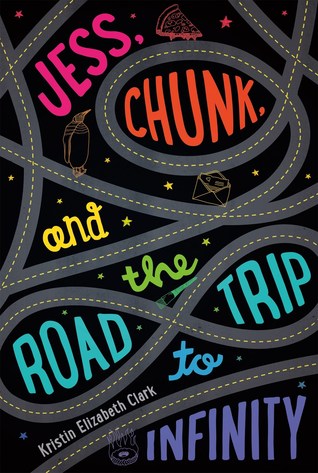
2. Jess, Chunk, and the Road Trip to Infinity by Kristin Elizabeth Clark

The book may seem like a road trip book about a transgendered teen standing up to her father, but there is love inside of this adventure.

3. Honestly Ben by Bill Konigsberg

While Openly Straight focused on Rafe’s identity, Honestly Ben focuses on sexuality and love.

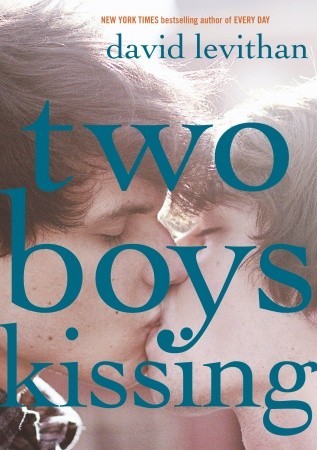
4. Two Boys Kissing by David Levithan

This book is a concoction of love stories and romance.

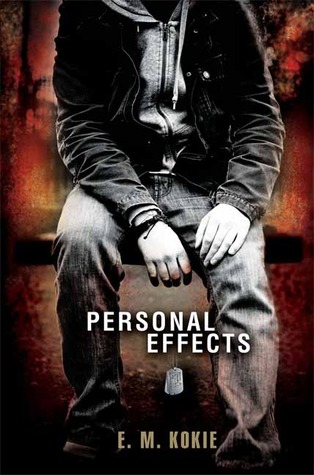
5. Personal Effects by E.M. Kokie

The romance in this story is secondary but it is the definition of a perfect love story.

Which are your favorite LGBTQ love stories?

RickiSig and Signature

It’s Monday! What Are You Reading? #IMWAYR 2/13/17

Share

IMWAYR 2015 logo

It’s Monday! What Are You Reading? From Picture Books to YA!

It’s Monday! What are you Reading? is a meme started by Sheila at Book Journeys and now hosted by Kathryn at The Book Date. It is a great way to recap what you read and/or reviewed the previous week and to plan out your reading and reviews for the upcoming week. It’s also a great chance to see what others are reading right now…you just might discover the next “must-read” book!

Kellee and Jen, of Teach Mentor Texts, decided to give It’s Monday! What Are You Reading? a kidlit focus. If you read and review books in children’s literature – picture books, chapter books, middle grade novels, young adult novels, anything in the world of kidlit – join us! We love this meme and think you will, too.

We encourage everyone who participates to support the blogging community by visiting at least three of the other book bloggers that link up and leave comments for them.

Bold_line

Last Week’s Posts

**Click on any picture/link to view the post**


Tuesday: Books to Deepen Our Understanding of the Countries on the #MuslimBan List

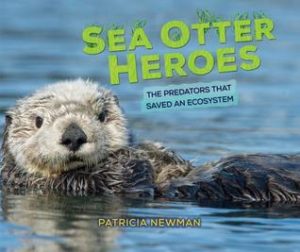
Wednesday: Sea Otter Heroes by Patricia Newman

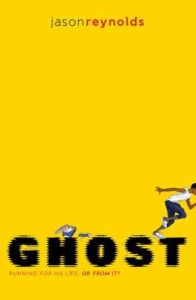
Thursday: Ghost by Jason Reynolds

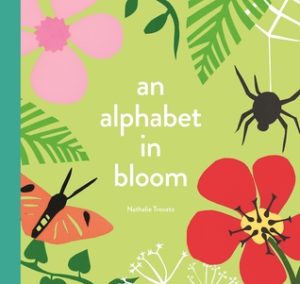
Friday: An Alphabet in Bloom by Nathalie Trovato

Sunday: Author Guest Post: “Overwhelm and Fear”  by Mary Cronk Farrell, Author of Fannie Never Flinched

 So, what are you reading?

Bold_line

 Last Week’s Journeys

Kellee

I had a much better reading week! I finished everything I had started last week when I didn’t finish anything 🙂


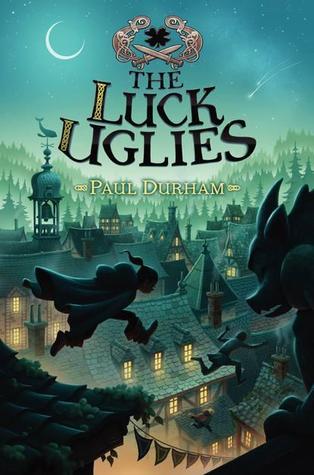
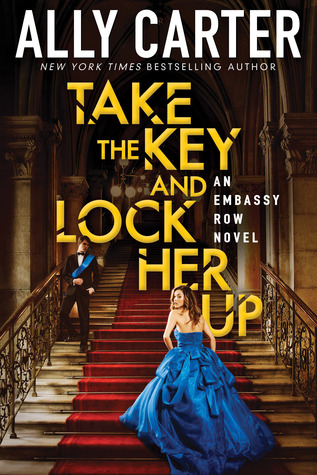
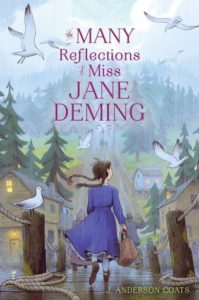
The three books I read this week could not be more different. First The Luck Uglies by Paul Durham is the first book in a fantasy series about a town that has many legends that end up being true, and our protagonist, Rye, is more involved with these legends than she could ever imagine. Take the Key and Lock Her Up by Ally Carter is the final book in the Embassy Row series which I have LOVED! I listened to all of them, and I really enjoyed the audiobooks. While listening, I couldn’t stop talking about the story. So many of my students are reading them now, and I love talking to them about this modern royal drama. (My Goodreads Review) Lastly, I finished a historical fiction novel about emigration to the Washington Territory called The Many Reflections of Miss Jane Deming by J. Anderson Coats which I’ll be reviewing next Friday.

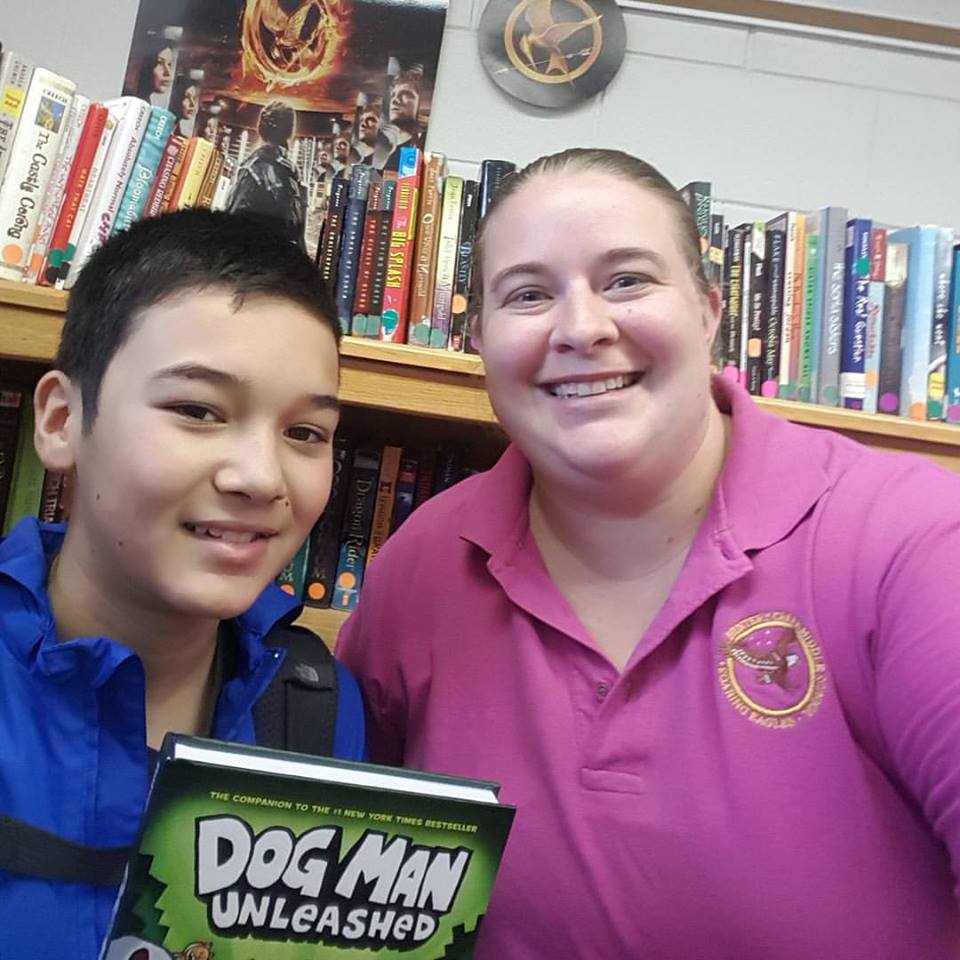
I had a heartwarming thing happen to me this week! One of my students has an ELA teacher that let’s them use tickets they earn to buy a book of their choice, and he chose to get Dogman Unleashed because 1) He wanted to read it; and 2) I didn’t have it in my classroom library yet. It was so sweet!!

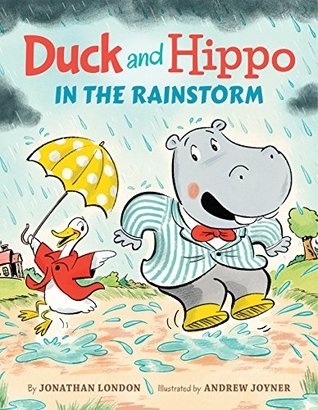
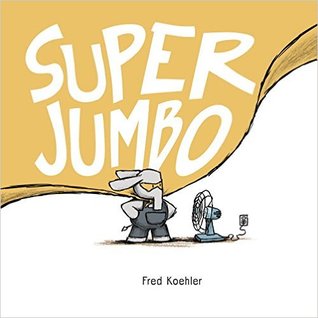
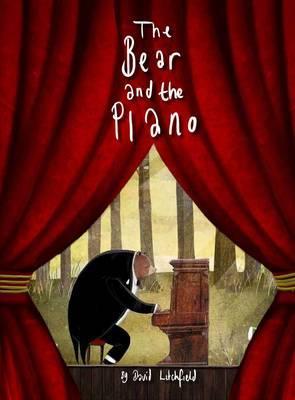
I also realized that Trent and I had gotten into a reading rut because we are reading the same 10 or so books over and over, I am working hard on trying to introduce him to new books since we have so many amazing books in our library. This week we read four new picture books that I have a feeling will be added into our rotation. Super Jumbo is the companion to How to Cheer Up Dad by Fred Koehler. Jumbo is here to save the day  but it is harder than he thought and not always what he thinks is needed. The Bear and the Piano by David Litchfield is one of my favorite picture books I’ve read in a long time. It is such a special story about passion and love and music! The other two I read, Duck and Hippo and Mr. Fuzzbuster will be reviewed soon, so I’ll share them then.

Ricki

Henry and I read Duck and Hippo and Mr. Fuzzbuster Knows He’s the Favorite. Both are charming picture books. Duck and Hippo reminds me of Frog and Toad, which is a series I adore! Mr. Fuzzbuster Knows He’s the Favorite reminds me of Dog vs. Cat by Chris Gall.

Bold_line

This Week’s Expeditions
Kellee


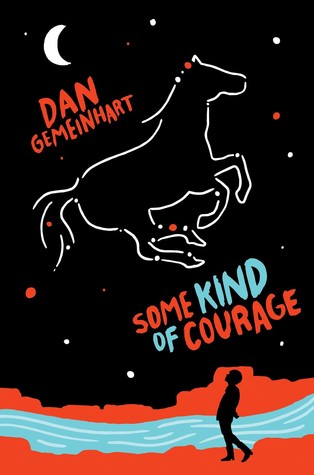
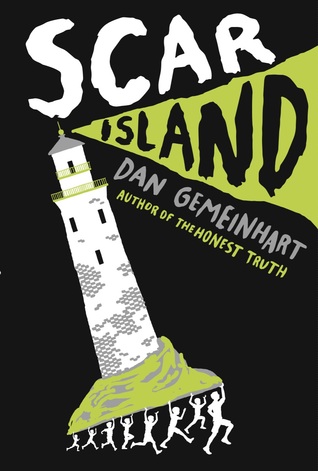
I am so excited that my lunch book club, the same club that did the Mock Newbery, will have the opportunity to Skype with author Dan Gemeinhart on Friday! The Honest Truth is on our state list, so many of the students have read it (as have I) and Some Kind of Courage was on our Mock Newbery list, so he seemed like the perfect author to Skype with, and I am so glad that he was willing and available! I’m currently reading Scar Island, his newest, and if I finish, I’ll pick up Some Kind of Courage.

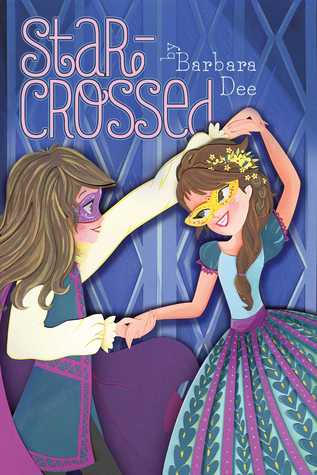
I am also reading Barbara Dee’s new book that comes out soon, Star-Crossed. I just started, but I love the middle school voice so far.

 Ricki

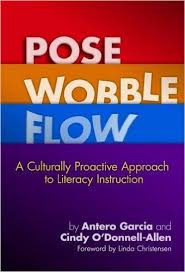
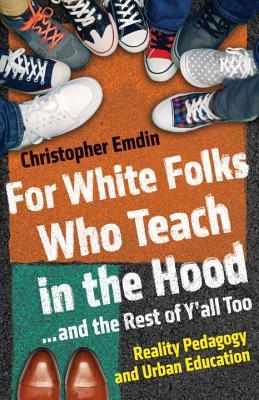
I am alternating between Pose, Wobble, Flow by Antero Garcia and Cindy O’Donnell-Allen and For White Folks Who Teach in the Hood by Christopher Emdin. If I wasn’t spending so much of my time writing my dissertation, I would be finished with them both by now. Both are excellent books that I recommend for all teachers (inservice and preservice).

Bold_line

Upcoming Week’s Posts

top ten tuesday  

Tuesday: Happy Valentine’s Day! Our Favorite LBGTQ Love Stories

Wednesday: Famous Fails! by Crispin Boyer

Thursday: Mr. Fuzzbuster Knows He’s the Favorite by Stacy McAnulty

Friday: Time Museum by Matthew Loux

Sunday: Guest Post

 So, what are you reading?

Link up below and go check out what everyone else is reading. Please support other bloggers by viewing and commenting on at least 3 other blogs. If you tweet about your Monday post, tag the tweet with #IMWAYR!

 Signature andRickiSig

Author Guest Post: “Overwhelm and Fear” by Mary Cronk Farrell, Author of Fannie Never Flinched

Share

“Overwhelm and Fear”

One of the hardest things about writing is getting started, and two of the most common obstacles are overwhelm and fear. The subject of my new biography, Fannie Sellins, showed me how to work through both.

Beginning writers, students of all levels and even best-selling authors sometimes face overwhelm and fear, feelings that can cause you to procrastinate, or tighten you up, make you hold back and keep you from doing your best writing.

It’s tempting when beset by overwhelm or fear to tell yourself to man up, or put on your big girl panties and charge ahead as these emotions are irrelevant. If this works for you, go ahead and stop reading here, because I believe these feelings are part of the creative process, and working through them gives you the courage to do powerful work.

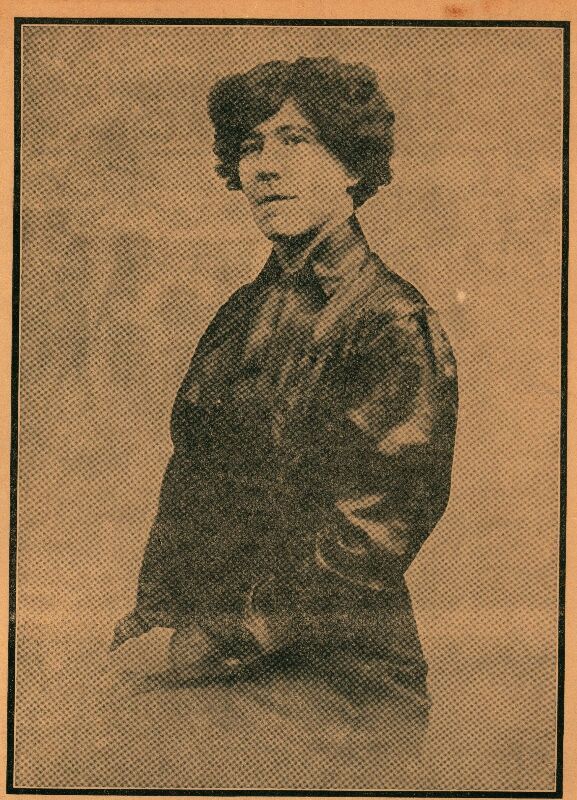
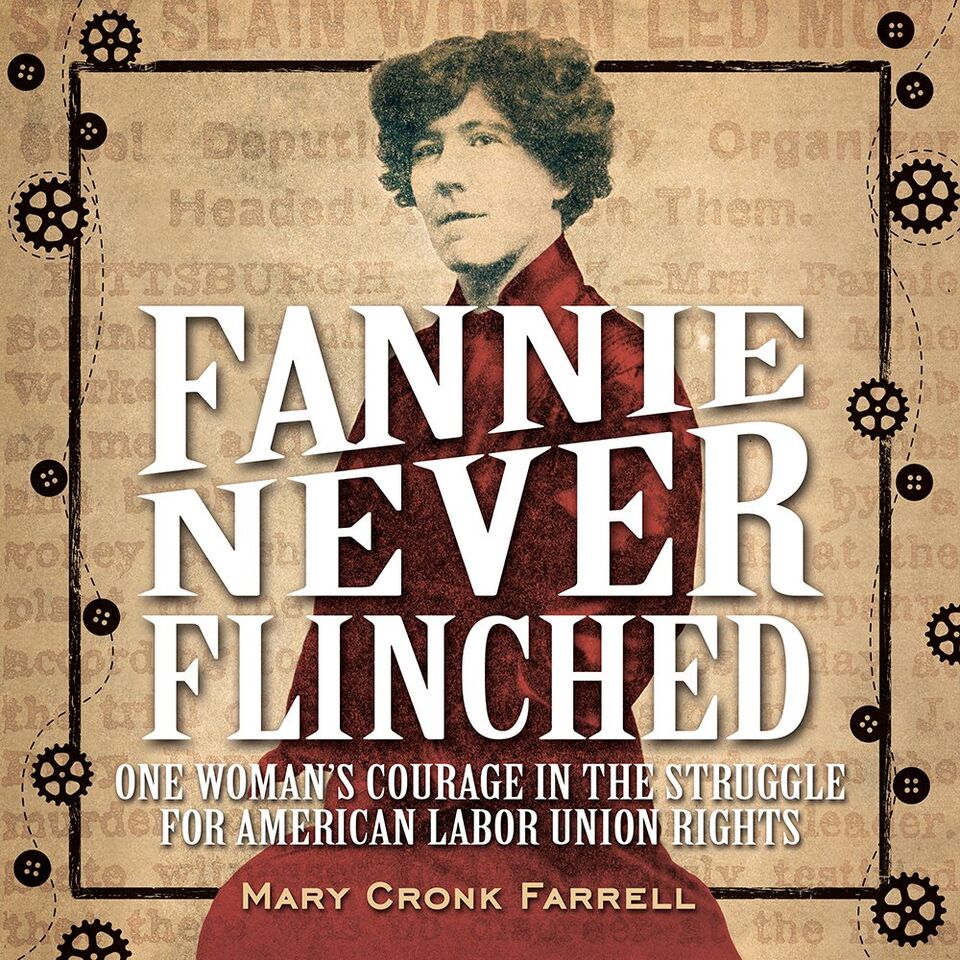
Fannie Never Flinched: The Story of One Woman’s Courage in the Struggle for American Labor Union Rights tells of a garment worker at the height of the Industrial Revolution, who left her sewing machine to inspire and organize workers to stand up and demand just wages and humane treatment.

Fannie was so good, she frightened the powerful men who ran coal and steel companies. They threatened her life, told her to leave town. And when she stayed and kept encouraging men to strike, they shot her dead.

If Fannie could find that kind of courage, I told myself, surely, I can find the courage to put words on a blank page.

In the early 1900s, poor workers fought a losing battle, especially in West Virginia and Pennsylvania. Strikes for shorter hours and better pay, sometimes won small concessions short term, but overall, companies aided by local deputies and federal soldiers slammed unions into submission. Now, that’s overwhelm.

Still, Fannie got up every day, went out and talked to workers, convinced them they deserved better, inspired them to take a chance, join the union. Often, it was the wives she encouraged, who in turn emboldened their husbands. A father had a hard time walking off the job, if his children were hungry. Fannie started a strike with social work, soliciting money, seeing to the basic needs of families.

In my research I never found anything Fannie said about how she coped with overwhelm. But looking at her actions, it seems to me that she maintained a double-focused vision. She kept one eye like a laser on the close-up, seeing what was right in front of her and dealing with it. At the same time, she never lost sight of the larger picture, her belief in the dignity of workers and the justice they deserved.

This strategy cuts through overwhelm when I see a sprawl of research, a mess of unconnected ideas, or when a project feels impossible to finish. Grounded in my larger goal, I can pick one small place to start, write one sentence, or choose one task. Keeping a double focus, I can let go of most of the work and tackle one thing at a time.

But even with a solid plan and the best of intentions, fear can rush in, cloud your focus and stop you from doing even one small thing. What I learned from Fannie Sellins, is to look at fear straight on. Fannie admitted that the first time she first stood at a podium to speak to a large crowd, she was scared.

But during her first strike, Fannie traveled around the country speaking for two years, telling people about the garment workers plight, raising funds and urging a boycott of suits and pants sewed in sweatshop conditions. She became a charismatic speaker, gaining enough support for the strikers to hold out for two years until their demands were met.

Fannie explained that she overcame her fear before speaking by remembering the faces of the women she had worked with in the factory. Fannie used compassion to motivate herself to move out of her comfort zone. She used love to deflate fear.

I knew last week that I needed to get going on a revision of my current manuscript. But every time I thought about it, I felt this clutch in my stomach. And when I sat at the computer I got a slighter version of that feeling in my chest when somebody runs a red light and barely misses crashing into me at full speed.

Now that I’ve been writing for a couple decades, I know those emotions are normal. If I didn’t care about my writing, if I wasn’t risking anything, if I didn’t believe my words would be important, there’d be nothing to fear. So, I follow Fannie’s example and choose to have compassion, for the girls in the factory and for myself at the keyboard.

I put my hand on my heart, and I tell myself there’s nothing wrong with being afraid.

I look at my fear straight on, honor that the feeling is real, and ask myself what am I afraid of? Here are some of the bugaboos I discover. I’m afraid I’m not a good enough writer. I’m afraid I’ll disappoint myself. I’m afraid it will be too hard. I see that basically I’m afraid I’ll fail. With compassion I remind myself, it’s okay to be afraid because it’s true. I might fail.

And now, the decision I need to make is clear. Would failing be so bad that I dare not risk it?

Would failing to make progress on this one revision of this one manuscript, on this one particular day mean I’m a total failure? If so, I should probably deal with some other s#%t first, figure out how to have some compassion for myself.

But if I can find enough compassion for myself to live with this kind if failure, why not take a stab at it? And that’s what I usually do, and it’s usually not as hard as I think it will be once I get started.

Finding compassion and facing fear straight on allows the rational brain to evaluate the risks of failure more accurately. Having a double focus, an eye on both the long term vision and one next step allows everything in-between to drop away and reduces the overwhelming magnitude of the work to be done. For further inspiration in writing and life, read more about Fannie Sellins in Fannie Never Flinched.

About the Book: Fannie Sellins (1872–1919) lived during the Gilded Age of American Industrialization, when the Carnegies and Morgans wore jewels while their laborers wore rags. Fannie dreamed that America could achieve its ideals of equality and justice for all, and she sacrificed her life to help that dream come true. Fannie became a union activist, helping to create St. Louis, Missouri, Local 67 of the United Garment Workers of America. She traveled the nation and eventually gave her life, calling for fair wages and decent working and living conditions for workers in both the garment and mining industries. Her accomplishments live on today. This book includes an index, glossary, a timeline of unions in the United States, and endnotes.

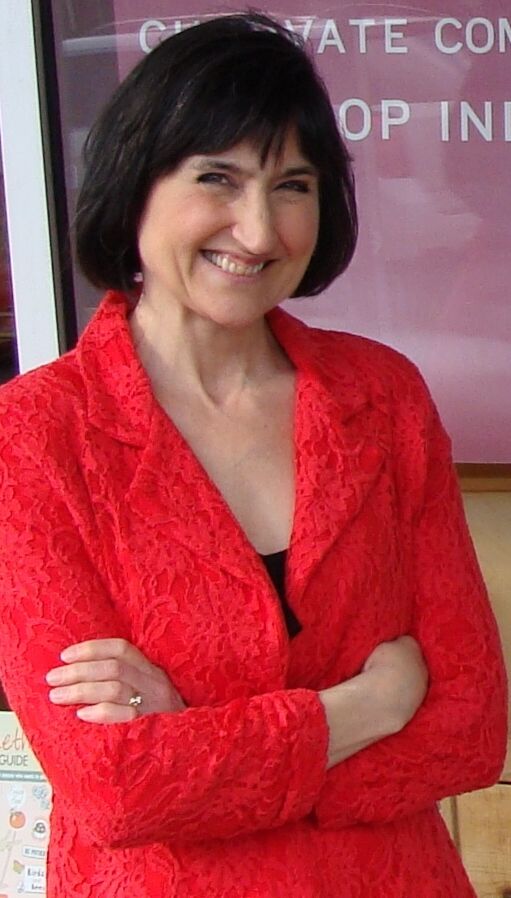
About the Author: Mary Cronk Farrell is an award-winning author of five books for young people and former television journalist with a passion for stories about women facing great adversity with courage. She researches little known stories form history and relates them with engaging and powerful language in her books, multi-media presentations and workshops. Farrell has appeared on TB and radio across the nation. She speaks to women’s groups, civic groups, and at museums, schools and libraries.

Thank you for inspiring us, Mary!!

Kellee Signature andRickiSig