Author Guest Post: “The Story of Family and Frog! Haggadah” by Rabbi Ron Isaacs and Karen Rostoker-Gruber, Author of The Family and Frog! Haggadah

Share

“The Story of Family and Frog! Haggadah” by Rabbi Ron Isaacs and Karen Rostoker-Gruber, as Frog!

Make your seder different than all other seders!

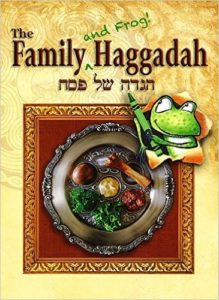
Start with a traditional Haggadah text, add artwork, your favorite songs and fun facts, then add a hopping frog to its pages and you’ll get. . .

The Family and Frog! Haggadah
The Story

The Family and Frog! Haggadah came about in a board room at Behrman House, a Jewish publishing company, based in Springfield, NJ.  Our book, Farmer Kobi’s Hanukkah Match, was just named a National Jewish Book Award Finalist, and the editorial staff at Behrman House wanted to know if Ron and I would like to work on a Haggadah together.  The stipulation was that the Haggadah was to be like no other:  It had to be traditional in content, but fun! for the whole family—ages 3-90.  That was a tall order.

Ron wrote the Haggadah, because he is a Rabbi, and I decided to add a character that would liven up the seder.  Dena, the Executive Editor, suggested a frog, which was brilliant!

That night I went home, read Ron’s whole Haggadah, and started letting my character, Frog, comment on everything—similar to things that someone might say at an actual seder—under their breath or otherwise.

Every time I thought that I was done, and spoke with Dena, the Executive Editor, or Ann, the Art Director, they pushed my creativity more and more.  I was allowed to do anything that I wanted to do with Frog, so I did.  I have Frog interacting with the Haggadah in ways that were never done before.

Frog is 5 years old and gender neutral.  Frog spills things, makes a matzah mess, plays guitar, runs away from Pharaoh’s army and even eats a locust during the seder.  The sky was the limit.

I gave Ann and Dena three times the amount of material for Frog, so that they could take things away and still be left with a whole lot of fun! 

This Haggadah was one of the hardest, most challenging manuscripts I have ever worked on.  It changed daily as Ron was still editing while I was getting Frog to comment on things that he was working on at the time.  Plus. . . there was the deadline.  🙂

The printed Haggadah was more than I ever expected it to be.  It’s beautiful!  Ann designed it to look like a very traditional Haggadah, from the typefaces and colors that she chose, to the background that resembles a piece of papyrus.  She also selected gorgeous pieces of art and artifacts for each page–and then. . .popping out of corners, through the pages and jumping to different sections, is a cartoon amphibian—Frog.  It’s unexpected and fun!  Not only is there a cartoon frog bursting through the binding, singing songs and breaking matzah, but there are also “Fun Facts,” “Did You Know” and “Try This,” parts of the Haggadah, which elevates this Haggadah even higher and encompasses so many different age groups that there is literally something for everyone.

I am so proud of this project.  And the finished product came out beyond my wildest expectations.  Plus, Frog LOVES it!  And that was important to me.
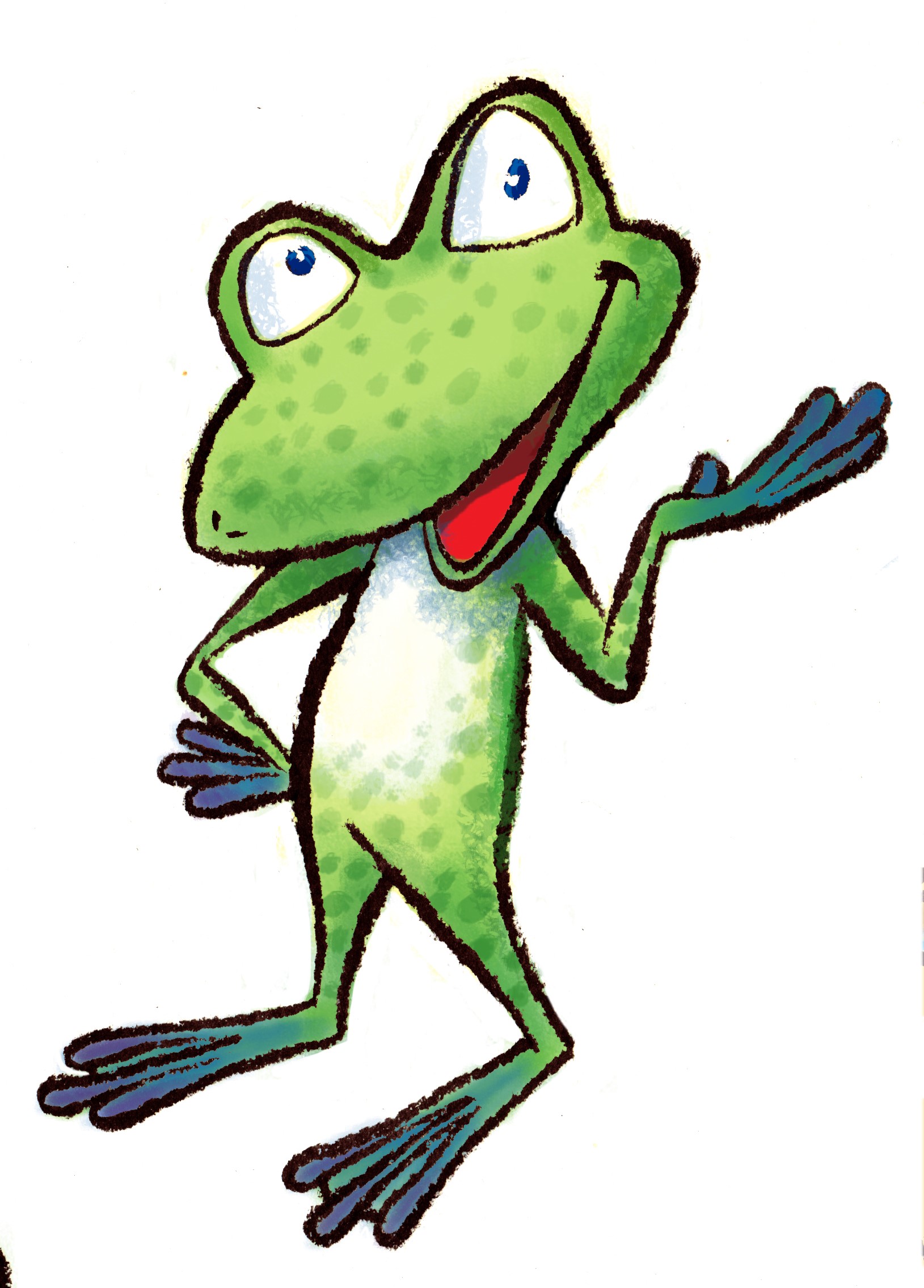
I do LOVE it!
I do LOVE it!
It’s toadily awesome!

–Frog
Author Bios

Karen Rostoker-Gruber is an award-winning children’s book author. Her first children’s book, Food Fright, was published in 2003 by Price Stern Sloan. Her second children’s book, Rooster Can’t Cock-a-Doodle-Doo, was published in 2004 by Dial Books for Young Readers.  It was nominated for the Missouri Show Me Award in 2005.  Bandit, Bandit’s Surprise, and Ferret Fun came out from Marshall Cavendish and all received starred reviews in School Library JournalTea Time, her first board book, came out from Marshall Cavendish in 2010.  Bandit was nominated for the South Carolina Book Award and both Bandit and Bandit’s Surprise were featured on “Celebrity Apprentice,” and Ferret Fun was preliminarily nominated for the Missouri Show Me Award.  Both Rooster Can’t Cock-a-Doodle-Doo (in 2005) and Bandit (in 2009) were listed as International Reading Association—Children’s Book Council Children’s Choice Award recipients.  In the spring of 2017, Maddie the Mitzvah Clown, will be published by Apples and Honey Press, a division of Behrman House.

Rabbi Ron Isaacs has served Temple Sholom in Bridgewater, New Jersey, as its spiritual leader since 1975. He has a doctorate in educational technology from Columbia University’s Teachers College. An adjunct lecturer at the Jewish Theological Seminary of America, he is the author of more than 100 books, including Ascending Jacob’s Ladder: Jewish Views of Angels, Demons, and Evil Spirits; Ask the Rabbi: The Who, What, When, Where, Why, and How of Being Jewish; and Kosher Living: It’s More than Just the Food. He is the first rabbi in New Jersey to receive the United Synagogue’s Keter Torah award for outstanding lifetime achievement and rabbinical excellence. He is known as the “teaching rabbi.”

Thank you for the guest post!

 and


Their book, “Farmer Kobi’s Hanukkah Match,” was a National Jewish Book Award Finalist, and won the 2016 Outstanding Children’s Literature Award from the Church and Synagogue Library Association.
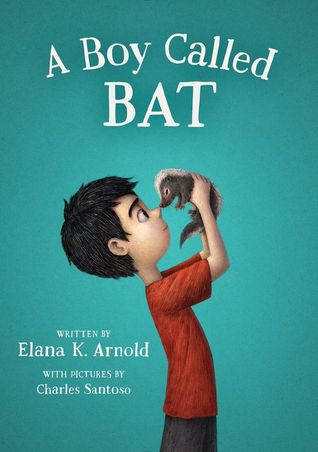
Blog Tour with Review, Teaching Guide, and Giveaway!: A Boy Called Bat by Elana K. Arnold

Share

A Boy Called Bat
Author: Elana K. Arnold
Illustrator: Charles Santoso
Published March 14th, 2017 by Walden Pond Press

Summary: For Bixby Alexander Tam (nicknamed Bat), life tends to be full of surprises—some of them good, some not so good. Today, though, is a good-surprise day. Bat’s mom, a veterinarian, has brought home a baby skunk, which she needs to take care of until she can hand him over to a wild-animal shelter.

But the minute Bat meets the kit, he knows they belong together. And he’s got one month to show his mom that a baby skunk might just make a pretty terrific pet.

Critical Praise: 

“Delightful, endearing, and utterly relatable, Bat Tam is destined to be a dear and necessary friend for young readers. I adore him and his story.” — Anne Ursu, author of The Real Boy

“Written in third person, this engaging and insightful story makes readers intimately aware of what Bat is thinking and how he perceives the events and people in his life. With empathy and humor, Arnold delves into Bat’s relationships with his divorced parents, older sister, teachers, and classmates.” — Publishers Weekly (starred review)

“Comfortably familiar and quietly groundbreaking, this introduction to Bat should charm readers, who will likely look forward to more opportunities to explore life from Bat’s particular point of view.” — Kirkus Reviews

“Brimming with quietly tender moments, subtle humor, and authentically rendered family dynamics, Arnold’s story, the first in a new series, offers a nonprescriptive and deeply heartfelt glimpse into the life of a boy on the autism spectrum.” — Booklist

About the Author: Elana K. Arnold grew up in Southern California, where she was lucky enough to have her own perfect pet—a gorgeous mare named Rainbow—and a family who let her read as many books as she wanted. She is the author of picture books, middle grade novels, and books for teens. She lives in Huntington Beach, California, with her husband, two children, and a menagerie of animals. You can find her online at www.elanakarnold.com.

Review: A Boy Called Bat is one of those quiet yet impactful books that will find a special place in many hearts. The story is about Bat’s Asperger’s and his parent’s divorce without it being about that at all. The main character, Bat, is one of those special characters that as I was reading about him I knew that readers getting to know him will make them grow as people and that their empathy to fellow kids who may seem different will grow as well.

Bat’s story will not only appeal to our readers that love stories that promote empathy and understanding of others, Bat and his skunk, Thor, will definitely appeal to our readers who love animals. Bat’s mother is a veterinarian and Bat is 99.9% sure he is going to be as well. There are many animal references throughout the book, so these will all draw in readers who love animals. 

Teachers’ Tools for Navigation: In addition to an amazing read aloud opportunity, I can definitely see the text being part of lit circles. Bat himself is unique, but he and his story remind me of so many other characters who I love and I wish all students would read about: Auggie from Wonder; Melody from Out of my Mind; David from Rules; Candice from The Categorical Universe of Candice Phee; Rose from Rain, Reign; and Adam from How to Speak Dolphin. All of these texts are must reads! I picture all of these texts with their extraordinary characters being part of lit circles with a focus on disabilities/disorders and empathy.

Discussion Questions: How did Thor help Bat grow emotionally? What changes did you see within him and his actions since getting Thor?; What persuasive techniques did Bat use throughout the book to work to try to get his mom to agree to let him keep Thor?; What makes Mr. Grayson a good teacher in general? A good teacher for Bat?

Teaching Guide: 

Flagged Passages: “‘Bat’ was what almost everyone called Bixby Alxander Tam, for a couple of reasons: first, because the initials of his name — B, A, and T– spelled Bat.

But there were maybe other reasons. Bat’s sensitive hearing, for one. He didn’t like loud sounds. What was so unusual about that? And if Janei’s old earmuffs happened to make an outstanding muffling device, was it that funny if he liked to wear them?

There was also the way he sometimes flapped his hands, when he was nervous or excited or thinking about something interesting. Some of the kids at school seemed to think that was hilarious. And, of course, bats have wings, which they flap.

So between the initials and the earmuffs and the hand flapping, the nickname had stuck.

And truthfully, Bat didn’t mind. Animals were his very favorite thing.” (p. 2-3)

Read This If You Loved: Any of the lit circle books I listed above

Recommended For:

  litcirclesbuttonsmall classroomlibrarybuttonsmall 

Giveaway: 

a Rafflecopter giveaway

Don’t miss out on the other stops on the blog tour!

March 1 Read, Write, Reflect
March 2 A Foodie Bibliophile in Wanderlust
March 3 Bluestocking Thinking
March 6 The Official Tumblr of Walden Media
March 7 For Those About to Mock
March 8 Maria’s Melange
March 9 Novel Novice
March 10 Unleashing Readers
March 13 The Haunting of Orchid Forsythia
March 13 Mundie Kids
March 14 All the Wonders
March 15 Teach Mentor Texts
March 19 Nerdy Book Club
March 20 LibLaura5
March 22 Book Monsters
March 27 Librarian’s Quest
March 29 Satisfaction for Insatiable Readers
March 30 Lit Coach Lou

**Thank you to Walden Pond Press for providing a copy for review!**

Review and Giveaway: Mapping My Day by Julie Dillemuth

Share

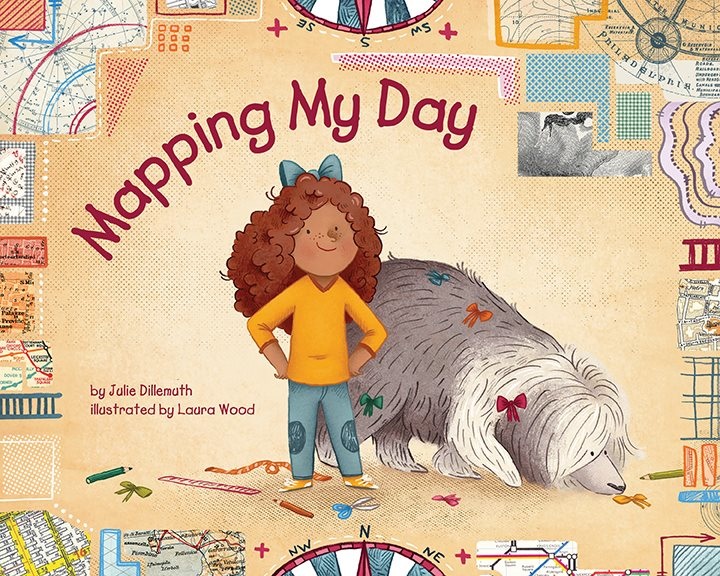
Mapping My Day
Author: Julie Dillemuth
Illustrator: Laura Wood
Published: March 13, 2017 by Magination Press

GoodReads Summary: Flora loves drawing maps and uses them to tell us about her life! Mapping My Day introduces spatial relationships and representation: where things and places are in relation to other things. This book intends to show readers how maps can convey information, inspire children to draw their own maps, and introduce basic map concepts and vocabulary. Spatial thinking is how we use concepts of space for problem solving and is shown to be a key skill in science, technology, engineering, and math. Includes a “Note to Parents and Caregivers” with extra mapping activities.

Ricki’s Review: As I read this book, I couldn’t help but think about how my husband will enjoy it. I am going to place it in my son’s room to surprise them. Interdisciplinary books are tricky to write, and Julie Dillemuth does a fantastic job making mapping and mathematics fun! While learning about arrows and symbols on a map, the reader also learns that Flora can make her brother snort milk out of his nose. As a bonus, this is a book that features a multiracial family without being a book about a multiracial family. This made me very happy. This is a book that will be appreciated by teachers and readers alike!

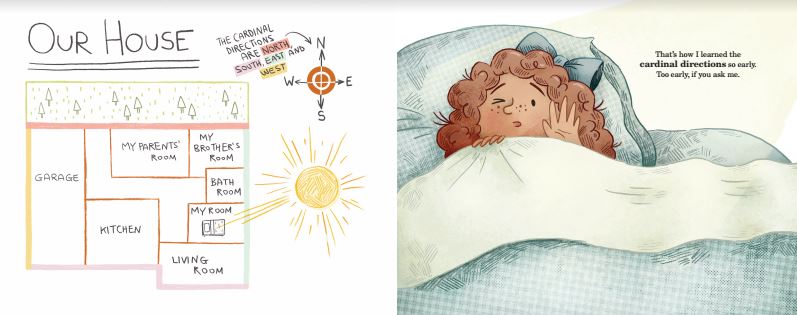
Kellee’s Review: Mapping My Day’s Flora loves maps. She thinks in cardinal directions, she maps out where everything is, and she even plays games using maps. It is because of Flora’s enthusiasm that the readers of her story are going to want to play with maps also which will *surprise, surprise* lead to them learning about mapping skills and even some mathematics. I know this book is going to find its place in elementary classrooms and so many kids out there are going to map their days out just like Flora. 

Teachers’ Tools for Navigation: The back of this book features map-making pages that are free for readers to download at www.apa.org/pubs/magination/441B206.aspx. The maps are connected to the story and allow readers to practice their mapmaking skills—very cool!

Discussion Questions: How does the author incorporate maps in a way that is fun and exciting?; What parts of Flora’s day does she map? What other parts of her day could she have mapped?; How might Flora’s brother’s maps look a bit different?

Flagged Passage:

Read This If You Loved: My Map Book by Sara Fanelli; Math Curse by Jon Scieszka; My Life in Pictures by Deborah Zemke

Recommended For:

  classroomlibrarybuttonsmall

Giveaway!:

a Rafflecopter giveaway

About the Author: Julie Dillemuth was mystified by maps until she figured out how to read them and make them, and it was a particularly difficult map that inspired her to become a spatial cognition geographer. She lives with her family and writes children’s books in Santa Barbara, California, where the west coast faces south. Visit her at her website: http://juliedillemuth.com.

RickiSig andKellee Signature

**Thank you to Barbara at Blue Slip for providing copies for review!**

Honey Girl: The Hawaiian Monk Seal by Jeanne Walker Harvey

Share

nfpb2017

Nonfiction Wednesday

Nonfiction Picture Book Wednesday is hosted by Kid Lit Frenzy and was started to help promote the reading of nonfiction texts. Most Wednesdays, we will be participating and will review a nonfiction text (though it may not always be a picture book).
Be sure to visit Kid Lit Frenzy and see what other nonfiction books are shared this week!

Honey Girl: The Hawaiian Monk Seal
Author: Jeanne Walker Harvey
Illustrator: Shennen Bersani
Published February 1st, 2017 by Arbordale Publishing

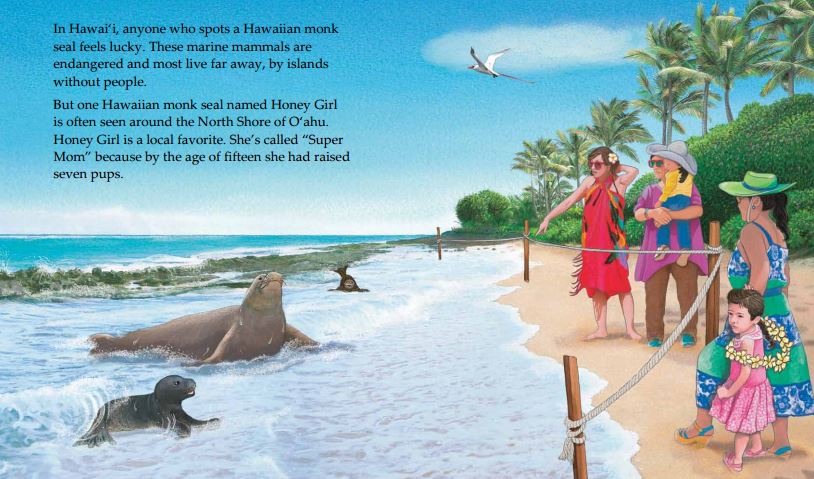
Summary: Hawaiian locals and visitors always enjoy spotting endangered Hawaiian monk seals, but Honey Girl is an extra special case. She has raised seven pups, and scientists call her “Super Mom.” After Honey Girl is injured by a fishhook, she gets very sick. Scientists and veterinarians work to save Honey Girl until she can be released back to her beach. This true story will have readers captivated to learn more about this endangered species.

Website: https://arbordalepublishing.com/bookpage.php?id=HoneyGirl

Review: I loved Honey Girl’s story. Honey Girl is a mother, a survivor, a symbol of hope, and a miracle of science. Jeanne Walker Harvey did a fabulous job not only developing Honey Girl’s character and developing her story but intertwining all of that with scientific undertones. She brings to the forefront issues of endangered species, humans effects on animals, and the importance of conservation scientists. All of this mixed with the colorful illustrations and amazing setting gives us such a beautiful picture picture.

Teachers’ Tools for Navigation: Honey Girl’s back matter gives such a wealth of information. Anything that wasn’t taught during Honey Girl’s story is revealed. The “For Creative Minds” section includes information on the Hawaiian Monk Seal life cycle, fun facts, conservation information, and rescue & rehabilitation.

In addition to all of the science and geography components of Honey Girl’s story that can be discussed and learned from, there are definitely reading and vocabulary opportunities within the book also. Check out:
Teaching Activity Guide
Reading Quiz
Related Websites
For Creative Minds Quiz

Discussion Questions: How did humans effect Honey Girl’s life?; What are some ways that we could help endangered species?; How does Honey Girl give us hope about the Hawaiian Monk Seal?

Flagged Passages: 

Read This If You Love: Who Lives in the Sea?: Ocean Animals of Hawaii by Monika Mira, Ocean Animals by Johnna Rizzo

Recommended For: 

classroomlibrarybuttonsmall closereadinganalysisbuttonsmall 

Signature

**Thank you to Barbara at Blue Slip Media for providing a copy for review!**

Top Ten Tuesday: Things We Love About ARCs

Share

top ten tuesday

Top Ten Tuesday is an original feature/weekly meme created at The Broke and the Bookish. The feature was created because The Broke and Bookish are particularly fond of lists (as are we!). Each week a new Top Ten list topic is given and bloggers can participate.

 Today’s Topic: Ten Things We Love About ARCs

ARCs = Advanced Readers Copies (also known as galleys)

Ricki and Kellee

1. They scream for us to share them widely.

2. Sections occasionally change in the final version. This adds excitement!

3. The cover might even be quite different. We can either savor the old cover or get excited about the new one.

4. ARCs allow us to spread book love because when we purchase the published copy, we can share the ARC with others.

5. They are raw and might have a few editing errors. Correcting these errors in our heads makes us feel smart. 😉

6. They allow us to look like rock stars to our students because we know about books before they come out!

7. They make beautiful displays on the floors of exhibit halls.

8. Sharing an ARC of a favorite author with a friend is the greatest gift of all (and makes for a lot of warm and fuzzy feelings).

9. They allow us to look at the marketing plans. We can then pretend like we are in the know.

10. They make us feel like we are in on a secret—holding a magical book before its birthday. This certainly excites our students, too!

What do you love about ARCs?

RickiSig and Signature

It’s Monday! What Are You Reading? #IMWAYR 3/6/17

Share

IMWAYR 2015 logo

It’s Monday! What Are You Reading? From Picture Books to YA!

It’s Monday! What are you Reading? is a meme started by Sheila at Book Journeys and now hosted by Kathryn at The Book Date. It is a great way to recap what you read and/or reviewed the previous week and to plan out your reading and reviews for the upcoming week. It’s also a great chance to see what others are reading right now…you just might discover the next “must-read” book!

Kellee and Jen, of Teach Mentor Texts, decided to give It’s Monday! What Are You Reading? a kidlit focus. If you read and review books in children’s literature – picture books, chapter books, middle grade novels, young adult novels, anything in the world of kidlit – join us! We love this meme and think you will, too.

We encourage everyone who participates to support the blogging community by visiting at least three of the other book bloggers that link up and leave comments for them.

Bold_line

Last Week’s Posts

**Click on any picture/link to view the post**

top ten tuesday   

Tuesday: Ten Books We Wish Had More Pages in Them

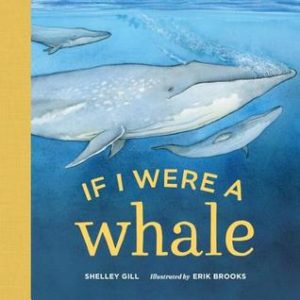
Wednesday: If I Were a Whale by Shelley Gill

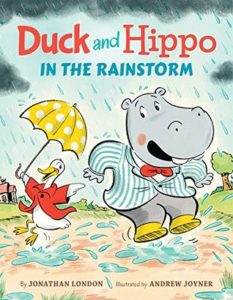
Thursday: Duck and Hippo in the Rainstorm by Jonathan London

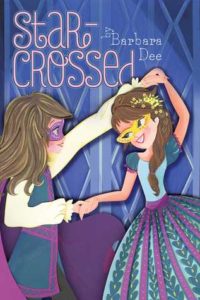
Friday: Star-Crossed by Barbara Dee

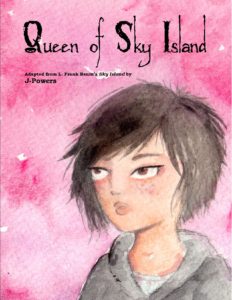
Sunday: Author Guest Post: “An Adaptation: Better Than The Original?” by John Powers, Author of Queen of Sky Island

Bold_line

 Last Week’s Journeys

Kellee

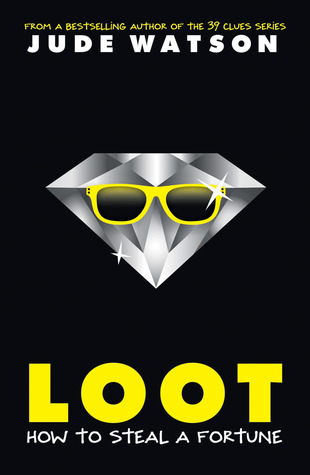
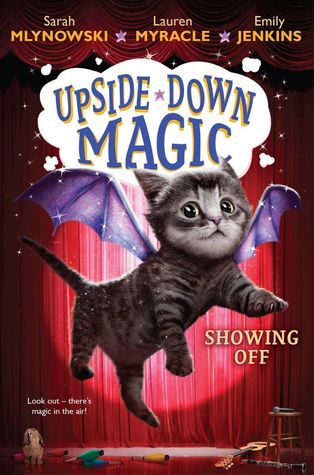
I am so glad that I finished Loot before the Skype visit on Tuesday. I really enjoyed the book, and I cannot wait to hear what Jude Watson has to say. I also finished Showing Off, the third Upside-Down Magic book, and I loved, loved, loved a certain Ms. Starr moment at the end of this book that I cannot wait to talk to my two boys who are reading it right now.

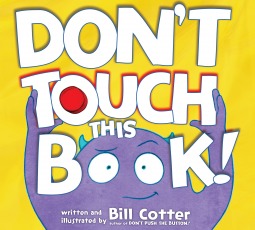
I can’t list all of the books that Trent and I read together, but we read a new title this week: Don’t Touch This Book by Bill Cotter. We are a huge fan of Don’t Touch This Button, Cotter’s first Larry book, and we are huge fans of the second as well.

We’ve moved to a new level of our bedtime reading with Trent. He has moved to liking longer picture books and wanting to read more. He also has started reading to us which is probably my favorite thing that has ever happened to me ever. If you ever want to see all of the books I am reading with Trent, we have a Goodreads shelf:  https://www.goodreads.com/review/list/1919931-kellee?shelf=read-to-trent

Just for fun, check out Trent 🙂
(and I’m sorry about the not centering)

 Ricki

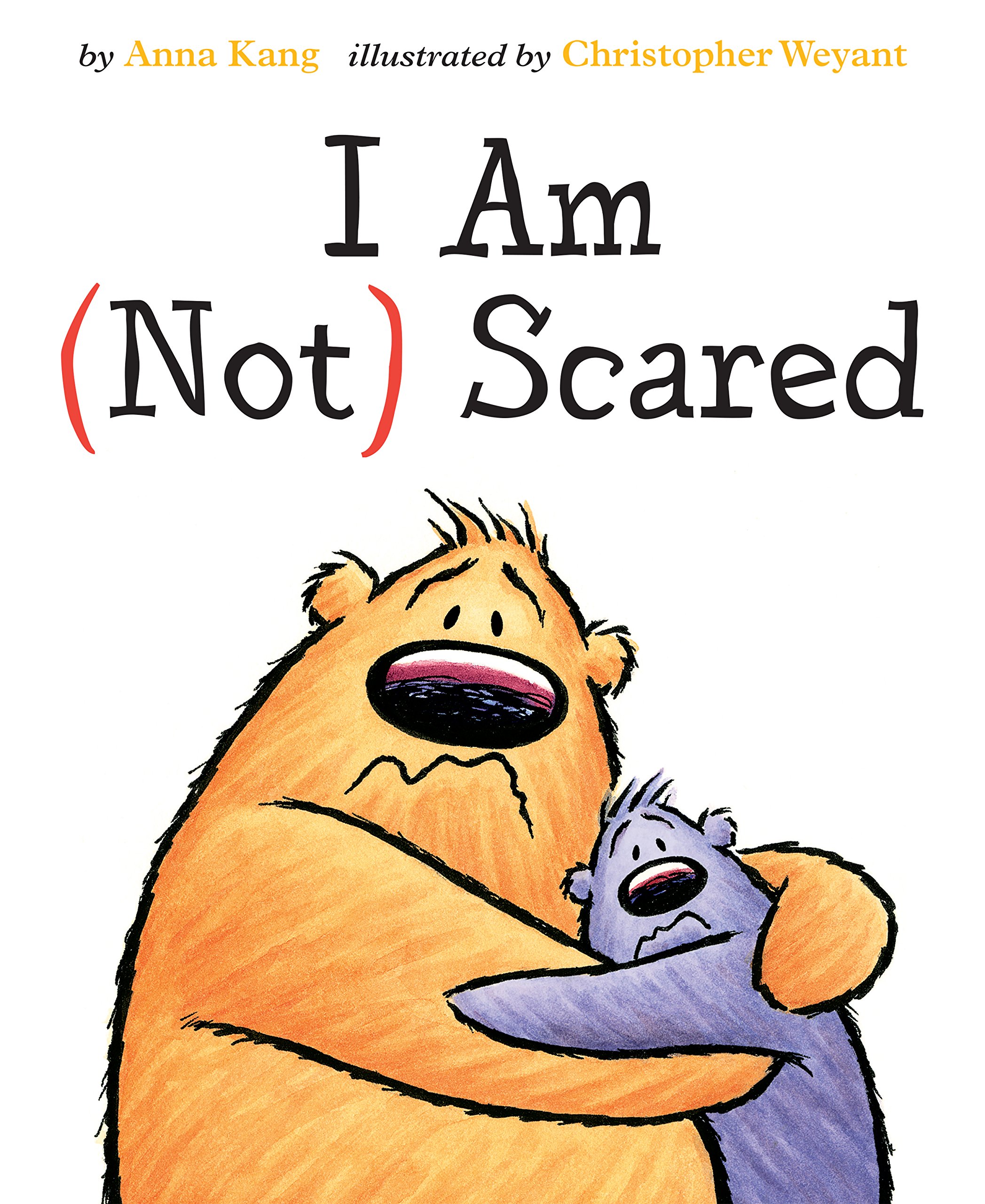
This week, I read Mapping My Day by Julie Dillemuth and I Am (Not) Scared by Anna Kang. These two picture books were a delightful interlude to my dissertation writing. I recommend both highly and will be blogging about Mapping My Day this week and I Am (Not) Scared in the upcoming week. 🙂

Bold_line

This Week’s Expeditions
Kellee

I am currently reading an independently published memoir written by one of my students’ grandmothers. It is a journal she wrote after her family was taken from Poland and deported to Siberia. Her story reminds me of Between Shades of Gray but I know this story is complete true (while Gray is based on Sepetys’s family’s history) makes it even harder to read. After I finish the memoir, I actually don’t know what I am going to pick up next as I have a couple of different books I need to read.

 Ricki

I am, unfortunately, not reading much because I need to finish my dissertation. I spend every waking hour working on this.

Bold_line

Upcoming Week’s Posts

top ten tuesday 

Tuesday: Ten Reasons We Love ARCs

Wednesday: Honey Girl: The Hawaiian Monk Seal by Jeanne Walker Harvey

Thursday: Mapping My Day by Julie Dillemuth

Friday: Blog Tour with Review and Giveaway: A Boy Called Bat by Elana K. Arnold

 So, what are you reading?

Link up below and go check out what everyone else is reading. Please support other bloggers by viewing and commenting on at least 3 other blogs. If you tweet about your Monday post, tag the tweet with #IMWAYR!

 Signature andRickiSig

Author Guest Post: “An Adaptation: Better Than The Original?” by John Powers, Author of Queen of Sky Island

Share

An Adaptation: Better Than The Original? by John Powers

I am not an MG writer. My work is with the stage and movies. My usual arena for subject matter is recent American history and horror. In addition to creating original stories, I have adapted existing texts: speeches; books; transcripts. I had chosen these works because something within them resonated with me, and I felt it would resonate with others.

I am pretty ruthless as an adapter. My first task is to cut away what I consider the unnecessary narrative and to focus on the dramatic and emotional story. I then take a second pass at the text, which at this point is more like surgery. I am focused on creating and sustaining dramatic momentum, the effect of quickly “turning the page.” Once that is done, the challenge begins: focusing relentlessly on what resonates with today’s readers and viewers.

Who should care about the rabble-rousing speeches of Mary Jones (a.k.a. Mother Jones) during a West Virginia coal strike? What do we care about the efforts of poet Amy Lowell to promote the works of then little known writers Carl Sandberg and Robert Frost? Are the doubts and obstacles facing the novice Zane Grey of any importance to us in the age of Instagram and Snapchat?

These are questions that I have asked and answered in adapting existing texts for contemporary audiences. We cannot bring back great people who have passed, but by working closely with their texts we can breathe life into their creations. We can do it in a way that enables contemporary readers and viewers, particularly young ones, to emotionally connect with the values and ideas that these people fought to express.

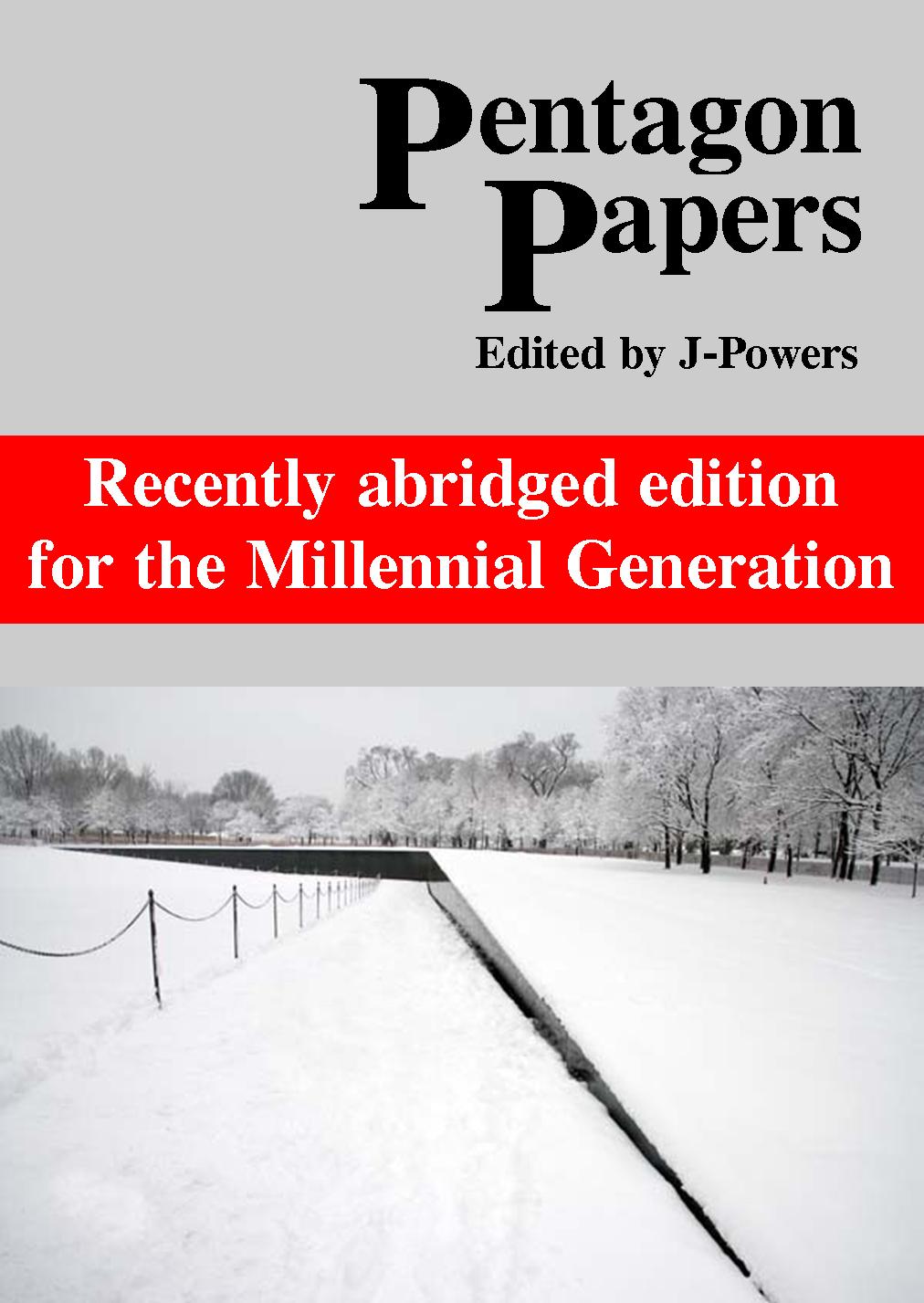
For example, the Pentagon Papers is a frequently referenced document. But who knows anything about it? In working with the 7000-page text for a stage production, I grew to think that it is the most important work in the American language. I saw how it revealed the American character in depth, as it traced 23 years of a 30-year war. It was our Iliad. Yet who today would read a 7000-page document about a lost war?

In adapting the Pentagon Papers for readers, I sought to tell the story in the most concise and comprehensive manner. I drew excerpts from the four-volume Gravel edition of the Papers, and I grouped them into brief, distinct chapters. The result became a quick page-turning experience that a reader could consume in one or two sittings. In addition, I included links to on-line resources, such as articles and historical videos, to broaden their knowledge.

The key to finding success with the work, however, was in making it resonate with people, particularly young people. I did that by relating this previous “endless war” with the current one. In particular, I directed the adaptation toward millennials, whom I felt would be continually trying to make sense out of the situation we currently are in and would be asking could there ever be an end to it.

In another example, I discovered a little known work by L. Frank Baum when I was creating a solo performance for the stage about his life in early Hollywood. I was struck by the vivid imagery of the world and characters that he created in Sky Island, and I was surprised that it had not been exploited further.

Baum, an early feminist, considered it one of his best stories, and yet it had migrated into the land of forgotten treasures. I had my ideas of why: it was unnecessarily long; the main “earth” characters were no longer relatable; and there was no dramatic momentum.

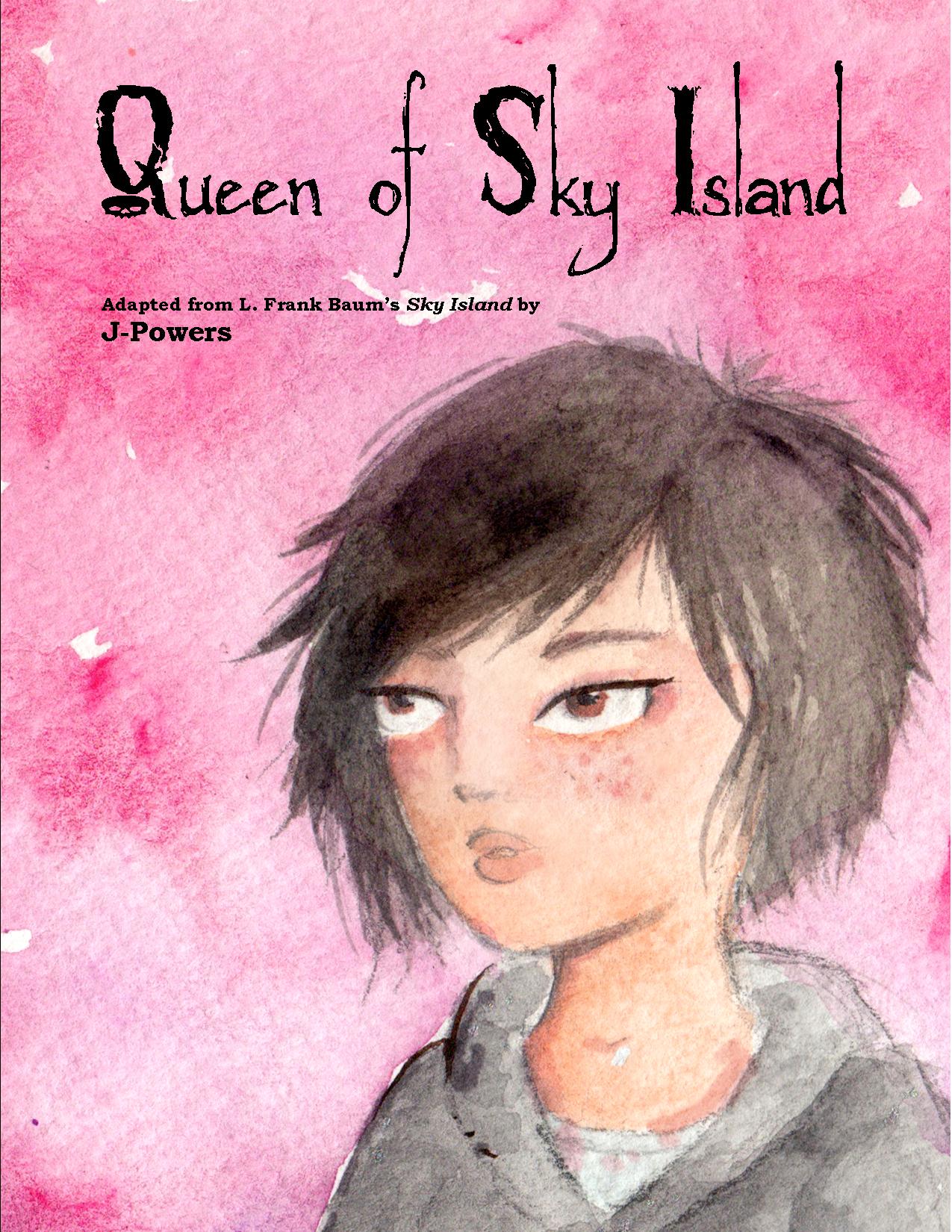
In my adaptation, I titled the work Queen of Sky Island to give it a central focus and to assert Baum’s feminism; I wanted the reader to know from the outset whose journey this was and what was the desired goal. I also cut the length of the original text in half, eliminating tangential episodes that pulled focus away from the hero. Also, I also drew the hero as an assertive, impulsive girl striving to bring her broken family back together, and I surrounded her with new companions: an almost angel-like boy and a disabled veteran.

I left in place the vivid characters and the key actions that Baum envisioned on his island in the sky. Now, all the elements of the story are working to focus our attention on this young hero’s choices that put her and her companions at risk in this bizarre, unearthly world; and we witness her dig deep within herself to both save their situation and to bring lasting justice to this morally compromised world.

Without question, much of Queen of Sky Island is about visual imagery, but in my adaptation I have found something that will resonate with young readers; they will relate to this contemporary hero who at times is stubborn and violent, but who is also caring and heroic. She grows immensely during a brief course of time, from a selfish child to a selfless queen.

Creations age quickly in our new world, but there are invaluable elements within these creations that should be sought out like precious gems and placed in new jewelry settings. Adaptations are not better than the originals; they are different; they aim to preserve the best and carry it forward to resonate in the hearts and minds of new generations.


About the Author: John Powers (a.k.a. J-Powers) is the author of Queen of Sky Island (Amazon, Smashwords 2014, Audible 2016) and Pentagon Papers: Recently Abridged Edition for the Millennial Generation (Amazon, Smashwords 2012). He lives in the harbor area of Los Angeles with his wife and three millennial stepchildren. Find him at powerplayz.com


About the Book: Queen of Sky Island is a coming of age story charged with fantasy, heroic adventure, and vividly imagined new worlds. It is a 21st century adaptation of a story by L. Frank Baum, the creator of The Wonderful Wizard of Oz.

As reconceived and adapted by John Powers (a.k.a. J-Powers), Queen of Sky Island reveals a young girl, Tara, who in her determined search for her military father becomes trapped on an actual island in the sky where she leads one other worldly army against another. Tara’s faithful companions on this perilous adventure are Bobo, a brave young boy who possesses a flying umbrella, and Sgt. Rik, a resourceful disabled veteran who looks after Tara and her mother at their sea cliff cottage on the Earth. Through miscommunication, Tara and her companions arrive at Sky Island, a bizarre land divided between wildly different pink and blue territories. They are unfairly taken prisoner by the Boolooroo, the selfish and mean-spirited leader of the Blue people. Facing a horrible punishment known as “patching,” Tara and her companions escape and run for a thick fog bank that separates the two territories. With help from an unusual creature, they cross through the dense fog, and they are taken to the queen of the Pinkies. After surviving a near fatal test in this new realm, Tara shows what she is made of and rises to lead the Pinkies against the Blues in an attempt to defeat the Boolooroo.

Thank you, John, for this thought-provoking post!

and