Tough Tug by Margaret Read MacDonald

Share

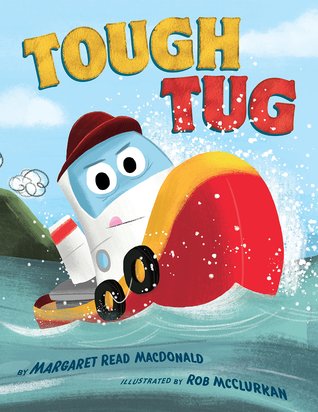
Tough Tug
Author: Margaret Read MacDonald;  Illustrator: Rob McClurkan
Published: March 1, 2018 by Two Lions

Goodreads Summary: Tough Tug is a brand-new boat. He likes to swirl and twirl—and run and race. He wants everyone to see what he can do. But when he sails to Alaska for the first time, he finds out what being a tug really means…

Ricki’s Review: This delightful book is sure to capture the spirit of young children. Tough Tug has determination and energy, and I yearned to read this book aloud to a classroom of readers. As he adventures to new horizons, Tough Tug realizes just how difficult it is to be a tug boat, but he knows that he passion will get him to his goal. The bright illustrations feature determined, anthropomorphic ships. Readers will feel energized after reading this one.

Teachers’ Tools for Navigation: This book begs for movement. I’d read this book to preschoolers and kindergarteners and ask them to move with tough tug. Reading this story and reacting to the movement words (e.g. “haul”) would help them learn some great new vocabulary!

Discussion Questions: How does Tough Tug show strength? What is he determined to do? What struggles does he face?; How does the illustrator make the boats come alive?; How can you connect this story with your own lives?

Flagged Passage: 

“Launch day!

Here I come…!”

“Hooray! I’m floating! This is fun!

Wait till those boats see what Tough Tug can do!”

Read This If You Loved: Might Tug by Alyssa Satin Capucilli; The Little Engine That Could by Watty Piper; Goodnight, Goodnight, Construction Site by Sherri Duskey Rinker, Demolition by Sally Sutton

Recommended For: 

readaloudbuttonsmall classroomlibrarybuttonsmall

RickiSig

**Thank you to Kristin for providing copies for review!**

Girl Running: Bobbi Gibb and the Boston Marathon by Annette Bay Pimentel

Share

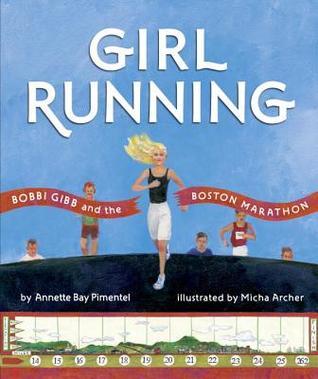
Girl Running: Bobbi Gibb and the Boston Marathon
Author: Annette Bay Pimentel
Illustrator: Micha Archer
Published February 6th, 2018 by Nancy Paulsen Books

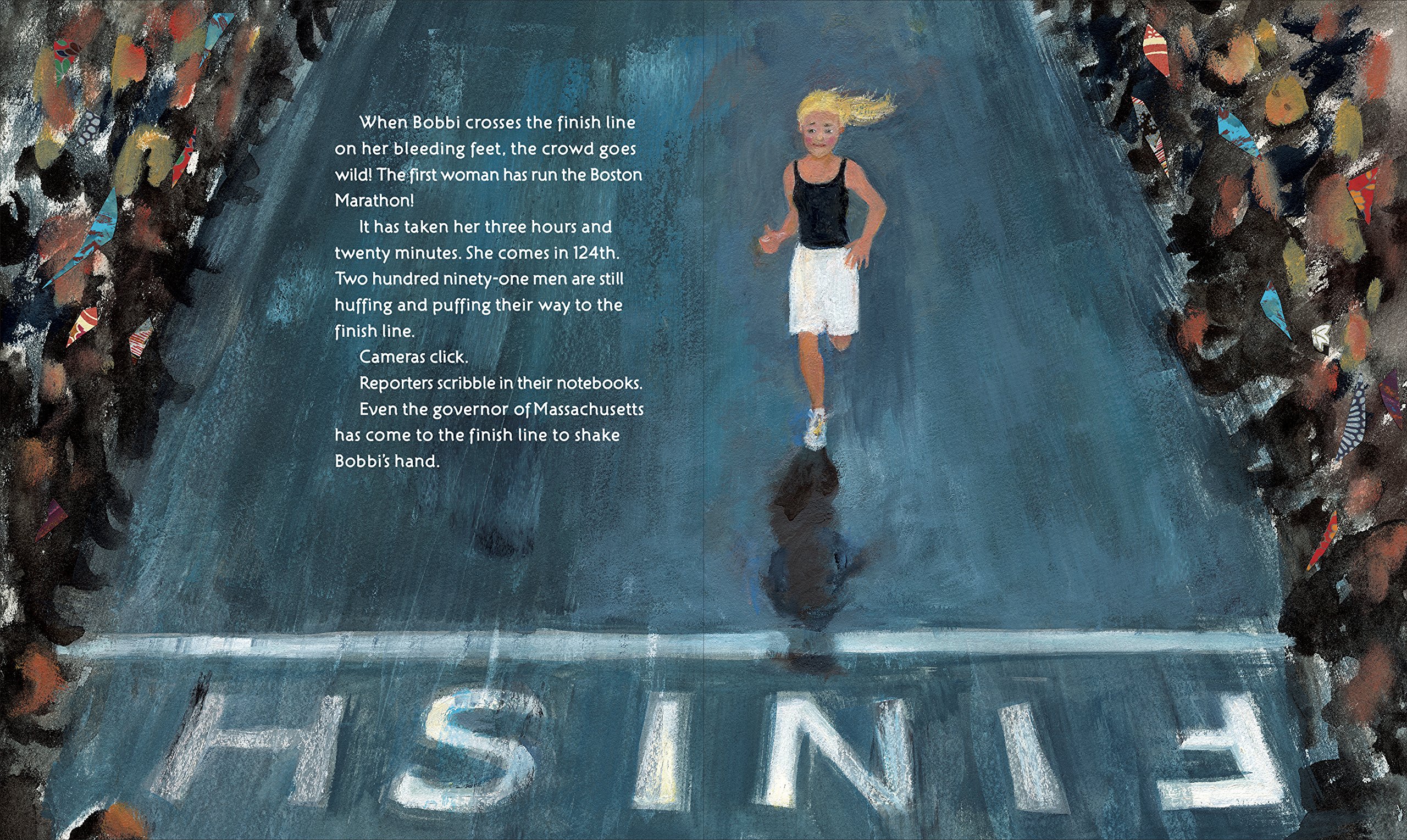
Summary: The inspiring story of the first female to run the Boston Marathon comes to life in stunningly vivid collage illustrations.
Because Bobbi Gibb is a girl, she’s not allowed to run on her school’s track team. But after school, no one can stop her–and she’s free to run endless miles to her heart’s content. She is told no yet again when she tries to enter the Boston Marathon in 1966, because the officials claim that it’s a man’s race and that women are just not capable of running such a long distance. So what does Bobbi do? She bravely sets out to prove the naysayers wrong and show the world just what a girl can do.

* “A bright salutation of a story, with one determined woman at its center.”–Kirkus Reviews, starred review

ReviewI first learned about Bobbi Gibb when I read The Girl Who Ran by Frances Poletti & Kristina Yee and after reading it, I knew I wanted to learn more about Bobbi Gibb because she did so much for women’s progress when it came to running. Without her standing up and going against everyone, it would have taken longer for women to be accepted as marathoners.

Pimentel does a beautiful job showing Gibb’s inspiration, determination, and journey. I loved seeing more about what happened during the marathon than what I knew before and especially was verklempt by the support she found when ran by Wellesley College and the women at the college came out and cheered for her. I also loved learning that the other runners supported her!

Through the afterwords, I also found out that Gibb had to wait 30 years before she was listed as the female winner of the Boston Marathon in 1966, 1967, and 1968 races because the officials wouldn’t honor her as a runner. This shows that so often even when the masses support something, it is a systemic issue that needs to be fixed.

Last but not least, I must share how much I adore Archer’s artwork. I was a big fan of her work in Daniel Finds a Poem, and once again I found that her illustrations were the perfect addition to the story being told.

Teachers’ Tools for Navigation: Gibb is one example of an American that changed history but may not be well known. I think it would be fascinating to introduce Gibb using Pimentel’s picture book as a way to start discussions about normal people changing the world. I would then share other stories about heroes like Rosa Parks, Malala Yousafzai, and Jesse Owens. I’d also reference other books like Be a Changemaker and 31 Ways to Change the World. The research could also be narrowed down to just sports; however, I think it is a wonderful discussion to have about how Gibb may have “only” changed marathons, it is part of a bigger movement.

Discussion Questions: 

  • Why did people think that women couldn’t run marathons?
  • How did Bobbi Gibb prepare for her first official marathon?
  • Did the other runners react the way you had expected? Explain.
  • How did Archer’s artwork support Pimentel’s story of Gibb?
  • What traits does Gibb show that helped her be successful?
  • When Gibb began to get blisters, were you afraid that she wasn’t going to finish? Explain your thinking and reactions as the story continued.

Flagged Passages: 

Read This If You Love: Picture book biographies, Women’s rights

Recommended For: 

classroomlibrarybuttonsmall closereadinganalysisbuttonsmall 

Signature

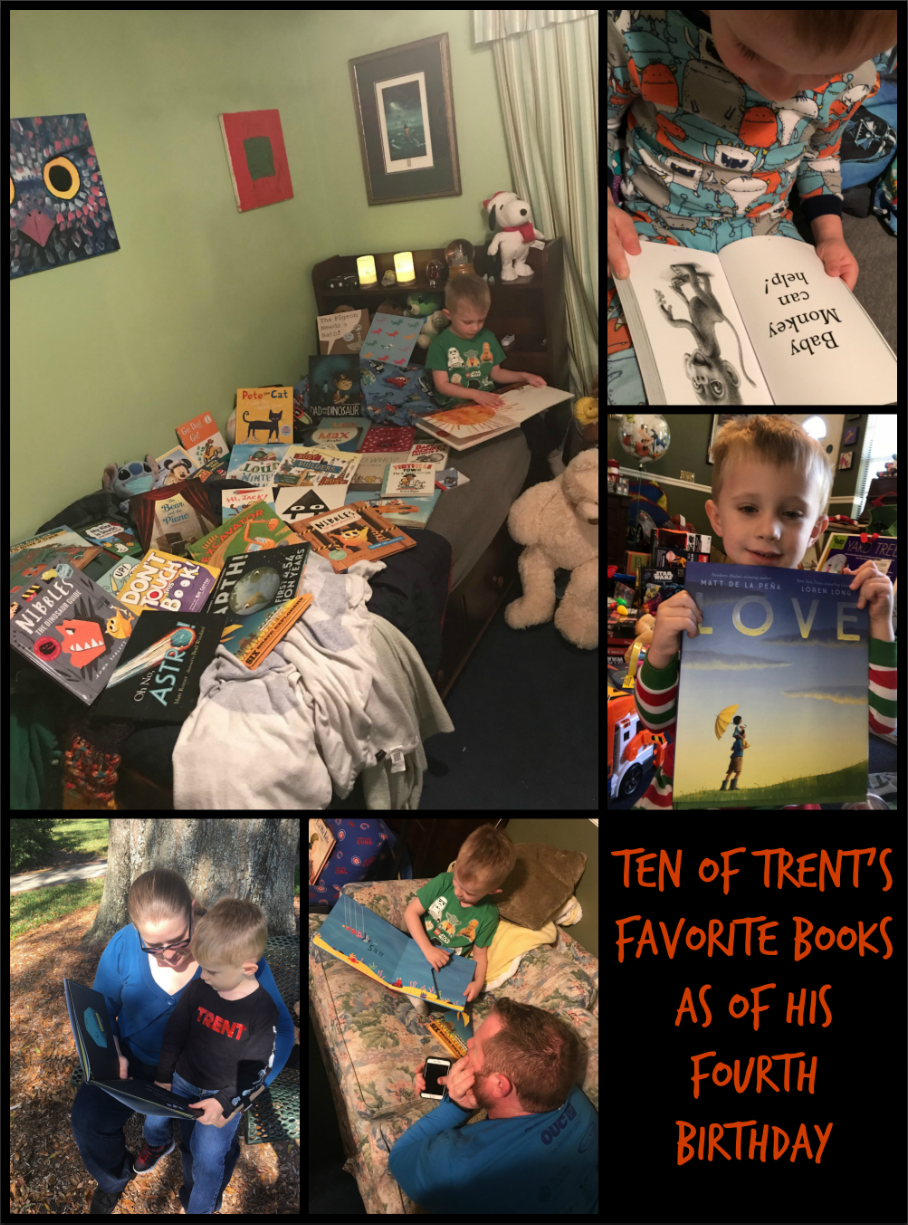
Ten(ish) of Trent’s Favorite Books as of his Fourth Birthday

Share

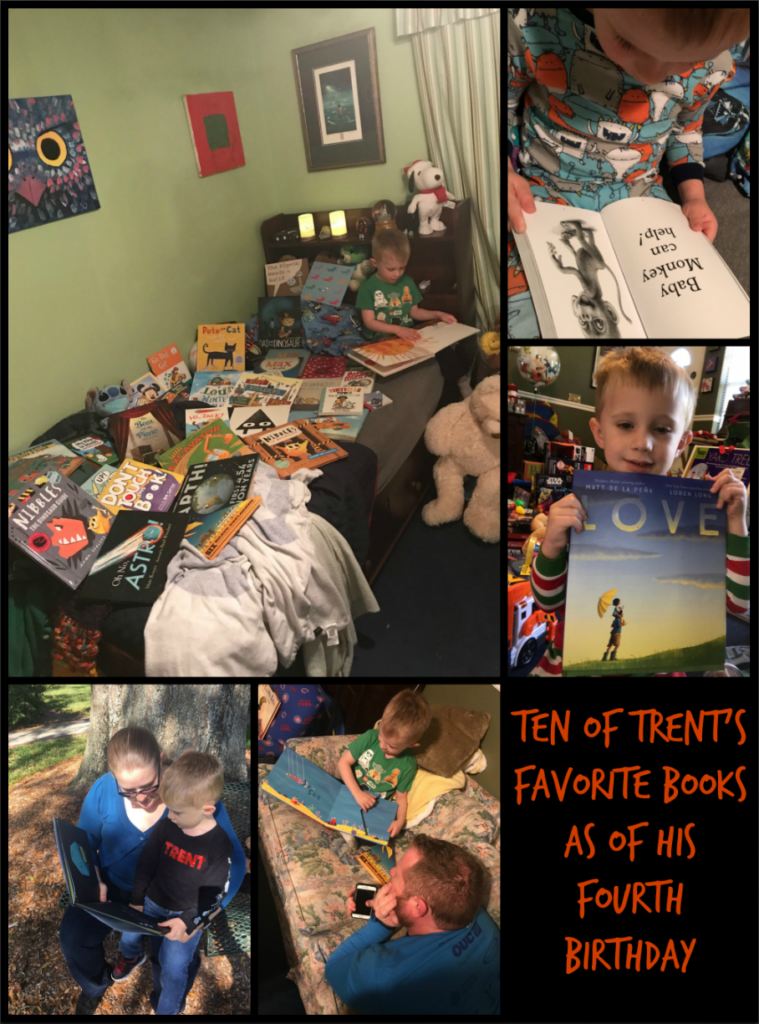
I cannot believe Trent is four! Time is flying so quickly! He is going into pre-kindergarten next year, he is starting to read sight words, he knows all of his letter sounds, and he is just so inquisitive! I am so proud of the awesome kid that he is.

Like last year, I let Trent be part of choosing the books we would share. If you look at the top left photo, that was us trying to narrow it down. He kept adding more then stopping to read books. It was so hard to get down to ten (and you’ll see we only kind of got down to ten). And this list would have probably been different if I’d asked him yesterday or waited until tomorrow (and this isn’t the books I thought he’d choose), but I let him have complete control.

So without further adieu:

Ten(ish) of Trent’s Favorite Books as of his Fourth Birthday

(In no particular order)

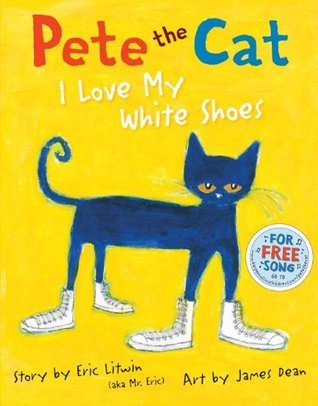
1. Pete the Cat: I Love My White Shoes by Eric Litwin & James Dean
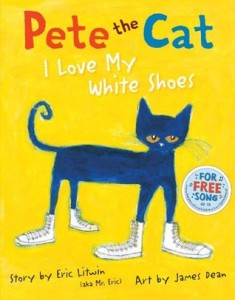
Trent says he likes this book because “I like all of it. I like all of the parts like singing.” Then he started reciting the book. I really believe that having the song that goes along with books really sucks him into the book.

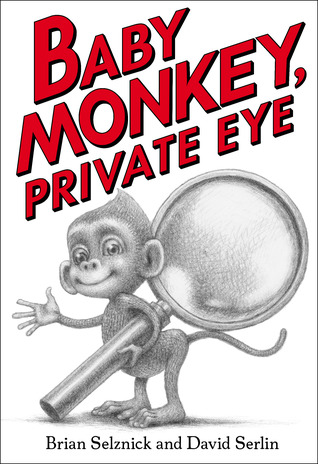
2. Baby Monkey Private Eye by Brian Selznick & David Serlin
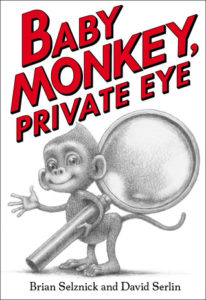
Trent says he likes this book because “I like all of the stories. And it is funny. Baby monkey can help!” I agree with Trent! Baby Monkey is such a silly book but it is also way funnier and deeper than you first expect it to be.

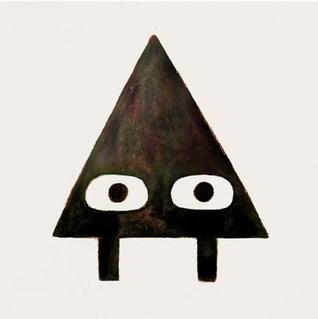
3. Triangle by Mac Barnett & Jon Klassen
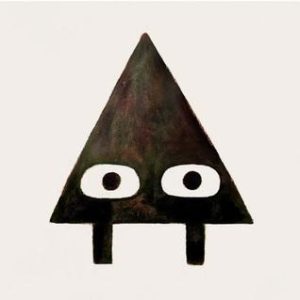
Trent says he likes this book because “I like his short legs. And he walks past triangles and shapes. And then there’s squares. Then triangle is running.” This book was an instant favorite in our house. The perfect Klassen illustrations, the humor, and the repetition definitely help.

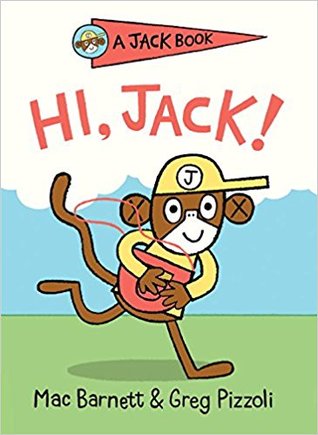
4. Hi, Jack! by Mac Barnett and Greg Pizzoli
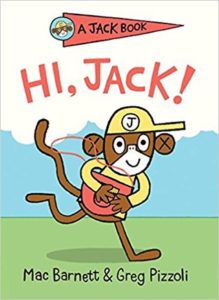
Trent says he likes this book because “I like Jack taking her bag. But Jack is bad. But when he gives back her purse he’s good.” Trent finds this book hilarious! I think it is going to be a great early reader.

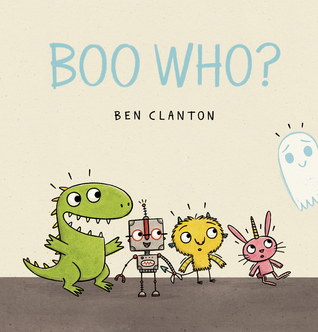
5. Boo Who? by Ben Clanton
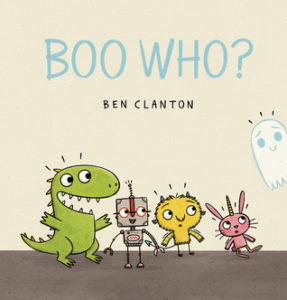
Trent says he likes this book because “I like Boo flying. I like Boo hiding.” He roots for Boo all through this book.

6. Fifteen Animals by Sandra Boynton
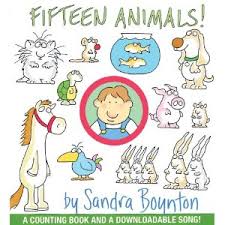
Trent says he likes this book because “I like his turtle. And I like when you sing it to me.” This book has been around Trent’s whole life. It is a go-to when we sing or read something.

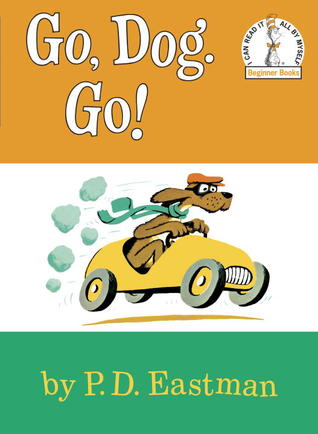
7. Go Dog Go! by P.D. Eastman
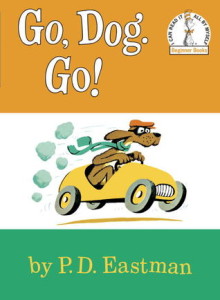
Trent says he likes this book because “I like them going to the party in the tree.” Go, Dog, Go! was a favorite of mine when I was younger, and I love that Trent loves it, too.

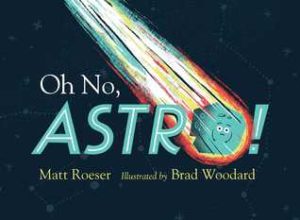
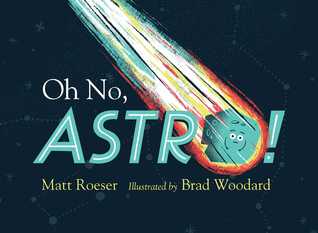
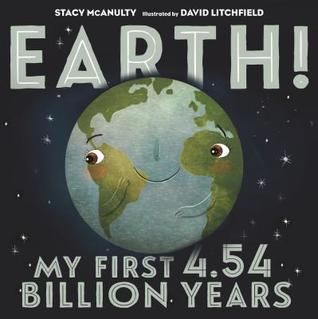
8. Space books! Including anything Star Wars, Oh No, Astro! by Matt Roeser & Brad Woodard, and Earth! by Stacy McAnulty
In addition to wanting to be a ghost when he grows up, Trent also wants to be an astronaut. Trent says he likes space because “I want to go in space because I want to. I like going to space. I like Mars and the moon. I like the moon because I want to go to the moon.” I also highly recommend a Moon in Your Room if you have a space fan.

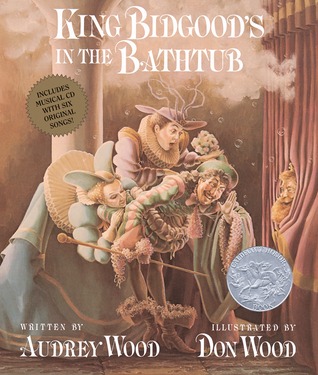
9. King Bidgood’s In the Bathtub by Audrey Wood & Don Wood
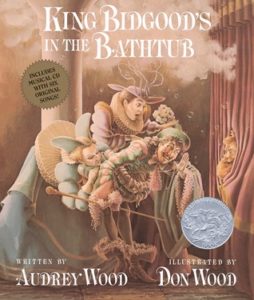
Trent says he likes this book because “he doesn’t get out of the bathtub because he says get in. He says come in.” This audiobook has singing it in. I really think that music is something that Trent definitely gravitates towards. He also loves the illustrations and points out all of the silly things going on in the bathtub.

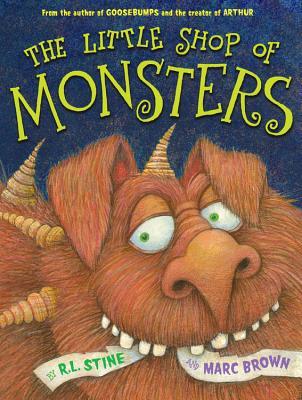
10. The Little Shop of Monsters by R.L. Stine
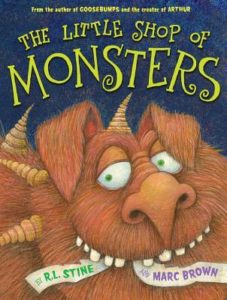
Trent says he likes this book because “I love the monsters because they have horns. And I like listening to it because I love it at the end.” I am so glad I randomly found this audiobook on Hoopla, but I know that when our 9 weeks with the library book ends, I’m going to have to buy this one because it is a pretty constant listen in my car.

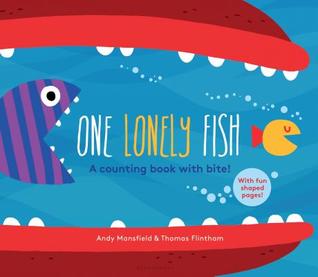
Honorary. One Lonely Fish by Andy Mansfield & Thomas Flintham
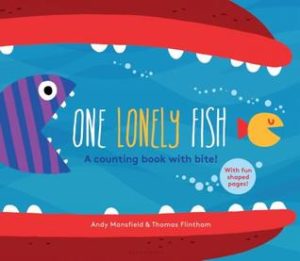
Trent says he likes this book because “I love it eating the fish.” And I love that this is the first book that he completely reads alone.

Which books are we missing in our lives?

Signature

Past “Trent’s Favorite Books” Posts

Kellee and Trent’s Favorite Picture Books: First Three Months

Trent and Kellee’s Favorite Picture Books: Three to Six Months

Trent and Kellee’s Favorite Picture Books: Six to Nine Months

Trent and Kellee’s Favorite Books: Nine to Twelve Months

A First Year Full of Books: Trent’s Journey Through Books
**Check this one out if you haven’t–it is one of my favorite posts ever!**

Trent’s Favorite Books: One to Two Years Old

Ten of Trent’s Favorite Books as of His Third Birthday

It’s Monday! What Are You Reading? #IMWAYR 2/19/18

Share

IMWAYR 2015 logo

It’s Monday! What Are You Reading? From Picture Books to YA!

It’s Monday! What are you Reading? is a meme started by Sheila at Book Journeys and now hosted by Kathryn at The Book Date. It is a great way to recap what you read and/or reviewed the previous week and to plan out your reading and reviews for the upcoming week. It’s also a great chance to see what others are reading right now…you just might discover the next “must-read” book!

Kellee and Jen, of Teach Mentor Texts, decided to give It’s Monday! What Are You Reading? a kidlit focus. If you read and review books in children’s literature – picture books, chapter books, middle grade novels, young adult novels, anything in the world of kidlit – join us! We love this meme and think you will, too.

We encourage everyone who participates to support the blogging community by visiting at least three of the other book bloggers that link up and leave comments for them.

Bold_line

Last Week’s Posts

**Click on any picture/link to view the post**


Tuesday: Books with a Love Story that We’ve Recently Read and Enjoyed

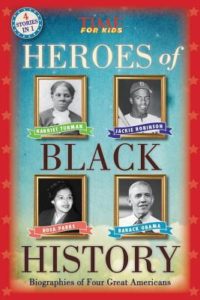
Wednesday: Heroes of Black History by Time Kids

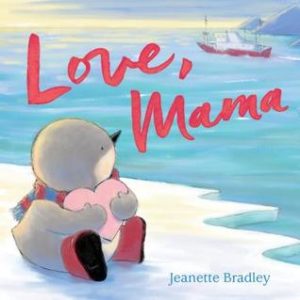
Thursday: Love, Mama by Jeanette Bradley

Friday: Kellee’s Classes’ Mock Caldecott Experience

Bold_line

 Last Week’s Journeys

Kellee

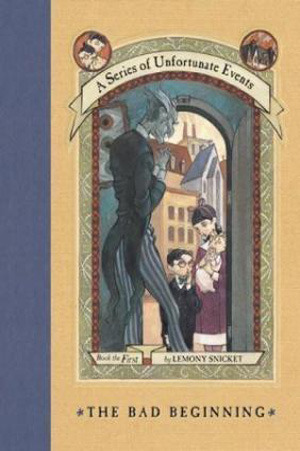
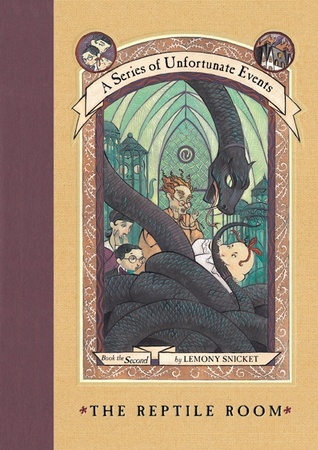
Wow. Count Olaf is terrible! My student says to not give up, so I am moving on, but I am having a really hard time with all of the horrible things that are happening to these children. A table of my students who have read it and I had an interesting conversation about perspective: theirs vs. a mother’s/teacher’s.

 Ricki

Hi, all! I am away for the next two weeks and unable to post. I was at ALA Midwinter this past Sunday and Monday, and my sister is visiting from NYC this weekend through Wednesday. I look forward to catching you all next Monday!

Bold_line

This Week’s Expeditions
Kellee


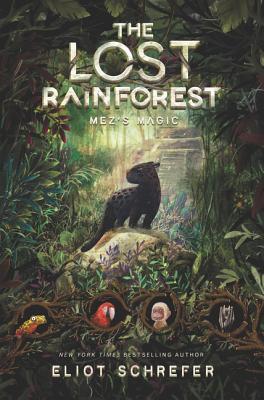
  • I am ready to make an official statement about something: I read books much more and much quicker when they are e-books, and I still comprehend them as well, and I like it! *gasp!* I had Mez’s Magic as a hardcover at home all week, and I just didn’t have a ton of time to read at home; however, I bought the ebook Saturday, and I have read more in 24 hours than I had all week. My phone is just everywhere with me, and I can easily read in bed, so it is just so much more efficient for me. That being said, I am loving Mez’s Magic, and I cannot wait to finish it now that I am chugging along. I had hoped to read one more Schrefer book before our Skype on Friday, but I don’t think that’ll happen, sadly.
  • I am moving onto Series of Unfortunate Events #2. I’m trusting my kids… We’ll see. So far the adults in the book aren’t failing the kids as much as in the first.
  • I have so much to choose after this. We’ll see!

Bold_line

Upcoming Week’s Posts

Tuesday: Ten of Trent’s Favorite Books as of His Fourth Birthday
Wednesday: Girl Running: Bobbi Gibb and the Boston Marathon by Annette Bay Pimental

Thursday: Tough Tug by Margaret Read MacDonald

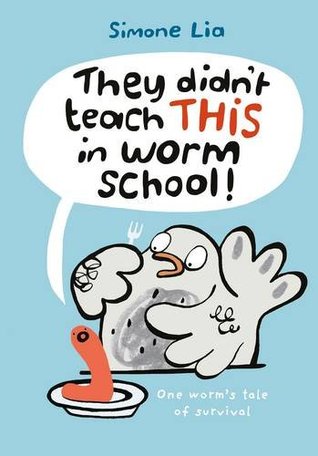
Friday: They Didn’t Teach THIS in Worm School by Simone Lia

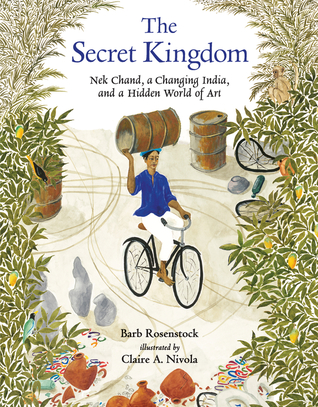
Sunday: Author Guest Post!: “Let Me Tell You a Secret” by Barb Rosenstock, Author of many nonfiction texts including her newest, The Secret Kingdom

Bold_line

 So, what are you reading?

Link up below and go check out what everyone else is reading. Please support other bloggers by viewing and commenting on at least 3 other blogs. If you tweet about your Monday post, tag the tweet with #IMWAYR!
 Signature andRickiSig

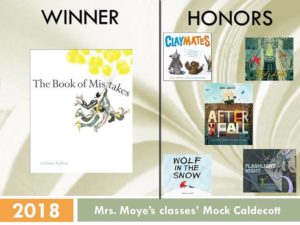
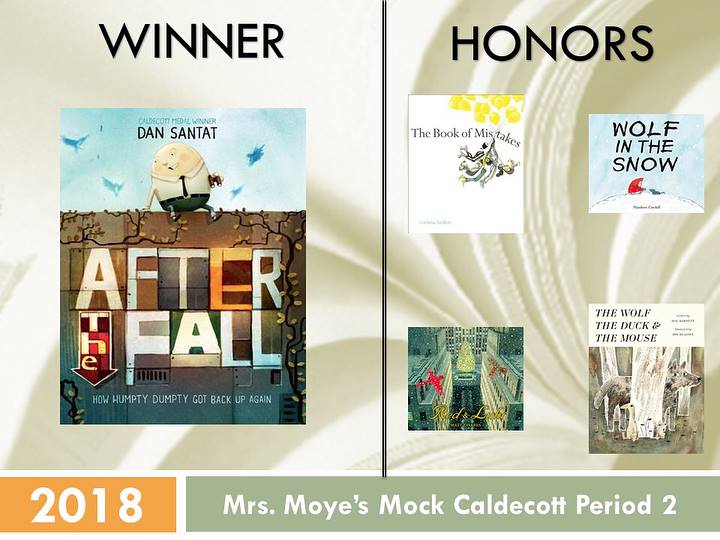
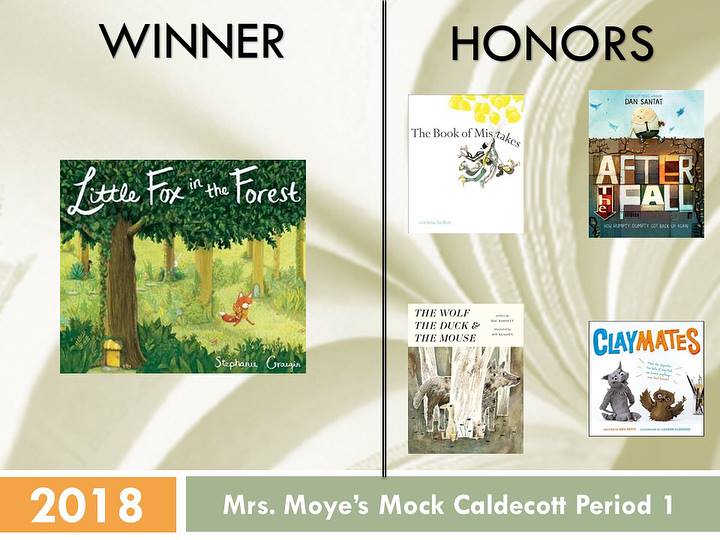
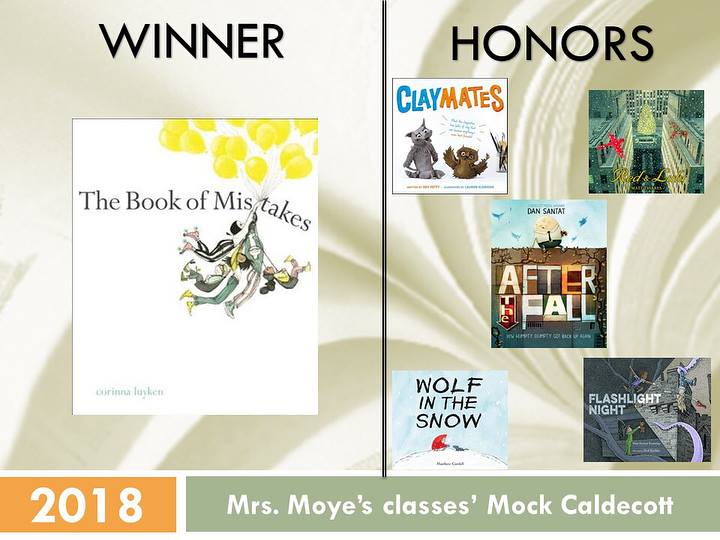
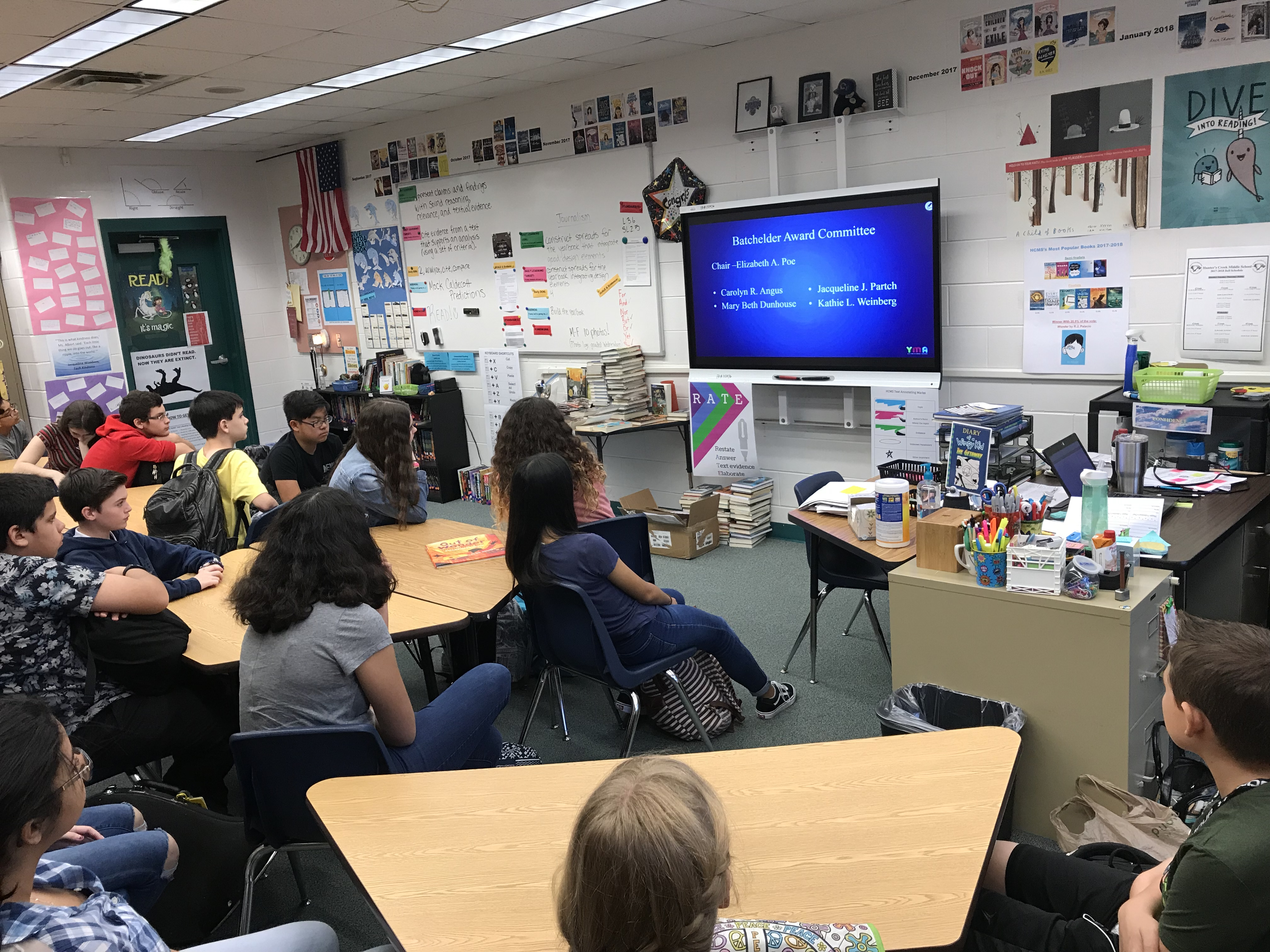
Kellee’s Classes’ 2018 Mock Caldecott Experience

Share

Last year was my first year taking part in a mock award when my lunch book club did the Mock Newbery. I loved the process and the conversations, but I really wanted to move to a less stressful book club and make the process more focused and to get more students involved, so I decided to do a mock award with my class; however, I knew that doing the Newbery well is a very long process, so I thought the Caldecott would be interesting to try with middle schoolers. And I was right!

When I decided to do a Mock Caldecott unit, I didn’t really know what I was doing, so I turned to my friends on Twitter who have done Mock Caldecott lessons before. I also turned to good-ole Google. With all of this help and a bit of hard work, I felt pretty good to start.

Choosing Books

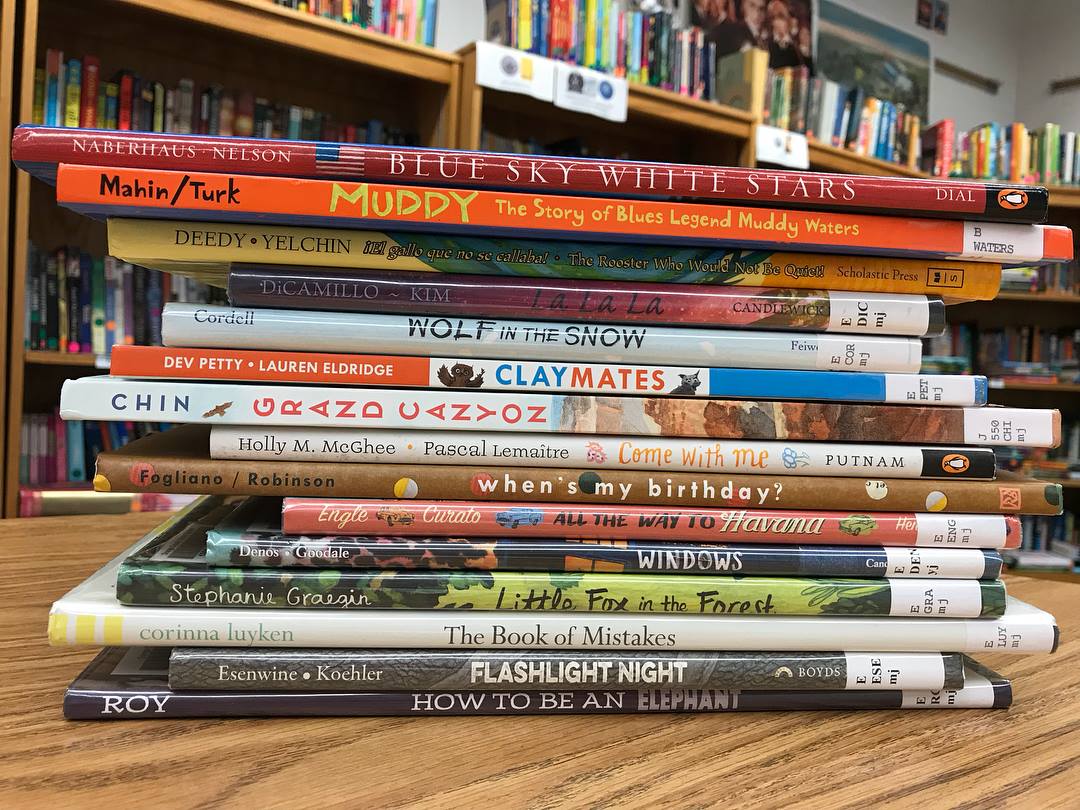
To pick books, I completely trusted my PLN and myself, and I chose 20 books that blew them and/or me away. The books were:

A Boy, a Mouse, and a Spider by Barbara Herkert, Ill. by Lauren Castillo
After the Fall by Dan Santat
All the Way to Havana by Margarita Engle, Ill. by Mike Curato
Blue Sky, White Stars by Sarvinder Naberhaus, Ill. by Kadir Nelson
Claymates by Dev Petty, Ill. by Lauren Eldridge
Come with Me by Holly M. McGhee, Ill. by Pascal Lemaitre
Flashlight Night by Matt Forrest Esenwine, Ill. by Fred Koehler
Grand Canyon by Jason Chin
How to Be an Elephant by Katherine Roy
La La La by Kate DiCamillo, Ill. by Jaime Kim
Little Fox in the Forest by Stephanie Graegin
Muddy: The Story of Blues Legend Muddy Water by Michael Mahin, Ill. by Evan Turk
Red & Lulu by Matt Tavares
The Antlered Ship by Dashka Slater, Ill. by The Fan Brothers
The Book of Mistakes by Corinna Luyken
The Rooster Who Would Not be Quiet! by Carmen Agra Deedy, Ill. by Eugene Yelchin
The Wolf, The Duck, & The Mouse by Mac Barnett, Ill.by Jon Klassen
When’s My Birthday? by Julie Fogliano, Ill. by Christian Robinson
Windows by Julia Denos, Ill. By E.B. Goodale
Wolf in the Snow by Matthew Cordell

Standards and Learning Goals

To justify a Caldecott Unit, I needed to tie it to middle school standards, and I chose to focus on the standards of citing textual evidence to support analysis and presenting claims and findings with relevant evidence. There were also five secondary standards that fit the unit.

LAFS.8.RL.1.1 2 Cite the textual evidence that most strongly supports an analysis of what the text says explicitly as well as inferences drawn from the text.
LAFS.8.SL.2.4 3 Present claims and findings, emphasizing salient points in a focused, coherent manner with relevant evidence, sound valid reasoning, and well-chosen details; use appropriate eye contact, adequate volume, and clear pronunciation.
LAFS.8.SL.1.1d Acknowledge new information expressed by others, and, when warranted, qualify or justify their own views in light of the evidence presented.
LAFS.8.RL.1.2 3 Determine a theme or central idea of a text and analyze its development over the course of the text, including its relationship to the characters, setting, and plot; provide an objective summary of the text.
LAFS.8.RL.1.3 3 Analyze how particular lines of dialogue or incidents in a story or drama propel the action, reveal aspects of a character, or provoke a decision.
LAFS.8.RL.2.5 3 Compare and contrast the structure of two or more texts and analyze how the differing structure of each text contributes to its meaning and style.
LAFS.8.RL.2.6 3 Analyze how differences in the points of view of the characters and the audience or reader (e.g., created through the use of dramatic irony) create such effects as suspense or humor.

Timeline

After determining the standards, I created a scale to help plan my timeline. I knew I needed to start with the students understanding the Caldecott criteria and end with students presenting claims and evidence supporting their claim.

Level Target Evidence
4 I can do level 3 plus I have appropriate eye contact, volume, and clear pronunciation and can think on my feet during a discussion. Mock Caldecott discussion
3 I can present claims and findings with sound reasoning, relevance, and cite evidence from the text that supports my analysis. Choose which potential winners they believe will be honored and present this claim using evidence from the text.
2 I can cite evidence from a text that supports my analysis (using a set of criteria). Analyze past winners for criteria.

Analyze potential winners for criteria.

1 I understand the criteria I will be using to analyze a text. Caldecott criteria presentation

Example Beekle analysis

The next step, in my Google searching, I found a wonderful Slideshare by librarian Steven Engelfried from Portland, Oregon. Over about 40 minutes in two days we went through all of the criteria. We also talked about some art elements vocabulary that they would need to know and use during the unit (and I found Quizlets on Elements of Art and Art Mediums!)

I’ll be honest, I really didn’t know where to go from here… Luckily, there is an amazing teacher from Illinois named Jessica Lifshitz who teaches 5th grade and wrote such a brilliant post about the Mock Caldecott unit in her classroom, and I finally felt like I could proceed with this unit and do it well–all because of this post! I’ve emailed Jessica to thank her, but I also want to publicly do it here–thank you, Jessica!

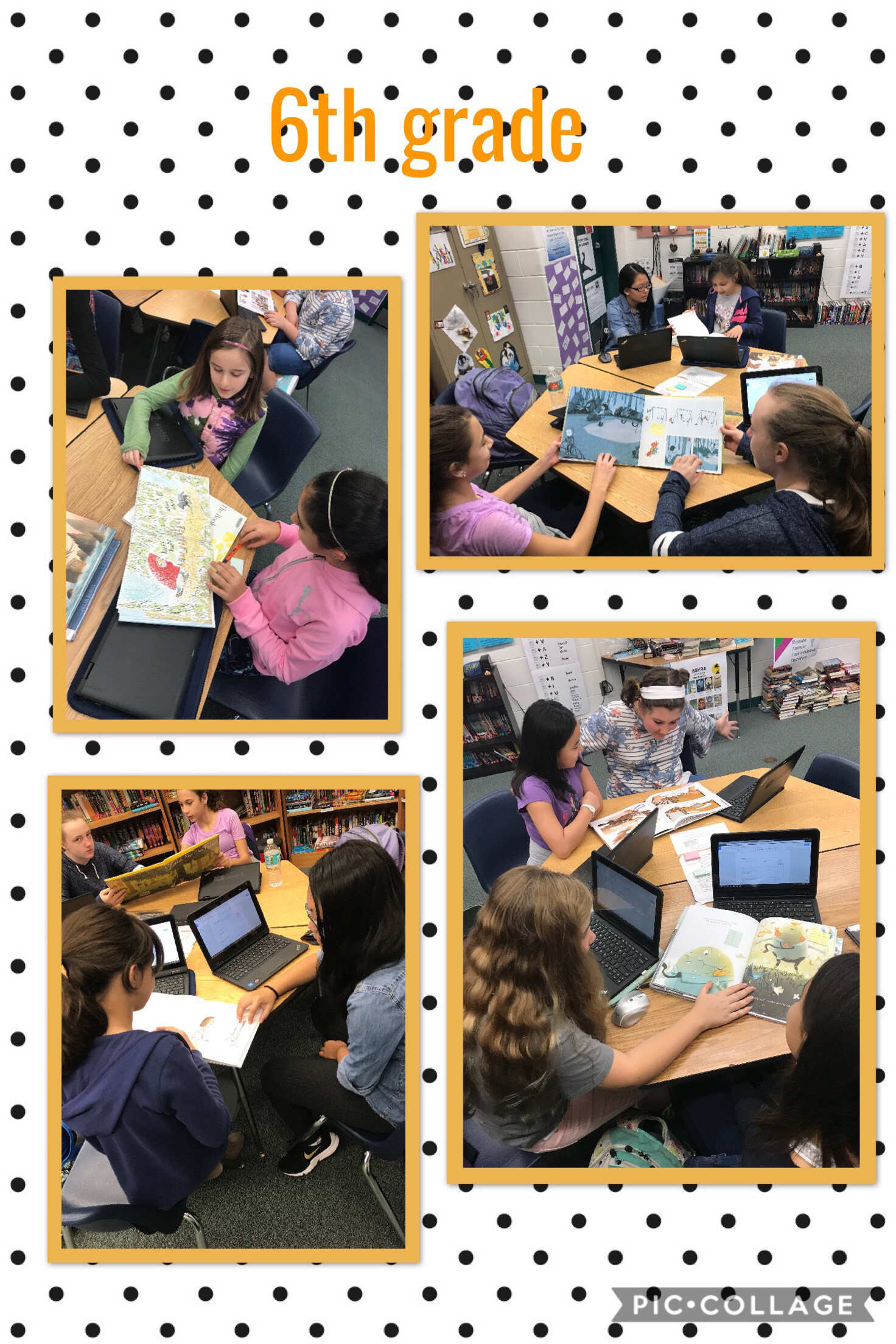
The next step was sharing books that already won or were honored for the Caldecott. We started with Beekle by Dan Santat as a whole class. Then, my students, in partners, got to browse a huge pile of Caldecott books, and I asked them to answer for each book: “Why did this book win over the others? How did it meet the Caldecott criteria?” I also had them rotate partners to make sure they were hearing different opinions and voices. Here are some examples of student answers:

Du Iz Tak? I think this book was honored over other picture books in the year it was published because the story is fun and in a made-up language which made us think about what they were talking about and try to translate it to English. She uses lots of space and colors. Some pages there are no words which make the pictures necessary to understand it. The medium she uses are gouache and ink.
Journey This book was honored over the others because the illustrations had such good creativity and were very unique. There was no writing, so you had to rely on the pictures to tell the story. The bird found the girl after she set him free, and led him to a friend. The story has a very good meaning, and a good purpose. It had a variety of contrasting colors, and showed the most important stuff in bright colors. It had a very powerful visual experience. It showed the plot, setting, and characters in illustrations. Her world was bland in the beginning, but after she came into the new world, everything explodes with color.
King Bidgood’s in the Bathtub I think that this book was honored because all of the illustrations in the book are very detailed and tell the story without words. If you were to remove the words from the book you would still know what was going because all the pictures are very detailed and have a lot of different colors on every page.
Where the Wild Things Are I think this book was honored by how realistic the illustrations are and for how fun the story is. I love the leading lines the illustrator uses how there are no words over the illustrations giving the book plenty of white space. All the spreads have plenty of  happy colors which for me makes the book very appropriate for kids.
Swimmy The book was drawn with watercolors. The illustrator was very meticulous and detailed when he was painting the pictures. It actually felt like some objects had a texture  that you could feel. It was very entertaining. Younger children would be fascinated with the drawings and would love the story. This was a great book in all aspects.
Interrupting Chicken I think this book was honored because it included other famous stories but with a plot twist. They included little red riding hood and she was on her way to go to her grandma when she met a stranger and the chicken said don’t talk to strangers. Then the story ended so fast. The style of the chicken’s drawing of his own story was like a child’s actual drawing. It was very kiddy and I liked that the story was kind of based off of what the dad was trying to do to the chicken. He kept telling him stories but he never fell asleep. Now the chicken told him a story about his dad not falling asleep but in real life the dad fell asleep before the story ended. The illustrations look like they are painted and the colors are very warm to make the room seem cozy.

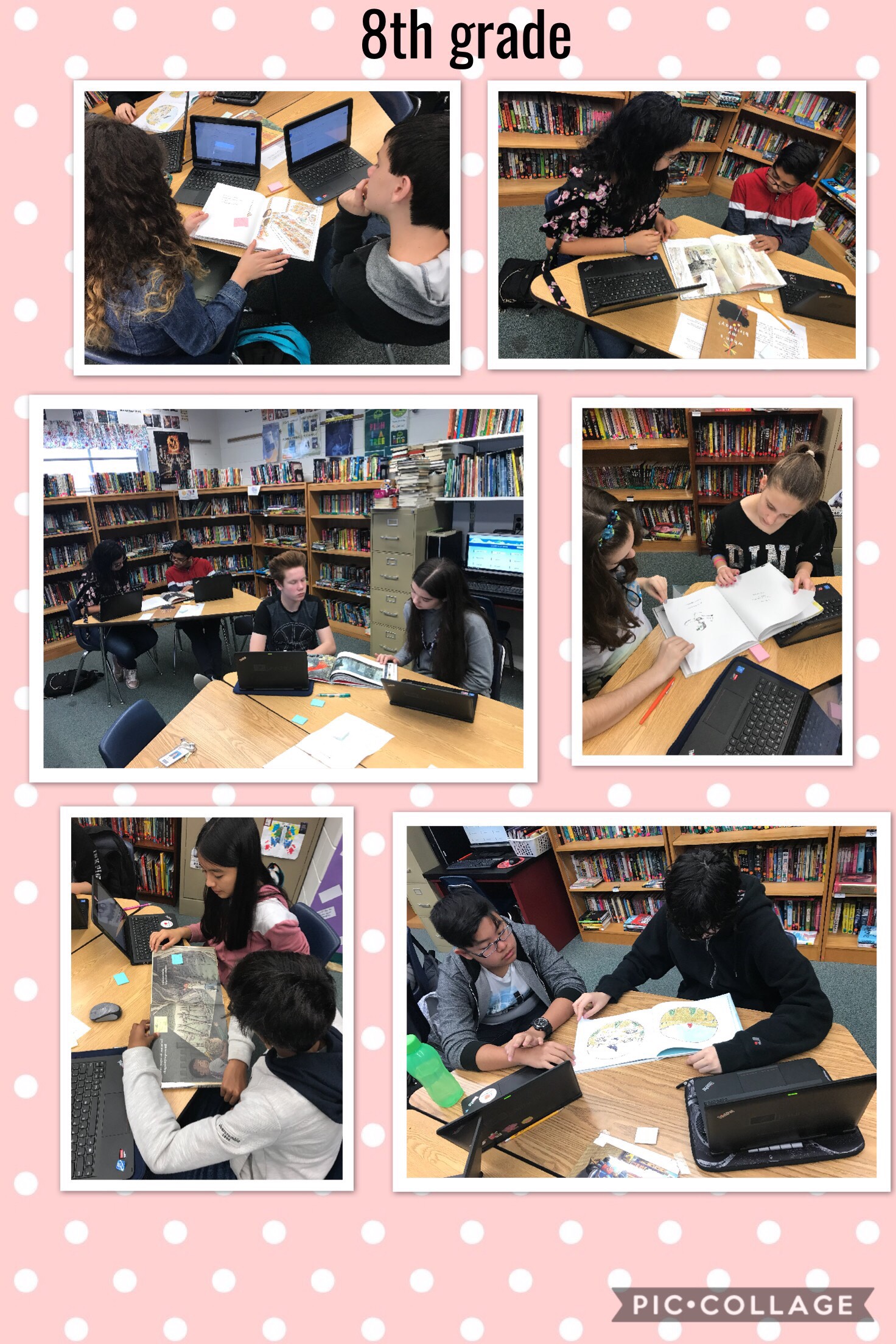
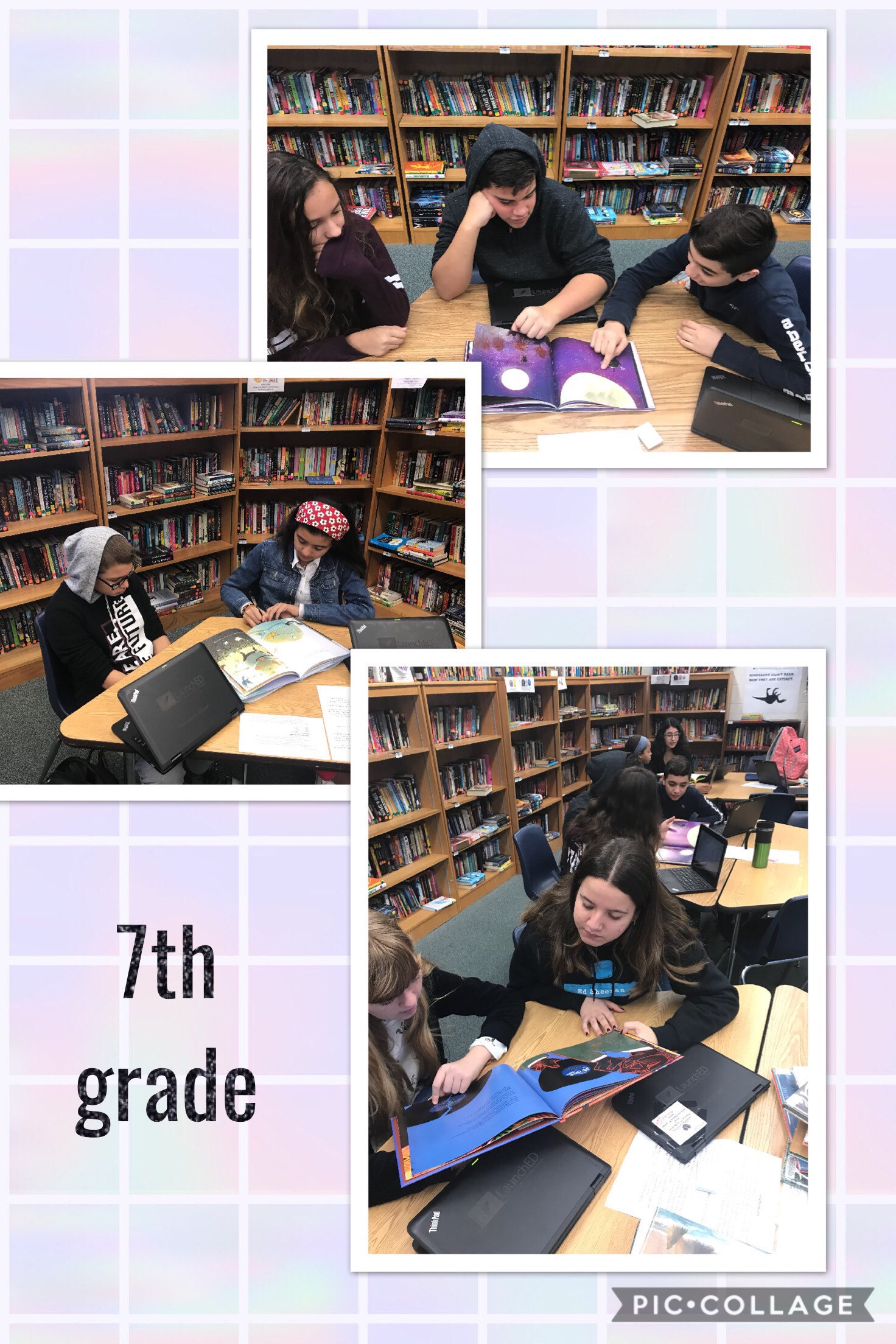
Now that they were experts on the criteria and saw example of winners/honors, it was time to jump into our Mock Caldecott titles. To evaluate these books, I had them look specifically at each part of the Caldecott Criteria, and they had to answer how the book fit or didn’t fit the criteria. I set up a pretty clear close reading process for them to follow:

  • First read: Just read the book and enjoy!
  • Second read: Focus on the illustrations. How do they meet Caldecott criteria? What does the author excel at? Use Post-Its to annotate your thoughts.
  • Third read: Focus on the narrative elements of the story. Use Post-Its to annotate your thoughts on how the illustrations enhanced the narrative.

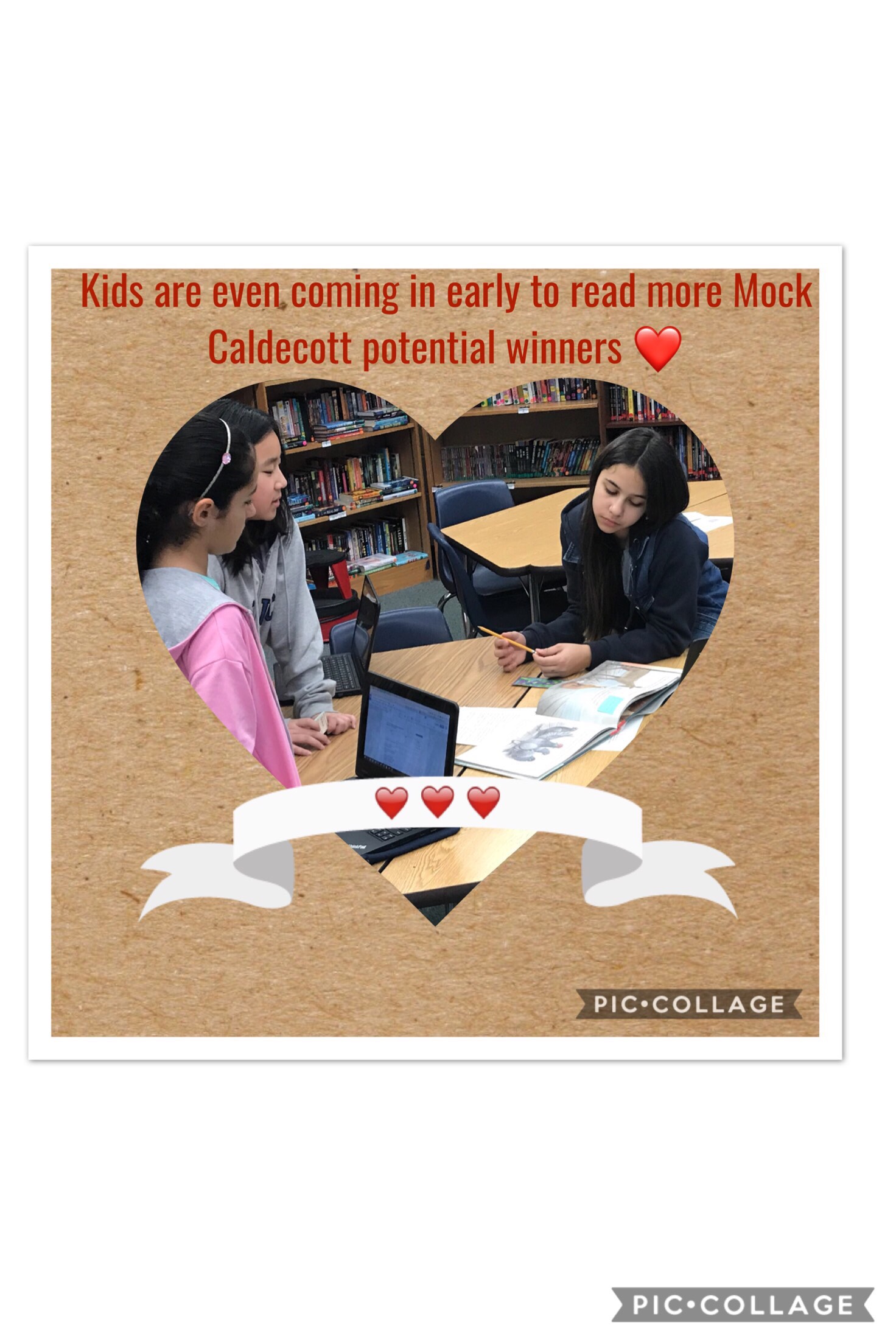
Students started in pairs again then we scaffolded off to working independently. I also had them leave the Post-Its in the books, so the students were seeing thoughts across classes. Students were asked to get to at least ten of the mock books. We did this for over a week to allow them time to read as many as they can and also time to evaluate properly.

At the end of the unit and the Thursday and Friday before the ALA Youth Media Awards, it was time to start making predictions. First, I had them rank the books they read from favorite for the Caldecott to least favorite. Using these predictions, I gave books numerical scores and figured out average scores. I also had students get together in groups of three to five to pick their collaborative four favorite books and awarded bonus points. With all of these scores, I was able determine the winners for each class as well as for all of my classes.

The last thing my students did before finding out who had won was complete a written response answering:

  • What book do you feel best met the Caldecott criteria thus you feel should win?
  • What criteria did it most meet?
  • Share evidence supporting your claims.
    • Use RATE: Restate, Answer, Textual Evidence, Explain/Elaborate!

Some student responses:

  • I think that The Book Of Mistakes should win because it does appeal to kids because it is very colorful, with much space so they can focus on what is important. The rest of the book is white except for the illustrations, which I think is easier for the kids to understand what is important. Also, the illustrator used a lot of artistic medium, with paint, pen, and other things, she made very good illustrations that connected with the story. They really made a visual experience, because if you just had the story, you would not know what was going on at all, and so you had to depend on the pictures to tell the story. I think that this book should win the Mock Caldecott award because I think that it deserves it with beautiful illustrations that have a good meaning and theme, and I think that they really appeal to kids, and so therefore should win the Mock Caldecott Award. The illustrations were very nice, and they tell the characters, and other narrative elements. There was a lot of line, space, colors and other things that made the illustrations very unique among other illustrations by other illustrators. The colors did change depending on many things, and the color choices were very good. I think that The Book Of Mistakes should win the Mock Caldecott Award.
  • I think After the Fall would win the Caldecott. The reasoning in this is because with the amount of detail put into the text more specifically the illustrations. The illustrations in the book show a big part of the story. It shows the sequence of events with the illustrations now that the egg falls then he lives a sad life without being able to climb due to his fear. You can see the emotion and detail with everything he does not like being grey or showing sadness. Then, in the end, he made an invention to be able to fly again a mini plane even with him having bandages and being injured after the fall. He tests it out and then it gets stuck on where he fell he decides to go up and with the pictures you could see how stressed out he was. Then at the end, you can see the light and feathers cracking showing that he is becoming a bird. But that’s not the first reference throughout the book it shows birds on every page giving reference to the end of it. Then you see him fly away into the sky after he hatches. That is why After the Fall will win the Caldecott.
  • The book Little Fox In The Forest is going to win because of its unique illustrations. These illustrations such as when the Little girl lives in a colorless world and brings her colorless fox to show and tell. When the little girl is swinging on the swing she finds the orange fox stealing her colorless stuffed fox . Now the little girl and her best friend is chasing the fox and follows the fox in the forest. Then all the sudden you start to see little experts of color, and then there was a very colorful magical forest. This book was such a good using of artistic medium and a very good visual experience this book definitely deserves to be on top.
  • I think Wolf in the Snow should win the mock Caldecott because of the detail in the illustrations. It has a story in the illustrations which is about a wolf cub and a girl who help each other out. The detail in the wolves and every picture is great, for example, the wolves breath due to the cold environment they are in. This book really appeals to kids because of the illustrations they are showing like when the wolf stares at the girl holding the wolf cub, and it creates a questioning of what will happen next. This book does not need words at all because you can already see the story from the illustrations. This means there is a great visual experience in the book.
  • The book that I think will win the Caldecott is Flashlight Night by Fred Koehler the illustrator of this book. I think this book will win because it tells the story with the imaginations of kids and uses lots of colors and is told amazingly. I think this book appeals to kids because it shows how you imaginations can take you anywhere. The art to make this book was very detail from one illustration to the next. The illustrations work amazing with the story because depending on what the illustration was the story would match up perfectly with it. This are some of the reasons why I think that Flashlight Night should win the Mock Caldecott this year.

Our Winners

The ALA Youth Media Awards

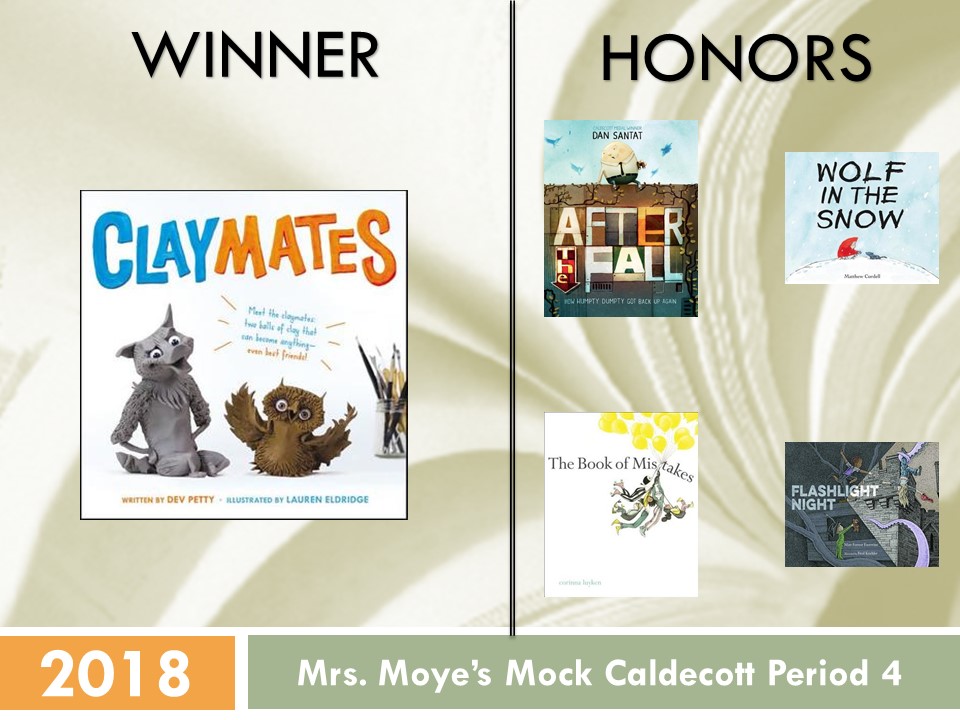
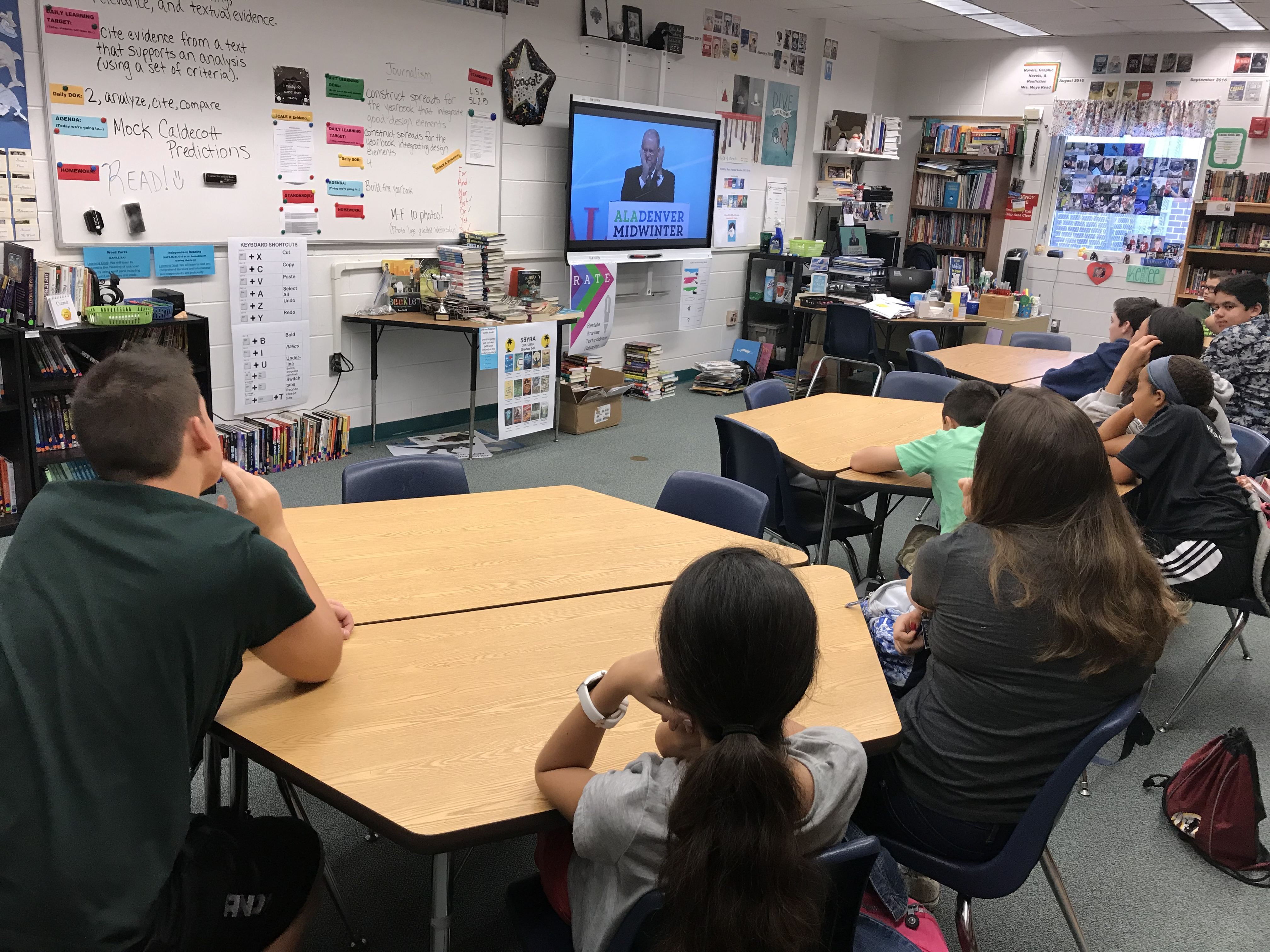
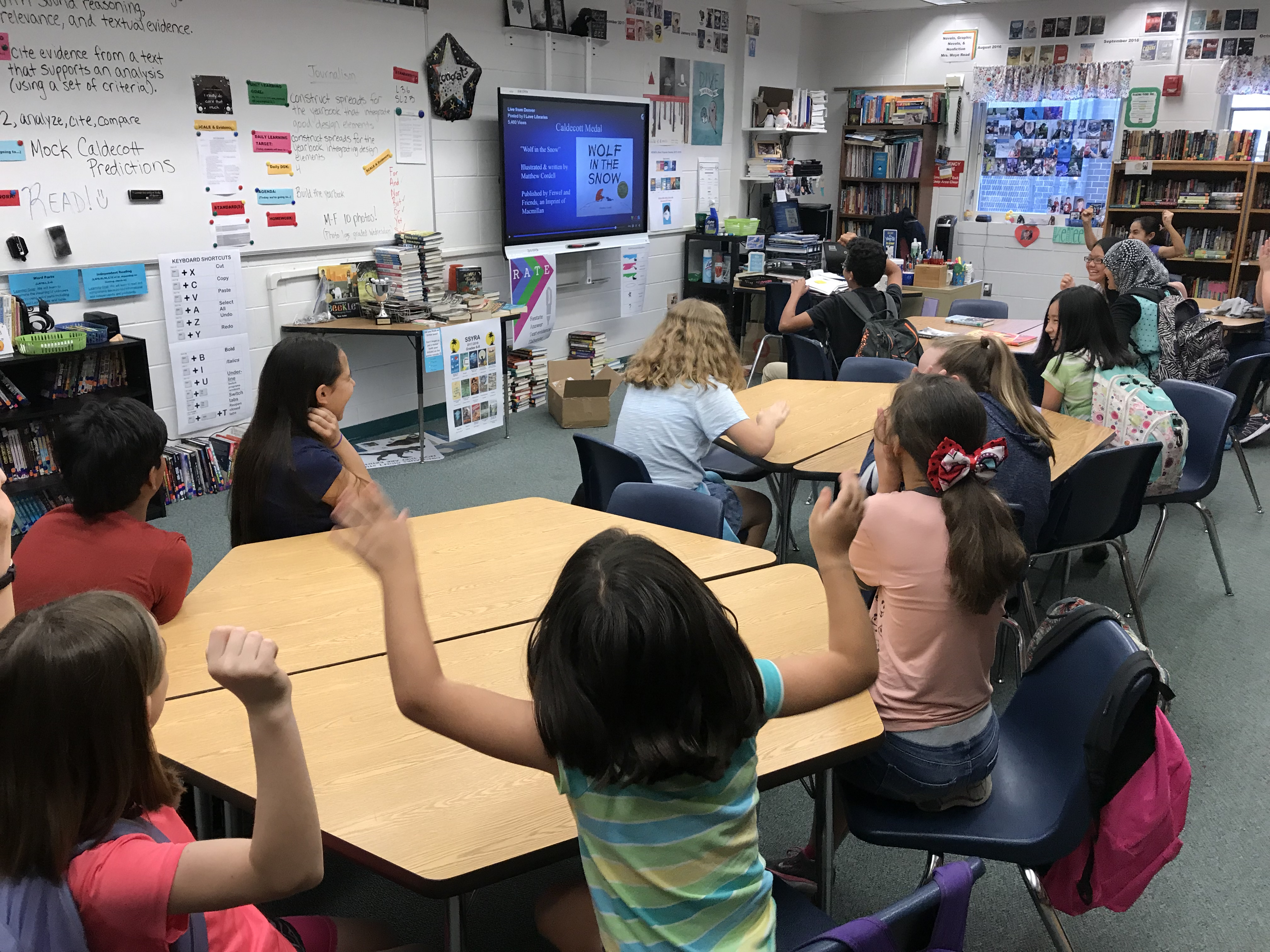
On Monday, February 12th, my classes watch the ALA Youth Media Awards either live or recorded, and it was so much fun to watch their reactions when they saw books they read or their disappointment when their favorites didn’t win. We were so excited to see Grand Canyon and Wolf in the Snow honored with the Caldecott, and the students who put them high on their prediction felt so validated. There were three Caldecott honor books that we hadn’t had in our pile, so we have them coming from the public library, and I promised them that we’d have a conversation on why those titles may have won over the ones that we chose.

This unit was one of my favorite lessons ever, and I was so impressed with my students and the quality of books! Thank you to everyone who helped me make this possible, and I hope that if you are reading this and never done a Mock Caldecott award that you now feel like you could because if I can, you can 🙂 

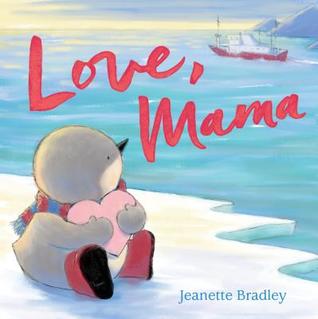
Love, Mama by Jeanette Bradley

Share

Love, Mama
Author and Illustrator: Jeanette Bradley
Published January 9th, 2018

Summary: With a heartwarming story and tender illustrations, Jeanette Bradley’s debut picture book Love, Mama is perfect for Valentine’s Day, Mother’s Day, and any day when a child needs a reminder of the strength of a mother’s love.

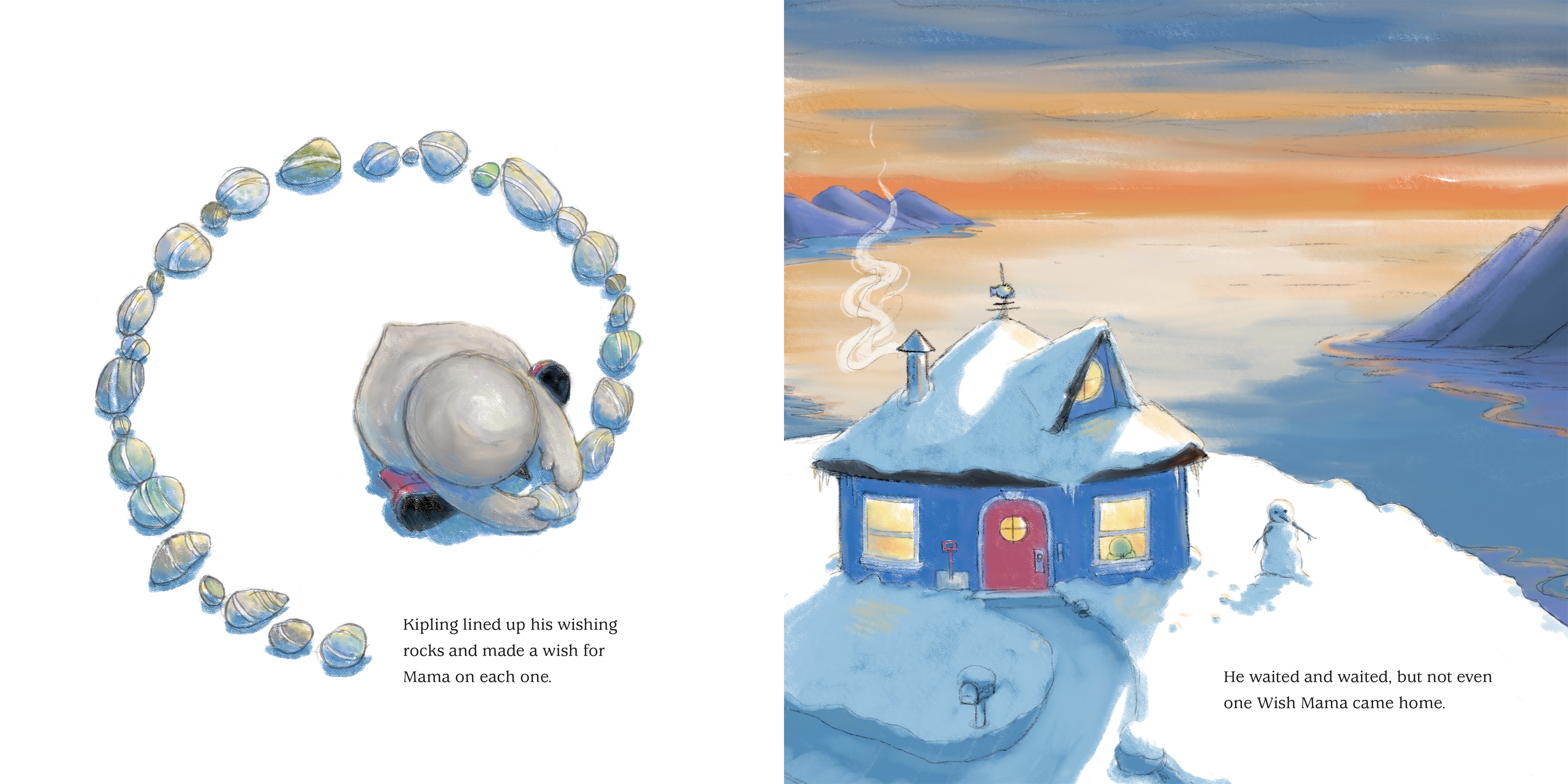
When Mama leaves her young penguin Kipling, he knows she’ll return home soon—yet he still can’t help but miss her. After all, Pillow Mama won’t read, Picture Mama won’t laugh, and Snow Mama is too cold to cuddle.

But then Kipling receives a special delivery from Mama, including a note that reads:

My love for you stretches across the wide ocean, 
through day and night, 
from earth to sky 
and back again.

And Kipling knows that no matter where Mama is, he is loved. Soon, Mama comes home, and Kipling ends the day where he belongs—right in her arms.

Ricki’s Review: This is a charming book that is perfect for Valentine’s Day week. I was thinking of Kipling today when I walked into my son’s school, and he said, “Why did it take you so long to get here?” I remember always feeling like I was waiting interminably long for my parents to get to school. It’s very tricky for kids to understand a sense of time. This book is a great conversation starter between parents and kids. It might be particularly good for kids who are living across multiple houses due do a divorce. The note that Mama writes does a beautiful job capturing a mother’s love. 

Kellee’s Review: I am such a sucker for penguin books! And a penguin book about a son’s love for his mama? Melted my heart! And I can see so many different times this book will come in handy to read to Trent including when I have to leave for longer than a day, when he asks how much I love him, or if he asks why I need to leave. The author complimented her sweet text so nicely with soft, detailed illustrations that help support the mood of the story. Trent and I have already read this more than once, and I know there will be more reads in the future. 

Discussion Questions: 

  • What does Kipling do while he waits for Mama? Does it help? What does he learn?
  • What personification do you see in Mama’s note to Kipling? Other figurative language?
  • What is the message of the story? What does Mama’s return teach Kipling?
  • Have you ever waited for someone you love? What did that feel like?
  • Who do you think the other adult penguin in the book is?

Teachers’ Tools for Navigation: Teachers might ask students to write their own metaphor letters to family members to describe their love. This would be a great activity that teaches figurative language and also allows students to show their families their appreciation. Alternatively, teachers might ask students to compare and contrast the things that Kipling does to try to recreate Mama while she is gone. Then, they might think of other things that Kipling might do while he waits for Mama.

Flagged Passage:

Read This If You Love: Llama Llama Misses Mama by Anna Dewdney, The Kissing Hand by Audrey Penn, And Tango Makes Three by Justin Richardson and Peter Parnell, Love by Matt de la Peña, Forever by Emma Dodd, If I Were a Penguin by Anne Wilkinson,

Recommended For: 

andSignature

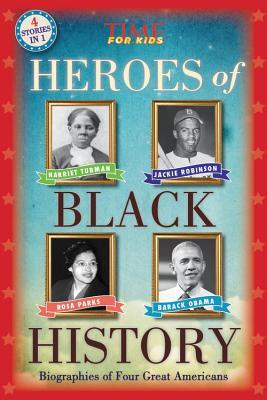
Heroes of Black History: Biographies of Four Great Americans by the Editors of Time for Kids

Share

Heroes of Black History: Biographies of Four Great Americans
Author: The Editors of Times for Kids
Introduction by Charlayne Hunter-Gault
Published December 19th, 2017 by Times for Kids

Blog Tour Week 4’s Feature American:
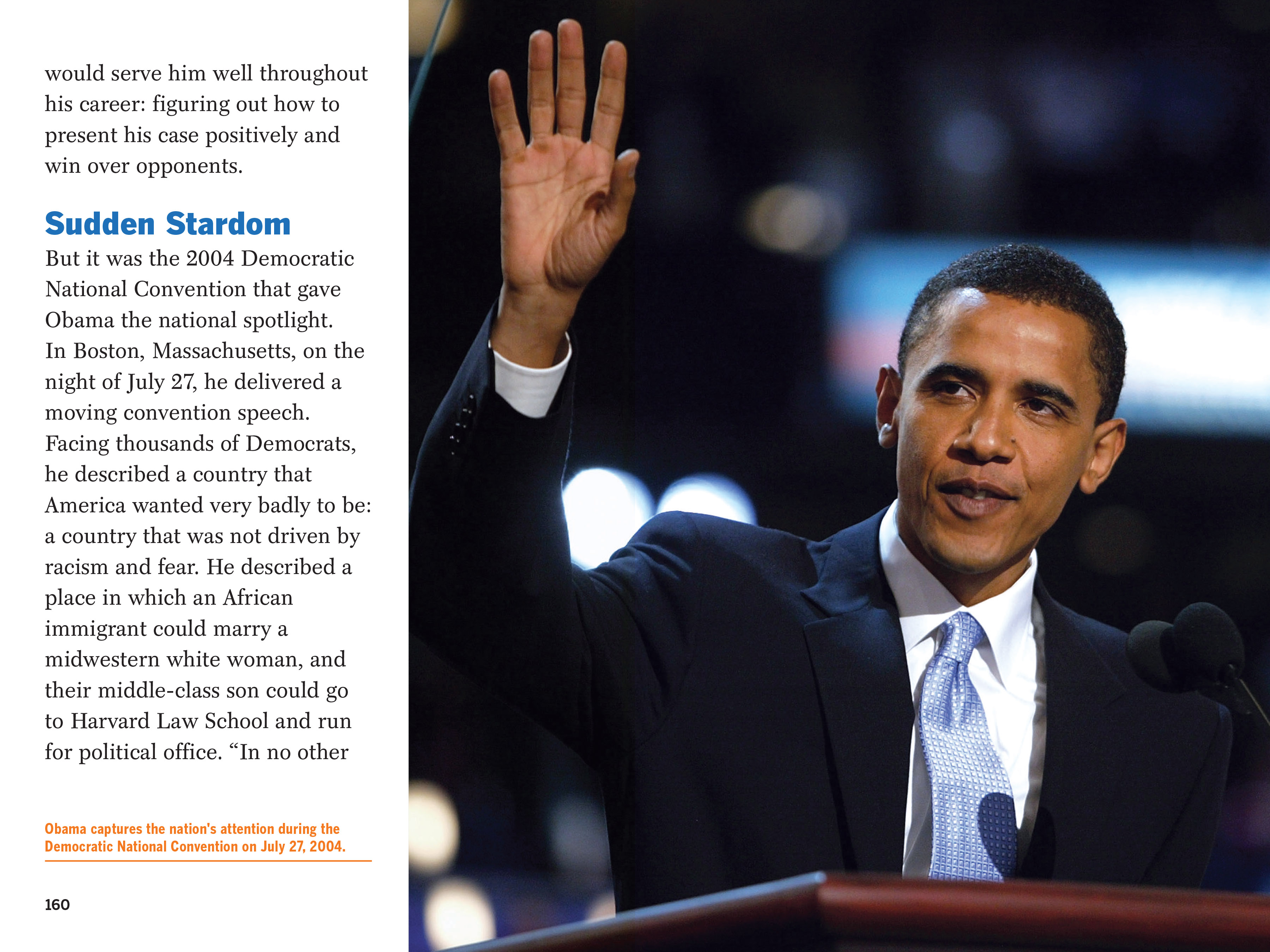
Barack Obama

Summary: TIME for Kids Heroes of Black History presents the stories of four great American heroes every child should know about in one volume: Harriet Tubman, Jackie Robinson, Rosa Parks, and Barack Obama. Featuring an introduction by journalist and civil rights activist Charlayne Hunter-Gault, Heroes of Black History shines a light on the long fight for social justice in the United States as it highlights the accomplishments and personal histories of these four pivotal Americans.

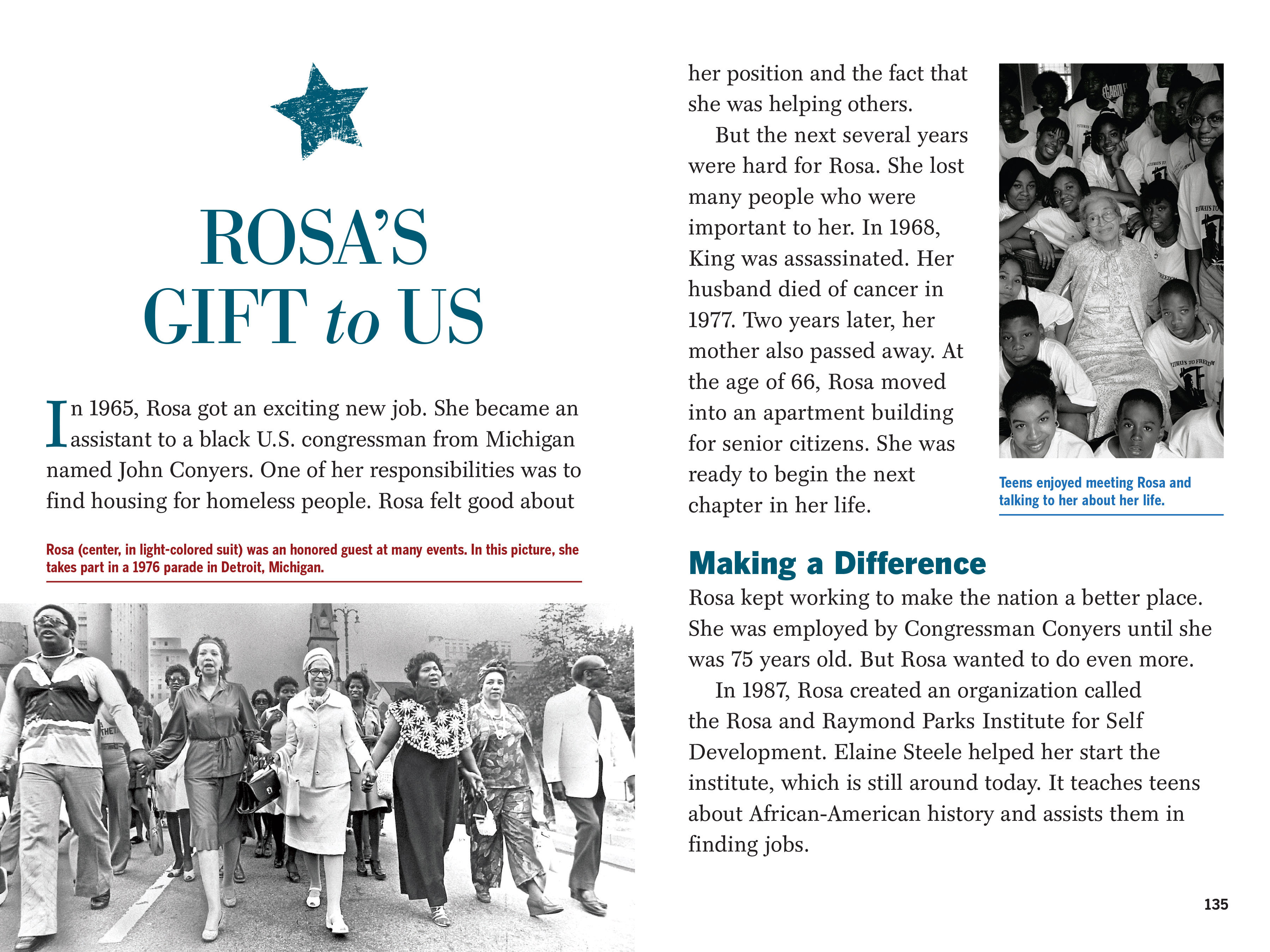
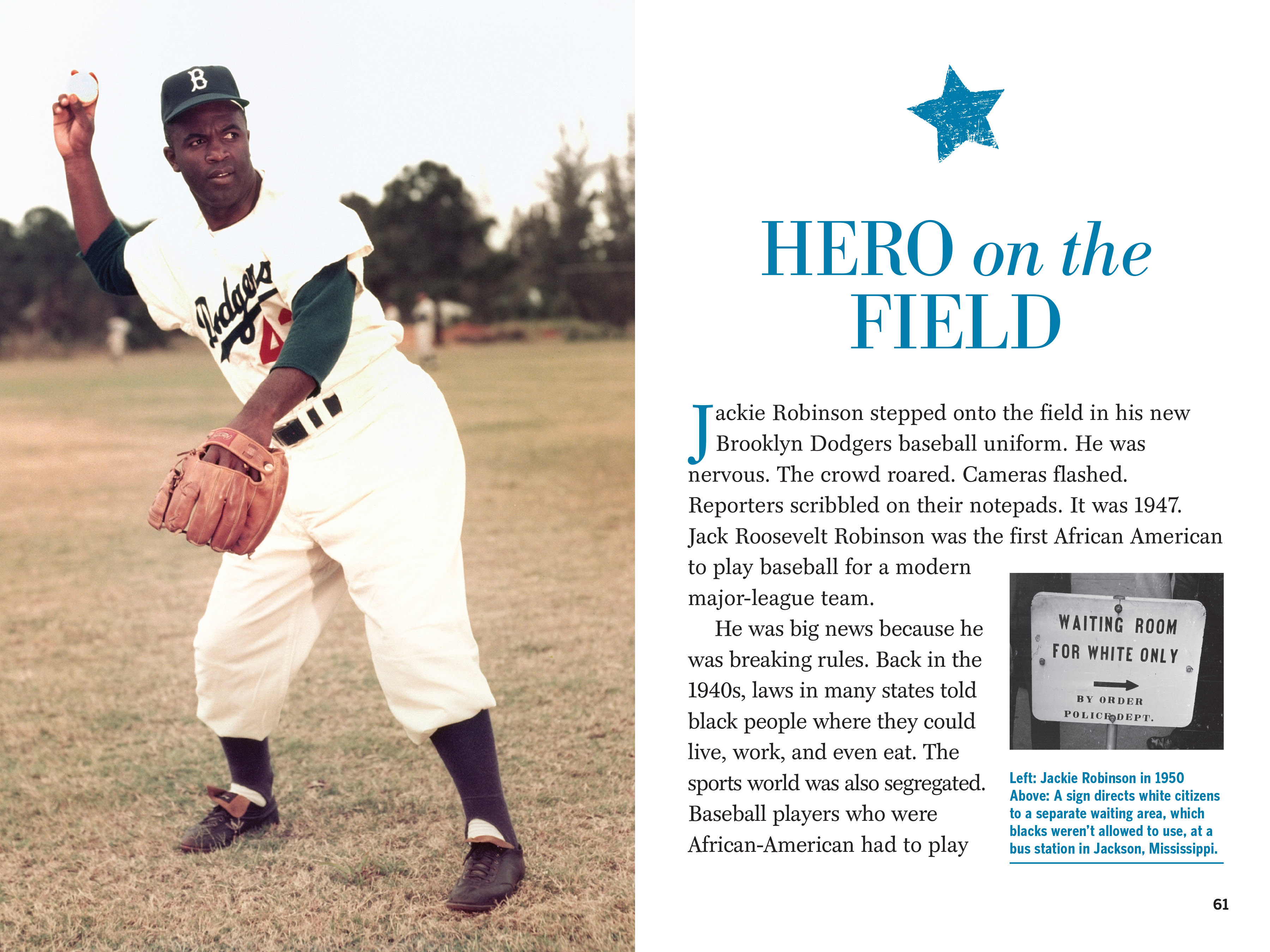
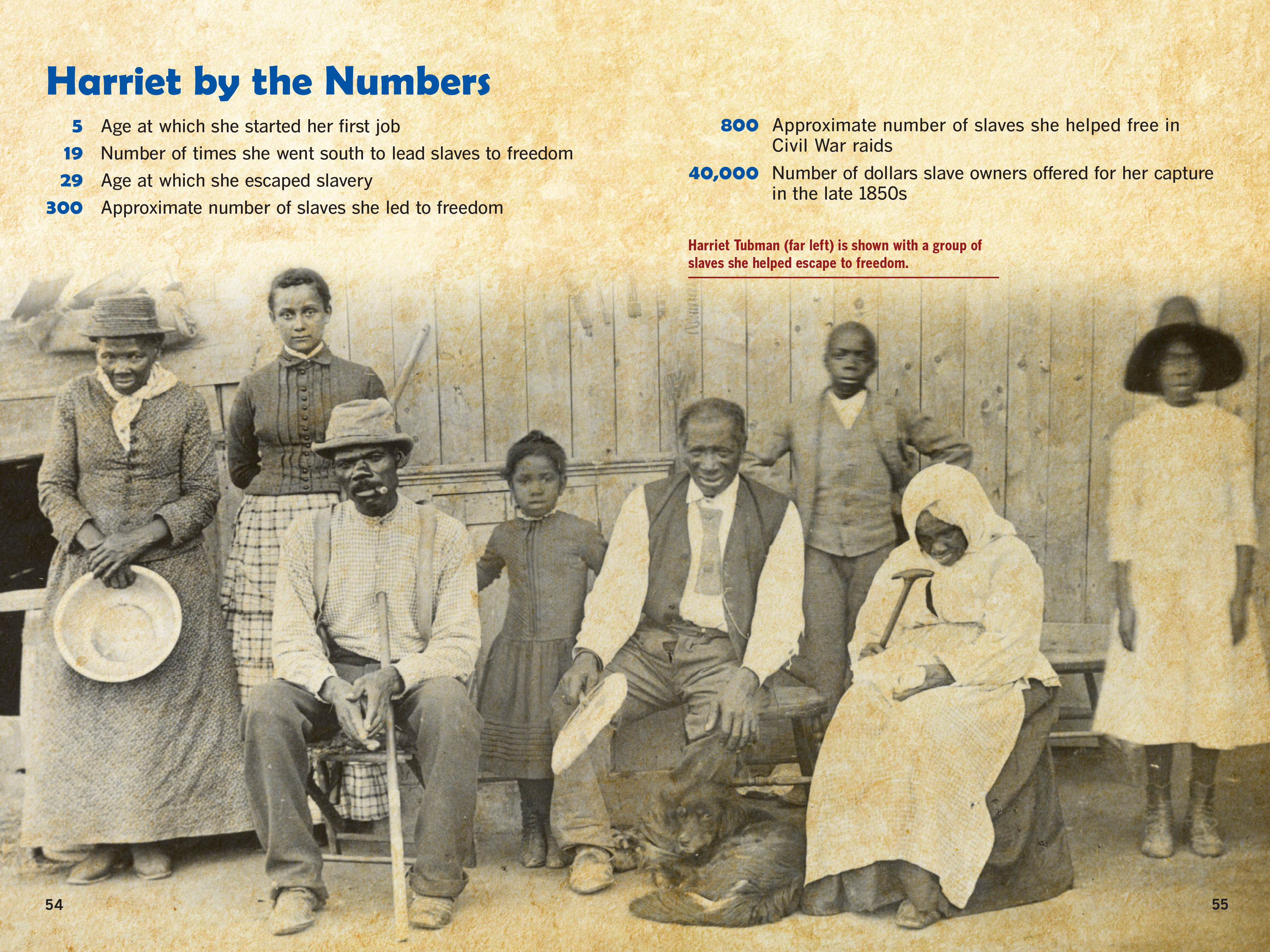
Young readers learn about the life of Harriet Tubman—born a slave around 1820, she escaped to the North, but returned to the South nineteen times as a conductor on the Underground Railroad to lead 300 slaves to freedom. An incredibly gifted athlete, Jackie Robinson endured taunts, slurs, and death threats when he broke the color barrier in Major League Baseball in 1947. Rosa Parks refused to give up her seat to a white man on an Alabama bus in 1955 and paved the way for a Supreme Court decision that declared segregation on Alabama’s public buses was unconstitutional. On January 20, 2009, Barack Obama took the oath of office as our country’s first African American president. 

Illustrated with a dynamic mix of photographs and illustrations, the biographies of these Americans delve deeper than their accomplishments to reveal details on their childhoods, early experiences, schooling, family life, and more. Sidebars about related topics—Underground Railroad routes, sports firsts, the Harlem Renaissance, and more—give context and additional insights for young readers. Heroes of Black History also gives readers a timeline overview of three centuries of African American history, beginning with the slave trade, touching upon the formation of the NAACP, the civil rights movement, the March on Washington, and other pivotal events, up through the beginning of the Black Lives Matter movement. Brief profiles of more than twenty additional heroes of black history, a glossary of key terms, and a detailed index are also included in this comprehensive book.

ReviewWhen I was asked to take part in this blog tour, I knew right away that I wanted to be part of week 4 of the tour to focus on Barack Obama for a few reasons: 1) I need a reminder of modern heroism; 2) I’ve featured the other three Americans on Unleashing Readers before (Harriet Tubman, Jackie Robinson, Rosa Parks); 3) The Obamas, in my opinion, are the perfect couple to feature on a Valentine’s Day post.

Obama’s biography within this text reminded me that hard work, high ethics, kindness, love, and intelligence can lead to success and that being cutthroat or brutal are not the key features in heroes of mine. The biography, overall, was quite simple and focused on the main points of Obama’s life and presidency; however, it is a wonderful introduction to his life thus far and really ensures that readers understand how he got to where he is and how he changed history. It was so refreshing to read about a person that faced discrimination and resistance with such grace and resilience.

I also got to glimpse into the upbringing of Obama which I ended up knowing less about than I thought. I hadn’t realized he hardly knew his father nor that he lived in Indonesia for a while before returning to live with his grandparents in Hawaii. All of this lead to Michelle and him meeting while he was completing an internship–her stability appealed to him. And that was the beginning of a beautiful romance. And the beginning of a journey that neither of them probably saw coming.

The other sections in this text follow similar suits in that they are wonderful introductions of each historically significant American.

Teachers’ Tools for Navigation and Discussion Questions: This four-stories-in-one biography from Time has so many applicable uses in classrooms! The publisher created teaching guide shares discussion questions, topics for writing, a scavenger hunt, more heroes of Black history, activities for students for each biography, a cloze read book review, and fast facts for each hero.

The teaching guide can be accessed here.

Flagged Passages: 

Read This If You Love: Biographies, History

Recommended For: 

classroomlibrarybuttonsmall closereadinganalysisbuttonsmall 

Signature

**Thank you to Barbara at Blue Slip Media for hosting the blog tour and providing a copy for review!**