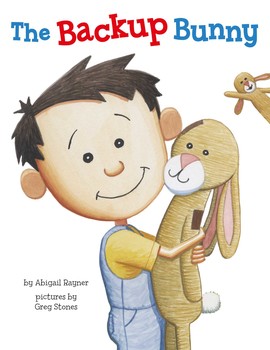
Blog Tour with Giveaway and Review!: The Backup Bunny by Abigail Rayner

Share

The Backup Bunny
Author: Abigail Rayner
Illustrator: Greg Stones
Published March 6th, 2018 by NorthSouth Books

Summary: Everybody needs a backup plan, especially when you lose your favorite toy.

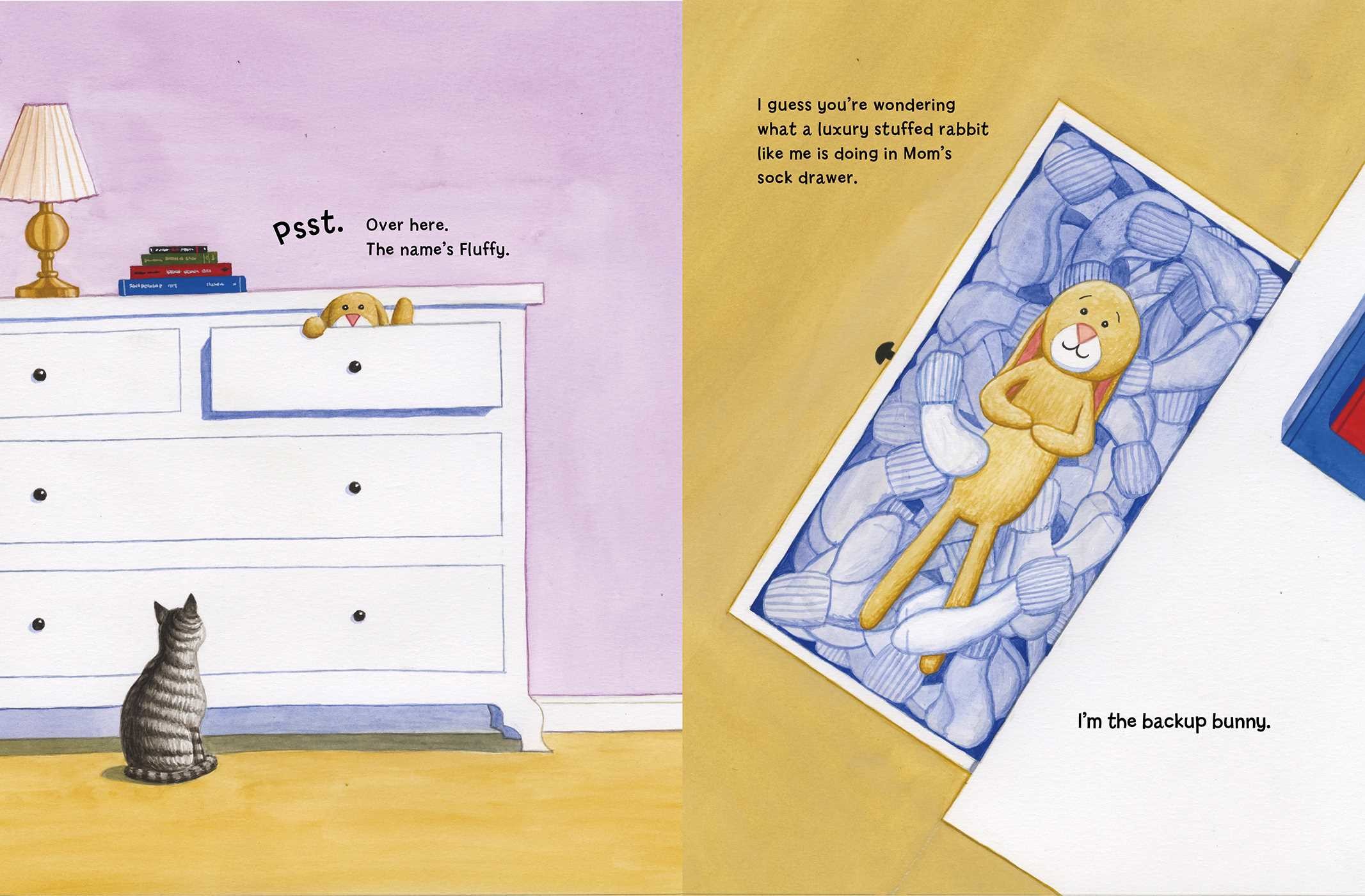
When Max loses his favorite toy—Bunny—his clever mom brings out the “backup bunny”—Fluffy—to save the day. Fluffy is thrilled to have the chance to play with Max, but is soon rejected by the observant child who notices that his ears are too new and perky. Can Fluffy find a way into his favorite boy’s heart?

The Backup Bunny will keep you laughing and inspire you to make room for another favorite story.

ReviewThis book truly made me laugh out loud because it made me think of so many stories! First, as a kid, I had LeeLee and Bean Baby who my mom both tried to get duplicates (Blue LeeLee and Talking Bean Baby) yet they never were equal to the originals. Then, as a sister, my sister had Banky and Huggy Bear who both had backups and were not replaceable. Finally, as a mom, Trent has a baby named Gus who, when I saw that Target was no longer going to carry them, I purchased 2 backup Guses, and when the original got super dirty, I decided it was time to try a backup. I said Gus was going to take a bath, and I brought back a new Gus. Trent hugged him but then looked at him in this super quizzical way and said, “Baby Gus has blue eyes?” And I freaked! I assured him that Gus has blue eyes, but then when we went to sleep, I checked the other Gus only to see that the original had brown eyes. That could have gone worse! Blue-eyed Gus is still going strong, but it almost backfired.

But back to the book. As you can tell from my reminiscing, this book is going to connect with everyone on so many different levels. The adult reader will remember their childhood and be nostalgic, the parent will think of their child and be filled with love, and the child reader will think of the toy that they love so much. And all of these feelings are accompanied by a fun-filled story about Fluffy trying so hard to be Bunny when really he just needs to be Fluffy to be loved.

Teachers’ Tools for Navigation: The Backup Bunny will have a wonderful place in early ed classrooms talking about their important lovies. Having students write about their lovie’s personality would be a perfect early ed creative writing prompt. Fluffy has such a distinct voice, and The Backup Bunny would be a wonderful way to start that conversation about voice and characterization with students both in reading and writing.

Discussion Questions: 

  • How are Fluffy and Bunny different?
  • How did the author give Fluffy a personality that was distinct?
  • Do you have a lovie that is special to you? Tell us about them.
  • In what ways did Fluffy try to be like Bunny? Did it work?
  • What type of socks does Fluffy live with? What does this tell you about that drawer?

Flagged Passages: 

Read This If You Love: Don’t Forget Dexter by Lindsay Ward, Toy StoryCaring for Your Lion by Tammi Sauer

Recommended For: 

Giveaway!: 

Signature

Dr. E’s Super Stellar Solar System by Bethany Ehlmann with Jennifer Swanson

Share

Dr. E’s Super Stellar Solar System
Authors: Bethany Ehlmann with Jennifer Swanson
Published January 16, 2018 by National Geographic Children’s Books

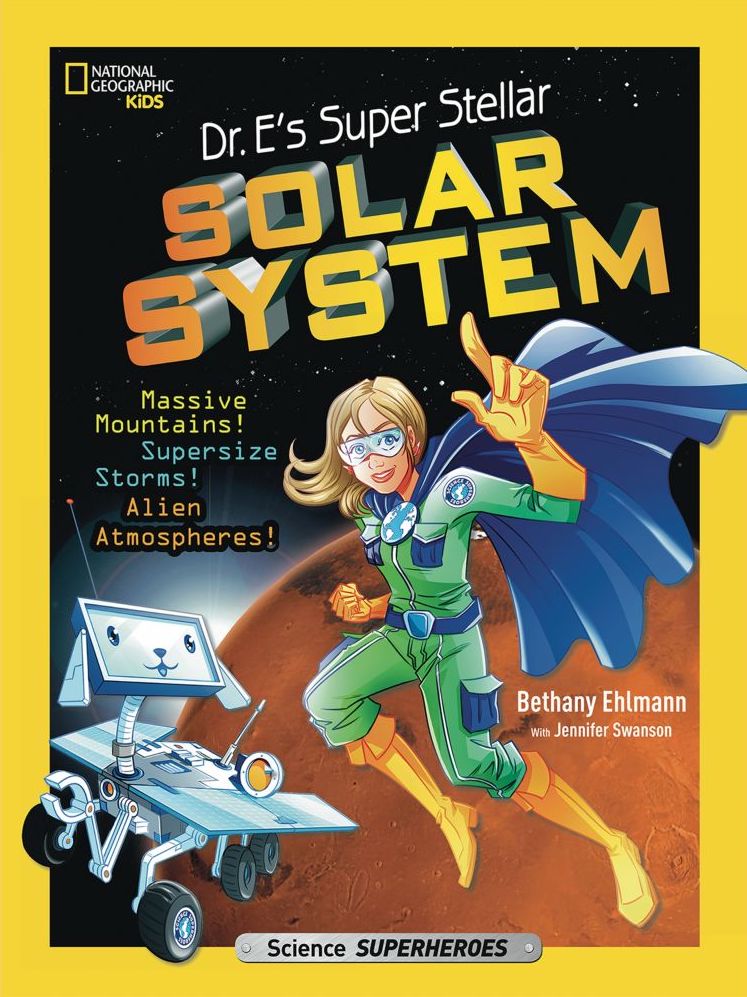
Goodreads Summary: Take to the skies with Planetary Geologist Dr. E and her robot sidekick, Rover, to explore the solar system’s wildest, most astronomical geology–with comic book flair! This stellar book introduces kids to outer space through in-depth info and comic book adventure. Along the way, kids follow explorer Bethany Ehlmann, a member of the NASA Mars Rover Curiosity mission, and her lovable robo-dog, Rover, as they study and protect our amazing solar system. Dr. E’s conversational and funny explanations of the solar system and planetary geology will pull kids in like gravity. The pairing of fun, graphic novel side stories with science facts makes big concepts accessible and interesting to boys and girls of all levels, from STEM science fans to reluctant readers alike.

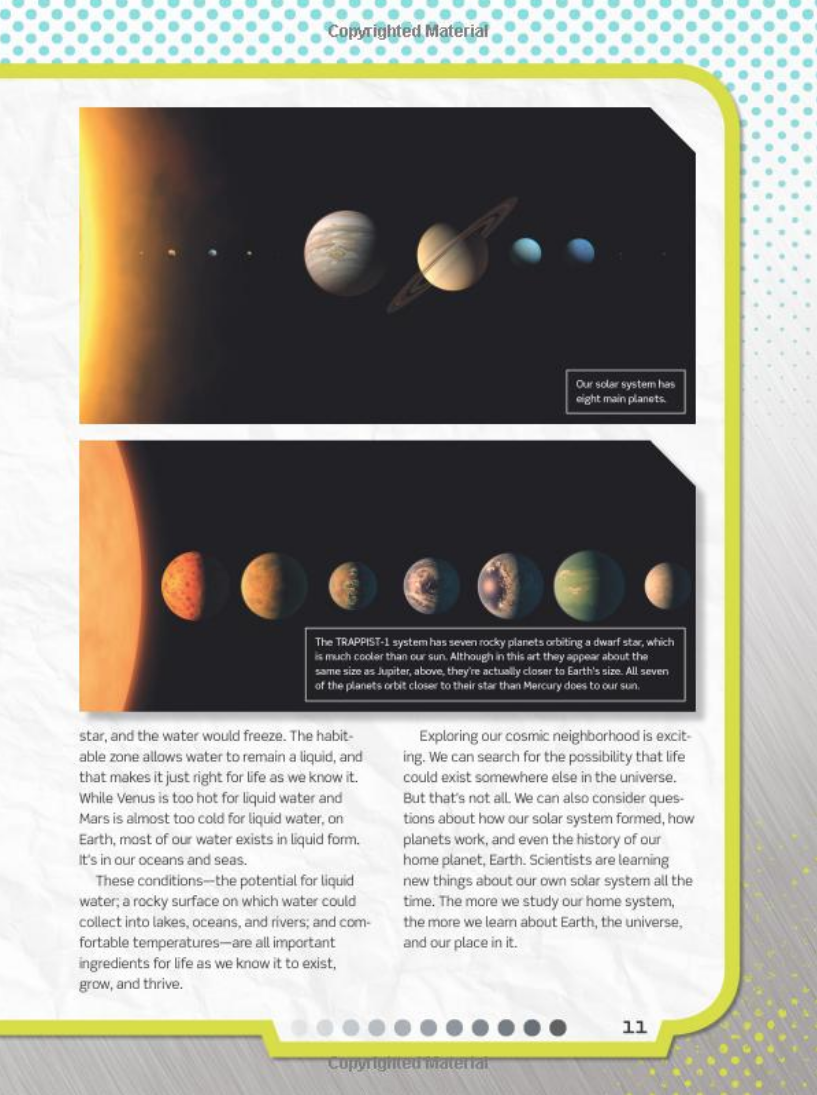
Review: This book is wild. I learned so much while reading it. I thought I knew a lot about space, but this book made me realize how much I didn’t know about it. My son is much too young for this book, but he loved looking at the pictures while I summarized the text on the pages. There are some fantastic photographs, and there are also digital representations of what things might look like. Most exciting, this book filled me with wonder. There are so many possibilities with space, and I am really excited about new discoveries and new information that will come in my lifetime and beyond. This is a must-read for space lovers and those who are curious about the world. I particularly appreciated the comics at the front of each chapter. They allowed me to better engage with the material that followed. Dr. E made me want to learn even more about space!

Teachers’ Tools for Navigation: I’d love to see this book used in literature circles. The National Geographic books are phenomenal, so teachers might collect books on various topics and allow students to form groups based on interest.

Discussion Questions: After reading about _____, what did you learn?; What do you still want to learn about space?

We Flagged: 

Image from Amazon.

Read This If You Loved: Any nonfiction book about space, for background knowledge when reading science fiction that takes place in space (e.g. Space Encyclopedia)

Recommended For: 

classroomlibrarybuttonsmall closereadinganalysisbuttonsmall

**Thank you to Karen at Media Masters Publicity for providing a copy for review**

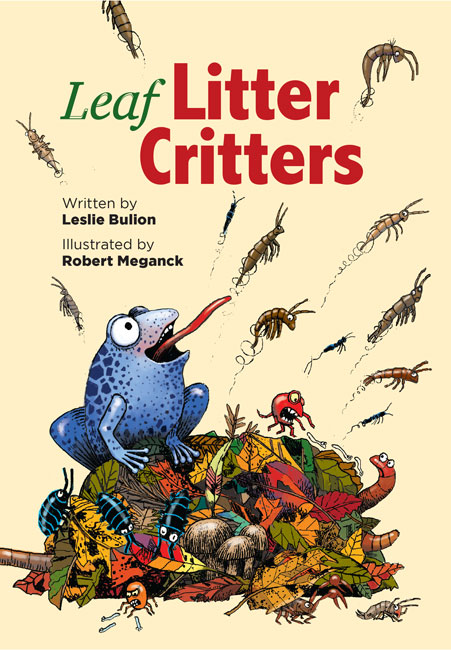
Leaf Litter Critters by Leslie Bulion

Share

Leaf Litter Critters
Author: Leslie Bulion
Illustrator: Robert Meganck
Published March 8th, 2018 by Peachtree Publishers

Summary: Have fun on this poetic tour through the leaf litter layer and dig into the fascinating facts about the tiny critters who live there. Nineteen poems in a variety of verse forms with accompanying science notes take readers on a decomposer safari through the “brown food web,” from bacteria through tardigrades and on to rove beetle predators with other busy recyclers in-between. 

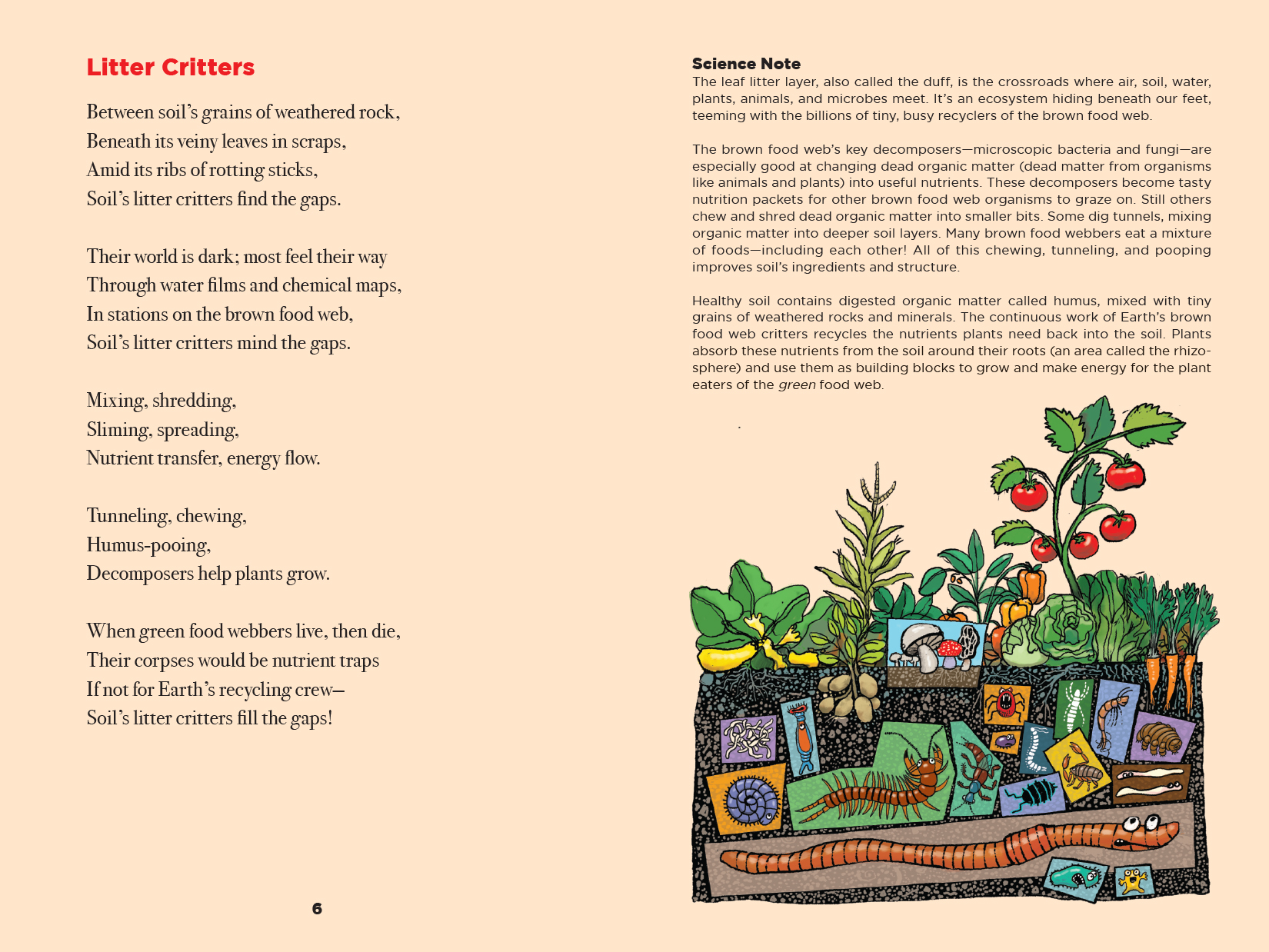
Zooming into the thin layer of decaying leaves, plant parts, and soil beneath our feet, Leaf Litter Critters digs into fascinating information about the world of decomposers–from the common earthworm to the amazing tardigarde.

Written in various poetic forms, acclaimed science poet and award-winning author Leslie Bulion combines intriguing scientific details with fun wordplay to create a collection of nonfiction verses amusing for all readers. Vibrant and entertaining artwork by distinguished illustrator Rober Meganck adds to the humor of each poem.

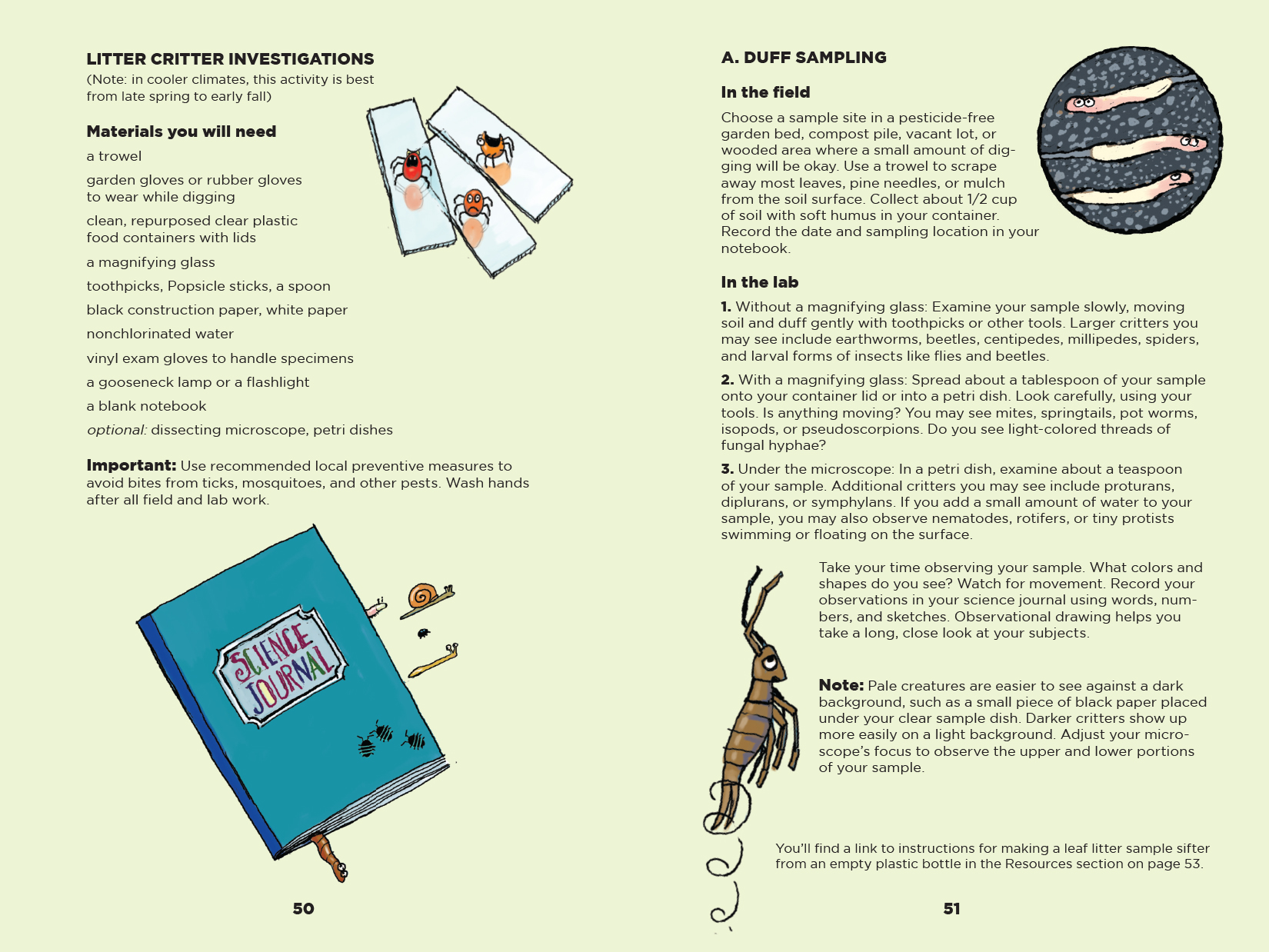
Perfect for cross curricular learning, Leaf Litter Critters has extensive back matter, including both science notes about each critter and poetry notes about each poetic form, as well as a glossary, hands-on activities, and additional resources for curious readers to further their investigations. It’s also a great read-aloud for Earth Day and beyond.

* “The poems are expertly crafted in a variety of forms (identified in the backmatter). The language is lively and the imagery appropriate. With alliteration, internal rhymes, and careful rhythm, these will be a delight to read aloud and learn…. Meganck’s engaging digital drawings give each creature pop-eyes and attitude…. A delightful, memorable introduction to an unsung ecosystem.” —Kirkus Reviews, STARRED REVIEW

“Bulion stuffs her poems with scientific detail and puts even more into accompanying “science notes.” Meganck’s cartoons strike sillier notes…balancing all of the information Bulion provides with hefty doses of fun.” —Publishers Weekly

Review & Teachers’ Tools for Navigation: I cannot wait to give this to my mentee who is a sixth grade science teacher who has a BS in biology–she is going to love this so much! And if I was an upper elementary teacher, I would love to use this text as a cross-curricular text during a poetry and biology unit. Not only did it teach me SO much about these amazing creatures that do weird and truly astonishing things, it goes through all the different types of poetry shared to ensure that the book isn’t just science nor poetry centered. I think the author did a beautiful job making sure that each spread had a wonderful poem and a deep science explanation just in case the poem doesn’t clarify anything. Additionally, the back matter includes investigative activities, a glossary, and more science information that would all be incredible assets to a classroom! I really cannot say enough how well the book is crafted for the purpose it was created for.

Discussion Questions: 

  • How is each creature in the leaf litter layer important?
  • How did the illustrator use a pin to help you see the size of each critter on pages 54-55?
  • Write your own poem about one of the creatures that you learned about using whatever poetic style you choose.
  • How did the science notes on each page assist you in understanding the creature that was shared on each spread?
  • Which of the poetic forms/styles did you enjoy the most? Why?

Flagged Passages: 

Read This If You Love: Biology, Poetry, Science

Recommended For: 

classroomlibrarybuttonsmall closereadinganalysisbuttonsmall

Signature

**Thank you to Elyse at Peachtree for providing a copy for review!!**

Teaching Tuesday: Teaching My Son to Read (by Ricki) Part I

Share

For a few reasons, Kellee and I have decided to break away from Top Ten Tuesday. Don’t worry—we aren’t done with lists! We’ve really enjoyed TTT, and we will miss it, but we are excited for a new Tuesday adventure that is much more aligned with our vision for this blog. We will rotate between individual and shared posts, but you can always guarantee that you will find something teaching-related, about education, about our students, or about books in reference to any of those things on Tuesdays.

“Teaching My Son to Read” (by Ricki)

The Pressure

While I think about classroom teaching every day, I also think a lot about teaching my older son how to read. There’s a lot of pressure to teach our kids to read before they enter kindergarten. I’ve heard it from my mom friends, and I’ve also heard it from random strangers in the grocery store. Everyone seems to have an opinion on when kids should learn to read.

A Child’s Love of Books

What do I value? I value my son’s love of books. I value the fact that today, during dinner, he asked me if I could read to him while he ate. I value that every night, he begs us to let him read just one more book. I value the mornings that I wake up to the sound of pages turning, and I click on the monitor to see him reading quietly in bed while he waits for everyone to wake up.

The Pressure

With this in mind, I have held myself back. I don’t want my son to dislike reading. I’d rather he learn to read after all of his peers if it means that he won’t lose his love of books. If there’s anything I’ve learned as a mom, it’s that I don’t know anything about parenting and am likely making the wrong choices most of the time. I am not sure if I should be doing more sooner or if I should wait for him to tell me that he wants to learn to read.

The Beginning Stages

As we’ve started to work on learning to read, I’ve tried to do several things purposefully. When he was young, we put Wheel of Fortune on the television in the background while he played. He learned all of his letters from this show. Thanks, Wheel of Fortune! When we were in the car or just playing, we sounded out letters. For example, “Look at the sky! What letter does ‘sky’ start with? What other words start with ‘s’?” This helped.

Phonics? Sight Words?

This felt natural, but the actual reading felt trickier. Kids like pictures, and they often prefer the adult to read to them because reading is hard. I also kept going back to my desire to maintain my son’s love of books. I don’t like teaching phonics very much, but then I wondered if I could truly teach my son to read using only sight words. I also began to wonder if we could find a happy medium between learning phonics and sight words.

My Son’s First Book

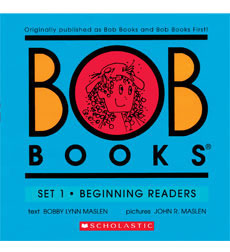
I came across the BOB Books. I was really, really hesitant to use them because they felt very phonics-y. Essentially, it’s a small square cardboard box that contains 16 or so very short books. Each book works on a different sound, and the picture matches the words exactly (allowing kids to use context clues). I overly prepped my son. To match my insecurities, I kept saying, “And if you don’t like the books, we won’t read them!” and “Let’s just see if we can practice reading. You are so smart!” Well, he loves them. Luckily, they are very short, so we can practice reading a little bit each day. He read an entire book with some support, and my heart was bursting with pride.

What’s Next?

I don’t know what’s next. I don’t know if tomorrow my son will hate the BOB Books and we will have to put them away for good. Luckily, there are so many great books out there that help support reading (e.g. Hop on Pop by Dr. Seuss). I teach secondary school reading courses, so this is a new, untraveled path for me. Some of the strategies are similar, but most are quite different. I welcome your advice! What have you learned about teaching kids to read? What can this unabashedly inexperienced mom learn about teaching reading to a four-year-old? Parenting is a humbling experience, but I’ve learned so much about the beginning stages of literacy!

RickiSig

It’s Monday! What Are You Reading? #IMWAYR 2/26/18

Share

IMWAYR 2015 logo

It’s Monday! What Are You Reading? From Picture Books to YA!

It’s Monday! What are you Reading? is a meme started by Sheila at Book Journeys and now hosted by Kathryn at The Book Date. It is a great way to recap what you read and/or reviewed the previous week and to plan out your reading and reviews for the upcoming week. It’s also a great chance to see what others are reading right now…you just might discover the next “must-read” book!

Kellee and Jen, of Teach Mentor Texts, decided to give It’s Monday! What Are You Reading? a kidlit focus. If you read and review books in children’s literature – picture books, chapter books, middle grade novels, young adult novels, anything in the world of kidlit – join us! We love this meme and think you will, too.

We encourage everyone who participates to support the blogging community by visiting at least three of the other book bloggers that link up and leave comments for them.

Bold_line

Last Week’s Posts

**Click on any picture/link to view the post**

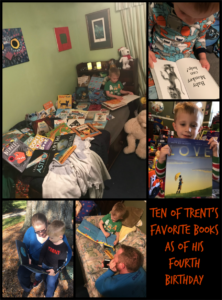
Tuesday: Ten of Trent’s Favorite Books as of His Fourth Birthday

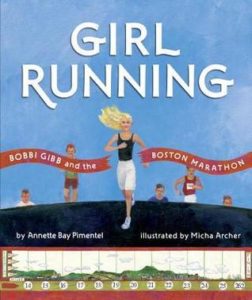
Wednesday: Girl Running: Bobbi Gibb and the Boston Marathon by Annette Bay Pimental

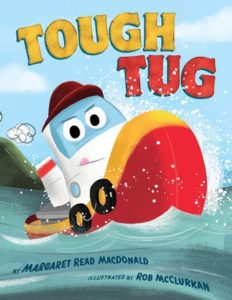
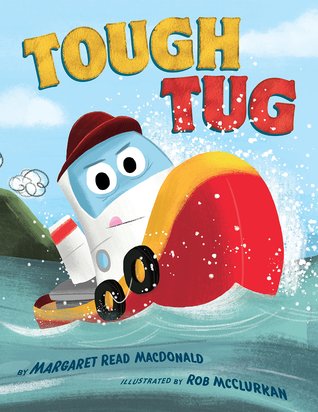
Thursday: Tough Tug by Margaret Read MacDonald

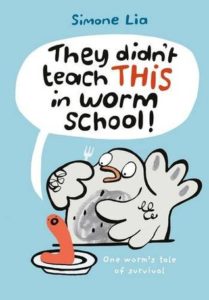
Friday: They Didn’t Teach THIS in Worm School by Simone Lia

Sunday: Author Guest Post!: “Let Me Tell You a Secret” by Barb Rosenstock, Author of many nonfiction texts including her newest, The Secret Kingdom

Bold_line

 Last Week’s Journeys

Kellee

I feel like Ricki and I are taking turns with IMWAYR–I’m taking a 3 day weekend from all, but I’ll be back next week! 🙂

 Ricki

I’ve returned! Thanks for your patience with me while I attended ALA Midwinter and hosted my sister for an extended weekend. I have many books to share, and I am likely forgetting several.

Picture Books

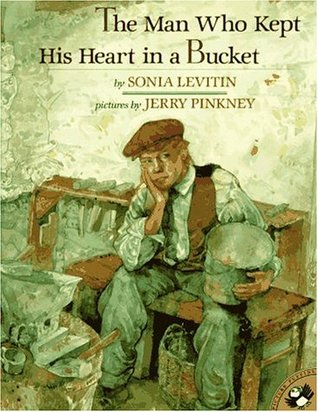
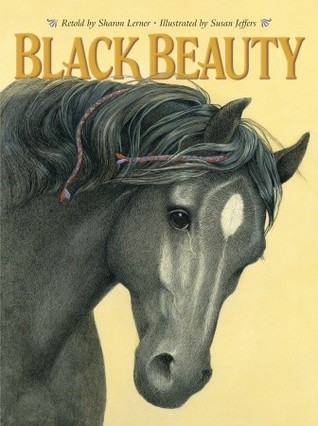
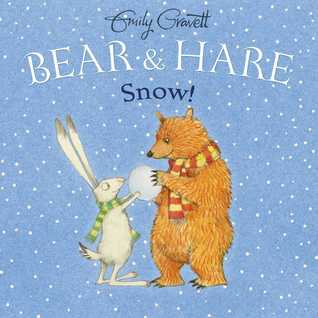
Tough Tug by Margaret Read MacDonald is a great book for kids who love boats. The Man Who Kept His Heart in a Bucket by Sonia Levitin is a strange but highly entertaining book that reminded me of an old Italian folk tale. Black Beauty by Sharon Lerner is absolutely lovely. My younger son loves horses, and we’ve read this one a few dozen times this week. Bear and Hare Snow by Emily Gravett is a simple story that is great for beginning readers.

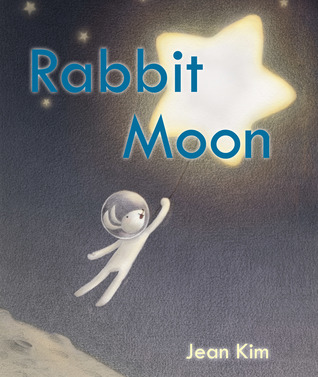
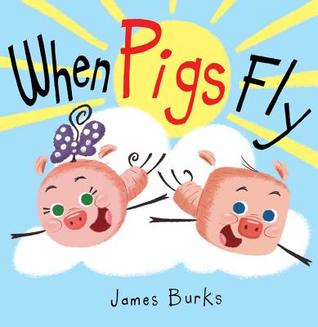
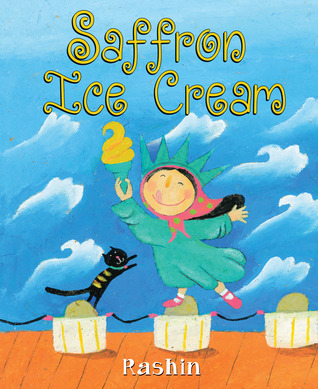
Rabbit Moon by Jean Kim has lovely illustrations. Truck Full of Ducks by Ross Burach is very funny, and my son loves it! When Pigs Fly by James Burks is coming out tomorrow. It is a delightful story that reminds kids to use their imaginations. Saffron Ice Cream by Rashin is fantastic. It’s about a young girl who comes from Iran to the United States. She is adjusting to her new life and realizing some parts of her new life will be very different, culturally. This one comes out in May.

Upper Elementary/Middle Grade 

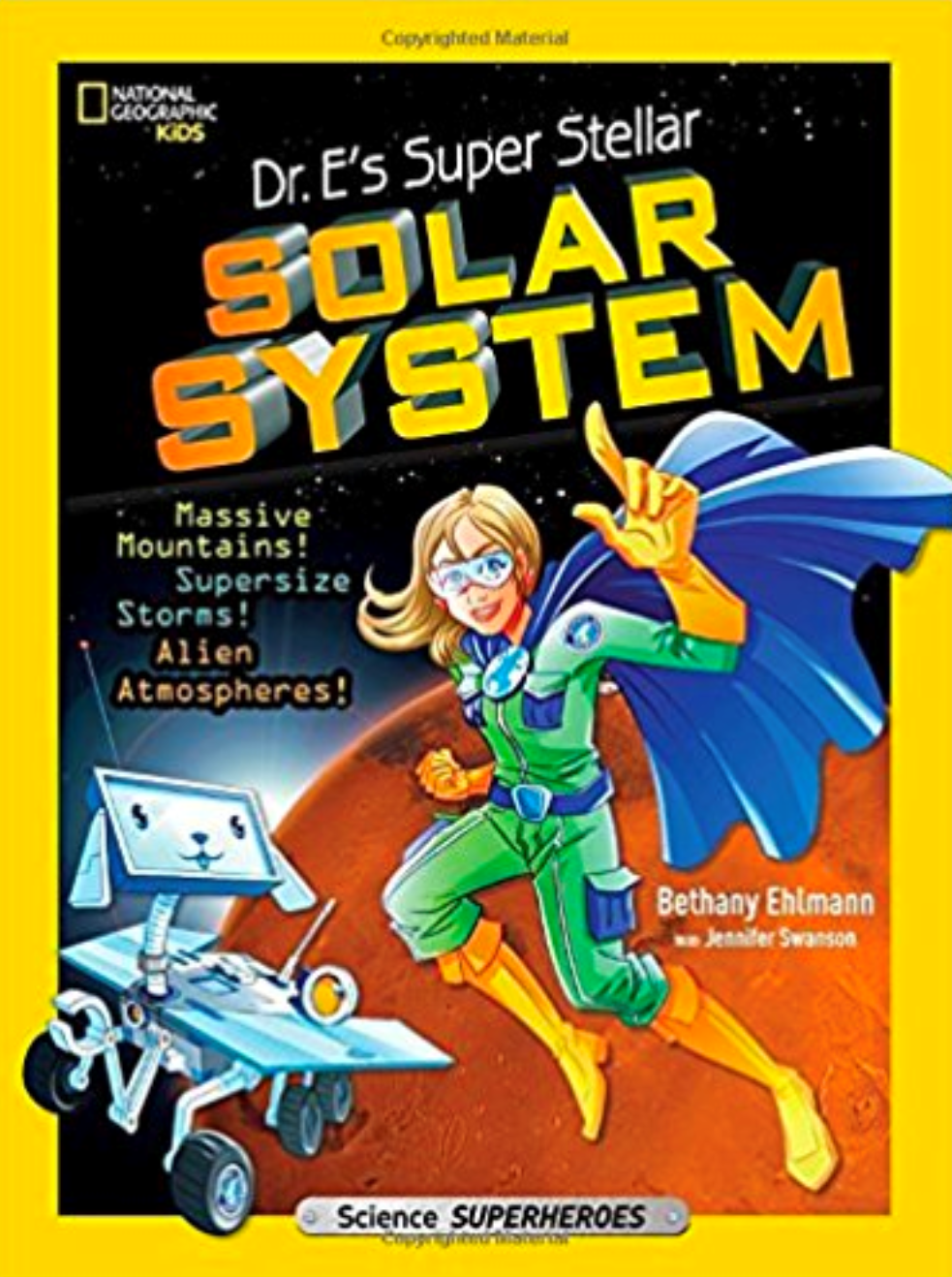
 Dr. E’s Super Stellar Solar System by Bethany Ehlmann with Jennifer Swanson is wild. I learned so much by reading this book. One thing I learned—I know so much less about space than I realized. My son is much too young for this book, but he loved looking at the pictures while I summarized what was on the pages. This text jam-packed with fascinating information and neat photographs.

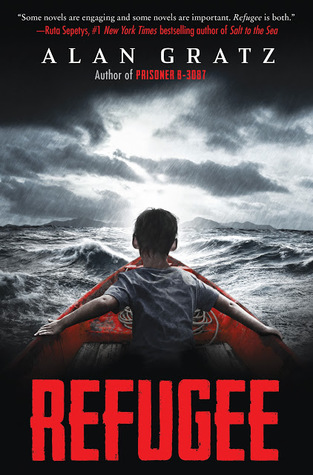
Refugee by Alan Gratz. I listened to this book. I cried and cried throughout the book. It is absolutely stunning. If you haven’t read this one, I recommend it highly. Whew.

Young Adult (Rereads)

I REREAD two of my favorite books to teach them in my Adolescents’ Literature class. Between Shades of Gray by Ruta Sepetys and Tree Girl by Ben Mikaelsen. Both are heartbreaking stories about the devastating effects of genocide and the endurance of two strong women.

Bold_line

This Week’s Expeditions
Ricki

I am reading If I Ever Get Out of Here by Eric Gansworth (among several other books). It’s very, very good, and I’ve enjoyed it. I am looking forward to reading his new book, and I felt like I needed to read this one first.

Bold_line

Upcoming Week’s Posts


Tuesday: Teaching My Son to Read (by Ricki)

Wednesday: Leaf Litter Critters by Leslie Bulion

Thursday: Dr. E’s Super Stellar Solar System by Bethany Ehlmann with Jennifer Swanson

Friday: Blog Tour!: The Backup Bunny by Abigail Rayner

Bold_line

 So, what are you reading?

Link up below and go check out what everyone else is reading. Please support other bloggers by viewing and commenting on at least 3 other blogs. If you tweet about your Monday post, tag the tweet with #IMWAYR!

 Signature andRickiSig

Author Guest Post!: “Let Me Tell You a Secret” by Barb Rosenstock, Author of many nonfiction texts including her newest, The Secret Kingdom

Share

“Let Me Tell You a Secret”

It’s almost always the kids’ first question, “Where do you get your ideas?”

At school visits, I say the typical author stuff: I keep a file of items that I find interesting (true.) I read a lot of books and take notes (true.) I’m a veteran eavesdropper and will ask anyone almost anything (super true.)

But recently, I realized that I’m not being completely honest. All these above techniques give kids (their teachers and librarians) the impression that “ideas” are purposeful. As in, “I think I’ll write a book, which idea will I use?”

That kind of thinking is exactly why I remember disliking the writing I had to do for school (honestly, I hated writing, so if you know a kid that hates it, maybe she’ll be an author!)  I hope things have changed, but I remember school writing as a series of prompts: Write about an adventure. How would your dog talk? What if you lived on the moon?

Though I was a natural blabbermouth, writing prompts paralyzed me.  As a third grader faced with blank paper and a “creative writing” prompt, my overwhelming thought was, “What if a girl has nothing to say?” Which gave me the idea (still in there, btw) that I was somehow “bad” at writing. Because I couldn’t create on cue, didn’t like fantasy, and couldn’t write about what I didn’t care about.

Maybe it’s idealistic, but I’d rather kids want to write, not have to write—you know, the way most of them really want to talk. Rather than making it seem like real writers wrack our brains and go over idea lists when a project is due, it’s time to let you in on a secret

My ideas, almost all of them, are accidents. I’m doing one thing and something else comes up. I’m reading one thing and something else is mentioned. Writing is following your mind wherever it goes. It’s noticing what’s around you. Kids (those who love writing and those who don’t) are great at noticing! Yet, writing ideas are sometimes presented as if they are foreign objects a kid has to sweat over and hunt out. It’s not true. For example, I tripped on the idea for my newest book doing something most kids love, surfing the internet.

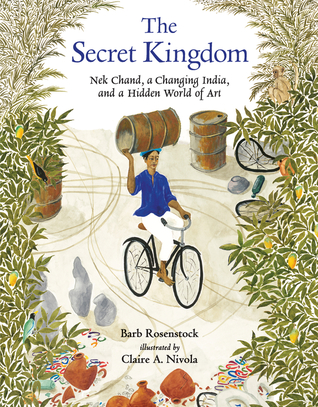
The Secret Kingdom, is the true story of an outsider artist in India named Nek Chand.  I had no “ideas” in a folder about Nek Chand, or his large art environment, the Rock Garden of Chandigarh. I knew nothing about outsider art. Instead, I was working on a draft of a Van Gogh picture book (now the book, Vincent Can’t Sleep) that was going nowhere. I was bored. I was frustrated. I spent hours on Twitter and FaceBook. Vincent was driving me crazy–I couldn’t come up with the right words to show how he loved being outside at night. I hated Van Gogh, and I hated writing. I sat in my office searching random things on my laptop, and accidentally googled something like, “artists working outside.”

Boom! There was a picture of a waterfall with oddly cool statues in front of it. What’s that? Wait! One guy made that? How? Out of recycled scraps? Where? In India? Vincent went into a file folder and I was off in search of the story that became The Secret Kingdom.

Every author works differently, but that’s how my books are born. They don’t come from lists of ideas, but instead from accidental encounters and questions. Books are born from what I don’t know. Books are born from, “Wow! Cool!” And since kids are the wow-est, cool-est people on the planet, hopefully we can all find ways to let their reading and writing reflect their passions.

One of the other common school visit questions (teacher prompted I’m sure) is, “How do you do your research?” Again, I usually answer, “in libraries, and traveling to the settings of my books.” For various books I’ve visited national parks, presidential homes and watched cars race on a beach.  When kids write though, schools typically can’t provide those kinds of experiences.  So, what do you do when you can’t visit?

I’d never really run into that situation before, but that was the case with The Secret Kingdom. Though I desperately wanted to travel to Chandigarh and see Nek Chand’s Rock Garden, a research trip to India was totally out of this picture book author’s budget.

How could I experience it instead? Look at every single photo, map and schematic of the Rock Garden I could find. Read every book or article ever written about Nek Chand or his artwork. Track down and talk by email to people around the world who knew Nek Chand, his work and had visited the place themselves. Discover that a small museum within driving distance had the largest collection of his work in the U.S. Contact the U.K. based foundation trying to support his legacy. Most importantly, ask people culturally familiar with the setting and Mr. Chand to read drafts and comment. The way Nek Chand picked up scraps of village life and built them into art is the way I collected people who helped tell his story. We became a community convinced that the story of one refugee who created a new home with his art was important for today’s children.

Here’s the secret about writing that I promise to share from now on. There isn’t a list. There isn’t a right way. Honor the way you think. Be open to what life throws at you. Surround yourself with people who care. Creating books or any other art is a lot like life, a series of lovely accidents.
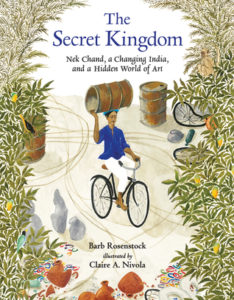
About The Secret Kingdom: Nek Chand, a Changing India, and a Hidden World of Art, by Barb Rosenstock, illustrated by Clarie A. Nivola:

After the partition of India in 1947, Nek Chand Saini settled in the city of Chandigarh, with nothing but stories brought from his homeland. Dismayed at his stark new surroundings, Nek began collecting river rocks, broken glass, and cracked water pots found on the roadside. He cleared a section of jungle and for seven years he stockpiled odds and ends. They were castoffs and rubbish to everyone else, but to Nek, they were treasures. He began to build a labyrinth of curving paths, mosaics, and repeating patterns: his very own tribute to the winding village of his youth, a hidden land of stories. Nek kept his kingdom secret for fifteen years, until a government crew stumbled upon it and sought to destroy it. But local fans agreed in awe: the Rock Garden had to be protected. Author Barb Rosenstock introduces readers to the outsider artist’s stunning creation, while Claire A. Nivola’s illustrations bring to life the land’s natural beauty and the surreal world Nek coaxed from his wild landscape.
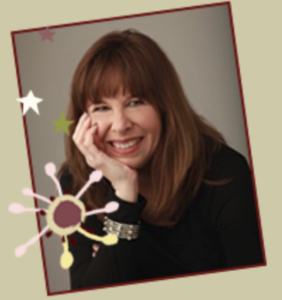
About Barb Rosenstock:

Barb Rosenstock is a children’s book author who loves true stories. Her work includes The Camping Trip That Changed America: Theodore Roosevelt, John Muir, and Our National Parks, illustrated by Mordicai Gerstein; The Noisy Paint Box: The Colors and Sounds of Kandinsky’s Abstract Art, illustrated by Mary GrandPré; and many others. Barb Rosenstock lives in Chicago.

Thank you to Barb for her amazing post showing us insight into author-dom!
If you haven’t read any of Barb’s amazing nonfiction picture books, you should get on that now! 🙂

**Thank you to Kathleen and Phoebe at Candlewick for connecting us with Barb!**

They Didn’t Teach THIS in Worm School by Simone Lia

Share

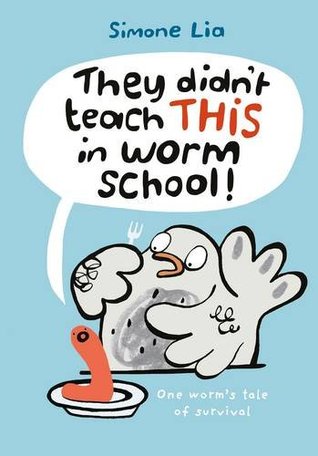
They Didn’t Teach THIS in Worm School!
Author: Simone Lia
Published February 13th, 2018 by Candlewick Press

Summary: A hungry chicken (who thinks he’s a flamingo) and a quick-thinking worm set off on a madcap adventure — and forge an unlikely friendship.

Marcus is a worm, and a bird named Laurence who looks very much like a chicken is about to eat him for breakfast. So what does Marcus do? He strikes up a conversation, of course! But even after talking his way out of being eaten, Marcus’s troubles are just beginning: soon he is clinging to Laurence’s neck as the designated navigator on an absurd journey to Kenya, where his feathered companion dreams of finding happiness with other flamingos like himself. Except Marcus can’t actually read a map, and this bird is clearly not a flamingo. Will Marcus be able to get them both to Africa — or even manage to survive the day? Filled with kid-friendly illustrations, this is a buddy comedy that will have readers wriggling with laughter.

ReviewOh man! What a voice this book has. Marcus and Laurence are just hilarious and part of what makes them so funny is the very evident voice that both characters have. Marcus is a rule follower and is trying to figure everything out. Laurence is confused and so full of goals and ambition that are just not realistic. And the two of them on an adventure are just ridiculous and really did make me laugh out loud.

Also, at a deeper level, Laurence is also teaching us about identity. He may not look like a flamingo, but he knows he is. That is all that matters.

Teachers’ Tools for Navigation: As I was reading, the very first thing I thought of was how perfect this book will be for our late elementary readers who love Bird and Squirrel or Narwhal and Jelly and want to try a non-graphic novel. It is still hilarious and illustrated yet may be a ladder up for these students. Also, with really short chapters and hilarity, it would be a wonderful read aloud as well.

Discussion Questions: 

  • How did Marcus’s decision to start a conversation with Laurence change the course of the plot? What could have happened?
  • There are other animal characters throughout the book. Why do you think the character includes them? What is their purpose? How do they advance the story?
  • How did Laurence and Marcus finally make it to Africa?
  • How was Laurence different than what Marcus originally assumed?

Flagged Passages: 

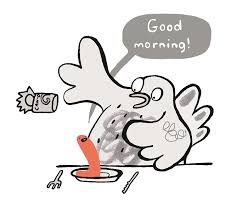
Then, I dreamed I fell out of a can into a cereal bowl. Staring at me was a scruffy, fat bird who looked a lot like a chicken. It was a really good dream until it got tothe bird part. The bird had intense and menacing eyes.

The worst things was that the last part of the dream wasn’t a dream at all. I really had been in a can, and there really was a big fat bird staring at me!

What would you do if you were a worm and there was a bird two inches away from your face, looking at you with hsi beak open so wide that you could see his tonsils.

Maybe you would do what I did. I smiled a big smile and said in my most cheerful voice,


Read This If You Love: Bird and Squirrel by James Burks, Narwhal by Ben Clanton

Recommended For: 

Signature

**Thank you Candlewick for providing a copy for review!**