Author Q&A, Education Resources, and Giveaway!: Honey: The Dog Who Saved Abe Lincoln by Shari Swanson, Illustrated by Chuck Groenink

Share

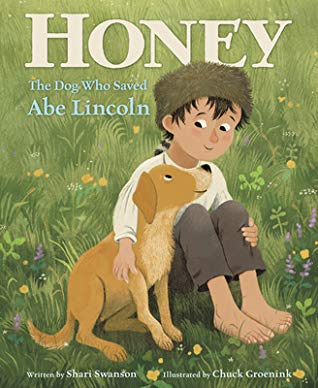
Honey: The Dog Who Saved Abe Lincoln
Author: Shari Swanson
Illustrator: Chuck Groenink
Published January 14th, 2020 by Katherine Tegen Books

Summary: Based on a little-known tale from Abraham Lincoln’s childhood, this charming picture book written by debut author Shari Swanson and illustrated by acclaimed artist Chuck Groenink tells a classic story of a boy, his dog, and a daring rescue.

Deeply researched and charmingly told, this is the true story of one extra-special childhood rescue—a dog named Honey.

Long before Abraham Lincoln led the nation or signed the Emancipation Proclamation, he was just a barefoot kid running around Knob Creek, Kentucky, setting animals free from traps and snatching frogs out of the jaws of snakes.

One day, young Abe found a stray dog with a broken leg and named him Honey. He had no idea that the scruffy pup would find his way into Abe’s heart, become his best friend, and—one fateful day—save his life.

About the Author: Shari Swanson is a debut author who has been a middle school language arts teacher as well as an appellate lawyer. She received her MFA in writing for children and young adults from Vermont College of Fine Arts, where she wrote her thesis on musicality in picture books. She lives in Southern California with her husband and their dog, Honey. To learn more, and to download a free curriculum guide and activity kit, visit her website: shariswanson.com.

Twitter: @ByShariSwanson
Facebook: Shari Swanson, Author

Author Q&A: Thank you to Shari for answering some questions for us and you!

Q: Why did you specifically choose this moment in Abe’s life to focus on? What did you hope to add to the Abe Lincoln narrative?

A: This story captivates me for several reasons. First, I love that we see Abe as a child—prone to distraction, earnest and loving, and with a deep compassion for animals. I feel it adds depth to our understanding of him as a man and makes him relatable to current children who might share these characteristics. Second, that Abe might not have grown up to be a man and our president without Honey gives me shivers. I believe Honey is an American hero, and that Abe’s kindness to Honey came back to bless him later. Kindness is something that causes ripples to go out and touch others in ways we usually never see. Finally, this is one of very few stories that features Lincoln’s mother, Nancy. Very little is written about his Kentucky years with Nancy, and she died shortly after the Lincolns moved to Indiana. That mother-son bond was important to him and is precious. I hope that this story fleshes out the narrative of Lincoln by showing his compassion from an early age as well as how his behavior was rooted in kindness. I also feel this story helps us appreciate the fragility of life and how interconnected everything is.

Q: What type of research did you do to prepare?

A: I’ve been twice to Kentucky to walk where Lincoln walked and explore the hills and hollows where he grew up. I’ve descended into several of the known caverns there to picture how he might have felt when he got stuck. I’ve been to all of the Lincoln museums and national sites in Kentucky to soak it in and ask lots of questions. I’ve read every book I could find on Lincoln’s Kentucky years, including chapters in larger biographies, pored over primary sources, like interviews, auction receipts, and land sale documents. For the timeline, I dove deep into every resource I could find, skimming for references to Lincoln with animals, loving that his affection for animals stayed with him all the way until the end. It makes me cry to think of his dog Fido and his horse, Old Bob, at his funeral. The picture of Old Bob, riderless, in the funeral procession, is powerful. Most all of this didn’t make it into the book, but I love research, and, as a former appellate lawyer, I’m a stickler for detail.

Q: Tell us your journey of your debut picture book.

A: My journey on this book began years ago when I was teaching middle school. We were reading an excerpt from Russell Freedman’s book on Lincoln and a sentence about Abe’s childhood caught my attention. I wanted to know more about his best friend then and their adventures. I threw myself into research, discovered Austin Gollaher, Abe’s best friend, and had my local library send for a copy of his narratives. Back then, the book was dusty and old in a college archive room. Now it is available online. I had the deep pleasure of telling Russell about my hopes to write a picture book about Lincoln’s childhood, and he encouraged me. When I was getting my MFA, I learned how to take the massive amount of information I had and draw out just a thread for a picture book narrative. HONEY is the culmination of those efforts.

Q: Lastly, what do you hope is the readers big take away from Honey?

A: I hope children and adults fall in love with Honey and his boy. I hope readers feel the story is both grounded in its time and timeless.

Curriculum Guide:

Activity Kit: 

Recommended For: 

classroomlibrarybuttonsmall 

Giveaway!: 

a Rafflecopter giveaway

Signature

**Thank you to Blue Slip Media for the copy for review and giveaway & to Shari Swanson for her participation!**

Fred’s Big Feelings: The Life and Legacy of Mister Rogers by Laura Renauld, Illustrated by Brigette Barrager

Share

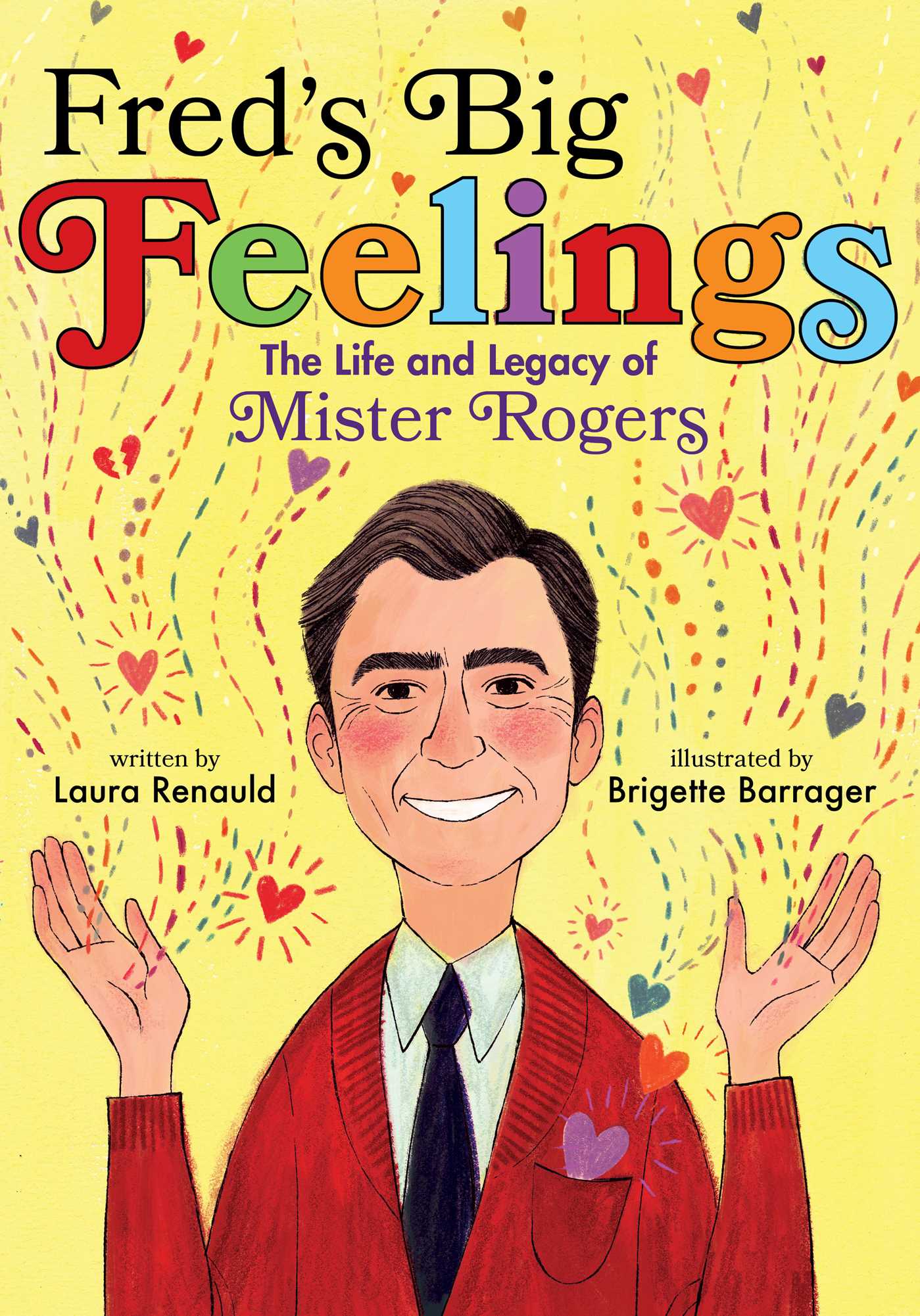
Fred’s Big Feelings: The Life and Legacy of Mister Rogers
Author: Laura Renauld
Illustrator: Brigette Barrager
Published January 14th, 2020 by Atheneum Books for Young Readers

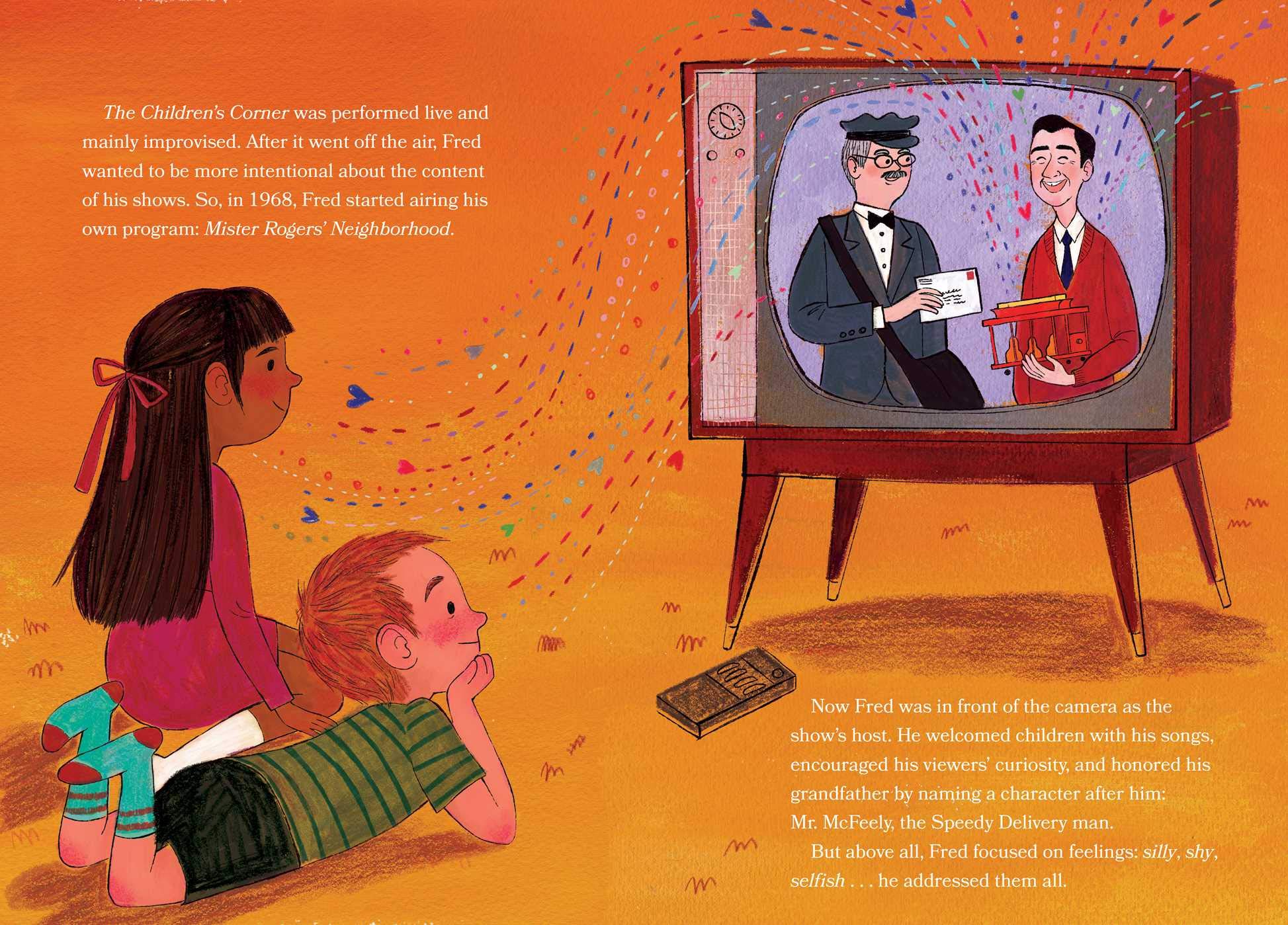
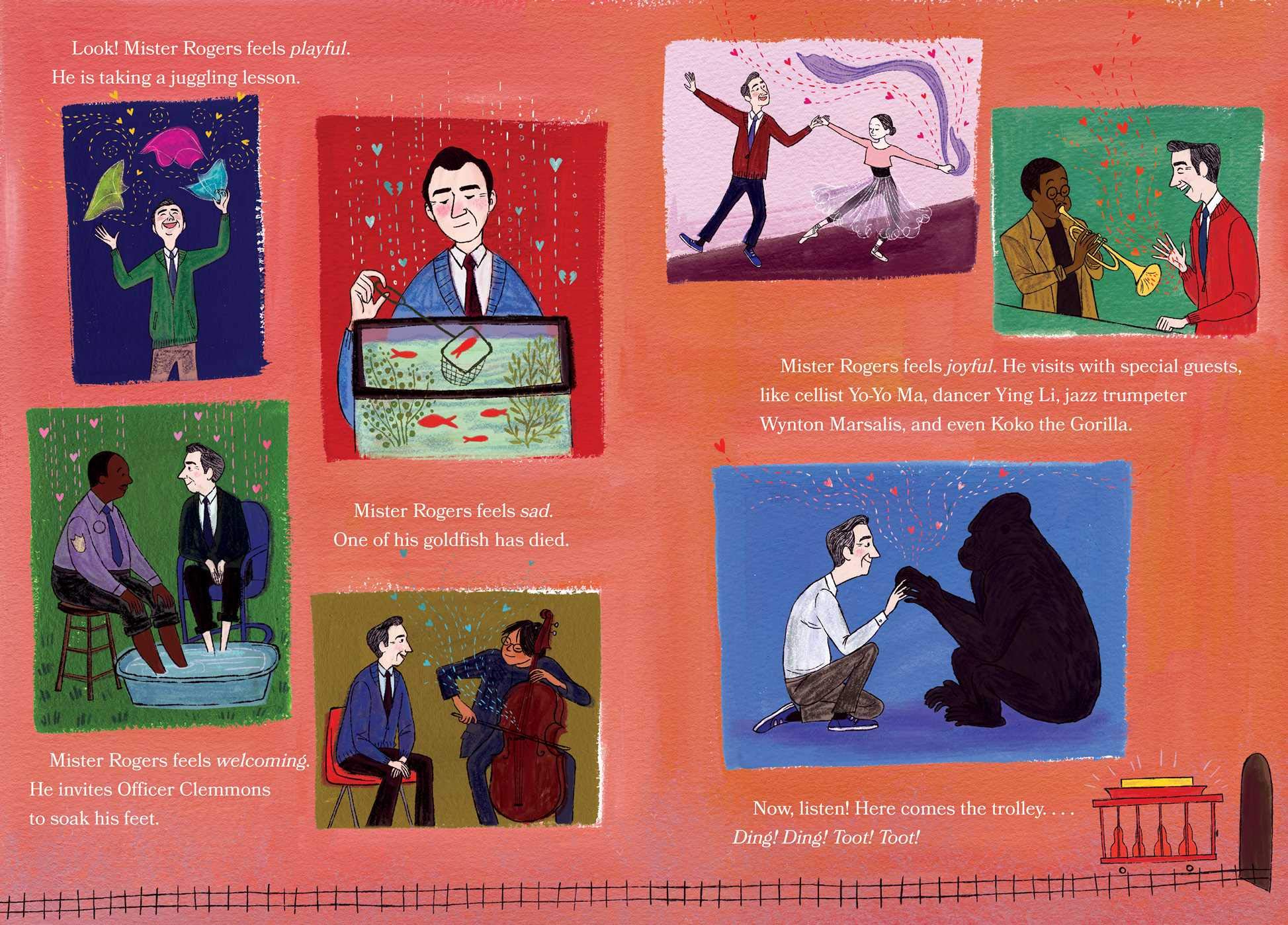
Summary: An inspiring picture book biography about the inimitable Fred Rogers, beloved creator and star of Mister Rogers’ Neighborhood.

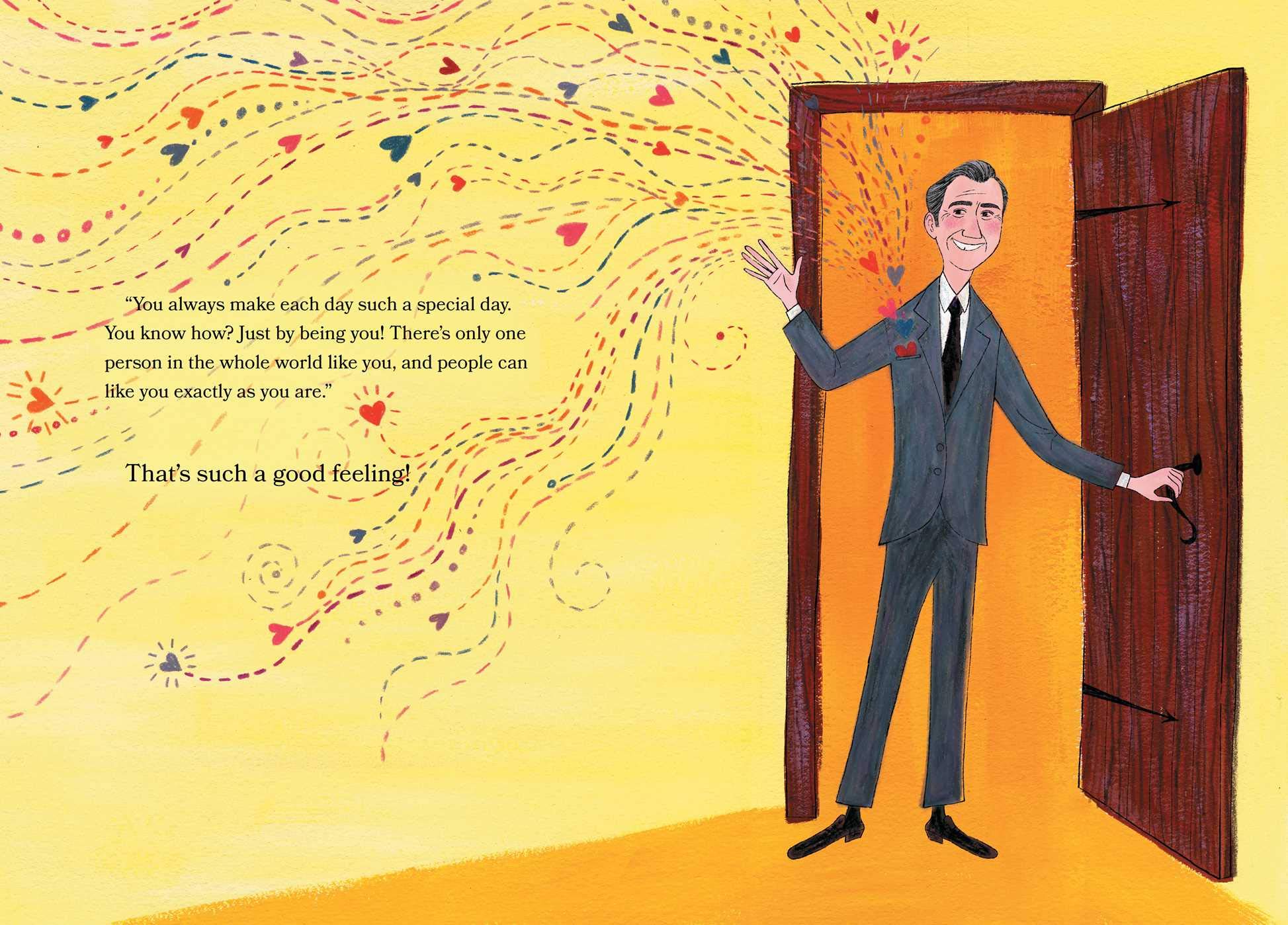
Fred Rogers was a quiet boy with big feelings. Sometimes, he felt scared or lonely; at other times, he was playful and joyous. But when Fred’s feelings felt too big, his Grandfather McFeely knew exactly what to say to make him feel better: I like you just the way you are.

Fred grew up and created Mister Rogers’ Neighborhood, the television program that would go on to warm the hearts and homes of millions of Americans. But one day, the government threatened to cut funding for public television, including Fred’s show. So, Fred stepped off the set and into a hearing on Capitol Hill to make his feelings known.

In a portrait full of warmth and feeling, Laura Renauld and award-winning illustrator Brigette Barrager tell the story of Mister Rogers: a quiet, compassionate hero whose essential message—that it is okay to have and to express feelings—still resonates today.

Praise: “Renauld’s lively, approachable text welcomes young readers in the same way that Rogers welcomed his young viewers into his living-room set . . . Bright, well-researched, and welcome.”  –Kirkus Reviews, STARRED REVIEW

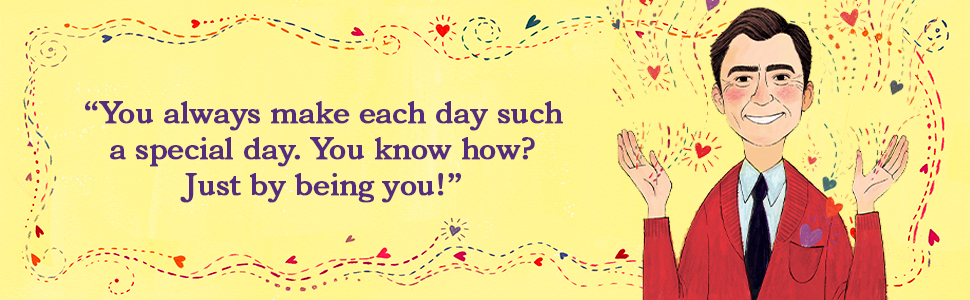
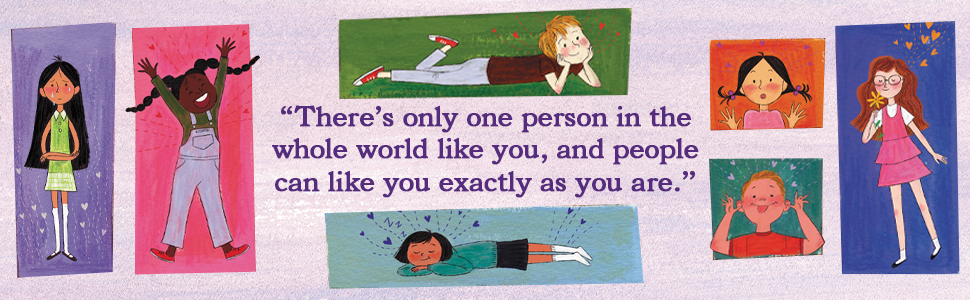
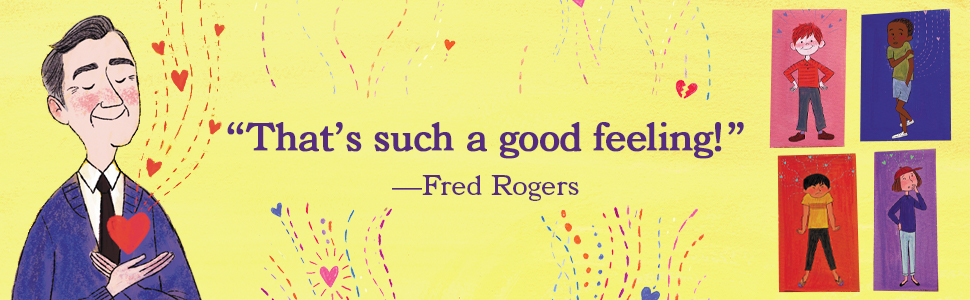
Review: Fred Rogers just stands for everything that is good in the world. Just look at these banners made by the publisher with quotes from him/the book:

They just fill me with so much joy, and they bring back all of the feelings I had when watching Mister Rogers. And those feelings are exactly what you will get while reading this book. The narrative biography accompanied by the bright text just bring Mister Roger’s story to life. In an interview with Fuse 8, the author said “I had to walk the line between it being recognizable for [adults who are familiar with Mr. Rogers] and easily understandable for [children who were born after the show stopped airing who have no idea who the man in the cardigan is].” I think this is exactly what she did because in addition to my nostalgia, it is a book that Trent has wanted to read multiple times.

Additionally, because of this book, I decided to introduce Trent to Mister Rogers. He knows Daniel Tiger, the cartoon spin-off, so I explained that Mister Rogers was where Daniel Tiger came from. So, I turned on one of my favorite episodes (making crayons!), and Trent was immediately sucked in. He said that he liked that Mister Rogers taught him things and talked nicely to him. YES!

Teachers’ Tools for Navigation: In the same Fuse 8 interview I mentioned above, I loved what the author shared when asked “How do you envision the book being used?,” and I think it is a perfect jumping off point for teachers: “Whether Fred’s Big Feelings is a child’s first encounter with Mister Rogers’ affirming messages, a teacher’s springboard into a discussion about expressing emotions, or a librarian’s selection for a display of American biographies….” Yes to all of these! It is a great picture book biography example and definitely hits on social emotional skills! Also, if you truly want to dive into the book, there are many places that would allow for inquiry projects to learn more about: history of children’s tv, puppeteering, Koko, Yo Yo Ma, Ying Li, Wynton Marsalis, public television, etc. Oh, and you can always watch an episode of the show!

Discussion Questions: 

  • What about Mr. Rogers makes him appealing to the audience?
  • How did Mr. Rogers act towards children that was viewed as a bit different?
  • Why do you think Mr. Rogers was so popular?
  • Why is it important to talk about feelings?
  • How did Mr. Rogers change the future of PBS?
  • How was Mr. Rogers’s show different that what was available to kids?
  • How do the illustrations add to the mood of the text?

Flagged Passages: 

Read This If You Love: Mr. Rogers!

Recommended For: 

classroomlibrarybuttonsmall

Signature

**Thank you to Simon & Schuster Children’s Publishing for a copy of the book!**

Review and Giveaway!: Bird Hugs by Ged Adamson

Share

Bird Hugs
Author and Illustrator: Ged Adamson
Published: February 1, 2020 by Two Lions

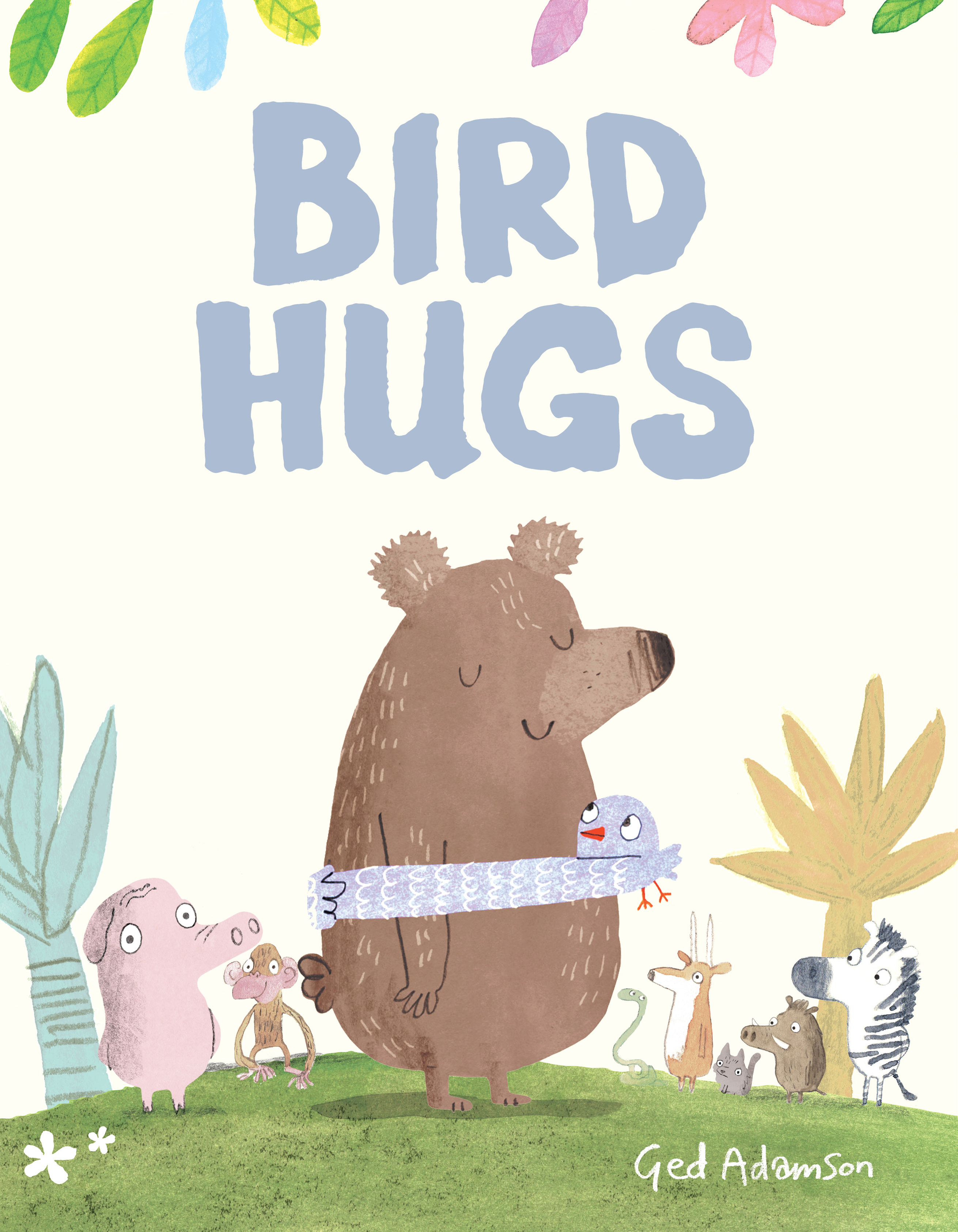
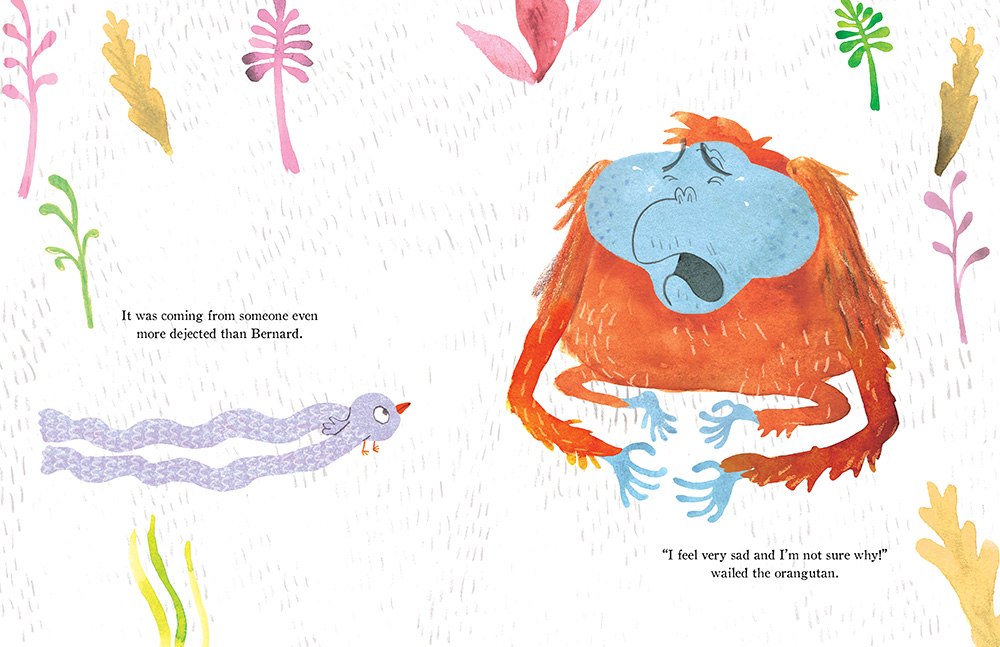
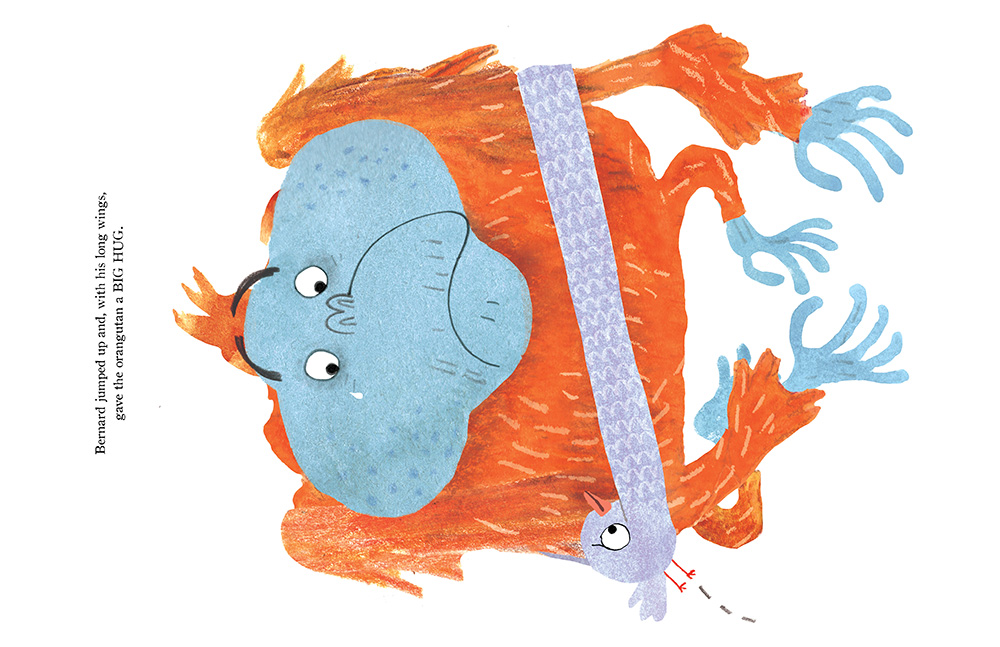
GoodReads Summary: Bernard isn’t like other birds. His wings are impossibly long, and try as he might, he just can’t seem to fly. He’s left wondering what his wings are good for…if they’re even good for anything at all. But a chance encounter with a dejected orangutan leads Bernard to a surprising discovery: that maybe what makes him different is actually something to be embraced.

Ricki’s Review: Oh my goodness. This book made my heart feel so, so full. It tells the story of a bird who is very different from the other birds. He cannot fly because he has abnormally large wings. As the title suggests, he learns that his wings are good for something other than flying. But it doesn’t end there! The bird becomes so well-loved by the other animals that they take him on his dream flight! There are so many wonderful lessons in this book. I’ll be gifting this book to several friends. It’s that good.

Kellee’s Review: My friend Kaleigh read this book before me because it was sitting by my couch when she came to visit. When she finished she looked at me and said, “You will love this book. and get ready to cry.” And gosh darn it, she was right! Bernard’s story just made me so sad and then so happy. Bernard’s journey is a lot like many kids though–they are taught that a certain way is the only way, either through peers or parents or media, but there is so much out there for us to be. Bernard teaches us that. Everyone should read this book. 

About the Author: Ged Adamson is a children’s book author and illustrator. His picture books include A Fox Found a Box; Douglas, You Need Glasses!; Shark Dog!; and Ava and the Rainbow (Who Stayed). He has also worked as a cartoonist, storyboard artist, and composer for film and TV. He lives in London with his partner, Helen, and son, Rex. To learn more, visit his website: https://gedadamson.myportfolio.com/home-page
Twitter: @ged_adamson
Instagram: @gedadamson

Praise for Bird Hugs:
“Readers will agree: All differences should be hugged, er, embraced.” —Kirkus Reviews

“The lesson is a simple, familiar one—selflessness and sympathy are key to making friends—but Adamson’s gentle humor and his eager-eyed characters’ yearning become an eloquent testimony to the power of a little TLC.” —Publishers Weekly

Teachers’ Tools for Navigation: Students might journal about some aspect of them (emotional, physical) that is different. They might explore the ways in which this aspect is actually a strength.

This book could definitely be used in the first week of school during norm and team building. Combine it with the Be Kind! themed books to look at how different doesn’t equal bad.

Discussion Questions:

  • How does Bernard feel when he cannot fly? When he feels really good about himself, he tries to fly again. What happens? Why? What does this teach us?
  • What are some qualities that some people might dislike about us? How might we use these qualities as a strength?

We Flagged: 

Read This If You Loved: Nerdy Birdy by Aaron Reynolds, Giraffes Can’t Dance by Giles Andreae, Unicorn Thinks He’s Pretty Great by Bob SheaThe Magic of Maxwell and His Tail by Maureen Stolar Kanefield

Recommended For: 

readaloudbuttonsmall classroomlibrarybuttonsmall

Giveaway!:

a Rafflecopter giveaway

and

**Thank you to Blue Slip Media for providing copies for review and giveaway!**

Explorers by Matthew Cordell

Share

Explorers
Author and Illustrator: Matthew Cordell
Anticipated Publication: September 24, 2019 by Feiwel and Friends

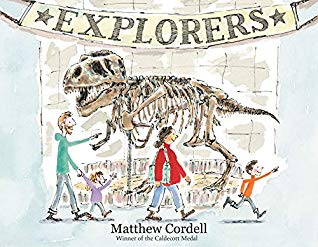
Goodreads Summary: From Caldecott Medalist Matthew Cordell, Explorers is a new picture book about an extraordinary trip to a museum.

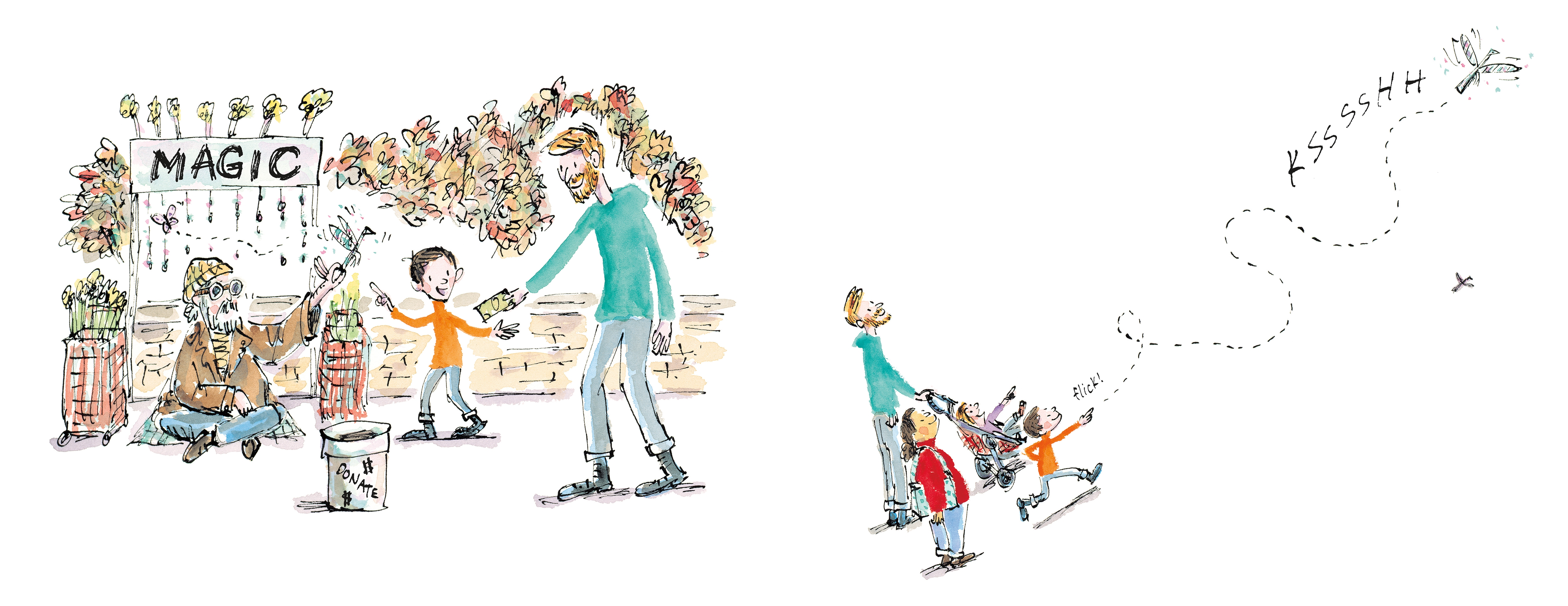
When a family goes to a local museum, a boy notices a homeless man sitting outside, making brightly colored origami birds. He convinces his dad to buy a bird the man makes just for him.

Once inside the museum, his little sister takes the bird and launches it into the air. Is it lost? Soon another boy helps him look, and the paper bird brings two families―and two new friends―together.

With the style he used in Wolf in the Snow, Matthew Cordell shows how an ordinary family outing can be both extraordinary and magical.

My Review: Matthew Cordell’s newest picture book is a hit in my house. Explorers tells the story of a boy who finds a homeless man fashioning origami birds outside of a museum. The origami bird brings together two families in a way that is magical—or is it? This one made me think a lot, and I like books that make me think. It is almost wordless with only a couple of words in the entire book, but the pictures tell the story beautifully.

Teachers’ Tools for Navigation: Students might enjoy debating whether the actions in the book are reflective of magic or not. Teachers might also group students and have each tell the story based on the pictures. They could talk about how their interpretations were or were not different.

Discussion Questions: Who was the man beside the road? What is his role in the family?; How does the main character change throughout the book? What does he learn?

Flagged Passage: 

Read This If You Love:  Journey by Aaron Becker, Wolf in the Snow by Matthew Cordell, The Girl and the Bicycle by Mark Pett

Recommended For: 

readaloudbuttonsmall classroomlibrarybuttonsmall

RickiSig

Bedtime for Sweet Creatures by Nikki Grimes

Share

Bedtime for Sweet Creatures
Author: Nikki Grimes; Illustrator: Elizabeth Zunon
Published January 1, 2020 by Sourcebooks Jabberwocky

Goodreads Summary: It’s bedtime. But Mommy’s little one is not sleepy.

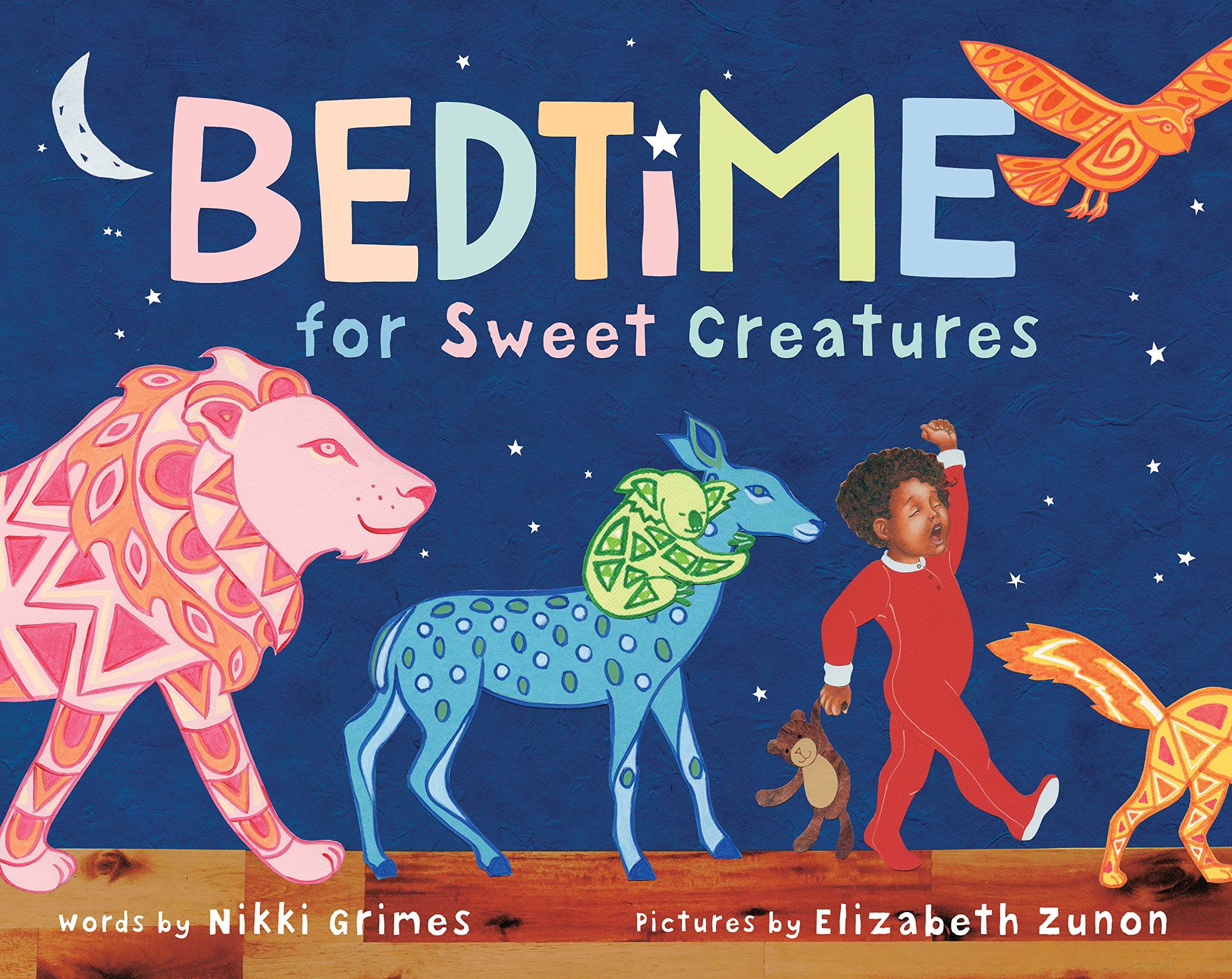
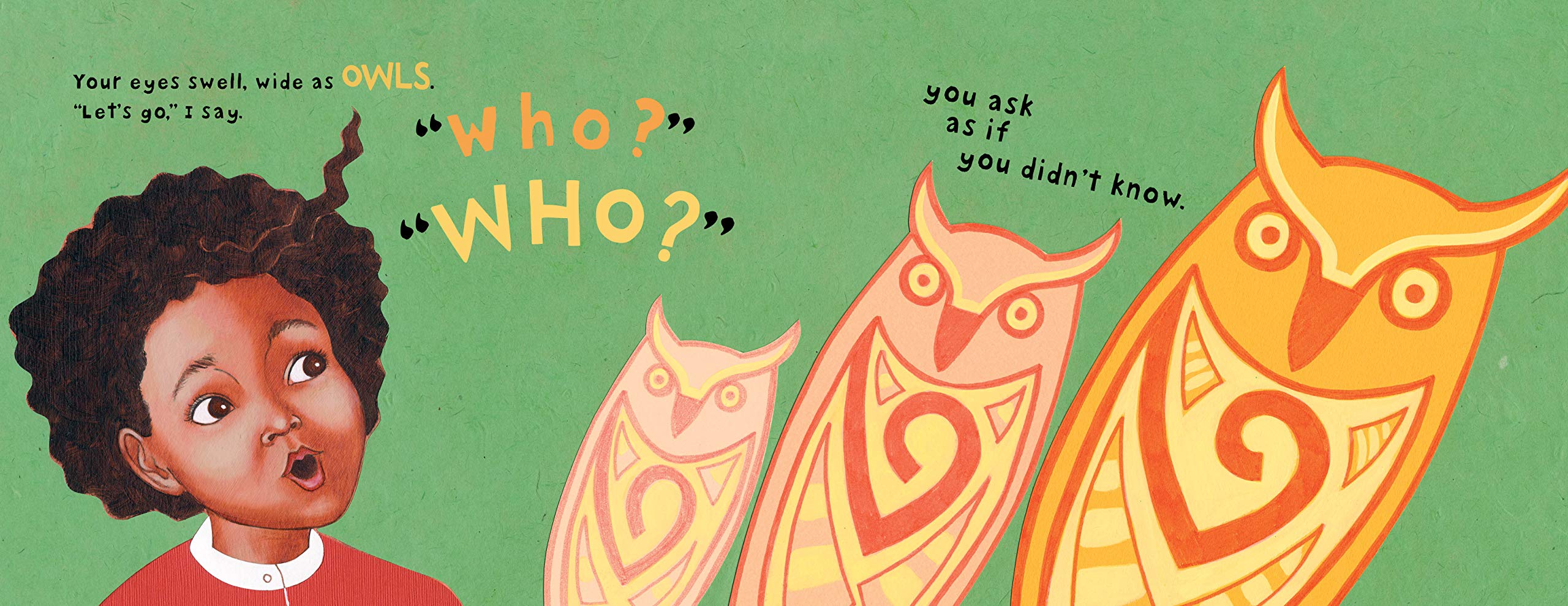
He growls like a bear, he questions like an owl, he tosses his mane like a lion. He hunts for water like a sly wolf, and hides like a snake.

Mommy needs to wrangle her sweet creature in bed so that the whole family can sleep. From tigers to squirrels to snakes, the little boy dodges around his bedtime, until he is tired enough to finally sleep. His imaginative animal friends weave their way through the illustrations, eventually joining him in curling up for the night.

My Review: The rhythm of this book is palpable. As a mother of three children six and under, I identified whole-heartedly with the mother of this book. She just wants her child to go to bed. As the child attempts sleep, he morphs into different animals (a lion, a tiger, an owl!). The book displays bedtime in ways that parents will identify with. Teachers will love using this book to teach metaphor and sound in story. 

My three-year-old’s review: “I like the squirrel and the koala a lot! I liked all of the aminals. [sic]”

My six-year-old’s review: “I like how his mom and his dad are trying to get him to sleep at night. I like how it is night-time in the book and the colors of the book make it feel like it is night-time.”

Teachers’ Tools for Navigation: The ways in which Grimes uses sound and metaphor is very intriguing and quite teachable. I spent a significant amount of time thinking about the almost-anthropomorphism of the text. The animals are given human characteristics of the child. But the child is actually given animal characteristics. This is zoomorphism, right? I would love to have this kind of study and debate with students. So cool!

Discussion Questions: What animals does the child act like? How does the author choose qualities of the child to connect them with animals?; Choose another animal not within the book. How might the child act like this animal at bedtime, too?

We Flagged: 

Read This If You Loved: Penguin and Tiny Shrimp Don’t Do Bedtime by Cate Berry; Twenty Yawns by Jane Smiley; Goodnight Moon by Margaret Wise BrownGoodnight Songs by Margaret Wise Brown

Recommended For: 

readaloudbuttonsmall classroomlibrarybuttonsmall

RickiSigand Kellee Signature

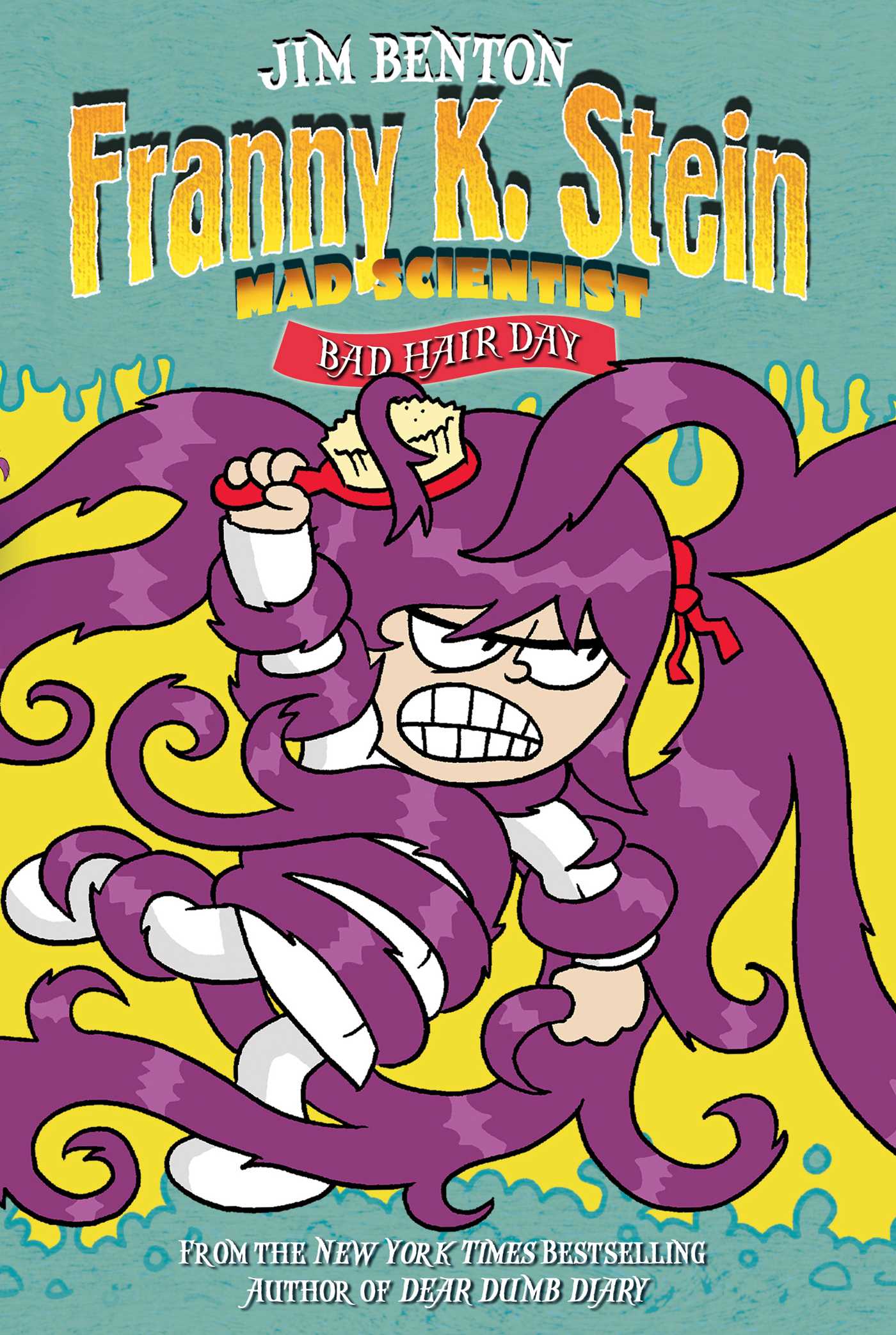
Franny K. Stein, Mad Scientist: Bad Hair Day by Jim Benton

Share

Bad Hair Day
Author and Illustrator: Jim Benton
Published July 23rd, 2019 by Simon Schuster Books for Young Readers

Summary: Franny K. Stein isn’t a fan of glamour. She doesn’t style her hair, the thought of wearing makeup makes her want to gag, and she couldn’t care less about wearing dressy dresses when she’d much prefer her lab coat.

But sometimes Franny wonders if her mom wishes she were different. Which gives Franny an idea…for an experiment! What if she can turn the beauty products her mom loves into something more exciting?

Every experiment has its experimental error, and when Franny’s hair takes on a life of its own, Franny must save the day (and her hair).

About the Author: Jim Benton is the New York Times bestselling writer of the Dear Dumb Diary series and a cartoonist whose unique brand of humor has been seen on toys, television, T-shirts, greeting cards, and even underwear. Franny K. Stein is the first character he’s created especially for young children. A husband and father of two, he lives in Michigan, where he works in a studio that really and truly does have creepy stuff in it.

Review: Franny K. Stein is not worried about all those other things other people worry about–she just wants to do experiments and other mad scientists things. And you know what, I love that!!! And I definitely saw what Benton was trying to do with this book when it comes to glamour and such, but I, as a parent, just didn’t like to see Franny’s mom put a bit of passive aggressive pressure on Franny to be anything other than her amazing self. I mean, she makes creatures and fights them–what does a little messy hair matter?! But in the end, Franny’s mom and the reader are reminded of this, so once again Franny can go on being herself.

Teachers’ Tools for Navigation: Simon and Schuster have a wonderful curriculum guide to use with this series: CLICK HERE.

Discussion Questions: 

  • Franny’s mom is supportive of Franny, but she also questions her. How did you feel about how Franny’s mom in this book?
  • I like to describe Franny as awesome, as in I am awe-struck by her. What traits does Franny have that would lead me to describe her this way?
  • Why did Franny’s pig tails act differently than her ponytails?
  • How was Franny’s mom wrong about Igor?
  • Would Franny be successful in her monster fighting without Igor? Why or why not?

Flagged Passages: CHAPTER ONE: FRANNY’S HOUSE

The Stein family lived in the pretty pink house with the lovely purple shutters down at the end of Daffodil Street. Everything about the house was bright and cheery.

But, of course, the outside of a house is never as interesting as what’s going on inside it.

And inside this house, behind the little round upstairs window, something interesting was always going on, because this was the bedroom and laboratory of Franny K. Stein, Mad Scientist.

Last week, for example, Franny developed a giant sea horse, and the day before that she worked on a way to fly based on how bats flap their wings.

Those projects became pretty expensive, so Franny needed to get a piggy bank to save her money in.

Of course, being a mad scientist, she created her piggy bank from a real live pig, which meant that she had to learn all she could about pigs.

This got pretty messy, but she didn’t mind getting messy, because that’s just what happens when you’re doing mad science.

Read This If You Love: Dear Dumb Diary series, Frank Einstein series, Zita the Spacegirl series

Recommended For: 

classroomlibrarybuttonsmall

Signature

Review and Giveaway!: Snail & Worm All Day: Three Stories About Two Friends by Tina Kügler

Share

Snail & Worm All Day
Author and Illustrator: Tina Kügler
Published September 24th, 2019 by HMH Books for Young Readers

Summary: Snail and Worm go on three silly adventures in this early reader chock full of heartfelt humor and irresistible illustrations. By Geisel Honor winner Tina Kügler.

Snail and Worm are back at it and sure to have readers giggling from dawn ’til dusk (wait—do snails and worms sleep?) in Snail and Worm All Day, complete with heartfelt humor and Tina Kügler’s irresistible illustrations.

Brimming with laugh-out-loud jokes, these three new stories are sweet celebrations of cooperation and discovery.

About the Author: Author-illustrator Tina Kügler lives in the Los Angeles area with her artist husband and three sons. When she is not making picture books, she can be found trying to befriend snails and worms in her backyard.www.tinakugler.squarespace.com Twitter: @tinatheatre Instagram: @kuglertina

Praise: ★ “All day, every day, is a good time for reading about Snail and Worm….Run (faster than Snail ever could) to get a copy of this winning early reader.”—Kirkus, STARRED review

“[N]ew readers should feel supported in their efforts while being continually entertained.”—The Horn Book

Kügler’s clever, off-kilter stories are enhanced by colorful, expressive cartoon illustrations that give strong textual support….This latest Snail and Worm book is a strong addition to all early reader collections and a surefire hit with children and their adults.”—Booklist

“The friendly and cheerful cartoon illustrations effectively enhance the story’s sweet humor.”—School Library Journal

Review: As Trent has entered this world of early chapter and transitional books, I have been so lucky to learn about some amazing books out there, and I was so happy to get introduced to Snail and Worm with this book, and we cannot wait to read the rest of the series.

Teachers’ Tools for Navigation: Each of the three stories has a different chance to dig deep during a read aloud. The first story looks at how one bad thing doesn’t need to affect the entire day, the second story looks at habitats and contradictions, and the final story looks at creating a narrative.

Discussion Questions: 

  • When you are having a bad day, what can you think about to make you feel better?
  • What is a time that you thought something was different than what it was?
  • What are the similarities and differences between Snail and Worm? Why do you think they are friends?
  • How was snail a contradiction in the second story?
  • Who is your best friend?
  • Which of the three stories was your favorite? Why?
  • What is a lesson that you learned from the book?
  • How would the stories change if they were only from Snail’s point of view? Worm’s?

Flagged Passages: 

Read This If You Love: Elephant & Piggie, Frog & Toad, Fox & Chick, and other fun duos

Recommended For: 

classroomlibrarybuttonsmall

Giveaway: 

a Rafflecopter giveaway

Signature

**Thank you to Jessica at HMH for providing a copy for review and giveaway!**