Author Guest Post: “How to Create a Think Tank in Your Classroom” by Lowey Bundy Sichol, Author of Idea Makers: 15 Female Entrepreneurs

Share

“How to Create a Think Tank in Your Classroom”

It happens every Spring – ideas come to life in elementary and middle schools across the country. The end of the school year is in sight, curriculums are on track, and teachers are given the freedom to incorporate projects that interweave creativity, inventions, and out of the box thinking.

This is also the time of year when my inbox explodes with requests for author visits to help inspire these young minds to consider the world of entrepreneurship. I’ve spoken at “Invention Conventions,” listened to “Inventor Reports,” helped kids “Launch a Business,” and inspired students at “Career Days” – all wonderful ways to young minds thinking about the real world and how their ideas can change the world.

So how can you create a Think Tank in your classroom?

First, read how other people built their businesses.

Reading how others did it is one of the most important teaching strategies in business school so why shouldn’t it work for elementary and middle schools? Called Case Studies, they are the foundation for teaching MBA programs at Harvard, Stanford, Dartmouth, and Northwestern’s business schools. After graduating business school, I created a writing company that composed MBA case studies for some of the top business schools in the world. And it was those case studies that inspired my nonfiction children’s book series, From an Idea to… (LEGO, Nike, Google, Disney) as well as my new book entitled Idea Makers: 15 Fearless Female Entrepreneurs.

Lessons of perseverance, bravery, resilience, and creativity run deep throughout all my children’s books. They help inspire kids to think about their own ideas and teach them the steps it takes to turn an idea into reality.

Next, hold a Brainstorming Session

Most great ideas come from a person’s passion. Think Steve Jobs with computers, Walt Disney with animation, and Milton Hershey with candy. Each of these founders knew their industry inside and out and loved spending every waking minute working on it. Entrepreneurs need to have passion for their idea. So, it’s important that kids really understand who they are and where their passions lie. Here is one of my favorite brainstorming session exercises:

  • Have each student write their name in the middle of a piece of paper and circle it.
  • Next, have them write 4-10 things that is important to them and helps define them. I’ll call these Circles of Passion. This could be a sport, an instrument, a relative, a food they like to cook, a friend, a pet, a toy, a language… you get the point. Now circle each of those words.
  • From those 4-10 circles comes the real idea generation. Each student should think about those words. I mean really think about them. If it’s a sport, for example, what do you love about it, what do you hate about it, what problems are there with the equipment or the field, the uniform or the shoes or their hair when they play it, etc. If the child wrote down a sibling or cousin or grandma, what’s special about them, what do you admire about them, what do they struggle with or what do you help them with? There could be 20 branches coming from one passion and zero coming from another.
  • Looking down at the child’s paper, he or she should tons of words and phrases on their paper. Now have the student ask themselves: Is there a problem in here? Could they solve that problem?

Keep these business concepts in mind

A few ideas should start to pop out now. Hooray! Now it’s time for your students consider some business concepts to see if their idea has legs. We call these the 4 P’s in business school.

  • PRODUCT: What does your product do? What will it look like? What will the packaging look like? Take water, for example. You can find water bottles in plastic, aluminum, and glass. You can find small bottles, tall bottles, skinny bottles, fat bottles. Some water is from spring water, some from Fiji or Iceland, some are just purified tap water.
  • PRICE: How much it would cost to create the product? How much could it sell for? This is a great time to incorporate math into discussions about profit margins.
  • PLACE: Place is another way to say distribution. Where will the product be sold? Some examples include online, Amazon, Walmart, boutique stores, farmer’s market, door-to-door, etc. What are the steps to get the product into each of these options?
  • PROMOTION: How do people find out about the product or service? Examples include : social media, flyers, PR, etc.

Now it’s time to show off these ideas!

Consider holding a pitch day in your classroom or a Shark Tank competition with parent volunteer judges. Another idea is to hold a town fair where all the kids display their idea and parents are invited to visit each business and listen to their pitches.

Good luck and be sure to tag me if you post it online! @LoweySichol
Published March 1st, 2022 by Chicago Review Press

About the Book: Entrepreneurship can change your life—and even the world.

Idea Makers shares the incredible stories of 15 women who changed the world through their entrepreneurship. Author Lowey Bundy Sichol presents five industries that women are leading in recent years: food, fashion and clothing, health and beauty, science and technology, and education.

Jenn Hyman brought couture fashion to everyday women with her idea to Rent the Runway. Morgan DeBaun supports Black journalists through Blavity. And Sandra Oh Lin is inspiring kids everywhere with KiwiCo activity boxes.

Readers learn about how the women featured risked their early careers, gave up their salaries, and sometimes even went against the approval of their families to follow their passions and start their own businesses. Today, these women are modern leaders worth billions of dollars and employing tens of thousands of individuals.

Young women today are embracing innovation and idea making, and the women profiled in Idea Makers will show them how that can change the world.

Praise: 

Idea Makers: 15 Fearless Female Entrepreneurs leads with the notion that in growing the entrepreneurs of the future, representation matters.” —Suzanne Schaefer, Vice President, Bain & Company

“Lowey’s book is written with kids in mind—curious, creative, and ambitious kids.” —Rebecca Burstein, Founder and Principal, Burst Marketing Strategy

“It’s rare to find books that capture the attention of older and young readers alike, but Lowey Sichol has done it again.” —Karen Loggia, Director of Marketing and Communications, Tension Corporation

“A must read for every kid (and adult) who has a crazy idea and big dreams! In Idea Makers, Lowey Sichol tells the inspirational stories of 15 female entrepreneurs who had the vision, passion, and determination to build iconic companies.” —Alexis McLaughlin, CEO, 2020 On-Site

“This book is amazing! It is full of empowering stories that are sure to inspire a new generation of creative thinkers and future entrepreneurs. Readers are going to love it!” —Todd Burleson, School Library Journal 2016 Librarian of the Year

“Informative and inspiring, Idea Makers tells the transformational stories of 15 amazing women entrepreneurs. Lowey Sichol skillfully brings each of those stories to life with lessons of creativity, perseverance and passion.” —Kevin Lane Keller, E.B. Osborn Professor of Marketing, Tuck School of Business at Dartmouth College

About the Author: Lowey Bundy Sichol (her last name rhymes with pickle) is an award-winning children’s author with an MBA from the Tuck School of Business at Dartmouth College. She is a leading expert in teaching business and entrepreneurship to kids. Lowey’s nonfiction series, From an Idea to… is the world’s first business and entrepreneurship book series for kids, and has received a 2020 Best STEM Book, a Junior Library Guild Gold Selection, and a 2020 ILA-CBC Children’s Choices Book, among others. She is also the founder of Kids Idea Tank, the nation’s biggest entrepreneurship competition for kids age 13 and younger. She lives near Chicago, Illinois. Visit her online at www.loweybundysichol.com, https://twitter.com/LoweySichol, and https://www.instagram.com/loweysichol/.

Thank you so much for this amazing post about pushing our students to the next level!

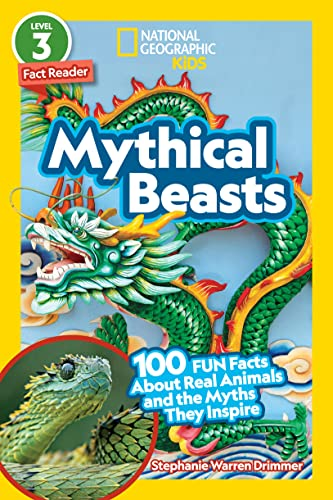
National Geographic Kids’ Mythical Beasts: 100 Fun Facts About Real Animals and the Myths They Inspire by Stephanie Warren Drimmer & Bling!: 100 Fun Facts About Gems by Emma Carlson Berne

Share

Mythical Beasts: 100 Fun Facts About Real Animals and the Myths They Inspire
Author: Stephanie Warren Drimmer
Published January 4th, 2022 by National Geographic Kids

Summary: Calling all fans of unicorns, dragons, sea monsters, and other mythical creatures! Discover 100 marvelous facts that add to the magic in this new reader for fluent readers.

Key features include:

  • Expert-vetted text appropriate for ages 7 to 9
  • Brilliant and eye-catching National Geographic images
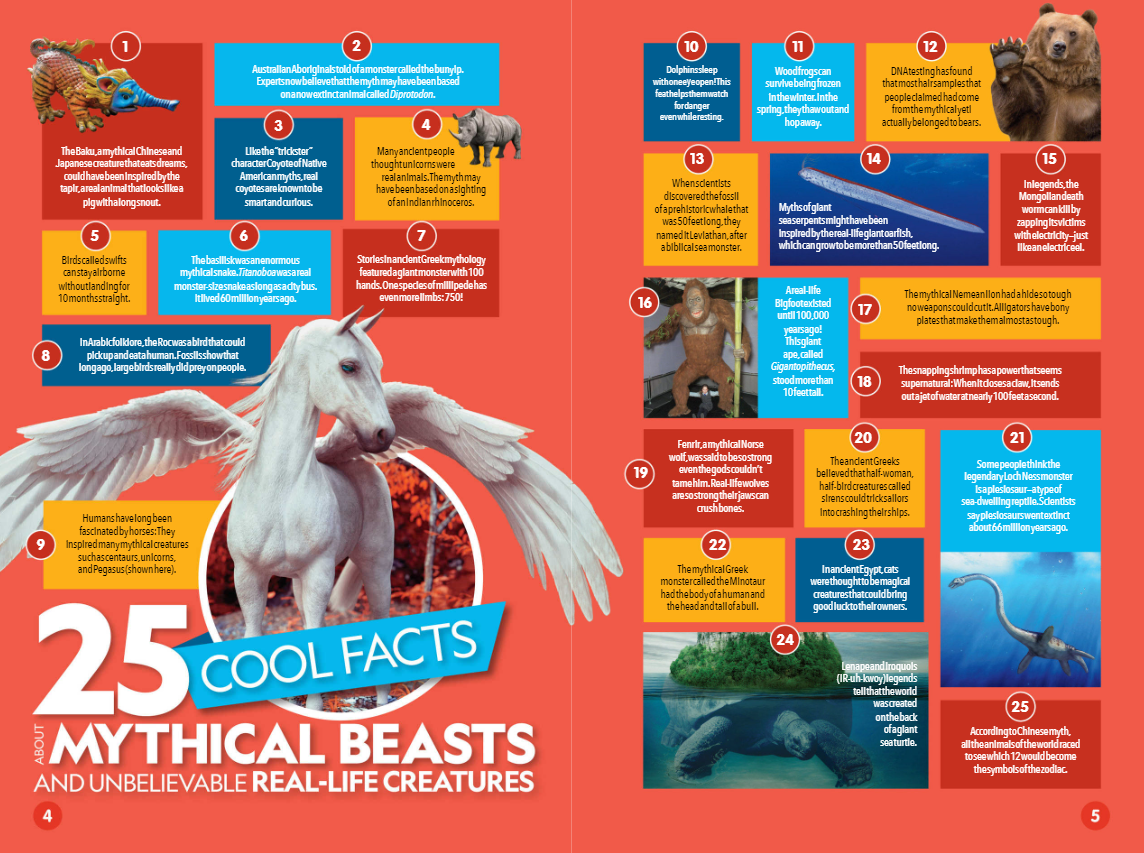
  • 100 fun facts spread throughout the book
  • A fact roundup at the end of each book for kids to review what they’ve learned

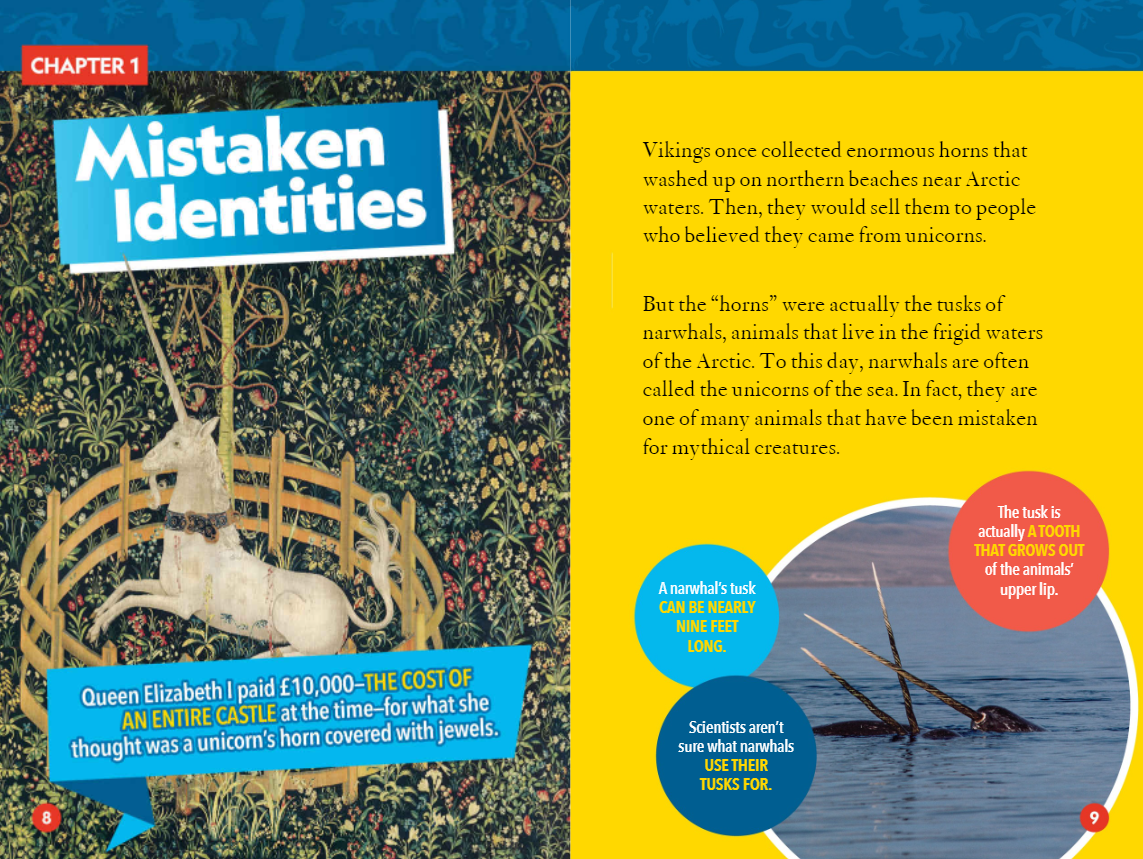
Packed with weird-but-true facts and tons of info, this Level 3 reader explores animals that are mistaken for mythical creatures, critters that are almost too weird for reality, and other creatures with incredible abilities. Learn all about these amazing, unbelievable, and downright fantastical beasts!

About the Author: STEPHANIE WARREN DRIMMER writes books and magazine features for kids about everything from the strangest places in space, to the chemistry of cookies, to the mysteries of the human brain. Drimmer has a degree in science journalism from New York University, but she thinks she likes writing for kids because she’s secretly still one herself.

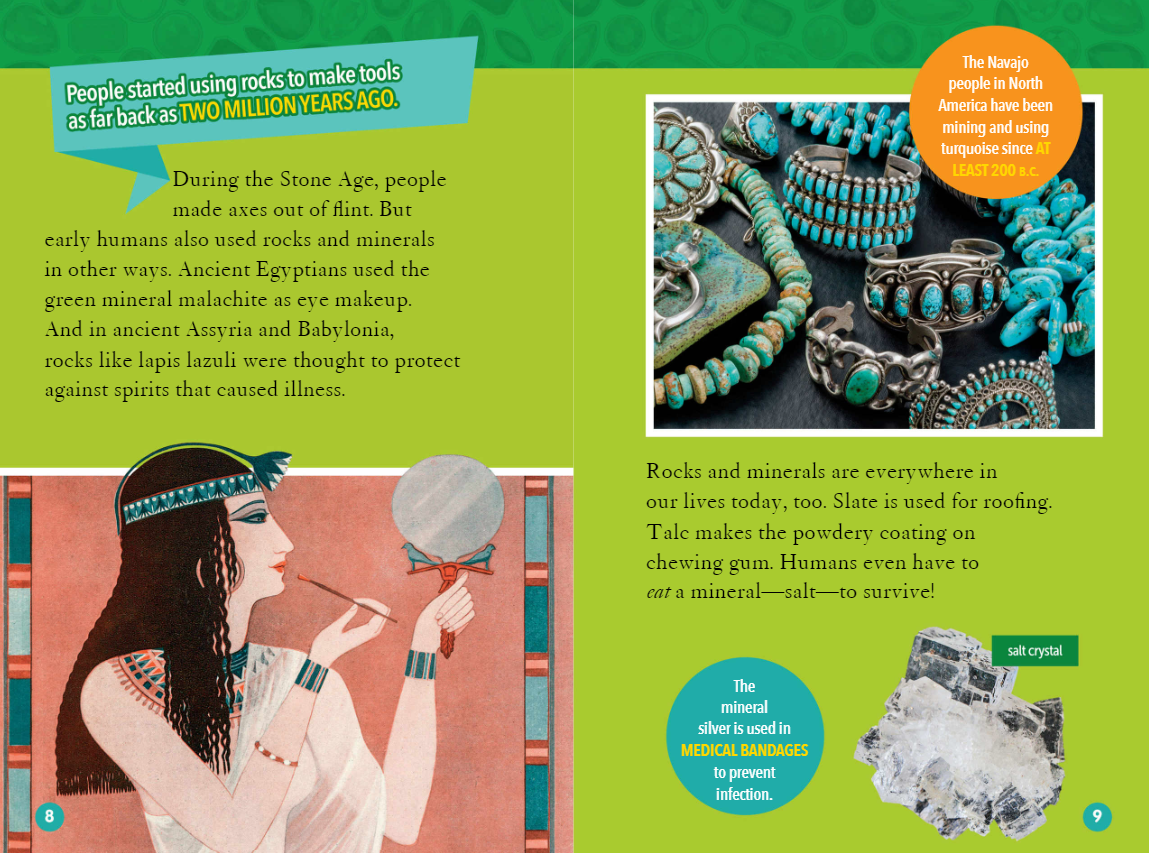
Bling!: 100 Fun Facts About Gems
Author: Emma Carlson Berne
Published January 4th, 2022 by National Geographic Kids

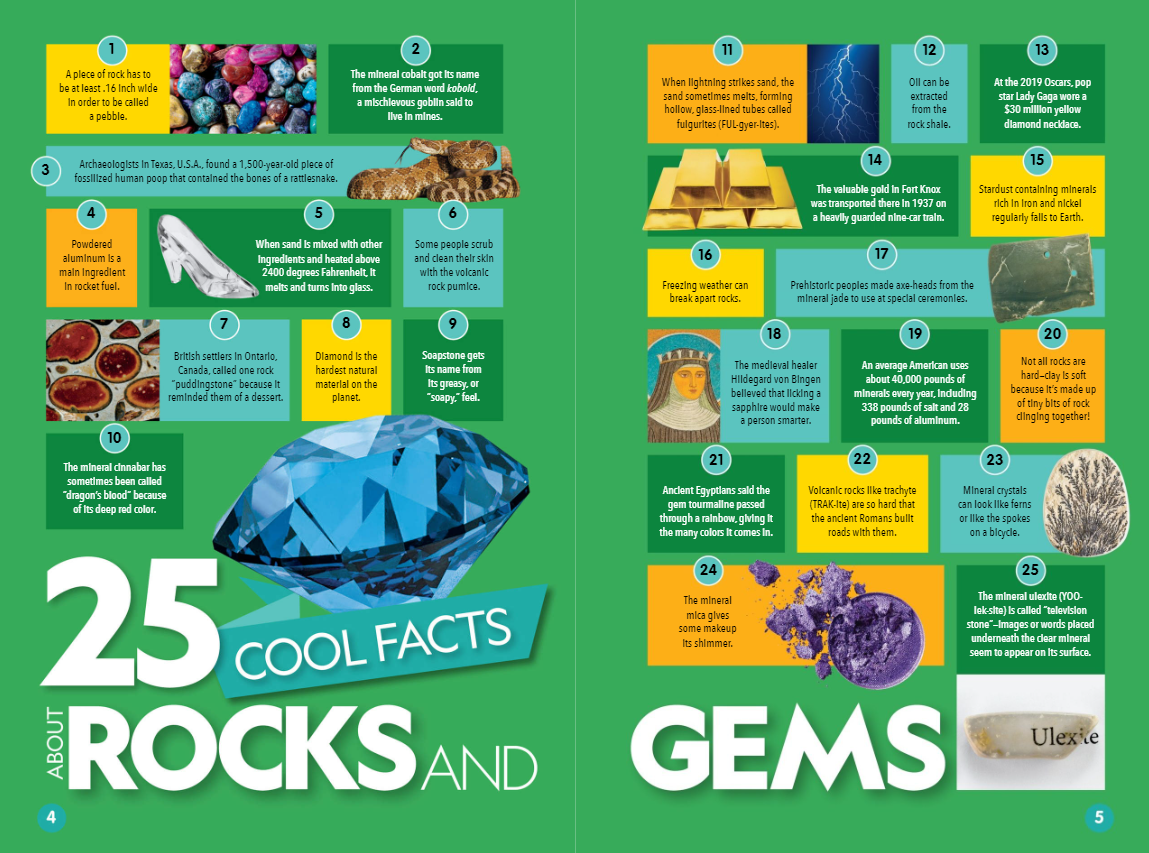
Summary: Get ready to be dazzled by some of the shiniest, most colorful, useful—and even dangerous—rocks, minerals, and gems on the planet! In this Level 3 reader, discover fascinating facts about the incredible rocks and minerals under our feet and deep in Earth’s crust. Budding geologists will love reading about how rocks form, learning the names and features of the coolest rocks and minerals, and exploring rare and beautiful gemstones.

Key features include:

  • Expert-vetted text appropriate for ages 7 to 9
  • Brilliant and eye-catching National Geographic images
  • 100 fun facts sprinkled throughout the book*
  • A fact roundup at the end of each book for kids to review what they’ve learned

Packed with weird-but-true facts and tons of cool info, this Level 3 reader explores the incredible world of geology.

About the Author: EMMA CARLSON BERNE writes juvenile, middle grade, and YA fiction and nonfiction for both educational and trade publishers. She has worked on projects with Disney/Lucasfilm Press, American Girl Publishing, Simon & Schuster, Scholastic, Sterling Publishing, Capstone, Rosen, and Alloy Entertainment. Berne lives in Cincinnati, Ohio, where she is the writer-in-residence for the Public Library of Cincinnati and Hamilton County.


About the Series: This high-interest, educationally-vetted readers series features magnificent National Geographic images accompanied by text written by experienced, skilled children’s book authors. Each reader includes a glossary and interactive features in which kids get to use what they’ve learned in the book. Level 1 readers reinforce the content of the book with a kinesthetic learning activity. Level 2 readers feature slightly higher-level text and additional vocabulary words. Level 3 readers have more layers of information to challenge more proficient readers. For emerging readers, the Pre-reader level introduces vocabulary and concepts, and the Co-reader level provides a collaborative reading experience.

Review: I am such a fan of National Geographic Kids’ books. They do such a great job with engaging material that is perfect for the audience they are aimed for. With these Fact Reader Level 3 books, I really loved the mix of chapters with expository text mixed with text features that add to the text as well as fact lists that will make sure the reader leaves with fun facts to share. Everything that is shared in the books are so interesting and will definitely grab the readers attention. For example, in Bling!  we learn about rocks and minerals in space, different types of rocks, the oldest rocks, difference between rocks and minerals, and geology & archaeology information. Mythical Beasts includes mistaken identities, strange animals that are hard to believe, and animals with mythical powers. Both books are great nonfiction texts that are going to find so many early elementary readers!

Discussion Questions: 

  • How does the table of contents and index help you when reading a nonfiction book?
  • What text features did you notice throughout the book? How did they add to the book?
  • What facts did you learn from the book? What was your favorite fact you learned?
  • What else would you like to learn about the topics?

Flagged Passages: 

Read This If You Love: Geology, Archaeology, Animals, Mythology, Nonfiction

Recommended For: 

classroomlibrarybuttonsmall

Signature

**Thank you to Karen at Media Masters for providing copies for review!**

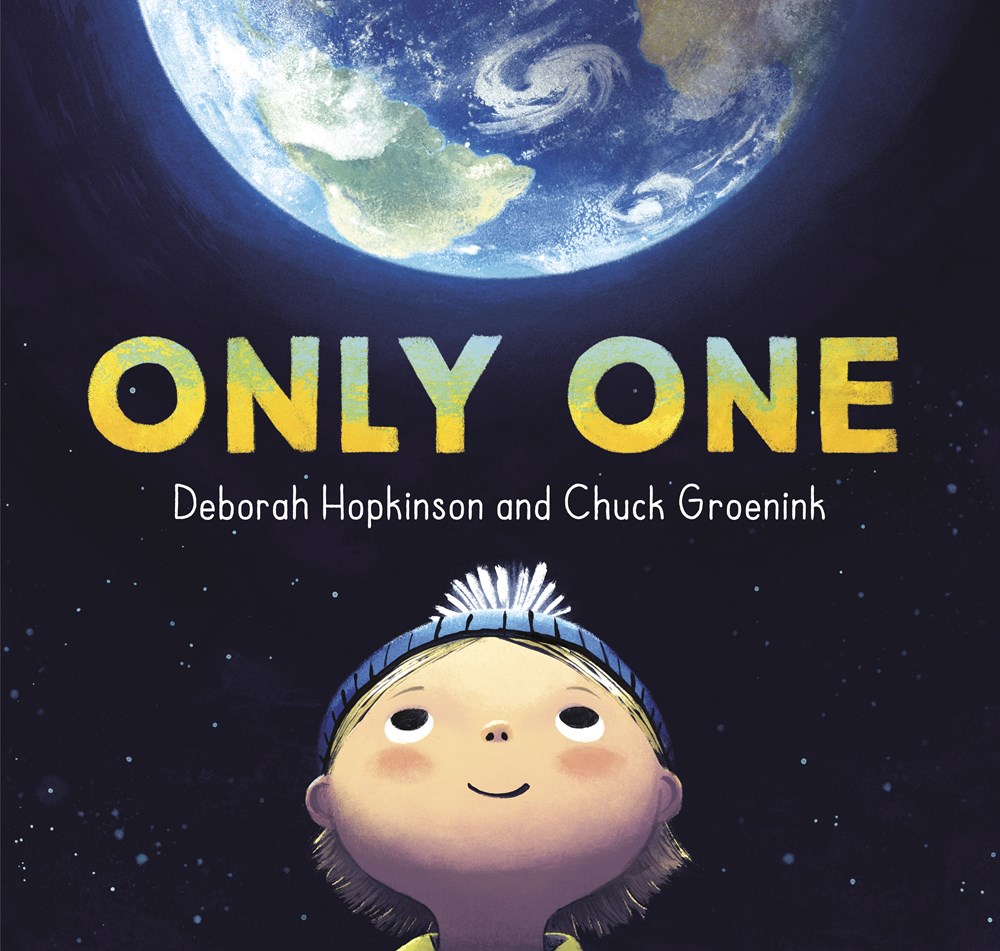
Only One by Deborah Hopkinson and Chuck Groenink

Share

Only One
Authors and Illustrator: Deborah Hopkinson and Chuck Groenink
Published April 5, 2022

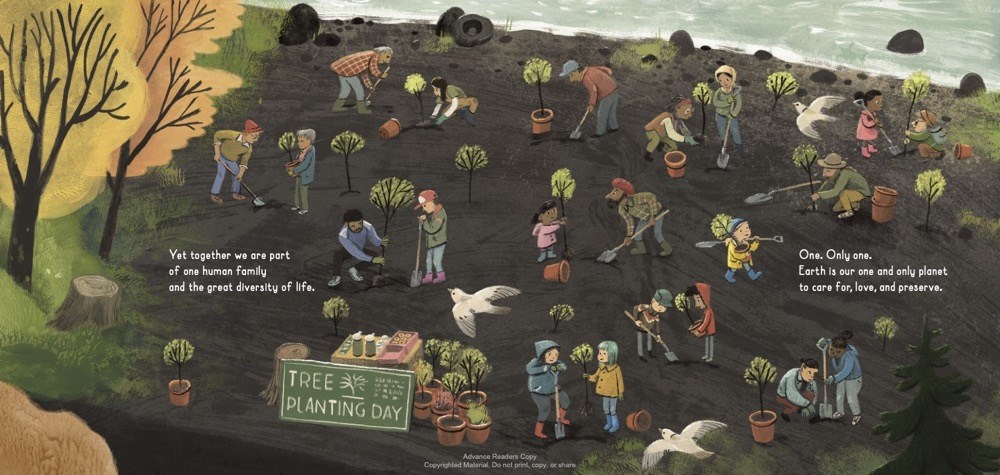
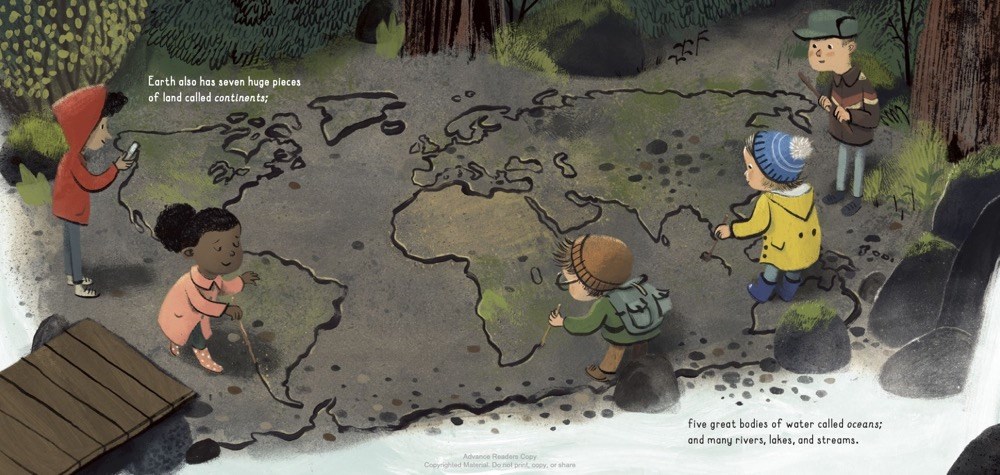
Summary: This lyrical, environmentally focused picture book showcases the unique beauty of our one and only universe–its galaxies, stars, and planets–as well as our one and only Earth and the precious life it contains.

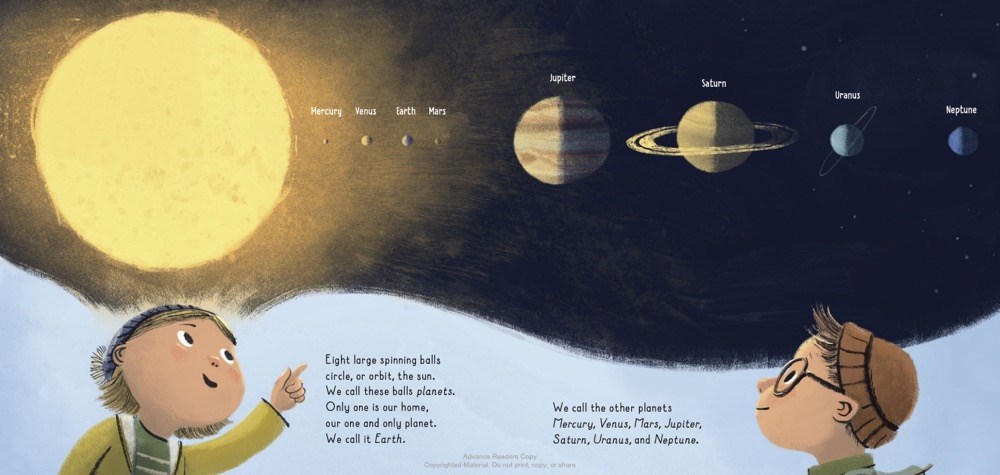
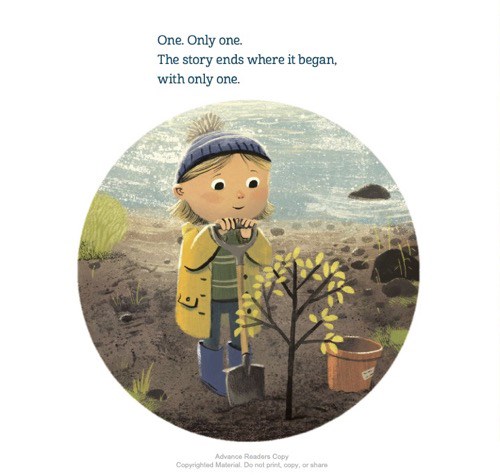
Join one girl as she leads her friends to a tree-planting ceremony. Along the way, she explains in simple language the value of the universe and Planet Earth. Readers will see the Big Bang, the Milky Way, all the planets in the solar system, as well as Earth’s atmosphere, and the life within it: its oceans, trees, bugs, and seven billion human beings. Finally, the girl and her friends plant a tree–doing one small thing to help their one special planet.

Both informative and inspiring, here is a beautifully written and gorgeously illustrated science picture book about our universe that will encourage young readers and listeners to protect and preserve the environment.

ReviewThe cover drew me right in, and I was NOT disappointed! I loved how this book offered a wide scope of topics within space, science, and the environment, yet it felt very connected by a common theme. This is my book of choice for Earth Day (and every day!). It captured the attention of all three of my own children, who each have different interests. I’ve read it so many times in the last week (to whichever child is requesting it) that I am starting to memorize it! I love how it talks about space, the stars, the Big Bang—yet it also talks about caring and tending for Earth and working together.

Teachers’ Tools for Navigation: I would love to see kids create a spread that could be added to Only One. Maybe, for instance, they might write a spread about protecting water or perhaps they might choose an aspect of space that is of interest. Whatever the choice, they could research the topic before they create their spread. The teacher could post them to a bulletin board or bind them together in a book.

Discussion Questions: 

  • What did you learn?
  • Which spreads were most inspiring to you, and why?
  • What is the “Only One” in this book, and why does it matter so much?
  • What is your role in protecting the Earth?

Flagged Spreads:


Read This If You Love: Science, Space, Earth! My First 4.54 Billion Years by Stacy McAnulty; You Come to Earth by Sophie Blackall

Recommended For: 

classroomlibrarybuttonsmall closereadinganalysisbuttonsmall

**Thank you to Barbara at Blue Slip Media for sending a copy for review!**

Author Guest Post: “Parent – Educator Partnership” by Punam V. Saxena, Author of Parent Power: Navigating School and Beyond

Share

“Parent – Educator Partnership”

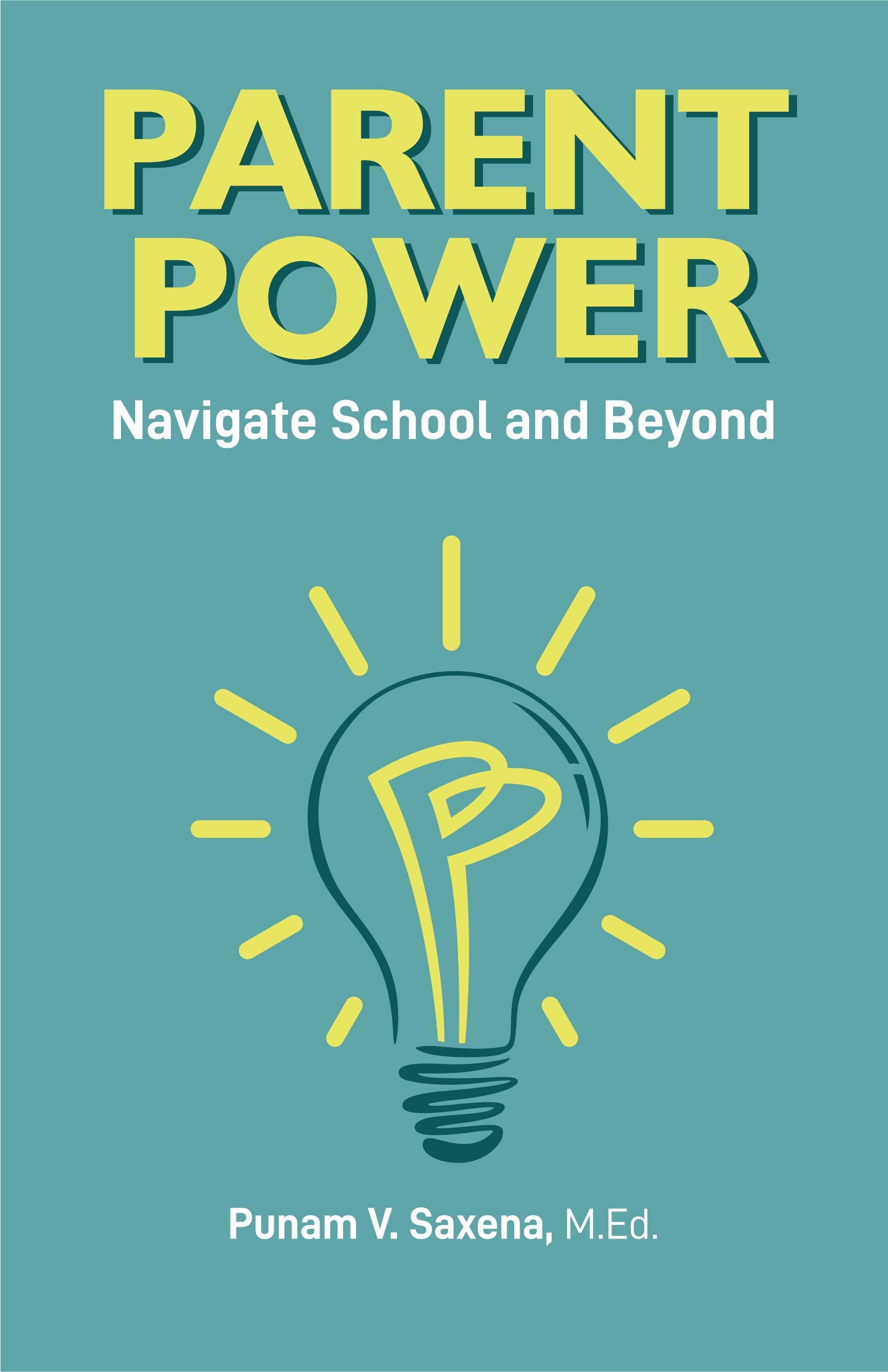
Parent Power: Navigate School and Beyond strives to normalize parenting. Every day is different presenting its own unique rewards and challenges. We often feel like we are on a merry-go-round and cannot seem to change the mundaneness of our routines.

I felt the same way while raising my four children, I often wondered whether I was doing a good job. Often, it felt like I was “winging it” and was hoping for the best. As a former educator and then stay-in-the-car-mom (I was never at home!) for more than 20 years, it was intuitive for me to build relationships with those who interacted with my children: teachers, administrators, and coaches. I assumed that’s what we, as parents, were supposed to do. We each learned from each other, and I soon became a trusted partner at the school and district levels where we made systemic changes for our children county-wide.

Educators are at a tipping point. They have the monumental task of ensuring our students receive the education they deserve while juggling the ever-changing pandemic world of schools opening, virtual learning, or even going hybrid. It has become almost comical at what is expected and what is reasonable.

Wouldn’t it be nice for educators to have a resource that has insight and expertise in the student’s physical and mental well-being? Someone who we can partner with to help the student where they currently are academically and then help them reach their full potential?

Parents! They are our ticket to helping our students achieve the success they deserve. We need their input, their perspective of how the child learns, or if any happenings at home are affecting the student’s school performance. Their knowledge is critical to helping educators navigate learning in the manner that is most beneficial and impactful for the student.

In this uncertain time, teachers need, more than ever, parent input and guidance.  We are counting on them to help us. But we also must realize the burden parents carry right now. It is imperative to create a symbiotic relationship between schools and parents for students to feel supported and achieve success.

In my debut book, Parent Power: Navigate School and Beyond, I share my insights on how an educator turned Parent Impact Coach built a relationship, became an advocate for schools and students, and helped create systemic changes at the school and district level that affected students and staff county-wide. My education background along with compassion and empathy catapulted me to the forefront of issues that impacted students long-term.

Published May 4, 2021

About the Book: Parent Power: Navigate School and Beyond strives to normalize parenting. Every day is different presenting its own unique rewards and challenges. We often feel like we are on a merry-go-round and cannot seem to change the mundaneness of our routines.

Parent Power offers insight, ideas, and methods to navigate this exhilarating, exhausting task – raising productive, compassionate, future generations. Tackling relevant topics that parents face, with a head-on approach to:

  • Social media
  • Sports
  • Discrimination
  • And many more

Each chapter ends with Punam’s Perspective, a personal anecdote that prompted the need to write the chapter. Those experiences shaped Punam as a parent and an advocate, and, eventually, on this journey to build a formidable team of parent, teacher, and school.

Mom’s Choice Awards, Gold Seal

Amazon #1 Release

Review
Reader’s Favorite, 5-Stars:

Parent and author Punam V. Saxena shares her experiences on becoming a partner in the educational process in Parent Power: Navigate School and Beyond. This invaluable work tells the tale of a stay-at-home mom who became passionate about enhancing students’ educational experience by getting involved in the academic community and forging a trusting relationship with faculty members. She addresses parenting issues related to self-care, community participation, social media control, bullying, discrimination, and quarantined parenting. The book aims to guide parents in raising emotionally intelligent kids by engaging them in dialogues that help them understand the value of diversity and justice as a concept of fairness. As parenting is a lifetime vocation, this work becomes a supportive teammate.

If you’re like most parents, you feel you’re doing a fine job in raising and dealing with your kids based on your child-rearing philosophy. You exhaust all the means to be a good provider. But at some point, it will drain you. One particular aspect that I enjoyed in Parent Power is Saxena’s take on self-care. Children can prove to be a handful, and as a parent, you too deserve tender loving care. Saxena writes with no promises but assures that it is feasible, at the very least, to decrease the frequency of your most challenging parenting days. I strongly recommend Parent Power to all parents for its inspirational and realistic approach to developing strategies to help parents become more centered and productive.

-Vincent Dublado

About the Author: Punam V. Saxena is a mother of four, holds a Bachelor’s degree in Psychology, and a Master’s in Education. Throughout her 30 years of experience between teaching and volunteering in her children’s schools, she implemented several procedures that benefited students and administrators within the school district.

She is a Parent Impact Coach, TEDx speaker, author of Parent Power: Navigate School and Beyond, and podcaster. Her work focuses on bridging the gap and fostering and stronger relationship between parents and schools by empowering parents to become partners in their child’s education.

Punam has been recognized as Volunteer of the Year at Harrison School for the Arts and has received a Key to the City in Lakeland, Florida. She has been featured in the magazines Podcast MovementShoutout Atlanta, Global Fluency, and Women Who Podcast. She has also spoken at several mainstage events including She Podcasts Live, Passionistas Project’s “I’m Speaking and Podcast Movement’s Virtual Summit. Additionally, Punam has been featured on NBC’s Atlanta & Company, CBS, ABC, and FOX.

In her spare time, she enjoys running, cooking, reading, and spending time with her family.

Link to website: www.edu-Me.net
Link to TEDx Ocala Talk: https://www.youtube.com/watch?v=DrY3dM-AvOg

Follow on social media here:
www.facebook.com/theedume
www.twitter.com/edume19
www.instagram.com/theedume
https://www.linkedin.com/in/punam-saxena-m-ed-7981b9124/
https://www.youtube.com/watch?v=DrY3dM-AvOg

Thank you, Punam, for this post! We agree that parents need to support educators and the amazing work they are doing, more importantly now than ever. It is the partnership that is important; parents should not be telling educators what to do or micromanaging instruction or instructional materials, but instead working as a parent with their own children and with their schools to ensure success of students. 

Author Guest Post: “Spread Hope and Optimism with STEM Picture Books” by Linda Zajac, Author of Robo-Motion: Robots That Move Like Animals

Share

“Spread Hope and Optimism with STEM Picture Books”

Last year was a challenging year for children. The pandemic disrupted familiar routines associated with school, play, and family life. Kids were thrust into a world with masks, Zoom, and isolation that have taken a toll on their social, emotional, and academic well-being. While news outlets reported grim statistics, students struggled to focus. For some families, basic needs like food and shelter were challenges. Mental-health related visits to pediatric emergency departments increased 24 percent for children aged 5–11 from mid-March 2020 to October 2020.

When the situation seems insurmountable, it’s hope and optimism that help us deal with the stress. Researchers from the University of Minnesota and the National and Kapodistrian University of Athens, Greece studied the qualities that make kids resilient to disasters like pandemics. They wrote that hope and optimism in families, schools, and communities contribute to resiliency.

In these extraordinary times, hope and optimism can brighten a world that seems dark. They can temper feelings of anger, worry, loneliness, anxiety, and despair. Hope and optimism in STEM books can educate, illuminate, and inspire while shining a light on science.

In STEM books, hope is a promising discovery, a new method, a novel solution, or an advancement in technology that benefits society. In addition to educating readers, STEM books with visions of a better tomorrow inspire them. In a time of rising seas, raging covid variants, and racist tensions, hopeful books can help a child cope and inspire them to action.

They are many benefits in giving kids hope. Hopeful children have better health and less anxiety. Studies show hope improves academic and athletic performance. It builds resilience and lessens stress in challenging times. Hope can motivate a child to take action towards a long-term goal.

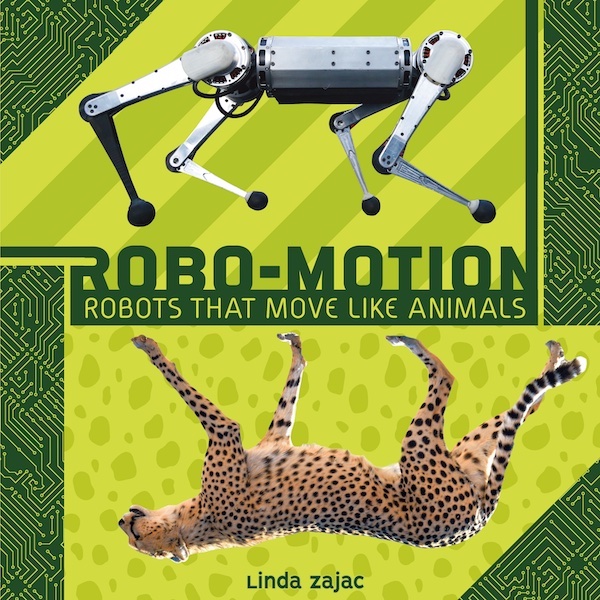
In my book, Robo-Motion: Robots That Move Like Animals, (Millbrook, 9/7/2021) the design team at Millbrook Press took my words and made them richer by surrounding them with color, intrigue, and hope. On each spread, in strikingly similar poses, animals are paired with the robots that mimic their motion,. Robo-Motion, a book about biomimicry, has action verbs on every page. Like animals in the wild, robots in the lab skitter, scuttle, grip, and glide. If we could move like animals, we could jump without getting tired, squeeze into tight spaces, and climb up glass. By building robots that mimic animal motion, we can move like them. Robo-Motion is a hopeful book about how robots can benefit society. A portion of the proceeds will be donated to charity.

With the following exercises, you can use Robo-Motion to boost hope and optimism in your classroom:

EXERCISE 1 – Gratitude

Ask children to pick the robot they are most thankful for. Have them write down the robot name and why they picked it.

EXERCISE 2 – Boost optimism

Have children close their eyes and spend some time thinking about the robot they picked. Ask them to imagine a scene where the robot is doing its job. The robot could be saving a life, cutting costs, gathering information, or making work more efficient.  Have them imagine that everything works out for the best.

EXERCISE 3 – Writing skills

Ask children to write an optimistic story about the robot they picked and how it helped society.

EXERCISE 4  – Spread optimism

Ask children to share their optimistic stories with the class.

You can also bring hope and optimism into your classroom with these recent STEM nonfiction picture books:

  • Crossings by Katy Duffield (Beach Lane, 2020) is a unique STEM book about structures built to protect wildlife from traffic. Although the vehicles that make crossings dangerous for animals are never mentioned in the main text, they appear in nearly all the illustrations. The book takes a fascinating look at manmade structures created to help various animals avoid traffic in the United States and abroad. The common thread is the desire to help wildlife and the hope that they will survive and flourish.
  • The Brilliant Deep by Kate Messner (Chronicle, 2018) is another book with a hopeful message. First, readers meet Ken Nedimyer, a diver. Then, in a wordless full-page spread, readers see the effect of one hotter-than-normal summer—bleached coral. Nedimyer and the Coral Restoration Foundation are farming corals and transplanting them to restore reefs. They’ve planted thousands of coral stalks off the Florida Keys and they’re working with other countries to help their threatened reefs. The book gives readers hope something can be done to regenerate corals damaged by warming ocean waters from climate change.
  • Mario and the Hole in the Sky by Elizabeth Rusch (Charlesbridge, 2019) is a story about Mario Molina discovering and helping to solve a global problem. In the 1980s, scientists discovered a huge hole in the ozone layer over Antarctica. When countries came together and agreed to stop making the CFC’s that were in everything from aerosols to air conditioners, the ozone layer began to recover. By comparing the ozone problem with climate change, readers see that by working together countries can solve global problems. We’ve done it before, we can do it again.
  • A leaking oil pipeline can wreak havoc on the environment. In We Are Water Protectors by Carole Lindstrom (Roaring Brook, 2020), the Ojibwe tribe fights to protect the ecosystem. A black snake symbolizes the oil pipeline that’s never mentioned in the text. The last page gives readers the opportunity to sign a pledge to protect the Earth. With gorgeous illustrations, this book is a rallying cry to action. It leaves the reader feeling hopeful that the tribe, along with others, will not give up their fight to protect water, land, plants, and animals.

STEM books with hope and optimism have power. They can broaden a child’s horizons, expand a child’s mind, and brighten a child’s world. In Emily Dickinson’s poetry collection, hope is the thing with feathers. In a post-pandemic classroom, hope is the thing with pages.

Resources:

Published September 7th, 2021 by Millbrook Press

About the Book: Like animals in the wild, robots in the lab skitter, scuttle, grip, and glide. In this STEAM title about biomimicry, crisp color photographs of animals are paired with the robots that mimic their motion. Action verbs and literary devices introduce each animal on the left, while details about each robot and its purpose grace the opposite page. This nonfiction picture book is a hopeful look at how robots can benefit society. Back matter includes a glossary and information about biomimicry. The book will appeal to young readers interested in animals, engineering, technology, and science. A portion of the proceeds will be donated to charity.

About the Author: Linda Zajac is an award-winning science writer. She’s a former computer programmer, systems analyst, and consultant who would have jumped at the chance to program a robot. Linda writes about cutting-edge science, technology, and biotechnology and how they’re used to save wildlife, advance medicine, and protect the environment. Linda is a Tassy Walden winner and a recipient of the PEN New England Susan P. Bloom Children’s Book Discovery Award. Her published works include six Minecraft books for kids along with many magazine articles in Highlights, MUSE, ChemMatters, and more. Robo-Motion: Robots That Move like Animals was published September 7, 2021 by Millbrook Press.

Thank you, Linda, for this post focusing on the social and emotional learning our students need to do in addition to academic and a way to combine the two!

Weird but True!: Ocean: 300 Fin-Tastic Facts from the Deep Blue Sea by National Geographic Kids

Share

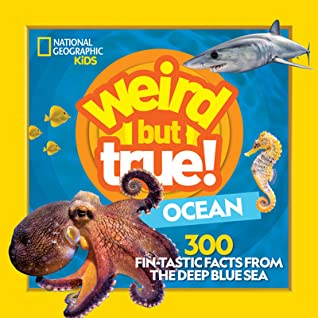
Weird but True!: Ocean: 300 Fin-Tastic Facts from the Deep Blue Sea
Published June 8, 2021 by National Geographic Kids

Goodreads Summary: Dive into these fishy facts: Did you know that the prehistoric shark, megalodon, had jaws so big that it could swallow a car? Or that goats, pigs, dogs, cats, and even an alpaca have all learned how to surf? And if that’s not weird enough for ya, one man even rowed solo across the Pacific Ocean for 312 days!
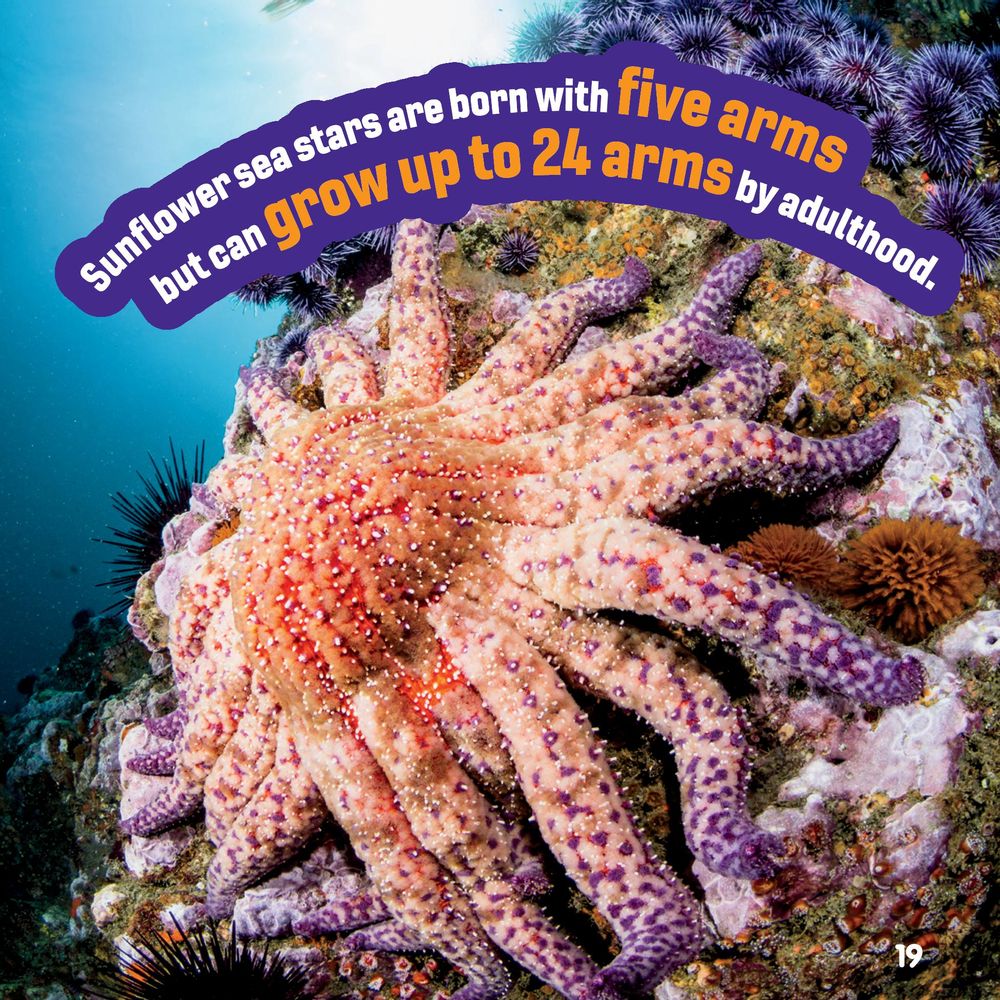
In this book filled with 300 wacky facts and pictures, you’ll glimpse the ocean’s weirdest wildlife, uncover shocking shipwrecks, and meet sensational seafarers, from pirates and sailors to ground-breaking marine scientists. Perfect for ocean enthusiasts and trivia-loving landlubbers alike!

My Review: This book is the perfect size for little hands! All three of my boys (ages 7, 4, and 2) loved it and really enjoyed looking through the pages. My older two boys were able to read the facts aloud, which made for a very fun experience. My 4-year-old kept shouting, “WHOA!” as they learned new facts. The photographs are absolutely stunning, and the pages offer really, really interesting facts that even adults will enjoy! 

Teachers’ Tools for Navigation: Check out this cool activity that Kellee did with her students as a classroom connection for these books!

Discussion Questions: 

  • Which facts were the most interesting to you?
  • Which ocean creature do you think is the coolest?
  • How can you learn more about this creature?

Flagged Passage: 

Read This If You Loved: Animal Books, National Geographic’s 100 Things to Know Before You Grow UpMastermind by National Geographic, Weird but True series by National Geographic, Animal Atlas, Almanacs

Recommended For: 

classroomlibrarybuttonsmall

RickiSig

**Thank you to Karen at Media Masters Publicity for providing a copy for review!**

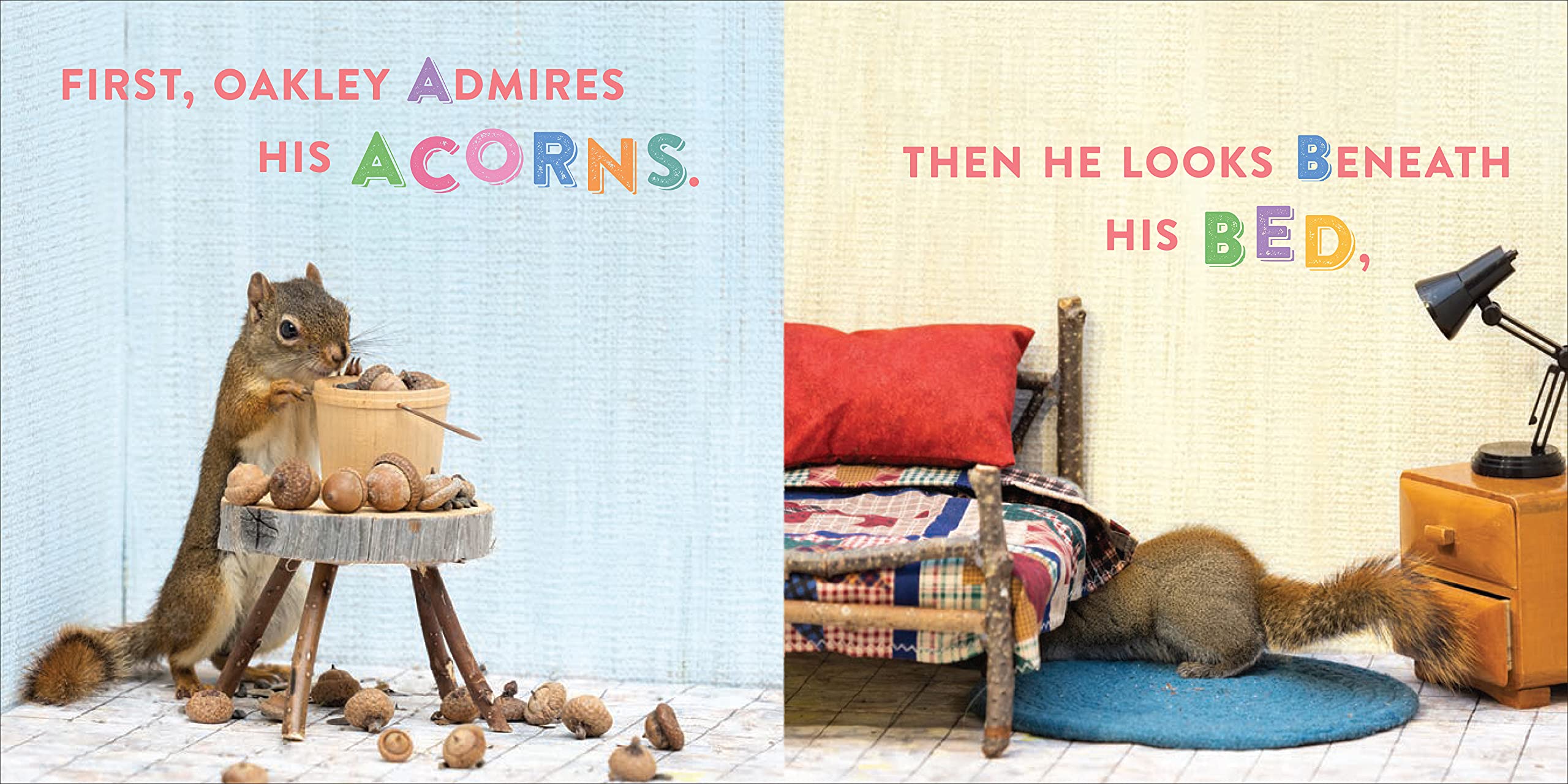
Oakley the Squirrel: The Search for Z: A Nutty Alphabet Book

Share

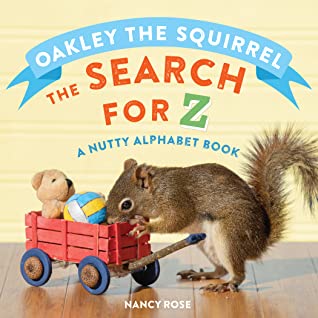
Oakley the Squirrel: The Search for Z: A Nutty Alphabet Book
Author: Nancy Rose
Anticipated Publication: June 22nd 2021 by Workman Publishing Company

Goodreads Summary: The letter Z is missing! Help little Oakley find it in this charming picture book with photos of real squirrels!

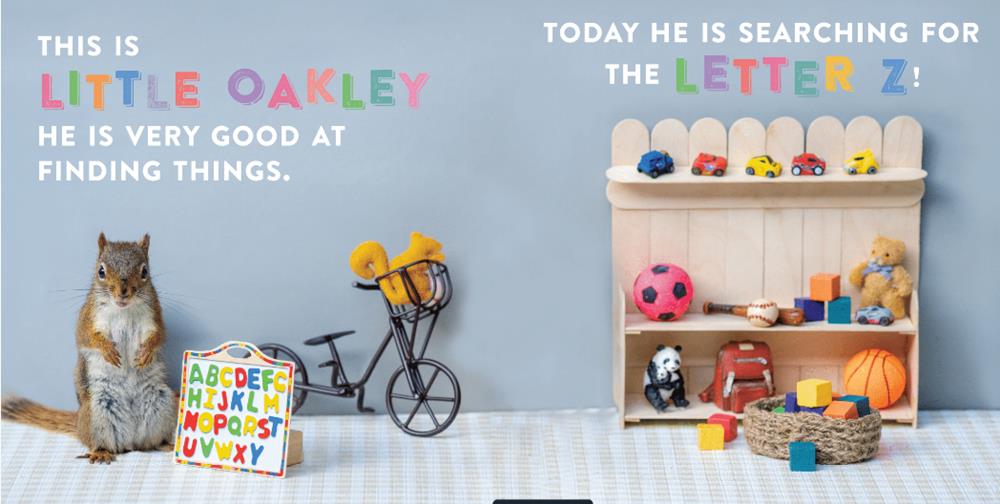
Oakley the Squirrel: The Search for Z is an alphabet book like no other. In it, we meet Little Oakley as he embarks on a quest to find the letter Z. He searches through an alphabet of human objects—looks beneath the Bed, claws through the Closet, digs through Drawers, examines his Easel, and so on. By the time he gets to a basket of yarn, Oakley starts to yawn, and soon falls asleep. And Z—as in, Zzzzzz!—appears!

Review and Teachers’ Tools for Navigation:I wish I had recorded my two-year-old giggling on each page as we read this book. It is a clever way to engage kids and make them think about each letter individually. The photographs are just hysterical. I love squirrels, so I was laughing right along with my son. I’d love to use this book with kids to take photographs to generate their own alphabet books. This would be an incredibly fun class project!

Discussion Questions: 

  • Where are some of the places that Oakley looks for the letter z?
  • Which is your favorite letter page and why?
  • Choose one image and rewrite it. What does Oakley do differently in your alphabet page?

We Flagged: 

Read This If You Love: Nonfiction books about animals; Alphabet books

Recommended For: 

classroomlibrarybuttonsmall readaloudbuttonsmall

RickiSig

**Thank you to Sara at Skyhorse Publishing for providing copies for review!**