Tales from the Arabian Nights: Stories of Adventure, Magic, Love, and Betrayal by Donna Jo Napoli

Share

nfpb2017

Nonfiction Wednesday

Nonfiction Picture Book Wednesday is hosted by Kid Lit Frenzy and was started to help promote the reading of nonfiction texts. Most Wednesdays, we will be participating and will review a nonfiction text (though it may not always be a picture book).
Be sure to visit Kid Lit Frenzy and see what other nonfiction books are shared this week!
arabian-nights

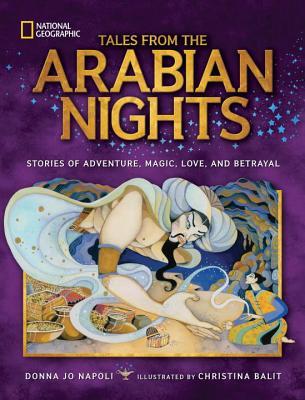
Tales from the Arabian Nights: Stories of Adventure, Magic, Love, and Betrayal by Donna Jo Napoli
Author: Donna Jo Napoli
Illustrator: Christina Balit
Published October 11th, 2016 by National Geographic Children’s Books

Summary: Classic stories and dazzling illustrations of princesses, kings, sailors, and genies come to life in a stunning retelling of the Arabian folk tales from One Thousand and One Nights and other collections, including those of Aladdin, Sinbad the Sailor, and Ali Baba and the Forty Thieves. The magical storytelling of award-winning author Donna Jo Napoli dramatizes these timeless tales and ignites childrens’ imaginations.

Review: This short story anthology of Arabian mythology was fascinating, captivating, and beautifully written and illustrated. The layers of themes and stories built upon each other to create a collection that is a wonderful introduction to true traditional literature.

One thing that I at first struggled with but then ended up loving was how stories overlapped with stories. The main story was that a young woman was telling her husband a story every night to keep him in suspense so that he keeps her alive for another night. So within her story, she is telling stories. Then sometimes the characters in her stories, to help her add suspense and cliffhangers, will tell stories. So that meant at times the story you were reading was a story within a story within a story. Sounds confusing but the way it was explained and implemented allowed for the tactic to do what the young woman hoped it would do for her husband–I just had to keep reading!

I also, in my ignorance, had not read any Arabian traditional literature as I only knew the pop culture versions, so I loved learning about the culture and history through their folk tales.

Teachers’ Tools for Navigation: Greek mythology is taught throughout school; however, there are folk tales and mythology from so many other cultures. I would love to see more Arabian folk tales taught during mythology units (and why not more folk tales and mythology from other cultures as well!). Donna Jo Napoli along with Christina Balit already have anthologies for Egyptian and Norse (and Greek), so those are a good place to start!

Discussion Questions: What are some themes you see throughout all of the tales?; How are the stories you were familiar with different than the popular culture versions you knew?

Flagged Passages: 
arabian-nights-illustration

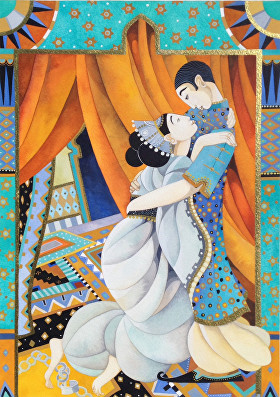
“Princess Budur unfoldedthe letter and her own ring dropped into her palm. She read the letter. At last! She planted her feet against the wall and strained until the iron around her neck snapped. She pulled the curtain aside and threw herself into Qamar al-Zaman’s arms. On that day they were wed.” (p. 72-73)

Read This If You Love: The Arabian Nights by various and other Middle Eastern or Asian stories and folk tales, mythology

Recommended For: 

classroomlibrarybuttonsmall closereadinganalysisbuttonsmall

Signature

**Thank you to Karen at Media Masters Publicity for providing a copy for review!!**
Review and Giveaway!: Your Alien Returns by Tammi Sauer

Share

your-alien-returns

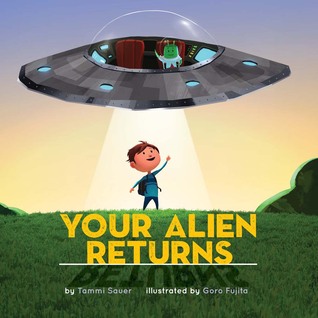
Your Alien Returns
Author: Tammi Sauer
Illustrator: Goro Fujita
Published October 4th, 2016 by Sterling Children’s Books

Summary: When you least expect it, something special will get your attention.
Your alien will be back.
He will invite you over for a play date.

Come along on an out-of-this-world experience! In this heartwarming sequel to the critically acclaimed Your Alien, it’s the human boy’s turn to visit the extraterrestrial’s home planet—and to feel like an outsider. But with a little help from his very best friend in the whole universe, our young hero finds a way to fit in. Like the two irresistible characters, readers will have the ride of their lives.

About the Author: Tammi Sauer is the author of many Sterling books, including Your Alien, Mary Had a Little Glam, Chicken Dance, Bawk & Roll, and Cowboy Camp. She is an active blogger and highly involved in the children’s writer community. Tammi has worked as a teacher and library media specialist, but now writes full time and visits schools around the country. She lives in Edmond, OK. Follow Tammi on Twitter @SauerTammi or visit her website at http://www.tammisauer.com/.

About the Illustrator: Goro Fujita was born in Japan and now lives in San Jose, CA. He works as a book illustrator, animator, and art director on virtual-reality experiences.  Visit him online at area-56.de.

Review: I definitely recommend checking out the first book, Your Alien, and our review of it because it really does point out a lot of what made me definitely have to review the second book, and the second book did not disappoint. The theme of friendship and perspective rings true in the sequel as well but what I love the most about the narrator and his alien is the true friendship they have! They are an example of being able to be friends, true friends, without changing who you really are. And I am so in awe of the illustrations. Goro Fujita brings the story to life in such a fun and colorful yet realistic way!

Teachers’ Tools for Navigation: As we mentioned in the first book’s review, the point of view of this text is so unique! Tammi Sauer uses 2nd person point of view to bring the reader literally into the story and makes them part of it. Usually in elementary school when point of view is taught, only 1st and 3rd person are taught, but Your Alien and Your Alien Returns would give teachers away to show what 2nd person is and how it can be utilized in narrative form.

Discussion Questions: What emotions did the boy go through from the beginning to the end of the book?; How did the alien help the boy feel better when he was feeling left out?; How does the author’s choice of 2nd person POV change how the story experience is?; If you were going to retell the story like the narrator does for his parents at the end, how would you tell it?

Flagged Passages: 

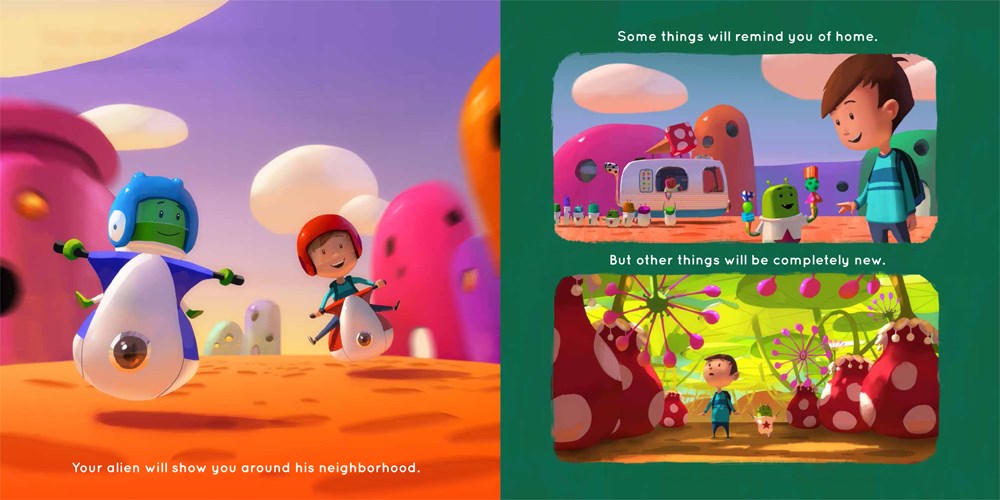
your-alien-returns-spread

Read This If You Loved: Your Alien by Tammi Sauer,  Faraway Friends by Russ CoxBoy + Bot by Ame DyckmanLife on Mars by Jon Agee

Recommended For:

  readaloudbuttonsmall classroomlibrarybuttonsmall

Giveaway!

a Rafflecopter giveaway

Kellee Signature

**Thank you to Lauren at Sterling for providing a copy for review!**

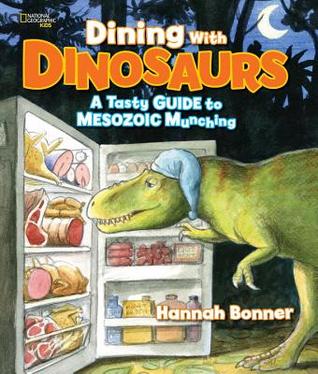
Dining with Dinosaurs: A Tasty Guide to Mesozoic Munching by Hannah Bonner

Share

nfpb2017

Nonfiction Wednesday

Nonfiction Picture Book Wednesday is hosted by Kid Lit Frenzy and was started to help promote the reading of nonfiction texts. Most Wednesdays, we will be participating and will review a nonfiction text (though it may not always be a picture book).
Be sure to visit Kid Lit Frenzy and see what other nonfiction books are shared this week!

Also, I’d like to thank Sarah Brannen for making such a beautiful piece of artwork for our weekly nonfiction link up. It is perfect for illustrating why nonfiction is so important!

dining-with-dinosaurs

Dining with Dinosaurs: A Tasty Guide to Mesozoic Munching
Author: Hannah Bonner
Published September 20th, 2016 by National Geographic Children’s Books

Summary: Sure you know T-Rex was the meat-eating king and brontosaurus munched on leaves, but what else was on the dino dining menu during the Mesozoic era?

Meet the ‘vores: carnivores, piscivores, herbivores, insectivores, “trashivores,” “sunivores,” and omnivores like us.

Readers will be surprised and inspired to learn about dino diets and they’ll get to explore how scientists can tell which dinosaurs ate what just from looking at fossils!

Journey through artist and author Hannah Bonner’s whimsical world to learn how the dinosaurs and their contemporaries bit, chewed, and soaked up their food.

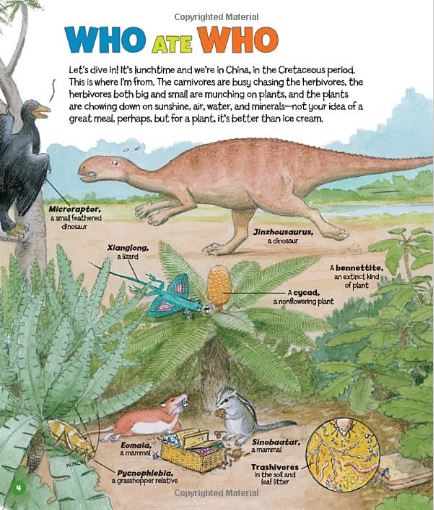
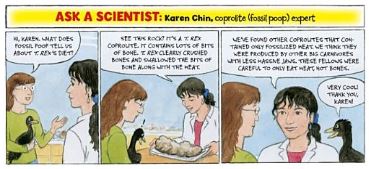
Review: Although the cover looks a bit silly, this text is to be taken seriously. Hannah Bonner does a wonderful job examining what different dinosaurs ate, the science behind what and why they ate what they did, how paleontologists know what dinos ate, and where all these dinosaurs fit in the grand scheme of things. Told in a unique structure that alternates between Hannah and a microraptor narrating and comic strip interviews with scientists, the text is not only informative but very entertaining.

Teachers’ Tools for Navigation: This is going to be the perfect text for a dinosaur unit in a classroom. It allows for so many different discussions including the different periods within the Mesozoic Era (and Cenozoic Era), connections between dinosaur diets and modern animals, types of scientists that study dinosaurs, different species of dinosaurs, and even text structure. Such a wide range of opportunities for classroom discussion (and even extension activities from the discussions). Additionally, the back matter of the text is filled to the brim with information and even an experiment.

Discussion Questions: What are some ways paleontologists can tell which dinosaurs ate what?; What modern animals fit into each of the ‘vore categories in the text?; Why did the author choose to include the comic strip interviews throughout the book?

Flagged Passages: 

dining-with-dinosaurs-spread

dining-with-dinosaurs-comic-strip-interview

Read This If You Love: Dinosaurs 

Recommended For: 

classroomlibrarybuttonsmall closereadinganalysisbuttonsmall

Signature

**Thank you to Karen at Media Masters Publicity for providing a copy for review!!**
Kellee’s Favorite Reads in 2016

Share

kellees-favorite-reads

In 2016, I am so proud of myself that I read 291 books! My goal was 250, so I surpassed it–YAY! Last year I finished 288, but I was able to keep track of first reads of so many picture books that I have now read over and over again and wasn’t able to put as 2016 books because I wanted to keep their original date on Goodreads, so I am considering this year a much better reading year.

Today, I want to share with you 60 favorites (broken up into 5 categories) from the 291 that I read in 2016. If you haven’t read any of these, put them on your TBR now!!!!!
*These are books I read in 2016, not books that were published (only) in 2016
**In no particular order
***I included links to Unleashing Readers reviews if I wrote one

My 15 Favorite Fiction Picture Books I Read in 2016

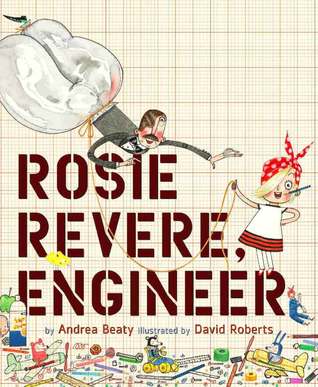
hug-machine one-day shy A Child of Books Rosie Revere

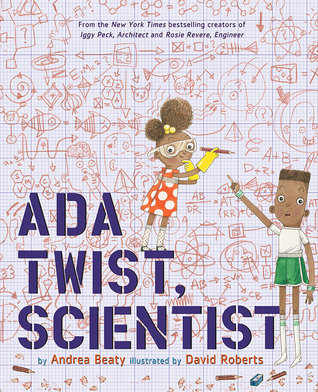
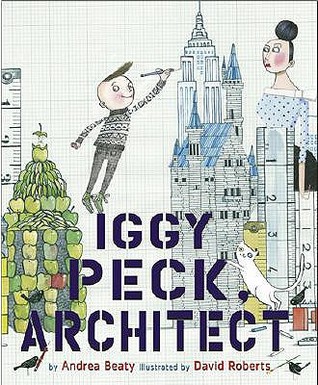
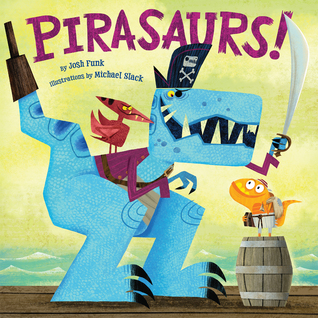
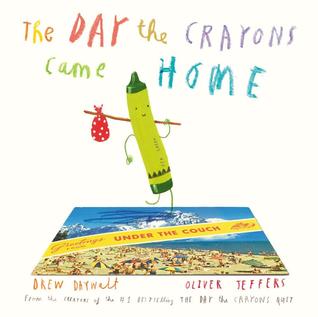
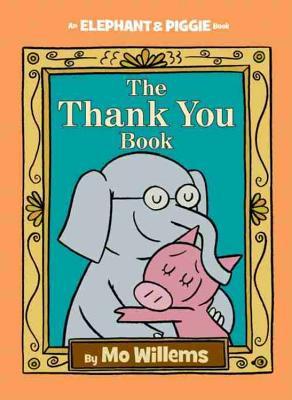
ada twist iggy peck pirasaurs the day the crayons came home thank you book

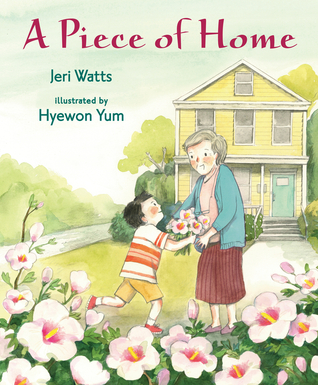
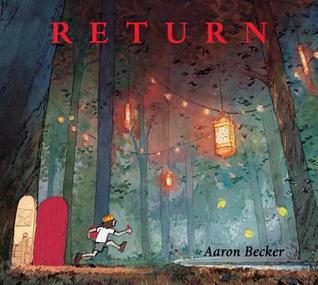
a piece of home return we found a hat dear dragon nibbles

Reviews: 
Shy by Deborah Freedman
A Child of Books by Oliver Jeffers and Sam Winston
Ada Twist, Scientist by Andrea Beaty
Pirasaurs! by Josh Funk
A Piece of Home by Jeri Watts
Return by Aaron Becker
We Found a Hat by Jon Klassen
Dear Dragon by Josh Funk
Nibbles: The Book Monster by Emma Yarlett

My 10 Favorite Non-Fiction Books I Read in 2016

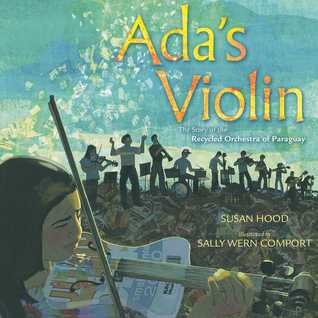
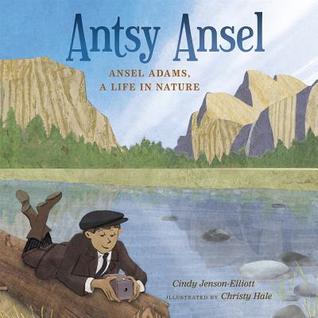
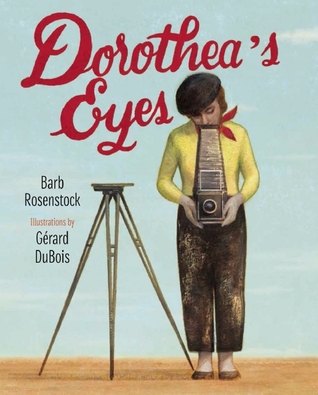
giant-squid adas-violin antsy-adams Dorothea's Eyes radiant-child

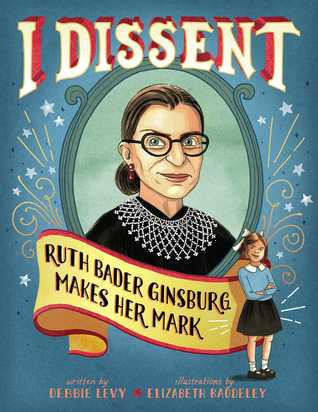
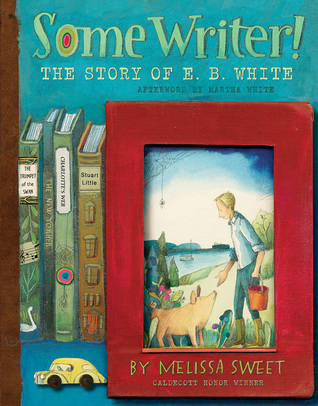
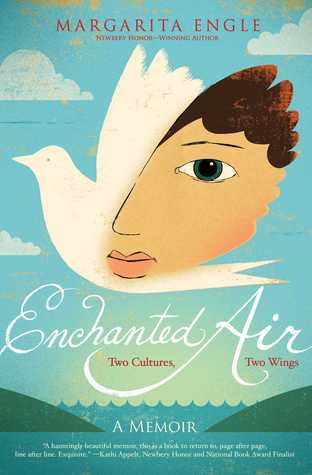
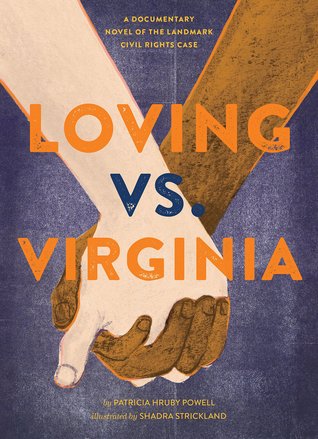
i-dissent hillary rodham clinton some-writer Enchanted Air loving-vs-virginia

Reviews:
Antsy Ansel by Cindy Jenson-Elliott
Dorothea’s Eyes by Barb Rosenstock
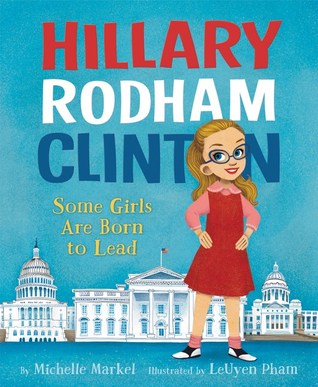
Hillary Rodham Clinton by Michelle Markel

My 5 Favorite Graphic Novels I Read in 2016

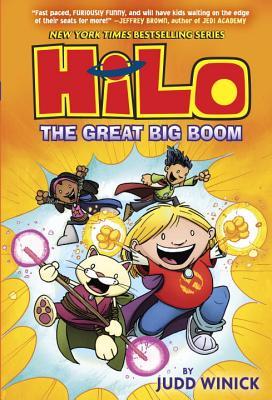
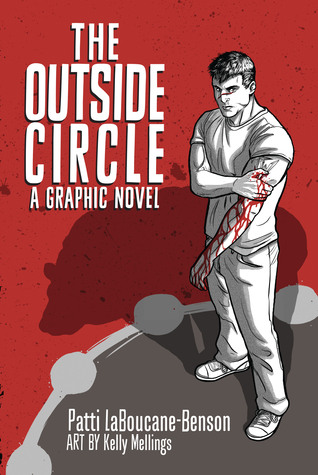
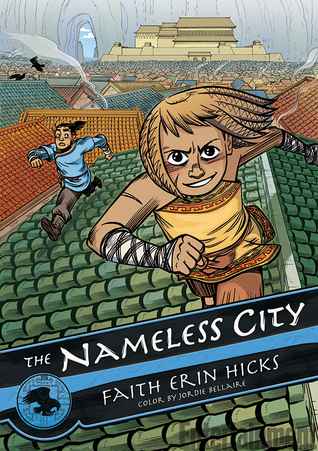
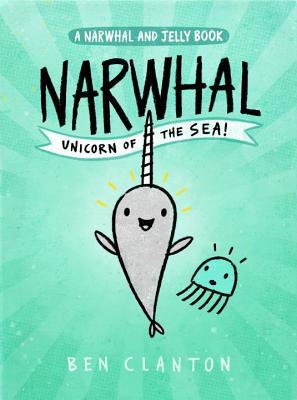
hilo-3 outside-circle Nameless City narwhal alamo

My 20 Favorite Middle Grade Novels I Read in 2016

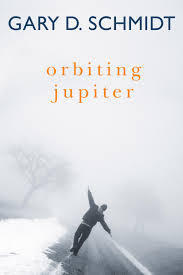
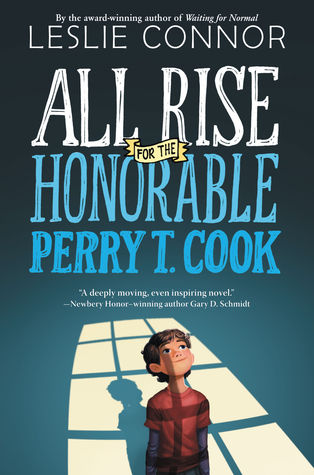
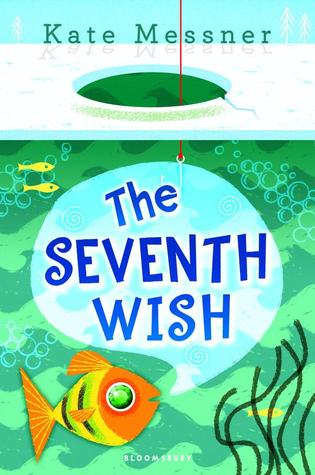
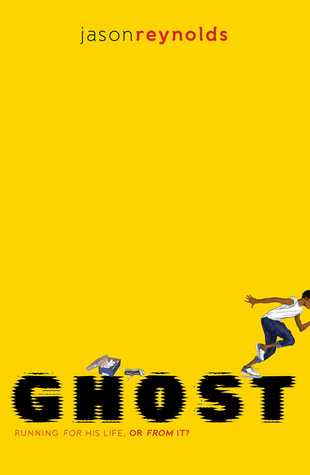
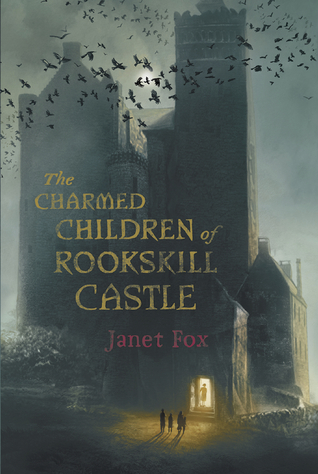
orbiting-jupiter perry-t-cook seventh-wish ghost charmed-children

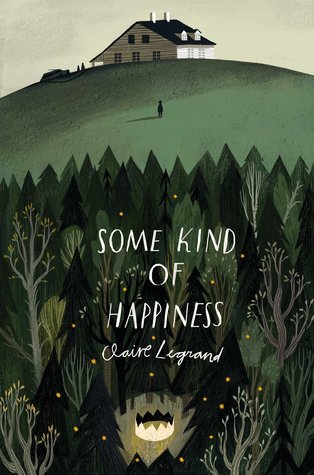
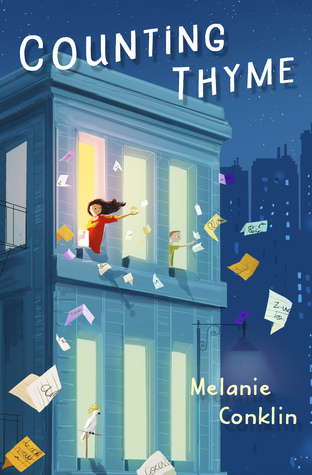
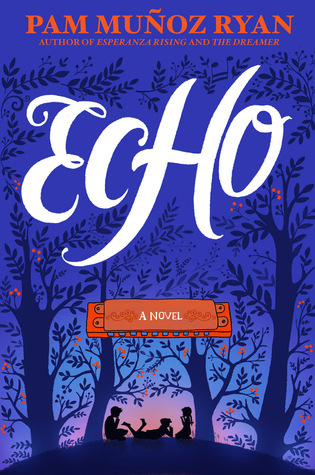
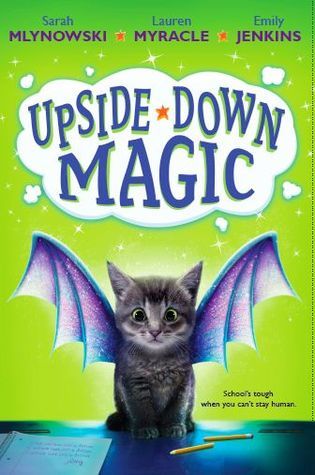
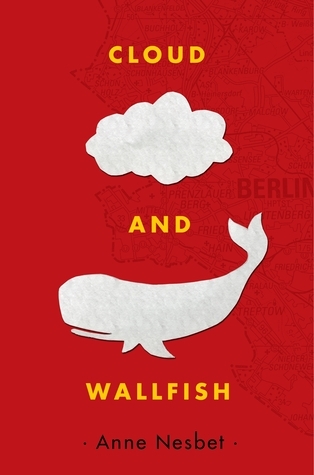
some-kind-of-happiness counting-thyme echo upside-down-magic cloud-and-wallfish

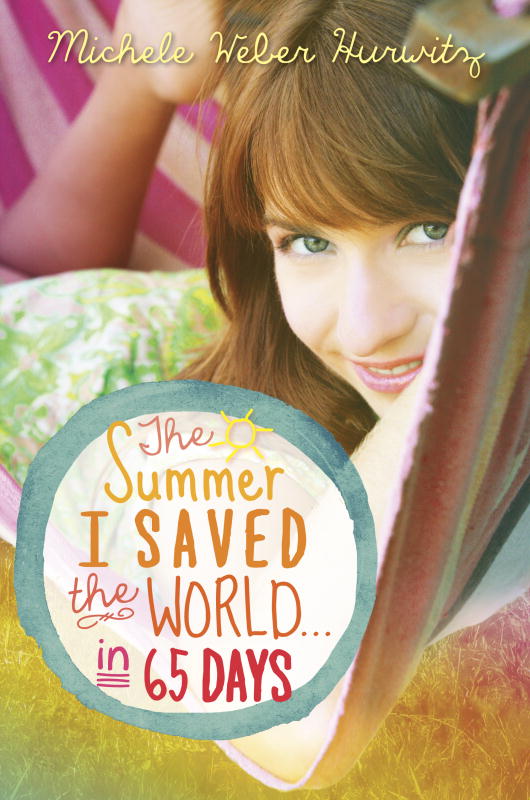
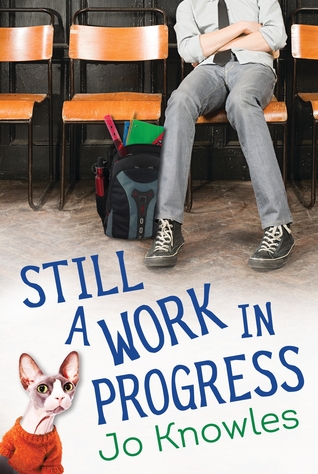
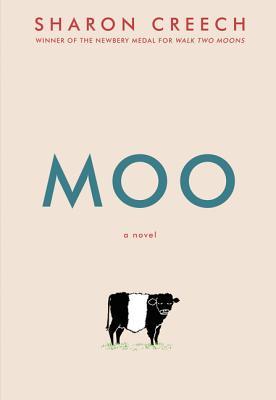
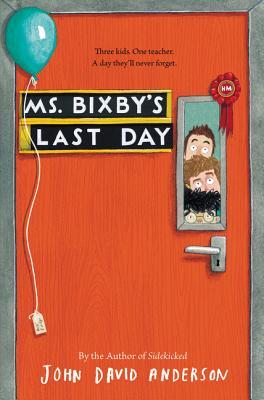
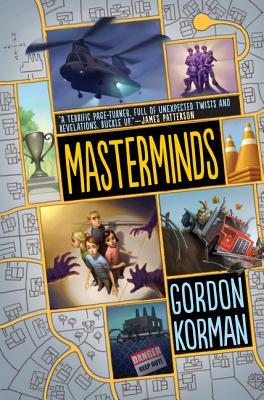
SUMMER final cover image (2) still a work in progress moo ms bixby masterminds

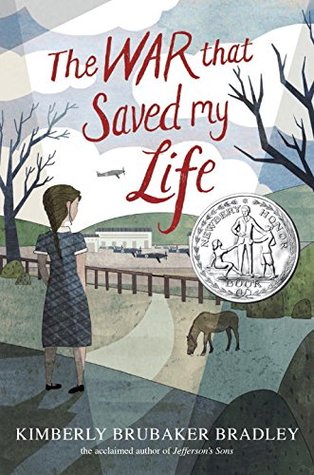
war that saved far-from-fair sophie quire honest truth raymie

Reviews: 
Still a Work in Progress by Jo Knowles
Ms. Bixby’s Last Day by John David Anderson
Sophie Quire and the Last Storyguard by Jonathan Auxier
The Honest Truth by Dan Gemeinhart
Raymie Nightingale by Kate DiCamillo

My 10 Favorite Young Adult Novels I Read in 2016

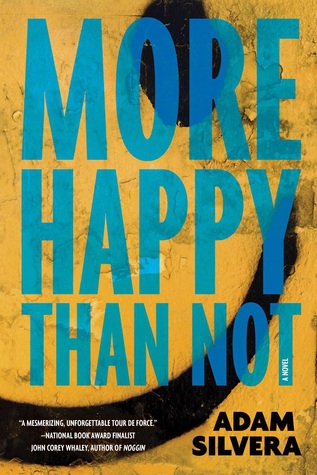
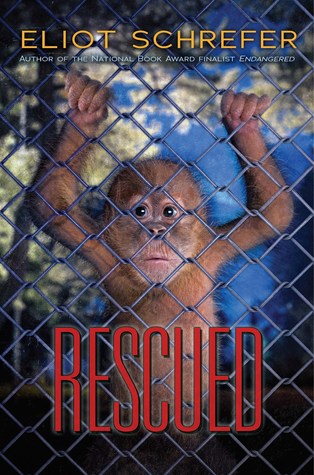
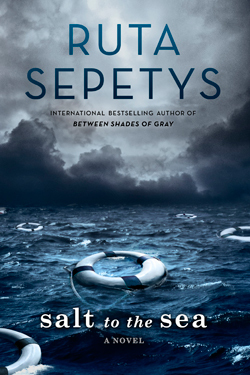
honestly-ben last-true-love-story more happy than not rescued salt to the sea

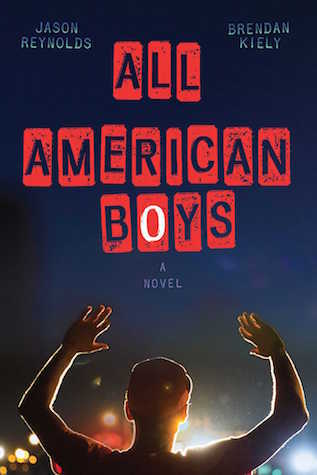
all american boys mexican darkest-corners great-american all fall down

Reviews: 
Rescued by Eliot Schrefer
Salt to the Sea by Ruta Sepetys
All American Boys by Jason Reynolds and Brendan Kiely

This year was a phenomenal reading year; I hope yours was too! Here’s to another year full of books and stories!

Kellee Signature

Natumi Takes the Lead: The True Story of an Orphan Elephant Who Finds a Family by Gerry Ellis with Amy Novesky

Share

NFPB2016

Nonfiction Wednesday

Nonfiction Picture Book Wednesday is hosted by Kid Lit Frenzy and was started to help promote the reading of nonfiction texts. Most Wednesdays, we will be participating and will review a nonfiction text (though it may not always be a picture book).
Be sure to visit Kid Lit Frenzy and see what other nonfiction books are shared this week!

natumi

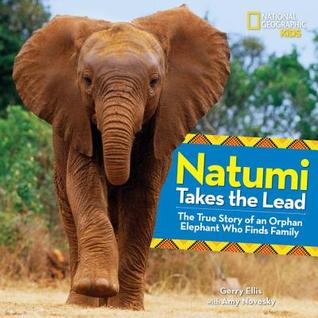
Natumi Takes the Lead: The True Story of an Orphan Elephant Who Finds Family
Author: Gerry Ellis with Amy Novesky
Published November 8th, 2016 by National Geographic Children’s Books

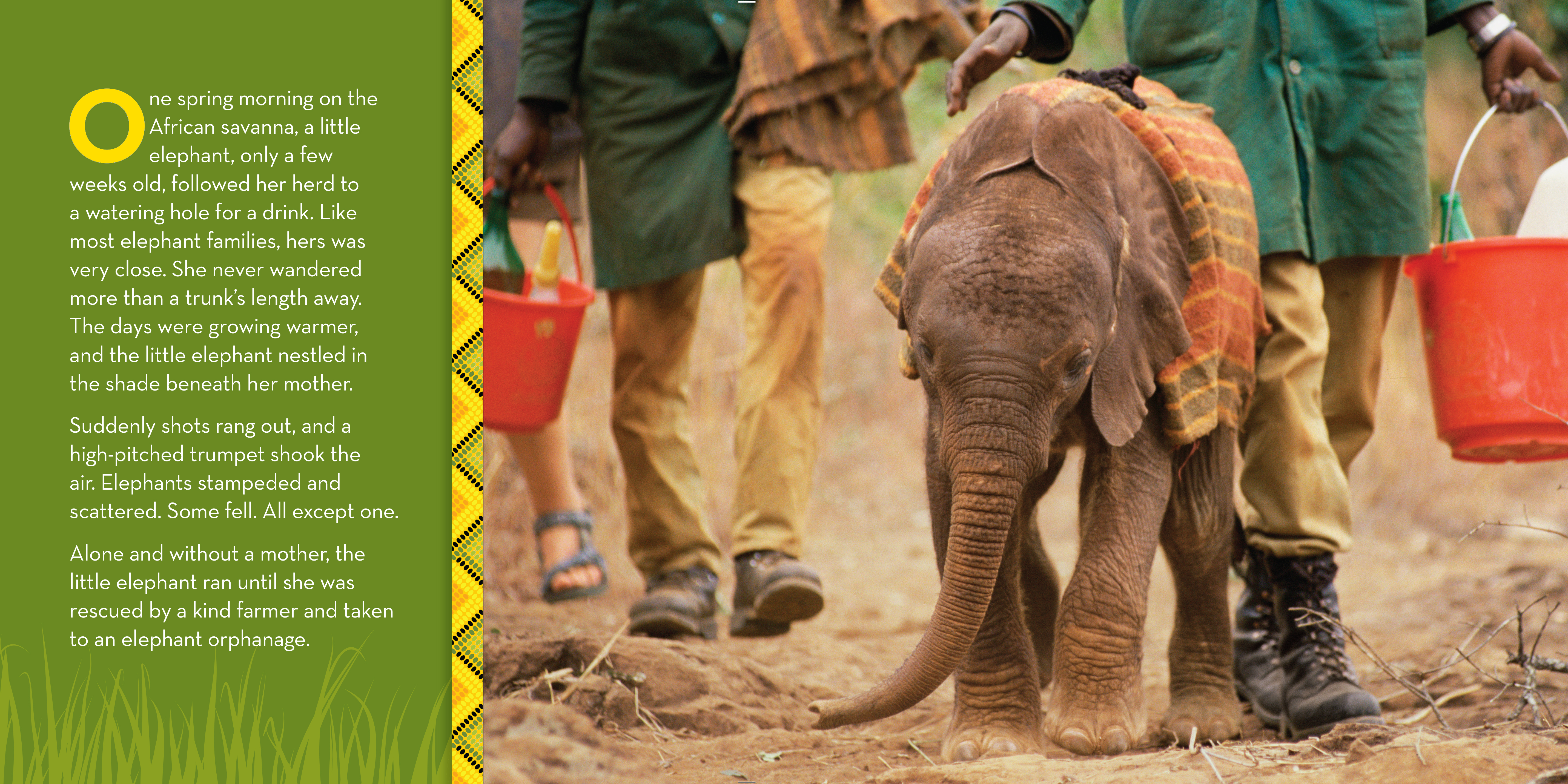
Goodreads Summary: After losing her mother, shy Natumi is rescued by a team from the David Sheldrick Wildlife Trust, an orphanage for baby elephants. At the shelter, Natumi hides behind keepers’ legs to watch the other elephants at the shelter. But soon, she meets several other orphans, and the eight of them play together in the surrounding bush.

As the babies become closer and more like a real family, they need a leader, someone they can trust. Can Natumi grow into this role?

Join the herd to find out what happens when they travel back into the wild. This sweet story, with its heartwarming photographs, explores the challenges and joys of family, love, and growing up, and is a perfect bedtime tale.

Review: In addition to being a story that teaches about elephants, Natumi’s story is one that will warm readers’ hearts. Her story is sad yet inspiring, heart breaking yet beautiful, and the reader gets to be there every step of the way. Gery Ellis’s photographs allow the reader to be right in the story and helps move this book past just a normal informational nonfiction text to literary nonfiction thus allowing it to cross boundaries in the classroom.

Teachers’ Tools for Navigation: Since the text crosses the informational/literary boundaries, there are immense possibilities to how this text could be used in the classroom. When I finished, the two things that struck me right away were the theme of the story and the inquiry that this story could be a basis for. Natumi’s story definitely has a pretty solid theme that can tie into many other texts or even science discussions about animal behaviors. Also, the text talks about one animal in peril in the wild, and it could be a jumping off point for a science/language arts crossover project where students state find a problem in the wild and create information, much like the author’s note, that shows ways to help and learn more about the issue. In addition, there are opportunities for vocabulary development, mapping skills, prediction, cause/effect, and much more.

Discussion Questions: How did poachers change Natumi’s life forever? Why are there poachers in Africa?; Why are elephant orphanages needed? How could we help this problem?; How did Natumi become the leader of her family?

Flagged Passages: 

natumi-spread

Read This If You Love: Elephants, Learning about endangered animals, Africa 

Recommended For: 

classroomlibrarybuttonsmall closereadinganalysisbuttonsmall readaloudbuttonsmall

Signature

**Thank you to Karen at Media Masters for providing a copy for review!**
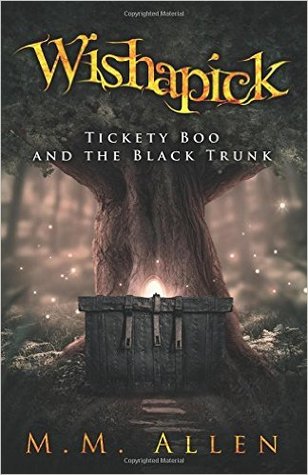
Wishapick: Tickety Boo and the Black Trunk by M.M. Allen

Share

wishapick

Wishapick: Tickety Book and the Black Trunk
Author: M.M. Allen
Published June 16th, 2015 by CreateSpace

Summary: Darkness. Utter blackness. Was this why his mother had refused to let Jack unlock his father’s old trunk? It had been two years since his dad had died, and all Jack could think about was examining whatever treasures were stored inside the beloved trunk. But when he finally lifted the lid, he didn’t just fall in—he fell through it into a pit of rattlesnakes!

Trying to recall his mother’s stories about “the Breath of All Good Things”—anything to shed light on his current situation—Jack wishes he’d paid better attention rather than mock the tales as childish myths…and that he’d waited to enter the trunk with his sister, Lilly, so they could at least face this together.

Like L. Frank Baum’s Oz and C. S. Lewis’s Narnia, M. M. Allen brings to life the fantastical world of Wishapick—a land of courageous animals ruled by a cruel rattlesnake king who has condemned the villagers to live without light. Chosen as the reluctant hero to save the villagers, Jack must face terrifying creatures and overwhelming odds if he wants to help his new friends—and return home himself.

Be sure to check out the companion music CD, Wishapick, for purchase or download from http://deborahwynne.com/

Review: Wishapick is a fun introduction to the world of fantasy reading, and I think a lot of young readers will enjoy Jack’s story and will find themselves wanting to read more fantastical stories. The summary compares the story to Oz and Narnia, but I actually compare it more to Wind in the Willows and other anthropomorphic stories like Redwall. I also think fans of Spiderwick Chronicles will like the adventure. I am also a big fan of a multi-point of view story when done well, and I liked how the author used Jack and Lilly to tell the story because it allowed us to see all sides of the adventure. 

In addition to Jack’s story, the book has a companion CD which brings out some of the mood and tones that the story carries.

Teachers’ Tools for Navigation: Wishapick will be a wonderful addition to any classroom, school, or home library–anywhere the right readers will find it.

Discussion Questions: What character trait did Jack have at the beginning of the book that made him not able to save Wishapick right away?; How did Lilly’s inclusion of the story affect the adventure?; Why did the author choose to switch between points of view?; How does the music help with your interpretation of the story?

Flagged Passages: “He expected his feet to land on the floor of the trunk, but he found himself in a free fall. The lid of the trunk slammed shut above him. The blackness closed in, and the tiny lights he had seen when he first peered into the trunk were gone. He frantically kicked his legs and clutched desperately at the air with his hands. His chest felt tight as a drum, so tight he could barely catch his breath. A groan of despair erupted inside of him. He waved his arms about, trying to slow his fall. As he thundered downward, he felt something with his fingertips, like dirt–no, it was slimy, maybe mud?” (p. 6)

Read This If You Loved: The Spiderwick Chronicles by Holly Black, Wind in the Willows by Kenneth Grahame

Recommended For:

classroomlibrarybuttonsmall

Kellee Signature

How the World Was: A California Childhood by Emmanuel Guibert

Share

NFPB2016

Nonfiction Wednesday

Nonfiction Picture Book Wednesday is hosted by Kid Lit Frenzy and was started to help promote the reading of nonfiction texts. Most Wednesdays, we will be participating and will review a nonfiction text (though it may not always be a picture book).
Be sure to visit Kid Lit Frenzy and see what other nonfiction books are shared this week!

How the World Was

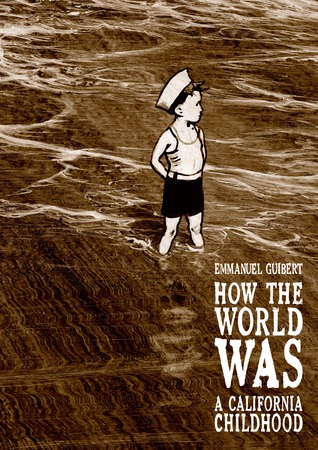
How the World Was: A California Childhood 
Author: Emmanuel Guibert; Translation: Kathryn Pulver
Published: July 15, 2014 by First Second

Summary: In 1994, French cartoonist Emmanuel Guibert befriended an American veteran named Alan Cope and began creating his new friend’s graphic biography. Alan’s War was the surprising and moving result: the story of Cope’s experiences as an American GI in France during World War II.

How the World Was is Emmanuel Guibert’s moving return to documenting the life of his friend. Cope died several years ago, as Guibert was just beginning work on this book, but Guibert has kept working to commit his friend’s story to paper. Cope grew up in California during the great depression, and this remarkable graphic novel details the little moments that make a young man’s life…while capturing the scope of America during the great depression.

A lyrical, touching portrait, How the World Was is a gift for a dear friend in the last moments of his life… and also a meditation on the birth of modern America.

Review: Many of you know Emmanuel Guibert’s graphic novel Alan’s War. Guibert is a French cartoonist who tells the true story of Alan Cope, an American GI in France in WWII. How the World Was: A California Childhood depicts Alan’s earlier childhood experiences, growing up during the Great Depression in California. The graphic novel is unlike others that I’ve read, and I really enjoy Guibert’s style. The chapters read like vignettes of Cope’s childhood; some of the scenes are graphic, and many are quite moving. This text would be excellent for close reading, and I don’t think readers even need to read it in its entirety to appreciate and understand each chapter.

Teacher’s Tools for Navigation: I’d love to use this text in the classroom, and I would probably use a single chapter. (This would inspire readers to take the entire book out on their own, which is a style I love to use when I am teaching.) I was particularly moved by the end of the book, where Alan’s mother goes in for surgery. I’d love to do a close reading of this section to discuss author’s purpose and Alan’s identity development.

Discussion Questions: How does this graphic novel differ from others that you’ve read?; How is the author’s writing style similar to short vignettes? Why might he have chosen to write the book in this why? Is it effective for you, the reader?; What scenes stand out to you? Why might this be?

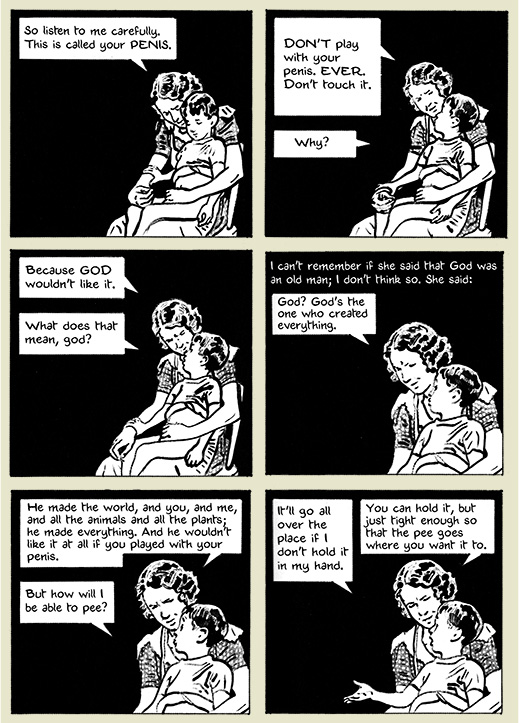
Flagged Passage: I’ve included a section that stands out to me. It is a bit peculiar to include in a graphic novel, but there is a lesson in the pages that follow. I imagine that censors would be horrified to see this page alone, but within the context of the chapter, it is a very important scene.

how the world was

Special thanks to http://goodokbad.com/index.php/reviews/how_the_world_was_review for sharing this scene in his reviews. It’s a good one.

Read This If You Love: The Photographer by Emmanuel Guibert; Alan’s War by Emmanuel Guibert; The Stranger by Albert Camus; The House on Mango Street by Sandra Cisneros

Recommended For:

closereadinganalysisbuttonsmall classroomlibrarybuttonsmall

RickiSig