Author Q&A with Kenneth C. Davis, Author of Strongman: The Rise of Five Dictators and the Fall of Democracy

Share

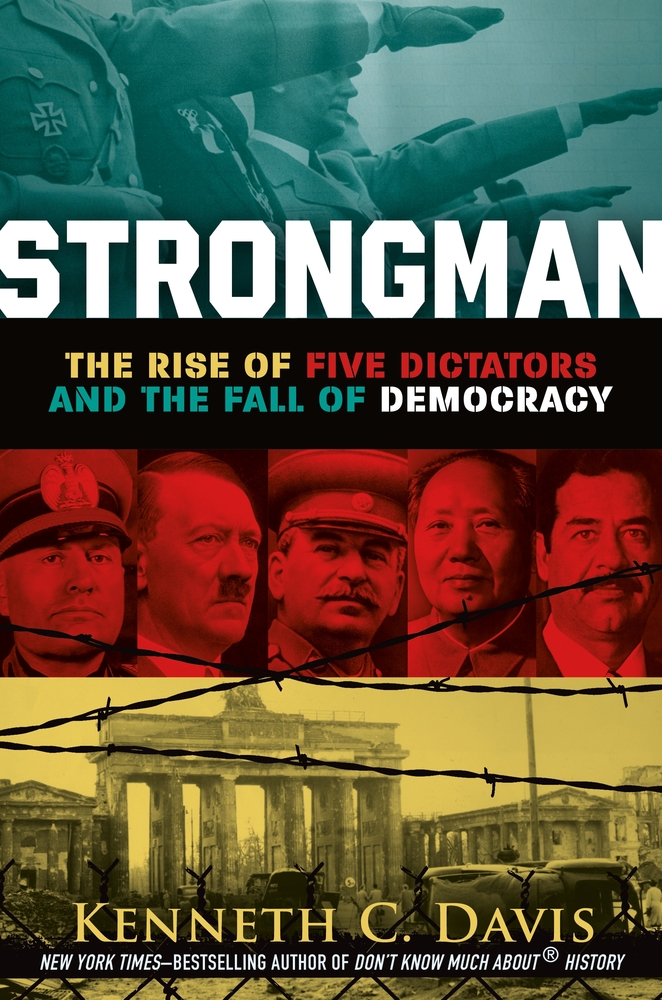
Strongman: The Rise of Five Dictators and the Fall of Democracy
Author: Kenneth C. Davis
Published October 6th, 2020 by Henry Holt and Co.

About the Book: From the bestselling author of the Don’t Know Much About books comes a dramatic account of the origins of democracy, the history of authoritarianism, and the reigns of five of history’s deadliest dictators.

What makes a country fall to a dictator? How do authoritarian leaders—strongmen—capable of killing millions acquire their power? How are they able to defeat the ideal of democracy? And what can we do to make sure it doesn’t happen again?

By profiling five of the most notoriously ruthless dictators in history—Adolf Hitler, Benito Mussolini, Joseph Stalin, Mao Zedong, and Saddam Hussein—Kenneth C. Davis seeks to answer these questions, examining the forces in these strongmen’s personal lives and historical periods that shaped the leaders they’d become. Meticulously researched and complete with photographs, Strongman provides insight into the lives of five leaders who callously transformed the world and serves as an invaluable resource in an era when democracy itself seems in peril.

Q&A

Q1. What led you to choose this topic and this audience (teens) for your new book?

A1.   I have been writing about history for some thirty years and was always fairly optimistic about the future of America. In spite of the flaws I have catalogued in my books, I always believed in the United States as the “last, best hope on earth”—Lincoln’s words—and that its democratic system still moved towards more progress.

But something has changed. And for some time now, I have been concerned that democracy, at home and abroad, was under assault. That is not only sad but dangerous. I felt I had to tell the story of these dictators and how quickly democracy can vanish. It is meant as a warning, a cautionary tale for our time.

On the question of writing for teens, let me first say that I think my books aimed at younger readers are not that different from my earlier work aimed at older adults. In fact, many older readers don’t know these are “Young Adult” books. I try and write for everyone in an accessible style that welcomes the reader, older or younger.

I started writing for younger readers several years ago because I have spoken to so many of them in classrooms over time and came away impressed by their curiosity, engagement, and interest in history. But I wanted to deliver a message to those young people that democracy can’t be taken for granted and that they have a real stake in protecting our rights and freedoms.

Q2.   What is the key takeaway you hope that young people get from reading it?

A2.   There are several key issues at work in this book and, I would say, all of my work. First is that history is not a collection of facts—dates, battles, speeches, laws – but real stories about real people doing real things. When we read about history that way, it becomes far more compelling and connected to our own lives.

Next is that we read and learn from these accounts to understand who we are and how we got here. Part of that idea is the story of how enormous sacrifices have been made in the name of rights and progress—from abolition to suffrage, civil rights, and fair labor laws. That often comes from the bottom up, not the top down, which means people without a vote still had a voice.

It is also a book that asks hard questions about what people are willing to do in following a leader. And that brings me to my earlier point: Democracy is not a spectator sport. We must protect it if we think it is worth keeping.

Q3.   What was the hardest part about writing the book?

A3.   I actually write about that in the closing words of the book. This was, in many ways, an extremely difficult project. I have written about many hard and awful events and periods in the past, including the stories of racial slavery I told in my earlier book, In the Shadow of Liberty.

But describing the levels of cruelty, inhumanity, and indecency are unavoidable in writing the history of the Strongmen –the murderous dictators whose stories I tell. We can’t sugarcoat that history. Or ignore it. That made this project a true test of my fundamental belief in the general goodness of humanity. I had to write about the vast numbers of people who were complicit in the genocidal crimes of a Strongman like Hitler or Stalin.

Q4.   If a teacher asked for recommendations for teaching your book, what would you suggest?

A4.   My writing career has mostly been about asking questions and presenting facts and evidence in real stories. I think that teachers –especially those in Social studies—can follow that general premise with their students. Ask questions and allow students to find answers through accurate, documented evidence.

This approach of getting students to do real research, assess evidence, check sources, and make considered judgments based on facts is the essence of thinking for themselves. It is what today’s education must be about, especially in this era as facts and truth are under such assault.

In a more practical way, this book should fit into a number of curriculum areas – 20th century history; the Holocaust; civics and government; ethics, religion, and basic philosophy; economics; sociology and the behavior of crowds. I have always been a proponent of crossing disciplines.

Q5.   What other resources do you feel would complement STRONGMAN in a curriculum?

A5.   I would start with reputable journalism, including newspapers and websites that accurately document their reporting. We must establish the clear connection between history and the headlines. That will also help develop those “media literacy” skills that all of us –not just students—need to negotiate the world we live in.

Certainly, there are also a great many other books that could be placed beside Strongman –biographies, war narratives, Holocaust and other memoirs from each of these eras. I’ve included many of them in the Bibliography of Strongman.

I think you can include some historical fiction –cautiously reminding students that novels are not always accurate depictions of events. There are also a wealth of documentary films and series, often starting with what is offered from PBS.

Finally, I did not set out to write three books as a “set” – but I think that my earlier books can be read alongside Strongman. I think that In the Shadow of Liberty provides more context for how the history of slavery developed alongside American democracy. More Deadly Than War provides background for the role World War I played in shaping the world that produced the dictators I profiled in Strongman. And that is how we must read history – as a long, complex, series of connected narratives, not a list of events that are unrelated.
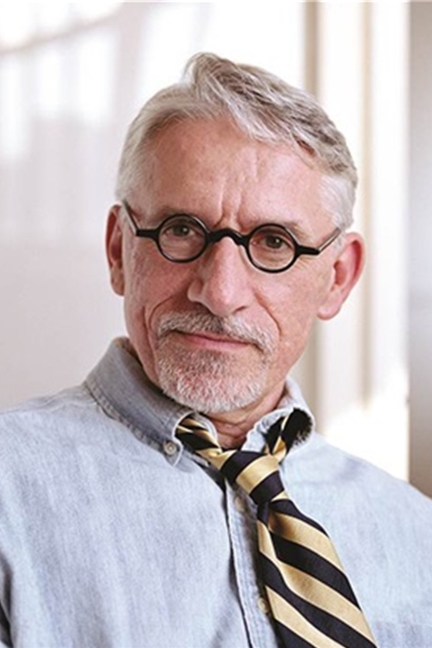
About the Author: Kenneth C. Davis is the New York Times–bestselling author of America’s Hidden History and Don’t Know Much About® History, which gave rise to the Don’t Know Much About® series of books for adults and children. He is also the author of the critically acclaimed In the Shadow of Liberty, which was an ALA Notable Book and a finalist for the YALSA Award for Excellence in Nonfiction, as well as More Deadly Than War, which was named a Washington Post Best Children’s Book of the Month. A frequent guest on national television and radio and a Ted-Ed Educator, Davis lives in New York City.

Ken also offers free classroom visits to teachers through his website, which might be of interest to include: https://dontknowmuch.com/for-teachers/

Thank you, Kenneth, for sharing the truth of history with our students!

Nonfiction History Books for Kids: The Extraordinary Lives Series by Kane Miller Books

Share

I am thrilled to introduce a new series that I am hosting, which explores nonfiction history books for kids. This is all we read in our house, and I’ve learned so much, so I am jazzed to dive deeply into some of the texts on the blog.

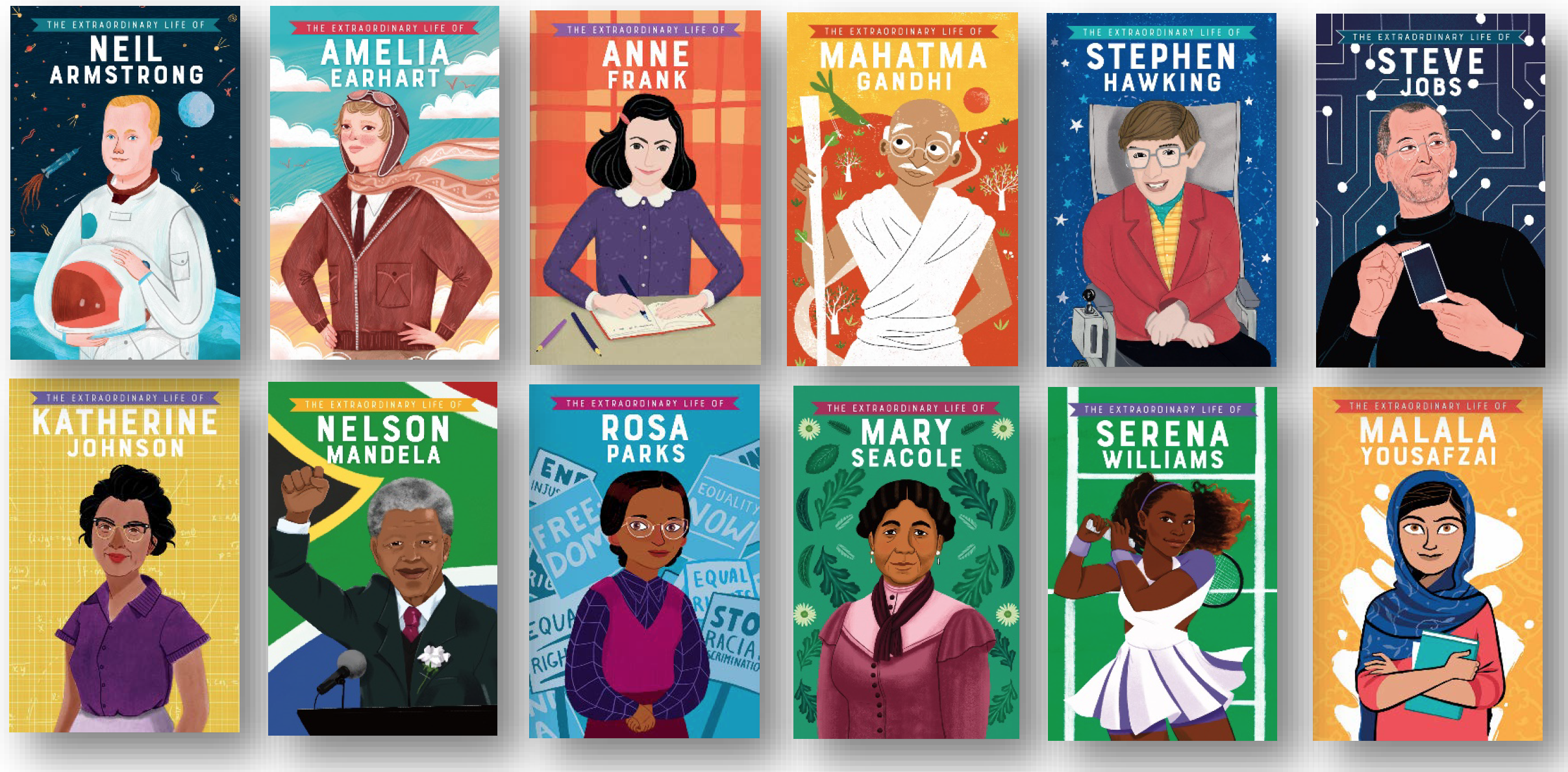
I want to start off by sharing a phenomenal series by Kane Miller: The Extraordinary Life of… series. You’ll want to get your hands on these.

Summary: A bold new series for young readers focusing on the lives of inspirational historical and modern figures.

Review: We have fallen in love with the Extraordinary Lives series. My first grader can’t get enough nonfiction. He could spend a full 12-hour day looking through the nonfiction section of the library. He devoured information about the election, reads history books that are above his age range, and just asks for more, more, more. When I learned about the Extraordinary Lives series, I knew it would be a good fit. What I didn’t realize was that my preschooler and I would get just as much joy from the series as my first grader.

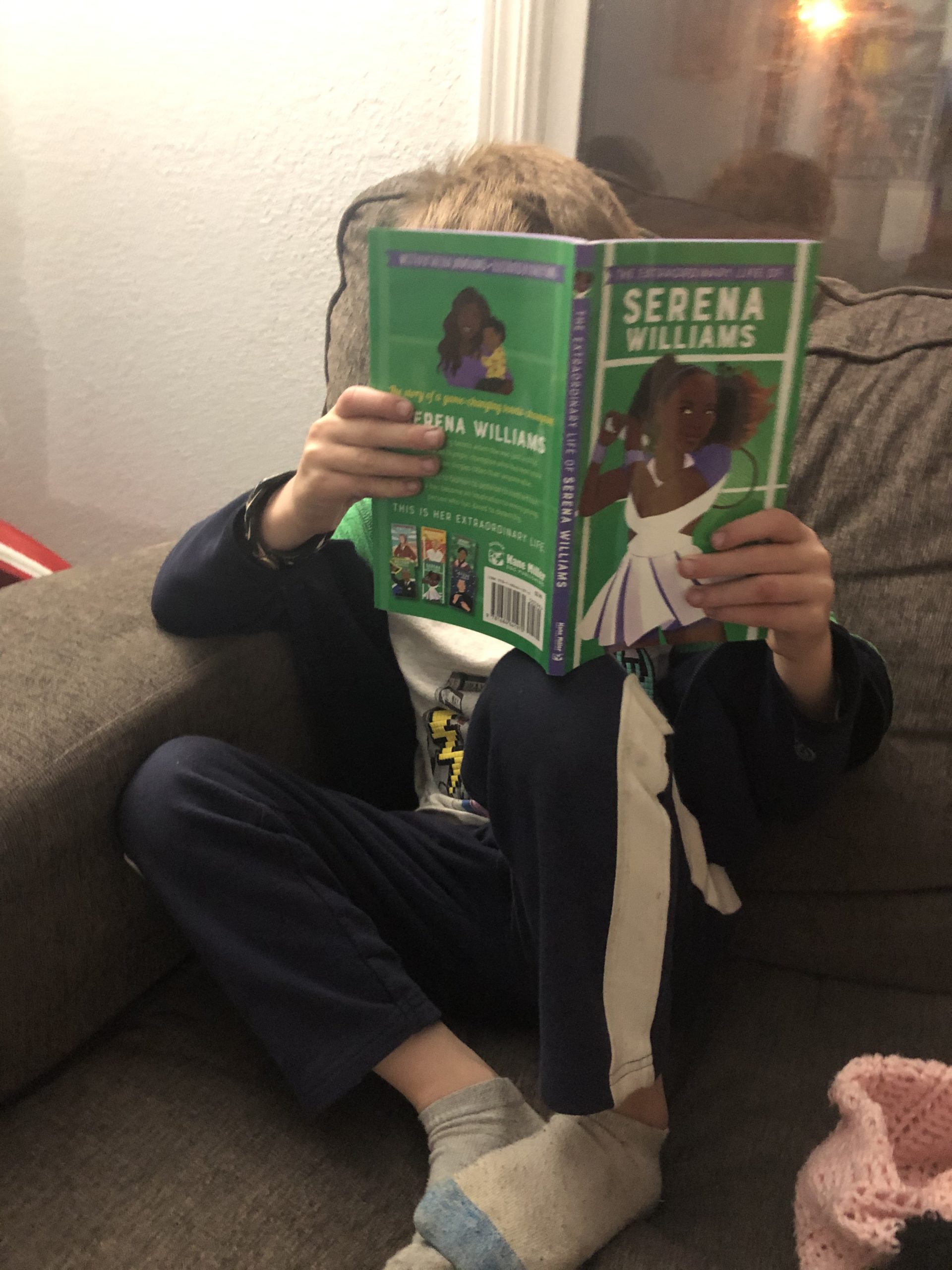
Here’s one picture I caught of my son reading them:

Here’s a closer look at the books:

PDF Loading...

Teachers’ Tools for Navigation: These books would be wonderful for use in book groups. I would be thrilled if my kids were in a classroom in which the teacher allowed them to choose the text of a person they were interested in studying. For instance, I LOVED learning about Mary Seacole. That particular book really captured me (although they were all fascinating to read). My sons each had their own favorites, and I imagine this would be the case in a classroom. Students might then present to their peers to teach about the person they chose. Choice is so important in the classroom, and this series offers such wonderful opportunities for learning.

Discussion Questions: 

  • Which book did you choose and why?
  • What did you learn?
  • How did the author create engaging content to help you learn more about the person?

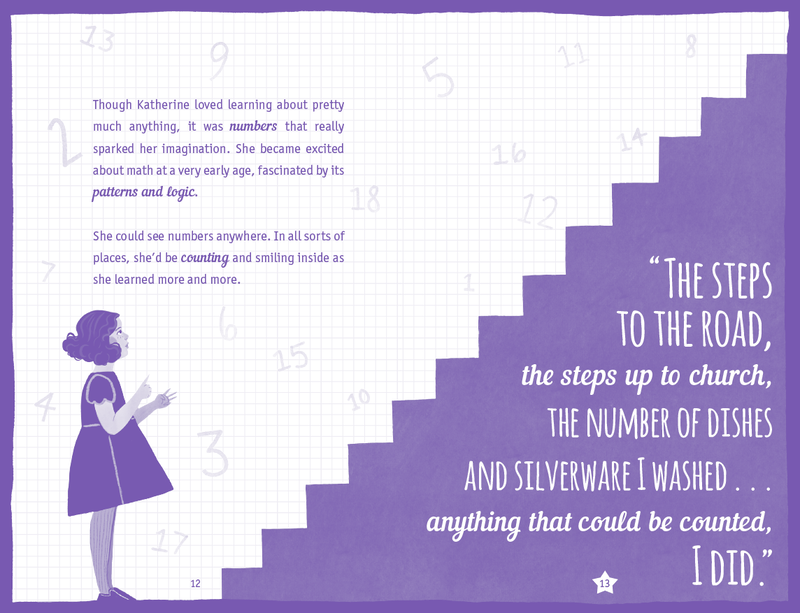
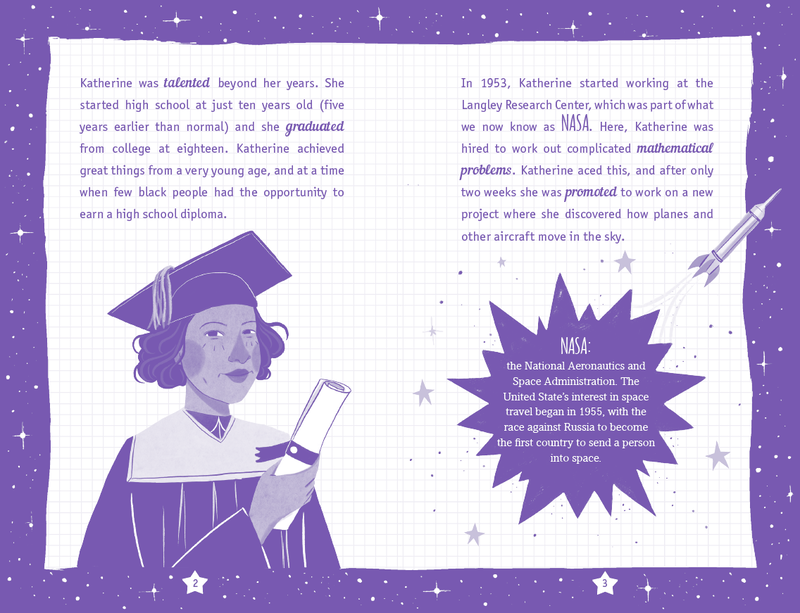
Flagged Passage from the Katherine Johnson Text: 

Read This If You Love: Nonfiction books, history books, biographies, Hidden Figures by Margot Lee Shetterly, Schomburg: The Man Who Built the Library by Carole Boston Weatherford, Radiant Child: The Story of Young Artist Jean-Michel Basquiat by Javaka Steptoe, Duke Ellington: The Piano Prince and His Orchestra by Andrea Davis Pinkney, We March by Shane W. Evans, Harlem’s Little Blackbird: The Story of Florence Mills by Renee Watson, Freedom in Congo Square by Carole Boston Weatherford

Recommended For: 

  classroomlibrarybuttonsmall

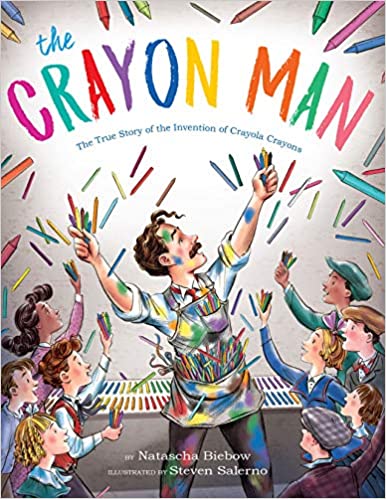
Sofia’s Kids’ Corner: The Crayon Man: The True Story of the Invention of Crayola Crayons by Natascha Biebow, Illustrated by Steven Salerno

Share

Sofia is an 9-year-old brilliant reader who aspires to be a book reviewer. On select Saturdays, Sofia shares her favorite books with kids! She is one of the most well-read elementary schoolers that we know, so she is highly qualified for this role!


Dear readers,

I have just come across this amazing book in the library and it is called The Crayon Man: the True Story of the Invention of Crayola Crayons by Natascha Biebow! I read it the first time to my four-year-old sister, and we love it! I bet you would love it too. This book is recommended for ages 6-9 on Amazon but I think it is great for any age.

Edwin was an inventor in the late 1800’s. He loved colors and was the actual inventor of the Crayola crayon! This book talks about how he worked on his invention to make it perfect. His wife encouraged him and actually came up with the name! He had made gray, white and really black crayons but his wife and family kept telling him what he could do to make them better and one major idea was to make them in different colors. At the end the book even shows how Crayola Crayons are made today and lists different steps with photographs!

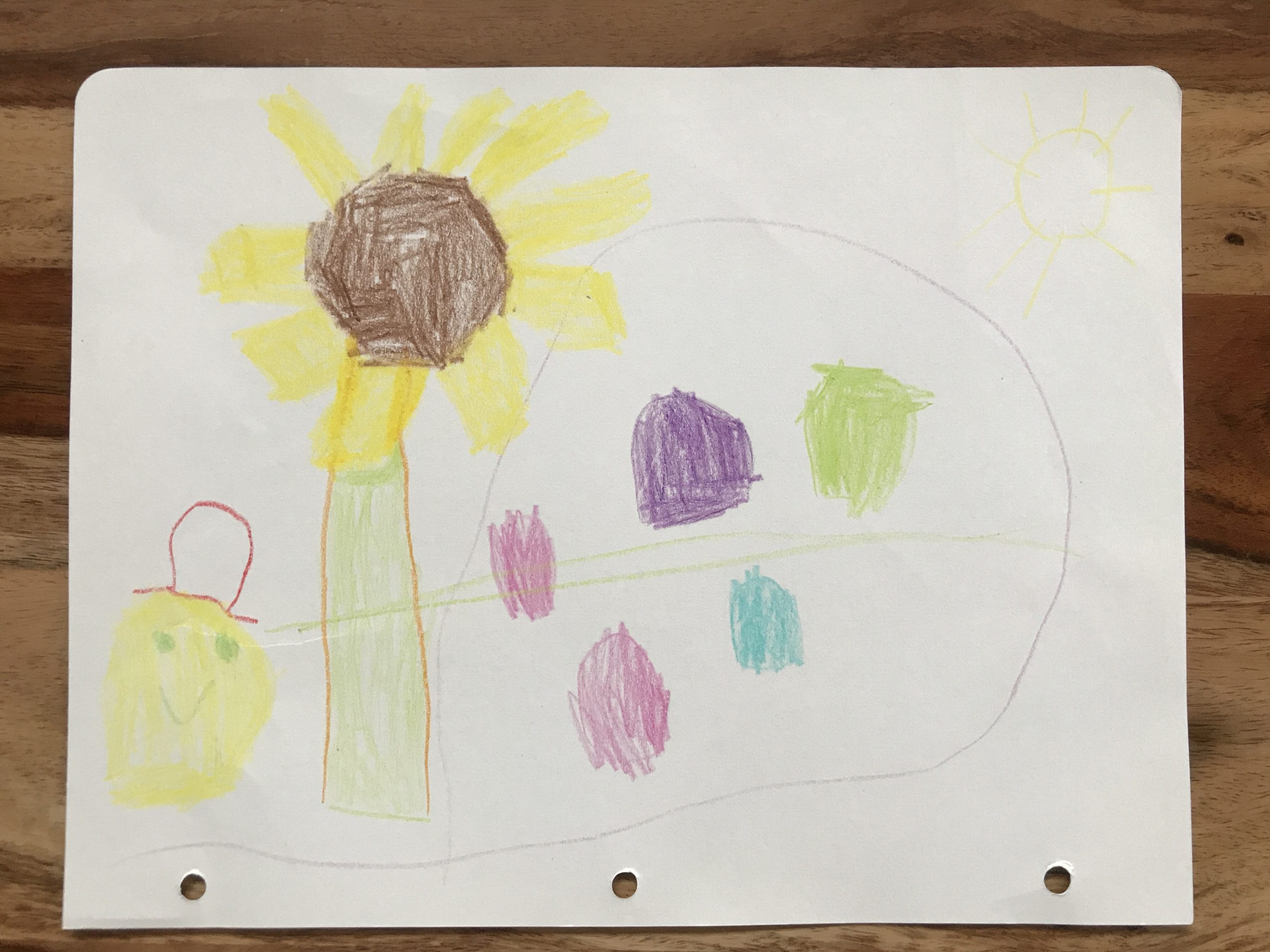
I love this book because of its beautiful illustrations. They bring amazing colors into the picture and really make me feel like I am there. Another reason I love this book is because it makes great read-alouds!!! When I read this to my preschool sister who is four she said “This book is amazing!” Another great thing about this book is that it is good for questions. For example, you can ask your students or children to name the colors in the Crayola crayon package or you can just enjoy reading it through and ask a question like “Who was your favorite character and why?” or something like “How do you think Edwin felt when he ran home to his wife with his new invention?”. One last reason why I love this book is you can make tons of crafts out of it! For example, I told my sister to draw a few things out of the book using crayons. Here is the final product!

**Thanks so much to Sofia for this awesome post! Victoria, your drawing ROCKS! We loved having you this week, too!**


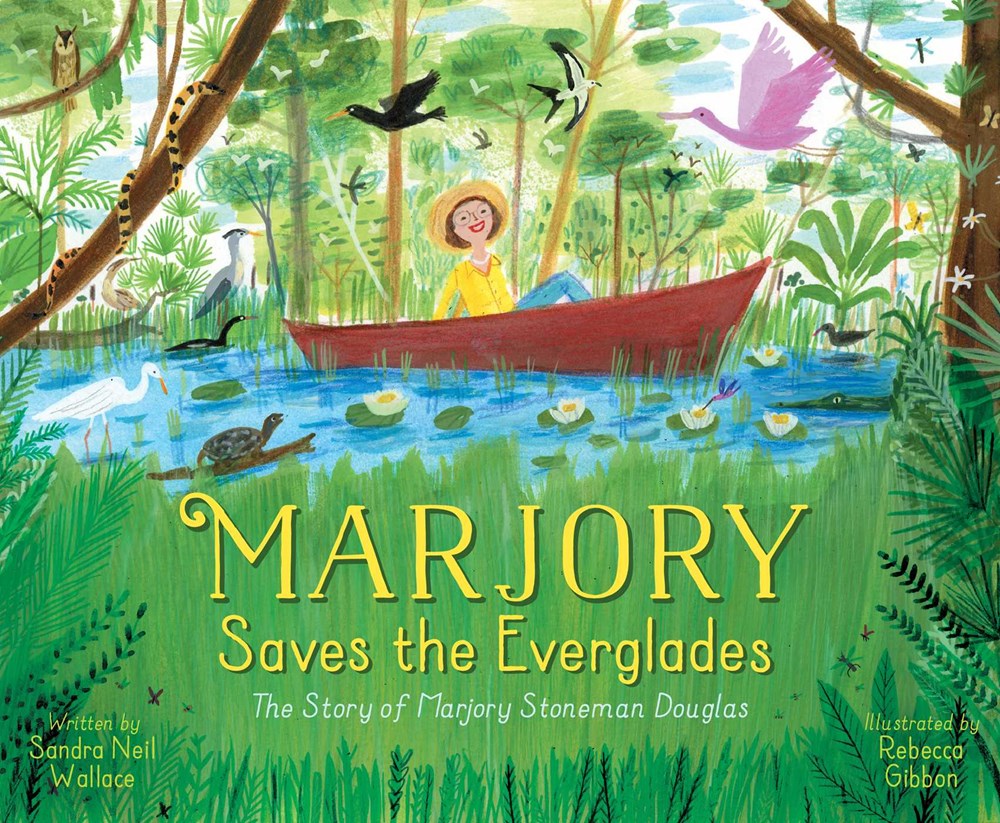
Review, Book Trailer, and Giveaway!: Marjory Saves the Everglades: The Story of Marjory Stoneman Douglas by Sandra Neil Wallace, Illustrated by Rebecca Gibbon

Share

Marjory Saves the Everglades: The Story of Marjory Stoneman Douglas
Author: Sandra Neil Wallace
Illustrator: Rebecca Gibbon
Published September 22, 2020 by Simon Schuster/Paula Wiseman Books

Summary: From acclaimed children’s book biographer Sandra Neil Wallace comes the inspiring and little-known story of Marjory Stoneman Douglas, the remarkable journalist who saved the Florida Everglades from development and ruin.

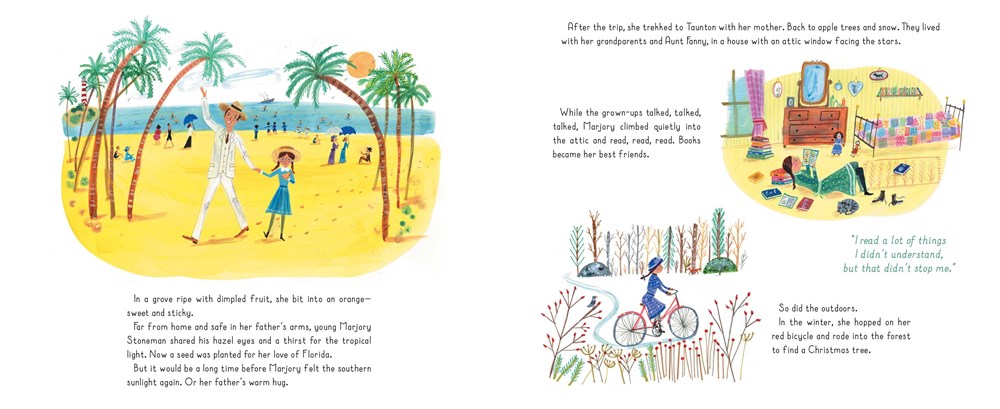
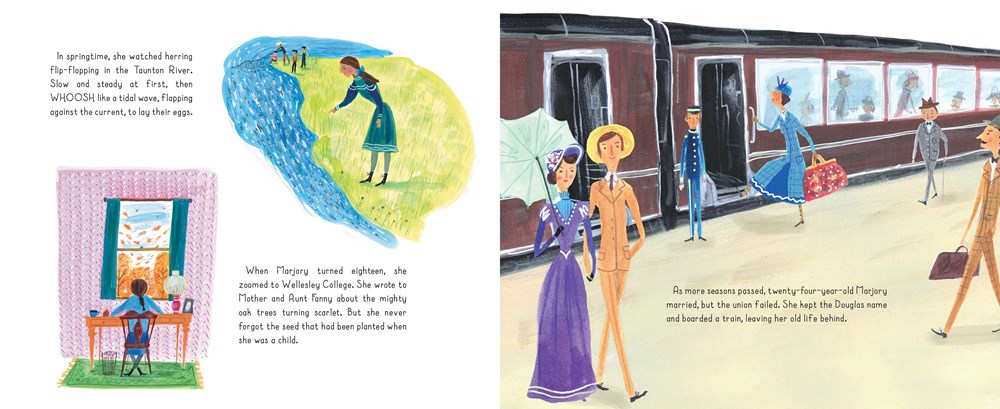
Marjory Stoneman Douglas didn’t intend to write about the Everglades but when she returned to Florida from World War I, she hardly recognized the place that was her home. The Florida that Marjory knew was rapidly disappearing—the rare orchids, magnificent birds, and massive trees disappearing with it.

Marjory couldn’t sit back and watch her home be destroyed—she had to do something. Thanks to Marjory, a part of the Everglades became a national park and the first park not created for sightseeing, but for the benefit of animals and plants. Without Marjory, the part of her home that she loved so much would have been destroyed instead of the protected wildlife reserve it has become today.

About the Author: Sandra Neil Wallace hopes that her stories inspire readers as much as they inspire her. Her book The Teachers March! How Selma’s Teachers Changed History was written with her husband, Rich Wallace, and has received three starred reviews to date. Between the Lines: How Ernie Barnes Went From the Football Field to the Art Gallery received the Orbis Pictus Book Award, was an ALA Notable Book and a Booklist Top 10 Biography for Youth. Formerly, Sandra was an ESPN reporter and was the first woman to host an NHL broadcast. She continues to break barriers as co-founder of DailyGoodNH.org and lives with her family in New Hampshire. To learn more, and to download free activity kits and other resources, visit  SandraNeilWallace.com.

Facebook: Sandra Neil Wallace
Twitter: @SandraNWallace
On Instagram: @sandraneilwallace

Praise:Marjory Saves the Everglades will inspire children of today and tomorrow to be persistent and follow their dreams to create a better world. Sandra Neil Wallace captures Marjory’s passionate commitment to justice for our natural world and all of its inhabitants.”

Review: Marjory Stoneman Douglas is such a special person to us Floridians, even before the tragedy at the school named for her. Marjory changed the course of history here in Florida helping establish our very own ecosystem where amazing wildlife live. We’ll forever be grateful for her, and I am so happy for this beautiful biography commemorating her life and teaching even me more than I knew about her.

Wallace did a fantastic job choosing which parts of Douglas’s amazing life to share, going through much of her life without overloading the narrative, while also showing how important the Everglades are.

The illustrations are perfect because they are so detailed and engulf you when reading about the Everglades. Also, they are so colorful bringing to life all of the amazing wildlife!

Teachers’ Tools for Navigation: This picture book biography will be perfect for older elementary and secondary classrooms! I would love to see it being used when speaking about humans/women who made a difference or wetlands, so it’ll be a perfect cross-curricular read hitting science, social studies, and reading.

There truly is so much that can be done with this picture book. While reading, I found many differen sections I could stop and do a lesson about an aspect: transportation over time, women’s right history, onomatopoeias, article writing, women in military, women during WWII, expansion of the USA, poaching, National Park history, swamp vs. Everglades, animals of the Everglades, effects of pollution, Friends of the Everglades, and more!

The back matter of the book also offers great opportunities to diving deeper including articles to learn more about Marjory and a mentor text timeline.

Discussion Questions: 

  • How did Marjory’s persistence show that anyone can do anything they put their mind to?
  • How did Marjory change the world?
  • How can we keep the Everglades safe?
  • What birds and wildlife live in the Everglades that live no where else?
  • How is the Everglades unique?
  • What adjectives would you use to describe Marjory?
  • Before saving the Everglades, what else did Marjory do that she should be honored for?

Book Trailer:

Flagged Passages: 

Read This If You Love: Picture book biographies, Enviornmental-focused picture books

Recommended For: 

classroomlibrarybuttonsmall 

Giveaway!: 

a Rafflecopter giveaway

Signature

**Thank you to Blue Slip Media for providing a copy for review and Simon & Schuster for providing a copy for giveaway!**

Frederick Douglass: The Lion Who Wrote History by Walter Dean Myers

Share

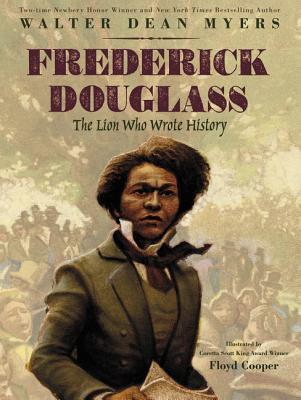
Frederick Douglass: The Lion Who Wrote History
Author: Walter Dean Myers
Illustrator: Floyd Cooper
Publication Date: January 24, 2017 by HarperCollins

Summary: In this picture book biography, the late New York Times bestselling author Walter Dean Myers and acclaimed artist Floyd Cooper take readers on an inspiring journey through the life of Frederick Douglass.

Frederick Douglass was a self-educated slave in the South who grew up to become an icon. He was a leader of the abolitionist movement, a celebrated writer, an esteemed speaker, and a social reformer, proving that, as he said, “Once you learn to read, you will be forever free.”

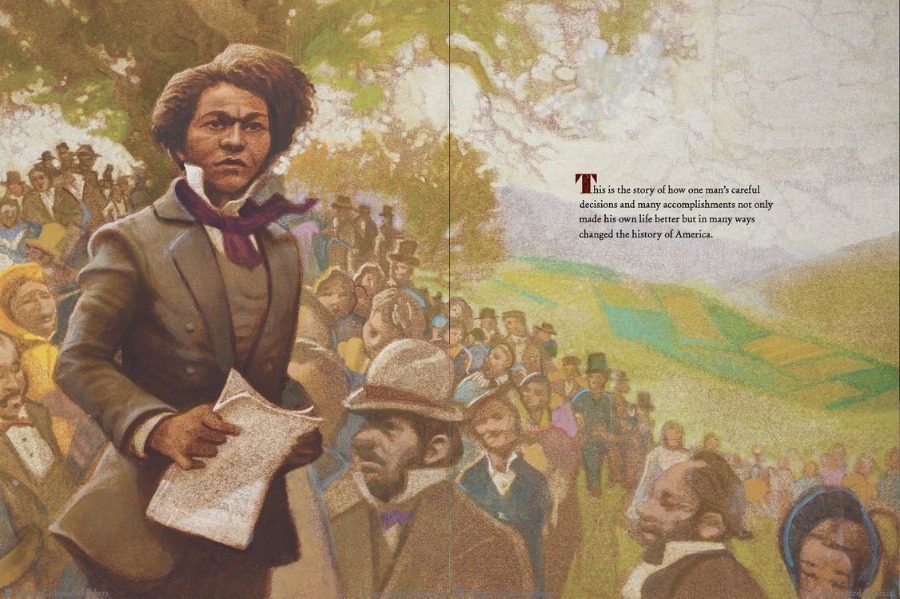
The story of one of America’s most revered figures is brought to life by the text of award-winning author Walter Dean Myers and the sweeping, lush illustrations of artist Floyd Cooper.

Review: We bought this book in 2017 when it first came out, and we read it again and again and again. My kids love to listen and learn about one of the most brilliant people to have ever lived. His story is incredibly inspiring. Even as a young boy, Douglass defied the world and never took no as an answer. The details of his story within this book show children (and adults) that they must push for what is right and commit to changing the world for the better. This book belongs in every classroom (and not just relegated to the classroom library). It should be shared collectively and purposefully with kids.

Teachers’ Tools for Navigation: There are endless uses for this book. One suggestion is that it could serve as a read-aloud and close reading at the start of a research or biography unit. Kids might look at the use of pictures and the pacing of the story to write their own nonfiction picture book.

Discussion Questions: 

  • How does Douglass regularly display strength and resolve throughout his life?
  • How is the book paced to reveal key moments of Douglass’ life?
  • What other famous figures related to issues of equity showed this kind of resolve? How do their stories connect to Douglass’ story?

Flagged Passage: 

Read This If You Love: Nonfiction picture books, Hidden Figures by Margot Lee Shetterly, Schomburg: The Man Who Built the Library by Carole Boston Weatherford, Radiant Child: The Story of Young Artist Jean-Michel Basquiat by Javaka Steptoe, Duke Ellington: The Piano Prince and His Orchestra by Andrea Davis Pinkney, We March by Shane W. Evans, Harlem’s Little Blackbird: The Story of Florence Mills by Renee Watson, Freedom in Congo Square by Carole Boston Weatherford

Recommended For: 

  classroomlibrarybuttonsmall

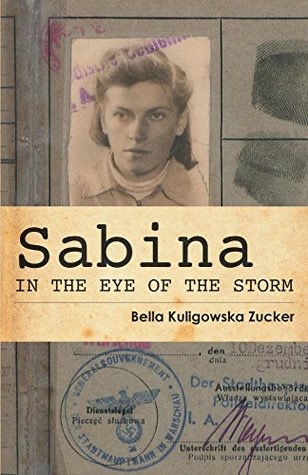
Excerpt and Giveaway!: Sabina: In the Eye of the Storm by Bella Kuligowska Zucker

Share

Sabina: In the Eye of the Storm
Author: Bella Kuligowska Zucker

About the Book: In September 1939, Bella was a carefree teenager living in Serock, Poland when the German army struck. She was rounded up with her friends and family and sent to a series of grim Jewish ghettos. As loved ones were separated and lost through the war years, Bella survived by changing her identity. After stealing the birth certificate of a Catholic girl five years her senior, she became Sabina Mazurek. Then she went into the eye of the storm, Germany, where she believed she might be safest. Sabina is her story.

About the Author:Bella Kuligowska was born in Serock, Poland in 1925. Her family included her parents and five brothers; everyone worked in her parents’ bicycle business. After the war, she tried to find her missing family members. She discovered she was the lone survivor.

Bella met her husband Herman Zucker in Poland after the war. They emigrated to the US in 1951 with their oldest daughter and settled in Chicago, Illinois. Bella spent many years perfecting her English and writing skills to record this memoir. Bella passed away in 2007.

Excerpt: 

In 1940, Poland was becoming increasingly dangerous for Jews. In Serock, Bella’s hometown, the Jews had been forcefully moved to a ghetto, where they lived with scant resources in crowded conditions. Bella’s parents wanted to protect their family, as their future became more uncertain every day, and arranged for Bella to escape.

One afternoon that spring, my father came home with a stranger. My mother was sewing a shirt for papa by hand, and I was knitting a sweater from the material left over from the unraveled flour bags. Since curfew was coming, Abraham, Joseph, and Wygdor were all in the room too.

              “Mr. Wisniewski, this is my daughter, Bella.” My father spoke these words in Polish. Mr. Wisniewski nodded and looked me up and down like a customer about to make an expensive purchase.

              “Bella, say something to Mr. Wisniewski,” my father urged.

              I was still unsure of what was happening, but I did my father’s bidding. “Hello, Mr. Wisniewski,” I said uncomfortably, getting up from my seat on the cold hearth of the fireplace. “How do you do?”

              The man turned to my papa. “Fine. The girl looks ok, and she speaks Polish well.”

             “Papa?” I whispered, almost ready to cry. “What is going on?”

              My father explained that Mr. Wisniewski was a forester who lived not far from the ghetto and also owned a farm. With his help, I could escape by going to work for him. Mr. Wisniewski had come to check that I looked Polish enough and that I did not have a strong Yiddish accent.

              “Mr. Wisniewski will have documents made for you,” my father said. “He believes you can pass as a Christian on the other side. You must try to live as they do. Be a good girl. Don’t be scared, darling.”

              I shook with a mix of anticipation and fear. I could not imagine shedding my identity like this, becoming a Christian, practically overnight. How could anyone do that?

              Then I thought of someone who had done such a transformation – Lonka, the rabbi’s daughter from Serock, who had eloped with her Christian boyfriend on the eve of Yom Kippur. What a calamity it had been! The rabbi’s only child. She’d converted to Christianity and ran off on the holiest night of the year, Kol Nidrei.

              Suddenly, her story was inspiration.

              “I will do it,” I said. And I thought of a new name for myself. I would add a simple “Isa” to the start of my first name to make it sounds more Polish: Isabella Kuligowska. That’s who I would become while with the forester. But I promised myself and my family that I would never forget who I really was.

Excerpted from SABINA: IN THE EYE OF THE STORM Copyright © 2018 by Bella Kuligowska Zucker. Reprinted with permission. All rights reserved.

Giveaway!: 

a Rafflecopter giveaway

**Thank you Saichek Publicity for providing the excerpt and copies for review!!**

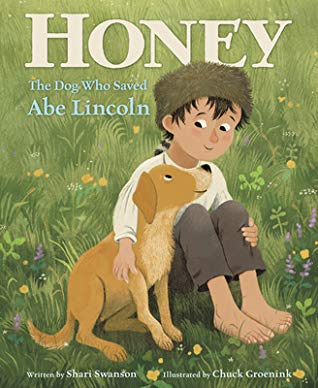
Author Q&A, Education Resources, and Giveaway!: Honey: The Dog Who Saved Abe Lincoln by Shari Swanson, Illustrated by Chuck Groenink

Share

Honey: The Dog Who Saved Abe Lincoln
Author: Shari Swanson
Illustrator: Chuck Groenink
Published January 14th, 2020 by Katherine Tegen Books

Summary: Based on a little-known tale from Abraham Lincoln’s childhood, this charming picture book written by debut author Shari Swanson and illustrated by acclaimed artist Chuck Groenink tells a classic story of a boy, his dog, and a daring rescue.

Deeply researched and charmingly told, this is the true story of one extra-special childhood rescue—a dog named Honey.

Long before Abraham Lincoln led the nation or signed the Emancipation Proclamation, he was just a barefoot kid running around Knob Creek, Kentucky, setting animals free from traps and snatching frogs out of the jaws of snakes.

One day, young Abe found a stray dog with a broken leg and named him Honey. He had no idea that the scruffy pup would find his way into Abe’s heart, become his best friend, and—one fateful day—save his life.

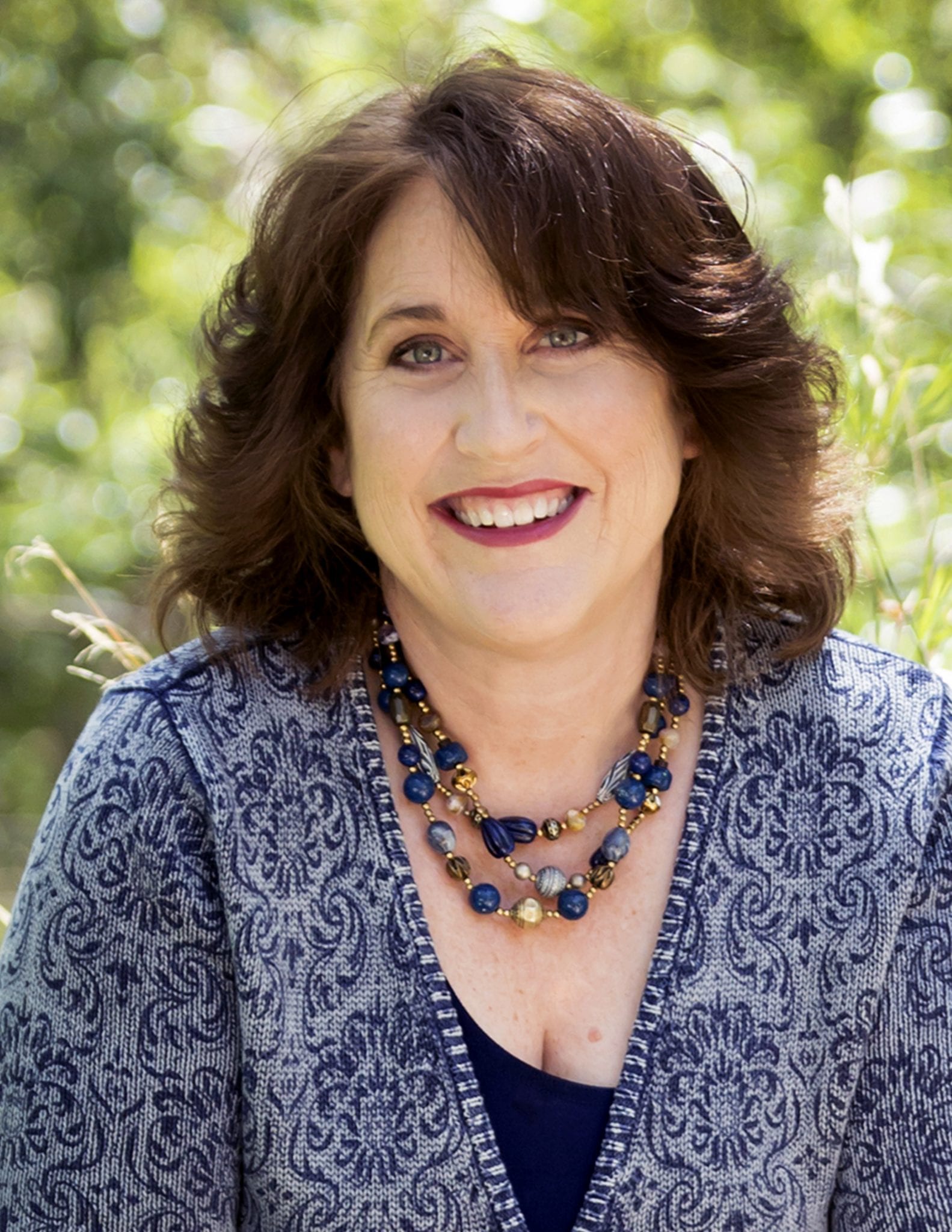
About the Author: Shari Swanson is a debut author who has been a middle school language arts teacher as well as an appellate lawyer. She received her MFA in writing for children and young adults from Vermont College of Fine Arts, where she wrote her thesis on musicality in picture books. She lives in Southern California with her husband and their dog, Honey. To learn more, and to download a free curriculum guide and activity kit, visit her website: shariswanson.com.

Twitter: @ByShariSwanson
Facebook: Shari Swanson, Author

Author Q&A: Thank you to Shari for answering some questions for us and you!

Q: Why did you specifically choose this moment in Abe’s life to focus on? What did you hope to add to the Abe Lincoln narrative?

A: This story captivates me for several reasons. First, I love that we see Abe as a child—prone to distraction, earnest and loving, and with a deep compassion for animals. I feel it adds depth to our understanding of him as a man and makes him relatable to current children who might share these characteristics. Second, that Abe might not have grown up to be a man and our president without Honey gives me shivers. I believe Honey is an American hero, and that Abe’s kindness to Honey came back to bless him later. Kindness is something that causes ripples to go out and touch others in ways we usually never see. Finally, this is one of very few stories that features Lincoln’s mother, Nancy. Very little is written about his Kentucky years with Nancy, and she died shortly after the Lincolns moved to Indiana. That mother-son bond was important to him and is precious. I hope that this story fleshes out the narrative of Lincoln by showing his compassion from an early age as well as how his behavior was rooted in kindness. I also feel this story helps us appreciate the fragility of life and how interconnected everything is.

Q: What type of research did you do to prepare?

A: I’ve been twice to Kentucky to walk where Lincoln walked and explore the hills and hollows where he grew up. I’ve descended into several of the known caverns there to picture how he might have felt when he got stuck. I’ve been to all of the Lincoln museums and national sites in Kentucky to soak it in and ask lots of questions. I’ve read every book I could find on Lincoln’s Kentucky years, including chapters in larger biographies, pored over primary sources, like interviews, auction receipts, and land sale documents. For the timeline, I dove deep into every resource I could find, skimming for references to Lincoln with animals, loving that his affection for animals stayed with him all the way until the end. It makes me cry to think of his dog Fido and his horse, Old Bob, at his funeral. The picture of Old Bob, riderless, in the funeral procession, is powerful. Most all of this didn’t make it into the book, but I love research, and, as a former appellate lawyer, I’m a stickler for detail.

Q: Tell us your journey of your debut picture book.

A: My journey on this book began years ago when I was teaching middle school. We were reading an excerpt from Russell Freedman’s book on Lincoln and a sentence about Abe’s childhood caught my attention. I wanted to know more about his best friend then and their adventures. I threw myself into research, discovered Austin Gollaher, Abe’s best friend, and had my local library send for a copy of his narratives. Back then, the book was dusty and old in a college archive room. Now it is available online. I had the deep pleasure of telling Russell about my hopes to write a picture book about Lincoln’s childhood, and he encouraged me. When I was getting my MFA, I learned how to take the massive amount of information I had and draw out just a thread for a picture book narrative. HONEY is the culmination of those efforts.

Q: Lastly, what do you hope is the readers big take away from Honey?

A: I hope children and adults fall in love with Honey and his boy. I hope readers feel the story is both grounded in its time and timeless.

Curriculum Guide:

Activity Kit: 

Recommended For: 

classroomlibrarybuttonsmall 

Giveaway!: 

a Rafflecopter giveaway

Signature

**Thank you to Blue Slip Media for the copy for review and giveaway & to Shari Swanson for her participation!**