Author Guest Post!: “My Son’s Teacher’s Approach to Reading” by Beth Vrabel, Author of A Blind Guide to Stinkville

Share

“My Son’s Teacher’s Approach to Reading”

My son’s passion is soccer, but math comes a quick second. Those drills everyone groans about? The ones where students have five minutes to solve a hundred problems? He eats them up.

I think I get why: each week there is an obvious growth potential. He can—and does—create specific goals. This week, he scored a 98 percent in division facts. If he can do the same or better next week, he can move up to double-digit division. The progress can—and is—charted, allowing him to see the steady increase in his knowledge base.

Growth in reading and writing isn’t obvious. Just because a book is thicker than another doesn’t mean it’s more challenging. Just because he read it doesn’t mean he understood it. Just because he can tell you what happened doesn’t mean the story blossomed—or better yet, exploded—in his mind.

I have yet to see a writing or reading exam that goes beyond measuring grammar and vocabulary ability to measuring depth of engagement with a story. Sure, there are degrees of reading power tests, but do they really showcase whether a student “gets it”? I can time how long he spends reading, but how does that reflect what he absorbed?

Really, there is only one way to tell. Conversation.

My son’s second-grade teacher was brilliant at this. “Have you read this book?” she asked him one day, putting Call of the Wild on his desk. “I know you like dogs. Maybe you’d like this book. It’s one of my favorites.”

And then, a few days later, “What do you think about John Thornton?”

My boy was hooked. Maybe not on the story—at first—but in having book discussions with his teacher. He fell hard for the story later, but those few moments each afternoon where his teacher asked him where he was in the story filled him up. That she could hint to what was coming and loved the book as much as he did made a huge difference.

Soon he was asking her for other recommendations. Even better, he was looking for books he could recommend to her. “Mom, do you think my teacher has read this book?” he asked a few weeks later, pulling Where the Red Fern Grows from our shelves. “Do you think you could read it to me?”

Soon we, too, were talking through a book, drawing connections. He imagined what it would be like to live barefoot and wild like Billy. We moved on to Tuck Everlasting and debated what would make us drink from the spring. Would we want to live forever? He held my hand when my voice shook as I read the last chapter of Flora and Ulysses.

Now there were twenty kids in my son’s second-grade class. His teacher shouldn’t and couldn’t be expected to have separate lengthy book discussions with each child. But she didn’t have to; just a quick question here or there was more than enough to ignite his enthusiasm for reading.

My son’s daily reading log lists chapter titles and page numbers, but it doesn’t reflect the times he doodles Little Ann and Old Dan on his worksheets. It doesn’t measure his imaginary games of Quidditch on our front lawn, or take into account the Gryffindor hat he wears to bed each night. It doesn’t show that he named his guinea pig “Winn-Dixie.”

I ran into my son’s teacher at Barnes & Noble one Saturday. Her hands were full of books. One was specifically for my boy to read. “I can’t keep up with all of my readers,” she said. Is there any better indicator of amazing teaching than that?

About the Author

Beth Vrabel grew up in a small town in Pennsylvania. She won a short-story contest in fourth grade and promptly decided writing was what she was going to do with her life. Although her other plans–becoming a wolf biologist, a Yellowstone National Park ranger, and a professional roller skater–didn’t come to fruition, she stuck with the writing. After graduating from Pennsylvania State University with a degree in journalism, she moved through the ranks of a local newspaper to become editor of two regional magazines and a lifestyle columnist. Beth now lives in Connecticut with her wonderful husband, two charming children, a spoiled rotten puppy, and two guinea pigs, Winn-Dixie and Pippin.

About A Blind Guide to Stinkville
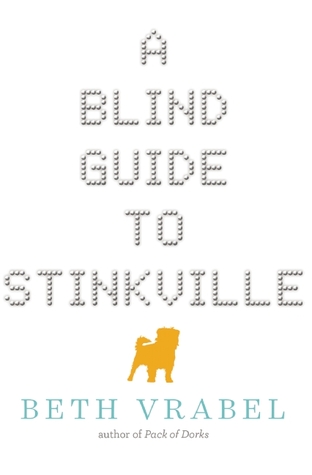
Stinkville

Before Stinkville, Alice didn’t think albinism—or the blindness that goes with it—was a big deal. Sure, she uses a magnifier to read books. And a cane keeps her from bruising her hips on tables. Putting on sunscreen and always wearing a hat are just part of life. But life has always been like this for Alice. Until Stinkville.

For the first time in her life, Alice feels different—like she’s at a disadvantage. Back in her old neighborhood in Seattle, everyone knew Alice, and Alice knew her way around. In Stinkville, Alice finds herself floundering—she can’t even get to the library on her own. But when her parents start looking into schools for the blind, Alice takes a stand. She’s going to show them—and herself—that blindness is just a part of who she is, not all that she can be. To prove it, Alice enters the Stinkville Success Stories essay contest. No one, not even her new friend Kerica, believes she can scout out her new town’s stories and write the essay by herself. The funny thing is, as Alice confronts her own blindness, everyone else seems to see her for the first time.

This is a stirring small-town story that explores many different issues—albinism, blindness, depression, dyslexia, growing old, and more—with a light touch and lots of heart. Beth Vrabel’s characters are complicated and messy, but they come together in a story about the strength of community and friendship.


Thank you, Beth, for this post. We hope our sons are fortunate to have teachers like this one.

Kellee Signature andRickiSig

A Picture of Grace by Josh Armstrong

Share

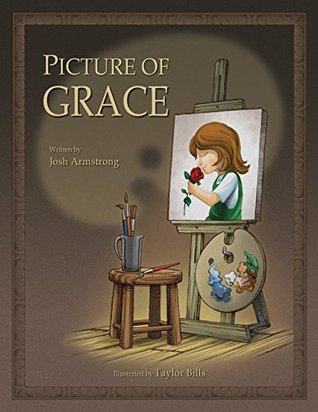
picture of grace

A Picture of Grace
Author: Josh Armstrong; Illustrator: Taylor Bills
Published February 17, 2015 by Josh Armstrong

Goodreads Summary: Six-year-old Grace aspires to be an artist like her beloved grandfather Walt. Every week, she goes to his house and watches with great joy as he paints.

Of course, not everyone appreciates Grandpa Walt’s artwork. But as Walt tells Grace, “Some people appreciate the hard work while others just want the painting to be finished. But you can’t be distracted by either group.”

When tragedy strikes, Grace takes it upon herself to honor Grandpa Walt in a special way. Through her act of love and kindness, Grace’s family discovers an amazing secret about Walt’s final, unfinished masterpiece.

My Review: Grandpa Walt’s warmth emanated from the pages. Everyone should have a person like this in his or her life. His impact on Grace is evident both during his life and after his death in the ways she honors him. I loved the ways art connects both Grandpa Walt, Grace, and the others in this text. The book inspired me to want to seek art as an outlet, and I think it will inspire kids, as well.

Teachers’ Tools for Navigation: This would be a great book to use to discuss our heroes and role models. Children might discuss the ways in which Grandpa Walt serves as a role model for Grace and how he impacts her life. Then, they could explore how these qualities exist in other people (both famous and not).

Discussion Questions: How do the author and illustrator show readers that Grandpa Walt has passed away? Why do you think they chose to do it this way?; How is art used to enhance the story? How might you consider it to be symbolic?

We Flagged: “When I grow up, I want to be just like you,” said Grace

“That’s very kind of you,” said Grandpa Walt, “but I can think of nothing better than you simply being yourself.”

Read This If You Loved: The Invisible String by Patrice Karst, Circus Mirandus by Cassie Beasley, Grandpa Loved by Josephine Nobisso, The Noisy Paint Box by Barb Rosenstock

Recommended For: 

 readaloudbuttonsmall classroomlibrarybuttonsmall

 RickiSig

**Thank you to Josh Armstrong for providing a copy for review!**

Top Ten Tuesday: Book to Movie Adaptations We Are Looking Forward To

Share

top ten tuesday

Top Ten Tuesday is an original feature/weekly meme created at The Broke and the Bookish. The feature was created because The Broke and Bookish are particularly fond of lists (as are we!). Each week a new Top Ten list topic is given and bloggers can participate.

 Today’s Topic: Book to Movie Adaptations We Are Looking Forward To

Last week, we discussed which movies we’d like to see adapted into books, but this week, we are keeping it traditional. We can’t wait to see these on the big screen (or more likely, at home with our toddlers)!

Ricki

If you stopped by last week, you learned I don’t like movies. But the few movies I do see are book adaptations. I am genuinely excited to see these movies.

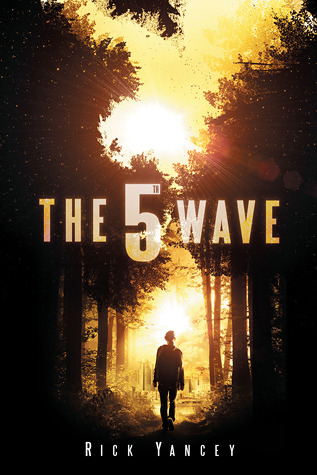
1. The 5th Wave by Rick Yancey

fifth wave

Oh, how I loved this book! I think it would translate well to film, too.

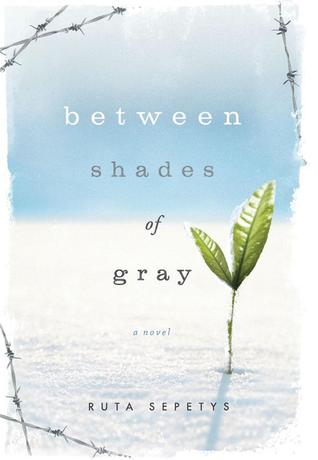
2. Between Shades of Gray by Ruta Sepetys

between shades

Yes, yes, yes!!!

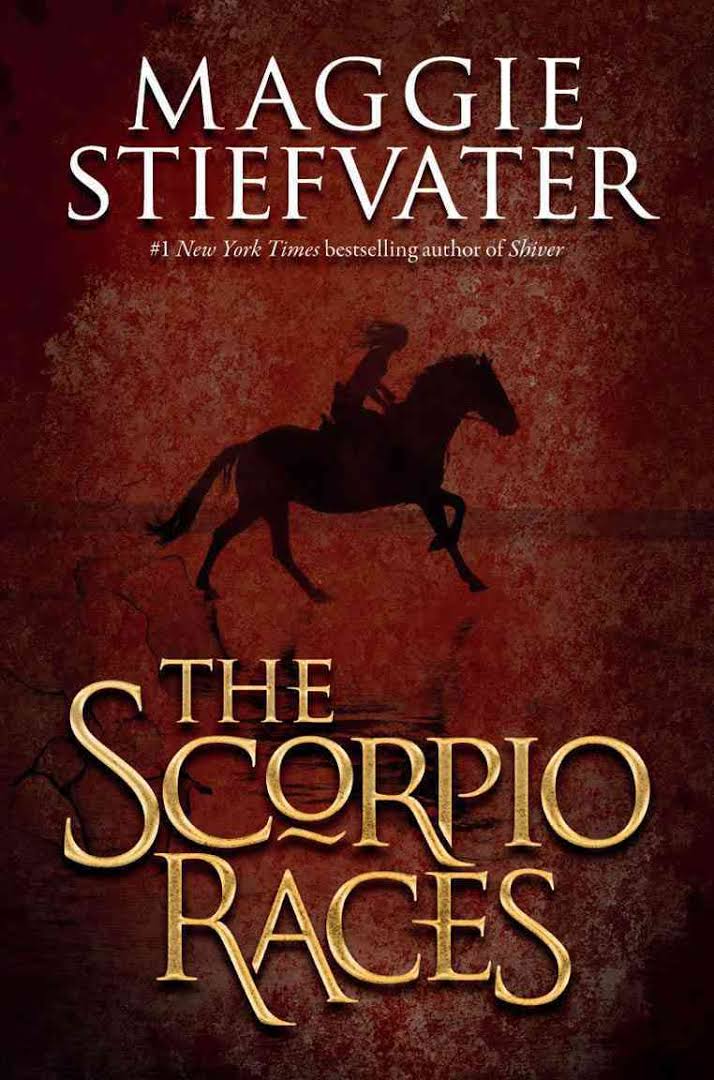
3. The Scorpio Races by Maggie Stiefvater

scorpio races

This will either be really good or really awful. I am not sure how it will translate to film, but oh, how I love the book!

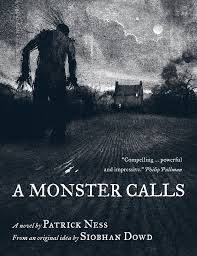
4. A Monster Calls by Patrick Ness

a monster calls

October 2016, baby! Bring it on!

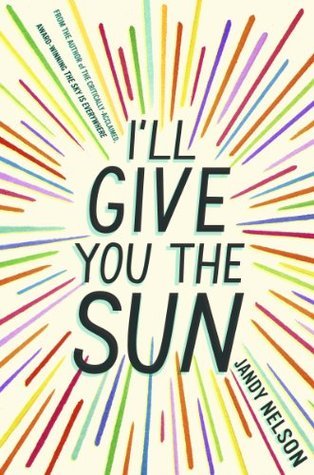
5. I’ll Give You the Sun by Jandy Nelson

I'll Give You the Sun

The producers of If I Stay have optioned this film. Oh, please make it happen.

Kellee

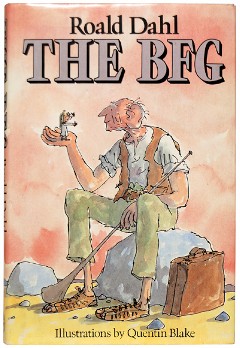
1. The BFG by Roald Dahl

TheBFG

Steven Spielberg is bringing us The BFG in 2016! I am so excited! My favorite Roald Dahl book!

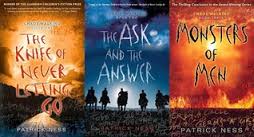
2. Chaos Walking series by Patrick Ness

chaos walking

I would be so fascinated to see how a director would take the NOISE and make it live.

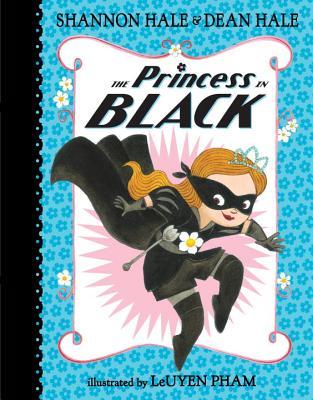
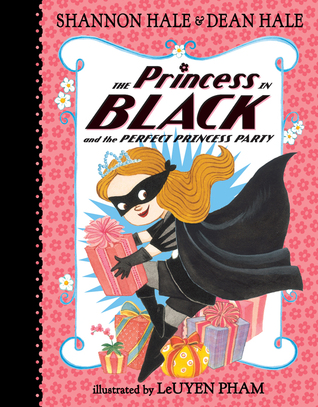
3. Princess in Black series by Shannon Hale

princessinblack princess in black 2

As soon as I read this series, I pictured it as a cartoon series, but it’d make a great Disney film as well.

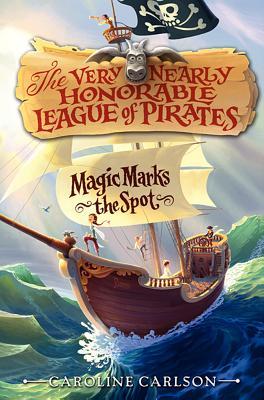
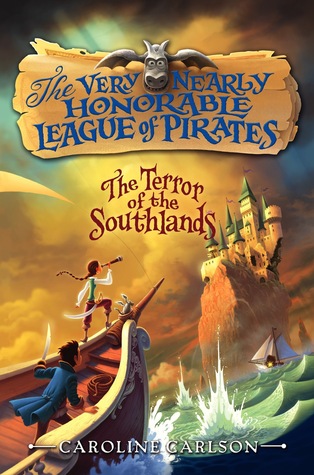
4. The Very Nearly Honorable League of Pirates series by Caroline Carlson

verynearly1 verynearly2

I love the humor, plot, and characterization of this series, and I think it would be a magical adaption.
(The other pirate book I read recently, Hook’s Revenge, would be fun also!)

5. The Living by Matt de la Pena

living

Turning The Living into a movie would be epic. I think it could be a major blockbuster: CastawayHunger GamesTitanic.

Which movies adaptations are you most looking forward to?

RickiSig and Signature

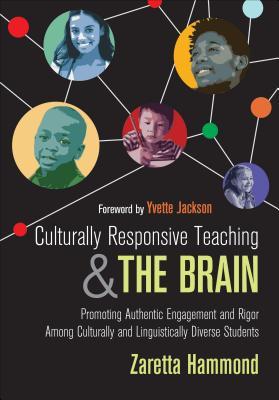
Culturally Responsive Teaching & the Brain by Zaretta Hammond

Share

culturally responsive teaching and the brain

Culturally Responsive Teaching & the Brain: Promoting Authentic Engagement and Rigor Among Culturally and Linguistically Diverse Students
Author: Zaretta Hammond
Published: December 1, 2014 by Corwin

I’ve read about a dozen professional development texts about culturally responsive teaching because I am very committed to this pedagogical concept. I particularly liked this text because it offered a new angle. Zaretta Hammond weaves neuroscience with both traditional and contemporary ideas of culturally responsive teaching. She doesn’t just say how we can practice this pedagogy, but she tells what is happening in students’ brains when we do and do not use culturally responsive practices. Hammond provides an excellent layout for her ideas, and if anything, I would even love for some of the chapters and ideas to be expanded further. That said, her work connects well with other scholarship, so I would likely use this text in an education class and pair it with another more traditional text about the subject, such as Geneva Gay’s landmark Culturally Responsive Teaching: Theory, Research, and Practice.

I was fortunate enough to read this text with preservice teachers enrolled in a Multicultural Education class. While I have much experience with the ideas taught in this class, I am taking the course as a doctoral student with the intention of integrating the ideas into future courses I might teach. Therefore, from my discussions with peers, I have gotten an insider perspective of this text and how it might work in a classroom. They have enjoyed it very much. It is not a long text (falling just under 200 pages), but the ideas promote fantastic classroom discussions. Our discussion boards have been brimming with students’ thoughts, and there is no shortage of topics to discuss. I include a few topics I’ve discussed below.

As stated previously, Hammond discusses some of the main ideas featured in other culturally responsive texts. She argues that culturally responsive pedagogy is a mindset–not an easy list of tips or tools. However, she does provide many strategies, such as how to make our classrooms visually engaging and responsive to students. Instead of stock posters of MLK, Jr., she argues that teachers might include framed art from different cultures. I liked this idea a lot and agree that it is more culturally responsive. She also discusses the differences between cultures, such as oral versus written traditions and the role these play on student learning. She addresses myths, such as those about poverty and access and colorblindness.

A few chapters into the book, Hammond begins to introduce neuroscience and marries these concepts with culturally responsive practices. For instance, she describes the ways an individual’s brain reacts with the student feels fearful versus feeling accepted. This reminded me a bit of my 7th grade science class. I had a teacher who was quite cruel to me and very strict, overall. I don’t think I learned very much in that class because my brain felt a bit frozen. Then I think about all of the wonderful teachers I’ve had who were very open and accepting. I think I learned twice as much in these classrooms, and it shows the value of creating responsive rapport with students.

I could write pages upon pages about this book. It would be a disservice for me to summarize some of her sections, such as how the neurons in your brain fire, create new pathways, and connect to culture or the ways individualistic and collectivist positionings differ or how microaggressions impact students. So instead of summarizing and commenting on the whole book, I will recommend that you read it. It is excellent. The text offers ideas that are quite different from others I’ve seen about the topic. Hammond fills a gap in research that needed to be filled, and I look forward to reading other publications by her.

Which culturally responsive texts are your favorite?

RickiSig

Top Ten Tuesday: Movies We’d Like to See Adapted Into Books

Share

top ten tuesday

Top Ten Tuesday is an original feature/weekly meme created at The Broke and the Bookish. The feature was created because The Broke and Bookish are particularly fond of lists (as are we!). Each week a new Top Ten list topic is given and bloggers can participate.

 Today’s Topic: Movies We’d Like to See Adapted Into Books

The book to movie route is common, but we are switching it up and writing about the movies we’d like to see adapted into books!

Ricki

Let me start by saying I don’t like movies very much (insert gasp). My husband laughed when I told him I was writing this post. We compiled this list together, and took us a long time. I would much rather read a book than watch a movie, and the fewer movies I watch, the more I stray from them. Most nights, my husband watches a movie on the TV, and I sit next to him, curled up with a book.

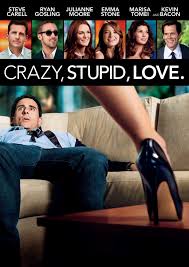
1. Crazy Stupid Love

crazy stupid love

This is my favorite movie. It was so enjoyable, and the weaving plot lines would make for a great book.

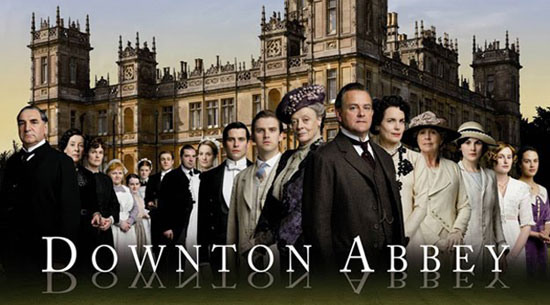
2. Downton Abbey (TV Series. I am cheating.)

downton abbey

They are making a movie, right? This series would translate really well to literature!

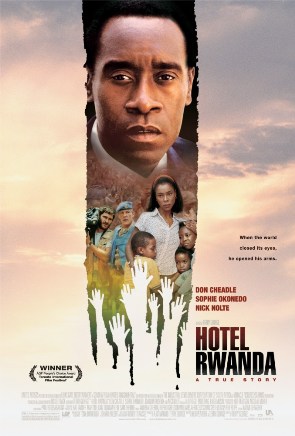
3. Hotel Rwanda

hotel rwanda

This movie gutted me. I showed it every year to my students, and it promoted a lot of discussion. I’d love it in book form.

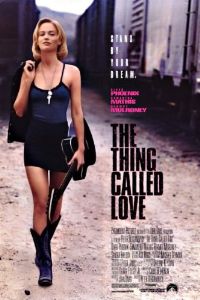
4. The Thing Called Love

thing called love

I used to watch this movie hundreds of times when I was growing up. It would have to come with a CD, too, I suppose, because the music is important.

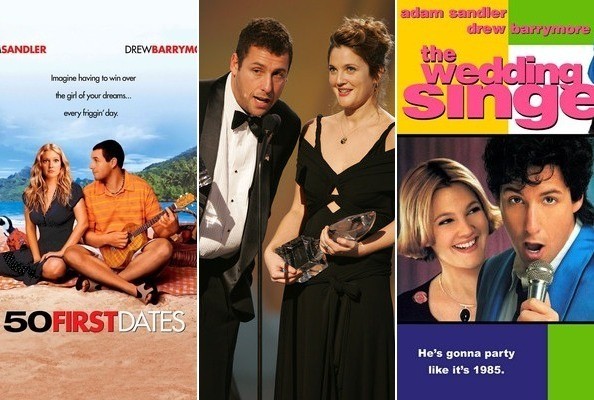
5. Any Movie with Adam Sandler and Drew Barrymore

Sandler and Barrymore

I love every comedy made by this duo (including Blended, not pictured). I am not sure if they’d translate well to books, but I’d read them!

Kellee

Ricki, I so agree about Sandler/Barrymore movies! Here are some of my favorite movies that I would love to read as a book.

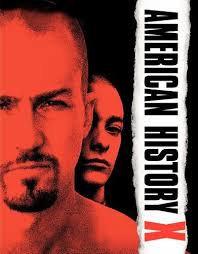
1. American History X

american history x

What an epic movie, and I would love an extended version to learn more about the characters and get deeper into the story.

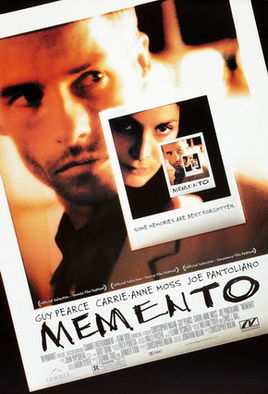
2. Memento

memento

It would be so interesting to see how Memento would be executed as a book. The way clues are shared throughout the movie would be fascinating to read. (Memento is technically based on a short story, but I would love to see it as a book.)

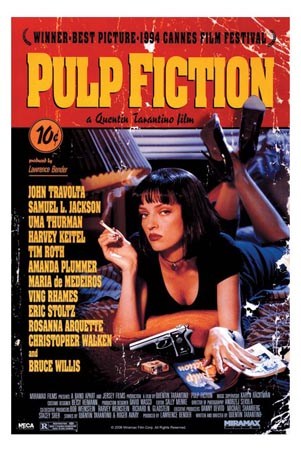
3. Pulp Fiction

pulp fiction

I really love movies where a bunch of different story lines come together, and I love books that are the same, and Pulp Fiction is one of the best.

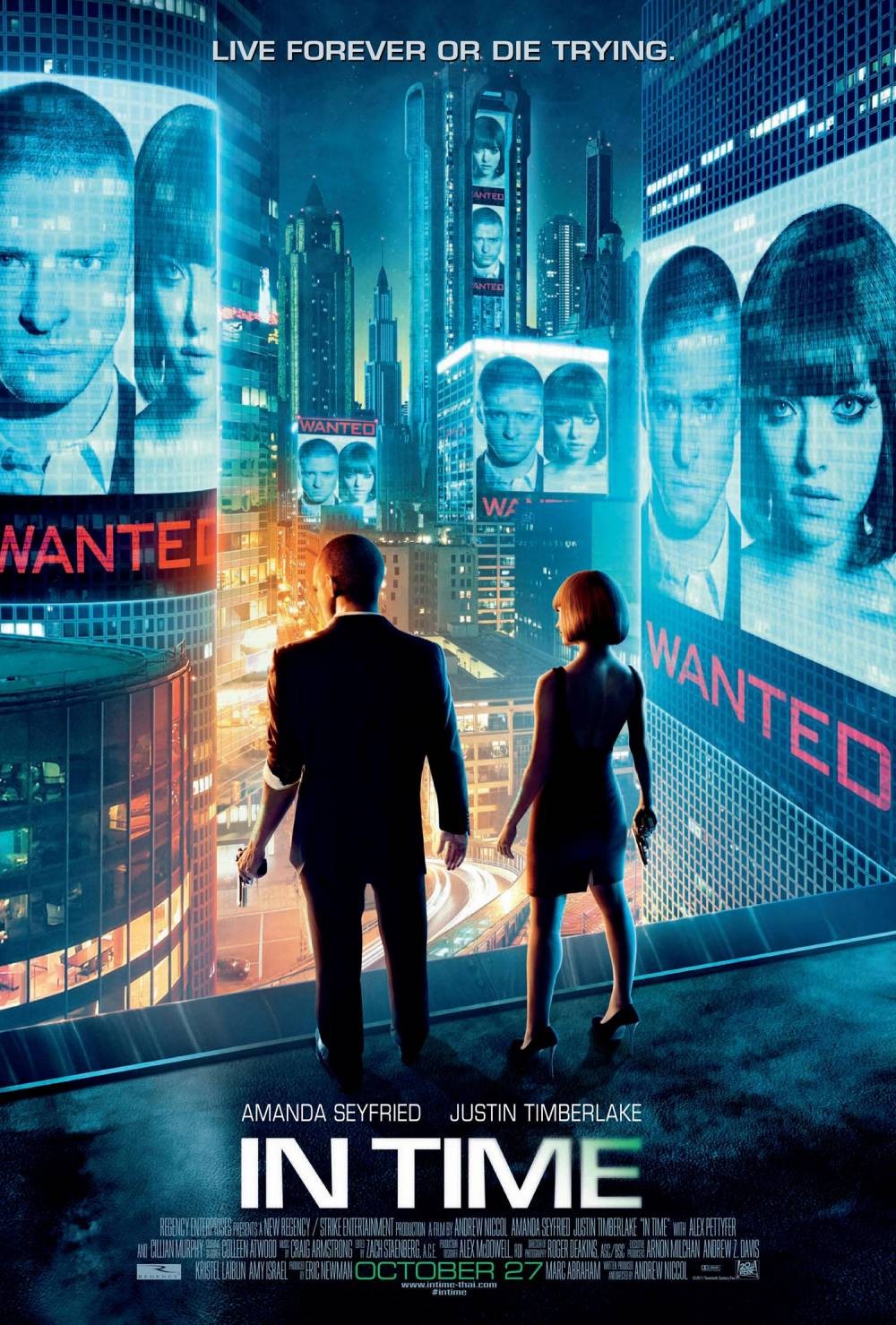
4. In Time

in time

I loved the premise of this dystopian movie, and I would love to have a series based around the world.

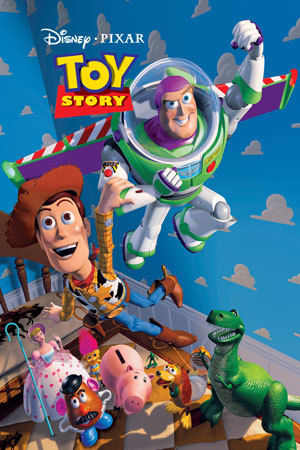
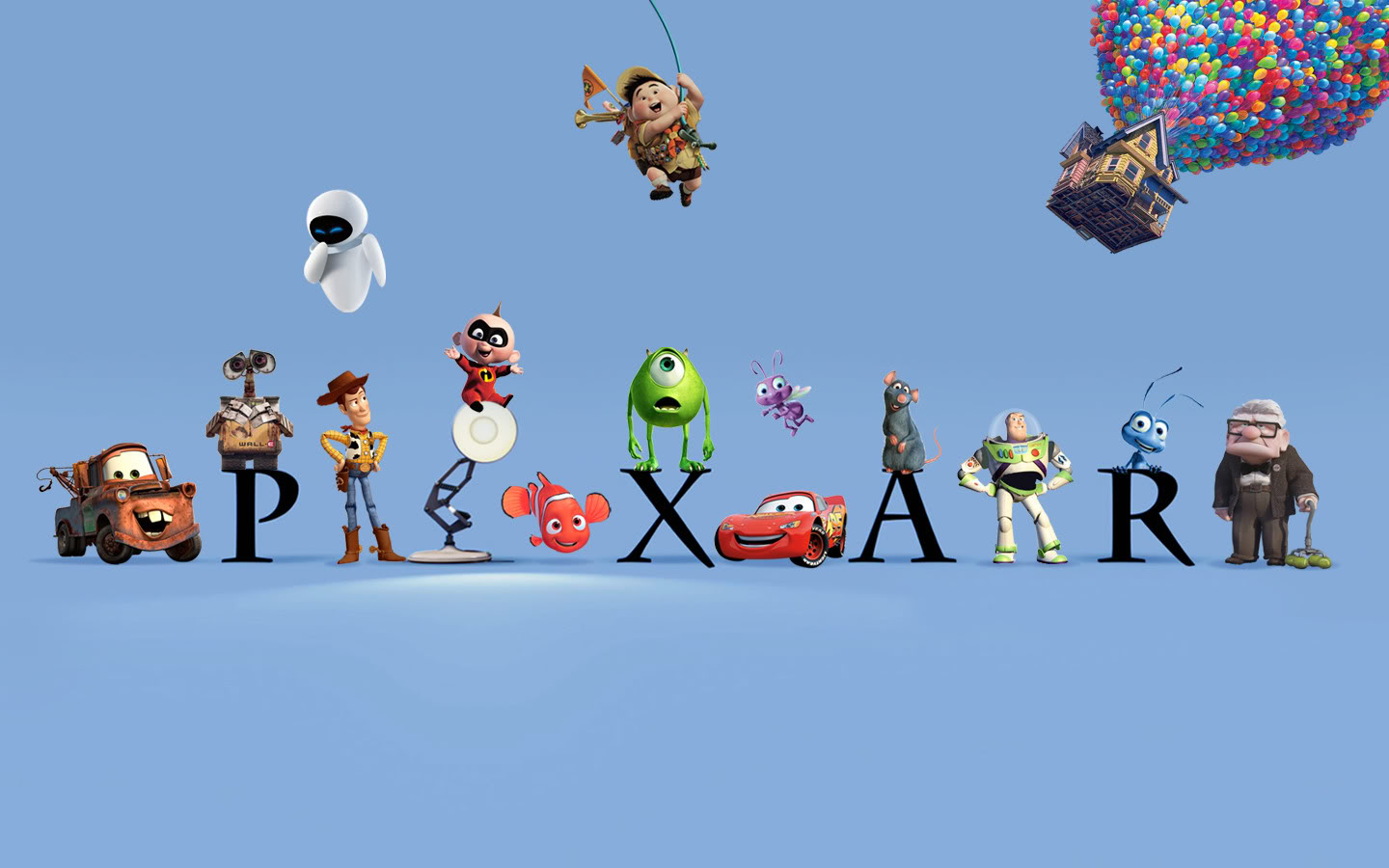
5. Any Pixar Movie

toy story pixar monsters inc

I love all Pixar movies, and I would love to have novels about the movies. There are picture books about them, but I would love to see these expanded.

Which movies would you like to see adapted into books?

RickiSig and Signature

“Games to Battle Writer’s Block” by Madelyn Rosenberg, Author of How to Behave at a Dog Show and Nanny X Returns

Share

“Games to Battle Writer’s Block”

A few years ago, I visited a fifth grade classroom after a long week of state testing. The students were still grumbling, particularly about the writing test, which was new that year in Virginia. They’d spent weeks practicing various writing prompts. But some of them still got stuck.

“Writer’s block,” one of them told me. I’d seen the same expression on my daughter’s face after a recent soccer loss. I hated to think the kids felt like they were losing at writing, too.

But there was good news: If they had writer’s block, that meant they were thinking of themselves as writers. The bad news, of course, is that thinking like a writer didn’t help with the stuck part. I spent part of my time in the classroom talking about the games professional writers sometimes play when they’re stuck, too. It wouldn’t help with that year’s school testing. But maybe it would help loosen the students up when they received classroom writing prompts in the years ahead. I’m listing some of my writing games here, in the hopes they’ll be of help in other classrooms as well.
 
Game 1: Fortunately/Unfortunately
In this game, I start out with a simple prompt, usually based on the classroom teacher: “Mrs. Wohlford walked into the classroom carrying a giant box.”
Then I walk around the room, tapping heads like we’re playing Duck, Duck, Goose.
“Unfortunately,” I say, tapping Head No. 1.
The kid in the Minecraft shirt, picks up the story. “Unfortunately the box was full of snakes.”
I touch another head. “Fortunately.”
“Fortunately the snakes weren’t poisonous,” says a girl with a Katniss braid.
I touch the shoulder of the girl sitting next to her. “Unfortunately…” I begin.
“… one of them was,” she finishes.
By the time we make it around the classroom, poor Mrs. Wohlford has died and been resuscitated about six times. I make sure to end on a “fortunately.”

My son’s friend Patrick, who has played this game with us a few times, says it reminds him of the Direct TV commercials (https://www.youtube.com/watch?v=NZ80SVOHKoo). Except in the Direct TV commercials, they don’t live happily ever after.
 
Game 2: What if?
I ask myself this when I’m not satisfied with a plot point. And then I ask myself again. And again. And again. I ask until I have a situation that will move my story onward and upward.
In the classroom, I give the kids a scenario. “The fifth graders were sitting quietly at their desks, just before lunch. What if?”
Hands pop up like popcorn.
 “What if they heard a rumble and aliens landed on the roof?”
“What if an earthquake split the classroom in two?”
“What if  a dinosaur broke loose from the Smithsonian and grew flesh and stuff and started charging toward the school.”
Admittedly in this game, we are often dealing with an elementary school version of the apocalypse. But there’s plenty of laughter, too.
 
Game 3: Take a walk.
This isn’t a game so much as an activity, but take a walk. When I have true writer’s block, nothing unblocks me more quickly than changing the scenery and going for a walk outside. A walk outside with your students might be a great way to unstick them, too. And it’s also something they can do if they get stuck in their writing at home.
If you’re unable to walk, due to time constraints or weather, try suggesting a change of scenery in the writing prompt itself. Have the students move their character outside, to a park, to the mountains, to the sea.
 
Game 4: Reverse the order.
Stuck on a beginning? Have the students start in the middle or at the end. Sometimes, initial writing directions can be intimidating: Write five paragraphs, use complete sentences, don’t forget your summary sentence, etc. It’s not as daunting if you plunge in, kind of like jumping off the diving board without testing the water.
Once you’re in, you’re in deep.
 
Game 5: Add an elephant.
When students get stuck, have them add an extra ingredient that can change the plot, even if it doesn’t make total sense. There’s a lot that can happen when an elephant lumbers into the cafeteria.
Or better yet, keep a jar full of types of animals, planets, natural disasters, and methods of time travel on your desk. When the kids get stuck, let them pluck something from the jar to add into their story. Bonus activity: Have the kids fill the jar themselves–their own arsenal of writer’s block busters.
 
Game 6: Pass it on.
Remember the Exquisite Corpse game you used to play as a kid? Someone draws the head, then folds the paper and you draw the middle, and then you fold the paper and pass it to a friend for the legs? This works the same way, except with a story.
Students split into groups of three. They can each write a beginning, and then pass the story around so a different student writes the middle and a third student writes the end. They can do it completely blind, to make a nonsense story. Or they can do it reading one line from the section above. Either way, the results are always fun. And that’s exactly how we want students to think of writing.


About the Author: 
Madelyn Rosenberg is the author of eight books for kids of all ages. Her most recent books include Nanny X Returns and How to Behave at a Dog Show. Visit her online at www.madelynrosenberg.com or @madrosenberg.


About the Books:

How to Behave at a Dog Show

How to Behave at a Dog Show
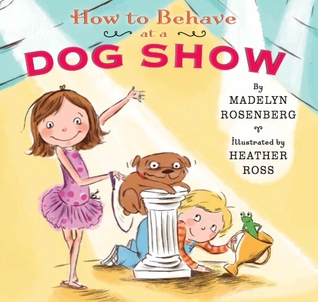
In How to Behave at a Dog Show, a picture book written by me and illustrated by Heather Ross, Julia and Charles learn that Rexie is not exactly Best-in-Show material. But he IS best at lots of other things. We’re hoping readers will see what’s best in their own pets, and in themselves. This book can be used in classrooms as a mentor text (How to Behave at a Tea Party is also in the series and kids could easily discuss how to do anything!) I also have a guide for how to host a classroom pet show. I’m attaching the link for that here, along with the link for the book trailer my son made for me. Teacher’s Guide


Nanny X Returns

Nanny X Returns
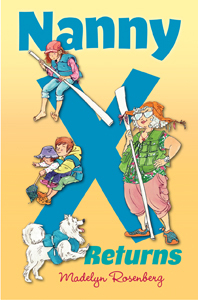
Nanny X Returns is a middle-grade novel. The first book in the series, Nanny X, has found favor among reluctant readers and I’m hoping this book will, too. The first Nanny X is a finalist for the Land of Enchantment Book Award. The follow-up chases Nanny X and her young charges around Washington, D.C., as they attempt to save our national treasures from someone named The Angler, who wants a statue of a fish installed on the White House lawn. I’m enclosing a discussion guide that can be used in classrooms. Teacher’s Guide


Thank you to Madelyn for these fantastic games and activities to battle writer’s block!

RickiSigandKellee Signature

Monstrous Fun: A Doodle and Activity Book by Travis Nichols

Share

Halloween Button 2015

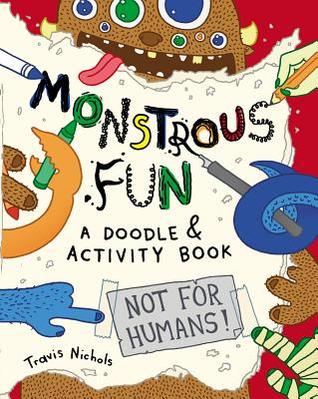
Monstrous Fun

Monstrous Fun: A Doodle and Activity Book
Author and Illustrator: Travis Nichols
Published: August 11, 2015 by Price Stern Sloan (Penguin Young Readers)

Goodreads Summary: You may think you know your holidays, but have you ever heard of Eggster? What about Fangsgiving? This fun-filled book has 64 pages of fantastic monster-themed activities, puzzles, and games, plus plenty of space to color, doodle, and imagine what these wild monster celebrations might look like. Get your pens and pencils ready, and start being monsterific-ly creative!

Ricki’s Review: We don’t typically review activity books on the blog, but we loved the way that this one takes a playful interpretation on holidays. Plus, it is Halloween week, so it is a perfect fit! This fun doodle and activity book is not intended for humans. The pages are designed only for monsters, and each activity flips a holiday on its head (from a monster’s perspective). This would be a great book for parents and teachers to get kids thinking about creatively reimagining the holidays. It would be a great kickstart to a creative writing unit.

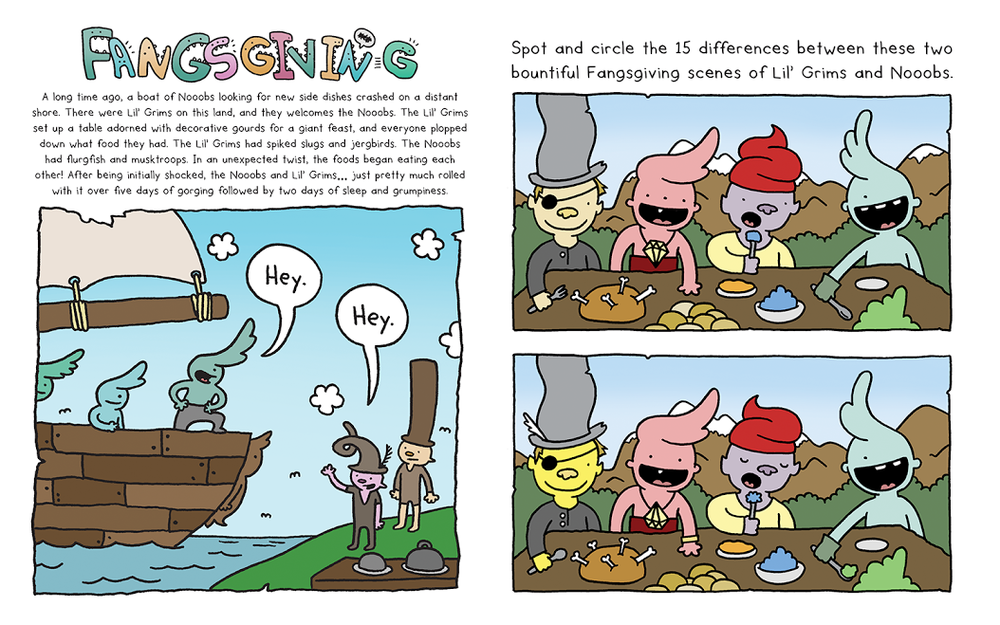
Kellee’s Review: What I loved specifically about this activity book is the variety of fun it includes. For parents, kids, and adults alike, there are so many fun activities to do such as word searches, drawing & coloring, finding differences, mazes, hidden pictures, and more!

For teachers, I specifically like the Claws brothers trading cards which includes a photo, description, likes, and dislikes of each Claws brother. This would be a great start to writing a narrative or as a jumping off point for talking about characterization. There’s also Halloween songs that rhyme, made up holidays that could allow students to think out of the box and create their own, a comic to complete, and a page to design a machine that accomplishes a task. All of these activities are fun, but also have educational implications if done correctly. 

Teachers’ Tools for Navigation: Ask students to pick holidays they celebrate. Ask them to research customs and traditions of that holiday and to write a reflection about what that holiday means to them. Then, have all of the students design activities that creatively reimagine those holidays. This can lead to classroom conversations about perspective.

Discussion Questions: What are classic traditions behind holidays or traditions your family celebrates? How might these be different for other families?; How does the author take a monster’s perspective for this text? How might you use a different perspective in your own writing?; When creating a character, what should you think about?; What is essential in writing a comic?

We Flagged:

fangs

Image from: http://iamtravisnichols.com/monstrousfun

Read This If You Love: Warning: Do Not Open this Book by Adam Lehrhaupt; The Monster at the End of This Book by Jon Stone; Leonardo, the Terrible Monster by Mo Willems; Activity, Coloring, and Doodle Books

Recommended For:

classroomlibrarybuttonsmall

  RickiSigandSignature

**Thank you to Katharine at Penguin for providing copies for review!!**