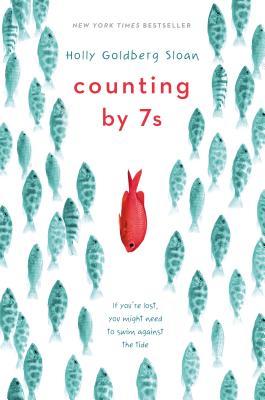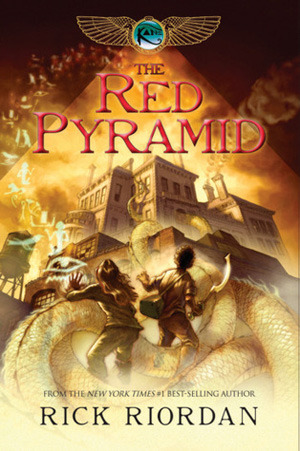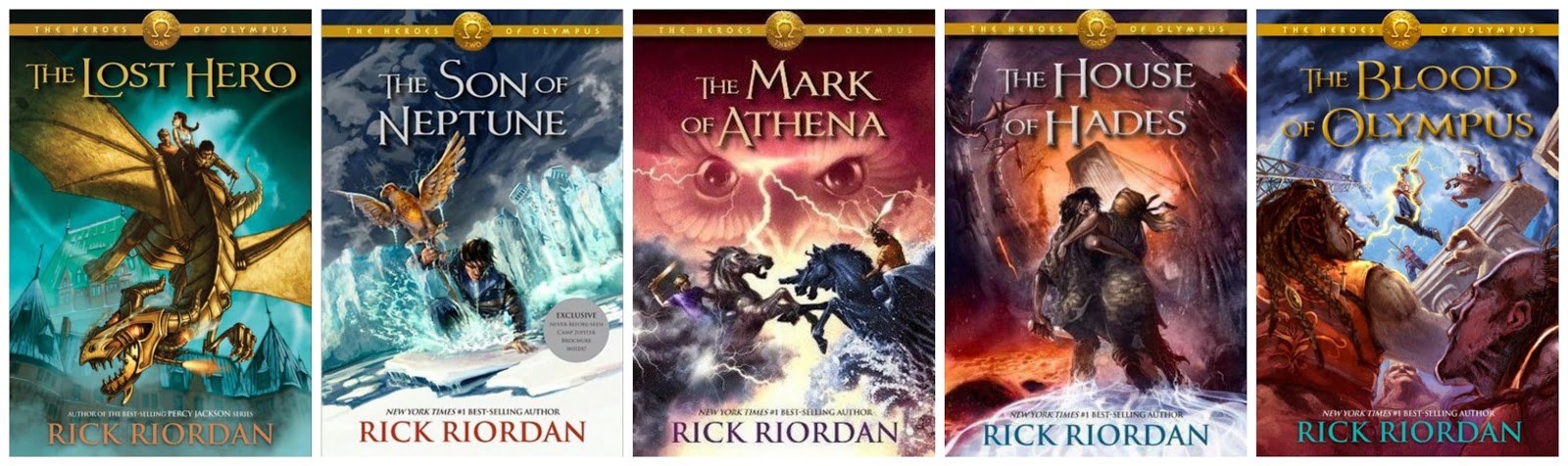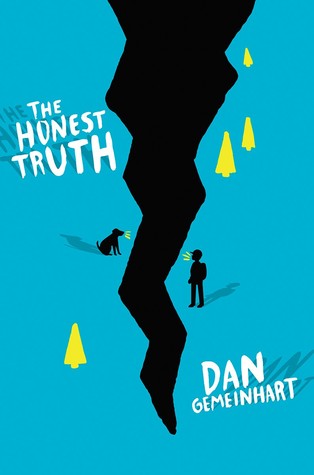
Precepts: Analyzing and Reflecting Within the Middle School Classroom

Share

precepts

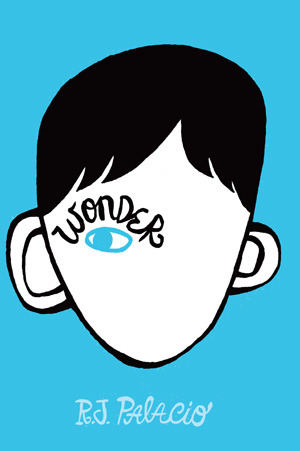
In Wonder by R.J. Palacio, Mr. Browne assigns his students a precept monthly that they will discuss and write an essay about. He defines precepts as “rules about really important things.” Mr. Browne truly inspired me. He is one of those teachers in books that you read and wish you could work with them. Ever since I’d finished Wonder, I’ve wanted to do a precept activity in my class, so this year, I jumped in and do a (mostly) weekly precept.

On most Fridays, students enter my classroom to a precept projected on the board. They read the precept and immediately begin writing. What is the theme of the precept? Why did the author say/write it? What does the precept mean to your life? Does it make you want to change anything? I let them write for about ten minutes and then we begin discussing.

I love many different things about tackling precepts with my students.

First, it gives them time to think about life. Too often during the school day the curriculum is just that: curriculum. Students don’t often get to reflect and think about their own life.

Second, it hits on reading and writing! Students are thinking about theme, author’s point of view, author’s perspective, inferences, and more then are writing a reflection sharing these using evidence and specific examples.

Third, we have some amazing discussions after they read, reflect, and write. Anyone who is worried about the future hasn’t had a really good conversation with a 12-year-old.

Blog20160208_160558 Blog20160208_160614 Blog20160208_160625

Although I have used Mr. Browne’s precepts as an inspiration, I’ve gone a bit rogue from the 365 Days of Wonder book and even include picture books as part of our precept activity. I’ve tried to tie the precepts to our units and also to what is going on in the world like a quote from a 9/11 widow. Here are the precepts we did during the first semester with some students responses.

Picture Books

Each Kindness by Jacqueline Wilson
“Each kindness makes the whole world a little bit better.”

Students made vows of kindness that are posted around the precept.

The Dot by Peter H. Reynolds
“Just make a mark and see where it takes you.” 

Student response: I feel like this book means a lot. First it means that you might think that your not good enough and that doesn’t mean that your bad it just means you need practice and practice makes perfect. Then I feel like when someone inspires you and gives you kindness you should pass it on. Lastly I feel like if you start little and then you practice and become big don’t forget how you started who inspired you and cut the kindness, you should be big and kind to the little ones or the ones who are just starting because you never know when you can be the cause of something big. I think that this book can help a lot of people even though it was a picture book and that’s why you shouldn’t judge a book by how big it is or its cover because a little amount of words can change someone’s life.

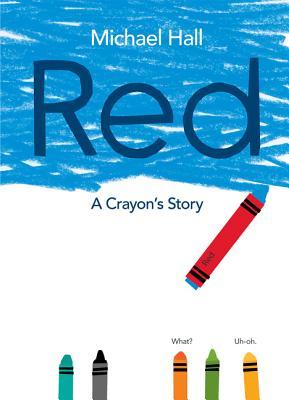
Red: A Crayon’s Story by Michael Hall
“He was blue. And everyone was talking…He’s really reaching for the sky. And he really was!”

Student response: “Don’t  tell someone to be something they’re not. Let them discover who they are on their own.”

Last Stop on Market Street by Matt de la Peña
“He wondered how his nana always found beautiful where he never even though to look. He looked all around them again at the…broken streetlamps still lit up…”

Student response: Even if you are broken you can still shine brighter than others.

Poetry

I’m Nobody! Who Are You?” (260) by Emily Dickinson

Student response: I think the theme of the poem is that being a person that tries to be in the pinnacle of attention is not how you will achieve happiness. To me this poem means that being yourself is the easiest source of happiness of life.

Precepts

“When given the choice between being right or being kind, choose kind.” 
-Dr. Wayne Dyer, but found in Wonder by R.J. Palacio

Student response: We as people face choices everyday. Sometimes there easy, sometimes we don’t even realize we’re making one! This precept can be taken many different ways and all are correct. To me, this precept means love over opinion.

We Need Diverse Books

Student response: We need diverse books because when you read read the book and see all these races you think to yourself that its true,you look around you and you see the truth about the world. This is important because we need to be aware that all the people are different but they are all equal.

“If we learn nothing else form this tragedy, we learn that life is short and there is no time for hate.” 
Sandy Dahl, wife of Flight 93 pilot, Jason Dahl

Student response: This precept means that life is shorter than you think and if you live your life hated someone, you will live your life with hate. Most of the time, when you hate, you are angry, that is why you will live your life filled with hatred for another person. I think the author meant that she has partially forgiven the terrorists because she does not want to love her life with hatred. Mrs. Dahl doesn’t want you to live a terrible life just because of some people. You want to live your life to the fullest. This precept means to me that you should not live a short life filled with hate, but a short life living joyfully, which will seem longer than it is. This precept makes me think of many things: the people that have done wrong to me, the terrorists, and 9/11.

“Having the freedom to read and the freedom to choose is one of the best gifts my parents ever gave me.” 
Judy Blume

Student response: I think that this precept means that when you are given the freedom to choose which books you like it is really good because you can maybe relate to the book or learn from it. If you are deprived from books that you really enjoy, you might not even want to read at all because you want to read a certain type of book so much that any other book might not be fun to read. This is kind of like a movie you would want to watch. If you want to watch a movie for the right reasons, such as wanting to learn things or if it seems interesting, and you parents say you cannot watch it, other movies may not be that enjoyable because you are so set on watching a certain movie. You can also learn to be street smart smart from a book ahead of time so if you are in a situation, you have an idea of what to do. I think the author is happy that she was allowed to choose any book that she wanted because she might have learned something from books or maybe she gets very emotionally attached to certain books and she enjoys them very much. Maybe some people just read to go into a different world in their head because their family might be fighting or something. So, all in all the freedom of choosing whatever book you want to read is very important.

“Don’t strive for love, be it.”
Hugh Prather

Student response: I think the precept means that you should be the person to love not wait for someone to love you. Because if you wait you might never have love. And if you love you might get someone to love you back for who you are. Never be in the corner or in your room, always be out there to explore life and what it has to offer. Never give up who you like or what good qualities they have. Always stay true to yourself.

Precepts have given me a way to talk to my students about some tough subjects and get to know them better. Thank you R.J. Palacio and Mr. Browne for the inspiration!

Kellee Signature

Check out R.J. Palacios Nerdy Book Club post about Mr. Browne’s first precept
and her Tumblr post for a list of the Mr. Browne’s monthly precepts


The Happy Dandelion App

Share

Happy Dandelion

The Happy Dandelion App

We were contacted by Joshua and Donna Wilson, a husband-wife team and The Happy Dandelion creators, who asked if we’d review their picture book app. Because apps stray toward the advertising sector, we always review the apps carefully before we feature them on the blog. As you all know, we are not for-profit, and we are truly here for the love of teaching books, but after previewing the app, we decided it was too lovely not to share.

The books featured are picture books for all ages, and we were able to pull our sons (who are toddlers) onto our laps, and they loved pushing parts of the books to see the words spin, bump, and twist. It was fun to navigate the books because there were so many places to push, and we felt like we’d won for each time that we pushed the right places!

The first book we reviewed was The Sometimes Road. This was a calming book that is directed more for adults and is about the twists and turns of life. It was a story that will be appreciated by kids, too! There were many quotable sections that felt very zen to us. The music in the background was peaceful, and the storyline discusses the difficulties and triumphs we experience in life. The artwork is absolutely stunning. Ricki accessed this book after yoga class, and it was the perfect time to look at it. It kept her heart calm and made her feel peaceful.

We also accessed The UnStealer, which was very different from the first book. The watercolors popped, and there were many fun twists to this story. It is about an UnStealer who steals, “uns,” which was a very fun play on words. Our kids loved this one, and we think this would be very fun to use as a read-aloud in class. It would be great to take student volunteers to push different parts of the book during the read-aloud.

Check out The UnStealer in action:

We loved playing around with The Happy Dandelion app and think it would be a great resource in a classroom. This would be a great app to load onto an iPad for kids to use during independent reading or to use in groups at a reading station. A special thanks to Joshua and Donna Wilson for recommending their app to us. We had great fun!

RickiSigand Kellee Signature

In The Middle School Classroom: Talking About Last Stop on Market Street by Matt de la Pena

Share

last stop on market street

So many of us were so happy to hear that Matt de la Peña won the Newbery Medal with Last Stop on Market Street though so many of us were quite surprised as well. Not surprised because the book didn’t deserve it, it did; surprised because it is a picture book winning the award for most distinguished piece of children’s literature. This means that the illustrations, which are phenomenal and also won a Caldecott Honors, could not be taken into consideration during the Newbery process. This left many people wondering how a picture book could beat out novels such as Echo by Pam Muñoz Ryan and The War That Saved My Life by Kimberly Brubaker Bradley, two of the three honors books.

I was fascinated by all the conversations, and then I read a post on Facebook by my friend, Beth Shaum, sharing an activity she did in her classroom. She decided to let her student be the judge of the book and read Last Stop on Market Street aloud to her students without showing them the illustrations. She then asked them how it met the criteria of the Newbery. I loved it and decided to do it in mine as well. I didn’t plan on blogging about it, but the conversations that came with the activity and reading of Last Stop on Market Street with my middle school students was something that needed to be shared.

In my class, I read the whole picture book twice. The first time straight through. Then the second time I allowed for questions and we discussed it a bit. It was so wonderful to see how much inference needed to be done when the illustrations were excluded from the reading. When CJ says he wanted something a pair of teens had, students couldn’t see the photos to determine what it was. They also noticed the diversity of the book without seeing the photos because they pointed out that there was a blind man on the bus.

Finally, I asked my students to answer two questions. First, I asked them to tell me what made Last Stop on Market Street distinguished, and why do you think it won the Newbery. Then, after reading the book for a third time and showing the illustrations as well they had to tell me what the theme of the book was. (We are actually in a theme unit, so the text fit in perfectly.) Here are some answers I received:

What made Last Stop on Market Street distinguished? Why do you think it won the Newbery?

“This book won the Newbery award because it had so many positive things to teach kids. It shows many different things to think about.”

“Because of the author’s ability to use imagery, teach a valuable life lesson in a way where a child can understand, and it’s way of including racially diverse characters like the world we live in today. This book creates a story for children that let’s them think.”

“I think it won because the book teach you many lessons about homeless people and the different types of diversity that is in the world, also the book teach you that some people don’t have a lot of things and it is important to be thankful, the kid in the book was complaining about doesn’t have a car but some people don’t even have food.”

“This book is different from all the other winners for this award, but it still won maybe because the amount of detail in the story even without looking at the illustration.”

“I think this book won the Newbery prize because this shows us that deep down inside that little town it shines bright like the sun,so i think that this book won because it teaches life lessons for kids.”

“I think this won because the story was very well written. The setting and people in the setting were described very well. Even without the pictures I could imagine what the scene looked like. The one scene that really stood out was when CJ, his grandma, and the blind man, all closed their eyes and enjoyed the sound of the music the man with the guitar was playing. The author described this scene very well.”

“It won the Newberry medal because there was so much description in the characters and how the character talked about the setting how there was a arch of a rainbow, about the streetlamps, the graffiti, and even about the description of the characters were so much in detail, like this person was blind, and that the dog guided him around.”

“I think the Last Stop On Market Street won the Newbery Medal because of the way of the wording showed freedom, power, and beauty. It showed clever wording and hints that implied little things that made the world better and beautiful. It talked about how the world was ruined to some and looked wrong, but when you understood it, the world was beautiful. What made the book distinguished was how so little words meant so much and made you think about how the world was breathtaking, and what made it so special.”

“This book is distinguished because the characters are described well because it showed what they were doing and saying. The book also described freedom well and it showed the theme better because it said that his Nana found beautiful everywhere and he looks around after wondering that and it seems that he is appreciating the beauty of all the things around him. I think that this book won the Newbery because it (1) shows diversity, (2) it has an amazing message, and (3) the book doesn’t take place in a fancy school or luxurious house but on an old bus yet it still makes CJ’s time there seem great because he is enjoying the world around him and the people around him.”

“I think that the book won the Newberry because the characters are diverse, for example, the blind man with his dog on the bus. C.J and his Nana are also interesting characters, because Nana sees the beauty in a lot of things that C.J doesn’t see yet.”

“This book won the Newbery prize because it is very true and it gives people hope.”

What is the theme of Last Stop on Market Street?

“The theme is that whenever you are sad you have to keep positive and look at the good side.”

” Broken things still have their uses.”

“Don’t be jealous and want everything be happy that you are living the life you have. You don’t have to be like all the other people and be jealous. Who cares where you live and what you do or what you have. Like when the boy said he wanted a car instead of riding the bus. He wanted to go straight home instead of going to the homeless shelter. All those things he wanted but he should have been happy for what he has.”

“I think the theme of the Last Stop On Market Street was to appreciate the little things in the world that make it special, rather than looking on the outside and wanting what you think makes the world better for you, not including others who may have less, but respect more than what you think the world is made of.”

“I think that the theme of the story is that people should appreciate what they have in life because beauty is everywhere no matter where you are or what you are doing.”

“I think that the theme of this book is that there is beauty in everything. I say this because C.J’s Nana said that the bus breathes fire, that a tree’s trunk is a straw, she also said that some people see the world with their ears.”

Thank you to my students for their beautiful and thoughtful responses.

Kellee Signature

Author Guest Post!: “Cross Curricular Integration of Climate Change Education Using Middle Grade Fiction” by Michael J. Bowler, Author of Warrior Kids

Share

Cross Curricular Integration of Climate Change Education Using Middle Grade Fiction

With pollution and climate change being, arguably, the most serious issue facing the youth of this century, I authored a book, Warrior Kids, that’s suitable for middle grade through high school. The storyline educates and empowers kids to lead the way in solving this crisis. Included within the plot, and added to the back of the book in the form of Extension Activities, are numerous ways kids as young as elementary school age can take an active role in ensuring a healthier planet for themselves and their own children far off in the future.

Teachers need to implant the belief in students that they can be the change they want to see in the world. When dealing with the environment, adults need to give kids hope and not preach that the sky is falling, which is the message of so many environmental groups in their pursuit of donations. I wrote an entire post about how kids need hope, not fear. Fear paralyzes us, while hope encourages us toward action. My book is filled with hope and positive solutions to the environmental crisis that kids and teens can readily embrace.

I’m sharing cross-curricular ideas that almost all teachers can utilize, whether or not they incorporate Warrior Kids into their classes. Warrior Kids does, however, contain a plethora of ideas that middle and high school students should find of interest discussing and debating. The eBook of Warrior Kids is free for any teacher who requests it.

  1. SCIENCE: At all grade levels, classes can plant gardens around school and have the students tend them. Each grade level can have a different garden or a different responsibility in maintaining one larger garden. Organizations like Common Vision can help you get started. Especially in big cities, kids have little contact with nature and don’t really have a sense of what will be lost if we destroy it. Having them nurture living things and spend time in a garden is an easy way to reawaken their innate connection to the natural world.
  2. MATH: there are so many “numbers” issues your students could work on computing. For example, take plastic water bottles. Based on America’s current annual disposal of water bottles (each of which can only be recycled once) how many acres of land will be needed in the form of landfill to hold all the discarded bottles, both those recycled and turned into a then-non-recyclable item, or those initially tossed into the trash? These calculations can be done for five years into the future, ten years, twenty years, etc. In this way, the students will become tangibly aware of the negative impact of buying water in plastic bottles. The same principal can apply to the numbers of trees we cut down versus how many trees there are worldwide, and to a host of other environmental concerns.
  3. CHEMISTRY: have the students learn in greater depth the ingredients that make up the various kinds of plastics and why certain ones are chemically unhealthful. (There is a section at the back of Warrior Kids that breaks down the different plastics based on toxicity.) Your students can also explore the new biodegradable plastics that are currently available, and others that are still experimental, and debate the pros and cons of each. Chemistry students can also study the effects that “fracking” chemicals have on the environment. Fracking is a method of digging for oil or natural gas. Over six hundred chemicals are added to water during the fracking process – toxic chemicals like benzene and formaldehyde. What is the physical impact on the eco-system when these chemicals leak into groundwater or dissipate into the air? What is the impact on human, animal, and plant life?
  4. BIOLOGY: have your students explore the scientific data that sets two degrees Celsius as the threshold over which the planet cannot safely become any warmer. Have them consider random factors like major volcanic eruptions and how those might affect global temperatures and the climate as a whole. Have them calculate various temperature increases on sea levels and existing plant and animal life. What species are more likely to survive higher temperatures and why? Will parts of the earth become uninhabitable for humans due to heat levels? If so, at what temperature might that occur?
  5. EARTH SCIENCE: students can study the link between heavily fracked areas like Oklahoma and an increase in seismic activity. Is there a direct or indirect connection, and does proximity of wells to known and unknown earthquake faults pose a serious threat to people?
  6. ENGLISH/ELA: have your students go through Warrior Kids and break down the various speeches given by Lance (the eighteen-year-old leader of the youth movement) as examples of persuasive writing. Does he back up his words with evidence? Does he use effective rhetoric? Which aspects are the most persuasive and which are the least and why? If teachers don’t want to use the book, students can use this technique with real activists in the climate arena who speak to the United Nations or other bodies. Are their words substantive, or just platitudes with no specifics to back up their arguments? Take one of their speeches and re-write it to make the message more meaningful and powerful.
  7. SPEECH/DEBATE: students can analyze the effectiveness of Billy’s “Alien Invasion” analogy in his address to the joint session of Congress (or any of Lance’s speeches, as noted in number five, or real speeches delivered by climate activists.) Have students write their own speeches to congress, the UN, or even their parents about why our behaviors need to change so the planet can heal. They can practice their speeches on each other, in front of the class, and even in front of other classes throughout the school. They could attend a school board meeting and attempt to persuade the district to become more sustainable.
  8. BUSINESS/ECONOMICS: have your students calculate the costs of having the school run on solar power. What would be upfront costs to the district and what would be the savings over time? They can pitch their ideas to the principal and the school board. They can even write a grant to obtain money and make the project a reality.
  9. HISTORY: have students explore and report back on the taxpayer subsidies that have been given to fossil fuel companies over the decades. What were the lobbying efforts based on? Which party or politicians have been most in the pocket of these industries, and what would happen politically if all such subsidies were cut off?
  10. GOVERNMENT: have students study up on campaign finance laws – why is it illegal for 501(c)(3) non-profits to campaign for or endorse candidates for public office? They can explore environmental activist groups that have 501(c)(3) status to see if they have ever campaigned for a candidate. If so, did that violation of law affect their non-profit status in any way? If it didn’t, do your students think it should have? Why or why not?
  11. MUSIC: have students compose songs that address the climate issue from the perspective of youth. Put these songs on YouTube and share them with like-minded young people around the world.
  12. ART: create posters/paintings that promote recycling, sustainability, and renewable energy. Enter these works into art contests. There are a number of contests that promote environmental artwork and offer prize money that can be used for eco-friendly projects.
  13. DANCE: interpretive dances that illustrate the negative impacts of pollution and climate change could be an amazing way for the student who isn’t a great writer or speaker to express his/her ideas.
  14. ALL CURRICULAR:
    • Start an Earth Warriors Crew with your class (EW is the fictional group in my book) and get other classes involved. It’s a great community service opportunity and the kids can actively help the move toward sustainability.
    • Each class can have a FB Group page, and link it to the Warrior Kids FB Group Page, if they so choose. They can share their accomplishments rather than selfies (a theme in the book.)
    • They can order t-shirts like the ones worn in the book (I’m happy to share the logo or even order the shirts for you.) They can also create their own shirts with whatever slogan they feel works for them in their community.
    • Have cool giveaways to your students who come up with the most creative idea for sustainability, recycling, reusability, or even creative ways to get the cooperation of reluctant adults (either people they know or politicians.)
    • Organize petition drives for needs in your school or community.
    • Have your class start paper collections. The students can sort all the paper by colors for proper recycling.
    • If there isn’t already a strong recycling program for bottles and cans, have them start one.
    • Where I taught high school, the maintenance staff would throw old computers into the trash. Have your kids make sure all old electronics around the school site are e-waste recycled. If there isn’t a city location nearby, Salvation Army takes e-waste and makes sure it’s recycled properly.

These are just a few of the activities I present at the conclusion of Warrior Kids. There are others, including a list of fifty simple things we can all do to help save the planet. Kids in every curricular area can take almost any of those fifty activities and turn them into a class or school/wide project. I also provide a list of organizations that students can explore in order to learn about climate change and become more involved in making a difference.

Thematically, Warrior Kids posits that we need to shift our human consciousness away from “me” centered thinking over to “we” centered thinking if the earth, and the human race, are to truly heal. When we focus on seemingly small things – like cutting plastic waste, for example – we are taking a huge step toward shifting that consciousness because our actions have a global impact. Just by each of us, and our students, reducing the use of plastic, we improve the entire world and become one with teachers and students in other countries who are doing the same. It’s simple, it’s unifying, it’s elevating, and ultimately it’s a major step toward preserving a healthy planet for the next generation. The time to act is now. As Billy says to his crew in Warrior Kids: “Earth Warriors, assemble!”

WarriorKids-FRONT COVER

The future looks bleak unless eighteen-year-old Lance and his New Camelot Earth Warriors can save the planet from catastrophic climate change.

Spurred by twelve year-olds Billy, Enya, Itzamna, and his ten-year-old brother, Chris, Lance creates a branch of Earth Warriors, a youth-led movement designed to save the earth from its greatest enemy – greed.

His involvement leads to Earth Warrior crews springing up all across America. Millions of kids leap into action, paralyzing the country and alarming the rich and powerful.

Having adopted his father’s philosophy of doing what’s right, rather than what’s easy, Lance makes serious enemies when he calls out New Camelot donors who represent fossil fuel or other polluting industries, and then barely escapes a series of “accidents” designed to kill him.

When he challenges the United States Congress to step up and act immediately on the climate crisis, the attacks on him escalate. With the majority of America’s kids on his side, Lance and his young Earth Warriors prepare for the United Nations Conference of the Parties in Paris, where they will call upon world leaders to stop talking about sustainability and start acting on it.

But whoever wants him dead isn’t giving up. Will Lance and his crew live long enough to even get to Paris?

Warrior Kids is a standalone tale set within the Children of the Knight universe.

About the Author: Michael J. Bowler is an award-winning author of nine novels––A Boy and His Dragon, A Matter of Time (Silver Medalist from Reader’s Favorite), and The Knight Cycle, comprised of five books: Children of the Knight (Gold Award Winner-Wishing Shelf Book Awards; Reader Views Honorable mention; Runner-Up Rainbow Awards), Running Through A Dark Place (Bronze Award Winner-Wishing Shelf Book Awards), There Is No Fear, And The Children Shall Lead, Once Upon A Time In America, Spinner (Winner Hollywood Book Festival; Honorable Mention San Francisco Book Festival; Bronze Medal from Readers’ Favorite; Literary Classics Seal of Approval; Runner-Up in Southern California Book Festival; Honorable Mention in the Halloween Book Festival), and Warrior Kids: A Tale of New Camelot.

His horror screenplay, “Healer,” was a Semi-Finalist, and his urban fantasy script, “Like A Hero,” was a Finalist in the Shriekfest Film Festival and Screenplay Competition. He partnered with two friends as producer, writer, and/or director on several ultra-low-budget horror films, including “Fatal Images,” “Club Dead,” and “Things II.”

He grew up in San Rafael, California, and majored in English and Theatre at Santa Clara University. He went on to earn a master’s in film production from Loyola Marymount University, a teaching credential in English from LMU, and another master’s in Special Education from Cal State University Dominguez Hills.

He taught high school in Hawthorne, California for twenty-five years, both in general education and to students with learniag disabilities, in subjects ranging from English and Strength Training to Algebra, Biology, and Yearbook.

He has also been a volunteer Big Brother to eight different boys with the Catholic Big Brothers Big Sisters program and a thirty-year volunteer within the juvenile justice system in Los Angeles.

He has been honored as Probation Volunteer of the Year, YMCA Volunteer of the Year, California Big Brother of the Year, and 2000 National Big Brother of the Year. The “National” honor allowed him and three of his Little Brothers to visit the White House and meet the president in the Oval Office.

He is currently writing a novel based on his screenplay, “Like A Hero.”

His goal as an author is for teens to experience empowerment and hope; to see themselves in his diverse characters; to read about kids who face real-life challenges; and to see how kids like them can remain decent people in an indecent world.

You can find him at:
www.michaeljbowler.com
FB: michaeljbowlerauthor
Twitter: BradleyWallaceM
Blog: www.sirlancesays.wordpress.com
tumblr: http://michaeljbowler.tumblr.com/
Pinterest: http://www.pinterest.com/michaelbowler/pins/
Amazon: http://www.amazon.com/Michael-J.-Bowler/e/B0075ML4M4
Instagram: StuntShark

Thank you to Michael for his great cross-curricular post! These activities will be wonderful for the classroom and even would work well around Earth Day in April!

Kellee Signature andRickiSig

Unleash Your (and Your Students’) Inner Reader

Share

recite-7g2gyc

When I entered my first EdCamp in late January. First, let me tell you how much I loved the experience! It was a PD run by, led, and created by teachers. You were able to choose your breakout sessions and there was such a variety!
I, personally, hadn’t planned on presenting. I wanted to just lurk and see what EdCamp was like. But then Dr. Beth Scanlon, my Adolescent Literature teacher from UCF and reading coach at a local high school, and Lee Ann Spilanne, a friend and language arts teacher at a local high school, came to me and said the words that I could not resist: Share your love of reading. With those words, I jumped in and signed up to present.

I decided to focus on the two things that I get asked the most by other teachers: How do you read so much? & How do you get your students to read so much? Since they go hand-in-hand, I thought it was a perfect thing to talk about. This is  what I shared:

 1. Stop reading books you do not enjoy!

Stop it. It isn’t worth it. There are millions of books out there. Books you will enjoy. Find some of them and pick them up and devour them and love them. Then share them!

2. Stop making your students read books they don’t enjoy!

Stop it. It isn’t worth it. There are millions of books out there. Books your student will enjoy. Help them find them and pick them up and devour them and love them. This is why you have to read–to help them find these books they’ll love. One of the things I do with my students is have them fill out an interest inventory and book survey at the beginning of the year to help get to know them. This allows me to give specific recommendations to each of them from the very first week. And if they don’t like a book? Let them stop and move on.

3. Read books that you can share with your students.

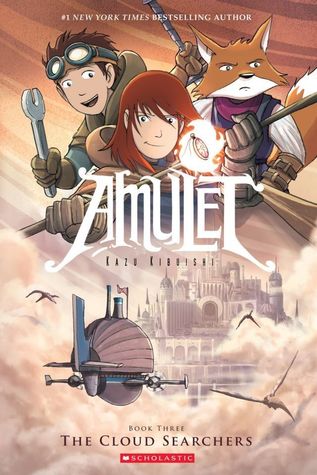
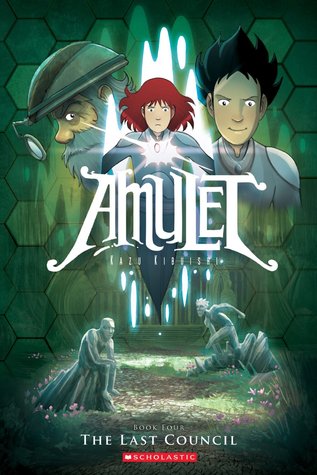
This makes it so that your reading is two folds. Not only is it enjoyable to you, but it gives your reading a whole new purpose. You love being an educator, so reading for your job will give you even more motivation to pick up those books your students will love. Oh, and picture books, chapter books, middle grade novels, young adult novels, and graphic novels are just so enjoyable! You’ll love them–you’ll see!
4. There is time to read.

I know this sounds harsh, but stop making excuses. If reading is a priority then there is time to read. All you have to do is set time aside. Just like you ask your students to do. My reading time is right before bed. Although I am not a perfect reader, and that is okay too! (see #6), I try to make daily reading a priority. Even if it is only 15, 20, or 30 minutes a day; there is time to read.

5. Join a reading community. 

This is what really changed my reading life. I found my reading community which not only gives me other educators to talk about books with, but I also get recommendations of the best books to read. At first, I only joined Goodreads and began building more book knowledge, but then expanding my reading community came in three folds. First, I became active on Twitter taking part in chats like #titletalk and meeting educators from all over the world. They became my PLN (professional learning network). These “tweeps” have grown to become true friends, and I would not be the reader or educator I am without them. Second, I started blogging and launched It’s Monday! What Are You Reading? where 30+ bloggers connect weekly and talk about what books they are reading and enjoying. Finally, I joined The Assembly on Literature for Adolescents of the NCTE where I found true advocates for adolescent literature. I then became active first serving on the Walden Award Committee and taking part in the workshop and now I am on the Executive Board and the Public Relations committee. All of this allowed me to become more involved in the best books for adolescents.

6. Don’t be too hard on yourself.

Did you not read on Monday? Did you take 2 weeks to finish a book because you were busy? Did you abandon the last 3 books you started? Yes? That’s okay! Whenever you start feeling down on yourself, just remember me saying: It is okay! It happens. We all have reading slumps! Just pick yourself up and keep going. It will end if you keep fighting it.

7. Have a classroom library. 

Having a classroom library shows your students that reading and books are part of your class culture. When you walk into a room where walls are covered in books and bookshelves, you know where the priorities lie. From my own surveys with my students, I know that having a classroom library also helps my students read more than they do in other classes. They don’t have to worry about library due dates, they have the books right in their classroom, and they have a teacher that will help them find the right book for them. See some pointers I gave at NCTE in 2013 on building a classroom library here. I also shared the website, Booksource, that I use for inventorying and checking in/checking out books of my classroom library.

I’m going to be writing an entire post about the importance of a classroom library at a later date (and I’ll add the post link here) which was inspired by Sarah Anderson. On her blog, she explains how she creates and manages her classroom library as well as why not having a classroom library is not an option.

8. Allow time for independent reading and talking about books in your class.

This builds right off of #7. If you think reading is important, then allow time for it for your students just as you are allowing time for it in your life. Also, giving students time to talk to you or each other will really push their reading further!

9. Don’t force reading logs or book expectations on your students. 

Don’t kill reading for them! No one is checking up on you or limiting what you read! Yes, I know, you have a college degree already, but think back to when you were a kid. Did you enjoy logging your reading? If someone told you you couldn’t read your favorite book, how would you have reacted?

See Ricki’s post about lexiles and reading levels to learn more about why trying to calculate the complexity of a text using a mathematical equation is madness.

10. Have fun!

This is the most important thing! Reading is supposed to be enjoyable–let it be.

Happy reading!

Kellee Signature

This is my Anti-Lexile, Anti-Reading Level Post.

Share

Say No to Lexiles and Reading Levels

UPDATE: Because this post has gotten a lot of attention, and we receive a lot of emails about it, we thought we’d share a slightly different version with more updated Lexile scores here at the Washington Post. 

This is my anti-lexile, anti-reading level post. I get it. Well-intentioned parents want to challenge their children. Well-meaning teachers want to be sure that students are advancing in their reading levels. Maybe this is okay in first or second grade (although some commenters of this post argue that even this isn’t okay). Beyond these beginning grade levels, let’s stop this madness. We can do better. We cannot calculate the complexity of a text using a mathematical equation.

A few words from Mike Mullin, author of Ashfall: “Try taking this comment, and running it through the Lexile analyzer. Then replace every other period in this comment with ‘and,’ and run it again. The problem will be instantly apparent–the Lexile level will change by 400 – 600 points. You cannot accurately quantify something as complex as reading with simplistic sentence and word counts that fail to take into account the most important variable: the child” (Posted to http://mikemullin.blogspot.com/2012/10/how-lexiles-harm-students.html).

So why do we use Lexiles for older kids? Perhaps it is based on fear. We worry we aren’t challenging our students, so the Lexile numbers give us the confidence and assurance to move forward. It appeases the nagging worry that maybe we aren’t challenging our children enough. Because if the number/letter on the child’s book is higher than the number/letter on the last book the student read, I am doing my job as a parent, as an educator, as an administrator, right?

Even worse, some parents/teachers make students internalize levels. A child will tell me, “I am a G reader.” How does this G reader feel when the G reader is surrounded by J reader peers? What does this do for reader confidence? If we must use reading levels, let’s tell kids that they are reading G books and aren’t G readers. Reading levels shouldn’t define them.

Unshelved

(A great graphic from Unshelved)

I cringe when I hear about parents or teachers who strictly adhere to reading levels alone and won’t let children read books that are “too high/low in their Lexile number.” I watched a mother tell her son that he couldn’t get the train book that he wanted so badly because the number on the back cover was too high for him. He was disappointed, and he was even more disappointed when his mom selected a book that was not interesting to him. It really sucks the fun out of reading when you have to pick a book within your required sentence length instead of within your interests.

Unshelved 2(Another great graphic from Unshelved. They really nail this topic, don’t they?)

line

Let’s take a look at the Lexile Bands by grade level:

Grade             Lexile Band – Text Demand Study 2009

6                        860L to 920L

7                        880L to 960L

8                        900L to 1010L

9                       960L to 1110L

10                    920L to 1120L

11 and 12       1070L to 1220L

(from the Common Core State Standards for English, Language Arts, Appendix A [Additional Information], NGA and CCSSO, 2012)

line

When we look at the Lexile levels of books, many of the typical texts taught in these grades meet these standards. But so many don’t, and this is quite problematic. If we take Lexiles as fact, these are the grades we should be teaching the following texts (Lexiles are in parentheses):

2nd Grade

  • Night – Wiesel (570)

3rd Grade

  • The Sun Also Rises – Hemingway (610)
  • Twisted – Anderson (680)
  • Incarceron – Fisher (600)

4th Grade

  • Grapes of Wrath – Steinbeck (680)
  • The Color Purple – Walker (670)

5th Grade

  • For Whom the Bell Tolls – Hemingway (840)
  • Kite Runner – Hosseini (840)
  • A Farewell to Arms – Hemingway (730)
  • Cat’s Cradle – Vonnegut (790)

6th Grade

  • As I Lay Dying – Faulkner (870)
  • The Sound and the Fury – Faulkner (870)
  • To Kill a Mockingbird – Lee (870)
  • Fahrenheit 451 – Bradbury (890)

7th Grade

  • Extremely Loud and Incredibly Close – Foer (940)

8th Grade

  • Les Miserables – Hugo (990)
  • Huck Finn – Twain (990)

9th Grade

  • Harry Potter Half-Blood Prince – Rowling (1030)
  • Diary of a Wimpy Kid – Kinney (1060)

line

We cannot assign a number to a book. Further, we cannot assign a book to a number. But the Common Core says we should. No, actually, it doesn’t. Direct quote from the Common Core: “The following text samples primarily serve to exemplify the level of complexity and quality that the Standards require all students in a given grade band to engage with. Additionally, they are suggestive of the breadth of texts that students should encounter in the text types required by the Standards. The choices should serve as useful guideposts in helping educators select texts of similar complexity, quality, and range for their own classrooms. They expressly do not represent a partial or complete reading list.” The CCSS actually remind us to look at quantitative, qualitative, and reader/task aspects. (See page 8, Appendix A of the CCSS for a gold mine of reasons we shouldn’t rely solely on these quantitative measures.) So why do so many people think that complexity and quality can only be measured with this quantitative measure? Perhaps this is due to the emphasis on numbers and standardized testing.

Many of the readers of this blog are avid readers themselves. They understand the problematic nature of Lexiles (or other quantitative measures). But others might react with, “Well, if I can’t use these numbers, what do I use?”

line

How do we challenge readers?

To start, if you haven’t read it yet, I highly recommend you get your hands on a copy of Teri Lesesne’s Reading Ladders. She uses reading ladders in ways that address complexity without numbers. She writes, “Reading levels and Lexiles are not the way to determine the rigor of a text. Instead, rigor should be determined by sophistication of thought, depth of character development, stylistic choices, and mastery of language on the part of the author. These are present in the best of YA literature” (p. 6). In her book, Lesesne shows us how we can be better and do better than reading levels.

The key to knowing how to challenge our students/children is to read, read, read. This allows us to make recommendations when they finish books. If you don’t have the time to read or this feels outside of your field of study, ask someone who does read widely. There are many bloggers, teachers, librarians, and parents who read widely and are very willing to give recommendations if you can provide reading background and interests of the student.

Head to the library or bookstore. Have your child pick a book based on interest. Open the book and read the first page together. (This can be done online by opening up the preview/”look inside” pages of a book, too.) Ask the child if it feels too difficult to the point that it is frustrating. We want to challenge our children, but we don’t want them to dislike reading because it feels much too difficult. If the book is too easy for the child, ask yourself, “Will this be harmful?” I am a parent. My son is still in preschool and is a beginning reader, but often, I picture him in elementary school. If he reads thirty books below his “reading level,” is this a bad thing? If these books propel him to read thirty more books (some above and some below) his reading level, I think this is quite all right. I want to feed his hunger to read. And telling him that he is a level 320 reader or even that he is reading a level 320 book is going to do nothing but make reading feel foreign, scientific, and boring. Let’s teach kids to read critically and be critical of these levels.

RickiSig

Update: I want to highlight the words within Carlos’ comment on this thread (below).

“Im a 6th grader and when i took a lexile test for my grade, i got stuck with books i hate so much. We had to search for books in my lexile. I as so bored of those books. I want to read whatever i want to.”

Carlos, we hear you, and we will try harder.

Best of our 2015 Book Lists

Share

2015to16

Some of our favorite posts to write are book list posts, so today we decided to highlight our favorite book lists posts from 2015.

1. In the World of Books: 25 Boys Who Stand Out for Us

Kellee’s                                              Ricki’s

25 Boys Collage 25 boys Ricki

2. In the World of Books: 25 Girls Who Stand Out for Us

Kellee’s                                             Ricki’s

25 Girls Collage Ricki 25 girls

3. Civil Rights Text Set/Reading Ladder

Civil Rights Text Set Ladder

4. Top Checked Out Books by Kellee’s Middle School Readers

5. Great Pairings of Young Adult Texts and Classic Texts

6. From My (Huge) Library Pile: We Need Diverse Books

Fiction                  Non-Fiction

7. Trent’s Favorites from His First Year

Trent's Fave Books 9-12 months

8. Ricki and Henry’s Favorites from His Second Year

Ricki and Henry 1-2 years

9. Books I’d Recommend to Students If They Like ______

10. YA Text Recommendations for Bestselling Adult Titles

To see even more of our book lists, check out our Top Ten Tuesday category to look through our weekly list post. 

Happy list reading and making!

Kellee Signature andRickiSig

**Thank you to Carrie for the idea!**