Top Checked Out Books by Kellee’s Middle School Readers 2015-2016

Share

Top Checked Out Books 1516

Yearly, starting with 2012-2013 (and excluding 2013-2014), I have shared the most popular books in my classroom library:
2012-2013 Top Books for Struggling/Reluctant Middle School Readers
2014-2015 Top Checked Out Books by Kellee’s Middle School Readers

In 2012-2013, I taught an intensive reading class with students who had not been successful on the state reading test; however, last year and this year, I switched to teaching advanced reading, but my library is still available for the three intensive reading classes in my school. The books below are the top 15 graphic novels and the top 15 novels checked out from my classroom library.

The most read and loved books of 2015-2016 in my 6th-8th grade classroom library.
**I did combine some series into one if all of the books in the series were high volume check outs.**

Top 15 Checked Out Graphic and Illustrated Novels

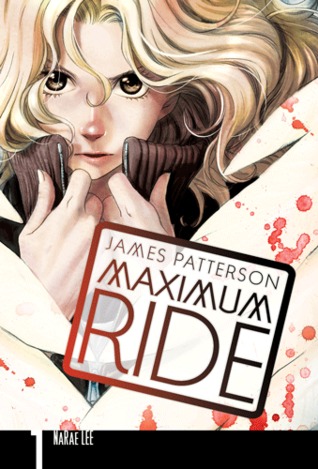
15. Maximum Ride Manga #1 by James Patterson

maximum ride manga

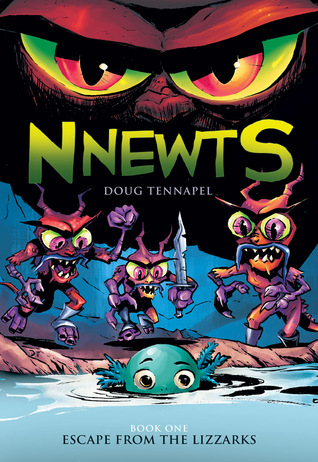
14. Nnewts by Doug TenNapel

Nnewts

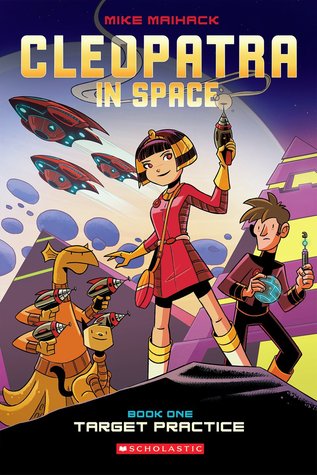
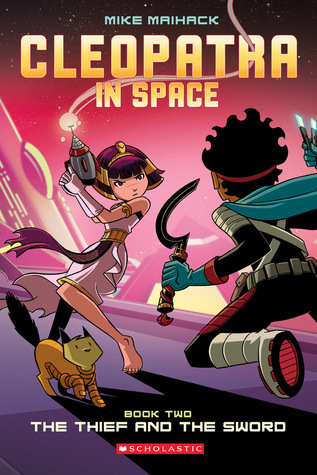
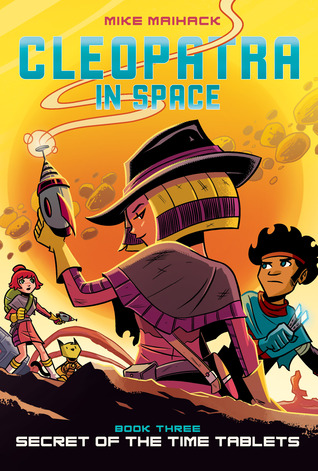
13. Cleopatra in Space series by Mike Maihack

cleopatra cleopatra 2 cleopatra 3

12. Sidekicks by Dan Santat

sidekicks

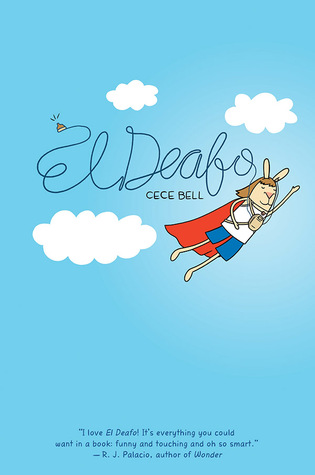
11. El Deafo by Cece Bell

el deafo

Review of El Deafo

10. Bad Island by Doug TenNapel

0-545-31480-1

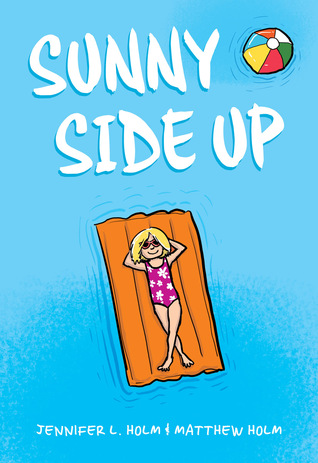
9. Sunny Side Up by Jenni L. Holm

sunny side up

Review of Sunny Side Up

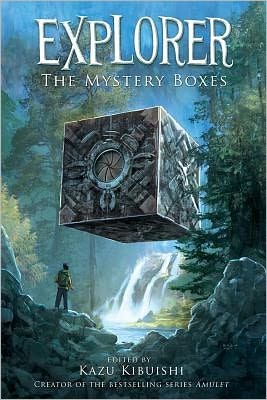
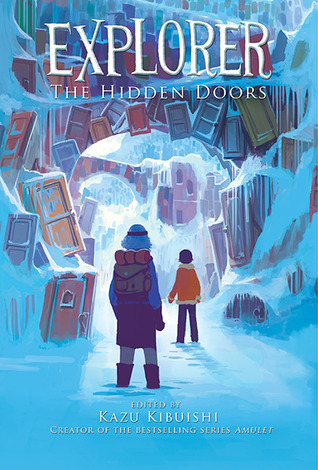
8. Explorer series edited by Kazu Kibuishi

explorerboxes explorer explorer hidden

Teaching Guide for Explorer 1 & 2

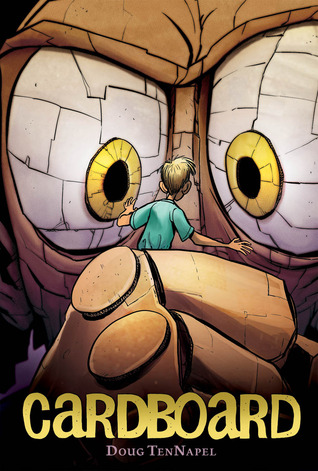
7. Cardboard by Doug TenNapel

Unknown

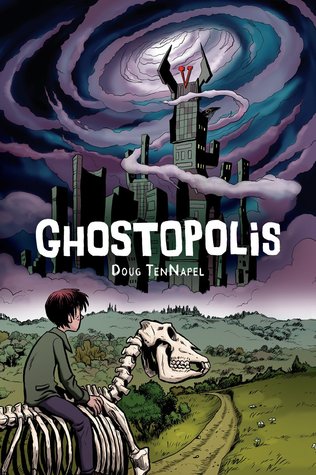
6. Ghostopolis by Doug TenNapel

0-545-21028-3

5. Dogs of War by Sheila Keenan

Dogs of War

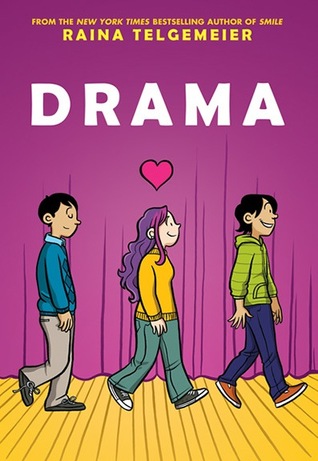
4. Drama by Raina Telgemeier

drama

Review of Drama

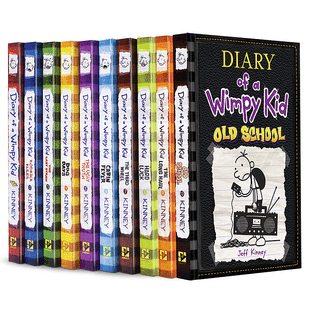
3. Diary of a Wimpy Kid series by Jeff Kinney

diary of a wimpy kid

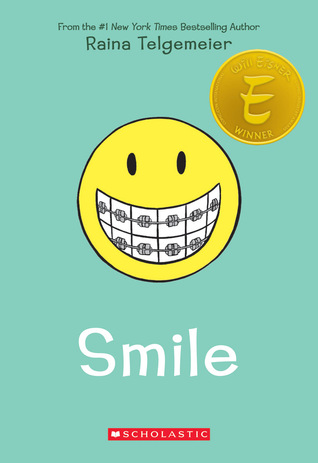
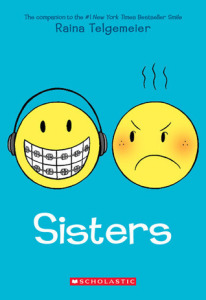
2. Smile and Sisters by Raina Telgemeier

FC_BC_9780545132060.pdf sisters

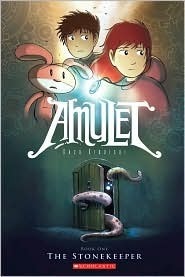
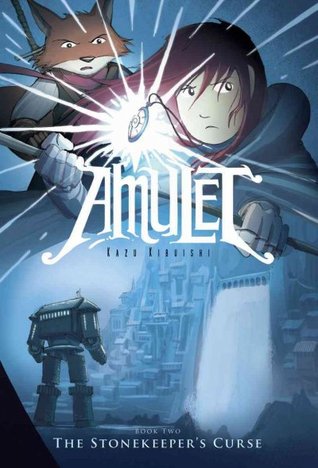
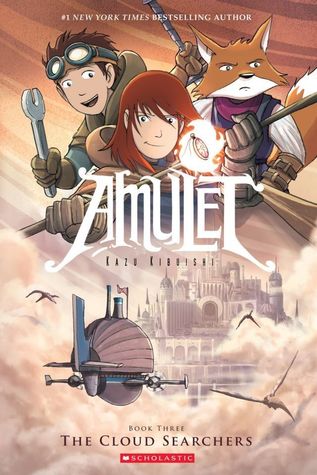
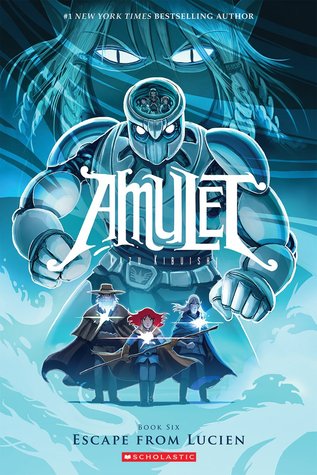
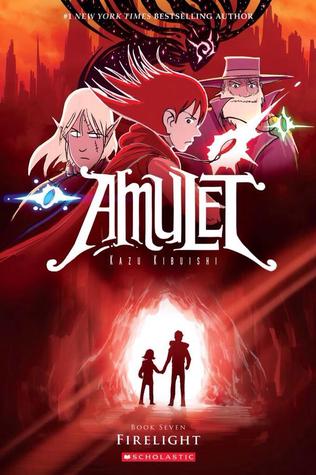
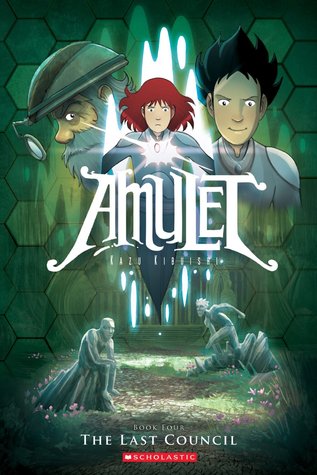
1. Amulet (series) by Kazu Kibuishi
**By far the most popular book in my classroom since book #1 came out**

amulet amulet2 amulet3 

amulet4 amulet5 amulet6 firelight

Graphic novels are very popular with ALL of my readers. I think there are many reasons why graphic novels are favorites: helps students visualize, fun to read as many of these students have only found reading to be a horrible chore, and colorful! Graphic novels are something I truly believe will help students love reading more and become better readers, and if you look at how much these students are reading and increasing in their reading ability, I think they back me up. (To see more research about the importance of graphic novels, check out my graphic novel teaching guide with Abrams.)

Top 15 Checked Out Novels

15. Snicker of Magic by Natalie Lloyd

snicker of magic

14. Twerp by Mark Goldblatt

twerp

13. Tiara on the Terrace by Kristen Kittscher

tiara on the terrace

Review of Tiara on the Terrace

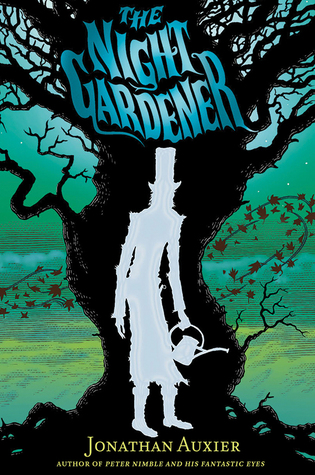
12. Night Gardener by Jonathan Auxier

night gardener

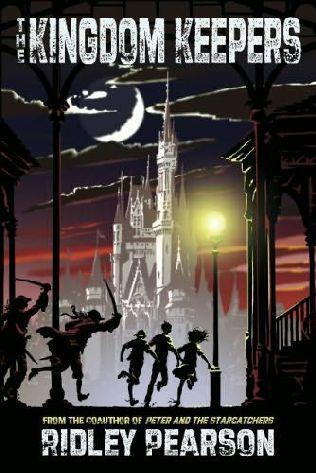
11. Kingdom Keepers by Ridley Pearson

kingdom keepers

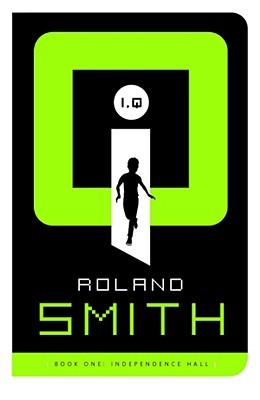
10. I, Q by Roland Smith

i, q

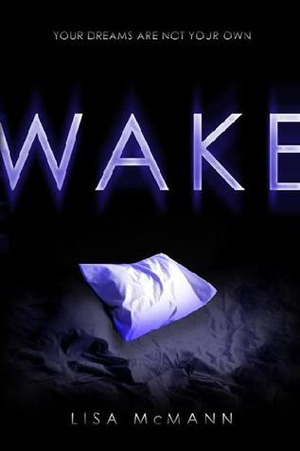
9. Wake by Lisa McMann

wake

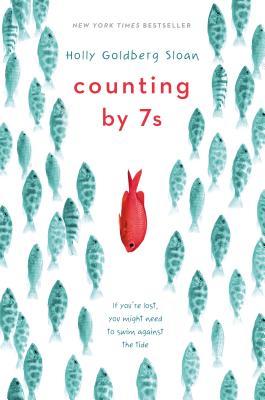
8. Counting by 7s by Holly Goldberg Sloan

counting by 7s

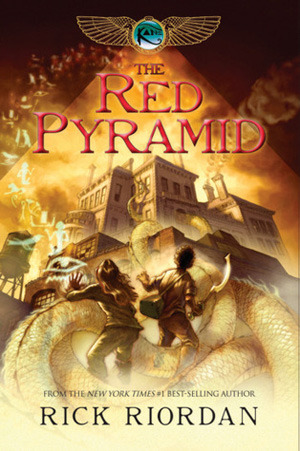
7. Red Pyramid by Rick Riordan

red pyramid

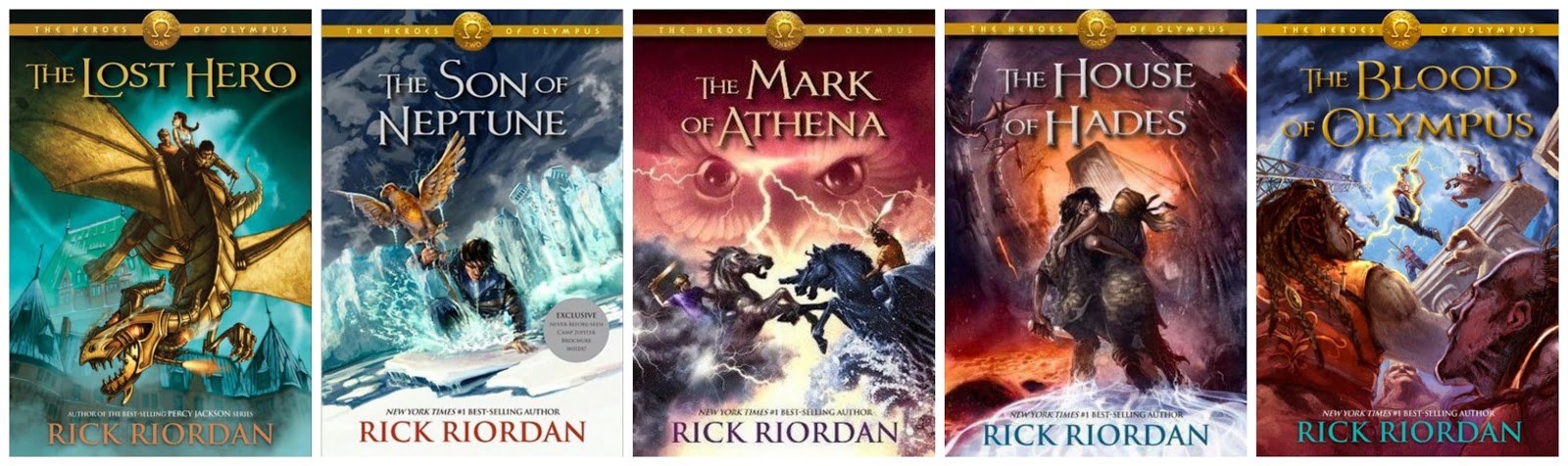
6. The Heroes of Olympus by Rick Riordan

heroes of olympus

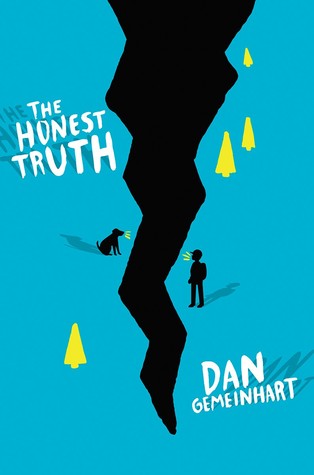
5. The Honest Truth by Dan Gemeinhart

honest truth

4. Stung series by Bethany Wiggins

stung cured

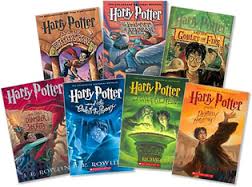
3. Harry Potter series by J.K. Rowling

harry potter series

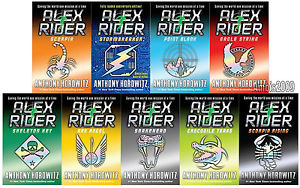
2. Alex Rider series by Anthony Horowitz

alex rider series

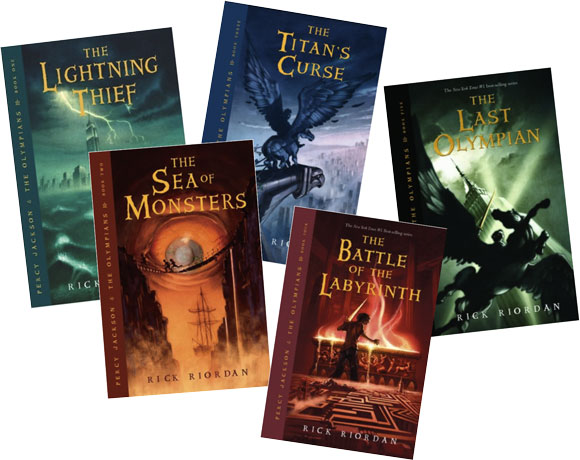
1. Percy Jackson and the Olympians series by Rick Riordan 

percy jackson series

As you can tell, series are very popular. Students love to be able to keep reading about characters. And Rick Riordan is a middle school rock star! Number 4, 8, 12, and 14 were on our 2015-2016 state award list (Stung won our state award!), and number 5 is on next year’s list.

What books/series do you find to be most popular with your middle school readers?
Have you found success with the books I listed above?
Have you read any of the books I’ve listed? Did you enjoy them?

I hope this list of books helps point you in the direction of some texts that your readers will truly love!

Signature

Student Survey: Are Classroom Libraries Beneficial?

Share

Student Survey- (1)

My friend, Sarah Andersen, posted a blog post titled “Is ‘Getting Along Fine’ Good Enough? after a reader questioned the need for classroom libraries. Sarah hit on so many important points in this post:

  • If we expect [students] to become lifelong readers and find value in reading, then we need to show them that we are reading and valuing reading as well.
  • Too many students only read when they’re in school. It is our job to provide them with time to read independently and to provide them with books to read.
  • But having that classroom library, even a small classroom library, allowed me instant access to books to recommend to my students and provide for them during SSR. Those recommendations created an invaluable rapport with my students.

Then Sarah shared survey results and quotes from students about their experience with Ms. Andersen’s classroom library. These results show that a classroom library is an irreplaceable tool in building reading within our students.

Bold_line

Sarah’s post inspired me to share about my classroom library. I currently have over 3,000 titles. My library is filled with novels, illustrated novels, and graphic novels of all genres as well as informational nonfiction, narrative nonfiction, traditional literature, biographies, and poetry anthologies. I have books about all different topics, issues, and interests. This classroom library is how I get to  know my students. I use it to help my students find a place for themselves in books and a home while reading. Through recommending and discussing books, I learn so much about my students that I otherwise wouldn’t know.  I let my classes as well as three other teachers’ classes check out from me (though tw0 had students check out more from me than the other two). Last year 583 different titles were checked out from me equaling 1450 checkouts (I use Booksource to manage my classroom library and get this data).

Middle school is such an important time in students’ reading development; it is up to us teachers to help nurture the love for reading that many students have when they enter into middle school. This would also help our high school friends because by encouraging and nurturing readers, better readers would leave middle school.

As a reading teacher in the 21st century, so much pressure is being put on teachers to be rigorous, follow CCSS or other state standards, and follow mandated curriculum. However, in my opinion, the most powerful thing a teacher could have to promote analysis, inquiry, higher order thinking, etc. is a classroom library where students get to explore books and topics and genres. The best way to have students become better readers and thinkers is by reading.

But, like Sarah, why listen to me when you can listen to my students:

Did you borrow a book from my classroom library this year?
100% YES

Did you read more, the same, or less than last year? 
90% MORE
5% LESS
5% SAME

Did you have access to a classroom library last year? 
27% NO
20% YES
53% YES BUT A SMALL ONE

Does my classroom library benefit students? How did it benefit you this year?

-“Yes, I got to read what I liked.”
-“IT WAS GOOD CAUSE I could read any book I wanted to read.”
-“I think it benefits students because some students do not have books at home to read. It benefits because I don’t have very many books at home to read.”
-“Yes, your classroom library benefits students. It benefited me this year by giving me a chance to read more books and find books that I like.”
-“It made me want to read more.”
-“I really like your library because I know that someone actually read them and liked them, which means they weren’t just put there.”
-“Yes it does benefit students by providing tons of books for them to read. It benefited me by showing me new and different books to read.”
-“
Easy access to books.”

What would you say to someone that says a classroom library is a waste of money, not worth the time, or isn’t necessary?

-“It isn’t because so many books are amazing and helps you learn.”
-“It’s not a waste because a classroom library can help a lot of people read more.”
-“It is not true because books can enhance learning and engage students into learning.”
-“It isn’t as long as the owner is reading the books too.”
-“I would say that he should start reading and experience how having a library is like.”
-“That is a lie.”
-“It is not a waste. You are investing in someones brain.”
-“It isn’t because it allows many kids to have access to books and helps with education.”
-“I would say that it was their loss, because a classroom library is not only a learning experience, it’s a place to explore the pages and get in deeper to that world.”
-“Wow, you probably don’t read a lot.”
-“That he is wrong because it actually helps students read more.”
-“I would say it is not a waste of money because if a lot of people like to read then you are having something that many poeople love. If people know that you like reading they can give you books for others.”
-“I wouldn’t think so because sometimes people don’t read because they feel like other ‘logical’ activities are more important which deprives people from their sense of self and their sense to dream and learn life lessons.”
-“If someone said that a classroom library isn’t worth I can prove them wrong by saying, As kids lose places and time to read they can finally have a chance to read during the school by having a classroom library. And if the teachers do have a library, students will have more time to read and they can leave middle school strong.”

Why is it important to have a classroom library? Why is it important for teachers to read?

Bianca, 6th grade — “I think that it is important to have a classroom library because then kids get to choose what book they get to read. I don’t like when teachers give me a book I have to read by a certain time, and it’s usually a book I don’t like. It is important for a reading/language arts teacher to read because then they get to learn about things in books and teach it to their students so they can learn as well. Teachers can also learn things they never had known about in books. It is worth it because for the students that enjoy reading can keep enjoying reading and they can inspire others to enjoy reading.”

Ron, 8th grade — “A classroom library is very important for a language arts or a reading class because students might not have books at home to read so they will need a book to read or at least to read in class. And also, borrowing books from a library usually have due dates, and due to that, students that do not read fast will not have time to finish a very long book that they love in time. Instead, having a reading class, students can have a lot more time reading a book by borrowing a book in a teacher’s class than borrowing a book from a library. It is important for teachers to read so that they could suggest more books for students to read and start to read more and more books then they usually read.”

Kiersten, 6th grade — “I think that a classroom library is extremely important because it allows students to have access to tons of books with different varieties at any given time. It is important for language arts and reading teachers to read because if they read they can interact with any students reading the same book. This helps the teachers connect with students and lets the students have a chance at sharing their opinions on the books. It is also important for language arts/reading teachers to read because it is sort of their jobs to read because they do classroom novels and literature circles which require them to read. Also a student would be able to ask the teachers opinion on whether a book they are interested in is good or not.”

Kenneth, 6th grade — “It lets students experience the love of reading if they do not like it. And also if they do they get a extra place to read or have quiet time. So in the end students will be engaged in reading and the percentage of readers when they leave middle school can stay the same of go up. If teachers read they can discuss the climax and how interesting it is to read. And so that encourages students to read books in which they might be so engaged that they cannot stop reading. And so it helps teachers teach students better while the students get better at reading.”

Is there anything I could have done differently to help you read more this year? 

-“No, I actually like to read now.”
-“No, you helped me read a lot more.”
-“No, I think this was a great way to help us read more.”
-“I don’t think so! I have read wayyyyy more than ever!”
-“I don’t think there is anything more because I have improved so much.”

I also reached out to some of my past students who I still remain in touch with. This is what they had to share about the importance of a classroom library and choice independent reading:

Aaron, class of 2015 — “What I can say about your independent library? Well, for one thing, reading was a skill I never gained until my sixth grade year. For as long as I can remember the school system has inhibited students to read the books they wish to read. A classroom library allows students to build a foundation on their reading skills and allows them to grow as readers. From experience, I was never the best reader and was never really well spoken. I had trouble on my vocabulary and sentence structure. Luckily, a fantastic teacher named Ms. Moye introduced a book from her library called Stormbreaker by Anthony Horowitz. This was the book that launched my reading career. As soon as I read Stormbreaker, I immediately started to read the whole series and couldn’t stop. It was addicting and I felt proud to read a series that big. This shows that non readers can soon become readers. Having a classroom library, I believe can inspire the youth to read more books. It can open new doors just like it did for me.”

Andrew, class of 2016 — “For me it was so powerful to have a classroom library because it constantly reminded me of how important it was to read and how many more stories and lessons I still had to learn through the countless books on those shelves. The main school library was also an excellent resource but the accessibility of the classroom library allowed me to develop a deeper passion and appreciation for reading.”

Alan, class of 2014 — “I needed a lot of guidance my middle school years so it was really nice having a teacher recommend a book that they knew I would enjoy and understand.”

Carlos, class of 2016 — “The best thing about your class and the library was that you gave us choices. The choice to read, the choice to succeed, and the choice to fail. Since you were really the first teacher to give me those choices I decided to take them. It was when I had you that I actually started reading for fun. Thank God you had King Arthur. School in general was never presented to me as a choice but rather as an absolute and you completely shattered that and I thank you for that.”

G.B., class of 2016 — ” I was blessed and fortunate enough to attend public schools where the teachers worked hard day and night to ensure the success of their students, and even luckier to have had the ability to check out books in Mrs. Kellee Moye’s classroom collection. With access to more than 1,300 titles in a classroom library, my classmates and I had no choice but to examine, discuss and check out the books alphabetized and organized by author and genre on the shelves. Through this handy library at arm’s length, I noticed the students around me who were not as motivated and interested in reading began to find pleasure in certain genres and gained an openness towards discussing in class regarding their opinions on the novels they have read. This “breakthrough” for many students at this age tends to occur through a scenario of contagious diffusion, just as much of our pop culture is spread today, and with access to such a library, students are bound to find something that entices them.

With daily access to the works of Patrick Ness, Wendy Mass, Ally Carter and other juvenile and young adult authors, readers are able to submerge into the shoes of characters of all ages, homelands, races, passions, ethnicities, environments and genuinely understand the struggles, obstacles and emotional moments they endure. This leads to the creation of a generation of readers who can empathize with the world around them and take these lessons they have learned through the journeys of their respective fictional characters and integrate these newfound understandings into their everyday decisions and conscious actions towards themselves and others. For these young readers, these storybook characters slowly fade away from their fictional storylines and become real people in the real world with real challenges and motives to learn from their mistakes and change for the better.

We gain perspective from these characters, we gain understanding from these new pairs of lenses, we gain optimism and success, uncertainty and guidance, and whether we realize it or not, we gain a versatile companion along the way. One who appears to have all the words and questions, just like us, and if we’re lucky enough, we seem to discover the answers within them. ”

I hope that you find these students’ answers as inspiring as I do! Allowing students to read independent choice novels and having time to read is something that I strongly believe in (and research believes in, too), and a classroom library goes hand-in-hand with this practice!

Kellee Signature

Future Problem Solving International Conference Update

Share

fpspi motto

In April, I shared with you about the Future Problem Solving program and the journey and successes my team has had.

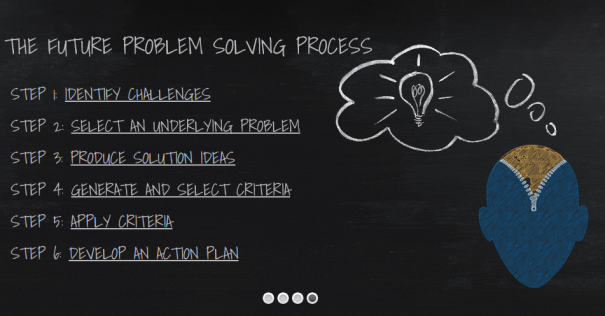
Just to recap, the Future Problem Solving Program focuses on the 6-step problem solving process:

fpsp steps

First, students read a Future Scene which is a scenario that takes place in the future and revolves around a topic the students knew and researched about before the competition.

Step 1. In groups of four, the team has to pull out 16 potential problems they see that could happen in the Future Scene.

Step 2. They then have to decide which of the problems is the most impactful to the scene and also deals with the charge given to them at the end of the scenario that directs them to focus on a certain aspect of the scene usually based on the topic.

Step 3. As a team, they then have to determine 16 solutions to the underlying problem they identified in step 2.

Step 4. Criteria is laid out to help determine which solution is the best.

Step 5. The solutions are ranked based on the criteria they created.

Step 6. They write an extensive action plan about the highest ranking solution explaining in detail how the solution would work, who would do the jobs, what obstacles they may encounter, how much it would cost, etc.

This finishes the Global Issues Problem Solving portion which is the primary competition, but while the booklets are being scored, the students then prepare and put on a presentation of their action plan for their fellow competitors.

13320856_1616227128694556_1928424870826155314_o

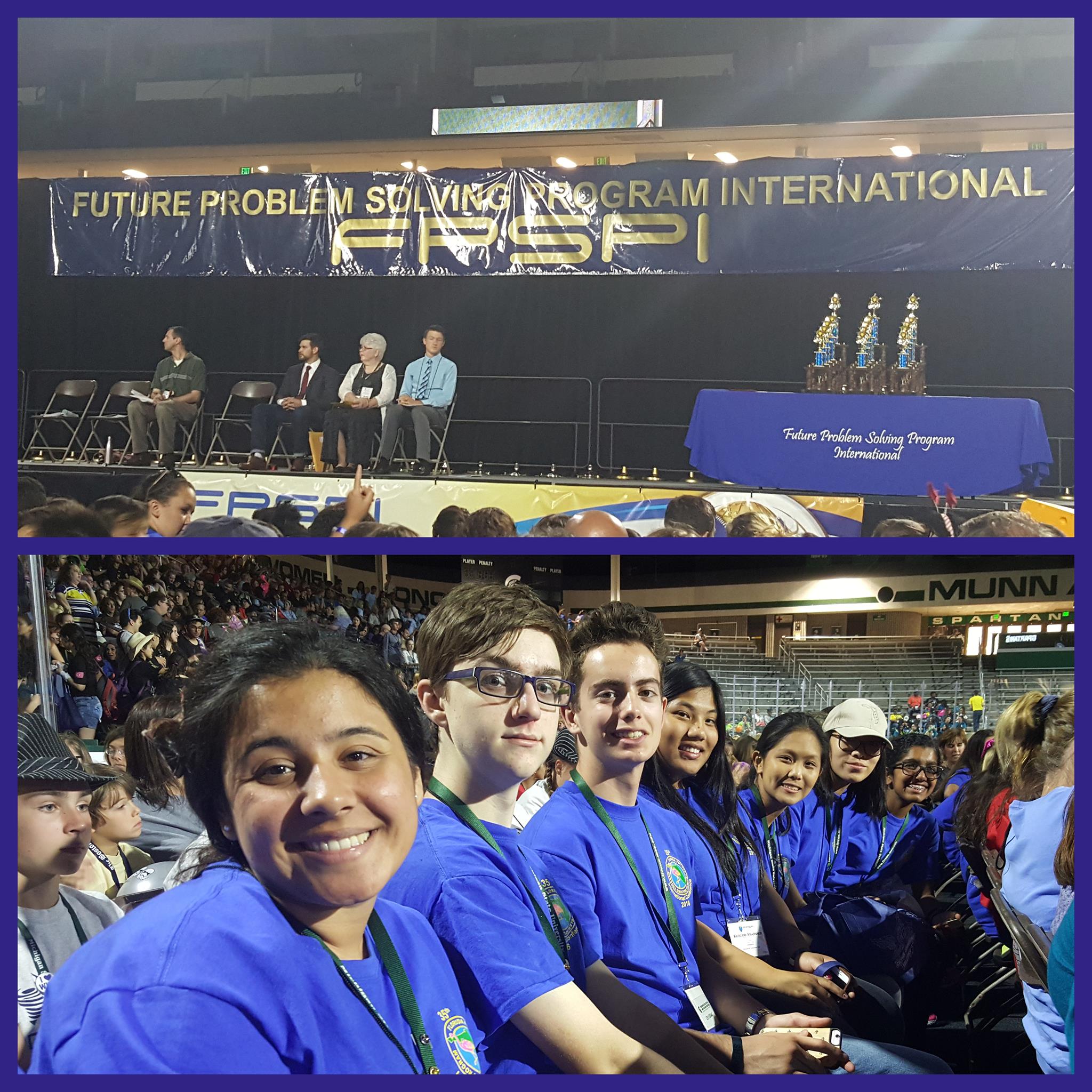
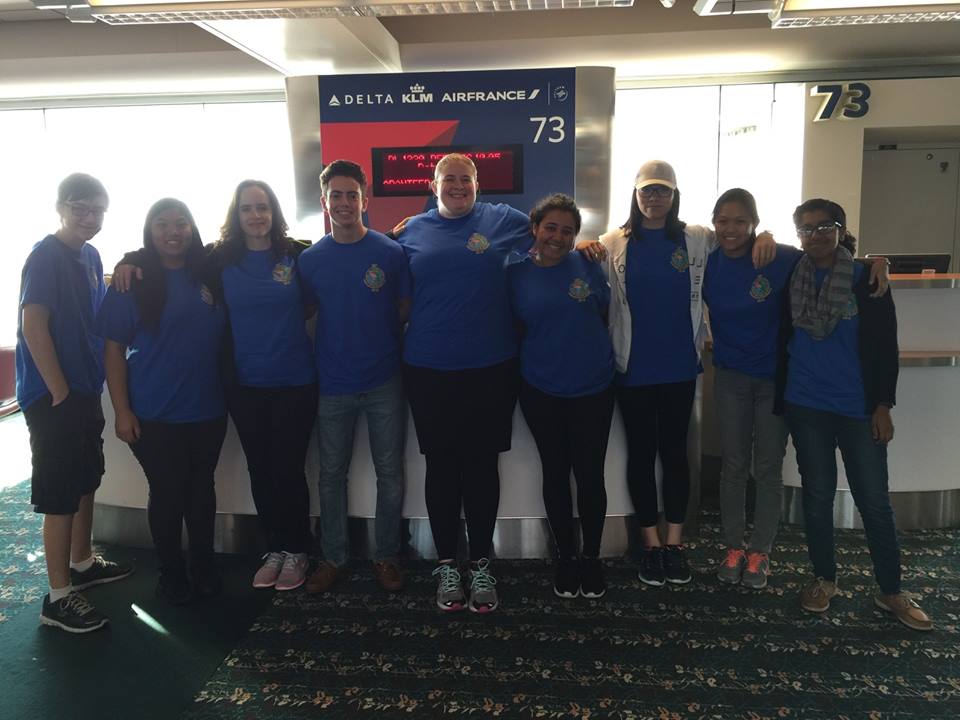
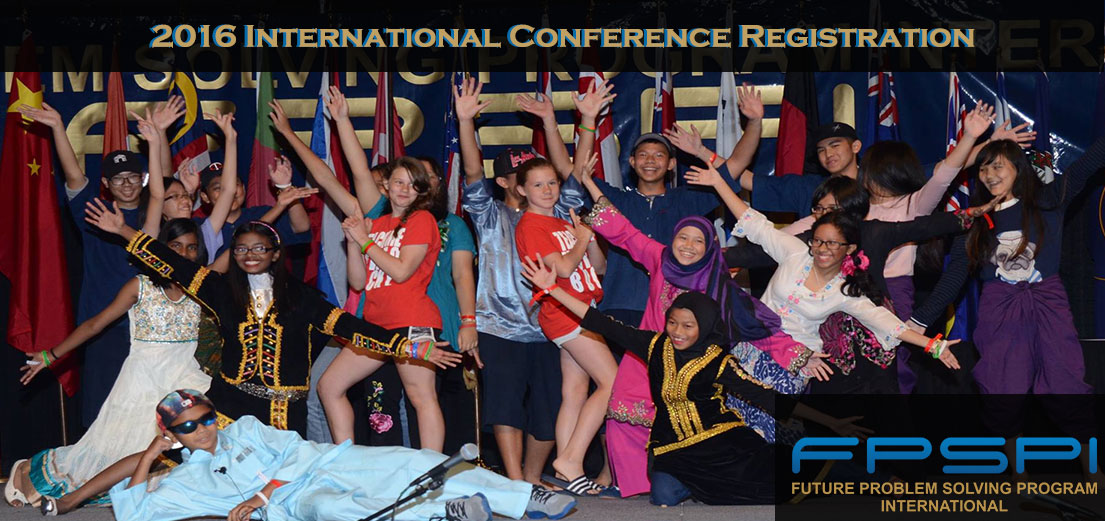
Because of my amazing students’ successes at the state competition, we qualified to travel to Michigan State University from June 2nd to June 5th to compete at the International Conference. This was a once-in-a-lifetime experience (though I hope we get to go again in the future!).

First, we took part in the Memento Exchange which is such a brilliant way to open up an event with attendees from around the world. During the Memento Exchange, each attendee brings items from their home town/state and exchange them with others so each person ends up with a ton of mementos from all around the world!

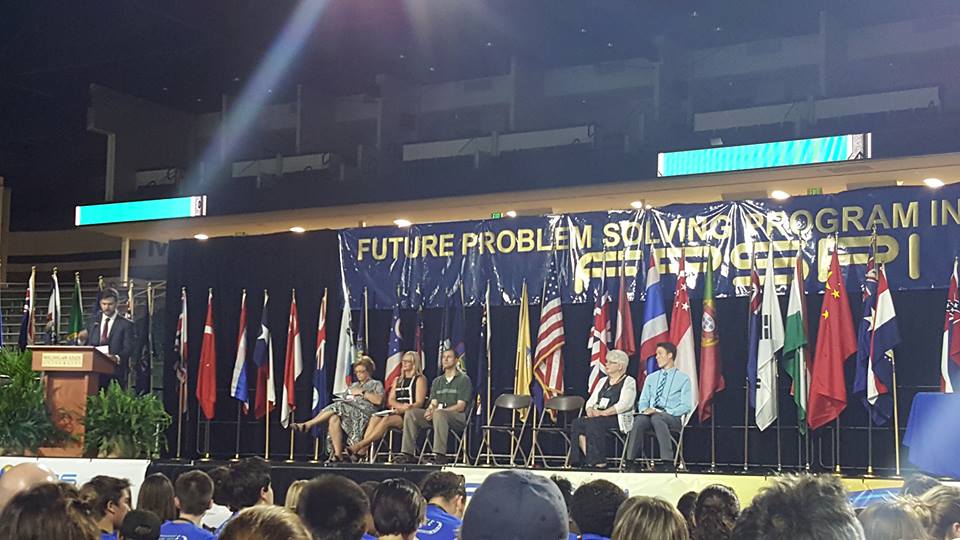
Then, we attended the Opening Ceremonies. There were two stand out moments during the Opening Ceremonies. First, there is a presentation of all the flags for each state, province, and country that is taking part in the conference. It is amazing to see everyone that was represented. The keynote speaker was also phenomenal! His name was Alec Manfre. Alec is from Florida and is currently a CEO of company and a Forbes 30 under 30. He is also a FPS alum. He shared some amazing advice:

Things to remember in life: Use the problem solving framework; Be a life long learner; Find your passion!

Don’t be afraid to think big! Challenge the status quo! Solve the biggest challenges!

Challenge yourself! Challenge the norm! Challenge society!

13339499_1616469092003693_5491897103508853037_n

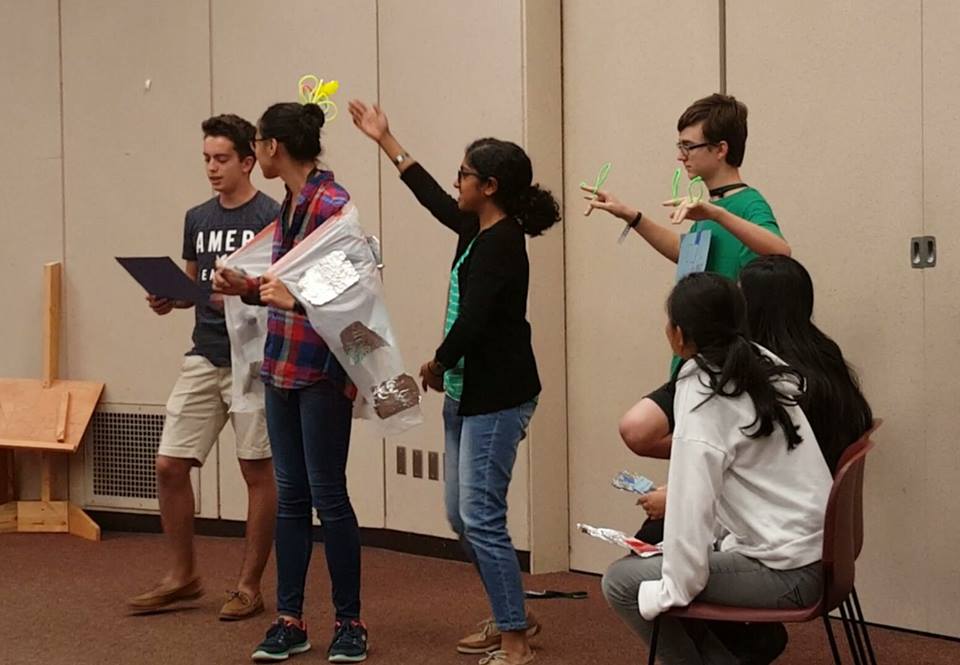
The second day was the competition portion though we wouldn’t find out the results until the final day there. However, it was also the Presentation of Action Plan which my students ROCKED! Their solution had to do with a mechanical, 3-D printed bird that stores energy from the sun, wind, and its movement then transfers it to those in need. If you want to see their skit, stop by our Facebook page and you can view it. They ended up being in the finals for the presentations which means they were in the top 14 of 70 middle division teams!

Three of my students also chose to take part in the FPS IC Choir which performed at the Variety Show. The choir, along with the variety show which featured talents from participants from all over the world, was another amazing way to showcase the variety of people taking part in IC. It is so beautiful to see people from around the world sing together. I shared a video of one of their songs on our Facebook page as well.

113319813_1616662441984358_886774706627068555_n

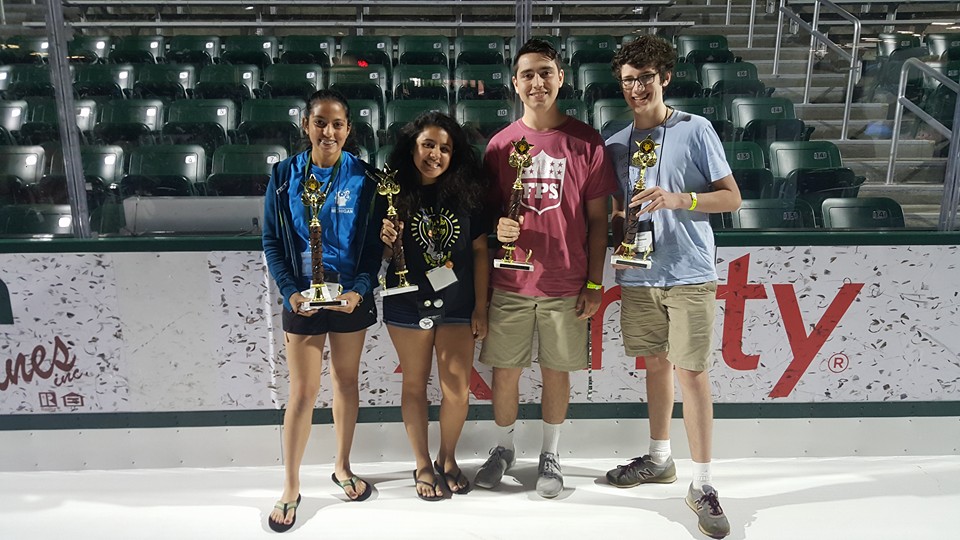
The last day in Michigan, we attended the award ceremony. Although this isn’t all about winning, it is about thinking and growing, award ceremonies are always so nerve-racking! I am already so proud of how far we’d gotten, and I already had a top 14 team! But we had one more surprise coming! Victoria, my 11th grade participant who has been with me from the very beginning, won first place in the Senior Division Multi-Affiliate Global Issues Competition! FIRST PLACE IN THE WORLD! I am still in awe of this! I already knew she was brilliant, but now it is recognized!

1113325462_1617406608576608_6467941719384888109_n

Then it was time to leave. My poor team beat them up so much for not placing, but they were competing against the best in the world, and we are going to learn so much from their booklet, Victoria’s first place booklet, and my other multi-affiliate participants booklets.

I hope that this was a trip and adventure that these students never forget because I know I won’t!

11113344735_1615990412051561_8607971353781822836_n

Kellee Signature

What is Future Problem Solvers?

Share

FPSPI Logo

Future Problem Solving was introduced to me six years ago when a mom asked if I would be willing to advise a team so her sons could participate. At the time I did not know anything about the program, but I felt like I should give it a go since I wanted to work with gifted students more, so I jumped in with both feet and started learning about the program. I now co-advise the club with my co-worker who joined me when I was pregnant, Vanessa Gray, with four sixth graders, seven seventh graders, two eighth graders, nine ninth graders, two tenth graders, and an eleventh grader. These students have been with me and the program from one year to all six of the years that I’ve had the club.

fpspi motto

Through my initial trainings, I learned that the program was more than just a competition for students that I would be advising. It is a program that focuses on making our future leaders. It helps build a global mindset in kids 8-years-old and up and promotes creative thinking, critical thinking, problem solving, research, writing, futuristic thinking, global mindset, and collaboration–all things, I might add, that are high on the list from Forbes of skills employers look for in their employees.

fpsp steps

What Is It? 

Future Problem Solvers focuses around the six-step creative problem solving process.

First, students read a Future Scene which is a scenario that takes place in the future and revolves around a topic the students knew and researched about before the competition.

Step 1. In groups of four, the team has to pull out 16 potential problems they see that could happen in the Future Scene.

Step 2. They then have to decide which of the problems is the most impactful to the scene and also deals with the charge given to them at the end of the scenario that directs them to focus on a certain aspect of the scene usually based on the topic.

Step 3. As a team, they then have to determine 16 solutions to the underlying problem they identified in step 2.

Step 4. Criteria is laid out to help determine which solution is the best.

Step 5. The solutions are ranked based on the criteria they created.

Step 6. They write an extensive action plan about the highest ranking solution explaining in detail how the solution would work, who would do the jobs, what obstacles they may encounter, how much it would cost, etc.

This finishes the Global Issues Problem Solving portion which is the primary competition, but while the booklets are being scored, the students then prepare and put on a skit of their action plan for their fellow competitors.

flfpsp

This year, at the regional competition, I brought a junior division team, four middle division teams, and one senior division team. At regionals we placed, sixth in the junior division, second in the middle division, third in the middle division, and second in the senior division, and three of my teams (the junior and two middles) qualified to attend the Florida Future Problem Solving State competition. Only 97 out of 259 teams in Florida qualify for the State Competition.

FPSP IC

The FLFPSP State Competition is always a whirlwind. The first night is the opening ceremonies, the second day is the regular competition and skits, the third day has hands-on problem solving and a social, then the final morning is the awards ceremony. We always try to go into the competition being optimistic but not overall hopeful because there are some kids who have been doing FPS since they were in early elementary school versus my students who started in sixth grade. However, we got more than we could ever hope for.

First, it was announced that one of my middle school teams with their alternates had placed second in skits. My students excel at skits; I was so proud of them! I now was so happy that they had won ribbons, and I just was going to enjoy the rest of the award ceremony. Then, they awarded the alternate teams, and one of our seventh graders who did a multi-school booklet since he wasn’t needed as an alternate won first place! How exciting!

But then, they got to the main Global Issues Problem Solving. These were the awards that could qualify students for the International Competition. They started with individuals who do the entire six steps independently (less step 1s and step 3s required). One of my seniors, a junior who has been with me since the beginning, had competed as an individual since her team had not qualified, but I could bring her to states. And she placed THIRD! She wasn’t there to accept the award, so I went up for her and was shaking! I was so excited for her, and I called her immediately afterward (crying, of course!).

IMG_89581

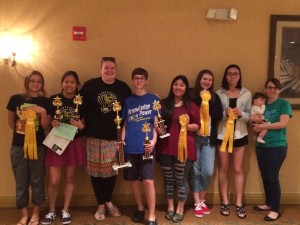
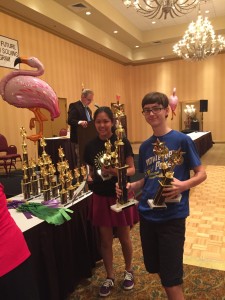
Then, we arrived at the middle division. When they give out the big team awards, they call all six of the placed teams up at once then state the places once everyone is up there. And they called BOTH of our middle division teams. These teams were made up of my eight ninth graders. One team had been together only two years while the other has been with me since they were in sixth grade (so four years). I could not believe it! And then they said sixth. Not us. Then fifth. Not us. Fourth–us! My two year team placed fourth at states! Then third. Not us. Then second. NOT US! They won FIRST! In the state! I could not have been more proud of these students.

IMG_9220

Not we have the opportunity to go to the Future Problem Solving International Competition in June at Michigan State University. I am so excited to take these brilliant students to this prestigious competition.

The International Competitors represent the top one percent of students from teams from around the world. The International Conference features four days of stimulating competitive problem solving, cooperative educational seminars, and social activities. Each year approximately 2,200 students and coaches attend the FPS International Conference from around the globe. The topic for Global Issues Problem Solving at the FPS 2016 International Conference is Energy of the Future. Future Problem Solving Program International charters Affiliate Programs throughout Australia, Korea, Malaysia, New Zealand, Portugal, Singapore, United Kingdom, and United States.

To learn more about Future Problem Solving visit http://flfpsp.org/ or http://fpspi.org/

To learn more about my Hunter’s Creek Future Problem Solvers and help us get to Internationals, please visit our Facebook page!

Kellee Signature

Top Ten Tuesday: Books That Make You Want to Make a Difference

Share

top ten tuesday

Top Ten Tuesday is an original feature/weekly meme created at The Broke and the Bookish. The feature was created because The Broke and Bookish are particularly fond of lists (as are we!). Each week a new Top Ten list topic is given and bloggers can participate.

 Today’s Topic: Books That Make You Want to Make a Difference

Ricki

Kellee’s list is awesome! A couple would have made it to my list, too! I am also focusing on books about helping fellow humans.

Be a Changemaker

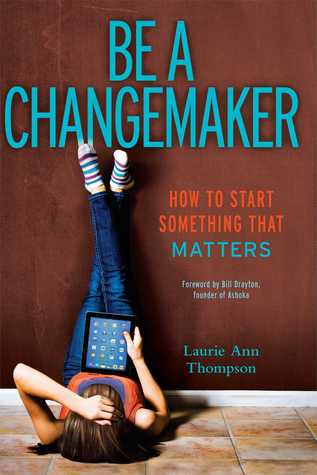
1. Be a Changemaker: How To Start Something that Matters by Laurie Ann Thompson

This nonfiction book is accessible and a fantastic resource for teens. The book is designed and written well. It made me want to go out and be a changemaker!

From my review: My favorite aspect of this book is the way it is organized. The chapters and headings are very clear, and it moves in a fluent, understandable manner. Thompson provides very informative, necessary lessons about honing and fine-tuning leadership skills. Some of the sections I liked most were the tips about leading meetings (from standard operating procedures to icebreaker activities), the sample business plan with budgetary advice, the ways to make money (with grants and marketing tips), and the speaking skills (particularly the section about elevator pitches). Across the country, more and more states are requiring the development of advisory groups for high school students to learn life skills. This text would be perfect for this setting. I can also see the text working well in a business or entrepreneurship class. The best part about the way this book is set up is the fact that teachers can assign chapters to groups or teach the portions of the text that matter most to their syllabi or curricula.

how it went down

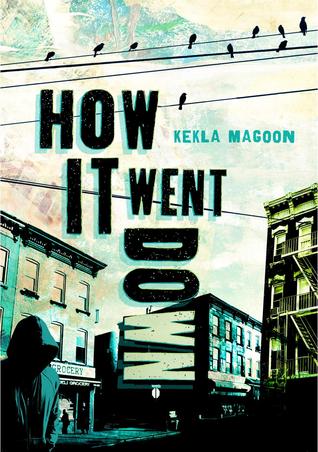
2. How It Went Down by Kekla Magoon

This book hit me in the gut. It made me so angry that I wanted to speak out immediately!

From my review: In light of the recent protests, this is an incredibly insightful book that is very important. The point-of-view shifts every 2-3 pages, which was very thought-provoking. Too often, books depict stereotypical portrayals of members of cultures, and the gamut of characters within this text felt very realistic. For some, this book may be too gritty and too uncomfortable. There is nothing comfortable about discussions regarding inequities and privilege in society. But if you walk down the halls of my high school, there is nothing in the book that is not a concern in schools. This is not a feel-good read, but it made me think. And thinking…is a very good thing.

on the run

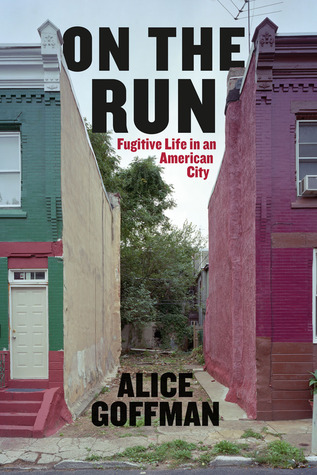
3. On the Run by Alice Goffman

Not only did this book make me want to go out and conduct an ethnography, but it made made me livid at the way society promotes inequity.

From my review: Inspired by a college course in her sophomore year, Alice Goffman seeks an ethnographic experience in inner-city Philadelphia. She gets a part-time job tutoring an African American girl, Aisha, and soon befriends the boys of 6th Street (pseudonym). Mike adopts her as a younger sister, and she comes to live with these boys—studying their every move. This quality piece of ethnographic research is a page turner. While it reads a bit more like a book than a scholarly publication, readers can glean her methodological approach through the footnotes. Goffman’s mission is clear. She wants readers to understand the inequities these African American boys of 6th Street face, and she shows how the criminal justice system (both law enforcement and the justice/prison system) are not working. I was ashamed at the actions of the police, specifically, and think this is very educational to readers of all ages, particularly in the wake of the racially based crimes that we consistently see in the news.

wonder

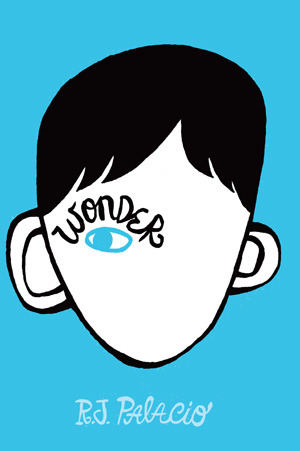
4. Wonder by R.J. Palacio

The first line in my review is that this book made me want to be a better person. I can’t stress this enough. I recommend this book constantly.

From my review: This book made me want to be a better person. It changed the way I look at the world, and it is just as incredible as everyone says it is. A friend urged me to push it to the top of my to-read list and said it was one of those books that everyone should read–regardless of age.

August Pullman was born with severe facial deformities. He says, “I won’t describe what I look like. Whatever you’re thinking, it’s probably worse.” Because he is continually in and out of surgery and recovery, Auggie has always been home-schooled. When his mother suggests he start the fifth grade in a private school, he is against it but decides to give it a try.

Told from multiple perspectives (including his sister who is in high school and other kids in the middle school), this book will capture your attention, page-by-page. I feel compelled to read it aloud to everyone, everywhere.

I urge you to put aside any books on your to-read list and pick this one up. I am convinced it will touch anyone who reads it.

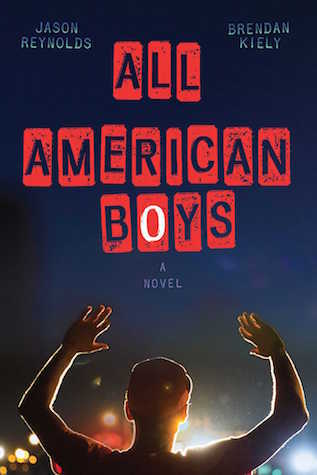
all american boys

5. All American Boys by Jason Reynolds and Brendan Kiely

I tried not to repeat any of the titles from Kellee’s list, but I just couldn’t help myself. I am halfway through the audio of this book, and I have wanted to pull over the car because it makes me so angry. This book absolutely makes me want to make a difference and stand up for what is right.

 Kellee

I decided to focus on books that make me want to help my fellow humans instead of animals; we may have to do another post about animal books that make me want to make a difference.

milkofbirds

1. The Milk of Birds by Sylvia Whitman

This book made me want to help two different types of kids: refugees and students with learning disabilities. I love how the two are intertwined in this story, and K.C. and Nawra’s story will give students a way to help those that struggle in the middle of war.

From my review: Both of these girls are not represented very often in books, and they are both so important to know. Through this book, the reader gets to see the intensity of the situation in Sudan and refugees’ power in overcoming however they can. They also get to see the brilliance of students with learning disabilities. There are so many students in our school just like K.C., and too many of their peers would judge them by their struggles instead of by their heart and soul.

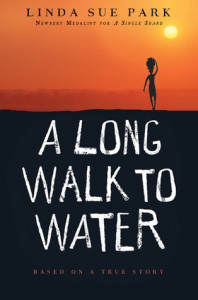
longwalk

2. Long Walk to Water by Linda Sue Park

Like The Milk of Birds, Linda Sue Park’s too true book puts us smack-dab in the middle of Sudan, but also gives the reader a way to help the situation. How can you help? Read A Long Walk to Water.

From my review: Linda Sue Park took a true story of a lost boy’s survival (watch a video about the true story here) after being chased from his village because of war and transformed it into a novel that will leave the reader with a feeling of awe. Awe of the bravery and pure fearlessness of Salva and the other Lost boys of Sudan and awe of the world of riches and blindness we live in while a horrendous war wages on the other side of the world. I love this book because it is very accessible to children, it won’t bog them down with too much history; however, it will definitely make them aware of the situation in Sudan.

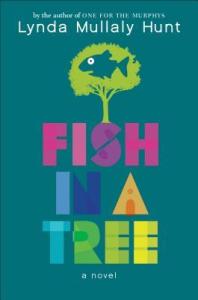
fish

3. Fish in a Tree by Lynda Mullaly Hunt

Reading this book shows why those of who love teaching love it. We can be someone’s Mr. Daniels.

From my review: “Mr. Daniels is the teacher that I hope I am, that I wish I could be, that I want all teachers to be, and that I want to be friends with.”

all american boys

4. All American Boys by Jason Reynolds and Brendan Kiely

I’ve always been vocal about supporting the #BlackLivesMatter movement and discussing social justice with my friends and students. This book pushed me even further. It gave me a “in” to discussing this others. Racism, white privilege, and prejudice need to be talked about; I’m so glad there are texts coming out that give an avenue for this discussion.

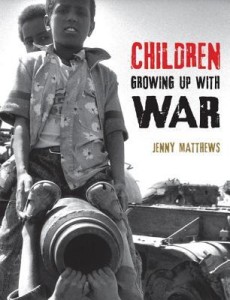
children growing

5. Children Growing Up with War by Jenny Matthews

This books will help those resistant to helping refugees realize what we are trying to save our fellow humans from.

From my review: Fortunately, as an American, very few wars touch our lives. Unfortunately, our news doesn’t focus on many of the tumultuous conflicts that are active throughout the world, so we have become detached from reality. Our students are even more detached. That is why this book is important. It puts it all into perspective and really makes me feel and think. We rarely look at the humans that are being affected by the wars, we always focus on getting the bad guy. This book puts faces to the people, specifically the children, being affected every day.

Which books make you want to make a difference? 

RickiSig and Signature

Exclusive Reveal!: Teaching Guide for Raymie Nightingale by Kate DiCamillo

Share

raymie

Raymie Nightingale by Kate DiCamillo is out today!

And we are happy to be able to be able to exclusively reveal the teaching guide.

Kate DiCamillo writes heartprint stories, and Raymie Nightingale is no different. Raymie Nightingale shares with the reader a story of three very different girls who all are enveloped in sadness for different reasons and need each other to find their way out. You will love Raymie and the Three Rancheros!

I had so much fun writing this guide, and I hope that many of you find the activities and discussion questions within it useful to you and your students!

Please note: There are some spoilers in the guide, so please be aware if you are reading the guide before reading the book.

You can also access the teaching guide here.

You can learn more about Raymie on Candlewick Press’s Raymie Nightingale page.

Recommended For: 

readaloudbuttonsmall classroomlibrarybuttonsmall litcirclesbuttonsmall closereadinganalysisbuttonsmall

Don’t miss out on this one!

Kellee Signature

Learning to Labor: How Working Class Kids Get Working Class Jobs by Paul Willis

Share

learning to labor

A Reflection on the Educational Fallacy We Still Promote in Schools Today

The cover isn’t thrilling. The book is old (originally published in 1977), but goodness, it is still relevant. For those of you who missed this book the first time it came out, I will start with a brief synopsis. Paul Willis interviewed 12 “non-academic,” working class lads in Great Britain. He wanted to learn more about their subscription to a counter-culture and also was curious about their lives after school in the work force. These are the kids who smoked next to the school just to be seen smoking. They drank during lunch just out of defiance of the school. We know “these kids,” and they exist in every high school.

Willis found that regardless of their resistance to join the system, in the end, they ended up right where the system wanted them—in working class jobs in factories. He examines the masculinity perceived in these jobs, and he interviews the lads after they’ve entered the work force, too. He describes the optimism in the lads’ situation. They are very creative in the ways they thwart the school system. They say they’d never want office jobs or “mental labor.” The pessimism of their situation is the fact that the school system does not provide the upward mobility it claims to provide. They end up in “meaningless” jobs that offer them little pay.

When we tell students today to just do their best and work hard and that they will be successful, are we promoting an educational fallacy? We know that higher graduation rates will not produce more quality job opportunities for all. So why do we pretend that each student in our classes has an opportunity to be in a high-paying, “meaningful” job? Willis describes the ways that schools promote classism. Working class kids are prepared for working class jobs. (Obviously, we don’t technically have a working class anymore, but we can still find parallels in our school systems and job opportunities.)

Essentially, Willis describes how only a few individuals from these schools will end up in “meaningful” (according to culture’s standards) jobs, but the whole working class could never have upward mobility. The economy secures this disappointing truth, and without more opportunities, most of these students are destined for jobs in industrial factories. I was disturbed by how relevant this is to schools and jobs today. These lads’ refusal to cooperate in school (as a part of the “counter-school” culture) actually shows their refusal to collude with their own educational suppression. Willis depicts this beautifully. Those students who refuse to participate in lower-class schools may, in fact, have a perspective that is superior to that of the school. They understand, perhaps, that only a few students will make it in meaningful jobs, and they perceive these jobs to be unsatisfying, as well.

While I don’t believe I am as wholly pessimistic as Willis is, I think his points are valid and true. To what extent are we lying to students and promising them jobs that aren’t there? How do we fix this? Can it start in the ways we design schools, or must we rely on the political system? By teaching students about the power of education, I believe we are presenting them with opportunities they can or cannot choose to take. It is my hope that we can devise a system that opportunities truly exist for all who want them, rather than those hardworking, lucky few.
RickiSig