Another school year is in the books! Time to celebrate and reflect!
And I know this is a long post, but I hope you’ll take the time to check out my students’ points of view and their reading choices 🙂
End of Year Survey
At the end of each year, I give my students a survey to help me grown and learn as a teacher but also for them to reflect on the year. Here are some answers from the survey:
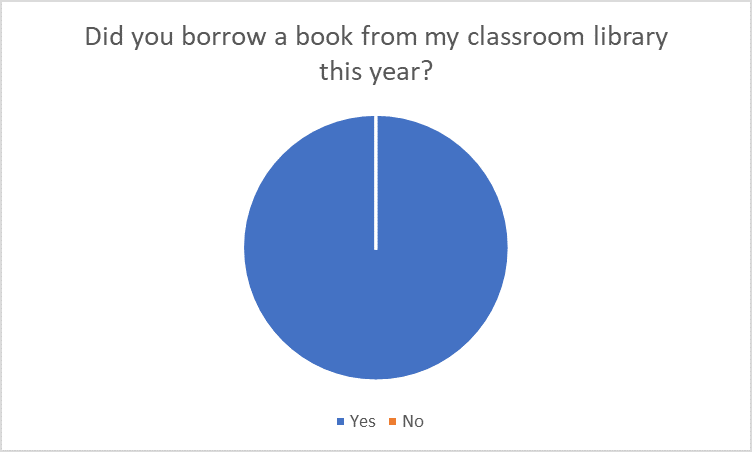
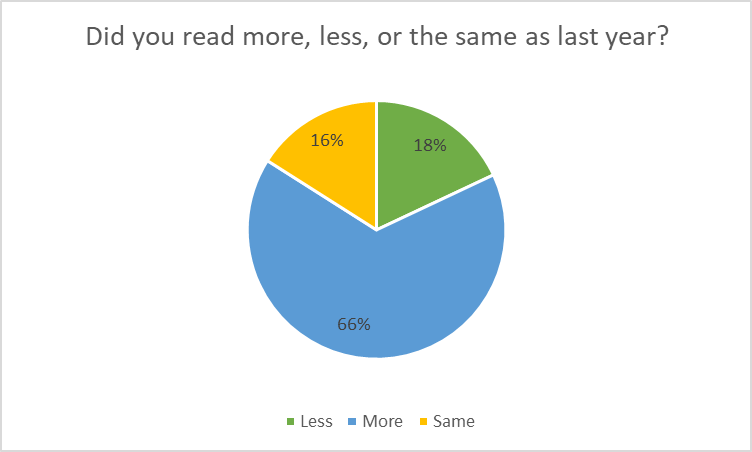
This is about the same as last year. I did change my status check to only weekly instead of daily to see how it went (some kids were saying asking every day made it seem more of a chore), but I really think by not asking daily, I didn’t keep up with my students’ progress and conference correctly. Back to daily-ish next year!
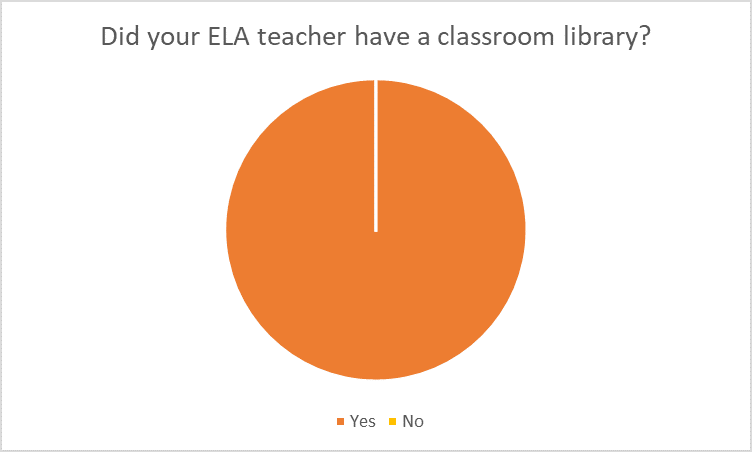
This is a big deal for me because it is the first year that 100% of the answers were yes or yes, a small one! Yay!!
Does my classroom library benefit students? How did it benefit you this year?
- Yes. The library has a huge variety of genres of great books that even people who aren’t avid readers can enjoy. The library helped me reach my personal goal of reading 10 books this school year.
- YASSSSSSSSSSSS. I used to love fiction and I still do but I have also expanded my likes because of all of the genres in your mini library.
- Of course! I was able to expand my reading options knowing that I can get a book quick and easy.
- Of course, you can find any books in Mrs Moye’s library and there are so many kinds of books that everybody would enjoy, its like a second resource for anybody who could not find the book they wanted in the Media Center can find it in Mrs Moye’s library, or even find something better.
- It does because it gives them a way to develop their reading love and your system makes it easier. You also have many great books and you give many great recommendations based on our interests.
- You classroom definitely benefits students. It benefited me this year by giving me a wide variety of books to choose from.
- It does benefit students. It provides a wide arrangement of books that can satisfy the interests of students as well as providing new books and find new reading interests.
- Yes. It started my love of reading.
What would you say to someone that says that a classroom library is a waste of money?
I started asking this question after a friend of mine, on a post of hers, had a comment that said a classroom library was a waste of money.
- You are incorrect, goodbye. *turns and walks away*
- I would respect their opinion but I would say “I think it is not a waste of money because just 20 minutes of reading a day makes you very smart.”
- I would say that they have obviously not had a good one and they don’t know what there talking about.
- I would say the person who said that is wrong because yes it is a lot of money but in my opinion the benefits outweigh the cost.
- “Man, you are sure wrong”
- It’s not! It’s a major benefit for students and lets them be able to explore more reading options. Also, if the library or other book source doesn’t have a specific book, that classroom library might save the day.
- It really isn’t. A classroom library makes it much easier to check out and return books. Especially when they belong to a teacher who you see almost everyday, while the school library is sometimes closed and can’t always be reached.
- I would say that a classroom library isn’t a waste of money because it shows how much that teacher loves to read and how much they care about our education as readers.
- I would start a whole argument about books (as usual…).
- that they need to take this class
- That they are wrong because with books you can block the real world and explore different worlds and enjoy it.
- I would say that a classroom library is actually useful because it helps students find books they want to read easily and allows a lot of options, and may motivate some students to read more.
- I disagree because throughout the year while there was a library that is easy to have access to, I have been able to read more book than ever before (19 books)
- I would bring up lots of evidence to show the benefits of reading and why it is more needed
- I would tell them that they don’t really understand classroom libraries. Classroom libraries are there to provide books. Books help to broaden people’s vocabulary and imagination.
Do you like how the classroom library was organized? Explain.
I ask this question because I used to organize by genre but did not find success with it, so I switched it back to A-Z but with genre stickers. This question helps me ensure that the way it is organized meets the needs of my readers. 100% of student said they do like how it is organized–yay! Here are some examples:
- I love how the classroom library is organized and it makes books really easy to find.
- I think it’s nice but they really should give you a bigger room to fill with books.
- I did like how the classroom library was organized. It was pretty easy to find books based on the last name of the author. It was also nice to have the stickers showing what genre it was and whether or not it was YA.
What would you say to a teacher who says independent reading is a waste of class time?
- Maybe it’s just you who doesn’t like reading.
- I would say that they need to understand that it’s a proven fact that the time spent reading is in direct correlation to higher test scores.
- I would say to the teacher that they are wrong because independent reading have kids learn and have fun at the same time.
- I would tell them they are wrong because there has been many studies done to prove that reading is fundamental.
- This also is not a waste of time. It’s proven that kids who read around 20 minutes a day get in the 90% percentile on tests. Reading only benefits kids.
- It’s actually the opposite. Independent reading, or just reading in general, can help with brain growth and increase skills that you may not even know you possess. Not reading doesn’t really effect you, but it can definitely benefit you a lot more than just reading 2 or 3 books in class with a teacher.
- That they are really wrong, that reading is such a good thing for your body and mind, by reading you can explore and create a world of fiction, fantasy and more, and it’s better for you cause people don’t disturb you while you are reading, which is one of the worse things that happens in life. (for me)
- “Shut your face.” (say it in my head because I don’t want to be rude)
- Have you tried it?
- Independent reading helps students to form ideas and inferences on their own. They can also learn more vocabulary if they have to figure it out themselves rather than being told.
What do you think the benefit of taking advanced reading is?
I want to make sure that my class is benefiting my students!
- It’s a life altering class. So some of the benefits are well, everything.
- You get to have fun with reading instead of reading something boring you don’t care about.
- The benefit of taking advanced reading is that you get to know things that other kids who are not in advanced reading don’t know.
- You read more, you get to learn about real life controversies and every side of it, and your language arts skills will improve.
- I think the benefit of taking advanced reading is knowledge. By using the tools, resources, and skills Mrs. Moye has taught us, we are able to use this and put it into the work we do. We will forever be able to use affixes when reading, to compare/contrast a play and a text, and so much more.
- Kids who don’t usually read can be exposed to a wormhole of books in your class and it can really become something different for them. So I think the biggest benefit of being in an advanced reading class is just, being given the chance to read.
- I think the benefits of taking advanced reading is so you can be around books (duh ;P) and you get to have an extra class that’s related to language art (so when the teacher calls on you, you’ll be like “WOW ME!”). Also, your vocabulary will get better (which is REALLY helpful.)
- You get to read more!
- The benefit of taking advanced reading is that it really helps with reading and writing skills.
- Advanced reading gives you the tools to think for yourself while reading and doing other activities.
What have you learned about yourself through the assignments in this class?
- That I’m able to do things that I didn’t know I could do.
- I think is that I should trust myself more with what I do and not second guess myself.
- I use more advanced vocabulary than most my age.
- I learned that I can do more things that I have thought if I really try.
- I have learned that sometimes you just have to try stuff, even if it isn’t your favorite, because you’ll never know what might happen. I did some things that weren’t exactly my favorite, and I ended up loving them.
- I learned that I should start reading more and to try harder.
- That I sometimes need to push myself harder but that’s alright.
- That I am a hard working and I should never give up and doubt myself.
- That I can achieve greater things with reading and reading can make you happier and smarter.
What was your favorite assignment or activity we did in class? Why?
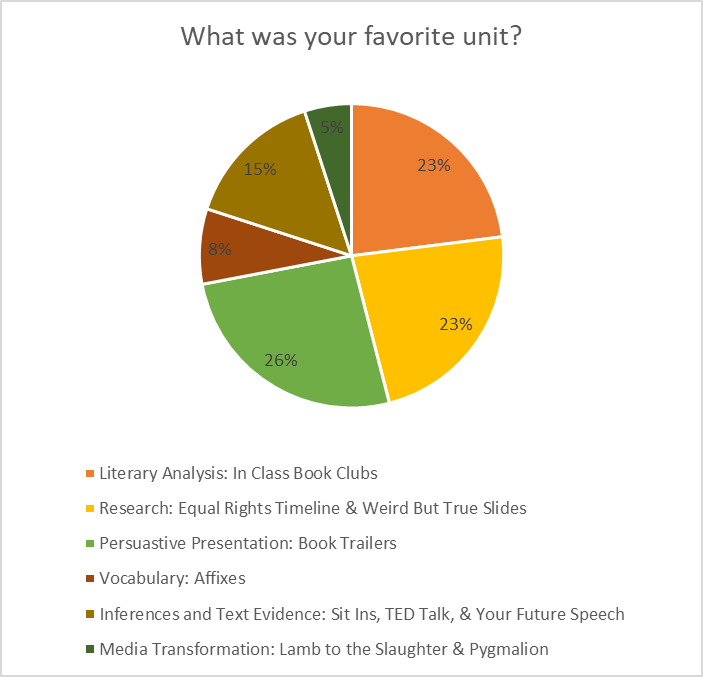
- I really liked the book trailers; it let me express my feelings about the books that I love.
- My favorite assignment that we did was the Pygmalion myth play and musical analysis one pager. This was my favorite because it was a great story and the one pager allowed me to be creative while also pushing me to dig deeper and pull out the important things.
- My favorite activity was probably the weird but true facts. I learned a lot of weird facts and it was overall a really fun project that incorporated research.
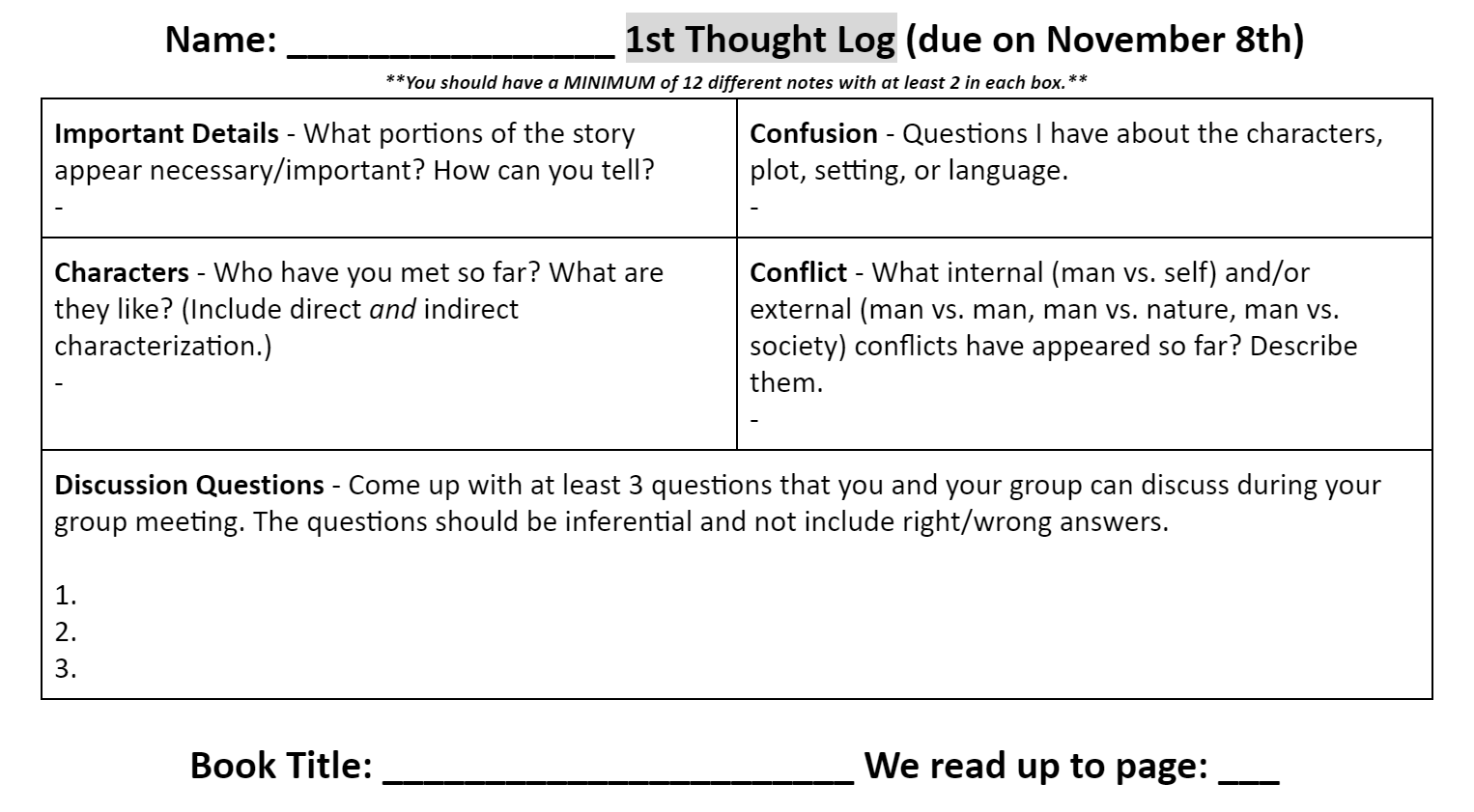
- I really enjoyed when we did the thought logs in class. It pushed me to read an entire book of which I wasn’t entirely that interested in. And once we finished the books and the logs, it became one of my favorites. As well as the fact that I was in a group with two other students who I had never really spoken to before then.
- The book club because it was fun sharing yours and others people opinion of the same book that we were reading.
- My favorite assignment or activity was the Civil Rights Timeline. It was fun to work with all the classes to create one big timeline we can all view. It was also fun to research our topics and learn about all the other topics.
- Probably when we made the affixes to hang in the hallway to share with everyone.
- The one where we had to guess who did that speech in a high school and it ended up being Obama.
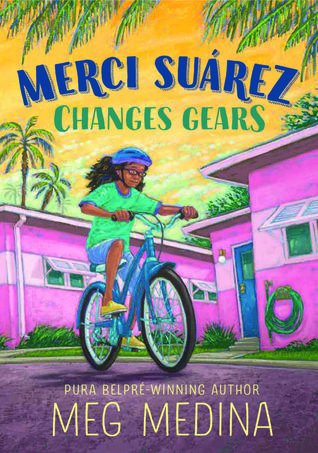
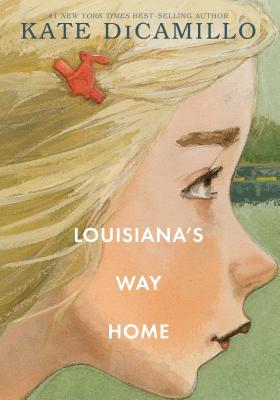
Favorite Books My Students Read This Year
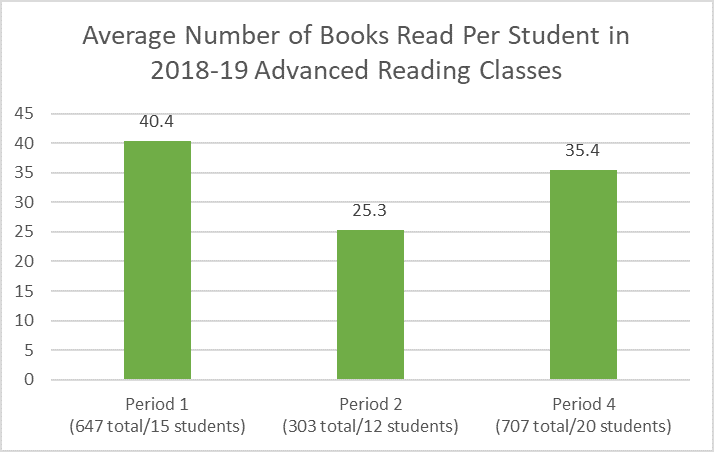
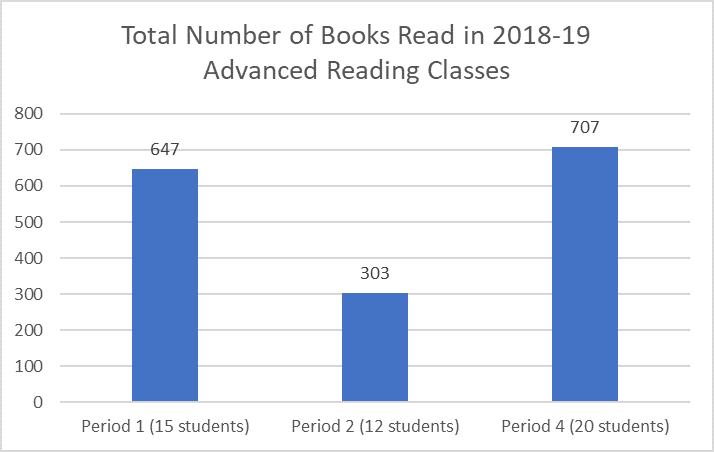
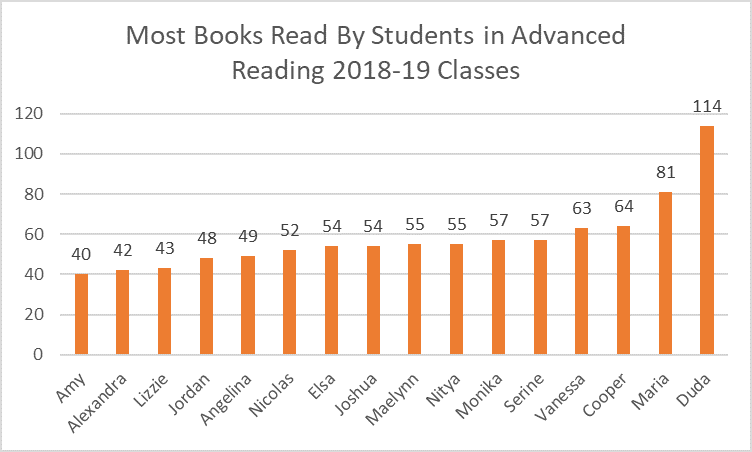
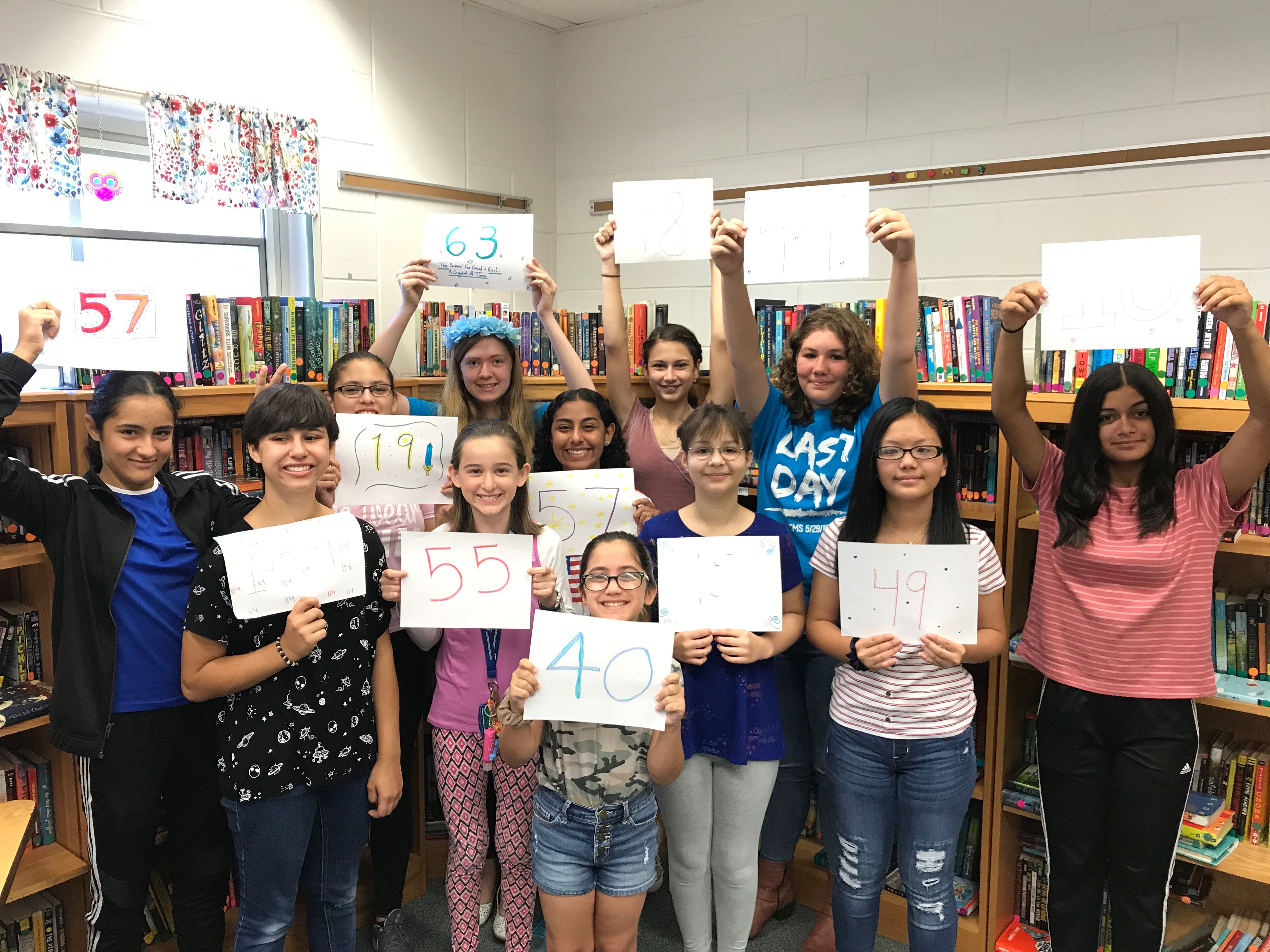
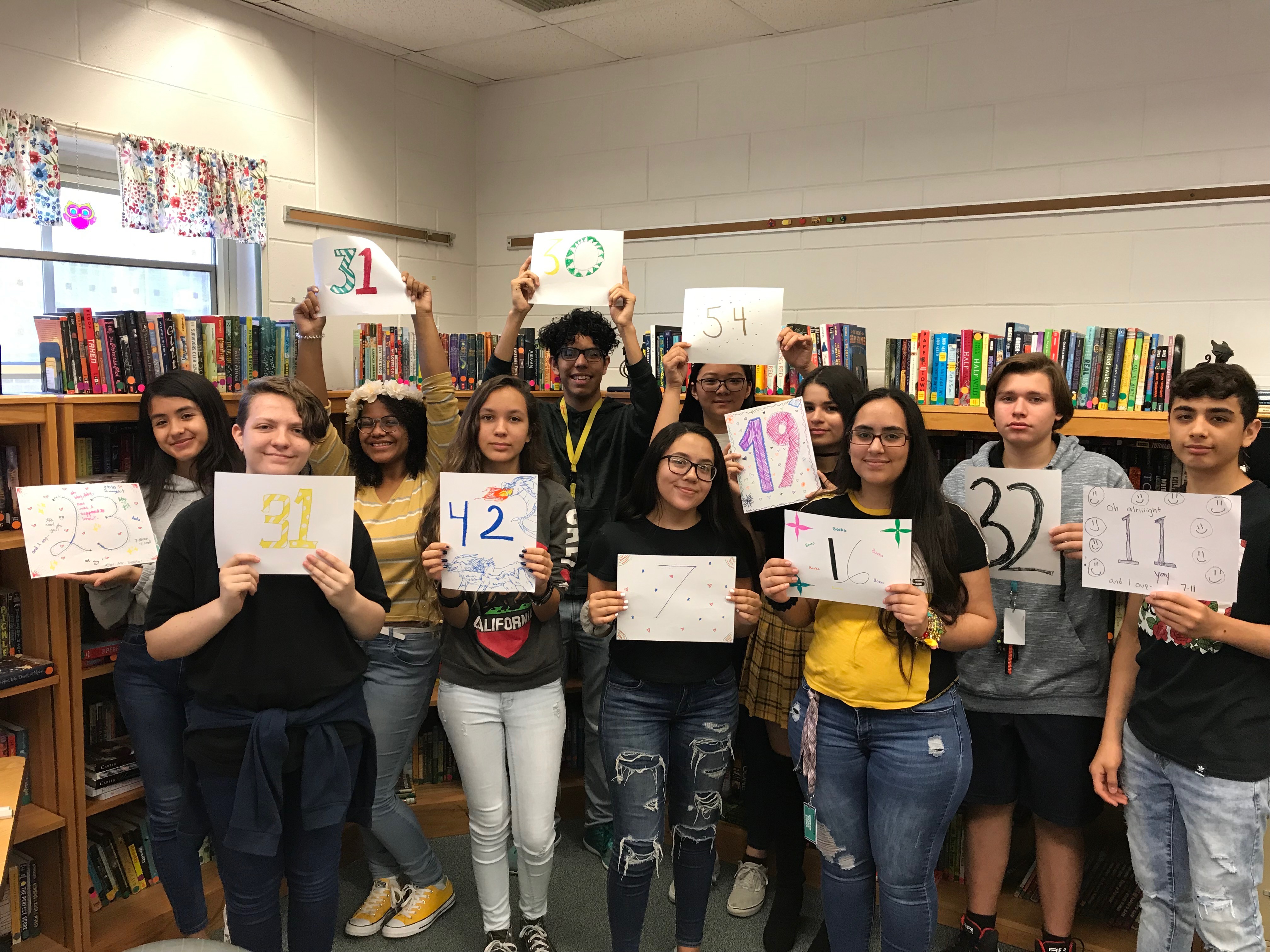
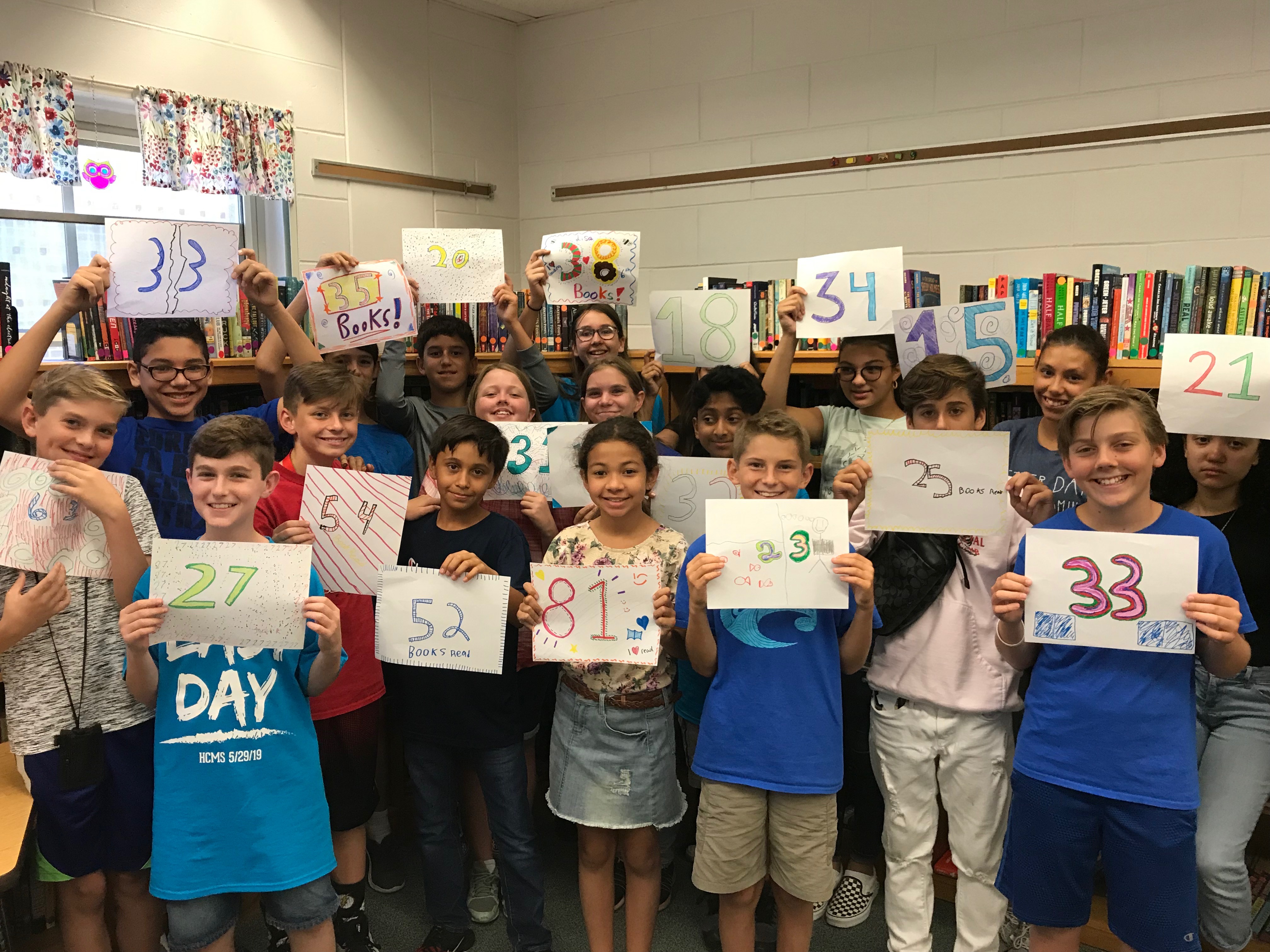
My students read A LOT again this year! My 47 Advanced Reading students read 1,657 books! That is an average of 35 books per student! I am so proud of them!
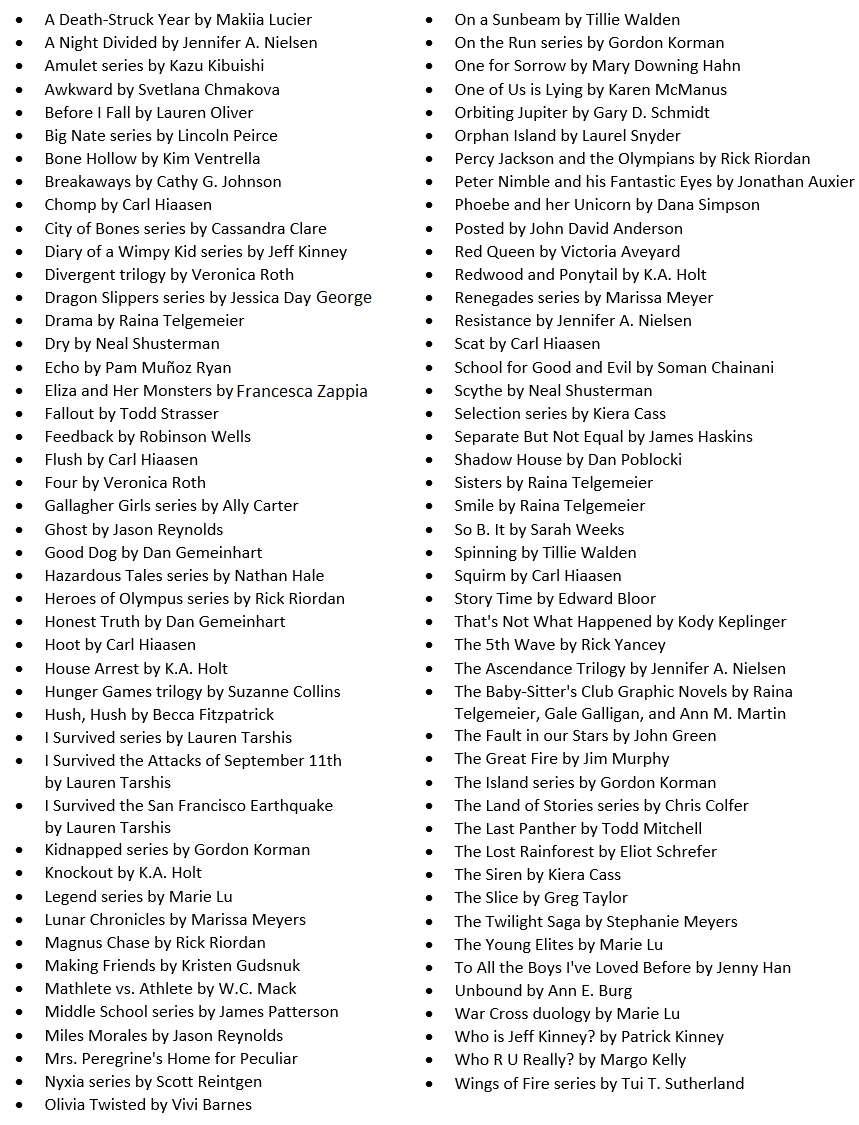
Here are the titles they listed as their favorites on our end of year survey:
Top Checked Out Books from my Classroom Library
Yearly, starting with 2012-2013 (and excluding 2013-2014), I have shared the most popular books in my classroom library:
2012-2013
2014-2015
2015-2016
2016-2017
2017-2018
From 2011-2013, I taught an intensive reading class with students who had not been successful on the state reading test. Now, since 2014, I switched to teaching advanced reading, an elective that students choose to be in (and I still get to work with my striving readers through being reading coach–a win/win!). Students from all intervention reading classes and my lunch book club as well as my classes use my classroom library.
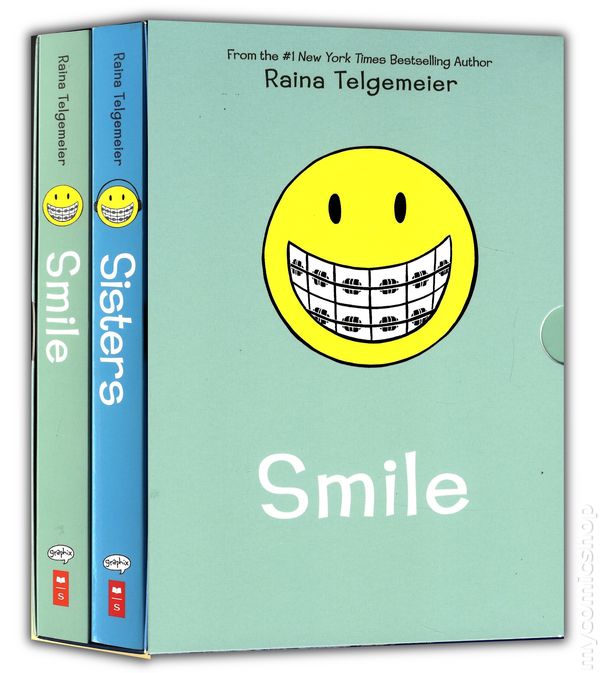
1. Smile series by Raina Telgemeier
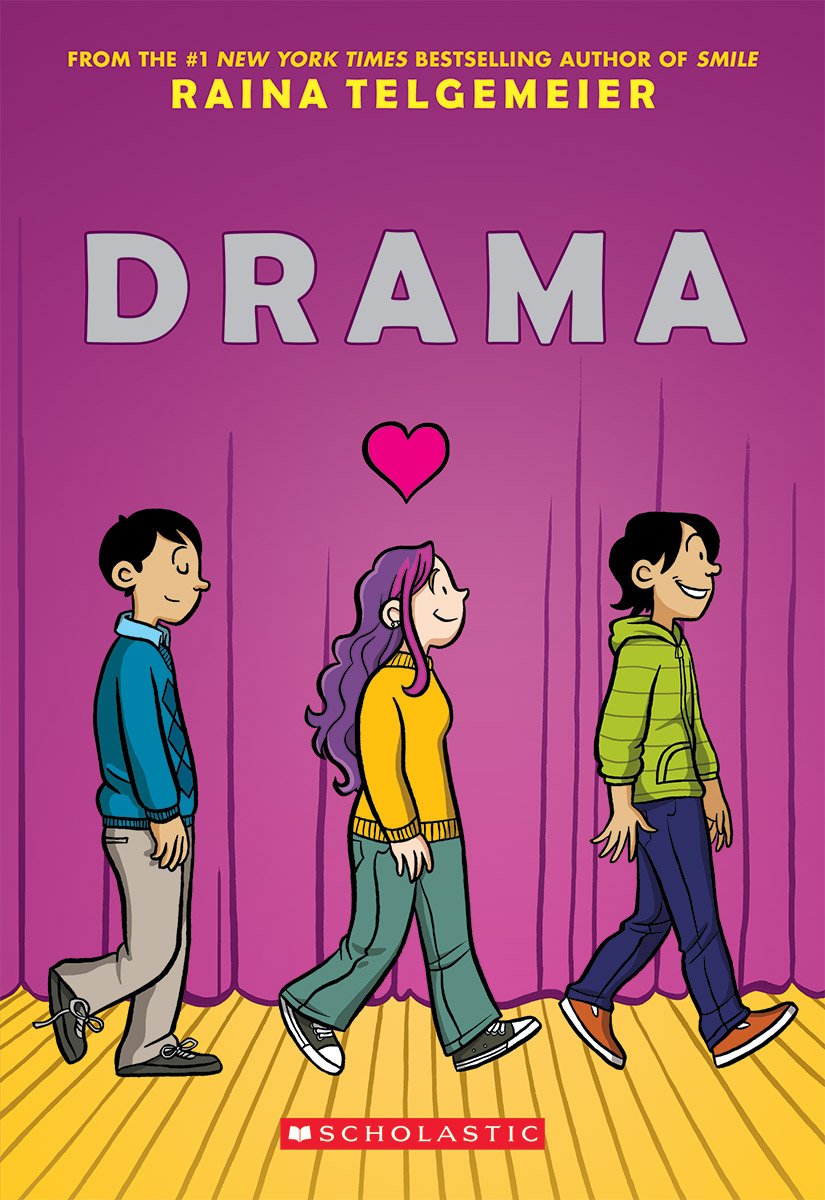
2. Drama by Raina Telgemeier
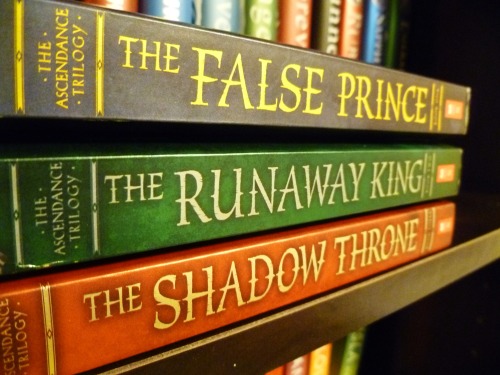
3. The Ascendance Trilogy by Jennifer A. Nielsen
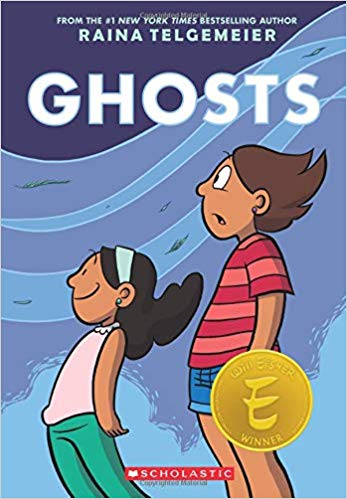
4. Ghosts by Raina Telgemeier
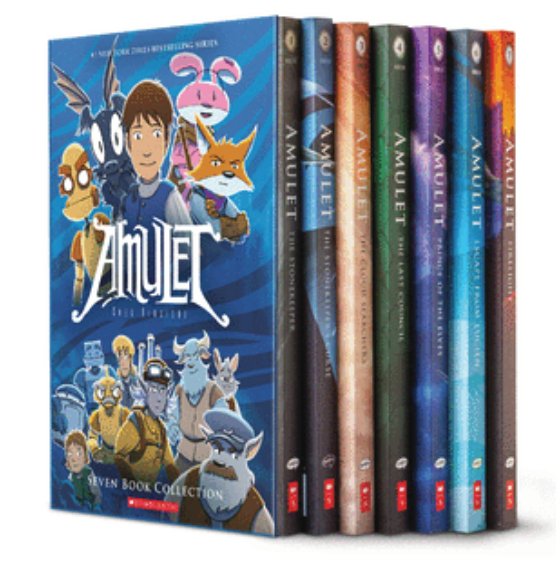
5. Amulet series by Kazu Kibuishi
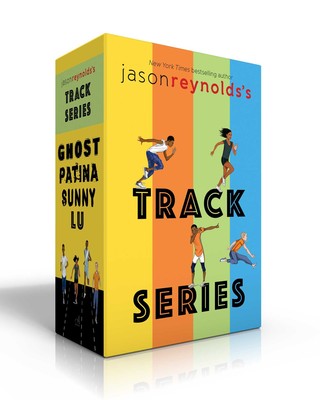

T-6. Track series by Jason Reynolds
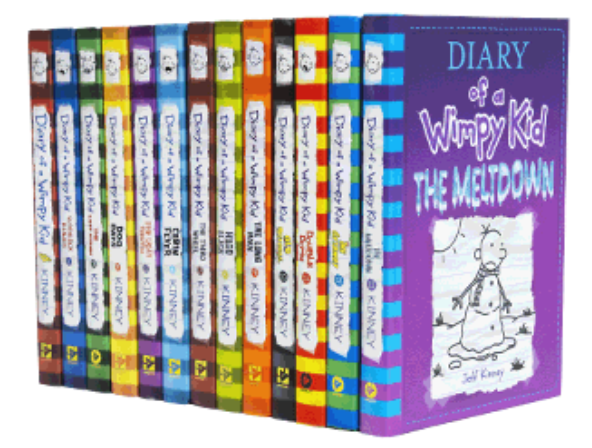
T-6. Diary of a Wimpy Kid by Jeff Kinney
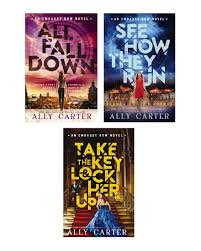
T-8. Embassy Row series by Ally Carter
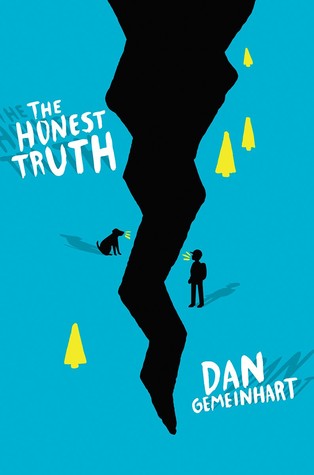
T-8. The Honest Truth by Dan Gemeinhart
10. Dog Man series by Dav Pilkey
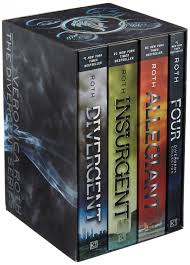
T-11. Divergent series by Veronica Roth
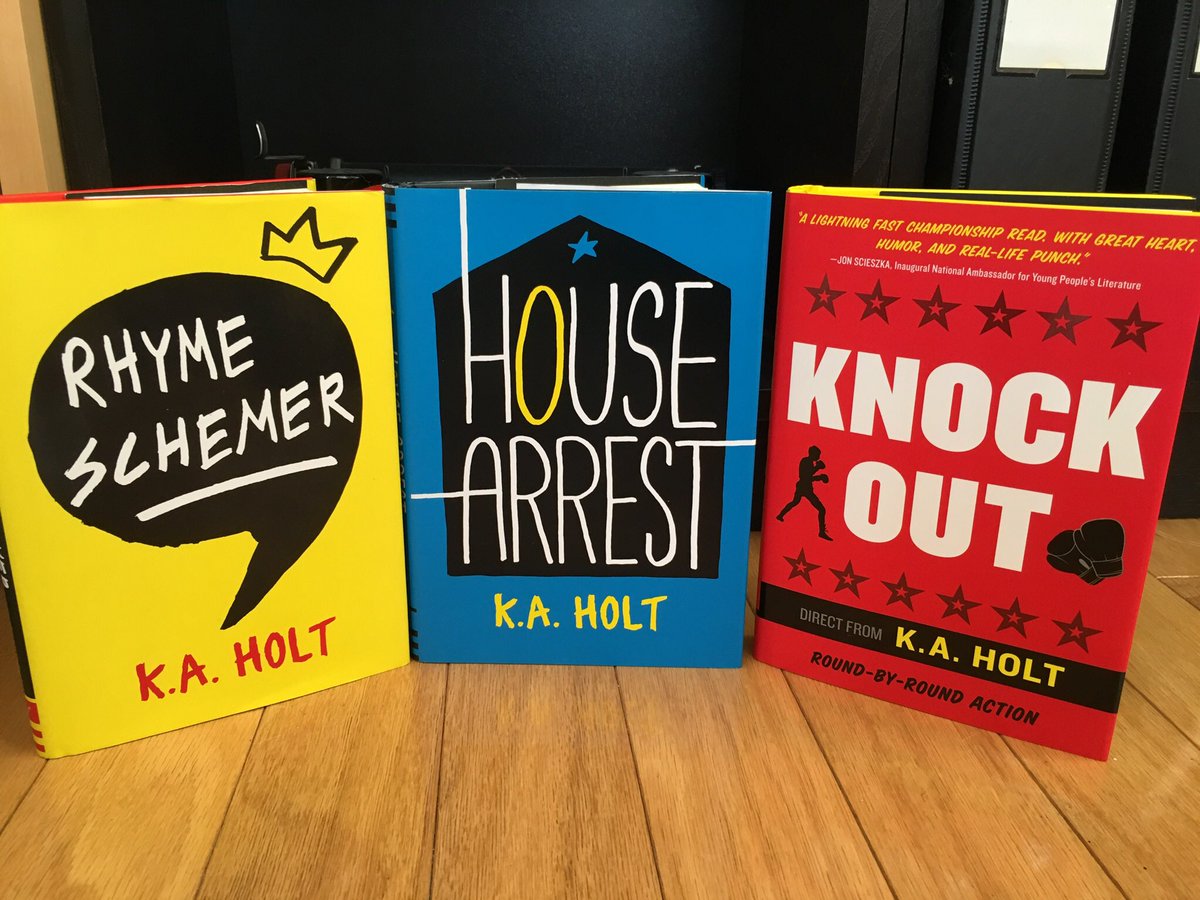
T-11. House Arrest series by K.A. Holt
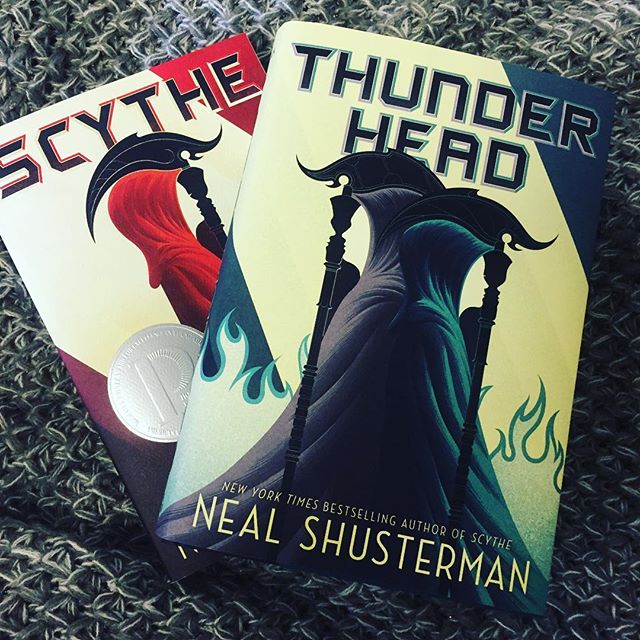
T-11. Arc of a Scythe series by Neal Shusterman
14. Rhyme Schemer by K.A. Holt
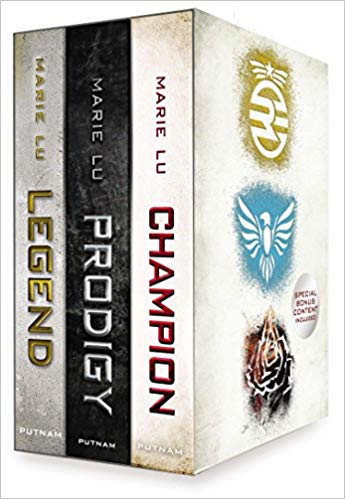

T-15. Legend series by Marie Lu
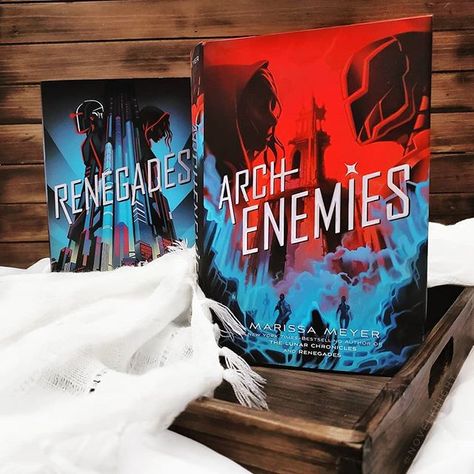
T-15. Renegades series by Marissa Meyer
T-15. The Young Elites series by Marie Lu
T-15. War Cross duology by Marie Lu
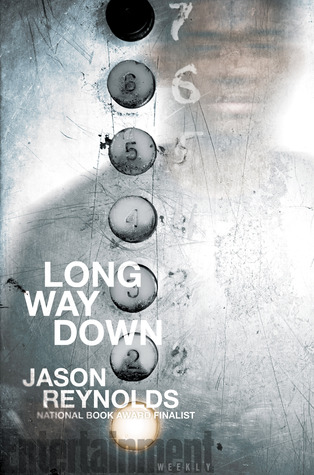

T-19. Long Way Down by Jason Reynolds
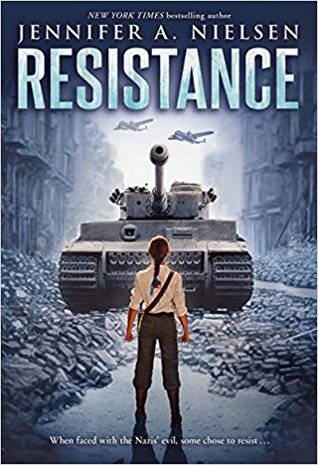
T-19. Resistance by Jennifer A. Nielsen
T-19. The Crossover by Kwame Alexander
Note 1: If a book is in a series, I placed the series at the spot of the highest ranked book from the series. This allows me to highlight more checked out books instead of listing all the different books from a series.
Note 2: I use Booksource’s Classroom Library to track my book checkouts, and my book checkout history does not reset yearly. Instead it counts for any student in the system. Since I have students that check out from me for up to 3 years, sometimes a book they checked out in 6th grade will still be counted when they are in 8th grade. I figure all of this will even out as 8th graders are removed each year since there is no way to change this setting.
Note 3: These series/books account for the top 40 checked out books of my classroom library!

Happy summer to all of my fellow teachers, and here’s to another awesome school year in the books!

P.S. Please continue to stop by on Tuesdays during summer as I share my STUDENT VOICES series of blog posts written by my students.