Author Guest Post: “Every Child Needs Space to Play” by Mark Angelo, Author of Can We Play Baseball, Mr. DeMille?

Share

“Every Child Needs Space to Play”

A few years ago, I was visiting my brother Chris in Los Angeles, where we spent several days recalling memorable stories from our youth. We shared lots of laughs, but one story in particular that we fondly remembered took place in 1958 and centered around our search for a nearby place to play ball. As kids, my brother and I were passionate about the game of baseball. We loved the Dodgers, who had just moved to L.A. from Brooklyn, New York.

Chris suggested I write the story down and that eventually led to the publishing of my most recent illustrated children’s book, Can We Play Baseball, Mr. DeMille?

Writing the story brought back many great memories, not the least of which was an unforgettable encounter with perhaps the greatest and most legendary person in film. But going through the process of producing the book also made me even more cognizant of how my childhood search for a field to play ball influenced my later work as an environmental advocate and a proponent of outdoor spaces for all to enjoy.

The neighborhood I lived in as a boy was beautiful, but it was also located in the hills. There were very few appropriate and accessible places to play ball. In addition, public parks were too far away for young kids like us to get to on our own.

It was those circumstances that ultimately led us to Mr. DeMille’s backyard which, rightly or wrongly, became the “the field of our dreams.”

Fast forwarding to current day, I’ve long believed that from a city planning perspective, we should do everything possible to ensure that residents— especially kids— have nearby access to sports fields and places to play ball. In addition, ensuring that more natural parks are readily accessible to all is a key issue. Many youngsters don’t get exposed to nature and the outdoors as much as we’d like, particularly in cities. The alternative often becomes screen-time for children. If not used thoughtfully and moderately, we know from research this can have detrimental effects on both mental and physical health. After all, how can a kid get excited to play outside if they don’t have the space?

For those that read Can We Play Baseball Mr. DeMille, my hope is that the story of a young boy’s love for a game and his dogged determination to find a place where he and his friends can play, will make you smile and inspire young ones. To this day, while watching my own grandchildren play ball, I still find myself thinking back on occasion to those early days and the field of my youth that had such an impression.

The book has several elements to it, including a sense of nostalgia along with a slice of classic Hollywood history. But just as importantly, it has an environmental message that highlights the fact that accessible outdoor spaces are good for all of us, both young and old. From parks to sports fields, they provide active and passive recreational opportunities, contribute to our improved health and well-being, and make our communities better places to live!
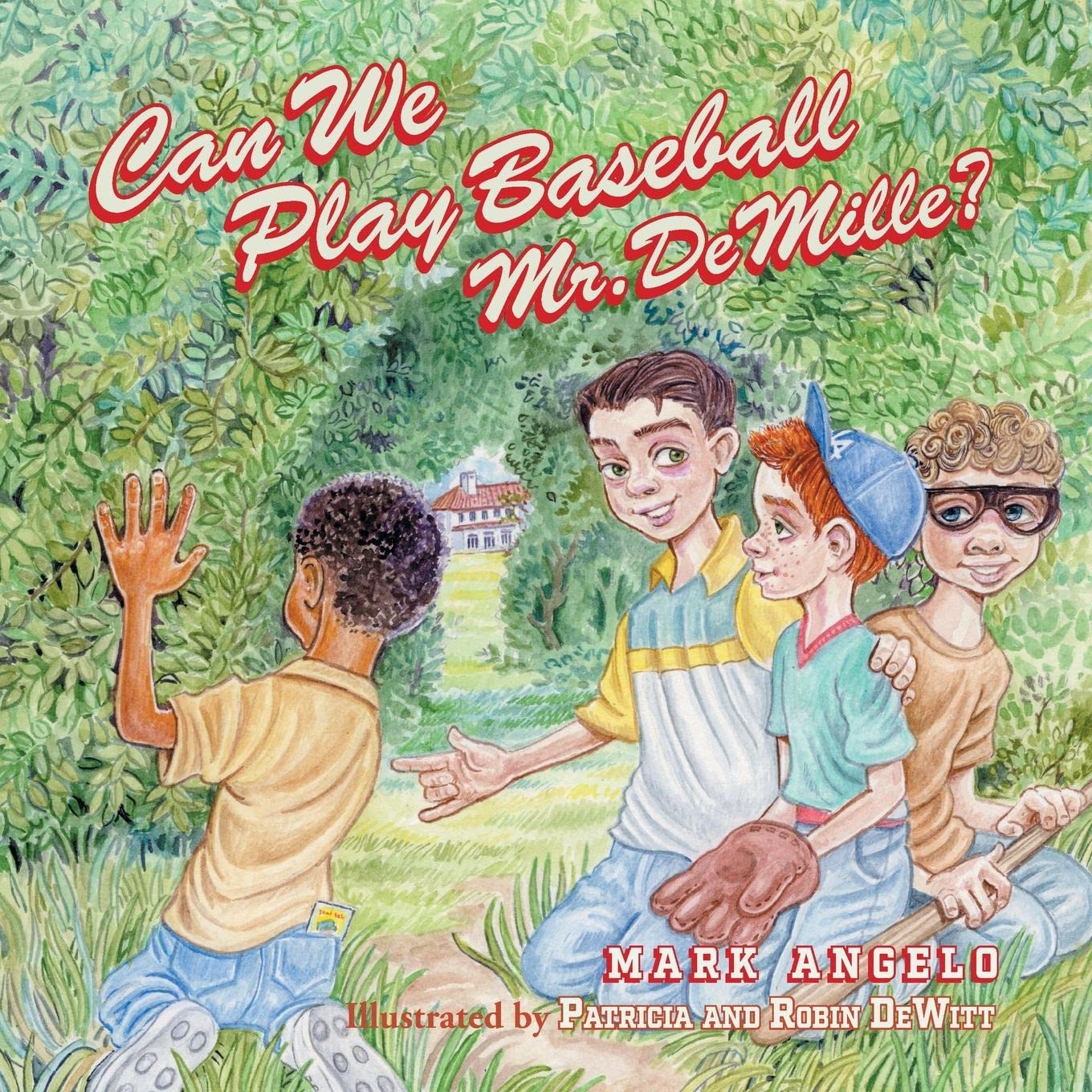
Illustrated by Patricia & Robin DeWitt
Published January 30, 2023

About the Book: Set in 1958, a young boy and his friends want to be baseball players just like their Dodger idols. There’s just one problem: they don’t have a field to play in.

Luckily, the kids know a secret. There’s a mansion around the corner with a yard big enough for an entire ball field and the hedge surrounding it has a gap just big enough to crawl through. Apparently, the owner is a big-time Hollywood mogul. He won’t mind a few ball games, right?

This sensational true story of a young boy’s encounter with a Hollywood legend is rich with youthful determination and summer fun, highlighting how every child needs space to play.
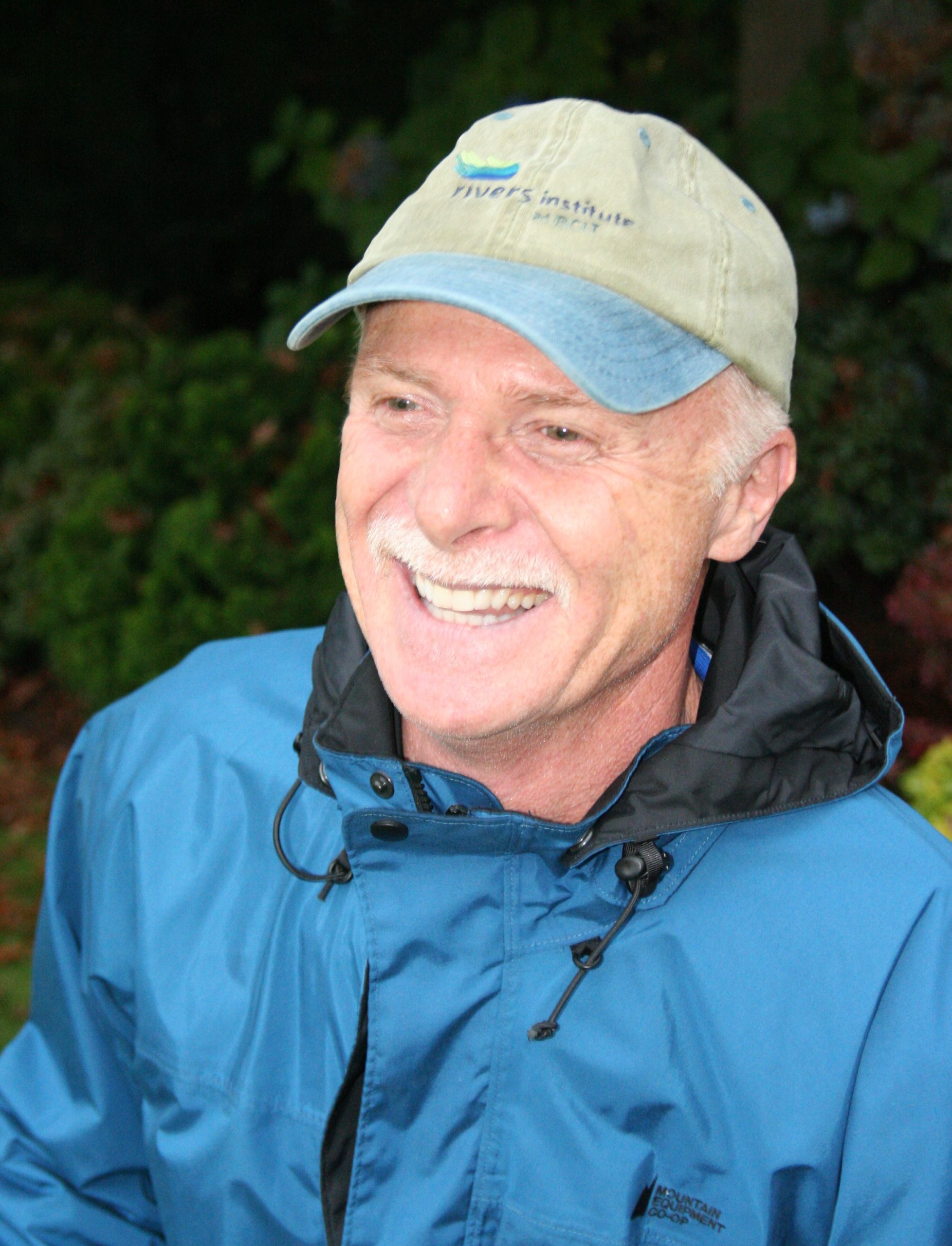
About the Author: Mark Angelo has been a baseball fan since he was a little boy! He is also a globally renowned river conservationist and the founder of World Rivers Day, now celebrated by millions of people in over one hundred countries. Among his many accolades, Mark is a recipient of the Order of Canada, the country’s highest honor. His acclaimed best-selling debut picture book, The Little Creek that Could, is the true story of a stream that came back to life. Through his work with groups such as the Outdoor Recreation Council of BC, Mark has been a long-time advocate for outdoor spaces for all to enjoy. Can We Play Baseball, Mr. DeMille?, about a young boy’s search for a place to play ball, recounts an actual experience from his childhood. Mark lives in Burnaby, British Columbia, Canada with his wife, Kathie.

For more information on Mark, please visit: https://www.canweplaybaseballmrdemille.com/

Thank you, Mark, for this focus on play and its importance!

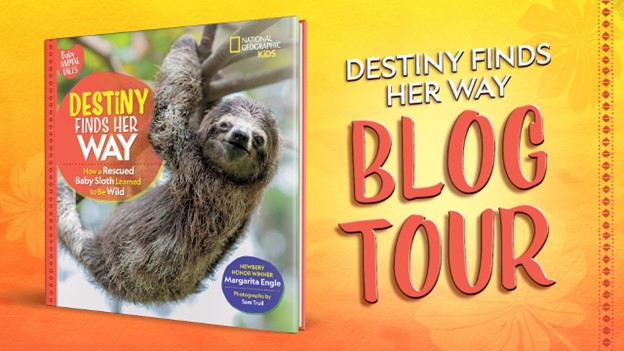
Blog Tour, Giveaway, and Author Guest Post!: Let Nonfiction Sing by Margarita Engle, Author of Destiny Finds Her Way: How a Rescued Baby Sloth Learned to be Wild

Share

Welcome to the

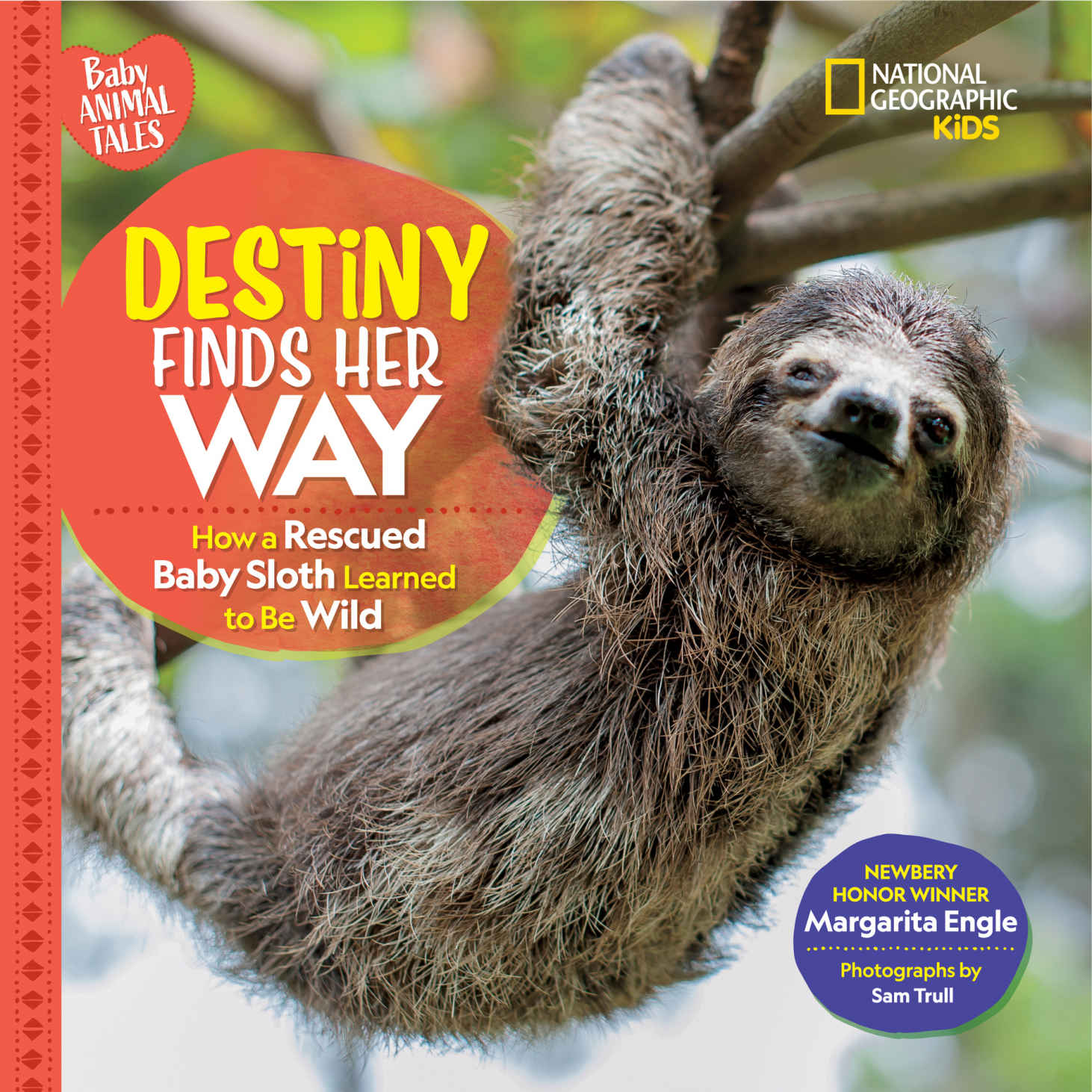
Destiny Finds Her Way

Blog Tour & Giveaway!

To celebrate the release of Destiny Finds Her Way by Newbery Honor winner Margarita Engle, blogs across the web are hosting guest posts from Margarita as well as the book’s photographer, Sam Trull, who is also the co-founder and Executive Director of the Sloth Institute — a sloth rescue organization based in Costa Rica. Join us for a journey behind the scenes of how these two amazingly talented women teamed up to bring this inspiring, true story to readers everywhere and learn more about sloths and the work being done to protect them.


Let Nonfiction Sing!

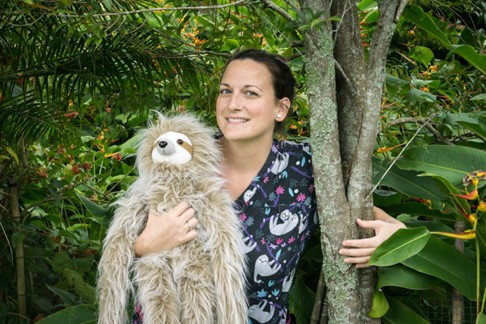
by Margarita Engle

Destiny Finds Her Way is a book I feel honored to have written. When I saw Sam Trull’s beautiful photos of Destiny the sloth, I decided to visit the Sloth Institute in Costa Rica. There, I had the chance to witness Sam in action, rescuing baby sloths and teaching them how to live in the wild. The experience was inspiring.

I wanted to write Destiny’s story in a way that might inspire young readers to learn more about wildlife conservation. The tropical rain forest has its own rhythm, and poetry is musical language. However, nonfiction is usually presented in a more detailed prose style. I decided to combine poetic devices with facts. The first device I used is onomatopoeia, where words resemble their real-life sources. Examples are the eee, eee, eee of darting squirrel monkeys, and ah, ah of a frightened baby sloth. Instead of rhymes at the ends of lines, I included words with vowels that rhyme. In ‘macaws squawking,’ all the “a “sounds rhyme. I’m sure readers will be able to find many other parts of the story that sound musical.

Readers will also discover the other senses—sight, smell, touch, taste, as well as sound. In addition, movement is an important aspect of the story’s musical nature. I hope words like scratched, swayed, and climbed will help make Destiny’s journey come to life in a joyful, dancelike way. There is nothing more celebratory than knowing she is now healthy and free in the wild!

Buy | Buy on Bookshop.org | Add to GoodReads

About Destiny Finds Her Way

(ages 4-8, Hardcover Picture Book, National Geographic Kids Books)

Newbery Honor winner Margarita Engle and photographer and Sloth Institute Executive Director Sam Trull team up to bring the inspiring and true story to life of how Destiny, a motherless baby sloth, sightless in one eye and rescued by Sam in the Costa Rican rain forest, defies the odds, overcomes her obstacles of limited sight and learns the skills she will need to return to her wild, forest home.

Without her mother to protect her or teach her, Destiny is found and taken to a rescue center in Costa Rica. The little sloth soon befriends other orphaned sloths. Her poor eyesight, however, makes it hard for her to keep her balance. Eventually Destiny begins to use all of her senses to explore the world around her. But can she learn to climb? Can she master the other skills she needs to survive on her own? And will Destiny be brave enough to return to her wild, forest home?

In addition to learning about Destiny and her journey, readers are immersed in the world of sloths and sloth rescue in this uplifting story about overcoming obstacles and believing in yourself.

About the Author:

Margarita Engle is the Cuban-American author of many verse novels, memoirs, and picture books, including The Surrender Tree, Enchanted Air, Drum Dream Girl, and Dancing Hands. Awards include a Newbery Honor, Pura Belpré, Golden Kite, Walter, Jane Addams, PEN U.S.A., and NSK Neustadt, among others. Margarita served as the national 2017-2019 Young People’s Poet Laureate. She is a three-time U.S. nominee for the Astrid Lindgren Book Award. Her most recent books are Rima’s Rebellion, Singing With Elephants, and Destiny Finds Her Way. Her next young adult verse novel is Wings in the Wild, and her next picture book is Water Day.
Margarita was born in Los Angeles, but developed a deep attachment to her mother’s homeland during childhood summers with relatives on the island. She studied agronomy and botany along with creative writing, and now lives in central California with her husband.

Website | Instagram | Facebook | Twitter

About the Photographer:

Sam Trull has been a photographer and a wildlife biologist for decades. After many expeditions to Madagascar, West Africa, and Central America, in January 2013, she settled in Costa Rica, where she co-founded and is the executive director of the Sloth Institute. Her first photo book, Slothlove, was published in April 2016.

Website | Instagram

About the Sloth Institute:

The Sloth Institute (TSI) is a nonprofit organization located in Costa Rica with the mission to enhance and expand the welfare and conservation of sloths through rescue, rehabilitation, release, research, and education. In addition, TSI works on targeted conservation projects to improve the safety and quality of sloth habitats and teaches other rescue centers how to better care for and release their sloths. TSI believes that all sloths were born to be wild and deserve that second chance at freedom.


Website | Instagram | Facebook | Twitter

GIVEAWAY

  • One (1) winner will receive a copy of Destiny Finds Her Way
  • US/Can only
  • Ends 3/18 at 11:59 pm ET
  • Enter via the Rafflecopter below
  • Visit the other stops on the tour for more chances to win!

a Rafflecopter giveaway

Blog Tour Schedule:

March 6th Pragmatic Mom

March 7th Heise Reads and Recommends

March 8th Mom Read It

March 9th Unleashing Readers

March 10th Imagination Soup

Author Guest Post: “Good Teachers” by Lynn Katz, Author of Chester and the Magic 8 Ball

Share

“Good Teachers”

There’s no shortage of children’s literature featuring horrible, cruel, nasty educators. Unfortunately, ineffective and sometimes down-right mean teachers are part of the educational landscape. Most people have their own personal stories about teachers who abused their power, meted out extreme punishments, or used more subtle strategies to belittle or marginalize their students. My 6th-grade teacher compared me unfavorably to my two older sisters. In front of my classmates.  Daily. She was relentless. Her behavior took its toll on my self-esteem and my love for school, but in the end, that teacher was the reason I decided to pursue a career in education. I vowed to be the most nurturing, patient, fun-loving, creative educator—everything my 6th-grade teacher was not. As educators and parents, we needn’t shy away from books that include mean-teacher-characters such as Miss Minchin from A Little Princess, by Frances Hodgson Burnett, Miss Trunchbull from Roald Dahl’s Mathilda, and the Juvenile Detention Warden from Holes by Louis Sacher. Those novels provide windows for middle-grade readers, reassuring them that they are not at fault or alone when adults abuse their power.

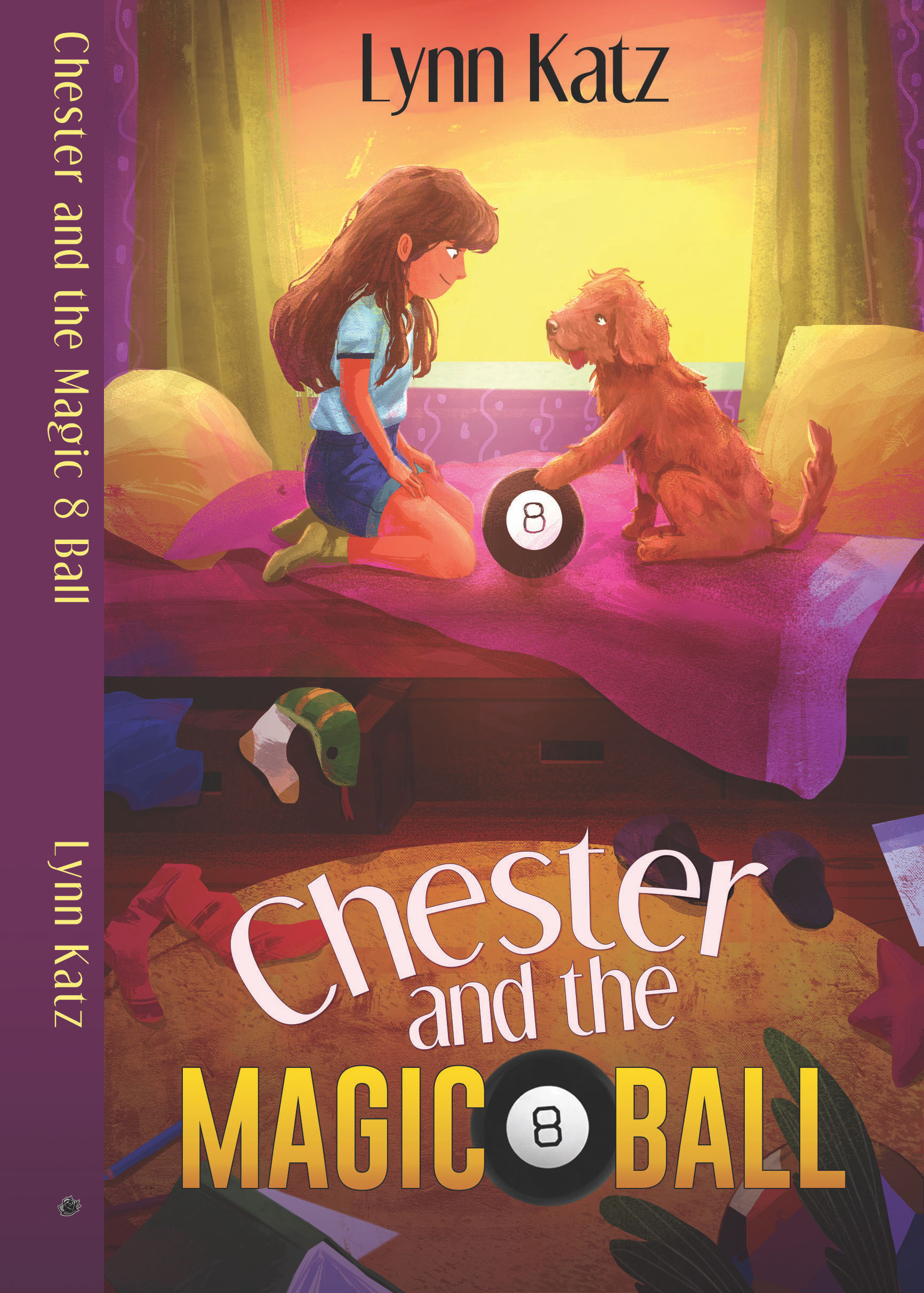
Fortunately, most teachers do not abuse their power; they care deeply about their students’ well-being and achievement. They work hard every day to build relationships, trust, and a love of learning. So, where are the novels that feature characters who are amazing teachers?  And not only those kooky picture book characters who drive magic school buses or turn into swampy substitutes when Miss Nelson goes missing. Middle-grade readers need to read about teacher characters who model respect, curiosity, nurture creativity and a deep love for learning.  I try to include both good and deeply flawed teachers in my contemporary novels. In Chester and the Magic 8 Ball, my main character’s math teacher, Mr. Burnett, injects self-deprecating humor, Dad jokes, and plenty of fun into his classes. He encourages student collaboration and conversation. He helps his young mathematicians understand the real-world applications of math.  He’s patient and kind, gives helpful feedback by using rubrics instead of grades, and has earned the respect of his students.

As part of my teacher-resource packet, I’ve included several questions and enrichment activities, designed to help readers analyze the characteristics of both effective and ineffective teachers. Here are some examples:

COMPARE/CONTRAST: Georgia’s math teacher, Mr. Burnett, is different from her 5th-grade teacher, Mrs. Robins. Compare/contrast those two teachers. What are some of Mr. Burnett’s traits and quirks that his students appreciate? Would you want a teacher like Mr. Burnett? Why or why not?

RUBRICS: Georgia’s unhappy with the pass/fail system for Chester’s pet therapy training program. Create a rubric to help your pet (your parent, sibling, or teacher) improve their behavior.

Here are some other titles, some old, some new, featuring teacher characters who make us proud to be educators and who exemplify the best of our profession.

Wonder by R.J. Palacio: Auggie’s English teacher, Mr. Browne, maintains an inclusive classroom and uses many effective teaching strategies. He will always be remembered for his monthly “precepts.” Starting the year off right in September, Mr. Browne teaches his students the most important life lesson and value: “When given the choice between being right or being kind choose kind.”

Mr. Terupt series by Rob Buyea: This young, new teacher is brimming with good intentions and energy. He focuses on teaching his students about personal responsibility, and he earns the love and respect of even the most challenging students. One of Mr. Terupt’s students put it this way: “This year, for the first time in my life, I started thinking school could be fun.” And who wouldn’t appreciate a fun teacher?

The Way I Say It by Nancy Tandon: Mr. Simms is Rory’s new 6th-grade speech and language teacher, helping him with his articulation challenges and supporting him as he navigates friendships, bullying, and middle-school life. The fact that Mr. Simms is also a cool guy who uses unorthodox strategies, plays the guitar, and relates to his student’s interest in boxing legend Muhammad Ali, makes this book and this memorable teacher extra-entertaining and inspirational.

Published February 9th, 2023 by Black Rose Writing

About the Book: Twelve-year-old Georgia is convinced her toothless, rescue dog can tell the future with a spin of her Magic 8 Ball. She wants to believe Chester when he reassures her that the “outlook is good” for her parents’ troubled marriage. But when it becomes a matter of life or death, Chester stops cooperating, and Georgia must learn the difference between probability and magic.  She’s determined to increase the odds of a happy ending by relying on her own powers. This contemporary novel with a hint of magical thinking, explores serious topics with sensitivity, humor, and heart.

About the Author: Lynn Katz is a former teacher, curriculum writer, and school principal. She is a member of SCWBI and her local Board of Education. Her first novel, The Surrogate, a domestic thriller for adult readers, explores the psychological profile of a young, would-be mass shooter, and the high school teacher who tries to help him. Chester and the Magic 8 Ball is her first middle-grade novel. www.lynnkatzauthor.com

Thank you, Lynn, for this wonderful look into great teachers in books!

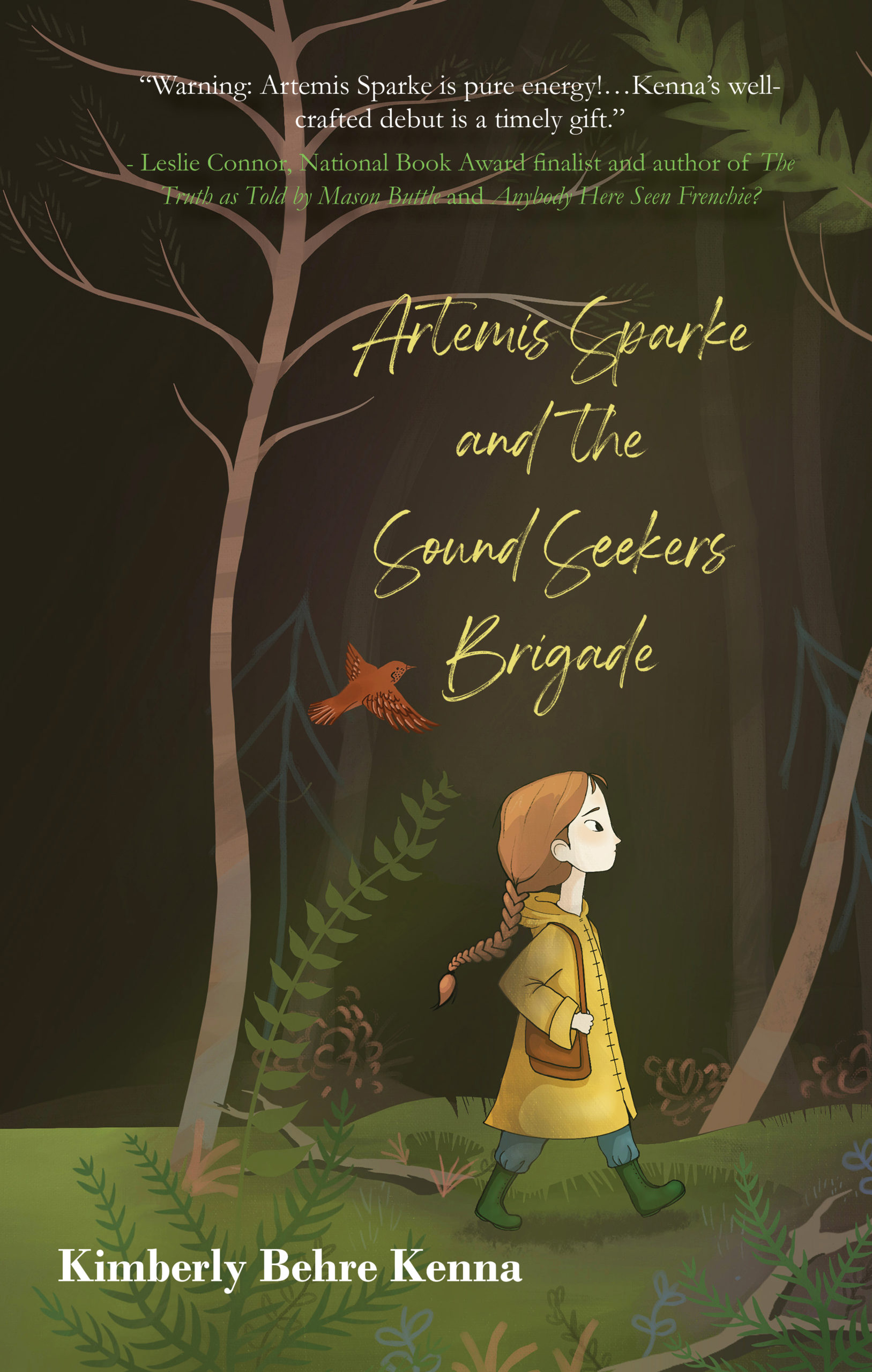
Author Guest Post: “Using Fiction to Understand and Enrich Non-Fiction” by Kimberly Behre Kenna, Author of Artemis Sparke and the Sound Seekers Brigade

Share

“Using Fiction to Understand and Enrich Non-Fiction”

When I was a young student, I found history boring. Back then, it required lots of memorization and comprehension of readings that felt flat to me, dry as the age-old dust they were steeped in. Years later, a gifted teacher flipped the switch—she introduced the personal stories behind historical figures and events and BAM! I was hooked. Learning about Hatshepsut’s struggles as one of the few female Egyptian pharaohs, or Wangari Maathai’s crusade to teach African women to plant trees and claim their independence and power, excited me and provoked lots of questions. I imagined what it’d be like to be those women and face those challenges. This led me to research more and to care more, which then led to greater retention of concepts and the desire and ability to share them with others.

            As a fifth-grade teacher, I sought ways for my students to step into the shoes of others so they too could attempt to feel some of the pain, passion, and motivation of historic figures. In my classroom, we did this through writing projects, dramatic interpretations, and culminating performances. For instance, during our exploration of ecology, we read picture book biographies of environmentalists, including those who were not scientists. How did Pete Seeger’s singing and songwriting impact the Hudson River? Simon Rodia built the Watts Towers in Los Angeles from recyclables. How did he do this when he didn’t speak English? We cast a broad net so students could see that the preservation and rehabilitation of the natural world could be approached in many ways, and, most importantly, it could include them.

As we examined local problems affecting Long Island Sound, we wondered how environmentalists from the past might attempt to solve them. Each student chose one environmentalist and wrote a monologue which they presented to the rest of the class in costume, using props to introduce themselves. Students also took part in a popular activity called History Speaks, a mock talk show that got kids to think more deeply about what motivated these environmentalists. As host, I facilitated a conversation between the “guests,” students impersonating ecologists, and the audience of other students who asked them questions. Why did MaVynee Betsch give up her career in opera to save American Beach in Florida from development, even when she got so sick she couldn’t eat? How did Chico Mendes stay brave in the face of his attackers as he worked to protect the rainforests in Brazil? Kids learned how to craft deep interview questions. Those representing the ecologists had to think on their feet, often answering them by extrapolating from facts that they already knew. Sometimes their answers or their body language caused the audience (or host!) to debate whether they spoke the truth, another useful discussion when it comes to teaching how to research. This seemingly simple, playful activity encouraged critical thinking and active listening.

The resurrected ecologists also participated in a roundtable discussion to brainstorm a list of creative ways that they, as a team, could alleviate one of Long Island Sound’s problems. They experimented with combining strategies used in the past with newer present day ideas. Could George Washington Carver’s ideas about soil conservation possibly apply to saving Connecticut’s shoreline? How would he and Jacques Cousteau interact as team members? Finally, using notes gathered from all these activities, students wrote stories about resurrected dead ecologists who helped confused modern day activists solve problems around Long Island Sound and shared them with younger students. Other times, groups wrote a story as a script, built props, and then performed it for an audience. With their deep research into the history of environmentalism, students armed themselves with enough knowledge to become passionate environmental activists themselves.

Using the imagination to extrapolate on what we know as fact is a fun and enlightening practice that promotes rich discussion, enhances the development of empathy, and allows kids to practice ways of assessing “the truth.” The strategies that I used in my classroom and the memories of my explorations with students were the seeds for my middle-grade novel, Artemis Sparke and the Sound Seekers Brigade, whose protagonist conjures up ghosts of environmentalists to help her save her beloved salt marsh sanctuary. I hope readers gain respect for the legacies we’ve been gifted by those who are no longer with us and are inspired to consider how their own legacy can be a gift to future generations.

Published February 2, 2023 by Fitzroy Books

About the Book: When Artemis Sparke has had it with humans, she heads to the nearby salt marsh to hang out with the birds, plants and mollusks who don’t make a big deal of her stutter. The shoreline sanctuary is predictable, unlike her family and friends, and the data in her science journal proves it. But one day that data goes haywire, and her bird friend RT confirms it: the salt marsh is dying. Artemis discovers that the historic hotel where she lives with her mom may be part of the problem, but speaking up would mean confronting the cranky hotel owner who happens to be her mom’s boyfriend and boss. Artemis conjures up help from deceased ecologists, and as she works to untangle their clues, she finds family secrets that could be the key to saving the salt marsh. An empowering read about the importance of finding your voice, “Artemis Sparke” will strike a chord with kid activists everywhere. 

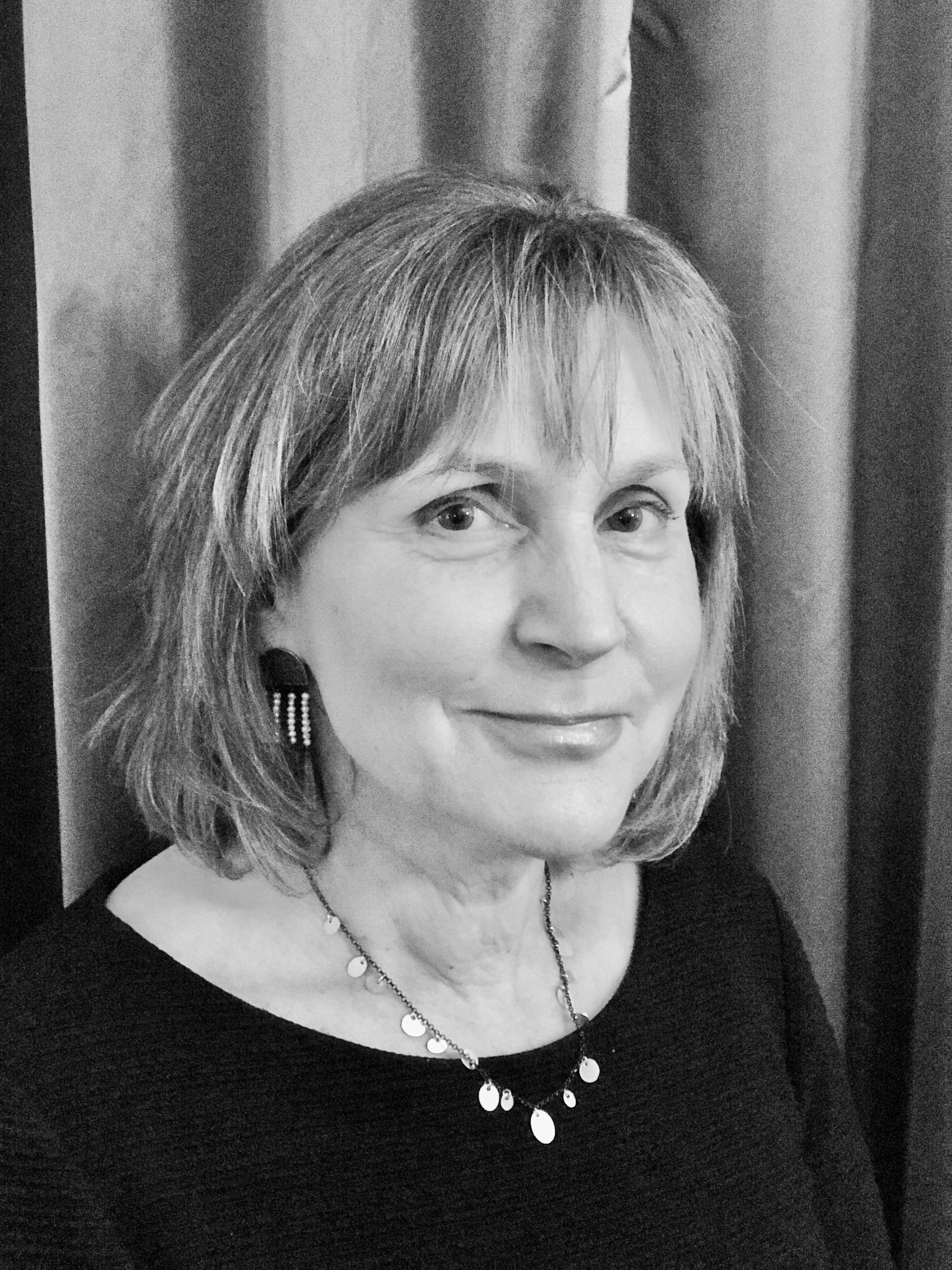
About the Author: After years as an adolescent and family counselor, and then as a fifth grade teacher of ecology and language arts, Kimberly Behre Kenna returned to school for her MA in creative writing from Wilkes University. Her middle-grade novel, “Artemis Sparke and the Sound Seekers Brigade” was a finalist and received Honorable Mention in the 2019 Tassy Walden New Voices in Children’s Literature Competition, and will be published by Fitzroy Books in 2023. Another book in her Brave Girl Collection, “Jett Jamison and the Secret Storm” is forthcoming from Black Rose Publishing. A third in the collection, as yet unpublished, won second place in The Institute of Children’s Literature 2022 MG Mystery First Pages Contest. Her poems and short stories have been published in American Writers Review, Mused, Plumtree Tavern, and Rubbertop Review. Her full-length play, “Ana’s Hummingbird,” was given a staged reading at The Dramatists Guild in NYC. She’s a member of SCBWI and PEN America, and now devotes herself to writing full time. Connect with her at www.kimberlybehrekenna.com

Thank you, Kimberly, for this great post showing that connection between fiction & non-fiction!

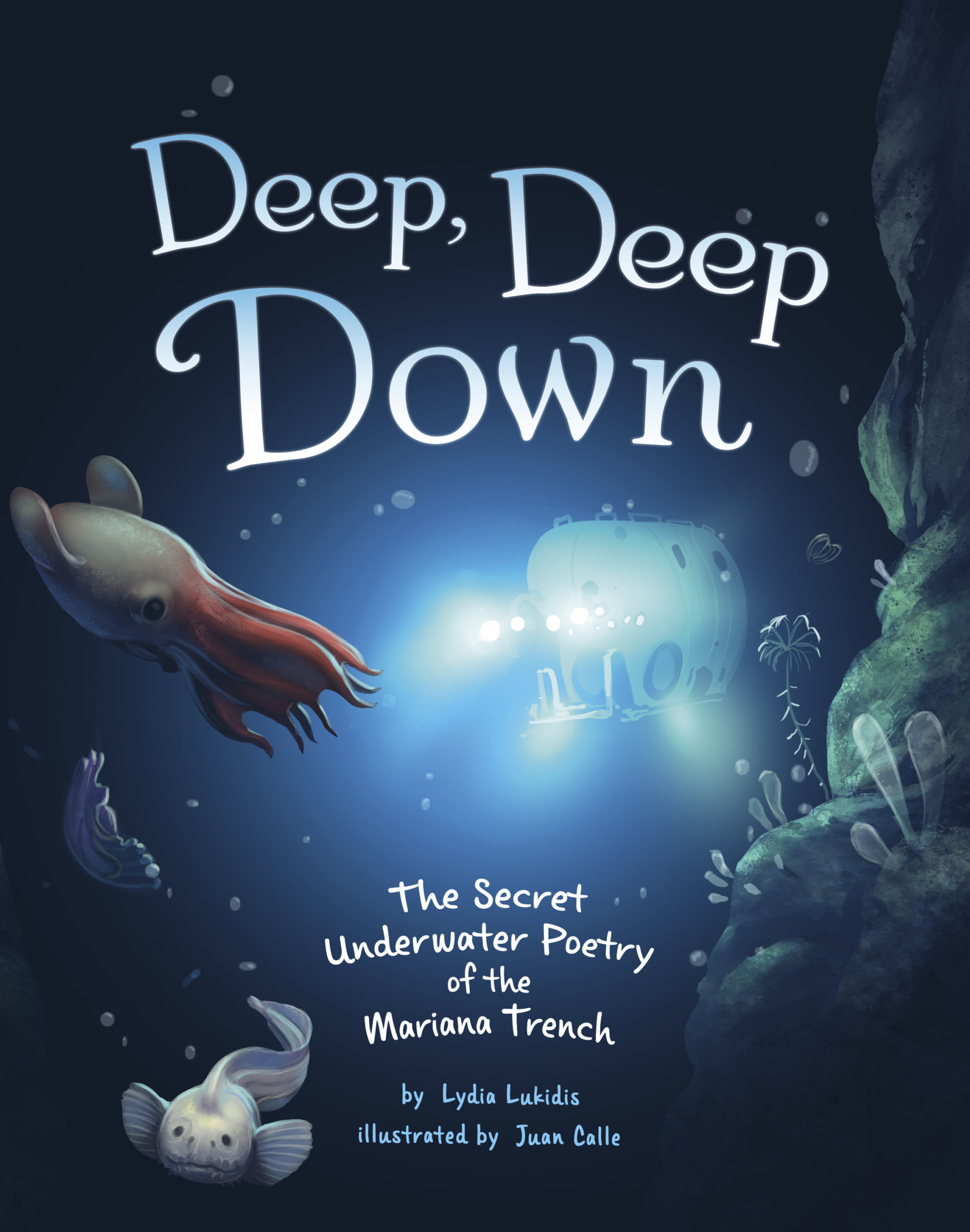
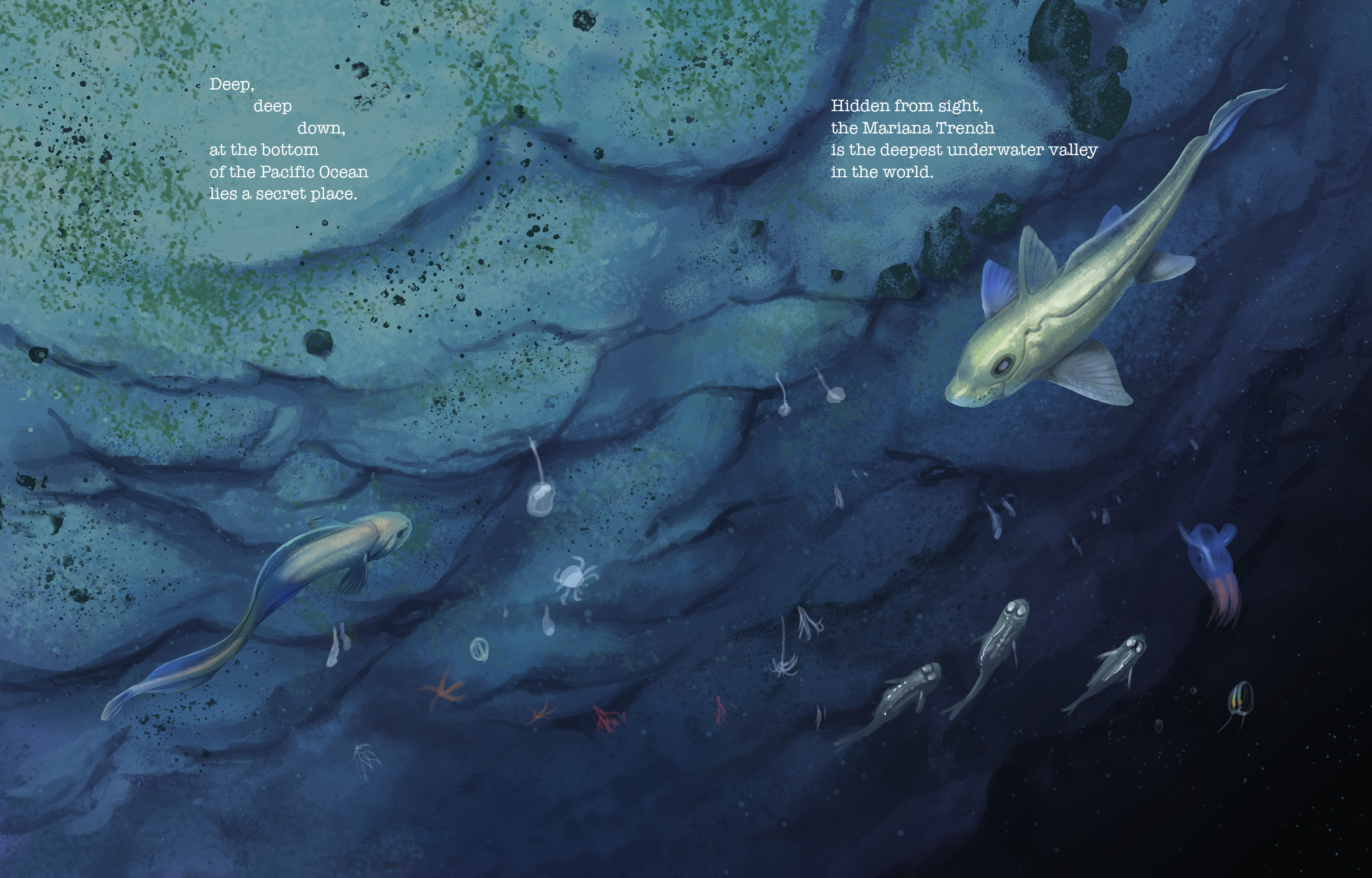
Author Guest Post: “STEM + Poetry = Fun!” by Lydia Lukidis, Author of Deep, Deep Down: The Secret Underwater Poetry of the Mariana Trench

Share

“STEM + Poetry = Fun!”

Hi everyone! I’m so excited to talk about my new STEM book, DEEP, DEEP, DOWN: The Secret Underwater Poetry of the Mariana Trench written by me, Lydia Lukidis, illustrated by Juan Calle, and published by Capstone Editions, a Capstone imprint.

First off, here’s a short summary of the book:

Deep, deep down, at the very bottom of the ocean, lies a secret world. Through lyrical narration, this spare-text STEM picture book takes readers on a journey to a place very few humans have ever been–the Mariana Trench. The imagined voyage debunks scary myths about this mysterious place with surprising and beautiful truths about life at Earth’s deepest point. DEEP, DEEP, DOWN: The Secret Underwater Poetry of the Mariana Trench shows a vibrant world far below, and teaches readers how interconnected our lives are to every place on the planet.

Why Poetry?

When writing nonfiction, finding the right structure and voice is critical. When I was researching DEEP, DEEP DOWN, I fell into a rabbit hole and watched hours and hours of trench footage. Many creatures were mesmerizing and moved slowly and gracefully, like underwater ballet. That’s when I realized that the Mariana Trench itself is a poem; a mysterious, remote trench at the deepest spot on our planet, full of wonder. To really do it justice, the text would have to reflect the beautiful poetry I witnessed. So, I chose to write the narrative with a lyrical voice and felt it could not have been written any other way.

Science and poetry are two of my biggest passions, so why not merge them? After all, there’s so much beauty and poetry in science, and there’s also a certain science and rhythm to writing poetry. Below are a few activities for children (in class or at home) to help them become inspired by the written word and craft their own poetry.

Figurative Language

Children can read the definitions below as well as my examples from the lyrical text of DEEP, DEEP DOWN.

-Onomatopoeia: When you use a word that makes a sound close to the action it refers to.

SWISH!
Something shimmers.
Not a monster,
but a fish.
A rattail
drifts through the darkness,
in search of food.

Now ask the child to make up a new way to use this poetic device.

-Alliteration: When you repeat the first letter or sound of several words close to one another.

Diving deeper,
a long, thin body
slinks and sways,
ever so slowly.

Now ask the child to make up a new way to use this poetic device.

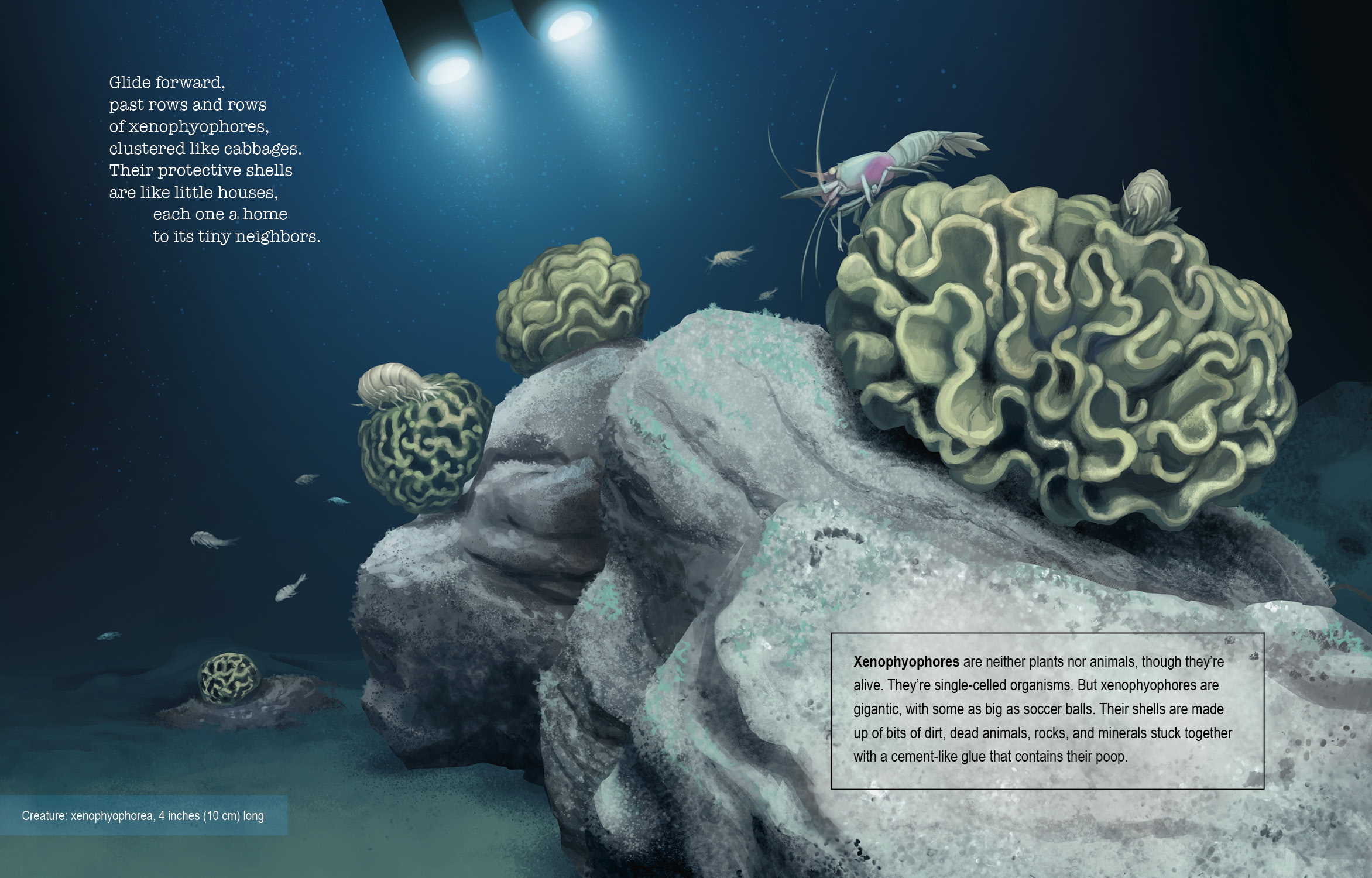
-Simile: When you compare two unlikely things, usually using the words “like,” “as,” or “than.”

Glide forward,
past rows and rows of xenophyophores,
clustered like cabbages.

Now ask the child to make up a new way to use this poetic device.

Fun with Haikus

Another great exercise is learning how to write haikus. Children can read the information below to inspire them to write their own haiku about one of the creatures that lives in the trench.

-Haikus have 3 lines, each with a specific number of syllables. They don’t need to rhyme.

-This is the structure:

Line 1: 5 syllables

Line 2: 7 syllables

Line 3: 5 syllables

-Here’s an example:

“The Old Pond” by Matsuo Bashō

An old silent pond

A frog jumps into the pond—

Splash! Silence again.

Ask students to pick one of the trench creatures and write a haiku about it:

More Fun Stuff

I created a 40-page teacher guide that provides dozens of curriculum standards in Common Core ELA and Math, and Next Generation Science Standards that align with the narrative. It also proposes various curriculum-based activities for students K-6.

Click here to download the guide: http://www.lydialukidis.com/img_educators/DEEP,%20DEEP%20DOWN-%20Teacher%20Guide.pdf

Capstone and I also created a beautiful poster and trading cards for children. You can find them on my website:
http://www.lydialukidis.com/books.html

I hope you enjoy my book and the material!

About the Author: 

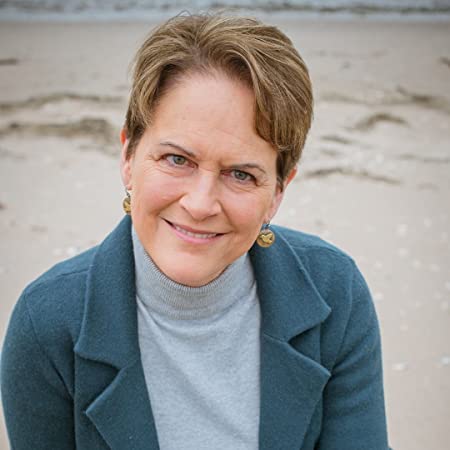
Lydia Lukidis is the author of 50+ trade and educational books for children. Her titles include DANCING THROUGH SPACE: Dr. Mae Jemison Soars to New Heights (Albert Whitman, 2024), DEEP, DEEP, DOWN: The Secret Underwater Poetry of the Mariana Trench (Capstone, 2023), THE BROKEN BEES’ NEST (Kane Press, 2019) which was nominated for a Cybils Award, and NO BEARS ALLOWED (Clear Fork Media, 2019). A science enthusiast from a young age, she now incorporates her studies in science and her everlasting curiosity into her books.

Lydia is an active member of SCBWI, CANSCAIP, 12 x 12, and The Authors Guild. She’s very involved in the kidlit community and also volunteers as a judge on Rate your Story. Another passion of hers is fostering love for children’s literacy through the writing workshops she regularly offers in elementary schools. Lydia is represented by literary agent Miranda Paul from the Erin Murphy Literary Agency.

Social Media Links

Website & order links: http://www.lydialukidis.com/
Twitter: @LydiaLukidis
Facebook: https://www.facebook.com/LydiaLukidis
Blog: https://lydialukidis.wordpress.com/
Trailer: https://www.youtube.com/watch?v=F3fATvqtKDk

Thank you, Lydia, for sharing this focus on poetry and its tie in with your books!!

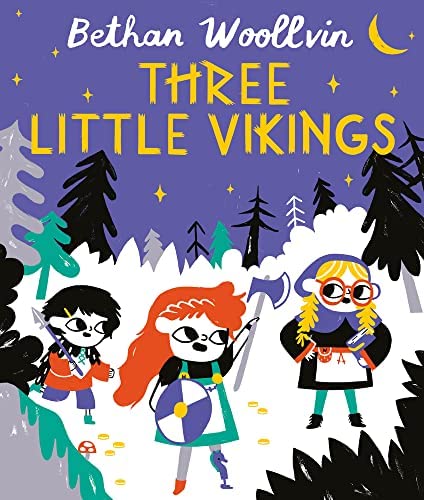
Author Guest Post: “Encouraging Young Readers” by Bethan Woollvin, Author of Three Little Vikings

Share

“Encouraging Young Readers”

The very first inklings of my new tale, Three Little Vikings came about back in early 2020 after I’d been spending a lot of time reading old Nordic tales over Christmas. I wanted to create another original tale centred around an era in history, just the same as my previous tale, Bo the Brave, which is set in a medieval kingdom. Deciding upon the Viking age, I began researching the era and diving deeper into the history, traditions, beliefs and folklore. During my research, I discovered that many Vikings believed in, and feared, all kinds of mythical creatures, which naturally I was fascinated by!

Steadily, my story developed, as did my characters. I began to draw this horrid forest-dwelling creature, who crashed and bashed his way through the Viking village. But who was going to stop this awful beast? I needed some mighty shield maidens. 

Naturally, akin to all my protagonists, they were going to be feisty, brave and full of wit – exactly what the Viking village needed with a destructive creature on the loose! Soon enough, I had created Helga, Ebba and Wren, my heroic Viking trio. 

But my three Little Vikings are faced with a bit of a problem. They discover that something or someone is causing chaos in the village, and despite raising the alarm and telling the Chieftain, they simply cannot get their voices heard. Having your voice disregarded or overlooked is a familiar feeling amongst women and young girls, and this book gave me the perfect opportunity to explore this further, weaving in an important message throughout the book. My aim when creating this book, was to encourage young readers to challenge authority, question the world around them, and to stand up and do something – even if your voice isn’t being heard. 

But Three Little Vikings isn’t all about rebellious children and challenging authority (though, I’m sure I’ll write that book one day). It’s a celebration of the friendship that Helga, Ebba and Wren share. The mighty little shield-maidens embrace each other’s strengths and differences, all while working together to rid their village of the horrid creature from the forest. If that’s not sisterhood, I’m not sure what is!  

Bringing Three Little Vikings into the classroom:

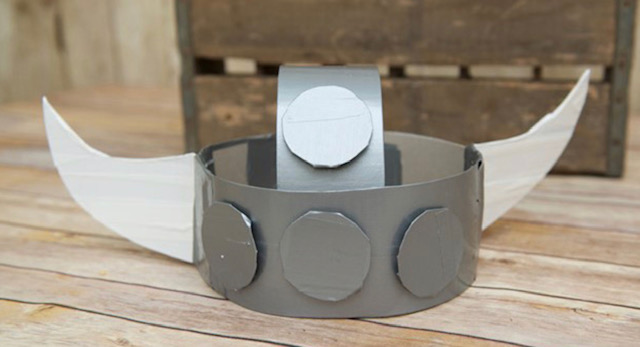
  1. Make your own Viking helmet – If you’re looking for a Viking-themed crafting activity, try creating a Viking helmet. This craft can be easily created using cardboard, scissors, tape and pencil, and involves making a simple band from cardboard to go around your head. You can get really creative with the design of your Viking helmet, and it can be adorned with all manner of things, including horns, buttons, feathers, jewels, or twigs!

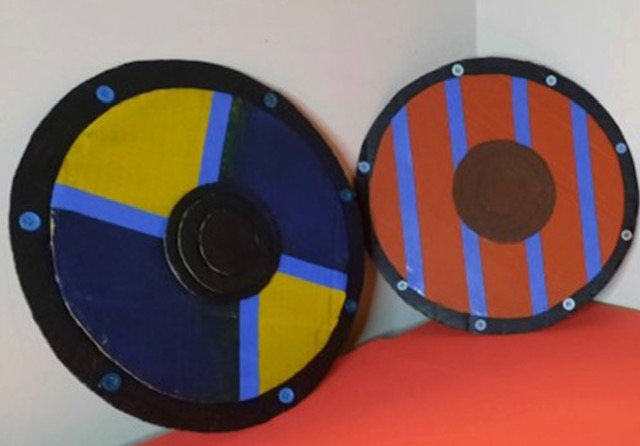
  2. Make your own Viking shield – In Three Little Vikings, Helga carries a shield for protection. You could try crafting your very own Viking shield to protect you from that horrid troll! For this activity, you’ll need some cardboard, scissors, glue, markers, tape and any items you’d like to decorate your shield with. The shield is straightforward to make, created by cutting out several circles from card for the shield and a strip on the back for the handle. Have a go at decorating your shield with markers, tape and perhaps some jewels or buttons!

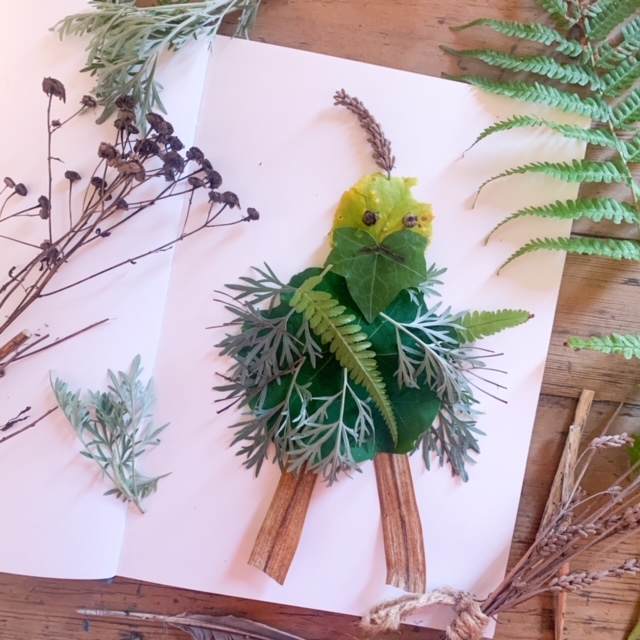
  3. Creating a wild garden troll – In Viking lore, trolls are known as mythical creatures that live in the wilderness in isolated caves, and can easily blend in with their natural surroundings. Make your own forest troll using materials that you find outside or in a garden. Using the troll in Three Little Vikings as inspiration, look for items that you would be able to use for different parts of the troll. Use glue to stick it all together, and just like that – you’ll have your very own garden troll!

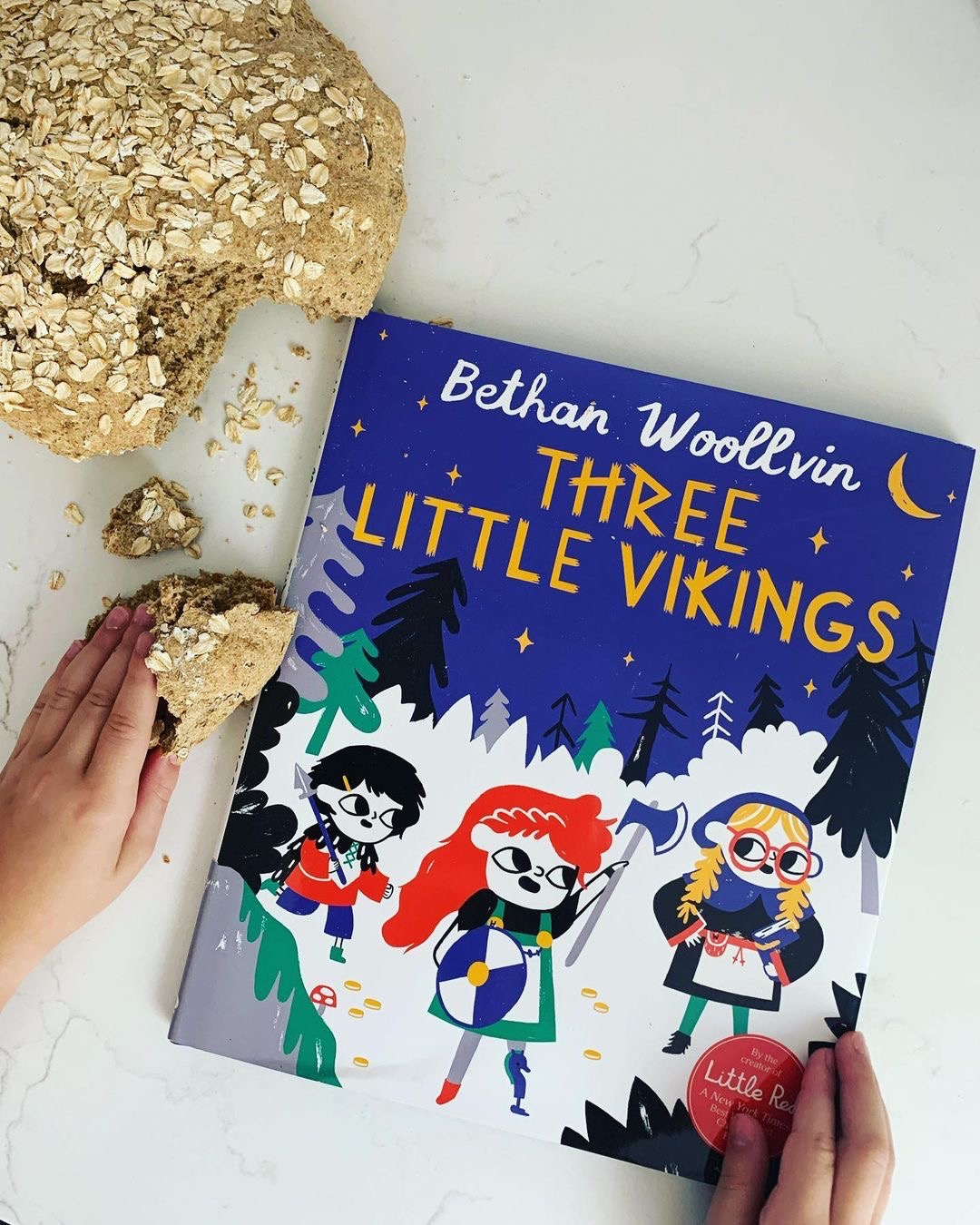
  4. Baking Viking bread – For an authentic Viking experience, why not try baking some Viking bread? Hearty bread made from wheat and oats was a staple for most Viking diets, served with tasty soups or drizzled with honey. Yum! You’ll be pleased to know there’s plenty of free and easy recipes for Viking bread online for little hands to get busy with. But be careful of any looming trolls (they’re always hungry!)

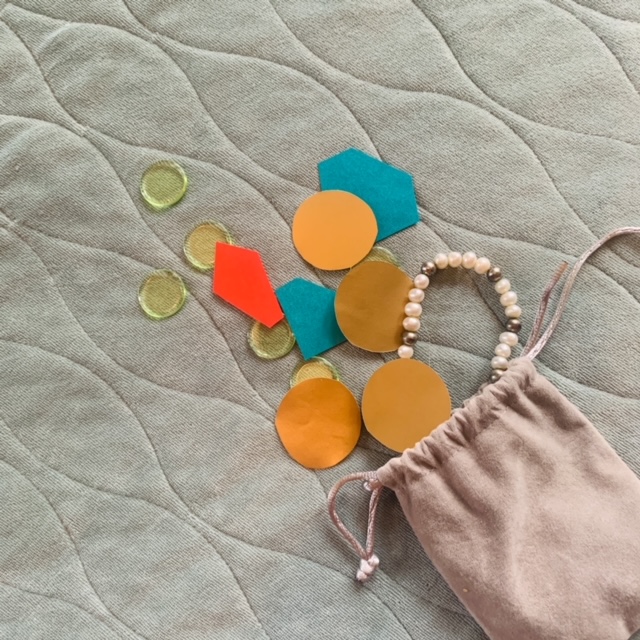
  5. Viking Treasure Hunt – The horrid troll has been defeated and the Three Little Vikings, Helga, Ebba and Wren, are basking in their victory. But wait! All that precious Viking treasure has been strewn across the village…Find all the Viking treasure, count all of the jewels, gold and silver and make sure there isn’t any missing! This is a really simple activity, which involves a little imagination and some Viking treasure. (If you don’t have any coins or jewels, you could always have a go at making some from cardboard!) Begin by hiding your jewels and coins and encourage your Viking scavengers to find the missing treasure. Once they’ve picked up all of the treasure, make sure they count it all to check all the missing treasure has been found!

You can find a downloadable activity pack for Three Little Vikings and activities for Bethan’s other books by following this link: https://www.peachtreebooks.com/resources/

Published August 30th, 2022 by Peachtree

About the Book: Three little Vikings fight off a fearsome troll in this funny, feminist adventure story for little rebels from award-winning and critically acclaimed creator Bethan Woollvin.

Once upon a time in a Viking village, everything seems to be going wrong. Chickens are disappearing, trees are falling down, and there’s lots and lots of crashing and bashing. The silly Chieftain won’t listen to the three littlest Vikings, but can they work together to figure out what’s going on and save the day?

Three Little Vikings is all about cooperation, bravery, and getting your voice heard, from the creator of the New York Times Best Illustrated Book Little Red, Bethan Woollvin.

About the Author: Bethan Woollvin is a recent graduate of the Cambridge School of Art, where she won the prestigious Macmillan Children’s Book Competition with her version of Little Red Riding Hood. It was her first picture book. She lives in England.

Instagram: https://www.instagram.com/bethanwoollvin/
Twitter: https://twitter.com/bethanwoollvin
Website: https://t.co/kqJQaPJ22X

Thank you, Bethan, for sharing these fun activities that add enrichment to your book!

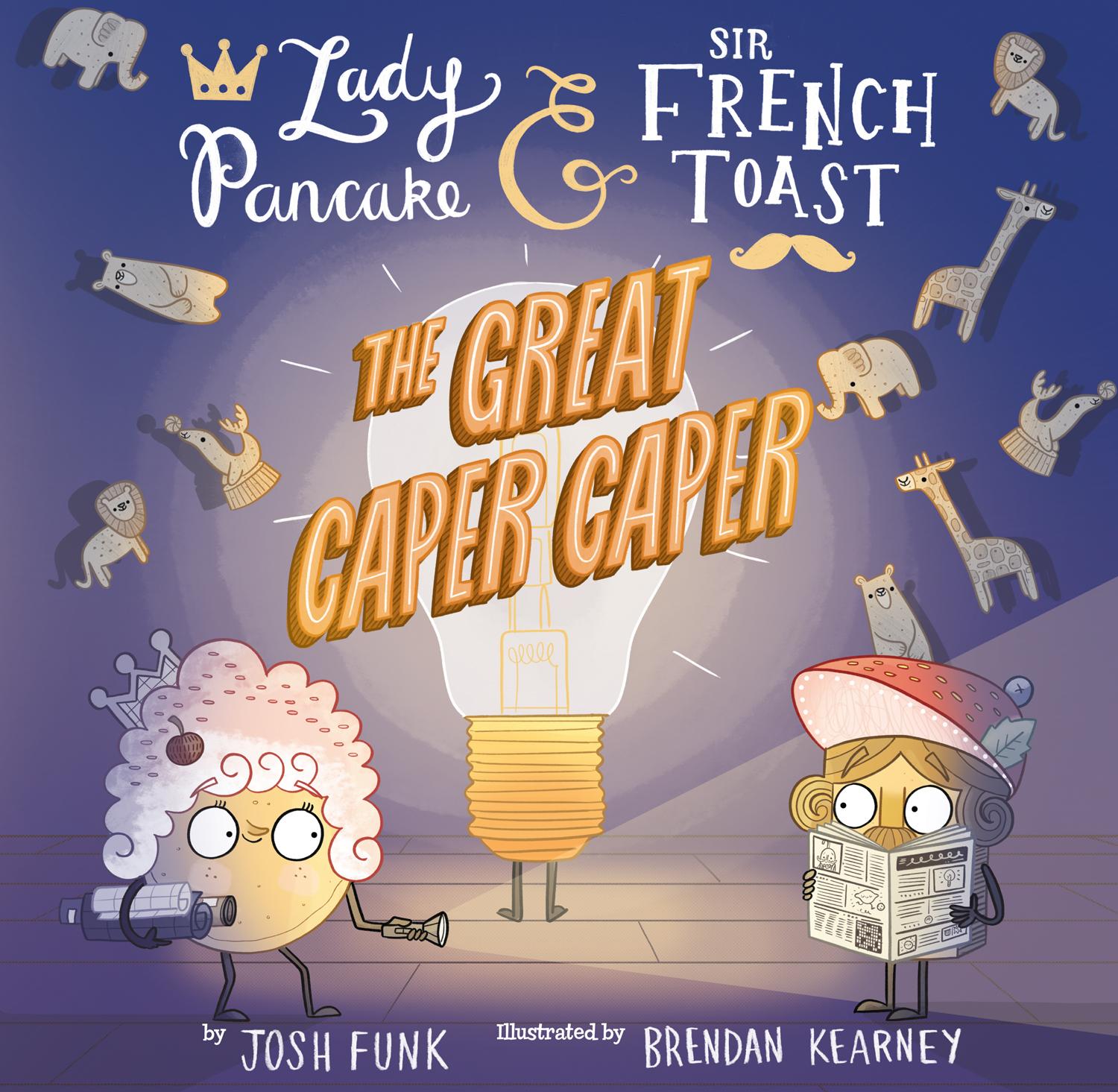
Author Guest Post: “Fridge Problems” by Josh Funk, Author of Lady Pancake & Sir French Toast #5: The Great Caper Caper

Share

“Fridge Problems”

First, thank you, Ricki and Kellee, for inviting me to post here at Unleashing Readers! It’s an honor to share on your awesome site.

As the fifth Lady Pancake & Sir French Toast adventure, The Great Caper Caper, was just released, I thought I’d share a little bit of what I talk about with students when I visit schools.

After reading one of the Lady Pancake & Sir French Toast books and discussing how I wrote it and how Brendan Kearney illustrated it and how long (three and a half years) it took from the time I came up with the idea until it was available on bookshelves, I like to get some volunteers and create some characters. I’ll usually ask students to share their favorite foods and jobs they want to have when they grow up – and then we mash them together and end up with Doctor Pizza. Or Professor Cupcake. Or President Peanut. And we’ll make up a little story with these characters, but it doesn’t really get good until we introduce the most important ingredient: Conflict.

I tell students that in a story, we always need our characters to encounter some sort of challenge. Or something bad has to happen that they have to overcome. Or maybe we need … a villain (at which point I’ll rebrand the principal or librarian or some faculty member to be someone’s least favorite food mixed with a super scary animal/monster/creature. Say hello to Evil Mushroom Spider. Or Moldy Broccoli Vampire).

But conflict isn’t always a villain. In fact, when I write the Lady Pancake & Sir French Toast series, the conflict rarely is a villain (at least not directly). It’s usually a fridge problem. And I always try to keep them relatively kid-relatable.

I ask myself (and students) the question: What is a problem that could happen in a fridge?

  • Have you ever fought with a sibling over the last slice of pizza or last cookie or last drop of syrup? That’s what happens in the original Lady Pancake & Sir French Toast (the two titular characters race for the last drop of syrup).
  • Have you ever opened the fridge and smelled something kind of funny? That’s what happens in The Case of the Stinky Stench (a rotten smell threatens to take over the fridge)
  • Have you ever opened the fridge and things were too cold and starting to freeze? That’s what happens in Mission Defrostable (the fridge starts to freeze over).
  • Have you ever been excited to eat something, but when you took it out of the fridge it was all moldy and spoiled and gooey and gross? That’s what happens in Short & Sweet (Lady Pancake and Sir French Toast start to go stale).

And in the newest book in the series, The Great Caper Caper, fridge problem is: Have you ever opened the fridge and the light bulb had gone out?

I believe it’s important that conflicts have high stakes (pun intended). The higher the stakes the more satisfying the ending will be when the characters overcome the challenges. Sometimes the conflict affects the entire fridge community. Other times it’s more personal and affects only our main characters, but those stakes can be just as important.

So when it’s time to break out a pencil and paper and everyone creates their own characters, I always try to ask one question as I go around to see what all of the students have come up with:

What is the worst thing that could happen to your character?

And when they answer that all of the ketchup and mustard and relish paint was stolen from Art Teacher Hot Dog’s classroom, I tell them that that is the story they should write. And I can’t wait to see how their characters solve those conflicts.

Published November 15, 2020 by Union Square & Co

About the Book: Lady Pancake and Sir French Toast are back in a Las Veggies heist for the ages!

Lady Pancake and Sir French Toast awake one morning to near-darkness. Who could possibly have stolen the fridge light? And what if the fridge is—gasp—dark all the time? Not to worry; Lady Pancake and Sir French Toast are on the case! Along with their friends, they assemble blueprints, collect supplies, and investigate. Will they bring the fridge back to its bright self, or will they have to live in semi-darkness . . . forever?

About the Author: Josh Funk writes silly stories such as the Lady Pancake & Sir French Toast series (including sequels The Case of the Stinky Stench, Mission Defrostable, Short & Sweet, and The Great Caper Caper), the How to Code with Pearl and Pascal series (including How to Code a Sandcastle and How to Code a Rollercoaster), the It’s Not a Fairy Tale series (including ​It’s Not Jack and the Beanstalk, It’s Not Hansel and Gretel, It’s Not Little Red Riding Hood, and It’s Not the Three Little Pigs), the A Story of Patience & Fortitude series in conjunction with the New York Public Library (including Lost in the Library and Where Is Our Library?), Dear Dragon, My Pet Feet, and more.

Josh grew up in New England and studied Computer Science in school. Today, he still lives in New England and when not writing Java code or Python scripts, he drinks Java coffee and writes manuscripts. Since the fall of 2015, Josh has presented (or virtually presented) at over 650 schools, classrooms, and libraries.

Josh is terrible at writing bios, so please help fill in the blanks. Josh enjoys _______ during ________ and has always loved __________. He has played ____________ since age __ and his biggest fear in life is being eaten by a __________.

For more information about Josh Funk, visit him at www.joshfunkbooks.com and on Twitter, Instagram, and Facebook at @joshfunkbooks.

Thank you, Josh, for this fantastic idea as well as your always present and loveable humor!