Author Guest Post: “Why Isn’t There More Science Fiction for Young Children?” by Emily Midkiff, Author of Equipping Space Cadets: Primary Science Fiction for Young Children

Share

Why Isn’t There More Science Fiction for Young Children?

Science fiction shapes how we respond to our technology-infused world. Research has shown that the more science fiction you’re exposed to, the more you are likely to critically think through the benefits and consequences of science. Many scientists and engineers have reported that reading science fiction as a child influenced the way they thought about science as a young person, potentially leading to their careers! Science fiction is also great practice for developing higher-order reading skills like inferencing, since futuristic worlds often have their own rules that the reader must figure out through clues and background knowledge.

However, very little attention is given to science fiction books for young readers, or what I call “primary science fiction.” It’s not included in most reading lists or school curriculum until high school. In Encountering Enchantment: A Guide to Speculative Fiction for Teens, Susan Fichtelberg recommends 12 years old as the best time to introduce science fiction. This age is a popular choice. The science fiction entries in the Oxford Encyclopedia of Children’s Literature and Keywords for Children’s Literature both cite age 12 as the time when most kids will discover and enjoy science fiction.

Why 12-year-olds, specifically? Back in 1762, a philosopher named Jean-Jacques Rousseau theorized that children really only reached “the age of reason,” as he called it, at age 12. Before then, he thought, they just didn’t have the capacity to really understand anything. He even advised that reading could wait until age 12! We’ve dismissed most of his theories, but some of it still sticks around, like the “age of reason” being 12. Even when we’re not consciously thinking about the “the age of reason,” that sentiment lives on when we assume that science fiction—and all of its complex thinking about science—is better for older readers.

Adults perpetuate a self-fulfilling prophecy about what children want, and this results in a low supply of primary science fiction books. Jon Scieszka once told me that his editors tried to convince him that children would be put off by the science in his science fiction series, Frank Einstein. An indie publisher told me that children’s science fiction doesn’t sell well, so they don’t acquire it often.

In order to test the idea that science fiction is less suitable for younger readers, I conducted a large study of primary science fiction and those results are published in my new book Equipping Space Cadets: Primary Science Fiction for Young Children. I counted over 120,000 books in elementary school libraries in almost every region of the US and found that science fiction books only make up around 3% of each library collection. I surveyed teachers and librarians and learned that they recommend science fiction to the occasional individual reader, but don’t pick it for lessons or storytime because they feel it is too scarce and too hard.

However, real children and books tell a different story! Even though only 3% of those library collections were science fiction books, I found that science fiction had more average check-outs per book than any other genre. When I read science fiction picturebooks with elementary students, I listened to them cleverly apply their reading skills to comprehend and engage with the genre’s questions about science. I read 357 primary science fiction books and found that the best ones included features to help even the youngest readers figure out the genre. It turns out that readers are well-suited for science fiction long before they turn twelve.

Now all that’s left is for us adults to begin to break the cycle of assumptions about science fiction. Buy it! Teach it! Share it!
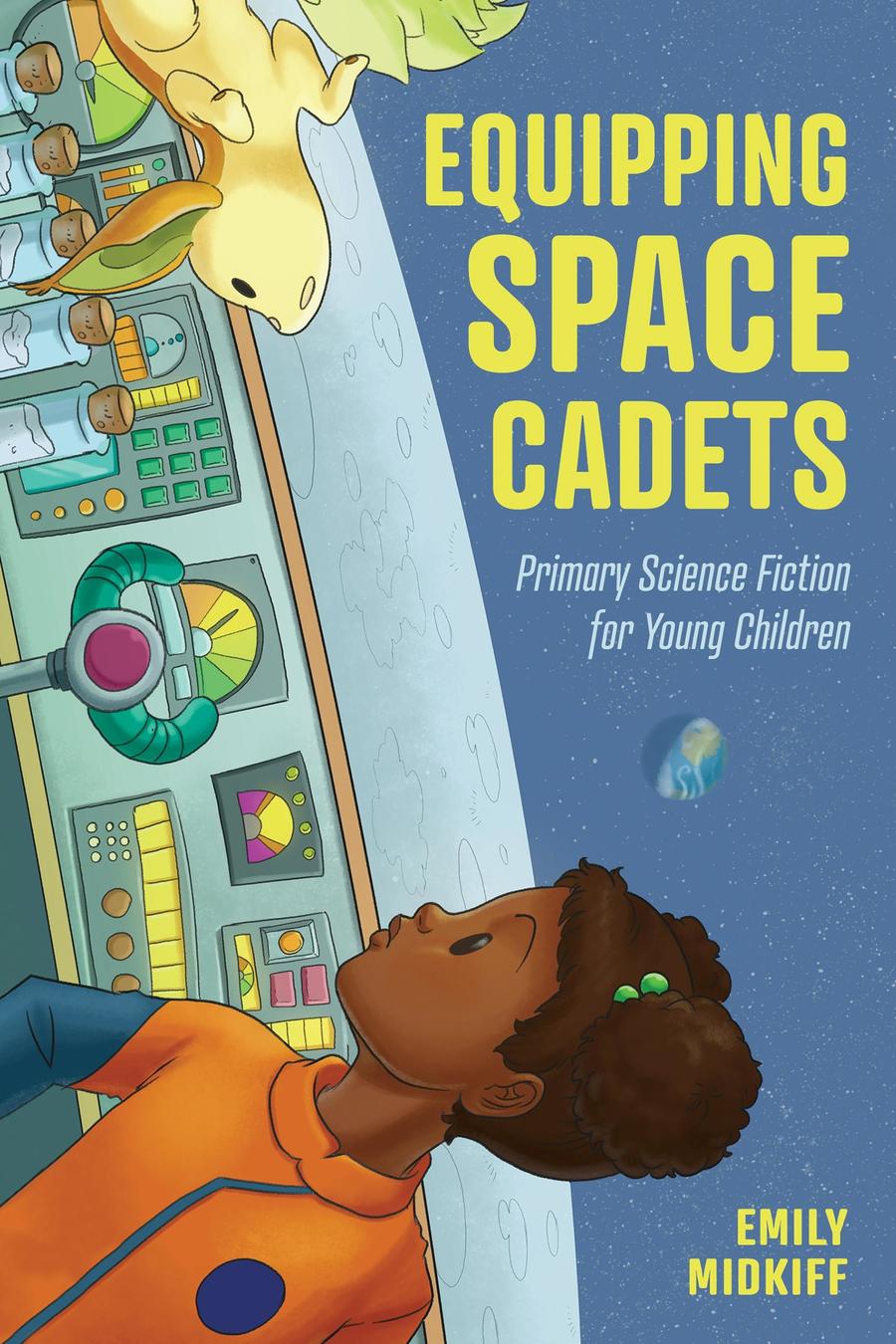
Published April, 2022 by University Press of Mississippi

About the Book: Equipping Space Cadets: Primary Science Fiction for Young Children argues for the benefits and potential of “primary science fiction,” or science fiction for children under twelve years old. Science fiction for children is often disregarded due to common misconceptions of childhood. When children are culturally portrayed as natural and simple, they seem like a poor audience for the complex scientific questions brought up by the best science fiction. The books and the children who read them tell another story.

Using three empirical studies and over 350 children’s books including If I Had a Robot DogBugs in Space, and Commander Toad in SpaceEquipping Space Cadets presents interdisciplinary evidence that science fiction and children are compatible after all. Primary science fiction literature includes many high-quality books that cleverly utilize the features of children’s literature formats in order to fit large science fiction questions into small packages. In the best of these books, authors make science fiction questions accessible and relevant to children of various reading levels and from diverse backgrounds and identities.

Equipping Space Cadets does not stop with literary analysis, but also presents the voices of real children and practitioners. The book features three studies: a survey of teachers and librarians, quantitative analysis of lending records from school libraries across the United States, and coded read-aloud sessions with elementary school students. The results reveal how children are interested in and capable of reading science fiction, but it is the adults, including the most well-intentioned librarians and teachers, who hinder children’s engagement with the genre due to their own preconceptions about the genre and children.

Equipping Space Cadets: Primary Science Fiction for Young Readers is available from all major retailers.

About the Author: Emily Midkiff teaches children’s literature and literacy at the University of North Dakota. She spent nine years performing fantasy stories alongside children for an improv children’s theater group, and she now studies children’s fantasy and science fiction stories with attention to what the children themselves have to say. Find out more about her at https://emidkiff.wordpress.com/

Thank you, Emily, for this wonderful post! This is a question we’ve often asked, so loved hearing your thoughts.

Endlessly Ever After: Pick Your Path to Countless Fairy Tale Endings! by Laurel Snyder, illustrated by Dan Santat

Share

Endlessly Ever After: Pick Your Path to Countless Fairy Tale Endings!
Author: Laurel Snyder
Illustrator: Dan Santat
Published

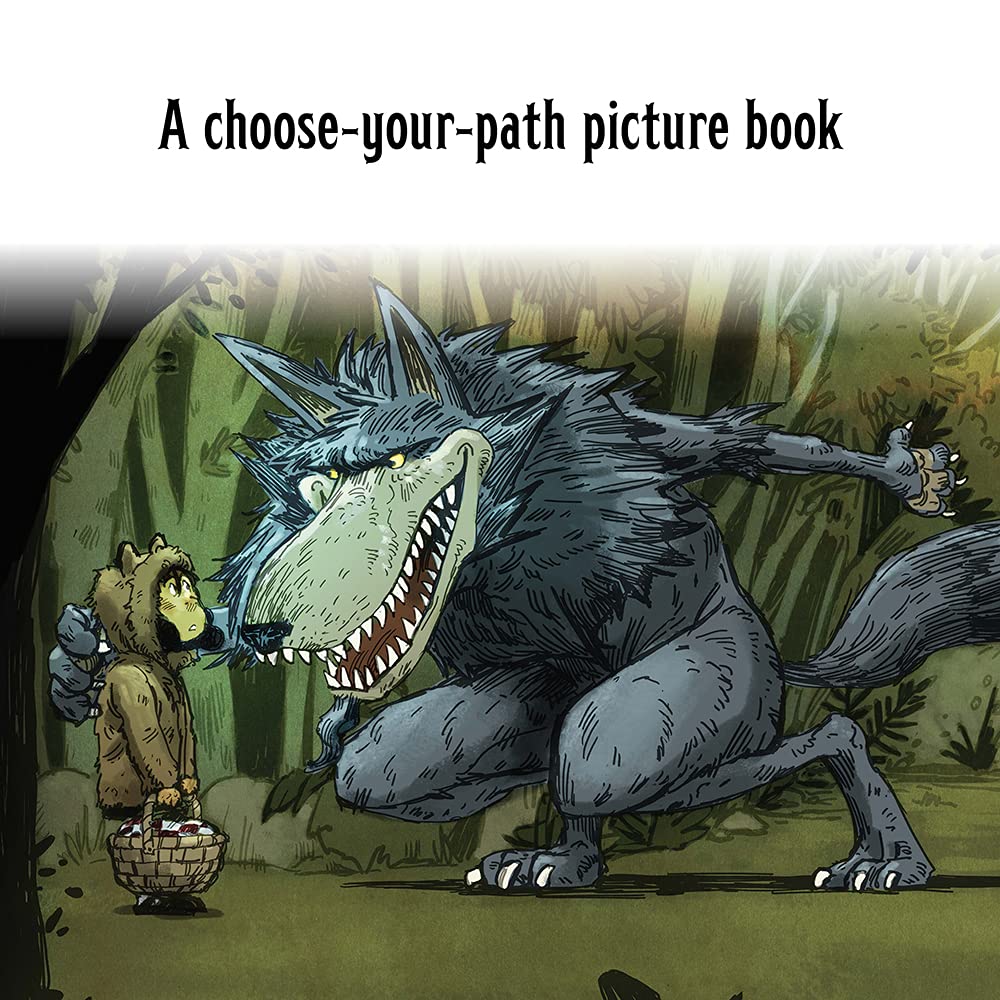
Summary: This funny, original choose-your-path picture book of fractured fairy tales will charm any young fan of the genre, putting the power of storytelling right in the reader’s hands!

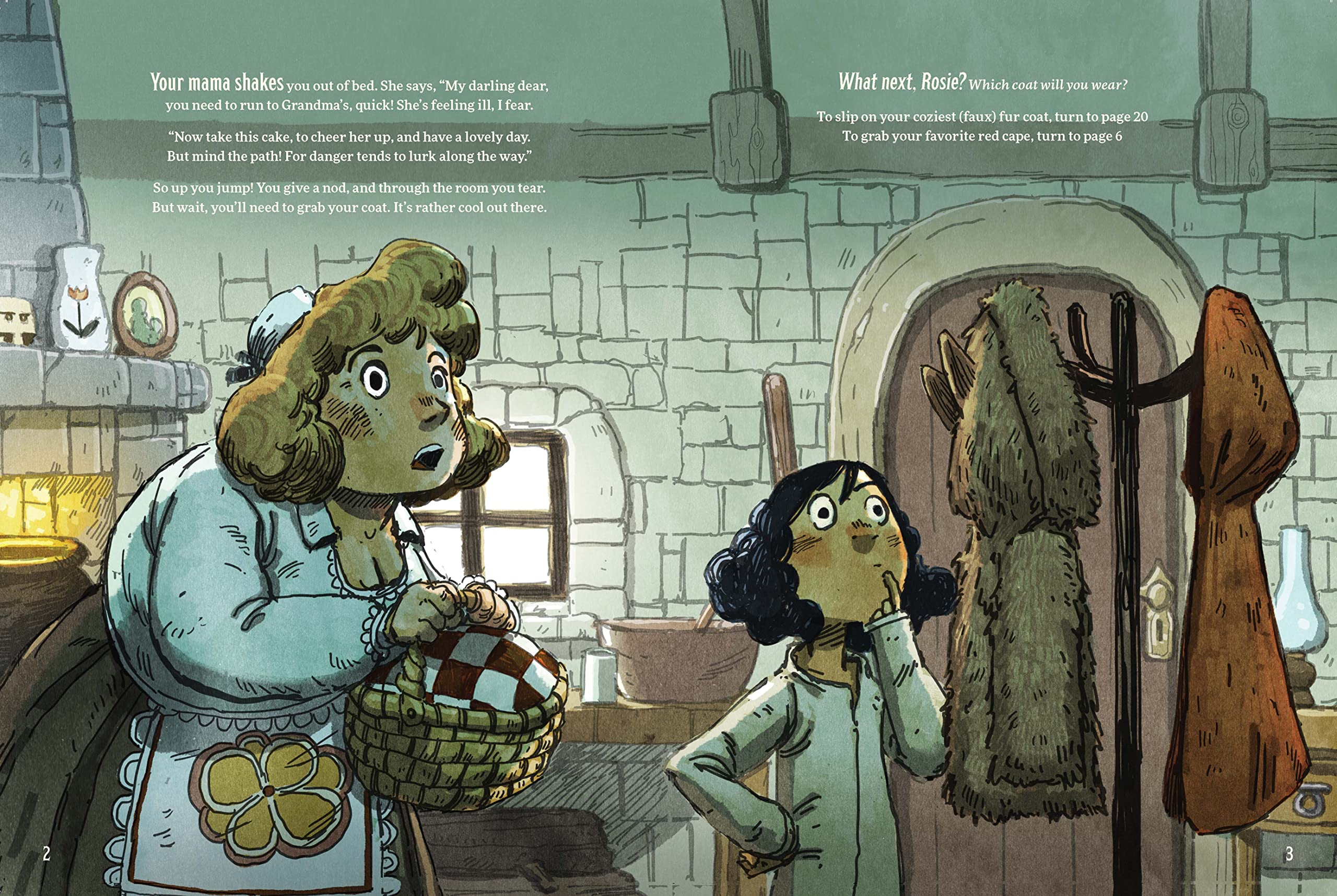
Grab your basket and your coat. Put on some walking shoes.
Turn the page and begin: Which story will you choose?

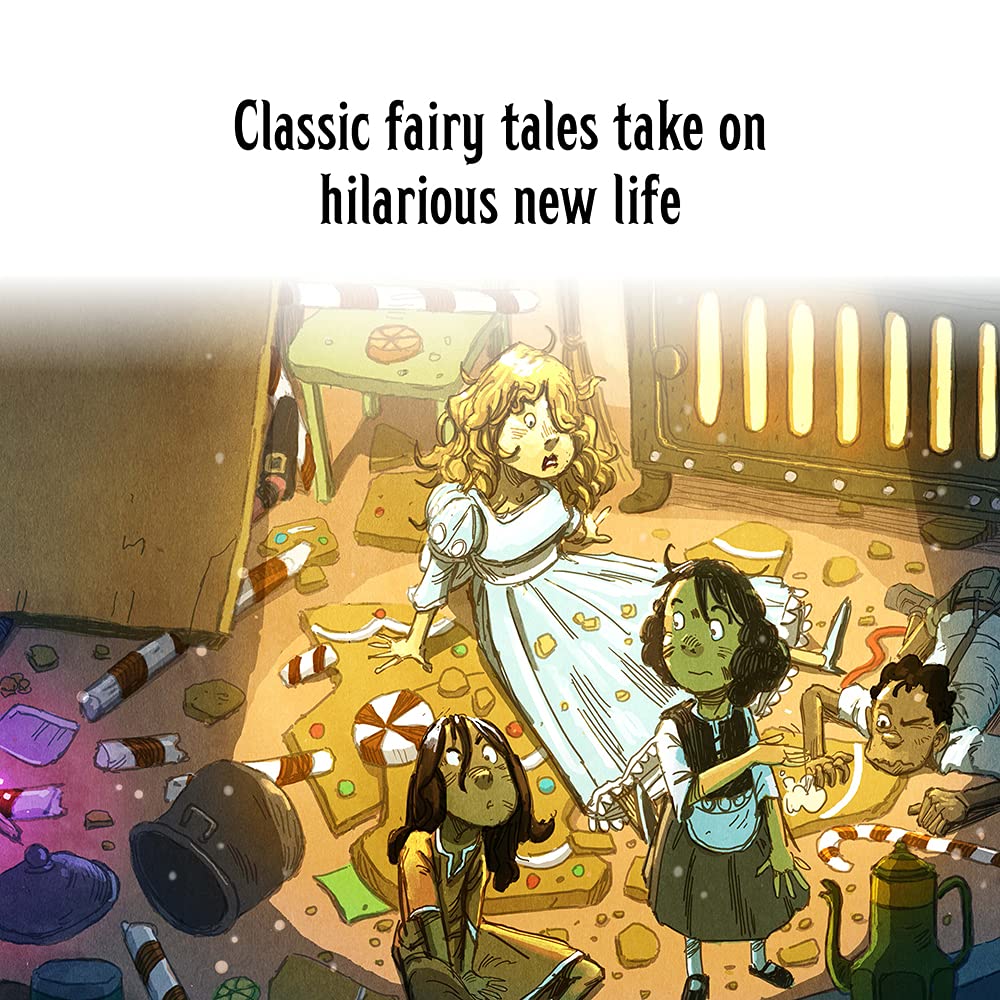
Award-winning creators Laurel Snyder and Dan Santat transform a crowd of classic tales into an ever-changing, fascinating, laugh-out-loud choose-your-path picture book, in which you may find a sleeping maiden, waste away in a sticky licorice cage, discover the gold at the end of a wild goose chase, or maybe (just maybe) save yourself―and the day!

GIVES YOUNG READERS THE POWER OF CHOICE: Where do you want to take the story next? Choice and autonomy are essential concepts for children to learn at a young age, and this choose-your-path picture book puts the decision-making power right in their hands.

FUNNY TWISTS ON CLASSIC FAIRY TALES: “The Three Little Pigs,” “Hansel and Gretel,” “Snow White,” “Sleeping Beauty,” “Little Red Riding Hood,” and more—characters and settings from these classic fairy tales take on hilarious new life in a brand-new story, just right for the youngest fairy tale fans.

TEACHES STORYTELLING BY EXAMPLE: This playful picture book offers young readers the chance to build their own narratives out of the decisions they make each step of the way, powerfully illustrating how a story is created and how it proceeds from beginning to middle to end. Both a teaching tool and an exciting adventure in its own right, this book is a great resource for learning storytelling.

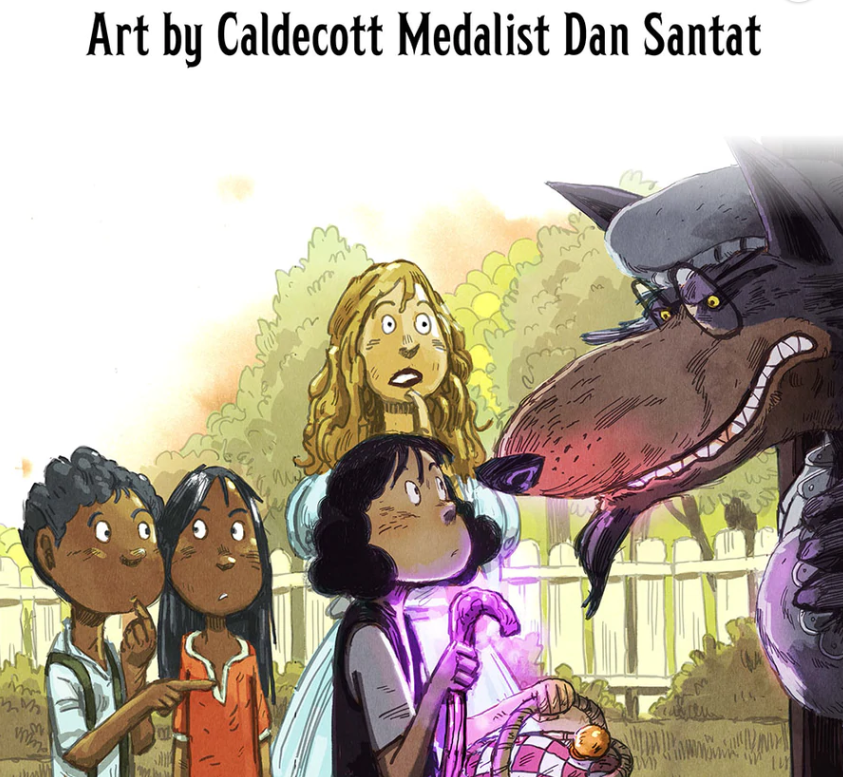
FABULOUS AUTHOR-ILLUSTRATOR TEAM: Laurel Snyder is the author of the Geisel Award–winning Charlie & Mouse early chapter book series. Her books have earned numerous starred reviews and Best Book designations, and her middle grade novel Orphan Island was longlisted for the National Book Award. Acclaimed artist Dan Santat has illustrated over 50 books for children, earning a Caldecott Medal for his picture book The Adventures of Beekle and the Asian/Pacific American Award for Literature for Drawn Together.

Perfect for:

  • Teachers and librarians
  • Lovers of fairy tales and fairy tale retellings
  • Readers who enjoy choose-your-path stories
  • Parents and caregivers seeking a story that will continue to surprise and delight, even after the 100th time through
  • Gift-givers looking for a beautiful present that can be read again and again
  • Anyone who appreciates clever, hilarious takes on classic fairy tales

Praise:

“Invoking myriad fairy tale scenarios throughout a cascading choose-one’s-path format, Snyder (the Charlie and Mouse series) builds a fairy story with logic gates. . . . Santat (The Aquanaut) romps lushly through this fairy tale universe, giving the folklore mainstays . . . an exaggerated, kinetic quality. . . . Readers accustomed to video game–style endings won’t be bothered by Rosie’s many demises; turning the page resumes the action and leads to more choices, and employing frenetic action right through to the end—er, ends.”
Publishers Weekly

“Grab your favorite outerwear (cozy coat or riding hood?) and your sense of adventure because Snyder and Santat have created a fun-filled fairy-tale mashup that puts kids in the driver’s seat. . . . [Endlessly Ever After’s] interactive nature, large trim size, and bold, full-bleed illustrations make it an excellent candidate for group sharing. There is also a fractured-fairy tale aspect to the stories featured, which ensures there are surprises around every corner. A highly entertaining read, full of possibilities.”
Booklist Reviews

“Multiple reader options give the woodsy road to Grandma’s house any number of surprise twists and diversions. . . . Some choices are hard but not this one: Pick it up!”
Kirkus Reviews

“[G]et comfortable; kids will insist on multiple readings . . . The humorously grim text is well matched with amusing illustrations that keep even the darker story elements lighthearted . . . Both text and art are endlessly clever.”
The Horn Book Magazine

About the Creators: 

Laurel Snyder is the author of many children’s books, including Swan, Hungry Jim, and Charlie & Mouse, which won the Theodor Seuss Geisel Award. A graduate of the Iowa Writers? Workshop, Laurel teaches creative writing at Hamline University and lives with her family in Atlanta, GA.

Dan Santat is a Caldecott-Medal-winning author-illustrator of many children’s books. An honors graduate of ArtCenter College of Design, in Pasadena, he is also the creator of the Disney animated hit The Replacements. Dan lives in Southern California with his wife, two kids, and various pets.

Review: Jim and I were just telling Trent about Choose Your Own Adventure books when this arrived, so I was very excited to see this book arrive, and it does not disappoint. If anything, it blew my description of the original series out of the water because of its cleverness, humor, suspense, fairy tale fracturing, and brilliant illustrations.

Snyder and Santat were the perfect team for this book! Snyder’s writing is lyrical and has amazing rhythm which makes the book a delight to read aloud. She also adds perfect twists to well known stories, giving them a new life! I was always so impressed at an author who can craft a book with multiple paths because the actual text structure must be so complicated, and there is no room for flaws; Snyder shows that she has the chops for this! Santat’s art brings it to life through modernized illustrations of our favorite fairy tale characters as well as some new characters, and as always his art is brilliantly crafted and just so much fun to look at!

All in all, a must pick up for any person who reads aloud to students–these 85 pages of adventure will reel them in!

Teachers’ Tools for Navigation: In addition to some reading analyses that will work perfectly with the text (prediction, cause/effect relationships, etc.), I would also love to see students work to create their own choose your own adventure stories. It gives them a chance to problem solve how to structure the story in addition to write the story. Chronicle’s activity kit has a great start for this activity.

Activity Kit: 

Discussion Questions: 

  • How does Endlessly Ever After compare to the original fairy tales?
  • What other fairy tale would you have liked to see get twisted in?
  • Were there any indications of the effects of your decisions before you chose what Rosie should do?
  • Before choosing the next page, predict what you think is going to happen.
  • How did the choice of illustrator add to the experience of reading the book?

Flagged Passages: 

Read This If You Love: Choose Your Own Adventure books, Fractured Fairy Tales

Recommended For: 

classroomlibrarybuttonsmall 

Signature

**Thank you to Chronicle Books for providing a copy for review!!**

It’s Monday! What Are You Reading? #IMWAYR 4/18/22

Share

It’s Monday! What Are You Reading?
Sharing Picture Books, Early Readers, Middle Grade Books, and Young Adult Books for All Ages!

It’s Monday! What Are You Reading? is a weekly blog hop co-hosted by Unleashing Readers and Teach Mentor Texts which focuses on sharing books marketed for children and young adults. It offers opportunities to share and recommend books with each other.

The original IMWAYR, with an adult literature focus, was started by Sheila at Book Journeys and is now hosted by Kathryn at The Book Date.

We encourage you to write your own post sharing what you’re reading, link up below, leave a comment, and support other IMWAYR bloggers by visiting and commenting on at least three of the other linked blogs.

Happy reading!

Bold_line

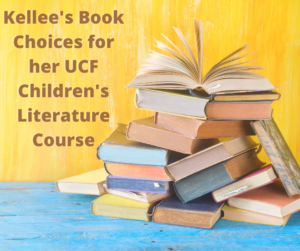
Tuesday: Kellee’s Book Choices for her UCF Children’s Literature Course

**Click on any picture/link to view the post**

Bold_line

Kellee

One-Punch Man, Vol. 2 by ONEワンパンマン 3 [Wanpanman 3] by ONERed Panda & Moon Bear by Jarod RosellóRed Panda & Moon Bear by Jarod RosellóSearch for the Swan Maiden by Todd Calgi GallicanoWish by Barbara O'Connor

  • One-Punch Man Vol. 2 & Vol. 3 by One: I was worried that this series was going to be repetitive, but the character development and change of conflict in each manga has kept me wanting to read. This is definitely a manga series I’m going to get for my school library.
  • Red Panda and Moon Bear and Red Panda and Moon Bear: The Curse of the Evil Eye by Jarod Roselló: Who wouldn’t love to read about two siblings that are fighting evil to keep peace in their neighborhood?! It is so fun! And I loved that there isn’t another graphic novel series I can compare it too–it is so unique.
  • Search for the Swan Maiden by Tod Calgi Gallicano: This is the third in the Sam London trilogy, and it had so many feels in it, and I cannot share any of them with you because it will spoil this and the past books, but trust me–all of you Riordan fans, pick up this trilogy!
  • Wish by Barbara O’Connor: WHY DID I WAIT SO LONG TO READ THIS BOOK?!? I am so glad that my 6th grade book club chose to read this book; I loved every second of reading it. It reminds me a bit of One for the Murphys by Lynda Mullaly Hunt, which I also loved. Such a special book!

Adult

The Storyteller by Dave Grohl

  • The Storyteller by Dave Grohl: Wow. You know all of the posts you’ve seen about how good this book is? Well, they are all true. And I highly recommend the audiobook because it is lovely to be read to by Dave Grohl. I loved that this book was about life that just happens to be of a rock star.

To learn more about any of these books, check out my 2022 Goodreads Challenge page  or my read bookshelf on Goodreads.

Bold_line

Kellee

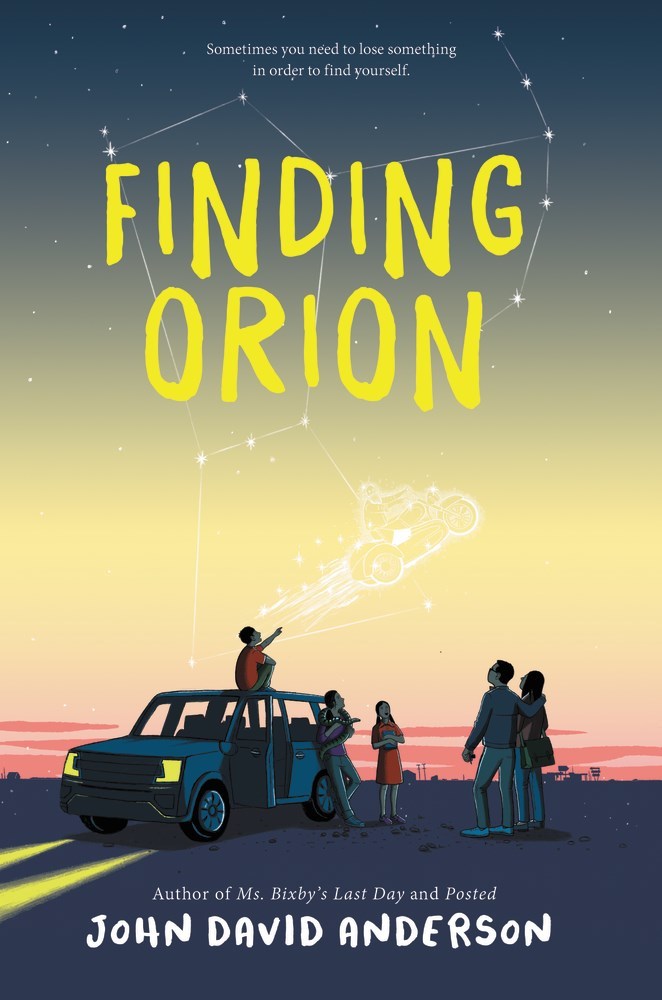
  • Currently reading: Finding Orion by John David Anderson (for my 7th grade book club!)
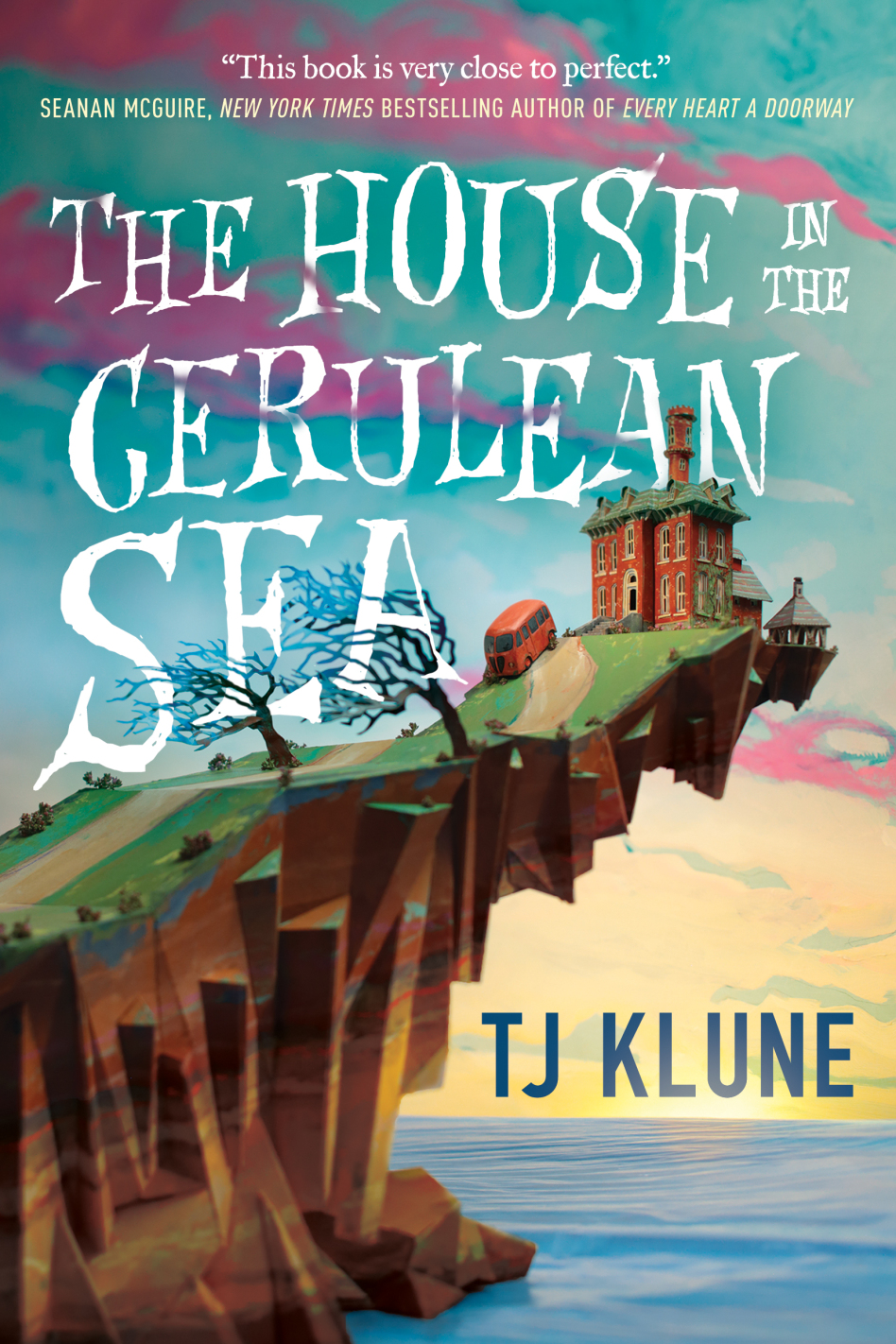
  • Currently listening: The House in the Cerulean Sea by TJ Klune

Bold_line

Tuesday: Endlessly Ever After: Pick Your Path to Countless Fairy Tale Endings! by Laurel Snyder, Illustrated by Dan Santat

Sunday: Author Guest Post: “Why Isn’t There More Science Fiction for Young Children?” by Emily Midkiff, Author of Equipping Space Cadets: Primary Science Fiction for Young Children

Bold_line

Link up below and go check out what everyone else is reading. Please support other bloggers by viewing and commenting on at least 3 other blogs. If you tweet about your Monday post, tag the tweet with #IMWAYR!

 Signature andRickiSig

Kellee’s Book Choices for her UCF Children’s Literature Course

Share

I am so lucky to have the opportunity to teach Children’s Literature this year at the University of Central Florida. To have the opportunity to work with future teachers are they determine their point of view as an educator is such an awesome experience. I am so glad to be part of their journey!

My favorite part of prepping this course was choosing what books I was going to include. Since I couldn’t choose just one or even a handful, I decided to follow Ricki’s advice and went with book clubs, and I really liked how it worked out.

The course is set up around a textbook that teaches by genres, so the book clubs followed the genres as they were introduced in the textbook. At each book club, students discussed their books then created teaching guides to share with each other, so by the end of the semester, students would have access to 45 different book guides filled with interdisciplinary opportunities, possible activities, and discussion questions.

Here are the books my students read:

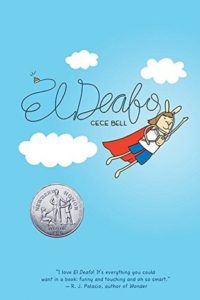
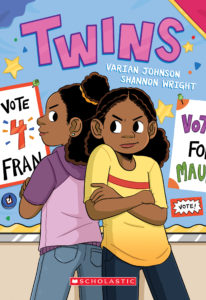
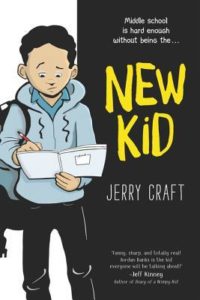
Graphic Novels

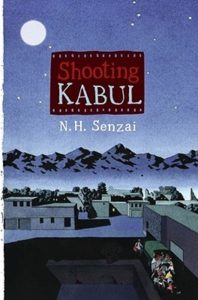
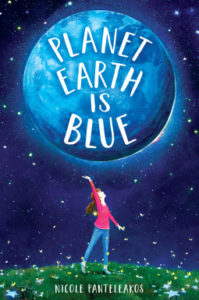
Fantasy & Sci-Fi

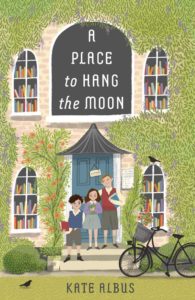
Realistic Fiction


*The Length of a String is dual genres: both realistic and historical fiction

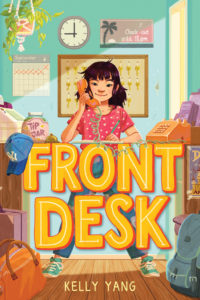
**We debated if Front Desk should have been in the historical fiction category instead of realistic fiction, and we came to the conclusion that it should have been, so I will move it in the future.

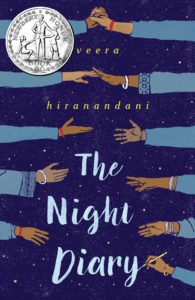
Historical Fiction

Nonfiction

And I threw in one short story anthology, too!

I’ve also loved exposing students to a variety of picture books both through read alouds weekly and through an illustration analysis activity. Here are the picture books my students have read with me:


So happy to be able to share these amazing books with my students!
Any thoughts on the books I shared? 

Signature

It’s Monday! What Are You Reading? #IMWAYR 4/11/2022

Share

It’s Monday! What Are You Reading?
Sharing Picture Books, Early Readers, Middle Grade Books, and Young Adult Books for All Ages!

It’s Monday! What Are You Reading? is a weekly blog hop co-hosted by Unleashing Readers and Teach Mentor Texts which focuses on sharing books marketed for children and young adults. It offers opportunities to share and recommend books with each other.

The original IMWAYR, with an adult literature focus, was started by Sheila at Book Journeys and is now hosted by Kathryn at The Book Date.

We encourage you to write your own post sharing what you’re reading, link up below, leave a comment, and support other IMWAYR bloggers by visiting and commenting on at least three of the other linked blogs.

Happy reading!

Bold_line

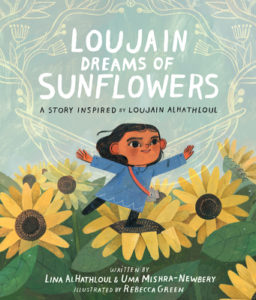
Tuesday: Educators’ Guide for Loujain Dreams of Sunflowers: A Story Inspired by Loujain Alhathloul by Lina AlHathloul & Uma Mishra-Newbery, Illustrated by Rebecca Green

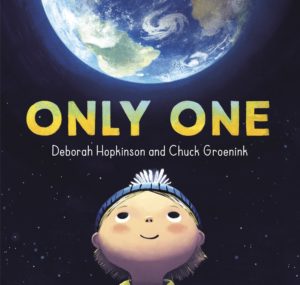
Thursday: Only One by Deborah Hopkinson and Chuck Groenink

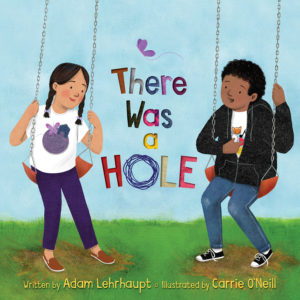
Sunday: Author Guest Post by Adam Lehrhaupt, Author of There Was a Hole

**Click on any picture/link to view the post**

Bold_line

Kellee

I’ve begun to do my long IMWAYR updates every two weeks, so I will do an update next week. But as always, to see what books I’ve been reading, check out my 2022 Goodreads Challenge page  or my read bookshelf on Goodreads.

Ricki

Sorry… My book edits are due tomorrow, so I am completely swamped! I will return soon!

Bold_line

Tuesday: Kellee’s Book Choices for her UCF Children’s Literature Course

Bold_line

Link up below and go check out what everyone else is reading. Please support other bloggers by viewing and commenting on at least 3 other blogs. If you tweet about your Monday post, tag the tweet with #IMWAYR!

 Signature andRickiSig

Author Guest Post: “There’s No Wrong Way” by Adam Lehrhaupt, Author of There Was a Hole

Share

“There’s No Wrong Way”

At it’s heart, There Was a Hole is a book about loss and helping readers learn a way to manage the complex emotions that come with it. These emotions can be BIG, scary, uncontrollable, and even unwanted. But that doesn’t mean they don’t exist. And it definitely doesn’t mean they should be ignored.

Everyone experiences loss in their lives. Even children’s book authors. Several years ago, I went through my own time of loss. As an author, my natural inclination in times like that is to look for books that deal with what I’m experiencing. Unfortunately, sometimes you just can’t find a book that lines up. When that happens, a good author takes matters in their own hands. They ask themselves; can I write a story that acknowledges the feelings I have. That shows they are valid, normal feelings everyone has? And most importantly, that there are things you can do to help yourself feel better?

It turns out that you don’t have to be a children’s book author to do this. Anyone can write a story for themselves. And the cool thing about writing for yourself, is that YOU get to choose what you write about. My path to writing this book is a long and winding one, but I’m going to lay out a few things that should help you write your own. Hopefully, writing your own story about loss, or fear, or whatever, helps you better understand how you are feeling and might even start you down the path of recovery.

First, and most important, there’s NO WRONG WAY to write a story for yourself. Writing the story doesn’t commit you to letting anyone read it. Remember, this exercise is for you and you alone. When, and to whom, you show your work is completely at your discretion. That said, here’s the steps I take when writing for myself.

  1. Come up with a great character name.
    We’re going to put this character through the ringer. It’s probably best not to give them your name. you don’t want to run yourself through the events we’re going to plan below. Pick a different name. Something cool. Something unique. Something fun to write about. Maybe Cleo, or Duke, or Ephemeralia. Any name you want.
  2. Decide what the big event should be.
    The main plot of our story will hinge on what this event is. It should be something extremely important to our main character. The bigger the event is to them the better. Maybe Cleo is a skiing champion who moves to a town with no snow. Or Duke’s pet gerbil passes away. Perhaps Ephemeralia has to start at a new school…with none of her best friends. These might not be huge issues to me, or even you, but they are MASSIVE for Cleo, Duke and Ephemeralia.
  3. Pick three bad things that our main character can do in response to this event.
    This is where the fun begins. What terrible, horrible actions can our main character take because of what happened to them? Do they yell? Do they scream? Are they scared to meet new people? Can they break something accidentally? Pick something you think might be scary, or would get you into A LOT of trouble. Once you have three, or more, put them in order from least bad, to most horrible.
  4. Think of something our character can do to atone for their actions.
    Sure, we’re talking about causing all kinds of trouble, but that doesn’t mean our character can get away with their behavior. In fact, until they acknowledge their actions, they will never be able to recover from the effects of the original event. So, how do they overcome, or at least address, the mess they’ve become making? They don’t need to make everything better, but it would help if they start down the path.
  5. Find a good place to sit and start writing.
    Now’s the moment we’ve been waiting for…writing. Don’t worry about making it perfect, or even good. Just get words down on paper. There’s plenty of time to revise and edit later. If that’s what you want. Remember, this is a story just for us. The key thing is to get it out. To write it. Once that’s done, you’ll already be on the path to recovery. The next steps are up to you.

Published March 15th, 2022 by Sleeping Bear Press

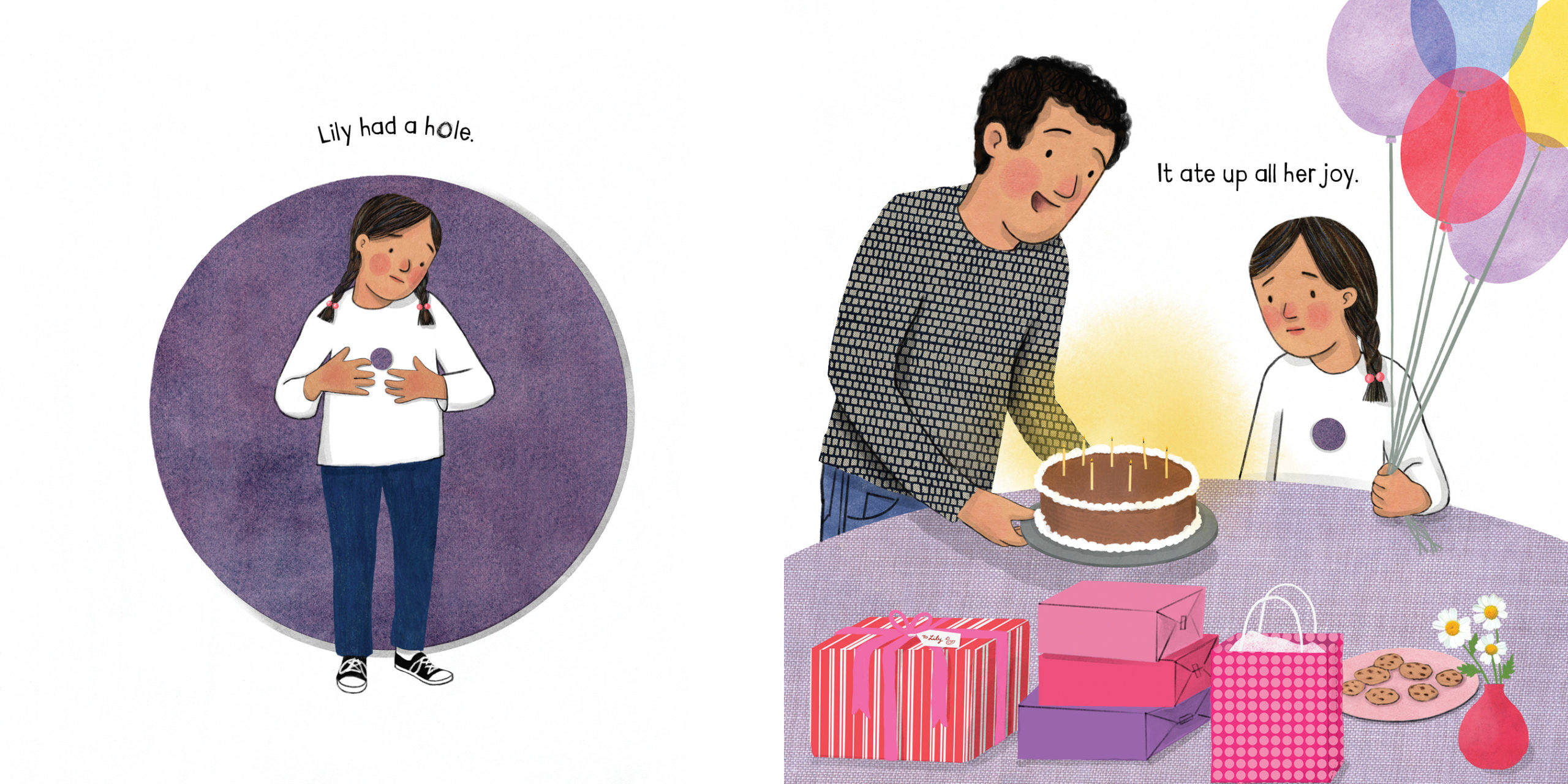
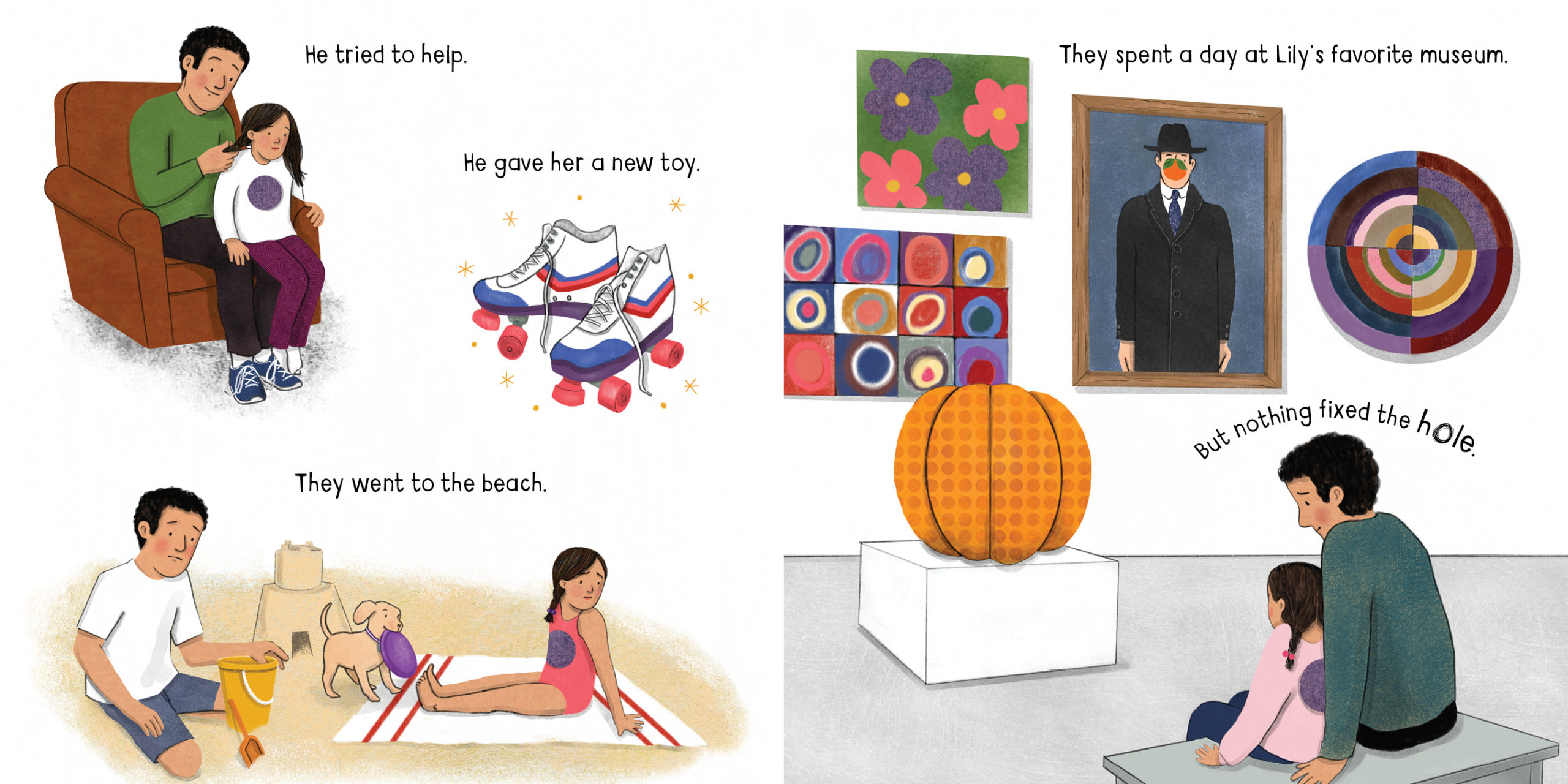
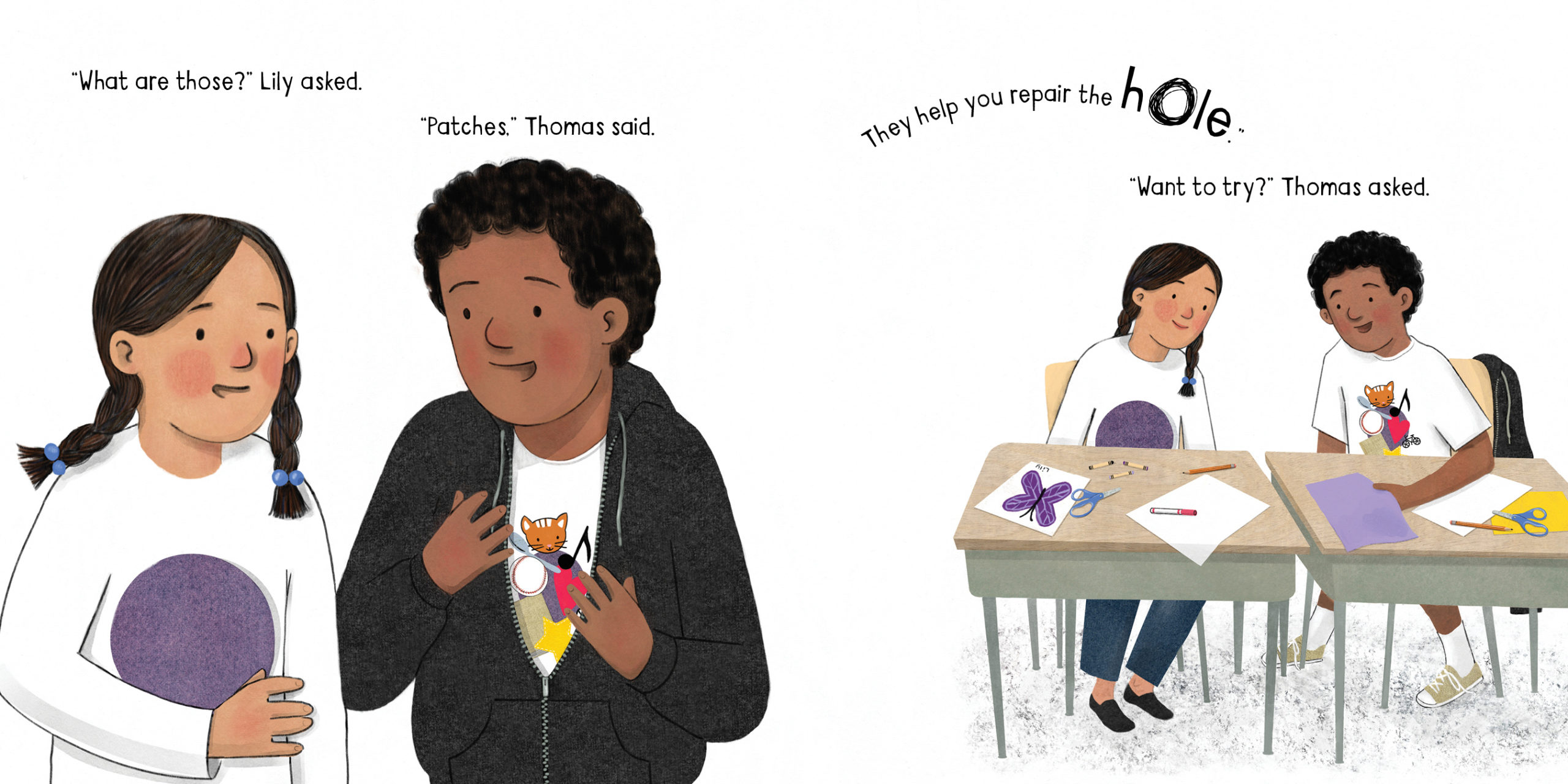
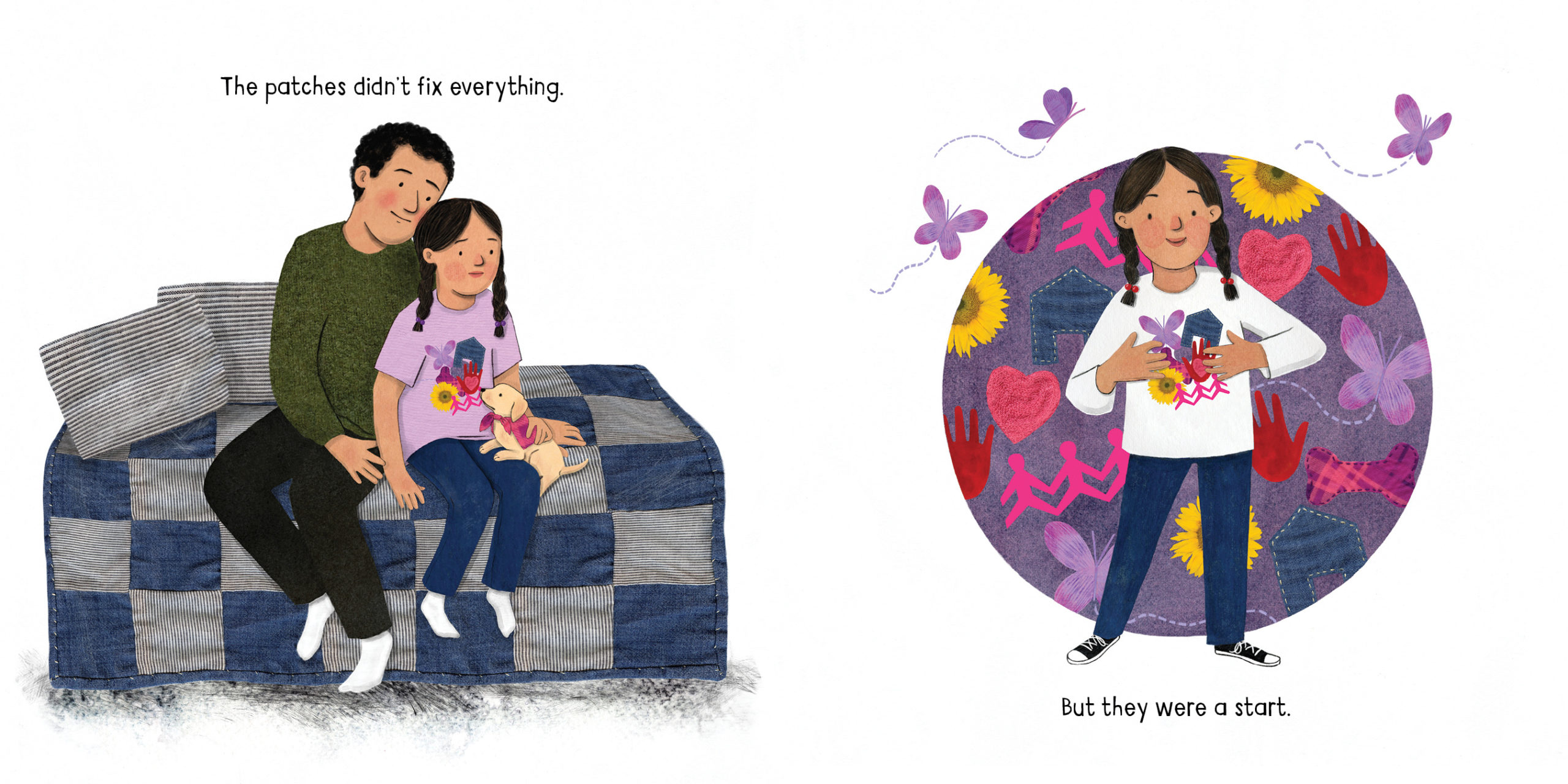
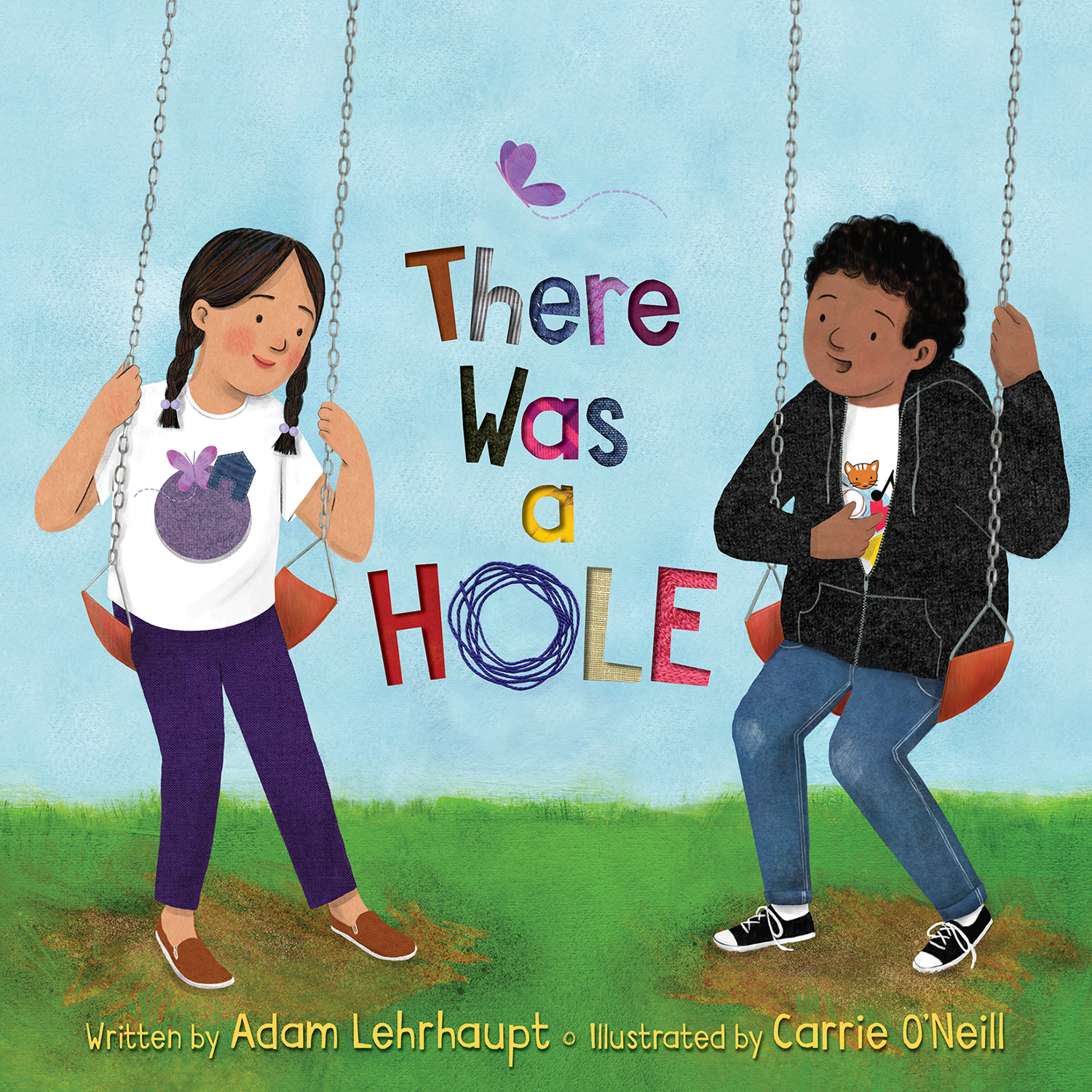
About the Book: Lily has a hole. It eats her joy, makes her angry, and–no matter what Daddy does to try to help–it just keeps growing. So Lily retreats. But a friend lets her in on a secret (he has a hole too!) and shows her the best way to repair holes: spend time on friends, family, the things you love, yourself, and kindness. Those patches don’t make the hole go away, but they help. A lyrical and age-appropriate story for learning to cope with grief and loss.

About the Author: Adam Lehrhaupt is the award-winning author of more than a dozen books for children, including Warning: Do Not Open This Book!Chicken in SpaceI Will Not Eat YouWordplayThis is a Good Story, and Sloth Went. He has traveled to six continents, performed on Broadway, and lived on a communal farm. He currently lives in the suburbs of Philadelphia, PA, with his wife and two sons. Follow Adam on Twitter and Instagram @Lehrhaupt, Facebook @adamlehrhaupt, and at adamlehrhaupt.com

Thank you, Adam, for this great guidance for writers!

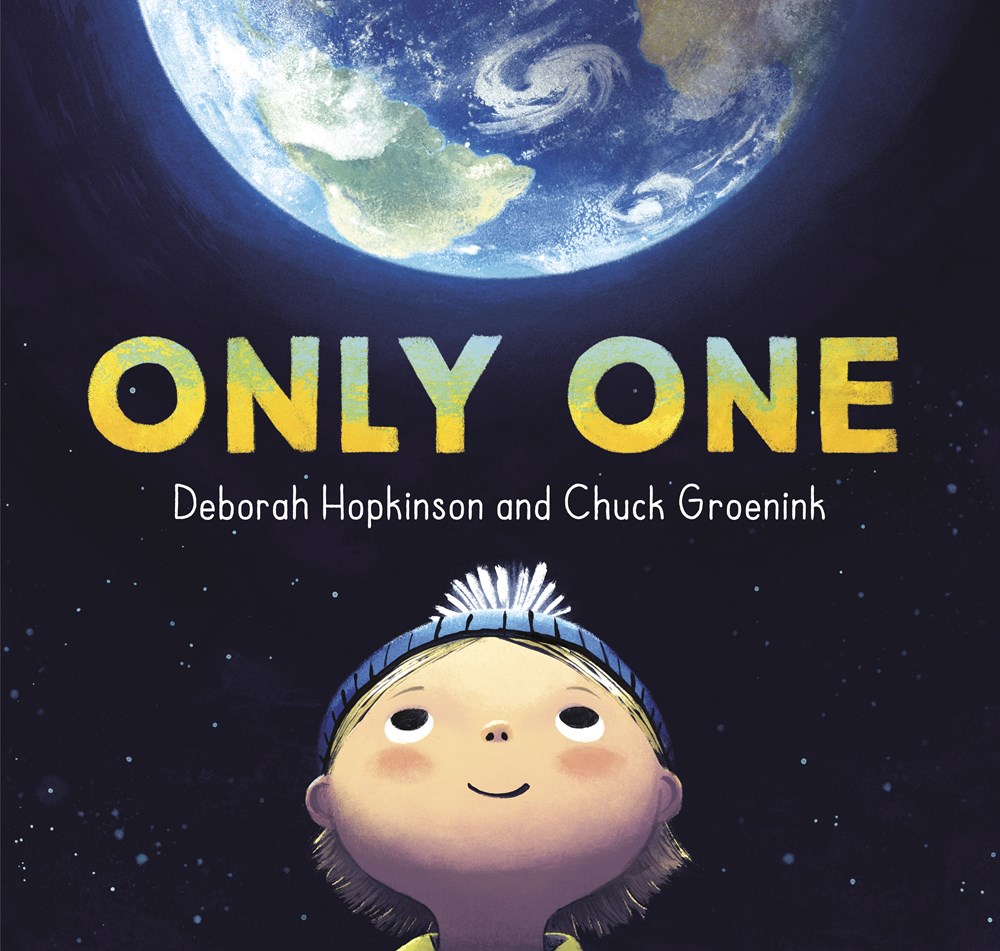
Only One by Deborah Hopkinson and Chuck Groenink

Share

Only One
Authors and Illustrator: Deborah Hopkinson and Chuck Groenink
Published April 5, 2022

Summary: This lyrical, environmentally focused picture book showcases the unique beauty of our one and only universe–its galaxies, stars, and planets–as well as our one and only Earth and the precious life it contains.

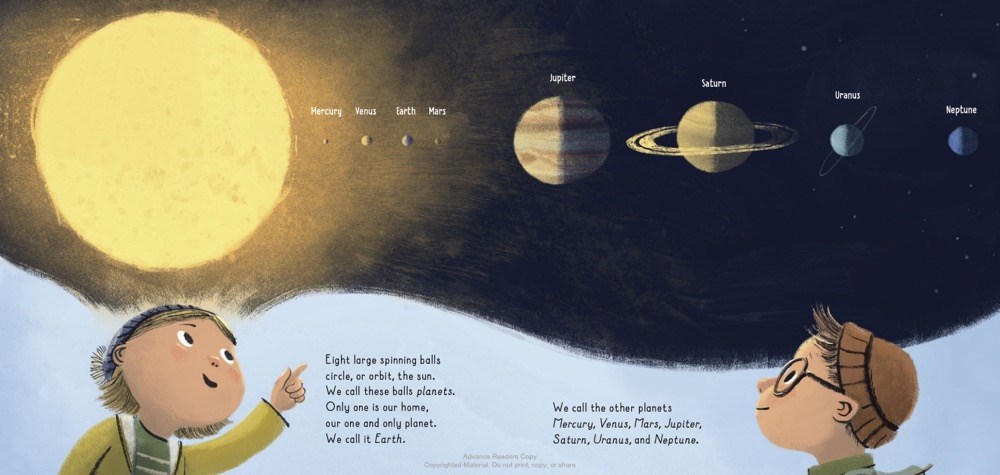
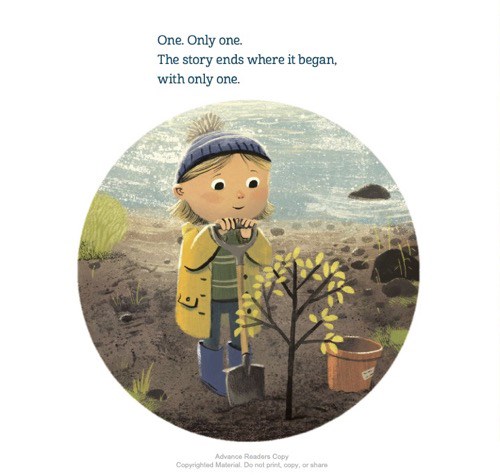
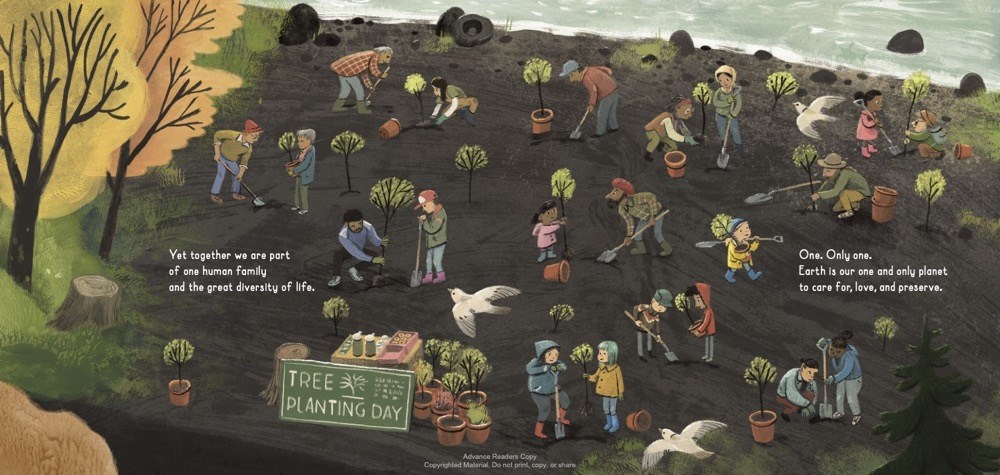
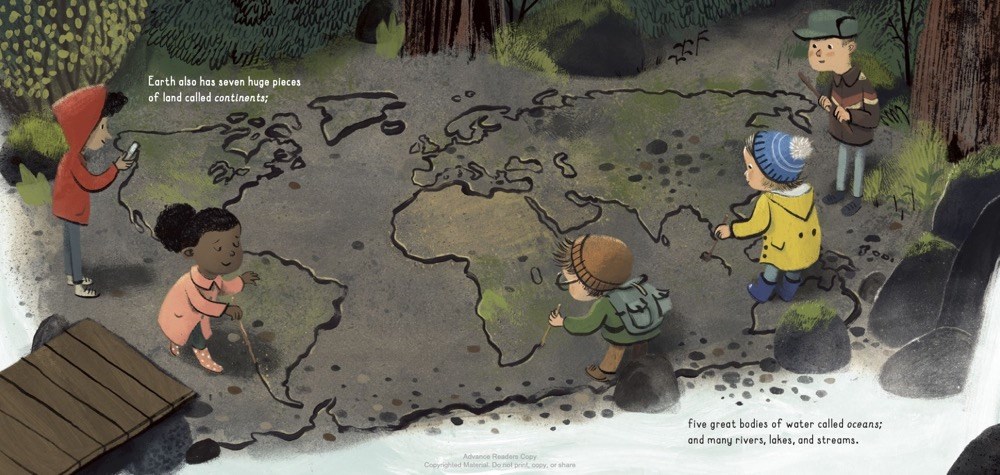
Join one girl as she leads her friends to a tree-planting ceremony. Along the way, she explains in simple language the value of the universe and Planet Earth. Readers will see the Big Bang, the Milky Way, all the planets in the solar system, as well as Earth’s atmosphere, and the life within it: its oceans, trees, bugs, and seven billion human beings. Finally, the girl and her friends plant a tree–doing one small thing to help their one special planet.

Both informative and inspiring, here is a beautifully written and gorgeously illustrated science picture book about our universe that will encourage young readers and listeners to protect and preserve the environment.

ReviewThe cover drew me right in, and I was NOT disappointed! I loved how this book offered a wide scope of topics within space, science, and the environment, yet it felt very connected by a common theme. This is my book of choice for Earth Day (and every day!). It captured the attention of all three of my own children, who each have different interests. I’ve read it so many times in the last week (to whichever child is requesting it) that I am starting to memorize it! I love how it talks about space, the stars, the Big Bang—yet it also talks about caring and tending for Earth and working together.

Teachers’ Tools for Navigation: I would love to see kids create a spread that could be added to Only One. Maybe, for instance, they might write a spread about protecting water or perhaps they might choose an aspect of space that is of interest. Whatever the choice, they could research the topic before they create their spread. The teacher could post them to a bulletin board or bind them together in a book.

Discussion Questions: 

  • What did you learn?
  • Which spreads were most inspiring to you, and why?
  • What is the “Only One” in this book, and why does it matter so much?
  • What is your role in protecting the Earth?

Flagged Spreads:


Read This If You Love: Science, Space, Earth! My First 4.54 Billion Years by Stacy McAnulty; You Come to Earth by Sophie Blackall

Recommended For: 

classroomlibrarybuttonsmall closereadinganalysisbuttonsmall

**Thank you to Barbara at Blue Slip Media for sending a copy for review!**