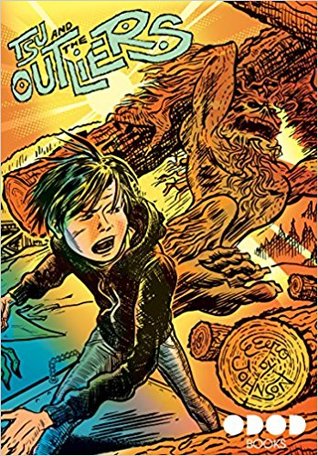
Tsu and the Outliers
Author: E. Eero Johnson
Published May 8th, 2018 by odod books
Summary: Tsu and the Outliers is a graphic novel about a non- verbal boy whose rural existence appears unbearable until rumors of a monstrous giant upend his mundane life. Tsu finds himself at the center of the mystery, as his strange metaphysical connection with the creature is revealed.
As the dragnet closes in, Tsu is forced to choose between a dangerous path leading beyond the periphery of human perception or a life without his only friend.
About the Author: E. Eero Johnson (Erik T. Johnson) is a Minneapolis-based illustrator, graphic designer, and comic book artist. His illustrations have appeared in GQ, The New Yorker, Newsweek, Wired, and The New York Times, and on several book covers. His comic book projects, The Outliers and Kozmo-Knot, have gained a growing interest from the indie comic world. He lives with his wife, Tammy, sons, Emmett and Eilif, and a crazy Boston terrier.
Review: Tsu and the Outliers is an interesting look at a new type of superhero: a young non-verbal boy who is able to communicate with a creature that his world is afraid of. There are some interesting discussion points when it comes to bullying since Tsu is judged by his classmates because of his disability. This is a big theme during the beginning of the book as we get to know Tsu. The creature also ends up being a Sasquatch and they are being chased by a chupacabra-like creature which introduces North American folklore. Overall, the story is pretty crazy (in a good way), and the end of the book sets up for a definite sequel which I NEED because Tsu makes a crazy decision at the end of the book with no explanation.
Teachers’ Tools for Navigation: Use the scene where Tsu is bullied by Jespers to start a dialogue about bullying. Discuss why the scene makes them angry and uncomfortable and what could have been done by others to help Tsu. Have students create anti-bullying advertisements to share in your school.
When mythology and folklore are discussed, the focus is primarily on Greek, Roman, and Egyptian. Use Tsu and the Outliers to discuss North American folklore including the Sasquatch and chupacabra. Have them research the tales about these creatures and create their own myth with them in it. Also, as a class, discuss the difference between the characters is Tsu and traditional folklore.
Discussion Questions:
What foreshadowing was there to show that Tsu was more than what everyone assumed?
Tsu’s lack of verbal communication in the end of the book ended up not being a disability. What do you think caused it?
Why do you think Tsu made the choice he did at the end of the book?
Why do you think Tsu’s mother made the claim she did at the end of the book covering up for Tsu?
Why does the Chimpanzee-professor want Tsu?
Flagged Passages:
Read This If You Love: Superpowers, Folklore, Superhero comics
Recommended For:
**Thank you to odod books for providing a copy for review!**
I’m very lucky to have many graduate level teachers that helped give me such a solid foundation during my first few years of teacher. Then, when I started teaching I couldn’t have asked for a better mentor who would never answer my questions, only would question me back, teaching me to reflect and learn. And now I am surrounded by so many teachers that mold and shape and inspire me. But it is my high school senior high school English teacher that means more to me than any other teacher I’ve had. I originally shared my story about her here on Unleashing Readers in June, 2016, but I cannot not share it enough.
Ms. Haley
I was a straight A student in middle school, but when I moved to Lakeland, FL a month into 9th grade, I struggled with much, including school work. I just didn’t find joy in school any more. I’m just glad that teen Kellee kept a goal in mind (I WAS going to college!), so I kept my GPA enough to still be doing okay. But I definitely wasn’t a stand out student; however, I was still a bit cocky because I knew I didn’t have to work hard to get by. But then I entered Ms. Haley’s classroom.
Let me give you a bit of a background on Ms. Haley. By the time I had her, she was 82 years old and had been teaching for over 60 years. She was teaching in a building named after herself. She was Lawton Chiles’s English teacher. She didn’t get married because she was “too smart” to be a wife. She took off two weeks in December every year to travel to an international destination. She showed the “Romeo & Juliet” movie that had a breast in it. She meant everything she said and said anything she wanted to. She was a legend.
Right away, Ms. Haley and I butt heads. She was not going to put up with what I’d been giving my other teachers. For some reason, she decided to not ignore me, to not put up with my C+ work, and to challenge me. And I took her challenge. I don’t remember exactly what happened (I was probably passing a note or talking in class), but I got in big trouble, and I remember her talking to me and telling me that I wasn’t dumb, and that I had a chance to be something. That I was an excellent reader and writer. That I had a real future. I’d always known I’d go to college, because that’s what you do…, but I’d never had a high school teacher tell me that I was exceptional at something. This easy statement from her to me changed everything. I let her TEACH me instead of just talk at me. And that woman could teach; I am forever lucky to have spent a year with her, and I chose English as a degree because of her. There is a chance that I would have continued down a very different path without her.
This woman inspires me personally and professionally. Before I entered the teaching program at the University of Connecticut, I knew about Wendy. Her positive reputation was far-reaching. My peers and I were, quite simply, enamored with her pedagogical prowess. She taught in ways that were inspirational. Wendy showed she cared deeply for us, and we cared deeply for her. Several of us joked that Wendy was “Mama Glenn.” She was fiercely protective of our needs and helped us throughout the program in anything that we needed.
When I became a high school teacher, I thought of her daily. After speaking with other graduates, I realized that I was not alone. We agreed that we were constantly “channeling Wendy” as we worked to develop responsive, engaging lessons. She welcomed us to join her during presentations at local and national conferences, and we all gathered to learn and grow through professional development. It didn’t matter which cohort we came from. We’d all had her as a professor, and we felt a sense of unity because of this. After six years of teaching, I realized that I wanted to go back to school for my doctoral degree. After asking Wendy a few hundred questions, I took a big gulp and applied.
In the four years that I worked toward my Ph.D., Wendy met with me weekly. She listened to every concern and question I had, she wrote with me, she helped me learn about the world of academia, and she taught me so much more than I could name in a blog post. I would not have gone back to earn my doctoral degree if Wendy hadn’t been so wildly inspirational to me. It was the best decision I have made, and I am so grateful for this woman’s impact on my life.
I hit the jackpot, and we both work in Colorado at different universities. This means that I am fortunate to be able to continue working with this woman by my side. I recognize that this makes me the luckiest woman alive!
Who is a teacher who inspired/inspires you?
And remember, say thank you to teachers. It means more than anything else.
It’s Monday! What Are You Reading? From Picture Books to YA!
It’s Monday! What are you Reading? is a meme started by Sheila at Book Journeys and now hosted by Kathryn at The Book Date. It is a great way to recap what you read and/or reviewed the previous week and to plan out your reading and reviews for the upcoming week. It’s also a great chance to see what others are reading right now…you just might discover the next “must-read” book!
Kellee and Jen, of Teach Mentor Texts, decided to give It’s Monday! What Are You Reading? a kidlit focus. If you read and review books in children’s literature – picture books, chapter books, middle grade novels, young adult novels, anything in the world of kidlit – join us! We love this meme and think you will, too.
We encourage everyone who participates to support the blogging community by visiting at least three of the other book bloggers that link up and leave comments for them.
Thank you for all the Jim happy birthday wishes last week! 🙂 Here is my two week update:
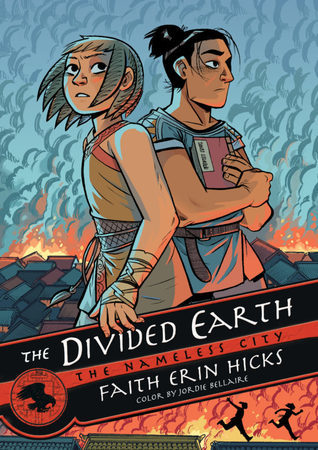
The final book in the Nameless City series is a perfect conclusion to the story. If you haven’t read this graphic novel series yet, it is one of my favorites; you should definitely pick it up!
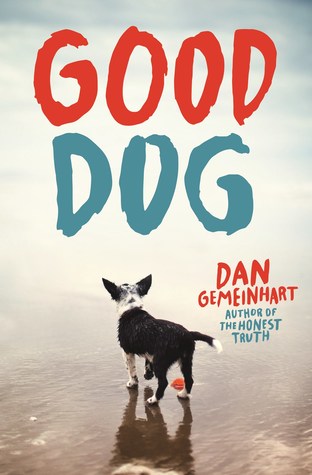
Good Dog by Dan Gemeinhart is such an interesting look at the after life, and be on the look out for a tie-over from The Honest Truth.
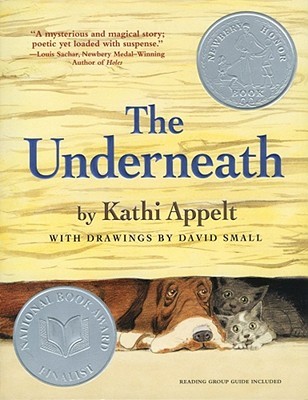
I was so happy to celebrate the 10th anniversary of The Underneath last week!
I look forward to reviewing Tsu and the Outliers for you this week!
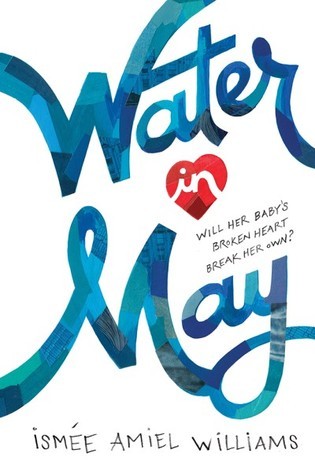
I’m working on a special project with Water in May by Ismée Williams that I will share with you when I am finished. Until then, I just want to say how happy I am to see diversity in Latinx and Hispanic representation in a book! My students are primarily from South American, Puerto Rico, and the Dominican Republic, and many talk to me about not seeing themselves in books, so I am so happy to have met Mari, a Dominican-American teen.
On the advice of Michele Knott, I decided not to listen to First Rule of Punk since it has visuals that are essential to the story, instead I got:
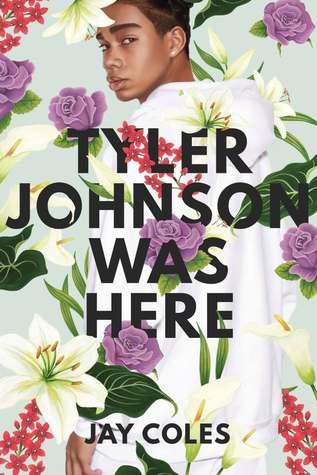
Tyler Johnson Was Here by Jay Coles is as beautiful as its cover. I loved Marvin, our narrator, and his story. If I can ever figure out how to put into words why this is one of my favorite YA novels I’ve read recently, I’ll write a review.
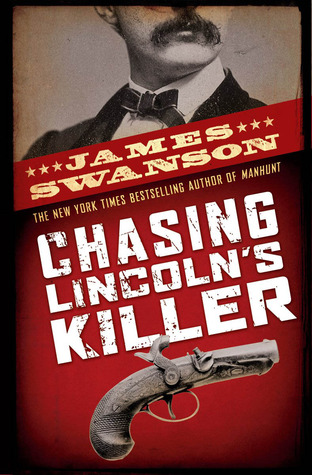
Chasing Lincoln’s Killer by James Swanson was EPIC! Wow. My students have read this book for years and told me it was one of the best nonfiction books they’ve ever read, and I’m so glad I finally got to it. Booth’s assassination plot was so crazy, and th manhunt after Lincoln’s assassination was even crazier!
With Trent:
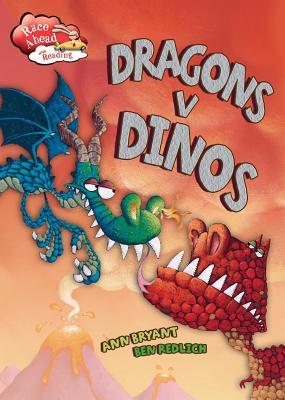
Dragons v. Dinos by Ann Bryant and Ben Redlich is an early chapter book that Trent and I read/listened to while driving to school over two days. I love the “read-to-me” options on Hoopla because it allows Trent to have the audiobook and the book. This story led Trent and I to have a great conversation about judging and acceptance which is a win-win to me!
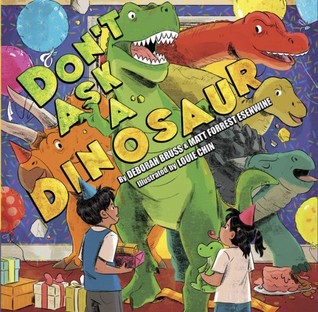
I loved being part of the Don’t Ask a Dinosaur blog tour, and I shared Trent’s opinion in my review.
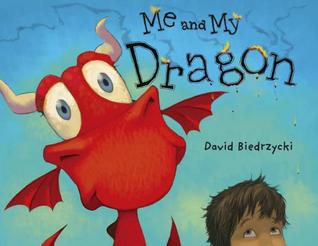
Continuing our dragon audiobook streak, Trent picked out Me and My Dragon by David Biedrzycki. While I didn’t like the narrator very much, that didn’t seem to bother Trent at all. We have listened to this over 3 mornings now.
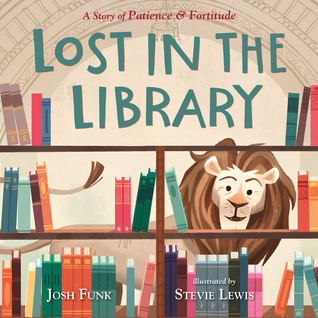
This weekend I received a surprise F&G copy of Lost in the Library by Josh Funk in the mail (SQUEE!!!!). Now, I promise to do a formal review on this one after I get a finished copy, I just want to say I love reading Josh’s words out loud and Stevie Lewis’s illustrations are perfection.
Ricki
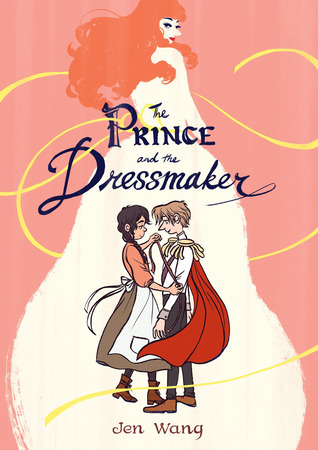
This week, I made progress on most of my books, but I didn’t finish many. I read The Prince and the Dressmaker by Jen Wang and loved it. Kellee recommended it to me. It’s fantastic.
Next week is finals week for us, so I am sorry I don’t have much to report. I read many students’ unit plans this week, though, and there are some incredible teachers entering the profession. 🙂
This Week’s Expeditions
Kellee
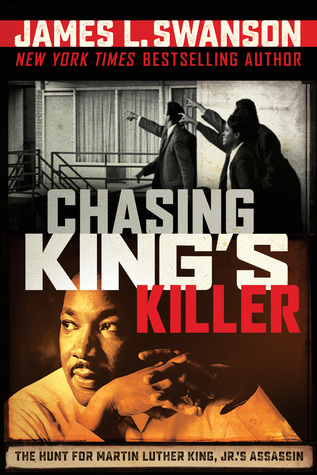
Now I’m on a James Swanson kick, and I am going to listen to Chasing King’s Killer next. I am digging learning about history!
We’ve started in -class book clubs (an alternate version of lit circles) in class, and I have a group of students who chose Somewhere in the Darkness, which I haven’t read. I plan on keeping up with them to allow me to take part in their meetings.
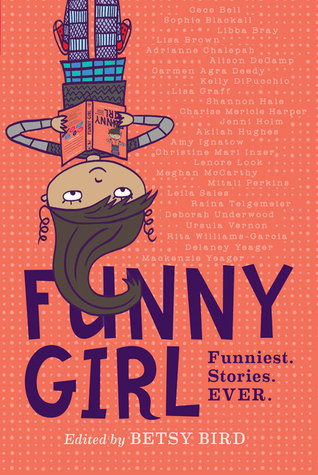
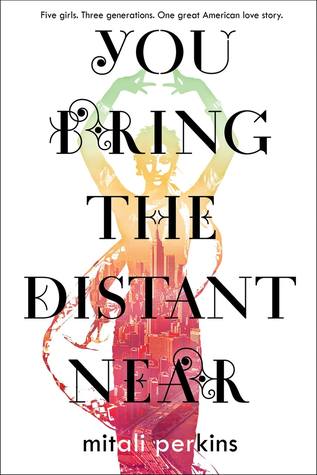
Our next Skype visit on the 18th is with Mitali Perkins, and I definitely need to read more of her work. I am going to start Funny Girl and hopefully You Bring the Distance Near this week (I’m also going to reread Perkins’s story from Open Mic which has the same characters as Distance when I’m finished).
Ricki
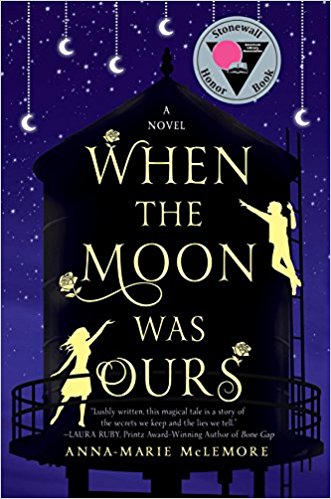
I hope to finish When the Moon Was Ours by Anna-Marie McLemore. It is simply fantastic, and I am kicking myself for not reading it when it first came out.
Upcoming Week’s Posts
Tuesday: Teacher Appreciation Week!: Teachers Who Inspired Us #ThankATeacher
Wednesday: Tsu and the Outliers by E Eero Johnson
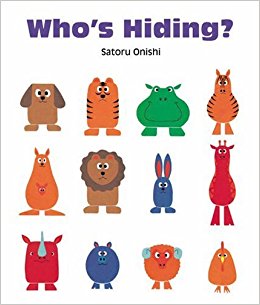
Thursday: Who’s Hiding by Satoru Onishi
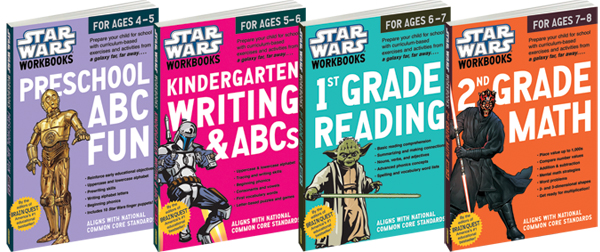
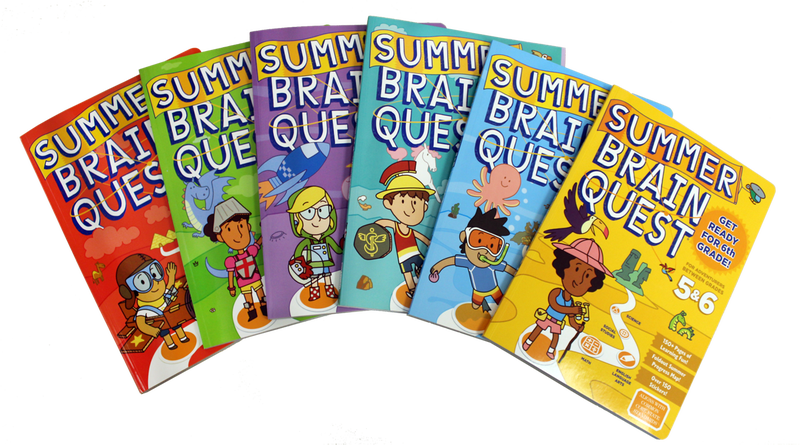
Friday: Summer Brain Quest and Star Wars Workbooks
Sunday: Happy Mother’s Day to all who identify as a mom 🙂
So, what are you reading?
Link up below and go check out what everyone else is reading. Please support other bloggers by viewing and commenting on at least 3 other blogs. If you tweet about your Monday post, tag the tweet with #IMWAYR!
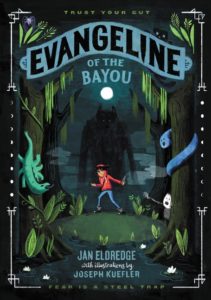
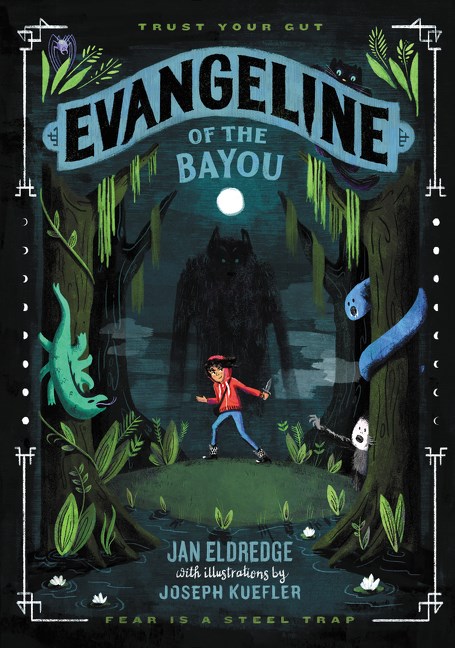
“Fear is a steal trap,” Gran advises Evangeline, the heroine of my debut middle grade novel. EVANGELINE OF THE BAYOU is the story of twelve-year-old Evangeline Clement, a haunt huntress apprentice studying the ways of folk magic and honing her monster-hunting skills. As soon as her animal familiar makes itself known, the only thing left to do is prove to the council she has heart. Then she will finally be declared a true haunt huntress. Of course, things do not go as planned for Evangeline. And when she and her grandmother are called to New Orleans to resolve an unusual case, she must summon her courage to defeat a powerful evil that’s been after her family for generations.
Gran goes on to warn Evangeline, “Fear keeps you from moving forward. It binds up your courage as well as your smarts.” These wise words of Gran’s hold true for nearly any situation we encounter, whether it be hunting monsters or writing essays.
As the leader of a local writers group for the past dozen years, and having been a member of numerous critique groups, I’ve learned that one thing we creatives all have in common is fear. And we have a lot of them, like: showing our writing to family and friends, getting our work critiqued by other writers, not knowing how to begin our stories, not knowing how to end our stories, or not being able to come up with any new ideas. But one of the most common fears I’ve seen is that of simply getting started, rallying the courage to just jump in and begin the writing of that novel, memoir, or short story. I call it “freezing on the high-dive”. Taking that initial leap can be scary, but it doesn’t have to be.
After discussing this topic with numerous fellow writers over numerous coffees and teas, I’ve come to suspect this particular fear stems from the mistaken belief that we have to get our words right the first time, that somehow a perfect stream of brilliance must flow straight from our head and onto the blank sheet of paper. This unrealistic expectation can lead to a lot of frustration and writing resistance. Fortunately, there are a few easy techniques writers of any age and any writing level can incorporate to defeat their fear of writing and get their words moving forward. These simple tips can be applied to everything from the writing of novels and essays, to the writing of thank you notes.
The first step is to think of the writing process as one that uses two distinct parts of your brain: the creative side and the editorial side. Going into a project while trying to use them simultaneously is when many of us run into trouble. The two parts do not play, or work, well together.
Once you’ve accepted the fact that you’ve essentially just carved your brain into two halves, the next step is to hush that editorial side. Reassure it that it will have its turn to make corrections and clean things up later, but for now it’s Creative’s turn to play. Allow your imagination to run wild and free. Let go of rules and logic. There are no right or wrong ideas in this phase of your project. Don’t worry about choosing the perfect word, and don’t worry about things like spelling and punctuation. That’s Editor’s job for later on.
If you’re still having trouble coming up with ideas, here’s another helpful tip: just start writing. Write anything, even if it’s simply the words, “I don’t know what to write.” There’s something almost magical about the act of putting pen to paper, or fingers to keyboard, that gets the creative tap flowing. Taking away all those expectations of perfection will conquer that fear of not being able to think of anything to write.
Now that you’ve got some great ideas and images, and maybe even some really cool lines of dialogue, let your creative side take a rest. This is the time to set your internal editor free. Allow it to get to work picking and choosing what elements to use, what order to put them in, and making sure the grammar, spelling, and punctuation are all up to snuff.
This is the technique I used while writing EVANGELINE OF THE BAYOU, and I’m using it now as I work on the sequel. Keeping the creative half of my mind separated from the editorial half has helped me defeat my fear of just diving into the writing. It’s helped me overcome my worry that my writing is too sloppy, nonsensical, and filled with mistakes. I know that by setting my creative side free to do what it does best, it’ll provide me with fun, fresh, and unexpected ideas. Sometimes it delivers more ideas than I can use, or ideas that are in need of further research and tweaking, but that’s okay, because I know I’ll soon be unleashing my editorial side to make my words all shiny and clean.
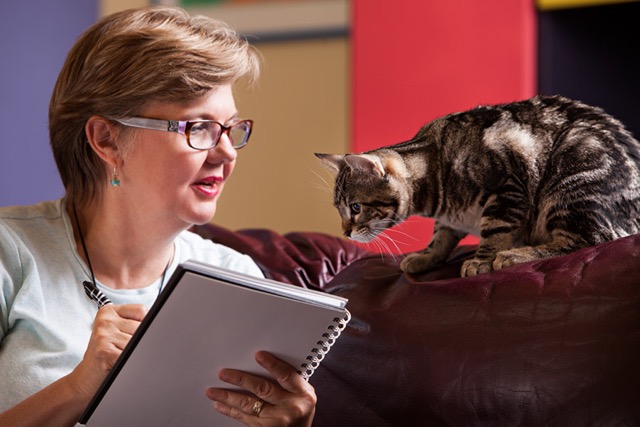
About the Author: Jan Eldredge was born and raised in Louisiana. She now lives in Celebration, Florida with her husband, their children, and a house full of cats. When she’s not writing, she spends her time reading, going to theme parks, and exploring old cemeteries. She is particularly fascinated with monsters, magic, and all such eldritch things.
Evangeline of the Bayou Author: Jan Eldredge
Illustrator: Joseph Kuefler
Published May 1st, 2018 by Balzer + Bay
About Evangeline of the Bayou: Evangeline Clement is not just your everyday twelve-year-old. Upon her thirteenth birthday, she will officially become a haunt huntress just as talented as her mama and Gran, descended from a long, proud line of haunt huntresses in Louisiana. That is, if her animal familiar shows up, her powers emerge, and she can prove to the Council that she has heart (whatever that means). Because she couldn’t possibly be a middling, born without any magical abilities, right? She can’t be the end of Gran’s line.
Fear is a steel trap. It keeps you from moving forward. It binds up your courage, as well as your smarts. — Gran Holyfield, haunt huntress
Citizens have been calling for Gran’s help to send troublesome creatures like Bayou Banshees and Johnny Revenants back where they belong. As her apprentice, Evangeline has learned not just the cures to any local supernatural afflictions but also how to navigate the bayou, how to climb trees, and how to fight – all while wearing her signature silver-tipped gator-skinned boots! Now in an unusual request, Gran has been called from the swamp to New Orleans to undertake an emergency case. But after a string of undeniable signs indicating that death is near, can Evangeline protect her aging grandmother and save the city of New Orleans – whether she’s a haunt huntress or not?
EVANGELINE OF THE BAYOU will inspire young readers to trust their gut no matter how terrifying that might be.
Thank you so much to Jan for your honest and inspiring post!
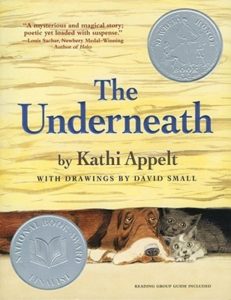
The Underneath Author: Kathi Appelt
Illustrator: David Small
Published May 6th, 2008 by Atheneum Books for Young Readers
Newbery Honor (2009), National Book Award Finalist (2009)
Summary: There is nothing lonelier than a cat who has been loved, at least for a while, and then abandoned on the side of the road.
A calico cat, about to have kittens, hears the lonely howl of a chained-up hound deep in the backwaters of the bayou. She dares to find him in the forest, and the hound dares to befriend this cat, this feline, this creature he is supposed to hate. They are an unlikely pair, about to become an unlikely family. Ranger urges the cat to hide underneath the porch, to raise her kittens there because Gar-Face, the man living inside the house, will surely use them as alligator bait should he find them. But they are safe in the Underneath…as long as they stay in the Underneath.
Kittens, however, are notoriously curious creatures. And one kitten’s one moment of curiosity sets off a chain of events that is astonishing, remarkable, and enormous in its meaning. For everyone who loves Sounder, Shiloh, and The Yearling, for everyone who loves the haunting beauty of writers such as Marjorie Kinnan Rawlings, Flannery O’Connor, and Carson McCullers, Kathi Appelt spins a harrowing yet keenly sweet tale about the power of love, and its opposite, hate; the fragility of happiness; and the importance of making good on your promises.
Author: Kathi Appelt is the New York Times best-selling author of more than forty books for children and young adults. Her first novel, The Underneath, was a National Book Award Finalist and a Newbery Honor Book. It also received the PEN USA Award. Her other novels include The True Blue Scouts of Sugar Man Swamp, a National Book Award finalist, and Maybe a Fox, one of the Bank Street Books Best Children’s Books of the Year. In addition to writing, Ms. Appelt is on the faculty in the Masters of Creative Writing for Children and Young Adults at Vermont College of Fine Arts. She lives in College Station, Texas. To learn more, and to find curriculum materials and activity pages, visit her website at kathiappelt.com.
Review: Anyone who has read a Kathi Appelt book knows that she is amazing at two things: weaving a story together in a way that only she can & pulling at heart strings causing definite mood swings while reading. The Underneath is the epitome of her excellence, and I am sad it took me so long to get to this book. Once done, I was very excited to ask Kathi about this masterpiece, and my questions and her answers show more about what makes this book the award winner that it is.
Interview:
Kellee: How do you work to weave different elements into your story such as mythology, the natural world, and contemporary stories?
Kathi: It’s always interesting to me to learn what sets a story off. Some authors swear that they start with characters. And I would say that characters are definitely a good place to start. But when I reflect over my many years of writing, I feel like I mostly start with place. I ask, what is it about this place that lends itself to story? What is the history of it? The social and cultural importance of it? Who has lived here? Who was here a thousand years ago? What were they doing? How did they survive? What impact did natural forces play on this place? What is the flora and fauna? Are there ghosts? Are there particular features of it? So, it seems to me that place creates the basis for most of my stories.
In The Underneath, one of my story lines occurs a thousand years ago, which means that my mythological characters (who were interlopers), would have encountered members of the Caddo/Hasinai nation. Theirs was a sophisticated, highly organized society. But a couple of things happened. One was a massive earthquake that caused a devastating flood which wiped out an entire city, thousands of people. Another was the encroachment of European settlers who brought in disease and ultimately drove the Caddo/Hasinai out of their ancestral lands.
The Caddo were—and still are—known for their pottery, so it made sense to feature a significant jar in my story. That way, I could more clearly link the characters to each other across time periods. One thing leads to another. But in the end, it goes back to place.
Kellee: The Underneath has multiple stories that are interwoven and meet at the end. How do you plan writing a novel like this?
Kathi: Extended narrative has always been difficult for me. I started my professional writing life as a poet and picture book author. As a result, it seemed like everything I wrote tended to finish at the bottom of page three. It was why writing a novel eluded me for such a long time. I always thought that a novel meant writing long chapters, strung together chronologically, and moving from point A to a final point Z. But it wasn’t in my nature to write like that. Long chapters weren’t the way I rolled. Finally, after many failed attempts, I figured out that if I was ever going to write a novel, I would have to go with my grain as opposed to going against my grain. So, I adapted to “writing by snapshot.” In other words, I write in small, significant scenes—I call them SSS’s. I can get a lot done that way without worrying about word counts or chapter lengths, or even transitions. Plus, they’re easy to manipulate. A small scene can be moved hither and yon until it finds the right place in the story.
I think that one of the reasons that writers fail is because they haven’t found their own natural way of working. Long narrative passages aren’t my strength. I’m not saying that I can’t write them, only that they’re not where my strengths lie.
So, finding the form that fits both our natural strengths and that suits the story, is one of the keys to unlocking a book . . . and a writer. Not all of us are meant to be poets. Not all of us are meant to be soaring prose practitioners. It could be that I’m a little ADD, and the short scenes suit me.
At any rate, making this discovery was how I finally finished a novel.
I also want to say in regard to planning, I do make very loose outlines when I embark upon a new project. Those outlines tend to flex as I move through the draft. But I always try to at least have a vague idea of how the story will end. Otherwise, I’ll just write myself right off the cliff. If I can see the destination, I can get there eventually.
Kellee: Personification allows the setting to become its own character in the story. How do you plan this and implement it well when you are writing?
Kathi: I spend tons of time researching the plants and animals that populate the setting. And to me, a living organism, such as a tree, is just that—living. If you spend enough time around trees, it seems like they each have their own personalities, their own needs, and their own ideas. I’m just saying. So, unless something is inanimate—like a rock, say—I can usually find the heart of that living organism. That is always my goal.
Kellee: What about The Underneath do you think resonated with readers 10 years ago and still remains today?
My true hope with The Underneath is that my young readers can see the value of making a good choice. In my story, both the hero Ranger and the antagonist Gar Face have similar experiences, similar fates if you will. They’ve both been badly treated, both been isolated, and yet only one of them turns towards love. Grandmother too, finally, at long last—after the longest time out in history—chooses love. I think that young readers are tuned in to this. I think they’re built for love. What I hope my story does is to give them the courage to make that choice.
Kellee: What feedback have you gotten from readers over the years about The Underneath? What stands out about what the book means to them?
Gosh, it’s hard to say just one thing, but it seems to me that mostly what I hear over and over from them is how much they love the relationship between Ranger and the kittens. That small sweetness seems to be the key that opens the story up. To me, it’s proof that we don’t all have to be the same or look the same or smell the same or whatever to become best friends. And no matter how small we are, we can make a difference for those we love.
Book Trailer:
GIVEAWAY!
Fifteen lucky winners will receive an autographed paperback copy of The Underneath. In addition, one Grand Prize winner will win a classroom set of 20 copies of the book PLUS a 30-40 minute Skype visit for her/his school, classroom, or library with award-winning author Kathi Appelt. Enter here!
Recommended For:
Thank you, Kathi, for your thorough and beautiful answers to my interview questions, and thank you to Blue Slip Media for the giveaway and trailer!
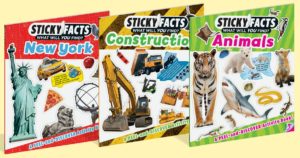
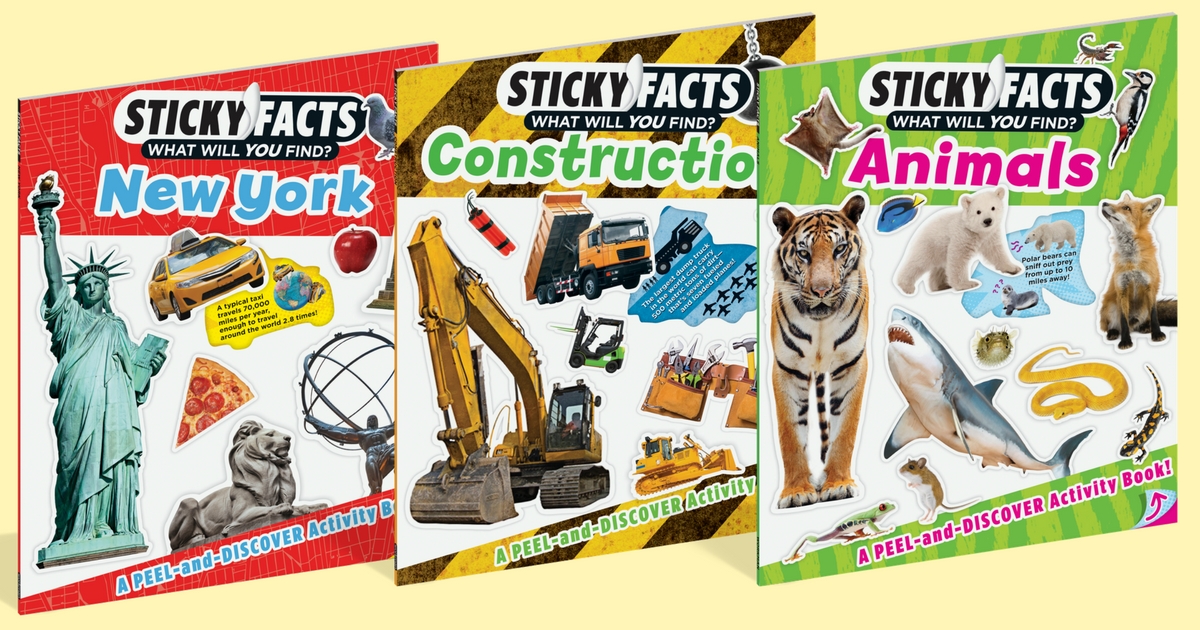
Sticky Facts: What Will You Find? New York, Construction, Animals
Published: December 12, 2017 by Workman
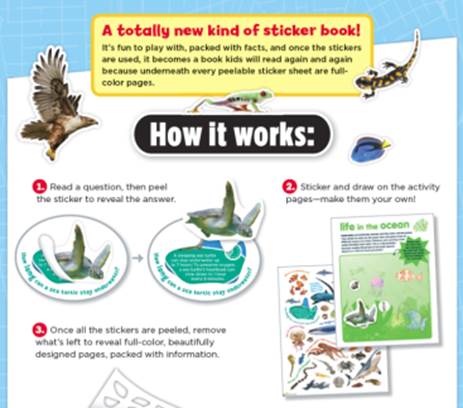
Summary: Sticky Facts is an innovative, kid-friendly approach to beloved topics for ages 6 and up, featuring a cutting-edge sticker sheet design that allows for text and color images to appear underneath the sticker.
Unlike average sticker books, each sticker page features questions with facts hidden underneath the relevant sticker. Once the sticker is peeled off, the fascinating factis revealed. Activity pages with corresponding prompts are featured next to the sticker pages for readers to use as fuel for sticker landscapes, adding hours of fun to the whole experience!
Review: While the book is marketed for ages 6 and up, my 4-year-old had a blast with these books. I had to read the facts beneath the stickers to him, but he loved peeling them off of the pages and finding their matching places within the book. As a parent, sometimes it gets to the point that I am looking for something new and different, and this clever idea was very impressive to me. The books are well-made and fun. I overheard my son sharing one of the construction facts with a friend at preschool, so it really works! These books make great gifts and add a new twist to kids’ love of stickers.
Teachers’ Tools for Navigation: Teachers might group students by interest to allow them to learn and work together on a book of their choosing. This allows students to learn nonfiction facts on a topic that they are interested about!
Discussion Questions: Which was your favorite sticky fact?; What are some new facts that you learned? What kinds of facts are featured below the stickers?
We Flagged:
Read This If You Loved: Nonfiction; Sticker Books
Recommended For:
**Thank you to Christy at Workman for providing a copy for review**
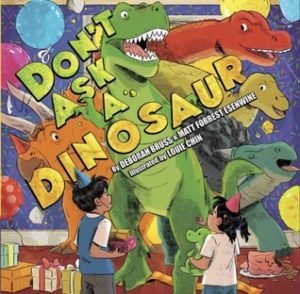
Don’t Ask a Dinosaur
Author: Deborah Bruss & Matt Forrest Esenwine
Illustrator: Louie Chin
Published April 17th by POW!
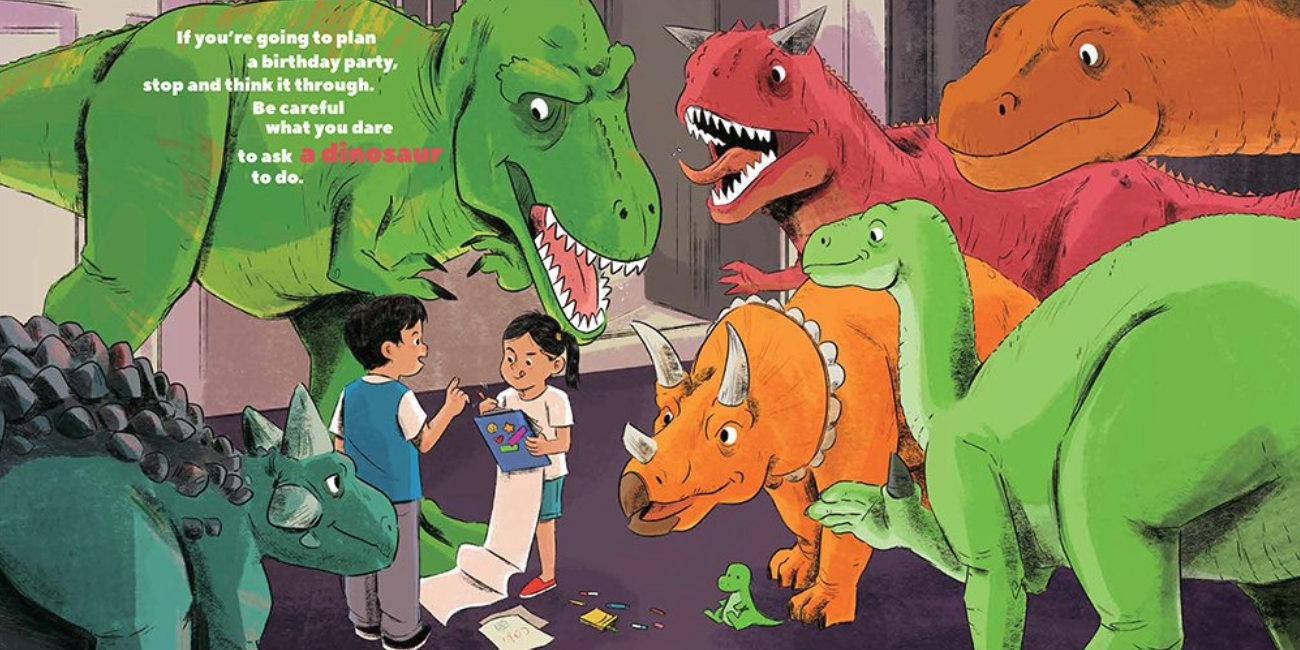
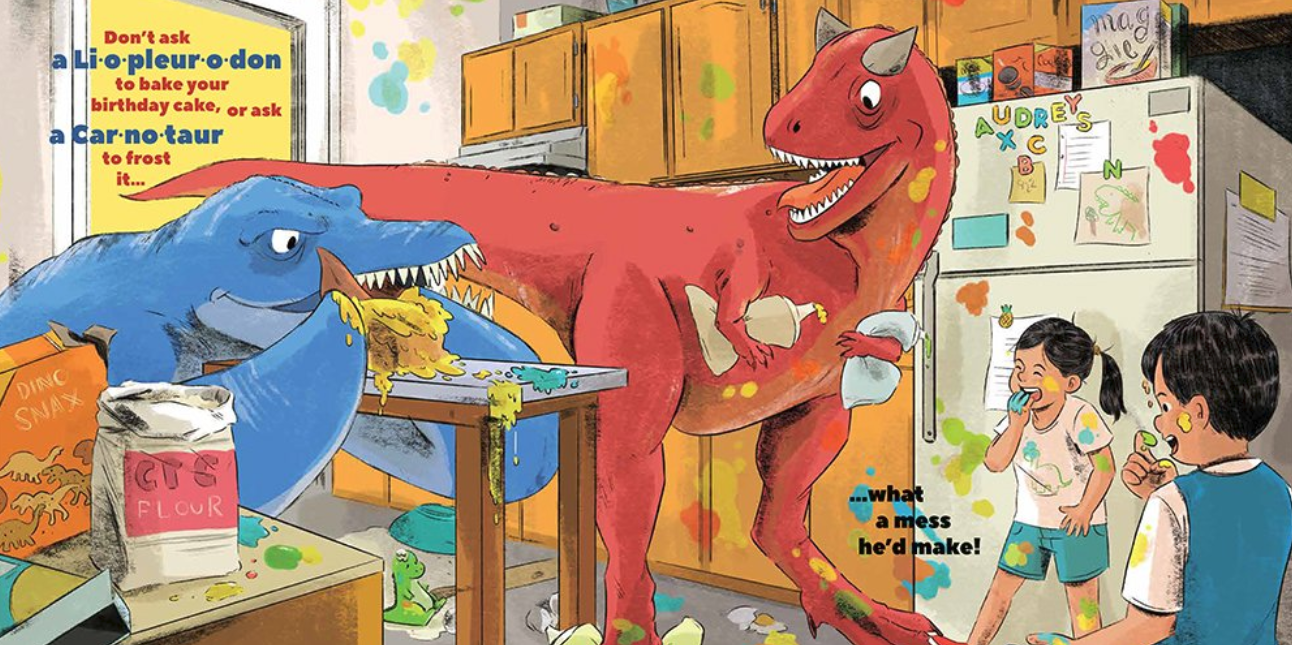
Summary: Don’t Ask a Dinosaur is about a party that goes wildly awry when a pack of dinosaurs with very unique physical attributes attempt to help set up.
“Don’t ask Deinocheirus to set the forks and spoons,” because his hands were enormous, “Therizinosaurus cannot blow up balloons,” because he had very long claws. In the end they find the one thing everyone can help do is to blow out the candles on the cake…but will it create yet another mess?
Review: Don’t ask a dinosaur what he thinks about this book! Unless he says it is awesome, funny, and informative. Then ask him, and trust his answer.
I was introduced to Esenwine’s work when I read Flashlight Night, and I was immediately impressed with his work–he just had a way with words! While this picture book is quite different, it is not going to let Esenwine fans down. It for sure didn’t let Trent down; he already has had us read this multiple times with different questions each time we read. He also thinks it is hilarious, finding something silly each time he reads.
I also loved the book for a couple other specific reasons. First, I loved that the story included some pretty unknown dinosaurs to help the readers get introduced to them in a fun way. Esenwine and Bruss also did a fantastic job with their rhyming using syllable count to make it even more rhythmic than it would be without. And the addition of phonetic spellings of the dinosaur names was a nice touch to help with the pronunciation for the adult reader and for the child as they learn about the dinosaurs.
Teachers’ Tools for Navigation: On the surface, this text will be a way to introduce a bunch of different types of dinosaurs in a fun, rhyming text; however, this can just be a jumping off point for either a creative writing activity or a science activity (or both!). Because of Esenwine & Bruss’s specific syllables and rhyming, it would be quite challenging and fun to ask students to pick dinosaurs and try to think of other things that they may not be good at and ask them to write their own mini-dino poems. Or students can take the dinosaurs that are introduced in the book and research them to find out what they really wouldn’t be able to do in real life.
Discussion Questions:
Why did the certain dino get chosen for each activity?
What dinosaur was new to you?
If you could have one dinosaur at your birthday party, what dinosaur would you pick? What would you make sure not to have it do?
How does the phonetic spelling of the dinosaur names help with the rhythm of the text?
What is going on in the background, in the illustrations, as the narrator helps you see what dinosaurs shouldn’t do?
Flagged Passages:
Read This If You Love: Dinosaurs!, Jane Yolen & Mark Teague “How Does a Dinosaur” series, PBS’s Dinosaur Train
Recommended For:
Make sure to stop by other stops on the Dinosaur Tour!