Where’s the Architect?: From Pyramids to Skyscrapers by Susanne Rebscher

Share

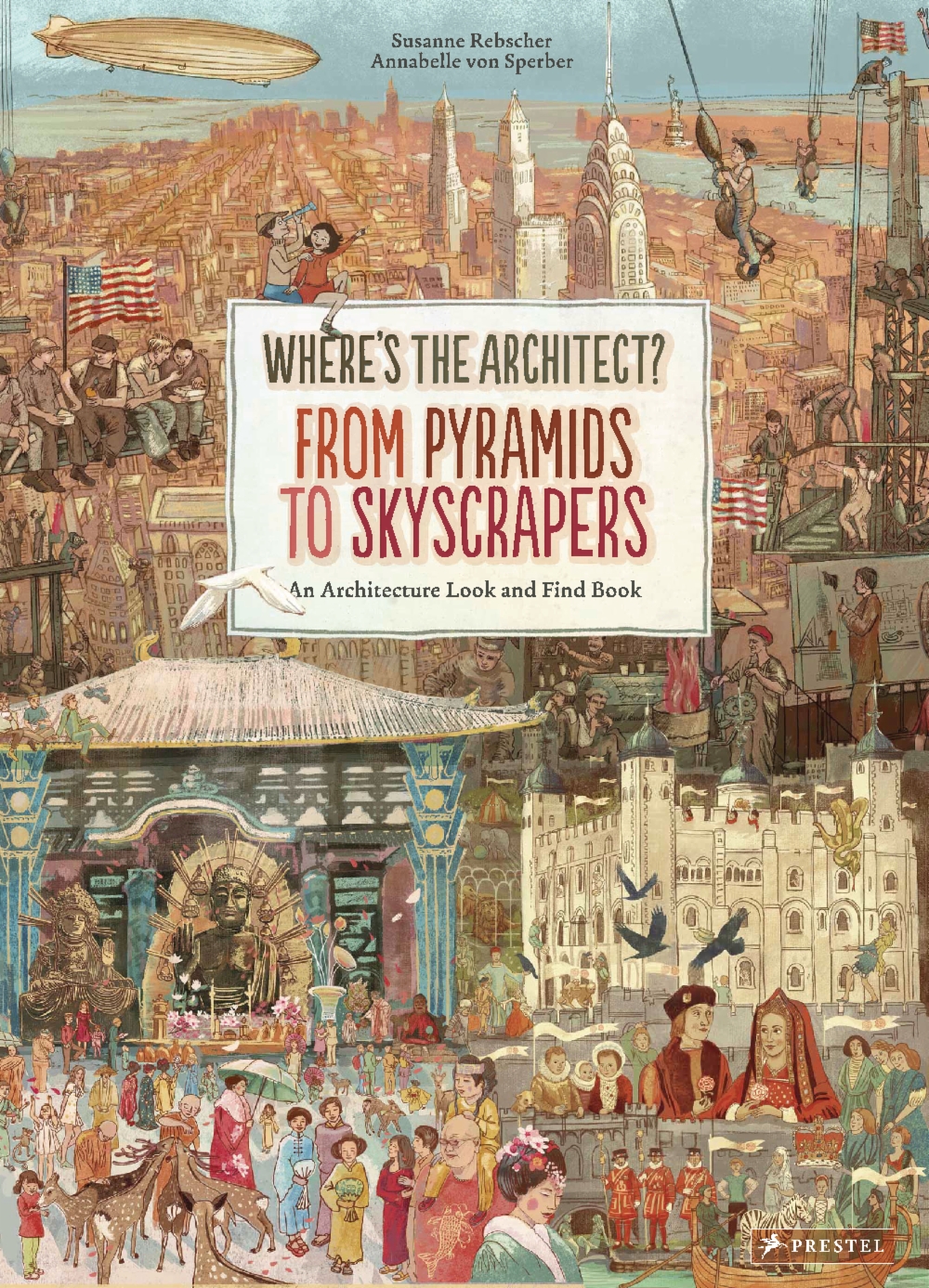
Where’s the Architect?: From Pyramids to Skyscrapers: An Architecture Look and Find Book
Author: Susanne Rebscher; Illustrator: Annabelle von Sperber
Published October 23, 2018 by Prestel Junior

Summary: This wonderfully illustrated and captivating introduction to the wonders of architecture will have young readers poring over each spread and learning as they go.

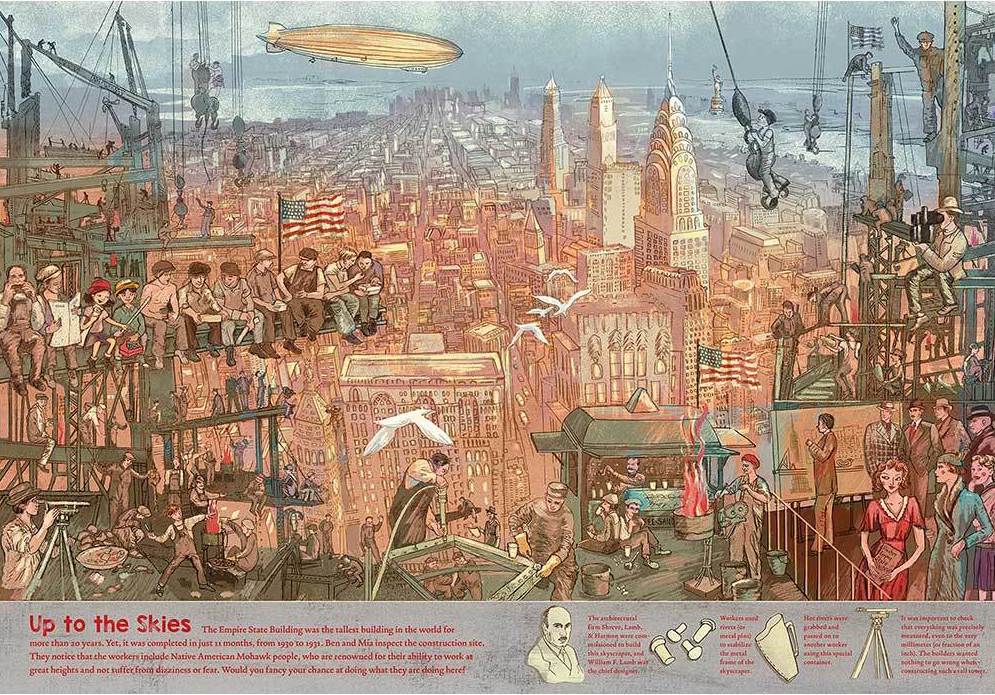
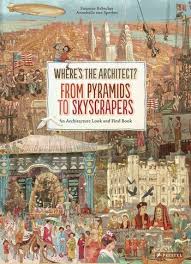
From the top of China’s Great Wall to the base of the Pyramids of Giza and the Sphinx, this journey through the world of architecture stops in nearly every continent and travels through centuries. Annabelle von Sperber populates her dynamic and intricate double-page spreads with many details and a hidden architect or important figure on every page that kids will have fun trying to locate. Along the way they’ll learn about the iron workers who built the Empire State building, how many bulbs it takes to light the Eiffel Tower, where the royal jewels are kept at the Tower of London, and why there is so much red and yellow in Beijing’s Forbidden City. Young readers will find themselves fully immersed in this large format book while learning about the incredible architectural wonders that continue to amaze us today.

Review: My son and I absolutely loved this book. It is oversized with giant illustrations, and we spent much time on each spread. The pages feature magnificent works of architecture from the past (and currently existing in the present). In most of the drawings, the architecture is in the process of being built or was recently built, so the book leads readers into a historical time period. We learned so much from this book, and I loved all of the new-to-me facts about the famous architectural structures. My son loved looking and talking about the buildings, and he enjoyed doing the search-and-finds on each page. It is a wonderful book that would be a great resource for classrooms.

Teachers’ Tools for Navigation: Teachers might ask students to work in groups to pick a page that is particularly compelling for them. They can research more about the structure and the time period to understand context and explore historical aspects of the architecture that interest them.

Discussion Questions: 

  • Which architectural design is most interesting to you? Why do you find it to be interesting?
  • Which facts surprised you?
  • Do you notice differences in the architecture throughout time?
  • Which structures are close to you? Which are far away?

Flagged Passages: 

Read This If You Love: Interactive search-and-find (seek-and-find, look-and-find) activity books filled with educational information

Recommended For: 

classroomlibrarybuttonsmall

**Thank you to Casey at Media Masters Publicity for providing a copy for review!**

It’s Monday! What Are You Reading? #IMWAYR 12/10/18

Share

IMWAYR 2015 logo

It’s Monday! What Are You Reading? From Picture Books to YA!

It’s Monday! What are you Reading? is a meme started by Sheila at Book Journeys and now hosted by Kathryn at The Book Date. It is a great way to recap what you read and/or reviewed the previous week and to plan out your reading and reviews for the upcoming week. It’s also a great chance to see what others are reading right now…you just might discover the next “must-read” book!

Kellee and Jen, of Teach Mentor Texts, decided to give It’s Monday! What Are You Reading? a kidlit focus. If you read and review books in children’s literature – picture books, chapter books, middle grade novels, young adult novels, anything in the world of kidlit – join us! We love this meme and think you will, too.

We encourage everyone who participates to support the blogging community by visiting at least three of the other book bloggers that link up and leave comments for them.

Bold_line

Wednesday: Smithsonian’s Exploration Station World Atlas

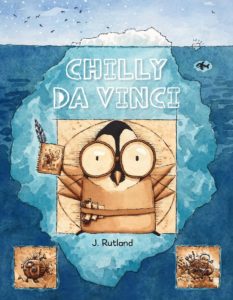
Friday: Chilly Da Vinci by J. Rutland

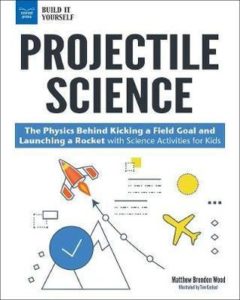
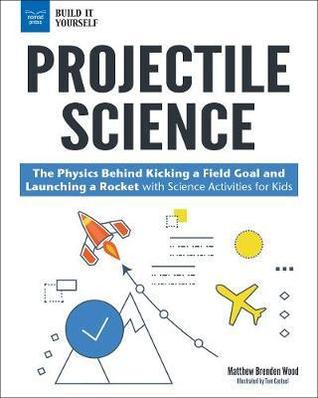
Sunday: Author Guest Post!: “Heads Up for Projectile Science!” by Matthew Brenden Wood, Author of Projectile Science: The Physics Behind Kicking a Field Goal and Launching a Rocket with Science Activities for Kids

**Click on any picture/link to view the post**

Bold_line

Kellee

Well, not a lot of reading was done this week. It has been a week.

Negative thing that kept me from reading:
If you were at NCTE with me, you know that I was fighting ear issues, and THEY ARE STILL GOING ON! Since it is still clogged, no infection any more at least, the pressure in my ear is causing some headaches and dizziness. Hopefully this new dose of meds will help! Fingers crossed!

Positive thing that kept me from reading:
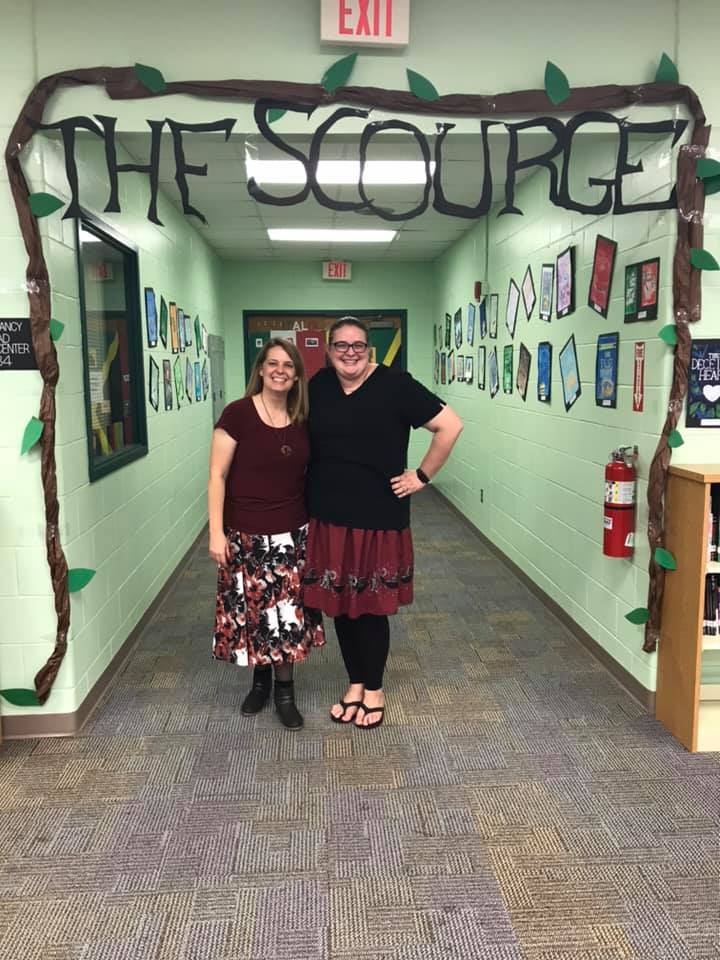
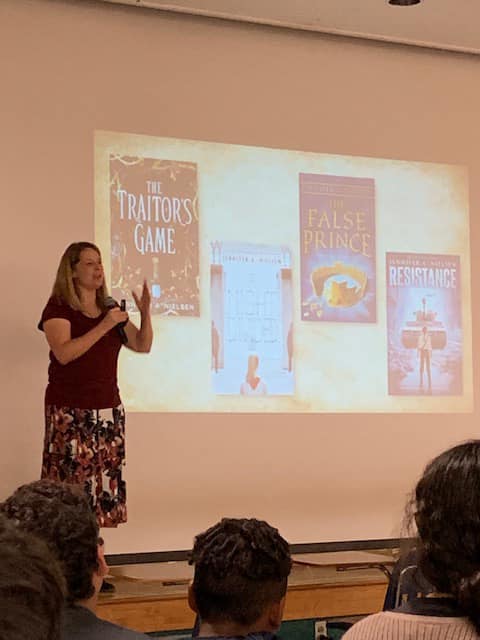
JENNIFER NIELSEN CAME TO MY SCHOOL!!!! AND SHE WAS AMAZING!!!
I’ll post all about it after winter break 🙂

Ricki

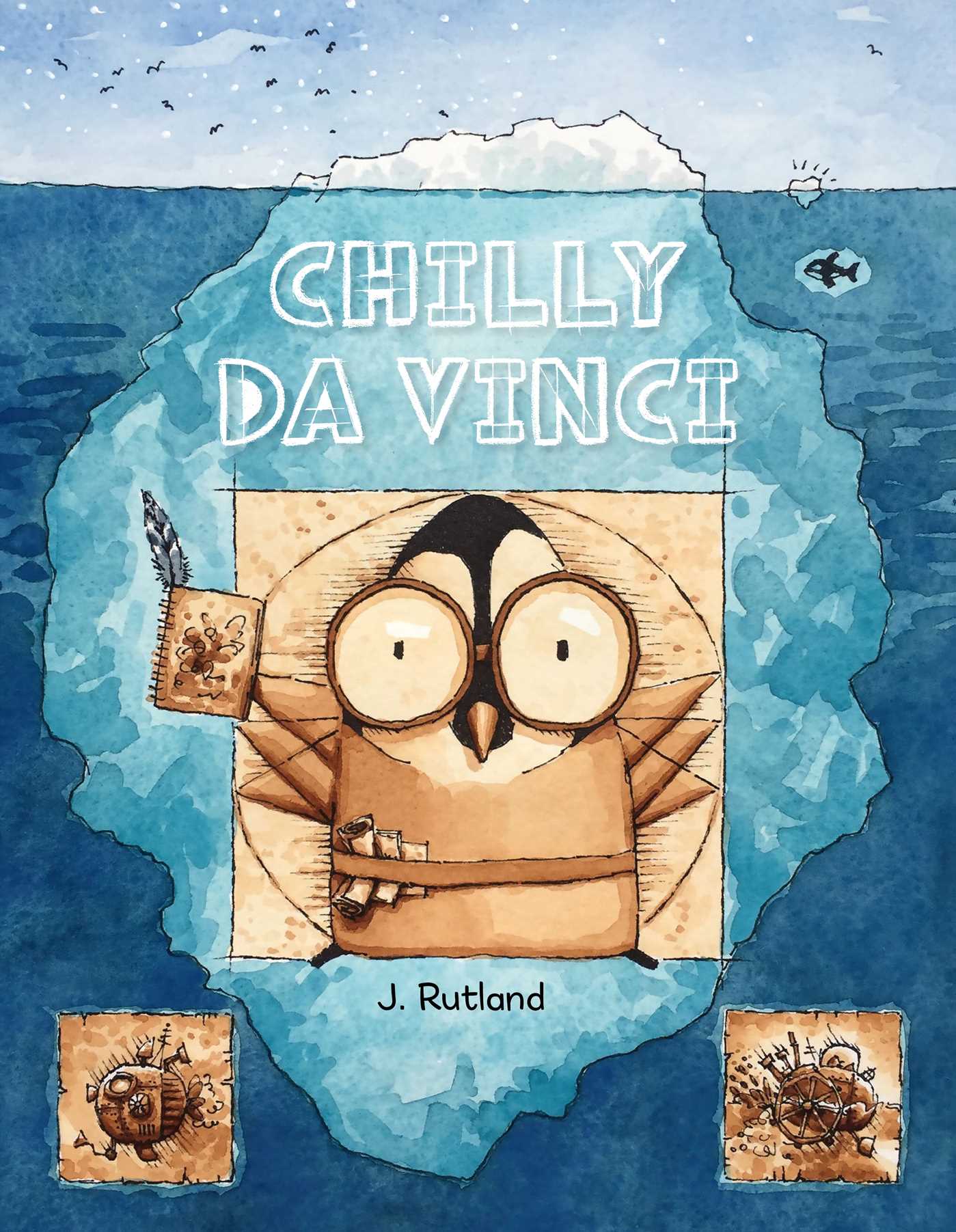
I really enjoyed Chilly Da Vinci by J. Rutland. It’s a fun book that uses Da Vinci’s inventions to inspire young people to invent the impossible—and stick with their inventions if they aren’t working properly.

My son and I absolutely loved Where’s the Architect?: From Pyramids to Skyscrapers. The book is oversized with giant illustrations. Each spread features a magnificent work of architecture from the past. In most of the drawings, the architecture is in the process of being built or was recently built. I feel like I learned so much from this book, and I loved all of the new-to-me facts about architectural structures that I was familiar with. My son loved looking and talking about the buildings, and he enjoyed doing the search-and-finds on each page.

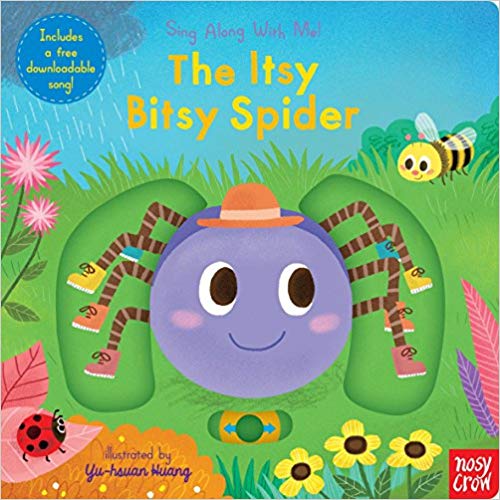
My younger son loves the pull-flaps and features on this book. He sits with it for quite some time. I love a good, interactive book.

Sadly, I didn’t read any YAL this week. It was our last week of classes, and I feel like my days consist of grading and answering emails. I am looking forward to getting back in the groove! I did read some great articles in the new issue of American Educational Research Journal!

Bold_line

Kellee

I am loving the two Nielsen novels I’m reading!

Ricki

This week, I promise to finish some YAL. 🙂

Bold_line

Wednesday: Where’s the Architect: From Pyramids to Skyscrapers (An Architect Look and Find Book) by Susanne Rebschet & Annabelle von Sperber

Friday: Blog Tour with Author Guest Post and Giveaway!: Children of Jubilee by Margaret Peterson Haddix

Sunday: Author Guest Post!: “Big Questions, Big World, Big Data!” by Carla Mooney, Author of Big Data: Information in the Digital World

Bold_line

Link up below and go check out what everyone else is reading. Please support other bloggers by viewing and commenting on at least 3 other blogs. If you tweet about your Monday post, tag the tweet with #IMWAYR!

 Signature andRickiSig

Author Guest Post!: “Heads Up for Projectile Science!” by Matthew Brenden Wood, Author of Projectile Science: The Physics Behind Kicking a Field Goal and Launching a Rocket

Share

“Heads Up For Projectile Science!”

I have always been fascinated by slingshots and potato cannons. Not only is there the wow factor when rock hits tree or potato hits haybale (if you’re lucky and skilled)—there’s also the challenge of guesstimating where your projectile is going to land. Because funny enough, there’s no magic involved. Just math and science.

And the same thing applies with basketballs, soccer balls, golf balls—any ball that’s been kicked, hit, tossed, or chucked is on a defined path from foot, hand, driver, to the end destination.

And what kid has never thrown a ball? None that I’ve met!

Exploring projectile science is a fantastic way to invite kids to make the connection between math, science, and their own lives. Encouraging them to discover the shape of a parabola, experiment with the laws of motion, and harness the power of mechanical energy makes for learning that lasts.

And there’s a human application beyond sports to consider when discussing projectile science. For one thing, without a sense of how your arrow is going to fly when it’s released, you’d have a lot of trouble hunting enough food to make it through a winter. While not everyone has to rely on their own weaponry skills to eat dinner these days, the historical applications of projectile science are an important aspect in the whole “When are we ever going to use this?” argument.

And for an even larger leap of the imagination—the rules of physics that govern your soccer ball are the same ones that dictate how a spaceship gets launched into space!

While educators need to make sure kids are being careful when they’re having fun with projectile science (eye protection is a must!), it’s a terrific way to get students making connections between their own experiences and the rules of mathematics.

Try these fun activities for some hands-on learning about projectile science!

ATLATL BATTLE

Different kinds of spear-throwing tools were used by ancient people around the world, but they all worked in the same basic way. It takes a lot of practice to use an atlatl, but you can make your own and try it out at home!

Warning: Never point or fire any weapon at a living creature and always wear eye protection. Ask an adult to help with the knife in this activity.

  • Attach one binder clip to one end of the ruler. This is the “spur.” Fold the clip handles back.
  • Using a small knife, CAREFULLY carve a notch into the eraser of each pencil. The notch should go about half way into the eraser and be wide enough to fit onto the binder clip handle. The pencils will be your darts.
  • Place an eraser cap on the unsharpened end of the pencil. This will help your dart fly and be much safer!
  • Place the binder handle into the notch in the eraser and lay the pencil onto the ruler lengthwise.
  • Attach binder clips on either side of the pencil. These will help keep the dart from sliding off the sides of the ruler. DO NOT clip the pencil to the ruler. The pencil only needs to rest on the ruler.
  • In a safe and open space, hold the ruler at the end opposite the spur. Don’t hold onto the pencil! It should only rest on the ruler.
  • Keeping the ruler flat and level so the dart can’t slide out, reach back, and quickly bring the ruler forward like you’re throwing a paper airplane. Turn your wrist down at the end of the motion. Don’t let go of the ruler!
  • What happened? Was the motion what you expected? Using an atlatl takes a lot of patience and practice!

Questions to think about

How is the atlatl a machine?
What forces are acting on the dart as it’s thrown?
What forces are acting on it once it’s released?
What other motions are like the one you use to throw the dart?

Try This!

Try hitting a target! How accurate can you be? What might make your dart moreaccurate? How  far can you throw? Try comparing the atlatl to simply throwing your dart. Which gives you greater range? Does adding weight to the dart or the atlatl make a difference? Try making a larger atlatl to throw even larger darts. How far can you throw?

LAUNCH TIME

You don’t need a special launch pad or a million-dollar spacecraft to understand how rockets work. You can study their flight at home! All you’ll need are supplies such as string, drinking straws, and balloons.

  • Attach one end of a piece of string to a sturdy object, such as a chair or doorknob, or have friend or family member hold it.
  • Thread the string through one straw. Attach the other end of the string to another sturdy object. Make sure the string is level and taut.
  • Blow up a balloon and pinch the opening closed—don’t tie it!
  • Attach the balloon to the straw so that the balloon’s opening points along the string.
  • Move the balloon and straw to one end of the string. What do you think will happen when you release the balloon?
  • Release the balloon! What happens?
  • Vary the experiment by inflating the balloon with more air and then less air. How does the amount of air affect the balloon’s motion?
  • Now make the string vertical. What happens when you release the balloon?

Questions to think about

What direction does the balloon travel when the string is horizontal? When it’s vertical?
Can you explain what’s going on using Newton’s laws?
What forces affect the vertical launch more than the horizontal launch? Can you explain why?

Try This!

Try different sizes and shapes of balloons. What effect do size and shape have on the motion of the balloon? Is there a best size or shape to get the farthest distance? Think about the shape of rockets. Would making the balloon look more like a rocket change how far or fast it goes?

LAUNCH ANGLE TEST

What launch angle will send a projectile the greatest distance? Using a yardstick equipped with a protractor to measure angles, you can launch rubber bands to see,

  • On a yardstick, mark a spot at about 22 inches.
  • To attach a protractor to the yardstick, place the origin (the center dot or circle) of the protractor at the 22-inch mark. Align the protractor so that the 90-degree angle (the baseline) points along the yardstick, and that 0 degrees is perpendicular to the yardstick. Then secure the protractor to the yardstick with clear tape, being careful not to cover up the angles on the protractor.
  • Make a loop of string. It should be long enough to hang 1 to 2 inches below the protractor from the origin.
  • Place a pushpin at the origin. Hang the string on the pushpin.
  • Tape a binder clip or other small weight to the bottom of the string.
  • Choose a launch angle. Hold the yardstick so that the string hangs freely across the protractor.
  • Prepare your projectile. Loop a rubber band around the end of the yardstick farthest from the protractor.
  • Fire your rubber band! Each time you launch a rubber band, be sure to stretch it the same amount. Place a mark on the yardstick to help you remember how far you stretched!
  • Record several different launch angles! Make sure that you’re launching from the same height off the ground each time.

Questions to think about

Which launch angle gives your rubber band the greatest range?
Why is it important to keep the height of the launcher the same?
Why does the rubber band need to be stretched the same length each time?
What forces affect the rubber band when it’s in flight?

Try This!

Try stretching the rubber band a different amount. How does this affect the distance? What happens if you launch your rubber band projectile at 0 degrees or 90 degrees? Can you create a way to launch something other than a rubber band?

About the Author: Matthew Brenden Wood is a math and science teacher with a passion for STEAM education. He is also an avid amateur astronomer and astrophotographer. Wood is the author of The Space Race: How the Cold War Put Humans on the Moon; Planetary Science: Explore New Frontiers; and The Science of Science Fiction. He lives in Phoenix, Arizona.
Facebook: facebook.com/matthewbrendenwood

About the Book: What are the forces behind projectiles? Why do rocks and rockets soar through the air in an arch?

The game is on the line. You crouch, you shoot—will the ball go in the basket? You might think that nailing a three-pointer is just luck, but there are many forces at work that determine if you’ve made a game-winning shot. In Projectile Science: The Physics Behind Kicking a Field Goal and Launching a Rocket with Science Activities with Kids, readers ages 10 to 15 learn why projectiles follow the paths they do.

Young learners who are fascinated with potato cannons, slingshots, and rocketry will love taking that next step and applying what they learn about the laws of physics to the science of figuring out where to aim. In this book, readers learn about the forces that act on the projectiles and how to calculate those forces to make educated predictions about where their homemade rockets and other projectiles will land.

We [Kellee’s school] used one of the projectile science activities during our cross-curricular literacy night, and it was a great success! Thank you Matthew for this great post!

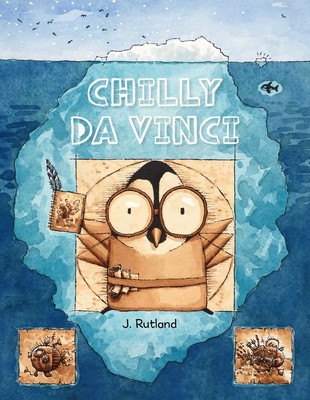
Chilly Da Vinci by J. Rutland

Share

Chilly Da Vinci
Author and Illustrator: J. Rutland
Published by December 4, 2018 by NorthSouth Books

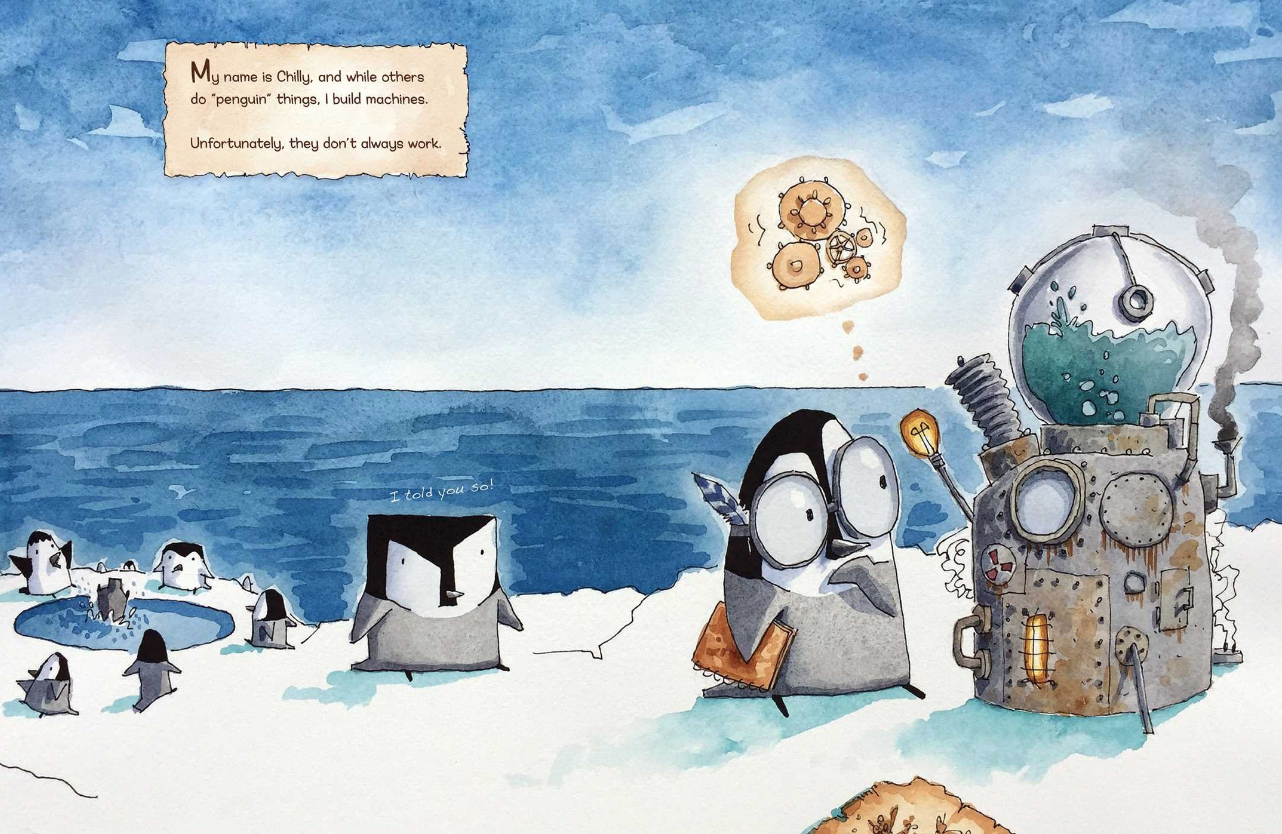
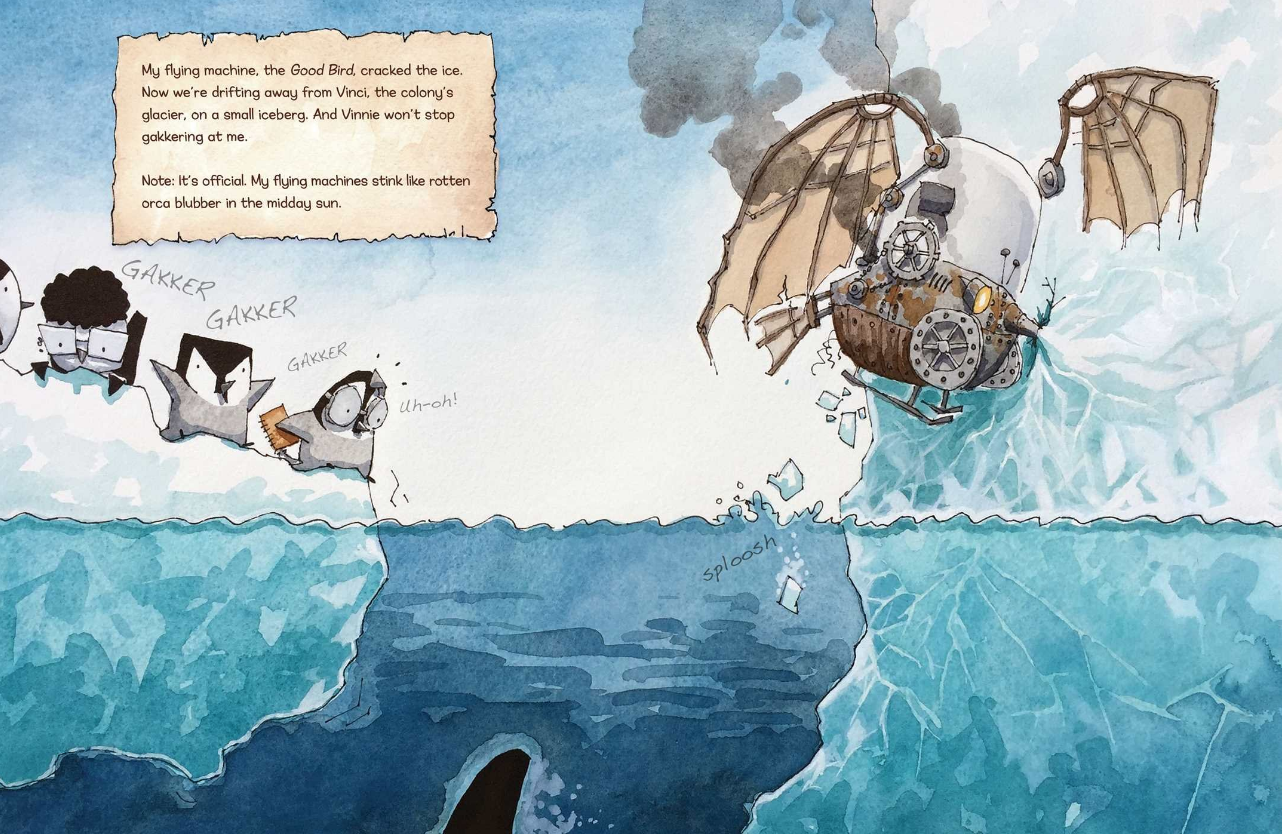
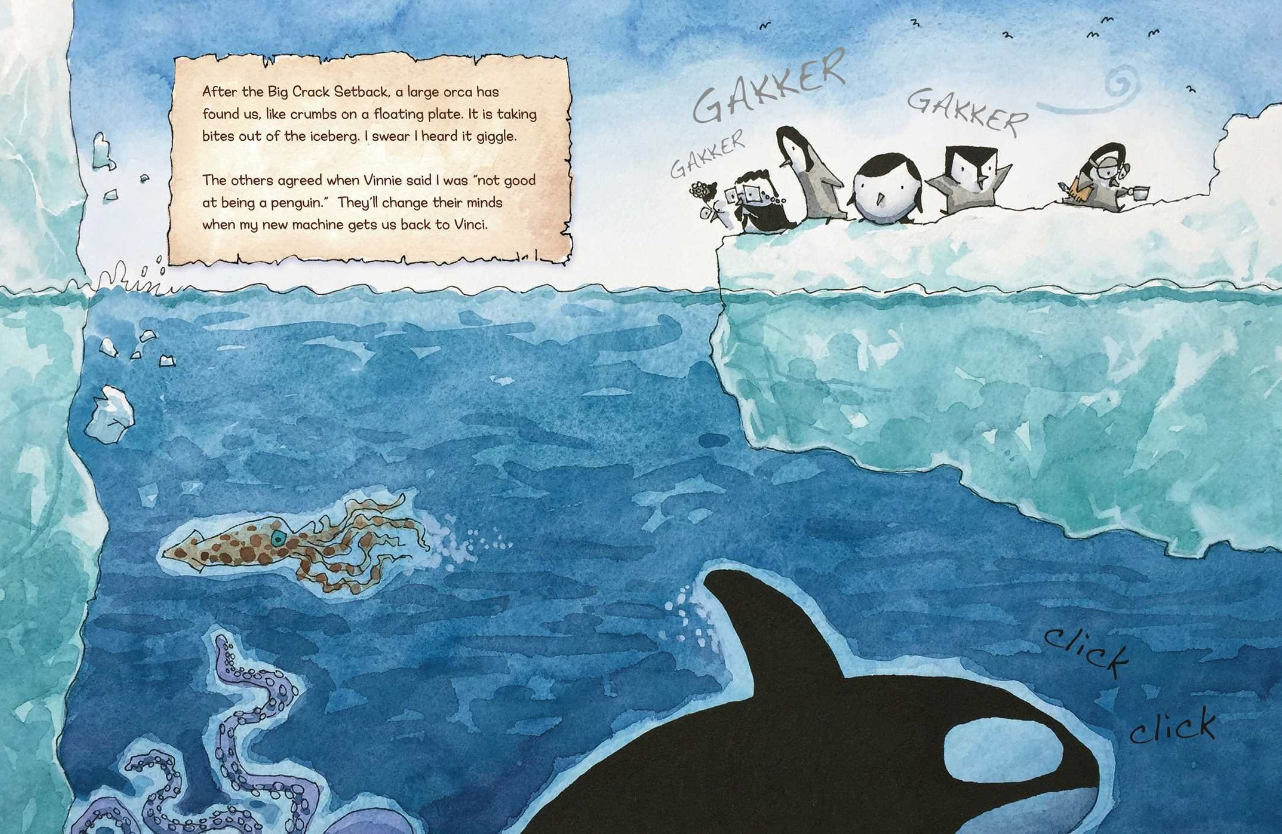
Goodreads Summary: While others do “penguin” things, Chilly da Vinci—self-declared inventor penguin, builds machines that don’t work…yet!  Chilly ties into the popular “maker” movement with humor and imagination.

While others do “penguin” things, Chilly da Vinci—self-declared inventor penguin, builds machines that don’t work…yet!

Ricki’s Review: My son tells everyone that he is an engineer. He spends a lot of time drawing his inventions and then building them with blocks. Needless to say, he was thrilled about this book. Chilly is an inventor who builds machines that don’t work. This offers great opportunities for conversations about the revision process and the time and patience required for inventors to be successful. The book ties well with history and Da Vinci’s inventions. There is wonderful classroom potential with this book. The illustrations border realistic and fantastic, which makes for fun examinations across pages. This book will be a favorite in classrooms and it is quite inspiring. I am most excited about its interdisciplinary potential.

Kellee’s Review: The structure of this book is so interesting! It switches between the reality of Chilly’s situation and a narrative of possibilities and his imagination. This will lead to some amazing conversations and also gives an example of a different type of narrative. I also think that so much can be done with the different creations that Chilly makes looking at real inventions and the sketches and research of Leonardo da Vinci. On top of that, I love the message of Chilly’s journey! It is all about not giving up and never letting anyone tell you something isn’t doable. Oh, and he’s a super cute penguin!

Teacher’s Tools For Navigation: Students might begin by investigating Da Vinci’s inventions and how they compare with those in the book. This offers a rich look into history. Then, students might draw out and design their own inventions. Working in small groups, they might try to build their inventions to experience and talk through the emotions that Chilly might be experiencing as he invents new creations!

Discussion Questions: 

  • How do Chilly’s inventions compare with those of Da Vinci?
  • What emotions and characteristics does Chilly display when his inventions don’t work?
  • How does the author use personification to enhance the reading of this text?
  • How might this book be different if Chilly was a person rather than a penguin? What does Chilly’s penguin character add to the story?

We Flagged: 

Read This If You Loved: Nonfiction books about Leonardo da Vinci, If Da Vinci Painted a Dinosaur by Amy Newbold, The Most Magnificent Thing by Ashley Spires, Lost and Found by Oliver Jeffers

Recommended For: 

classroomlibrarybuttonsmall  readaloudbuttonsmall 

and Signature

Smithsonian Exploration Station: World Atlas by Josh Farndon

Share

Smithsonian Exploration Station: World Atlas
Author: Josh Farndon
Published November 6th, 2018 by Silver Dolphin and the Smithsonian

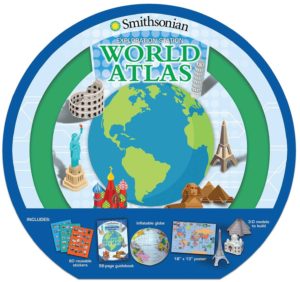
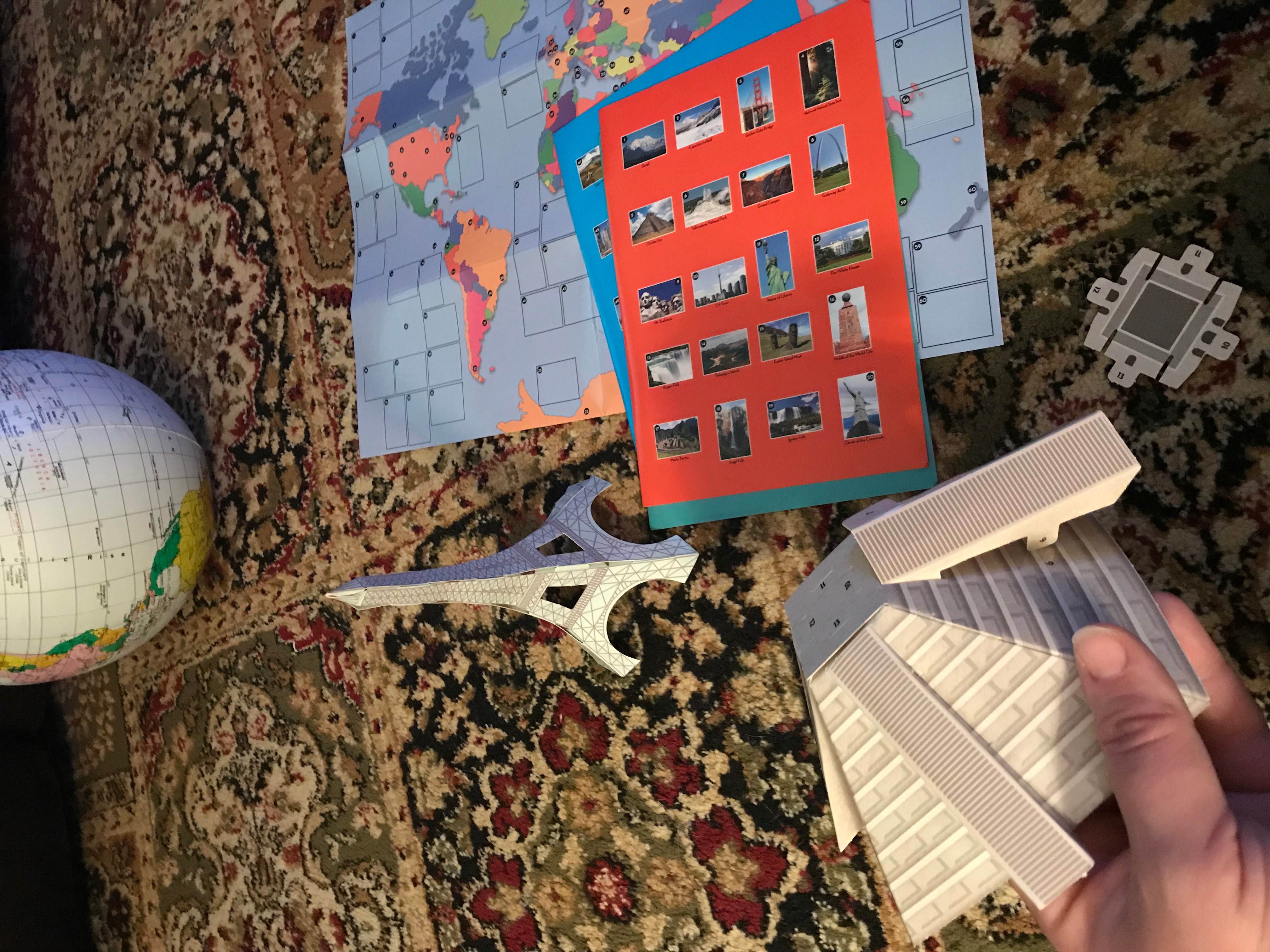
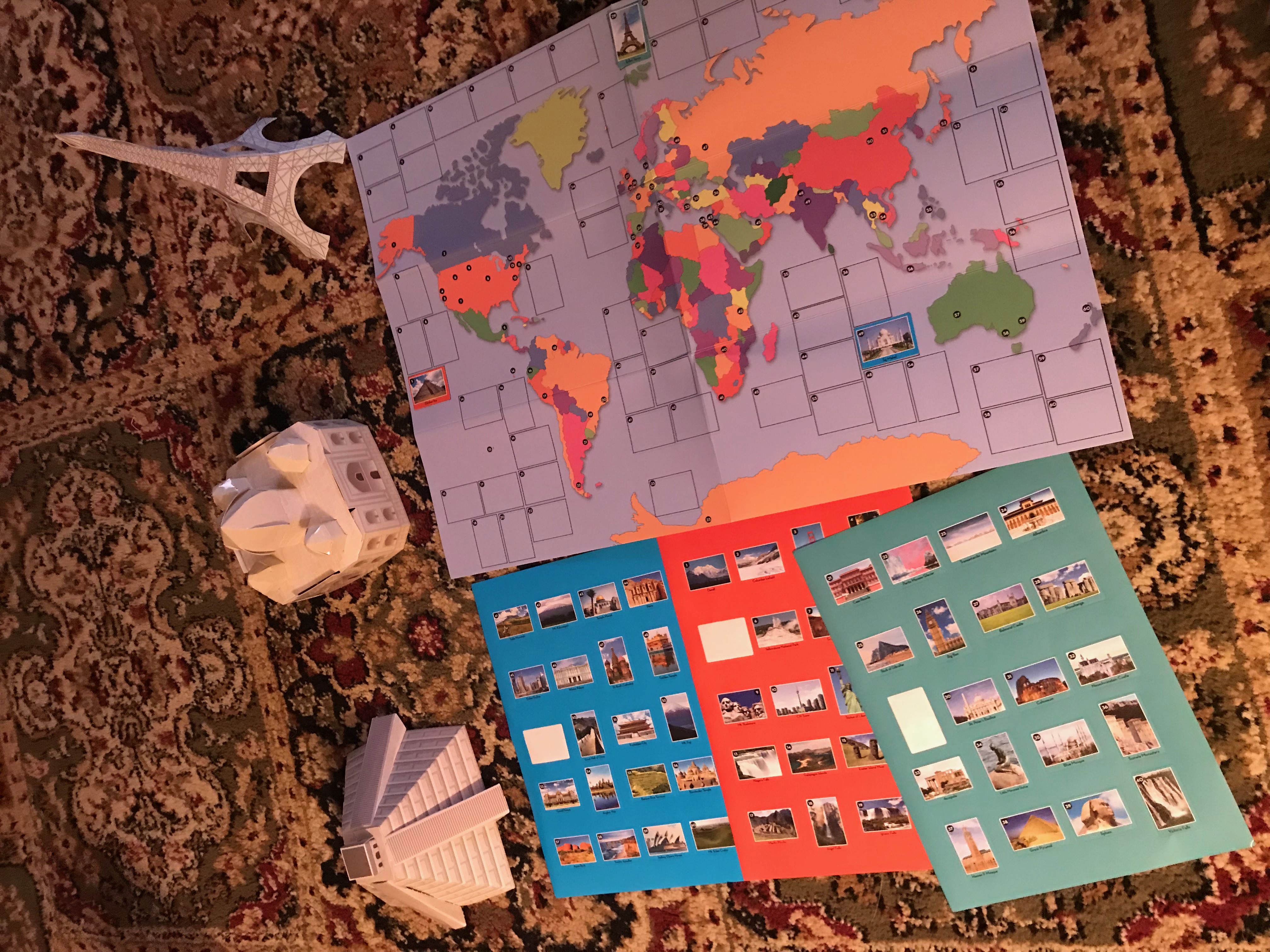
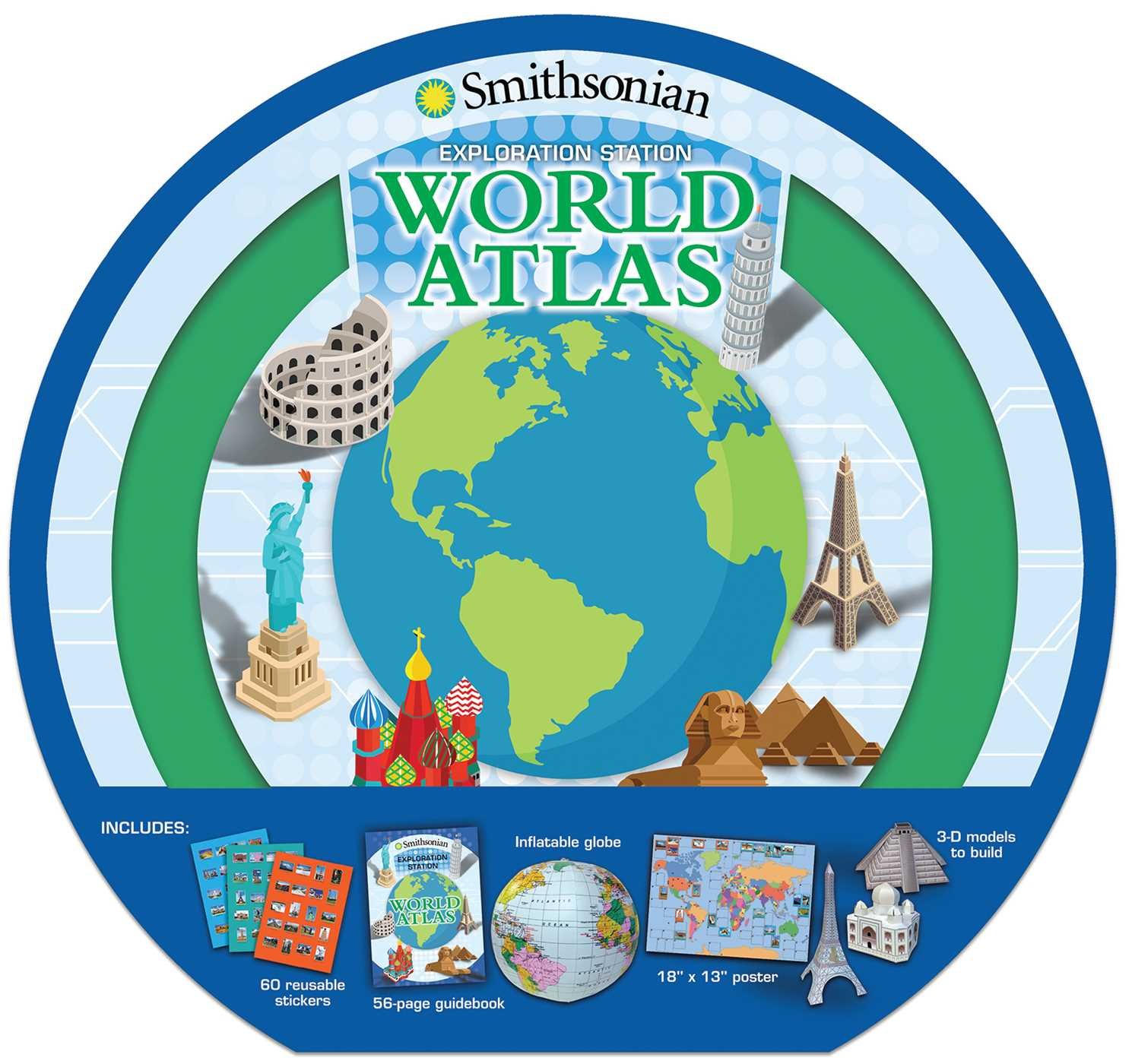
About the Book: Head off on a globetrotting adventure in this interactive atlas! Learn about the diverse cultures, customs, wildlife, and natural beauty that form our world through informative text and full-color photograph. Children will love the hands-on aspect to learning as they blow up their inflatable globe and build the cardstock models of some of the wonders of the world. Smithsonian Exploration Station: World Atlas (ISBN: 978-1626867208) is the perfect way to engage kids in the amazing world around them!

Includes:
56-page fact book
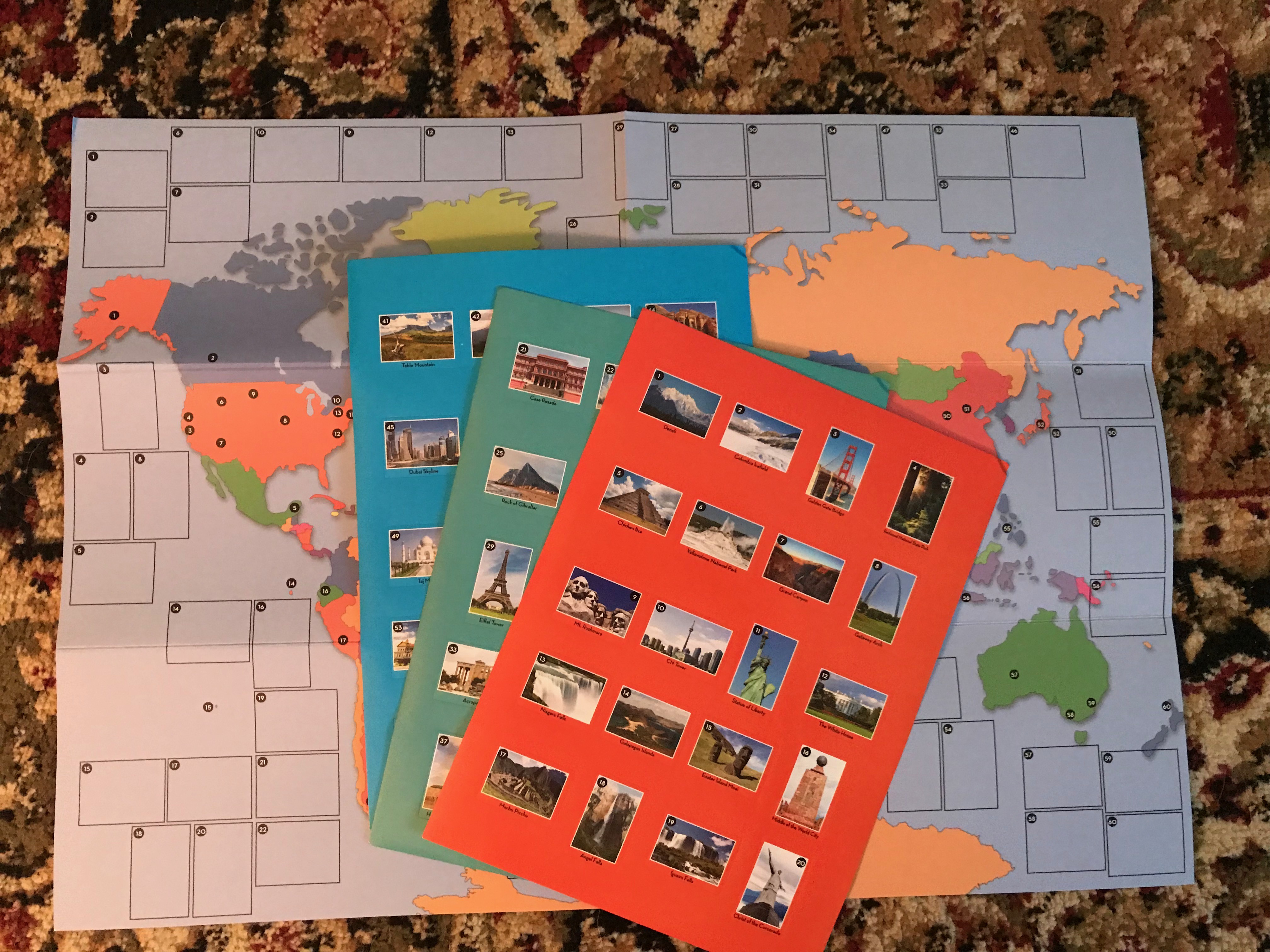
30 stickers with world map poster
1 inflatable globe
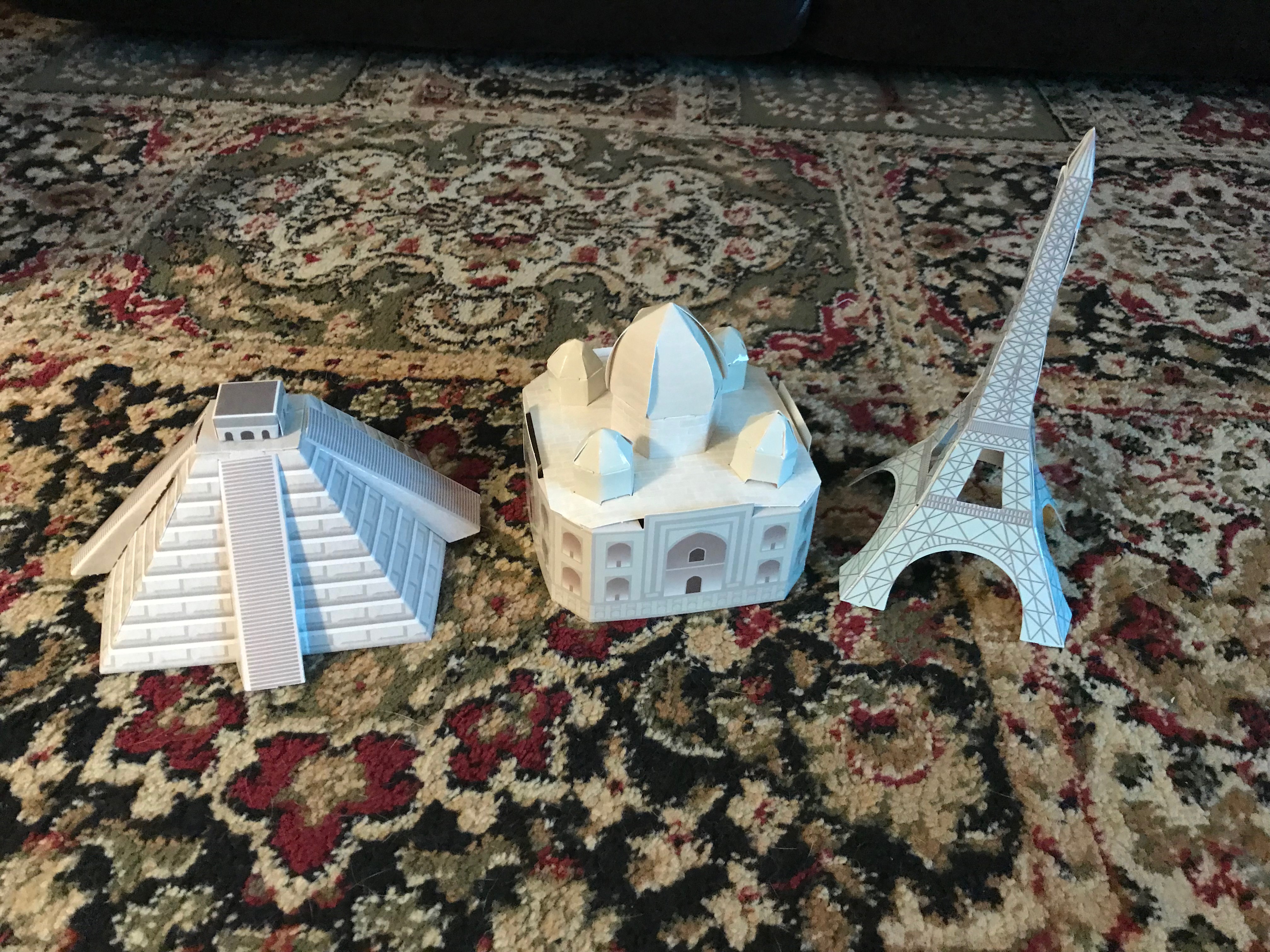
3 cardstock models to assemble: the Eiffel Tower, the Taj Mahal, and a Mayan pyramid

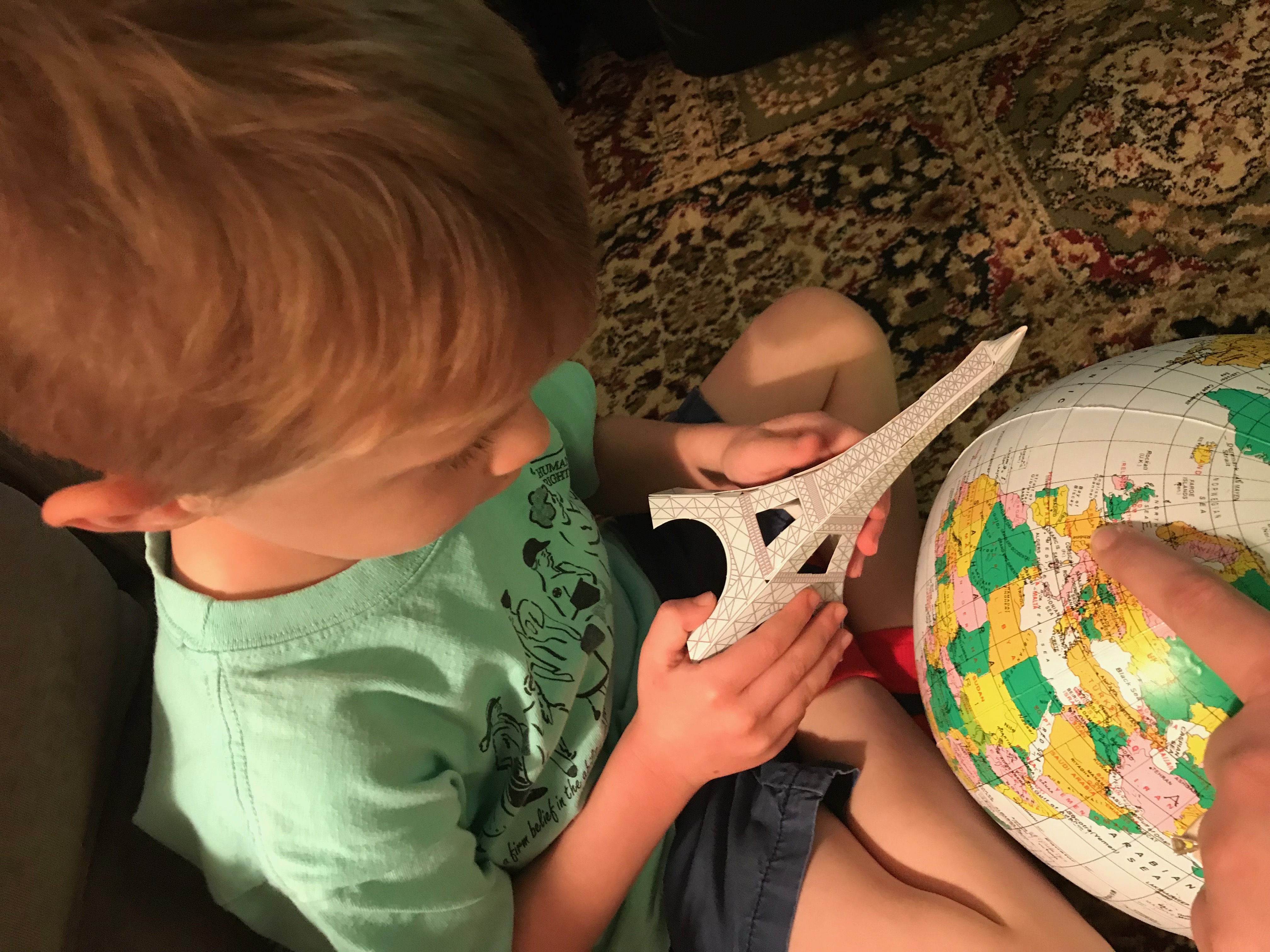
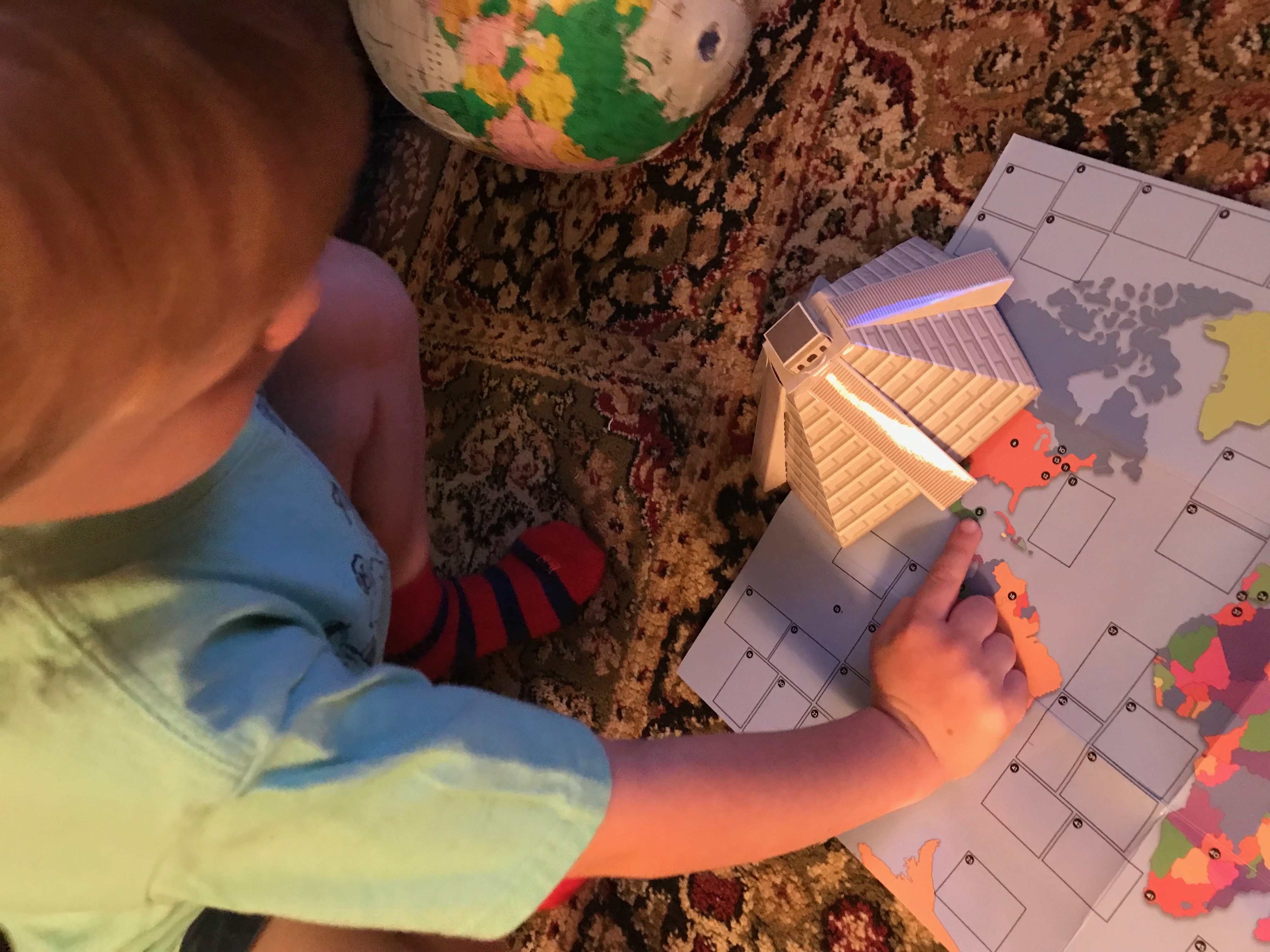
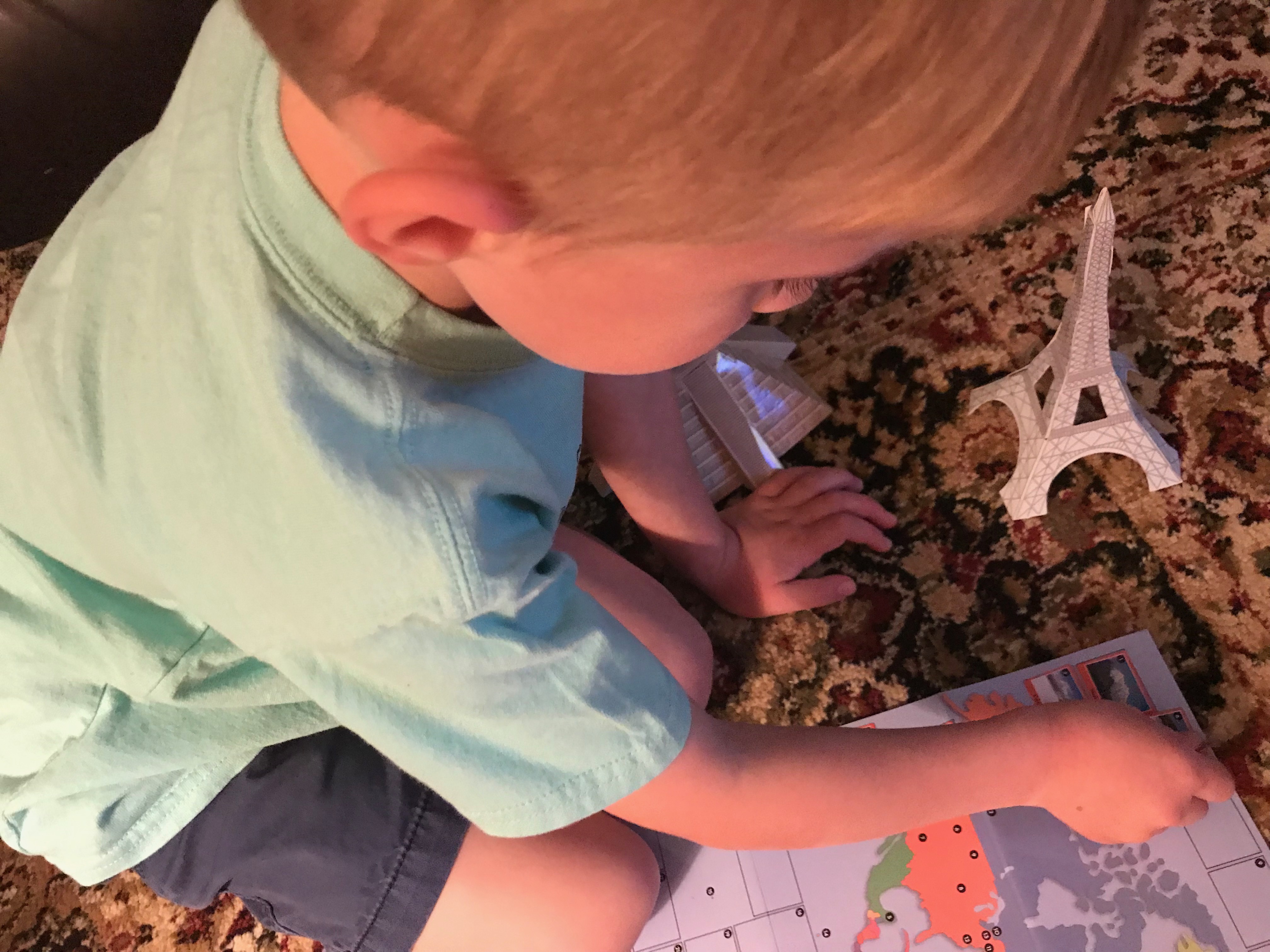
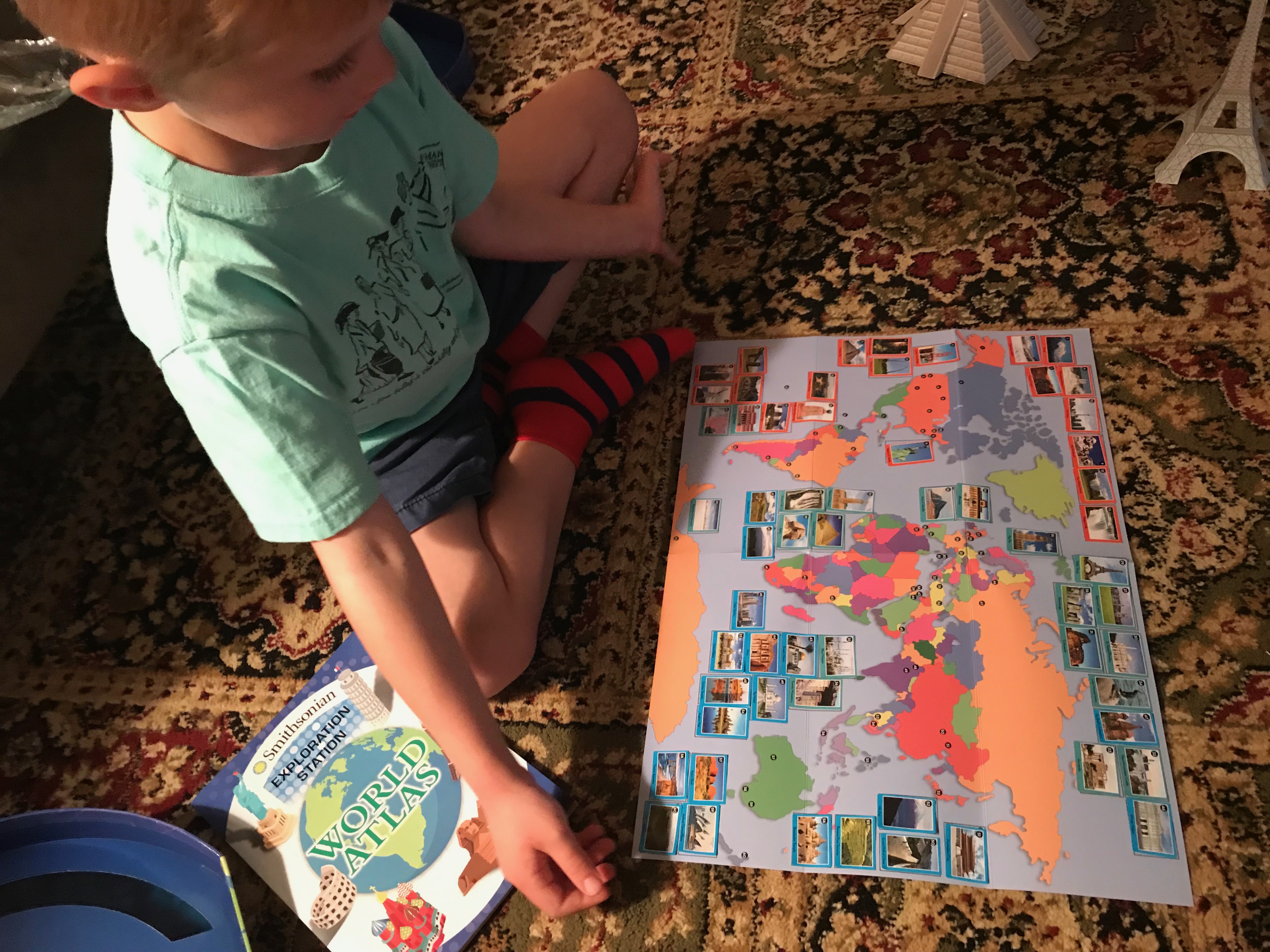
Review: I think the best way to review this exploration set is to show you Trent’s experiences with it as we had an amazing time exploring the world with the globe, map, landmark stickers, and landmark 3D sets:


I don’t think anything can show how wonderful a book is other than showing a child completely involved in its purpose. We’re definitely going to get all the sets in the series!

Teachers’ Tools for Navigation: This series (see Ricki’s review of the Solar System set) is made for education. How fascinating would it be to go through the 30 landmarks on the stickers, maybe one a week, and put them on the poster and discuss the landmark. There are ones all around the world which would allow the class to explore so many cultures. Or maybe separate the landmarks and have a different student become an expert on each one and share. There is so much to consider!

Discussion Questions: 

  • Where is _____ located?
  • What landmarks are in ____?
  • What did you learn about ____?
  • How is ___ different than ___?
  • Any Atlas/Geography questions!

Read This If You Love: Interactive sets, Geography, Landmarks

Recommended For: 

**Thank you to Casey at Media Masters Publicity for providing a copy for review!**

It’s Monday! What Are You Reading? #IMWAYR 12/3/18

Share

IMWAYR 2015 logo

It’s Monday! What Are You Reading? From Picture Books to YA!

It’s Monday! What are you Reading? is a meme started by Sheila at Book Journeys and now hosted by Kathryn at The Book Date. It is a great way to recap what you read and/or reviewed the previous week and to plan out your reading and reviews for the upcoming week. It’s also a great chance to see what others are reading right now…you just might discover the next “must-read” book!

Kellee and Jen, of Teach Mentor Texts, decided to give It’s Monday! What Are You Reading? a kidlit focus. If you read and review books in children’s literature – picture books, chapter books, middle grade novels, young adult novels, anything in the world of kidlit – join us! We love this meme and think you will, too.

We encourage everyone who participates to support the blogging community by visiting at least three of the other book bloggers that link up and leave comments for them.

Bold_line


Wednesday: Ricki & Kellee’s NCTE & ALAN 2018 Reflection

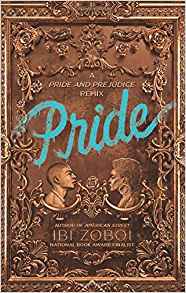
Friday: Pride by Ibi Zoboi

Sunday: Author Guest Post!: “Exploring the Potential of Artificial Intelligence” by Angie Smibert, Author of Artificial Intelligence: Thinking Machines and Smart Robots

**Click on any picture/link to view the post**

Bold_line

Kellee

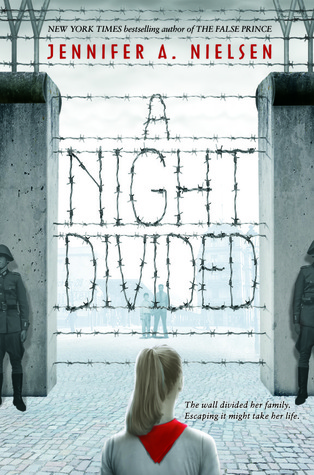
Jennifer Nielsen is at my school tomorrow!!!!!! I may not have read as many of her books as I’d like to have (gosh darn it!), but I am so impressed with the ones I have finished and the ones I am in the middle of. And it is amazing how she much every student and myself have enjoyed both her fantasy and her historical fiction. She is a genius!

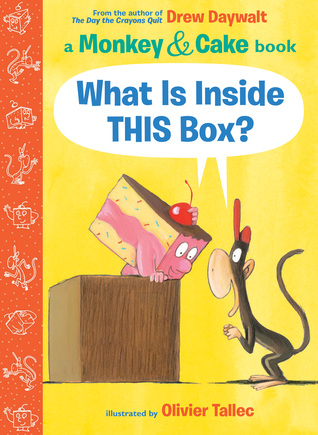
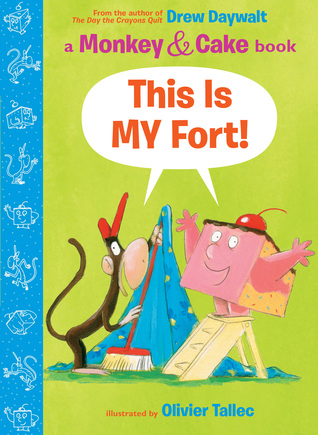
We read the first two books in this new series by Drew Daywalt, and we’re skeptical fans right now. Trent and I really liked the first one (think Schrodinger’s Cat) while we didn’t like the second one as much.

Ricki

Happy Hanukkah to all who celebrate!

I read and loved Tyler Johnson Was Here by Jay Coles. My students are discussing it alongside The Hate U Give and All American Boys tomorrow. I am really looking forward to their thoughts.

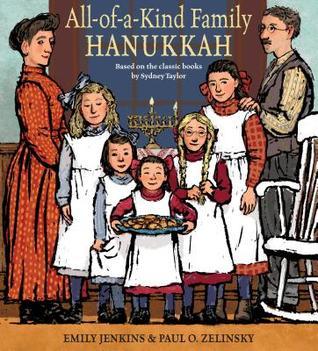
I loved All-of-a-Kind Family Hanukkah by Emily Jenkins and Paul O. Zelinsky. The book reads like a historical fiction, but it still felt very relevant to me. I will be gifting this one to family.

Bold_line

Kellee

  • Listening though I may switch to reading to get more read before Tuesday: Resistance by Jennifer Nielsen
  • Reading and I hope to finish before Tuesday: Mark of the Thief by Jennifer Nielsen
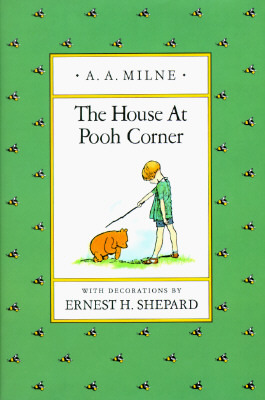
  • Reading with Trent and Jim: The House at Pooh Corner
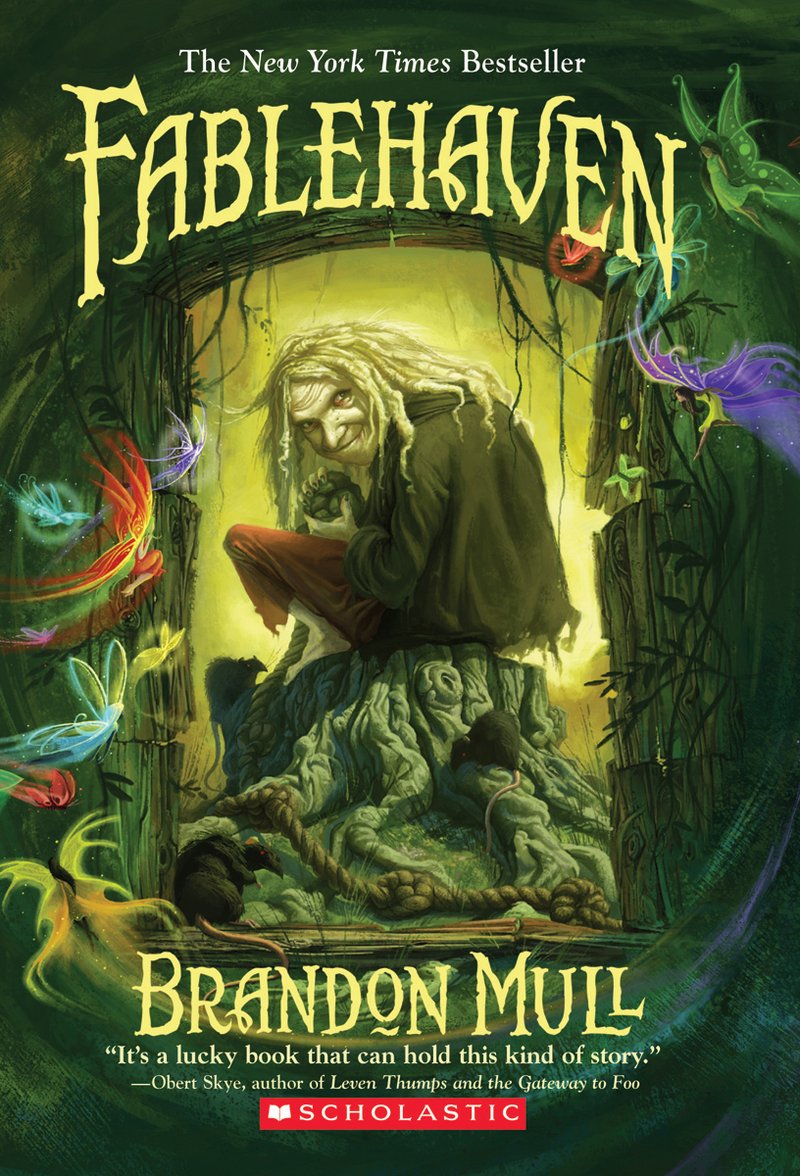
  • Books I need to finish ASAP because they are book club books for my kids and I haven’t read them: Fablehaven by Brandon Mull and Sasquatch by Roland Smith

Ricki

I am looking forward to reading Chilly Da Vinci by J. Rutland. We review it on Thursday, and it just arrived!

I haven’t picked my next YA book, but I kind of like that free feeling. 🙂 I look forward to seeing what folks are reading on their blog pages!

Bold_line

Wednesday: Smithsonian’s Exploration Station World Atlas

Friday: Chilly Da Vinci by J. Rutland

Sunday: Author Guest Post!: “Heads Up for Projectile Science!” by Matthew Brenden Wood, Author of Projectile Science: The Physics Behind Kicking a Field Goal and Launching a Rocket with Science Activities for Kids

Bold_line

Link up below and go check out what everyone else is reading. Please support other bloggers by viewing and commenting on at least 3 other blogs. If you tweet about your Monday post, tag the tweet with #IMWAYR!

 Signature andRickiSig

Author Guest Post!: “Exploring the Potential of Artificial Intelligence” by Angie Smibert, Author of Artificial Intelligence: Thinking Machines and Smart Robots

Share

“Exploring the Potential of Artificial Intelligence!”

Most students have grown up with computers as an integral part of home and school. Smartphones, laptops, gaming consoles—all of these are pretty familiar to most kids.

And now, many of them have AI assistants in their kitchens, GPS in their parents’ cars, and visions of the planet Mars digitally transmitted from a rover that’s working all by itself on the dusty surface of a far-away planet. All of these are different devices can be considered as some form of artificial intelligence, though true thinking machines are still in the future.

We’ve certainly come a long way from R2D2 and C3PO being purely the work of science fiction!

Kids are digital natives, working their devices with speed and proficiency the adults in their lives can rarely match. The world of artificial intelligence is a terrific opportunity for teaching kids to think critically and creatively about technology and the roles it plays in our lives. Not just because these programs and devices need human design, programming, and support, but also because the creativity and inspiration this field inspires can be very attractive to kids who are looking for ways to combine their love of gadgets with their natural curiosity about how the world works.

This intersection between tech and real life is a very fun place to learn from! And one of the most fascinating aspects of the tech world in general and AI in particular is that we don’t know where this is all heading. What is the world going to look like when today’s fifth graders graduate from college? That question might never have been as unanswerable as it is today.

You don’t need to dive straight into programming to start reaping the benefits of learning about AI—in fact, it’s useful to build a foundation of hands-on learning that will help support the more conceptual thinking that comes later. And remember, AI developed because someone asked really cool questions about machines, such as “Can machines think?”  And what do kids excel at? Far-out, really cool questions. Let them loose with these activities!

CODE ON PAPER

One of the first games AI researchers programmed a computer to play was tic-tac-toe. Have you ever played? It’s a game with simple rules and strategies. Think about how you might program a computer to play tic-tac-toe. How would you explain it to someone who doesn’t know how to play? How would you break down those instructions into simple moves? You’re going to write a program on paper that a person can follow.

Remember, a program—also called code—is just a set of instructions to follow!

In a notebook, define the problem. What is your goal? What does the code need to do?

Do some research on the game. What are the rules of tic-tac-toe? (You probably already know this!) What are some strategies for playing? Play a game against yourself or a friend. Take notes on moves you make. What else do you notice? For example, do games always end in a tie? Are there squares that are better to start with than others?

Now, write some code! Write instructions for one player, X or O, since you’ll be playing the other. Write out step-by-step instructions for winning a game. Computer code is often written in if-then statements. For example, if you were writing code for a maze game, you might write instructions such as this.

“Go forward one space. If player hits a wall, turn left. If not, go forward one space.”

For tic-tac-toe, you might use steps such as this:

“Put an X in the corner. If there’s already an O there, then go to the opposite corner.”

Test your code. One player will be the human and the other will be the AI following the code. For example, the human player will put an X somewhere on the grid. The AI player should look at the instructions to see what to do. If you get stuck, take notes. What do you need to change to make your code work?

Revise your code! You may have to test your code and revise it a few times. This is what real programmers do.

Play one last time. Write down your observations. Did it turn out as you expected? Did the game end in a tie, for instance? Do you think the paper program is intelligent? Why or why not?

Try This!

Try writing an algorithm for another simple game, such as rock, paper, scissors!

MAKE A BUGBOT

Robot designers often look to nature for inspiration. They’ve even designed robots that move, fly, and communicate like insects. For example, researchers at Harvard University designed RoboBee, a tiny bot that flies like a bee.

You, too, can make your own bug-inspired bot! You’ll need a few special supplies, including a 1.5- to 3-volt mini motor, often called a hobby motor, as well as a AA single battery holder with leads, AA battery, and foam board.

Attach the bottom of the battery holder to the flat side of the motor.

Tip: Leave the contacts exposed so you can attach the wires! If you don’t have a battery holder, cut out a small piece of foam board, no wider or longer than the motor. Glue the foam board to the top of the motor. Then glue the battery to the motor.

Unbalance the motor. Cut out and glue a small piece of foam board to the tip of the motor shaft. You can also use an eraser or anything else that unbalances the motor. Unbalancing the motor creates a wobble, which makes the bugbot move.

Attach the wires from the battery holder to the leads of the motor. You can twist the ends of the wires onto the leads.

Add legs! Cut out a small piece of foam board and glue it to the bottom of the motor. This will make it easier to attach legs. You can bend the ends of large paperclips and stick them into the foam board.

Glue or tape them to make the legs more secure. Experiment with other materials, too.

Decorate! You can add eyes or other items to your bugbot.

Insert the battery—and let it go. The bugbot should vibrate and move. If not, try adjusting the legs or unbalancing the motor more.

Take a picture or video of your bugbot and share it!

Try This!

Make another bugbot, but this time vary the design. What happens if you use something else for the legs?

DEBATE THE GREAT AI DEBATE!

Many tech entrepreneurs and scientists have been debating whether AI will be the end of us humans. Some of those experts include Elon Musk of SpaceX, Mark Zuckerberg of Facebook, Demis Hassabis of DeepMind, Larry Page and Sergey Brin  of Google, Steven Hawking of Cambridge University, and Bill Gates, the founder of Microsoft. You’re going to find out more about both sides and then debate the issue. Do this with a friend or classmate or divide a group into two teams.

Pick a side of the debate. Are you all in favor of AI or do you have some suspicions?

Do some research. What is each expert for or against? What do they think might happen? What evidence do they cite? How do they back up their arguments?

Write down your thesis and the best points/evidence to back up your argument. For instance, you might write: I think AI is _____________ because _____________, _____________, and _____________. Write down each of your reasons in more depth on separate note cards.

What are the best reasons for the opposing argument? How can you argue against them? This is your rebuttal of the other side.

Now, you’re ready to debate! Each side should take turns presenting its argument. Then, each gets a chance to rebut the other’s argument. Always be polite and respectful! Which side made the best argument?

Try This!

If you have to do this activity on your own, you can write a paper or make a speech presenting one side of the debate.

About the Author: Angie Smibert is the author of more than 20 nonfiction books about science and technology for kids. Some of those titles include Building Better RobotsHow it Works: The InternetAll about Coding, and 12 Great Moments that Changed Internet History. She also writes science fiction and fantasy for middle grade and young adult readers. Her novels include the Memento Noraand the Ghosts of Ordinary Objects series. Before writing full time, she helped pioneer online training at NASA’s Kennedy Space Center. She received NASA’s prestigious Silver Snoopy as well as several other awards for her work. Besides writing, she also teaches writing –and sometimes human-computer interaction—for Indiana University East. She lives in Roanoke, Virginia.
Website: angiesmibert.com/blog
Facebook: facebook.com/AngieSmibert
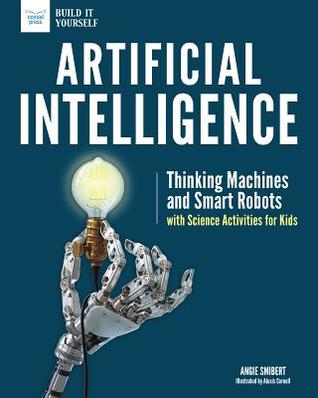
Artificial Intelligence: Thinking Machines and Smart Robots with Science Activities for Kids
Published August 3rd, 2018 by Nomad Press

About the Book: What is artificial intelligence? How is artificial intelligence going to change our lives?

In Artificial Intelligence: Thinking Machines and Smart Robots with Science Activities for Kids, readers ages 10 to 15 learn how machines develop into thinking, learning devices that can help humans perform tasks, make decisions, and work more efficiently. They can even help us have fun!
How can AI continue to improve our lives? Is there anything dangerous about AI? What are the ethical issues surrounding the use of AI? Essential questions, primary sources, and science-minded engineering activities let readers have a blast learning about the age of thinking machines we’re in right now.

Thank you to Angie for this wonderful post as well as amazing activities for the classroom!